9+ Marine creatures that have had little evolution since prehistoric times
The ocean is a vast, mysterious expanse that harbors some of the most ancient life forms on our planet. These marine creatures have survived epochs and cataclysms, giving us a glimpse into a world long past.
Despite the passage of millions of years, many of these creatures have remained largely unchanged, offering a living window into prehistory. Their resilience and longevity continue to captivate scientists and ocean enthusiasts alike.
A Dive into the World of the Horseshoe Crab
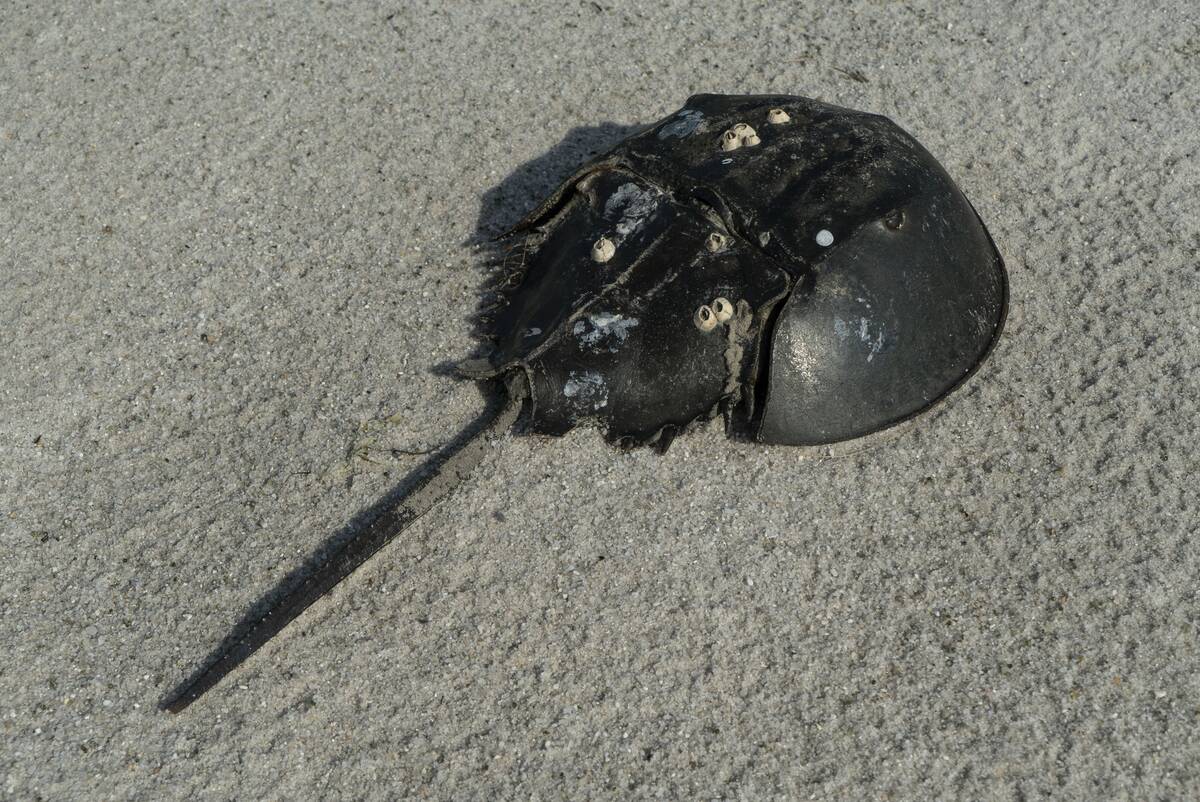
The horseshoe crab, with its armored body and blue blood, is a true marvel of the ancient seas. Dating back more than 450 million years, this creature predates the dinosaurs.
Its unique copper-based blood is used in the medical field to detect bacterial contamination in vaccines and medical devices. Despite its name, the horseshoe crab is more closely related to spiders and scorpions than to crabs.
Nautilus: The Living Fossil with a Spiraled Shell
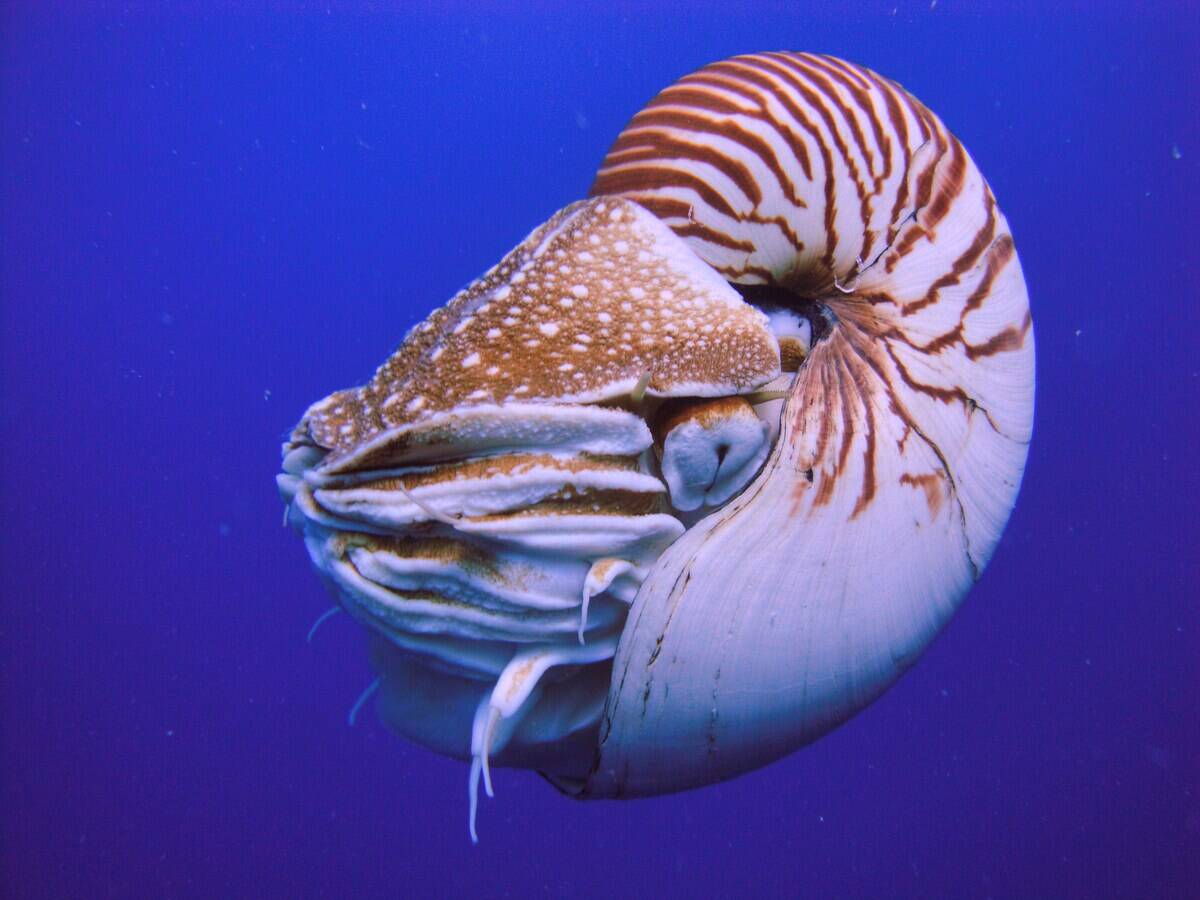
Nautiluses are often referred to as living fossils due to their unchanged form for millions of years. These cephalopods are distinct with their beautifully spiraled shells, which are divided into chambers that help them control buoyancy.
Nautiluses are nocturnal creatures, using their tentacles to catch prey. Sadly, their numbers are declining due to overfishing and habitat destruction, sparking concerns for their future.
Coelacanth: The Fish that Outswims Extinction
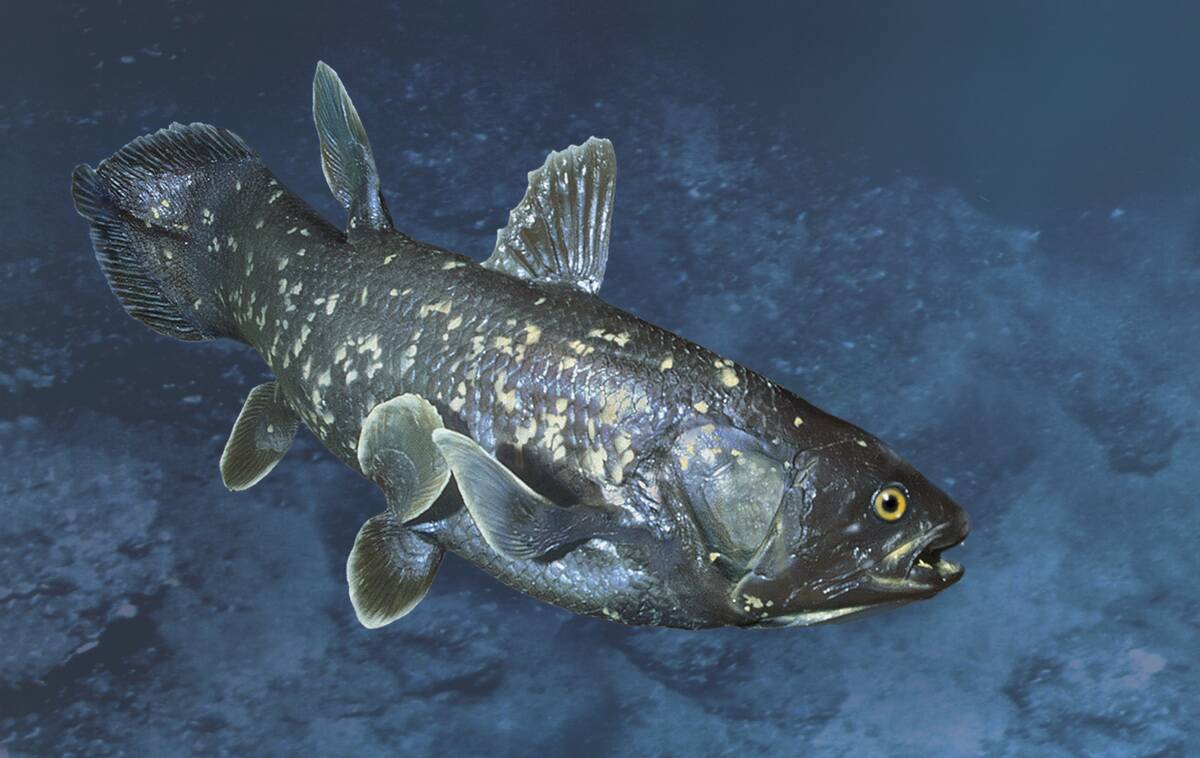
Once thought extinct, the coelacanth was rediscovered in 1938 off the coast of South Africa, stunning the scientific community. This lobe-finned fish has remained virtually unchanged for 400 million years (at least in certain variations).
Coelacanths dwell in deep-sea caves and have unique limb-like fins, which some scientists believe could provide insight into the evolution of terrestrial vertebrates. Their elusive nature continues to intrigue researchers and ichthyologists alike.
Jellyfish: The Timeless Drifters of the Ocean
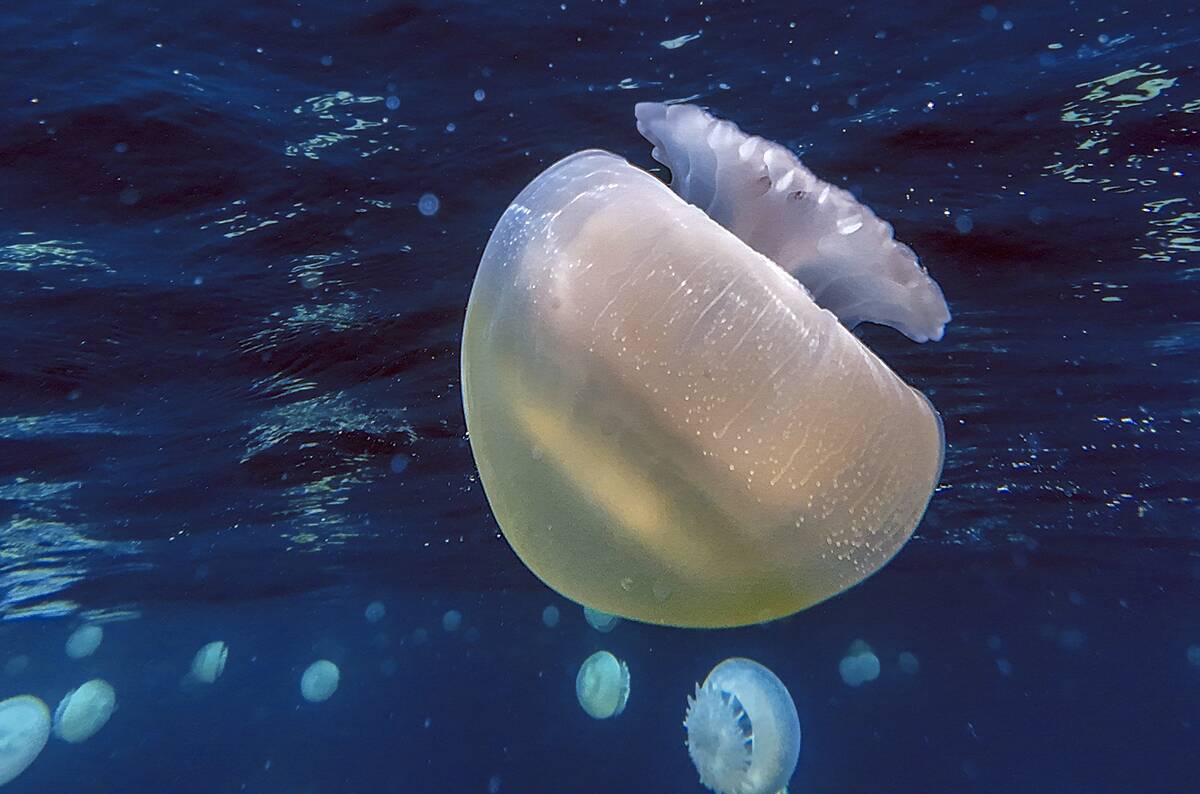
Jellyfish are among the oldest multicellular organisms, with a lineage stretching back over 500 million years. These gelatinous creatures have no brains, hearts, or bones, yet they thrive in almost every ocean habitat.
Their stinging tentacles are both a defense mechanism and a means to capture prey. Despite their simplicity, jellyfish play a critical role in marine food webs, serving as a food source for many oceanic animals.
Sturgeons: Ancient Fish with Modern Mystique

Sturgeons are often called the dinosaurs of the fish world, with a lineage dating back to the time of the dinosaurs. These large, bony fish are known for producing caviar, a delicacy that has made them a target for overfishing.
Sturgeons have bony scutes instead of scales and can live for over 100 years. Conservation efforts are underway to protect these ancient fish from threats like habitat loss and pollution.
Sea Turtles: Gentle Giants from the Dinosaur Age
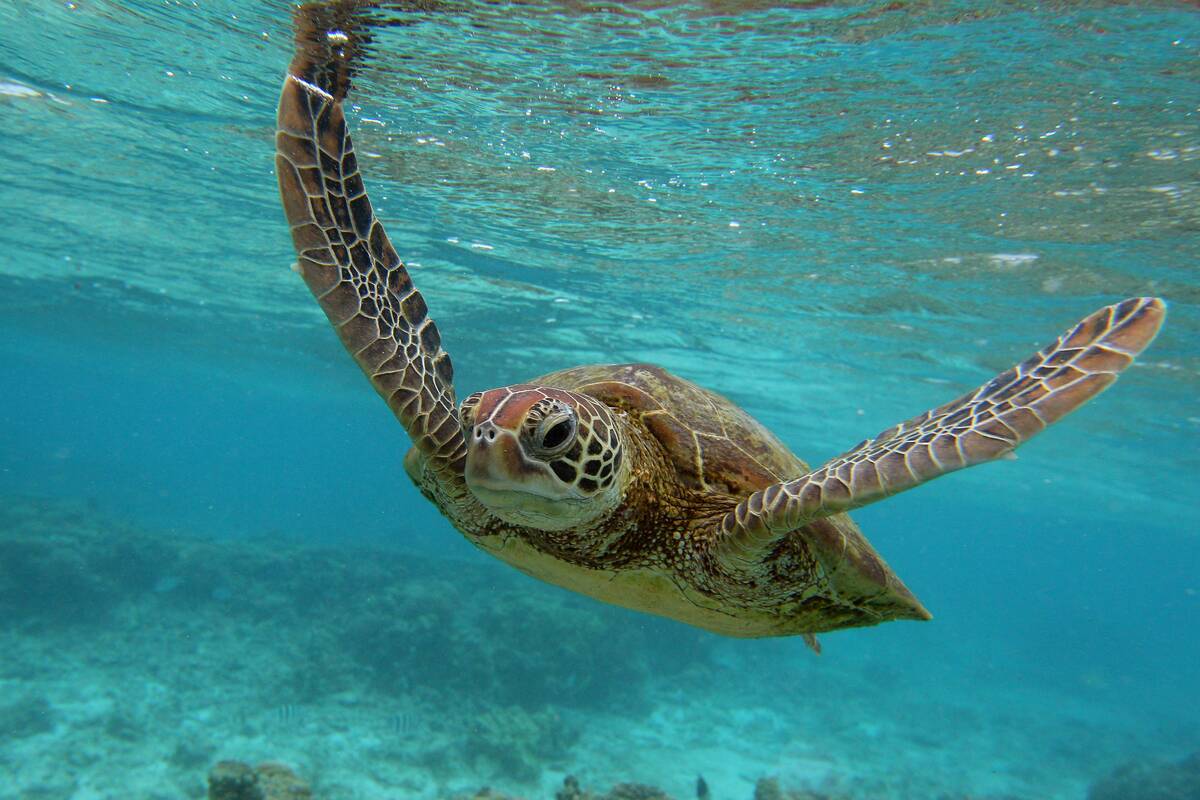
Sea turtles have been gracing our oceans for over 150 million years, surviving the mass extinction event that wiped out the dinosaurs. They travel vast distances between feeding grounds and nesting sites, guided by the Earth’s magnetic fields.
However, sea turtles face numerous threats, including plastic pollution and climate change, which affect their nesting beaches. Conservationists are working tirelessly to ensure these gentle giants continue to swim in our seas.
Lampreys: The Eel-Like Survivors of the Deep
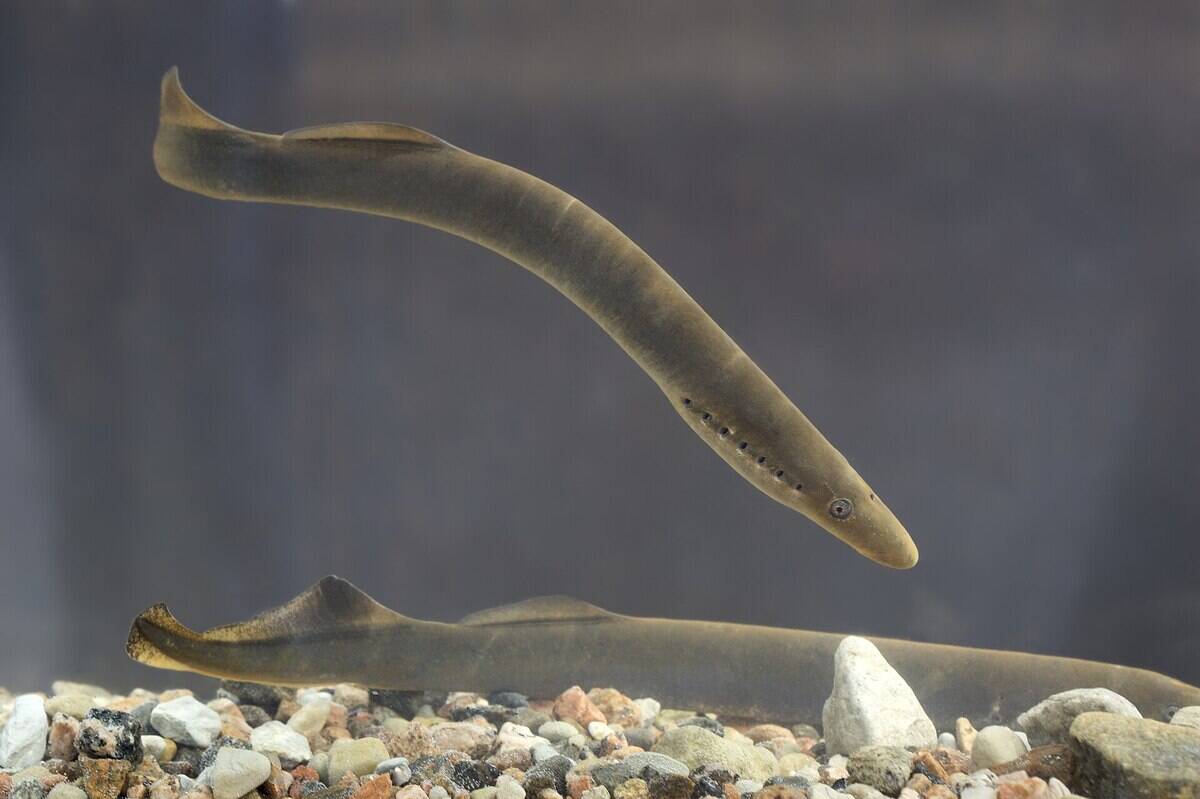
Lampreys are jawless fish that have been around for about 360 million years, resembling eels with their long, slender bodies. Unlike eels, lampreys possess a toothed, funnel-like sucking mouth, which they use to latch onto other fish.
These parasitic creatures are found in both freshwater and saltwater environments. Despite their vampire-like feeding habits, lampreys play a crucial role in aquatic ecosystems by serving as prey for larger fish.
Crocodiles: The Modern-Day Dinosaurs
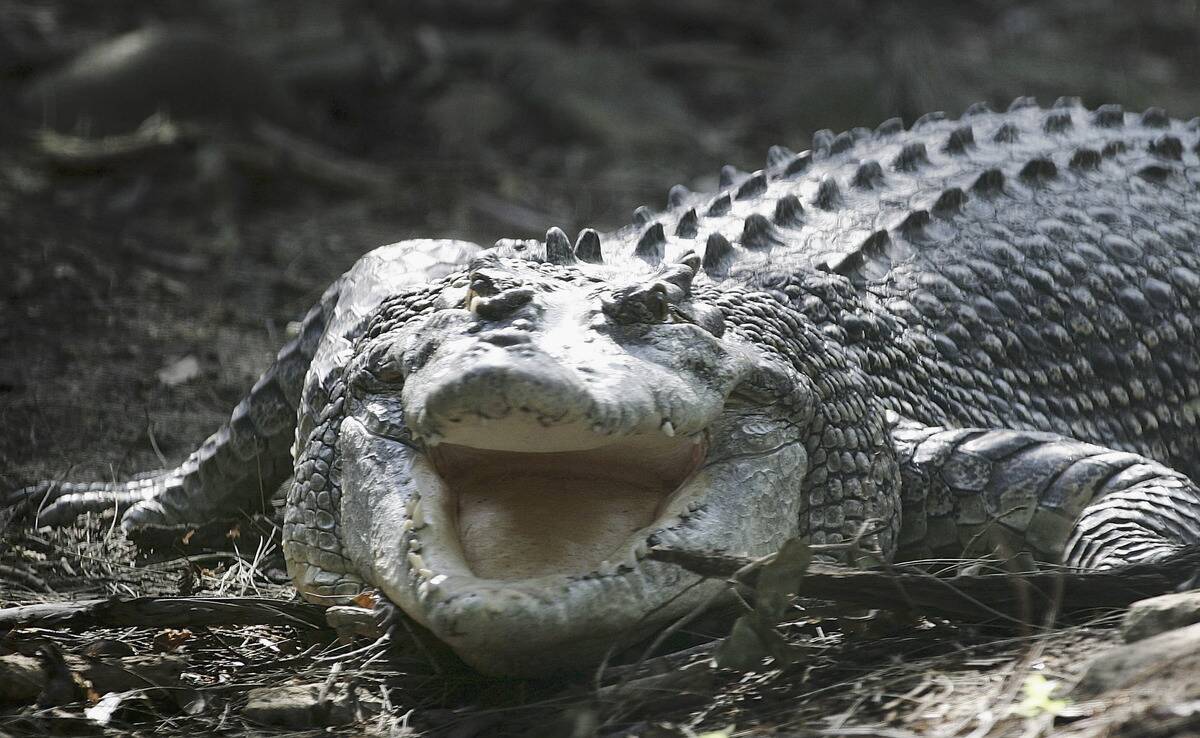
Crocodiles are often (and somewhat inaccurately) considered modern-day dinosaurs, having appeared around 95 million years ago. Their powerful jaws and armored bodies make them formidable predators, and the changes they’ve undergone since the time of the dinosaurs have been significant, but subtle.
Crocodiles inhabit tropical regions across the globe, thriving in freshwater and brackish environments. Despite their fearsome reputation, they are vulnerable to habitat destruction and poaching, which threaten their populations.
The Resilient Nature of Marine Sponges
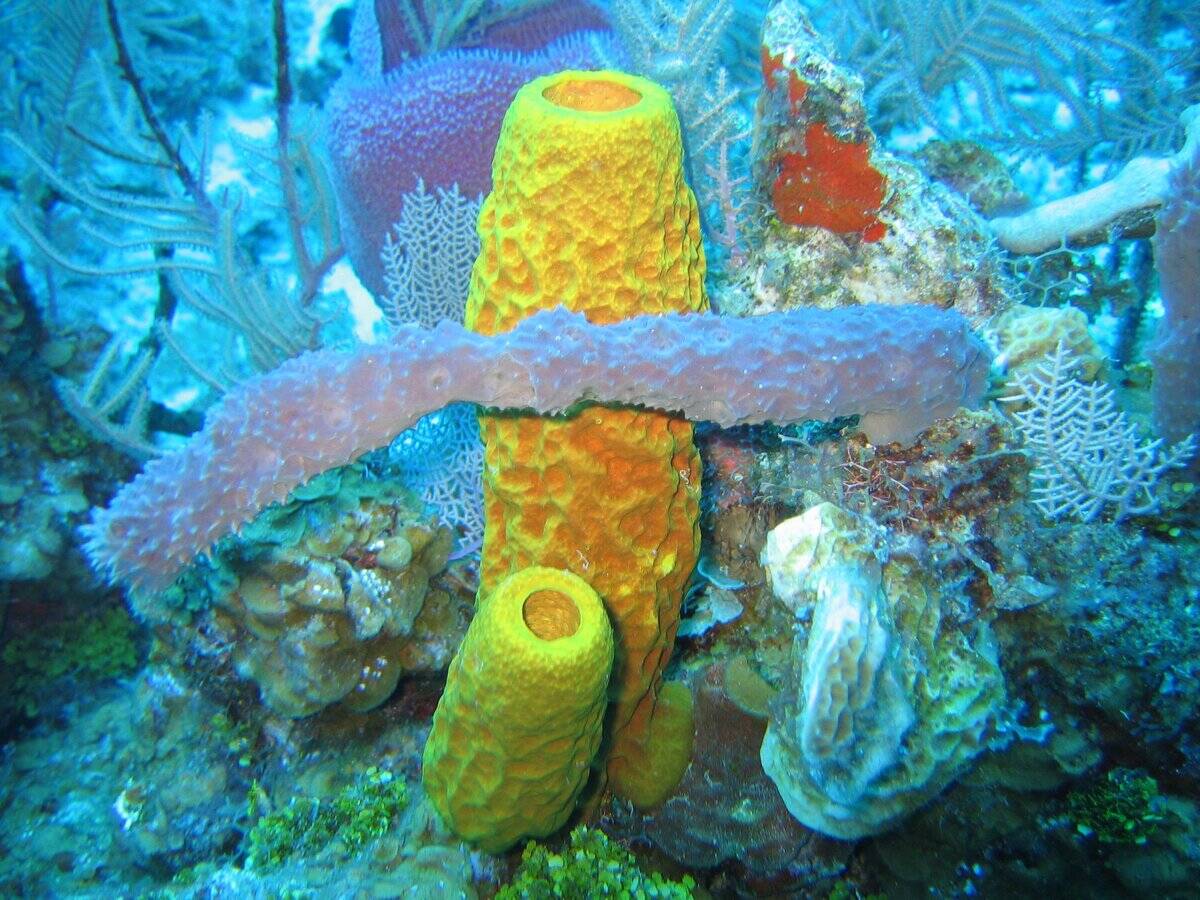
Marine sponges are some of the simplest multicellular organisms, yet they have existed for over 600 million years. These filter feeders play a vital role in ocean ecosystems by cleaning the water and providing habitat for other marine life.
Sponges come in a variety of shapes and colors, and their porous bodies allow them to absorb nutrients from the water. Their resilience is remarkable, with some species able to regenerate from small fragments.
Hagfish: Slime-Producing Masters of Survival
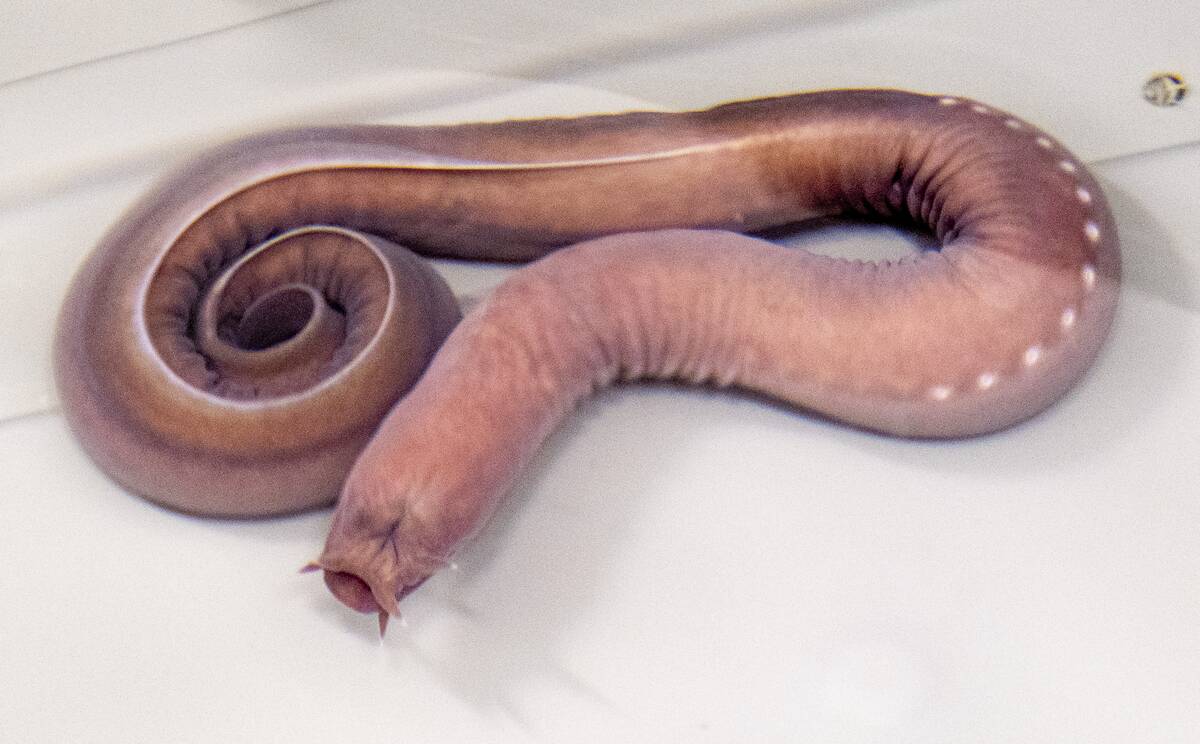
Hagfish are ancient creatures that have slithered through the oceans for around 300 million years, with modern variants appearing as far back as 100 million years ago. Known for their ability to produce copious amounts of slime when threatened, hagfish can escape predators with ease.
These eel-like fish lack jaws and instead have a pair of rasps for feeding on dead or dying fish. Despite their unconventional appearance, hagfish are vital scavengers of the deep, recycling nutrients back into the marine ecosystem.
Tadpole Shrimps: Tiny Titans of Tenacity
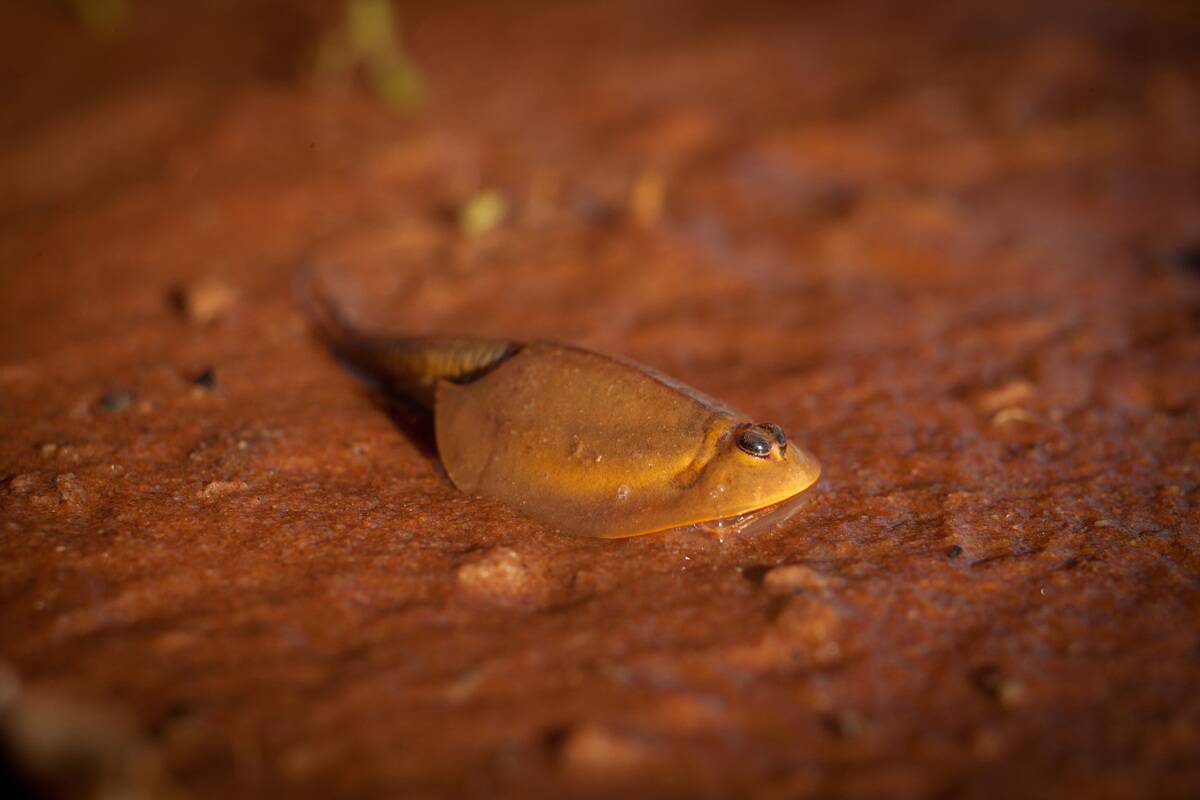
Tadpole shrimps are not as well-known as their larger relatives, but they are equally fascinating. These tiny crustaceans have been around for over 200 million years, enduring through significant geological changes.
Tadpole shrimps are often found in the sediment of shallow waters, where they feed on detritus and small organisms. Their ability to thrive in various environments speaks to their adaptability and resilience.
Sea Stars: Spiny Relics of a Bygone Era
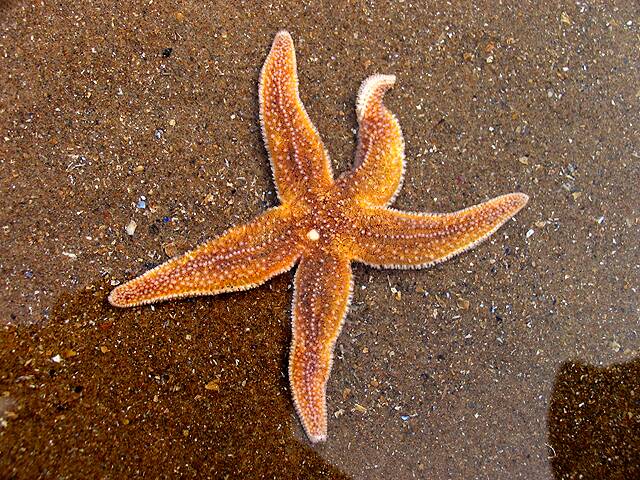
Sea stars, or starfish, have captivated humans with their symmetrical beauty and regenerative abilities for over 450 million years. These echinoderms inhabit diverse marine environments, from tidal pools to deep-sea floors.
Sea stars use their tube feet to move and capture prey, often prying open shellfish with surprising strength. Despite their hardy nature, sea stars face threats from climate change and diseases that have led to significant population declines.




