Machines that revolutionized warfare without firing shots
In the evolving landscape of warfare, non-lethal technologies have become pivotal in reshaping how conflicts are approached and managed. From radar systems to artificial intelligence, these innovations help minimize casualties while maintaining strategic advantages.
As we journey through history, it’s fascinating to see how these advancements have changed the face of battlefields, reducing reliance on brute force and instead emphasizing intelligence, precision, and efficiency.
The Role of Intelligence: Early Cryptographic Machines
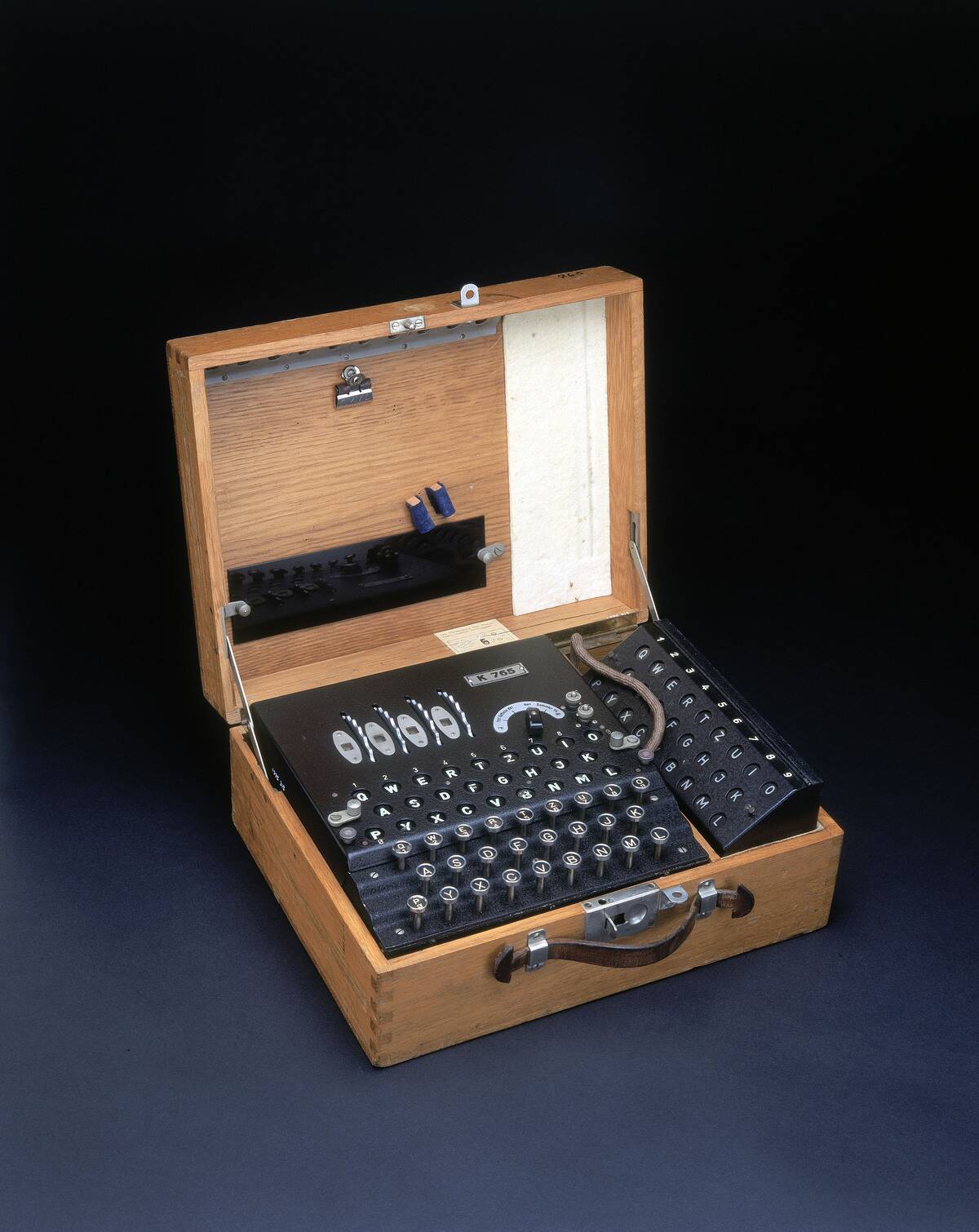
Cryptographic machines played a crucial role in the early 20th century, transforming military intelligence. Devices like the German Enigma machine were designed to encode messages, making them unreadable to unintended recipients.
These machines were marvels of engineering, using a series of rotors to scramble plain text into complex codes. The race to decrypt these messages spurred significant advancements in both mathematics and computer science, laying the groundwork for modern-day encryption techniques.
The Enigma: Breaking Codes Without Breaking Bones

The Enigma machine is perhaps the most famous cryptographic device, used extensively by Nazi Germany during World War II. Its complex encoding system seemed unbreakable until mathematicians like Alan Turing developed techniques to crack its codes.
The successful decryption of Enigma messages is credited with shortening the war by several years, saving countless lives. This non-lethal approach to warfare highlighted the power of intelligence over sheer force, paving the way for modern espionage methods.
Radar Systems: Eyes in the Sky

Radar technology emerged as a vital tool during World War II, providing early warning of incoming aircraft and ships. It operates by sending out radio waves that bounce off objects, allowing operators to detect their presence and speed.
This innovation transformed military strategy, enabling countries to defend against attacks more effectively. Beyond warfare, radar has found applications in meteorology, air traffic control, and even automotive safety systems, showcasing its versatility.
The Advent of Drones: Silent Observers
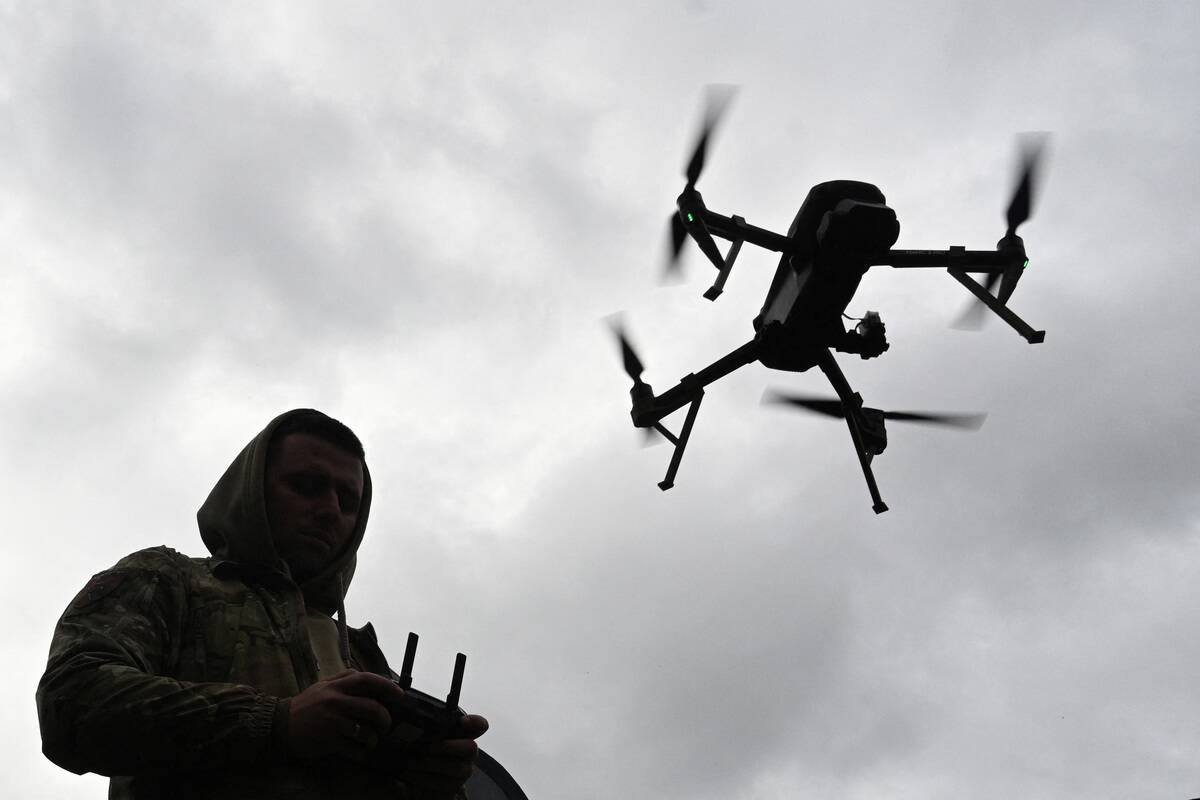
Drones have revolutionized the way military operations are conducted, offering a bird’s-eye view without risking human lives. These unmanned aerial vehicles (UAVs) can perform reconnaissance, surveillance, and even deliver targeted strikes with precision.
Initially developed for military use, drones have since found applications in various civilian sectors, such as agriculture, filmmaking, and disaster management. Their ability to operate in hostile environments makes them invaluable assets in modern warfare.
Surveillance Satellites: Spying from the Heavens
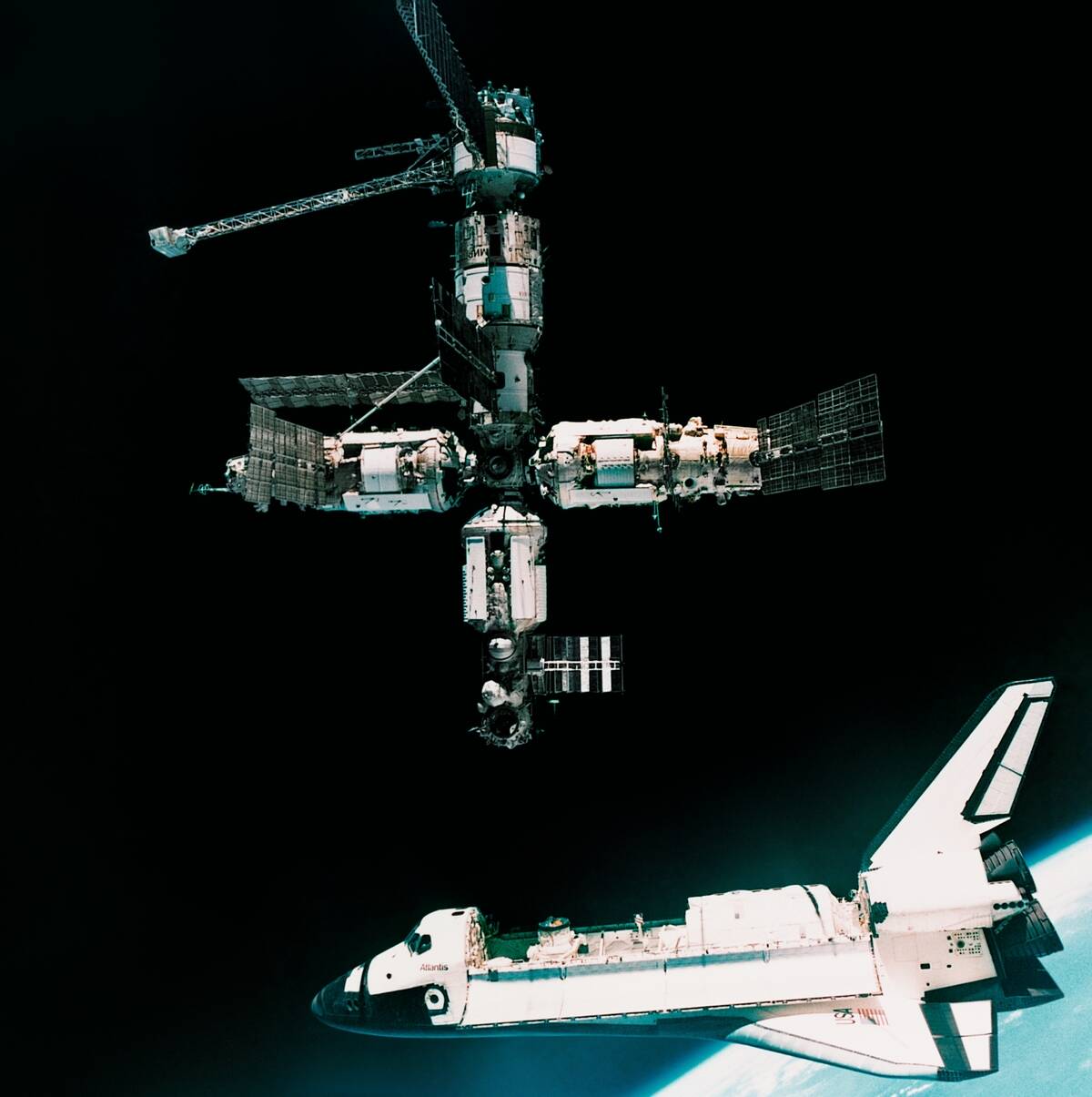
Surveillance satellites orbiting the Earth provide unparalleled intelligence-gathering capabilities. These high-tech devices capture detailed images and data, monitoring everything from military movements to environmental changes.
The information they provide is crucial for both defense and policy-making, as it allows for informed decisions based on real-time data. The use of satellites has extended beyond military applications, contributing to weather forecasting, global communication, and navigation systems.
The Internet: Cyber Warfare’s Digital Battlefield
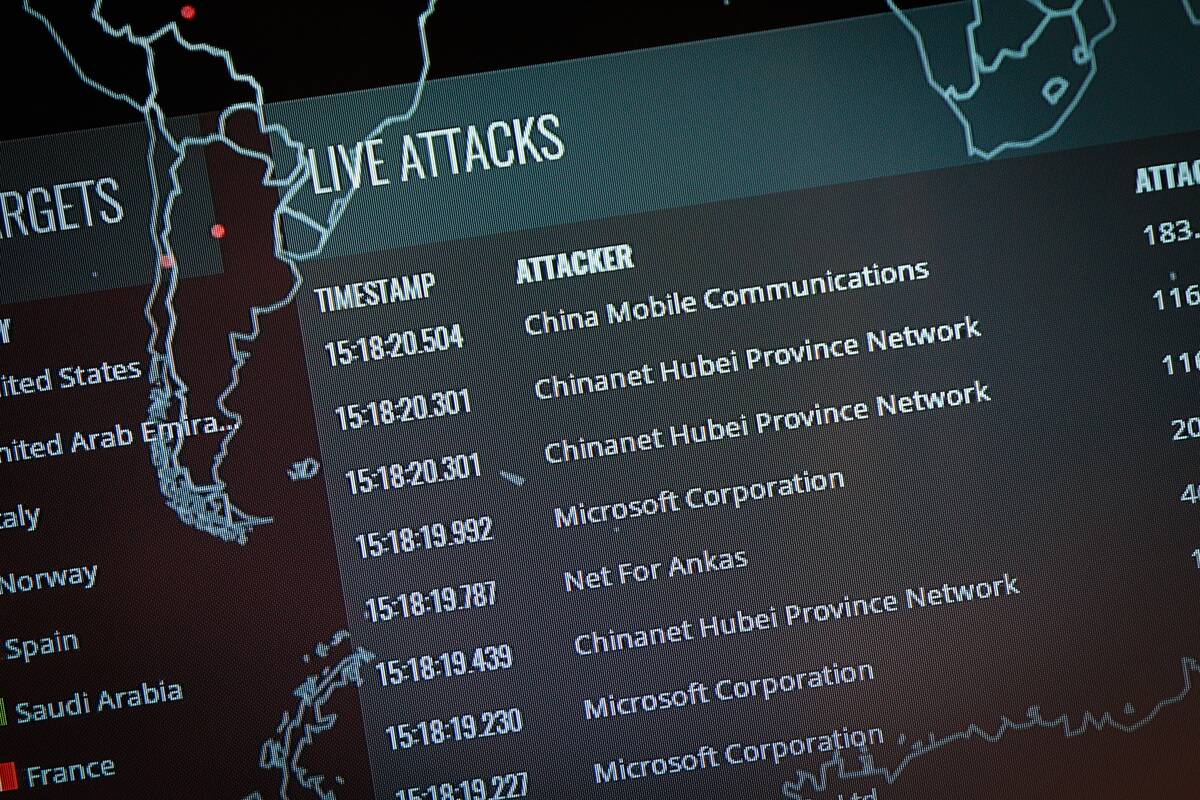
The internet has opened up a new frontier in warfare: the digital battlefield. Cyber warfare involves using technology to attack and defend against information systems, networks, and data.
Nations invest heavily in cyber capabilities to protect critical infrastructure and conduct espionage. While it can be a powerful tool for disruption, cyber warfare also emphasizes the need for robust cybersecurity measures to safeguard sensitive information and maintain national security.
Electronic Warfare: Disrupting Communication
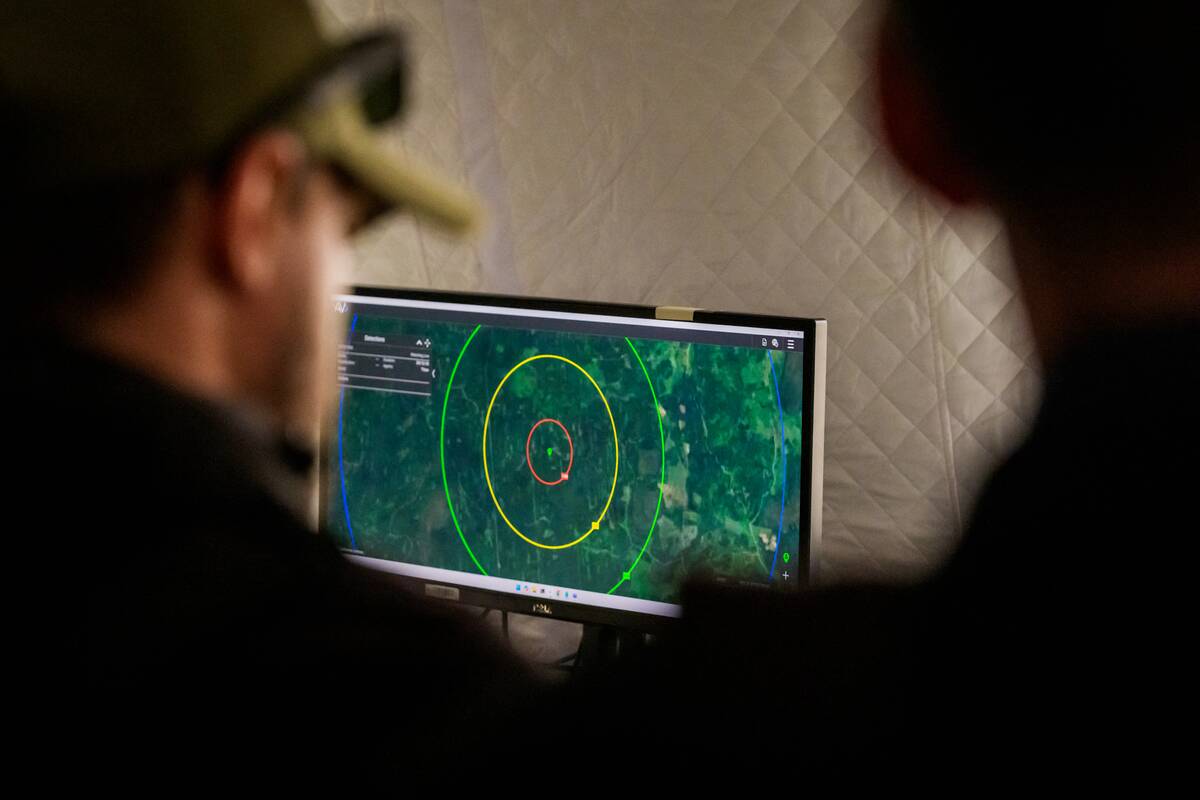
Electronic warfare (EW) focuses on controlling the electromagnetic spectrum to disrupt enemy communications and sensors. It involves tactics like jamming, which can interfere with radar and radio signals, rendering adversaries blind and deaf.
EW has evolved with advancements in technology, becoming a critical component of modern military strategy. By disrupting enemy communication networks, electronic warfare can provide a significant tactical advantage without engaging in direct combat.
GPS Technology: Navigating to Success
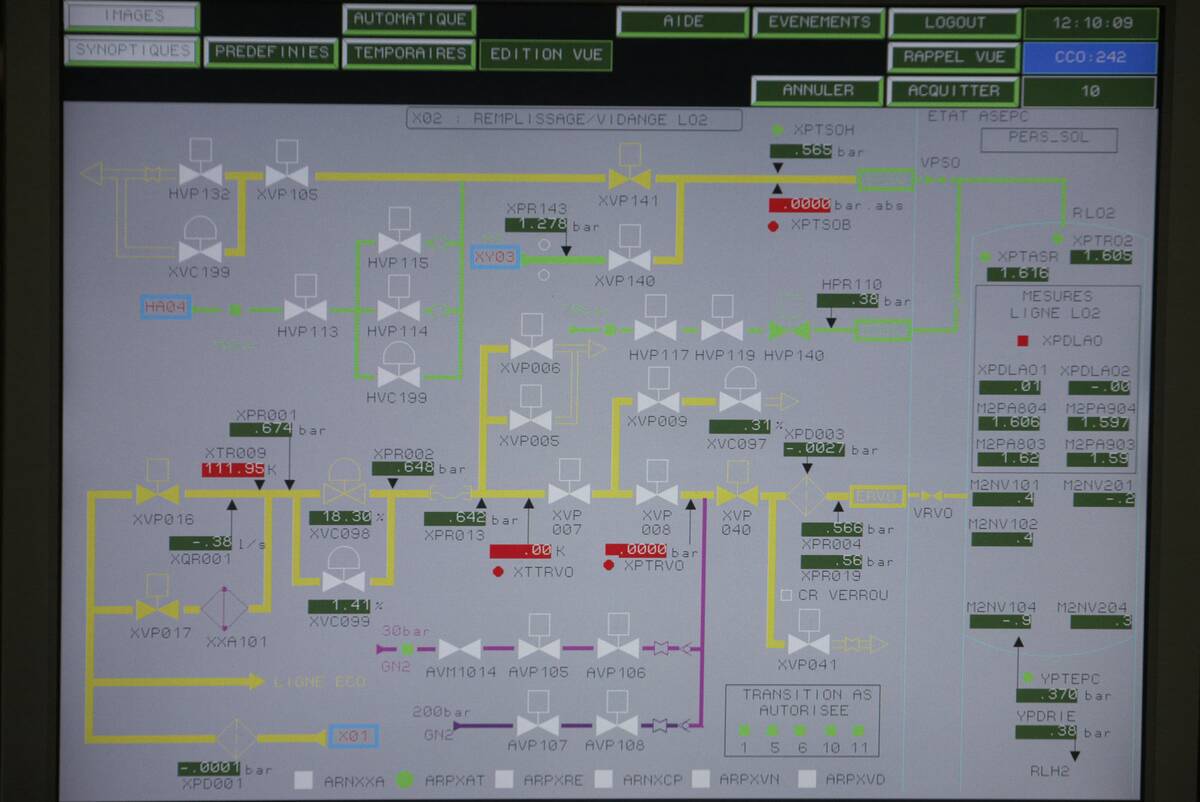
Global Positioning System (GPS) technology has become indispensable in modern military operations, providing precise location and timing information. Originally developed by the U.S. Department of Defense, GPS is now widely used in navigation, targeting, and logistics.
Its accuracy and reliability have transformed how military units coordinate and execute missions. Beyond the battlefield, GPS has become a part of everyday life, guiding everything from smartphones to autonomous vehicles.
Psychological Operations: The Mind as a Battlefield

Psychological operations (PSYOP) aim to influence the emotions, motives, and behavior of adversaries. By disseminating information, whether truthful or misleading, these operations seek to sway public opinion and undermine enemy morale.
PSYOP has been used throughout history, from leaflets dropped during World War II to social media campaigns in recent conflicts. Understanding the psychological impact of warfare highlights the importance of non-lethal tactics in achieving strategic objectives.
Propaganda Machines: Shaping Public Perception

Propaganda has long been a tool for shaping public perception during conflicts. By controlling the narrative, governments can rally support, demoralize enemies, and even influence political outcomes.
Modern propaganda leverages social media and digital platforms to reach global audiences quickly. These campaigns often blend truth and fiction, making it challenging to discern the reality. As a non-lethal form of warfare, propaganda highlights the power of information in influencing hearts and minds.
Logistics and Supply Chain Innovations: Armies March on Their Stomachs
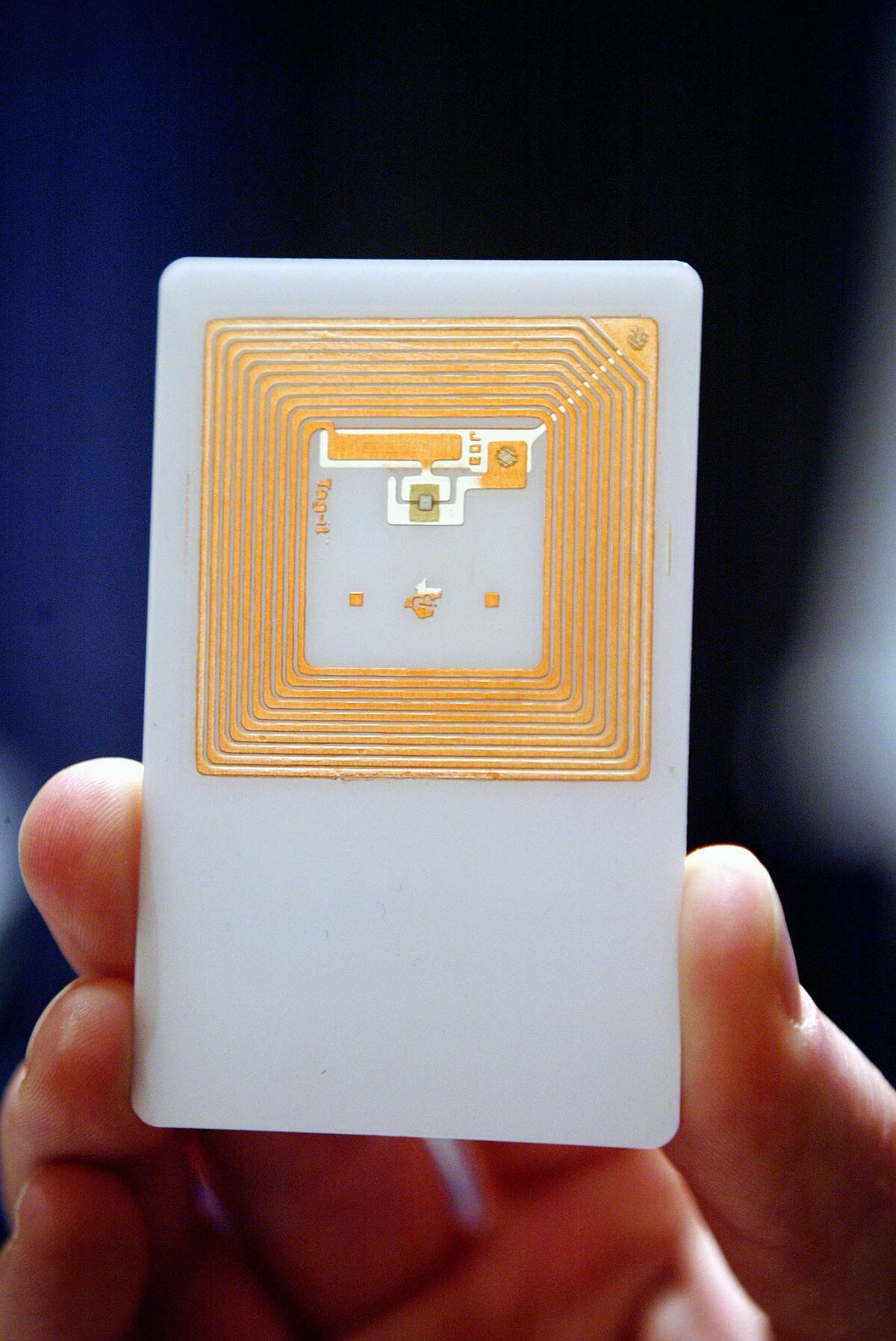
Efficient logistics and supply chain management are essential for sustaining military operations. Innovations in this field have streamlined the delivery of food, equipment, and medical supplies to troops.
Technologies like RFID tracking and automated inventory systems ensure that resources are distributed quickly and accurately. During World War II, the U.S. military’s ability to efficiently supply its forces played a critical role in its success, underscoring the adage that “armies march on their stomachs.”
Medical Advancements: Keeping Soldiers in the Fight
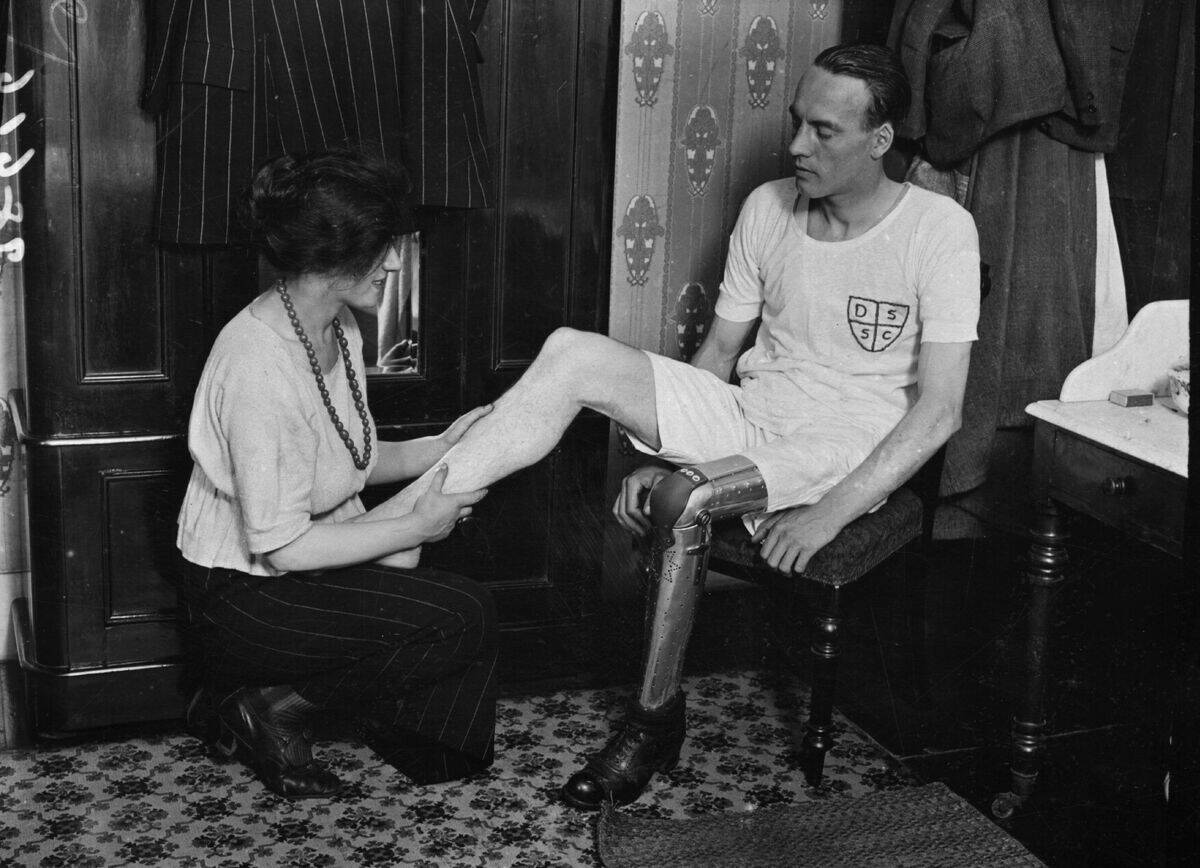
Medical advancements have significantly improved the survival and recovery rates of injured soldiers. From battlefield medicine to advanced prosthetics, these innovations ensure that troops receive the best care possible.
The development of technologies like portable blood analyzers and telemedicine allows for rapid diagnosis and treatment in combat zones. These advancements not only save lives but also enable soldiers to return to duty more quickly, maintaining the effectiveness of military forces.
Virtual Reality Training: Preparing for Battle Without Risk
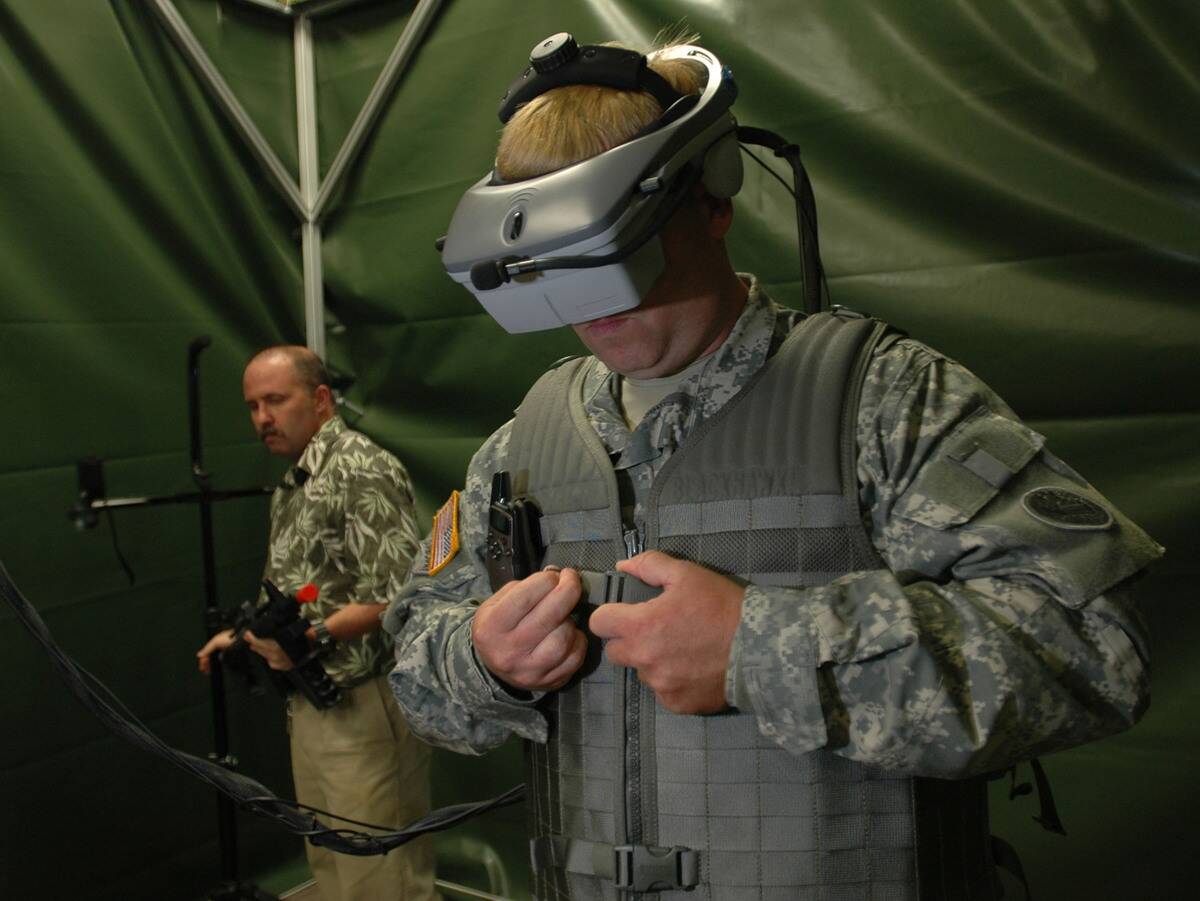
Virtual reality (VR) training has transformed military preparation, offering immersive simulations without the dangers of live exercises. VR allows soldiers to practice tactics, decision-making, and teamwork in a controlled environment.
These realistic scenarios enhance readiness and adaptability, preparing troops for various situations they may encounter. The use of VR in training is not limited to the military; it’s also employed in fields like medicine and aviation, highlighting its broad applicability.
Autonomous Vehicles: The Future of Unmanned Warfare
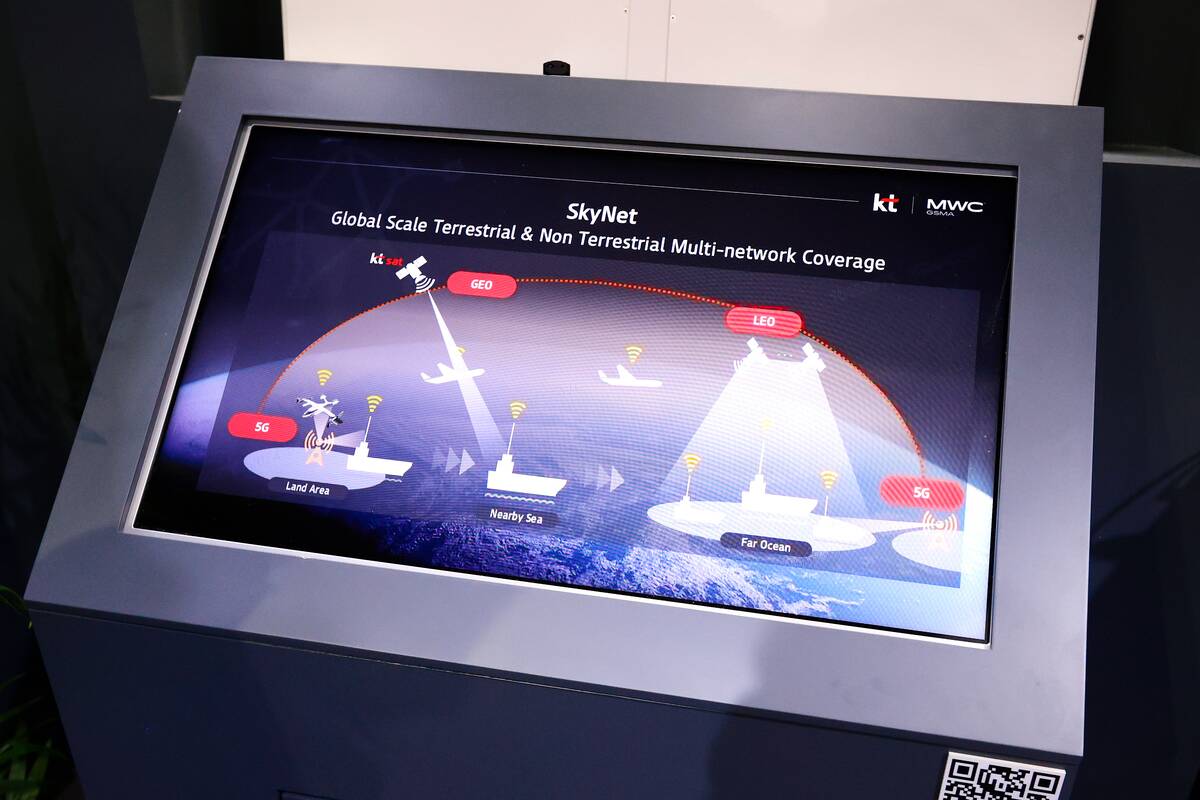
Autonomous vehicles represent a significant shift in military strategy, offering capabilities that reduce the risk to human operators. These vehicles can perform tasks such as reconnaissance, logistics, and combat without direct human control.
Advances in artificial intelligence and machine learning have made these systems more reliable and efficient. The use of autonomous vehicles not only enhances operational flexibility but also minimizes human exposure to dangerous situations, marking a new era in warfare.
Artificial Intelligence: Decision-Making Without Human Input
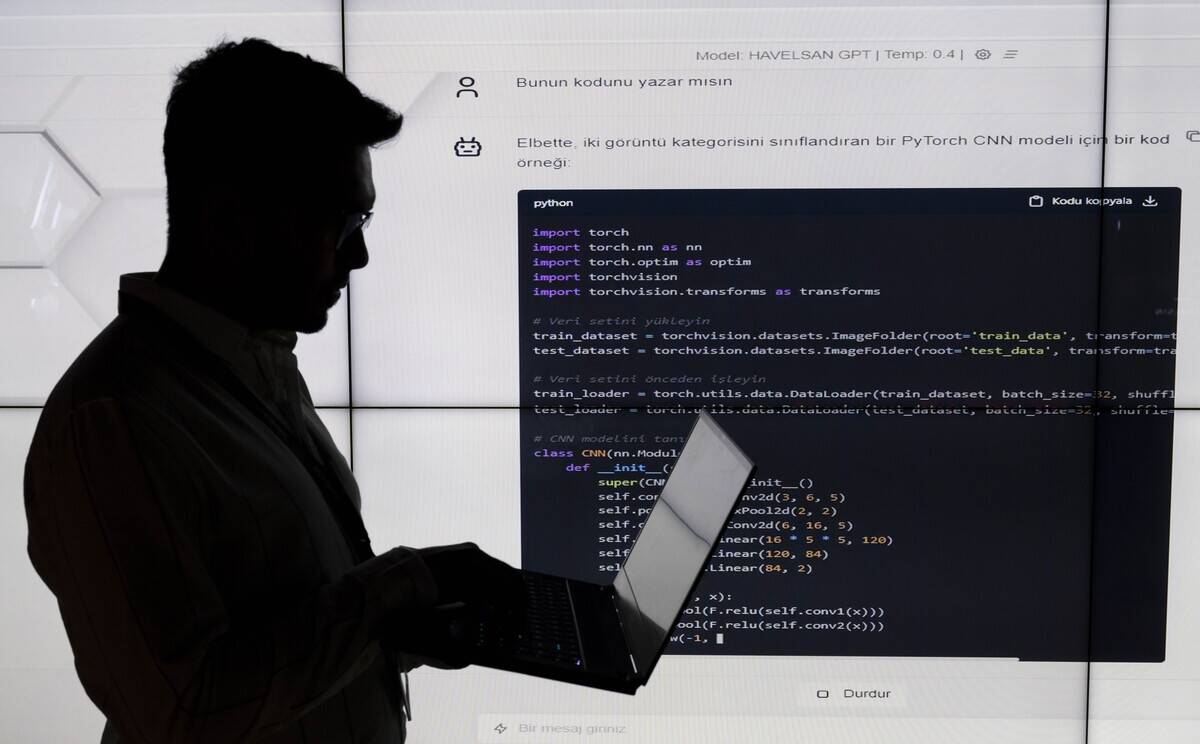
Artificial intelligence (AI) is increasingly integrated into military systems, enabling advanced data analysis and decision-support, and in some applications limited autonomy for specific functions. AI algorithms can process vast amounts of information quickly, identifying patterns and making predictions that inform strategic decisions.
This technology enhances everything from target recognition to logistical planning. While AI offers significant advantages, it also raises ethical considerations regarding the role of machines in life-and-death decisions, prompting ongoing debates about the future of warfare.
The Impact of Robotics: Redefining Combat Roles
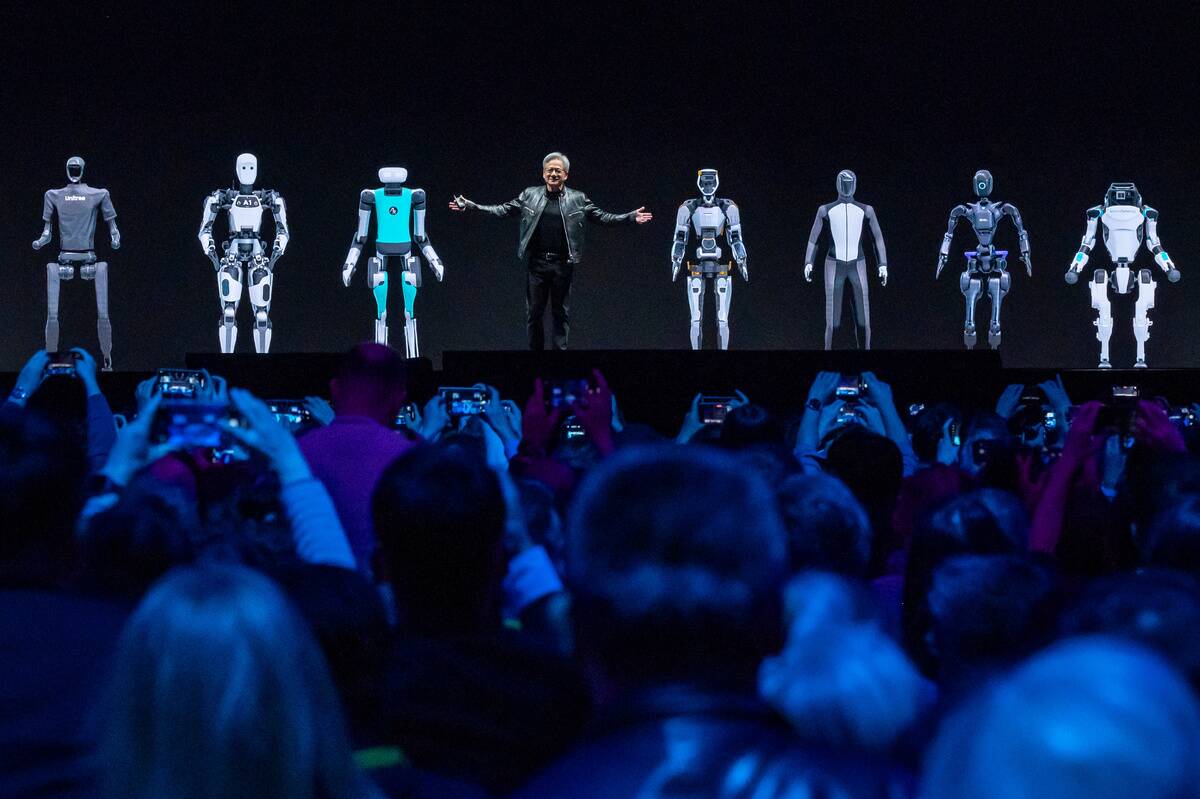
Robotics technology is redefining traditional combat roles, introducing machines that can perform tasks ranging from bomb disposal to supporting frontline operations. These robots enhance safety by removing humans from dangerous environments, while their precision and reliability improve mission outcomes.
The use of robotics extends beyond military applications, influencing industries like manufacturing and healthcare. As technology advances, the line between human and machine roles in warfare continues to blur, offering new possibilities and challenges.




