Lost languages that we’ll never be able to read
Languages have always been the key to understanding human culture and history. However, some languages have been lost to time, leaving behind fascinating puzzles for linguists and historians.
These lost languages, inscribed on ancient artifacts, challenge our ability to uncover the secrets of past civilizations. Despite advances in technology and scholarship, many of these scripts remain undeciphered, offering tantalizing glimpses into worlds long gone.
The Enigma of the Etruscan Language
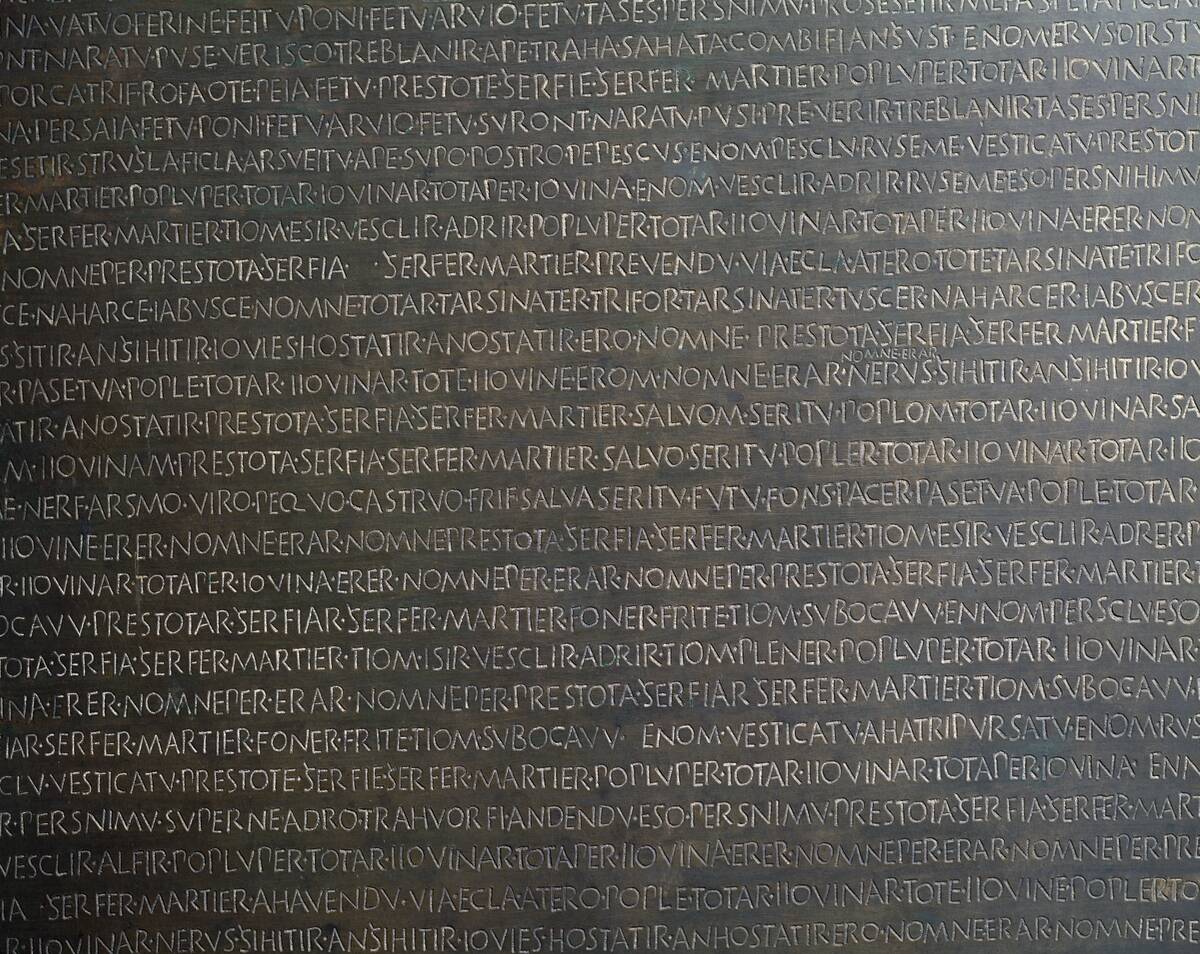
The Etruscan language, used by the ancient civilization that dominated pre-Roman Italy, remains a mystery despite numerous inscriptions being discovered. Most of what we know about it comes from the Etruscan script, which is similar to the Greek alphabet.
The language is not related to the Indo-European languages and is instead part of the small Tyrrhenian language family. This linguistic isolation makes it difficult for researchers to fully understand Etruscan texts, leaving much about this enigmatic culture shrouded in mystery.
The Unreadable Runes of the Phaistos Disc
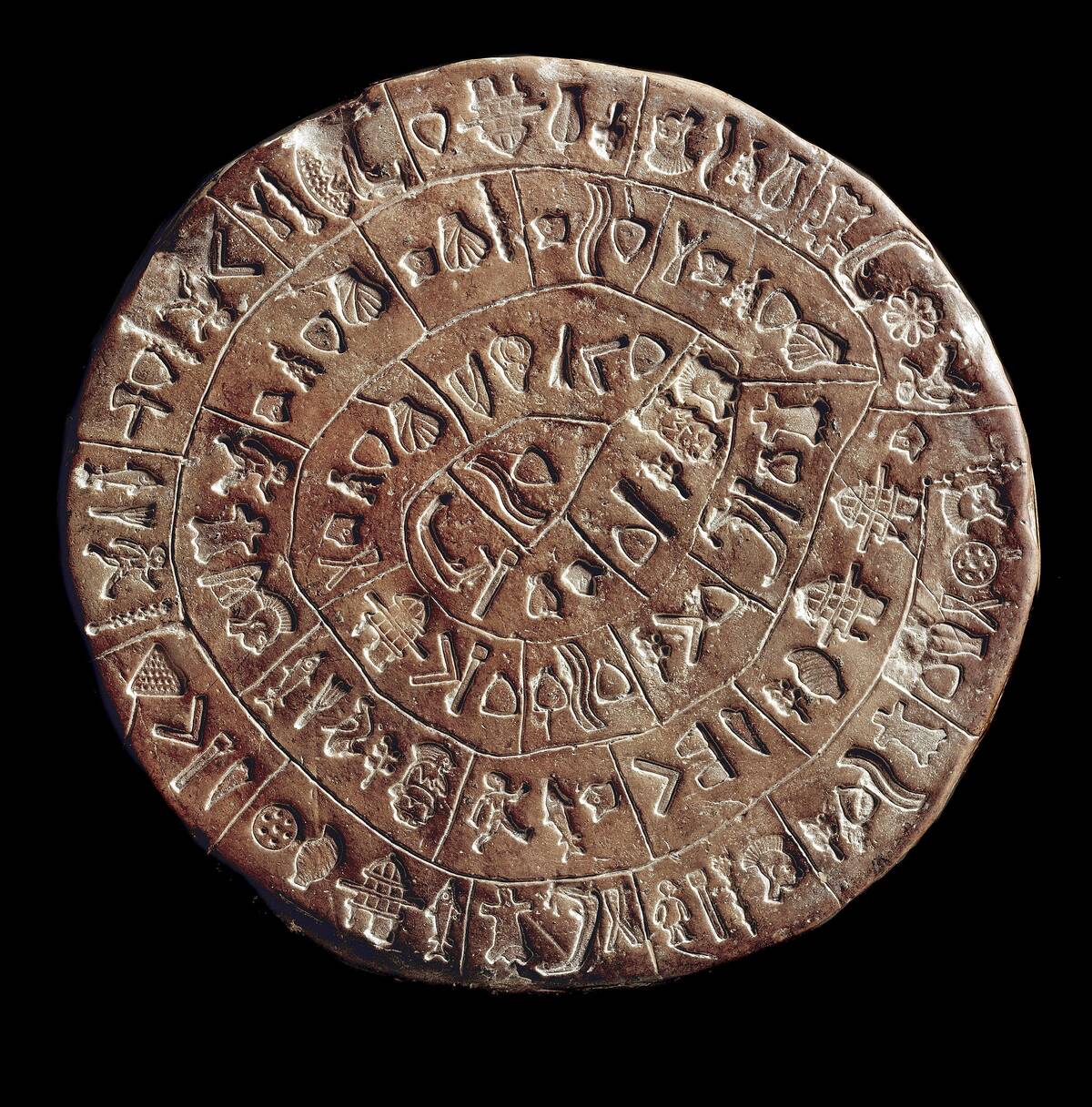
The Phaistos Disc, discovered in Crete in 1908, is a unique artifact featuring a spiral of stamped symbols. Despite various attempts to decipher its 45 distinct symbols, the disc remains unreadable, as no other artifacts with similar writing have been found.
This lack of context makes it difficult to determine if the symbols represent a language or some form of proto-writing, leaving the purpose and meaning of this disc open to speculation.
Linear A: The Minoan Language Puzzle
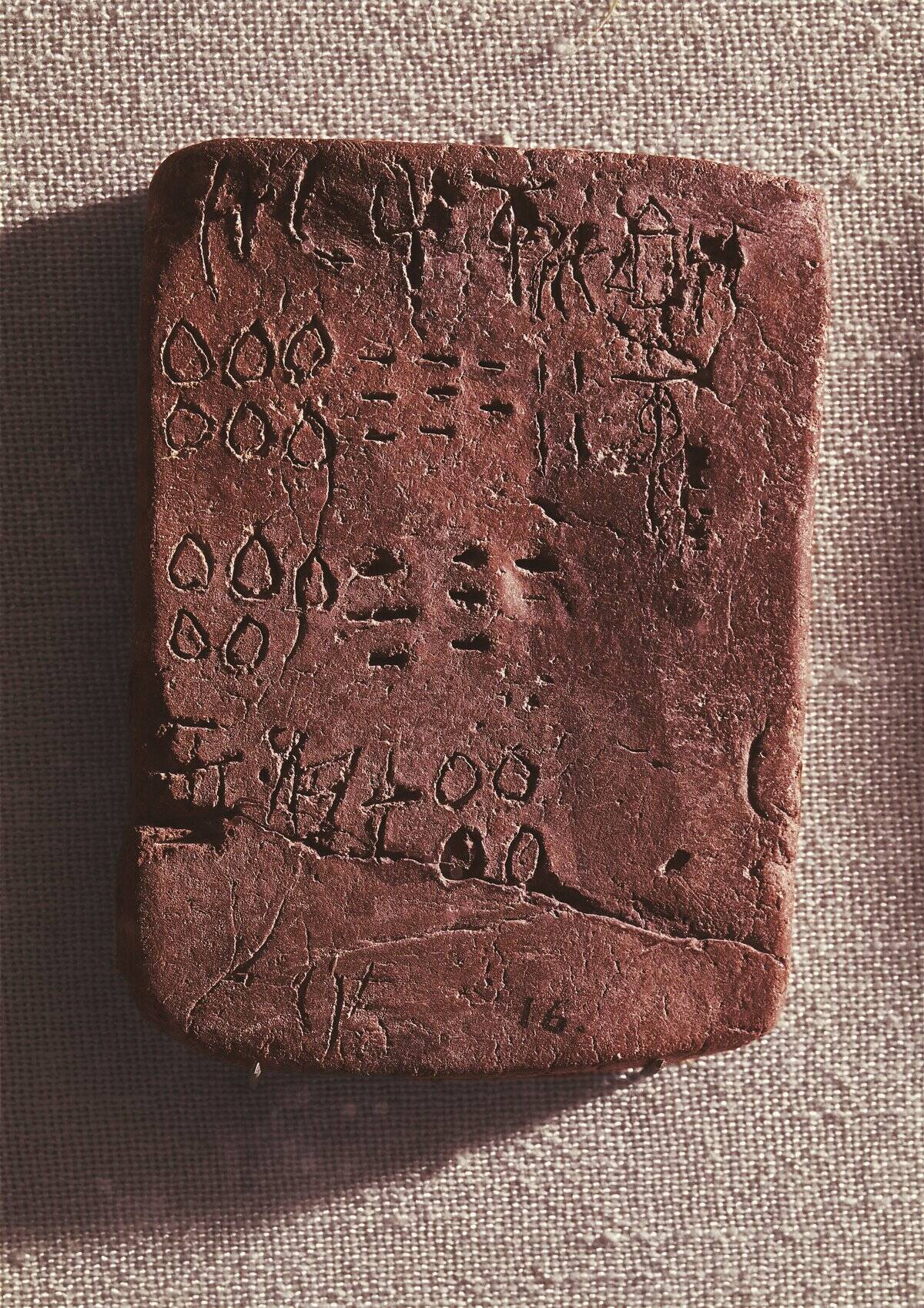
Linear A is the script used by the Minoan civilization of Crete during the Bronze Age. While its more recent counterpart, Linear B, has been deciphered as an early form of Greek, Linear A remains undeciphered.
The language is presumed to be unrelated to any known language family, which complicates efforts to interpret the script. Despite its connections to the prosperous Minoan civilization, Linear A holds onto its secrets, keeping parts of Minoan history out of reach.
The Undeciphered Elamite Scripts
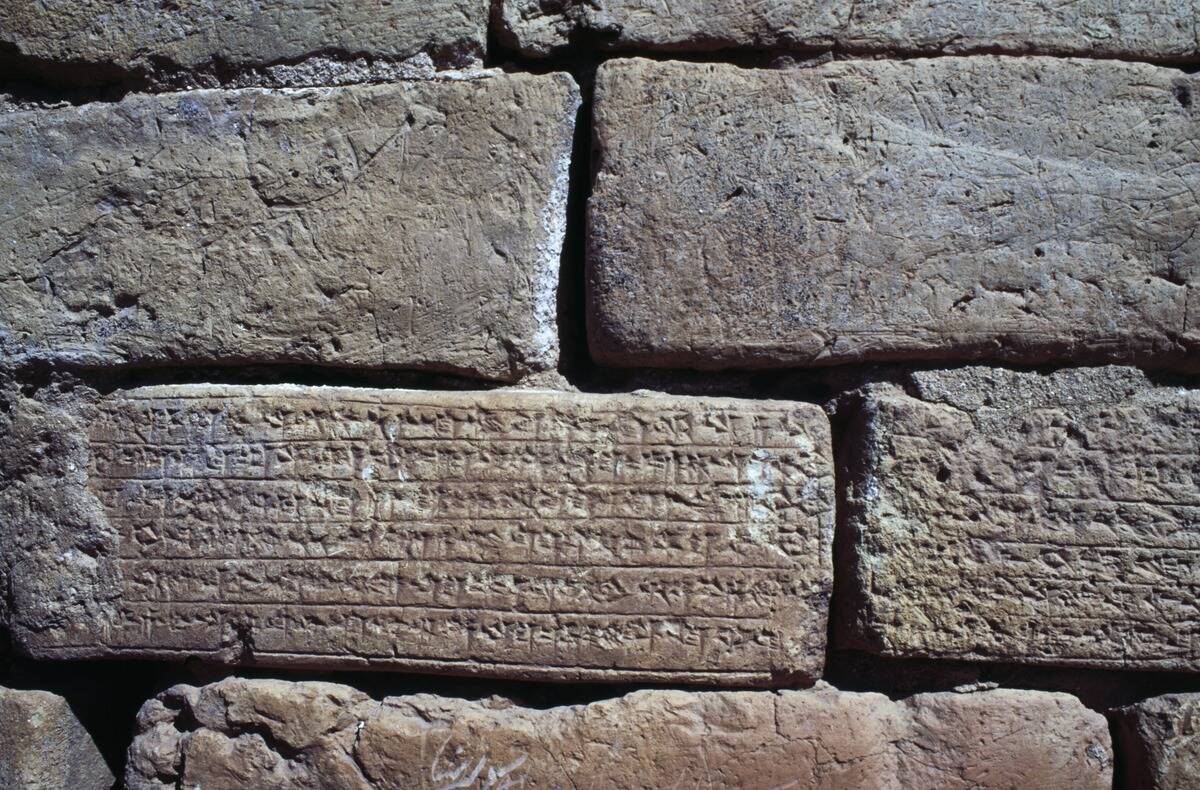
The Elamite civilization, located in present-day Iran, used several scripts over time, including Linear Elamite. While Middle and Late Elamite languages have been partially deciphered, Linear Elamite remains a mystery.
Found on various artifacts, the script is believed to have been used for administrative and possibly ceremonial purposes. Despite its potential importance, the lack of a bilingual inscription akin to the Rosetta Stone has kept this ancient script largely encoded.
The Cryptic Symbols of Rongorongo
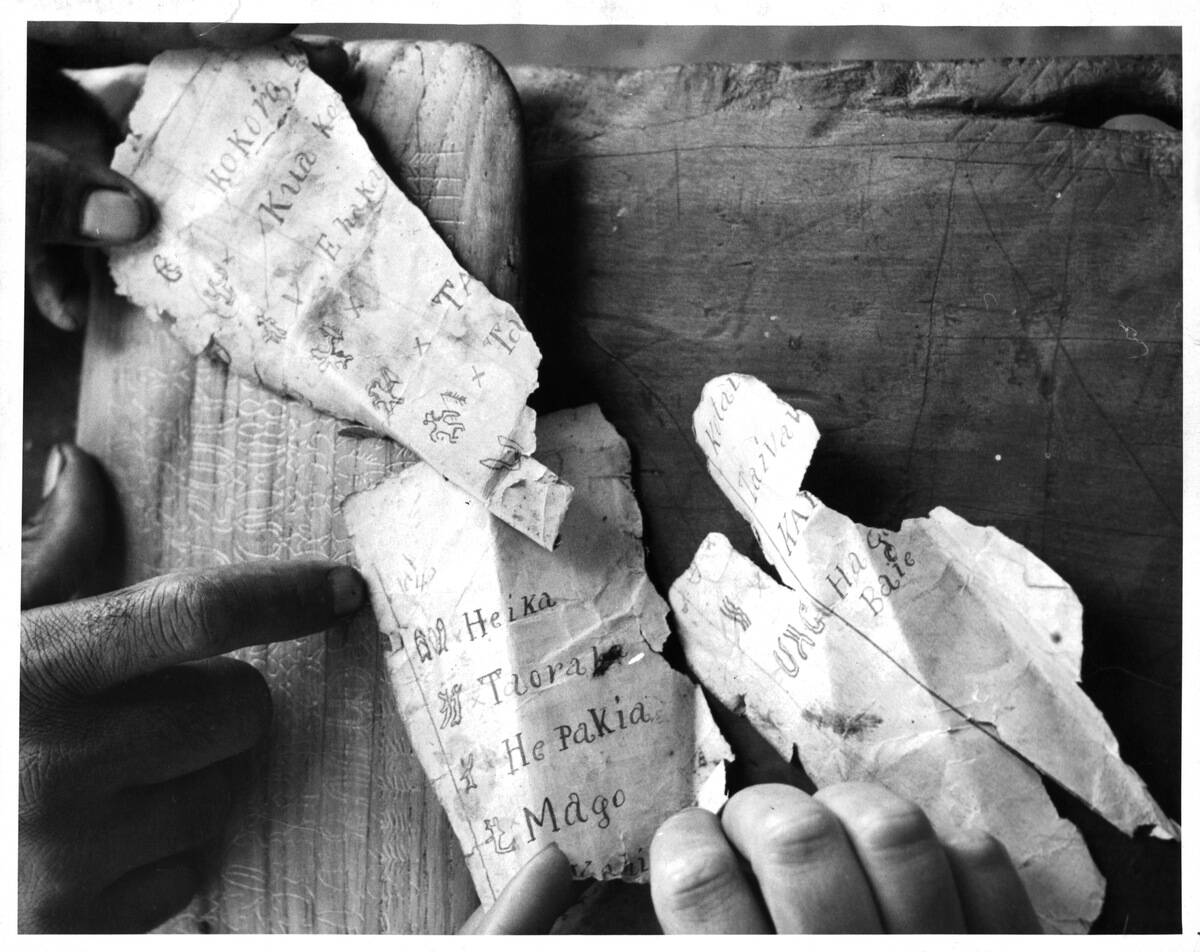
Rongorongo is a system of glyphs found on Easter Island artifacts, and it remains one of the world’s great linguistic mysteries. Thought to represent an early form of writing, its symbols are engraved on wooden tablets and other objects.
However, the lack of a clear understanding of the oral traditions of Rapa Nui means that the meaning of Rongorongo remains elusive. Without a definitive key, these glyphs continue to intrigue and baffle researchers.
The Mysterious Harappan Script of the Indus Valley
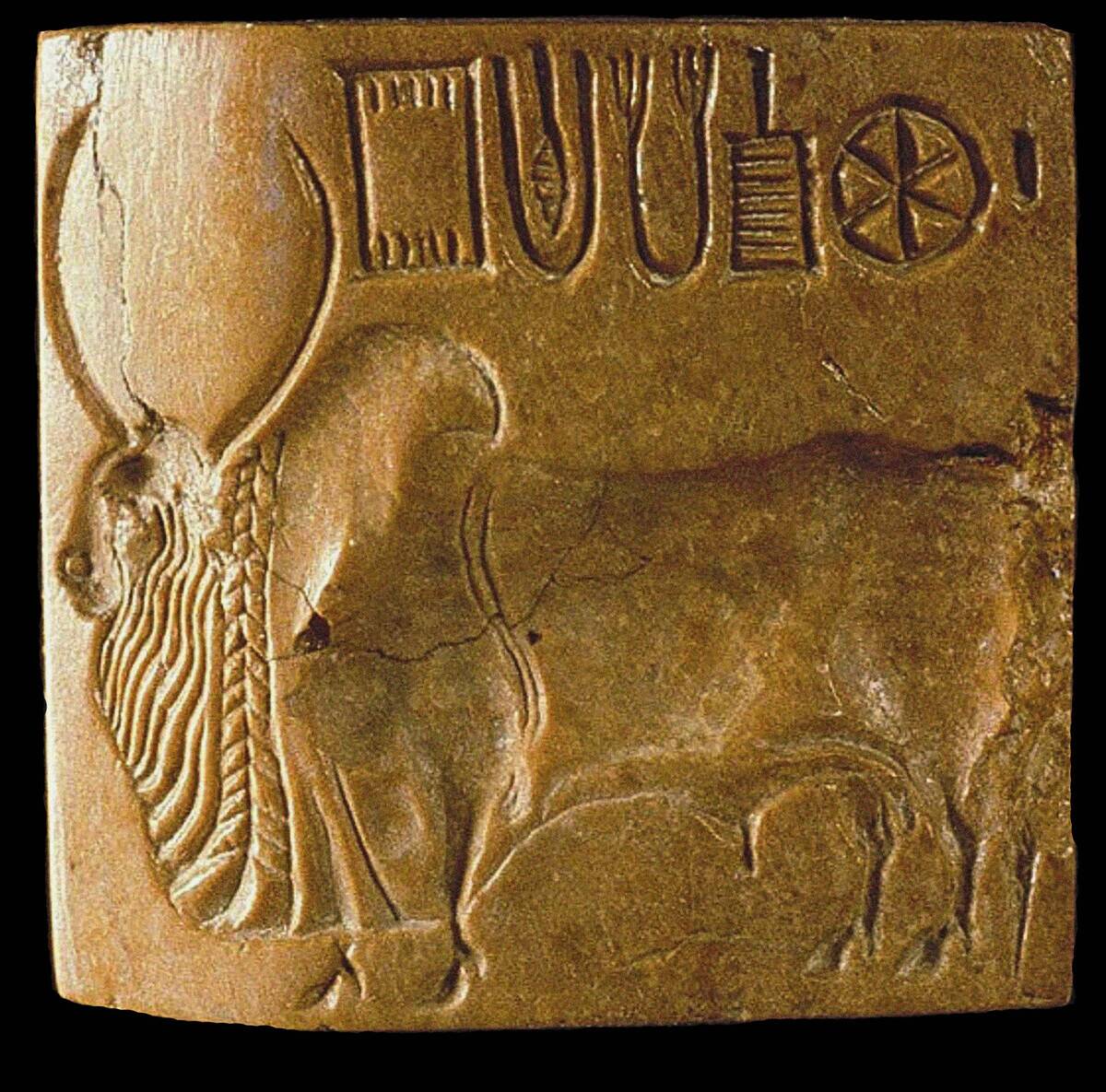
The Harappan script, associated with the ancient Indus Valley Civilization, features prominently on seals and pottery. Despite numerous discoveries, the script remains undeciphered due to its brevity and lack of bilingual texts.
Some researchers propose that the script could represent a full writing system, a proto-writing system, or symbols encoding an unknown language. The Harappan script’s indecipherability continues to limit our understanding of one of the world’s earliest urban cultures and their complex societal structures.
The Elusive Written Language of the Olmecs
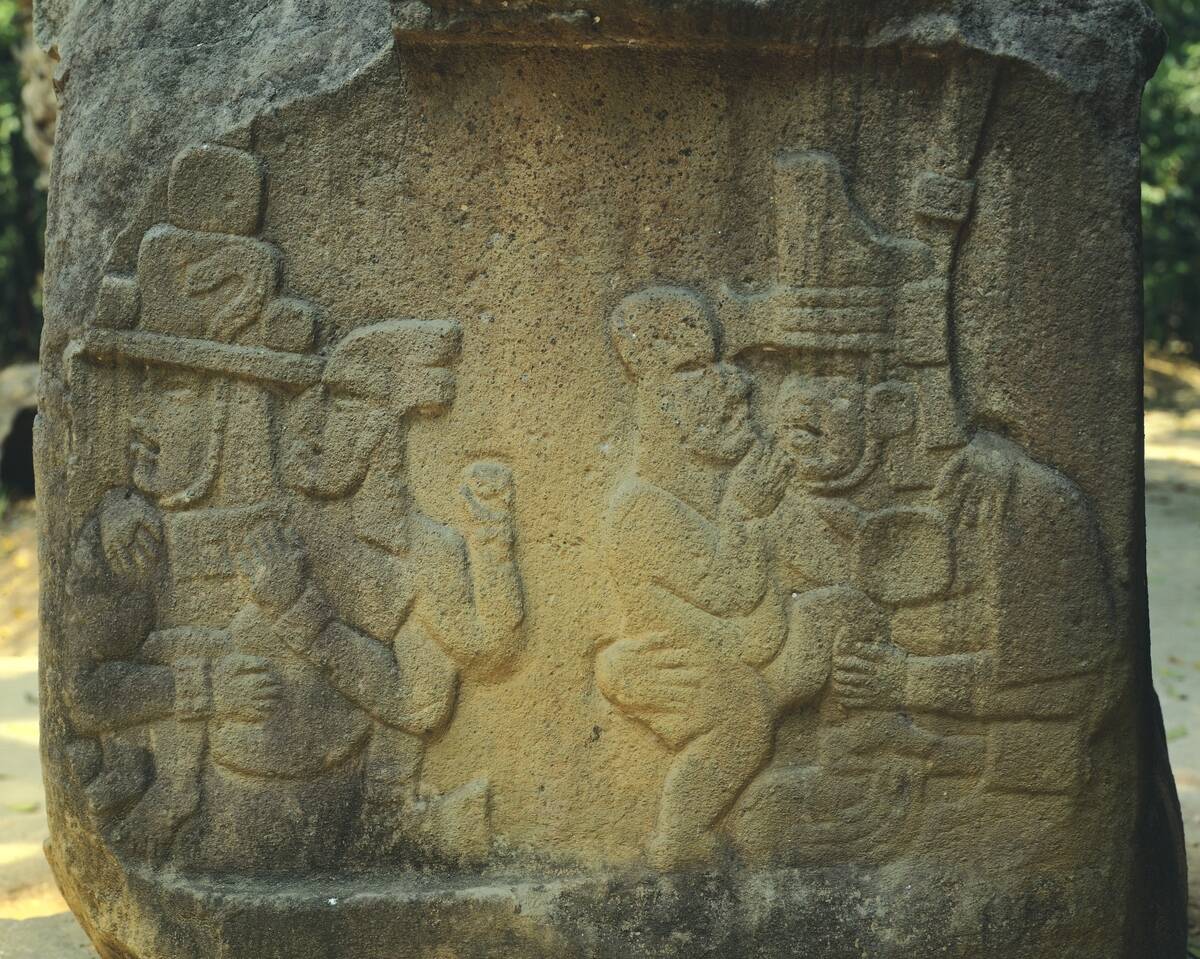
The Olmec civilization, known for their colossal stone heads, also left behind mysterious glyphs. While some researchers speculate that these symbols form an early Mesoamerican writing system, others argue they might represent a form of proto-writing.
The Olmec inscriptions found on artifacts such as the Cascajal Block remain undeciphered, and debates continue about whether they constitute a true writing system. The lack of additional examples limits our understanding of Olmec language and culture.
The Lost Language of the Rapa Nui
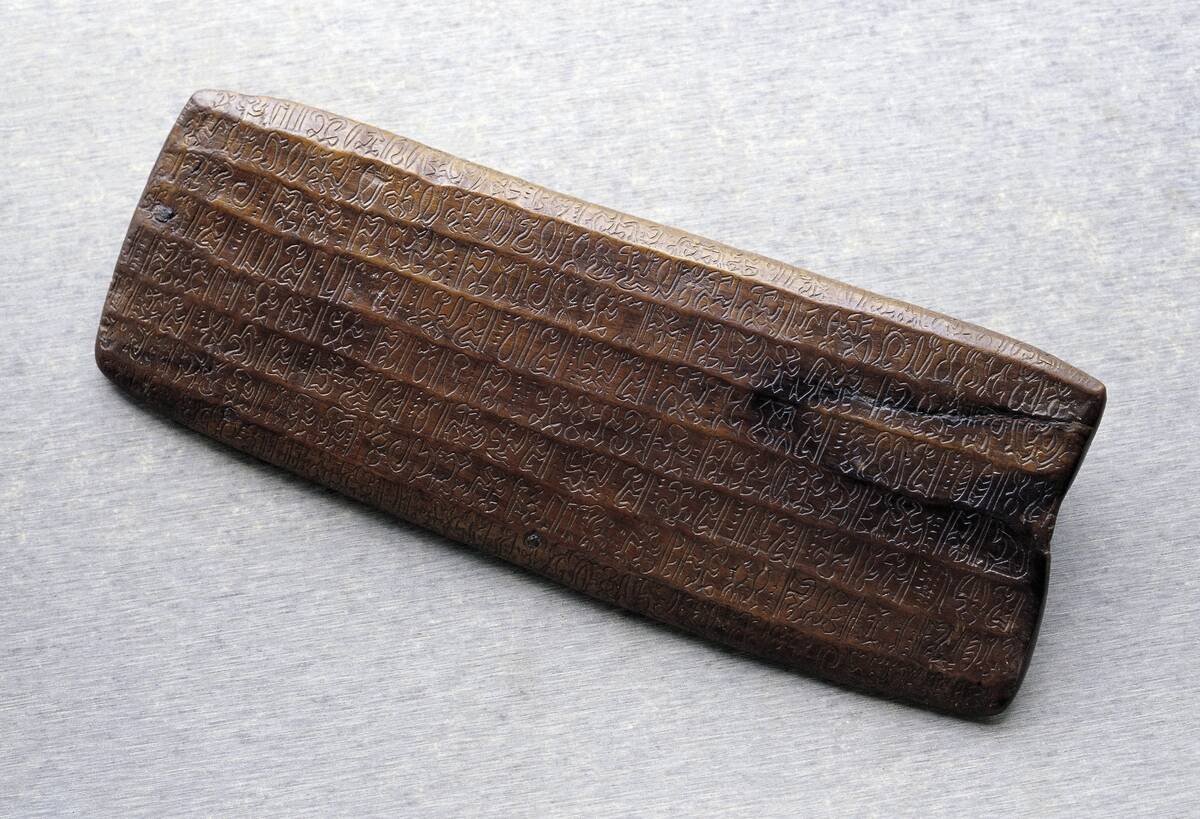
Rapa Nui, the indigenous people of Easter Island, are often associated with the enigmatic Rongorongo script. While modern Rapa Nui language is Polynesian, the glyphs of Rongorongo may represent an earlier, forgotten language.
Despite efforts to decipher the script, its meaning remains unknown, with interpretations ranging from genealogical records to religious texts. This linguistic mystery adds to the allure of Easter Island’s rich cultural heritage and storied past.
The Forgotten Words of Proto-Elamite
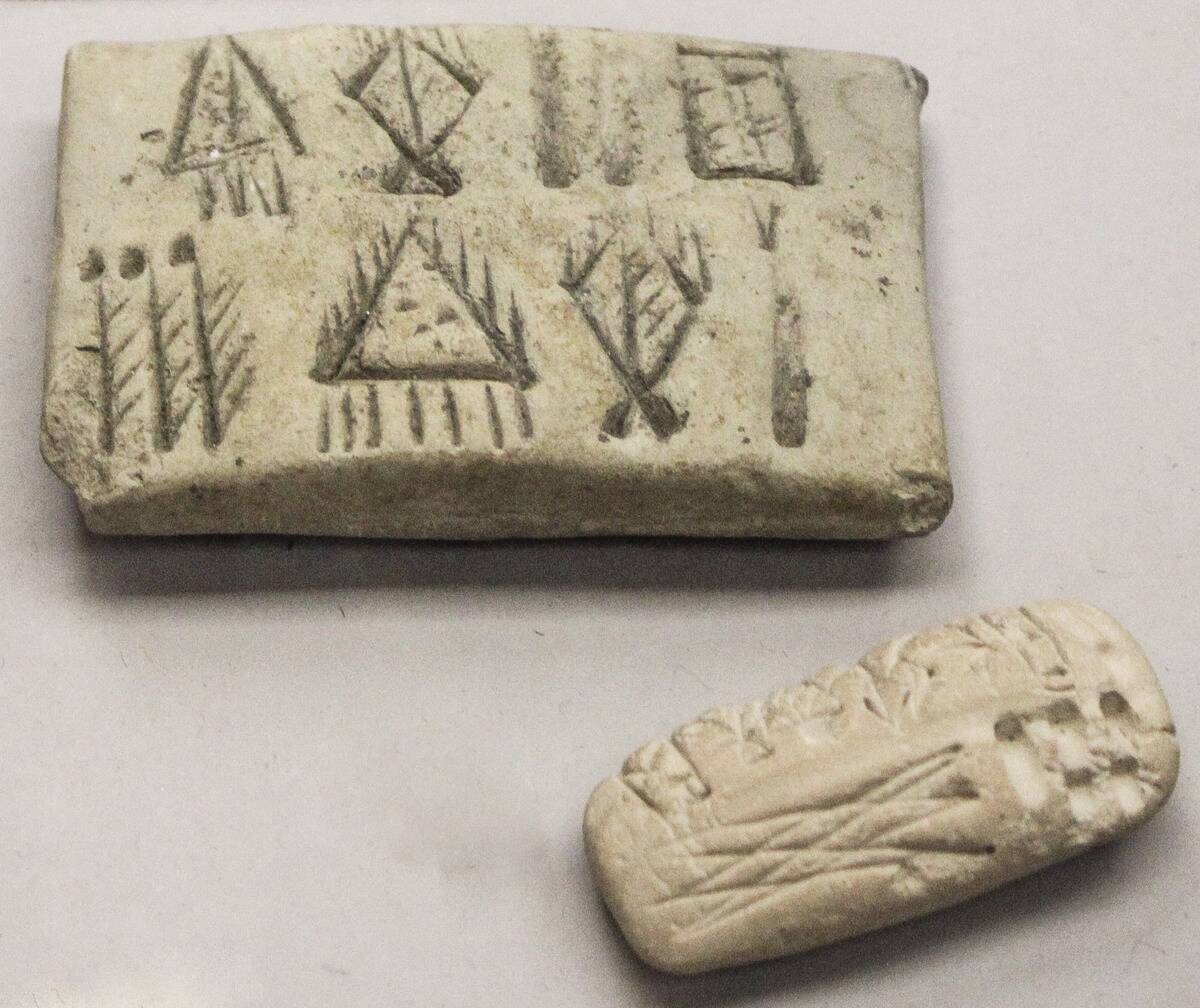
Proto-Elamite is the earliest known writing system from Iran, predating Linear Elamite. Used primarily for administrative purposes, its symbols have been found on clay tablets. Despite its age and the wealth of documents, Proto-Elamite remains undeciphered, partly because it lacks a known linguistic descendant.
The script’s complexity and the absence of bilingual inscriptions pose significant challenges for linguists attempting to unlock its secrets.
The Intriguing Case of the Voynich Manuscript
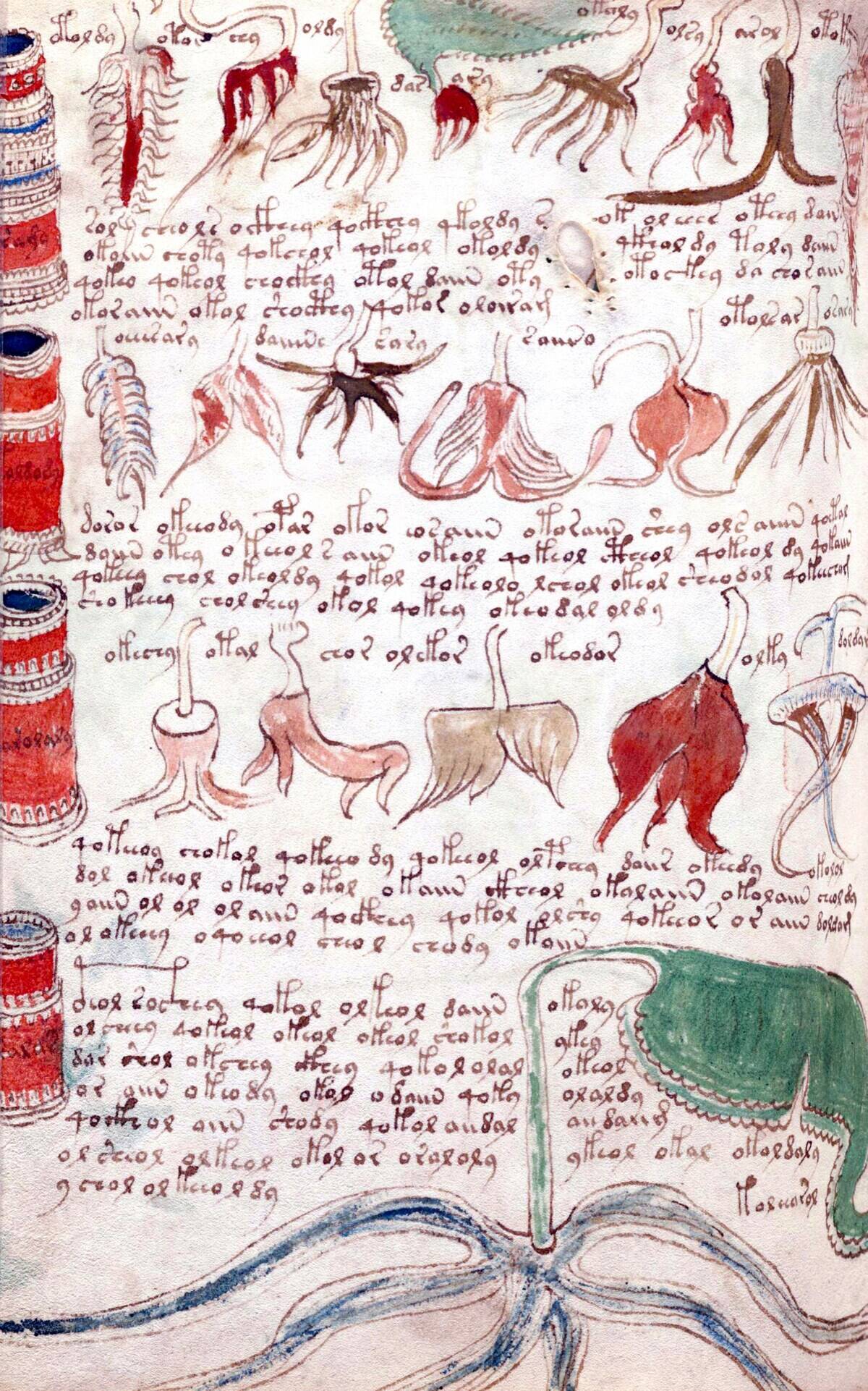
The Voynich Manuscript, a 15th-century codex filled with mysterious illustrations and an unknown script, has puzzled scholars for centuries. Its origins and purpose are unknown, with theories ranging from a medieval medical text to an elaborate hoax.
Despite cryptographic analysis and extensive study, the manuscript’s language, sometimes called “Voynichese,” remains undeciphered. This enigmatic book continues to captivate the imaginations of linguists, historians, and conspiracy theorists alike.
The Silent Scripts of the Wadi el-Hol Inscriptions
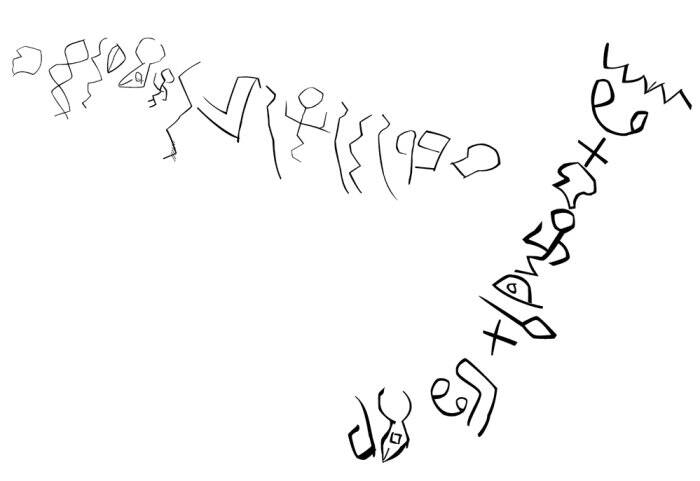
The Wadi el-Hol inscriptions, found in Egypt’s Western Desert, have sparked debates about the origins of alphabetic writing. Dated to around 1900 BCE, these carvings suggest a transitional script between Egyptian hieroglyphs and early Semitic alphabets.
Despite their potential significance, the inscriptions remain only partially understood. The challenge lies in their brevity and the uncertain linguistic context, leaving scholars intrigued by the possibility of uncovering the roots of modern alphabets.
The Ancient Secrets of the Tartaria Tablets
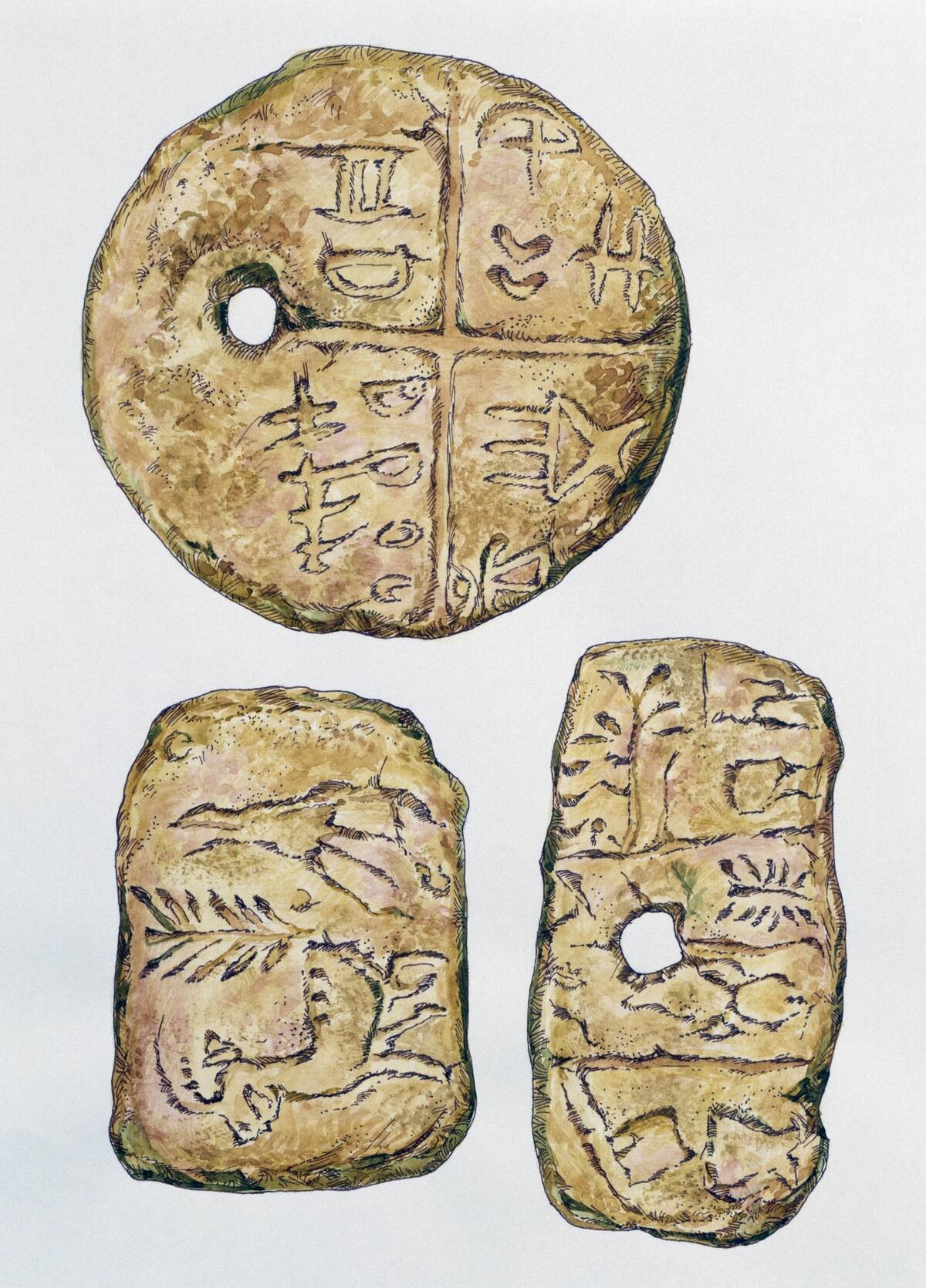
The Tartaria Tablets, discovered in Romania and dated to the Neolithic era, feature symbols that have sparked debate about the origins of writing. Some scholars suggest they represent an early form of writing, possibly connected to the Vinča culture.
However, others argue they may be mere decorative motifs or religious symbols. The mystery of the Tartaria Tablets highlights the complexities of distinguishing between writing and symbolic art in ancient artifacts.
The Puzzling Characters of the Byblos Script
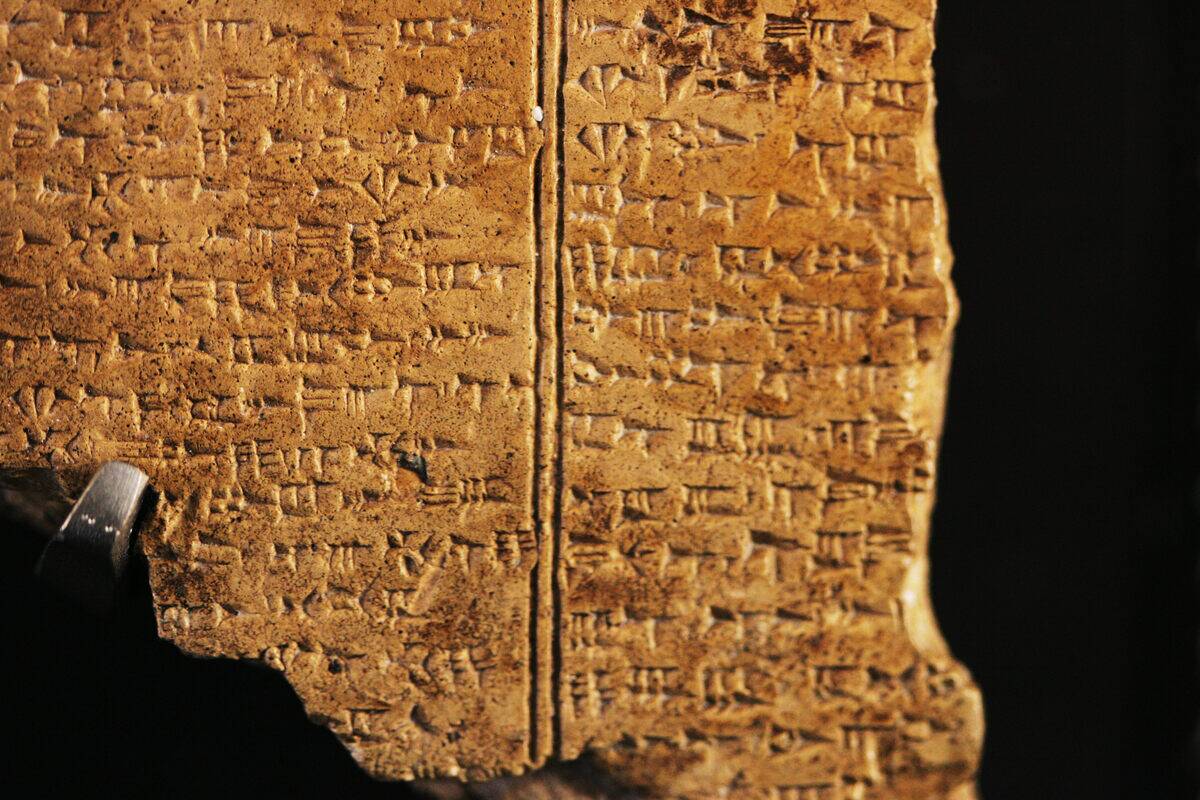
The Byblos script, found in the ancient city of Byblos in Lebanon, consists of over 100 characters and remains undeciphered. Despite being discovered on various artifacts, no bilingual texts exist to provide a translation key.
Some scholars believe it represents an early Semitic language, while others argue for a connection to unrelated languages. The script’s complexity and lack of context have kept its secrets well hidden, making it a tantalizing puzzle for linguists.
The Forgotten Alphabet of the Lycian Language
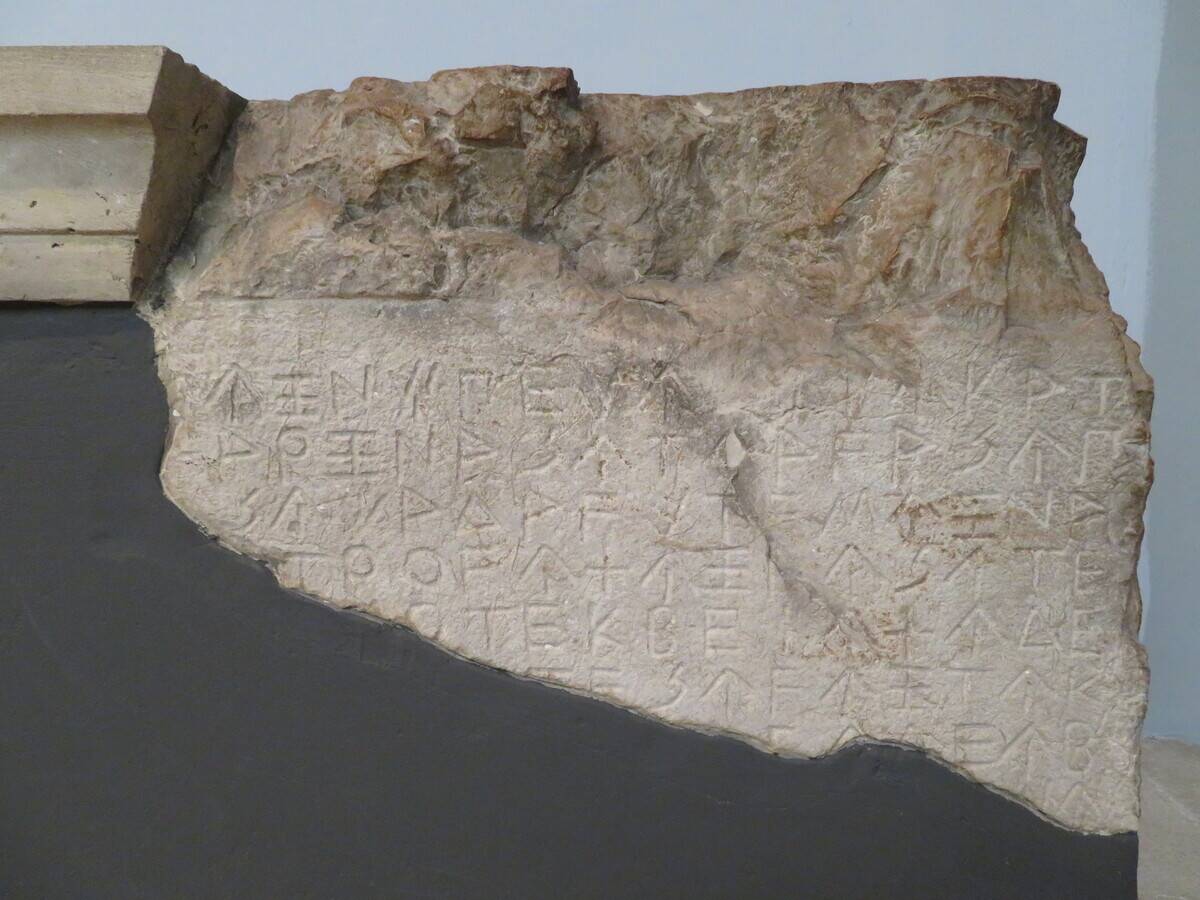
The Lycian language, spoken in what is now southwestern Turkey, used an alphabet derived from the Greek script. Although the language is partially understood thanks to bilingual inscriptions with Greek, much about Lycian culture and history remains unknown.
The alphabet itself features unique characters not found in Greek, indicating a distinct linguistic identity. Despite these insights, many Lycian texts await full translation, leaving gaps in our understanding of this ancient Anatolian language.
The Vanished Tongue of the Carians
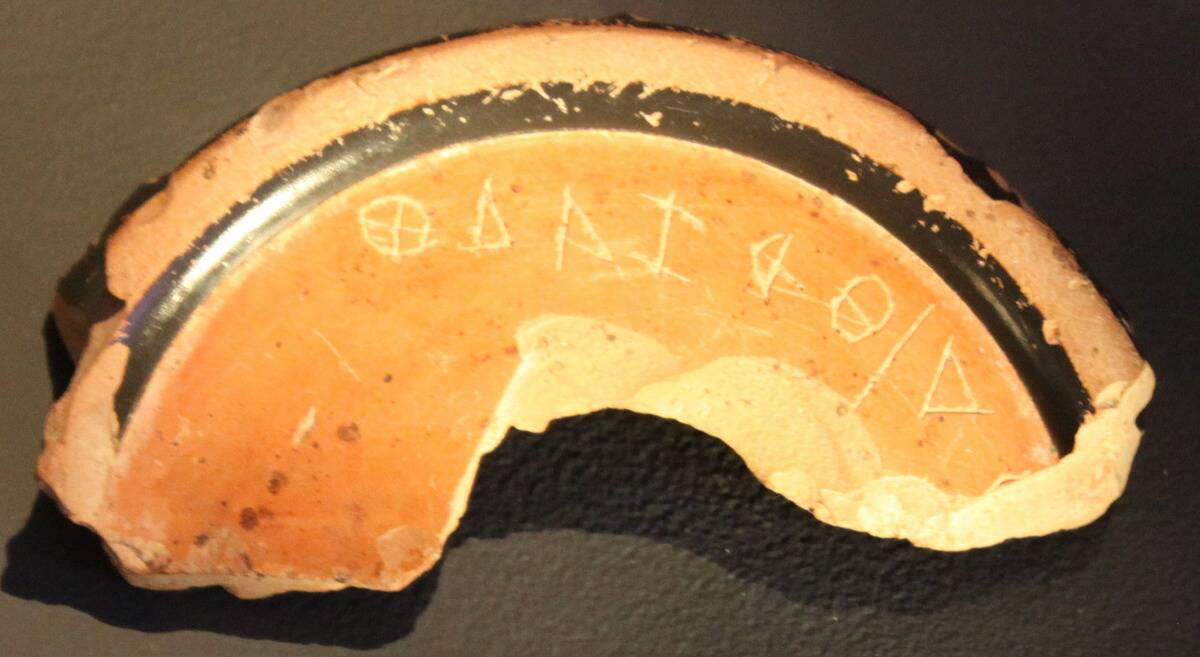
The Carian language, once spoken in western Anatolia, is known from inscriptions and graffiti found in Egypt and Turkey. Its script is derived from the Greek alphabet, but the language itself is unrelated to Greek.
Decipherment efforts have made significant progress, yet many texts remain only partially understood. The Carians’ interactions with other ancient cultures, particularly the Egyptians, suggest a rich, yet elusive historical narrative awaiting further discovery.
The Unsolved Mystery of the Vinca Symbols
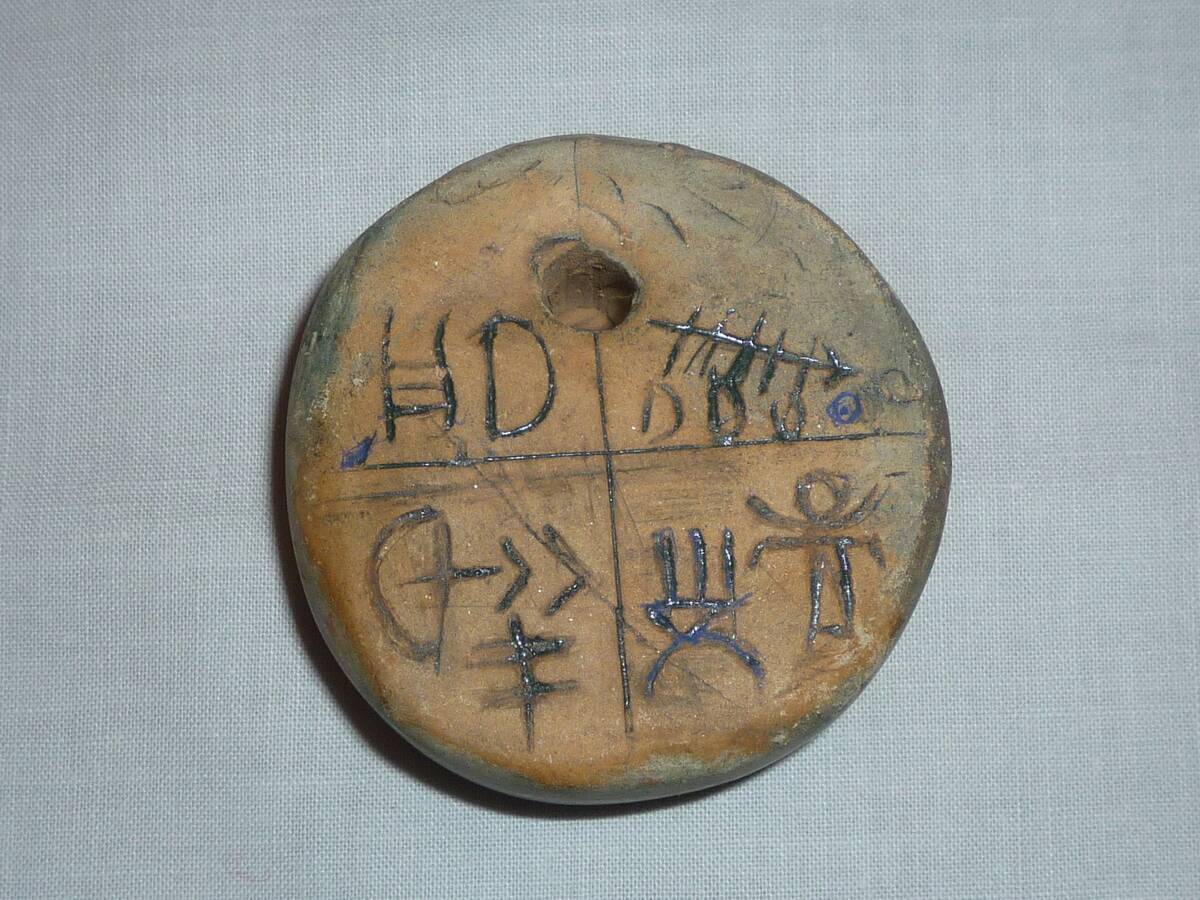
The Vinča symbols, found on artifacts from the Vinča culture in the Balkans, date back to the 6th millennium BCE. These symbols are among the earliest forms of writing, yet remain undeciphered.
Some scholars argue they represent a proto-writing system, while others believe they are purely decorative. The lack of longer texts and the enigmatic nature of these symbols make them a challenging mystery, offering intriguing insights into prehistoric European societies.




