Lost languages rediscovered only through chance fragments
Languages are like living histories, echoing the stories of civilizations long gone. Yet, many have vanished, leaving behind only cryptic traces. Imagine stumbling upon a forgotten language, its sounds silent, yet its script awaiting discovery.
These lost languages offer a tantalizing glimpse into cultures and peoples that once thrived. From ancient scripts to undeciphered manuscripts, they challenge our understanding and beckon us to explore the mysteries of human communication.
The Role of Archaeology in Language Rediscovery
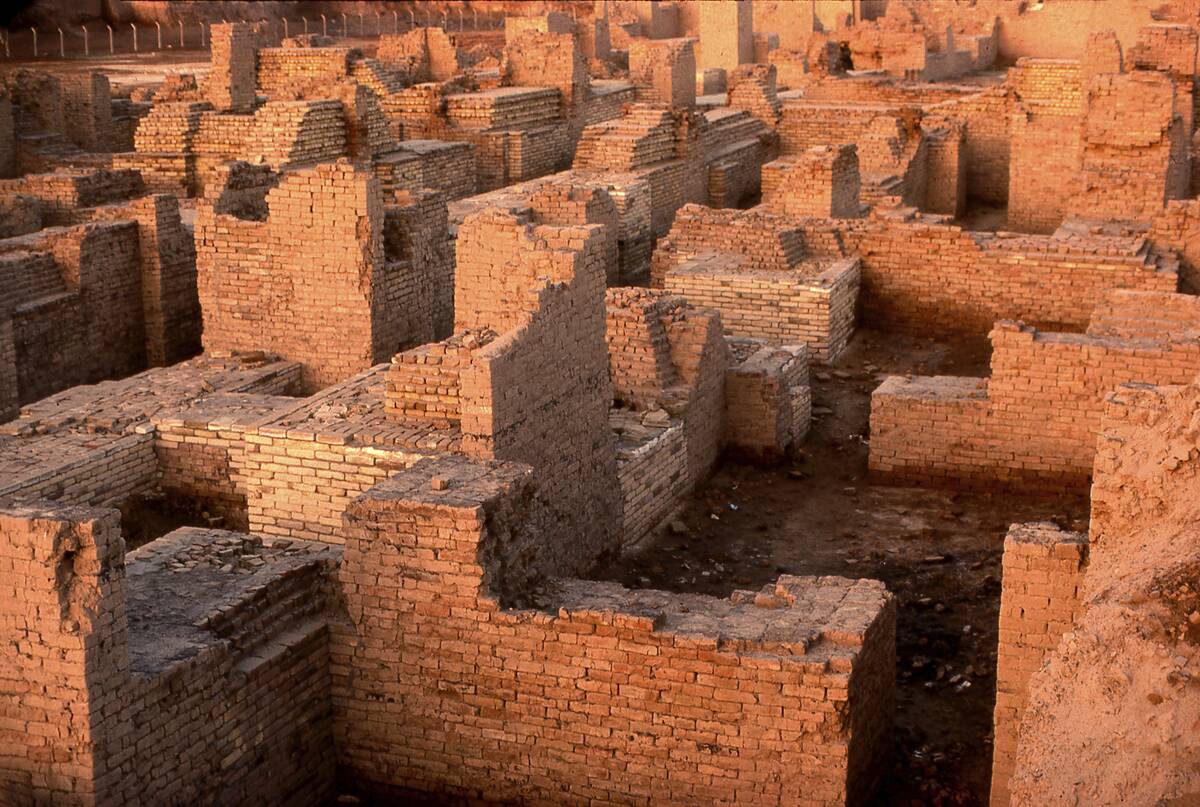
Archaeology plays a pivotal role in unearthing forgotten languages. Through meticulous excavation, archaeologists uncover artifacts bearing inscriptions, often leading to linguistic breakthroughs.
In sites like Mesopotamia, clay tablets reveal Sumerian and Akkadian languages, offering insights into early writing systems. These discoveries are not just about language; they piece together the puzzle of human history, revealing societal structures, trade, and daily life of ancient peoples.
How Chance Fragments Lead to Language Revelations
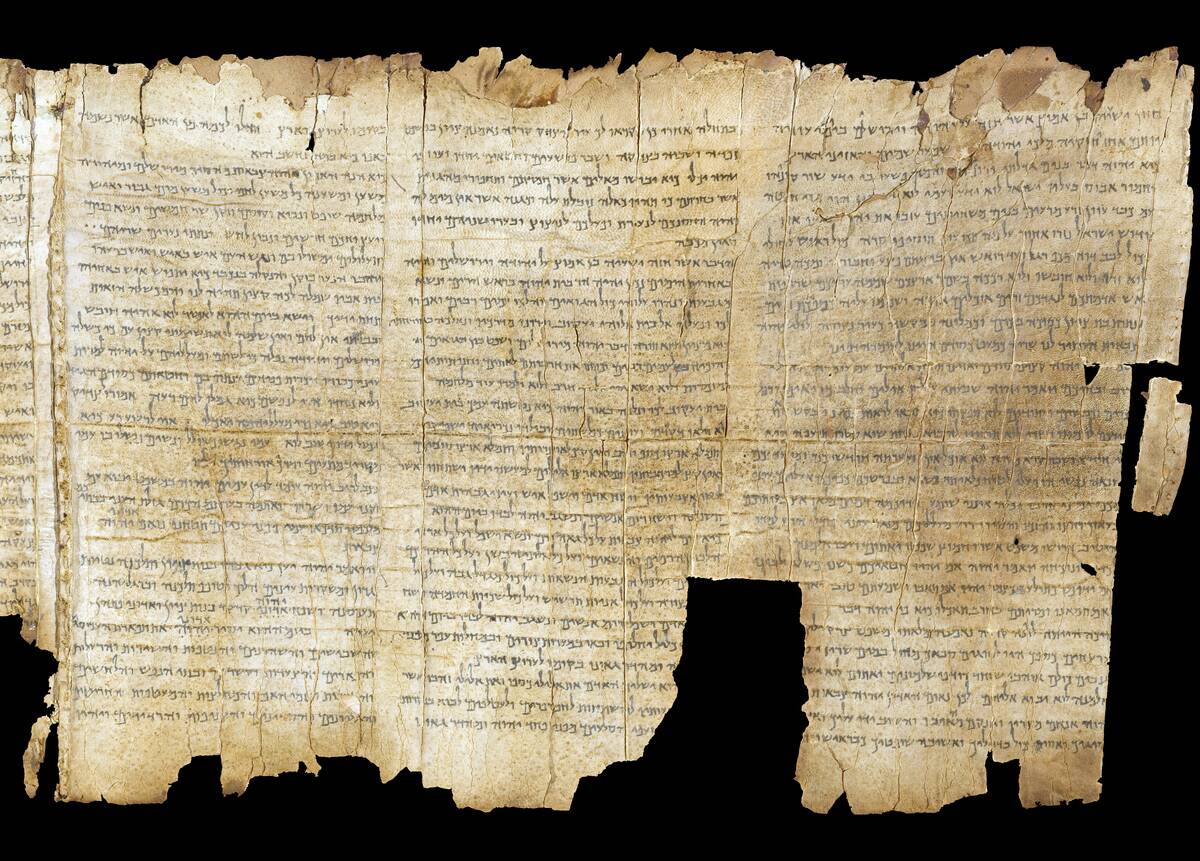
Sometimes, it’s the unexpected finds that lead to linguistic revelations. A shard of pottery or a fragment of a manuscript can be the key to unlocking a lost language. Consider the discovery of the Dead Sea Scrolls, where chance fragments led to a deeper understanding of ancient Hebrew and Aramaic.
Such discoveries remind us that history is often hidden in the most unassuming of places, waiting for the right moment to reveal its secrets.
The Tale of Linear B: Greek Deciphered Through Clay Tablets
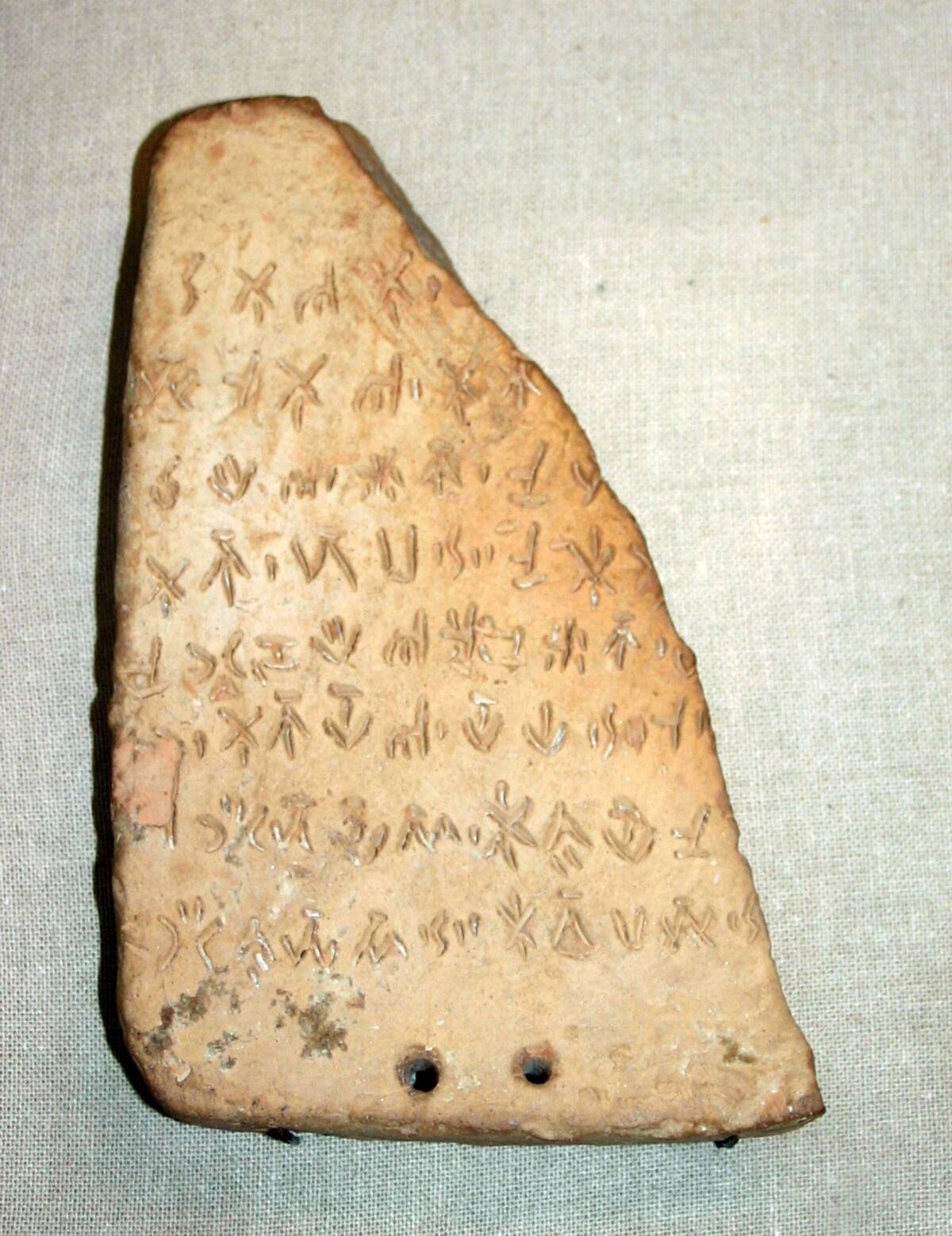
Linear B is a fascinating script that was deciphered in the 1950s, revealing an early form of Greek. Found on clay tablets in the ruins of Knossos, Crete, Linear B was a mystery until Michael Ventris, an architect with a passion for linguistics, cracked the code.
His work unveiled administrative records of the Mycenaean civilization, showing us that the roots of Greek language stretch back further than previously thought.
The Mysterious Case of Etruscan: Insights from Tomb Inscriptions
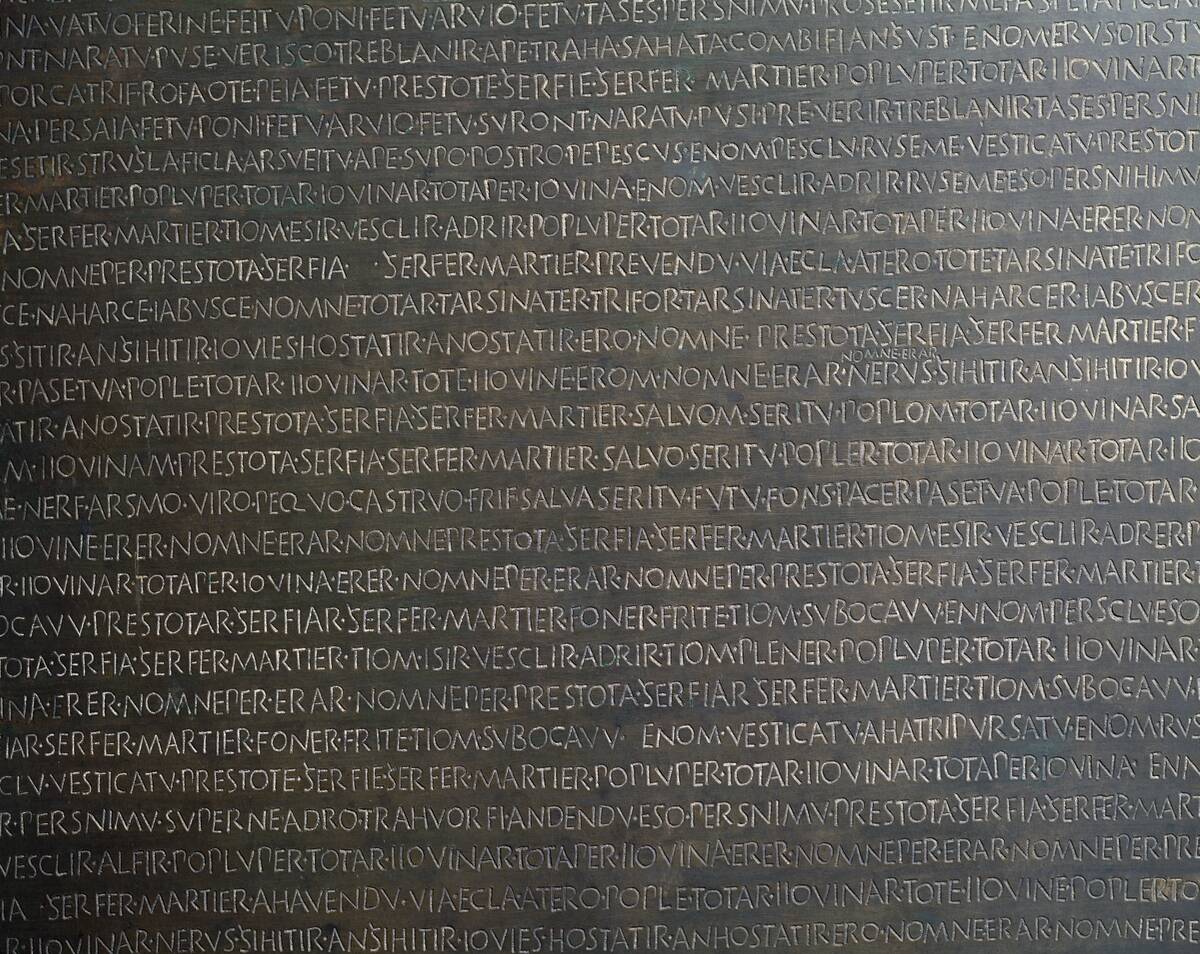
The Etruscan language remains one of the great enigmas of the ancient world. While we have around 10,000 inscriptions, mostly from tombs and religious artifacts, the language is only partially understood.
These inscriptions suggest a complex culture with a unique language that has resisted full translation. Despite this, Etruscan words have filtered into Latin, hinting at the profound influence the Etruscans had on early Roman civilization.
Discovering the Rosetta Stone: The Key to Ancient Egyptian
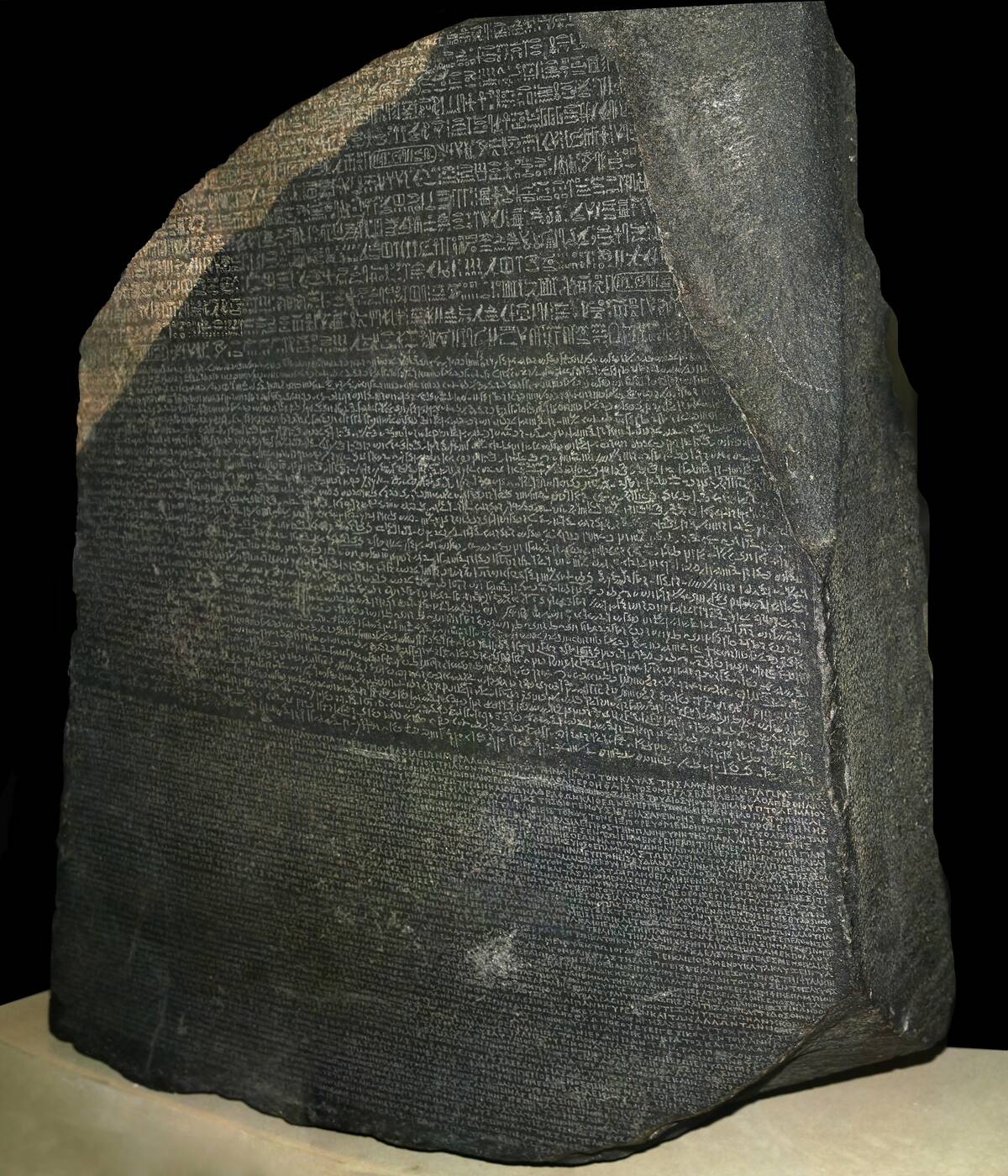
The Rosetta Stone is a stele inscribed with the same text in three scripts—Greek, Demotic, and hieroglyphic. Discovered in 1799, it was instrumental in deciphering Egyptian hieroglyphs.
Jean-François Champollion’s breakthrough in 1822 came from recognizing that the Greek text provided a direct translation, allowing scholars to unlock the language of ancient Egypt. This discovery was pivotal, opening a window into Egypt’s rich history and culture.
The Voynich Manuscript: A Language Still Wrapped in Mystery
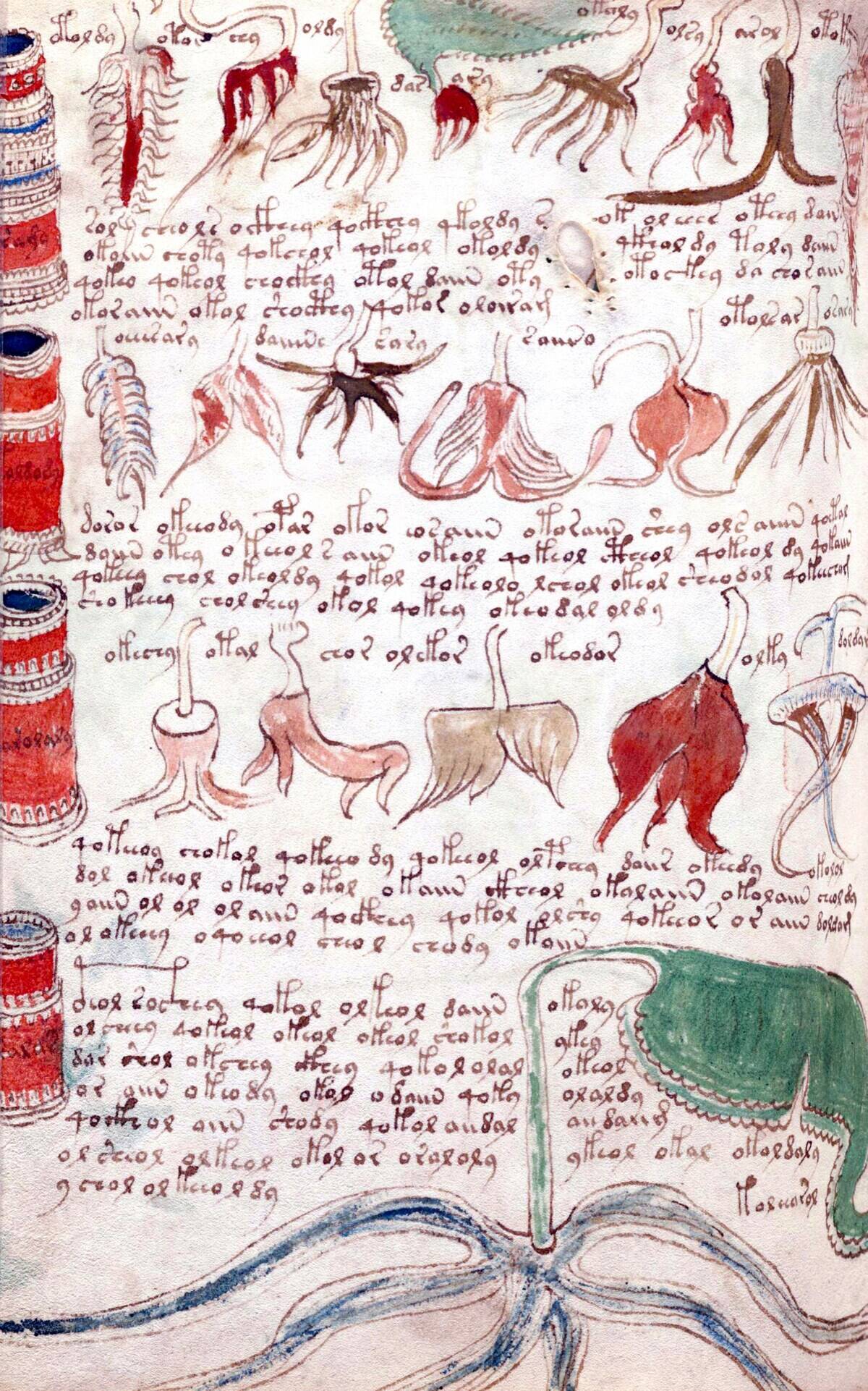
The Voynich Manuscript, dating back to the 15th century, is one of history’s most intriguing puzzles. Filled with bizarre illustrations and an unknown script, it has baffled cryptographers and linguists alike.
Despite numerous attempts, the manuscript remains undeciphered, sparking countless theories about its origins and purpose. Some suggest it might be a hoax, while others believe it holds the secrets of a lost language or code.
The Epic of Gilgamesh: Sumerian Rediscovered from Clay
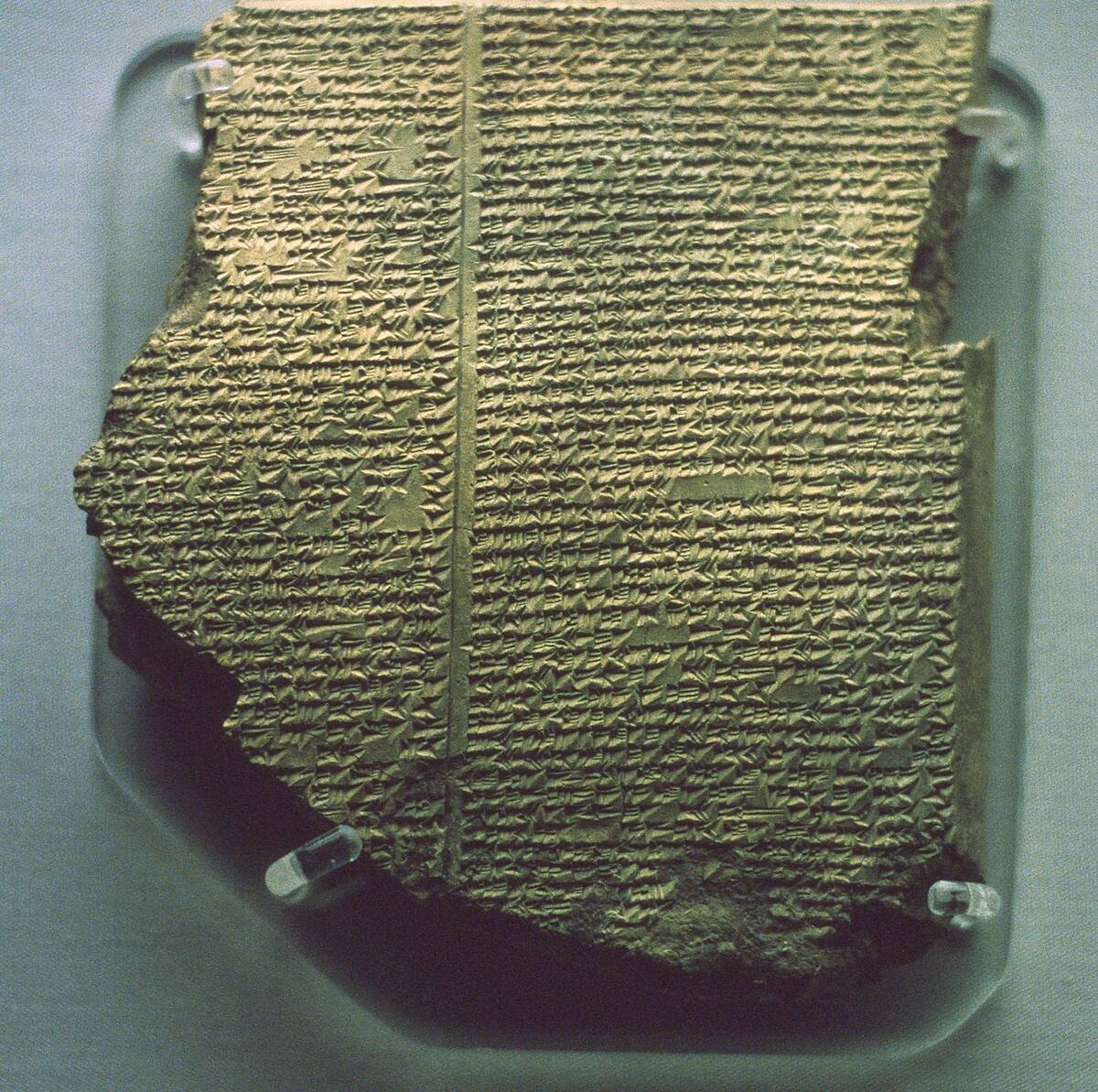
The Epic of Gilgamesh, one of the oldest known literary works, was rediscovered in the ruins of Nineveh on cuneiform tablets. Written in Sumerian, this epic poem reveals much about ancient Mesopotamian culture and mythology.
Its preservation through clay tablets highlights the importance of durable materials in the survival of ancient texts. The tale of Gilgamesh not only entertains but also provides historical context to the early civilizations of the region.
The Indus Script: Piecing Together the Puzzle with Pottery
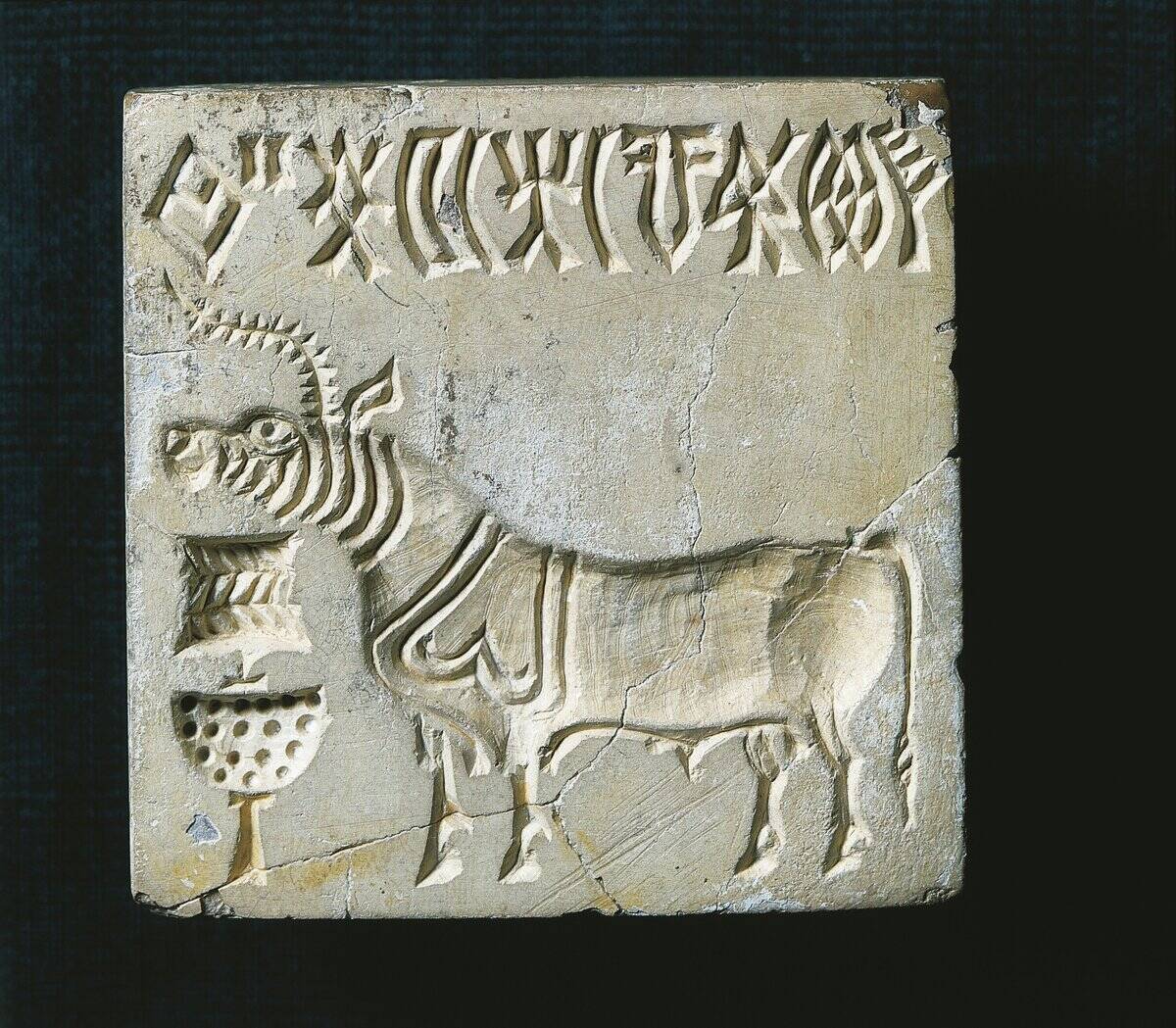
The Indus script remains one of archaeology’s greatest unsolved mysteries. Found on pottery and seals in the Indus Valley, this script has yet to be deciphered. Despite its brevity, with inscriptions averaging just five symbols, it suggests a sophisticated urban civilization.
Efforts to decode it continue, with researchers hoping to uncover connections to modern languages or discover a bilingual inscription that might crack the code.
Mayan Glyphs: Decoding the Ancient Civilization’s Script
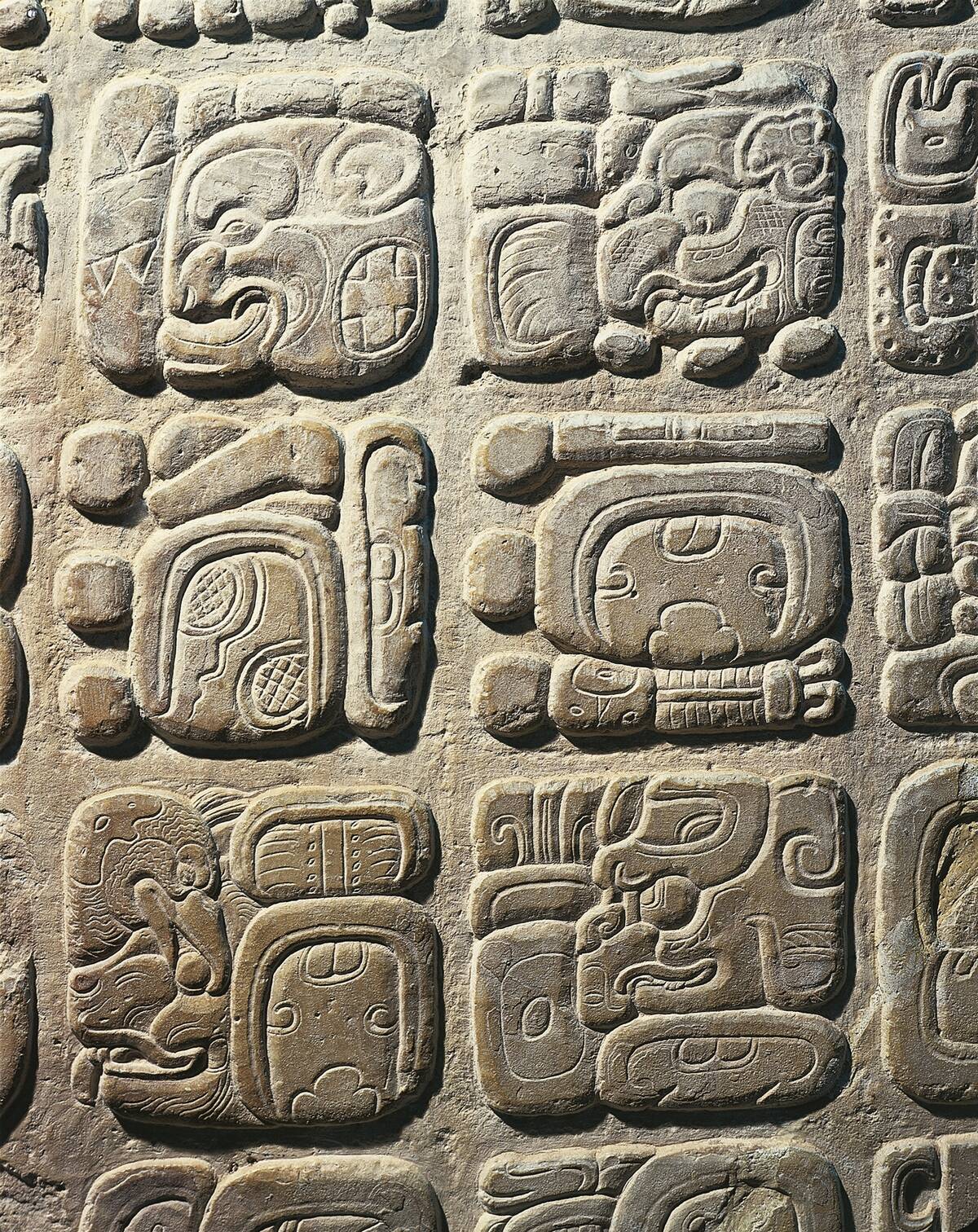
Mayan glyphs, once an enigma, have largely been deciphered, revealing the rich history of the Maya civilization. This breakthrough came through the work of scholars like Yuri Knorosov, who realized that the glyphs represented sounds rather than ideas.
Today, these glyphs provide insights into Mayan politics, religion, and daily life, offering a detailed view of one of Mesoamerica’s most advanced cultures. This achievement underscores the potential for other undeciphered scripts to yield their secrets.
The Rongorongo Script of Easter Island: A Cryptic Legacy
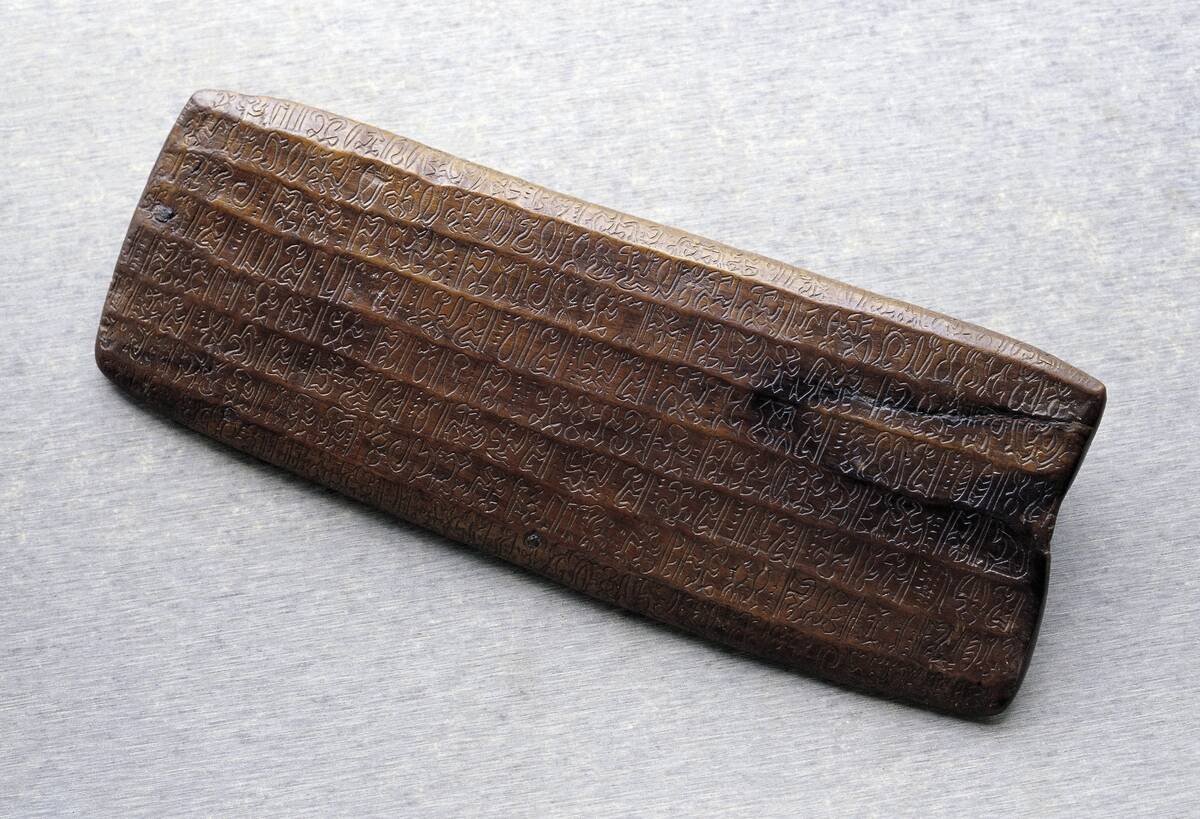
Rongorongo, the script of Easter Island, remains one of the world’s great linguistic mysteries. Discovered in the 19th century, it consists of glyphs carved on wooden tablets, but no one knows how to read it.
Some believe it to be a form of proto-writing, while others think it might be a true script that was lost over time. The lack of context has made it challenging for researchers, leaving the inscriptions of Rapa Nui shrouded in mystery.
Deciphering Linear A: The Minoan Enigma
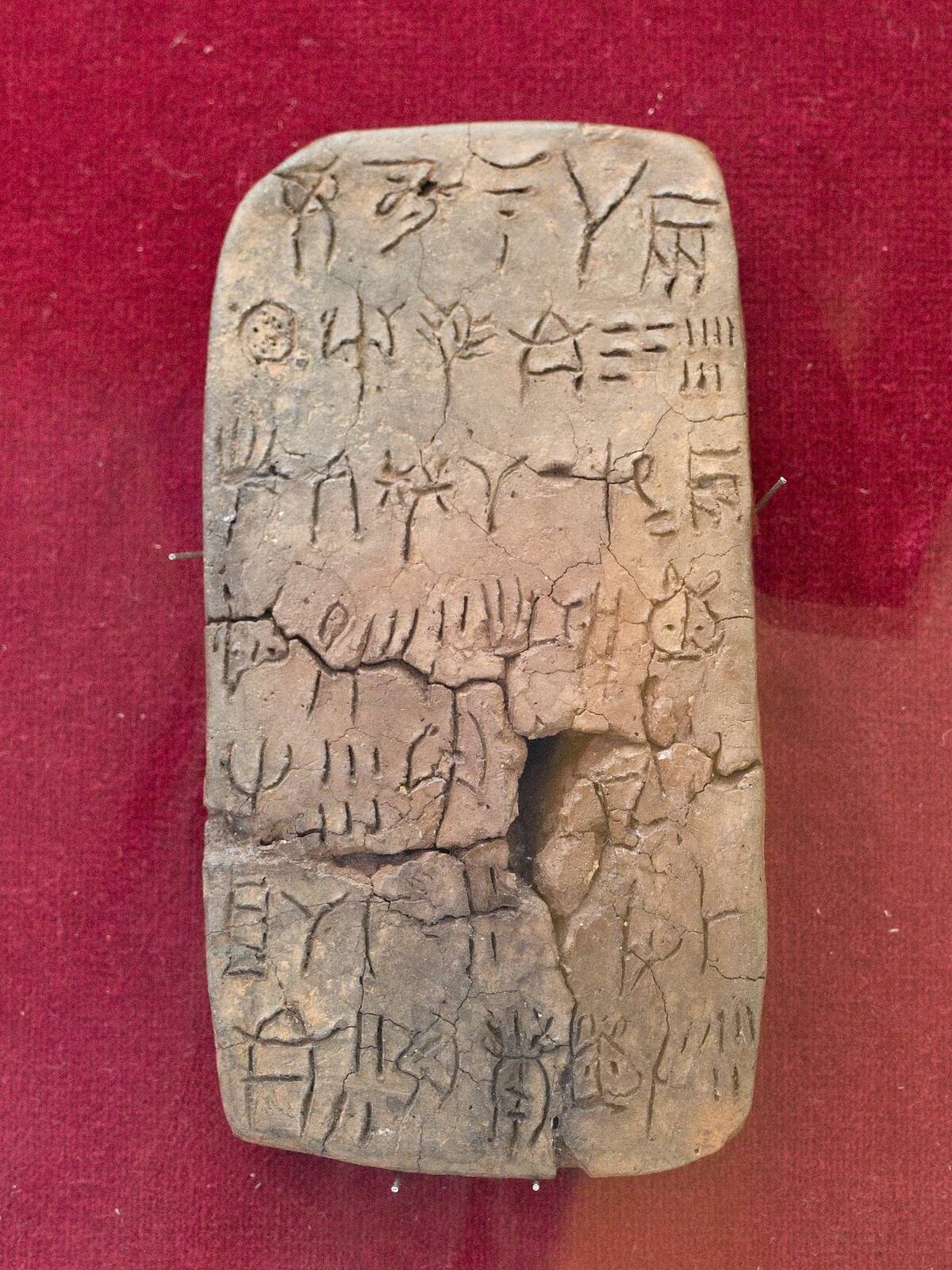
Linear A, used by the Minoans on Crete, predates Linear B and remains undeciphered. Unlike Linear B, which revealed an early form of Greek, Linear A does not correspond to any known language.
It is primarily found on economic and administrative artifacts, suggesting its use in ritual or economic contexts. The enigmatic script continues to captivate linguists, as cracking it could reveal new insights into Minoan civilization and its connections to other ancient cultures.
Old Persian Cuneiform: From Royal Inscriptions to Understanding
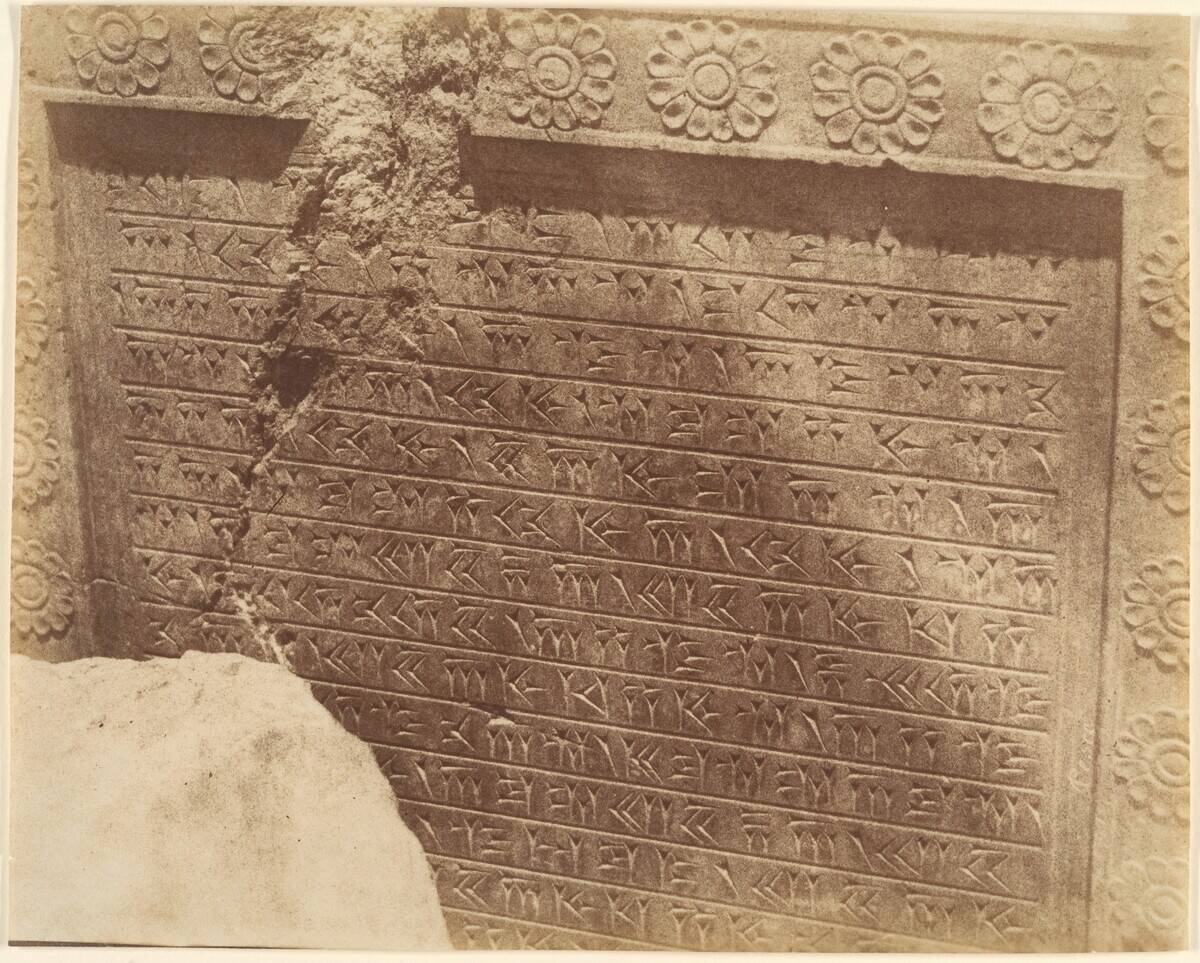
Old Persian cuneiform provides a fascinating glimpse into the Achaemenid Empire. Deciphered in the 19th century, this script is found on royal inscriptions, such as those at Persepolis.
The breakthrough came with the Behistun Inscription, a multilingual text that acted as a key, much like the Rosetta Stone. Understanding Old Persian has illuminated the history of the Achaemenids, revealing their conquests, governance, and interactions with other cultures.
The Gothic Bible: A Glimpse into the Language of the Goths
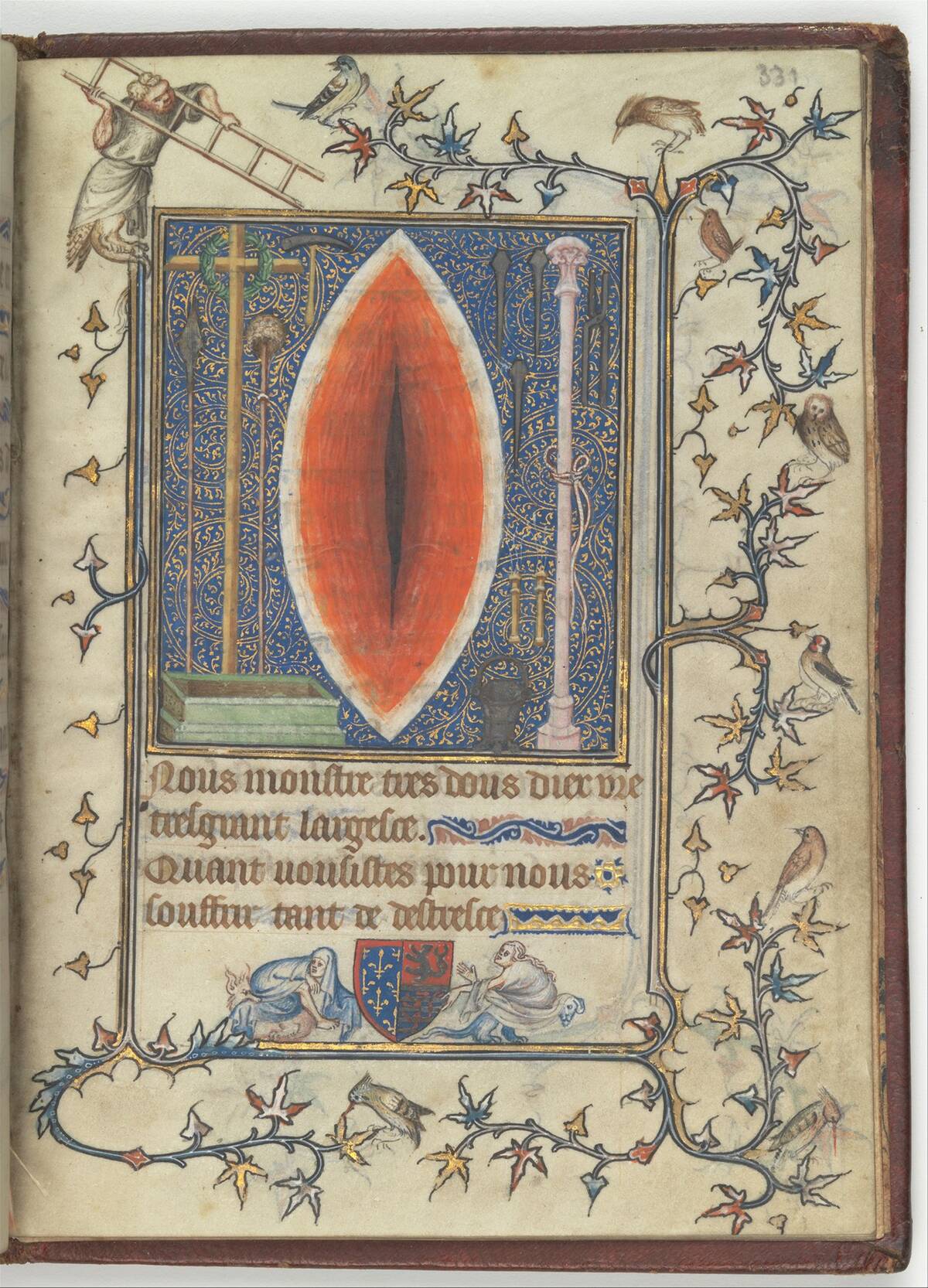
The Gothic Bible, translated by the missionary Wulfila in the 4th century, is one of the few remnants of the Gothic language. This translation of the New Testament provides a rare look at the language spoken by the Germanic tribes.
While much of the Gothic language has been lost, this text offers invaluable insights into its structure and vocabulary, highlighting the linguistic diversity of ancient Europe and the cultural exchanges that shaped it.
How Coin Hoards Have Unlocked Lost Languages
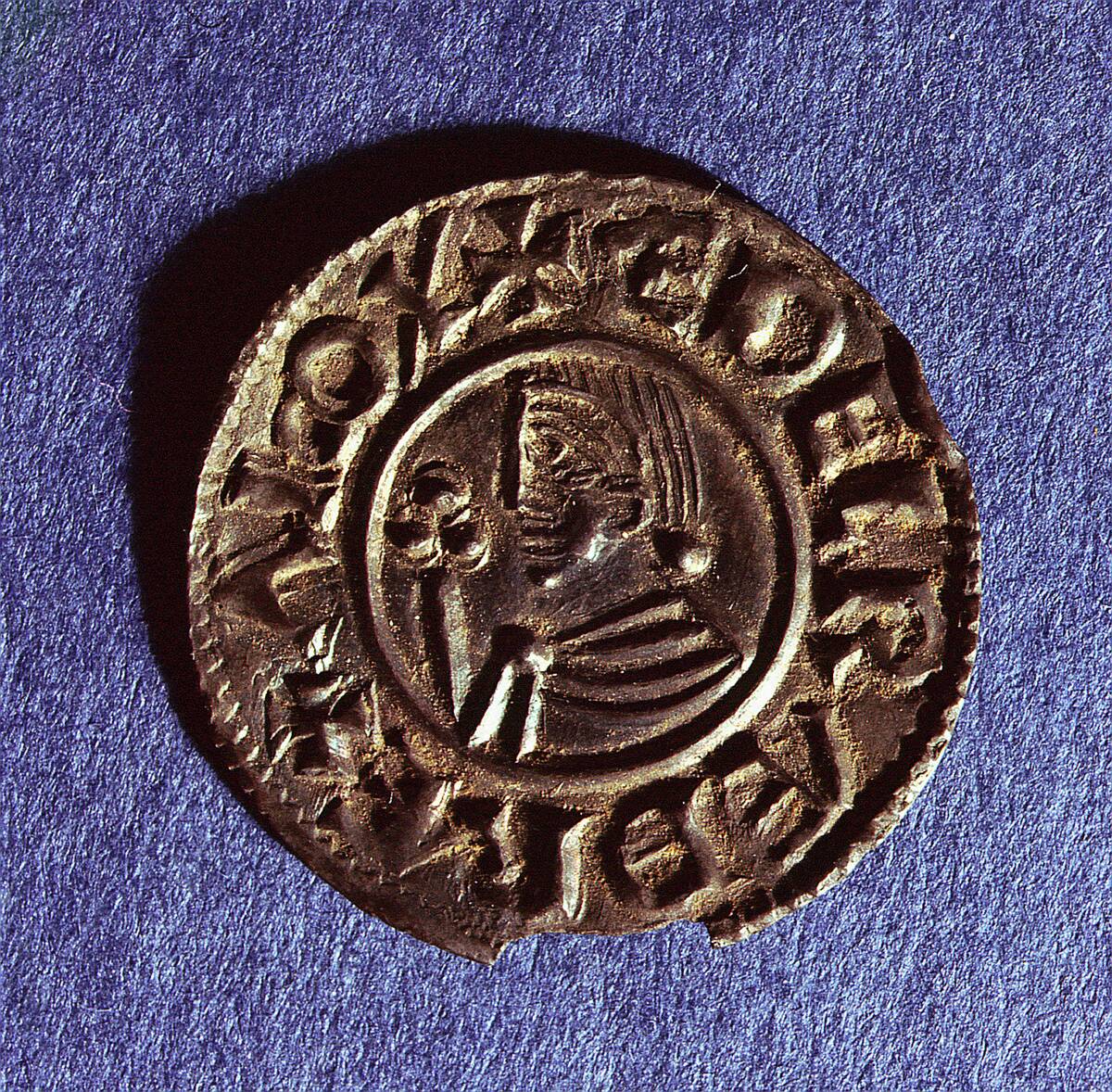
Coin hoards have often been the unlikely heroes in the rediscovery of lost languages. Inscriptions on coins can provide crucial linguistic evidence, as seen with the discovery of the Bactrian language.
These coins often traveled far and wide, carrying with them snippets of language that outlasted the civilizations that minted them. Such finds demonstrate how commerce and trade can inadvertently preserve linguistic history, offering tantalizing clues to researchers piecing together ancient scripts.
The Role of Chance in Rediscovering the Proto-Elamite Script
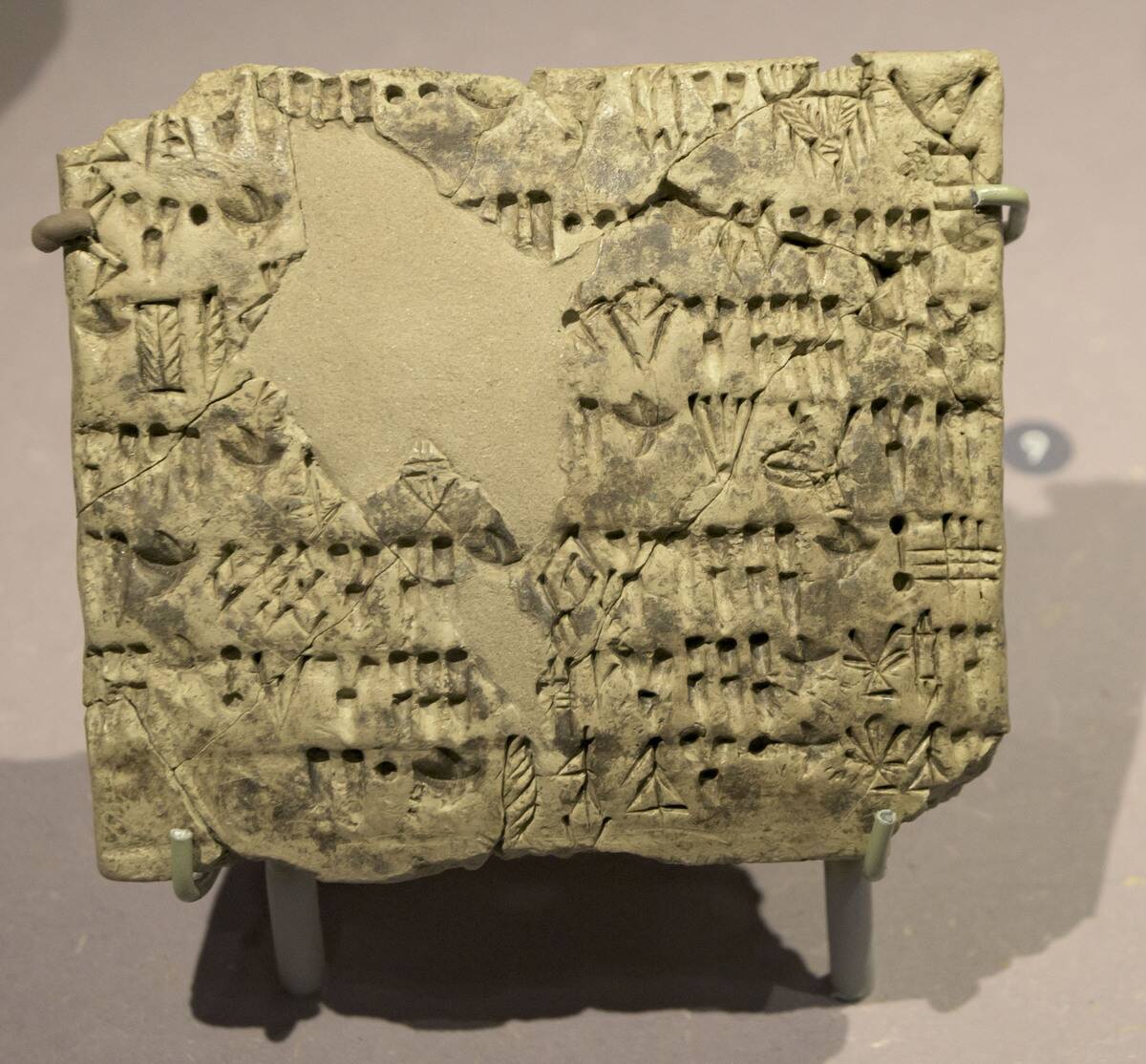
Proto-Elamite, the oldest known writing system in Iran, remains largely undeciphered. Chance plays a significant role in its study, as random discoveries of inscriptions can shed new light on this ancient script.
Researchers hope to find a bilingual text or a significant inscription that could provide the key to understanding it. This script’s potential to reveal insights into early Iranian cultures keeps scholars intrigued and hopeful for future breakthroughs.
Technology and Its Impact on Deciphering Ancient Texts
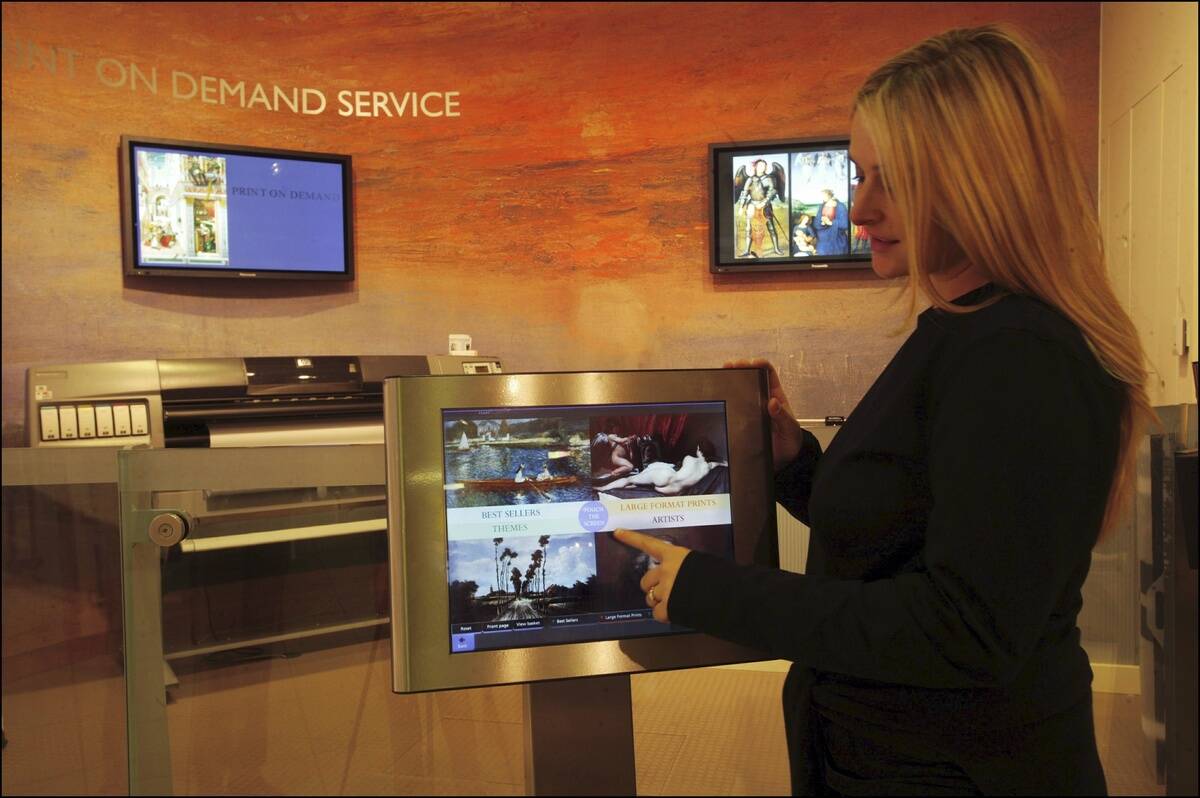
Modern technology has revolutionized the study of ancient texts. Tools like multispectral imaging and computer algorithms have made it possible to read texts that were once thought illegible.
For example, damaged manuscripts can now be examined without physical contact, revealing hidden details. Machine learning aids in pattern recognition, offering new ways to approach undeciphered scripts. As technology advances, it promises to unlock even more secrets hidden within ancient languages.




