Kings and Queens who governed based on dreams and omens
Dive into the enchanting world where dreams and omens have shaped the course of history. Royal figures, from ancient Babylon to Victorian England, have relied on these mystical experiences for guidance.
Whether foretelling doom or heralding success, dreams and omens have been interwoven with royal decision-making. Their allure lies in the mystery and the idea that the universe leaves hints for those in power. Let’s embark on a journey through time and explore these fascinating tales.
Nebuchadnezzar II: The Babylonian King and His Bewildering Dreams
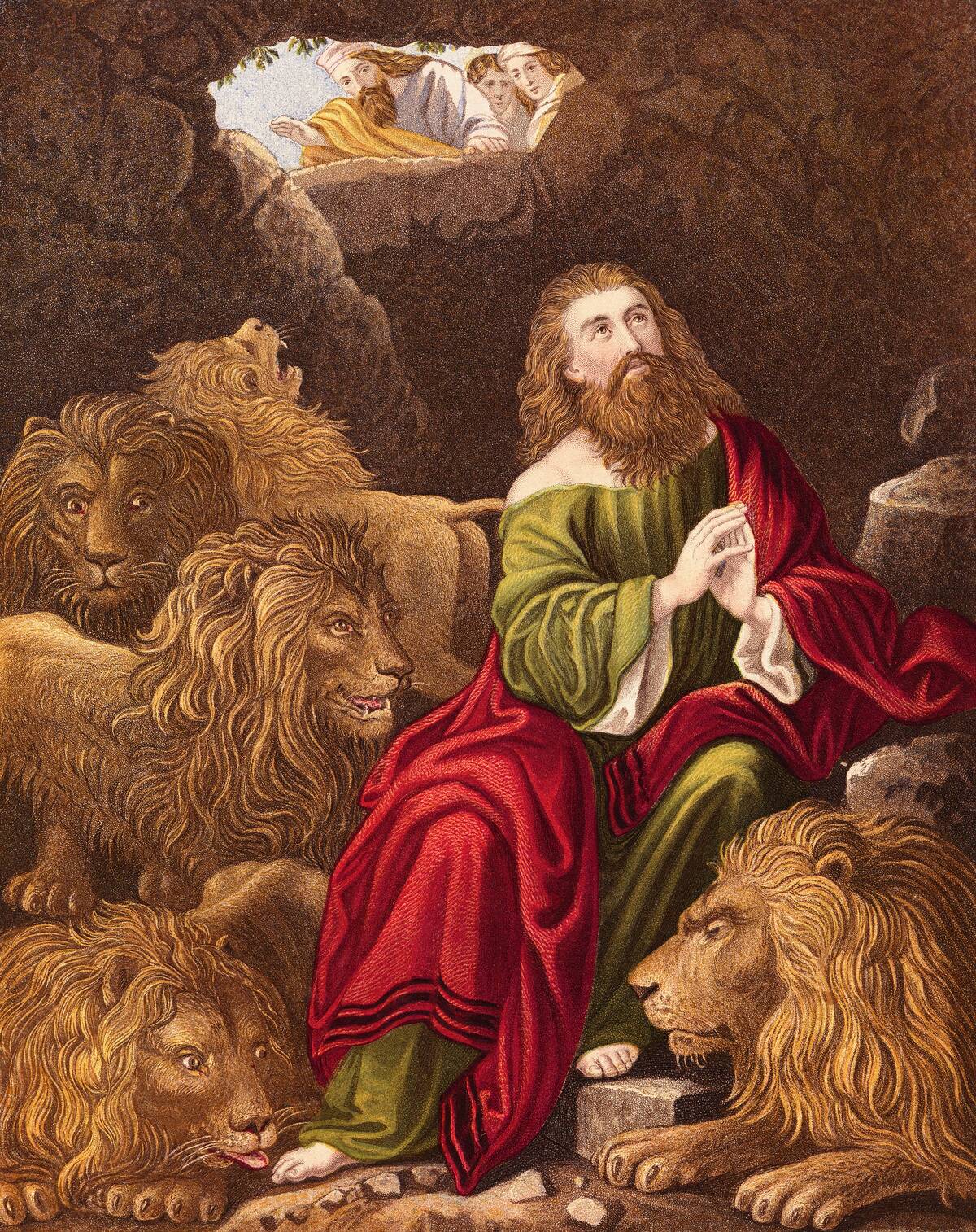
Nebuchadnezzar II, the mighty Babylonian king, is renowned for his dream that none of his wise men could decipher until Daniel came along. This dream, involving a colossal statue with a head of gold, predicted the rise and fall of empires.
It deeply unsettled the king, as it was seen as a divine warning. Daniel’s interpretation, according to legend, cemented his place in Nebuchadnezzar’s court, illustrating how dreams could directly influence royal favor and governance.
Pharaohs of Egypt: Divine Dreams and the Rule of the Gods
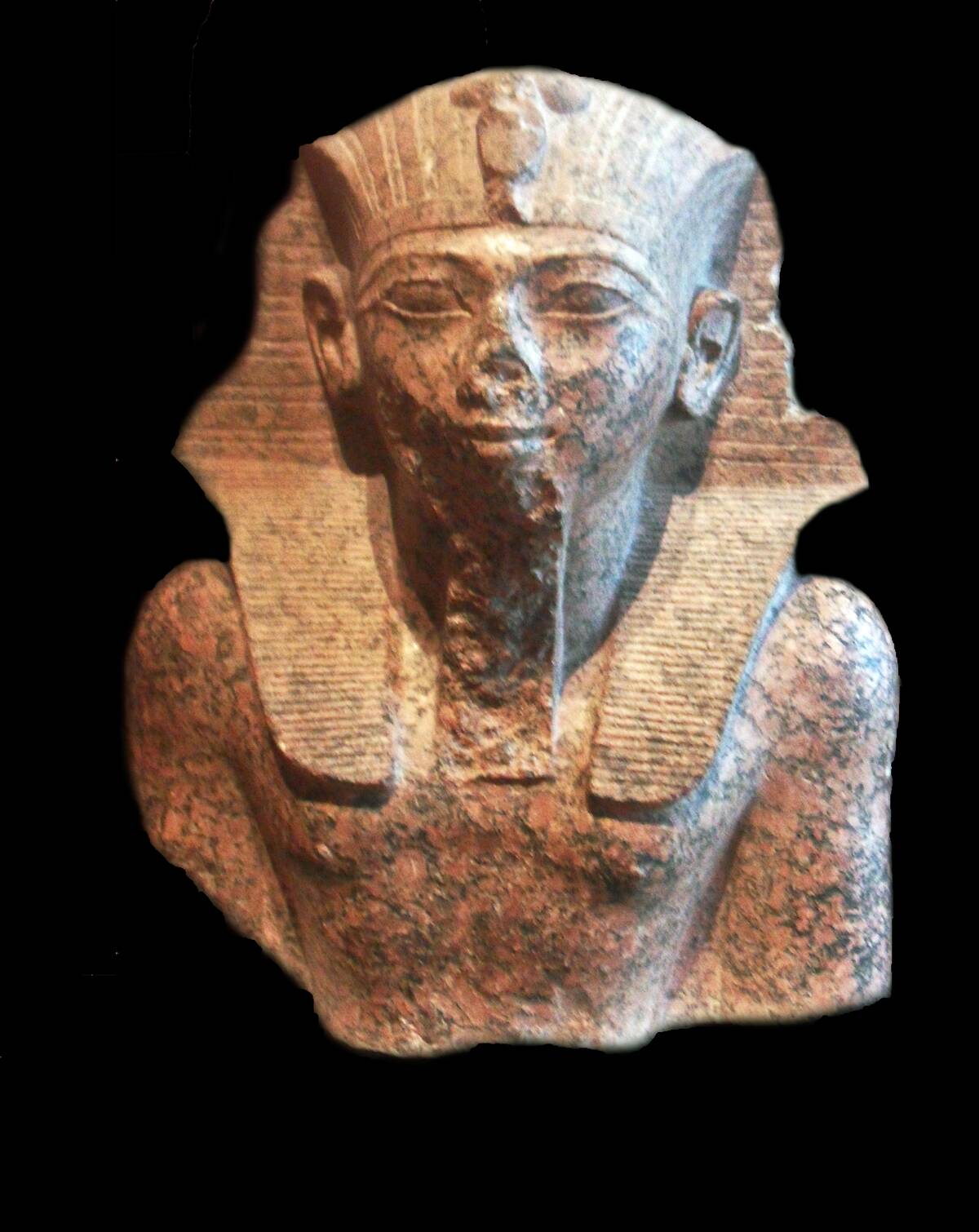
Egyptian pharaohs were considered divine, and their dreams were seen as direct communications with the gods. One famous example is Pharaoh Thutmose IV, who dreamt of Horus promising him the throne if he cleared the Sphinx from the sands.
This dream not only influenced his rule but also linked his legitimacy to divine will. Such instances show the intricate relationship between dreams and the divine right of kings, shaping the course of Egyptian history.
Alexander the Great: Guided by Prophetic Dreams to Conquer the World
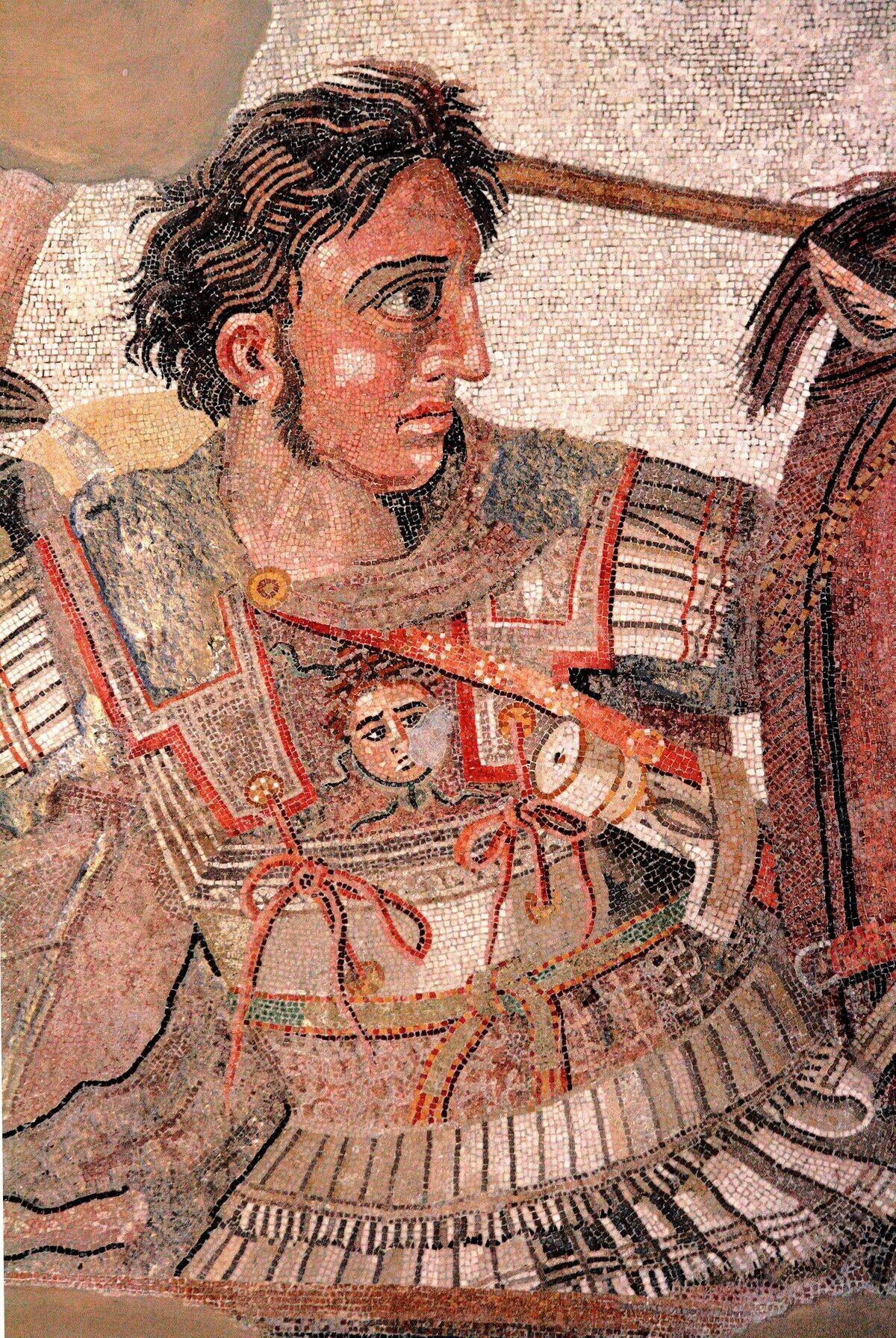
Alexander the Great, the legendary Macedonian conqueror, was known for his reliance on dreams. During the Siege of Tyre, he dreamt of a satyr dancing on his shield, interpreted as a sign of victory.
His belief in these prophetic visions bolstered his confidence and strategic decisions. The dreams served as a psychological advantage, reinforcing his troops’ morale. Alexander’s campaigns, marked by such mystical guidance, highlight the power of dreams in shaping military conquests.
Emperor Augustus: How Omens Shaped the Father of the Roman Empire
![Roman civilization, statue with lorica armor of [redacted], from Prima Porta, Rome](https://media.tellmebest.com/wp-content/uploads/2024/11/roman-civilization-statue-with-lorica-armor-of-augustus-from-prima-porta-rome-88954.jpeg)
Omens played a significant role in Augustus’s rise to power, the first emperor of Rome. A well-known omen was the appearance of a comet, interpreted as Julius Caesar’s soul ascending to the heavens, symbolizing Augustus’s divine right to rule. Naturally, it was a belief Augustus was quick to capitalize on.
Such celestial signs reinforced his image as the chosen one, easing his transition from republic to empire. Augustus’s reliance on omens exemplifies how supernatural signs were used to legitimize authority and strengthen political claims.
King Croesus of Lydia: Dream Interpretations and the Misunderstood Oracle
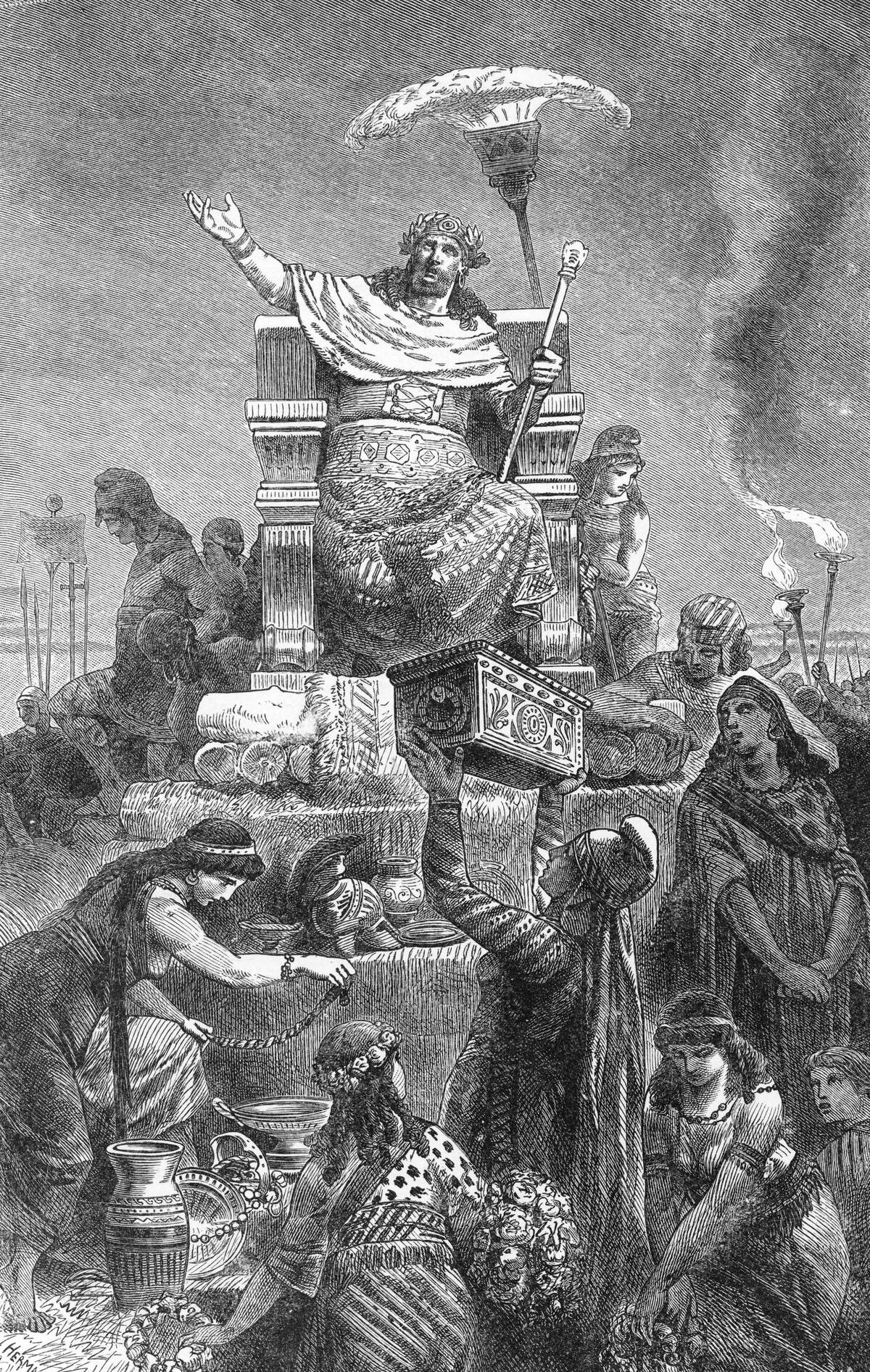
King Croesus, famed for his wealth, sought guidance from the Oracle of Delphi. He dreamt of his son dying by an iron spear, prompting him to keep his son away from battle. However, fate led to his son’s accidental death during a boar hunt.
This tragic misinterpretation underscores the ambiguity of prophecies and dreams. Croesus’s story serves as a cautionary tale about the limitations of relying on mystical guidance, despite its allure.
The Mysterious Dreams of King Solomon: Wisdom from the Divine
![Initial D[Omine] From A Choral Book: King Solomon](https://media.tellmebest.com/wp-content/uploads/2025/12/initial-domine-from-a-choral-book-king-solomon-13672.jpeg)
King Solomon, celebrated for his wisdom, famously dreamt of God offering him anything he desired. Solomon chose wisdom, a decision that was said to please God and grant him unparalleled insight.
This dream reinforced Solomon’s reputation as a wise ruler and became a cornerstone of his legacy. It illustrates how dreams were perceived as divine gifts, bestowing qualities that enhanced a ruler’s ability to govern. Solomon’s dream remains a timeless tale of wisdom and humility.
Queen Boudica: Celtic Omens and the Warrior Queen’s Battles
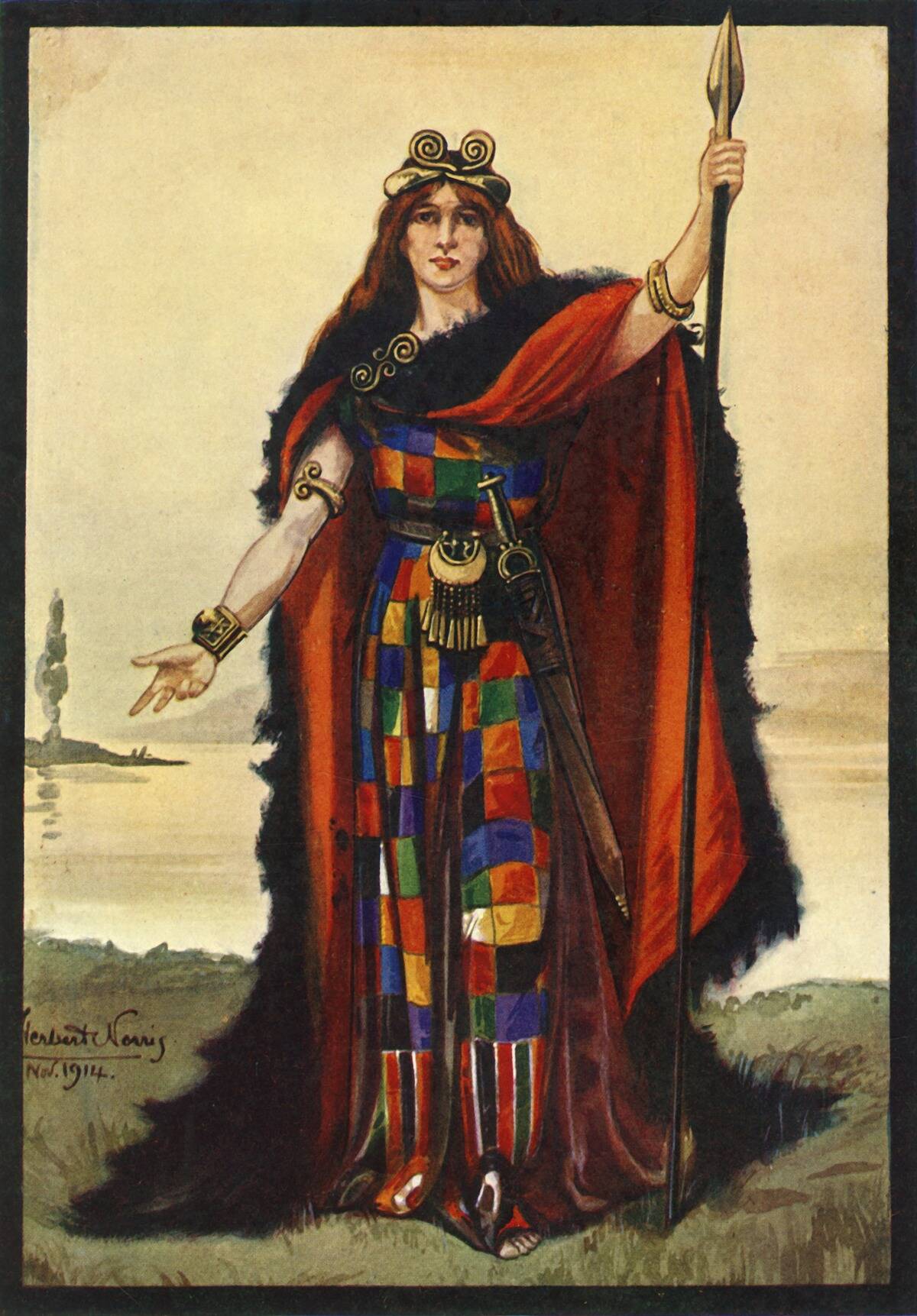
Queen Boudica, the fierce leader of the Iceni tribe, reportedly relied on omens for guidance in her revolt against Roman occupation. Before battle, she released hares from her gown, and the directions they ran in influenced her military decisions.
Such omens were integral to Celtic culture, influencing Boudica’s strategic choices. Her reliance on these signs underscores the deep connection between mystical beliefs and leadership in tribal societies. Boudica’s story is a testament to the power of cultural traditions in shaping historical narratives.
Emperor Constantine: The Vision of the Cross that Changed History
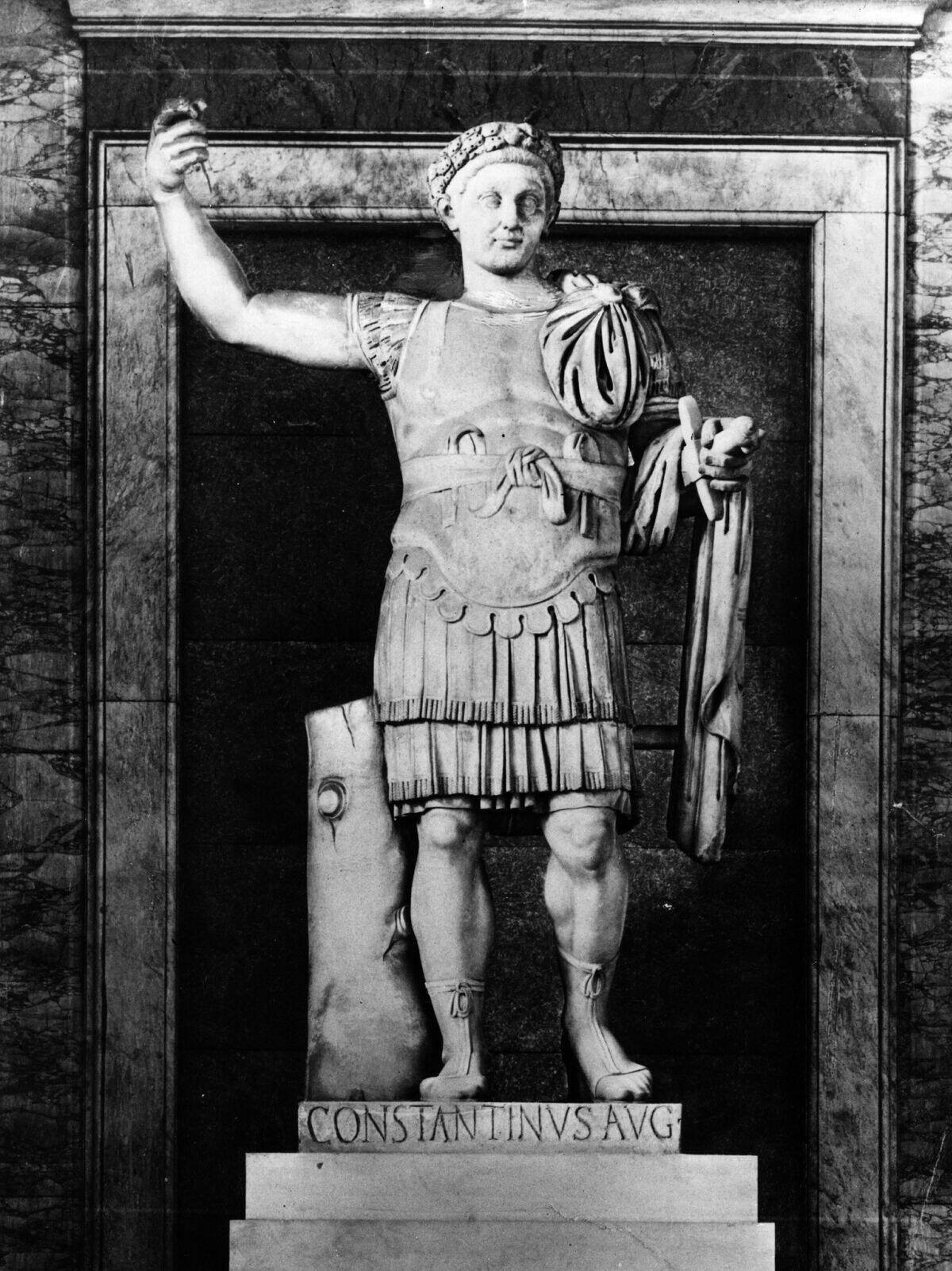
Emperor Constantine’s pivotal vision before the Battle of the Milvian Bridge transformed the Roman Empire’s religious landscape. He reportedly saw a cross of light in the sky with the words “In this sign, you will conquer.”
This divine vision is supposedly what led to his conversion to Christianity and the eventual Christianization of Rome. Constantine’s experience underscores how mystical encounters can alter the course of history and shape the beliefs of entire civilizations.
Queen Victoria: Omens and the Longest Reigning British Monarch
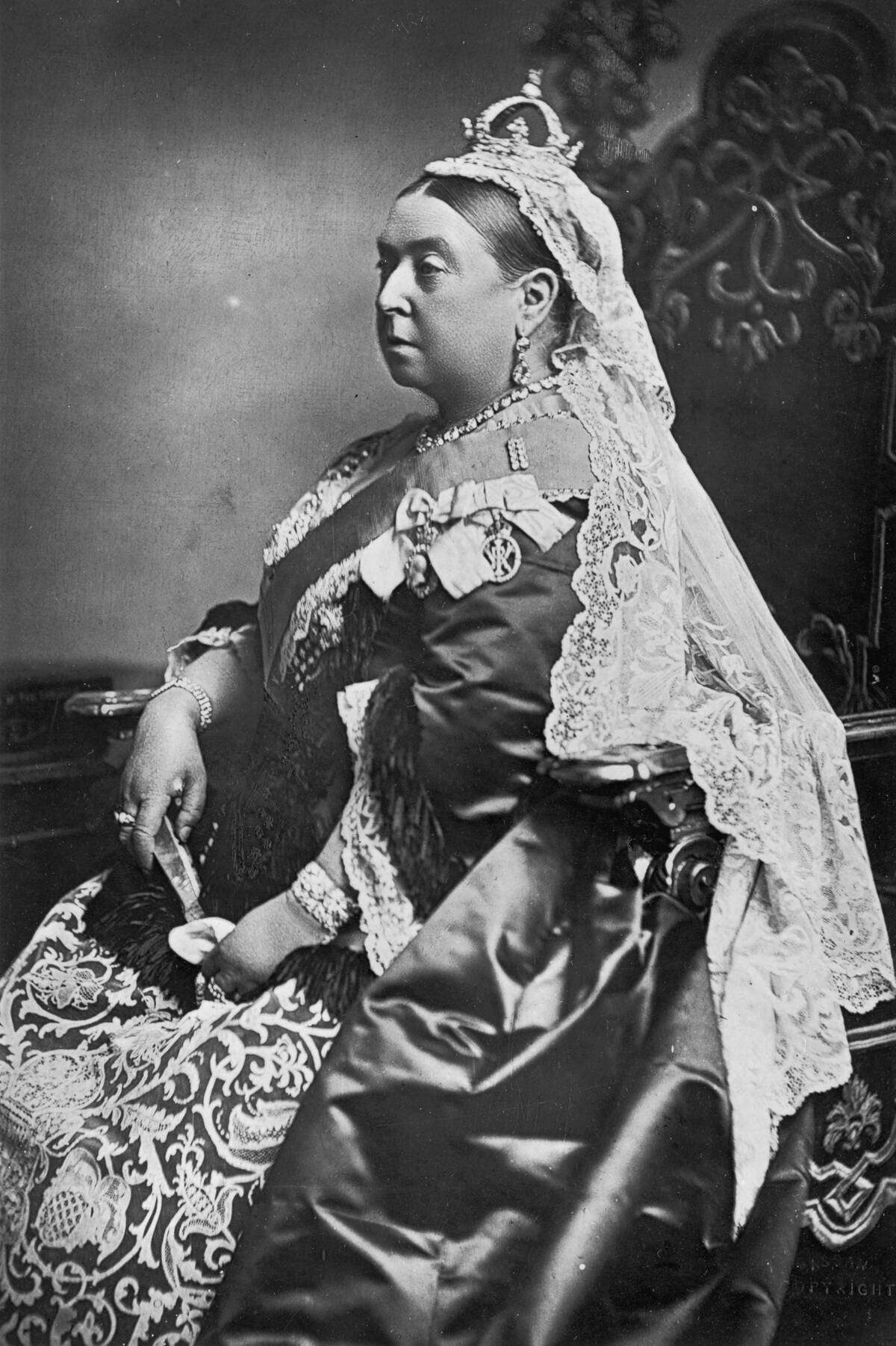
Queen Victoria, the longest-reigning British monarch, was not immune to the allure of omens. She reportedly took particular interest in superstitions and signs, often reflecting on their meanings.
These beliefs, while private, influenced her worldview and decisions. Victoria’s fascination with omens illustrates the enduring nature of mystical beliefs, even in an era of scientific progress. Her reign, marked by both tradition and innovation, showcases the complex interplay between the old and the new.




