Inventors who were ruined by their own breakthroughs
In the world of innovation, success isn’t always synonymous with happiness or prosperity. Inventors, while blessed with brilliance, often find themselves in the shadows of their own creations.
The paradox of invention is that it can bring both triumph and tragedy. Many have seen their groundbreaking ideas change the world, only to watch from the sidelines as others reaped the rewards. This article delves into the tales of those whose genius was both celebrated and overlooked.
Nikola Tesla: The Wireless Visionary Who Lost It All
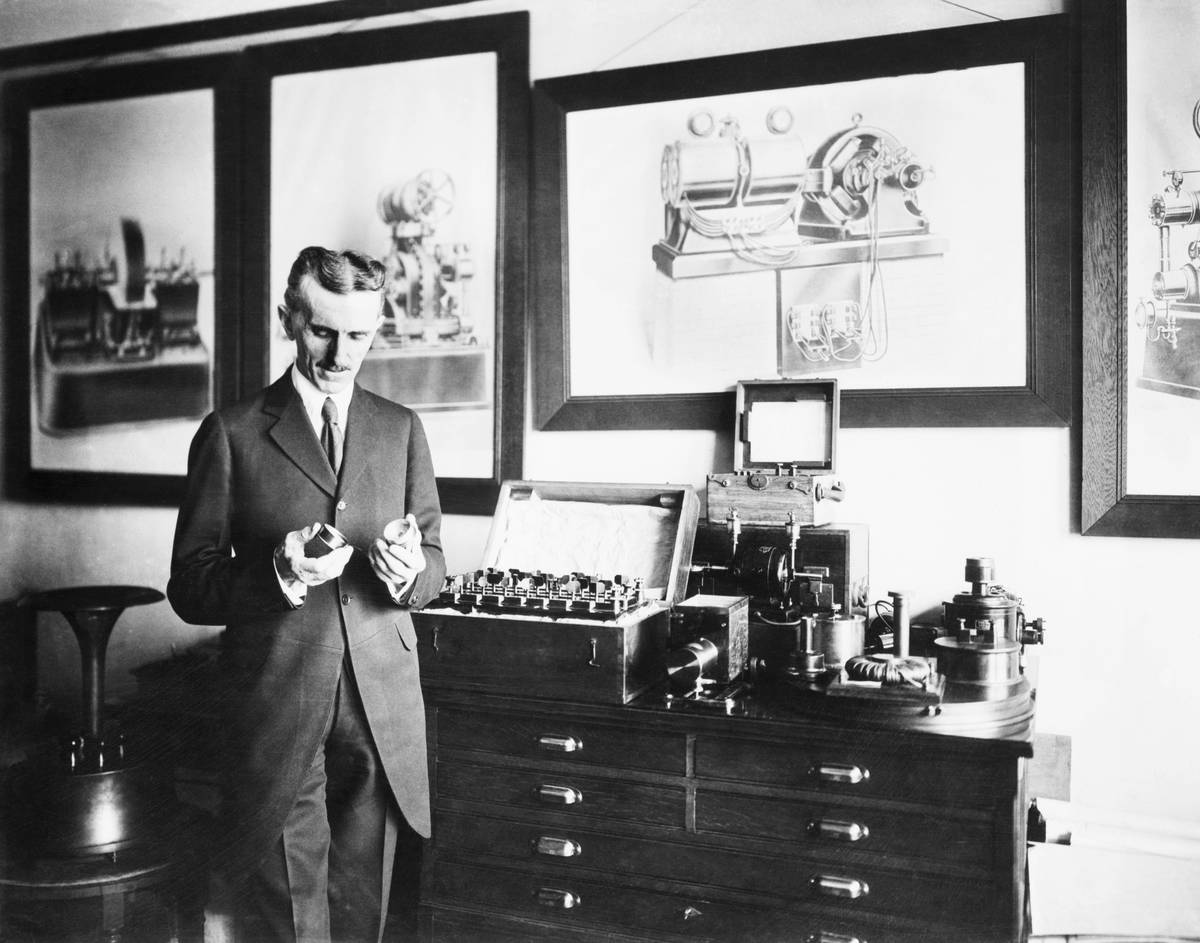
Nikola Tesla, the man whose name is now synonymous with innovation, was a visionary who revolutionized electrical engineering. His contributions, such as the Tesla coil, laid the groundwork for modern wireless technology.
Despite his genius, Tesla died penniless in a New York hotel room. His ideas were ahead of their time, often making it difficult to secure funding or recognition. Today, his legacy shines bright, but during his lifetime, he struggled financially and emotionally.
Philo Farnsworth: The Television Pioneer Overshadowed by Giants
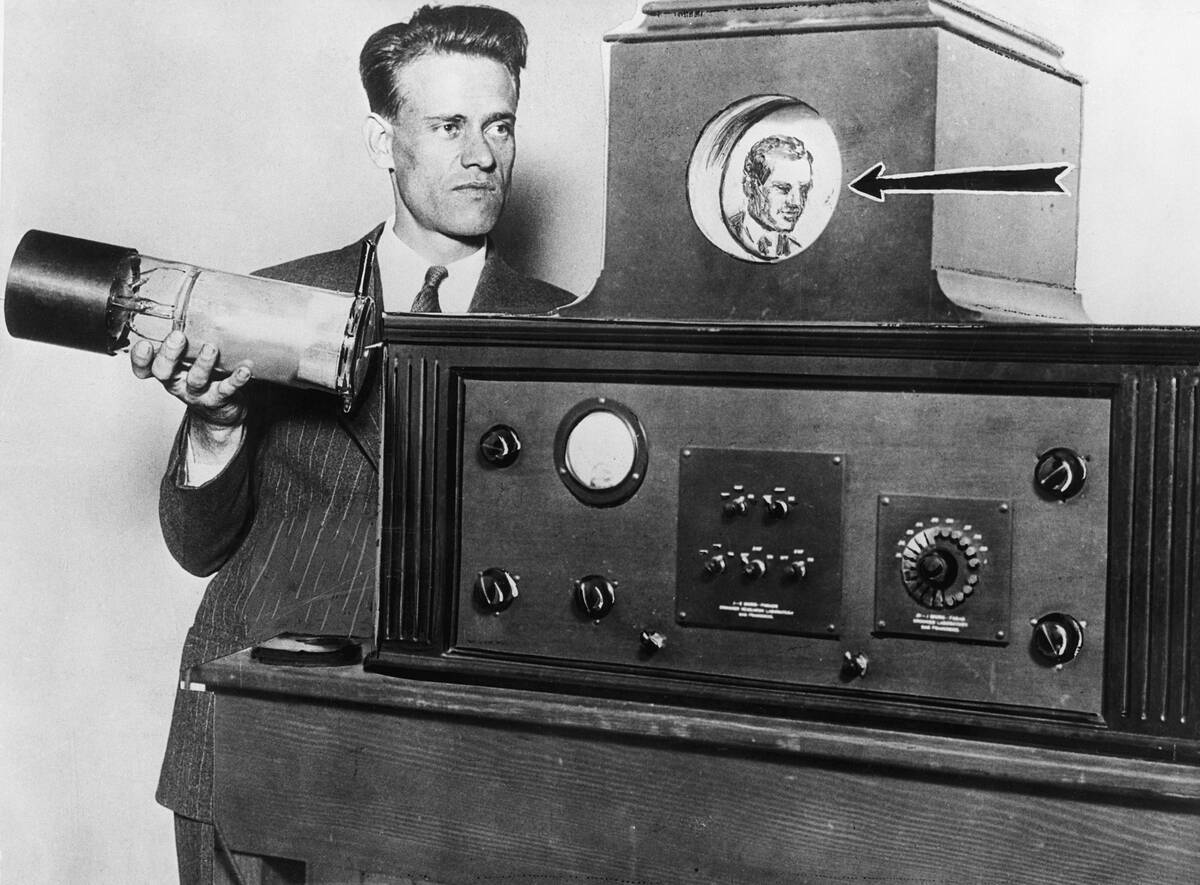
Philo Farnsworth was a key pioneer in the development of fully electronic television. In his early 20s, he successfully demonstrated the first working all-electronic television system, transmitting an image using his image dissector. However, he faced fierce competition from giants like RCA, who overshadowed his contributions.
Legal battles drained his resources, and his achievements were only recognized posthumously. Farnsworth’s work laid the foundation for an industry, yet he spent his life battling for acknowledgment.
Edwin Armstrong: FM Radio Innovator Battled Into Bankruptcy
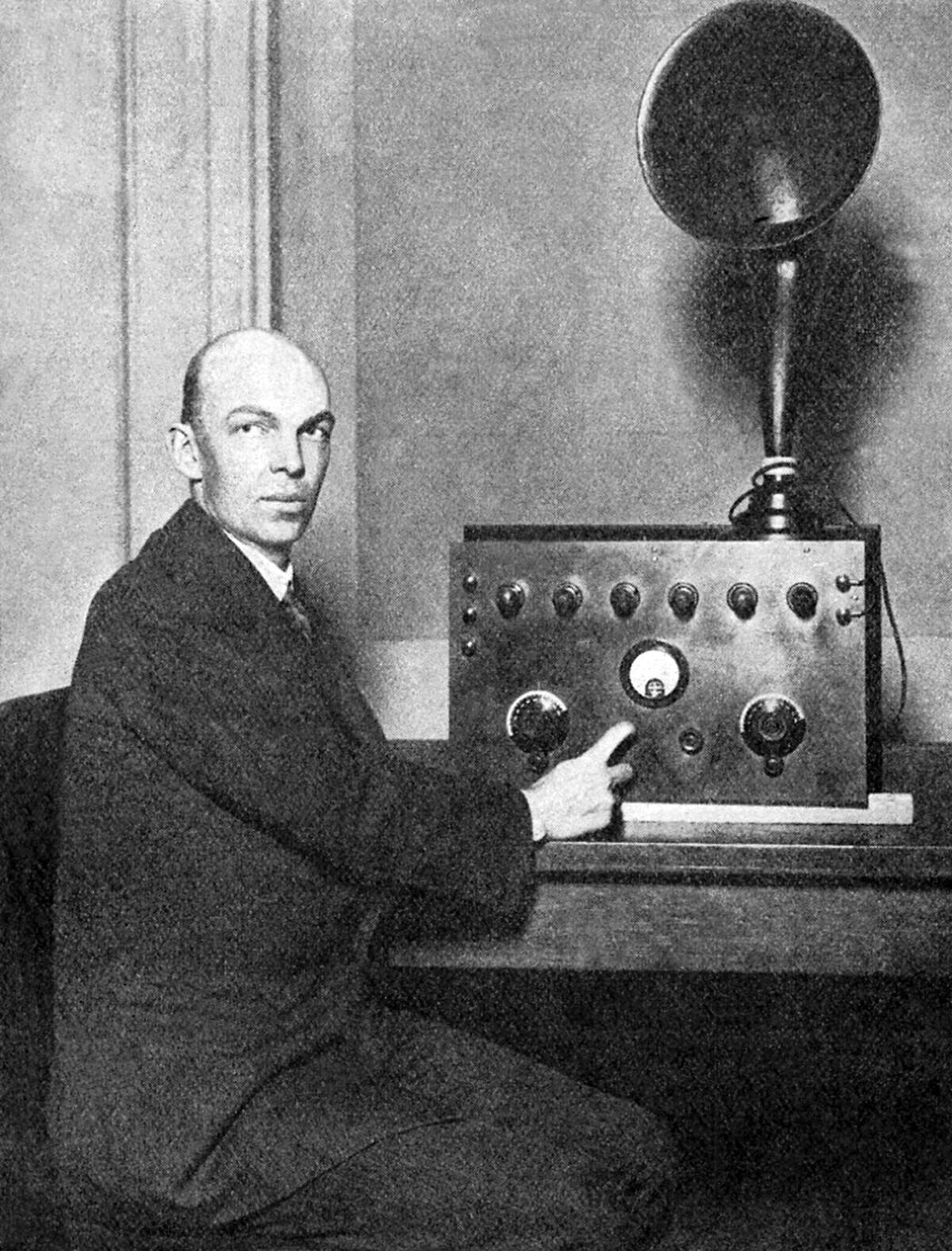
Edwin Armstrong, the brilliant mind behind FM radio, transformed the way the world listened to sound. His invention offered clearer and more reliable audio transmission, a significant leap from AM radio. Despite his technical triumph, Armstrong’s life was marred by patent disputes with RCA.
These legal battles drained his finances and contributed to his tragic end. Armstrong’s contributions to radio remain invaluable, yet his personal story is a somber reminder of the complexities of innovation.
Peter Cooper Hewitt: The Fluorescent Light Inventor Dimmed by Legal Battles
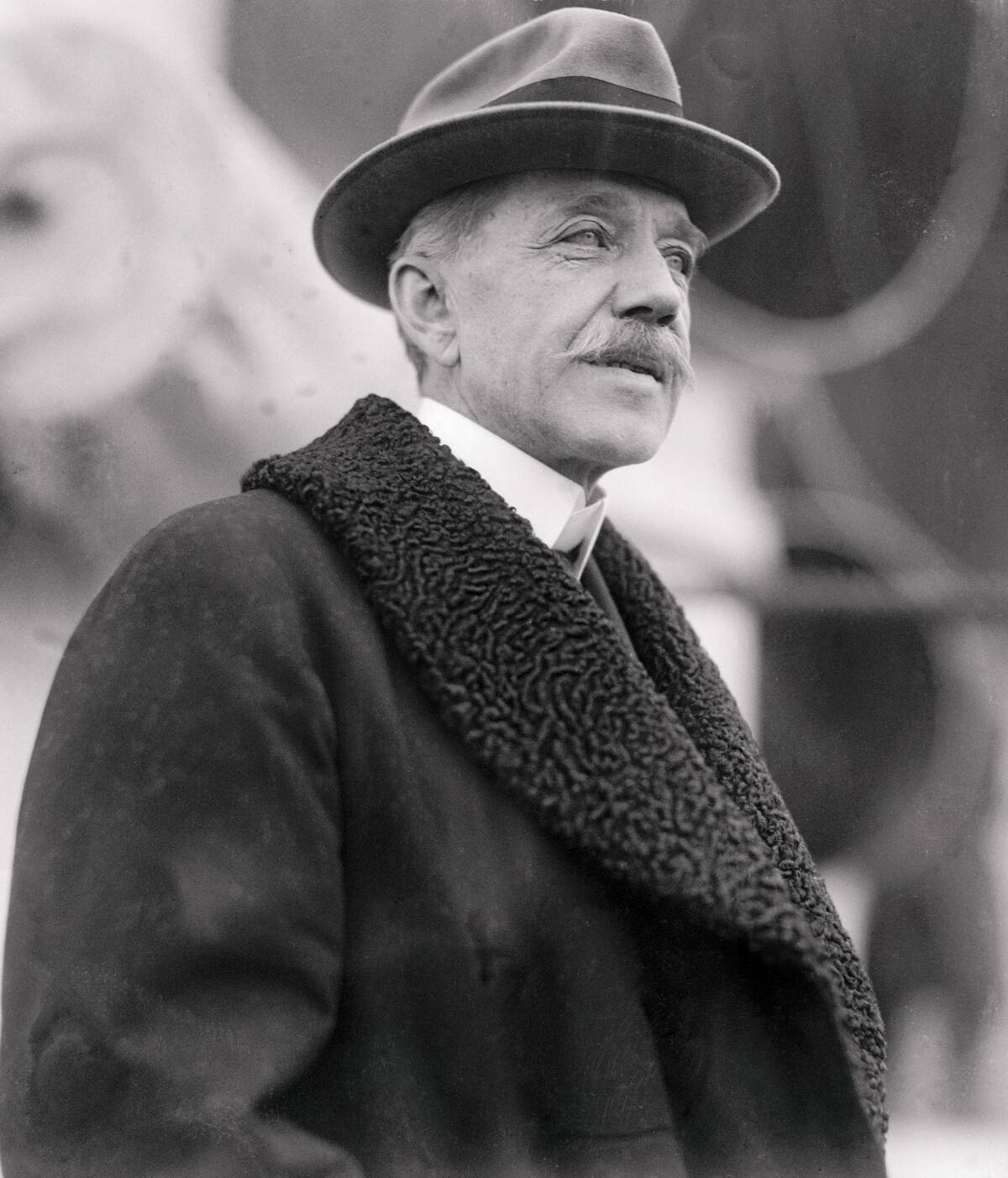
Peter Cooper Hewitt’s invention of the mercury-vapor lamp paved the way for fluorescent lighting. This innovation promised efficiency and longevity, revolutionizing lighting technology. However, Hewitt’s journey was not without its challenges.
Hewitt did face some commercial and patent-related challenges, despite these hurdles, his work laid the groundwork for modern lighting solutions. Hewitt’s story reflects the often harsh realities faced by those who light the path for future generations.
John Walker: The Man Behind the Match Who Struck Out
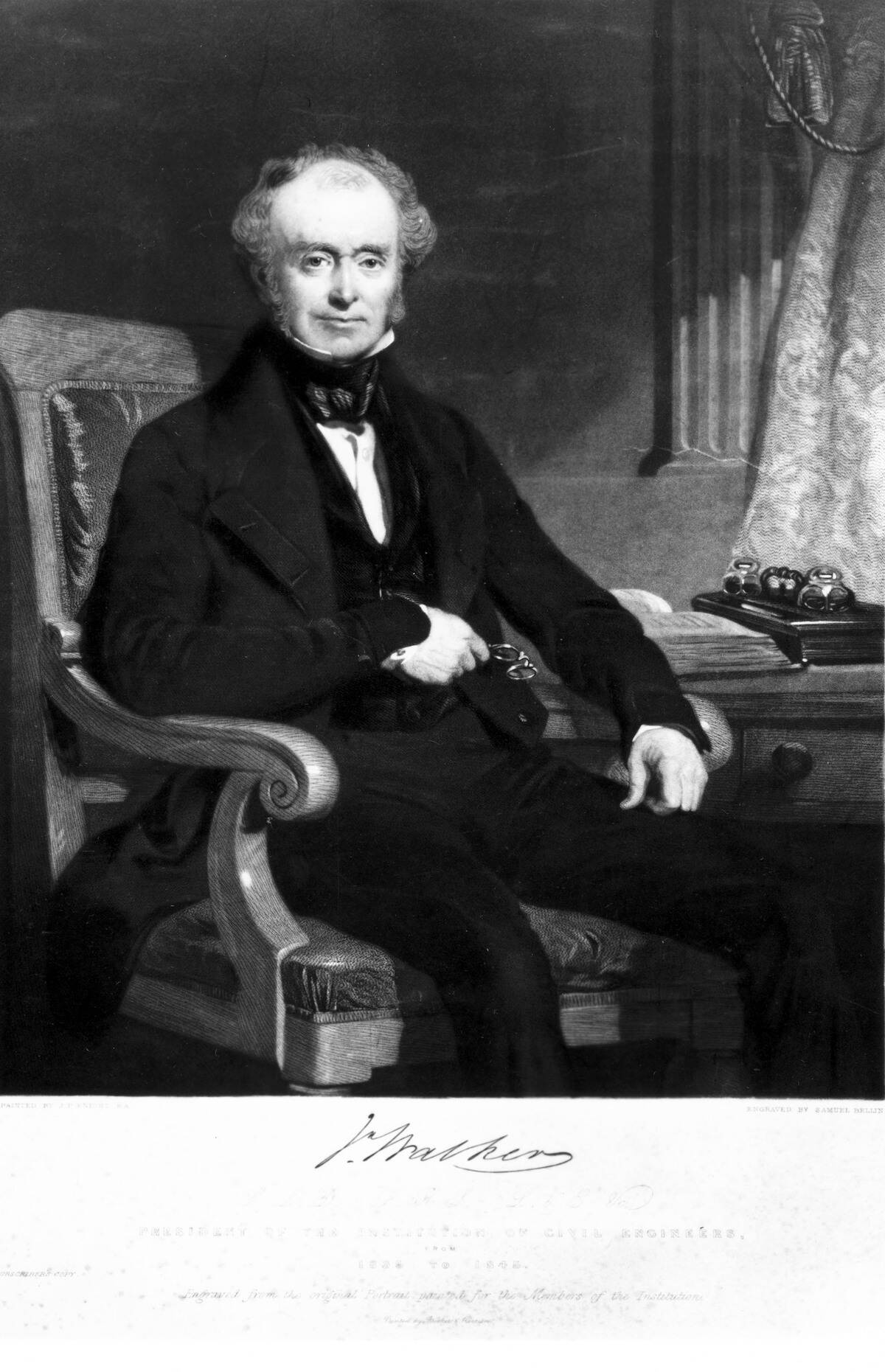
John Walker, a British chemist, unknowingly sparked a revolution with his invention of the friction match. This simple yet groundbreaking creation made fire accessible to the masses. However, Walker’s lack of a patent meant he never profited from his idea.
Others quickly capitalized on his invention, leaving Walker out in the cold. Though his name remains largely unrecognized, the impact of his matches continues to burn brightly in everyday life.
Charles Goodyear: Rubber’s Savior, Financially Stretched Thin
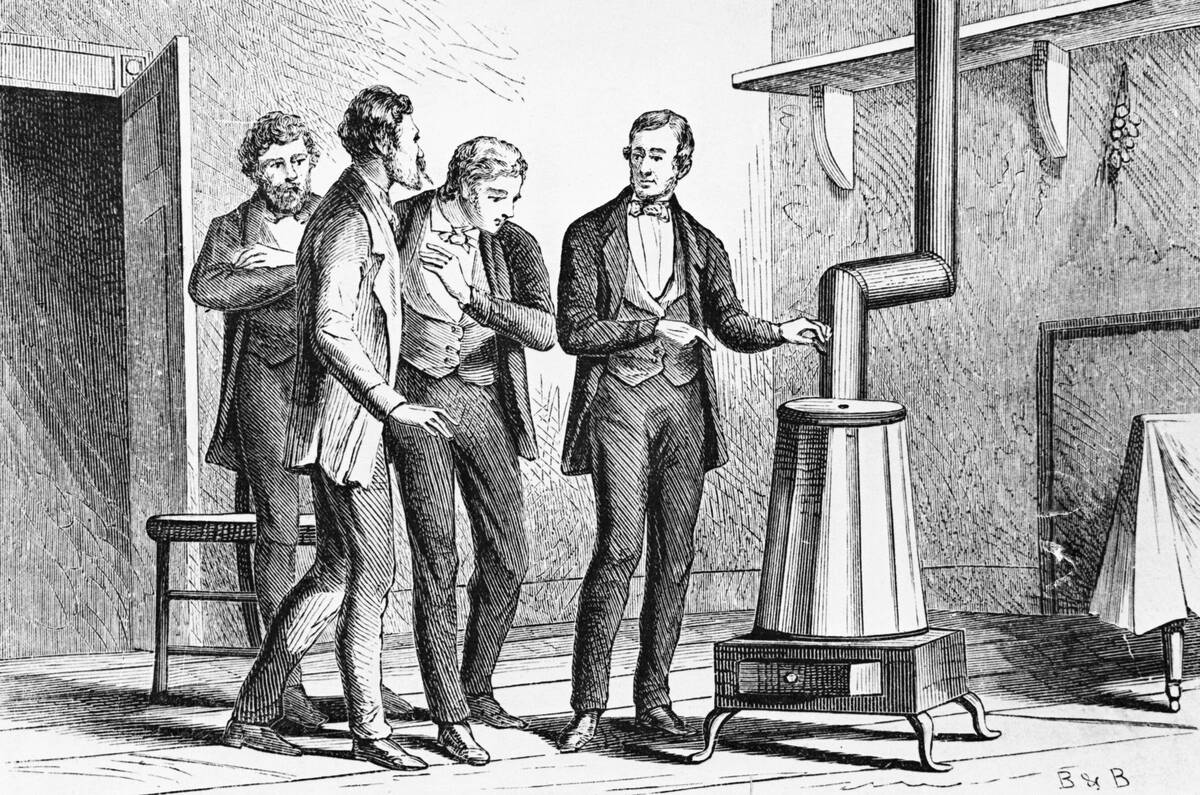
Charles Goodyear’s discovery of vulcanization transformed rubber into a versatile and durable material. This innovation had far-reaching impacts, from tires to waterproof clothing. Unfortunately, Goodyear’s financial acumen did not match his inventive prowess.
He spent years in debt, fighting for patent rights and struggling to profit from his work. Goodyear’s legacy is immortalized in the industry that bears his name, yet he never experienced the financial success that should have accompanied his genius.
Elisha Gray: The Telephone Controversy That Left Him Unheard
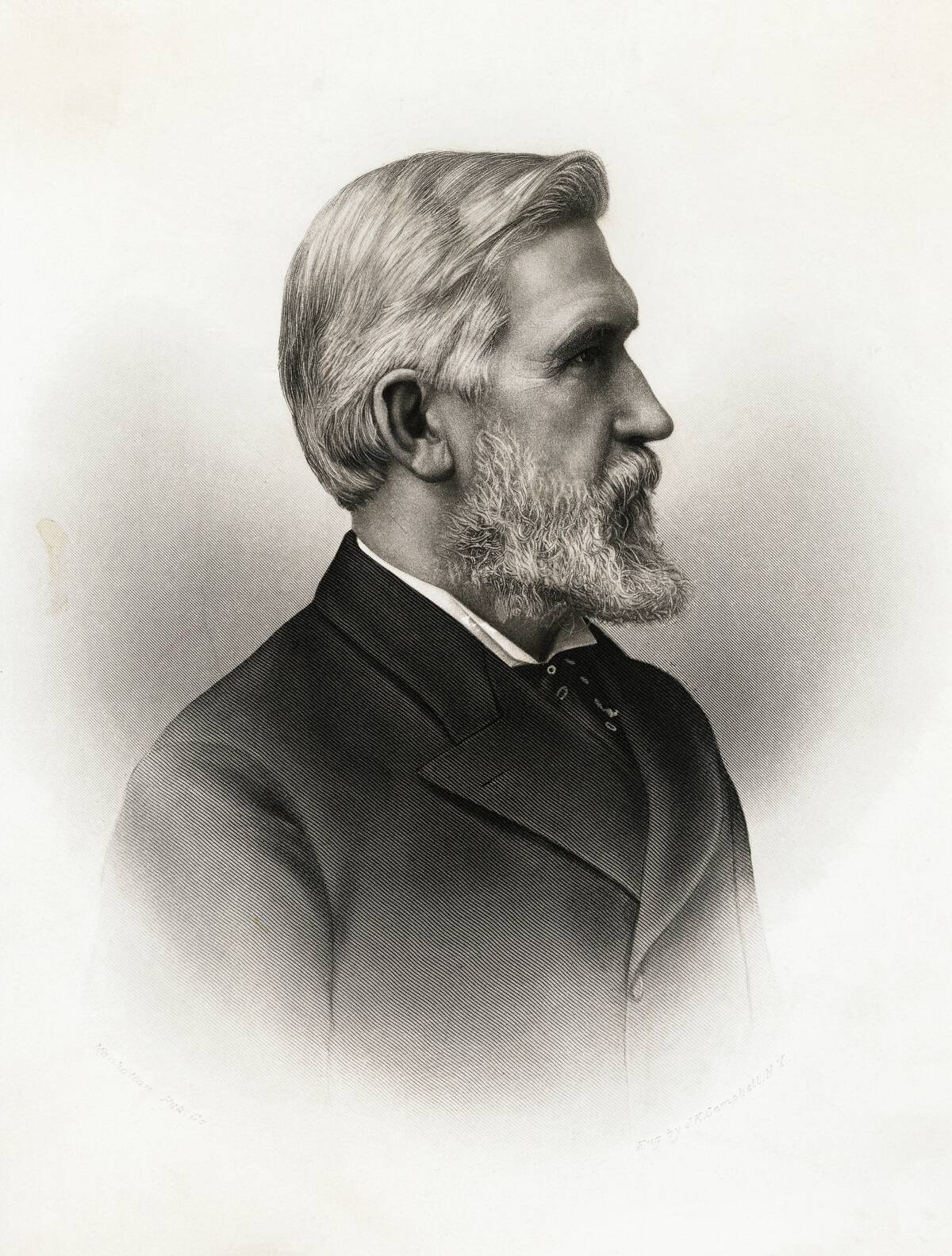
Elisha Gray, an inventor with a keen interest in electrical communication, was a contender in the race to create the telephone. His design was innovative, but he lost the patent race to Alexander Graham Bell by mere hours.
This controversy sparked debates and legal battles, but Bell ultimately claimed the glory. Gray’s contribution to the field is often overshadowed by this rivalry, leaving him an unsung hero in the annals of telecommunication history.
Johann Philipp Reis: The Forgotten Telephone Trailblazer
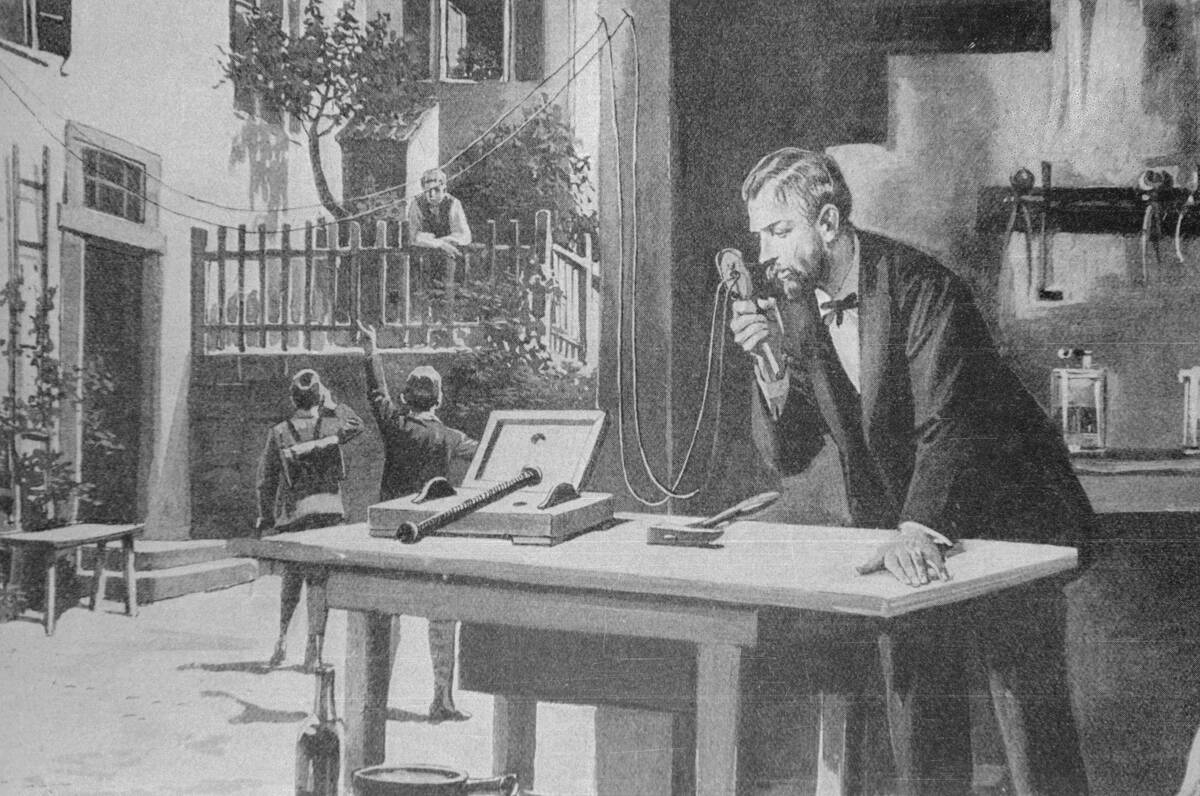
Johann Philipp Reis, a German inventor, was among the first to transmit sound electrically. His early telephone prototype, while rudimentary, was a precursor to later developments. Unfortunately, Reis’s work was largely unrecognized during his lifetime, overshadowed by more commercially successful inventors.
His contribution to the evolution of telecommunications is undeniable, yet his name remains relatively obscure. Reis’s story is a testament to the forgotten pioneers who laid the groundwork for technological advancements.
William Lee: The Knitting Machine Genius Who Unraveled
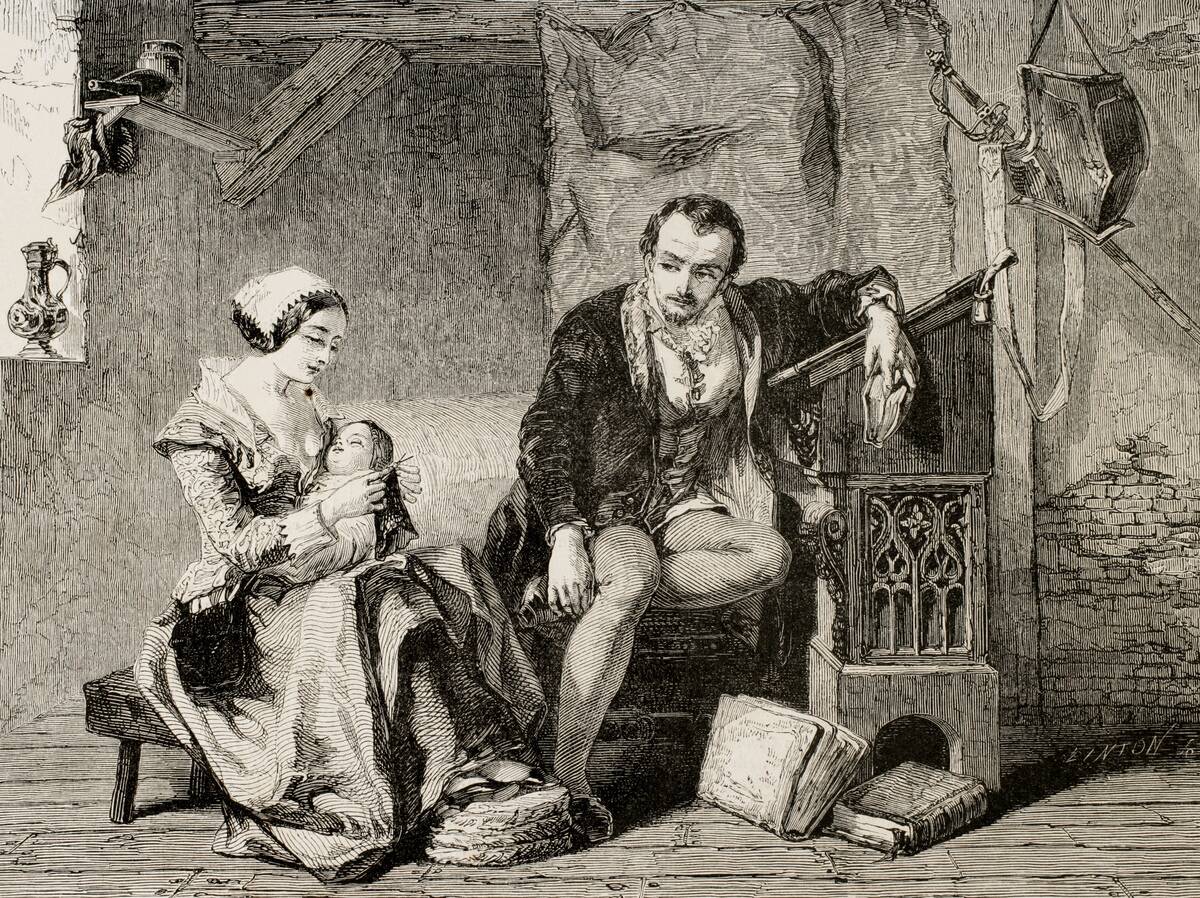
William Lee’s invention of the stocking frame knitting machine in the 16th century was a marvel of its time. This machine revolutionized textile manufacturing, increasing efficiency and production. However, Lee struggled to gain official support and financial backing for his creation.
His repeated attempts to secure a patent and royal endorsement were unsuccessful, leading to his eventual financial ruin. Lee’s legacy lives on in the textile industry, yet his personal story is one of unfulfilled potential.
Hedy Lamarr: Hollywood Starlet’s Secret Invention Ignored

Hedy Lamarr, known for her Hollywood glamour, was also a brilliant inventor. During World War II, she co-developed a frequency-hopping system to prevent torpedo jamming. This technology laid the groundwork for modern wireless communication, including Wi-Fi and Bluetooth.
Despite its significance, Lamarr’s invention was largely ignored during her lifetime. Her dual legacy as a film star and a technological pioneer showcases the multifaceted talents that often go unrecognized in history.
Samuel Morse: Telegraph Triumphs and Tribulations
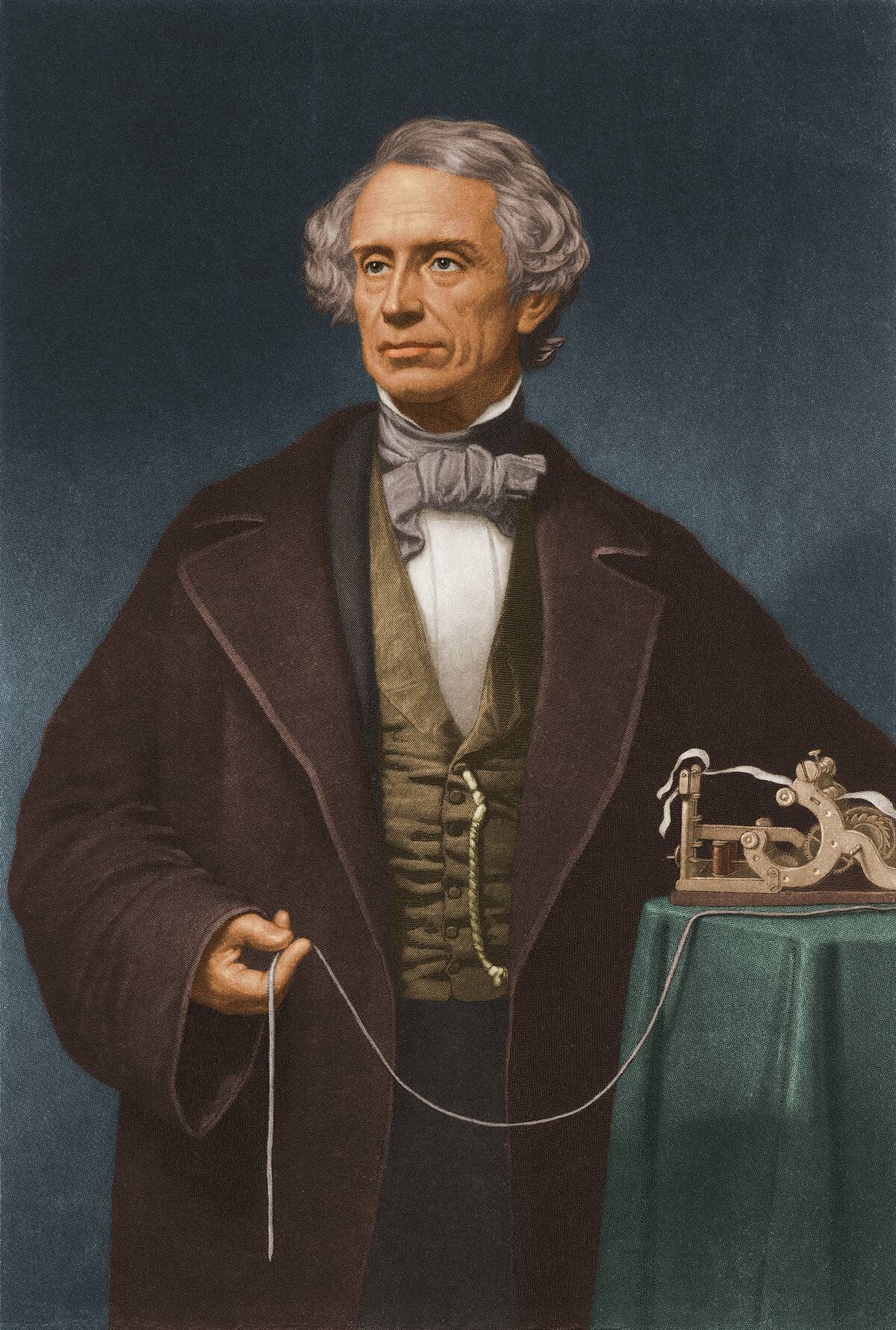
Samuel Morse, famous for the telegraph and Morse code, revolutionized long-distance communication. His invention enabled instantaneous messaging, transforming global connectivity. However, Morse’s journey was fraught with challenges.
He faced skepticism and financial difficulties before his work gained widespread acceptance. Despite these obstacles, Morse’s tenacity paid off, and he eventually secured his place in history. His story is one of perseverance, illustrating the resilience required to turn visionary ideas into reality.
Nils Bohlin: Seatbelt Inventor Who Couldn’t Buckle Up on Royalties
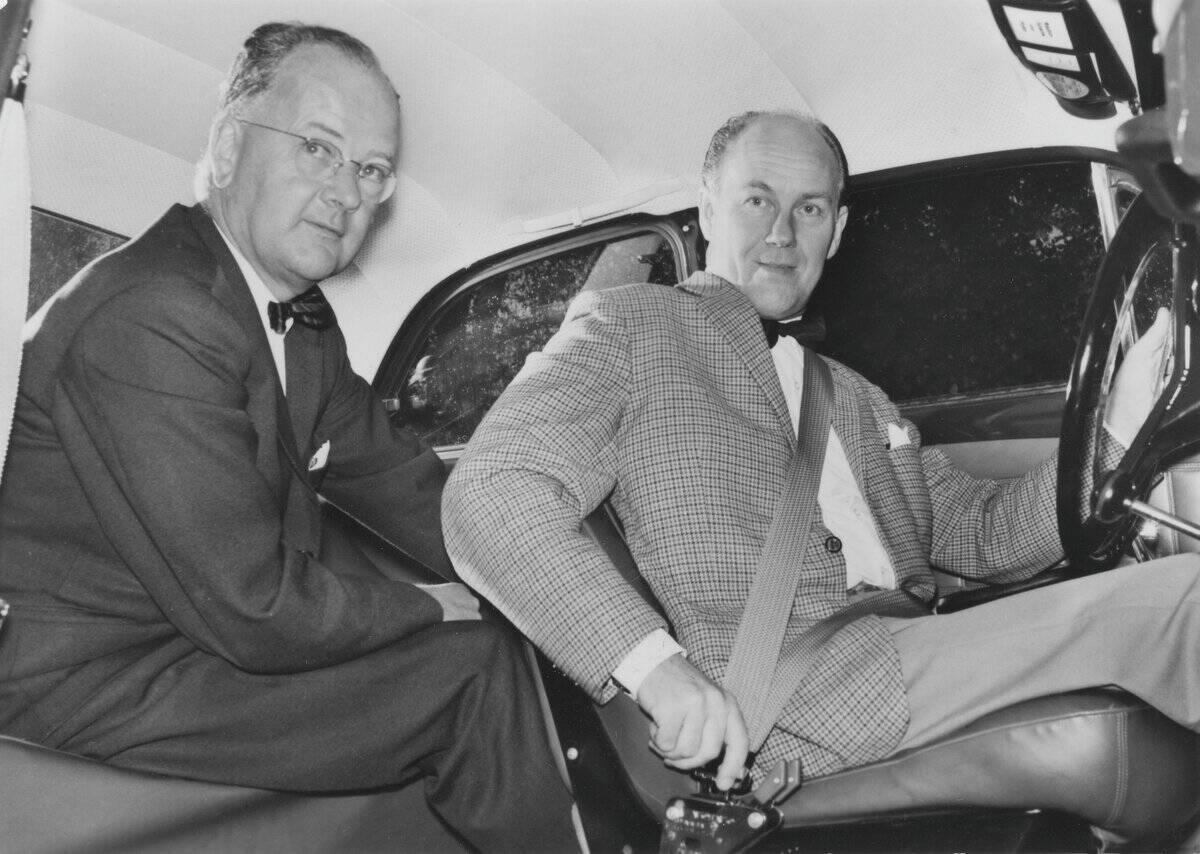
Nils Bohlin, a Swedish engineer, invented the three-point seatbelt, a safety feature that has saved countless lives. Introduced by Volvo in 1959, Bohlin’s design became the industry standard. However, Volvo made the patent open, allowing other manufacturers to use the design without royalties.
While this decision prioritized public safety, it meant Bohlin did not profit financially from his life-saving invention. His contribution remains invaluable, exemplifying the altruistic spirit often found in true innovators.
Robert Kearns: The Intermittent Wiper Saga That Left Him in the Rain

Robert Kearns invented the intermittent windshield wiper, a feature that became standard in automobiles. His design offered drivers improved visibility during rain, enhancing road safety. However, Kearns’s journey was marked by lengthy legal battles with major car manufacturers who used his invention without permission.
Although he eventually won settlements, the process took a toll on his health and finances. Kearns’s story highlights the often daunting task inventors face in protecting their intellectual property.