Inventions that were mistakes—but changed everything
Life is full of surprises, and sometimes those surprises come in the form of happy accidents. These mistakes, often dismissed as blunders, have the power to change the world in ways we couldn’t imagine.
From culinary delights to groundbreaking innovations, these serendipitous discoveries remind us that sometimes, the best things in life happen by chance. Let’s dive into some of these fascinating stories and explore how a little mistake can leave a big impact.
Penicillin: A Moldy Discovery That Revolutionized Medicine
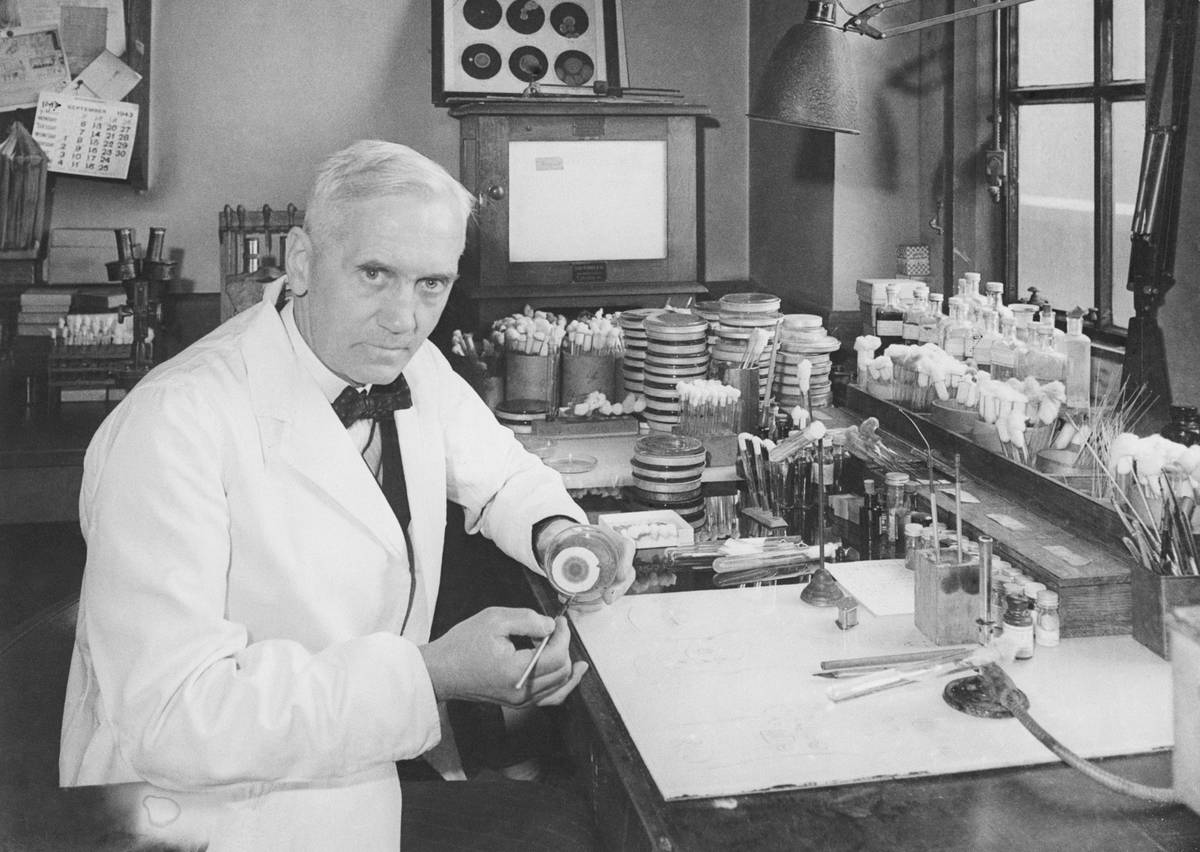
In 1928, Alexander Fleming stumbled upon something extraordinary while working in his lab. After returning from vacation, he noticed a Petri dish containing Staphylococcus bacteria had been infected by mold.
This mold, Penicillium notatum, killed the bacteria around it. Fleming’s curiosity led to the discovery of penicillin, the world’s first antibiotic, which has saved countless lives. This accidental finding revolutionized medicine and paved the way for the development of new antibiotics.
The Accidental Sweetness of Saccharin
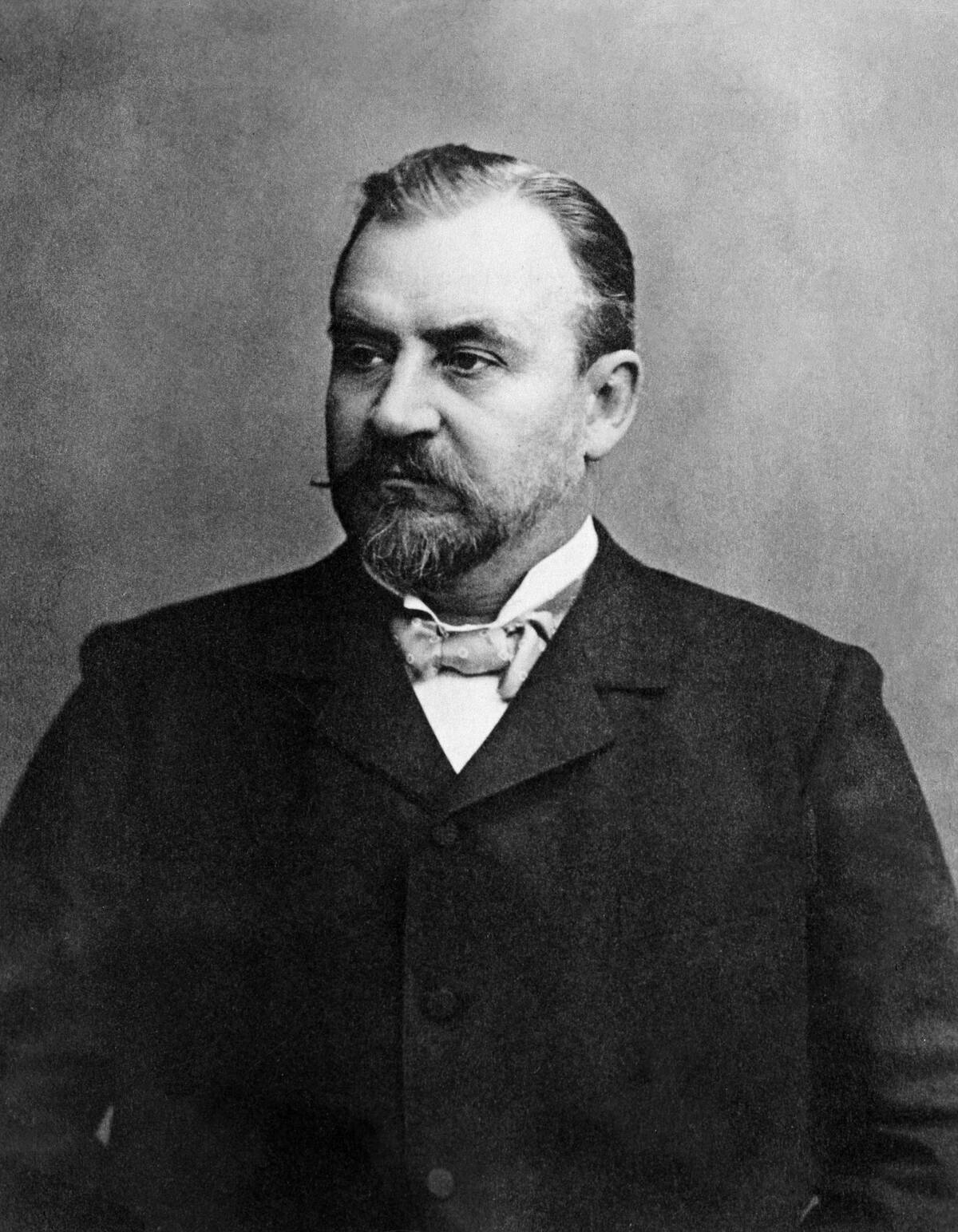
In 1879, chemist Constantin Fahlberg had an unexpected experience while working on coal tar derivatives. After a long day at the lab, he forgot to wash his hands before dinner and noticed a sweet taste on his bread.
This led to the discovery of saccharin, the first artificial sweetener. Though stumbled upon by chance, saccharin has become a staple for those seeking sugar-free alternatives, proving that a little carelessness can lead to a sweet success.
The Sticky Story Behind Post-it Notes

The creation of Post-it Notes is a tale of persistence and a bit of luck. In 1968, Spencer Silver, a 3M scientist, was trying to develop a super-strong adhesive but ended up with a weak, pressure-sensitive one instead.
It wasn’t until fellow scientist Art Fry needed a bookmark that wouldn’t slip out of his hymnal that Silver’s “failure” found its purpose. Thus, the Post-it Note was born, transforming the way we organize and communicate.
Teflon: The Slip-Up That Revolutionized Non-Stick Cooking
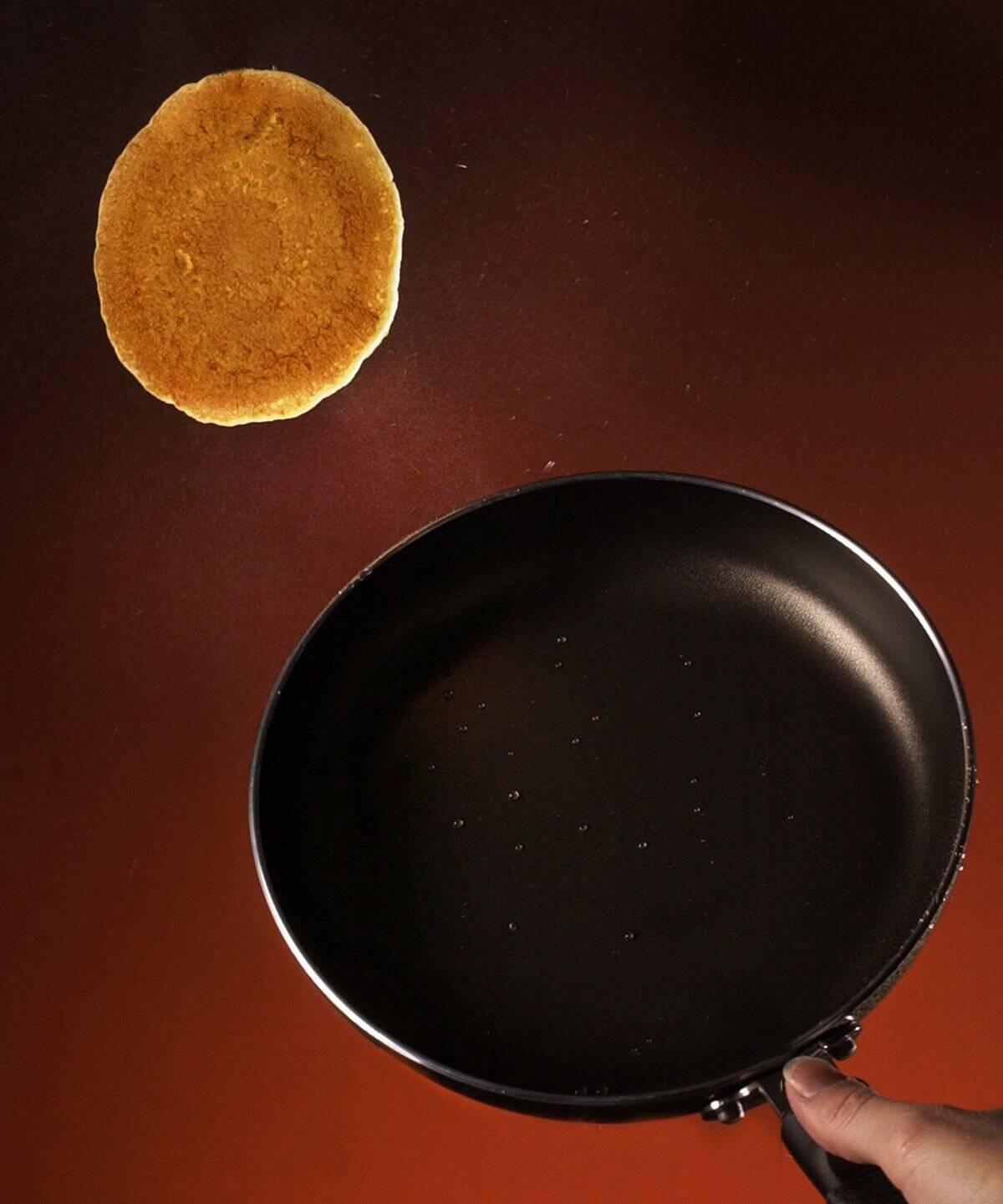
In 1938, chemist Roy Plunkett was working on refrigerants when he accidentally stumbled upon something extraordinary. While experimenting with tetrafluoroethylene gas, he discovered a slippery, white substance that was incredibly resistant to heat and chemical reactions.
This material, polytetrafluoroethylene, would later be branded as Teflon. Its non-stick properties revolutionized cookware, making it easier to cook without food sticking to pans and simplifying cleanup.
The Microwave Oven’s Surprising Origins
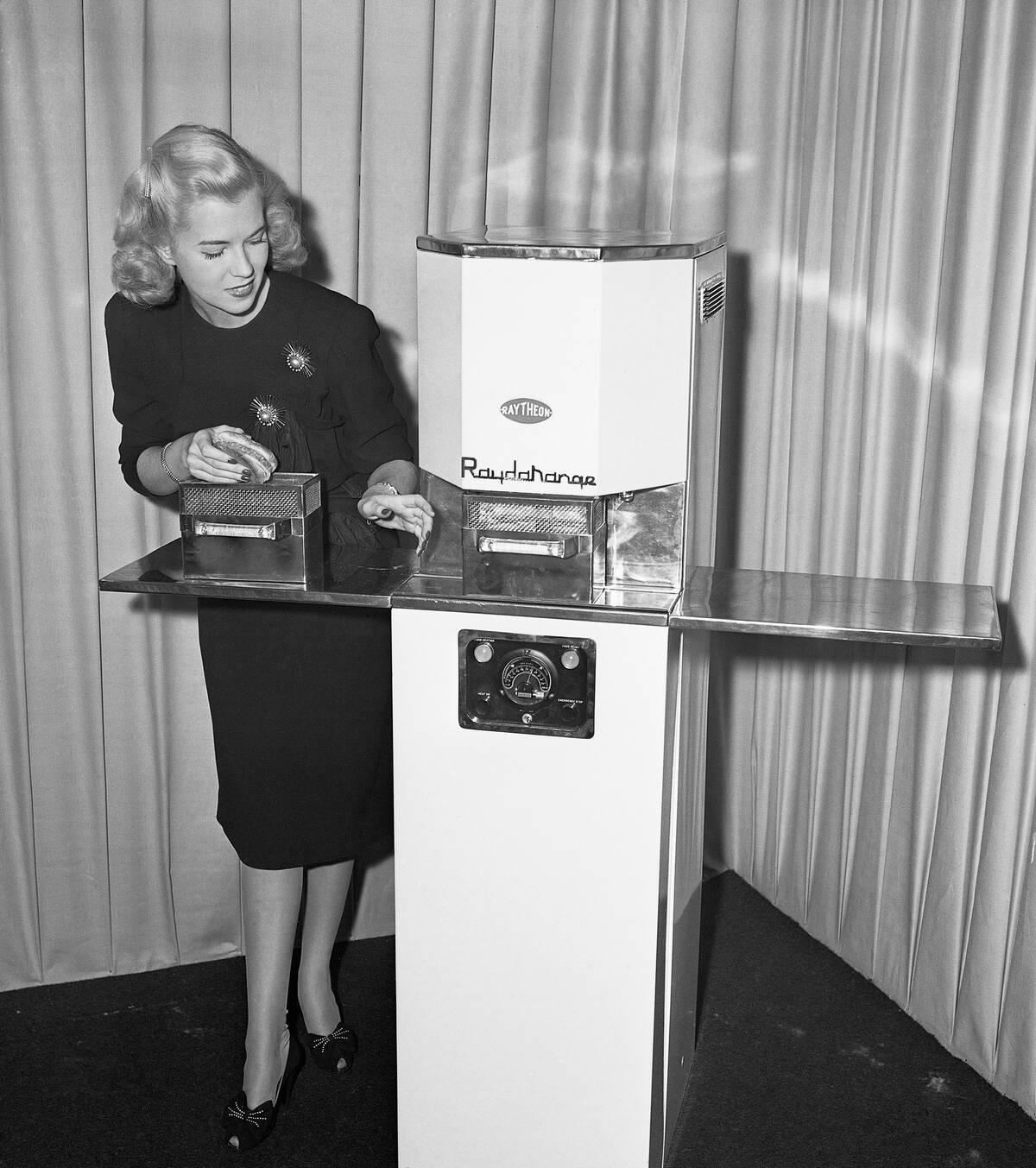
The microwave oven’s journey began with a melted candy bar. In 1945, engineer Percy Spencer was testing a magnetron, a device that emits microwaves, when he noticed the chocolate in his pocket had melted.
Intrigued, he experimented with popcorn kernels and an egg, both of which reacted dramatically. Spencer realized microwaves could cook food quickly, leading to the development of the microwave oven. This accidental discovery transformed meal preparation worldwide.
Velcro: From Hiking Trips to Fashion Runways
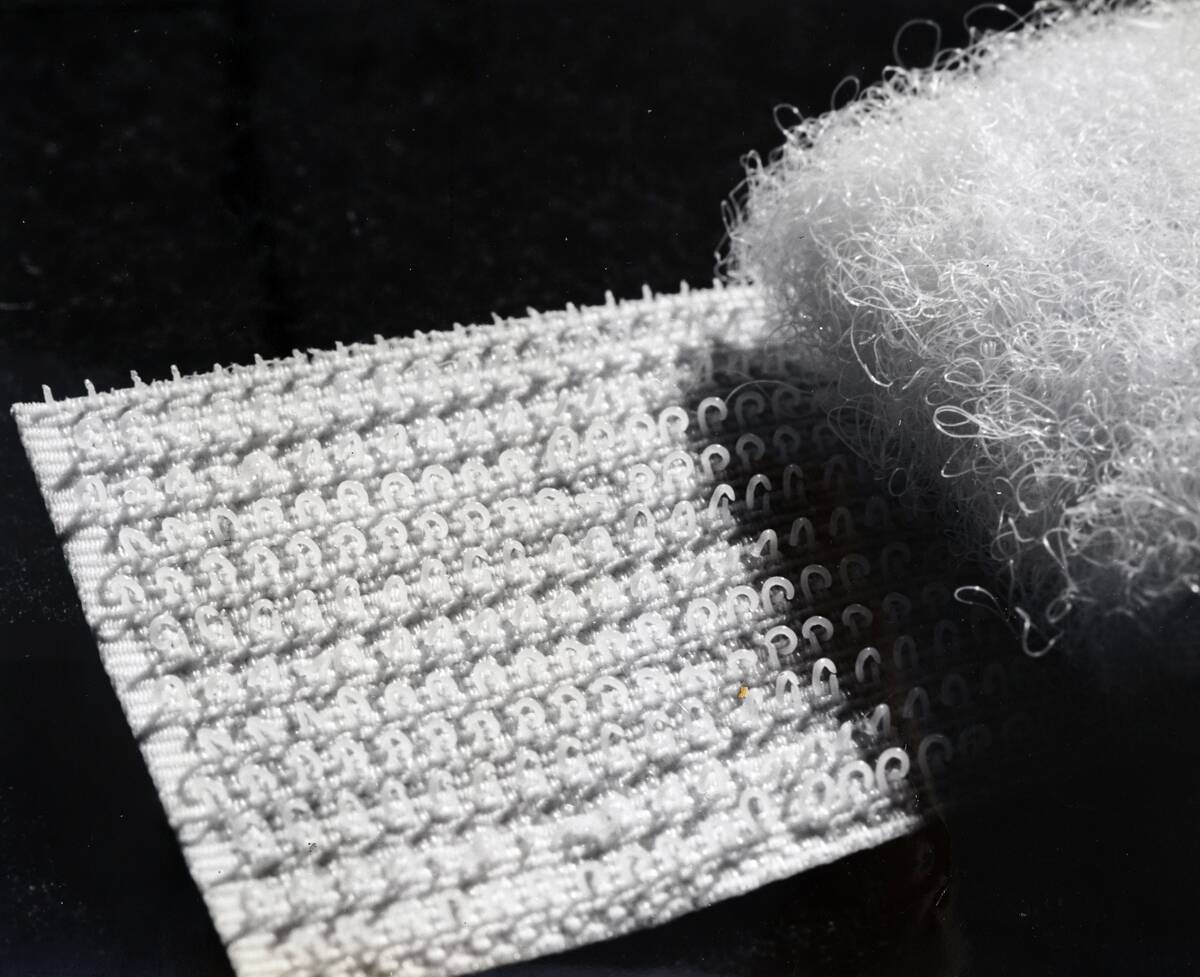
Velcro’s invention was inspired by a simple walk in the woods. In 1941, Swiss engineer George de Mestral noticed burrs clinging to his clothing and his dog’s fur. Upon closer inspection under a microscope, he saw the tiny hooks that allowed them to latch onto fabric.
This observation led to the creation of Velcro, a hook-and-loop fastener that has since been used in everything from shoes to spacesuits, proving nature can be a brilliant designer.
The Sparkling History of Coca-Cola
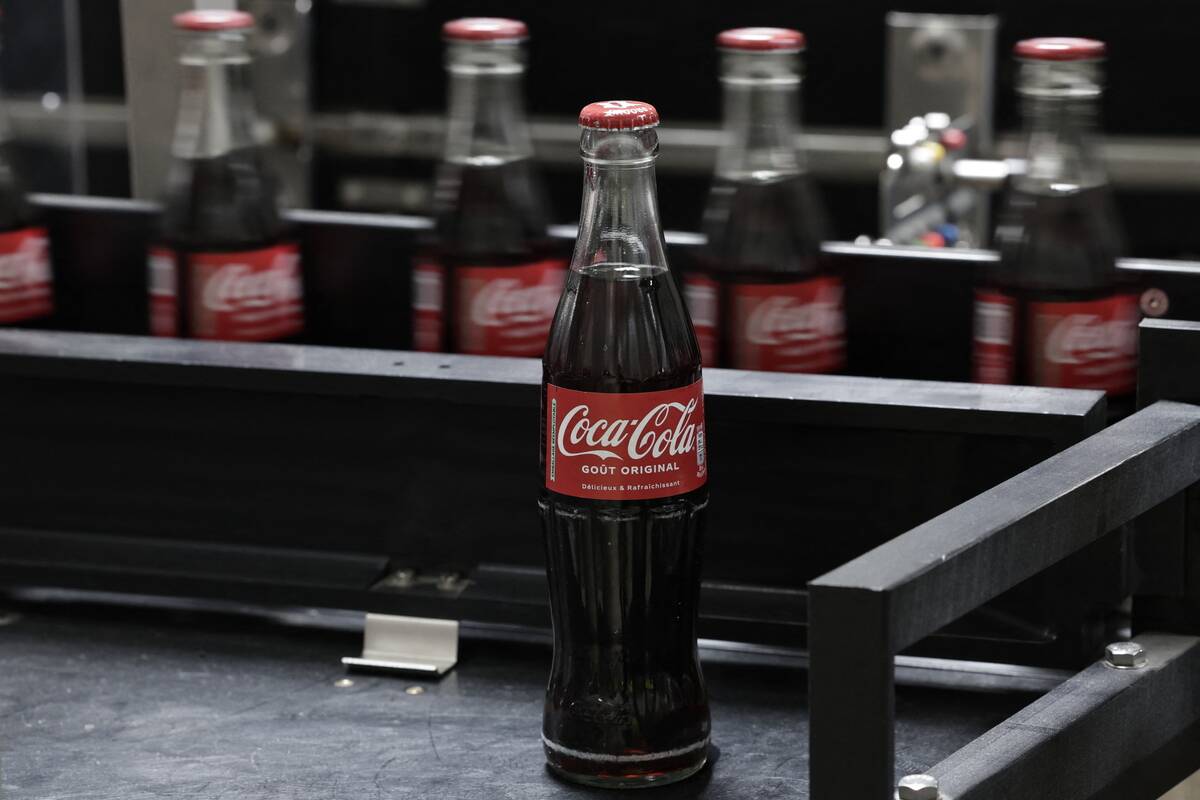
Coca-Cola’s origins are a blend of curiosity and chance. In 1886, pharmacist John Stith Pemberton created a tonic intended to relieve headaches, using coca leaves and kola nuts.
When a curious soda fountain clerk mixed it with carbonated water, the fizzy refreshment we know today was born. Coca-Cola quickly captured the public’s taste buds and became a global phenomenon, demonstrating how a simple mix-up can lead to a timeless classic.
The Birth of the Slinky: A Playful Engineering Error

The Slinky’s origin story is a playful twist on engineering. In 1943, naval engineer Richard James was developing springs to stabilize sensitive instruments on ships. When he accidentally knocked one off a shelf, it gracefully “walked” down instead of falling.
James recognized the spring’s unique potential as a toy, and the Slinky was born. This simple yet mesmerizing invention has entertained generations, showing how a small mishap can lead to endless fun.
Super Glue: Sticking Around Since World War II
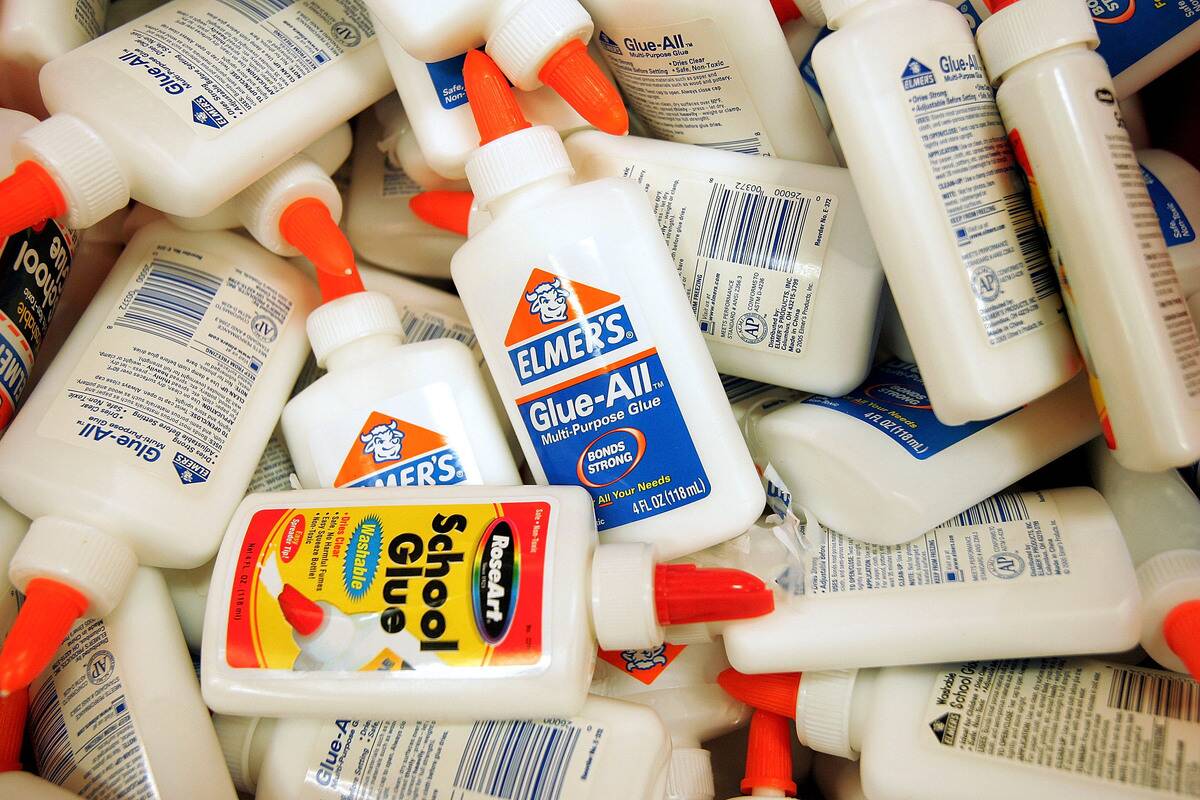
Super Glue’s sticky story began during World War II. In 1942, Dr. Harry Coover was searching for materials to make clear plastic gun sights when he accidentally created a substance that stuck to everything it touched.
Initially dismissed, this cyanoacrylate adhesive was later recognized for its potential outside the battlefield. By 1958, it was marketed as Super Glue, revolutionizing repair methods and becoming a household staple for quick fixes.
The Colorful Tale of Mauveine Dye
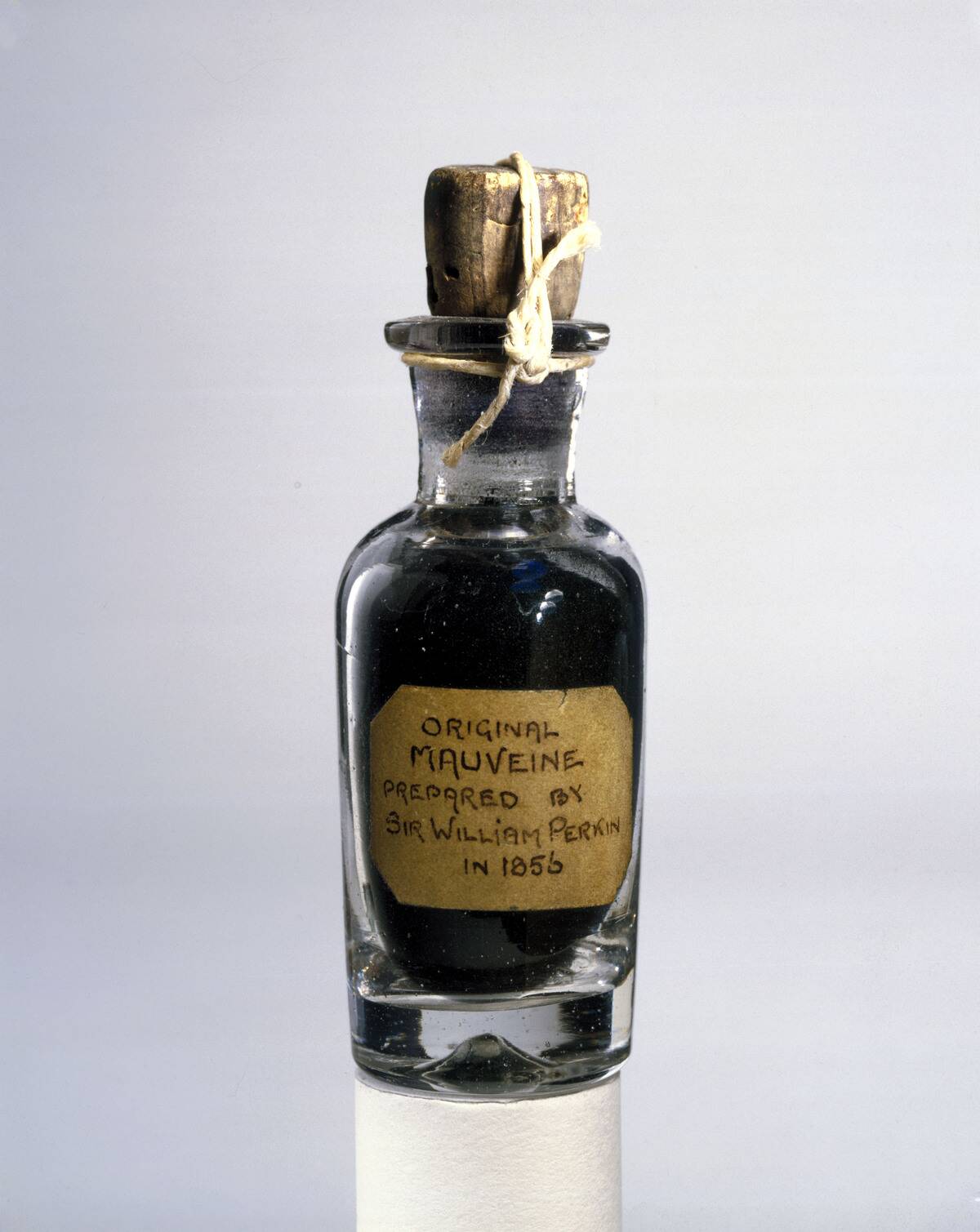
The discovery of mauveine dye was a vibrant accident in the world of chemistry. In 1856, 18-year-old William Perkin was attempting to synthesize quinine for malaria treatment when he accidentally produced a striking purple dye.
This unexpected outcome led to the creation of the first synthetic dye, mauveine. Its popularity sparked a fashion revolution in the Victorian era, illustrating how a misstep in the lab can color the world in new ways.
The Unexpected Journey of Corn Flakes
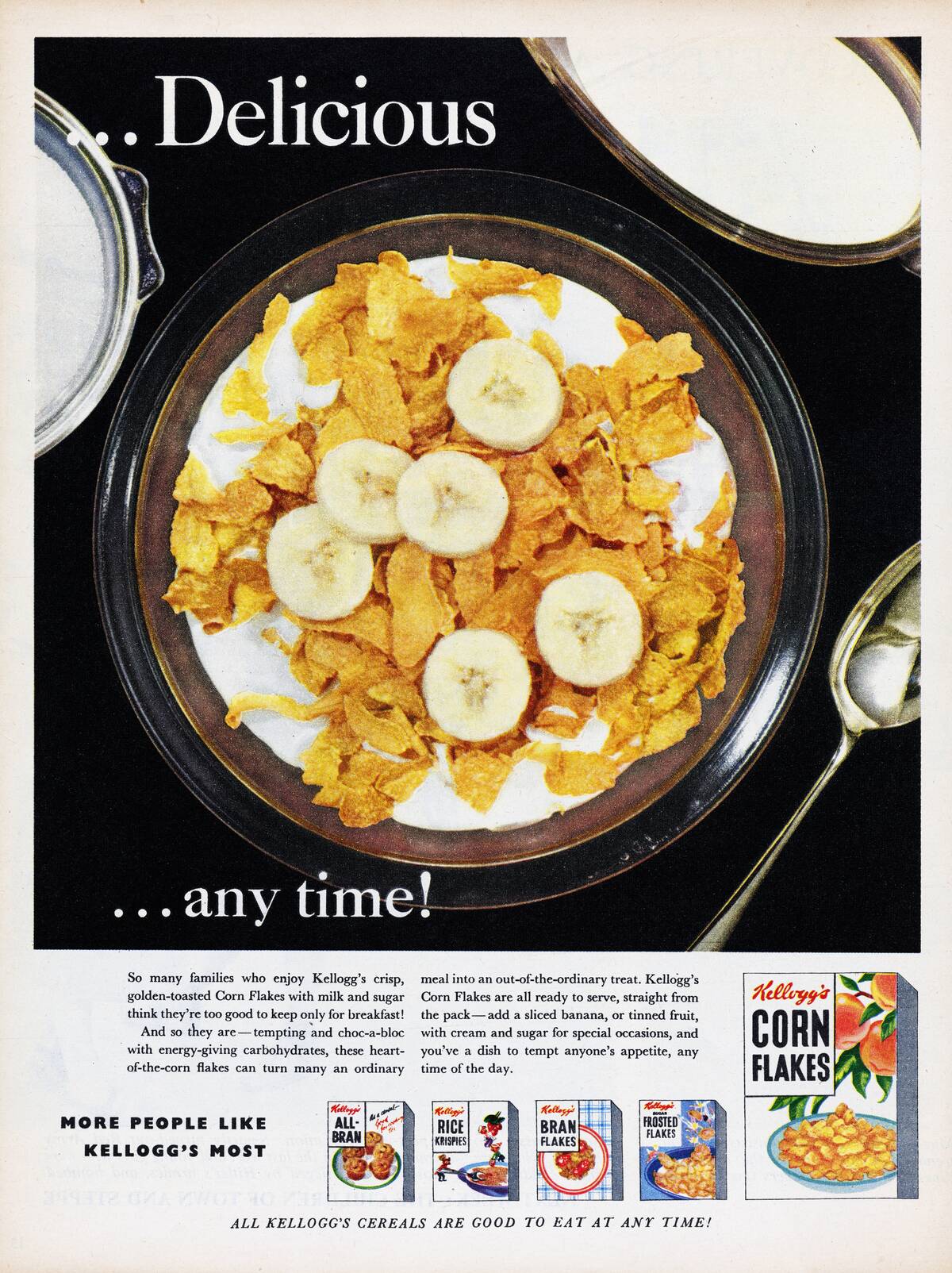
Corn Flakes owe their existence to a breakfast mishap. In the late 19th century, John Harvey Kellogg and his brother Will Keith Kellogg were experimenting with boiled wheat as part of a vegetarian diet.
When they accidentally left a batch out overnight, it turned stale. Instead of discarding it, they rolled it out and toasted it, creating a crunchy cereal. This happy accident led to the birth of Corn Flakes, a breakfast staple enjoyed worldwide.
The Accidental Birth of the Pacemaker
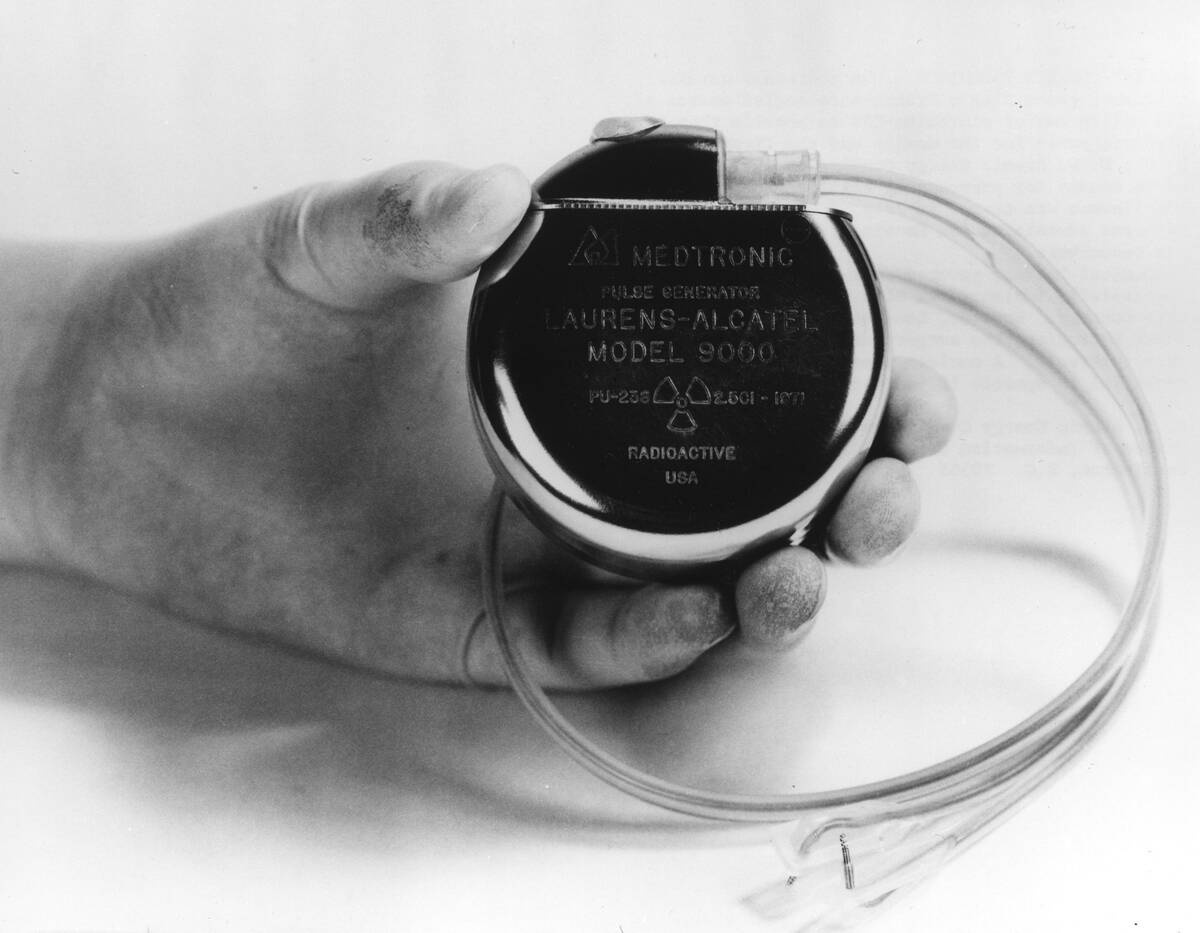
The pacemaker’s invention is a story of serendipity in the realm of medicine. In 1956, engineer Wilson Greatbatch was building a heart rhythm recording device when he accidentally inserted the wrong resistor.
This mistake caused the device to emit a steady electrical pulse, mimicking a heartbeat. Realizing its potential, Greatbatch refined the device, leading to the development of the first implantable pacemaker. This life-saving invention has since transformed cardiac care.
Plastic’s Fortuitous Beginnings with Bakelite
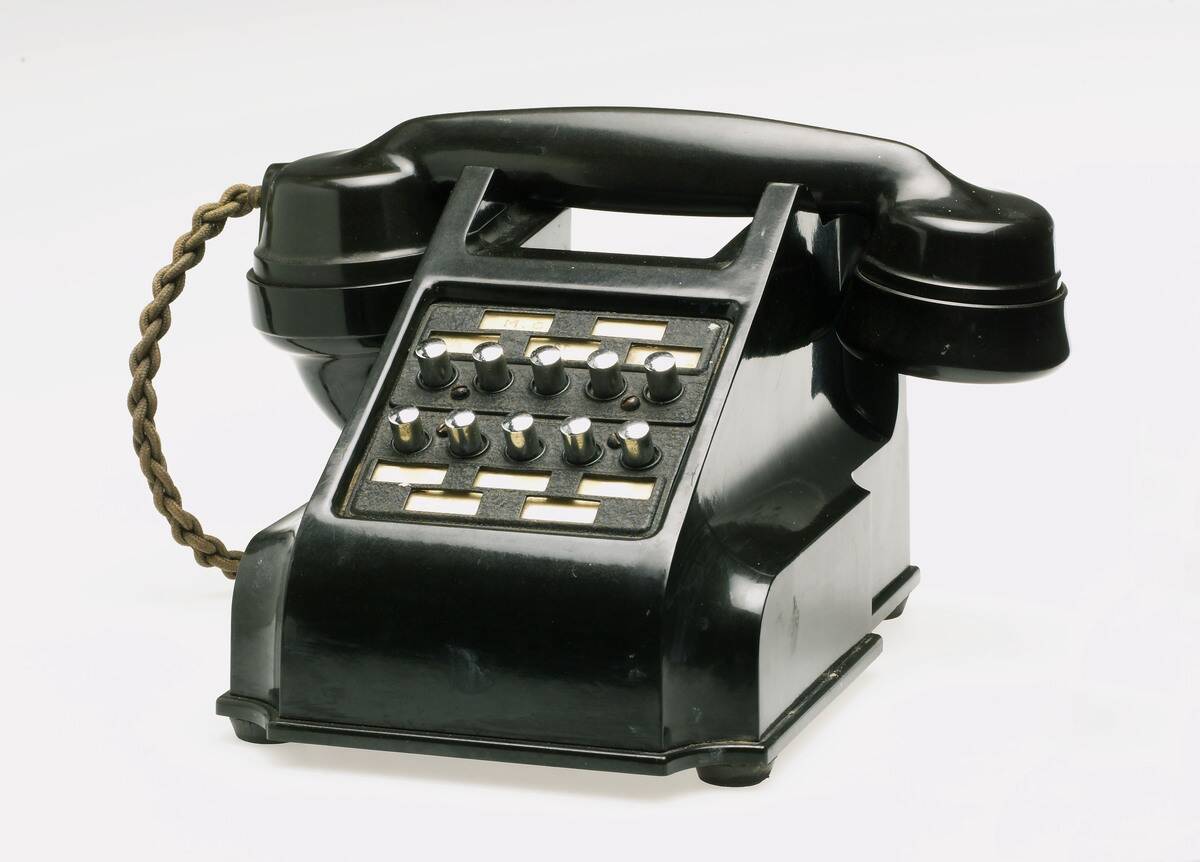
Bakelite’s creation marked a turning point in materials science. In 1907, Belgian chemist Leo Baekeland was searching for a substitute for shellac when he accidentally combined phenol and formaldehyde under heat and pressure.
The result was Bakelite, the first fully synthetic plastic. Its durability and versatility made it invaluable in countless industries, from electronics to fashion. This discovery paved the way for the modern plastic era, showcasing the power of happy accidents.
The Serendipitous Creation of Anesthesia
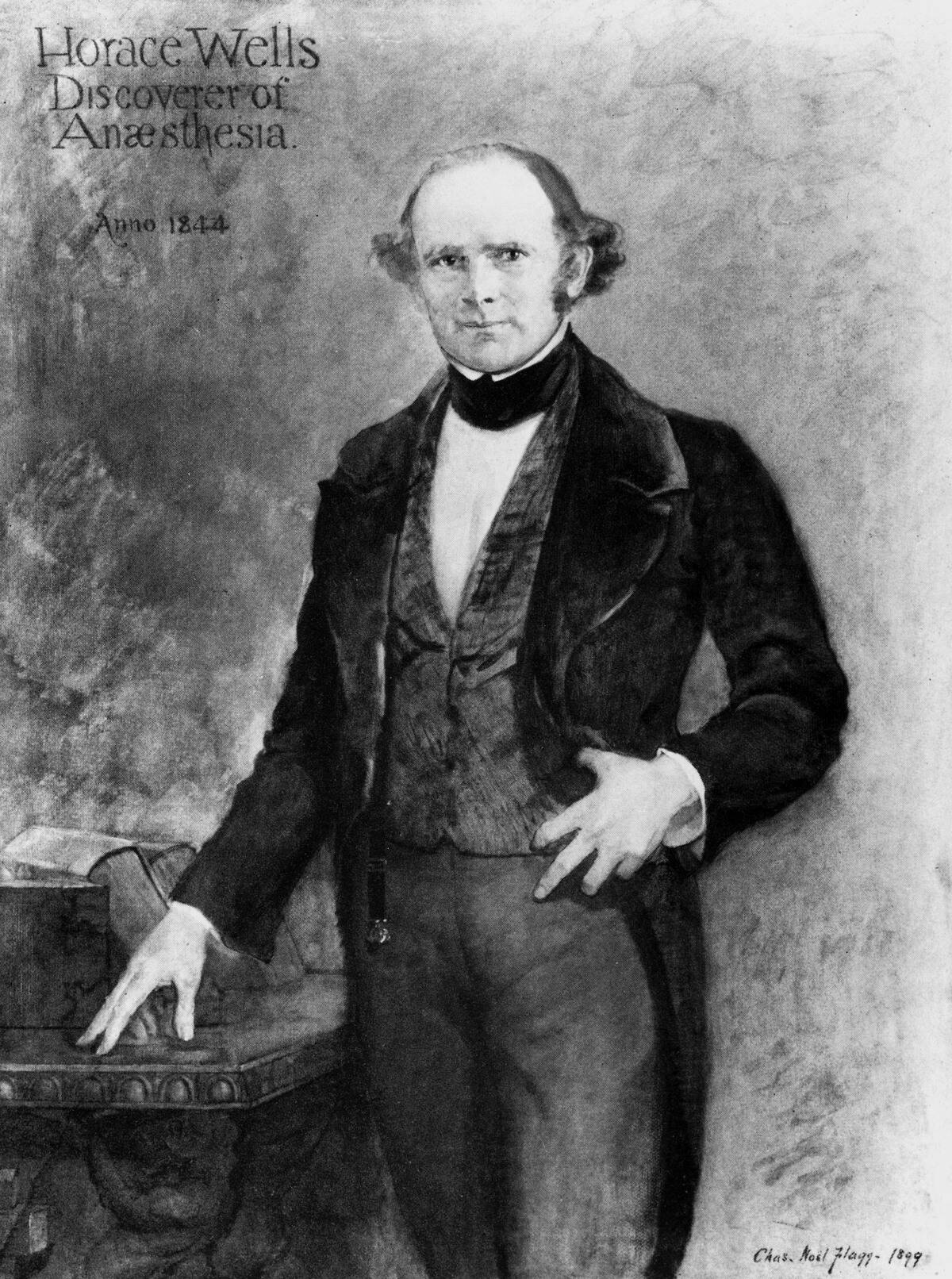
The path to anesthesia involved a series of fortuitous events. In the 19th century, nitrous oxide, or “laughing gas,” was known for its recreational use. However, dentist Horace Wells noticed its pain-relieving properties during a public demonstration.
xIn 1846, he used it successfully for tooth extraction, marking the first use of anesthesia in surgery. This accidental insight revolutionized medicine, allowing for pain-free surgical procedures and transforming patient care.
Chewing Gum: From Sticky Mistake to Mass Appeal

Chewing gum’s origin is a tale of trial and error. In the late 19th century, inventor Thomas Adams was experimenting with chicle, a natural latex, hoping to create a rubber substitute.
When his efforts failed, he popped a piece into his mouth and discovered its chewable texture. Recognizing its potential as a novelty item, he flavored and commercialized it. Today, chewing gum is a ubiquitous treat, thanks to an experimental mishap.
The Joyful Discovery of the Popsicle

The Popsicle was born from a child’s playful experiment. In 1905, 11-year-old Frank Epperson left a cup of soda with a stirring stick on his porch overnight. The chilly night froze the mixture, creating a frozen treat.
Delighted by his discovery, Epperson called it the “Epsicle,” later renamed Popsicle. This simple invention has become a beloved summer staple, proving that a child’s curiosity can lead to sweet, frosty surprises.
The Unforeseen Popularity of the Potato Chip
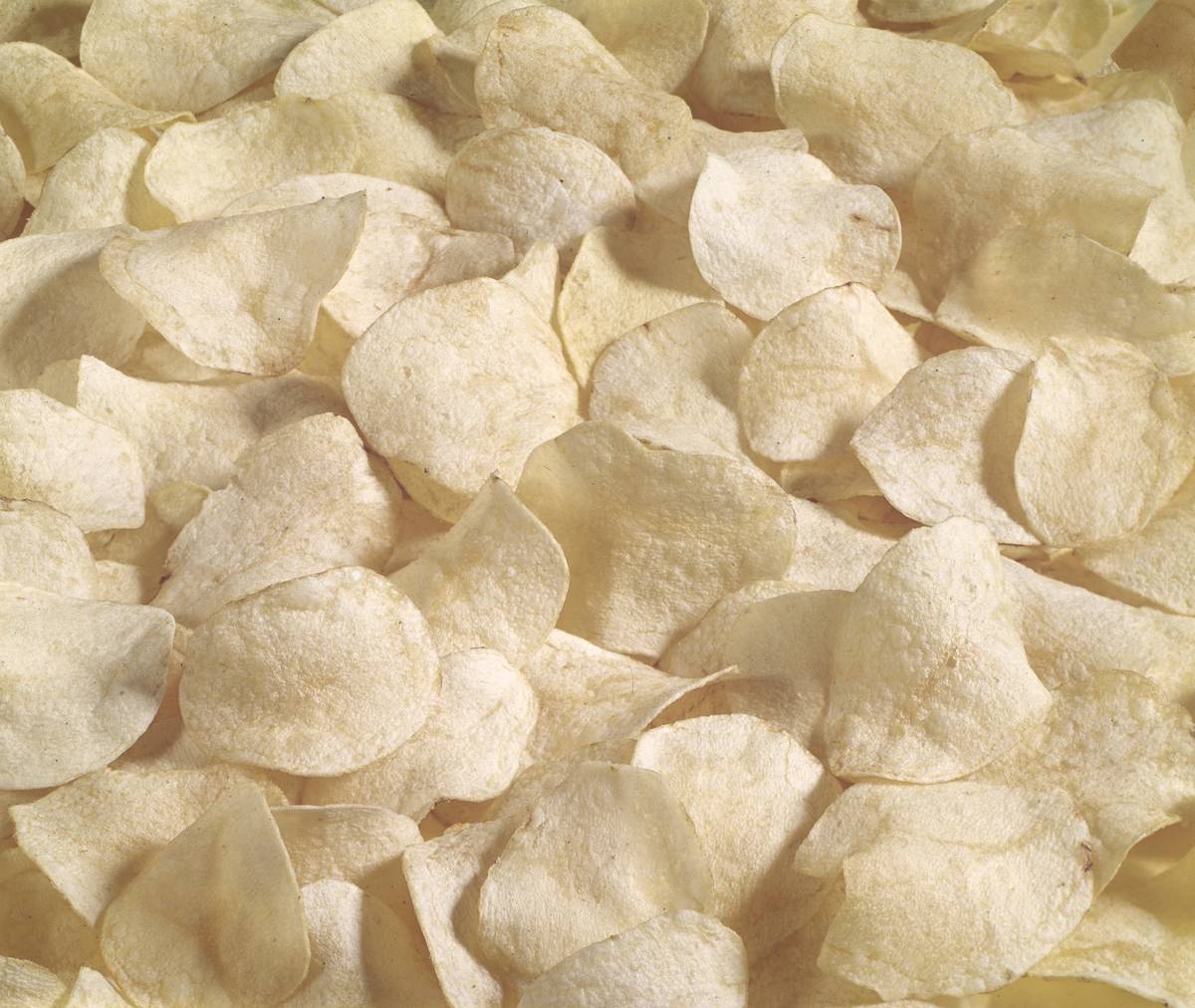
The origin of potato chips is wrapped in a popular culinary legend. According to the story, in 1853 chef George Crum was working at Moon’s Lake House in Saratoga Springs when a customer repeatedly complained that his fried potatoes were too thick.
In response, Crum supposedly sliced the potatoes paper-thin, fried them until crisp, and heavily salted them, expecting to irritate the diner. Instead, the customer loved them. While historians note that thin fried potatoes likely existed before this moment, the Saratoga legend helped popularize what we now know as potato chips.