The hurricanes that permanently shifted political circumstances
Hurricanes are often perceived as mere natural disasters, but their influence stretches far beyond the physical. These formidable storms wield the power to alter not just landscapes, but also political borders and geopolitical dynamics.
While their immediate impact is most visible in the destruction of infrastructure and displacement of communities, hurricanes also have a more subtle role in shaping the socio-political fabric of affected regions. As climate change intensifies, understanding the broader implications of these storms becomes increasingly vital.
The Tale of Hurricane Mitch and Its Impact on Central America
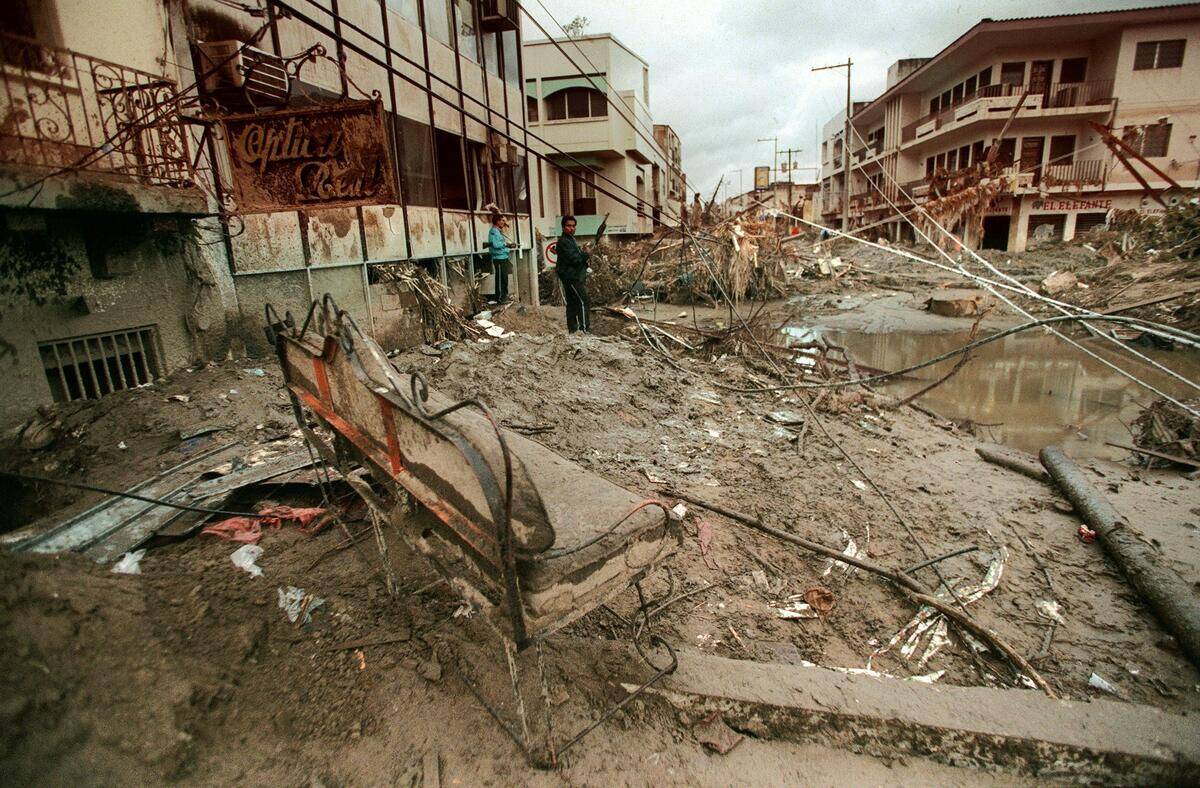
Hurricane Mitch, which struck Central America in 1998, was one of the deadliest Atlantic hurricanes on record. Its catastrophic impact on countries like Honduras and Nicaragua highlighted the vulnerability of these nations to natural disasters.
The destruction of infrastructure and subsequent economic challenges forced these countries to seek international aid, altering their geopolitical relationships. Moreover, the displacement of thousands of people led to demographic changes that influenced local politics and resource distribution.
How Hurricane Katrina Shifted More Than Just Sand
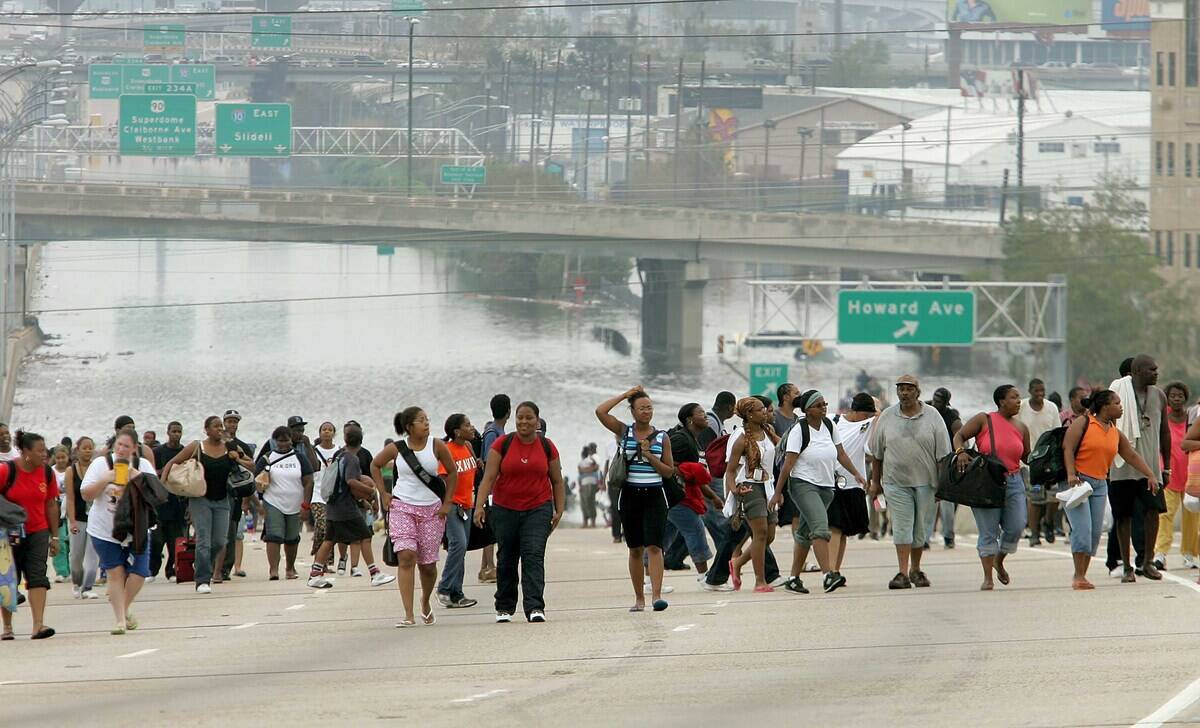
Hurricane Katrina’s impact on the Gulf Coast in 2005 was profound, with New Orleans experiencing significant population displacement. This demographic shift influenced the political landscape, as the city saw changes in voting patterns and representation.
The federal response to Katrina also led to increased scrutiny of government policies and disaster preparedness, resulting in a congressional investigation. Additionally, the storm highlighted socioeconomic disparities, prompting discussions on equity and justice in disaster response.
The Caribbean Conundrum: Hurricanes and Island Nations
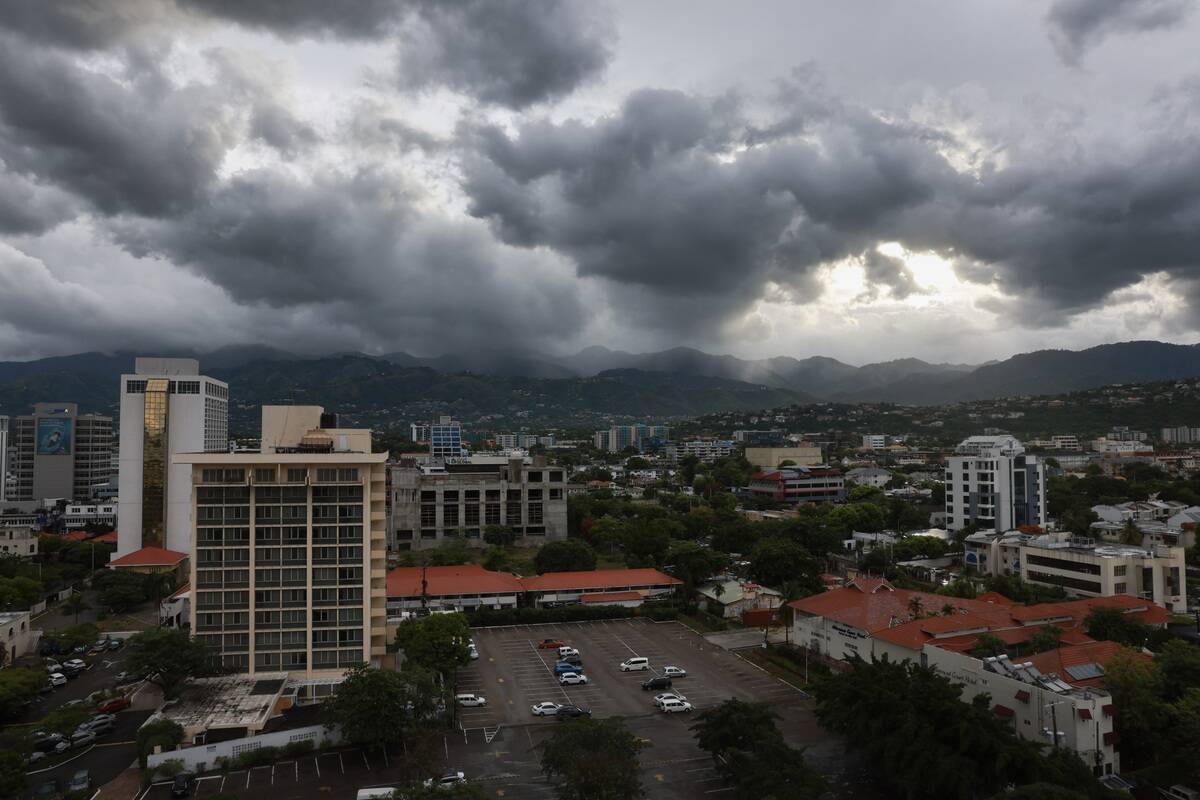
Caribbean island nations are particularly vulnerable to hurricanes, which pose unique challenges to their political stability. The frequent battering by storms often results in economic setbacks, influencing political agendas and international relations.
For instance, the need for reconstruction and aid can lead to increased foreign influence in domestic affairs. Moreover, the environmental impact of hurricanes on these islands has prompted discussions on climate change and its geopolitical implications for small island nations.
The Role of Hurricane Harvey in Redefining Texas Boundaries
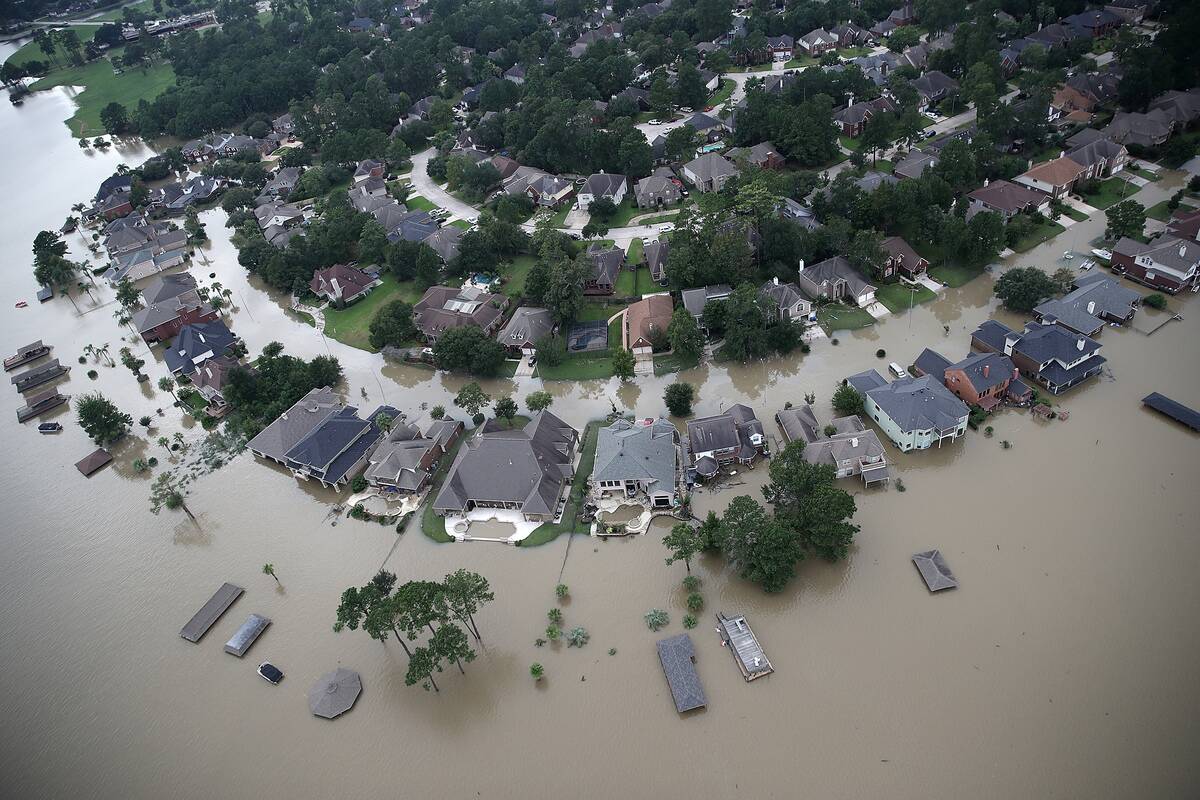
Hurricane Harvey, which hit Texas in 2017, was one of the costliest hurricanes in U.S. history. The extensive flooding and damage it caused led to significant shifts in the state’s demographic and economic landscape.
As communities rebuilt, there was a reevaluation of land use and urban planning, affecting local political boundaries. The storm also spurred discussions on infrastructure resilience and climate policy, influencing state and national political agendas.
The Unexpected Consequences of Hurricane Sandy on the Eastern Seaboard
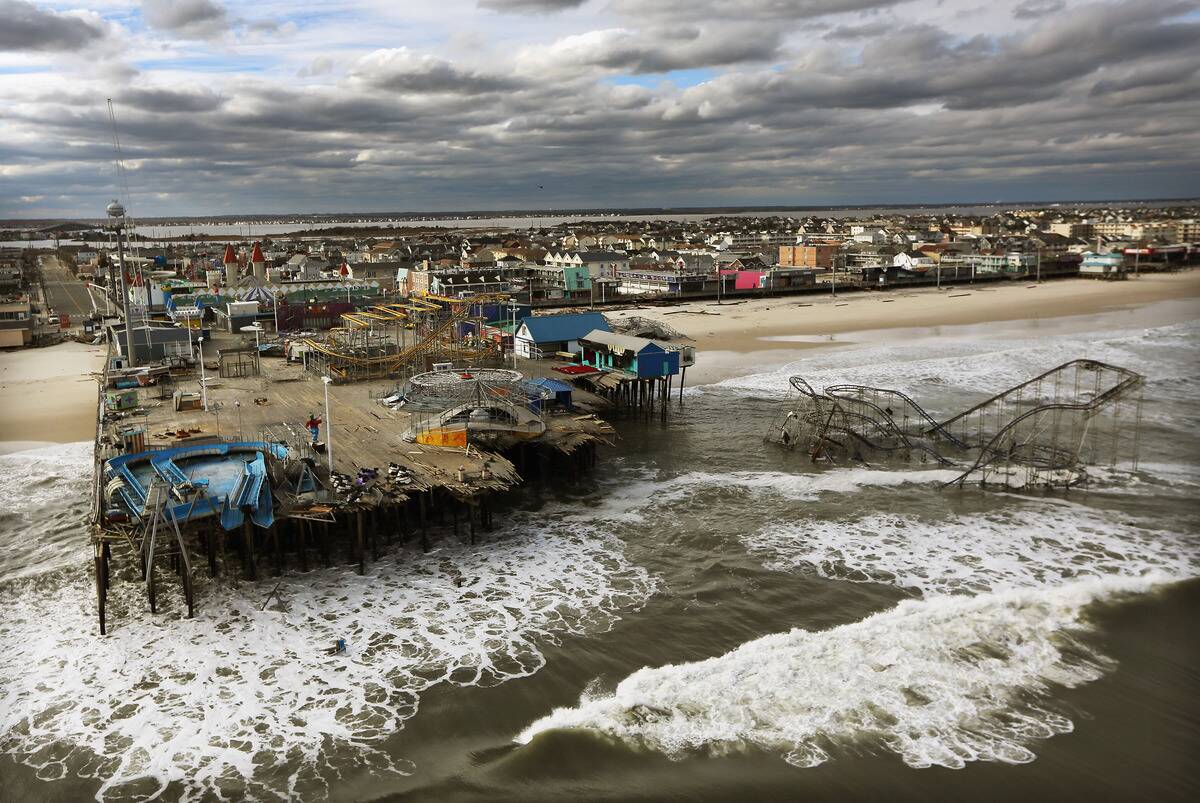
Hurricane Sandy in 2012 had a lasting impact on the Eastern Seaboard, particularly in New York and New Jersey. The storm brought to light the vulnerabilities of coastal infrastructure, leading to major investments in resilience and adaptation measures.
Politically, Sandy influenced discussions on climate change policy and urban planning. The federal and state response to the storm also prompted changes in emergency management practices and funding priorities, reshaping the political landscape of the affected areas.
Hurricane Irma: The Storm That Reshaped the Florida Keys
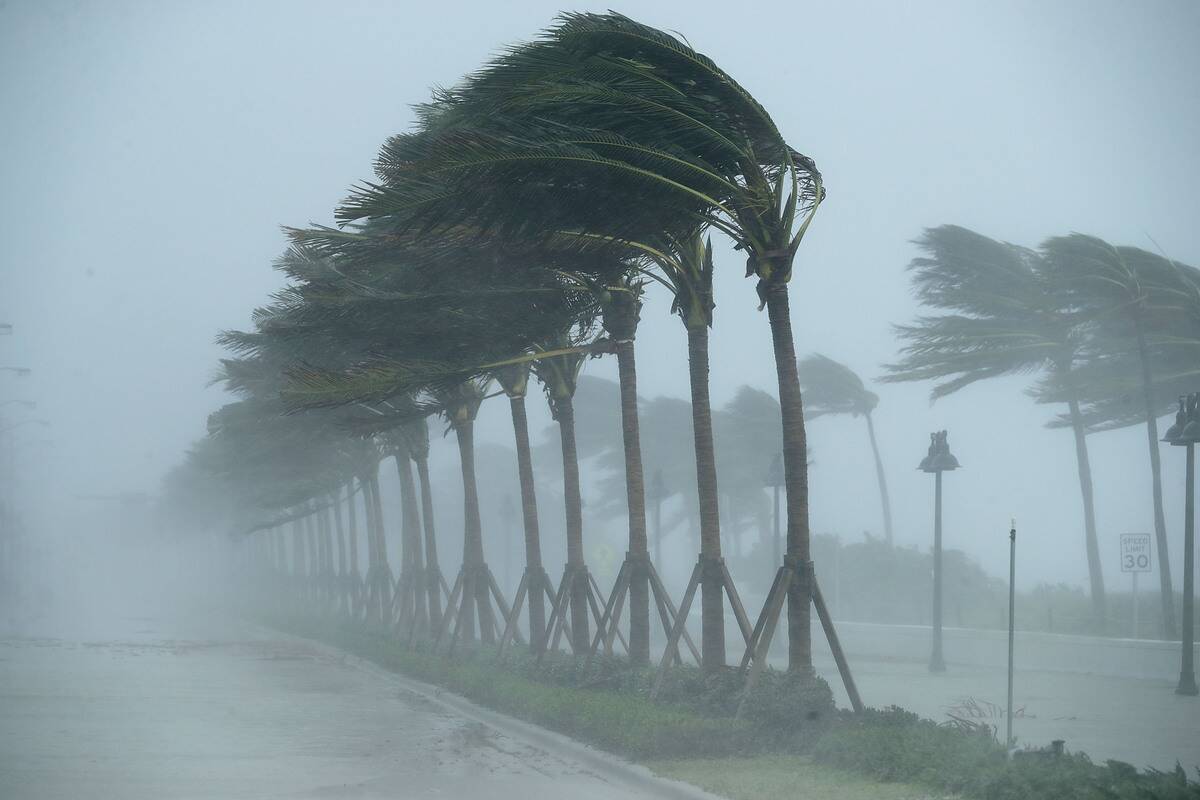
In 2017, Hurricane Irma swept through the Florida Keys, causing widespread destruction. The storm’s impact on the region’s tourism-dependent economy prompted a reevaluation of economic and environmental policies.
Recovery efforts led to changes in local governance and infrastructure planning, reflecting the need for greater resilience. Additionally, the demographic shifts resulting from Irma’s impact influenced local political dynamics, as communities adapted to the new realities of living in a hurricane-prone area.
When Nature Meets Politics: Hurricane Maria in Puerto Rico
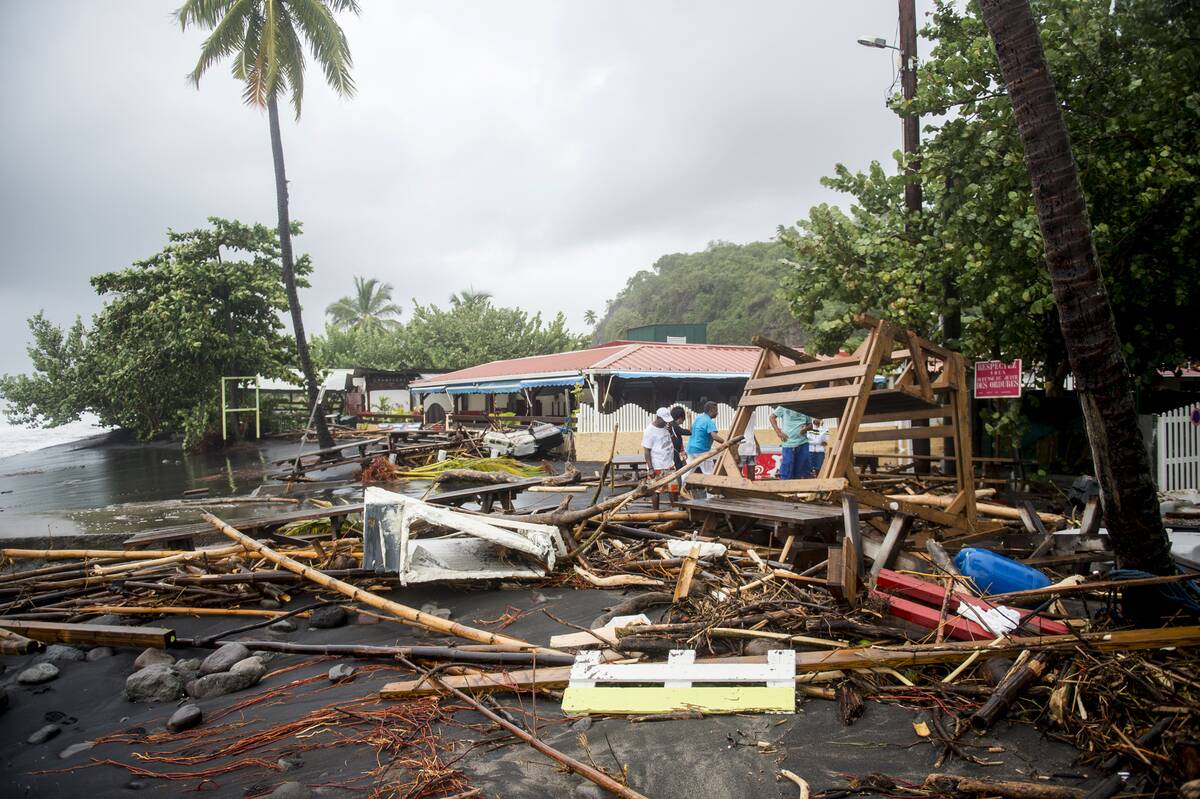
Hurricane Maria’s devastating impact on Puerto Rico in 2017 brought to the forefront issues of political status and governance. The storm exposed the island’s frail infrastructure and the challenges of its political relationship with the United States.
The federal response to Maria was heavily criticized, leading to debates on Puerto Rico’s future and its representation in Congress. The aftermath of the hurricane also highlighted the need for improved disaster preparedness and investment in resilient infrastructure.
The Lesser-Known Story of Hurricane Opal and the Gulf Coast
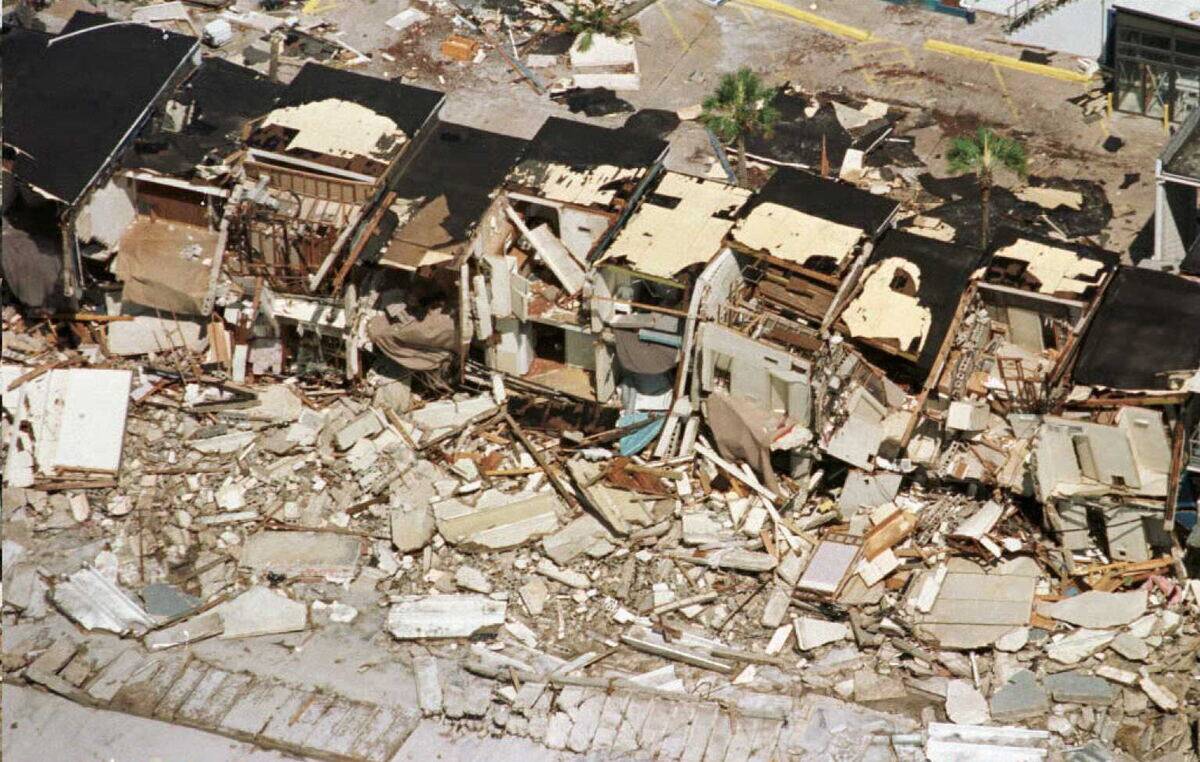
Hurricane Opal, which struck the Gulf Coast in 1995, is often overshadowed by more recent storms, yet its impact was significant. The storm caused extensive damage in Florida and Alabama, prompting changes in building codes and awareness of a Florida insurance crisis.
Opal’s aftermath also influenced local political priorities, as communities sought to enhance their resilience against future hurricanes. The storm highlighted the importance of preparedness and prompted discussions on sustainable development in hurricane-prone areas.
The Influence of Hurricane Andrew on South Florida’s Political Map
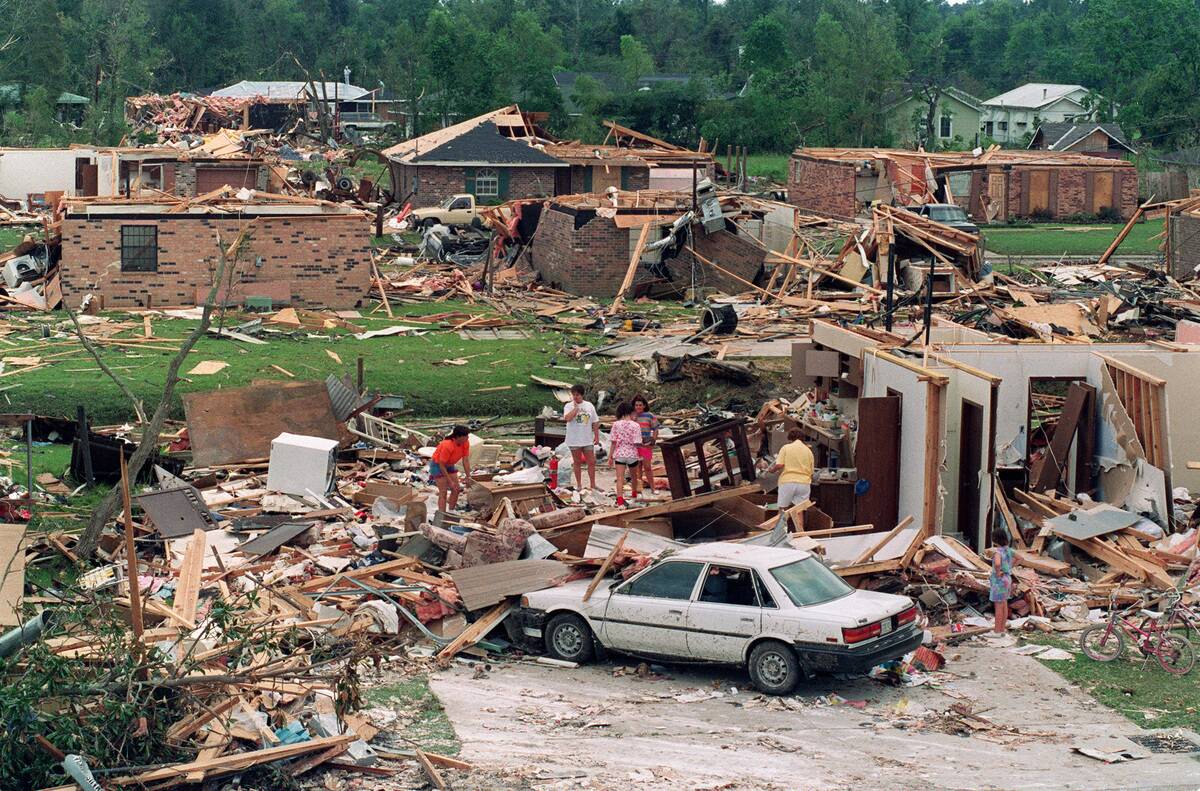
Hurricane Andrew in 1992 was a turning point for South Florida, as it led to a complete reevaluation of disaster preparedness and response. The storm’s impact on housing and infrastructure prompted changes in building codes and urban planning.
Politically, Andrew influenced local governance, as the need for effective disaster management became a priority. The storm also led to demographic shifts, as affected populations relocated, altering the political landscape of the region.
How Super Typhoons in the Pacific Affect Political Boundaries

Super typhoons in the Pacific are formidable forces that can alter political boundaries by affecting populations and economies. Countries like the Philippines and Japan have experienced significant impacts from these storms, leading to shifts in political and economic priorities.
The need for international cooperation in disaster response has influenced regional diplomacy, as countries work together to improve resilience. Additionally, the impact of super typhoons has prompted discussions on climate change and its geopolitical implications in the Pacific.
The Diplomatic Dance Post-Hurricane Dorian in the Bahamas
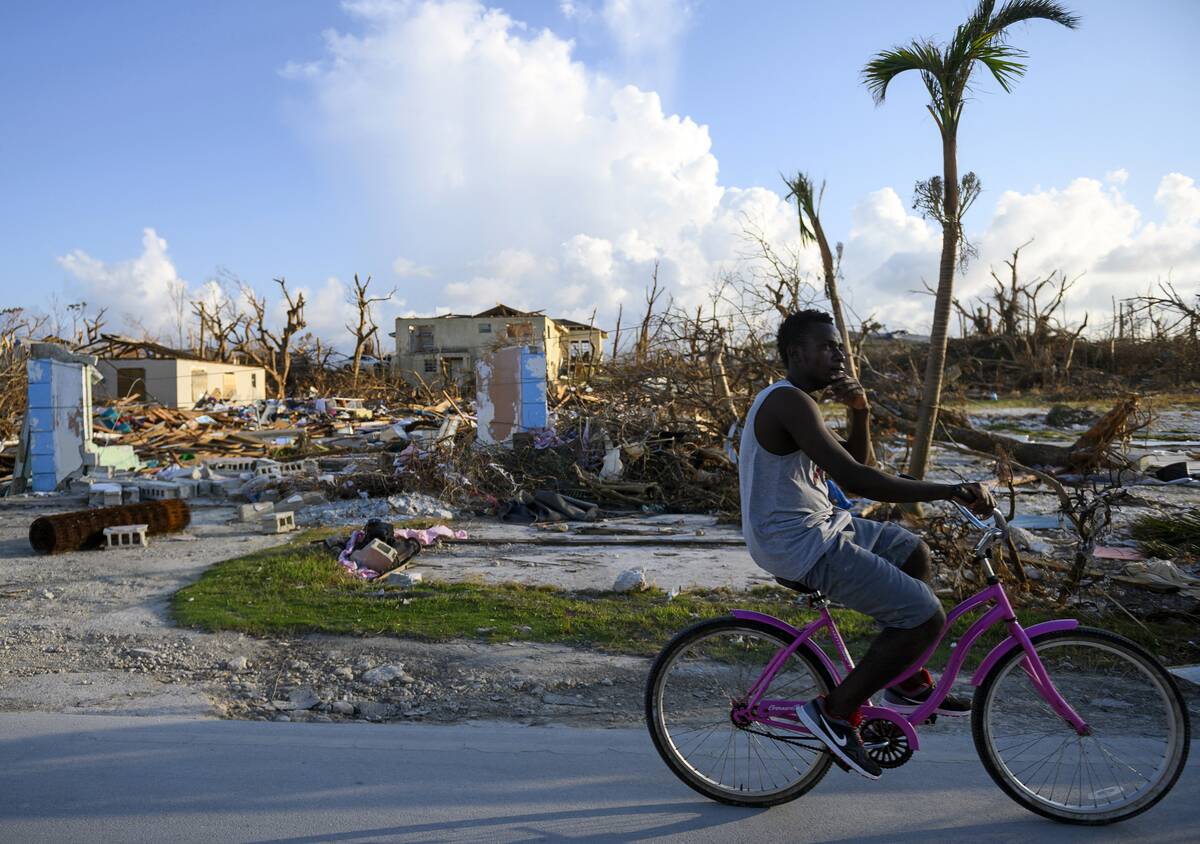
Hurricane Dorian in 2019 was one of the most powerful storms to hit the Bahamas, causing widespread devastation. The storm’s aftermath highlighted the need for international aid and cooperation, influencing the country’s diplomatic relationships.
Dorian prompted discussions on climate change and its impact on small island nations, as well as the need for sustainable development. The Bahamian government’s response to the storm also influenced domestic politics, as recovery efforts became a priority for the administration.




