How steamships and railroads created modern tourism
Modern tourism as we know it began to take shape in the 19th century, a time when industrial advancements revolutionized travel. Before this era, embarking on a journey was a privilege reserved for the wealthy elite, often requiring significant time and resources.
However, the introduction of steamships and railroads transformed these distant dreams into achievable realities, paving the way for the democratization of travel and the birth of the tourism industry.
The Advent of Steamships: A New Era of Travel
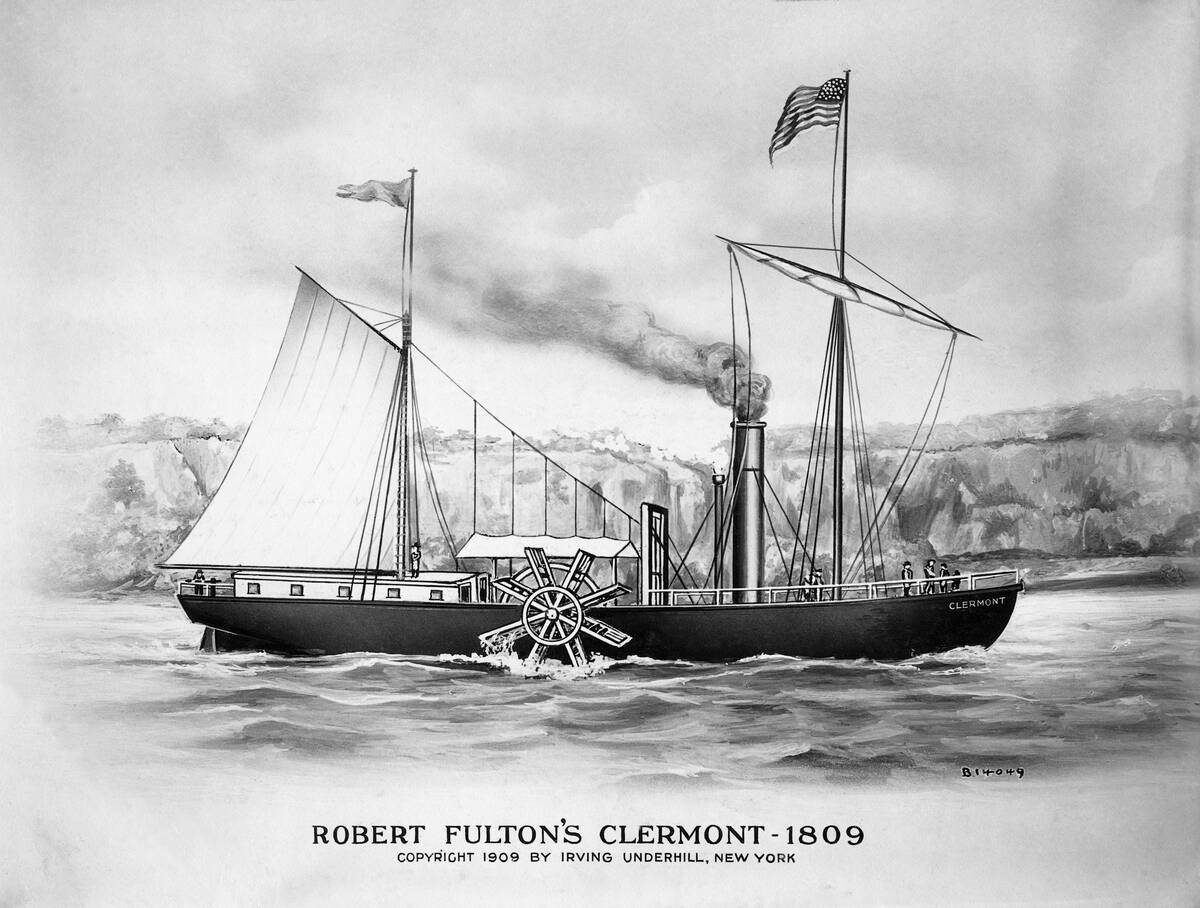
Steamships emerged in the early 1800s, with Robert Fulton’s Clermont making its maiden voyage on the Hudson River in 1807. Unlike their wind-powered predecessors, steamships could maintain schedules and travel upstream, making long-distance sea travel more reliable.
This innovation opened up new routes and destinations, allowing travelers to explore previously inaccessible parts of the world, thus marking a new era in the history of travel.
The Allure of the Open Seas: Steamship Excursions
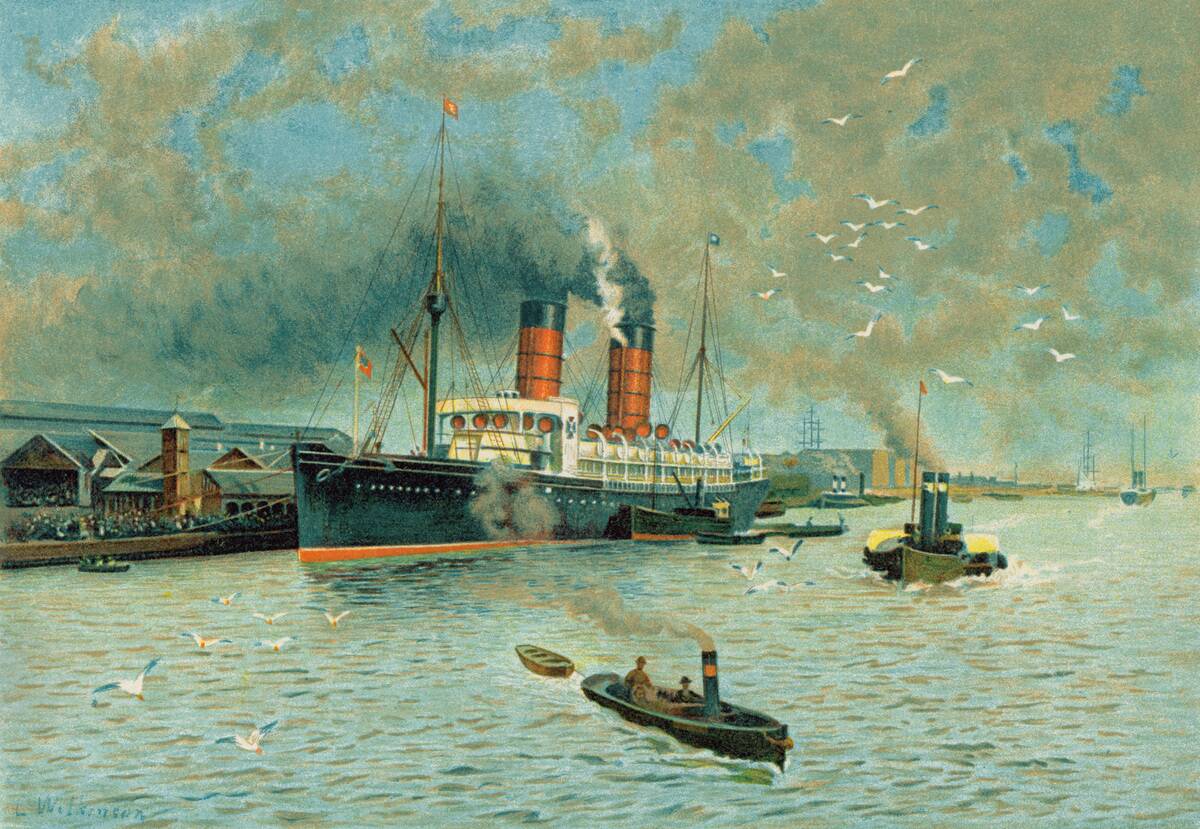
By the mid-19th century, steamship companies like Cunard and White Star Line were offering transatlantic voyages that captivated the imagination of the public. These journeys were not just about reaching a destination; they were experiences in their own right.
Passengers enjoyed promenades on deck, elegant dining, and social events, making the voyage itself a part of the adventure and a new form of leisure activity.
Railroads: Connecting Cities and Countrysides
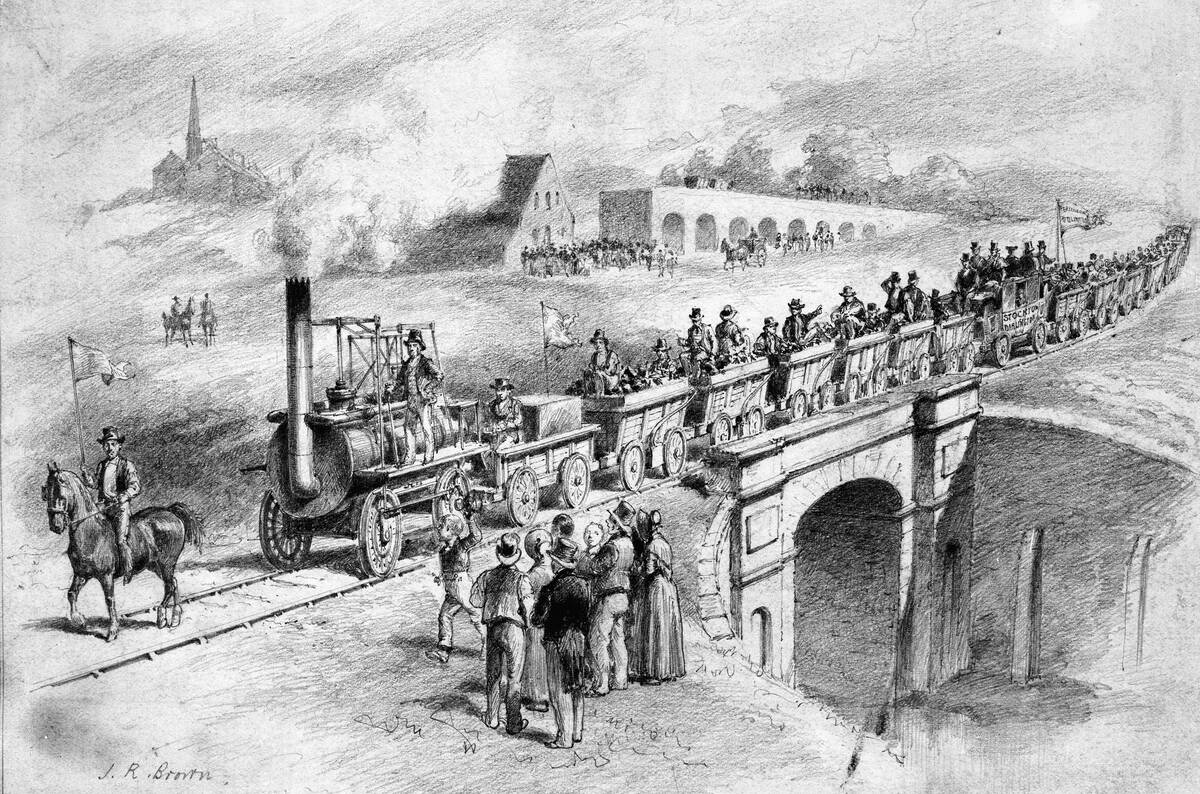
While steamships bridged oceans, railroads stitched together the continents. The first public railway, the Stockton and Darlington Railway, opened in England in 1825, signaling the start of a transportation revolution.
Railroads facilitated the rapid movement of people and goods, connecting bustling cities with serene countrysides. This innovation made travel more accessible and convenient, encouraging people to explore their own countries like never before.
The Golden Age of Rail Travel: Luxury on Wheels
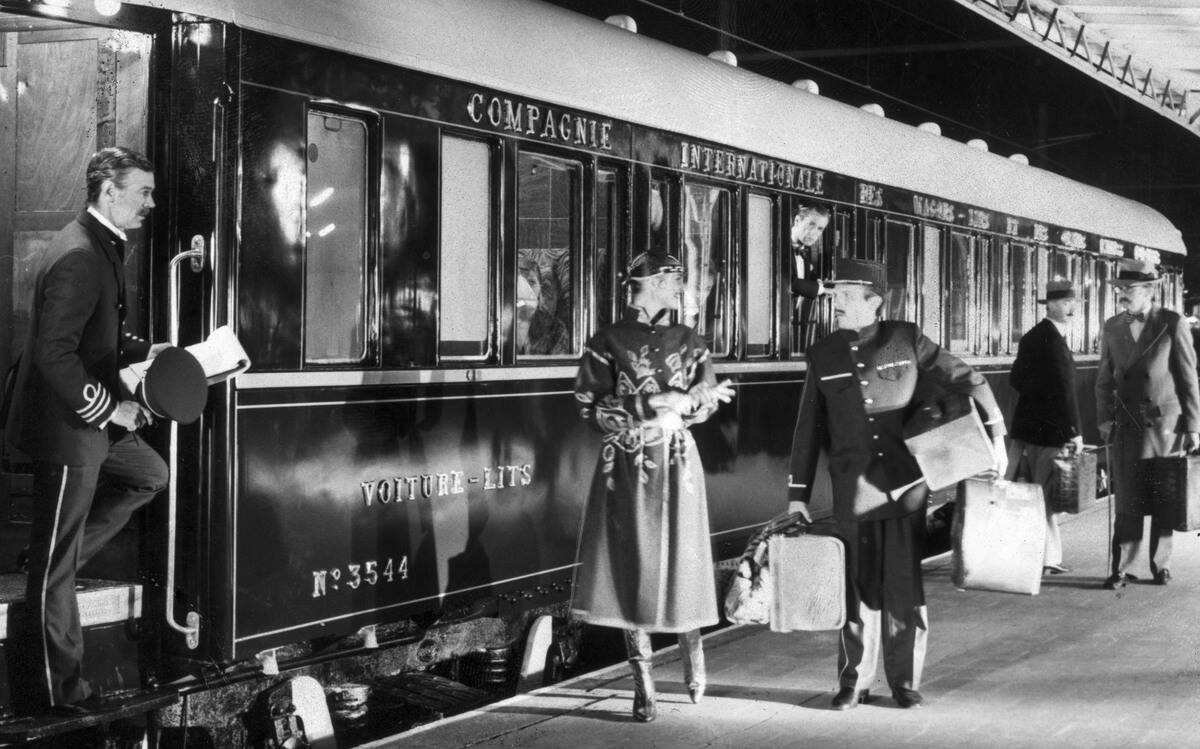
The late 19th and early 20th centuries marked the golden age of rail travel, with trains like the Orient Express offering unparalleled luxury. Passengers were treated to opulent dining cars, plush sleeping compartments, and attentive service, which transformed train journeys into sophisticated experiences.
This era of rail travel became synonymous with elegance and comfort, drawing affluent travelers seeking both adventure and luxury.
Steamships and Railroads: A Perfect Partnership
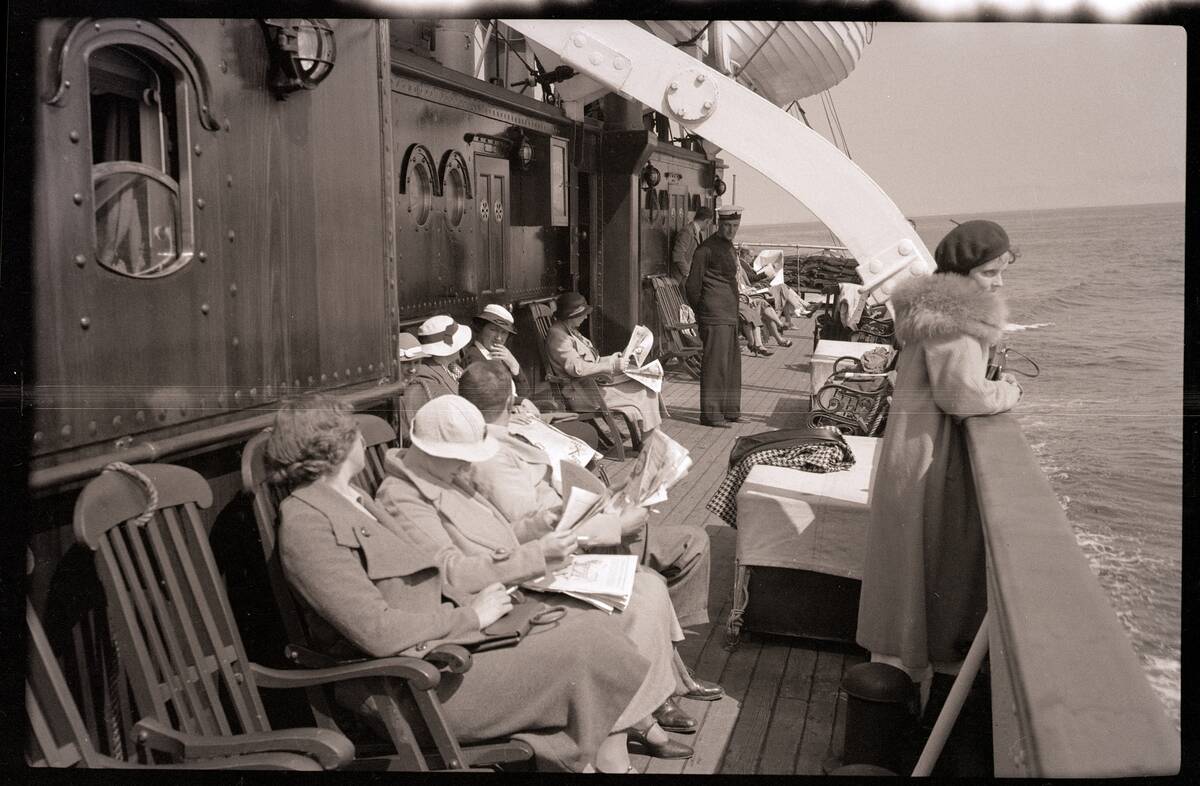
Steamships and railroads complemented each other perfectly, creating seamless travel experiences. Ports served as bustling hubs where passengers could transfer from sea to rail, making it possible to traverse continents with ease.
This partnership not only enhanced the efficiency of travel but also expanded the range of possible itineraries, allowing tourists to combine sea and land adventures in one grand tour, further fueling the growth of modern tourism.
The Rise of Leisure Travel: A New Social Norm
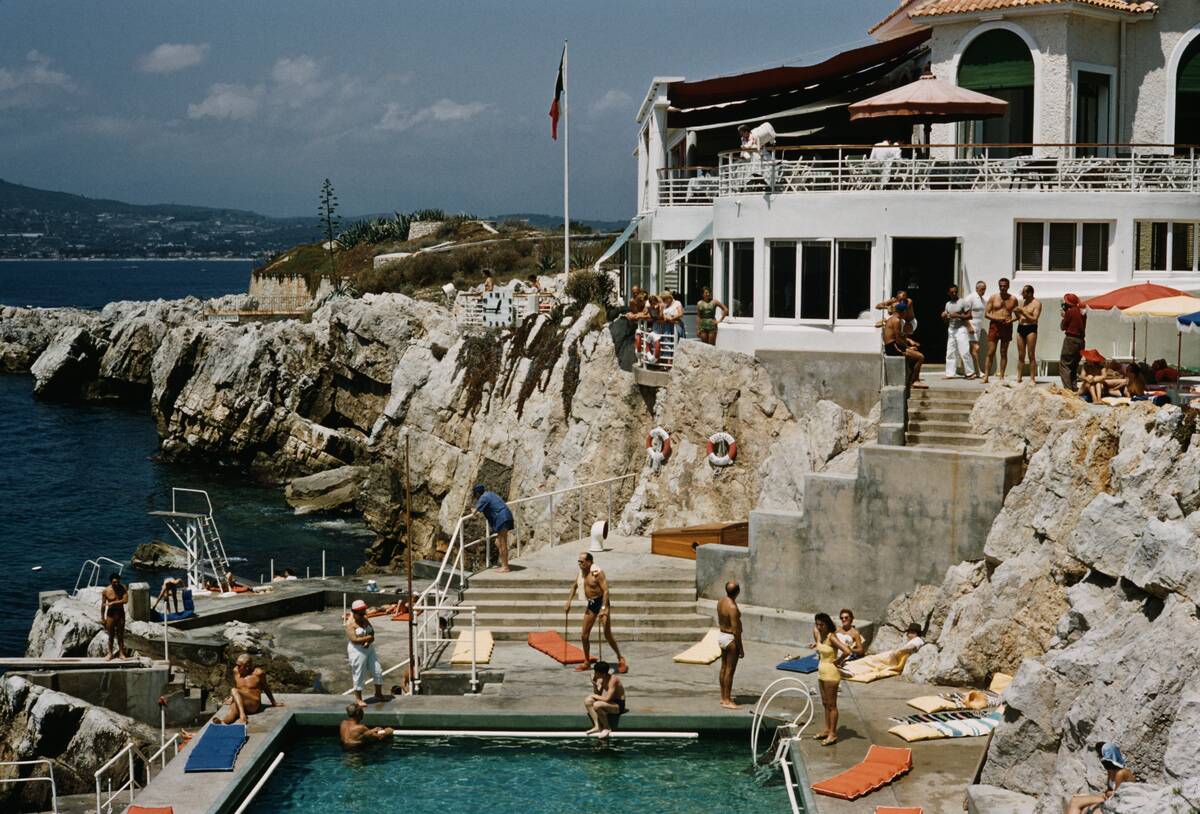
As travel became more accessible, leisure travel emerged as a popular social activity. The concept of traveling for pleasure, rather than necessity, gained traction, and vacations became a staple of middle-class life.
Destinations like the French Riviera and the Swiss Alps became fashionable, as people sought to escape the hustle and bustle of city life for relaxation and recreation, solidifying tourism as a new social norm.
Travel for the Masses: Making Tourism Affordable
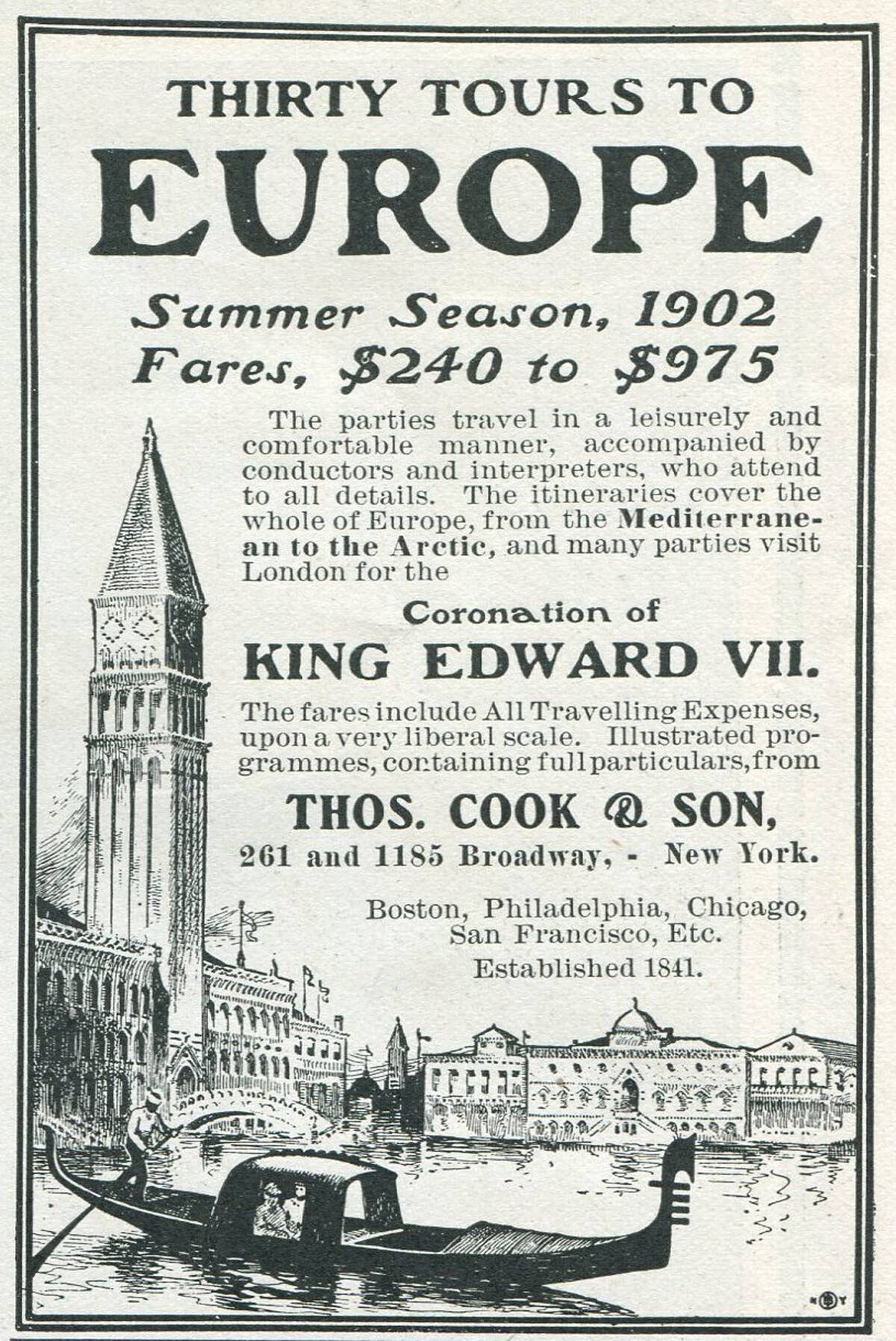
The expansion of steamship and railroad networks significantly reduced travel costs, making tourism affordable for the masses. Companies like Thomas Cook capitalized on this by organizing package tours, which included transportation, accommodation, and meals at a fixed price.
These packages democratized travel, allowing more people to experience the joys of exploration and significantly broadening the appeal of tourism.
Iconic Destinations: The Must-See Spots of the Era
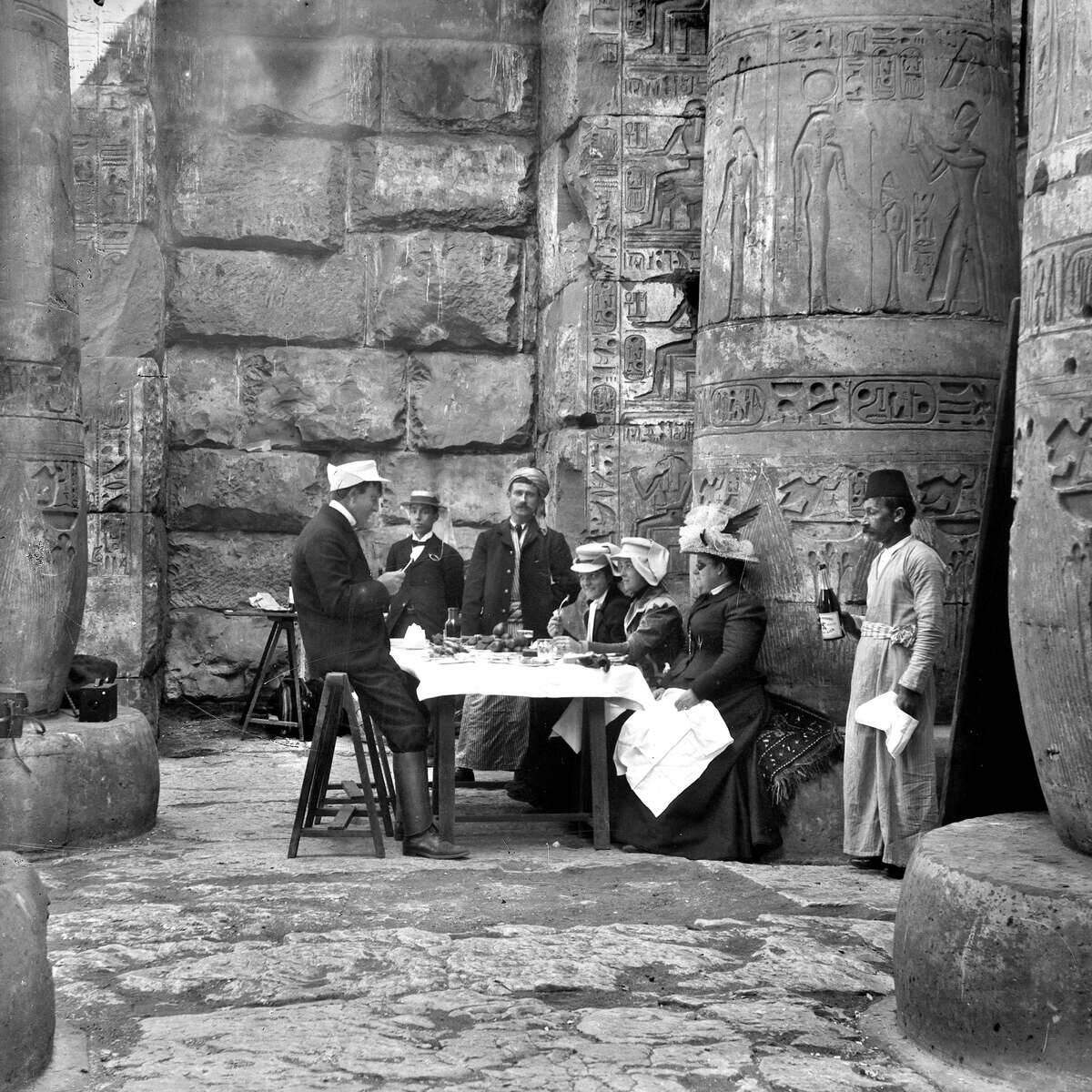
Certain destinations gained iconic status during the rise of modern tourism. The Pyramids of Egypt, the Grand Tour of Europe, and the American West became must-see spots for adventurous travelers.
These locations were often romanticized in literature and art, adding to their allure and inspiring countless journeys. Visiting these iconic sites became a rite of passage for many, further cementing their place in the annals of travel history.
The Cultural Exchange: Bringing Worlds Together
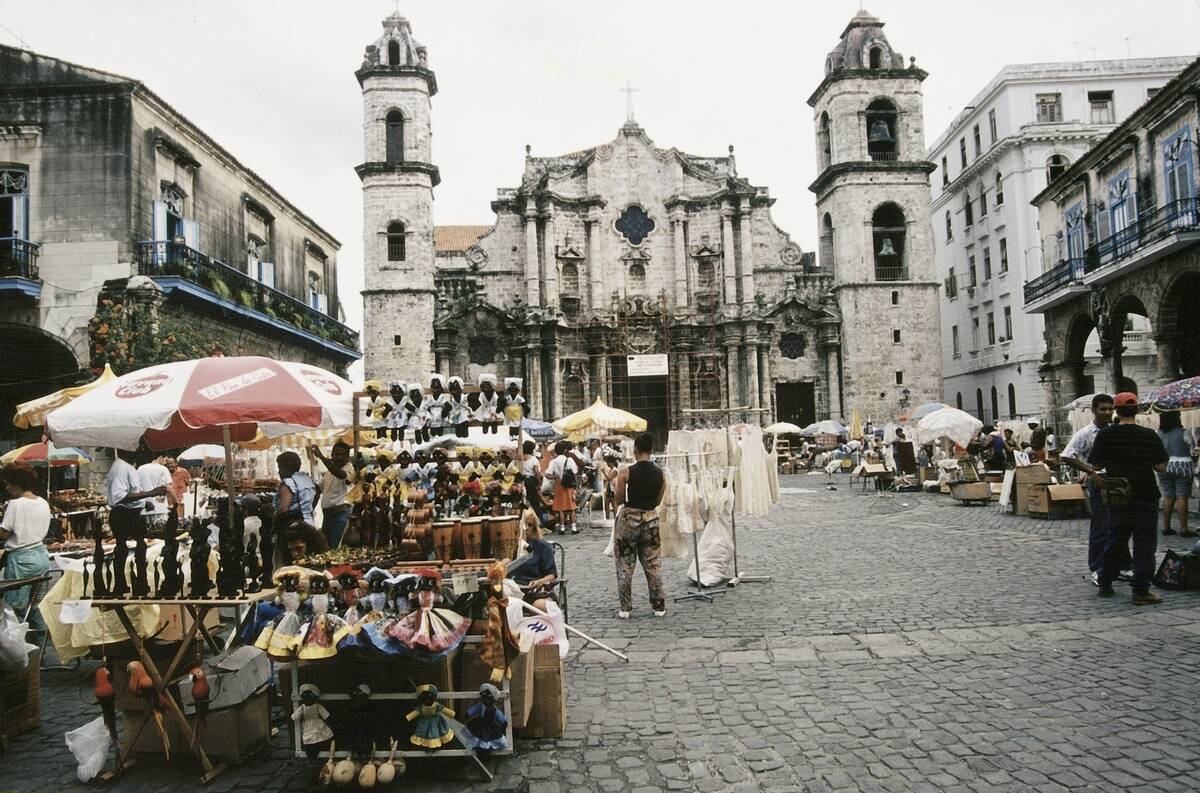
Travel facilitated cultural exchange, as people from different backgrounds interacted and shared experiences. Tourists brought home souvenirs, stories, and new perspectives, enriching their own cultures.
This exchange was a two-way street, as locals also learned from visitors, leading to a broader understanding and appreciation of global diversity. Such interactions helped break down cultural barriers and fostered a sense of global community.
Travel Photography: Capturing Moments on the Move
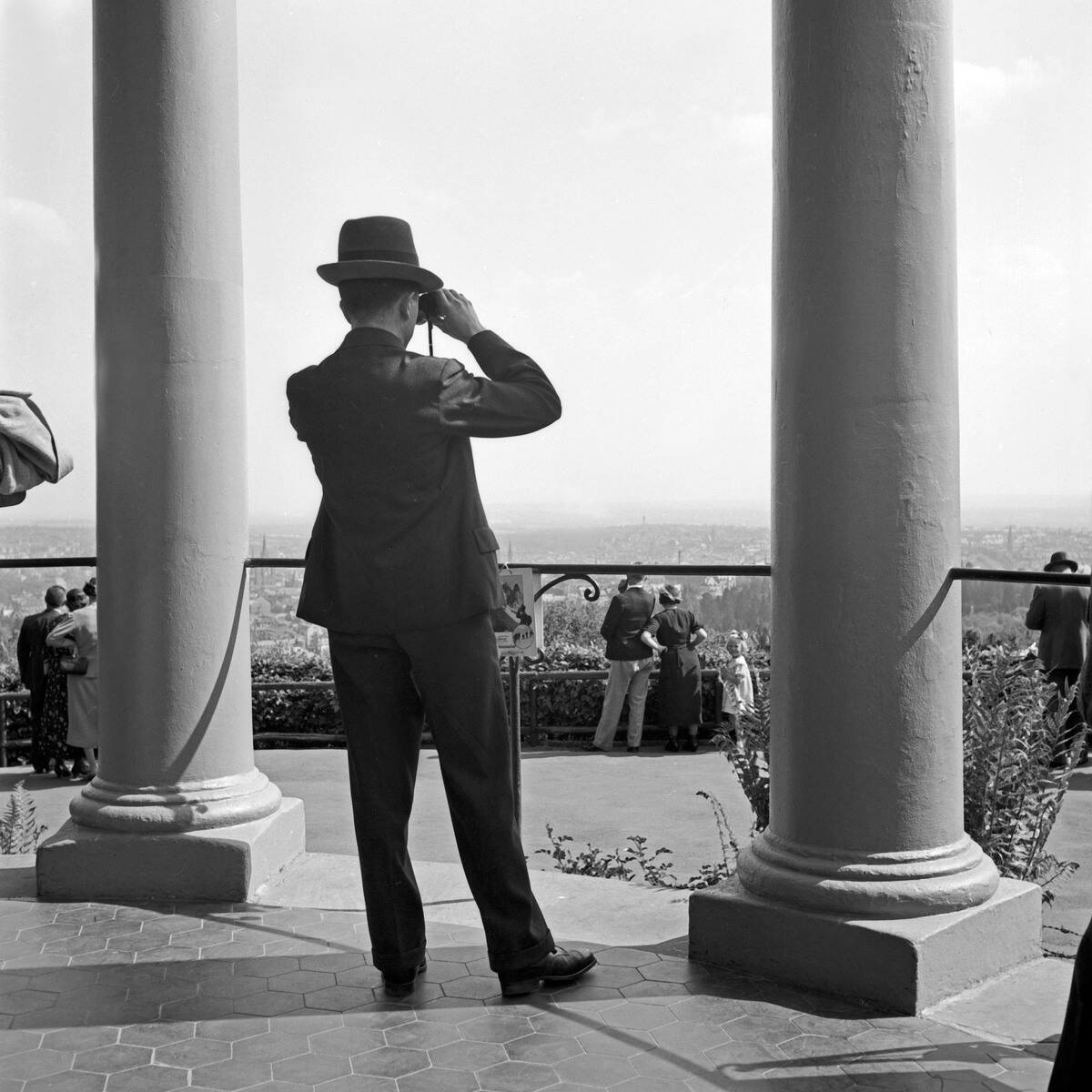
The advent of portable cameras in the late 19th century allowed travelers to capture their journeys in photographs. Companies like Kodak made it easy for tourists to document their experiences and share them with friends and family.
Travel photography became a popular pastime, with images serving as lasting memories of adventures and as a means to share the beauty and diversity of the world with those who had not yet traveled.
The Influence on Local Economies: A Boost from Tourism
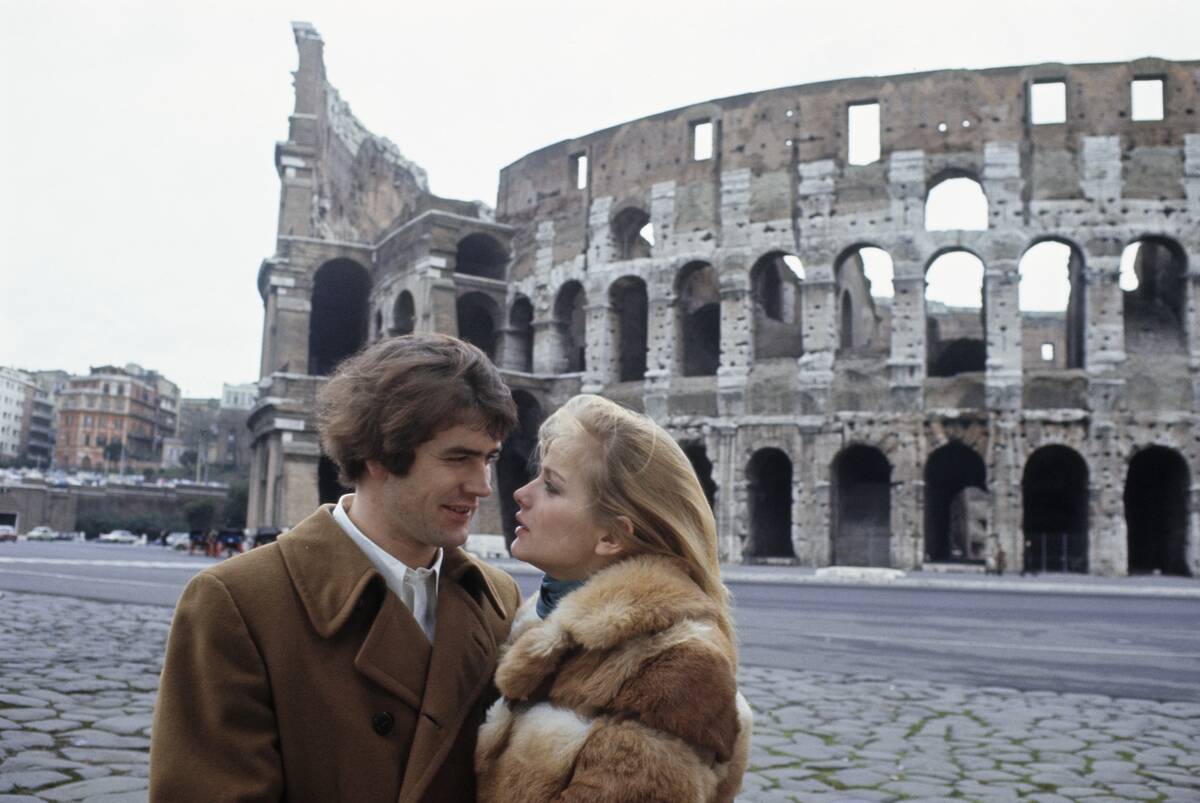
Tourism provided a significant boost to local economies, generating revenue and creating jobs. Hotels, restaurants, and markets thrived as they catered to the needs of travelers. This influx of visitors often led to infrastructure improvements, benefiting both tourists and residents.
The economic impact of tourism was profound, as it became a vital part of many regions’ development strategies, showcasing the importance of travel in economic growth.
The Evolution of Travel Fashion: Dressing for Adventure
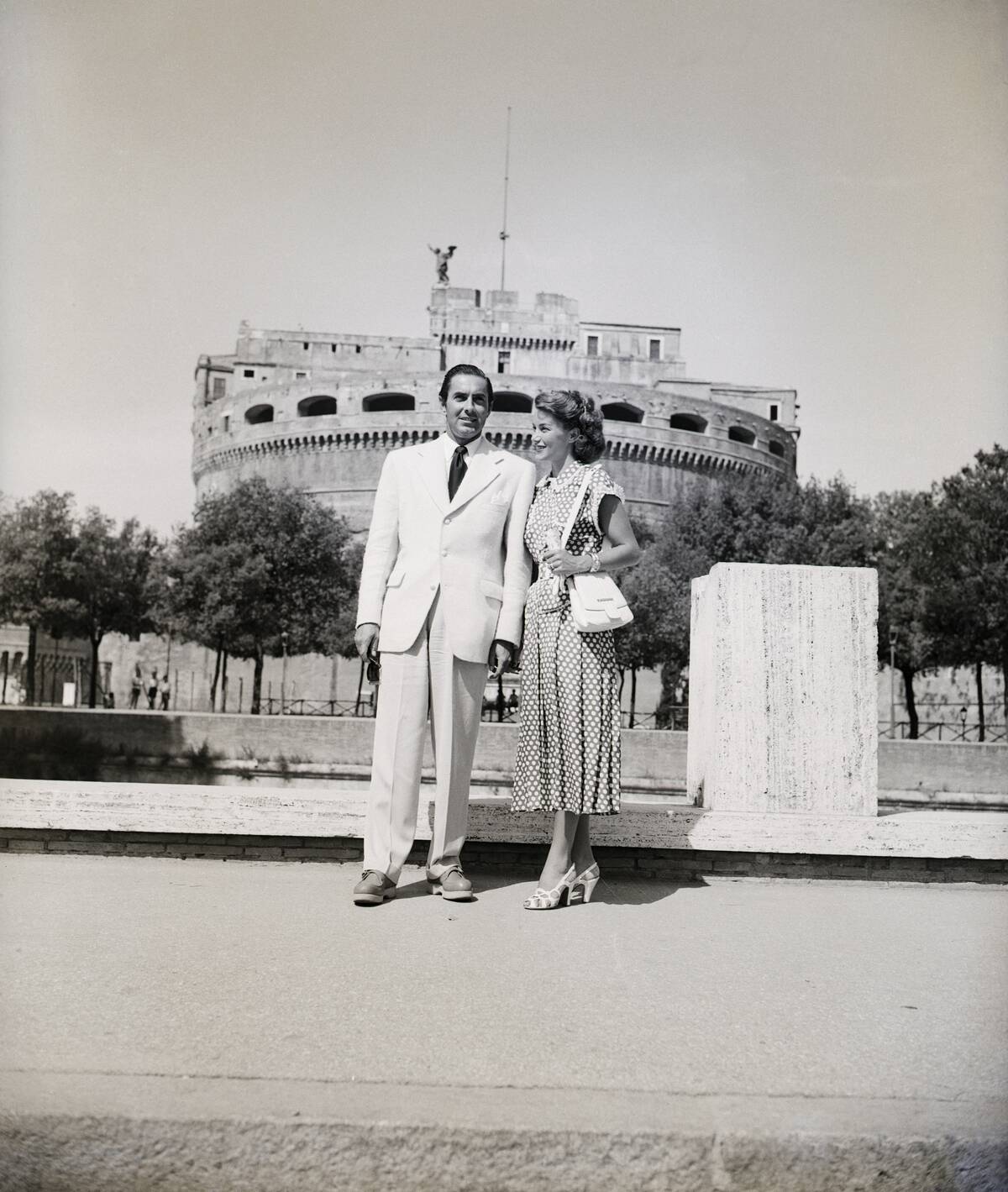
The rise of tourism also influenced fashion, as travelers sought practical yet stylish attire for their journeys. The need for durable and comfortable clothing led to the popularity of items like the safari suit and travel-friendly fabrics.
Fashion icons of the time often appeared in travel magazines, showcasing the latest trends and setting standards for what was considered appropriate travel attire, blending functionality with style.
Legacy of Steamships and Railroads: Foundations of Today’s Travel Industry
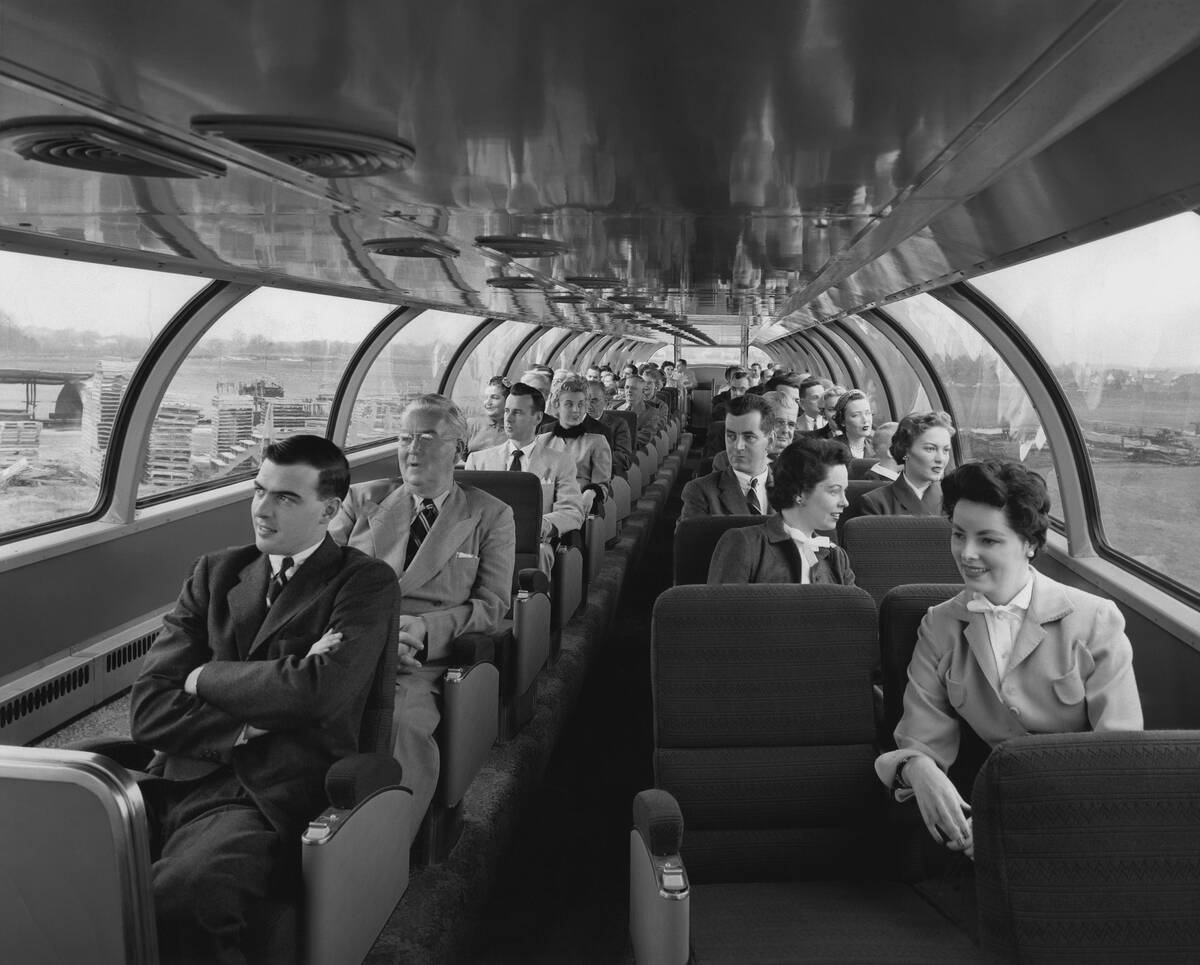
The innovations of steamships and railroads laid the foundations for today’s travel industry, setting standards that continue to influence modern transportation. These advancements made travel accessible, comfortable, and efficient, qualities that remain central to the industry.
The legacy of this era is evident in the vast networks of routes and services available today, reflecting the enduring impact of steamships and railroads on how we explore the world.




