How the Silk Road transformed cultures
The Silk Road was more than just a series of trade routes; it was a vibrant network of cultural exchange that connected the East and West for centuries. Stretching over 4,000 miles, the Silk Road facilitated not only the movement of goods but also the spread of ideas, languages, and traditions.
This ancient highway was a melting pot of cultures, where merchants, pilgrims, and adventurers encountered diverse civilizations, leaving a lasting legacy that still resonates today.
The Origins of the Silk Road: From Trade Routes to Cultural Highways
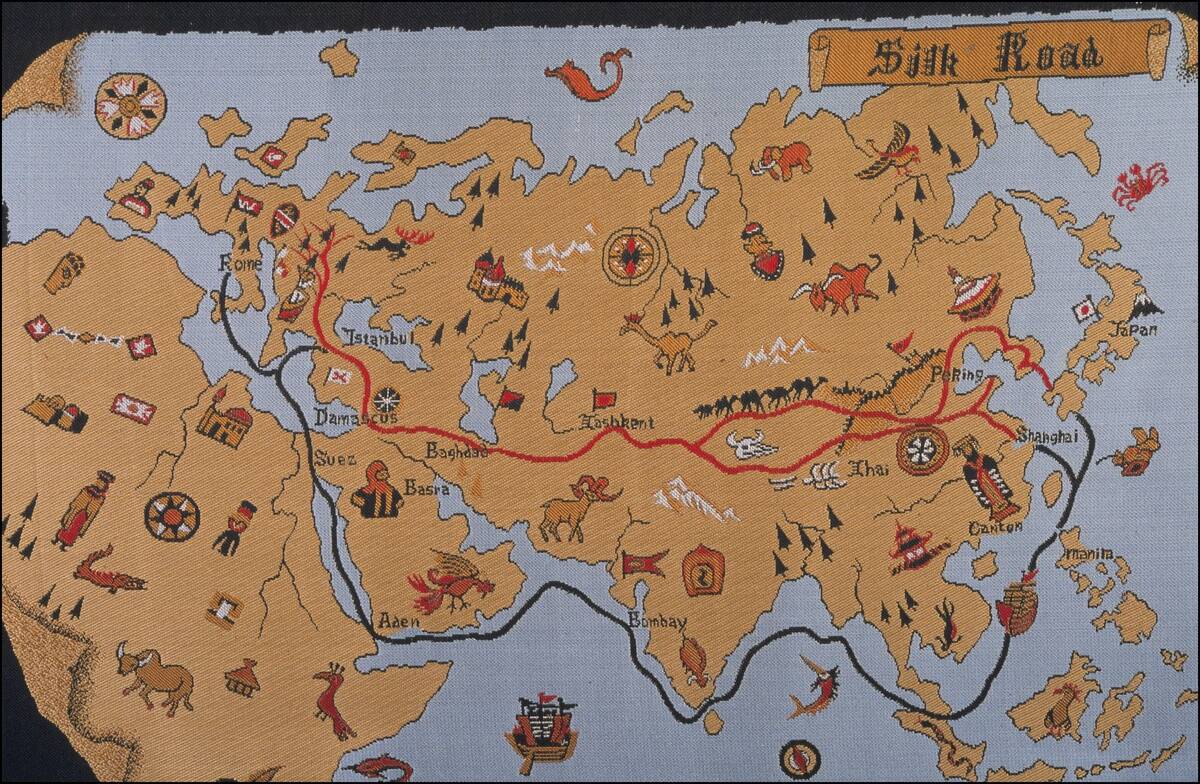
The Silk Road began as a series of trade routes established during the Han Dynasty around 130 BCE, primarily to transport silk to the West. As these routes evolved, they became cultural highways that enabled the exchange of art, religion, and knowledge.
The Chinese, Persians, Indians, and Romans all played crucial roles in the development of the Silk Road, contributing to its transformation from simple trade paths into channels for profound cultural interaction.
Silk Road Geography: Mapping the Ancient Trade Routes
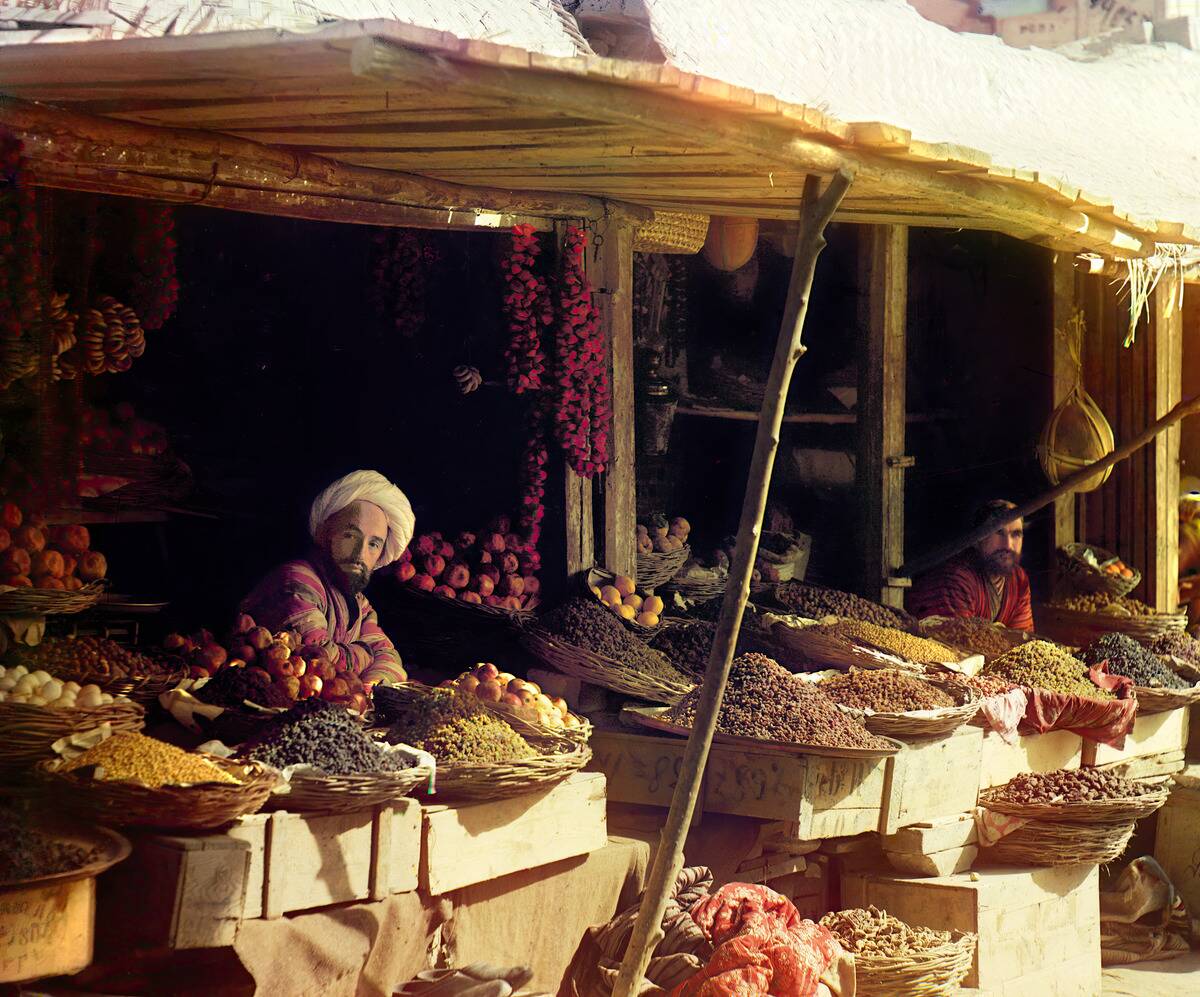
The Silk Road traversed a diverse landscape, including deserts, mountains, and vast plains, connecting continents from China to the Mediterranean. Key cities like Xi’an, Samarkand, and Antioch served as major hubs along the route.
These cities were strategically positioned, allowing traders to rest and resupply while navigating the challenging terrain. The vastness and diversity of the geography made the Silk Road a unique corridor for the exchange of goods and ideas.
Silk and Spices: The Commodities that Connected Worlds
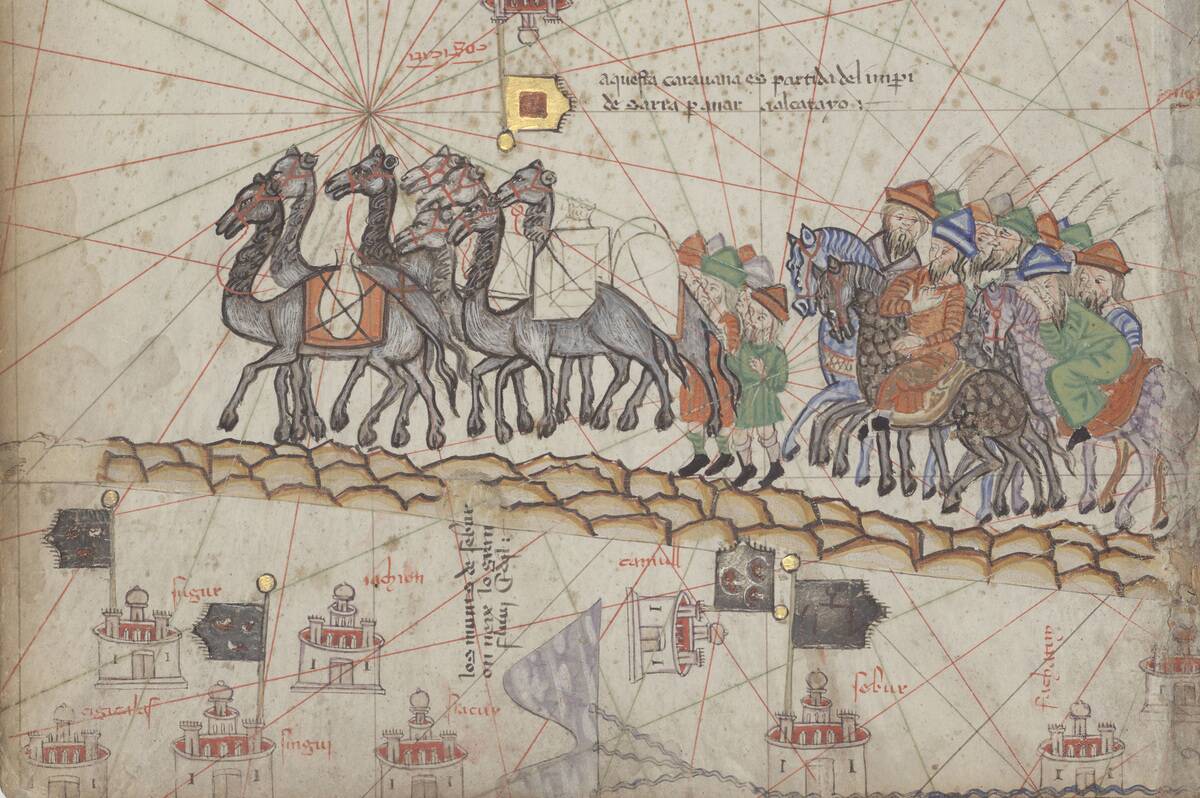
Silk was the most famous commodity traded along this route, highly prized for its luxurious texture and rarity in the West. However, the Silk Road was also a conduit for spices, precious stones, and metals.
Spices like cinnamon and cloves were particularly sought after for their culinary and medicinal properties. The exchange of these goods not only enriched the participating cultures economically but also broadened their culinary and artistic horizons.
The Role of Caravanserais: Rest Stops that Facilitated Cultural Exchange
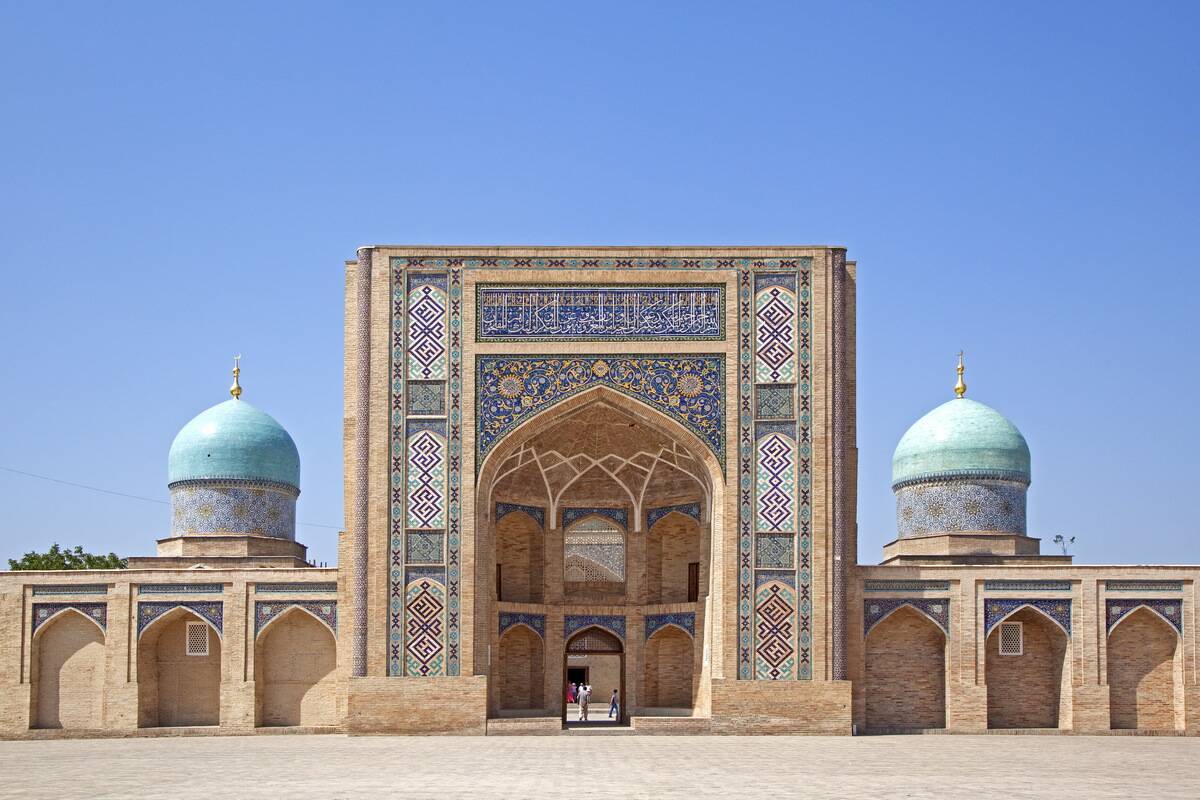
Caravanserais were essential rest stops scattered along the Silk Road, providing shelter and food for weary travelers and their animals. These inns became centers of cultural exchange, where people from diverse backgrounds shared stories and ideas.
The hospitality offered at caravanserais often included communal meals, fostering a sense of camaraderie among travelers. This environment of exchange and interaction was critical in spreading cultural influences across vast distances.
Language and Communication: The Lingua Franca of the Silk Road

Communication on the Silk Road was a fascinating blend of multiple languages, with Sogdian emerging as a common trade language for many merchants. This lingua franca allowed traders from different regions to communicate effectively, facilitating commerce and cultural exchange.
Additionally, bilingual and multilingual individuals, such as translators and guides, played crucial roles in bridging linguistic gaps, ensuring smooth transactions and interactions among diverse groups.
The Spread of Religion: Buddhism, Islam, and Christianity on the Move

The Silk Road was a significant conduit for the spread of major world religions, including Buddhism, Islam, and Christianity. Buddhist monks traveled the route, bringing their teachings to China, while Islam spread from the Arabian Peninsula into Central Asia.
Nestorian Christianity also found its way along these pathways. This religious exchange not only introduced new spiritual ideas but also influenced local cultures, leading to the development of unique religious art and architecture.
Artistic Exchange: How the Silk Road Influenced Art and Architecture

The Silk Road facilitated an extraordinary exchange of artistic styles and techniques, visible in the diverse art and architecture along the route. Chinese ceramics, Persian miniatures, and Greco-Roman sculptures all influenced each other, leading to unique hybrid styles.
Architecture, too, flourished, with Buddhist stupas, Islamic mosques, and Christian churches showcasing the blend of Eastern and Western influences. This artistic cross-pollination enriched the cultural landscapes of many civilizations.
Culinary Cross-Pollination: The Silk Road’s Impact on World Cuisine
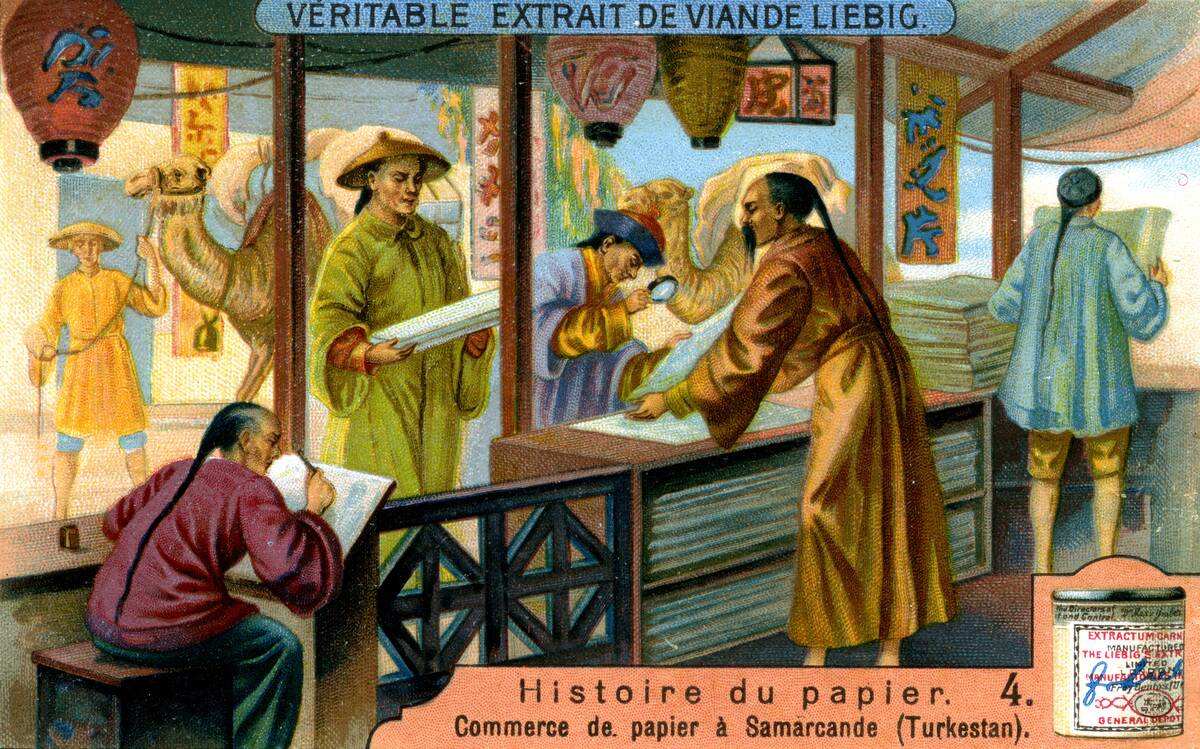
The Silk Road was a culinary superhighway, introducing new ingredients and cooking techniques across continents. Spices from India, noodles from China, and dried fruits from Persia all found new homes in foreign kitchens.
This exchange led to the development of dishes that combined elements from various cultures, such as the use of spices in European cooking or the adaptation of pasta dishes in the East. The culinary legacy of the Silk Road continues to influence global cuisine today.
The Exchange of Ideas: Philosophy and Science on the Silk Road
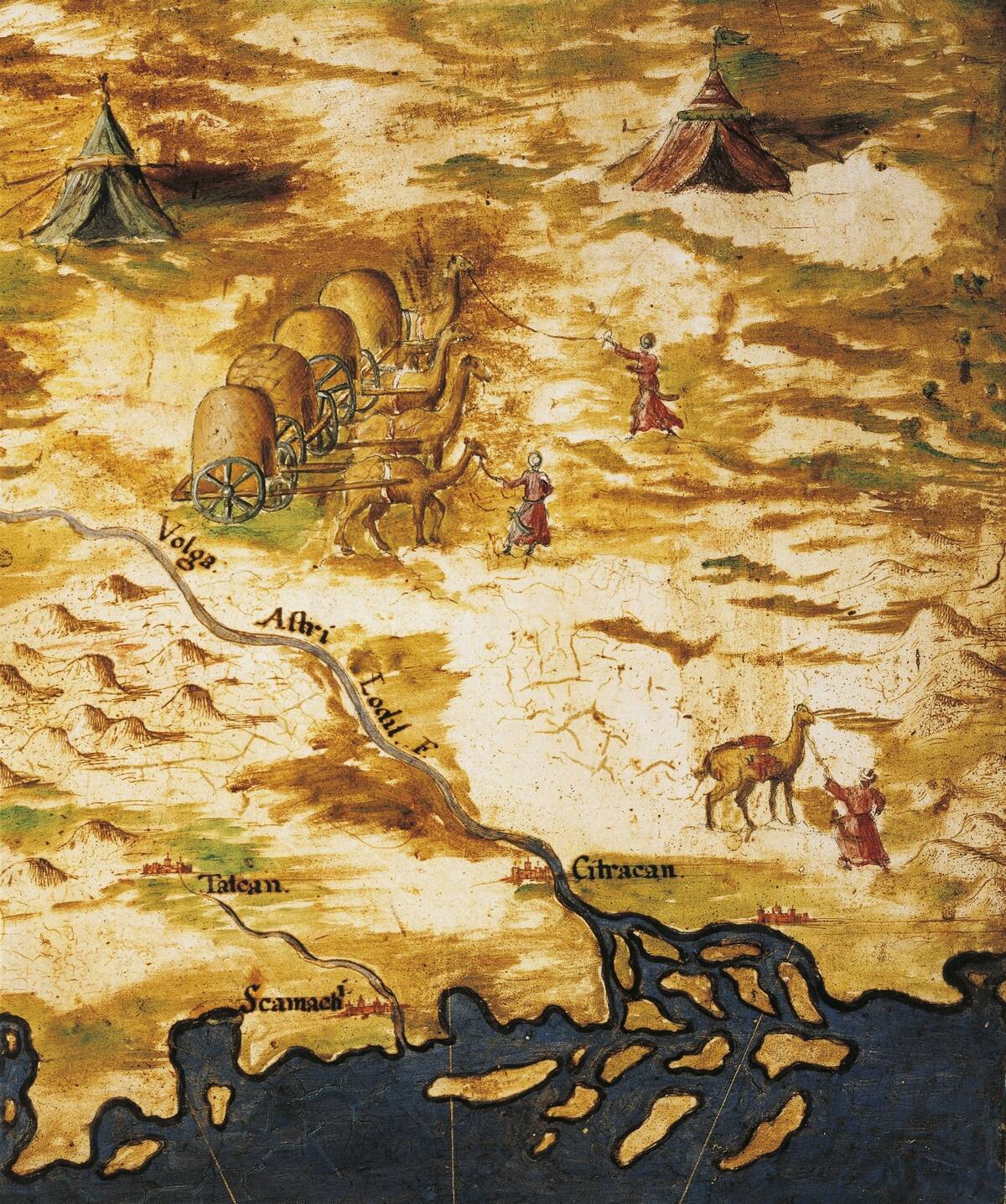
Philosophical and scientific ideas traveled the Silk Road as scholars and thinkers exchanged knowledge across continents. Greek philosophy and Indian mathematics influenced Islamic scholars, leading to advancements in astronomy, medicine, and mathematics.
The translation of texts, such as Aristotle’s works into Arabic, facilitated the spread of these ideas. This intellectual exchange laid the foundation for future scientific progress and cultural development across Eurasia.
Cultural Melting Pot: Cities that Thrived on the Silk Road

Cities like Samarkand, Bukhara, and Kashgar thrived as bustling centers of trade and cultural exchange along the Silk Road. These cities attracted merchants, scholars, and artists from diverse backgrounds, creating vibrant cosmopolitan communities.
The fusion of different cultures in these urban melting pots resulted in rich traditions of art, literature, and science. Today, the historical legacy of these cities continues to draw visitors eager to experience their multicultural heritage.
The Role of Nomadic Tribes: Guardians and Guides of the Silk Road
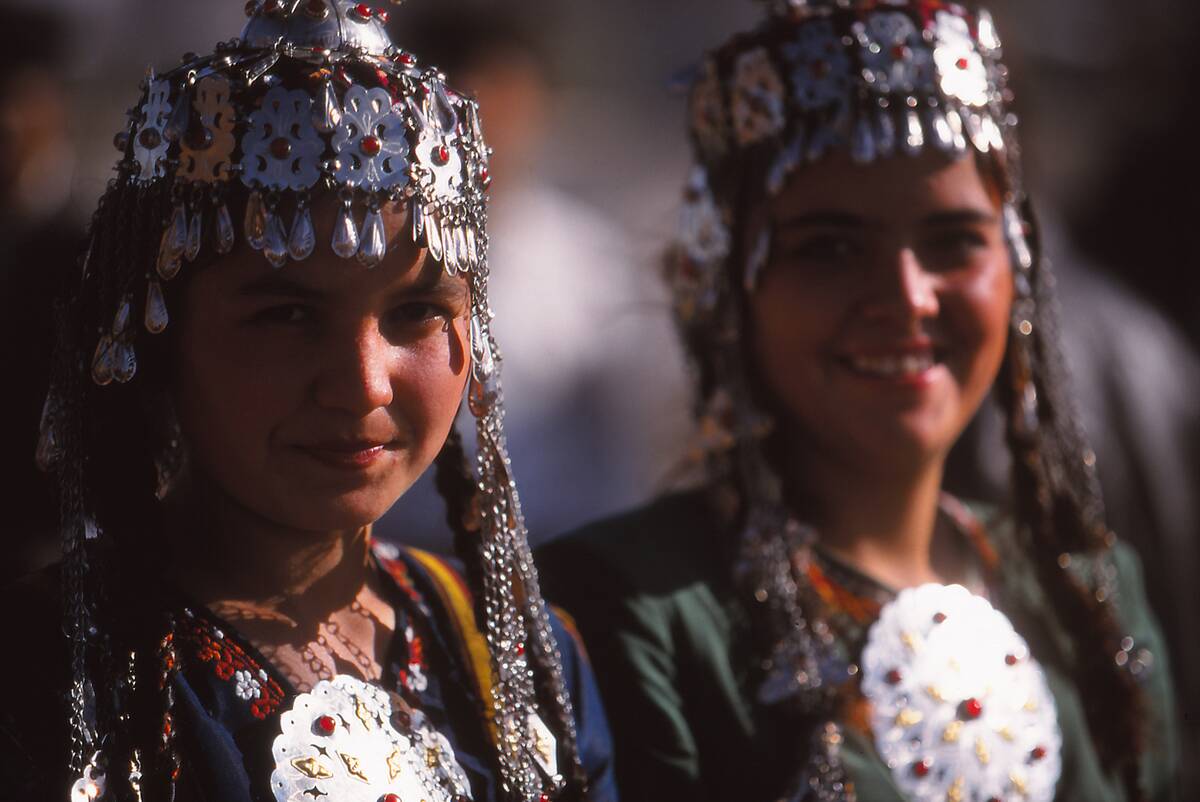
Nomadic tribes such as the Mongols, Scythians, and Turks played a crucial role in the operation of the Silk Road. These groups often acted as guides, protecting caravans and ensuring safe passage across challenging terrains. Their intimate knowledge of the landscape was invaluable to traders navigating the route.
Additionally, the nomads themselves were carriers of cultural influences, as they interacted with settled communities, contributing to the dynamic exchange of ideas and traditions.
The Influence of the Silk Road on Music and Dance
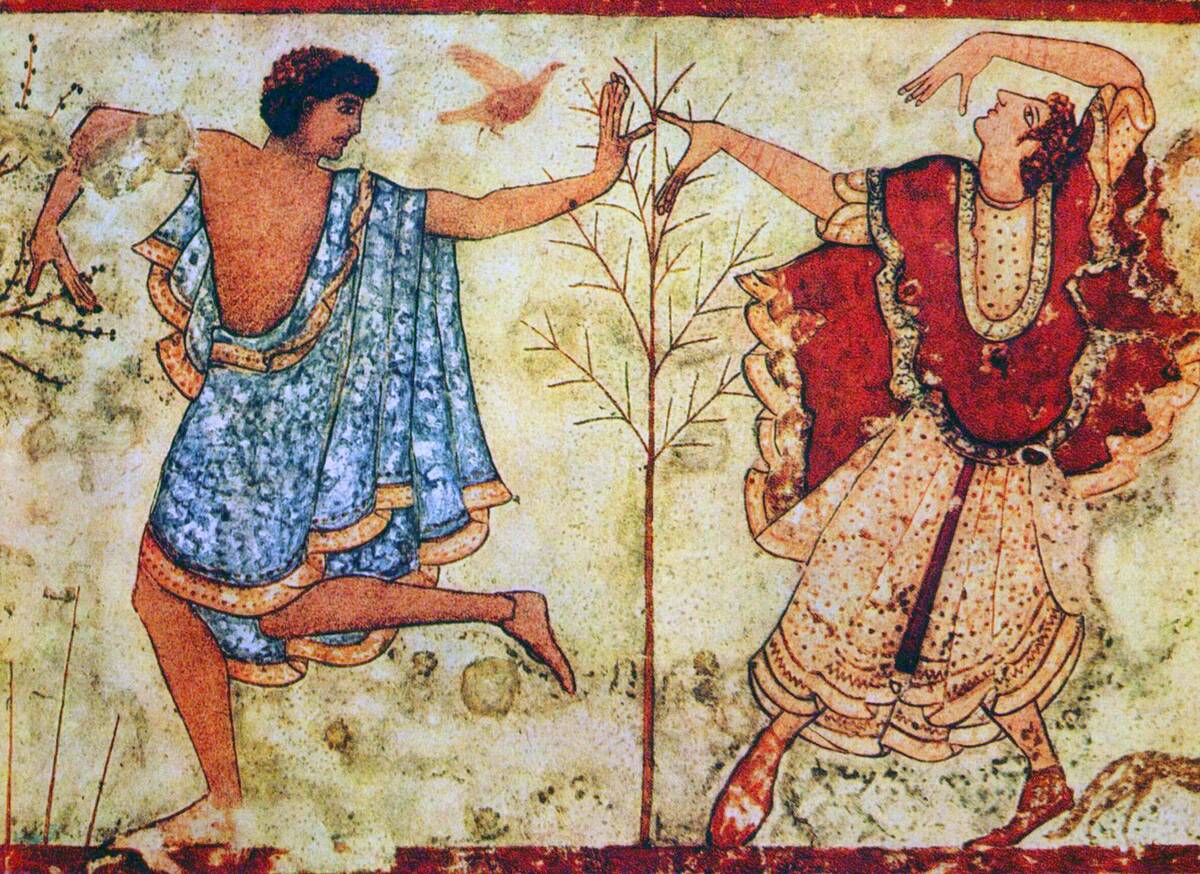
Music and dance traveled along the Silk Road, leading to a fusion of styles and traditions that enriched cultural expressions across regions. Instruments like the lute and flute spread from Asia to Europe, while dance forms from India influenced performances in the Middle East.
This musical exchange was a harmonious counterpart to the trade of tangible goods, illustrating the profound and lasting impact of the Silk Road on artistic and cultural heritage worldwide.
The Legacy of the Silk Road: Modern-Day Cultural Connections
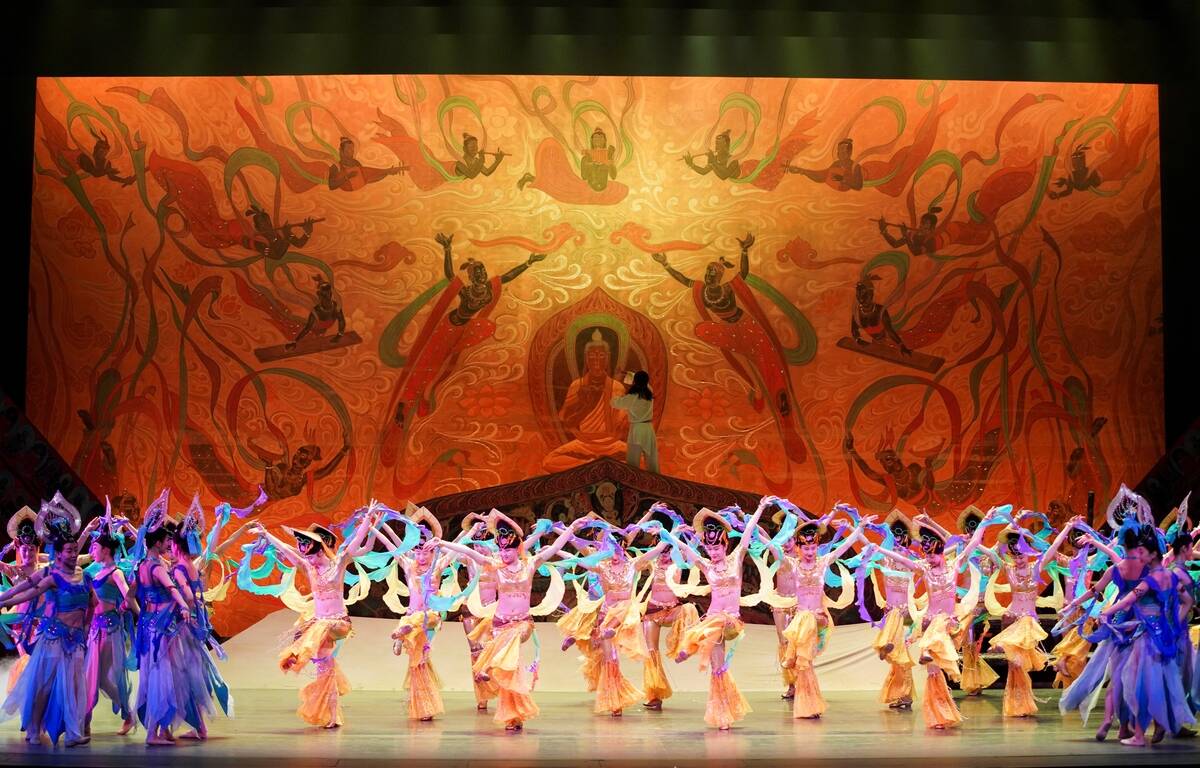
The legacy of the Silk Road endures in the modern world, as it laid the groundwork for cultural connections that continue to flourish. The exchange of ideas, art, and traditions set a precedent for globalization and international cooperation.
Today, initiatives like the Belt and Road Initiative aim to revive these ancient pathways, fostering economic and cultural ties between nations. The Silk Road remains a symbol of the enduring power of cultural exchange and collaboration.




