How medieval courts invented the modern notion of evidence
The roots of modern evidence can be traced back to the medieval courts, where the seeds of contemporary legal practices were sown. While today’s legal systems are complex and multifaceted, they owe much of their existence to the trials and errors of the past.
The medieval era was a time when justice was as much about divine intervention as it was about factual evidence. Let’s explore how these ancient practices have shaped our current understanding of evidence and justice.
The Birth of Medieval Courts: A Brief Overview

Medieval courts emerged as crucial institutions for maintaining order in a tumultuous world. Unlike the centralized courts we know today, these were localized assemblies that varied greatly in procedure and practice.
They were often held in open spaces or churches, where judges, which could be local lords, clergy, or roaming officials called justices, would preside over disputes. The unpredictability of these courts paved the way for more structured systems, as communities sought consistency in justice and order.
The Influence of Roman Law: Setting the Stage

Roman law significantly influenced the development of medieval legal systems, providing a framework that emphasized written codes and legal principles. The Corpus Juris Civilis, compiled under Emperor Justinian, was a monumental collection of laws and interpretations that offered a semblance of order and predictability.
As the Roman Empire’s influence spread, so did the adoption of its legal concepts, laying the groundwork for more structured legal systems in medieval Europe. Of course, this could only take place after Corpus Juris Civilis was rediscovered in northern Italy in 1070.
The Role of the Church: Divine Intervention in Justice

During the medieval period, the Church was a formidable force in the administration of justice. Ecclesiastical courts dealt with matters ranging from moral issues to disputes involving clergy, often intertwining divine will with legal proceedings.
The Church’s influence ensured that trials were not only about earthly matters but also about spiritual salvation. This divine intervention was seen as a way to ensure fairness and truth, as God was believed to guide justice through His representatives on Earth.
Trial by Ordeal: A Bizarre Quest for Truth
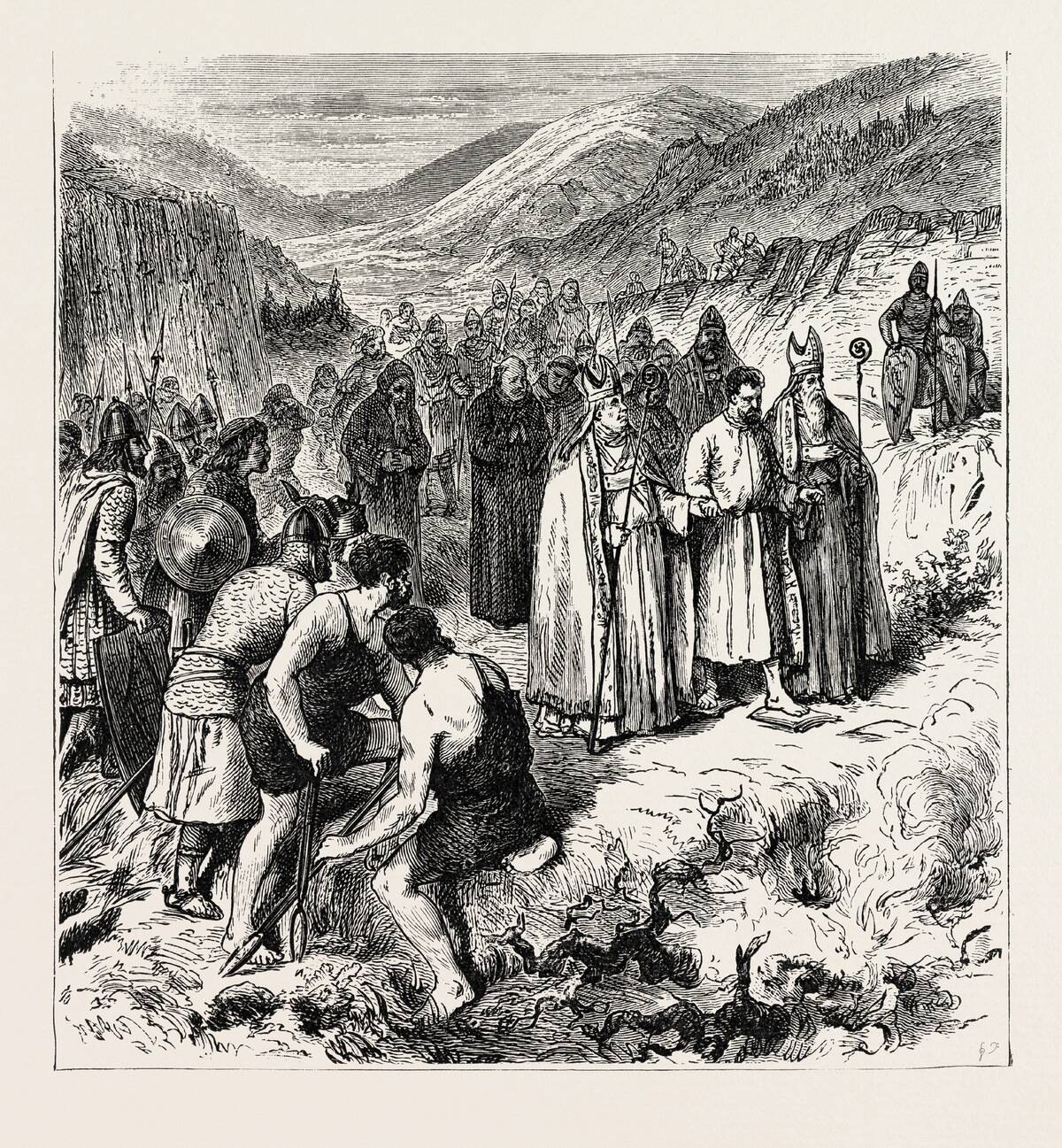
Trial by ordeal was a peculiar method used in medieval justice systems to determine guilt or innocence. It involved subjecting the accused to dangerous or painful tests, such as carrying hot iron or being submerged in water, with the outcome believed to reflect divine judgment.
If the accused survived or emerged unscathed, they were deemed innocent, as God was thought to have intervened. This practice, while bizarre to modern sensibilities, highlights the era’s belief in divine justice.
The Gradual Shift: From Ordeals to Rationality
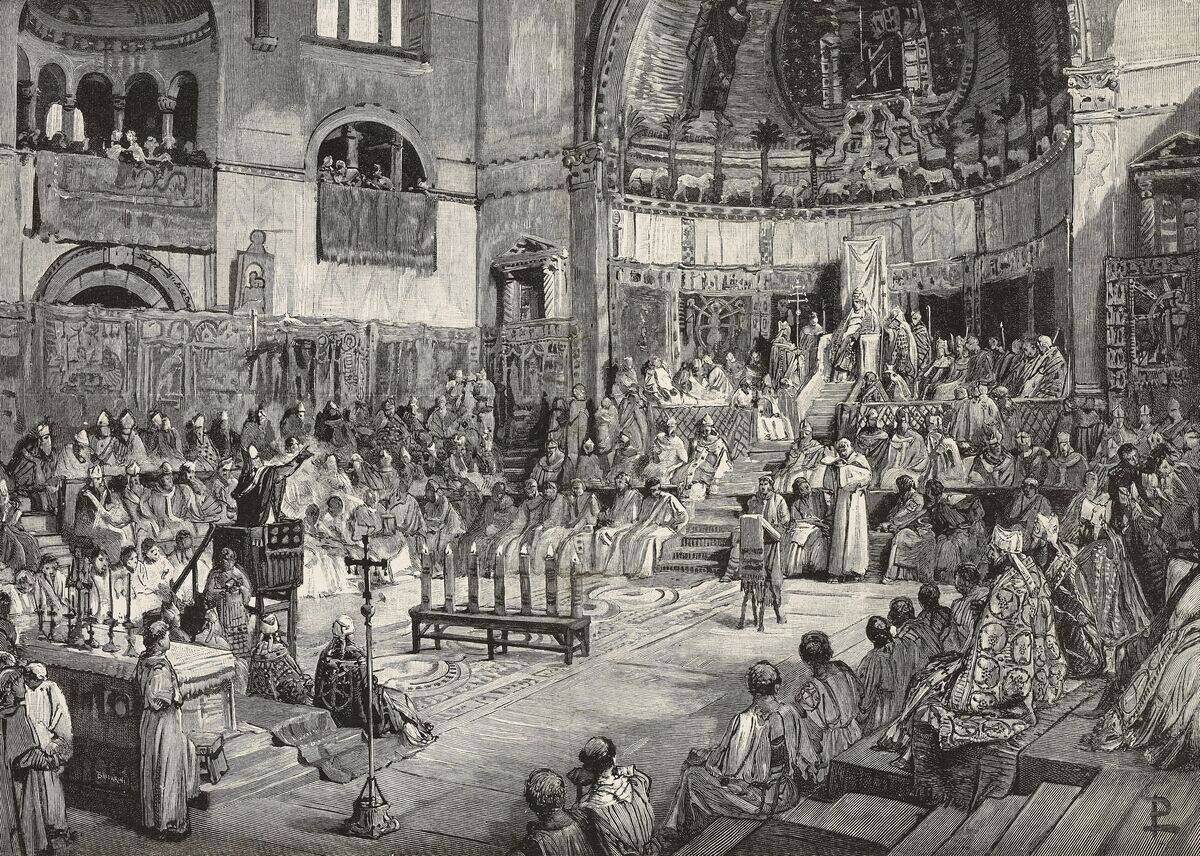
Over time, the irrationality of trials by ordeal began to give way to more reasoned approaches. As societies evolved, there was a growing realization that evidence and rationality should underpin justice.
The Fourth Lateran Council in 1215 played a pivotal role, as it prohibited clergy from participating in ordeals, prompting the development of more logical methods of trial. This marked a significant shift towards evidence-based justice, laying the groundwork for modern legal proceedings.
The Rise of the Jury System: A Landmark in Legal History
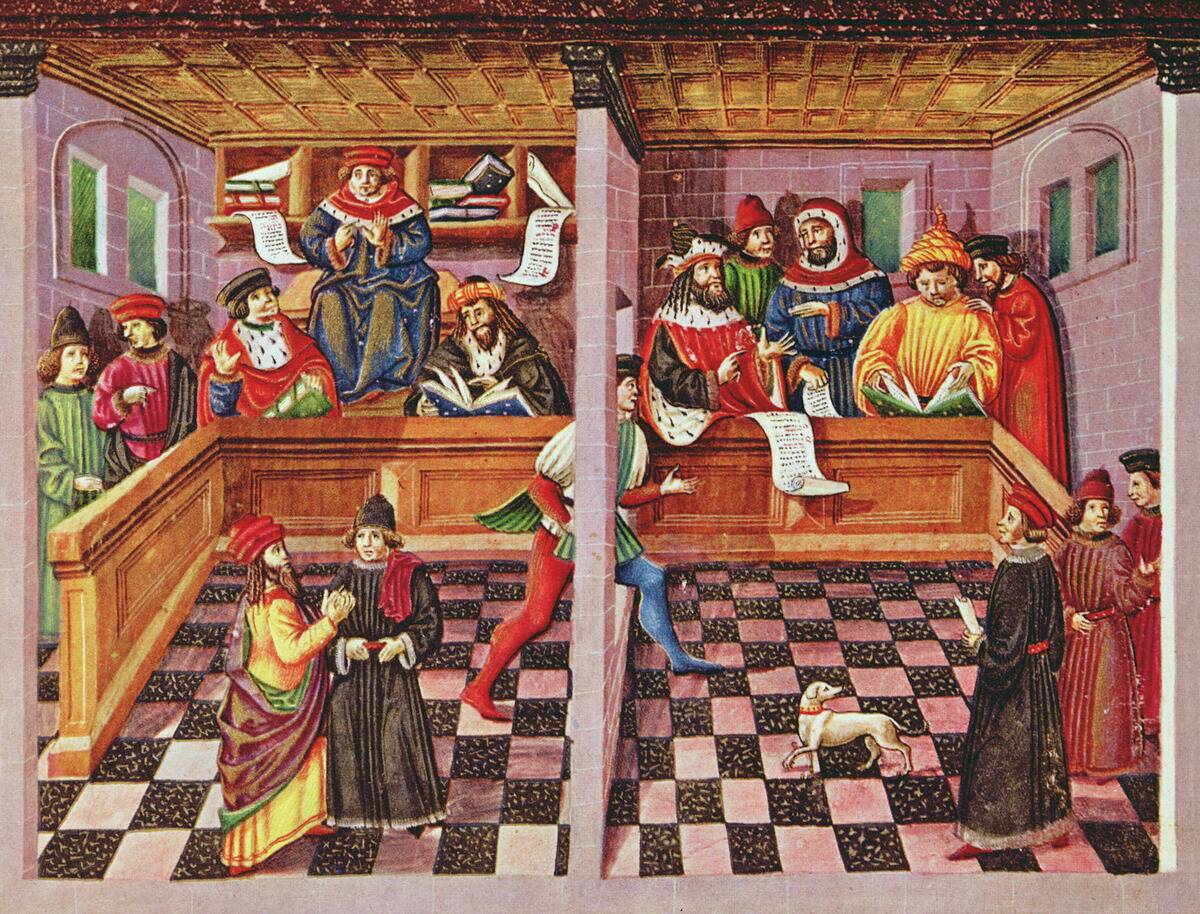
The jury system emerged in medieval England as a revolutionary concept, transforming how justice was administered. Composed of local “freemen,” juries were tasked with delivering verdicts based on their understanding and interpretation of evidence.
This system democratized justice, moving away from the whims of individual judges. The introduction of juries was a landmark moment in legal history, promoting fairness and community involvement in judicial processes.
Documenting Reality: The Emergence of Written Evidence

The medieval period saw the advent of written documentation as a pivotal form of evidence. Charters, contracts, and court records became essential tools for proving claims and establishing facts.
This shift towards written evidence allowed for more consistent and reliable legal proceedings, reducing the reliance on memory and oral testimony. By recording transactions and agreements, medieval societies laid the groundwork for the detailed legal documentation that is a hallmark of modern legal systems.
Witness Testimonies: From Gossip to Gospel

Witness testimonies were a tricky matter in Medieval courts, as at least two witnesses were required for “proof” and their social standing was factored into the weight their words held. Although witness testimonies were rejected if they were self-contradictory, these social factors mattered immensely if witnesses disagreed.
Although the two witnesses were supposed to be eyewitnesses, that wasn’t always possible so unqualified witnesses were often allowed to testify anyway. This meant it wasn’t unheard of for witnesses to testify about matters they had no actual knowledge of.
The Notion of Proof: Balancing Probability and Possibility
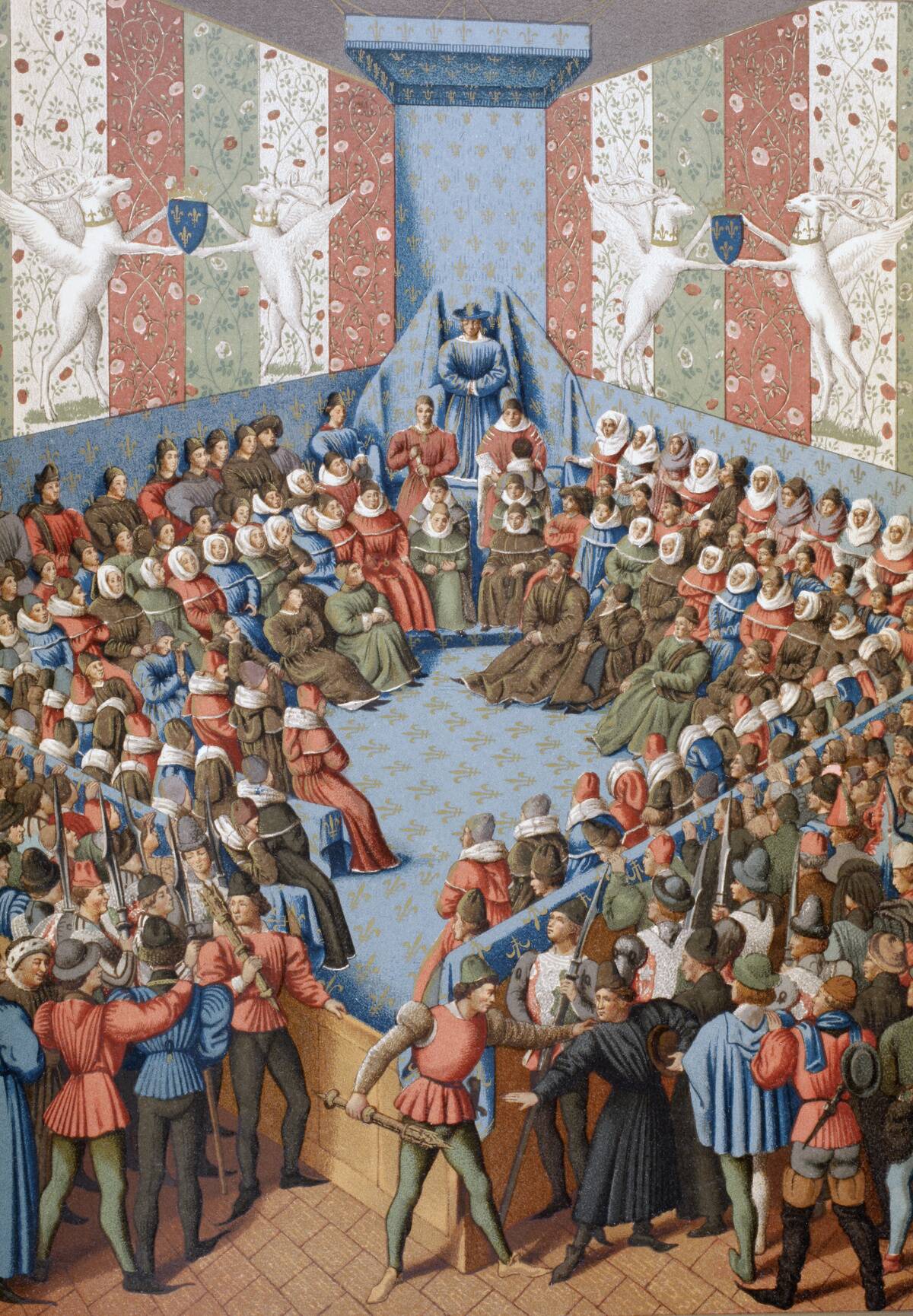
Medieval courts grappled with the concept of proof, attempting to balance probability with possibility in their judgments. The idea was not just to prove something beyond doubt but to convince the court of its likelihood.
This notion of proof evolved over time, becoming more sophisticated as legal systems matured. It underscored the importance of establishing a reasonable basis for belief in a claim, a principle that continues to underpin modern legal standards of proof.
The Role of Judges: Navigating Between Law and Evidence

Judges in medieval times played a pivotal role in navigating the complexities of law and evidence. They were often tasked with interpreting local customs and legal principles, making decisions that balanced fairness with societal norms.
Judges needed to assess the credibility of evidence and testimonies, a responsibility that required wisdom and impartiality. Their role was crucial in guiding the jury and ensuring that justice was administered in accordance with both the letter and spirit of the law.
Legal Presumptions: Filling in the Gaps

Legal presumptions were a necessary tool in medieval courts, used to fill in the gaps where evidence was lacking. These presumptions acted as default positions, guiding decisions in the absence of clear proof. For instance, possession might imply ownership unless contested.
Such presumptions provided a framework within which justice could operate, offering consistency and predictability. They helped to streamline court proceedings, ensuring decisions were made even when evidence was incomplete or ambiguous.
The Evolution of Legal Codes: Creating Consistency
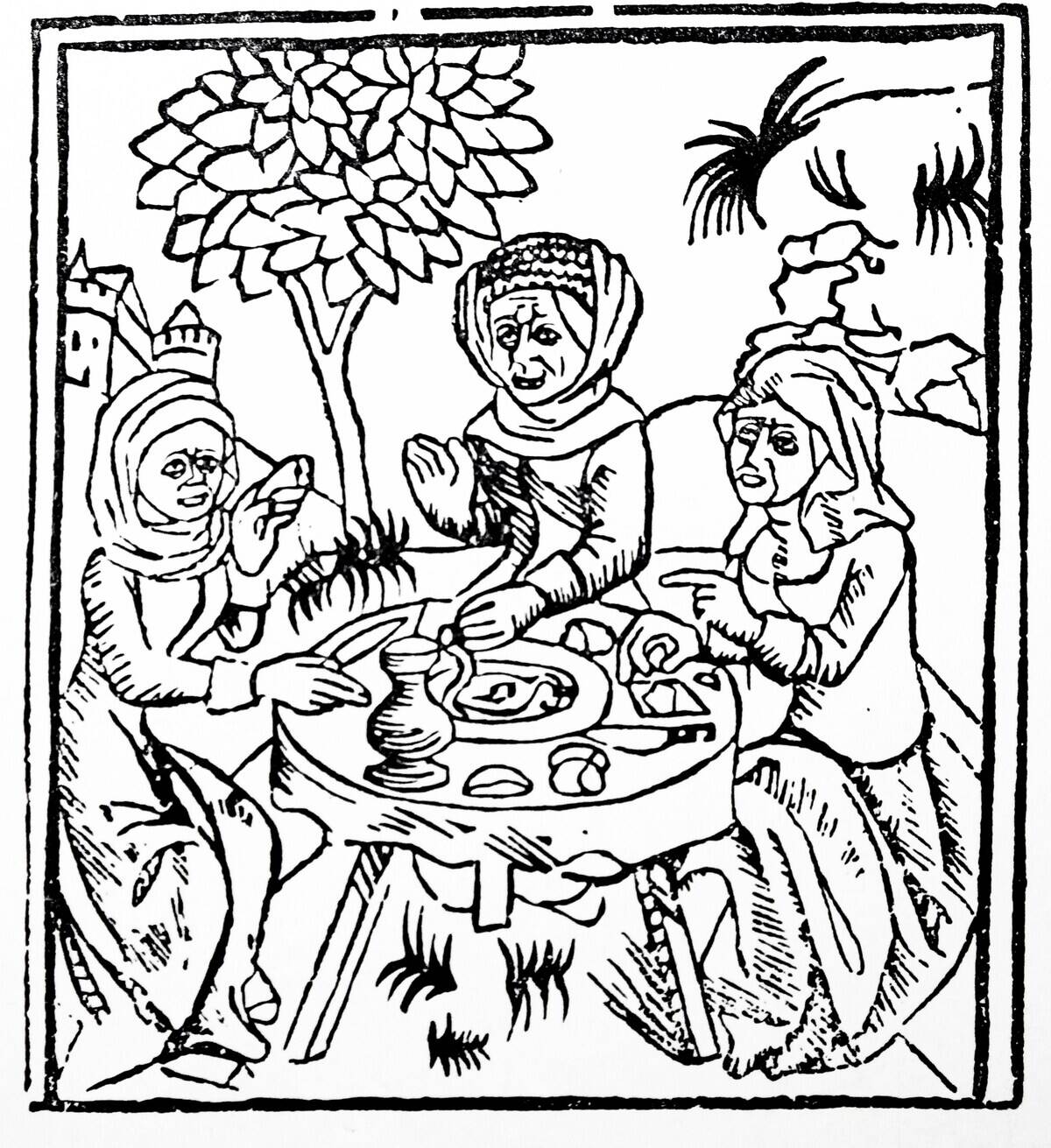
The development of formal legal codes during the medieval era was a response to the need for consistency and clarity in the law. These codes, often influenced by Roman law, provided a written record of rules and procedures that could be referenced in disputes.
By codifying laws, medieval societies sought to reduce arbitrariness and ensure that justice was administered uniformly. This evolution laid the foundation for the comprehensive legal codes that govern modern judicial systems today.
The Influence of Scholarly Thought: Universities and Legal Training
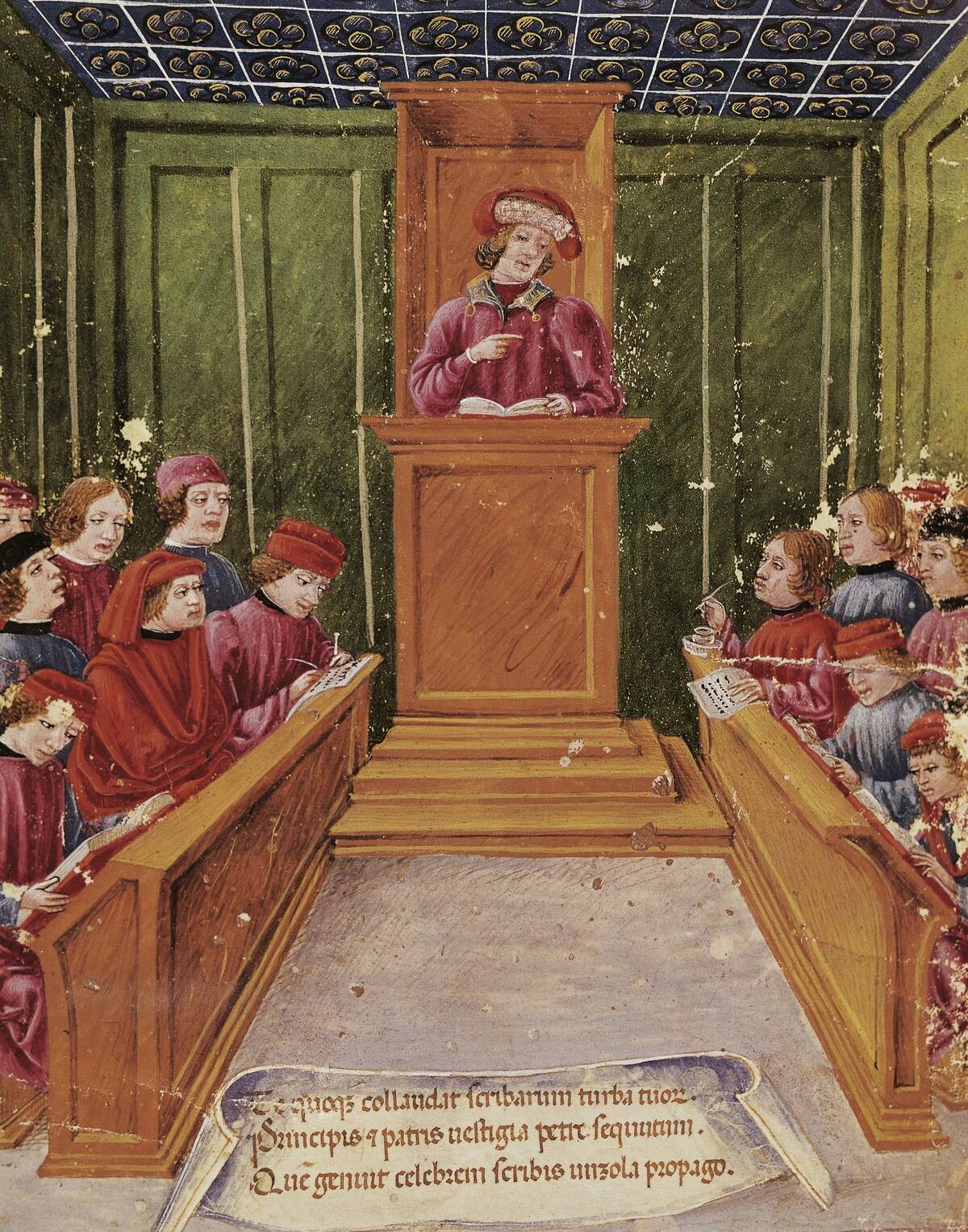
The rise of universities in the medieval period had a profound impact on legal thought and training. Centers of learning like Bologna and Paris became hubs for the study of law, blending scholarly analysis with practical application.
Legal education in these institutions emphasized the interpretation of texts and the development of argumentation skills, producing a class of trained legal professionals. This scholarly influence helped to standardize legal practices and foster a more intellectual approach to justice.
The Birth of the Common Law System: A Blend of Traditions
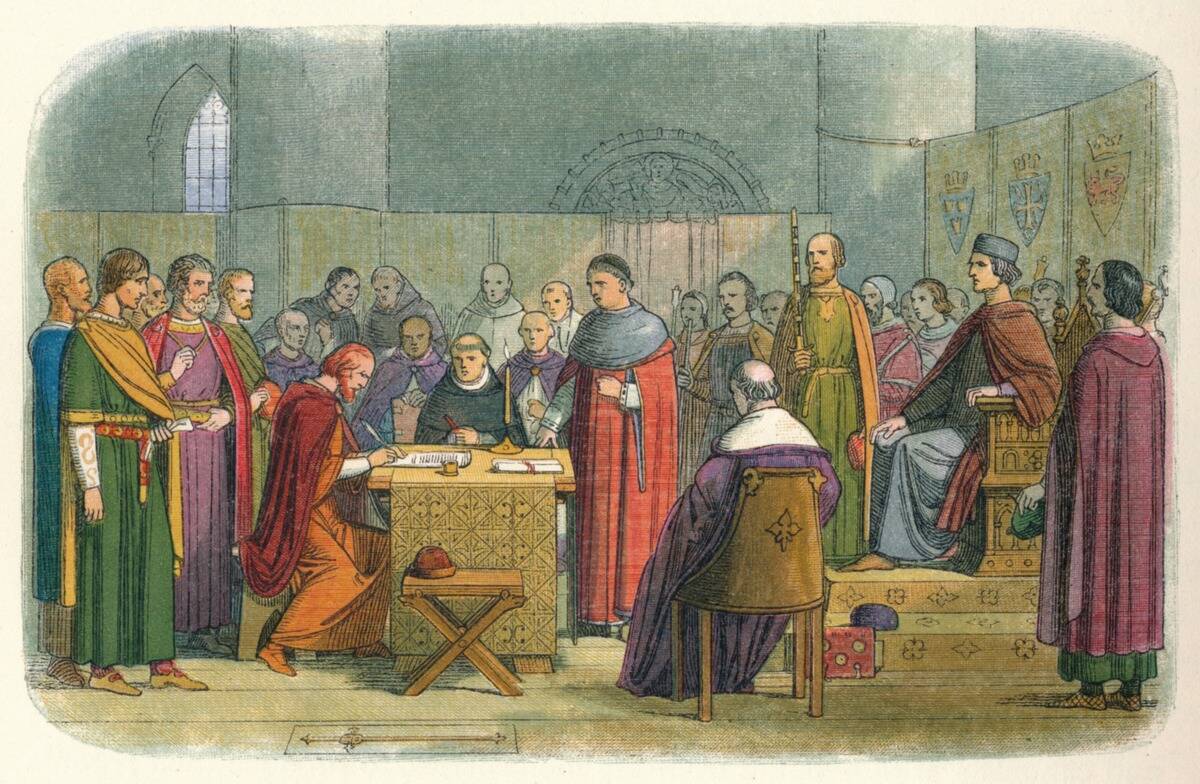
The common law system, which emerged in medieval England, was a unique blend of local customs and judicial decisions. Unlike codified Roman law, common law evolved through case precedents, where past rulings informed future judgments.
This system allowed for flexibility and adaptability, as judges crafted laws based on societal changes and emerging needs. The common law’s reliance on precedent set the stage for a dynamic legal tradition, influencing legal systems across the globe.
Iconic Trials: Lessons from Medieval Courtrooms

Medieval courtrooms were the stage for many iconic trials that left lasting impressions on legal history. Cases like the trial of Joan of Arc highlight the interplay between justice, politics, and religion.
These trials often involved high-profile figures and were steeped in drama, reflecting the societal tensions of the time. Through these courtroom dramas, valuable lessons were learned about fairness, due process, and the need for impartiality, lessons that resonate in today’s legal systems.