Here’s how elevators revolutionized architecture
Elevators have become an integral part of our urban environment, gracefully blending into the fabric of modern architecture. With cities growing vertically, elevators are no longer a mere convenience but a necessity.
They have transitioned from being purely functional to architectural marvels, showcasing innovation and design. From residential buildings to towering skyscrapers, these vertical transport systems have transformed how we perceive and interact with our built environment.
A Brief History of Elevators: From Lifts to Modern Marvels
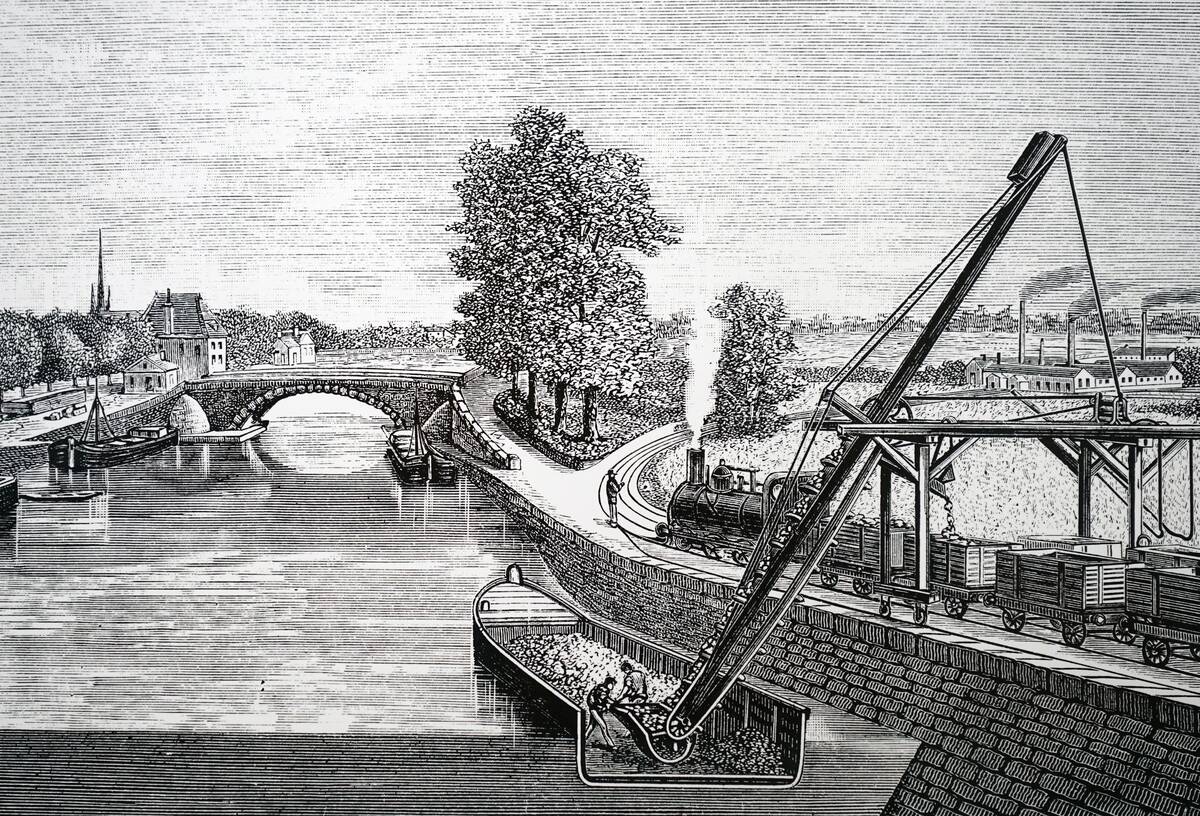
The journey of elevators began centuries ago with rudimentary lifts powered by human or animal labor. By the 19th century, steam-powered elevators emerged, paving the way for the electric elevator, patented in 1887 by Alexander Miles.
This innovation marked a pivotal moment, leading to safer and more efficient vertical transport. The evolution continued as elevators became more sophisticated, incorporating advanced mechanics and safety features that define the modern marvels we use today.
The Science Behind Elevator Mechanics
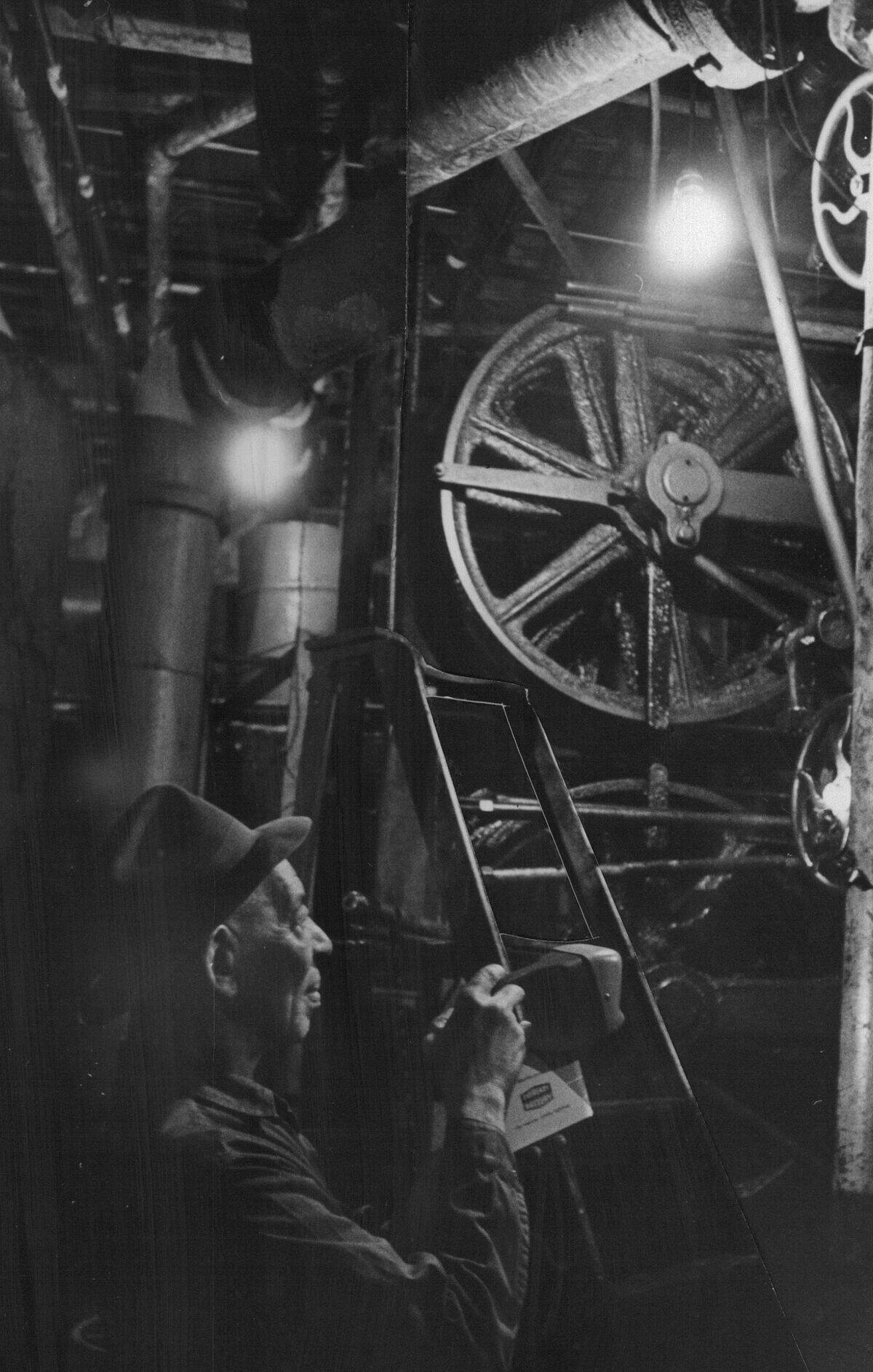
At the heart of every elevator is a complex system of pulleys, counterweights, and motors working in harmony to ensure smooth operation. The most common type, the traction elevator, uses steel cables and counterweights to move the car, while hydraulic elevators rely on pistons and fluid pressure.
Innovations like regenerative drives and machine-room-less designs have further enhanced efficiency, making modern elevators quieter, faster, and more energy-efficient.
The Role of Elevators in Skyscraper Development
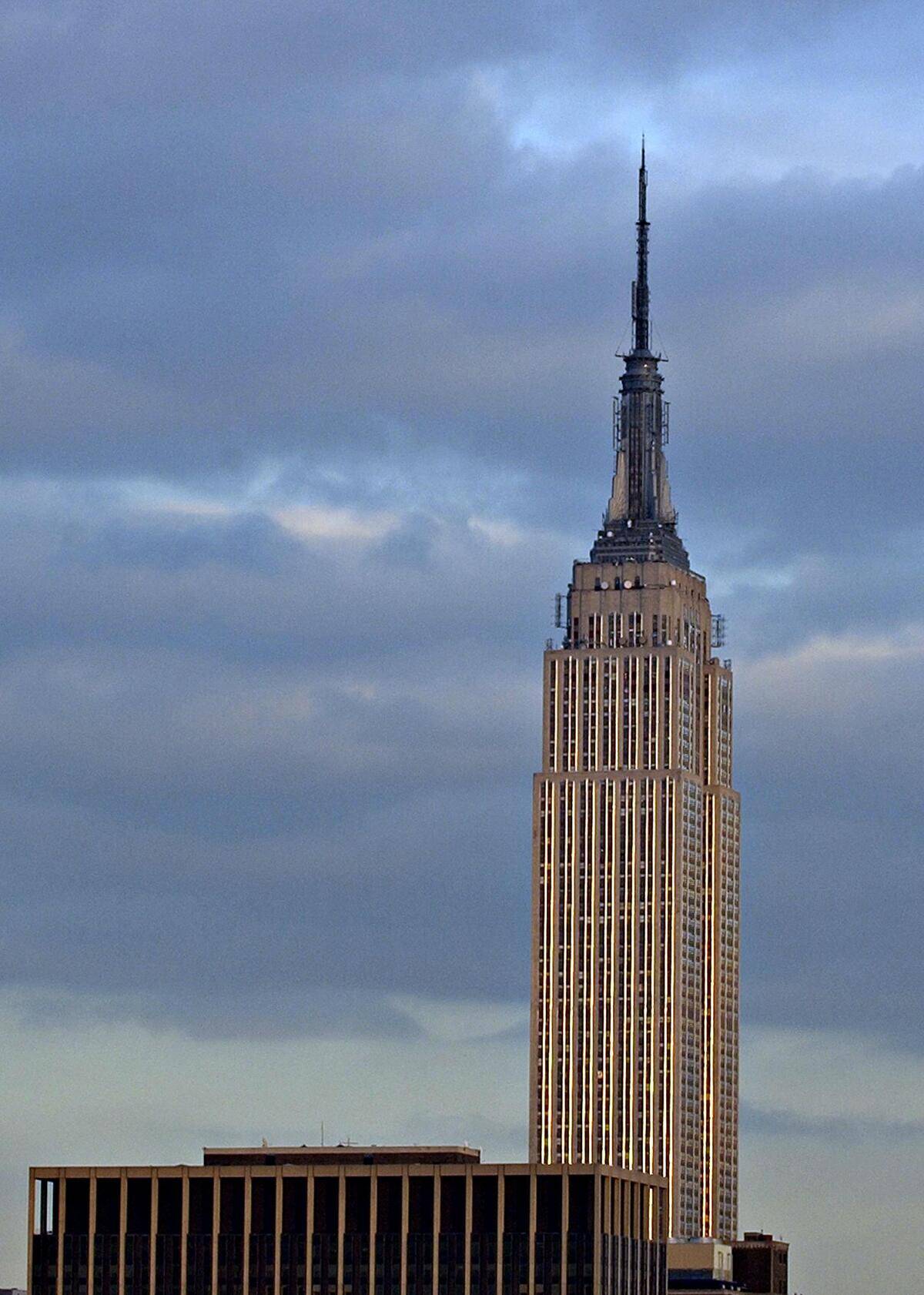
Without elevators, the iconic skyscrapers that define city skylines would remain mere architectural fantasies. The ability to transport people quickly and safely to great heights enabled the rise of these towering structures.
As buildings soared, engineers developed new elevator systems to accommodate increased height and capacity. Elevators not only made skyscrapers viable but also influenced their design, leading to the creation of iconic structures like the Burj Khalifa and the Empire State Building.
How Elevators Changed Urban Landscapes

Elevators have reshaped urban landscapes by allowing cities to grow vertically rather than horizontally. This vertical expansion has led to more efficient use of space in densely populated areas, reducing urban sprawl.
With buildings reaching new heights, cities can accommodate more people and businesses within the same footprint, transforming city skylines and redefining how urban spaces are utilized. As a result, elevators have become a vital component in the sustainable development of modern cities.
The Impact of Elevators on Building Design
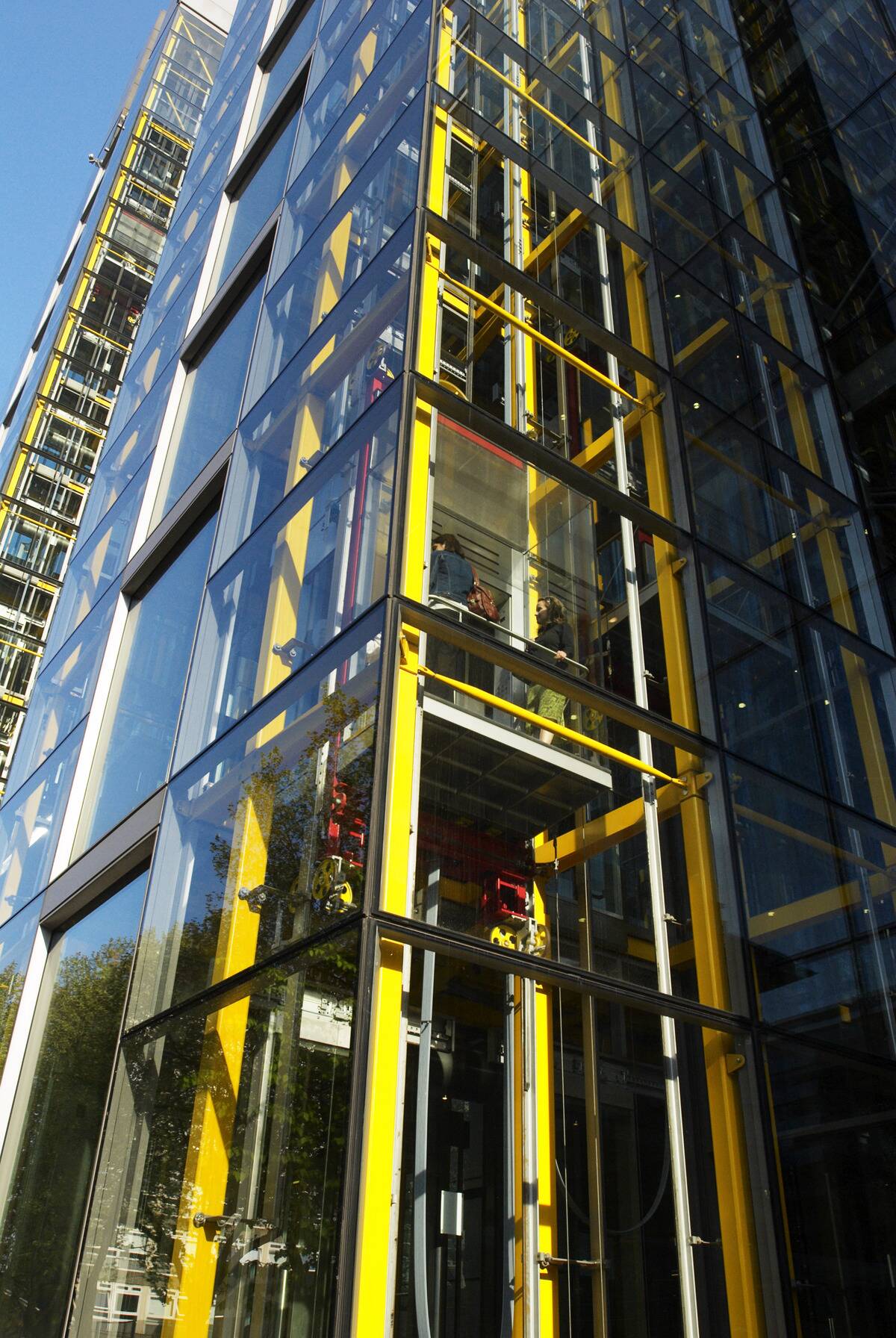
Elevators have had a profound impact on building design, influencing everything from structural engineering to architectural aesthetics. The need for elevator shafts and mechanical rooms has led architects to rethink layouts, often making elevators central design elements.
The use of glass and steel in elevator construction has added a modern, sleek look to buildings, while panoramic elevators provide stunning views and become focal points. As a result, elevators are no longer hidden away but celebrated as part of a building’s identity.
Safety Innovations in Elevator Technology
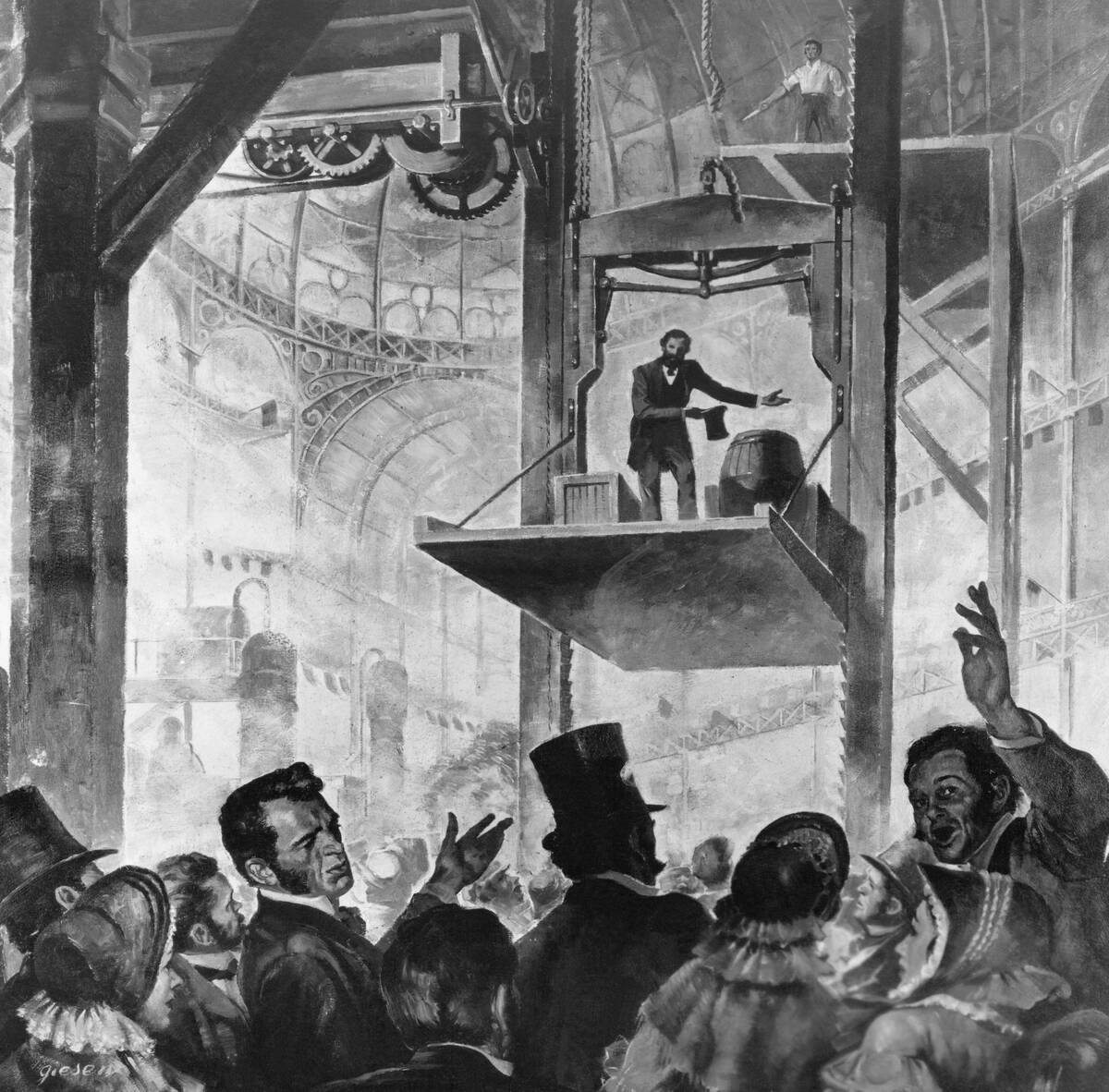
Safety has always been a priority in elevator development, leading to numerous innovations over the years. The introduction of the safety brake by Elisha Otis in 1853 was a game-changer, preventing free falls and making passenger elevators feasible.
Modern advancements include sensors that detect and correct misalignments, emergency braking systems, and seismic detectors for earthquake-prone areas. These technologies ensure that elevators remain one of the safest modes of transportation, even in the tallest buildings.
Elevators and Accessibility: Making Buildings Inclusive
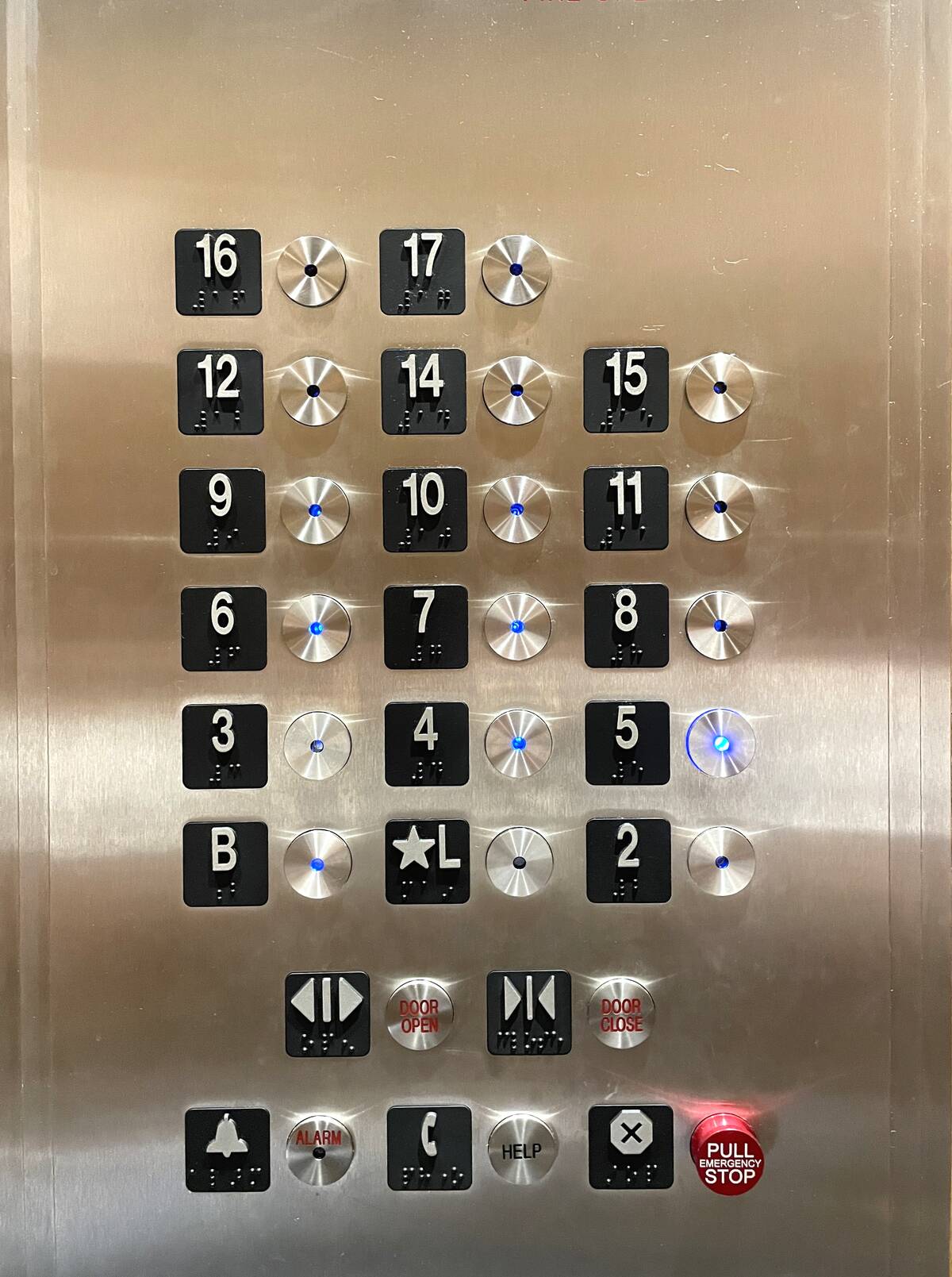
Elevators play a crucial role in making buildings accessible to everyone, including those with mobility challenges. By providing easy access to all floors, elevators ensure that buildings comply with accessibility standards and regulations, such as the Americans with Disabilities Act (ADA).
Features like Braille buttons, audio announcements, and wide doors further enhance accessibility. As a result, elevators contribute to creating inclusive environments where everyone can navigate and enjoy spaces without barriers.
How Elevators Influenced Office Architecture

The integration of elevators has significantly influenced office architecture, enabling the development of high-rise office buildings. With elevators, companies can occupy multiple floors within the same building, promoting vertical integration and collaboration.
This vertical office layout maximizes land use and provides flexibility in designing workspace configurations. Additionally, the presence of elevators allows for centralized services such as cafeterias and meeting rooms, fostering a more efficient and interconnected office environment.
The Economic Implications of Elevator Implementation
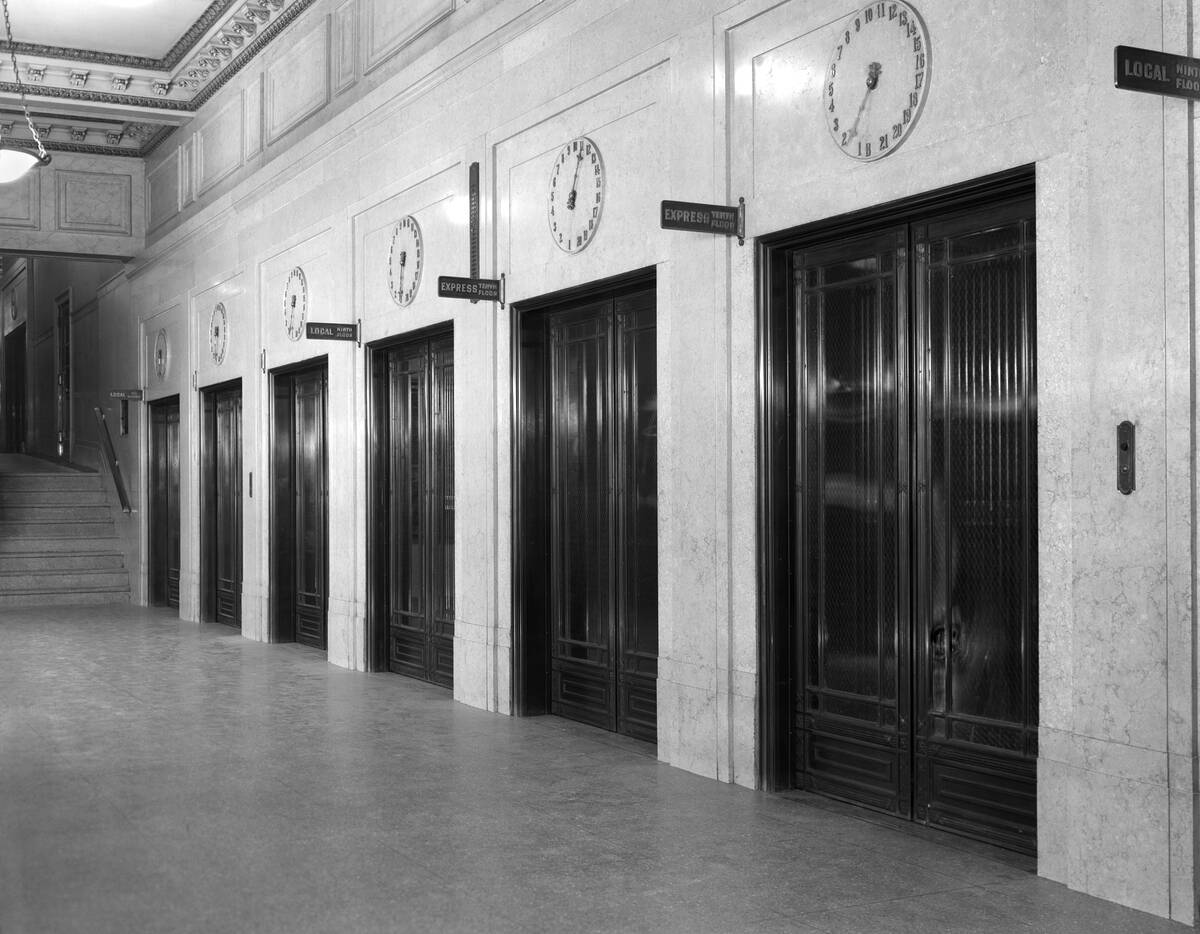
Implementing elevators in buildings has significant economic implications, influencing property values and development costs. Elevators increase the appeal and marketability of upper floors, leading to higher rental and sale prices. They also enable developers to maximize land use by constructing taller buildings, thereby increasing potential revenue.
However, the costs associated with elevator installation and maintenance can be substantial, requiring careful financial planning and consideration in the overall budget of building projects.
Elevators in Popular Culture: From Movies to Music
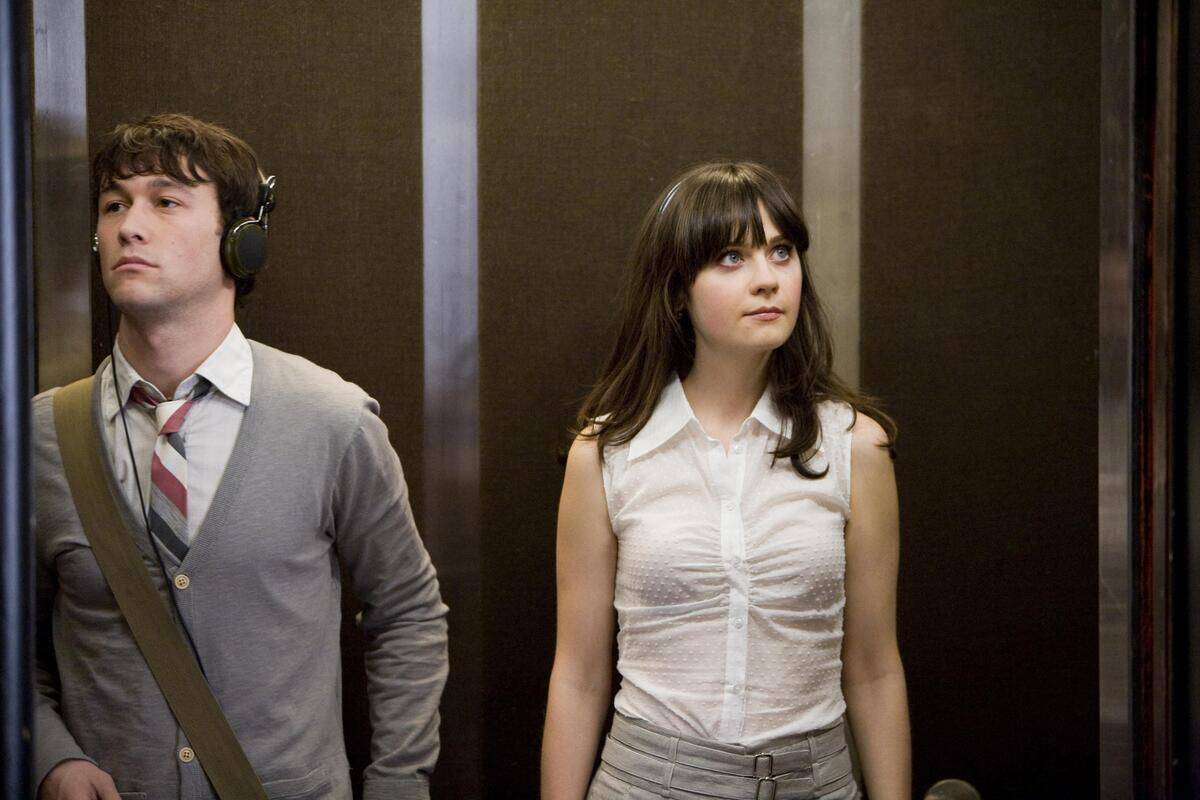
Elevators have made their mark in popular culture, often serving as memorable settings in movies and music. From suspenseful scenes in thrillers to romantic encounters in comedies, elevators provide a unique and intimate backdrop.
Songs like Aerosmith’s “Love in an Elevator” capture the intrigue and excitement associated with these vertical spaces. Whether providing a setting for pivotal plot moments or inspiring artistic expression, elevators have become an enduring symbol in the cultural landscape.
Notable Architectural Icons Defined by Their Elevators
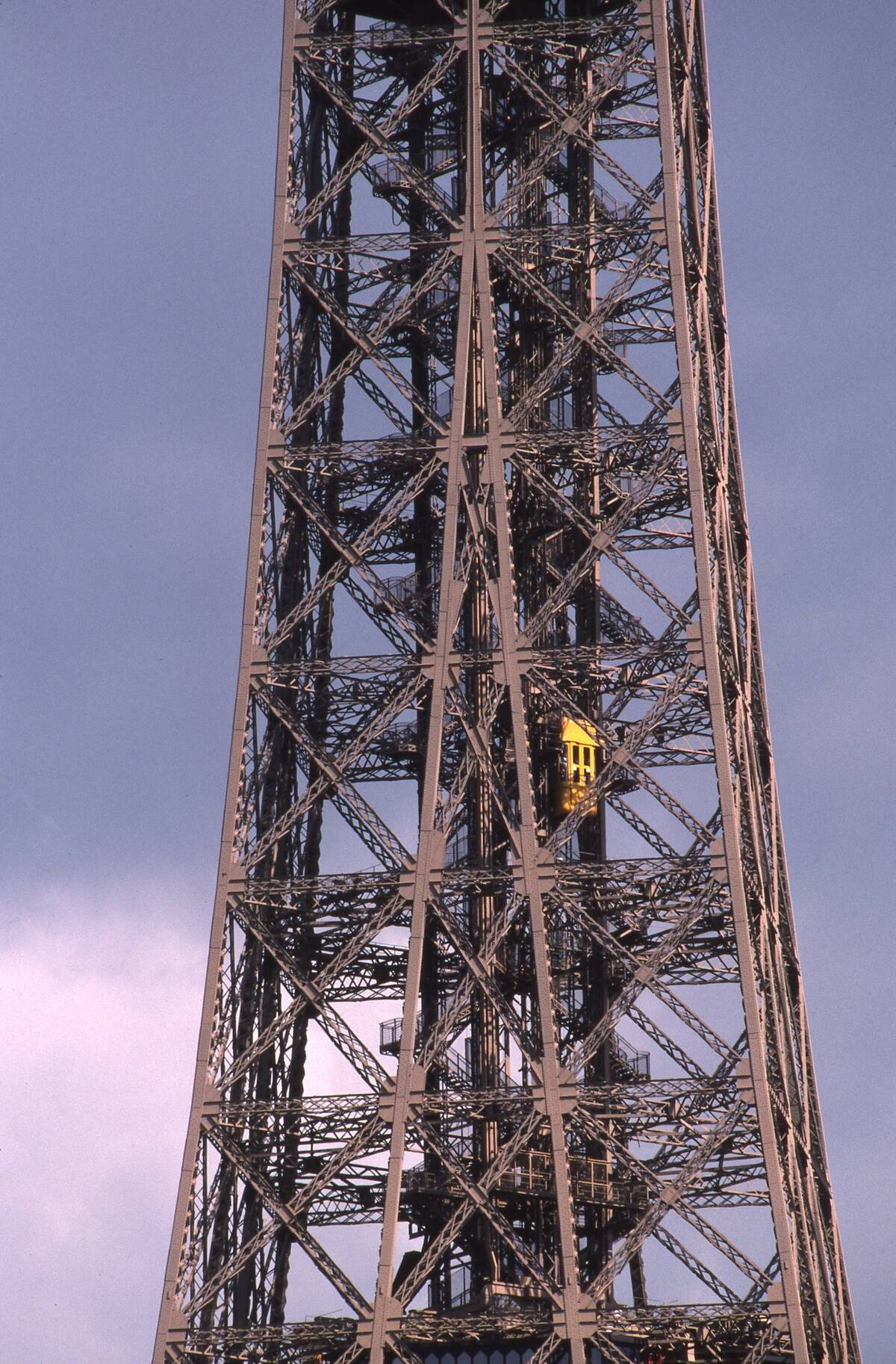
Some architectural icons are as famous for their elevators as for their overall design. The Eiffel Tower, for example, features a complex elevator system that allows visitors to ascend its iron lattice structure. Similarly, the Burj Khalifa’s elevators are among the fastest in the world, reflecting the building’s status as a marvel of modern engineering.
These elevators are not just functional components but integral to the identity and experience of these renowned structures, showcasing the synergy between architecture and technology.
Elevators and Eco-Friendly Architecture
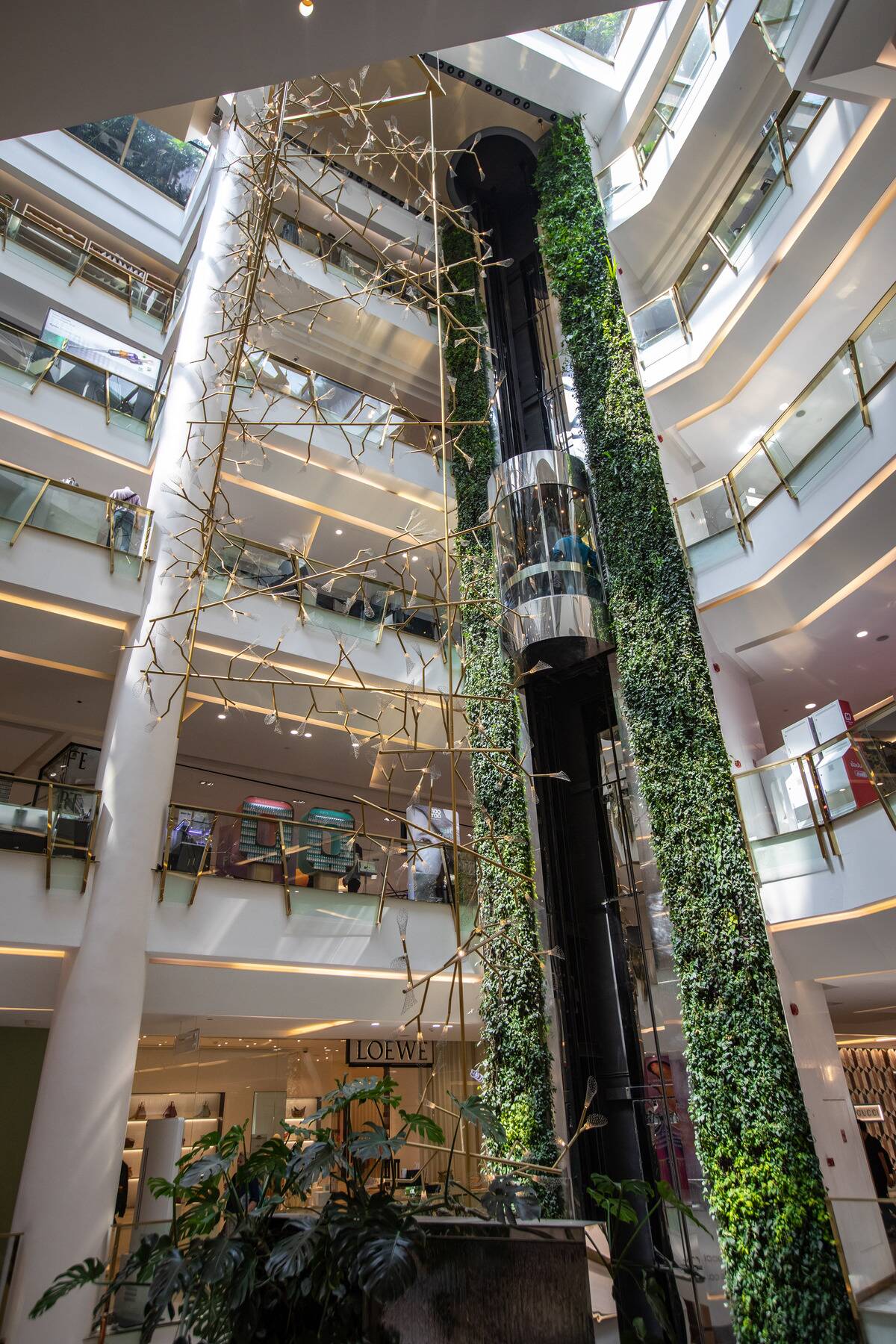
As sustainability becomes a priority in architecture, elevators are evolving to meet eco-friendly standards. Energy-efficient technologies, such as regenerative drives that recycle energy back into the building’s power system, are becoming more common.
Eco-friendly elevators often use materials with low environmental impact and incorporate features that reduce energy consumption. These innovations contribute to the overall sustainability of buildings, aligning with green building certifications and reducing the carbon footprint of urban development.
The Social Dynamics of Elevator Rides

Elevators create unique social environments, where diverse groups of people share confined spaces for brief periods. This setting can lead to interesting social dynamics, from awkward silences to spontaneous conversations.
The concept of “elevator etiquette” has emerged, guiding behavior in these shared spaces. These interactions, though fleeting, reflect broader societal norms and can influence social connections within buildings, highlighting the elevator’s role as a microcosm of urban life.
Quirky Elevator Facts That Will Blow Your Mind
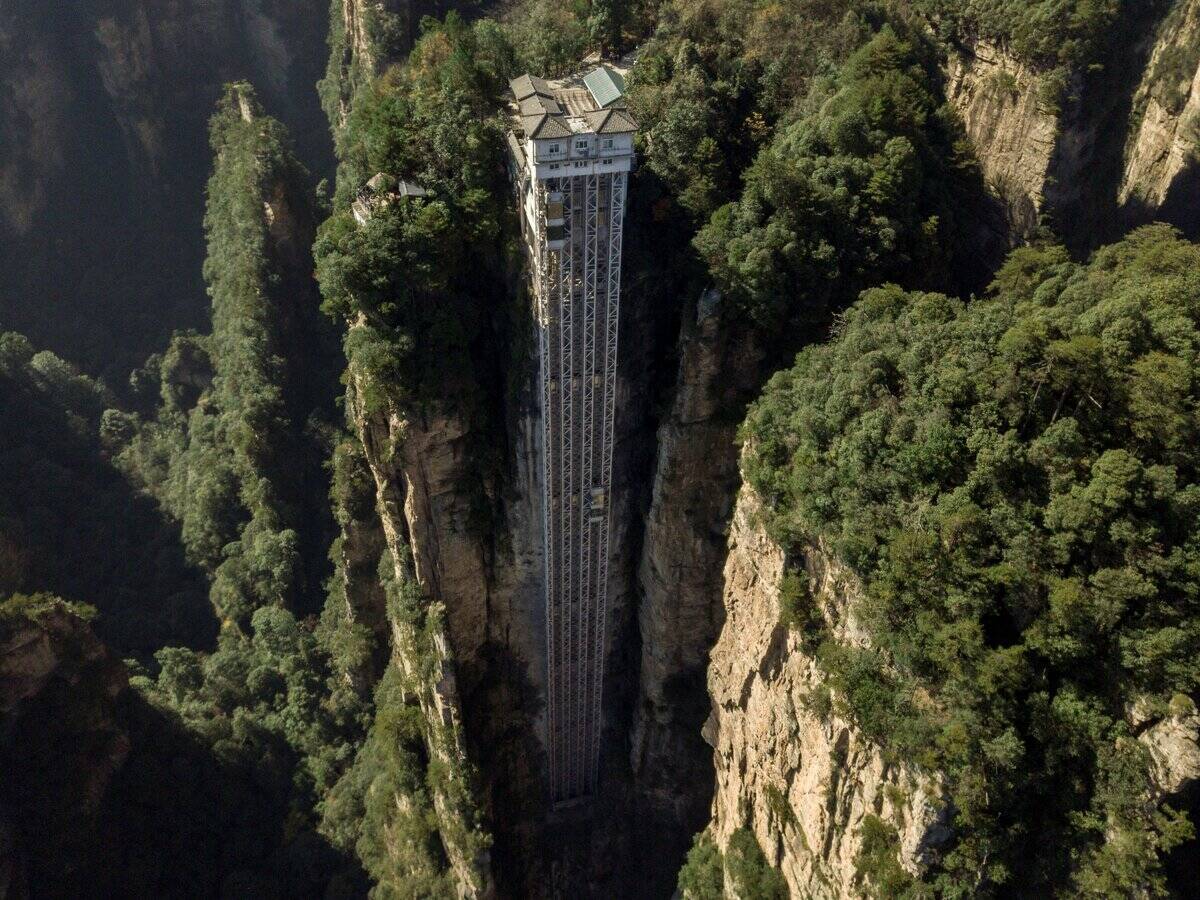
Elevators are full of surprises, with quirky facts that reveal their fascinating nature. Did you know that the elevator in the Luxor Hotel in Las Vegas travels at an angle? Or that the BAILONG Elevator in China holds the record for the world’s highest outdoor elevator, reaching 326 meters.
These fun tidbits highlight the diverse and innovative world of elevators, showcasing their role as both practical and intriguing elements of architecture.




