How early cameras actually captured light, motion, and time
Welcome to the intriguing realm of early cameras, where the magic of capturing moments began. Photography has come a long way, but its roots are equally captivating. Early cameras were not just tools; they were marvels of innovation and creativity.
Imagine a time when capturing an image was a feat of science and artistry. This journey into the past will unravel the stories behind these pioneering devices and the people who brought them to life.
The Inception of Photography: A Brief Historical Overview
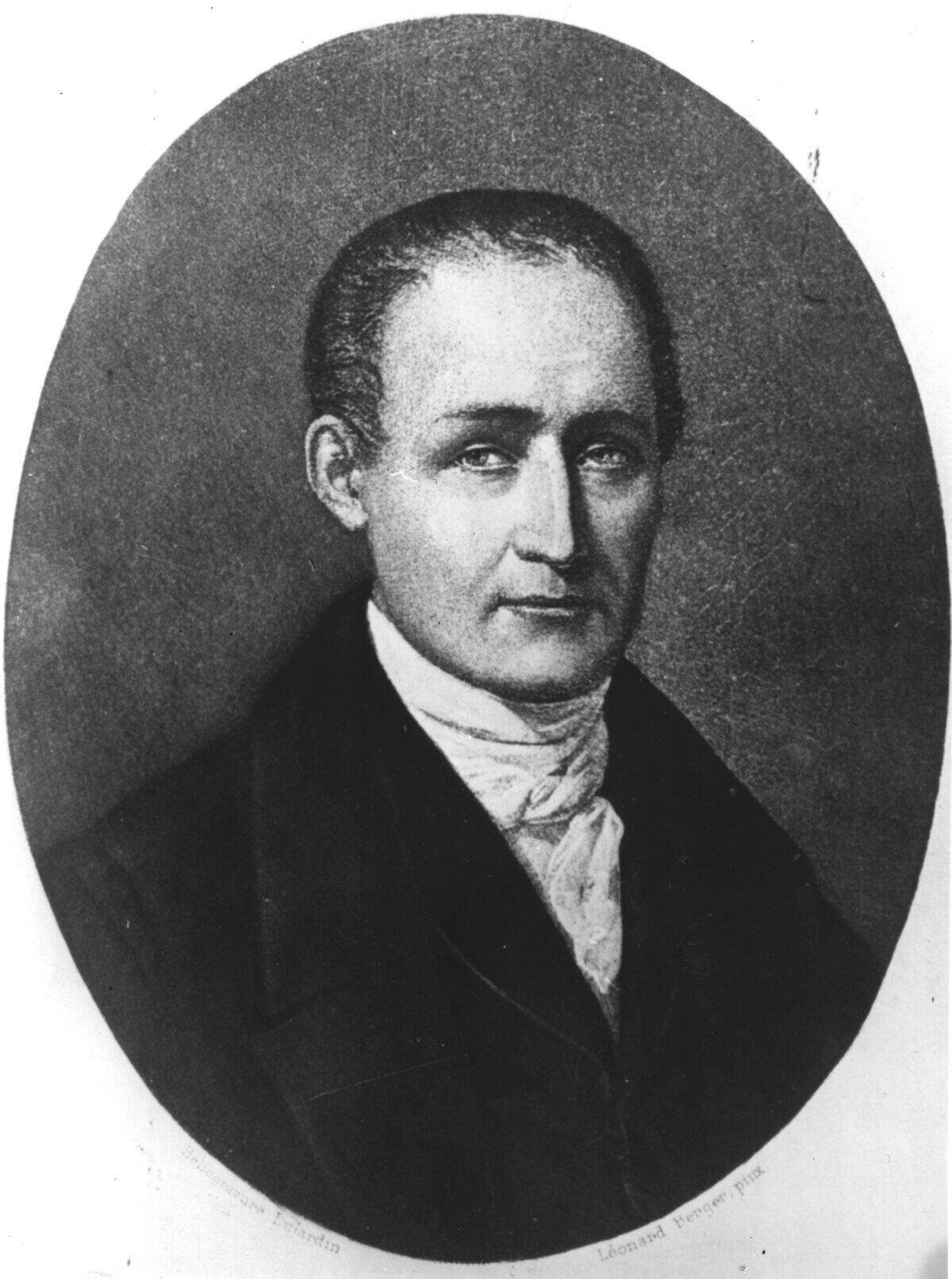
The story of photography began in the early 19th century, a time when the world was ripe for scientific discovery. Joseph Nicéphore Niépce is widely credited with creating the earliest surviving photograph, made around 1826–1827, using a camera obscura and a pewter plate coated with bitumen of Judea.
This grainy image of a courtyard was the precursor to a revolution that would change how people perceived the world. The desire to capture and preserve reality propelled the development of photographic technology.
Capturing Light: The Magic Behind Early Camera Mechanisms
Early cameras functioned by harnessing the power of light, a concept both simple and profound. The camera obscura, a darkened room or box with a small aperture, projected images onto a surface inside. This principle laid the foundation for future innovations.
The fascination with light manipulation led to the refinement of lenses and shutters in camera designs, allowing photographers to control exposure. These mechanisms, though primitive compared to today’s standards, were instrumental in the evolution of photography.
The Science of Optics: How Lenses Shape Our Visual World
Lenses are crucial in the art of photography, bending light to focus it onto a surface. The first photographic lenses were simple convex glass pieces, but they paved the way for more sophisticated designs. As understanding of optics advanced, so did the quality of images.
Lenses allowed early photographers to experiment with focus and depth, capturing scenes with greater clarity. This manipulation of light and perspective was nothing short of revolutionary for visual storytelling.
The Camera Obscura: A Revolutionary Discovery
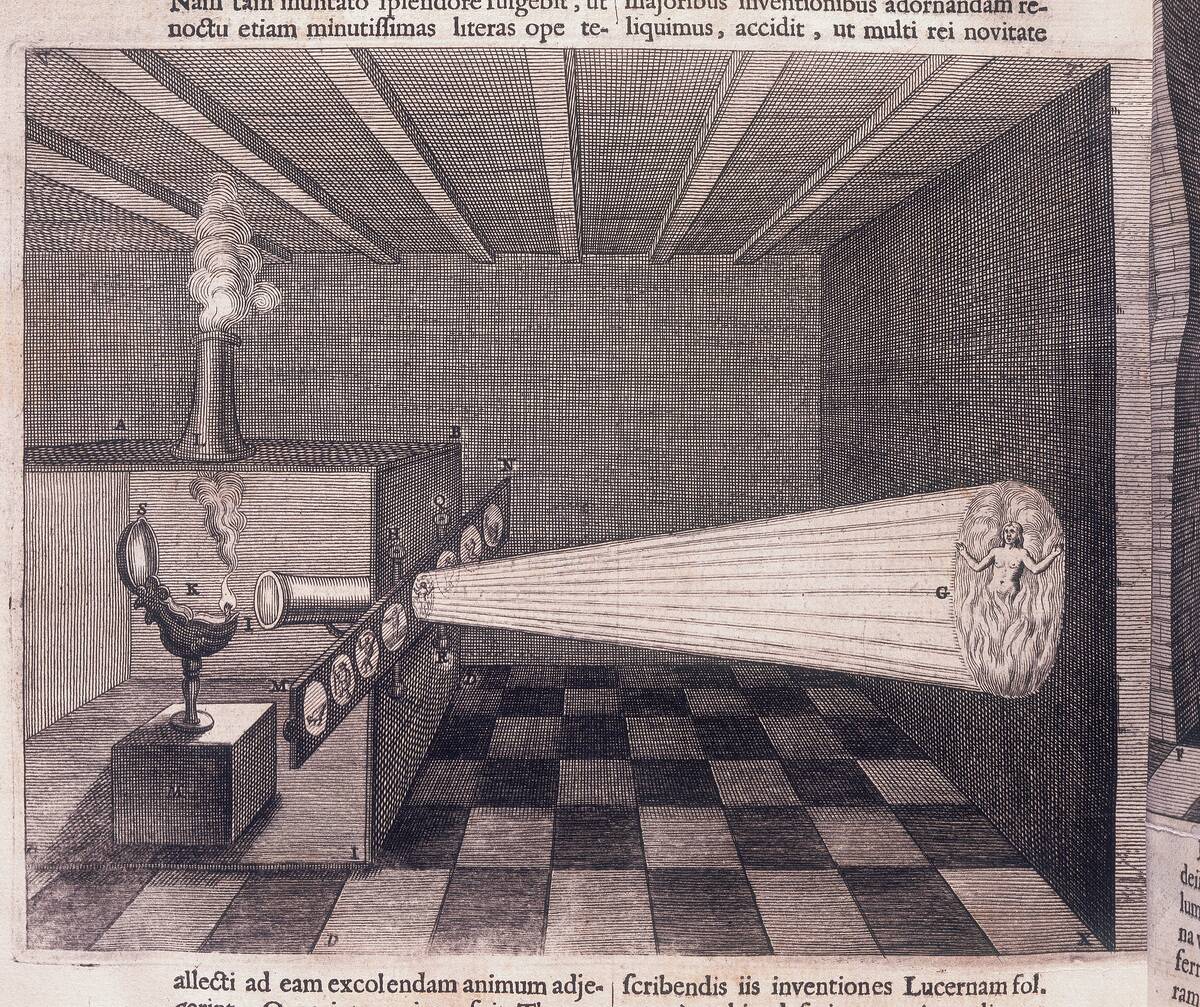
The camera obscura was a groundbreaking discovery that transformed how people viewed the world. This optical device, known since ancient times, uses a small hole to project an inverted image of the outside world onto a surface.
Artists and scientists alike marveled at its ability to accurately represent reality. It became an essential tool for painters seeking perspective and detail, and its influence extended into the development of photographic cameras, bridging art and technology.
Daguerreotypes: The Dawn of Capturing Images on Silver Plates
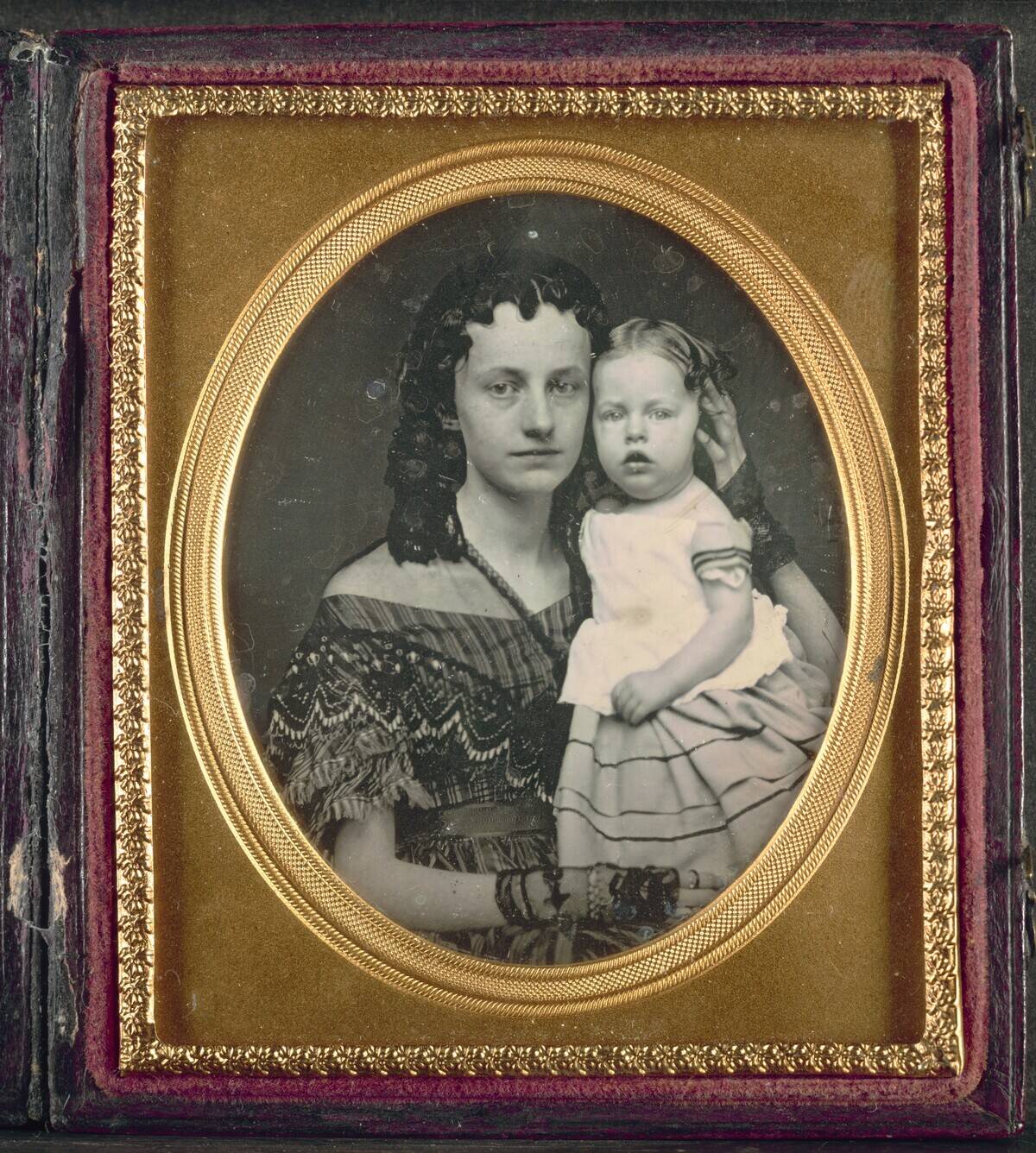
Daguerreotypes marked a milestone in photography, introduced by Louis Daguerre in 1839. These images were created on silver-plated copper, polished to a mirror finish. The process involved exposing the plate to iodine vapors, creating a light-sensitive surface, then developing the image with mercury fumes.
The resulting photographs were sharp and detailed, capturing everything from landscapes to portraits. This technique, while labor-intensive, made photography an accessible and popular medium among the masses.
Calotypes and the Birth of the Negative-Positive Process
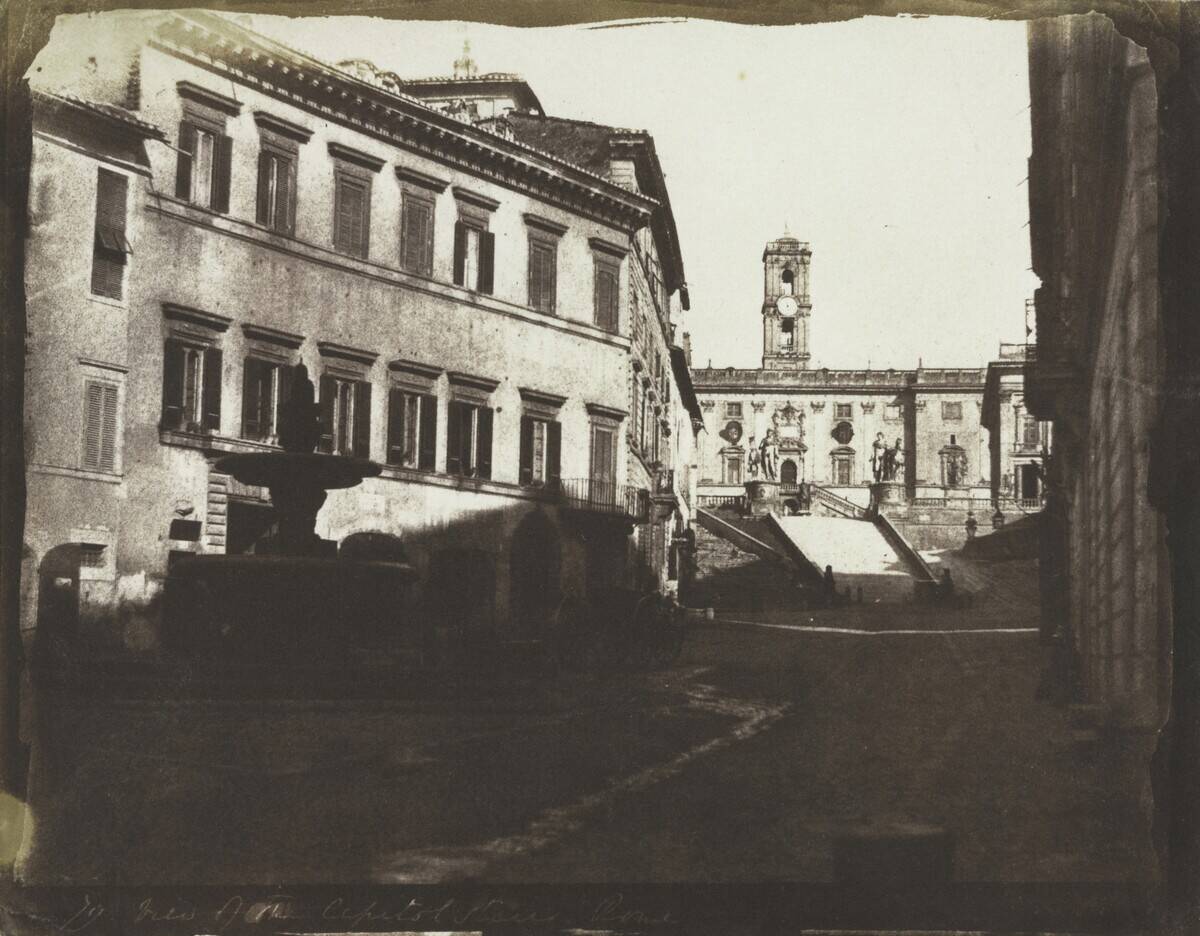
The calotype, invented by William Henry Fox Talbot in 1841, introduced the negative-positive process. Unlike daguerreotypes, calotypes used paper coated with silver iodide, allowing photographers to produce multiple copies from a single negative.
This innovation democratized photography, enabling more people to explore the art form. Although the images were less sharp than daguerreotypes, the ability to reproduce photographs was groundbreaking, laying the groundwork for modern photographic techniques.
The Role of Glass Plates in Capturing Time
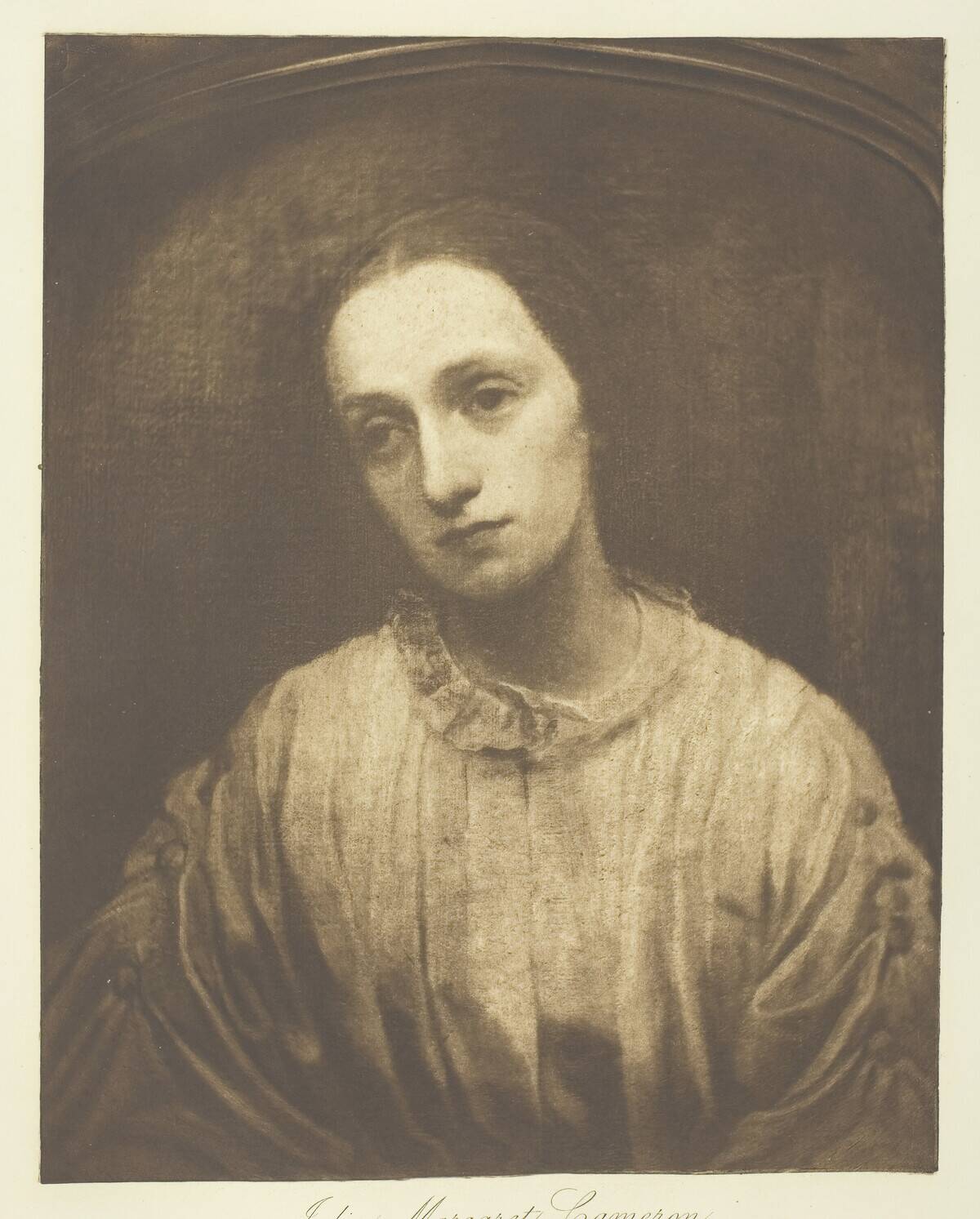
Glass plates emerged as a popular medium in the mid-19th century, offering clarity and detail unrivaled by earlier methods. These plates, coated with a light-sensitive emulsion, captured images with remarkable precision.
Photographers like Julia Margaret Cameron used glass plates to create hauntingly beautiful portraits, emphasizing the emotional depth of their subjects. The durability and quality of glass plates made them a staple in studios worldwide, preserving moments in time with unparalleled fidelity.
Wet Collodion Process: A Delicate Dance with Chemicals
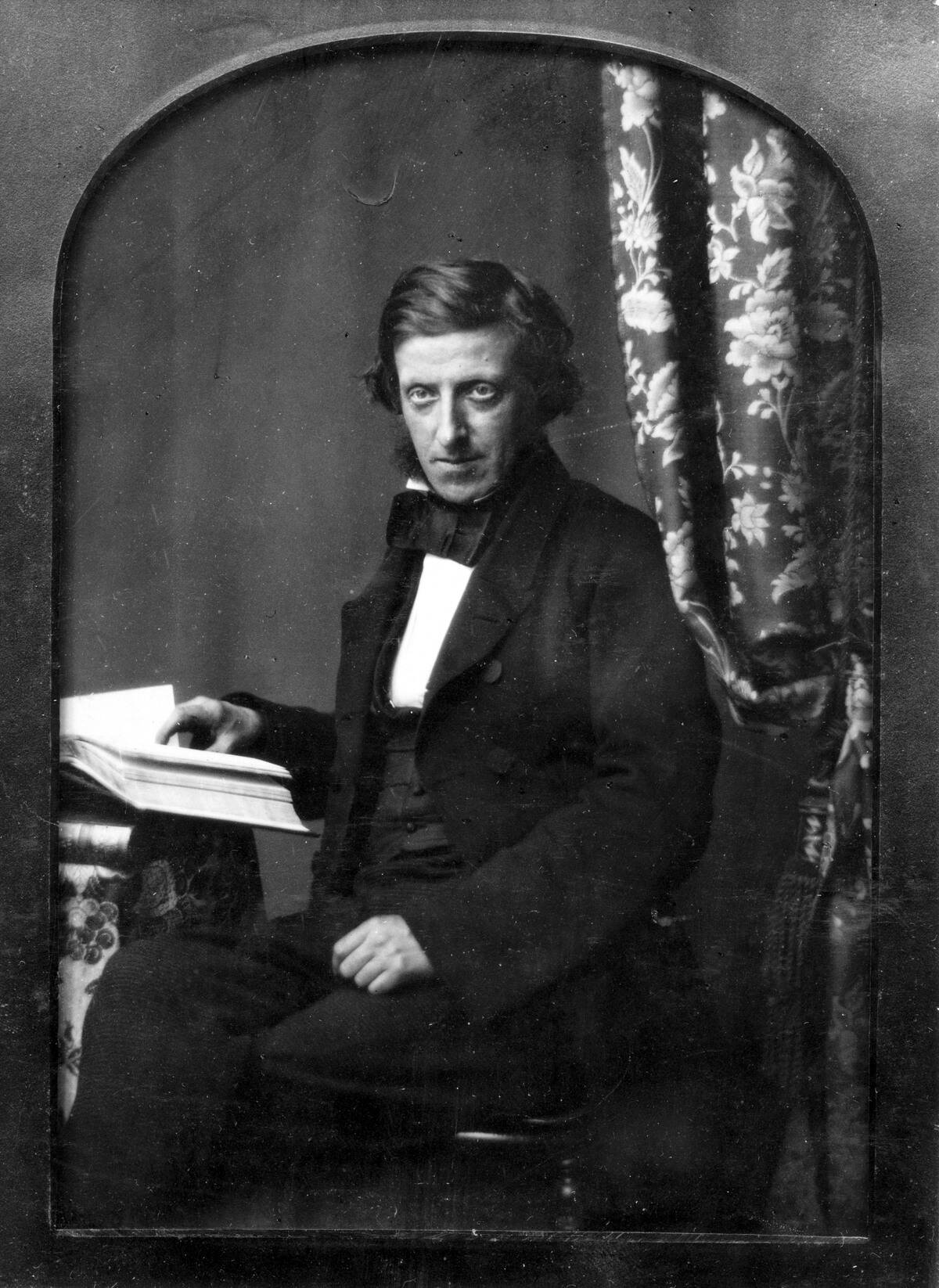
The wet collodion process, developed by Frederick Scott Archer in 1851, required photographers to work swiftly. Glass plates were coated with a collodion solution mixed with potassium iodide, then sensitized in a silver nitrate bath. The plates had to be exposed and developed while still wet, demanding precision and speed.
This method produced negatives of exceptional detail and richness, making it a favorite among professionals despite its complexity. It was a testament to the dedication of early photographers.
Dry Plates: Revolutionizing the Speed of Photography
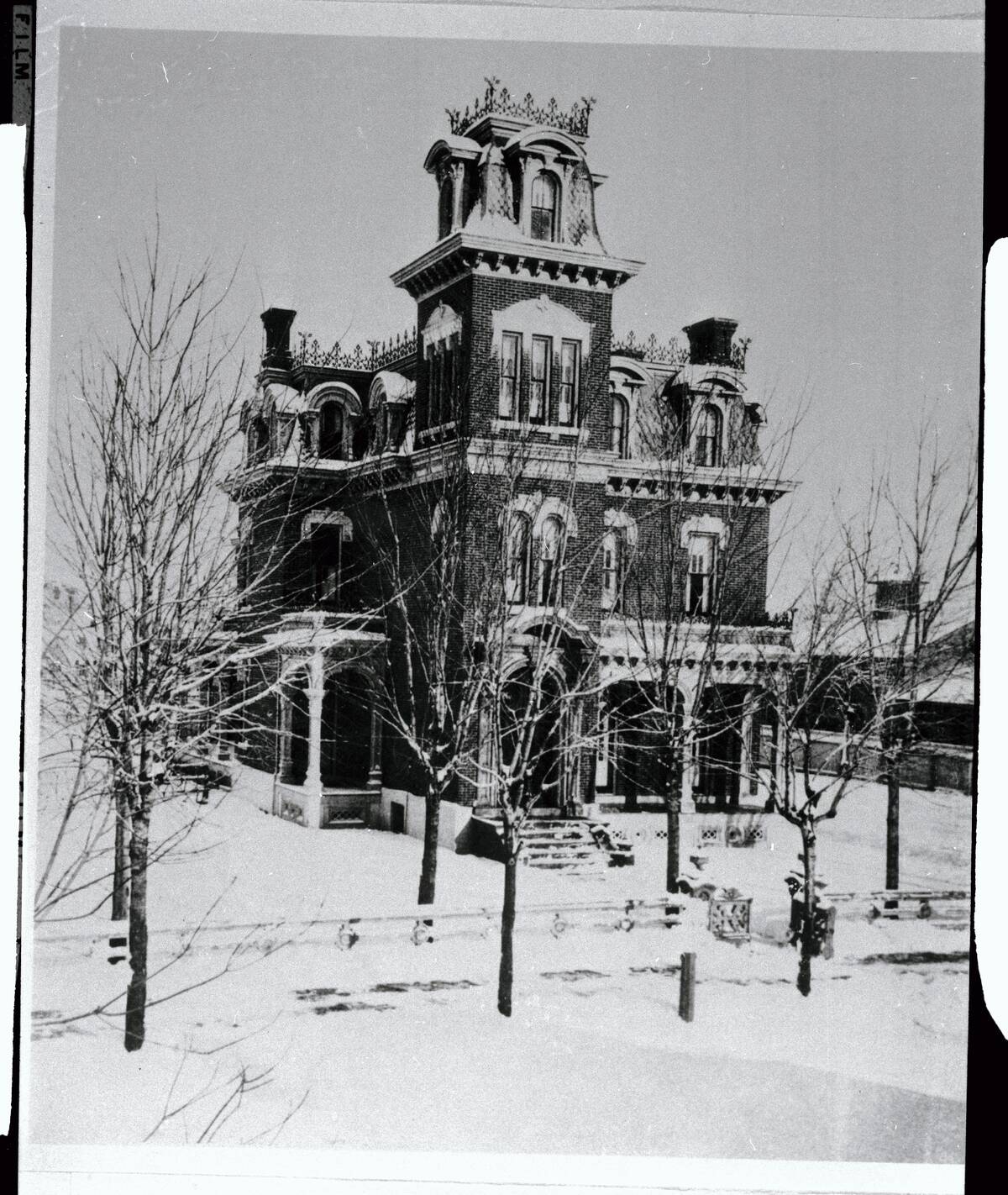
The introduction of dry plates in the 1870s revolutionized photography by eliminating the need for on-site chemical preparation. These plates were pre-coated with a gelatin emulsion, allowing photographers to focus on composition rather than chemistry.
Dry plates could be stored and used at leisure, making photography more accessible and practical. This innovation paved the way for amateur photographers to capture life’s moments, leading to the eventual development of roll film and the snapshot culture.
Capturing Motion: The Birth of Chronophotography
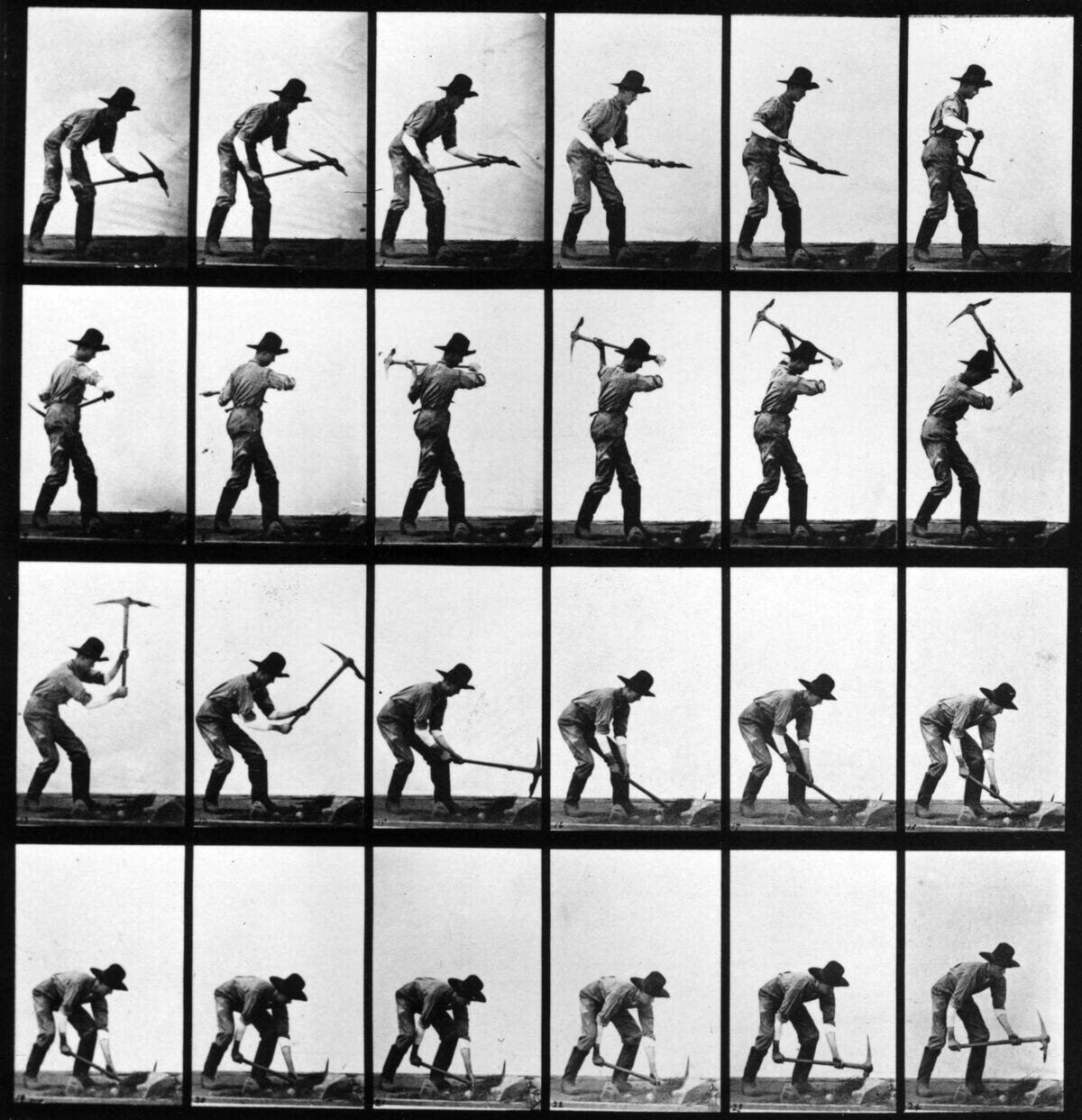
Chronophotography emerged in the late 19th century as a method to study motion through a series of sequential images. Innovators like Étienne-Jules Marey and Eadweard Muybridge explored this technique to analyze movement in humans and animals.
By capturing successive frames, they revealed the hidden dynamics of motion, from a horse’s gallop to a bird’s flight. This exploration laid the foundation for cinematography, bridging the gap between still photography and the moving images we enjoy today.
Eadweard Muybridge and His Iconic Galloping Horse
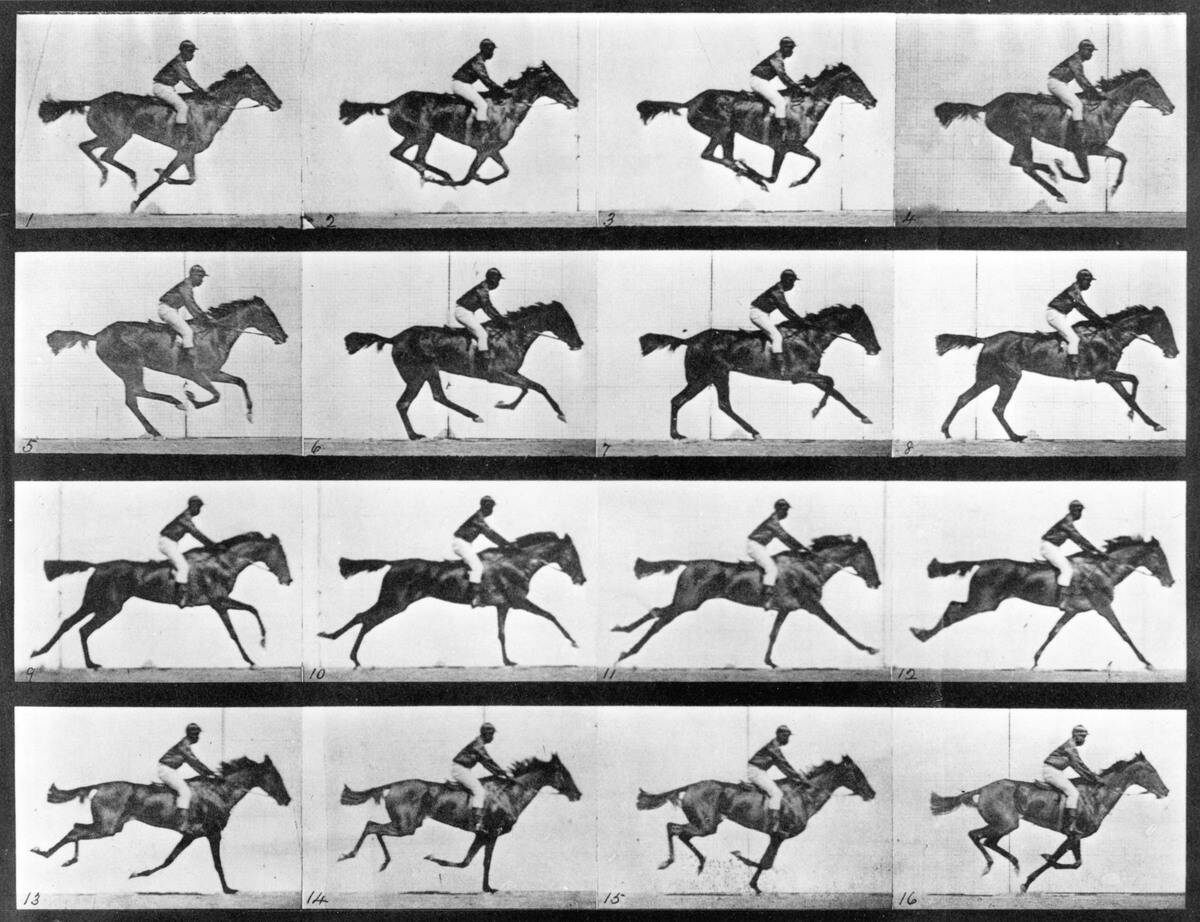
Eadweard Muybridge is renowned for his groundbreaking work in motion photography. In 1878, he famously captured a series of images depicting a horse in full gallop, proving for the first time that all four hooves leave the ground simultaneously.
This project, commissioned by Leland Stanford, was a pivotal moment in photographic history. Muybridge’s work not only advanced scientific understanding but also inspired future generations of photographers and filmmakers, highlighting the potential of photography to capture motion.
The Advent of Roll Film: Making Photography Accessible
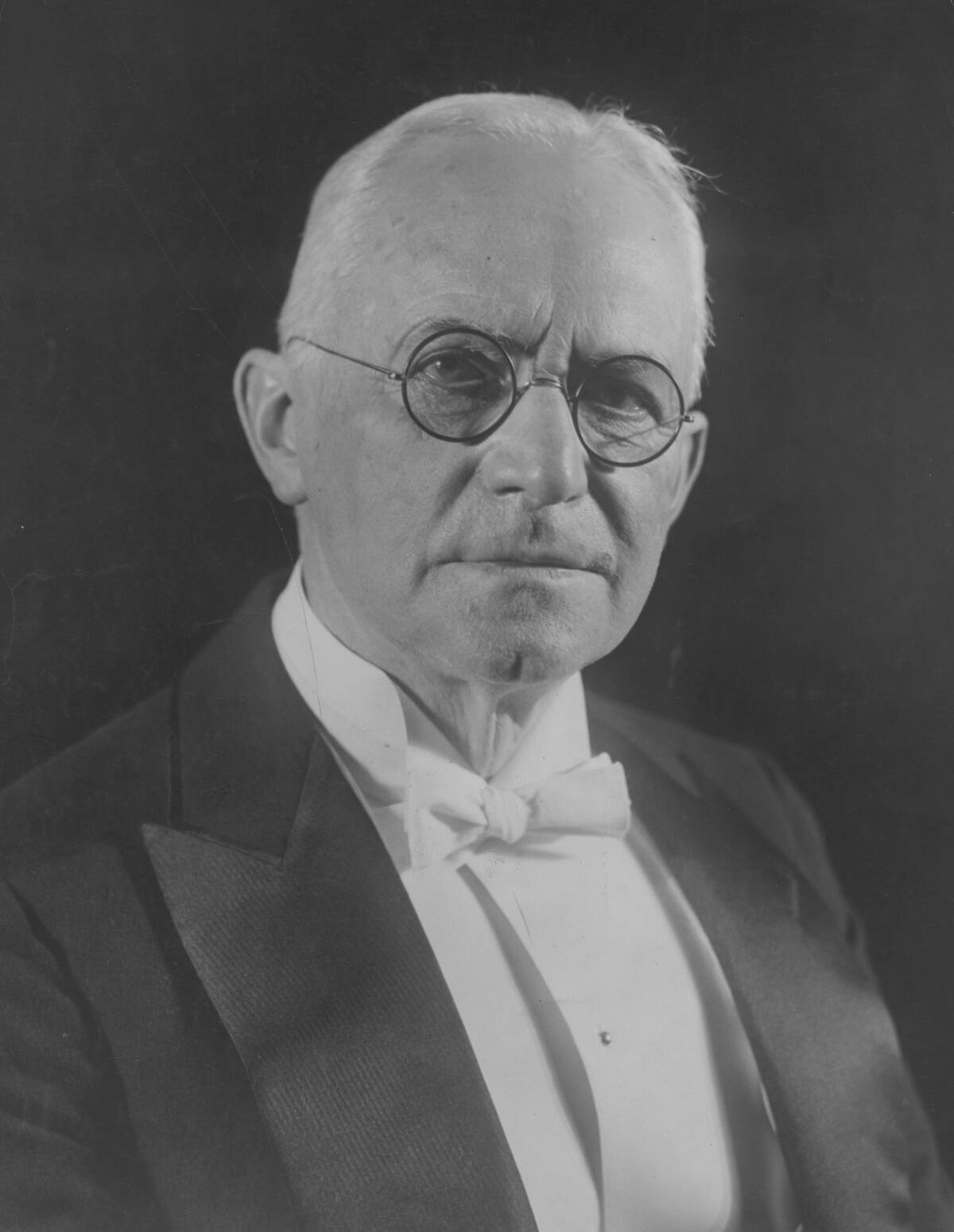
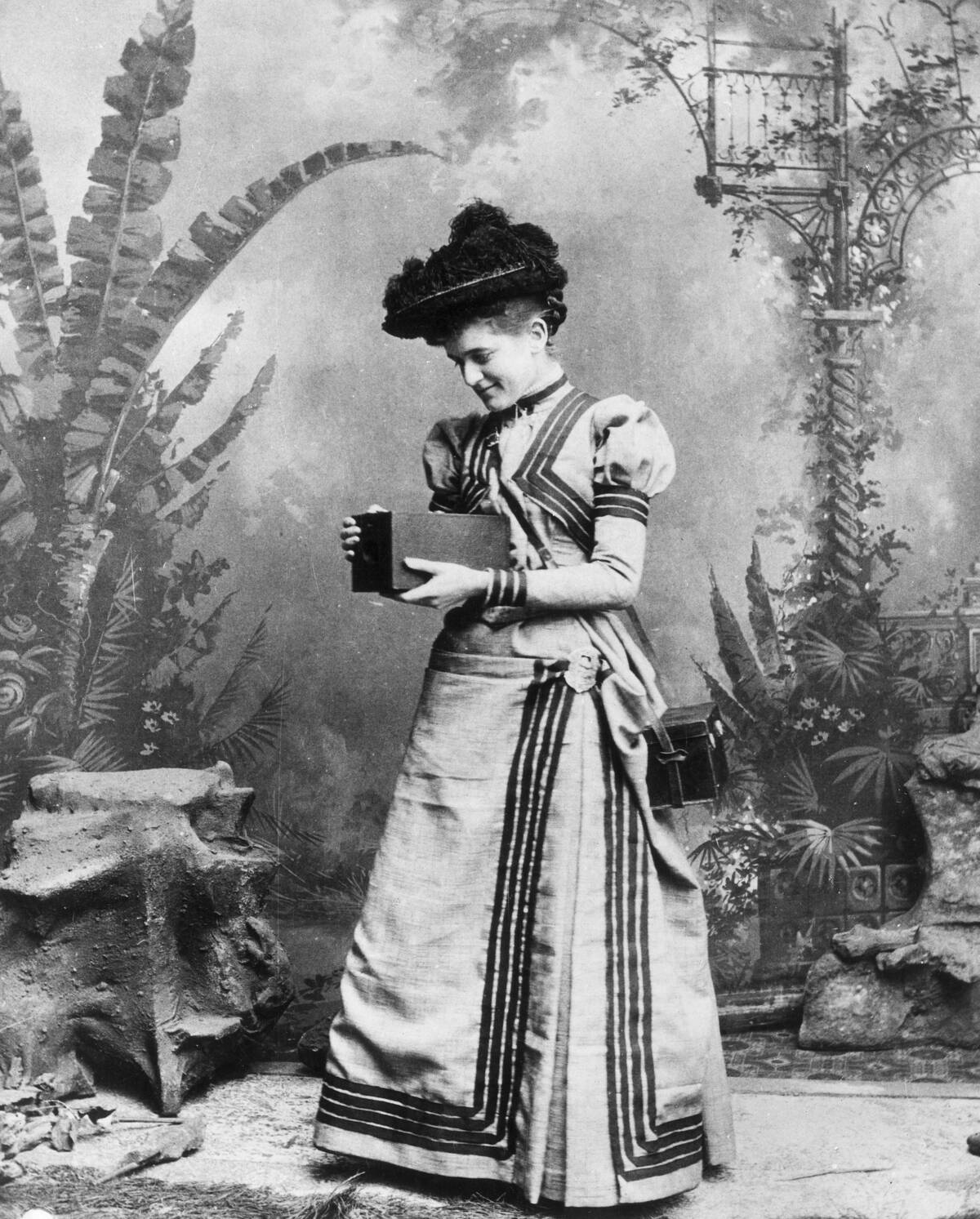
The invention of roll film by George Eastman in 1888 was a game-changer for photography. Unlike glass plates, roll film was flexible and easy to use, housed in a compact camera known as the Kodak.
This innovation democratized photography, allowing anyone to capture life’s moments with the simple press of a button. Eastman’s slogan, “You press the button, we do the rest,” encapsulated this new era of convenience, setting the stage for the mass adoption of photography in everyday life.
Understanding Exposure: The Art of Balancing Light and Time
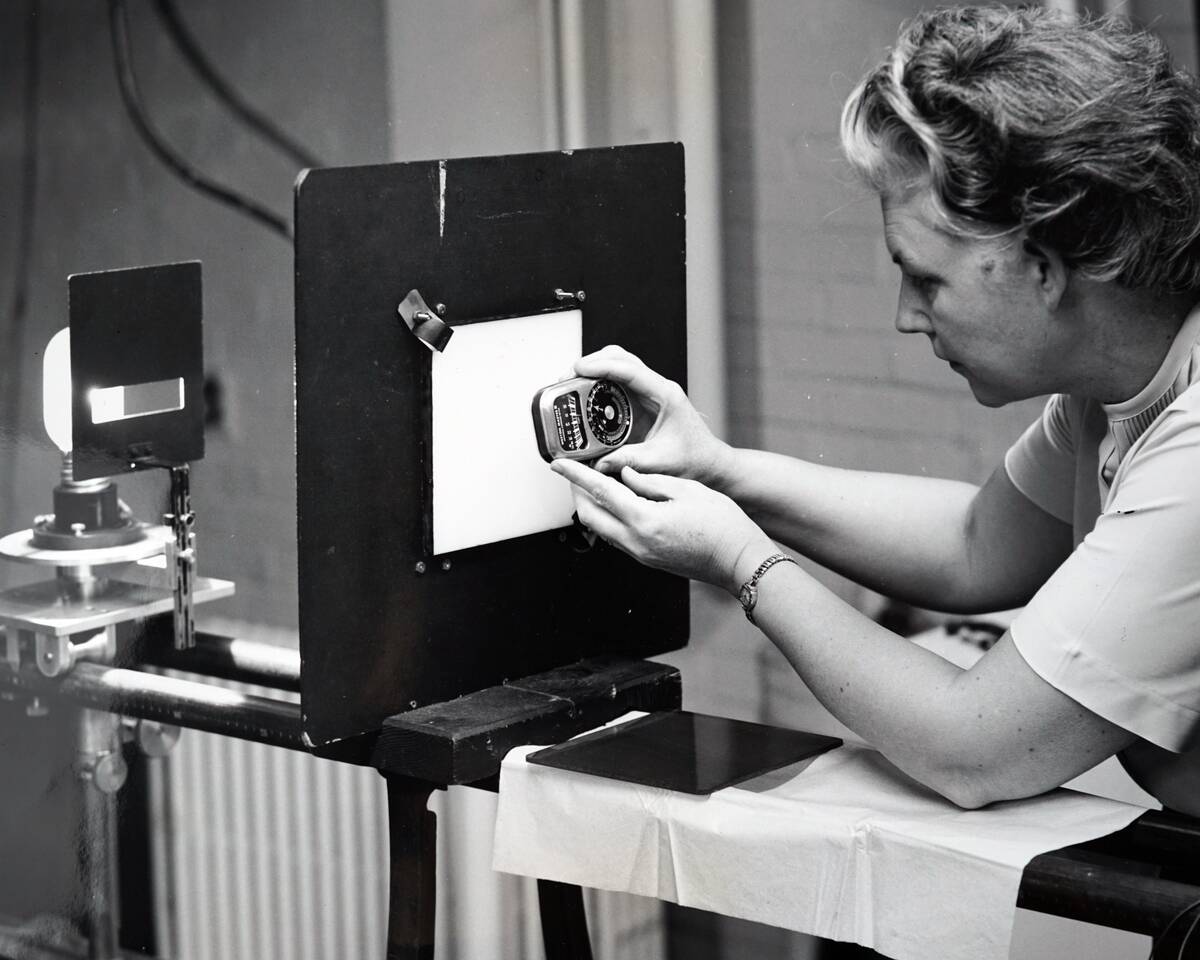
Exposure is a fundamental concept in photography, balancing light and time to create the perfect image. Early photographers had to master this art, often relying on intuition and experience. Too much light resulted in overexposed images, while too little left them underexposed.
The development of exposure meters in the early 20th century helped photographers achieve consistent results. Understanding exposure remains a critical skill, allowing photographers to craft images that evoke mood and emotion.
Shutter Speed: Freezing Moments in Time
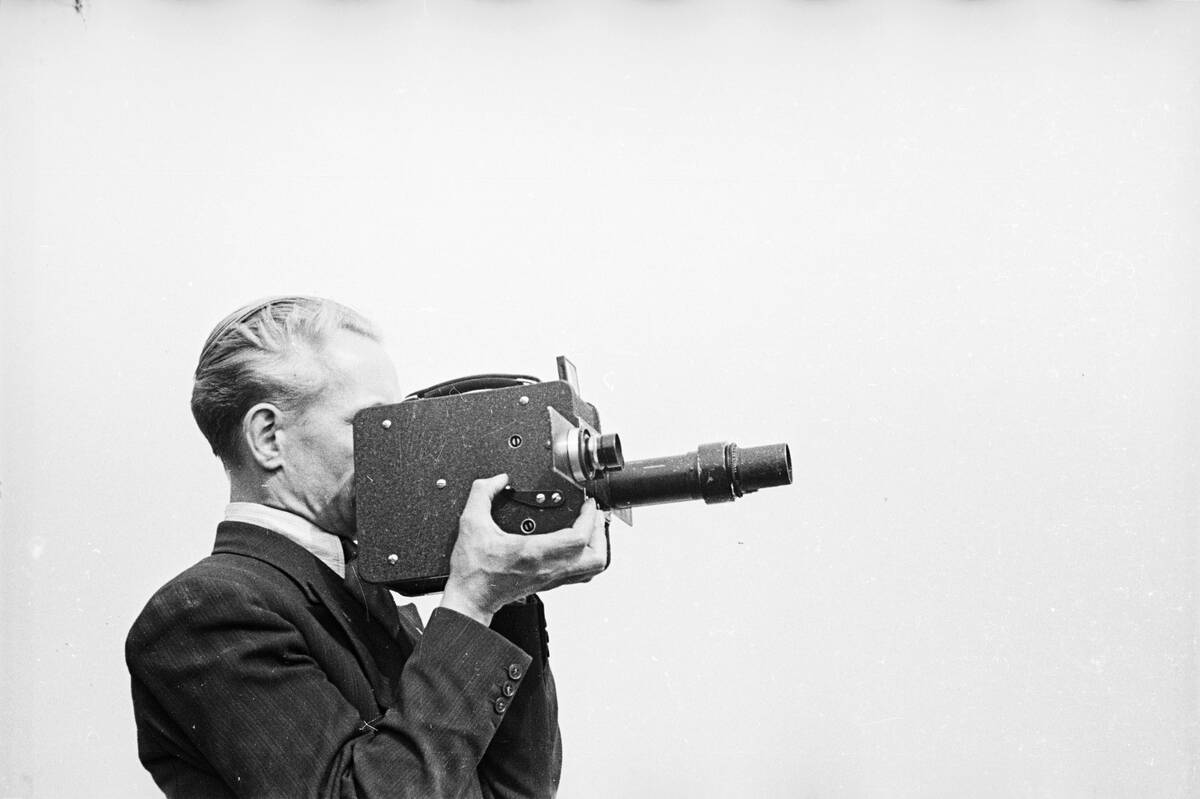
Shutter speed controls how long a camera’s shutter remains open, influencing motion capture in photography. In early cameras, shutter speeds were manually set, requiring photographers to anticipate movement and light conditions.
Fast shutter speeds freeze action, perfect for dynamic scenes, while slow speeds create motion blur, adding a sense of movement. Mastering shutter speed is essential for photographers, allowing them to convey the passage of time through still images and capture fleeting moments with precision.
Aperture and Depth of Field: Sculpting Images with Light
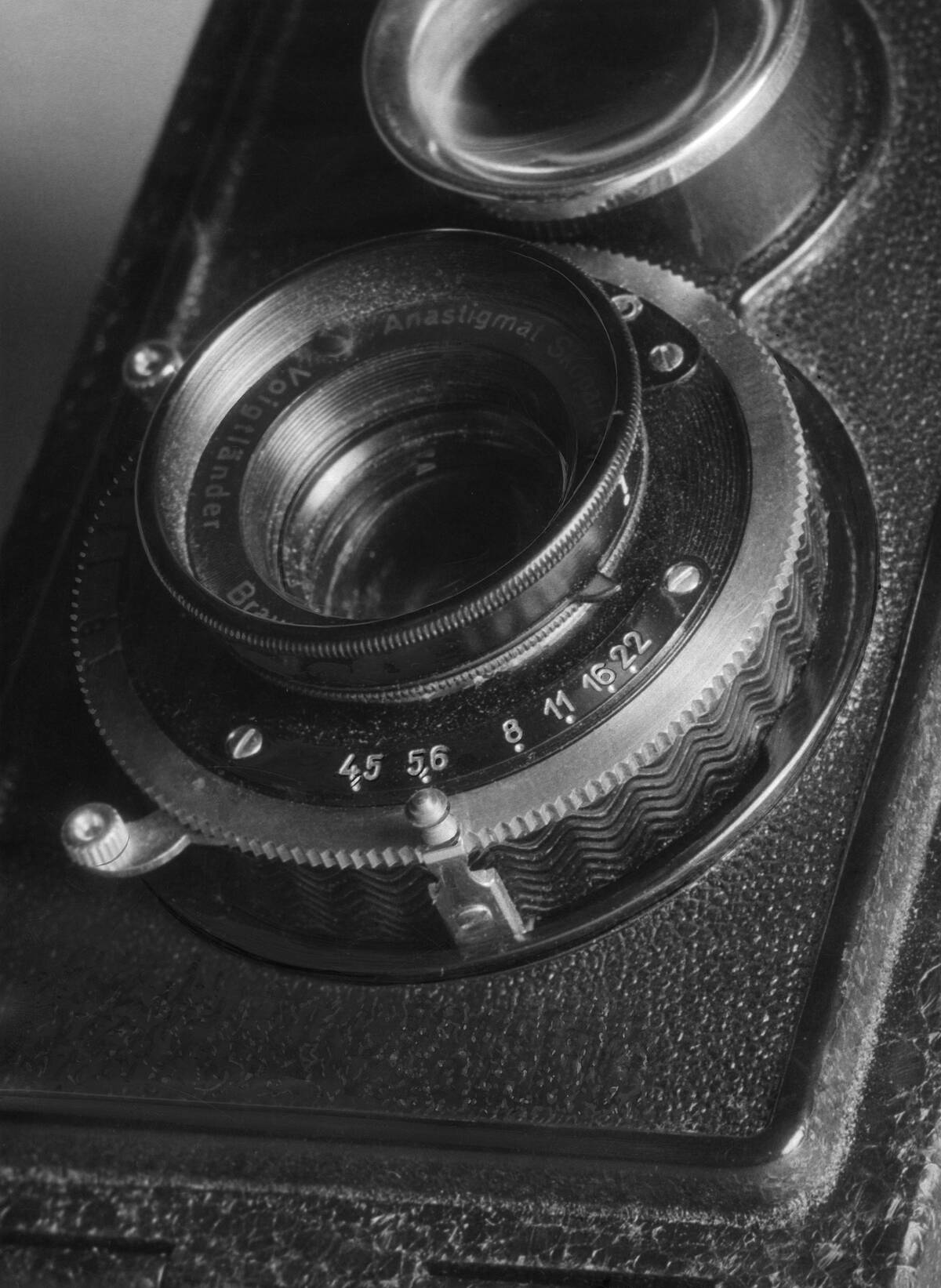
Aperture refers to the opening in a lens through which light enters a camera, impacting depth of field and exposure. Early photographers used aperture settings to control depth of field and exposure, manipulating light to enhance their compositions.
A wide aperture creates a shallow depth of field, isolating subjects from their backgrounds, while a narrow aperture ensures sharpness throughout the scene. Understanding aperture is crucial for photographers, enabling them to shape images with light and emphasize their artistic vision.
The Evolution of Camera Design: From Bulky to Pocket-Sized
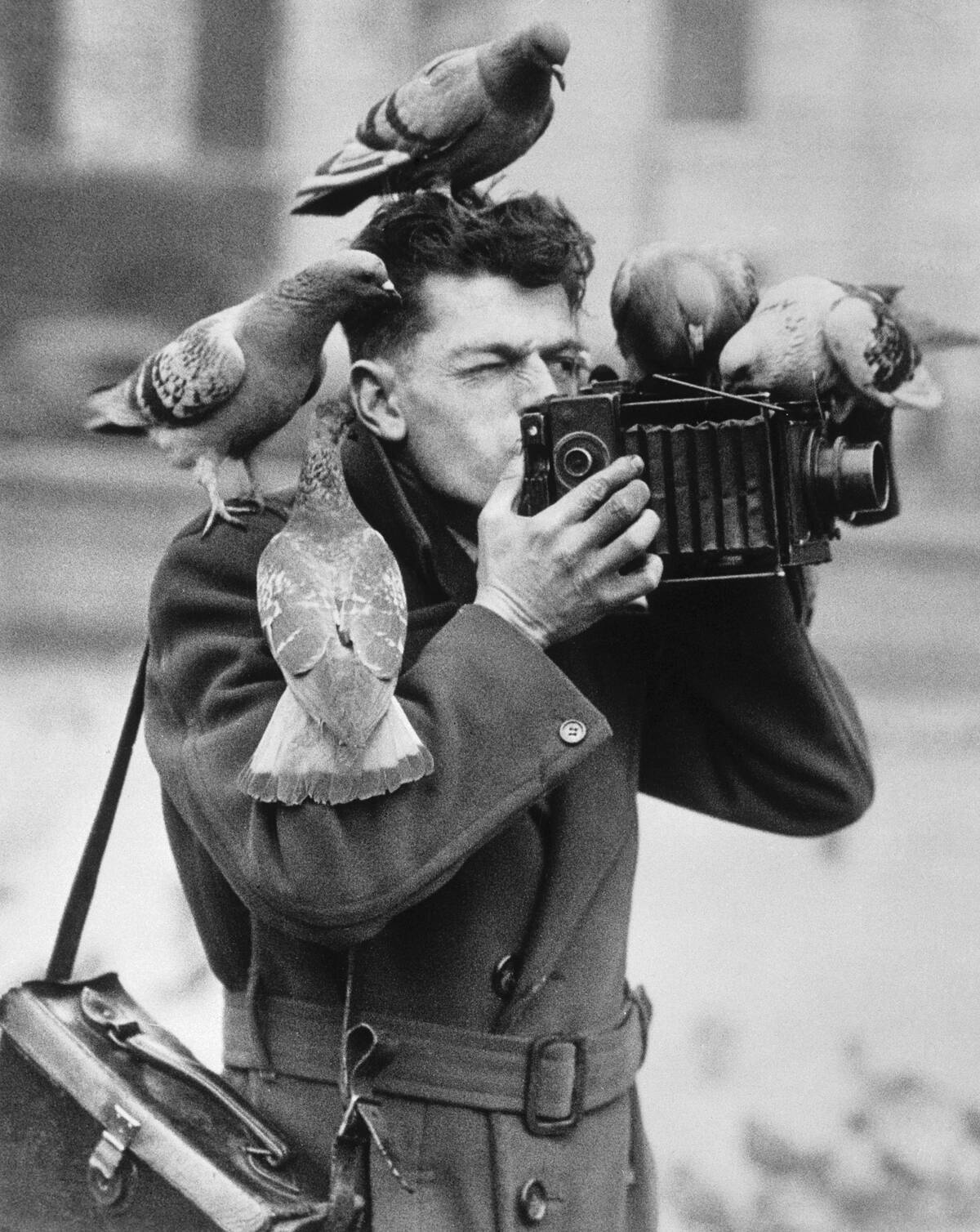
Camera design has evolved dramatically since the early days of photography. Initial models were cumbersome and required significant effort to operate. Innovations in materials and engineering gradually reduced their size and complexity.
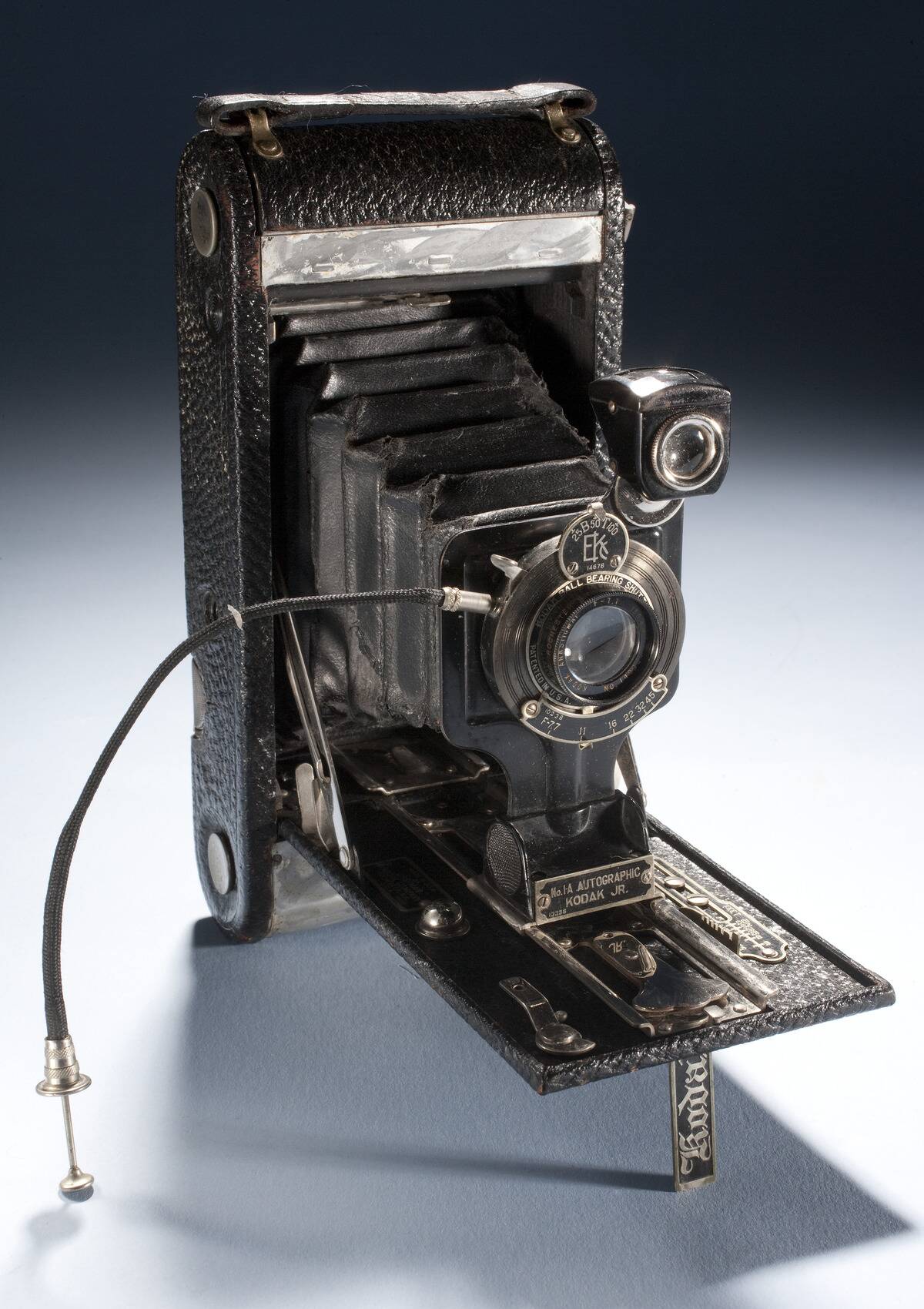
The introduction of folding cameras and compact designs in the late 19th and early 20th centuries made photography more convenient and portable. This evolution continued into the 20th century, culminating in the sleek, pocket-sized cameras that allowed photographers to capture spontaneous moments with ease.
How Early Photographers Developed Their Masterpieces
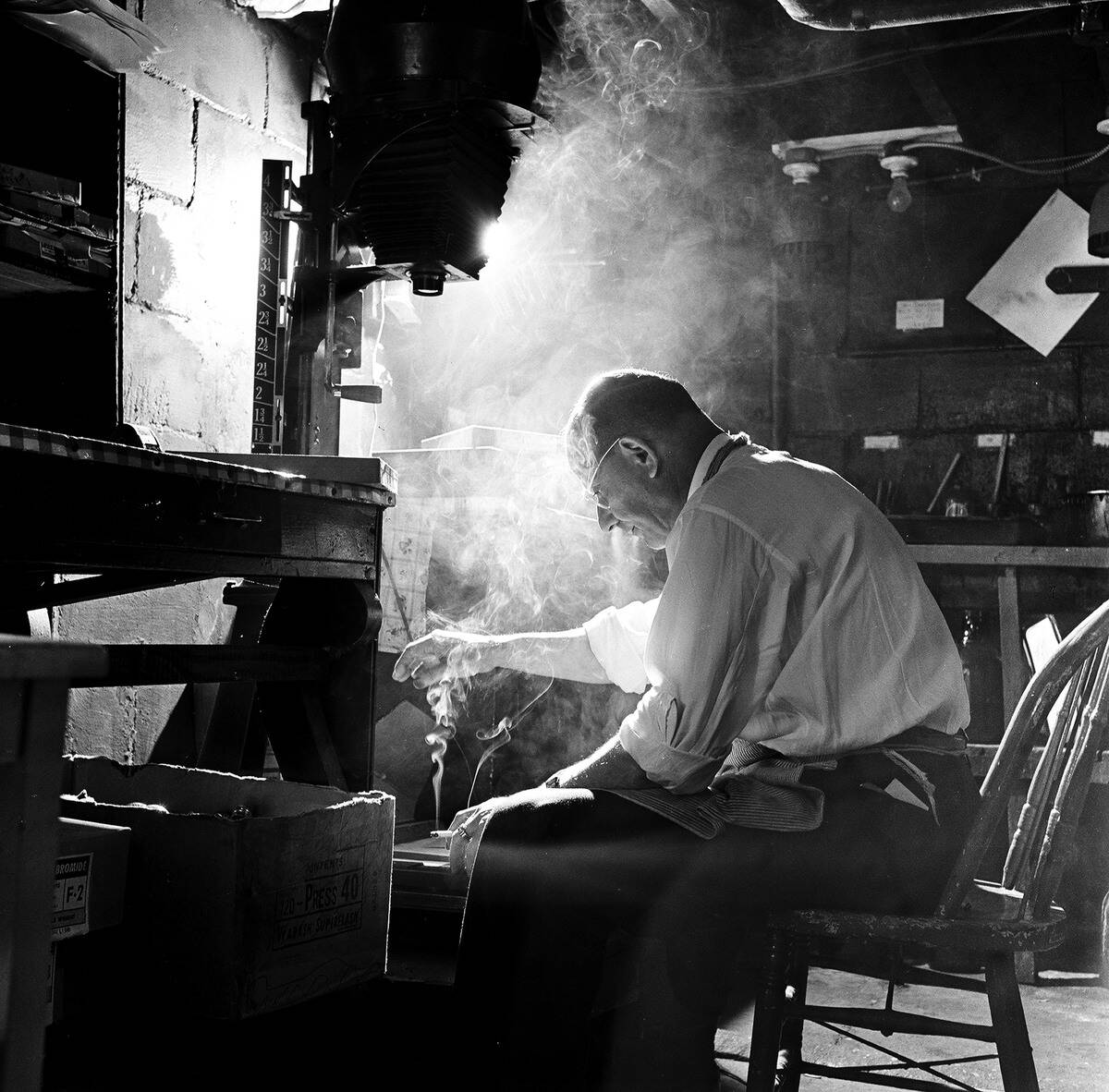
Developing photographs in the early days was an art in itself, requiring skill and patience. Photographers worked in darkrooms, meticulously processing their images through chemical baths. Techniques varied depending on the medium, whether daguerreotypes, calotypes, or glass plates.
Each step, from developing the negative to fixing and washing, demanded precision. Despite the challenges, these photographers produced stunning works of art, leaving a legacy of craftsmanship that continues to inspire modern photography.
Iconic Early Photographs That Captured History
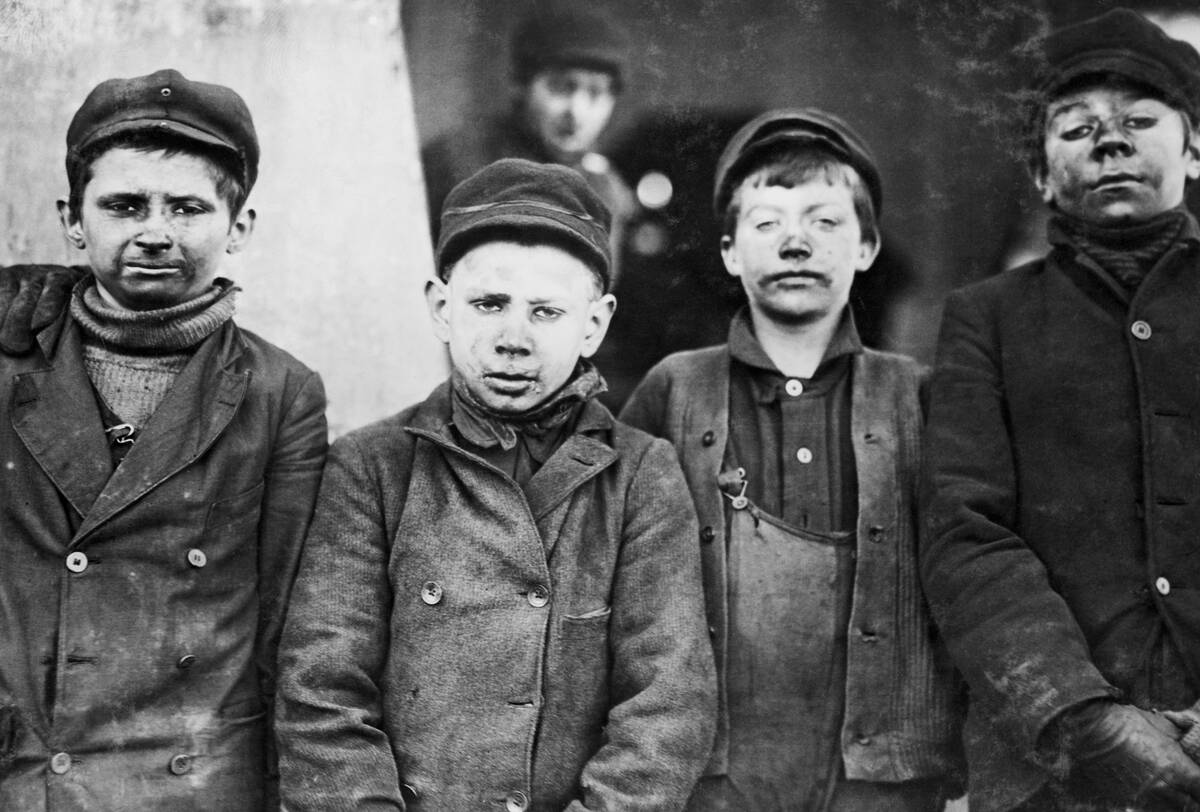
Some early photographs have become iconic, capturing pivotal moments in history. Mathew Brady’s Civil War images provided a stark visual account of the conflict, bringing the reality of war to the public eye. Lewis Hine’s photographs of child laborers highlighted social injustices, contributing to labor reforms.
These images, and many others, stand as powerful testaments to photography’s ability to document and influence societal change, proving that a picture can indeed be worth a thousand words.
The Lasting Legacy of Pioneering Photographers
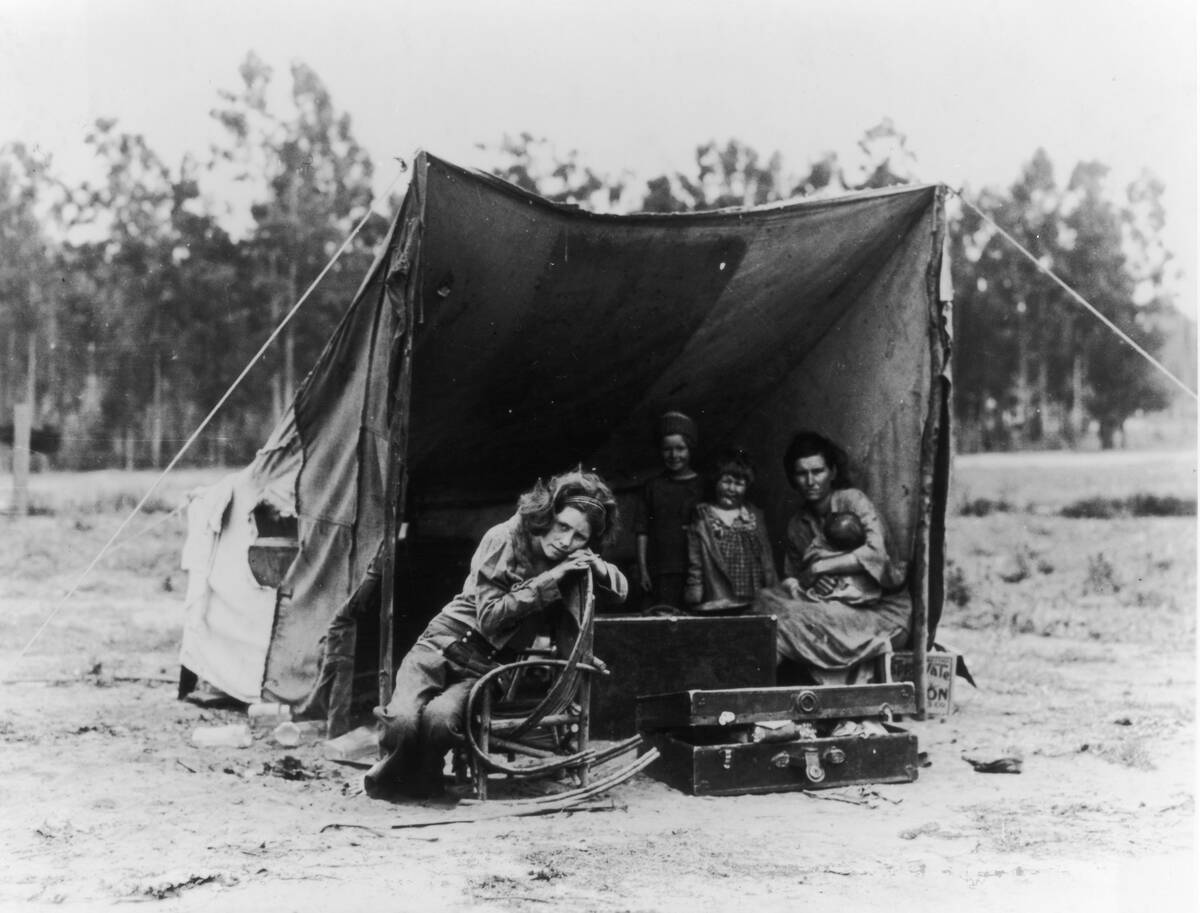
Pioneering photographers left an indelible mark on the world, shaping how we perceive and document reality. Figures like Ansel Adams, known for his majestic landscapes, and Dorothea Lange, with her poignant Depression-era portraits, pushed the boundaries of the medium.
Their innovative techniques and unique perspectives continue to inspire photographers today. The legacy of these trailblazers is a testament to the power of photography to convey emotion, tell stories, and connect us across time and space.