The history of suspension bridges
Suspension bridges have long captured the imagination of engineers and travelers alike. These magnificent structures, which seemingly float in the air, are feats of engineering that connect not just land masses but also people and cultures.
They are known for their elegant designs and ability to span vast distances over water, valleys, and other challenging terrains. Suspension bridges are not only functional but also serve as iconic landmarks that often become synonymous with the cities they adorn.
The Early Beginnings: Ancient Designs and Concepts
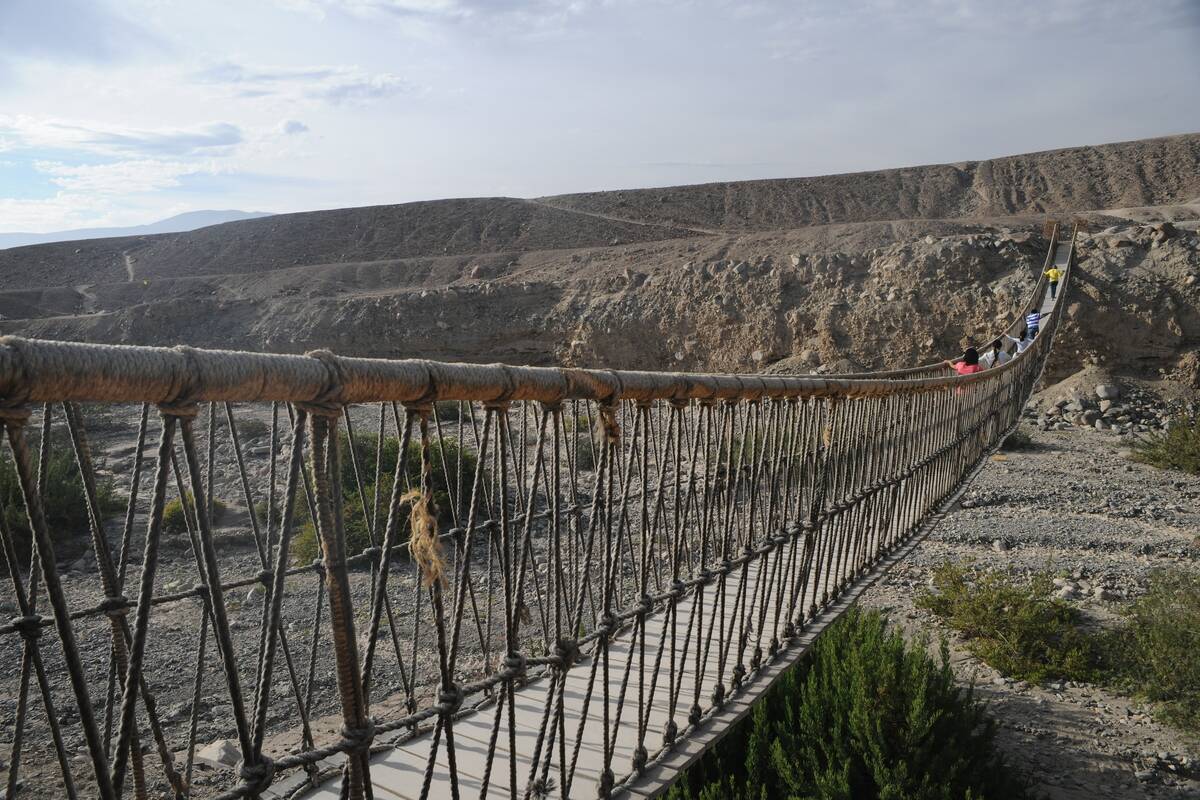
The concept of suspension bridges dates back thousands of years. Ancient civilizations, such as the Incas, used rudimentary forms of suspension bridges made from natural materials like vines and ropes.
These early designs were simple yet effective for the time, allowing people to cross otherwise impassable terrains. Over time, the basic idea of a suspended road evolved, paving the way for more advanced engineering techniques.
The First Known Suspension Bridges: Tracing Back to China and Other Early Civilizations

China is credited with some of the earliest known suspension bridges, dating back to the Han Dynasty around 206 BC. These bridges utilized bamboo and other natural fibers to create a durable crossing.
In other parts of the world, similar designs were used by indigenous peoples who ingeniously adapted local materials to meet their needs. These early bridges laid the groundwork for future innovations in suspension bridge design.
The Inspiration from Nature: Spiders and Vines

It’s fascinating how nature has inspired human engineering. Suspension bridges, for instance, have taken cues from the intricate webs spun by spiders and the natural strength of vines.
These natural models demonstrated how flexible yet strong materials could be used to support weight and span distances. This biomimicry has been crucial in developing the designs that make modern suspension bridges both resilient and graceful.
The Evolution in Design: From Simple to Sophisticated
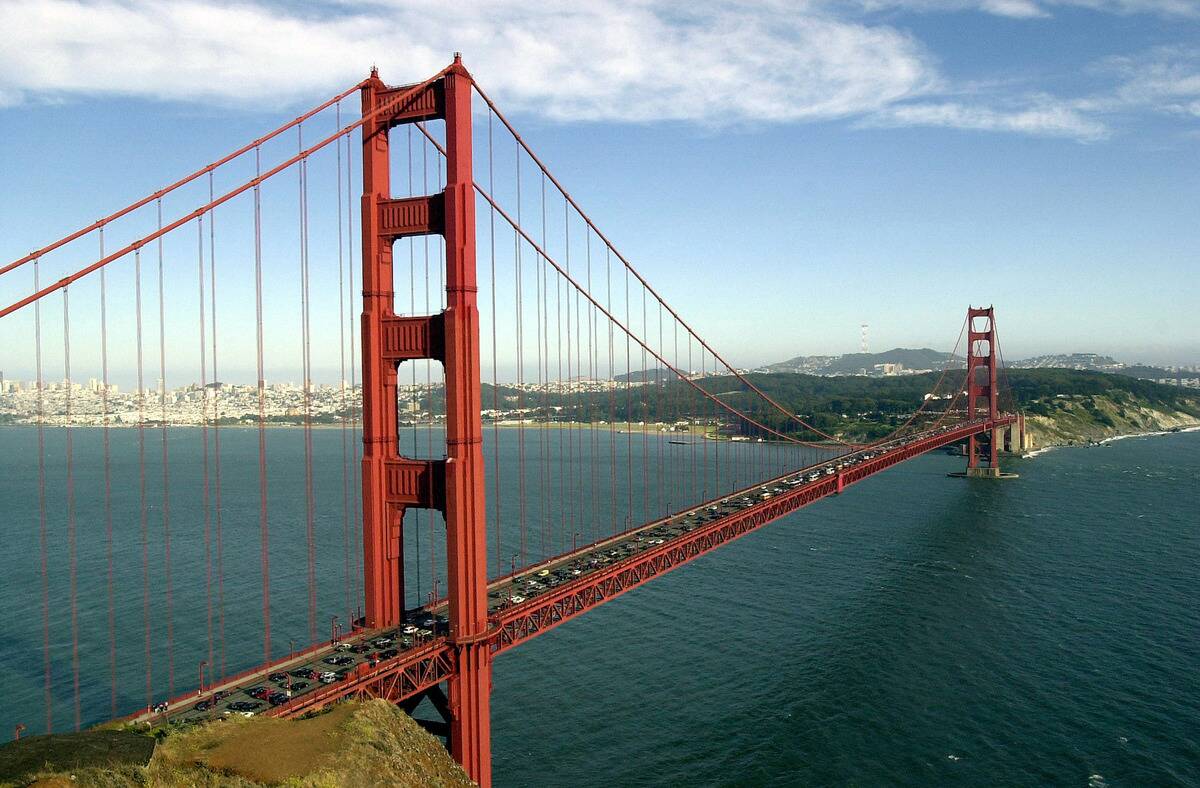
As engineering knowledge expanded, so did the complexity of suspension bridge designs. From the rudimentary rope and vine structures, engineers began experimenting with metal cables and stronger materials.
This evolution allowed for longer spans and increased durability, enabling bridges to support more weight and withstand harsh environmental conditions. The journey from simple designs to the sophisticated structures we see today highlights the ingenuity and persistence of human innovation.
The Industrial Revolution: A Catalyst for Modern Suspension Bridges
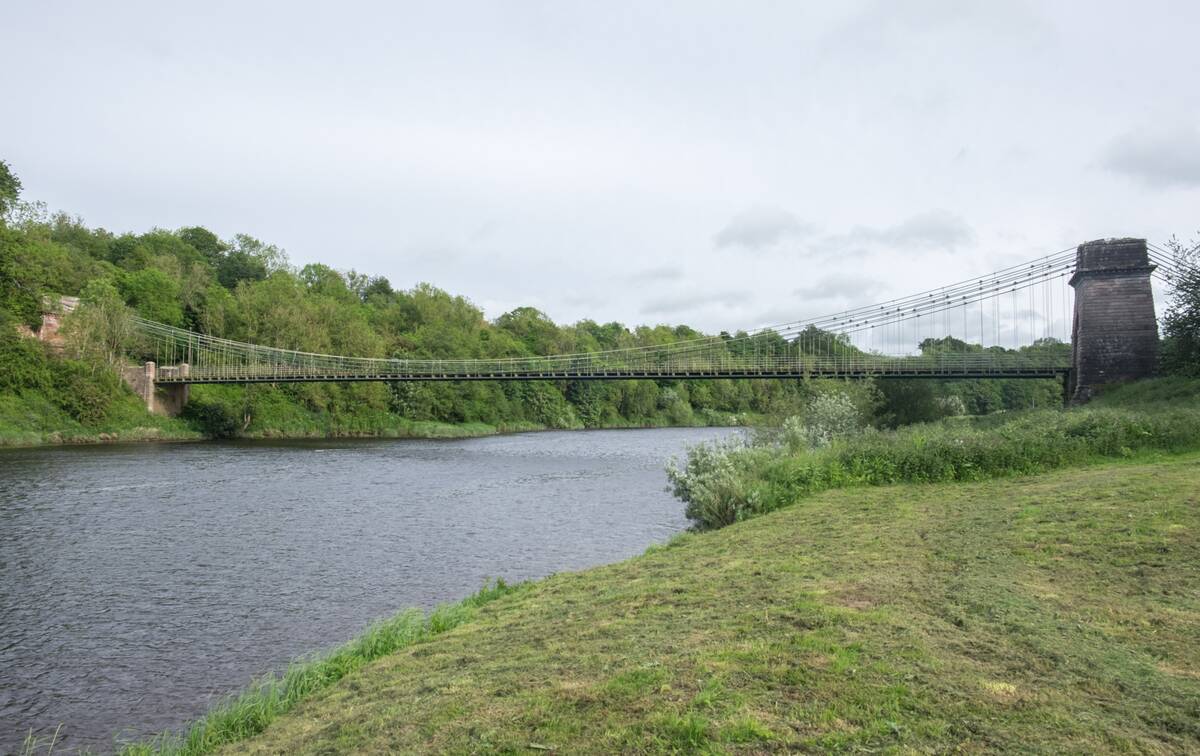
The Industrial Revolution was a turning point for suspension bridge construction. With the advent of new materials and industrial processes, such as the mass production of iron and steel, engineers could build larger and more robust bridges.
This era saw the rise of landmark projects that pushed the boundaries of what was possible, setting the stage for the iconic suspension bridges of the 19th and 20th centuries.
The Role of Iron and Steel: Transforming Bridge Construction
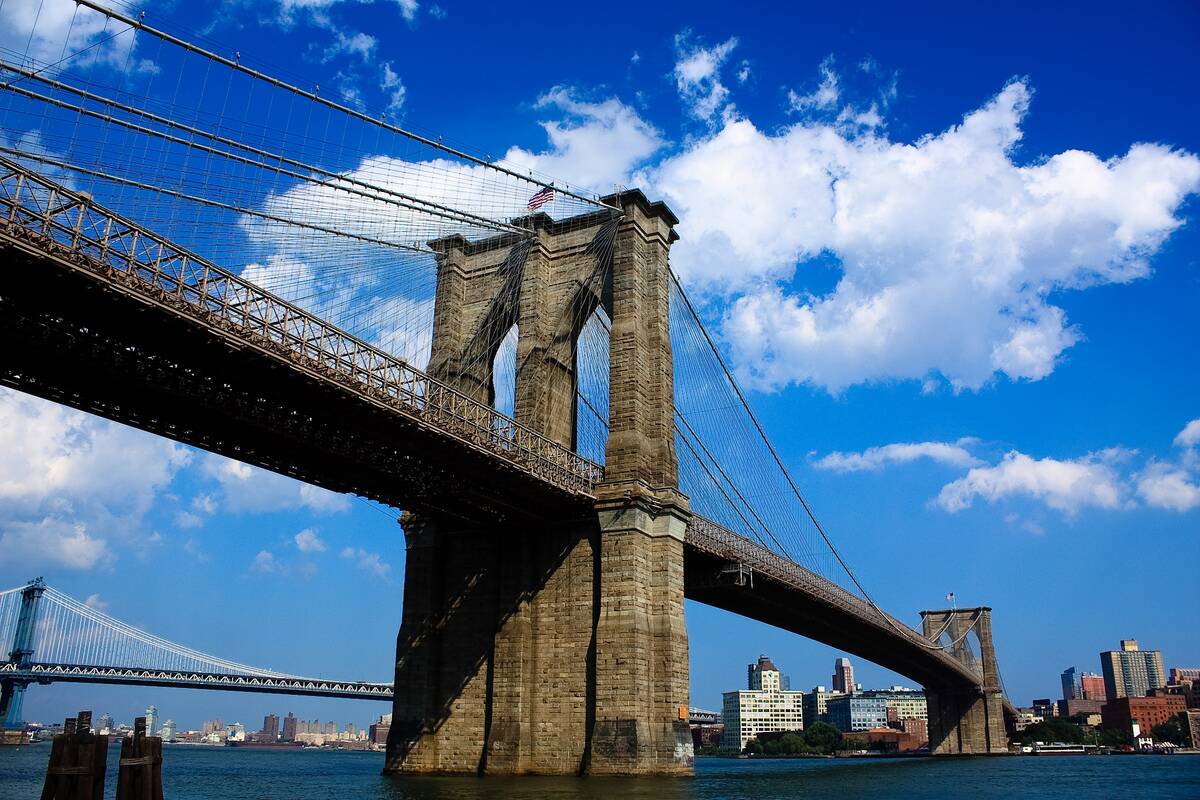
Iron and steel were game-changers in the world of bridge engineering. These materials offered unprecedented strength and flexibility, allowing for longer spans and greater load-bearing capacity.
The use of steel cables, in particular, became a hallmark of modern suspension bridges, enabling them to cover vast distances and support heavy traffic. The introduction of these materials marked a significant leap forward in the field of civil engineering.
The Birth of the Modern Suspension Bridge: The Menai Strait Bridge
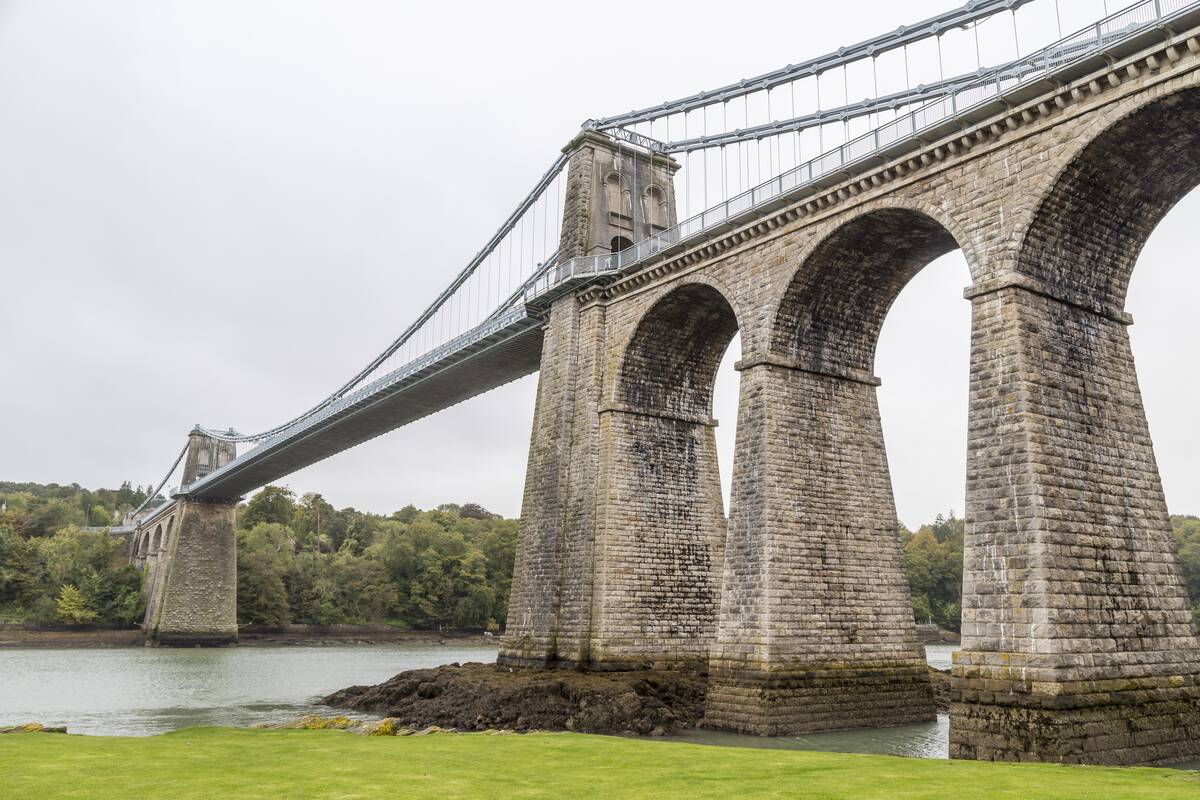
The Menai Strait Bridge, completed in 1826, is the second modern suspension bridge to accommodate road traffic after the Union Bridge between Scotland and England. Designed by Thomas Telford, it used wrought iron chains to span the Menai Strait, connecting the island of Anglesey to mainland Wales.
This engineering marvel set a precedent for future suspension bridges, showcasing the potential of new materials and design techniques. It remains an iconic symbol of early 19th-century engineering prowess.
Iconic 19th Century Bridges: The Brooklyn Bridge and Beyond

The Brooklyn Bridge, completed in 1883, is one of the most famous suspension bridges from the 19th century. Designed by John A. Roebling, it was the first steel-wire suspension bridge and became a symbol of American ingenuity and progress.
Its completion marked a significant milestone in bridge engineering and inspired the construction of other iconic bridges around the world, cementing the suspension bridge’s place in history.
The Golden Gate Bridge: A Symbol of 20th Century Innovation
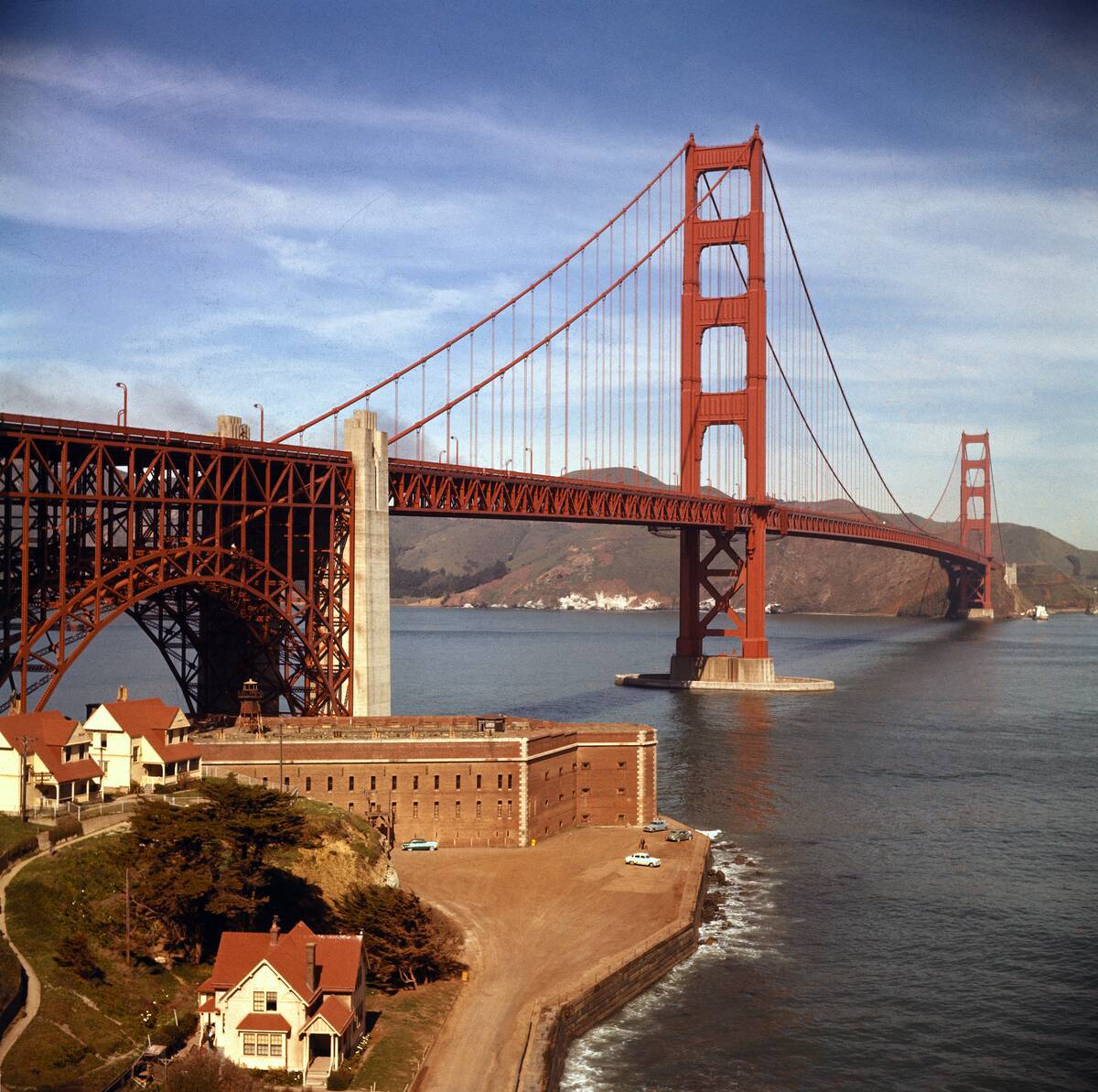
The Golden Gate Bridge, completed in 1937, is a testament to 20th-century engineering innovation. Spanning the Golden Gate strait in San Francisco, it was the longest and tallest suspension bridge of its time.
Its striking Art Deco design and international orange color have made it an enduring symbol of American engineering excellence. The bridge’s construction overcame numerous challenges, including strong tides and winds, showcasing the resilience of its designers and builders.
The Rise of Cable-Stayed Bridges: A Different Take on Suspension

Cable-stayed bridges emerged as a popular alternative to traditional suspension bridges in the mid-20th century. Unlike suspension bridges, which use cables hung between towers, cable-stayed bridges have cables directly connected to the towers.
This design offers greater stiffness and requires less material, making them a cost-effective option for medium-length spans. The rise of cable-stayed bridges has diversified the landscape of modern bridge construction.
Longest and Tallest: Record-Breaking Suspension Bridges
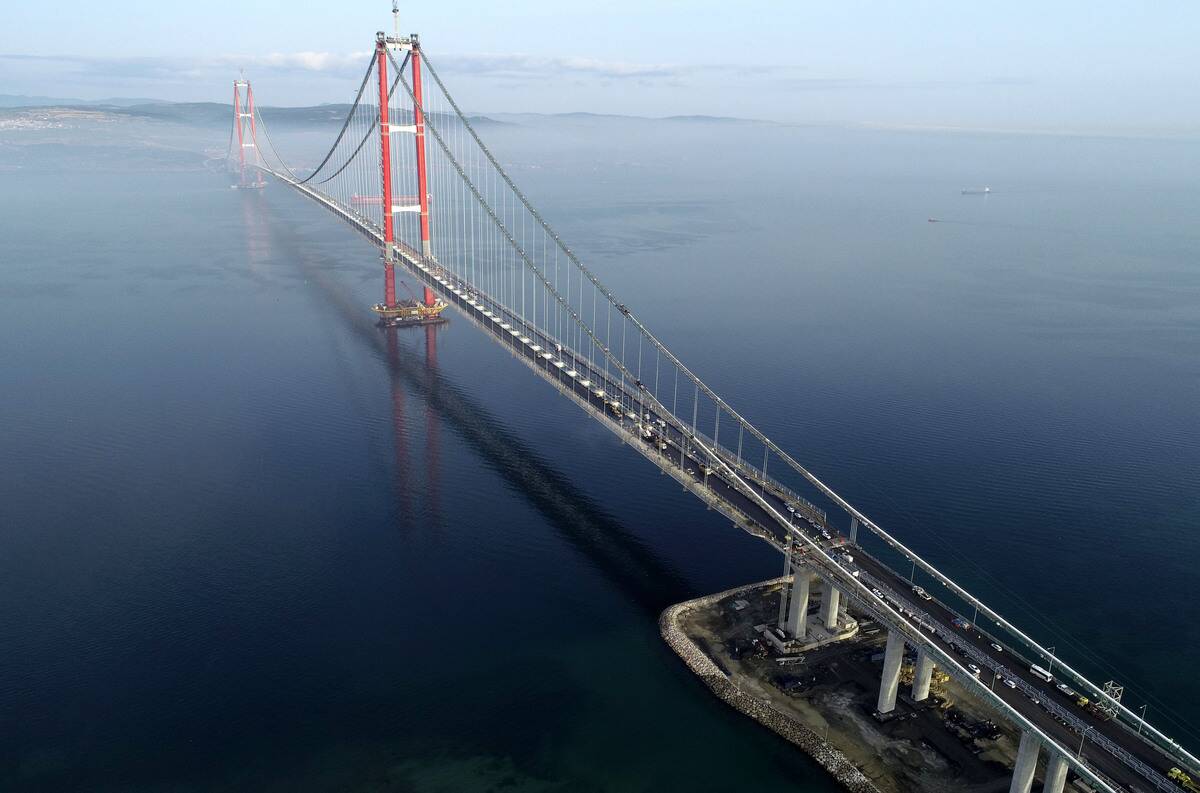
Suspension bridges have continuously pushed the boundaries of what is possible. The Akashi Kaikyō Bridge in Japan, completed in 1998, held the record for the longest central span of any suspension bridge at 1,991 meters (6,532 feet) until Turkey’s 1915 Çanakkale Bridge (6,637 feet) beat it in 2022.
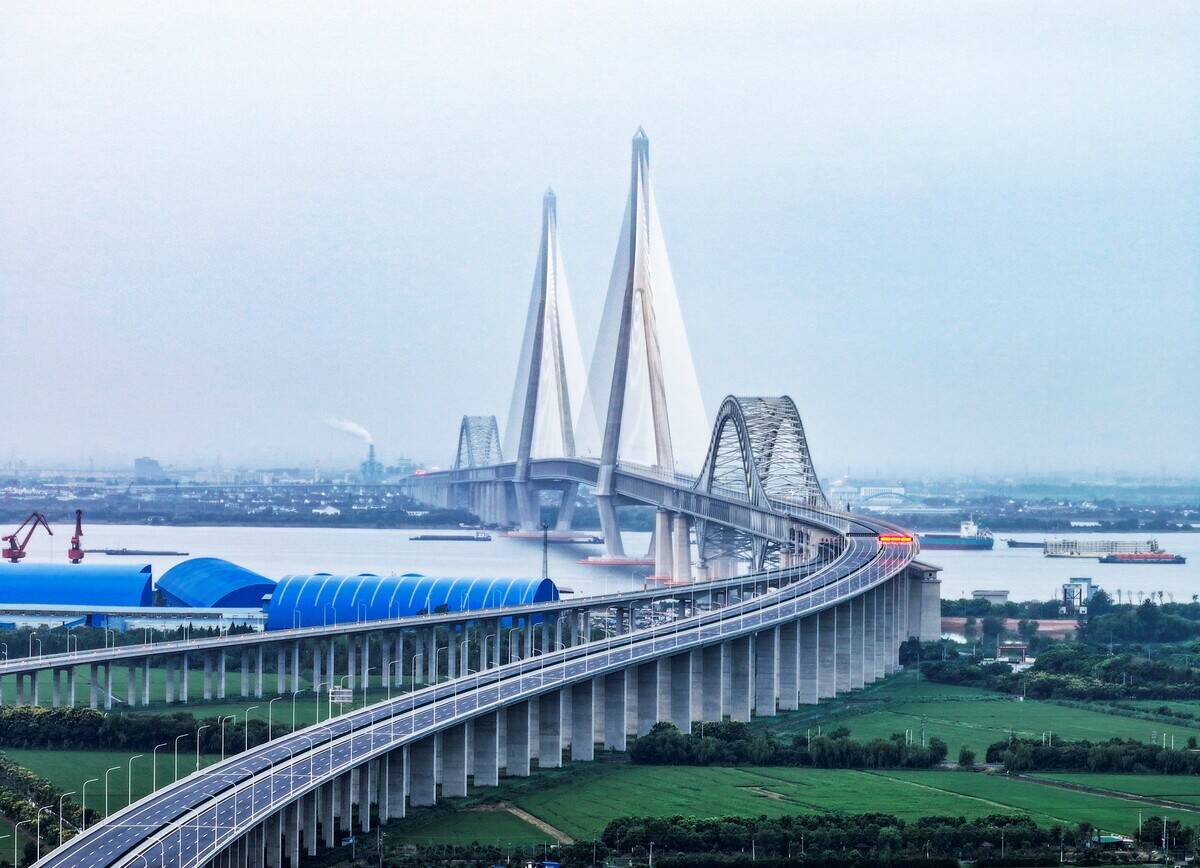
Meanwhile, the Changtai Yangtze River Bridge in China (pictured) stands as one of the tallest, with its towers reaching 352 meters (1,155 feet). These record-breaking structures highlight the ongoing quest for innovation and excellence in bridge engineering.
Engineering Challenges and Solutions: Battling the Elements
Building suspension bridges involves overcoming numerous engineering challenges, particularly those posed by natural elements. Wind, earthquakes, and temperature fluctuations can all affect a bridge’s stability.
Engineers employ various strategies, such as aerodynamic designs and shock absorbers, to mitigate these forces. The constant battle against nature’s elements underscores the complexity and precision required in suspension bridge construction.
Famous Suspension Bridge Failures: Lessons Learned
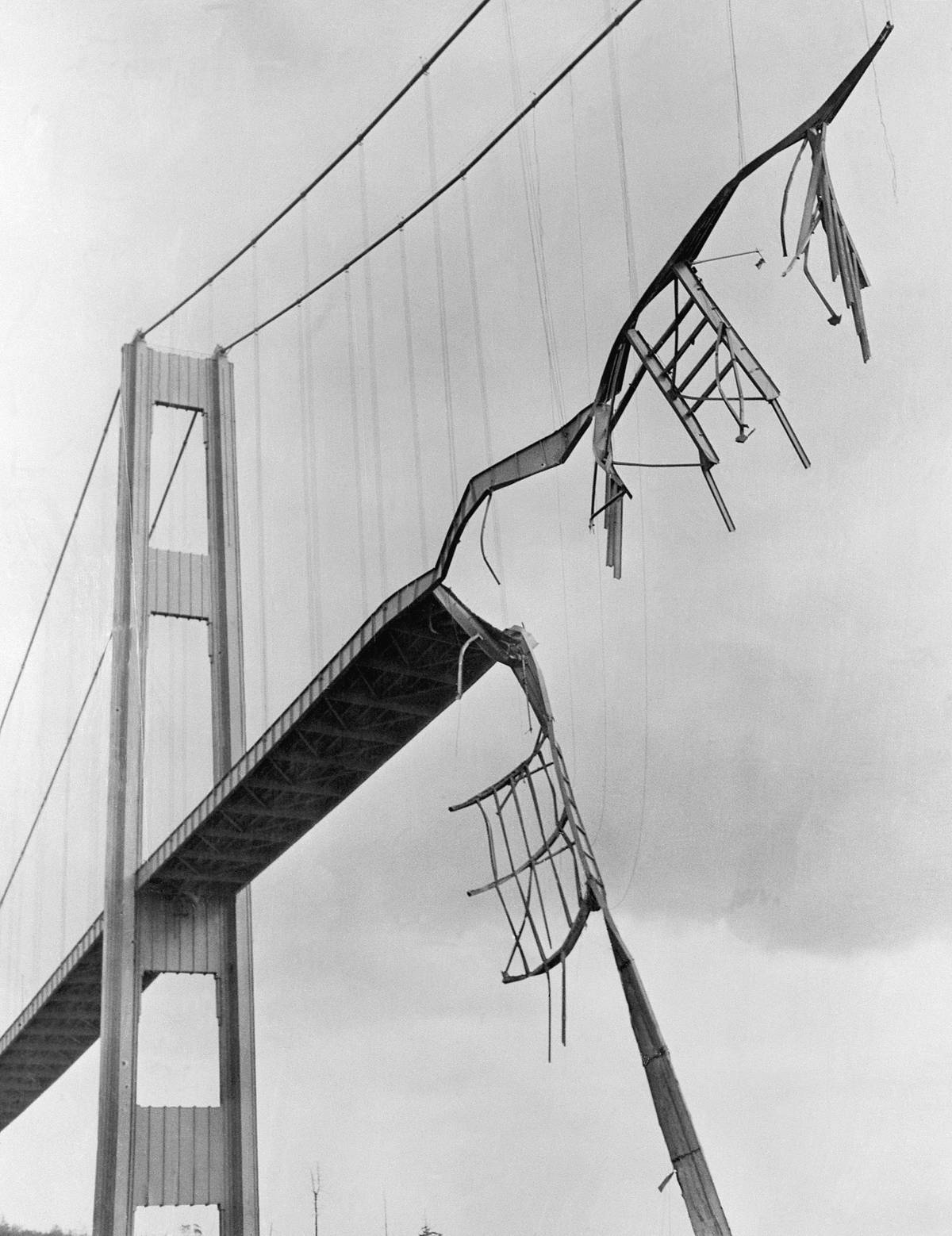
While suspension bridges are engineering marvels, they are not immune to failure. The collapse of the Tacoma Narrows Bridge in 1940 is a famous example, caused by wind-induced vibrations.
Such failures have led to improved designs and safety standards, ensuring that modern bridges can withstand various stresses. These lessons learned have been crucial in advancing the field of suspension bridge engineering.
The Role of Technology: Enhancements in Design and Safety
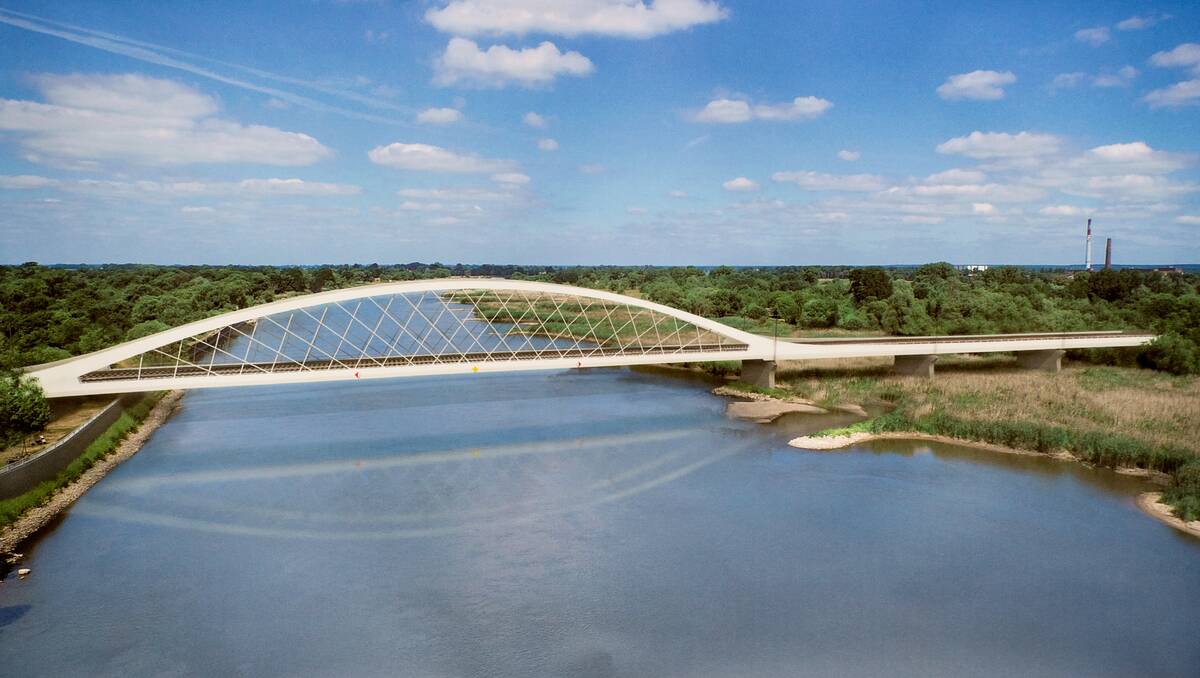
Advancements in technology have significantly enhanced the design and safety of suspension bridges. Computer modeling and simulation allow engineers to predict and address potential issues before construction begins.
Additionally, modern materials and construction techniques have improved the durability and resilience of these structures. Technology continues to play a vital role in ensuring that suspension bridges remain safe and reliable for years to come.
Environmental Considerations: Building with Nature in Mind
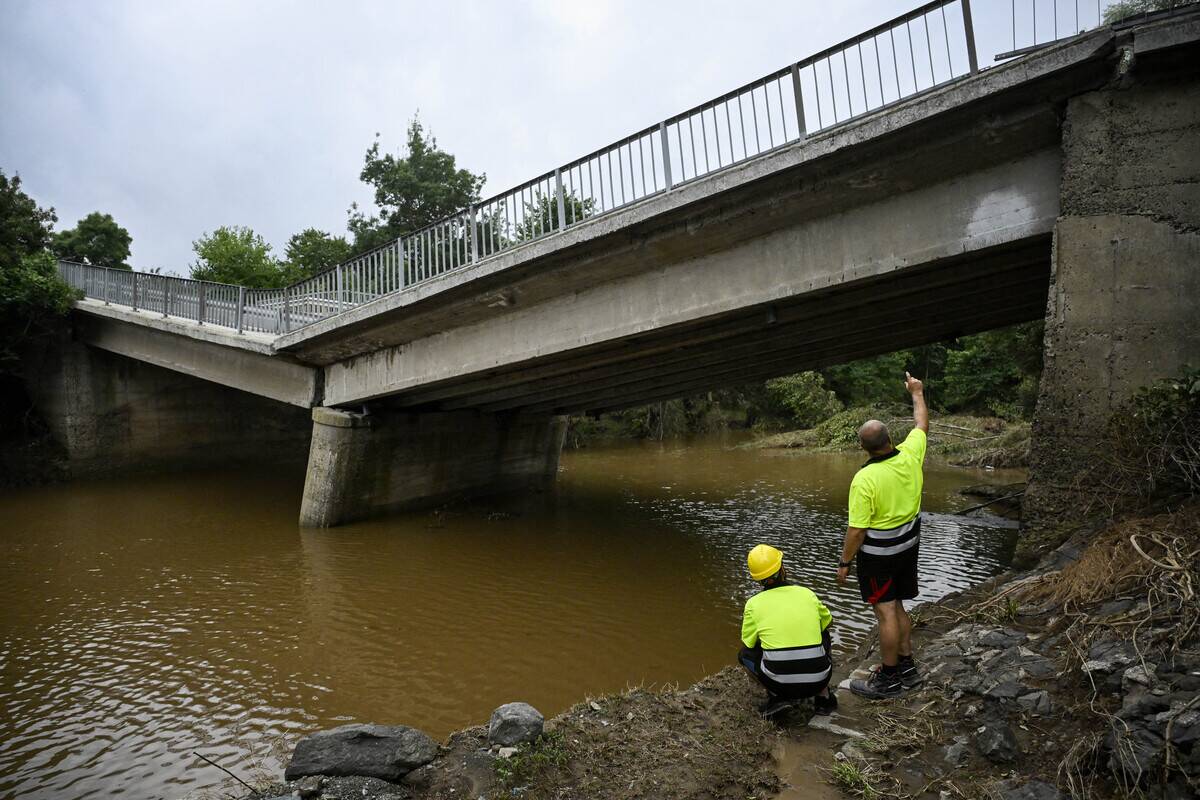
In today’s environmentally conscious world, suspension bridge construction must consider its impact on nature. Engineers strive to design bridges that minimize ecological disruption, using sustainable materials and practices.
Environmental assessments are often conducted to ensure that wildlife and natural habitats are preserved. This commitment to environmental stewardship reflects the broader trend towards sustainable infrastructure development.
Cultural Significance and Symbolism: More Than Just a Bridge
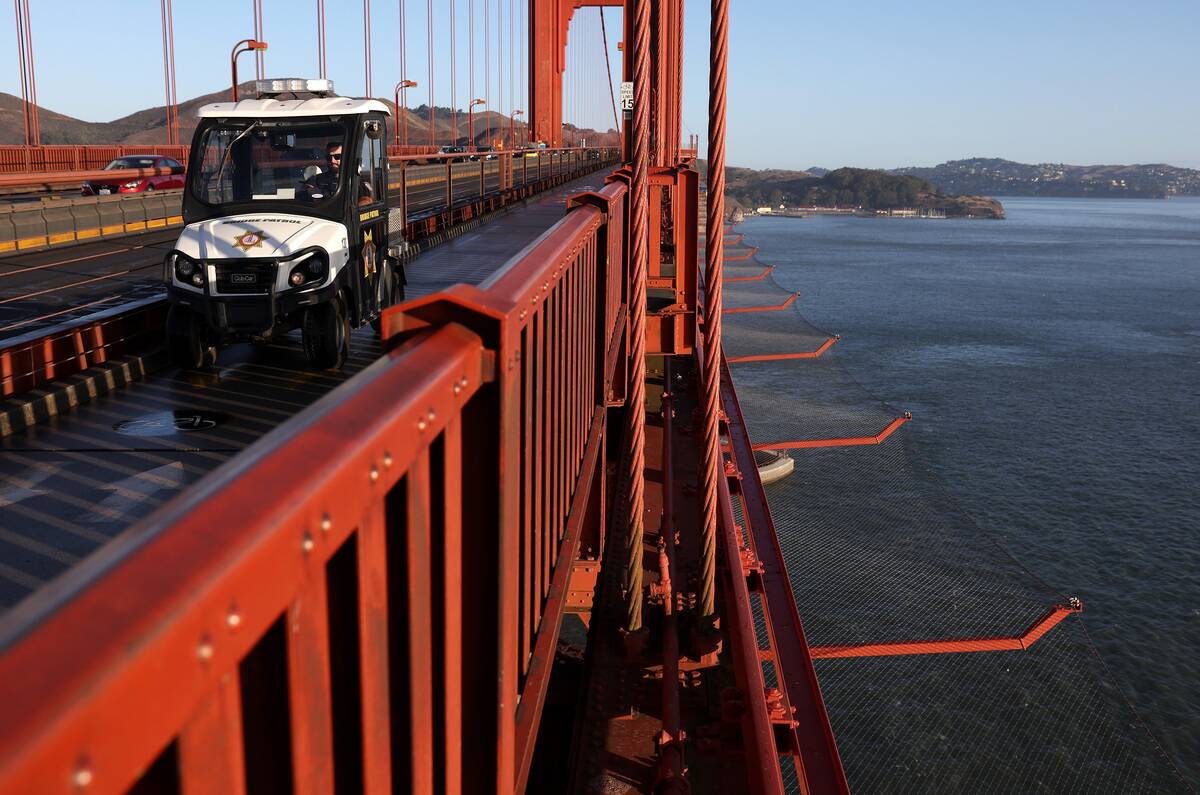
Suspension bridges often carry cultural and symbolic significance beyond their practical function. They can represent progress, unity, and innovation, serving as icons of the cities and countries they inhabit.
The Golden Gate Bridge, for example, is a symbol of San Francisco and an enduring representation of American ingenuity. These cultural associations add layers of meaning to the already impressive feats of engineering that suspension bridges represent.




