The history of public baths and social life in ancient Rome
Imagine stepping into the bustling heart of ancient Rome, where public baths were more than just places to cleanse. These architectural wonders were the epicenter of social life, where gossip, politics, and leisure intertwined.
From luxurious structures to daily rituals, Roman baths offer a fascinating glimpse into the past. Join us as we dive into the steamy world of Roman bathing culture and uncover its lasting impact on society.
The Origins of Roman Bathing Culture
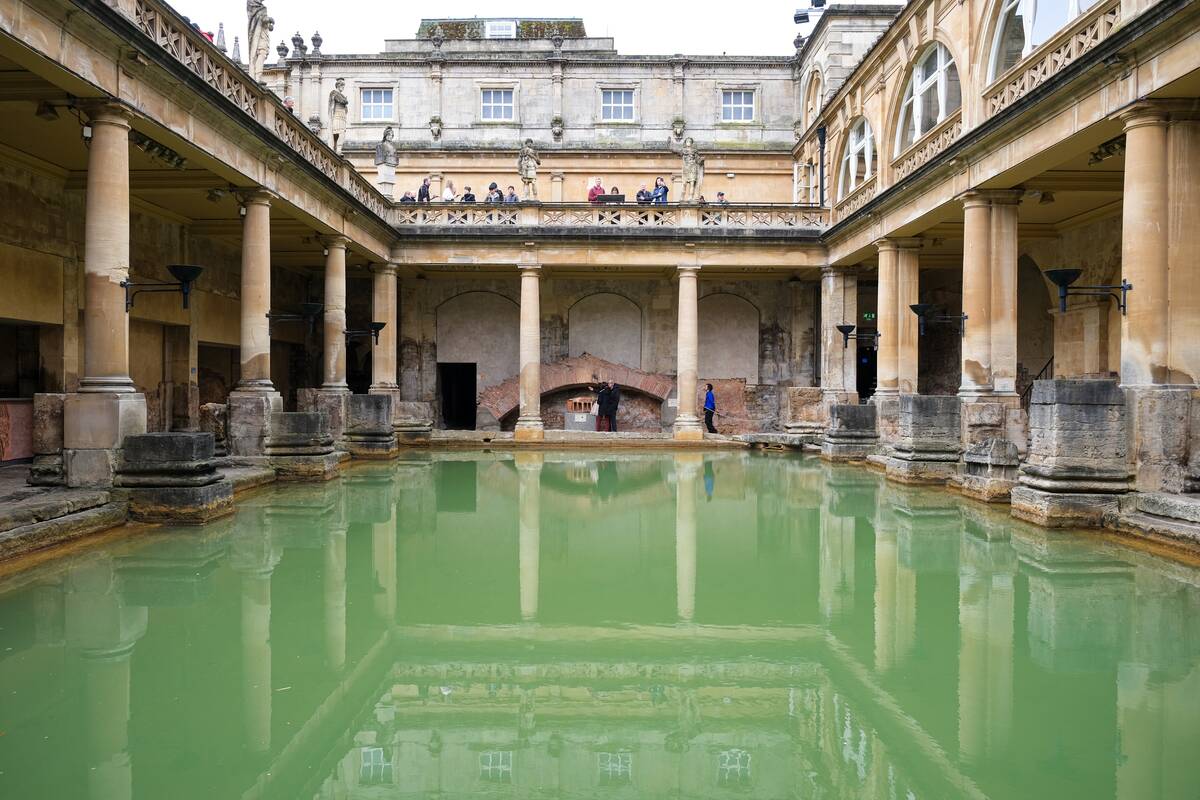
The origins of Roman bathing culture can be traced back to the early influence of Greek and Etruscan practices. As Rome expanded, so did its cultural exchanges, leading to the adoption of communal bathing.
Initially, these baths were small and private, often found in wealthy homes. It wasn’t until the Republic period that public baths emerged as a significant part of urban life, evolving into vast complexes accessible to all citizens.
Architectural Marvels: Design and Structure of Roman Baths
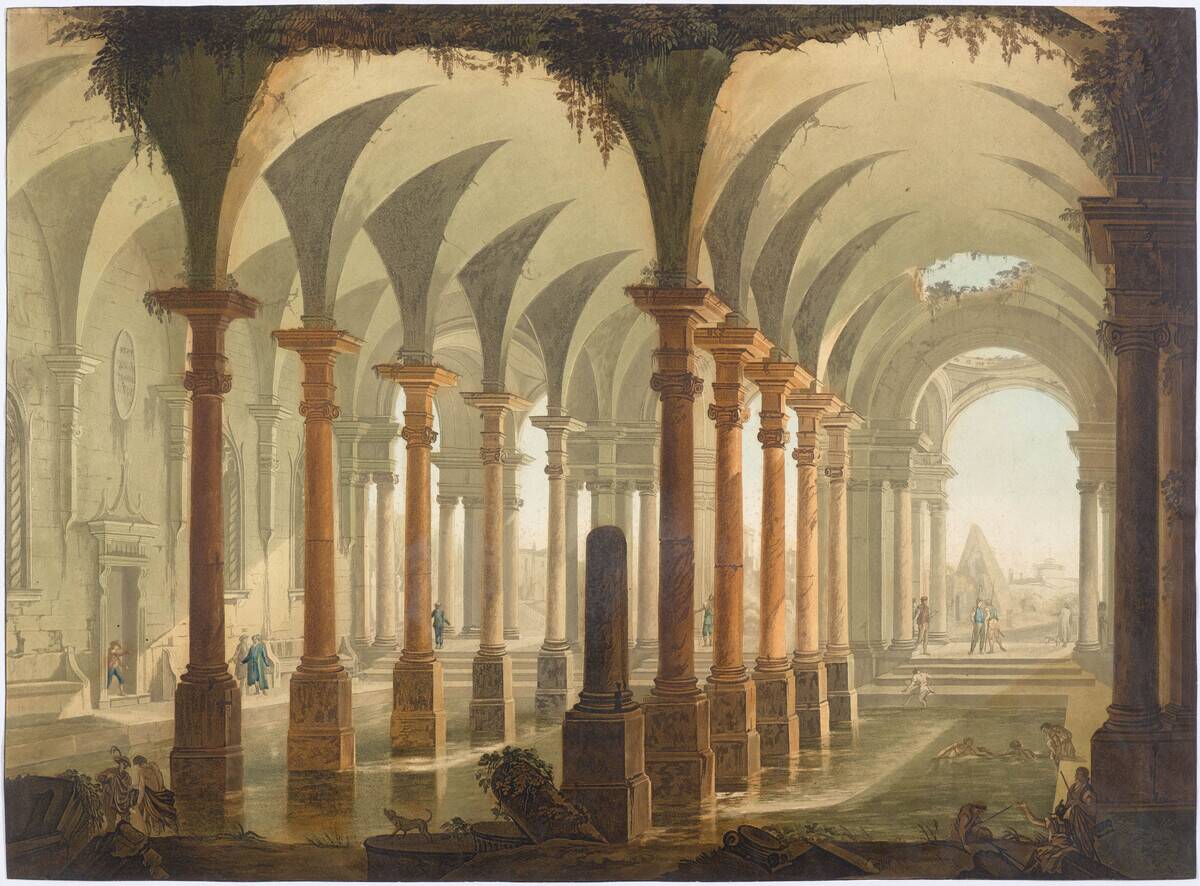
Roman baths were architectural masterpieces, designed to impress and serve. Typically, they featured a series of rooms with varying temperatures, including the frigidarium (cold room), tepidarium (warm room), and caldarium (hot room).
Ingeniously, the hypocaust system heated the floors and walls, creating a comfortable environment. Lavish decorations, such as mosaics and marble, adorned these spaces, showcasing the Roman penchant for luxury and engineering prowess.
The Role of Public Baths in Everyday Roman Life
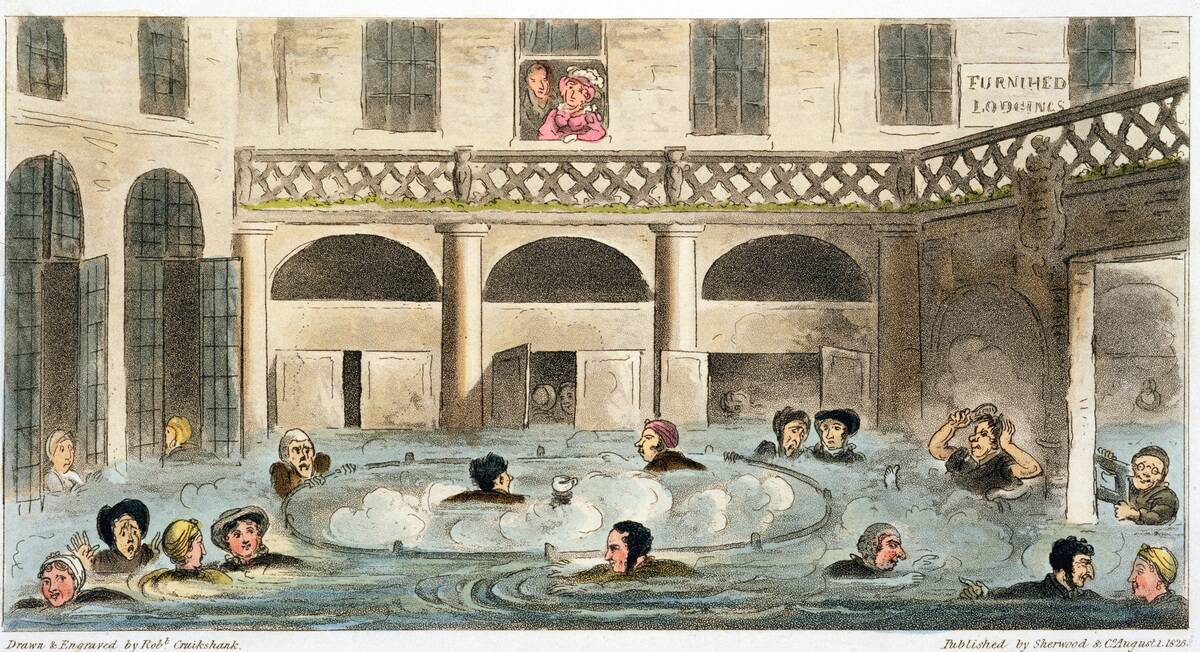
Public baths played a central role in everyday Roman life, acting as a communal hub for people of all classes. They were an affordable escape from the city’s hustle and bustle, where citizens could relax and socialize.
Beyond hygiene, baths offered a venue for entertainment and leisure, hosting activities like ball games and music performances. For many Romans, a visit to the baths was an essential part of their daily routine, blending practicality with pleasure.
Bathing Rituals: A Step-by-Step Guide to Roman Bathing
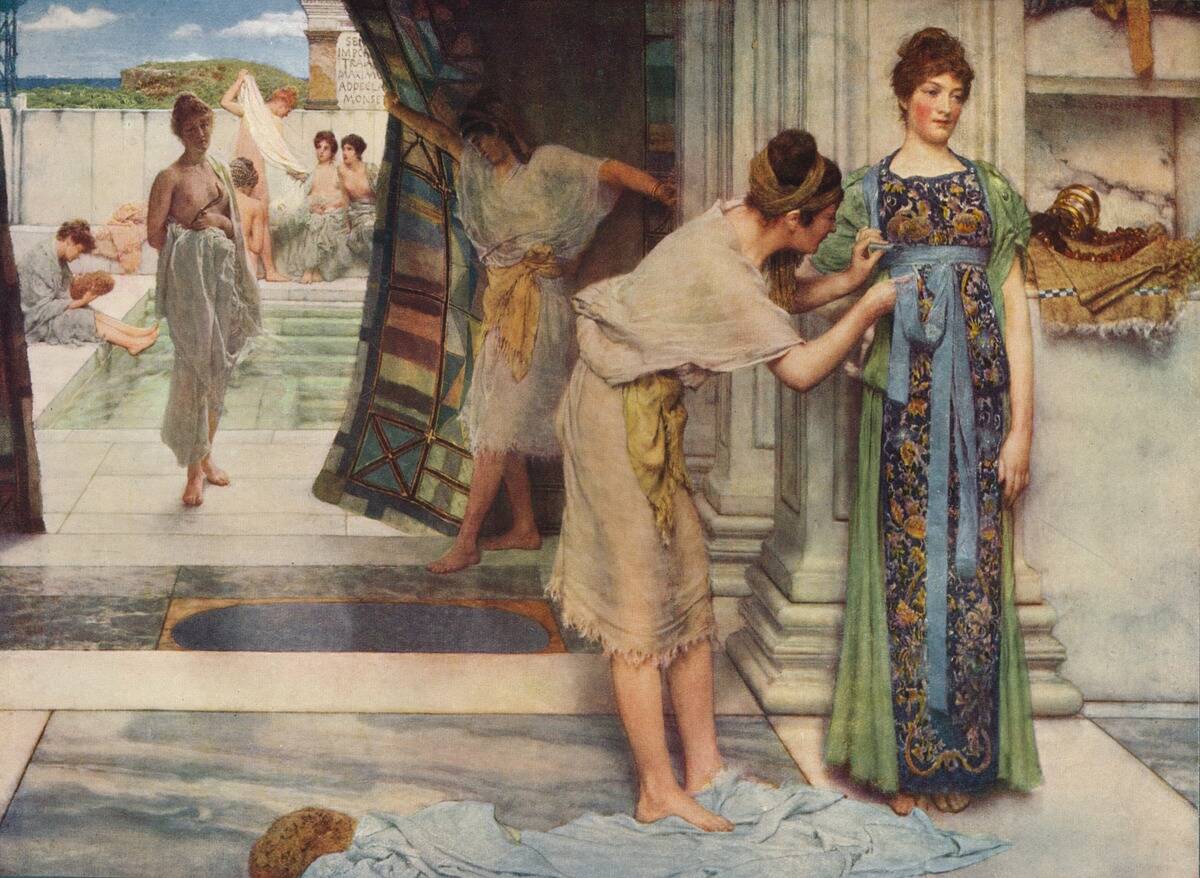
A visit to the Roman baths involved a series of well-defined steps. Patrons typically began in the apodyterium, where they disrobed and stored their belongings. Next, they would proceed to the tepidarium to acclimate to the warm environment.
The caldarium followed, offering a steamy soak or a massage with perfumed oils. To finish, a plunge into the frigidarium’s cold waters invigorated the senses. This ritual was not only about cleanliness but also a cherished social experience.
Social Hierarchies and the Bathing Experience

Social hierarchies were evident even in the egalitarian setting of Roman baths. While all free citizens could access these facilities, the wealthy often enjoyed better quality facilities.
Additionally, separate hours or spaces for men and women were common to maintain social decorum. This subtle yet clear division allowed Roman society to uphold its social structures while enjoying communal bathing.
The Multifunctional Spaces: Beyond Bathing in Roman Baths

Roman baths were multifunctional spaces that extended beyond mere bathing. They housed libraries, gardens, and exercise areas, creating a holistic experience for visitors. Patrons could engage in intellectual pursuits, such as reading or debating, in these serene settings.
The palaestrae, or exercise courts, offered opportunities for physical training and sports. This blend of activities transformed Roman baths into vibrant centers of culture and community engagement.
Bathing as a Hub for Business and Networking
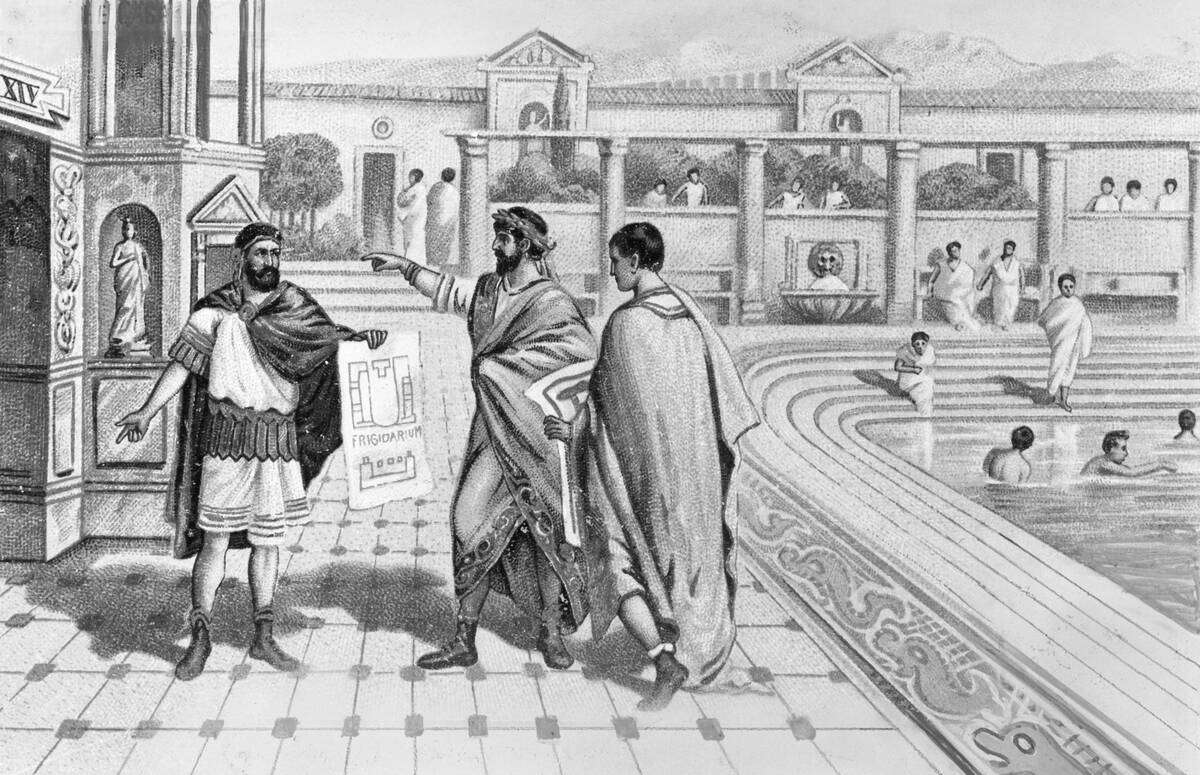
In ancient Rome, the baths were not just places for relaxation; they were bustling hubs for business and networking. Entrepreneurs and officials often conducted meetings in the baths’ inviting atmosphere, where formal attire and social barriers were relaxed.
This informal setting facilitated negotiations and collaborations, making the baths an essential venue for both social and economic exchanges. It was common for Romans to discuss politics, make deals, or even form alliances amidst the soothing steam.
The Influence of Greek and Etruscan Traditions on Roman Baths

Greek and Etruscan traditions heavily influenced the development of Roman baths. The Greeks introduced the concept of communal bathing, which the Romans adapted and expanded upon.
Etruscan engineering techniques, particularly in water management, played a crucial role in the baths’ sophisticated plumbing systems. These cultural exchanges enriched Roman bathing culture, blending various practices to create the iconic thermae, which became a hallmark of Roman innovation and luxury.
Famous Roman Baths: A Look at Iconic Sites

Among the most famous Roman baths is the Baths of Caracalla, known for its immense size and opulence. Built in the early 3rd century AD, it could accommodate thousands of bathers at once.
Another iconic site, the Baths of Diocletian, was the largest of its time, with a sprawling complex that included gardens and libraries. These baths exemplify the grandeur and architectural prowess of Roman society, leaving a lasting legacy that continues to inspire awe.
The Role of Slaves and Attendants in Roman Bathhouses

Slaves and attendants were integral to the operation of Roman bathhouses. They performed various tasks, from heating the furnaces to scrubbing the floors. Attendants often assisted patrons with their bathing rituals, providing oils and massages.
Despite the hard work, these roles were crucial for maintaining the baths’ smooth functioning. While slaves lacked the freedoms of the patrons they served, their contributions were vital to the luxurious experience that Roman baths promised.
Bathing Etiquette: The Dos and Don’ts of Ancient Roman Baths
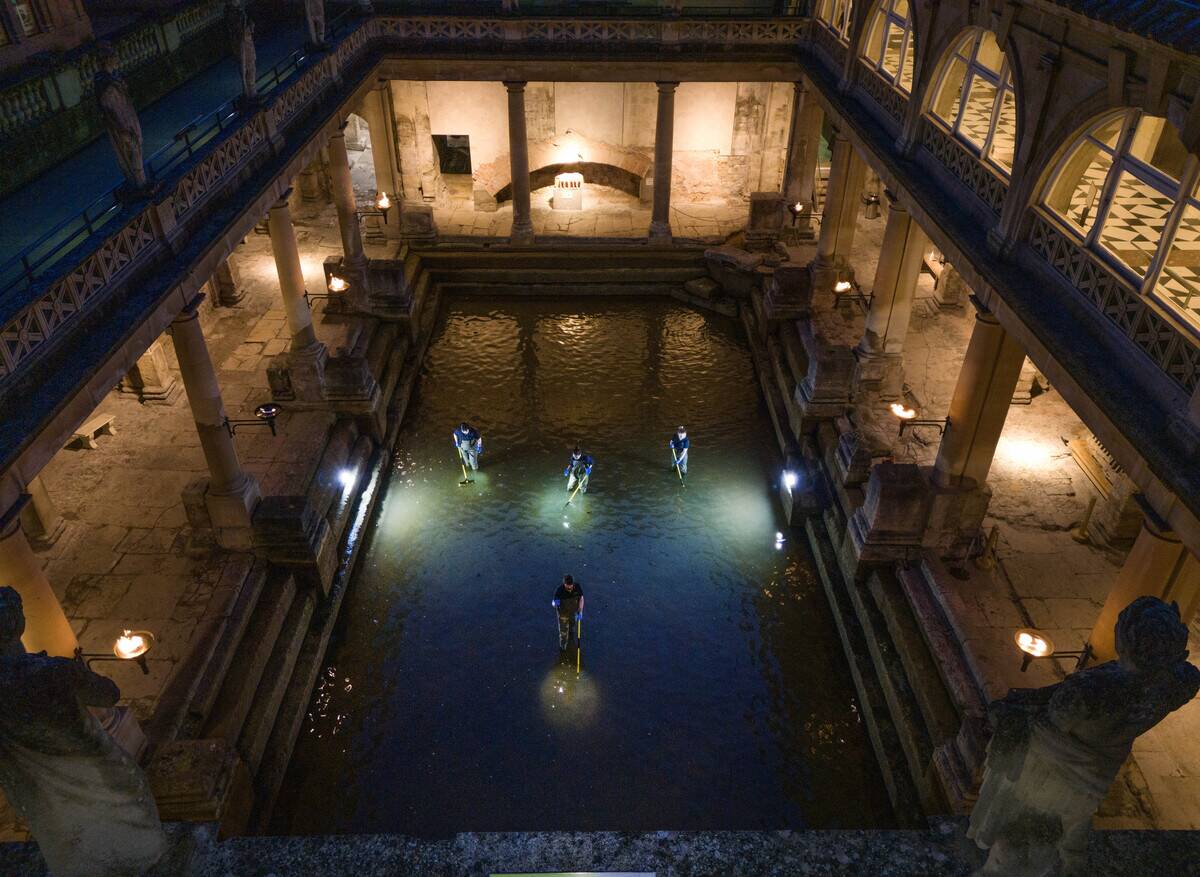
Bathing etiquette in ancient Rome was a mix of unwritten rules and social customs. Patrons were expected to maintain a respectful demeanor, avoiding loud or disruptive behavior. Cleanliness before entering the baths was essential, as was the use of strigils to scrape off dirt and oil.
Modesty was encouraged, though nudity was common in certain areas. Such etiquette ensured a pleasant experience for all, reflecting the Romans’ emphasis on order and decorum in public spaces.
The Role of Public Baths in Roman Health and Hygiene
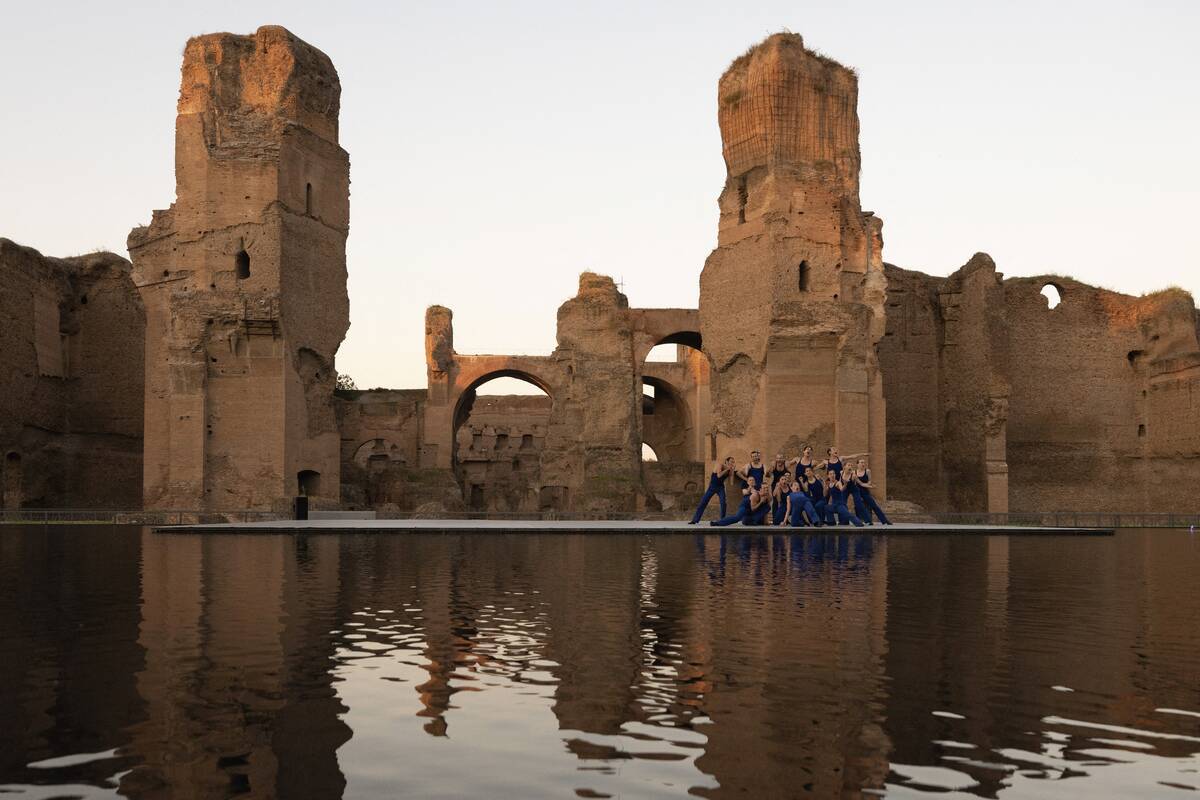
Public baths played a pivotal role in promoting health and hygiene in Roman society. Regular bathing helped prevent the spread of diseases, as cleanliness was considered vital for well-being.
The warm and cold baths stimulated circulation and invigorated the body, while the steam rooms aided in detoxification. Physicians of the time often recommended bathing as a remedy for various ailments, underscoring the baths’ importance in maintaining public health.




