The history of psychological warfare
Psychological warfare is a fascinating concept that intertwines with both history and modern life. At its core, it involves using information and psychological tactics to influence emotions, motives, and reasoning.
The aim is to destabilize or confuse opponents, often without engaging in physical combat. This method has been employed in various forms throughout history, from ancient military tactics to contemporary digital strategies. By understanding its evolution, we can see how psychological warfare has shaped human interactions and conflicts.
Ancient Times: Psychological Tactics in Early Warfare
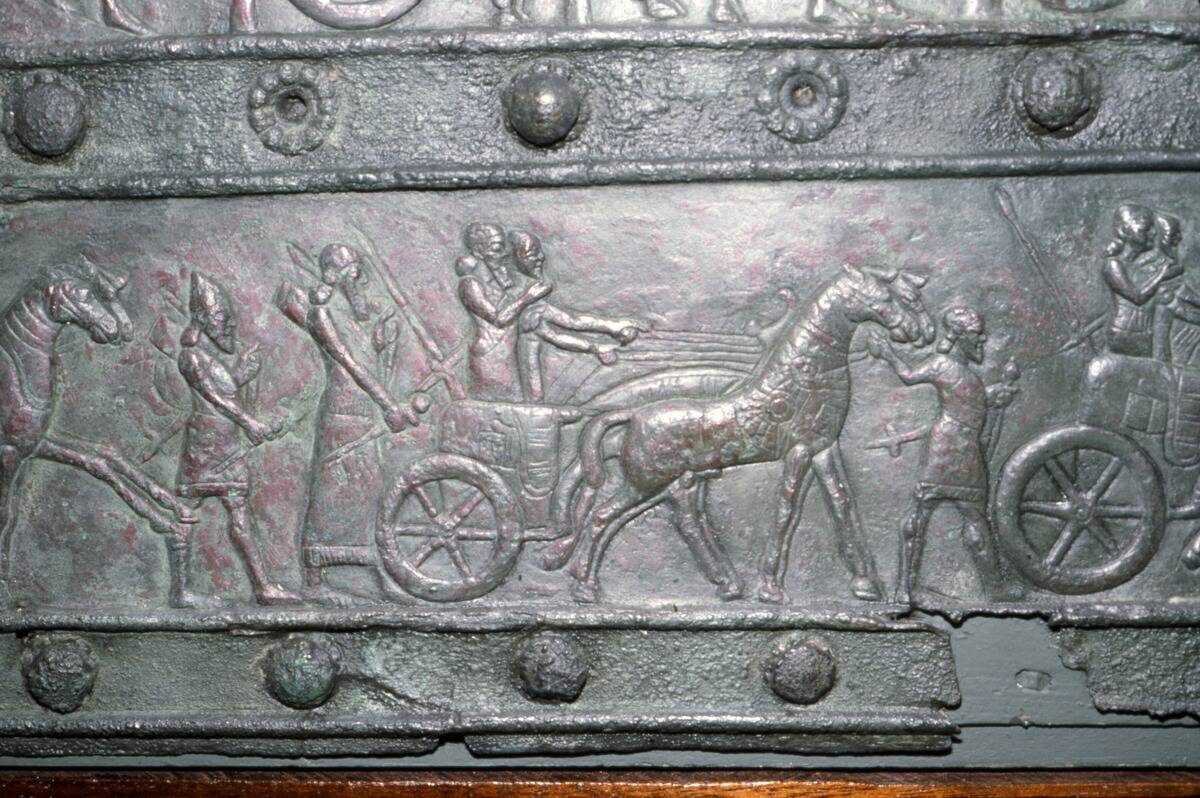
In ancient times, psychological warfare was as much a part of battle as swords and shields. The ancient Greeks, for instance, used phalanx formations not just for physical protection but to intimidate their enemies with a wall of shields.
Similarly, the Assyrians employed fear as a weapon, spreading terrifying stories of their brutality to weaken enemy morale before battles even began. These early examples highlight how psychological tactics were integral to ancient warfare strategies.
The Art of War: Sun Tzu’s Timeless Strategies
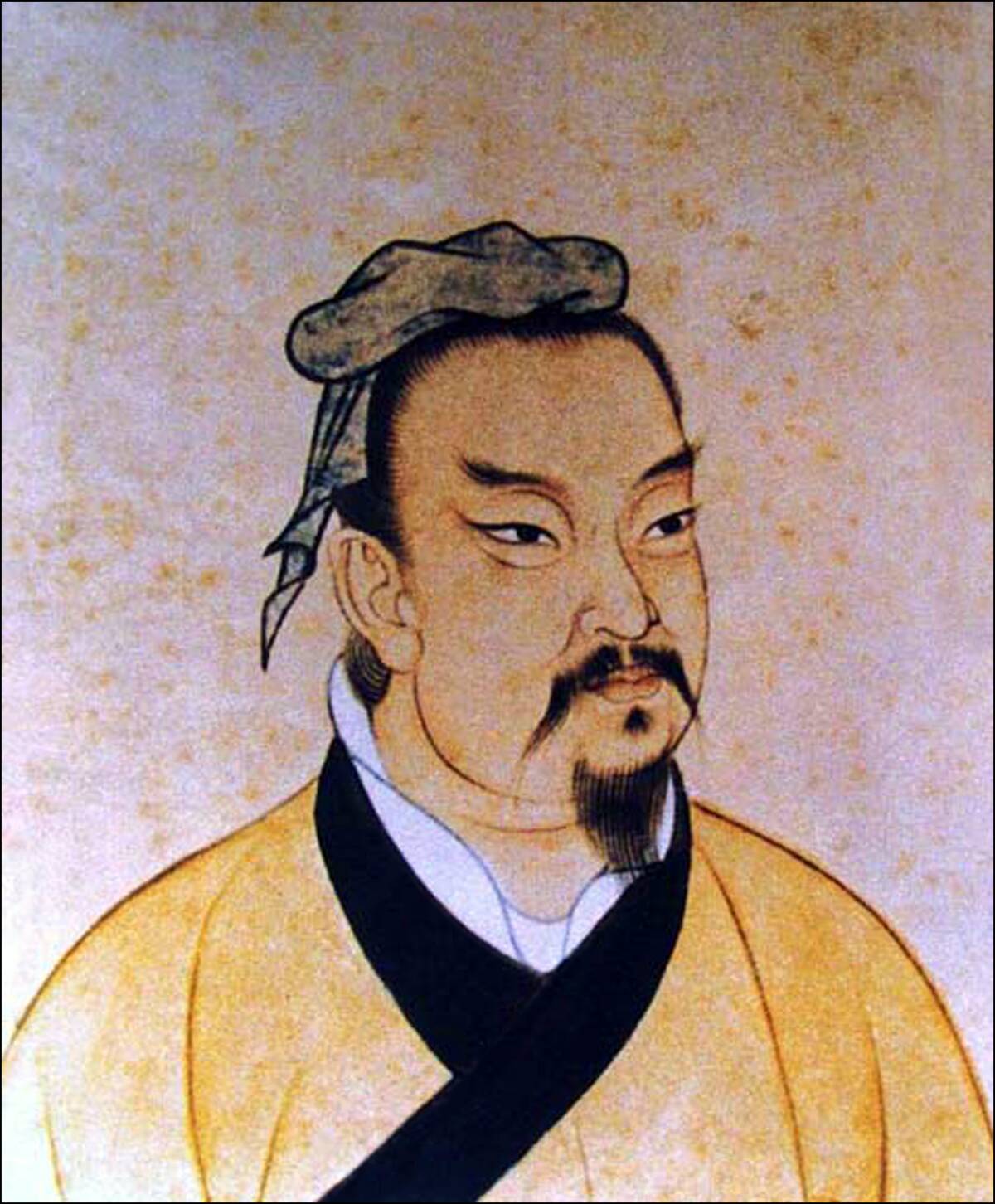
Sun Tzu, the legendary Chinese military strategist, penned The Art of War, a text that remains influential in both military and business strategies today. One of his key principles was the importance of deception; convincing the enemy of your strengths and weaknesses to lead them astray.
“All warfare is based on deception,” he famously wrote, emphasizing that the psychological manipulation of opponents was as crucial as physical prowess in achieving victory.
The Age of Exploration: Psychological Tactics in New Worlds
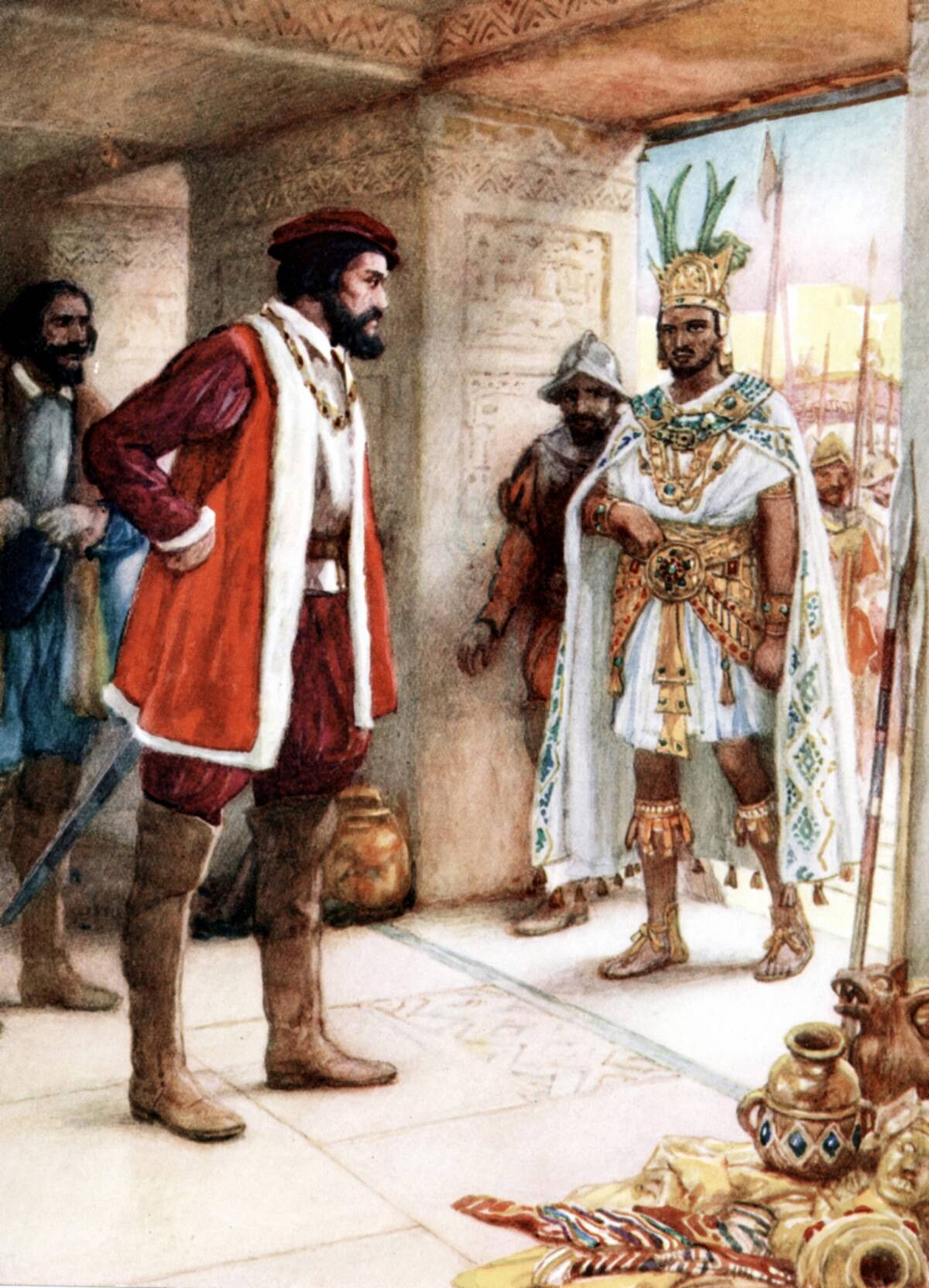
The Age of Exploration saw European powers using psychological tactics to assert dominance over indigenous peoples in newly discovered lands. Conquistadors like Hernán Cortés exploited local superstitions and manipulated tribal rivalries to conquer vast territories with relatively few men.
The demonstration of superior technology, such as firearms and cannons, further intimidated native populations, facilitating European colonization efforts.
Revolutionary Minds: Psychological Warfare in the American Revolution

Psychological warfare played a pivotal role during the American Revolution, as both the British and American forces sought to sway public opinion and morale. The distribution of propaganda pamphlets (sometimes detailing fictitious British war crimes) and the strategic use of speeches by figures like Patrick Henry rallied colonists to the revolutionary cause.
Meanwhile, the British attempted to demoralize American forces through displays of military might and by offering freedom to enslaved people who joined their ranks. At the same time, the revolutionaries disseminated their own materials encouraging British soldiers to desert.
The Civil War: Psychological Strategies on the Home Front
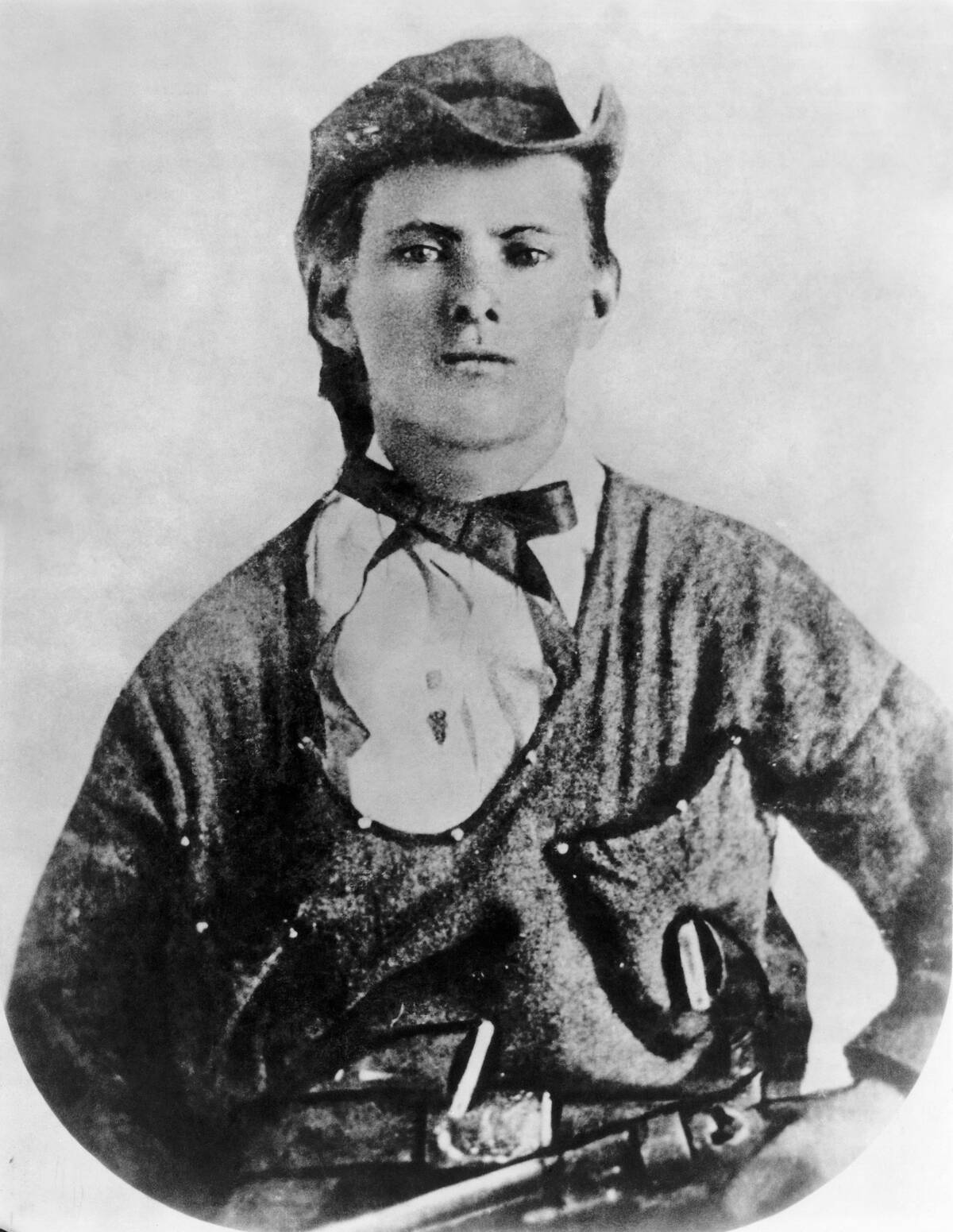
During the American Civil War, psychological warfare was employed by both the Union and Confederacy, but this was mostly true of the “partisan rangers” that had looser ties to either army. Due to this arms-length framework, they were less concerned about the rules of warfare.
According to The History Channel, that not only meant that they engaged on raids of enemy units and civilians, but also that they used guerrilla tactics and experimented with unspecified psychological warfare.
World War I: The Dawn of Modern Psychological Operations
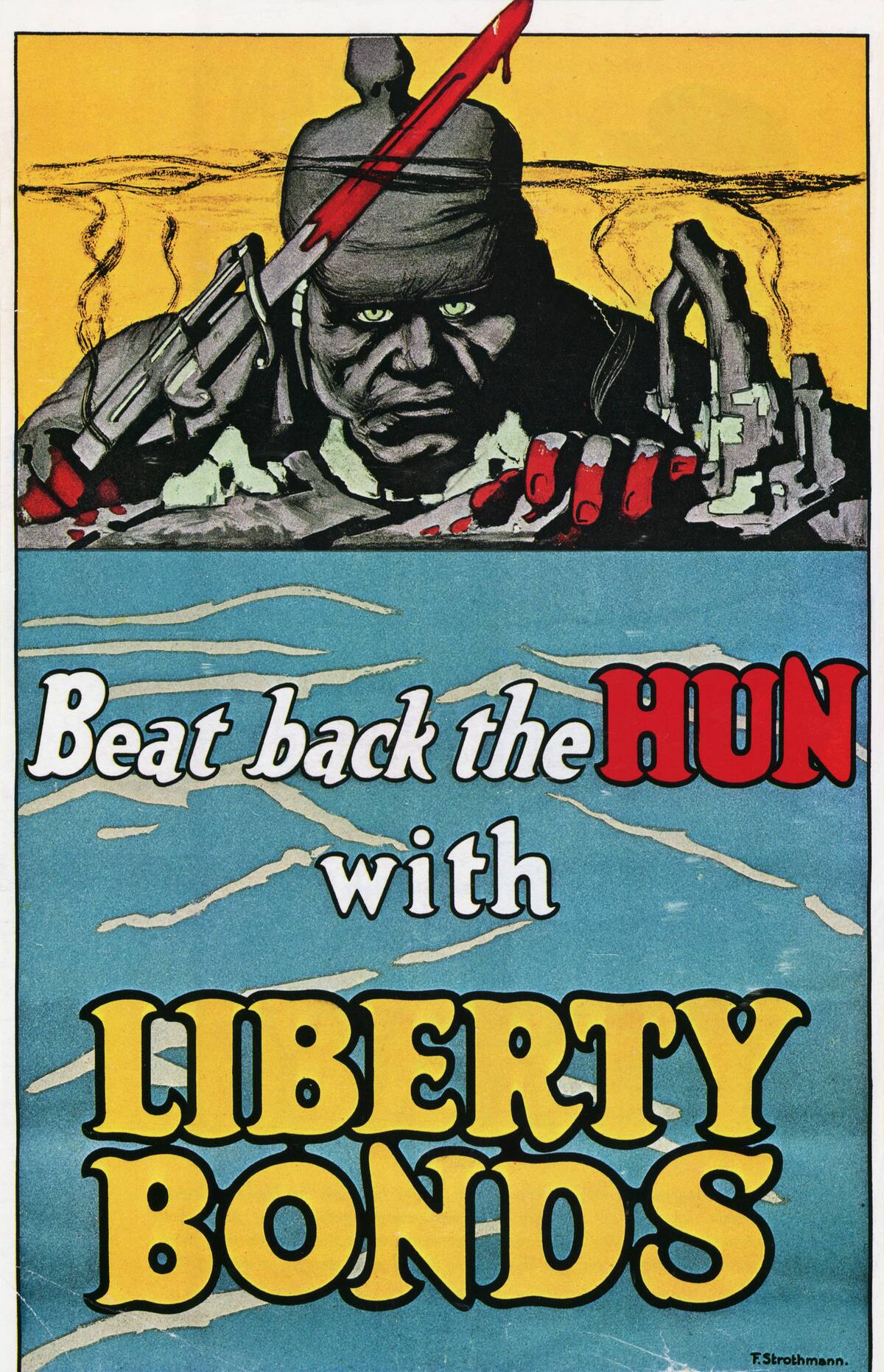
World War I marked the beginning of modern psychological operations, as nations realized the power of propaganda in shaping public opinion and military morale.
Leaflets were dropped from aircraft to demoralize enemy troops, while posters and films at home rallied support for the war effort. The use of media to convey messages of nationalism and demonize the enemy became a crucial component of military strategy, setting the stage for future conflicts.
World War II: Propaganda and Psychological Warfare on a Global Scale
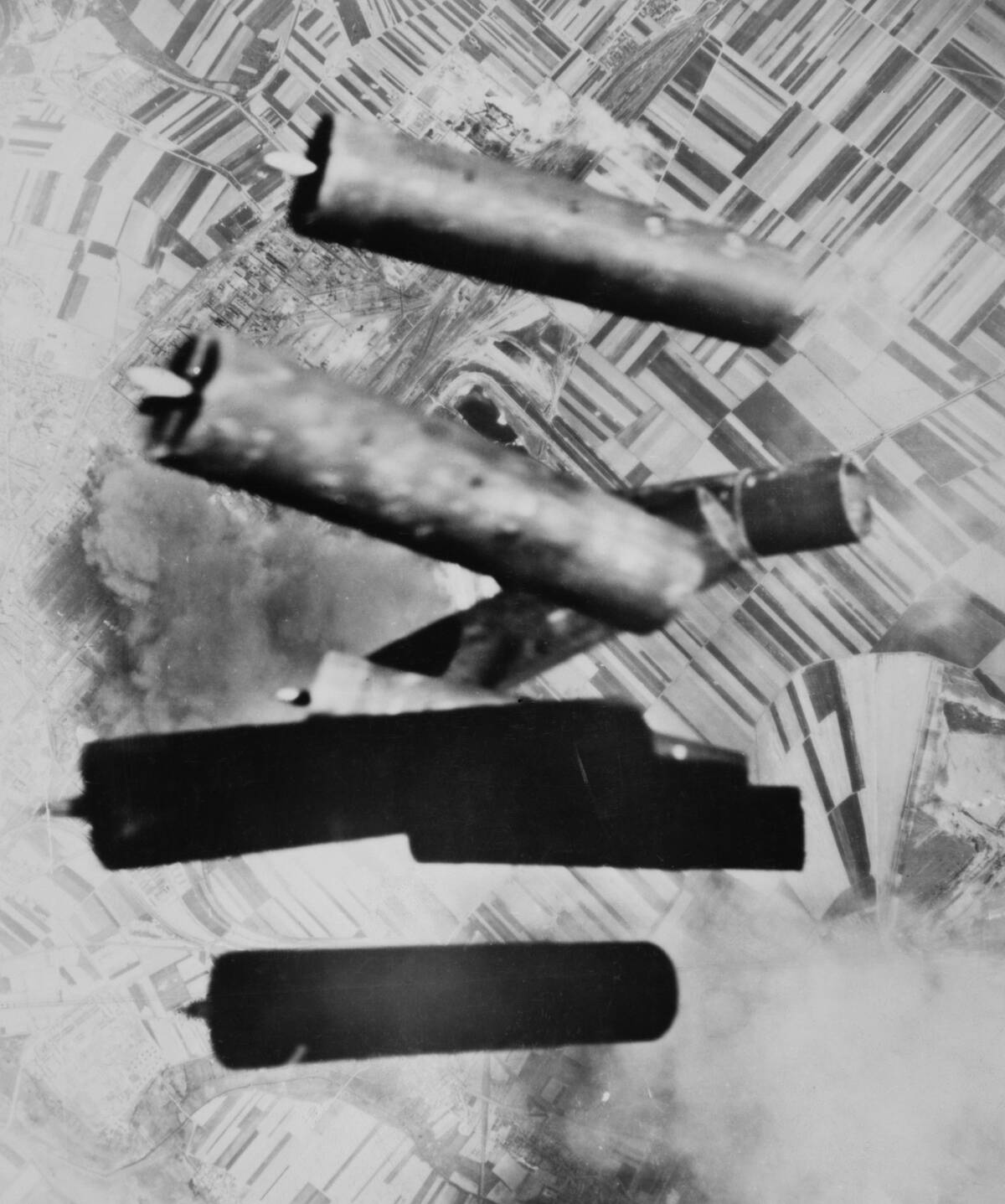
World War II saw psychological warfare reach unprecedented levels, with both the Allies and Axis powers investing heavily in propaganda efforts. The Nazis used radio broadcasts and films to promote their ideology, while the Allies countered with messages of hope and resistance.
The famous “We Can Do It!” poster featuring Rosie the Riveter became a symbol of American determination. Psychological operations aimed to undermine enemy morale and support resistance movements across occupied territories. This was accomplished through leaflets spread by aircraft and artillery shells, as pictured here.
The Cold War: Espionage, Propaganda, and Psychological Tactics
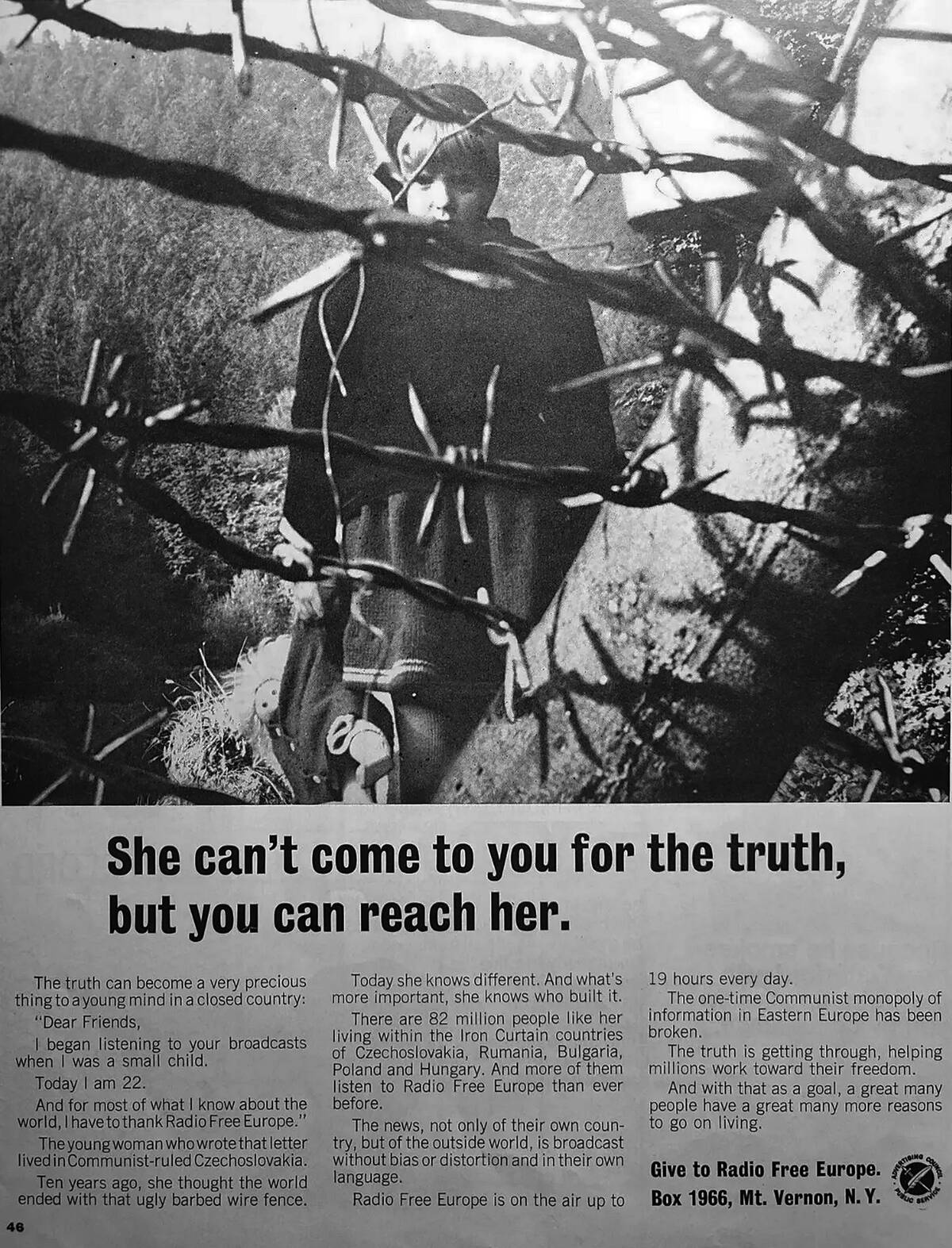
During the Cold War, psychological warfare took on new dimensions as the United States and the Soviet Union engaged in a battle of ideologies. Espionage and propaganda were key tools in this struggle, with both sides using media to promote their political systems.
The Voice of America and Radio Free Europe broadcast messages of freedom and democracy behind the Iron Curtain, while the Soviet Union countered with its own propaganda campaigns. This period highlighted the power of information as a weapon.
Vietnam War: Hearts and Minds in Psychological Operations
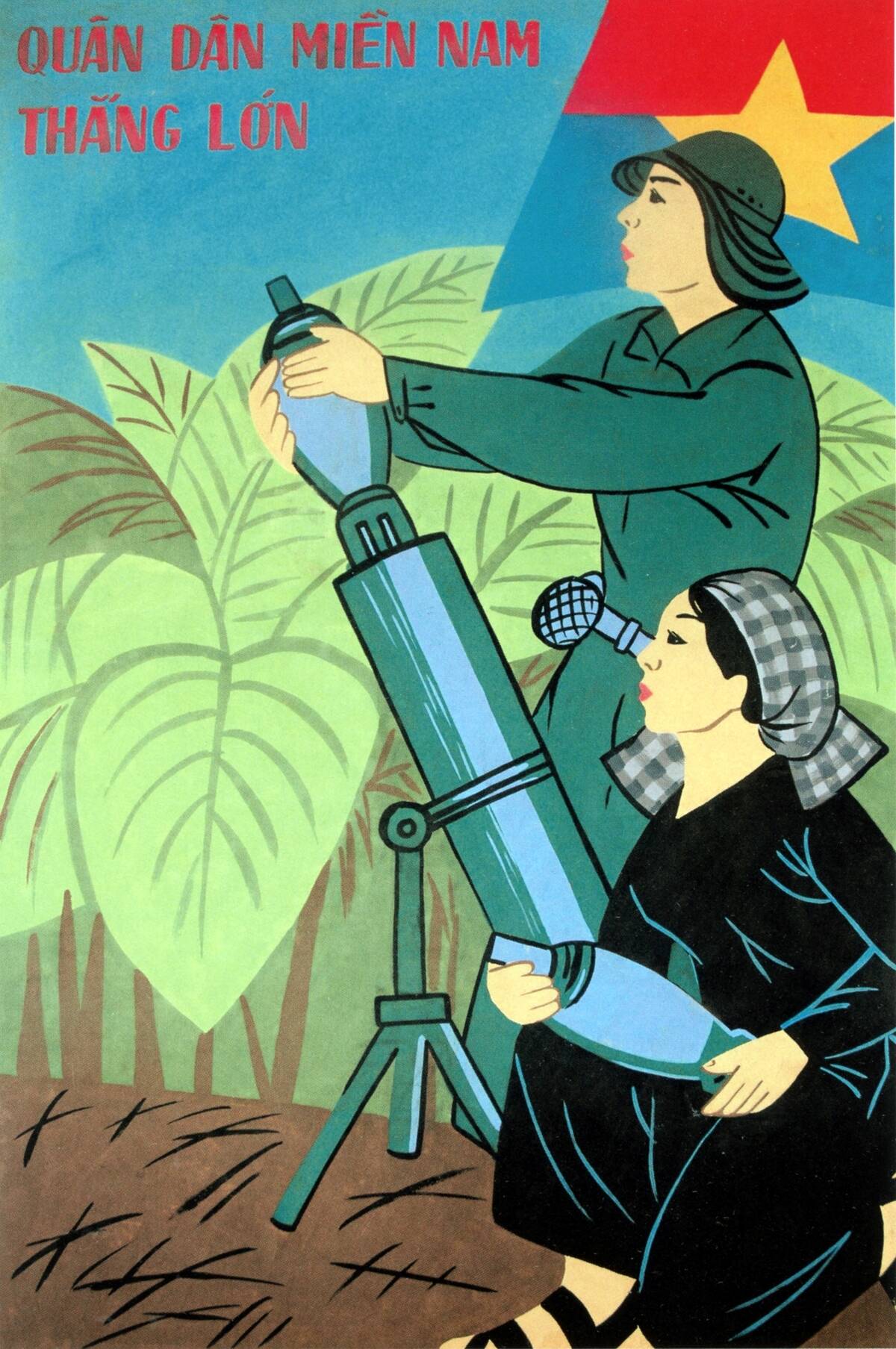
The Vietnam War saw the U.S. military focus on winning the “hearts and minds” of the Vietnamese people as part of its psychological operations strategy. Efforts included distributing leaflets and broadcasting radio messages to promote pacification programs. There were multiple PSYOP battalions during this period.
Meanwhile, the Viet Cong used psychological tactics to gain support from rural populations, emphasizing themes of nationalism and independence. The war demonstrated the complexities of using psychological operations in a conflict with deep cultural and political roots.
The Digital Age: Cyber Warfare and Psychological Tactics
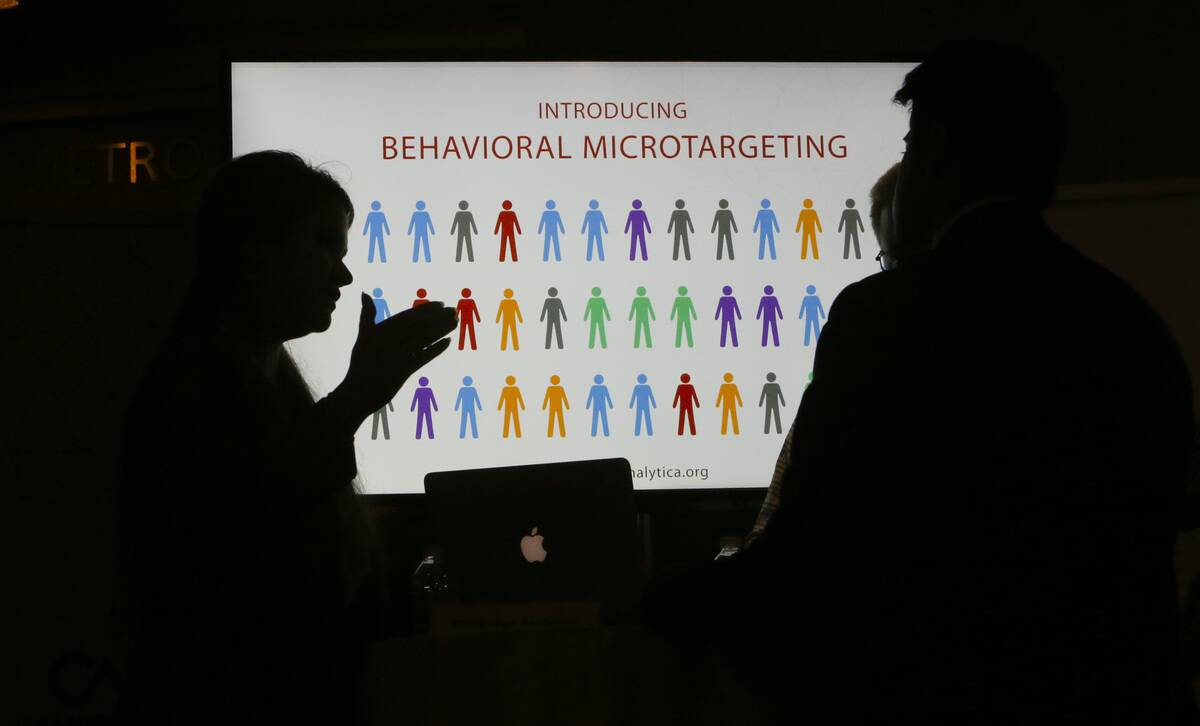
In the digital age, psychological warfare has evolved to include cyber operations, where information is both the target and the weapon. Cyber warfare involves hacking into systems to steal or manipulate information, as well as spreading disinformation online to influence public opinion.
Nations and non-state actors alike exploit social media platforms to spread propaganda and sow discord among populations. The rise of technology has transformed the battlefield, making information warfare a critical component of modern conflicts.
Media Manipulation: The Role of News and Entertainment
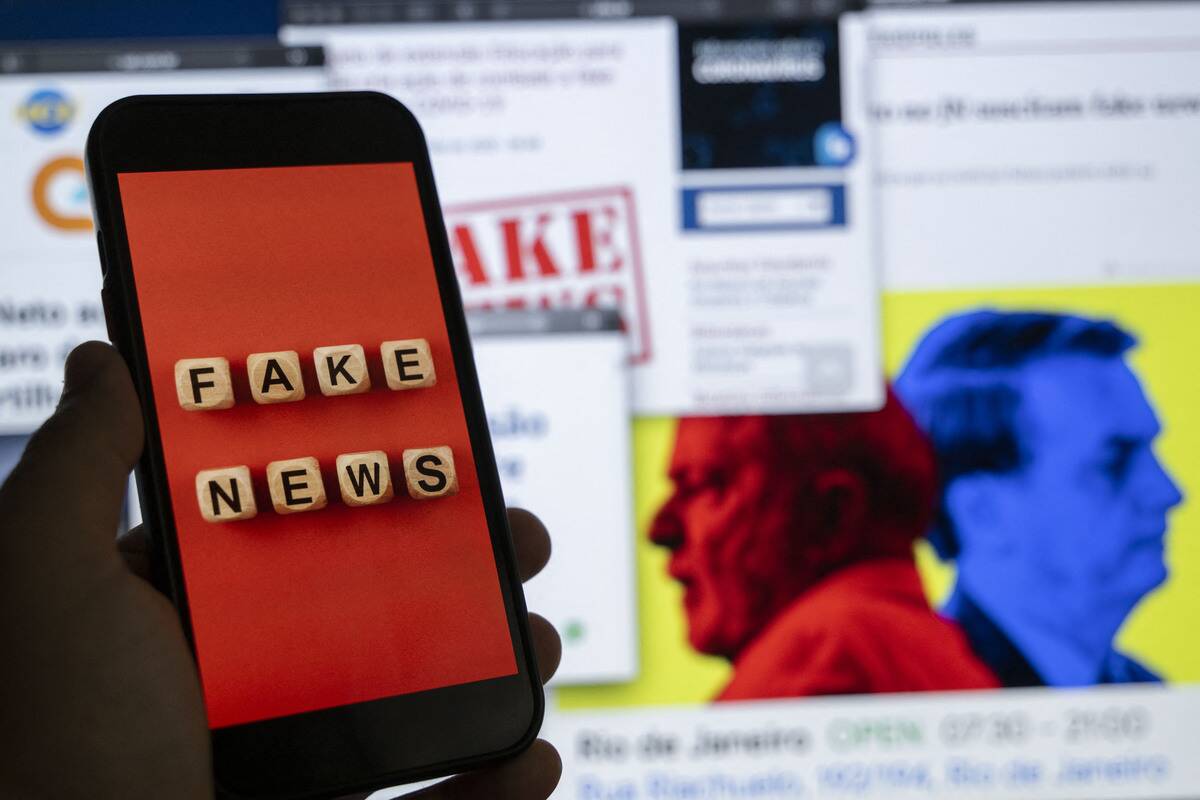
Media manipulation is a powerful tool in psychological warfare, influencing how people perceive events and issues. News outlets can shape narratives through selective reporting, while entertainment media can subtly reinforce cultural norms and values.
The use of “fake news” and misinformation campaigns has become a common tactic to sway public opinion and create confusion. In this landscape, discerning fact from fiction is more important than ever, as individuals navigate a media-saturated world.
Social Media: The New Battlefield for Psychological Warfare
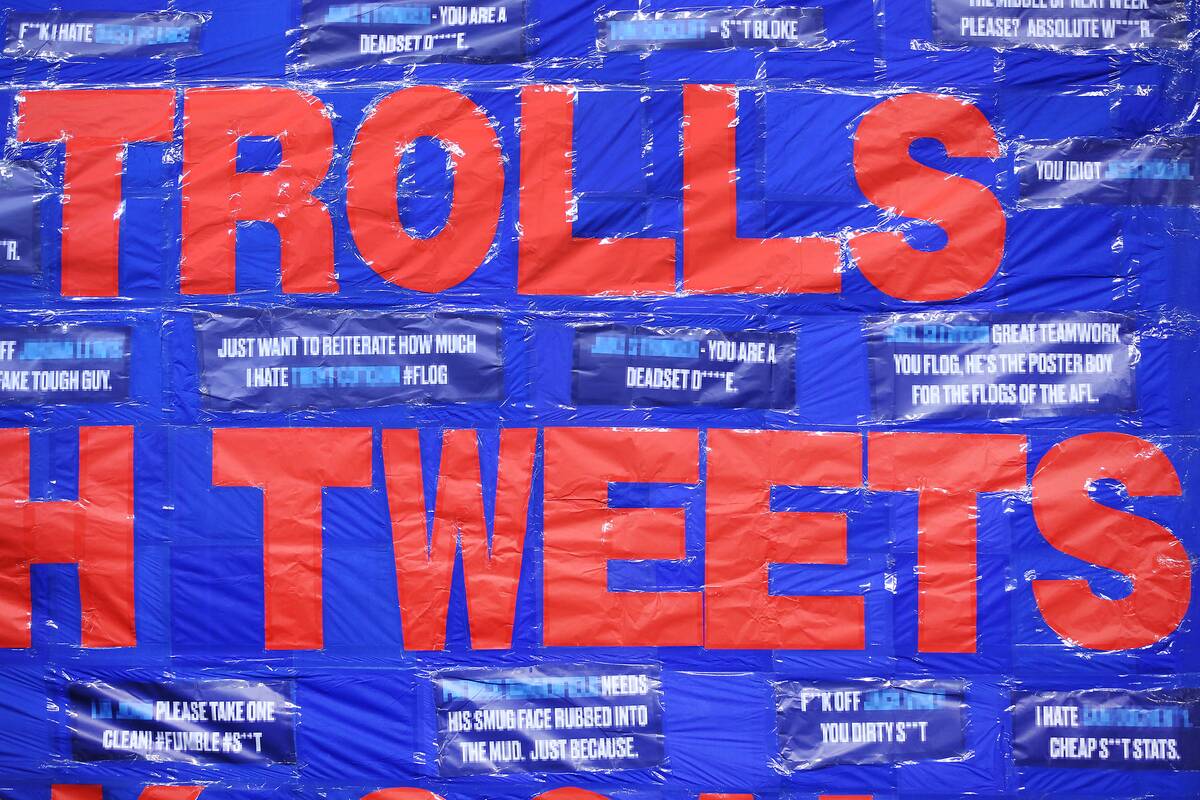
Social media platforms have emerged as a new battlefield for psychological warfare, where information spreads rapidly and virally. These platforms allow for targeted messaging and micro-targeting of specific demographics, making them powerful tools for influence campaigns.
Fake news, bots, and troll farms are used to manipulate public opinion and exacerbate social divisions. The decentralized nature of social media creates challenges in regulating content, highlighting the need for digital literacy and critical thinking in navigating online spaces.




