Historical plagues that changed medicine and society
Throughout history, plagues have acted as powerful agents of change, reshaping societies and altering the course of human history. These outbreaks have not only caused immense loss but also spurred significant advancements in medicine, public health, and societal norms.
From the ancient world to modern times, the lessons learned from these devastating events have driven innovation and improvement, prompting humanity to adapt and evolve in the face of adversity.
The Bubonic Plague: The Black Death’s Impact on Medicine

The Bubonic Plague, or Black Death, swept through Europe in the 14th century, decimating populations and causing widespread panic. It is estimated that this pandemic killed about 25 million people, roughly one-third of Europe’s population at the time.
The plague prompted advancements in medical practices, including the development of quarantine measures and more systematic approaches to disease management, laying the groundwork for modern epidemiology.
Smallpox: The Eradication Milestone

Smallpox was a highly contagious and deadly disease that ravaged populations for centuries before becoming the first disease to be eradicated through vaccination. The World Health Organization declared smallpox eradicated in 1980, a monumental achievement in public health.
This success demonstrated the power of coordinated global efforts and vaccination campaigns, setting a precedent for combating other infectious diseases.
Cholera: A Wake-Up Call for Public Health

Cholera outbreaks in the 19th century exposed the dire need for improved sanitation and public health infrastructure. The work of John Snow, who traced a cholera outbreak in London to a contaminated water pump, was pivotal in understanding the importance of clean water and proper sewage systems.
This led to significant public health reforms and underscored the need for evidence-based approaches to disease prevention.
The Spanish Flu: Lessons from the 1918 Pandemic
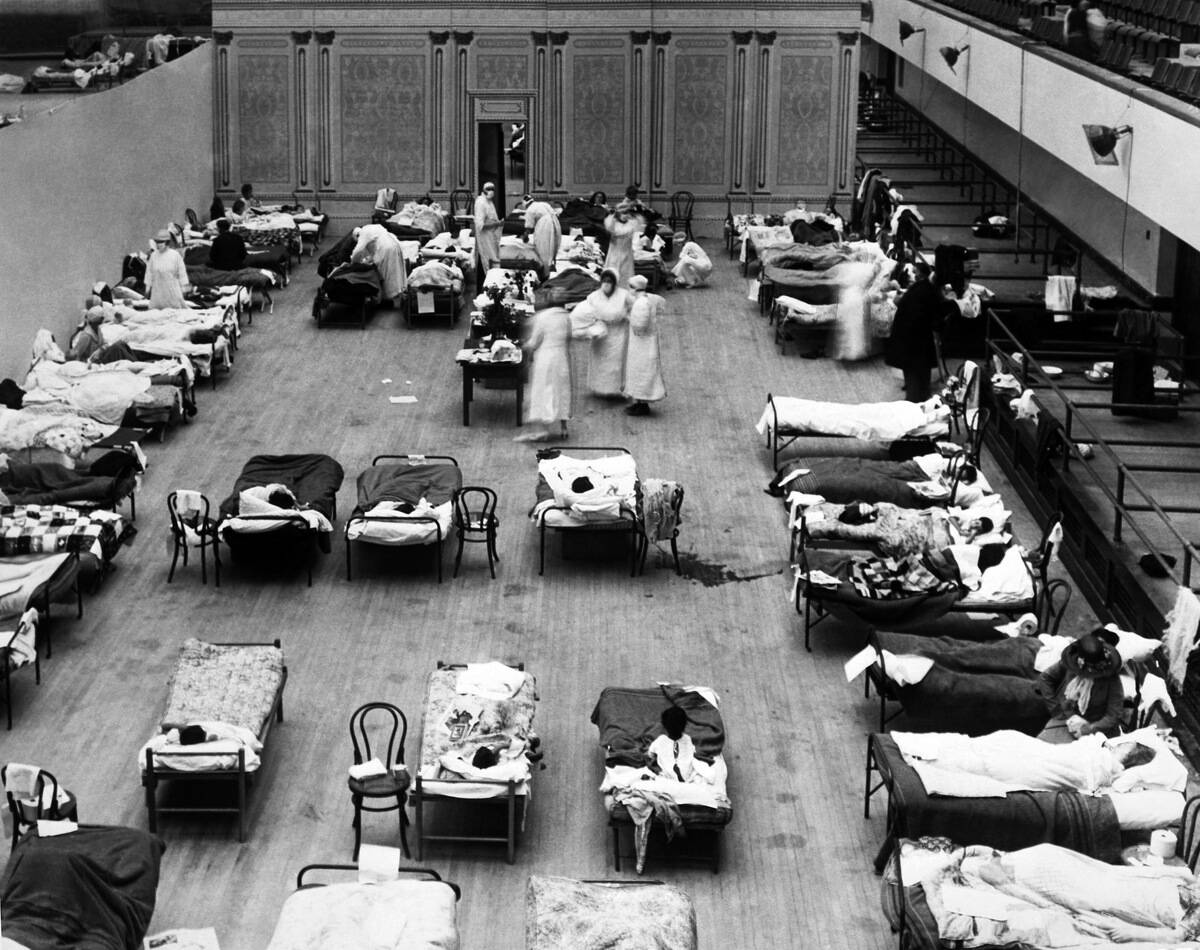
The Spanish Flu of 1918 was an unprecedented global pandemic, infecting about one-third of the world’s population and causing an estimated 50 million deaths. It highlighted the importance of timely communication and the need for international collaboration in responding to pandemics.
The lessons learned from this outbreak have influenced modern pandemic preparedness and response strategies, emphasizing the need for vigilance and rapid action.
The Justinian Plague: Shaping the Byzantine Empire
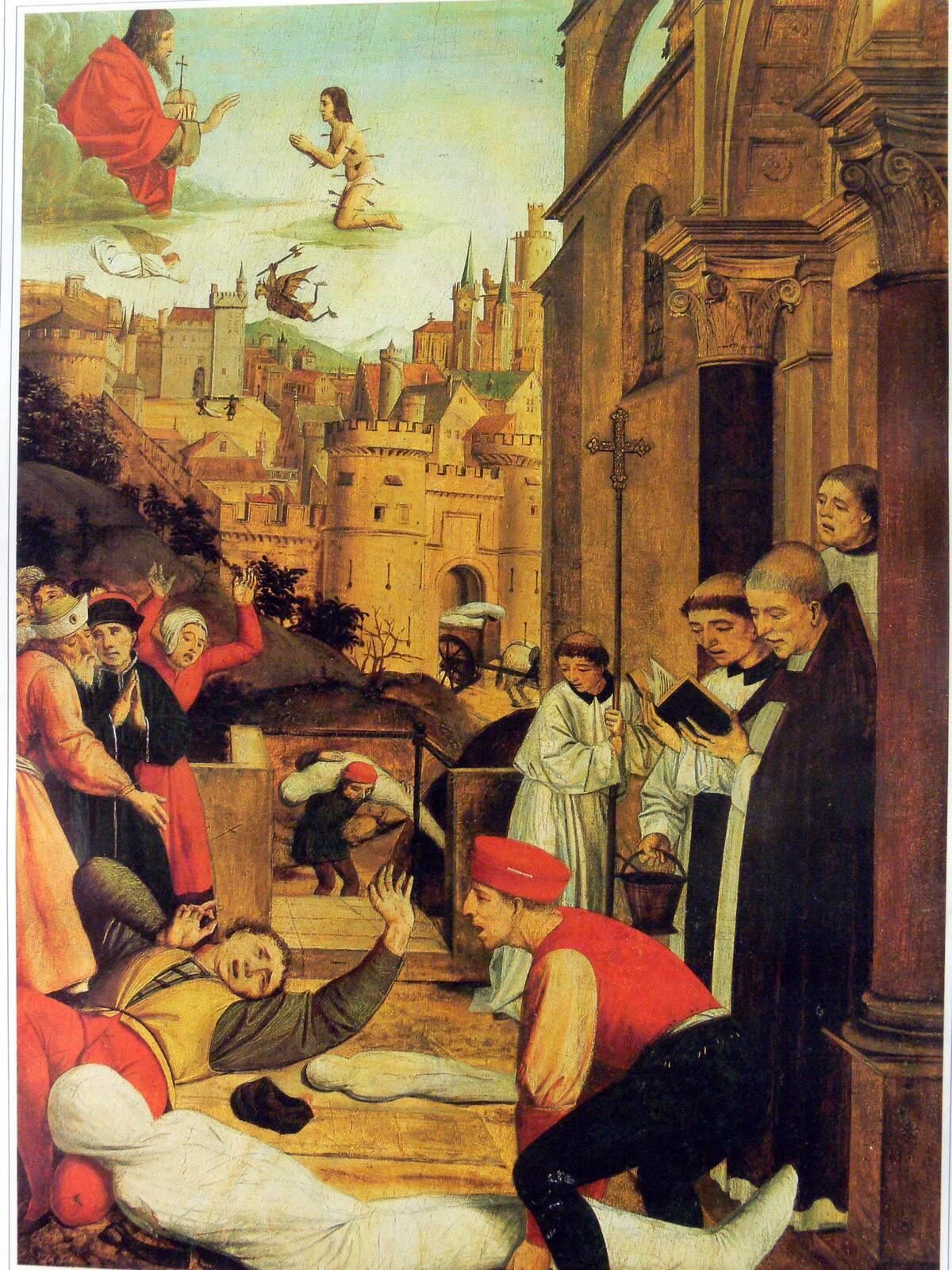
The Justinian Plague, which struck the Byzantine Empire in the 6th century, is believed to have killed as many as 25 million people. This pandemic had profound effects on the empire, weakening its military and economic power.
The plague’s impact is thought to have contributed to the eventual decline of the Byzantine Empire, illustrating how disease can alter the course of history and geopolitical landscapes.
Leprosy: Shifting Perceptions and Treatments

Leprosy, a chronic infectious disease, has long carried a stigma due to its disfiguring effects. However, advancements in medical understanding and treatment, particularly the development of multidrug therapy in the 20th century, have transformed it from a feared condition to one that is manageable and curable.
These changes have helped reduce stigma and improve the quality of life for those affected, highlighting the power of medical progress and social acceptance.
The Third Cholera Pandemic: Global Spread and Response

The Third Cholera Pandemic, occurring between 1852 and 1860, was the deadliest of the 19th-century cholera outbreaks. It spread across Asia, Europe, North America, and Africa, prompting international responses and collaboration.
This pandemic underscored the need for global health policies and cooperation, paving the way for more coordinated efforts in dealing with infectious diseases in the future.
The Antonine Plague: Ancient Rome’s Health Crisis
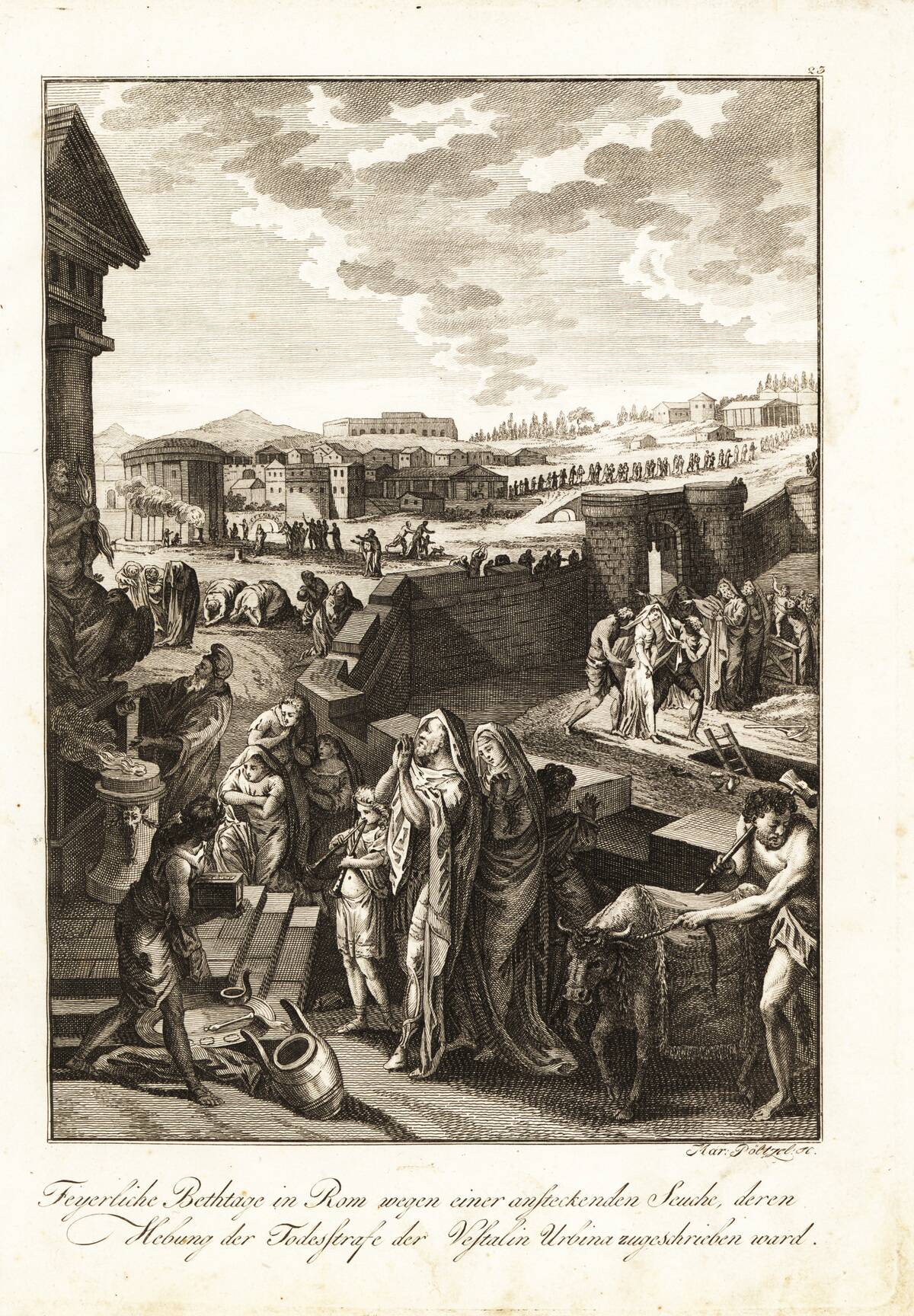
The Antonine Plague, which struck the Roman Empire between 165 and 180 AD, caused significant mortality, with estimates of up to 5 million deaths. Believed to be either smallpox or measles, this epidemic weakened the Roman legions and altered the empire’s demographics.
It prompted some of the earliest recorded public health responses, including quarantine measures, highlighting the enduring impact of infectious diseases on societies.
The Plague of Athens: Early Lessons in Epidemic Management

The Plague of Athens, which occurred during the Peloponnesian War from 430 to 426 BC, devastated the city and killed thousands, including the leader Pericles. Historians believe it may have been typhus or smallpox.
This outbreak illustrated the challenges of managing public health in densely populated urban settings and underscored the importance of understanding and responding to infectious diseases effectively.
The Asian Flu: 1957’s Global Outbreak
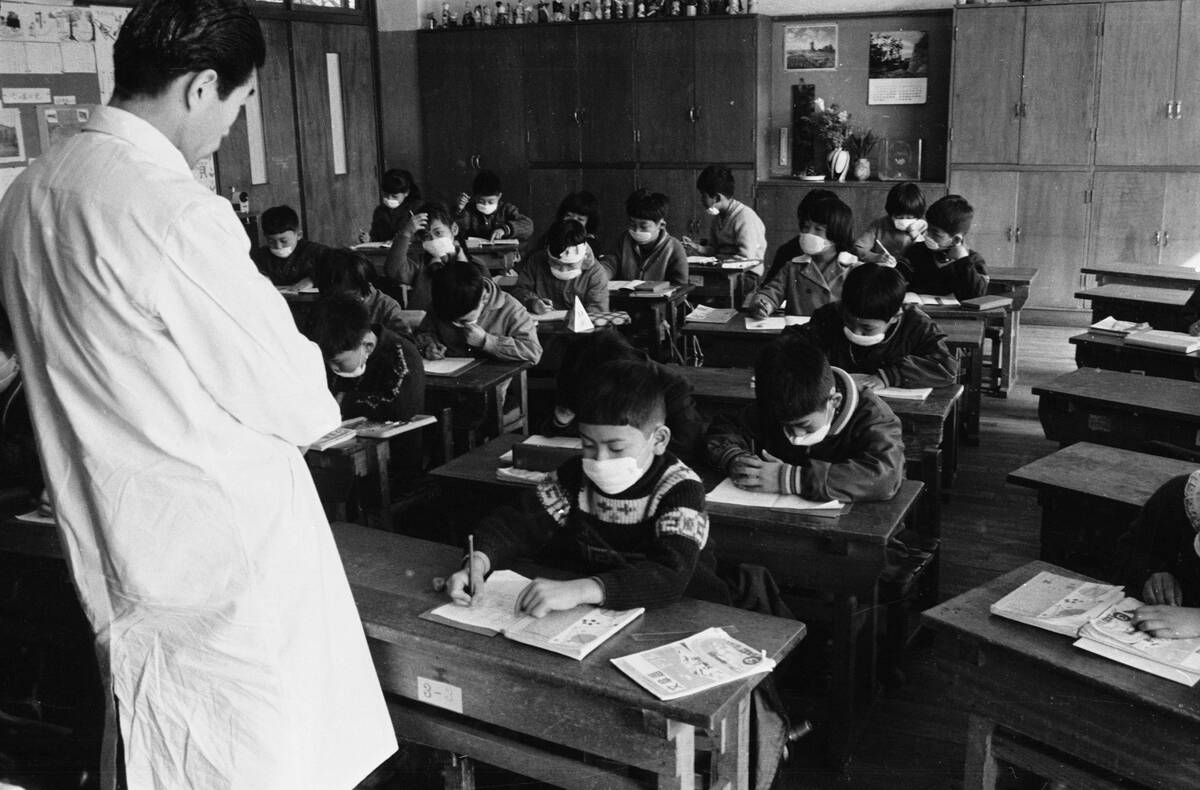
The Asian Flu pandemic of 1957 originated in East Asia and spread rapidly worldwide, causing an estimated 1 to 2 million deaths. This outbreak highlighted the role of air travel in the spread of infectious diseases and underscored the importance of global surveillance and rapid vaccine development.
The lessons learned from the Asian Flu continue to inform current public health strategies in managing flu pandemics.
HIV/AIDS: Transforming Modern Medicine and Society
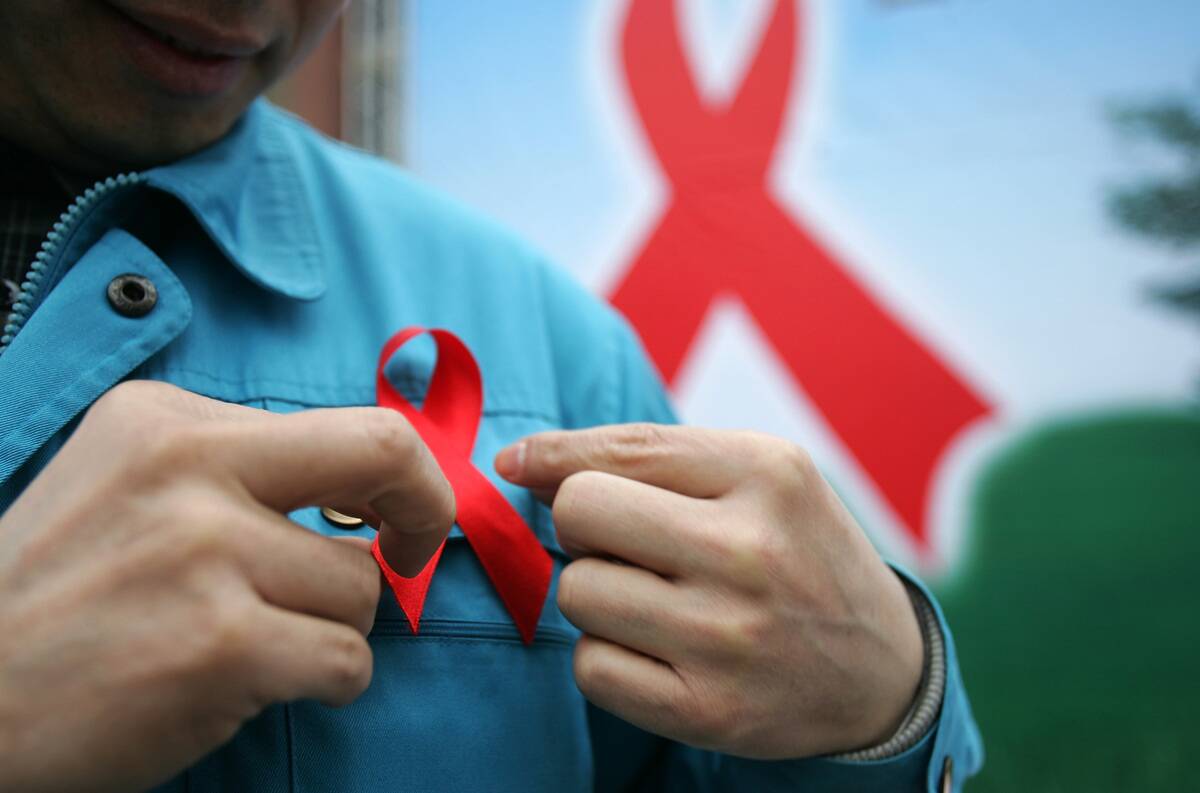
The emergence of HIV/AIDS in the late 20th century had a profound impact on medicine and society. It spurred significant advances in medical research, leading to the development of antiretroviral therapies that transformed HIV from a fatal disease to a manageable chronic condition.
The epidemic also highlighted issues of stigma and health disparities, prompting broader discussions on social justice and access to healthcare.
The Swine Flu: 2009’s Pandemic Preparedness Test
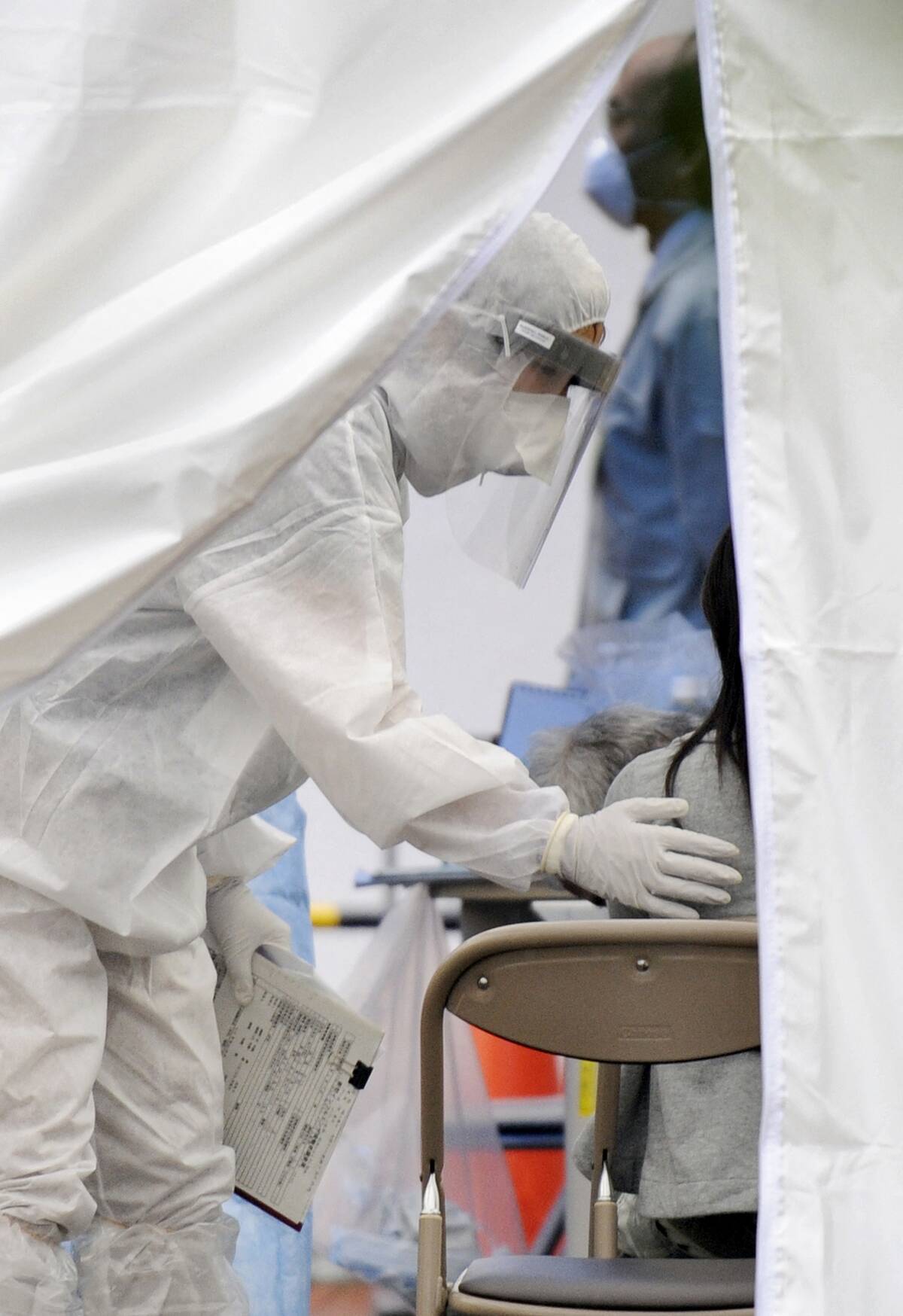
The Swine Flu pandemic of 2009, caused by the H1N1 influenza virus, tested global pandemic preparedness and response systems. While it resulted in fewer fatalities than initially feared, it highlighted the importance of vaccine development and distribution, as well as the need for effective communication strategies.
The experience gained from managing the Swine Flu has informed subsequent responses to emerging infectious threats.
The Russian Flu: The 19th Century’s Unsolved Mystery
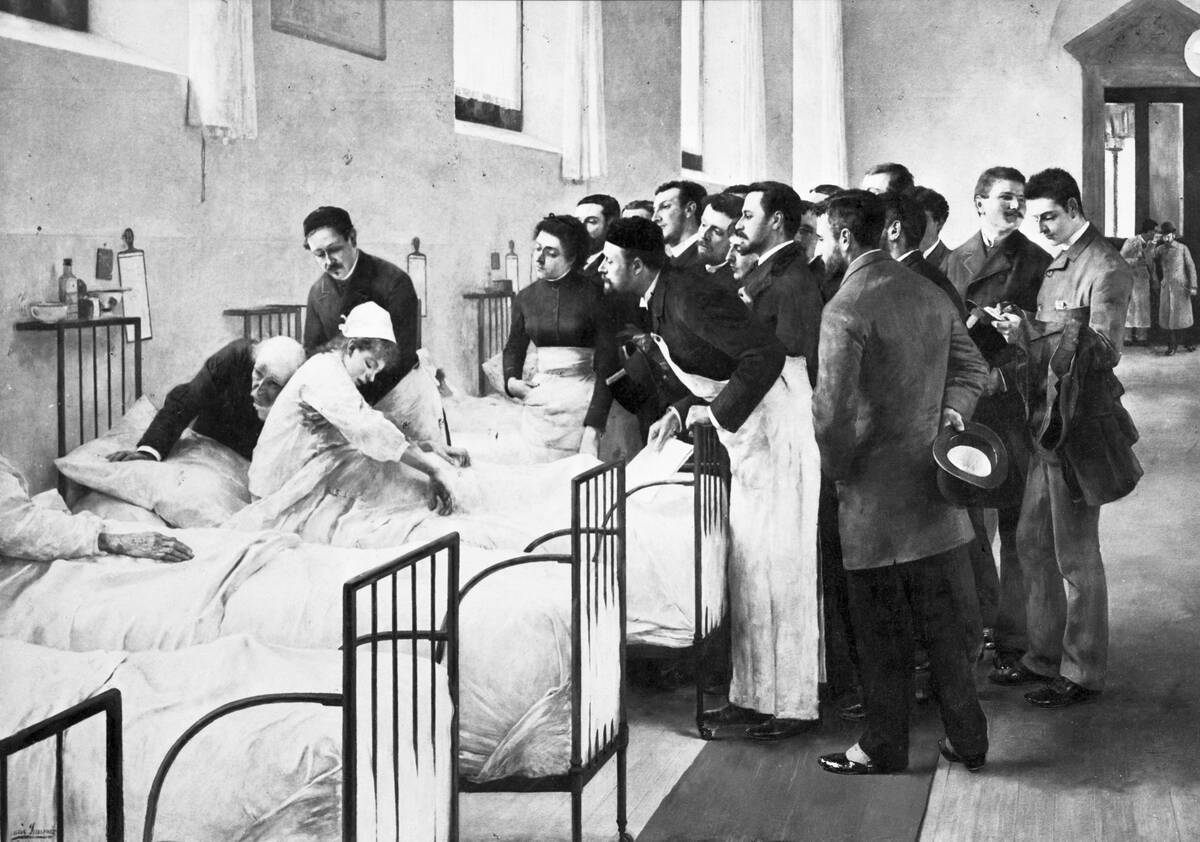
The Russian Flu pandemic of 1889-1890 remains a mysterious chapter in history, with unresolved questions about its origins and impact. Some researchers speculate it was an earlier coronavirus outbreak, predating the identification of such viruses.
This pandemic serves as a reminder of the complexities and uncertainties in understanding historical disease outbreaks, emphasizing the need for continuous research and vigilance.
SARS: A New Era of Global Health Awareness
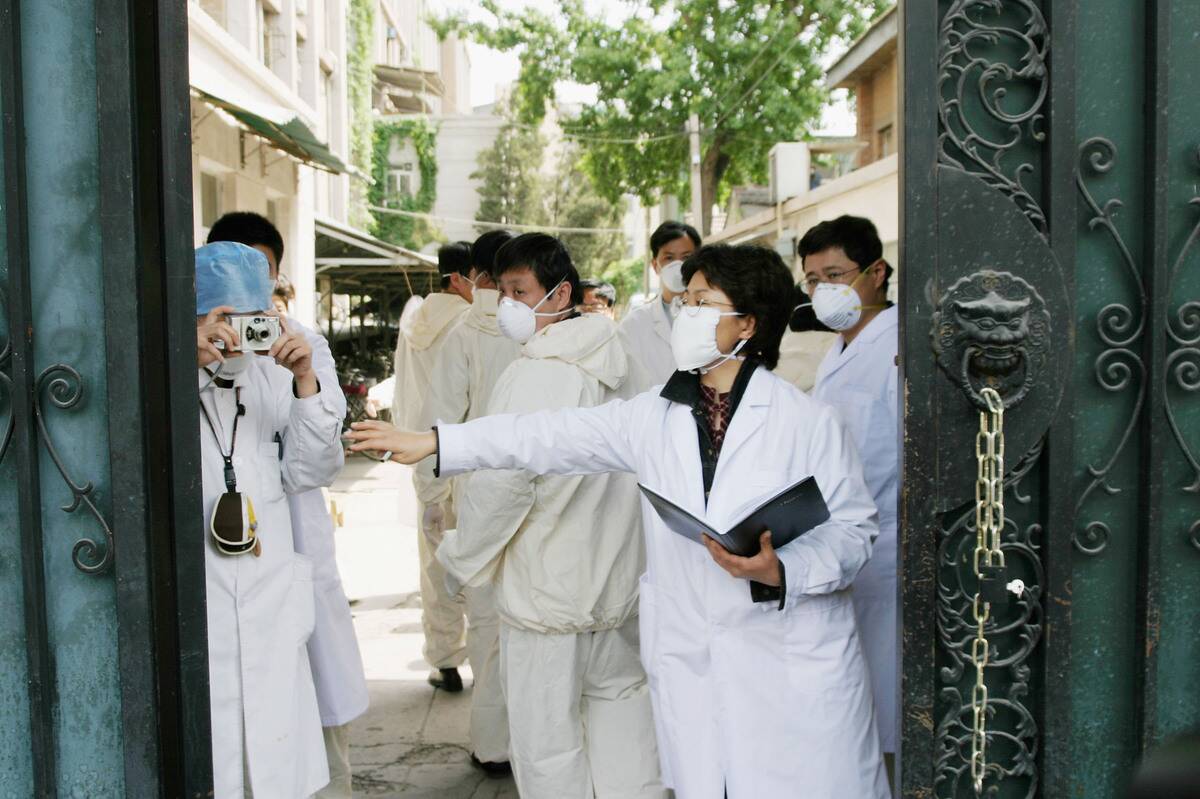
The outbreak of Severe Acute Respiratory Syndrome (SARS) in 2003 marked a turning point in global health awareness. Originating in China, SARS spread to several countries, causing about 774 deaths.
It brought attention to the importance of international cooperation, transparency, and rapid response in controlling infectious diseases. The lessons learned from SARS have been instrumental in shaping policies for handling future pandemics.
Historical Plagues and Modern Vaccination Efforts

The historical impact of plagues has underscored the critical role of vaccination in preventing infectious diseases. Lessons from past outbreaks have informed modern vaccination strategies, emphasizing the need for widespread immunization to protect public health.
Recent efforts to develop vaccines for emerging diseases, such as COVID-19, draw on the successes and challenges of past vaccination campaigns, highlighting the ongoing importance of research and innovation in safeguarding global health.




