Historical events triggered by ordinary people
History is often viewed through the lens of grand events and monumental figures. However, it’s fascinating how seemingly minor choices and actions have cascaded into significant historical outcomes.
These small decisions, sometimes made by individuals unaware of their future impact, have shaped entire nations and cultures. From a misjudged delivery to a stand taken in silence, let’s explore how these moments have woven themselves into the tapestry of history.
The Spark That Ignited the American Revolution: The Boston Tea Party
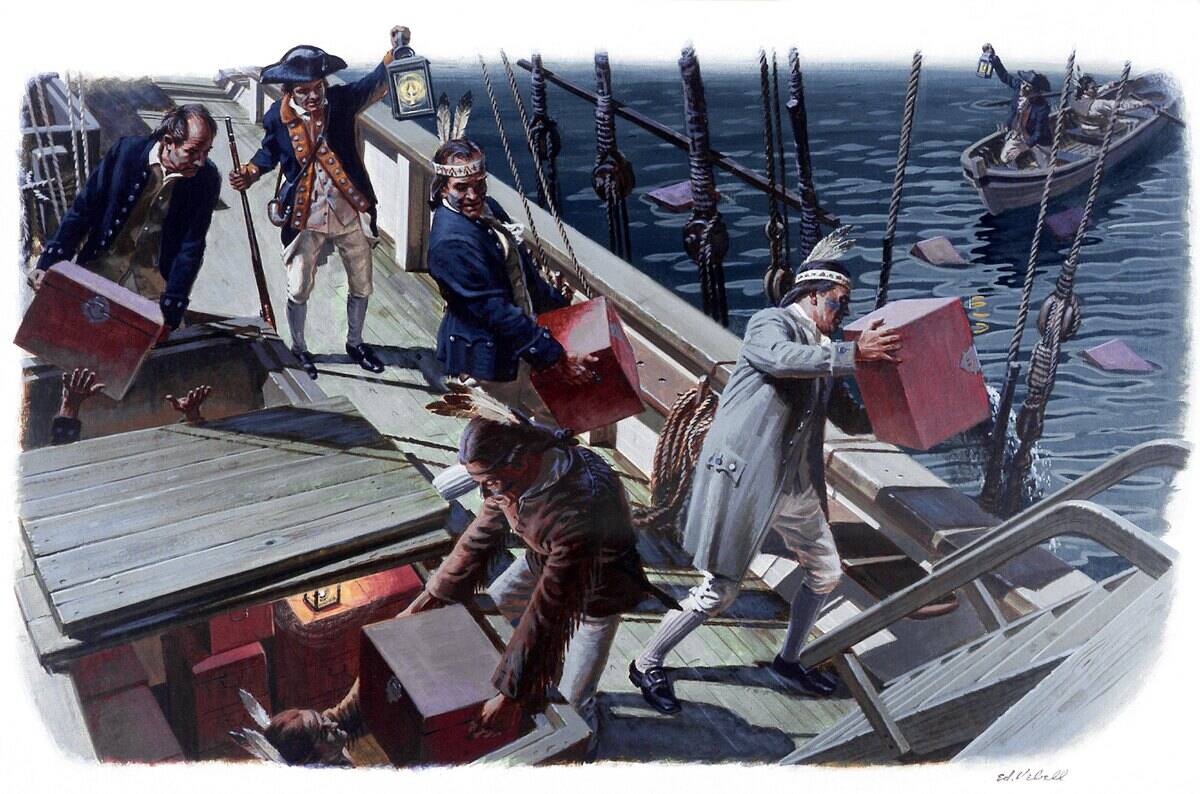
On a chilly night in December 1773, a group of American colonists decided to protest against British taxation by dumping 342 chests of tea into the Boston Harbor.
This act of defiance, known as the Boston Tea Party, was in response to the Tea Act, which granted the British East India Company a monopoly on tea sales. The colonists’ determination for self-governance fueled the American Revolution, ultimately leading to the birth of a new nation.
Rosa Parks and the Montgomery Bus Boycott: A Quiet Act of Defiance
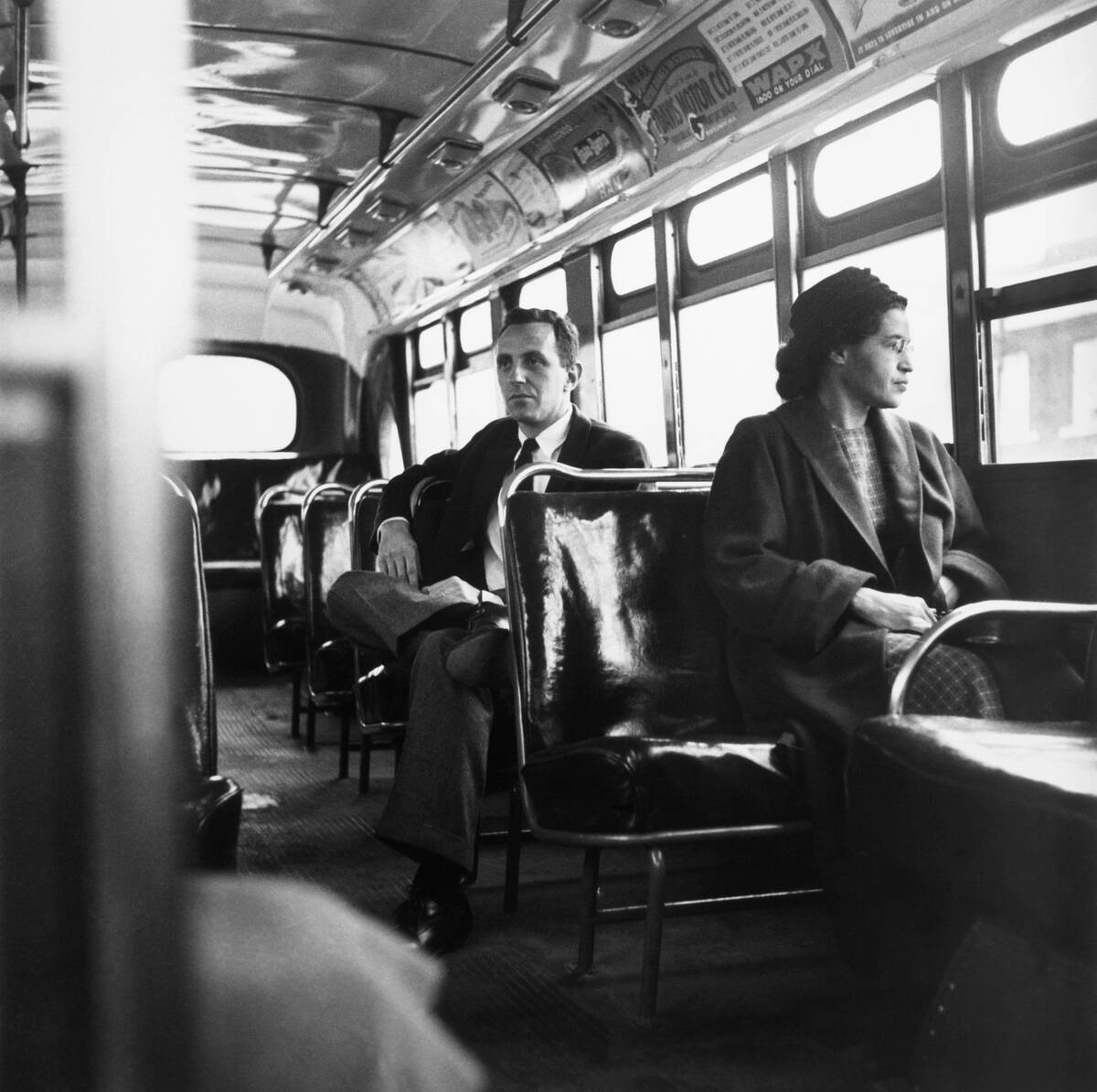
Rosa Parks’ refusal to give up her seat on a Montgomery bus in 1955 was a catalyst for the civil rights movement. Her quiet resistance highlighted the injustices of segregation and inspired the Montgomery Bus Boycott, lasting over a year.
The boycott, led by Martin Luther King Jr., was pivotal in ending racial segregation on public buses and set the stage for further civil rights advancements in the United States.
The Shot Heard Round the World: Gavrilo Princip and the Start of World War I
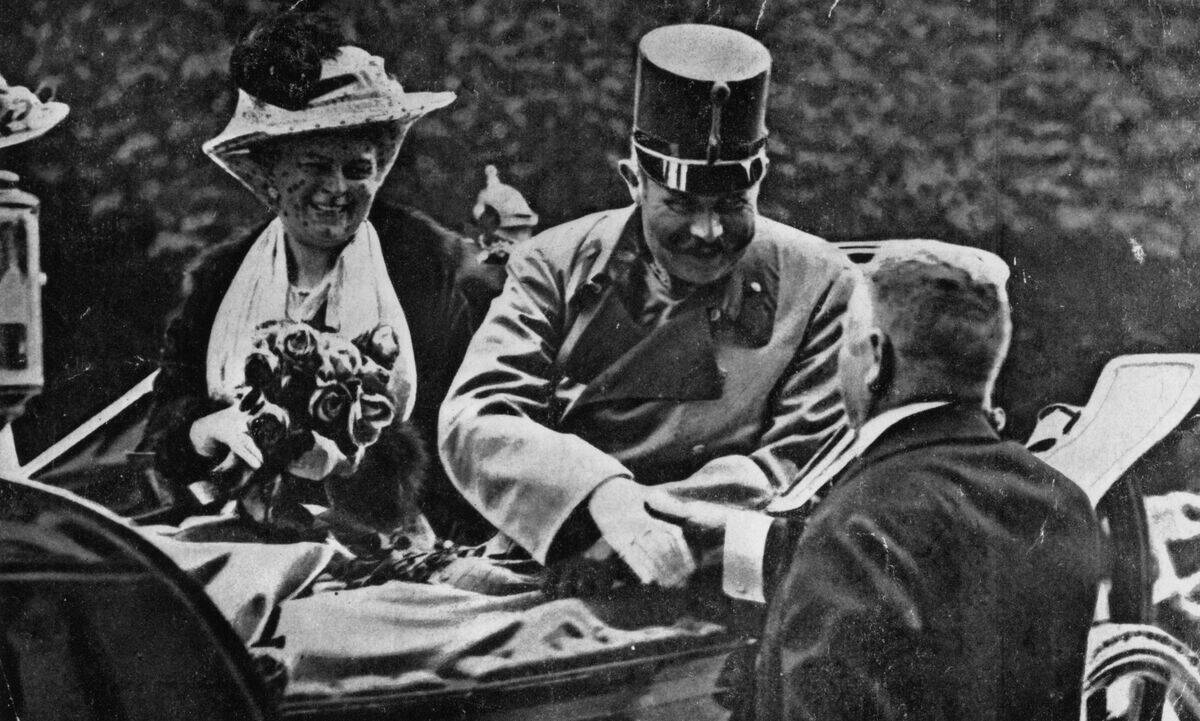
In 1914, Gavrilo Princip, a 19-year-old Bosnian Serb, fired the shots that killed Archduke Franz Ferdinand of Austria.
This assassination in Sarajevo set off a chain of events leading to World War I, as countries across Europe were drawn into the conflict through a web of alliances. The assassination and its aftermath reshaped global politics and led to dramatic changes in national borders and governance systems.
A Wrong Turn: The Assassination of Archduke Franz Ferdinand
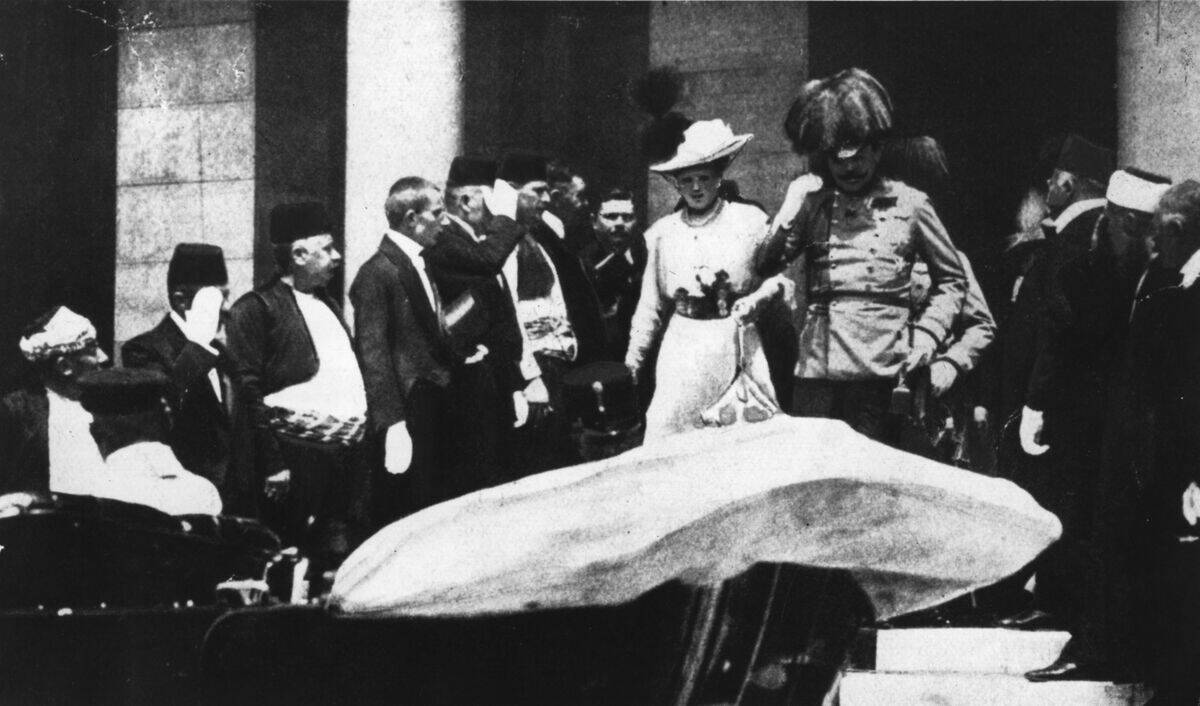
Archduke Franz Ferdinand’s assassination in Sarajevo in 1914 was a pivotal moment in history. A wrong turn taken by his driver after a failed assassination attempt by a grenade brought the Archduke and his wife directly into the path of Gavrilo Princip, who seized the opportunity to assassinate them.
This seemingly small navigational error set off a series of events that plunged the world into World War I, altering the geopolitical landscape dramatically.
The Domino Effect of a Simple Strike: The Gdańsk Shipyard Protests
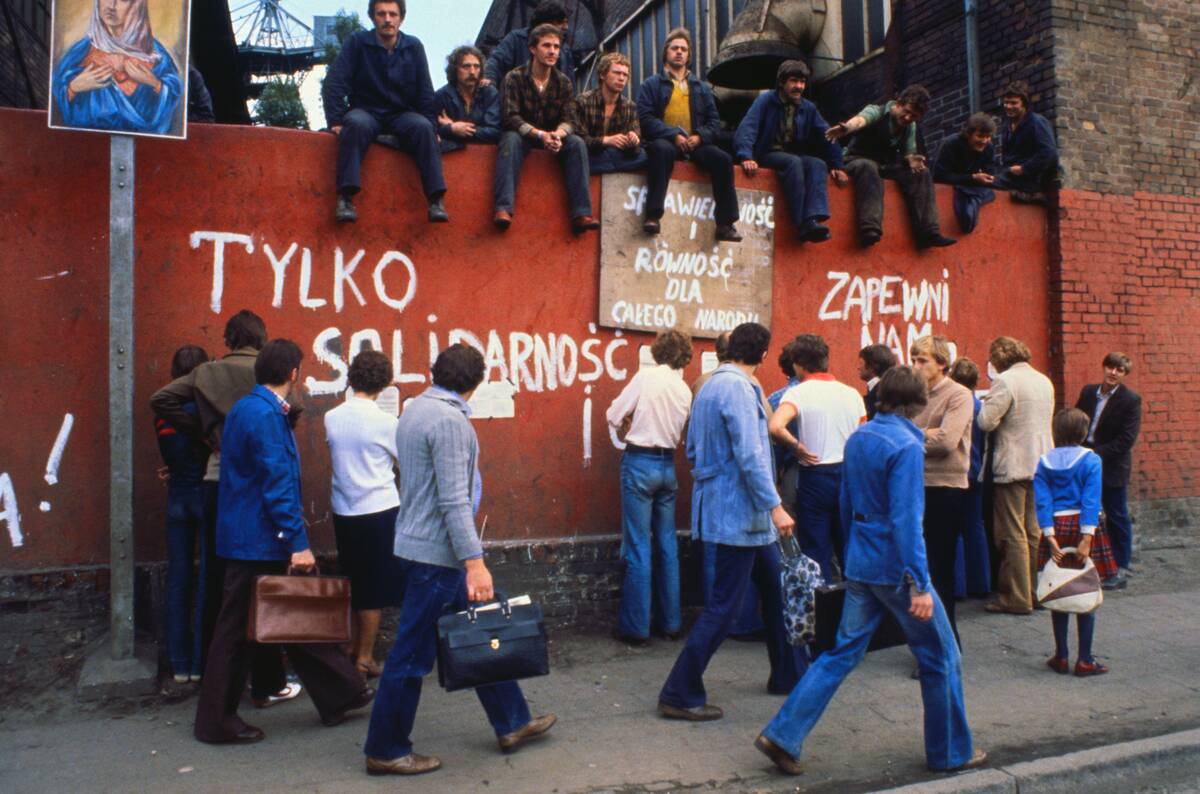
In 1980, a strike at the Gdańsk Shipyard in Poland, led by Lech Wałęsa, marked the beginning of the Solidarity movement. This non-violent protest against the communist regime grew into a nationwide campaign for social change and workers’ rights.
The movement’s success contributed significantly to the eventual collapse of communist governments across Eastern Europe, playing a crucial role in the end of the Cold War.
Sewing Machines and the Industrial Revolution
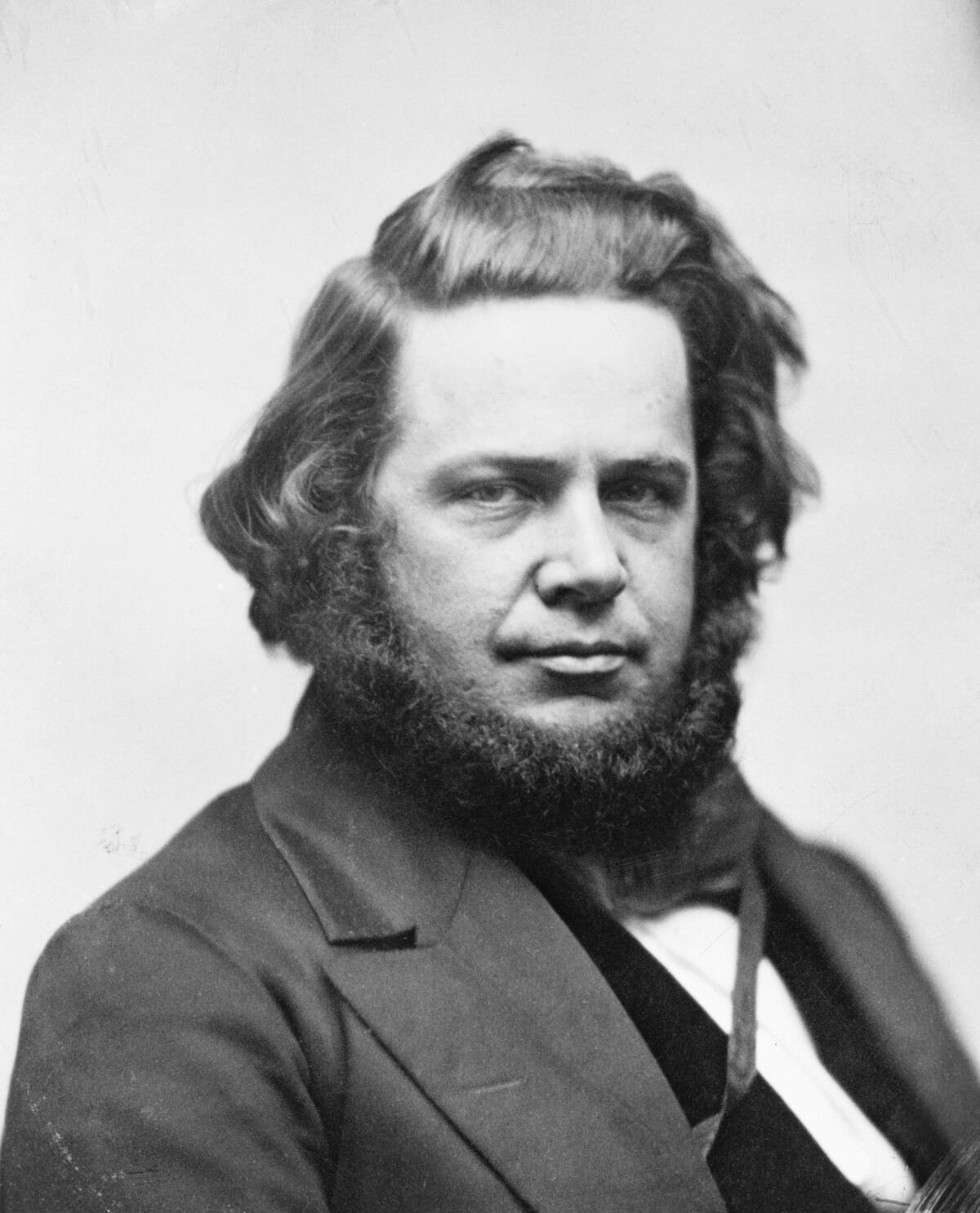
The invention of the sewing machine by Elias Howe in the mid-19th century transformed the textile industry and fueled the Industrial Revolution.
Mechanizing the labor-intensive process of sewing increased productivity and lowered costs, making mass-produced garments more accessible. This technological advancement not only revolutionized fashion but also sparked innovations in manufacturing, profoundly altering the social and economic landscape.
How a Typo Led to the Creation of the QWERTY Keyboard
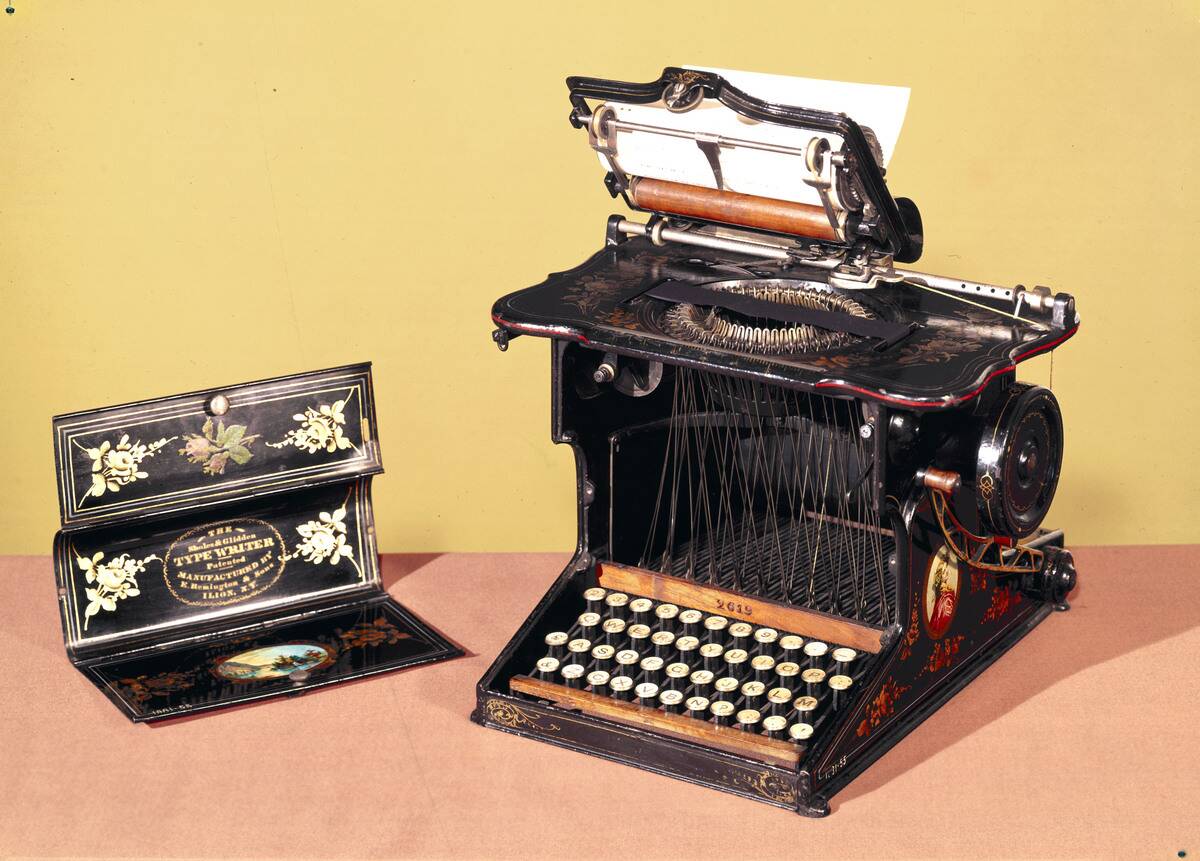
The QWERTY keyboard layout, now standard on most computers, originated from a typographical necessity. In the 1860s, Christopher Sholes, the inventor of the typewriter, rearranged the keys to prevent jamming by spacing out commonly used letter pairs.
This seemingly small design choice has withstood the test of time, influencing how millions of people interact with technology daily, despite the advent of faster and more efficient layouts.
The Accidental Discovery of Penicillin: Alexander Fleming’s Missed Clean-Up
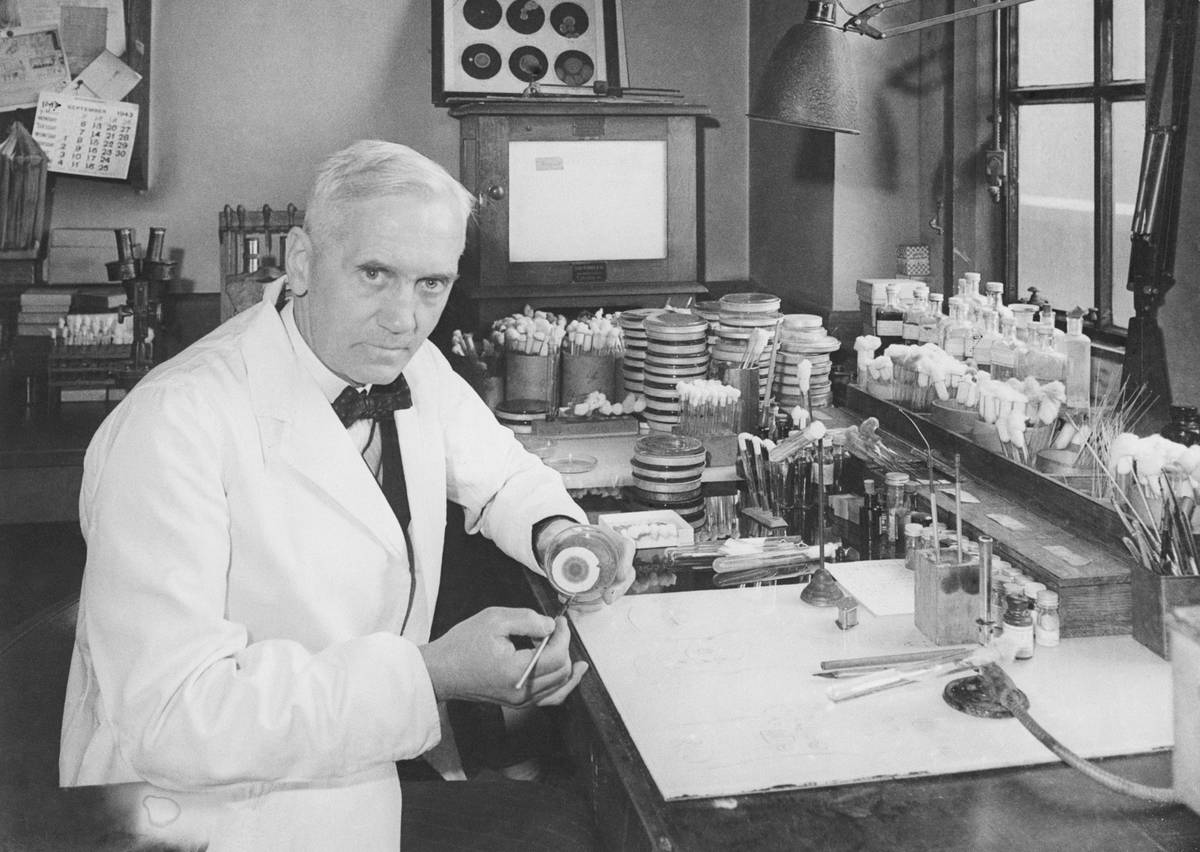
In 1928, Alexander Fleming returned from vacation to find mold growing on a petri dish of Staphylococcus bacteria. Noticing the mold’s bacteria-killing properties, he identified it as Penicillium notatum, leading to the discovery of penicillin.
This serendipitous find revolutionized medicine, ushering in the age of antibiotics and saving countless lives by providing an effective treatment for previously incurable bacterial infections.
The Unexpected Impact of a Schoolgirl’s Diary: Anne Frank
![The new [redacted] exhibit will open 1](https://media.tellmebest.com/wp-content/uploads/2024/11/the-new-anne-frank-exhibit-will-open-1-50822.jpeg)
Anne Frank’s diary, written while hiding from the Nazis during World War II, offers an intimate glimpse into the life of a young Jewish girl. Published posthumously, The Diary of a Young Girl humanized the Holocaust’s horrors, resonating with readers worldwide.
Anne’s words have educated generations about the importance of tolerance and understanding, serving as a powerful reminder of the atrocities of war and the resilience of the human spirit.




