Historic battles decided by pure luck
War loves plans, but history often turns on roll‑of‑the‑dice moments. Weather windows, odd mishaps, and split‑second choices have tipped outcomes that textbooks later call decisive. Here are 20 episodes where fortune shoved tactics across the finish line—or pulled the rug at the worst time.
The fun part is these aren’t just campfire tales. They come with logs, letters, and after‑action reports. From fog lifting at the exact wrong minute to a flagship literally exploding, the pattern is clear: armies plan; chance meddles.
The “Protestant Wind” that wrecked the Spanish Armada (1588)
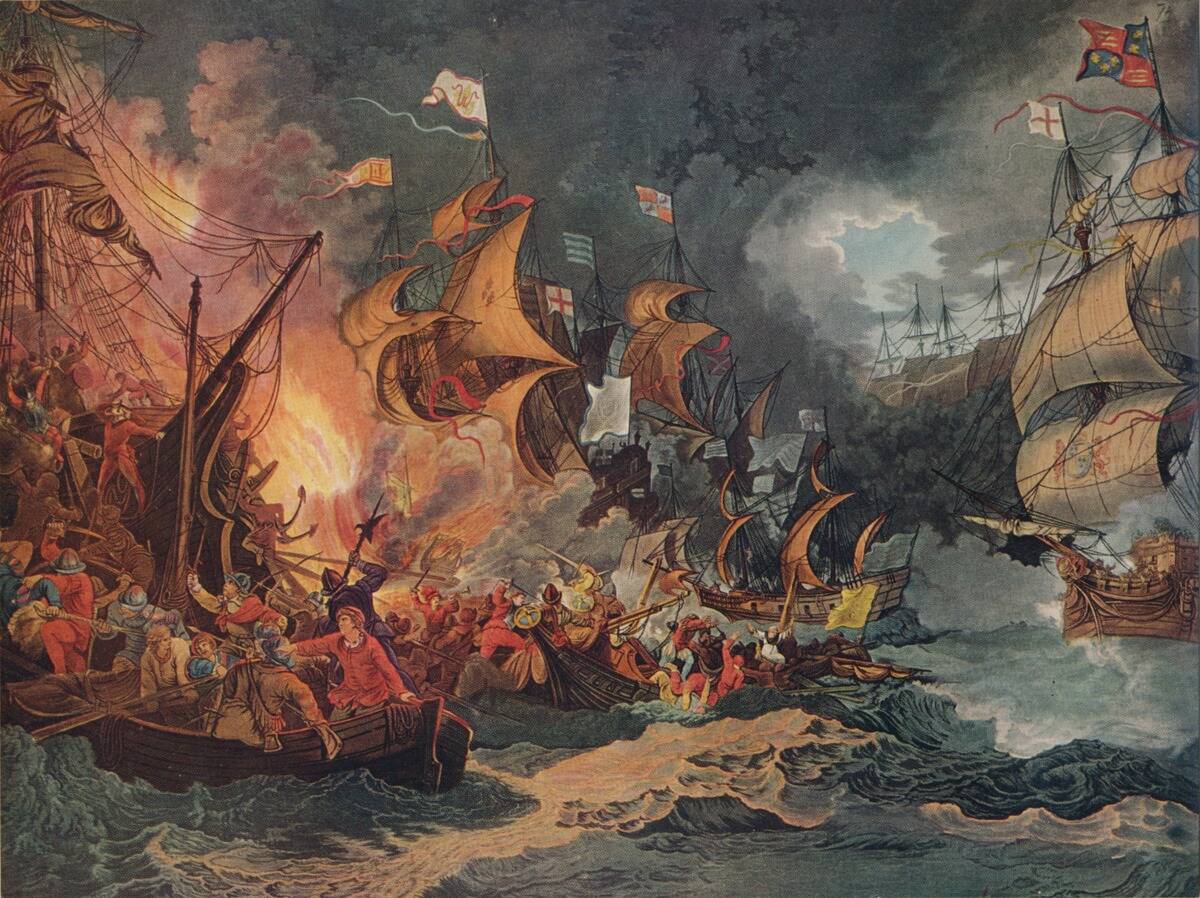
Spain’s Armada sailed in 1588 to escort an invasion force across the Channel, only to meet fire, confusion, and famously foul weather. English fireships scattered the anchored Spanish off Calais, but it was the storms that sealed the deal.
Southwesterlies and gales pushed the fleet north around Scotland and Ireland, wrecking dozens on harsh coasts.
English writers dubbed it the “Protestant Wind,” crediting Providence as much as privateers. Of roughly 130 ships that set out, barely half limped home. Disease and shipwreck claimed more lives than English shot.
Mud made history at Agincourt (1415)
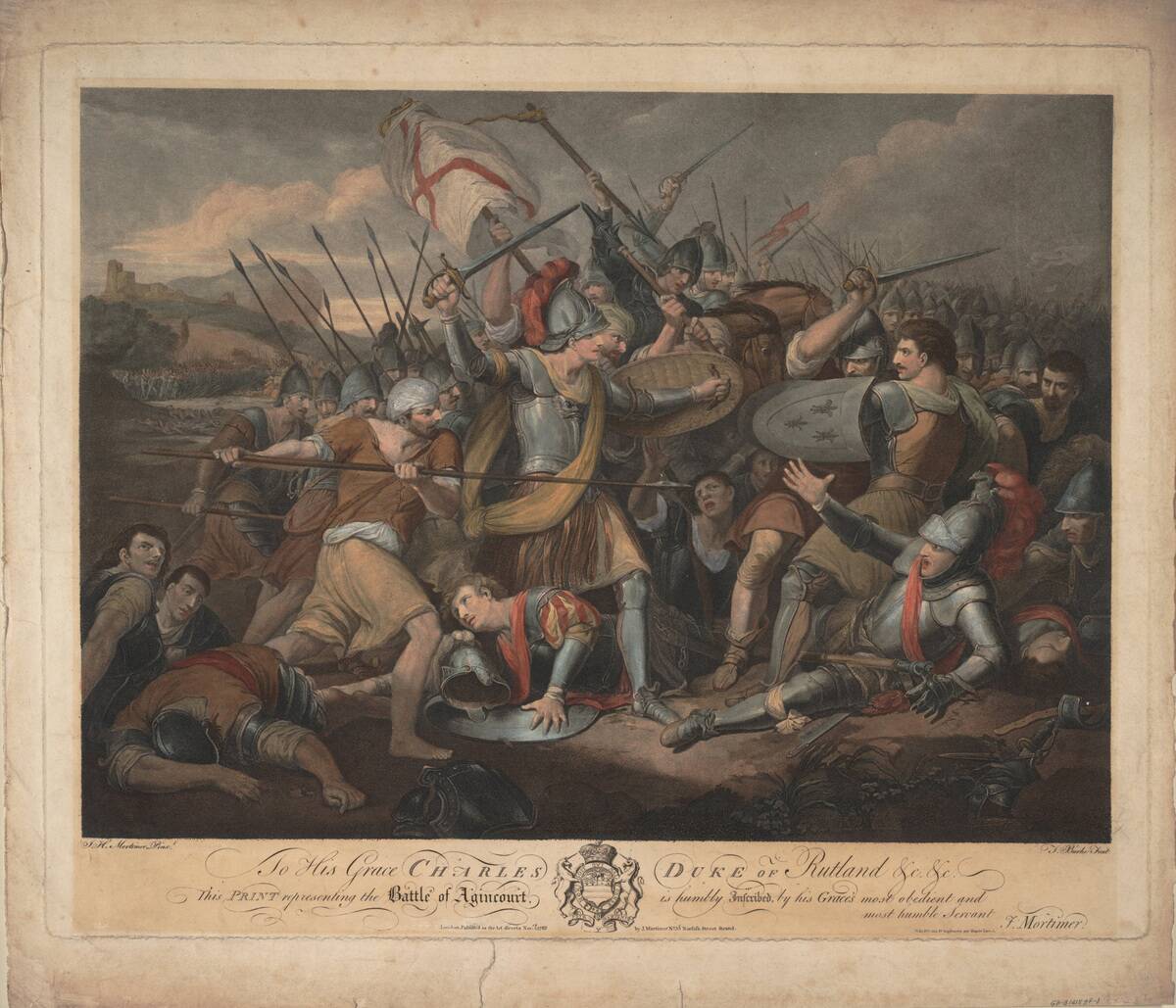
On St. Crispin’s Day, days of rain turned the fields between the woods of Agincourt and Tramecourt into glue. Heavily armored French men‑at‑arms slogged forward, bunching into a narrow frontage where English longbowmen poured in arrows. The weight of plate, plus churned soil, made falling a dangerous sentence.
Henry V’s smaller army, likely under 10,000, faced a force at least double. Stakes planted by archers checked cavalry, and the mud did the rest. The French vanguard collapsed into the main battle, crowding itself into defeat.
A stray arrow at Hastings? How chance crowned the Normans (1066)
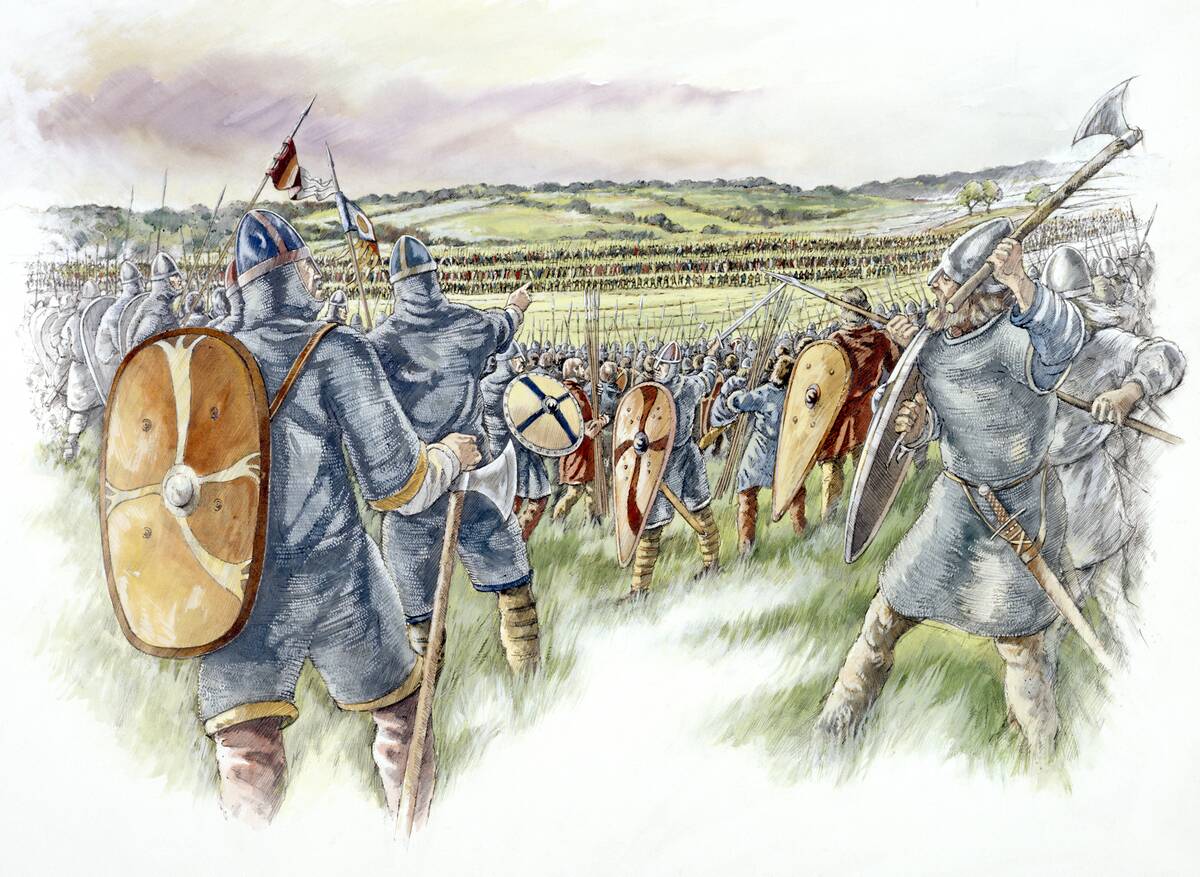
Harold’s shield wall held the high ground at Senlac Hill, and for hours it worked. Norman feigned retreats lured pockets of English into pursuit, but the pivot point is wrapped in legend: the Bayeux Tapestry shows a figure, labeled Harold—struck in the eye by an arrow.
Sources disagree on the exact deathblow, yet all agree Harold fell late in the fight.
Once the king died, cohesion unraveled. William’s mixed arms, cavalry, infantry, and archers, pressed the advantage. Whether by arrow or blade, that moment made a conquest.
Typhoons dubbed “kamikaze” saved Japan from Mongol invasions (1274 & 1281)
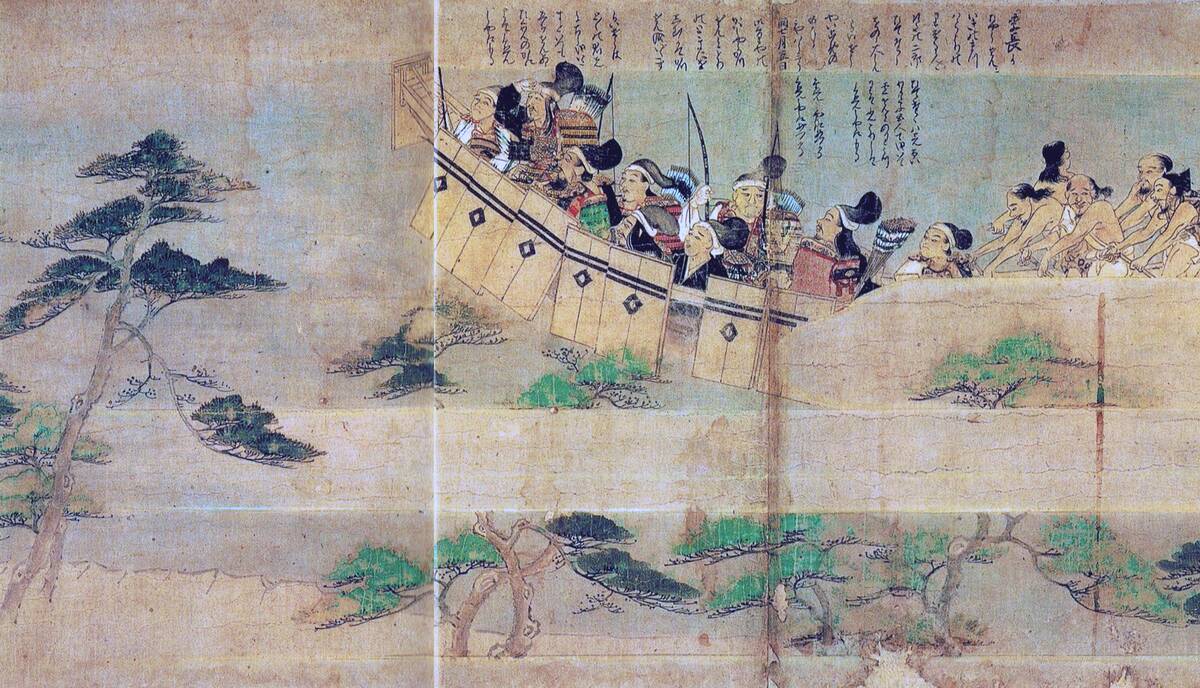
Kublai Khan twice sent vast armadas toward Japan. In 1274, Mongol, Chinese, and Korean troops landed at Hakata Bay, fought hard, then withdrew as storms battered their ships. The 1281 attempt was larger, and met a far worse fate.
A powerful typhoon shredded fleets anchored off Kyushu, wrecking hundreds of vessels.
Japanese chronicles called the winds “kamikaze,” the divine wind. The term stuck for centuries. Nature, combined with stout coastal defenses, spared Japan from occupation and forced the Yuan to abandon its Pacific ambitions.
Breaks in the clouds and perfect timing at Midway (1942)
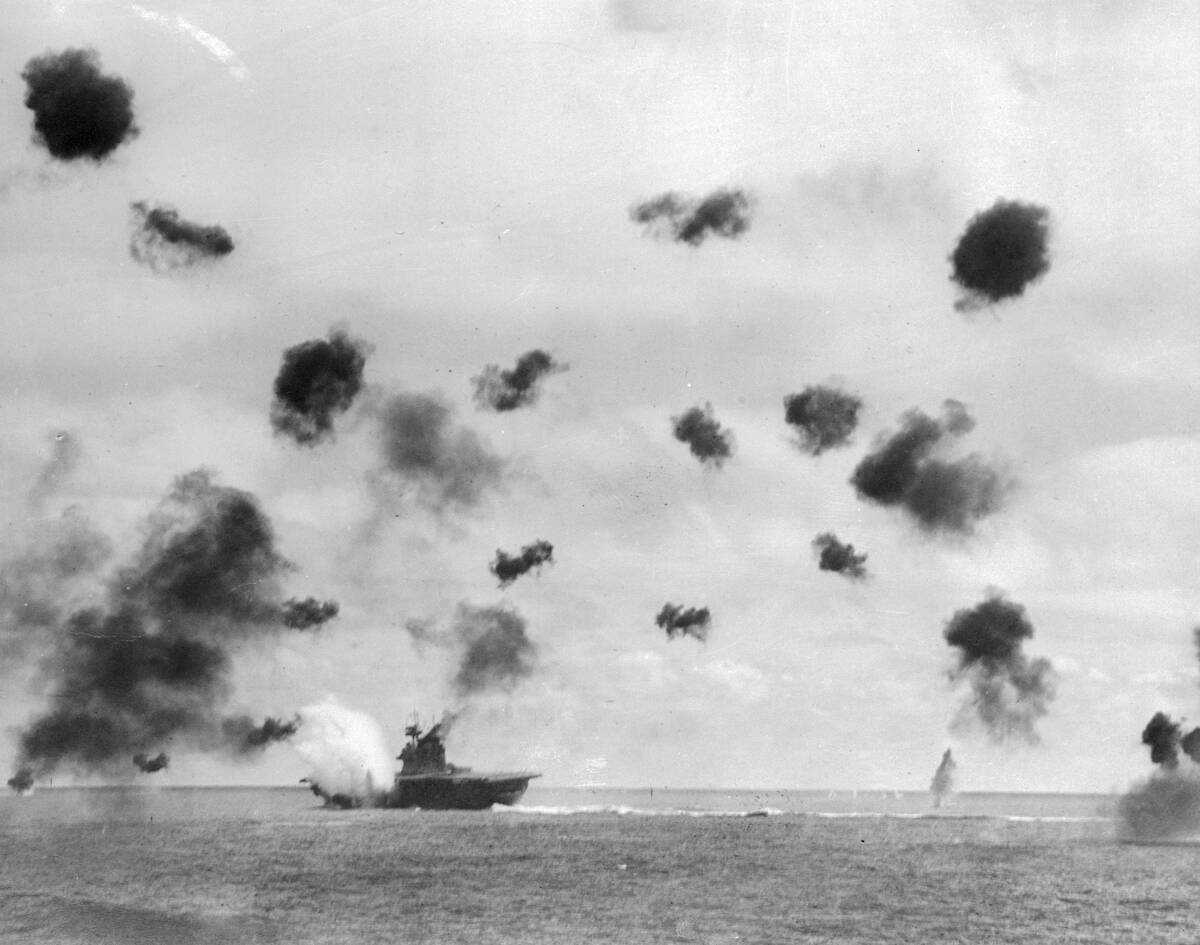
Codebreakers put American carriers in the right ocean, but fortune handled the last miles. After fruitless searches on June 4, Enterprise and Yorktown dive‑bombers found the Japanese fleet when Air Group leaders chose to follow a lone destroyer’s wake—just as clouds parted enough to reveal decks crowded with fueled aircraft.
At roughly 10:22 a.m., bombs slammed into Kaga, Akagi, and Soryu within minutes. Hiryu’s counterpunch hurt Yorktown, but a later U.S. strike finished her too. Tactics mattered; timing and happenstance made them lethal.
A soggy field and late help at Waterloo (1815)
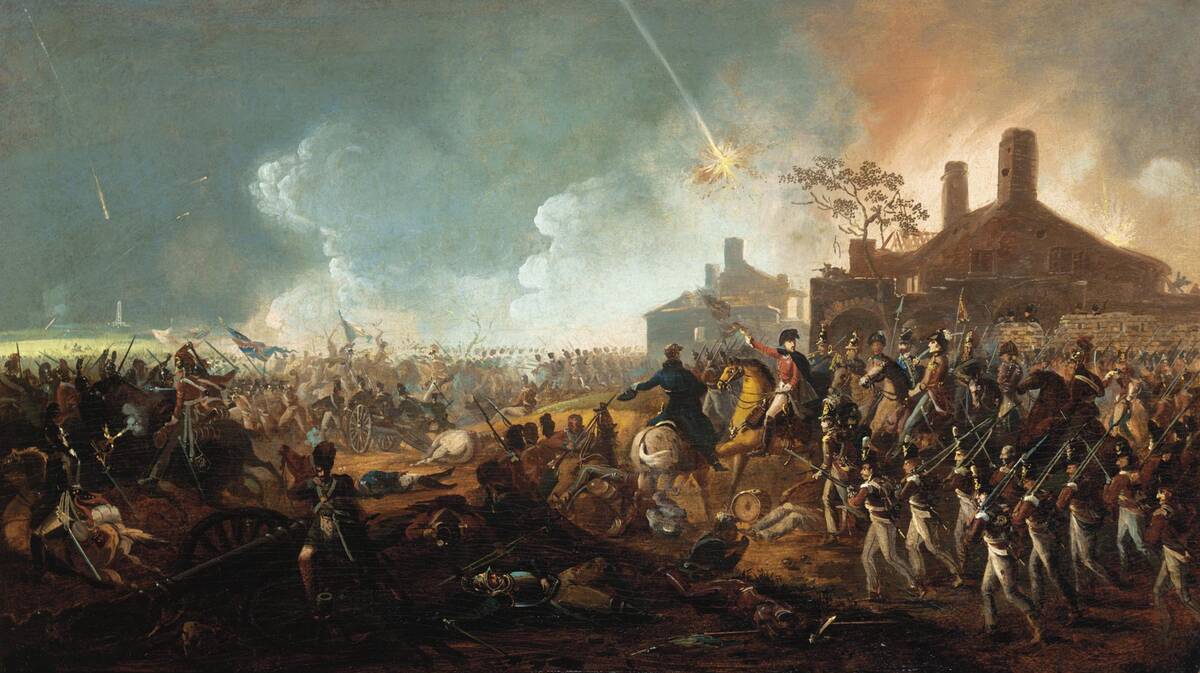
Overnight rain on June 17–18 turned the Belgian plain to pudding. Napoleon delayed his opening cannonade until late morning so the ground could dry—time Wellington used to settle his line and for the Prussians to march.
Mud dulled artillery shock and slowed infantry attacks on Hougoumont and La Haye Sainte.
By late afternoon, Blücher’s men arrived on Napoleon’s right. French cavalry charges met well‑drilled Allied squares, and the Guard’s final push broke under combined pressure. Weather bought the coalition the hours it needed.
The night a flagship exploded: Battle of the Nile (1798)
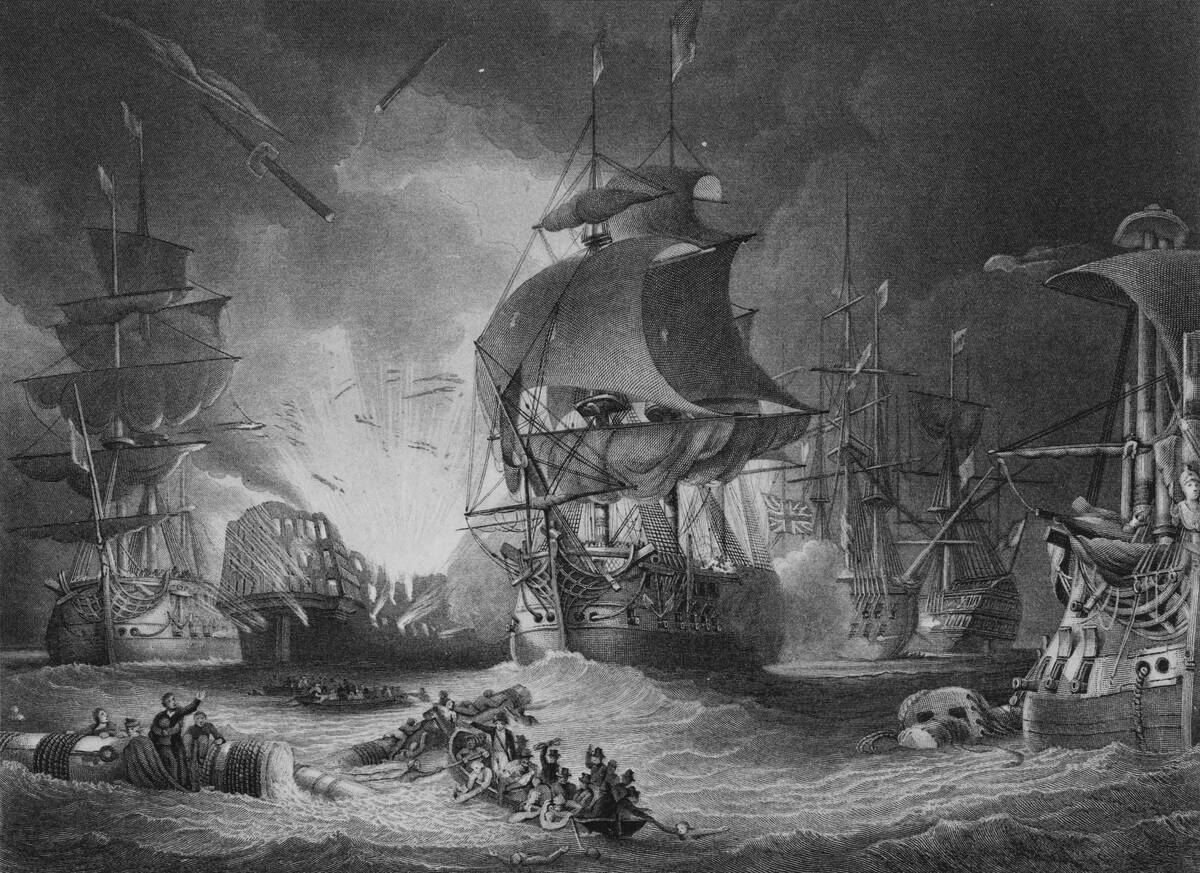
Nelson caught the French fleet at anchor in Aboukir Bay and, in a daring move, slid ships between shore and enemy line. Nightfall didn’t quiet things. Around 10 p.m., the French flagship L’Orient—laden with ammunition—caught fire.
Minutes later, it detonated in a cataclysm seen for miles, killing hundreds.
The blast stunned both fleets into a brief silence before the fight resumed. With their center gone and anchors tangled, the French collapsed. The explosion wasn’t planned by the British, but it broke the battle wide open.
Fog, smoke, and a lost king at Lützen (1632)
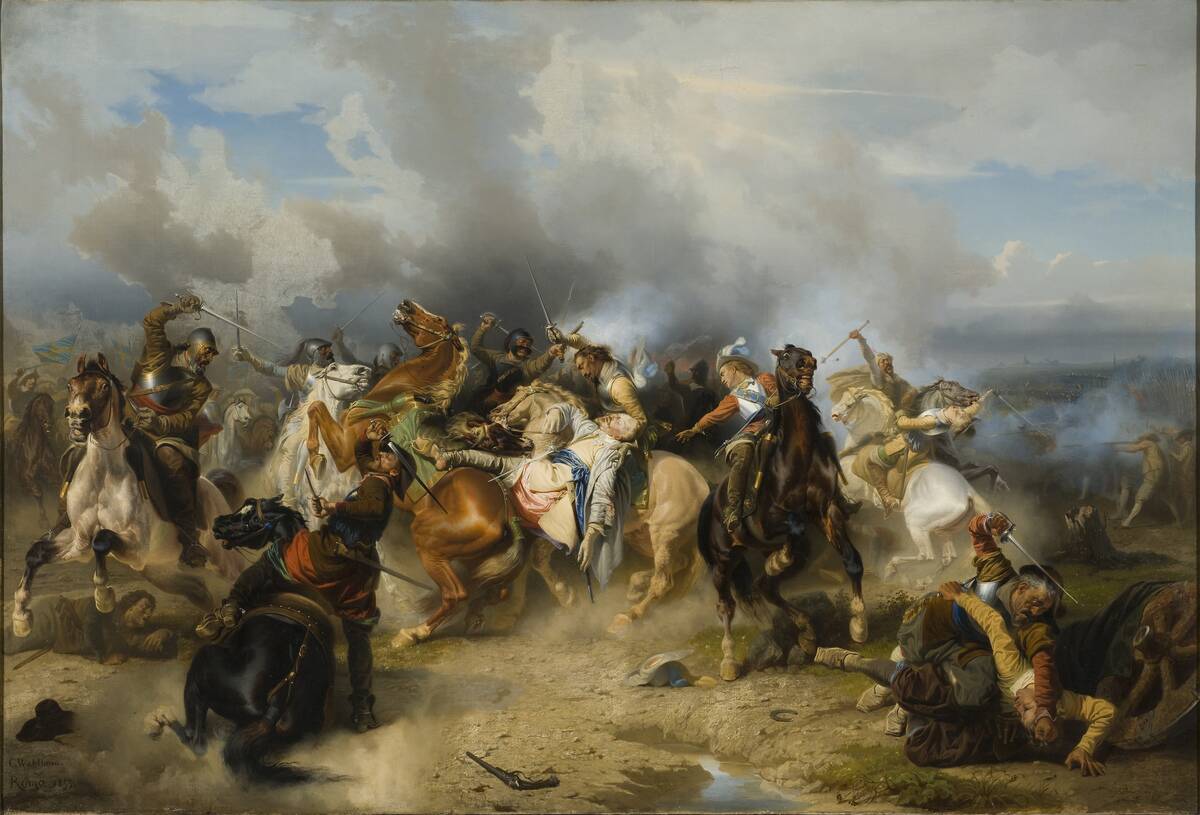
The battle opened under a thick November fog that smothered visibility. Swedish king Gustavus Adolphus, leading from horseback without full armor, vanished into the gun smoke and mist during a push on the Imperial flank.
He was shot and fell amid cavalry, his body found later stripped on the field.
Wallenstein’s army reeled but held parts of the line, and the Swedes took the ground after brutal, seesaw fighting. Strategically, the Protestant cause lost its lodestar that day—a single death reshaping a war.
A tiny weather window that opened D‑Day (1944)
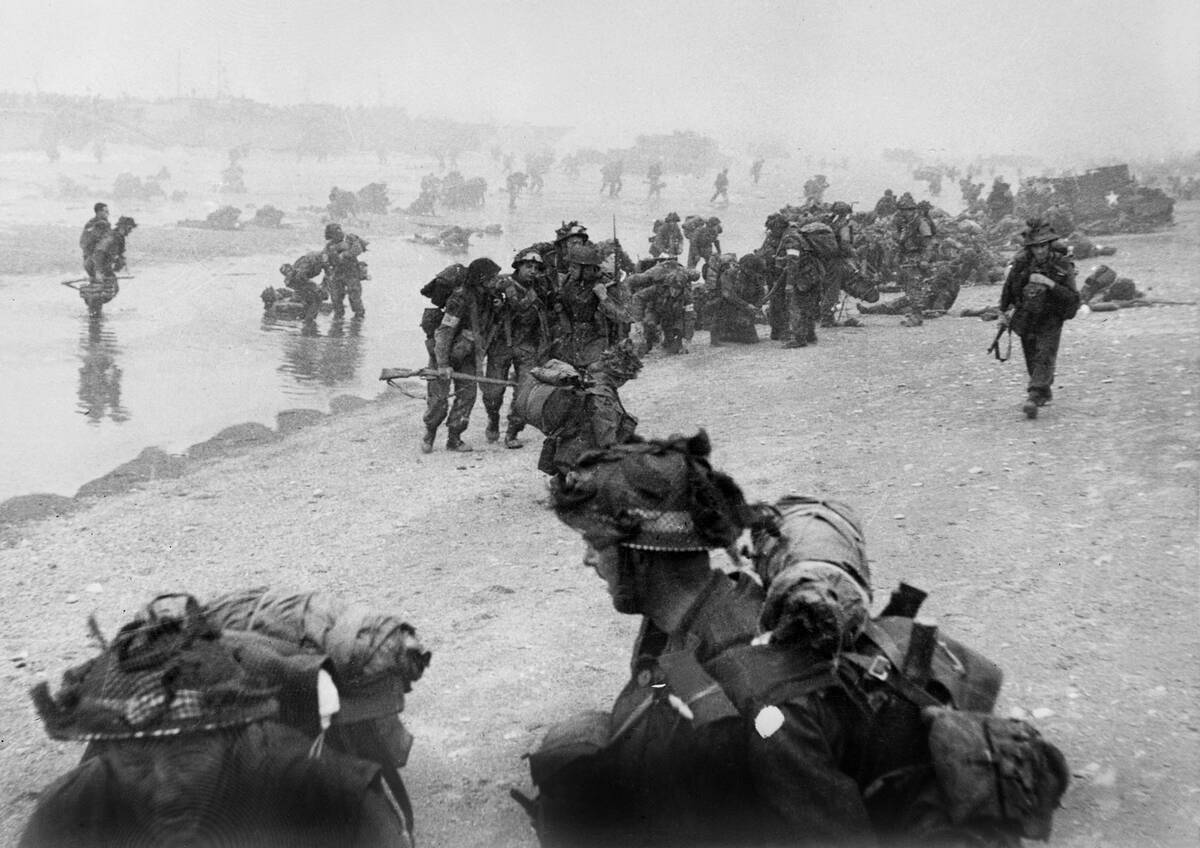
Allied forecaster James Stagg warned Eisenhower of storms roiling the Channel, then flagged a brief lull on June 6. That sliver—winds easing, cloud ceilings marginally higher—was enough. Eisenhower gave the go. German commanders, expecting foul weather, stood down; Erwin Rommel even left for Germany the day before.
The window let armadas sail and airborne drops launch, albeit in rough conditions. Tides and moonlight matched invasion math. The forecast was science; the exact break’s timing was luck. Miss it, and the next chance was weeks away.
Calm seas, curious pauses, and the miracle of Dunkirk (1940)
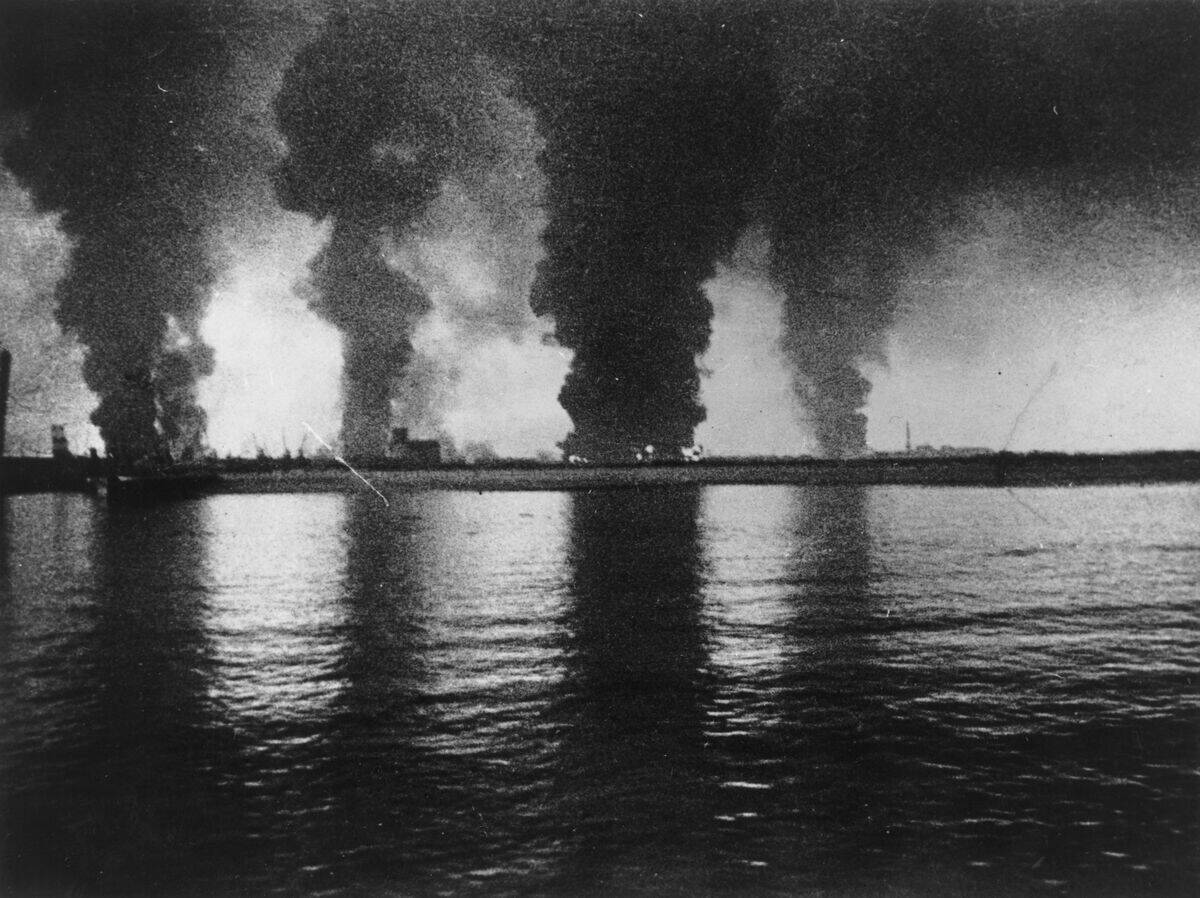
Operation Dynamo evacuated about 338,000 Allied troops from May 26 to June 4. The English Channel often bites, but several days of relatively calm seas and low clouds helped small craft shuttle men under the Luftwaffe’s nose.
Sandbars, tides, and smoke cloaks did a surprising amount of shielding.
Then there was the German “halt order” on May 24, pausing panzers near the pocket’s edge. Debate over motives endures, but the pause, plus weather, let the perimeter hold. Seemingly minor factors multiplied into strategic escape.
A lucky wind shift at Lake Champlain/Plattsburgh (1814)
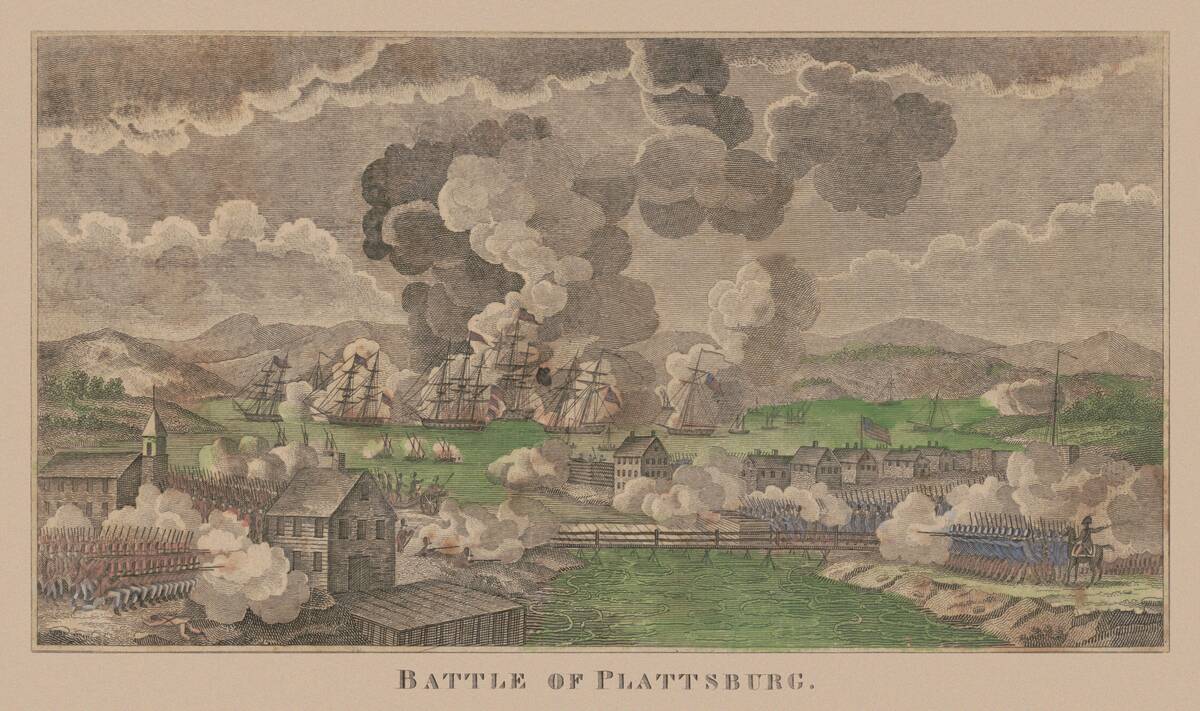
On September 11, Commodore Thomas Macdonough anchored his small U.S. squadron in Plattsburgh Bay, forcing the larger British fleet under Captain George Downie to beat in against a light, fickle wind. That slow approach exposed the British to raking fire before they could properly deploy their broadsides.
As rigging and springs were shot away, HMS Confiance lost maneuvering options. Macdonough, by contrast, used kedges and anchor cables to wind USS Saratoga, presenting a fresh broadside at the critical moment. Breeze and preparation turned a near thing into a landmark victory.
The secret path to the Plains of Abraham at Quebec (1759)
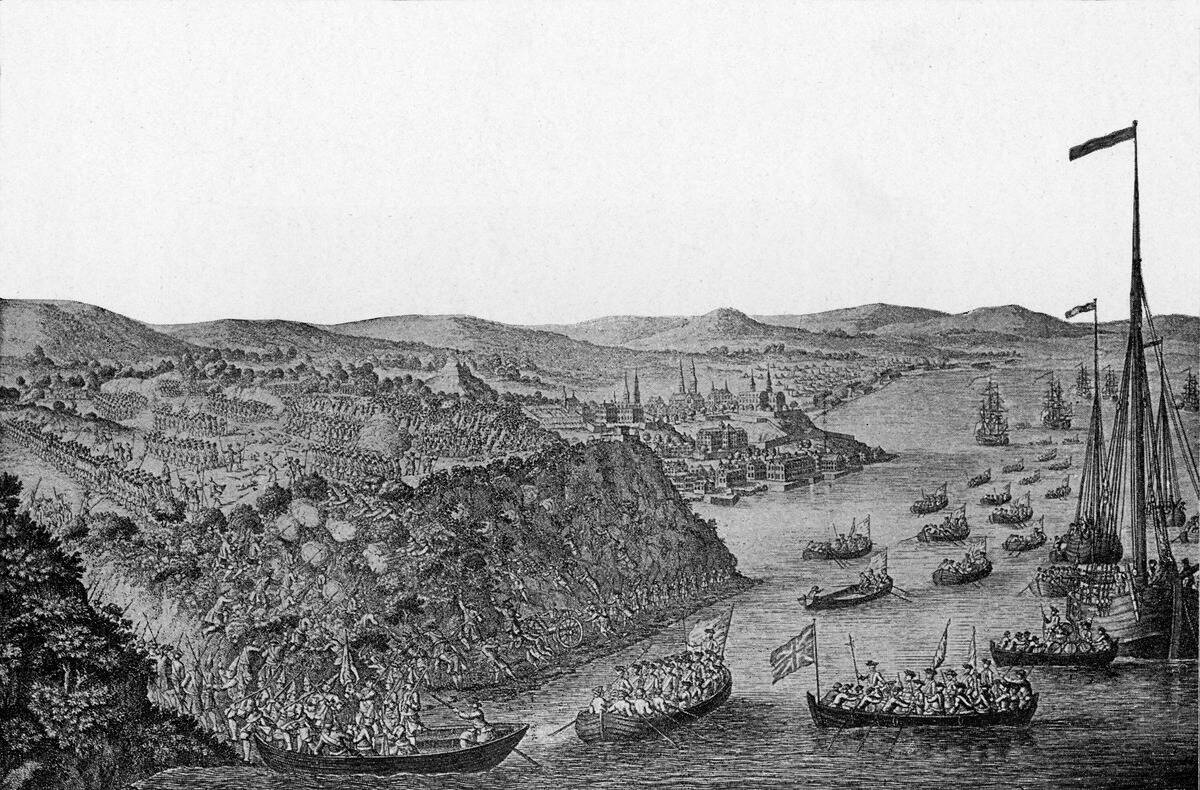
Wolfe’s army scaled the Anse‑au‑Foulon in darkness, slipping past French sentries with fluent French replies and precise timing. By dawn, British troops stood on the Plains of Abraham, having hauled themselves up a goat path many believed impassable for an army.
Montcalm rushed to engage before reinforcements arrived, and in the short, violent battle that followed, both commanders were mortally wounded. The stealthy ascent—part planning, part luck at the river—opened Quebec’s gates and shifted the Seven Years’ War in North America.
The battle that never really happened: Karansebes friendly‑fire fiasco (1788)
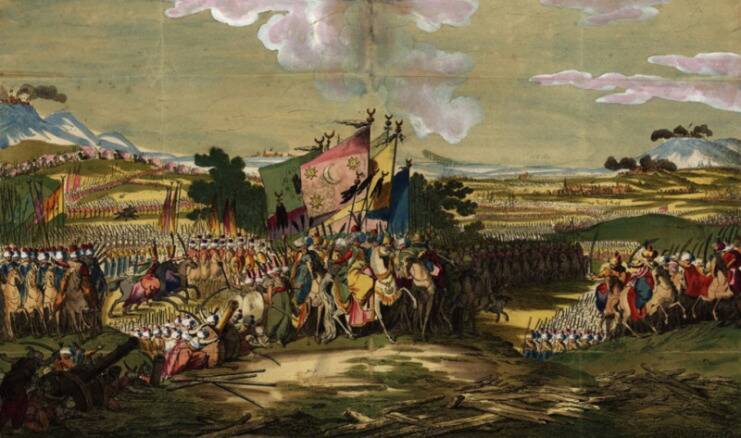
The tale goes that Austrian scouts bought schnapps near Caransebeș, arguments sparked, shots followed, and panicked cries of “Turks!” triggered a nighttime melee—Austrians firing on Austrians. By morning, thousands were supposedly dead, and the Ottomans arrived to find a shattered camp without fighting. It’s dramatic.
But historians flag the story as thinly sourced and likely embellished. Still, friendly‑fire frights in the dark are plausible, and the anecdote survives as a caution: confusion can rout an army faster than any enemy charge.
Morale by miracle? The Holy Lance and the Battle of Antioch (1098)
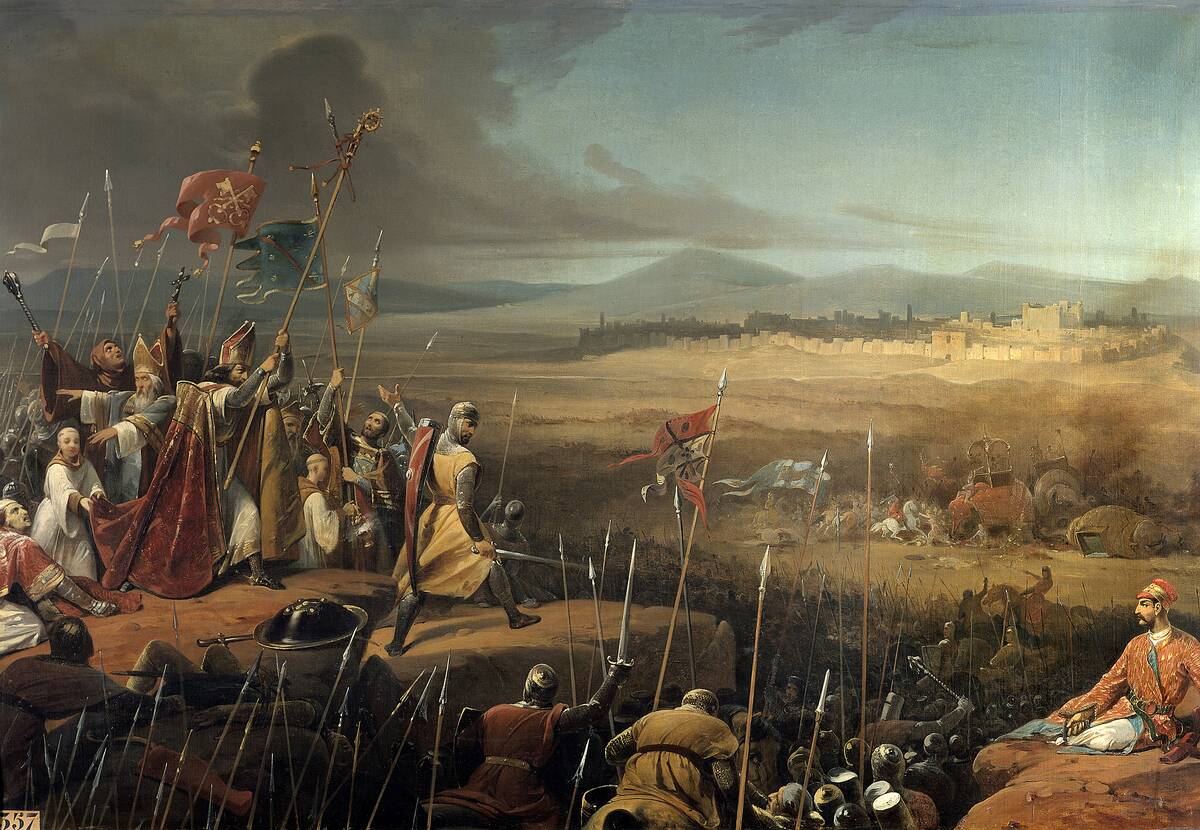
After months of starvation during the siege of Antioch, a Provençal visionary, Peter Bartholomew, claimed to find the Holy Lance beneath a church floor. Many crusaders believed; some leaders doubted. Yet the timing was electric—news spread, spirits surged, and a desperate army suddenly had purpose.
Days later, the crusaders sallied and defeated Kerbogha’s relieving force outside the city. Contemporary accounts mix faith and tactics, but the boost in morale was real, and in siege warfare, belief can be the sharpest weapon in the kit.
Thin ice or tall tale? Fortune at the Battle on the Ice (1242)
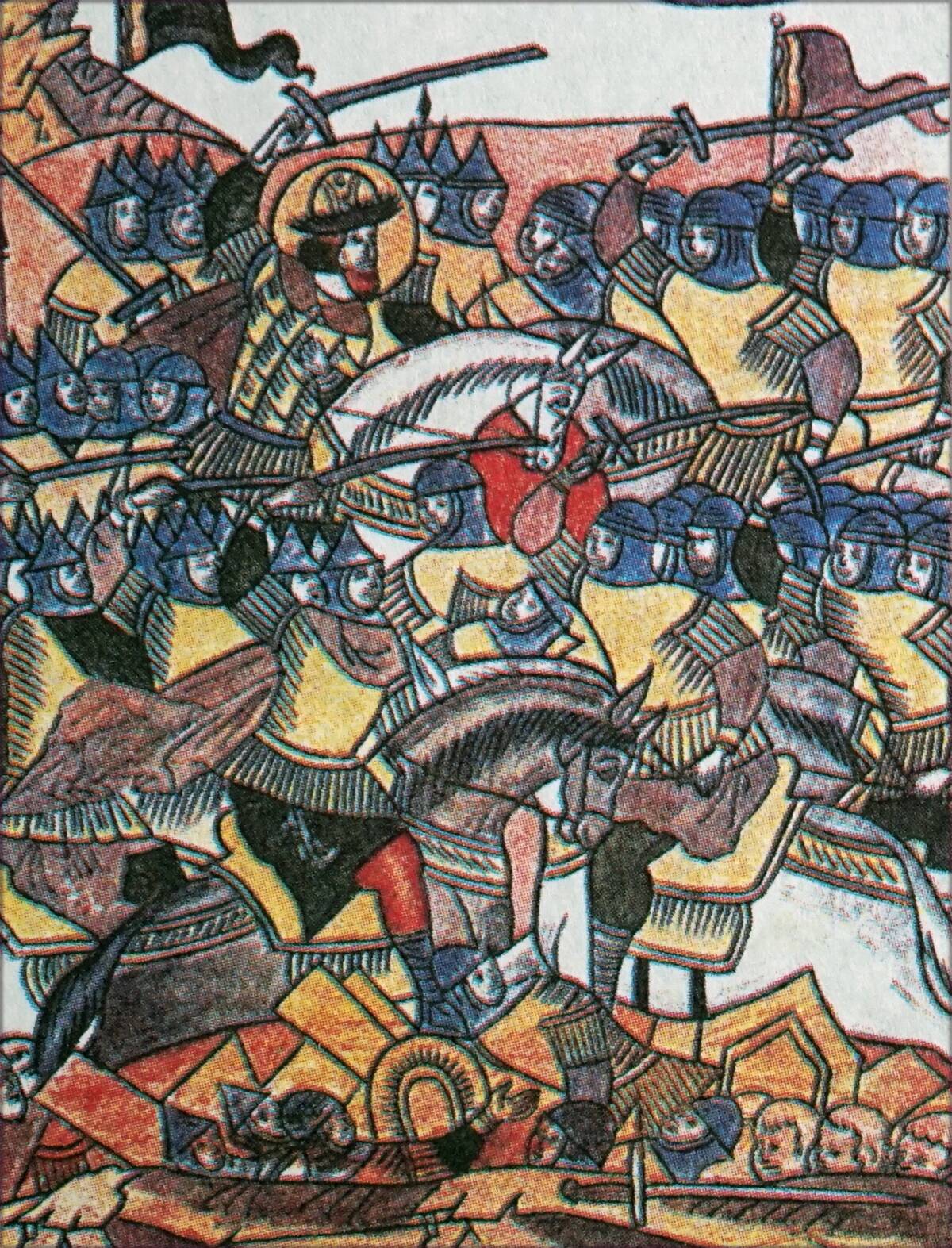
Alexander Nevsky checked the Livonian Order on Lake Peipus, and later retellings dwell on knights crashing through ice. Chronicles do report fighting on frozen water and a chaotic retreat, but mass drownings of armored cavalry are likely an exaggeration layered on by epic tradition.
What isn’t in doubt: terrain and season favored the Russians. Slippery footing blunted heavy charges, and once the mounted line fractured, lighter troops exploited the break. Whether the ice claimed dozens or only a few, winter itself shaped the victory.
Fog lifts, shots land: misfortune at the Battle of New Orleans (1815)
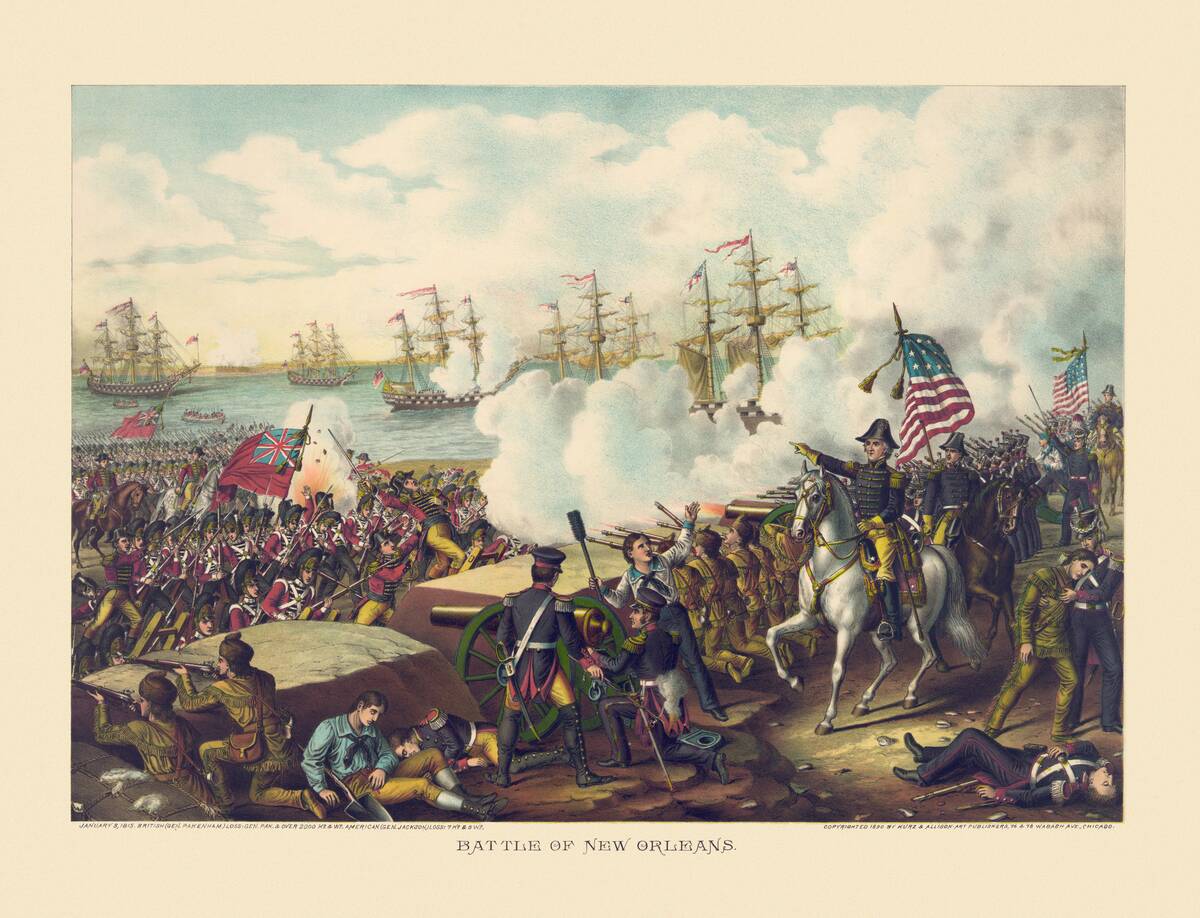
Before dawn on January 8, a heavy mist shrouded the British advance upriver from New Orleans. Then the fog lifted as columns closed, exposing neat ranks to American artillery and musketry from well‑prepared earthworks. General Edward Pakenham was mortally wounded trying to rally the attack.
Andrew Jackson’s mixed force—regulars, militia, free men of color, Choctaw allies, and Baratarian artillery—needed the visibility break far less than the attackers did. The result was lopsided British casualties and a final battlefield shock in a war already diplomatically over.
When the weather finally cleared in the Bulge (1944)
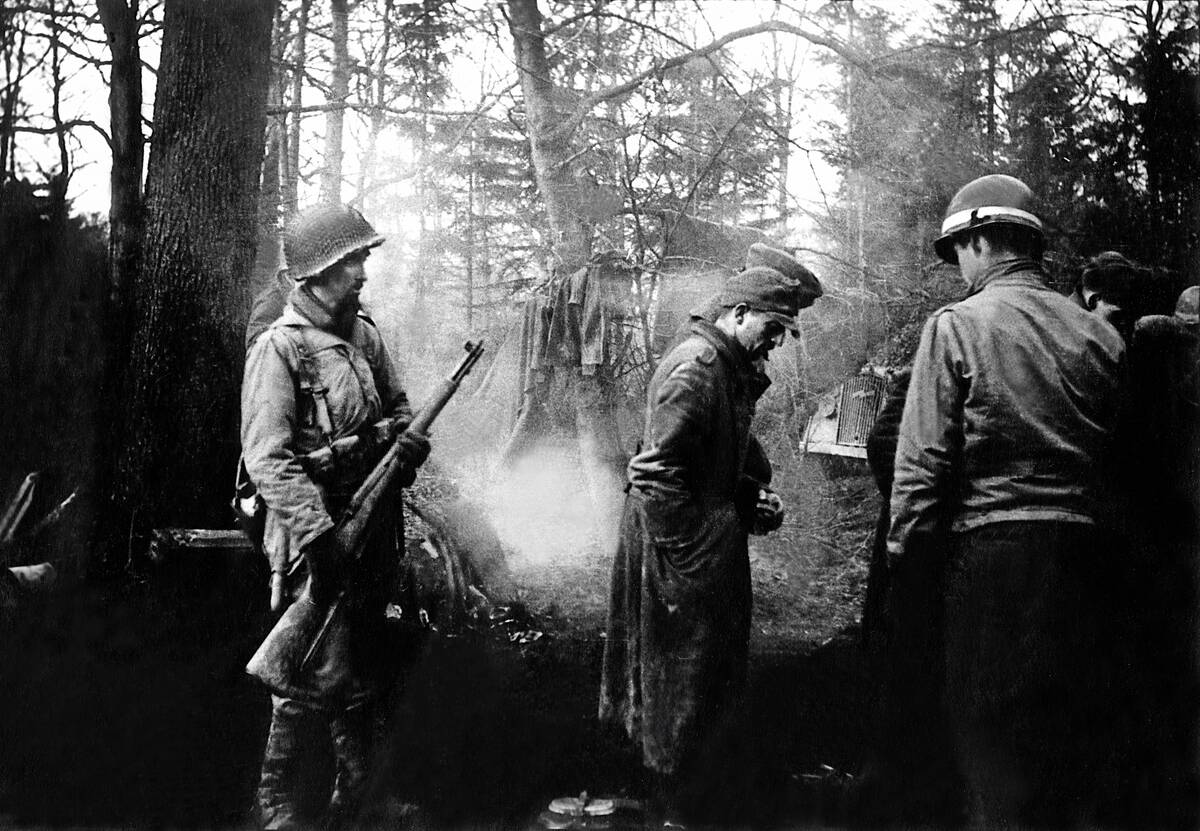
For a week after the Ardennes offensive began, low clouds and snow grounded much of Allied airpower. Then, on December 23, skies opened. C‑47s dropped supplies to encircled Bastogne, fighter‑bombers roamed the roads, and bridges behind German spearheads started disappearing under repeated strikes.
Ground forces still had to grind, but the Luftwaffe couldn’t protect columns like before, and fuel‑hungry panzers stalled. Patton’s Third Army relieved Bastogne on December 26. The forecast didn’t win the battle, yet it unlocked the playbook that did.
Floods, storms, and herring pies: the relief of Leiden (1574)
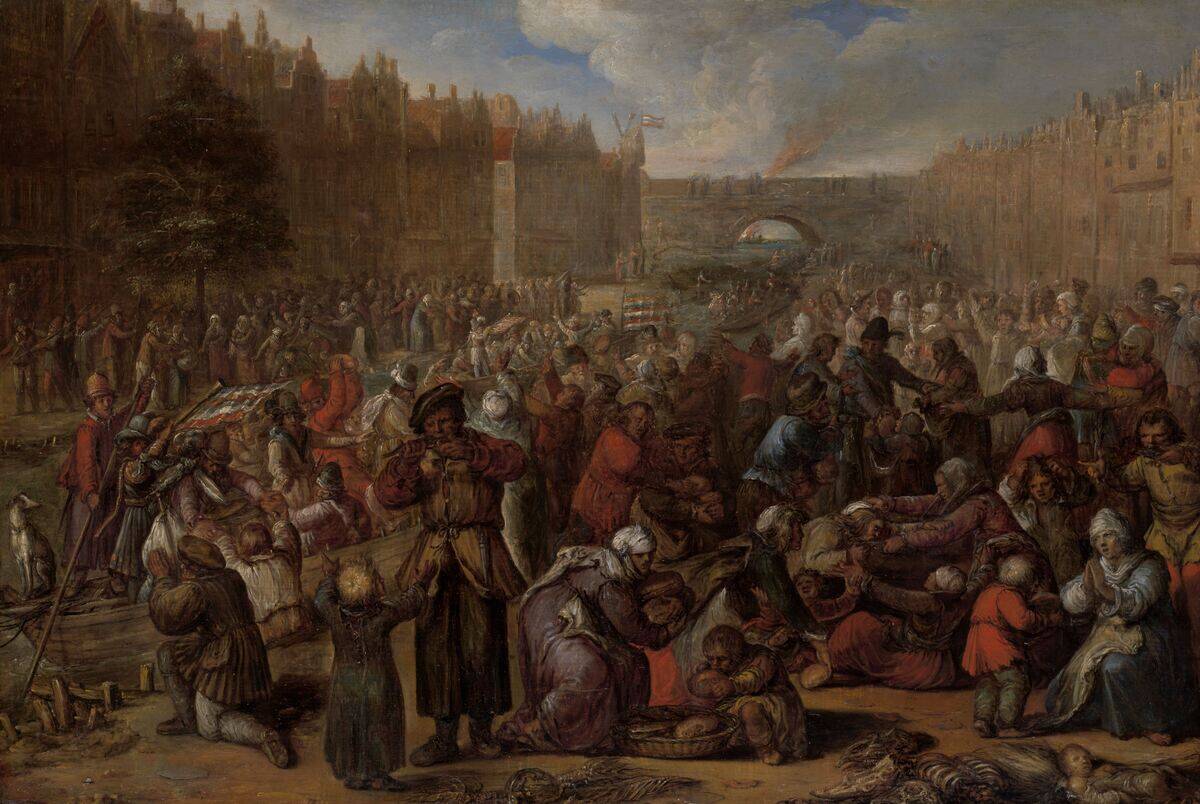
Pinned by a Spanish siege, the Dutch sliced dikes to flood the polders, inviting the North Sea inland. Autumn storms and favorable winds raised water levels enough for a rebel fleet under Louis Boisot to creep over fields and hedges toward hungry Leiden.
On October 3, 1574, the Spanish withdrew as the waters rose, and boats brought victuals—famously herring and white bread—to the starving city. Leiden still marks the date. Hydraulic engineering, aided by wild weather, turned geography into a liberation strategy.
Bees vs. bayonets at the Battle of Tanga (1914)
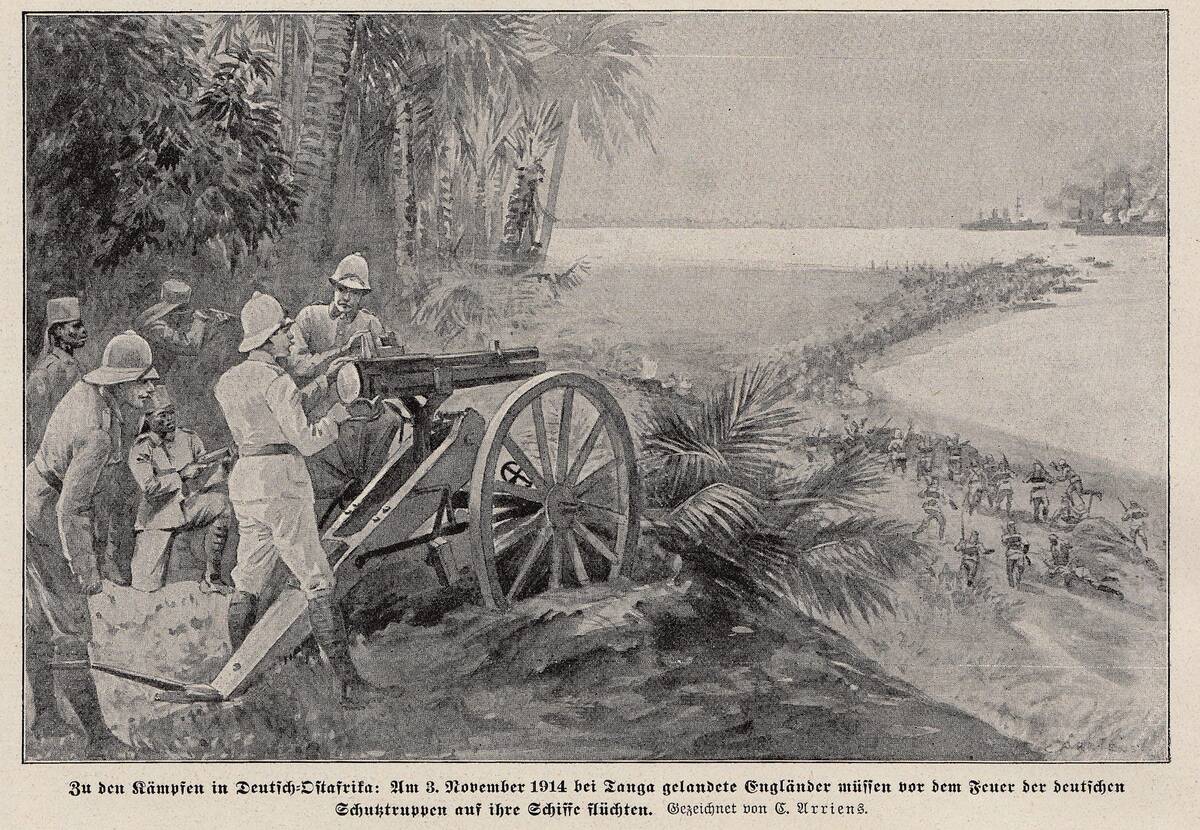
In early November 1914, British Indian Expeditionary Force B landed to seize Tanga in German East Africa. Defenders under Paul von Lettow‑Vorbeck were outnumbered, yet the fight turned chaotic when swarms of disturbed bees attacked both sides. Stings, confusion, and sudden retreats shredded unit cohesion at key moments.
German askari and officers exploited the turmoil with cool fire control and counterattacks through bush and mangrove. Major General Aitken’s troops fell back to their ships, leaving equipment behind. Nature’s tiny allies helped one of WWI’s most lopsided early upsets.




