Hidden worlds of spies in medieval Asia
Step back into the shadowy corridors of medieval Asia, where spies wielded secrets as their weapons. These elusive figures were the unseen hands shaping empires, from the bustling courts of China to the secluded temples of Japan.
But who were these mysterious operatives, and what was life like in their covert world? Join us as we unravel the enigma of espionage in a time when information was power and deception was an art form.
The Birth of Espionage in Ancient Asia
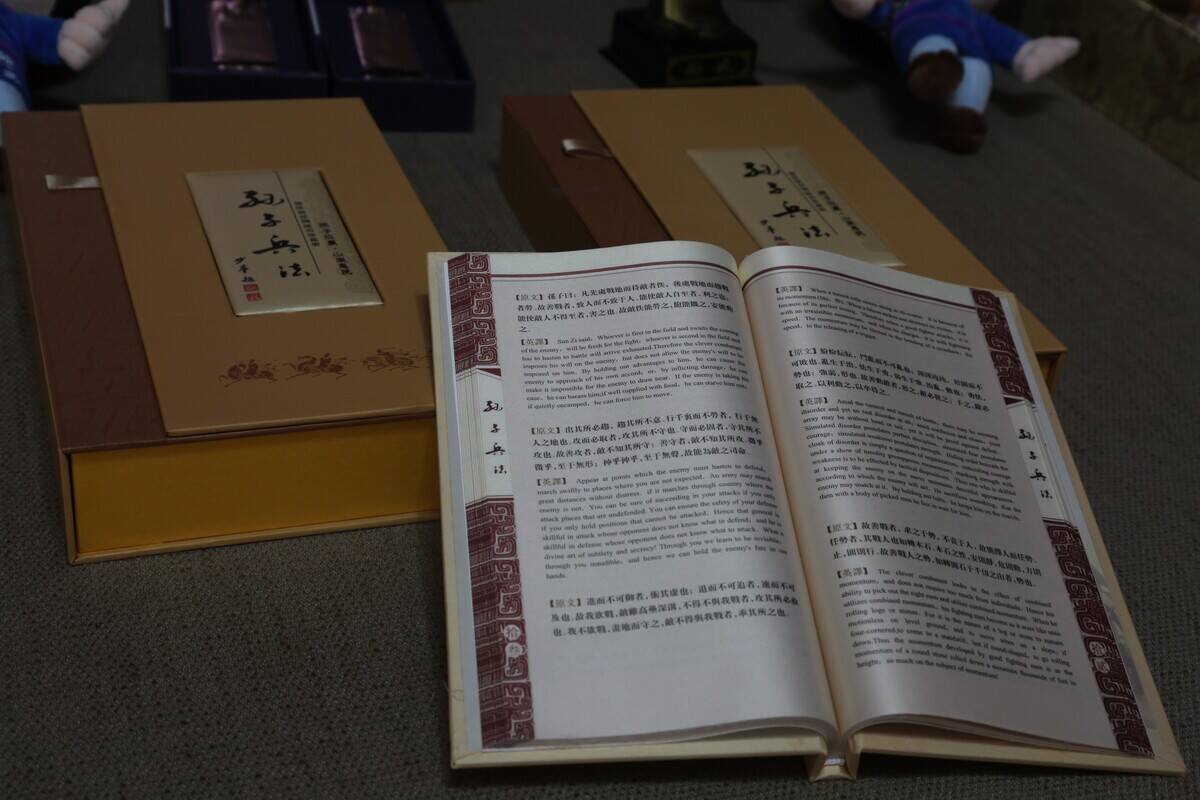
Espionage in Asia traces its roots back to the earliest civilizations. In China, Sun Tzu’s The Art of War, written in the 5th century BCE, emphasized the strategic importance of spies.
Meanwhile, in India, the Arthashastra, a treatise by Kautilya, detailed espionage techniques during the Mauryan Empire. These foundational texts highlight how intelligence gathering was integral to military strategy, laying the groundwork for sophisticated espionage networks that emerged in medieval times.
The Role of Spies in Medieval Asian Warfare
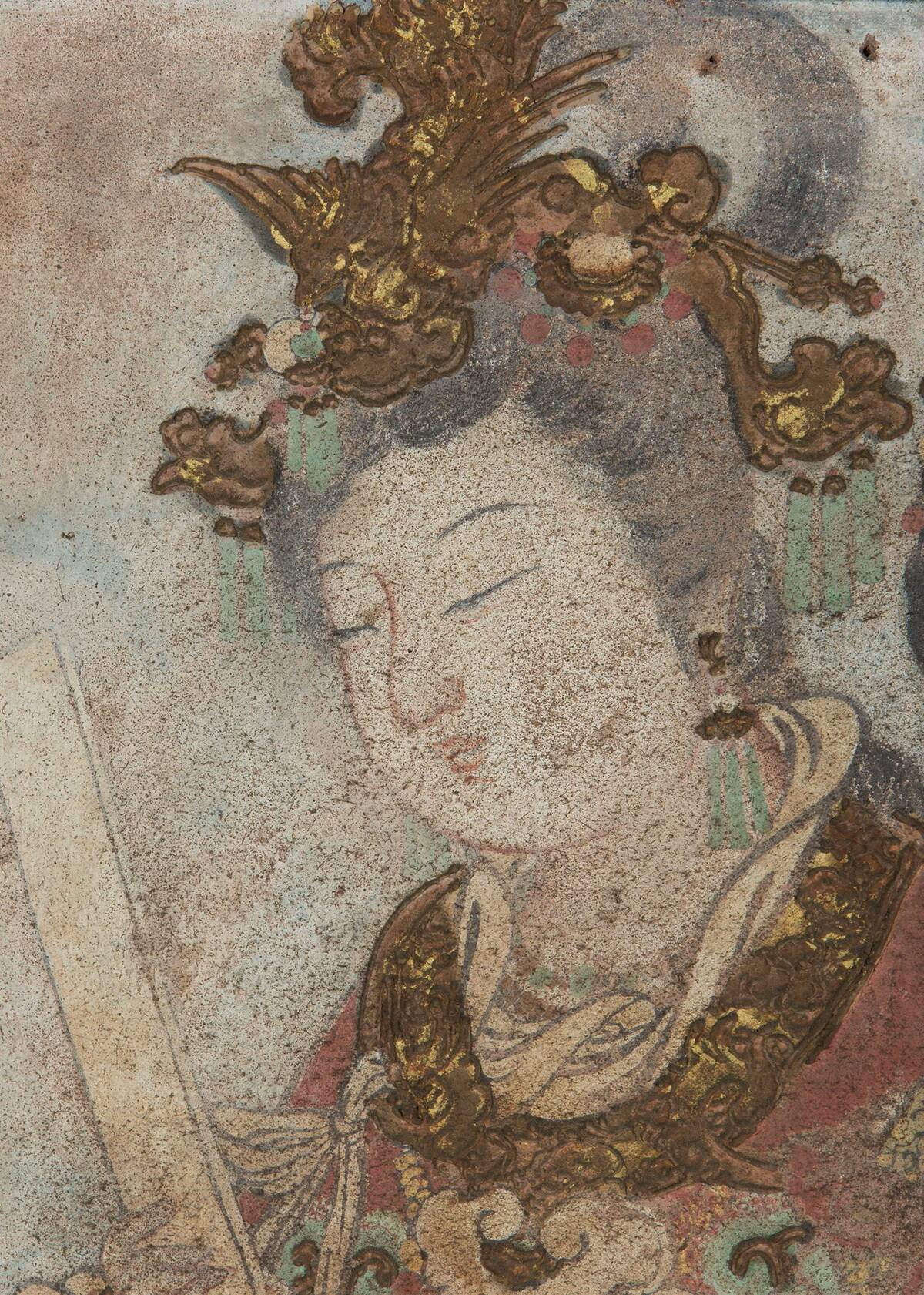
In medieval Asia, espionage was a formidable force multiplier in warfare. Spies infiltrated enemy lines, sowing discord and gathering critical intelligence. During the Tang Dynasty (particularly Wu Zetian’s reign), Chinese spies were instrumental in thwarting invasions by the formidable nomadic tribes.
In Japan, samurai warriors often used espionage to outmaneuver rivals, employing deception and reconnaissance. These operations were crucial in maintaining the delicate balance of power and securing victories on the battlefield.
The Ninja: Japan’s Mysterious Shadow Warriors
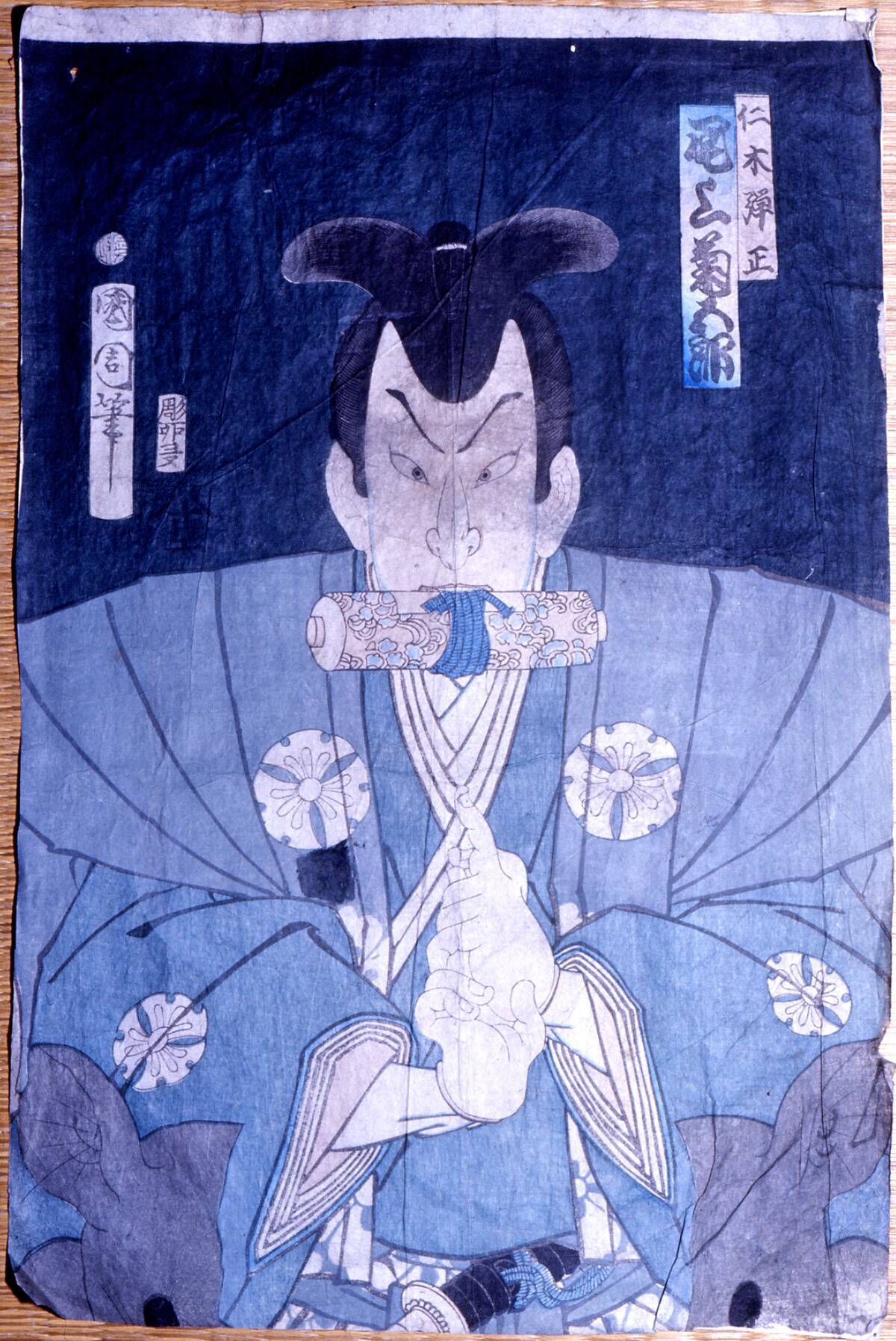
Ninjas, the enigmatic shadow warriors of feudal Japan, have captivated imaginations for centuries. Known for their stealth and martial prowess, ninjas were masters of espionage. Operating in secrecy, they gathered intelligence, sabotaged enemy plans, and sometimes even engaged in assassinations.
Contrary to popular myth, ninjas were not always clad in black; they often disguised themselves as monks or peasants to blend in. Their mystique has made them enduring figures in both historical and popular narratives.
The Art of Espionage in the Mughal Empire

In the Mughal Empire, espionage was a refined art practiced by an intricate network of spies. The emperors employed agents known as “barids” to gather intelligence on court activities and provincial affairs.
Akbar the Great (pictured), in particular, was known for his extensive intelligence apparatus, which helped him maintain control over his vast empire. These spies provided vital information on military movements, political conspiracies, and economic conditions, ensuring the empire’s stability and prosperity.
The Ming Dynasty’s Secret Police: Jinyiwei
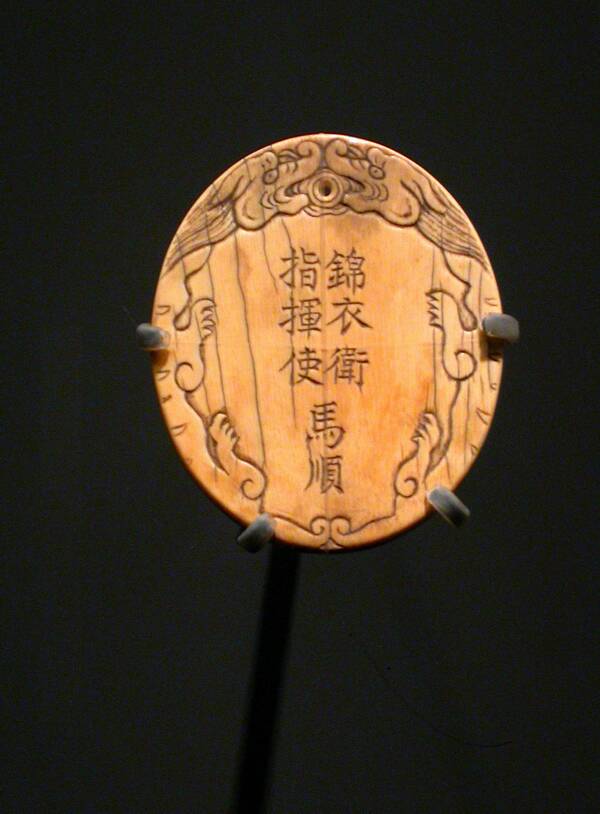
The Jinyiwei were the elite secret police of China’s Ming Dynasty, tasked with safeguarding the emperor’s interests. Established by Emperor Hongwu, this fearsome organization was known for its loyalty and efficiency.
Operating with near-total autonomy, the Jinyiwei conducted surveillance, arrests, and interrogations, often bypassing traditional legal procedures. Their presence instilled fear and maintained order, demonstrating the lengths to which rulers would go to protect their reign and control information.
Espionage Techniques and Tools of the Trade

Medieval Asian spies employed a variety of techniques and tools to accomplish their missions. Disguises and secret codes were common, allowing spies to move undetected and communicate securely.
In Japan, ninjas used specialized equipment like grappling hooks and blowguns, while Chinese spies relied on intricate networks of informants. These operatives also utilized natural elements, such as the cover of night or the sound of rain, to mask their movements and gain the upper hand.
Coded Messages: Cryptography in Medieval Asia
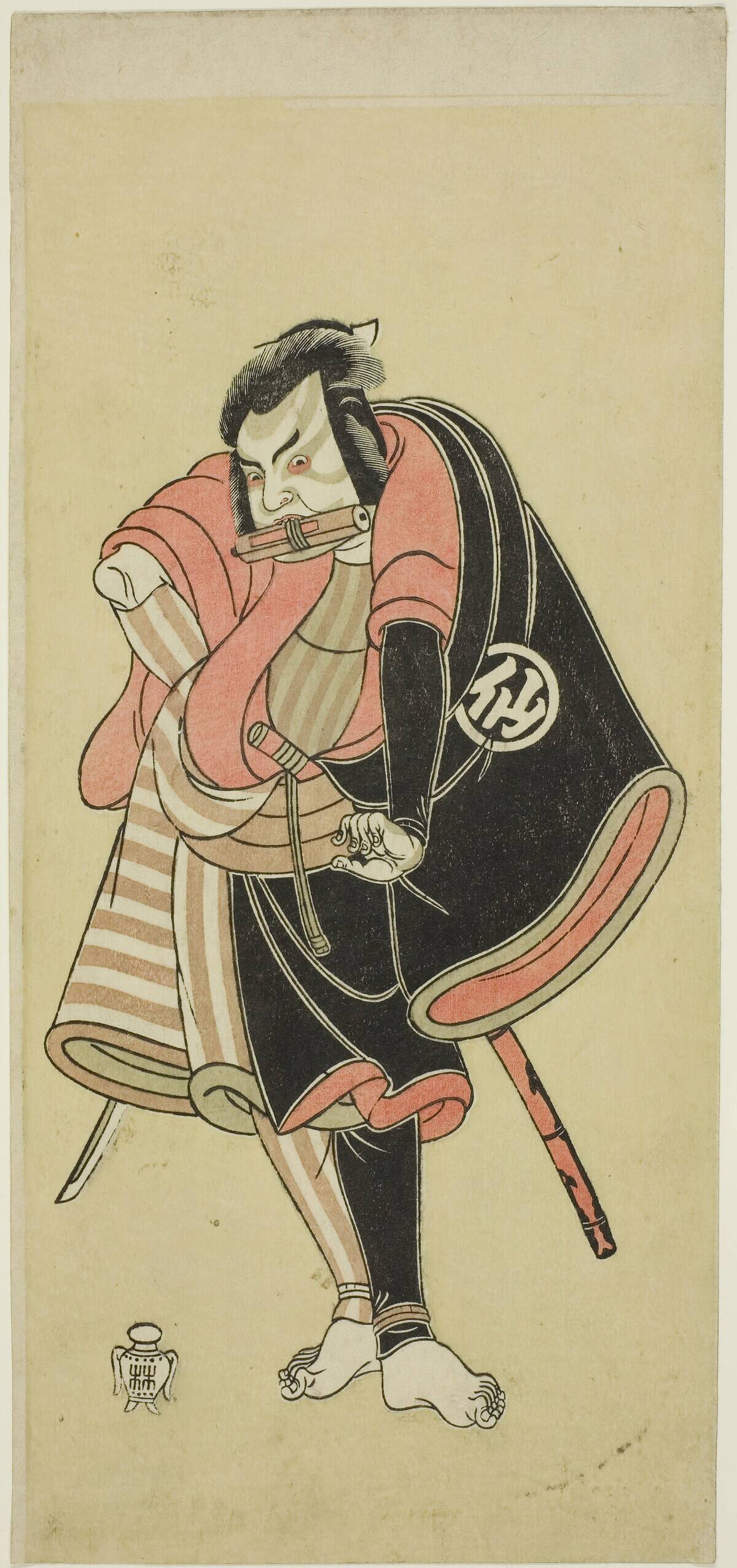
Cryptography was a crucial aspect of medieval Asian espionage, ensuring that sensitive information remained secure. In China, the use of coded messages dates back to the Han Dynasty, with intricate systems developed to protect military secrets.
Japan’s ninjas also employed codes, often using everyday objects like knots in ropes to convey hidden messages. These early forms of cryptography laid the foundation for more complex systems that would evolve over the centuries, highlighting the timeless need for secure communication.
The Role of Spies in the Silk Road Trade
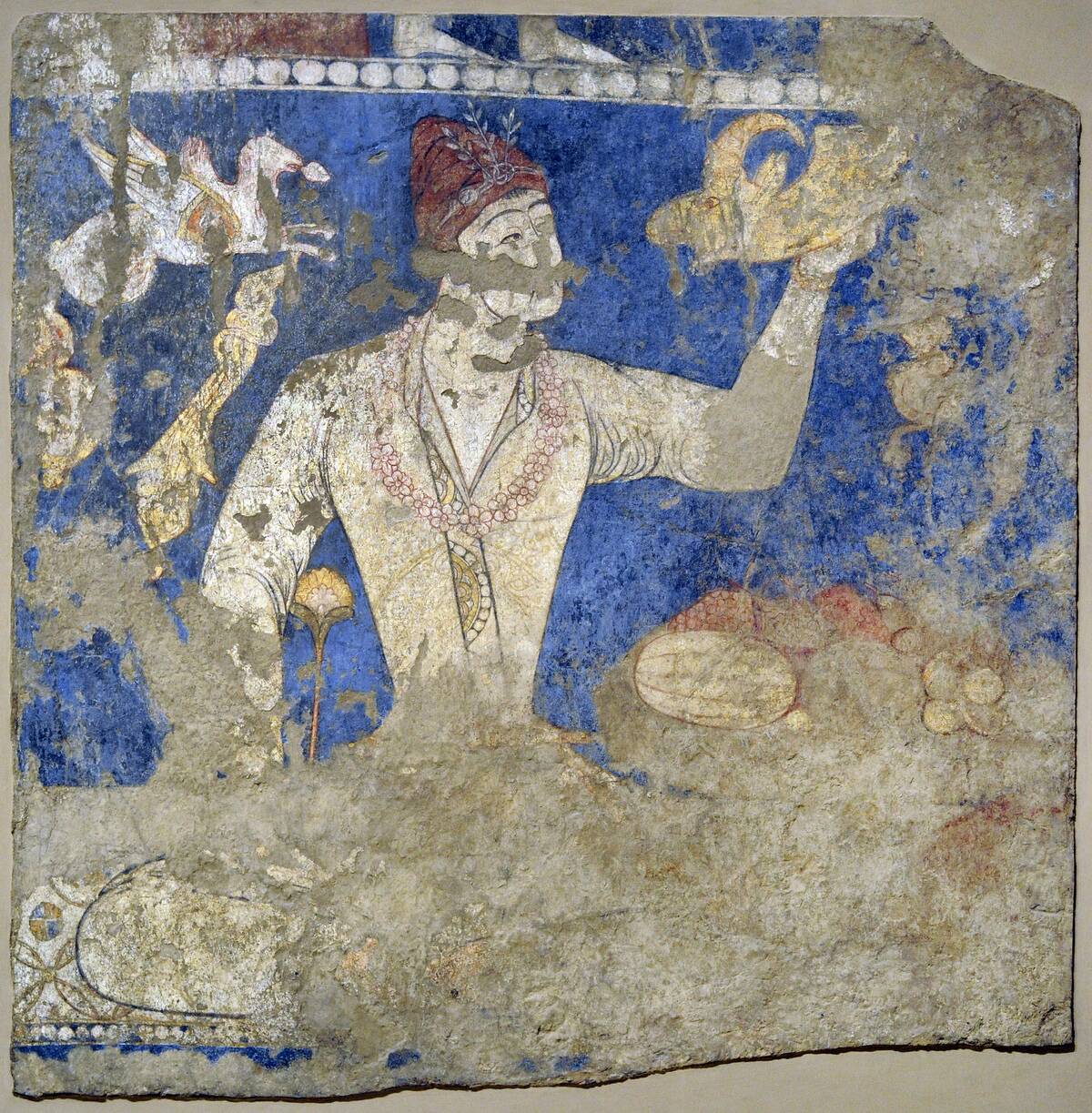
Spies were vital players in the bustling trade along the Silk Road, the ancient network connecting East and West. These operatives gathered intelligence on trade routes, monitored rival merchants, and relayed information about political changes.
Their efforts led to the development of the Byzantine silk trade, as perhaps the first case of industrial espionage in history saw Nestorian monks hide silkroom eggs in bamboo cane on their way back to Constantinople around 550 CE.
Espionage vs. Honor: The Ethical Dilemma
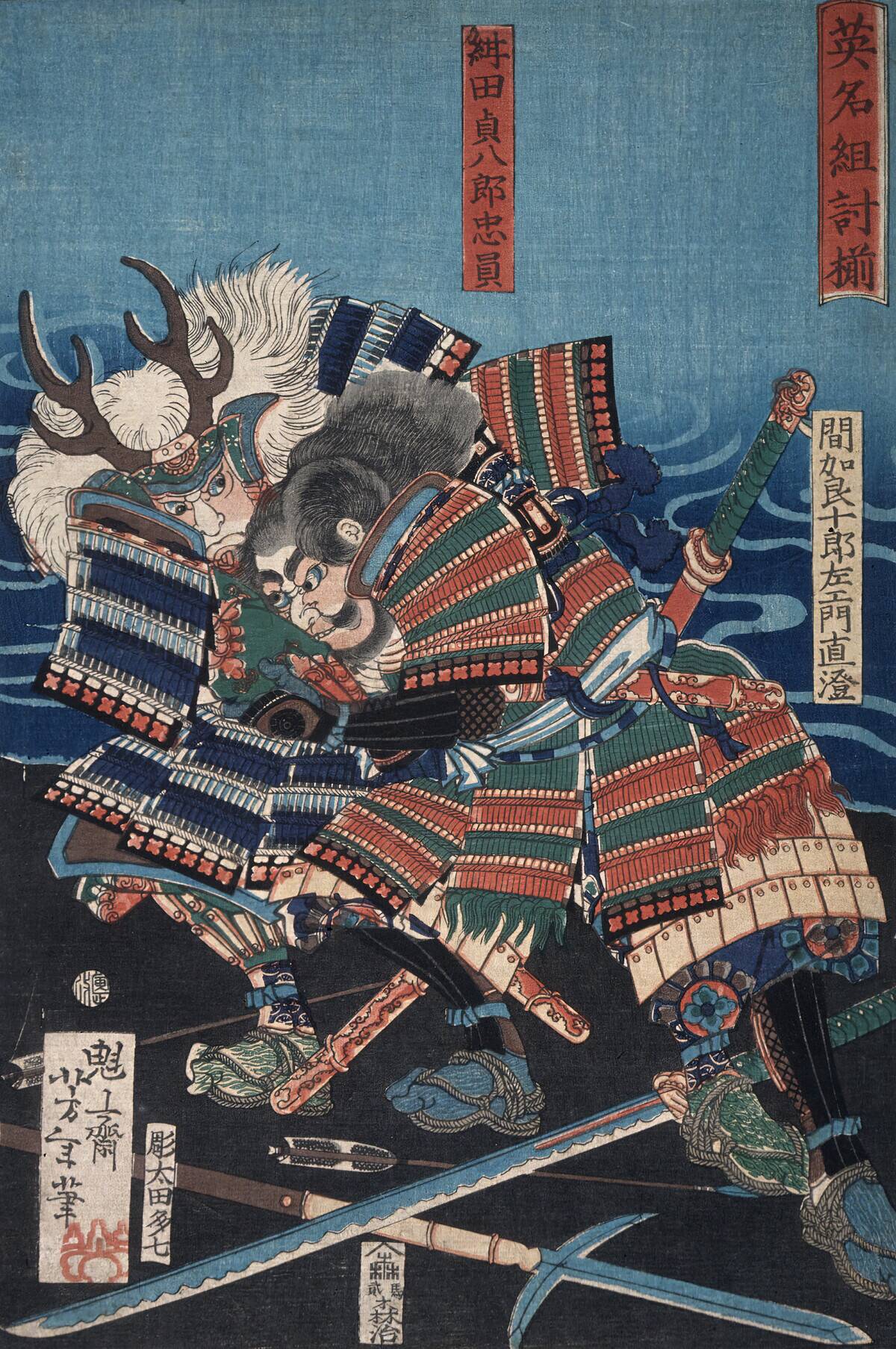
The practice of espionage in medieval Asia often clashed with the prevailing codes of honor. In Japan, the samurai code of bushido emphasized loyalty and integrity, yet espionage required deception and betrayal.
Similarly, in China, Confucian values prized honesty and trustworthiness, creating a moral quandary for those engaged in intelligence work. This tension between duty and ethics posed challenges for spies, who had to navigate the complex interplay of honor and necessity in their perilous profession.




