The hidden strategies behind early women’s labor movements
The early women’s labor movements were a pivotal force in transforming the working world. In the late 19th and early 20th centuries, these movements began to challenge the status quo, seeking better working conditions and fair wages.
Women from various industries, particularly textiles and garment manufacturing, spearheaded these efforts, demanding change and equality in a male-dominated workforce.
The Societal Backdrop: Women’s Roles in the Workforce
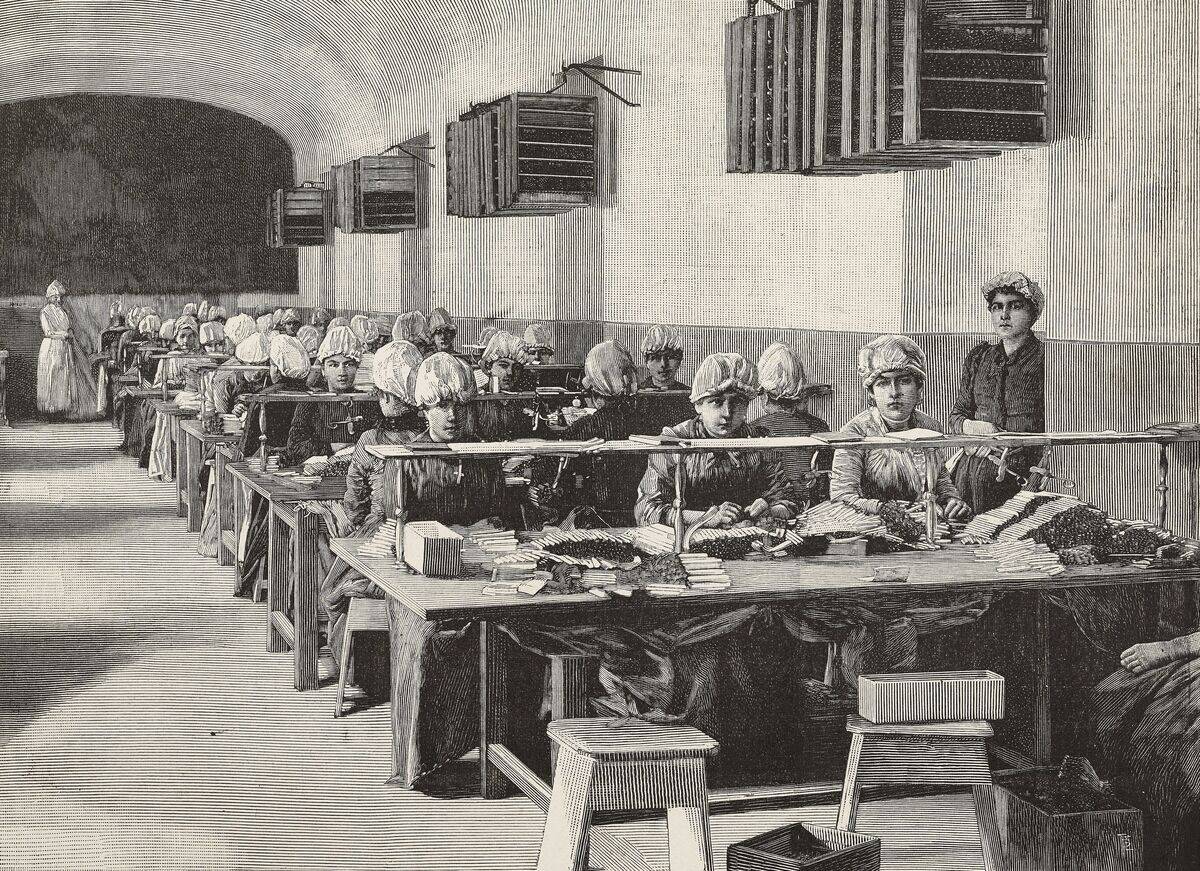
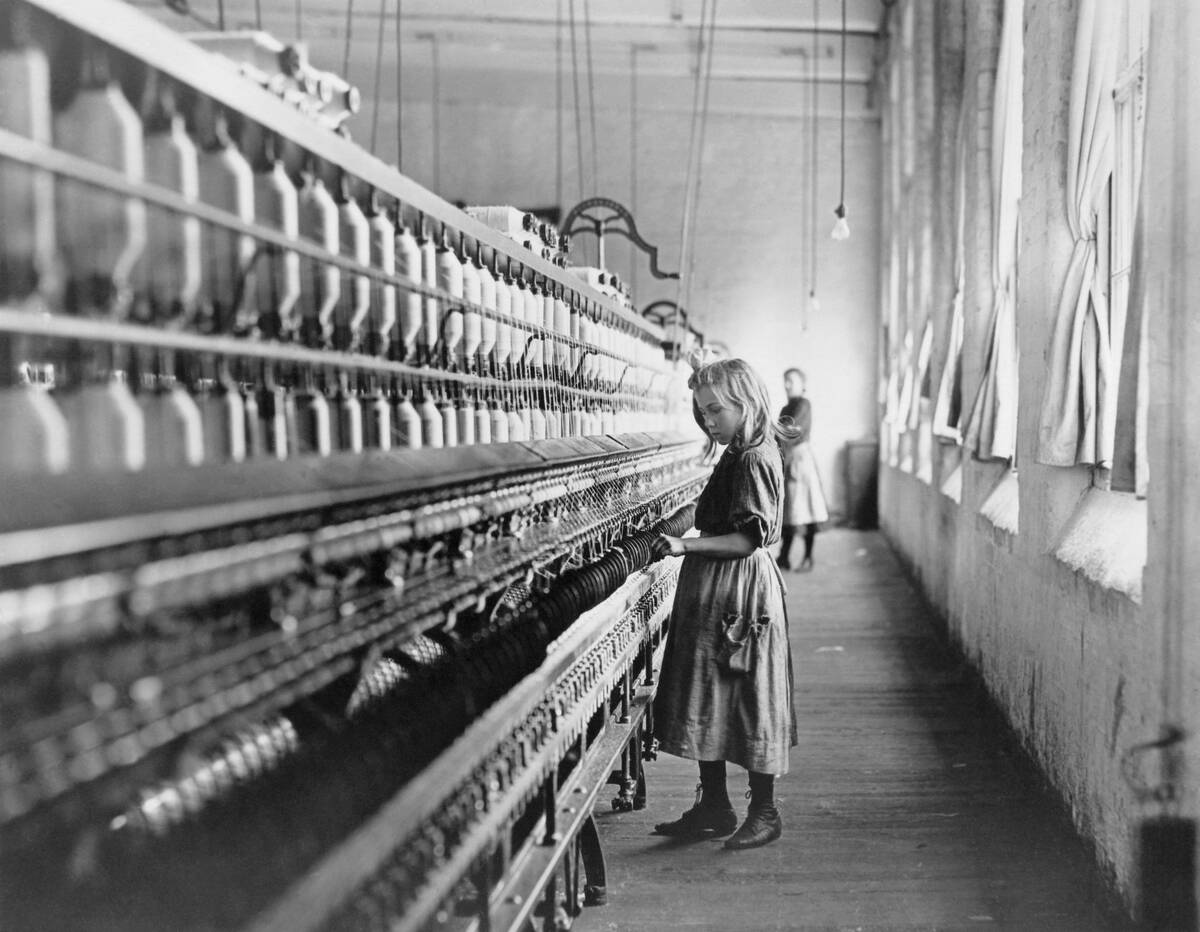
During the industrial revolution, women’s roles in the workforce were limited and often undervalued. They worked long hours in factories, often for half the pay of their male counterparts.
Despite these challenges, women became an essential part of the labor force, which laid the groundwork for their future involvement in labor movements. Their participation was often driven by necessity, as many families relied on the income women provided.
The Birth of the Labor Movement: A Brief History
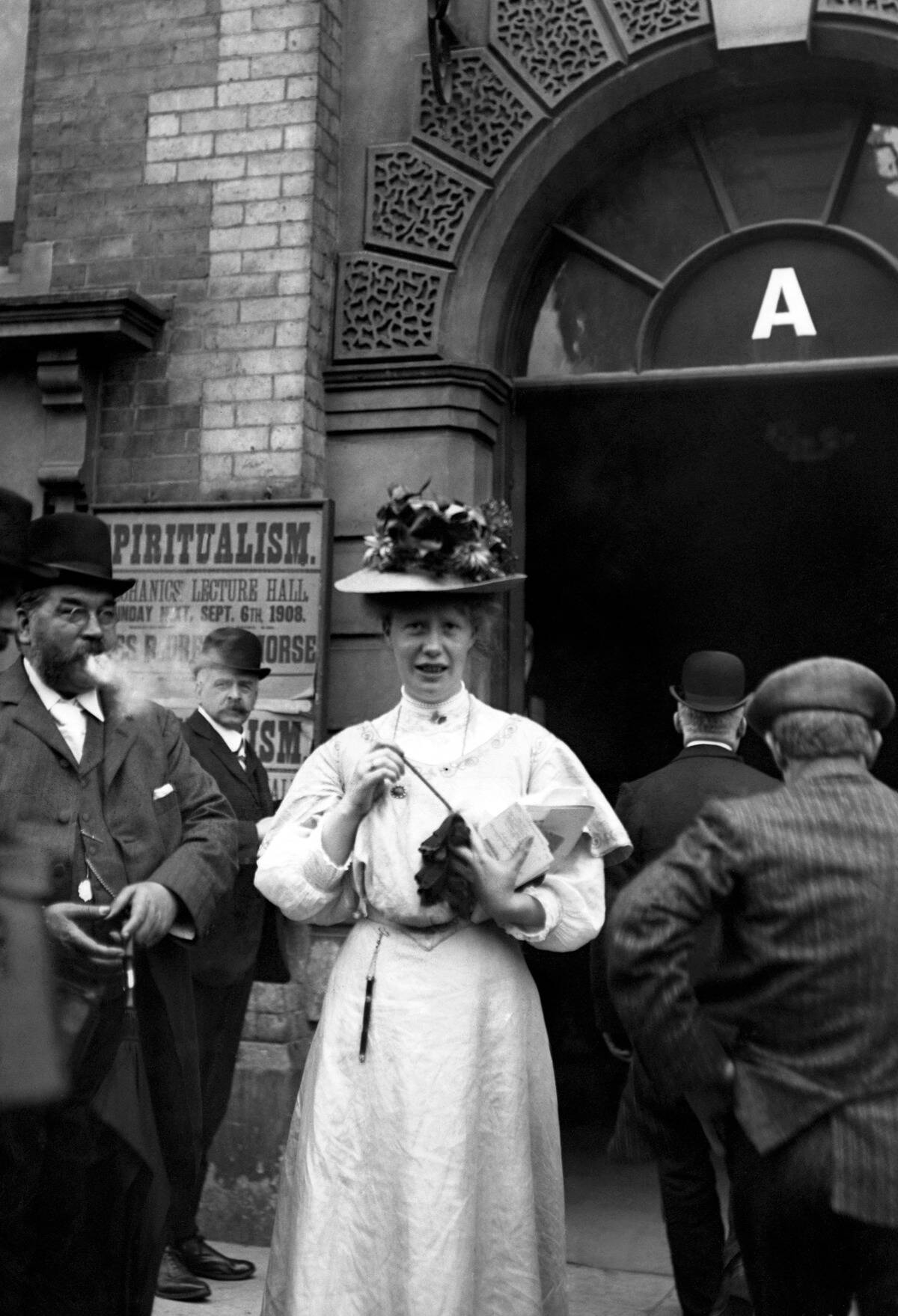
The labor movement emerged as a response to harsh working conditions and exploitation. In the late 1800s, women began organizing strikes and forming unions to fight for fair treatment.
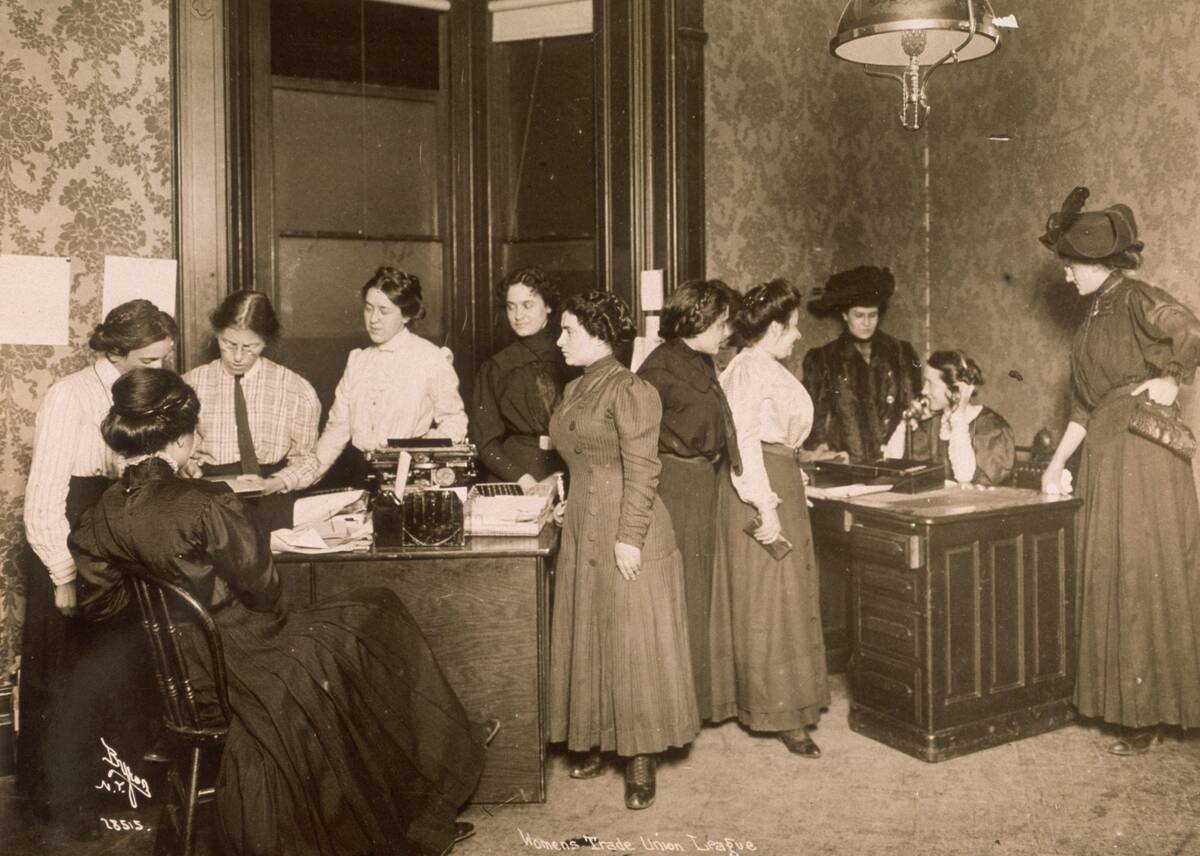
The movement gained momentum with the establishment of organizations like the Women’s Trade Union League in 1903. These efforts were instrumental in advocating for labor reforms that significantly improved working conditions.
Key Figures in Early Women’s Labor Activism
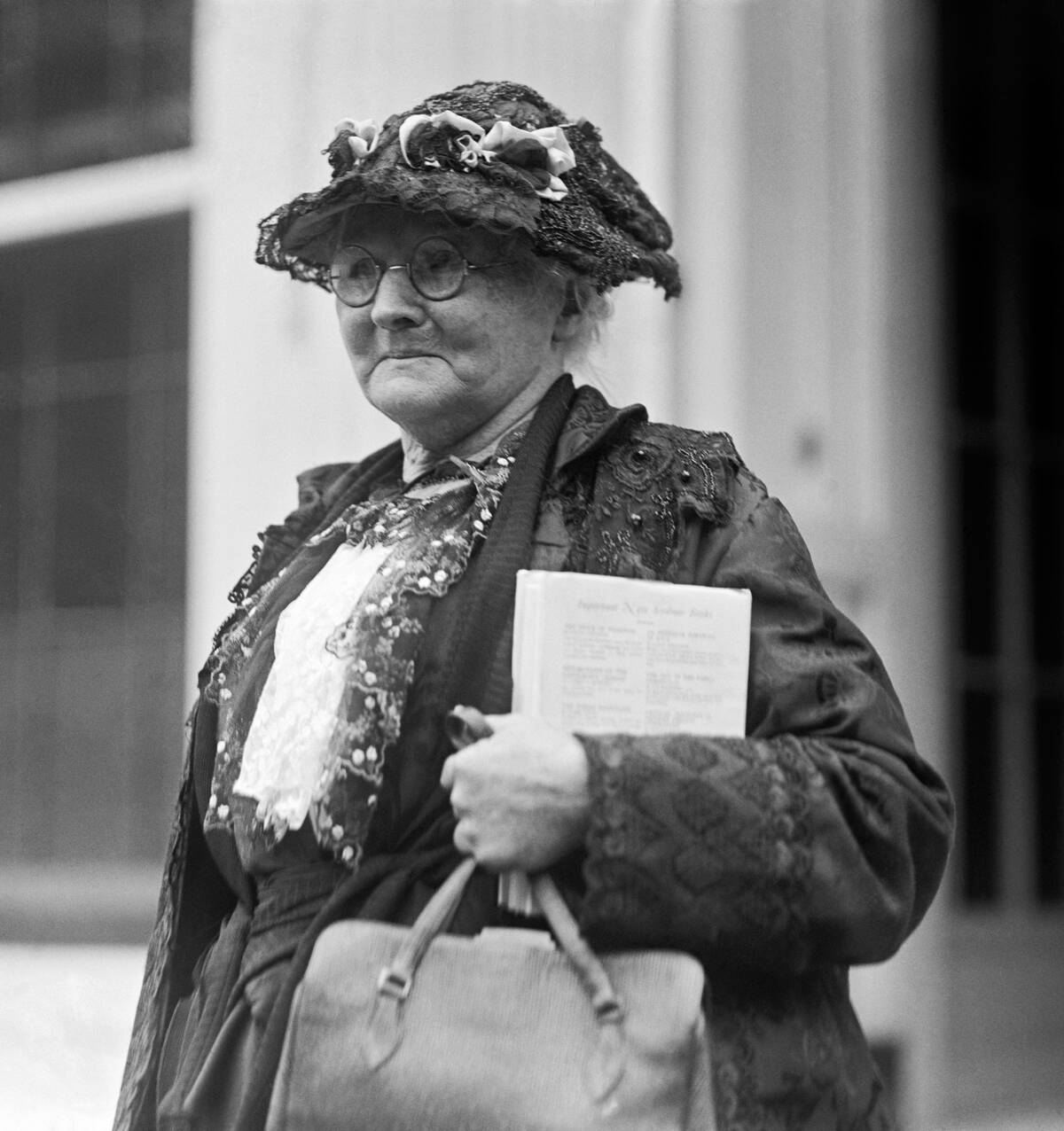
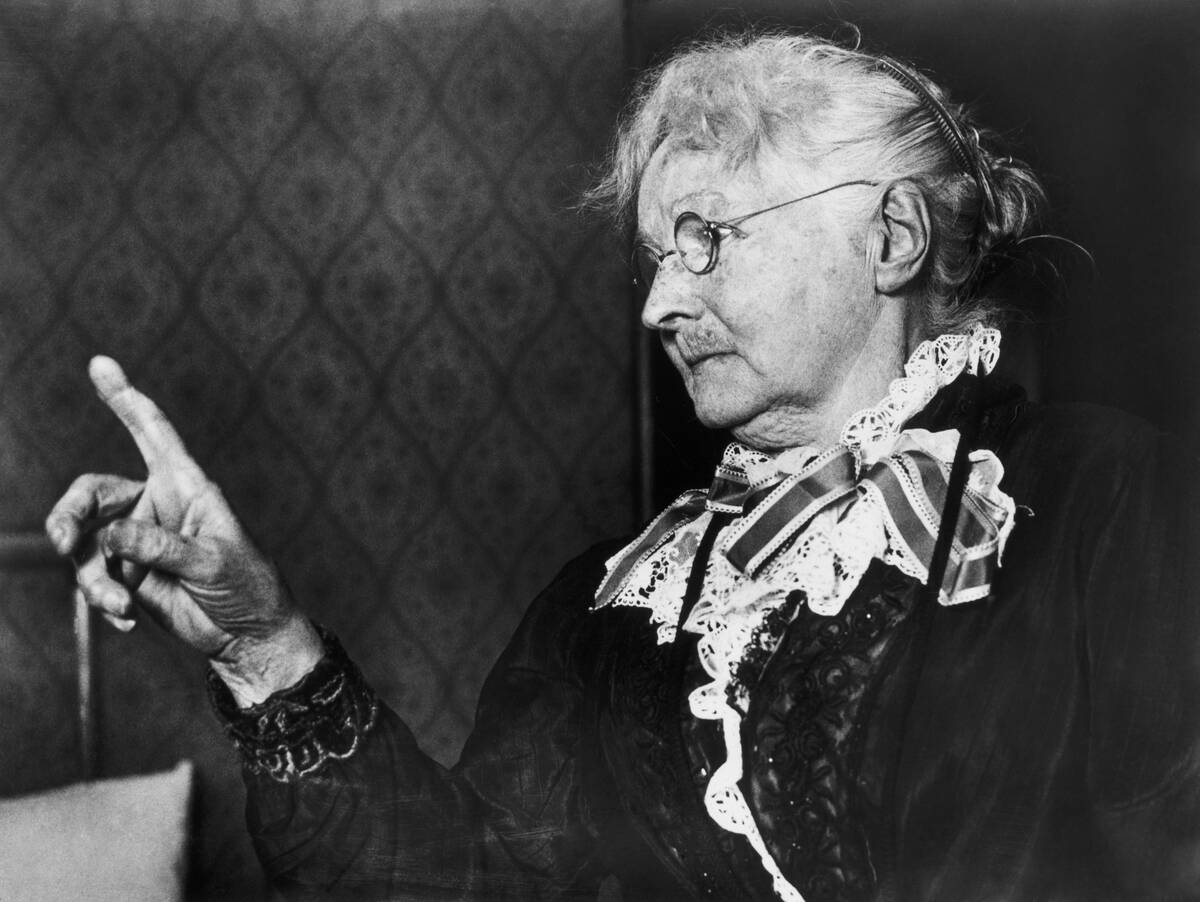
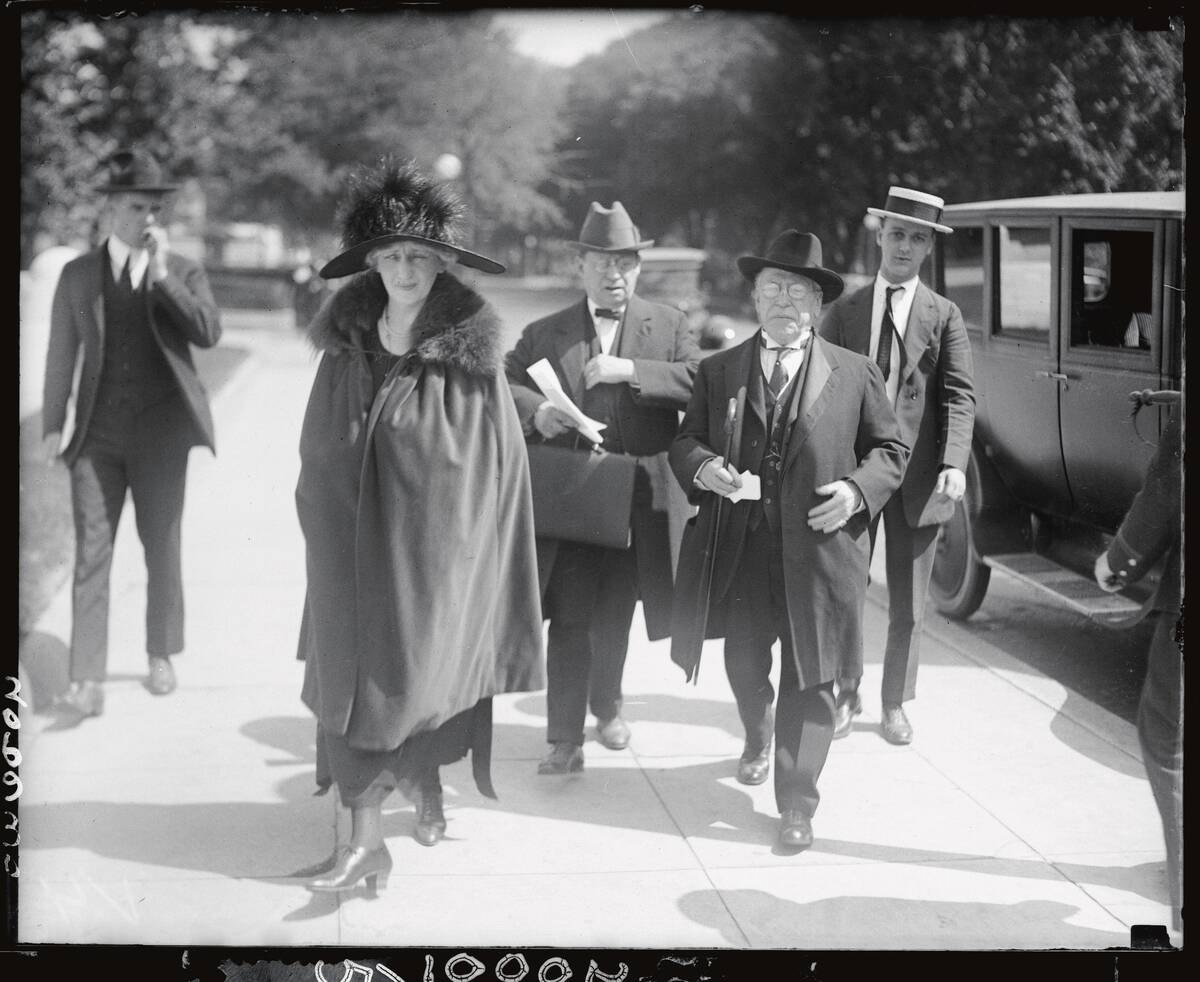
Prominent figures like Mary Harris “Mother” Jones (pictured) and Rose Schneiderman became icons of early labor activism.
Mother Jones was renowned for her fiery speeches and organizing skills, while Schneiderman’s work with the Women’s Trade Union League highlighted the interconnectedness of labor rights and women’s suffrage. Their leadership inspired countless women to join the fight for labor equality.
The Influence of the Suffrage Movement
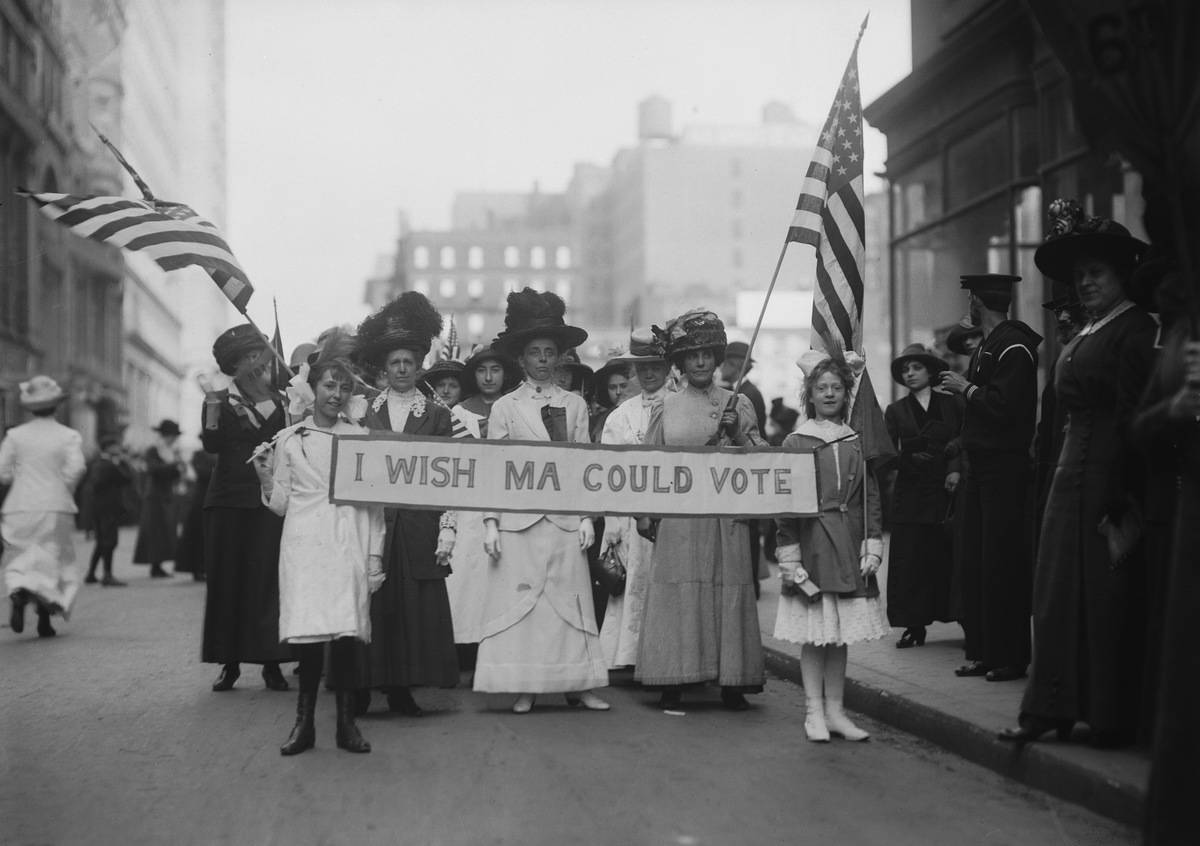
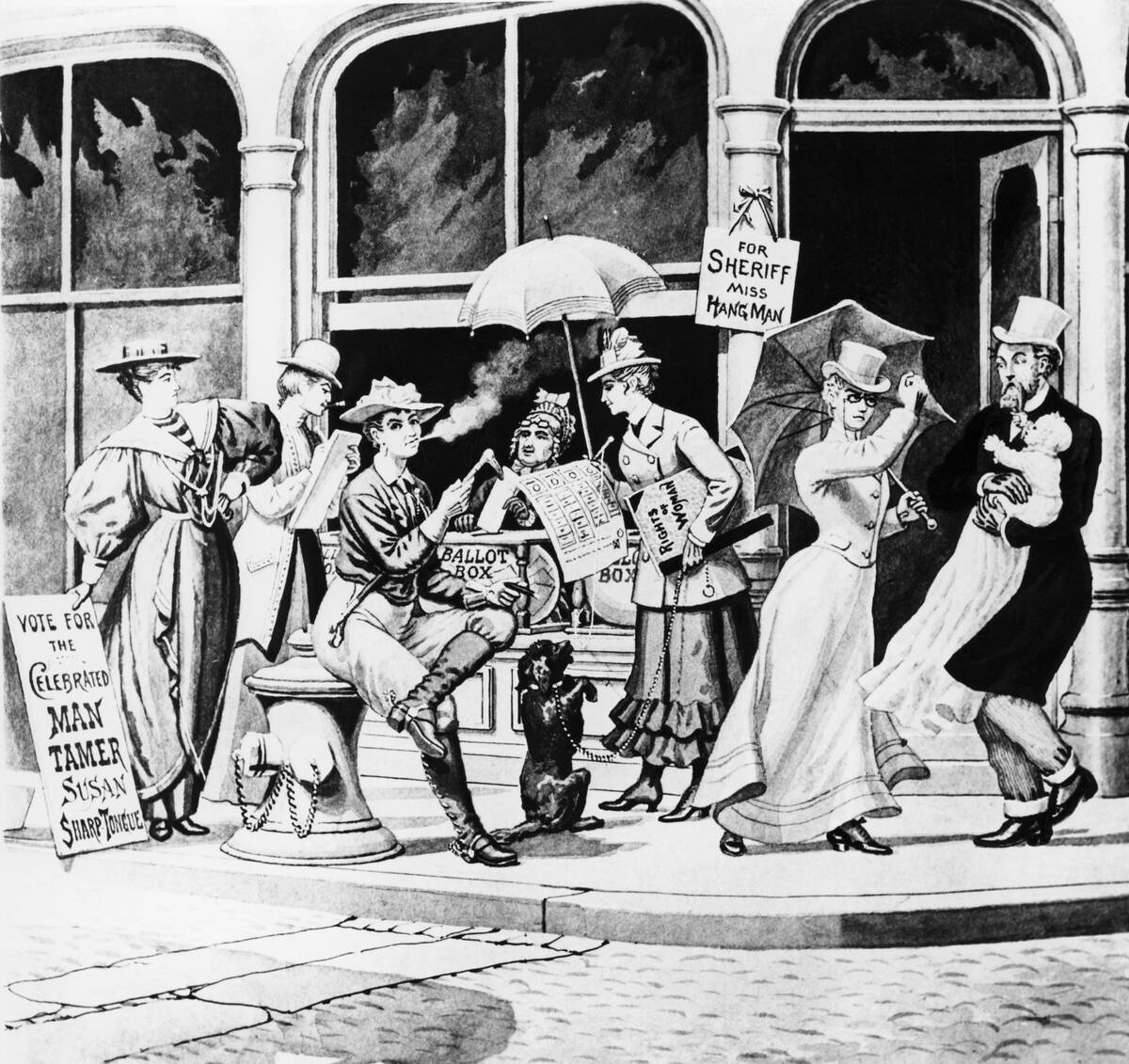
The suffrage movement played a significant role in shaping women’s labor activism. The struggle for voting rights paralleled the fight for labor rights, with many women activists participating in both movements.
Leaders like Susan B. Anthony emphasized the importance of economic independence as a means to achieve political equality. This synergy between movements fostered a sense of solidarity and purpose.
The Power of Unity: Forming Women’s Trade Unions
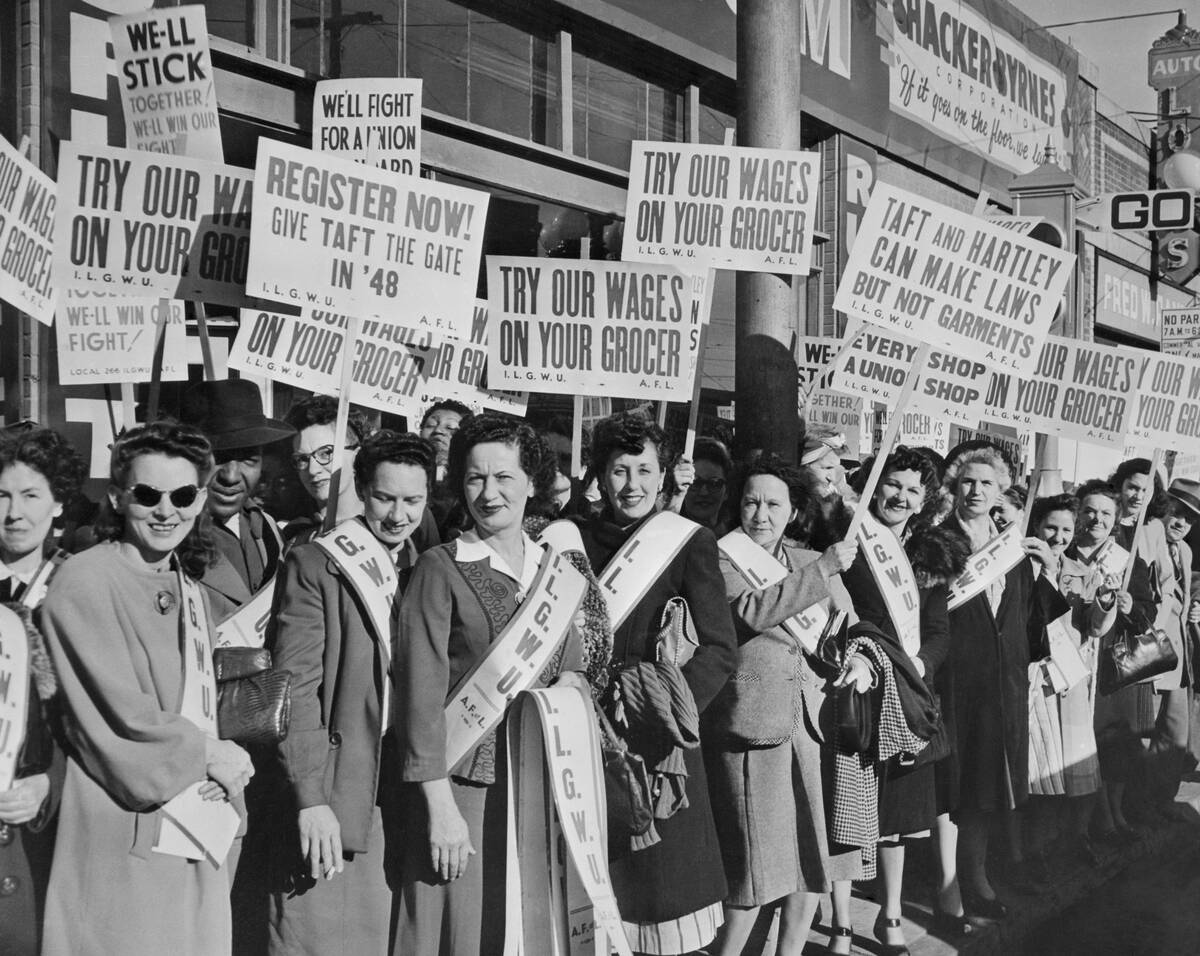
Women’s trade unions became a powerful tool in the fight for labor rights. The International Ladies’ Garment Workers’ Union, established in 1900, was one of the most successful.
These unions provided a platform for women to collectively bargain for better wages and working conditions. The sense of unity and shared purpose was a driving force behind many successful labor actions.
Communication Tactics: Spreading the Word
Effective communication was vital to the success of the women’s labor movement. Activists used pamphlets, newspapers, and public speeches to spread their message.
Public demonstrations and rallies also played a key role in raising awareness. These tactics helped galvanize support and bring attention to the plight of working women, drawing in allies from various sectors of society.
Strikes and Protests: Making Their Voices Heard
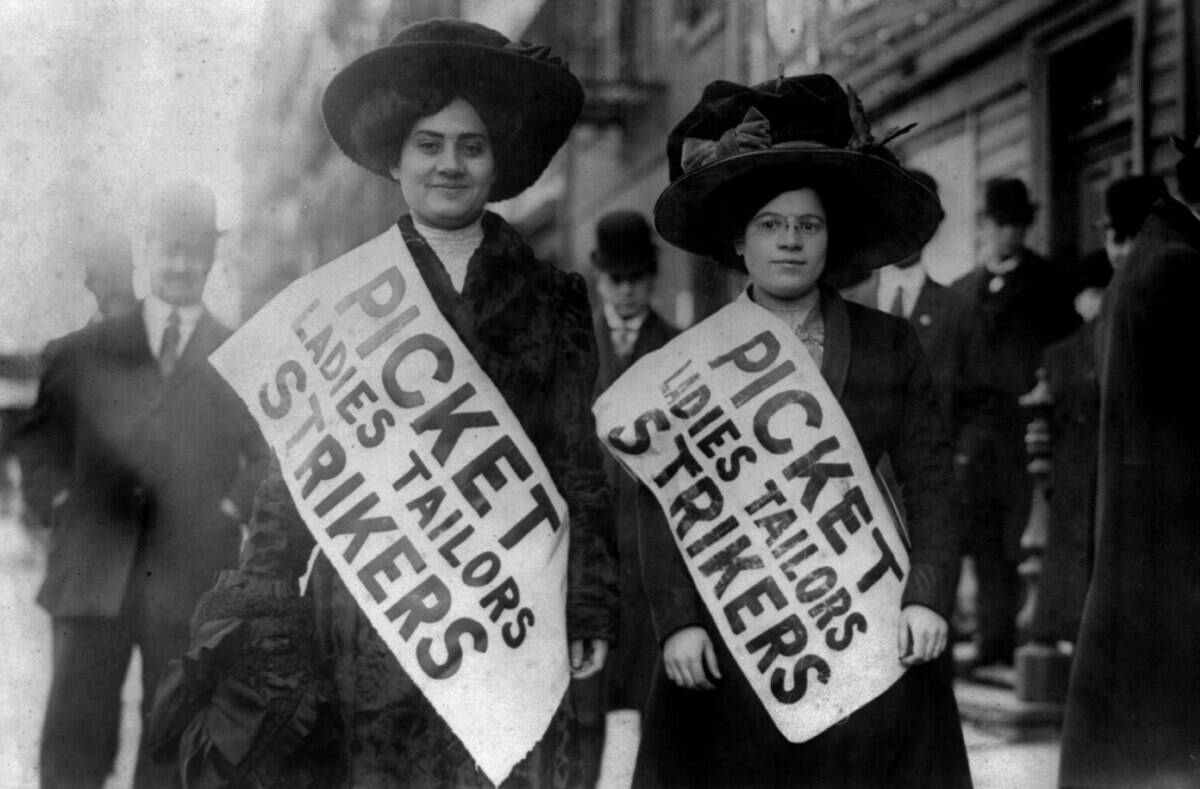
Strikes and protests were among the most visible actions taken by early women’s labor activists. Events like the 1909 “Uprising of the 20,000,” where garment workers fought for better conditions, showcased the power of collective action.
These protests not only disrupted businesses but also attracted media attention, highlighting the urgent need for labor reform.
The Role of Media in Amplifying Women’s Labor Issues
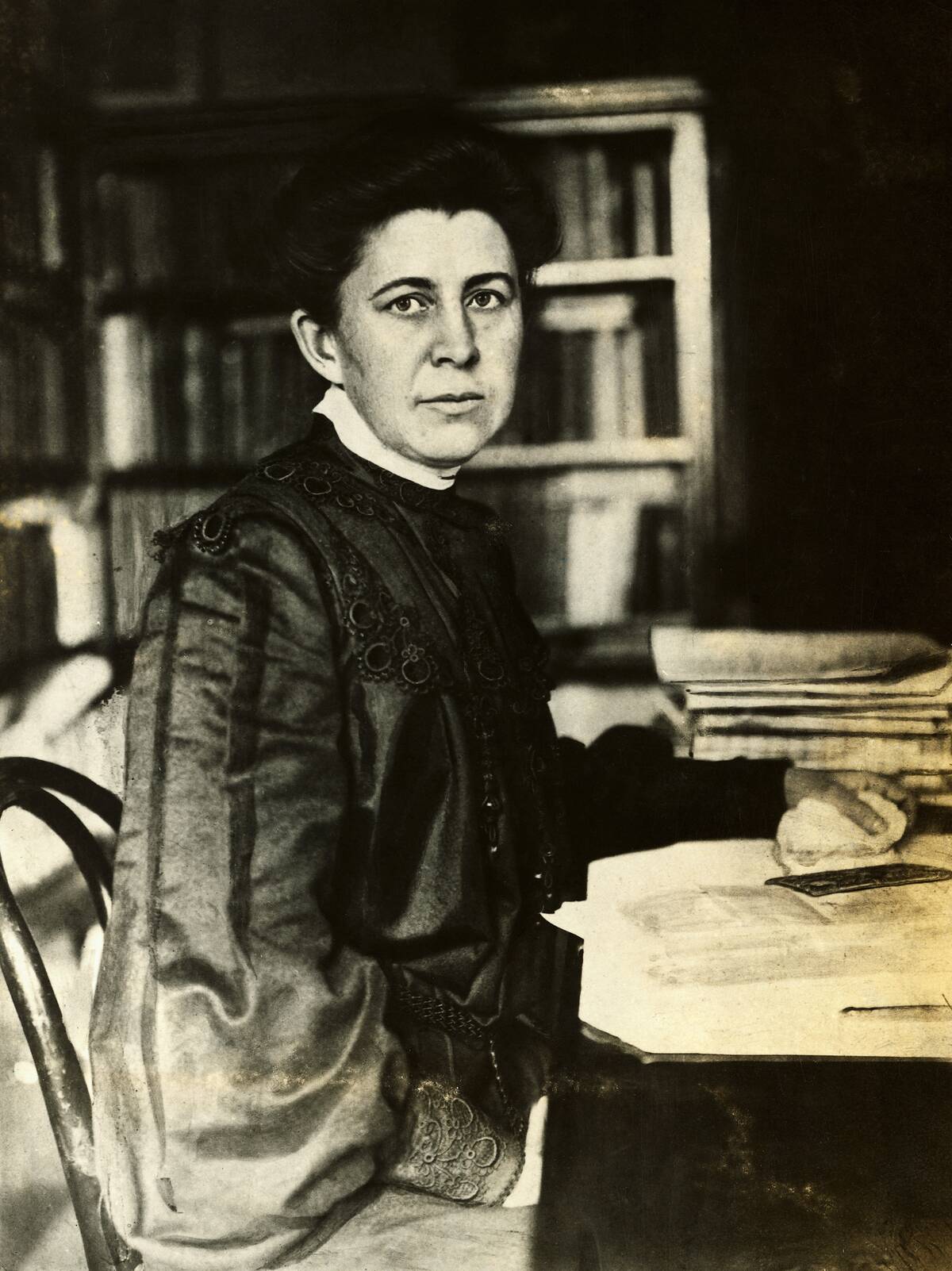
The media played a crucial role in amplifying the issues faced by working women. Newspapers and magazines highlighted stories of workplace abuses and the struggles of women laborers.
Journalists like Ida Tarbell shed light on the broader implications of labor injustices (most notably when it came to John d. Rockefeller’s Standard Oil), helping to garner public support for the movement and putting pressure on policymakers to enact change.
Collaborations and Alliances: Strength in Numbers
Collaborations with other social movements and labor organizations strengthened the women’s labor movement. Alliances with groups like the American Federation of Labor and the National Consumers League provided additional resources and political clout.
These partnerships helped to create a unified front, amplifying the impact of their collective efforts and pushing for broader systemic changes.
Overcoming Opposition: Challenges Faced by Early Activists
Early women labor activists faced significant opposition from employers and sometimes even from male-dominated unions. Intimidation tactics and backlash were common, as employers sought to maintain the status quo.
Despite these challenges, women persisted, using legal challenges and public advocacy to counteract resistance and push forward their agenda for labor equality.
The Impact of Legislation on Women’s Labor Rights
Legislation played a critical role in improving women’s labor rights. The passage of laws like the Fair Labor Standards Act in 1938, which established minimum wage and overtime pay, marked significant victories.
These legal protections helped to institutionalize the gains made by the labor movement, setting precedents that would benefit future generations of women workers.
The Importance of Education and Skill Development
Education and skill development were recognized as crucial components of economic empowerment. Women’s labor organizations often offered training programs and workshops to help women improve their skills.
This focus on education not only provided women with better job opportunities but also increased their bargaining power within the labor market, contributing to their overall economic independence.
Celebrating Milestones: Key Successes in the Movement
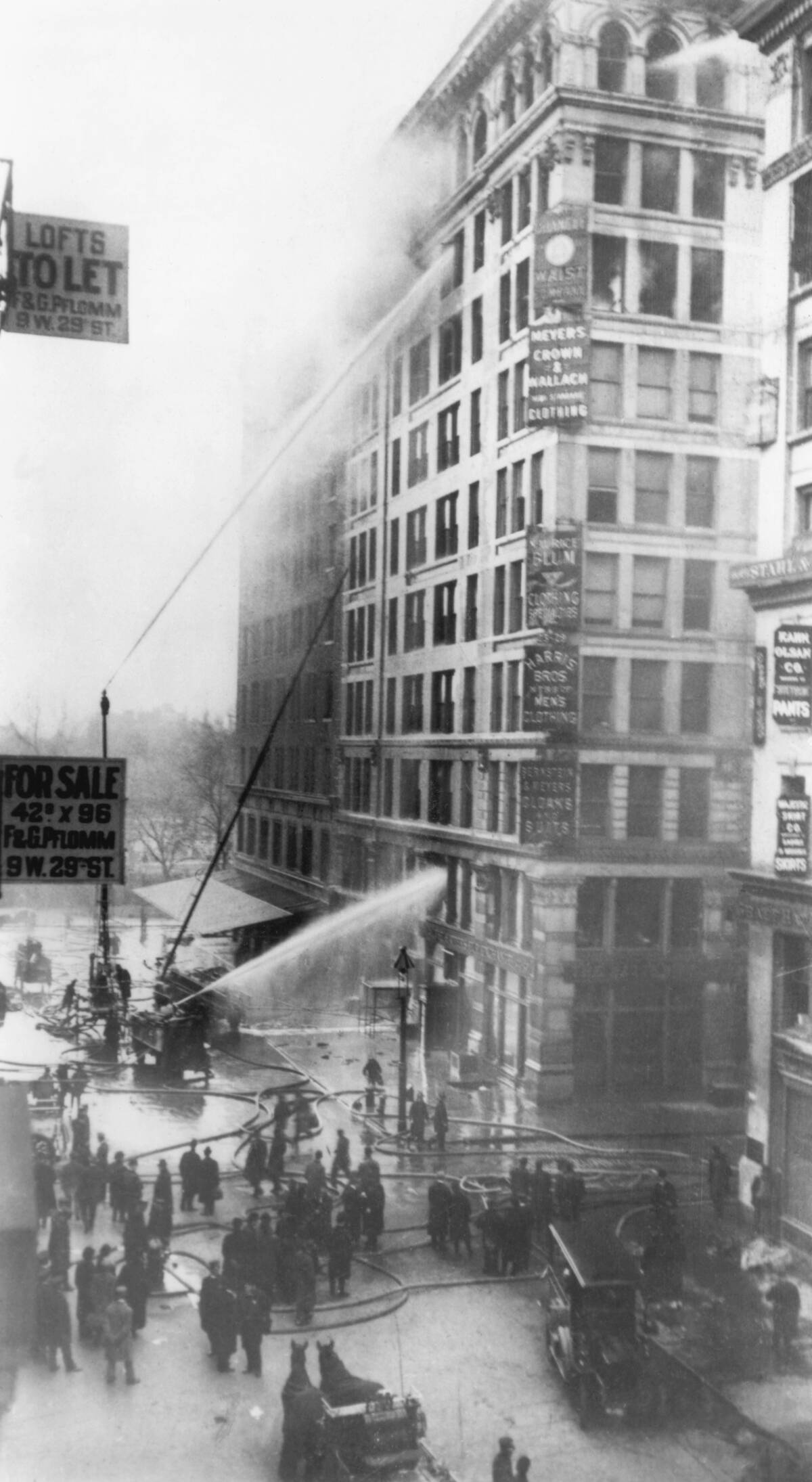
The women’s labor movement achieved several key successes, such as the establishment of better working hours and safer working conditions.
One notable milestone was the Triangle Shirtwaist Factory Fire of 1911, which, while tragic, resulted in significant labor reforms. These successes were celebrated as victories for the movement, demonstrating the power and tenacity of women activists.
International Influences: Learning from Global Movements
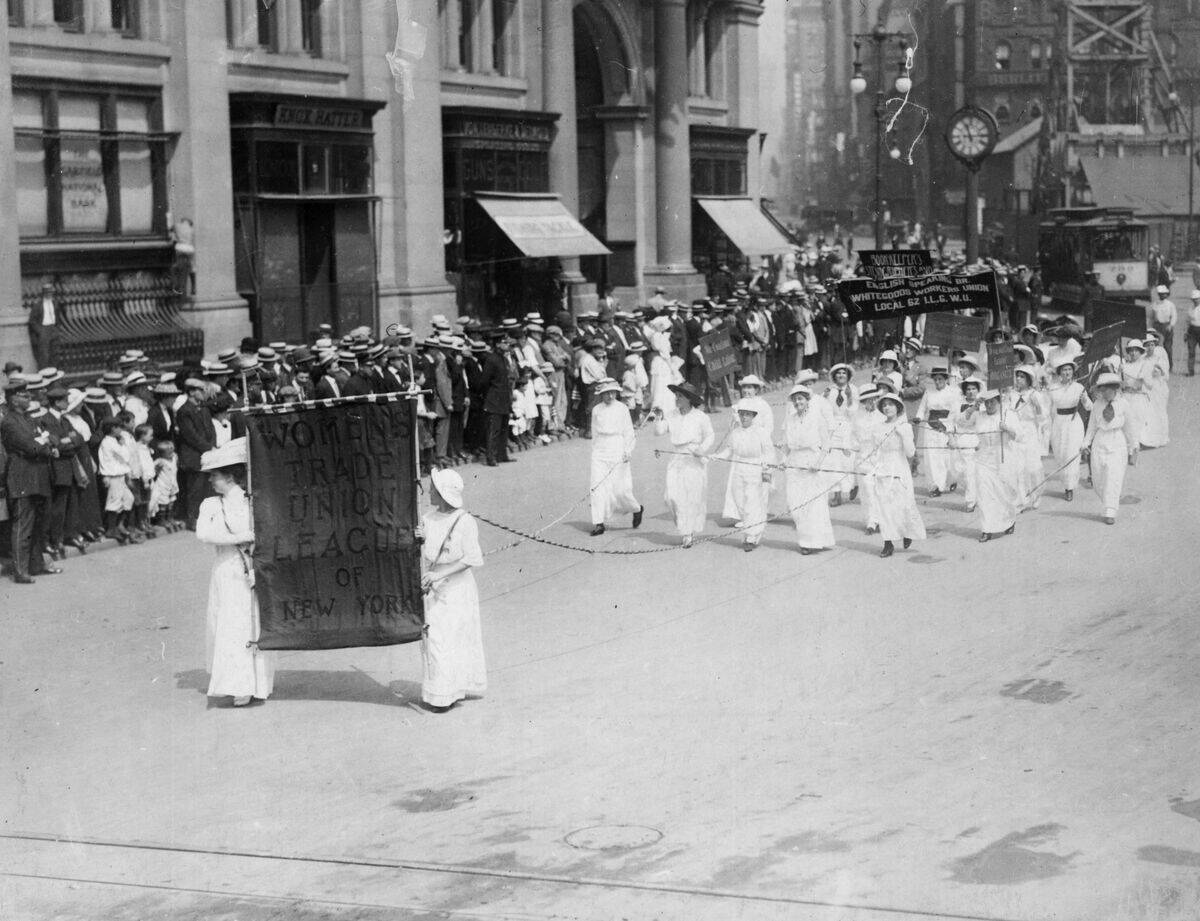
The early women’s labor movement was influenced by global labor movements. Activists drew inspiration from European labor organizations, adopting strategies and tactics that had proven successful abroad.
This international perspective enriched the movement, providing fresh insights and reinforcing the idea that labor rights were a global issue, not just a local concern.
The Legacy of Early Women’s Labor Movements on Today’s Workforce
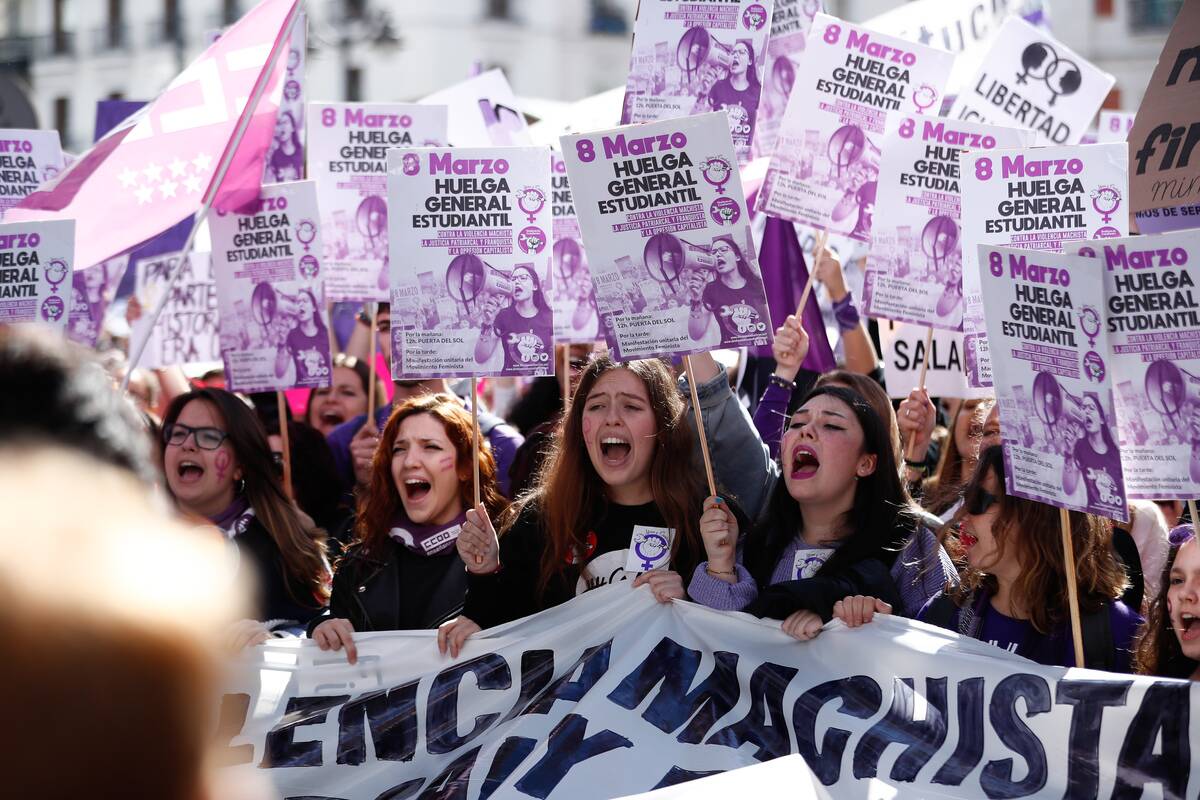
The legacy of early women’s labor movements is evident in today’s workforce. Their efforts paved the way for gender equality in the workplace and inspired subsequent generations to continue the fight for fair treatment.
Modern labor rights, such as maternity leave and anti-discrimination policies, owe much to the groundwork laid by these pioneering activists. Their courage and determination continue to inspire and shape the labor landscape.




