Forgotten voyages that discovered new species
The annals of history are studded with tales of grand voyages and explorations that have changed the course of human understanding. Yet, many of these journeys, despite their profound impact, have slipped into the shadows of obscurity.
In this article, we will embark on a journey to rediscover these forgotten expeditions, celebrating the spirit of adventure and the quest for knowledge that drove them.
The Mysterious Expedition of the Beagle
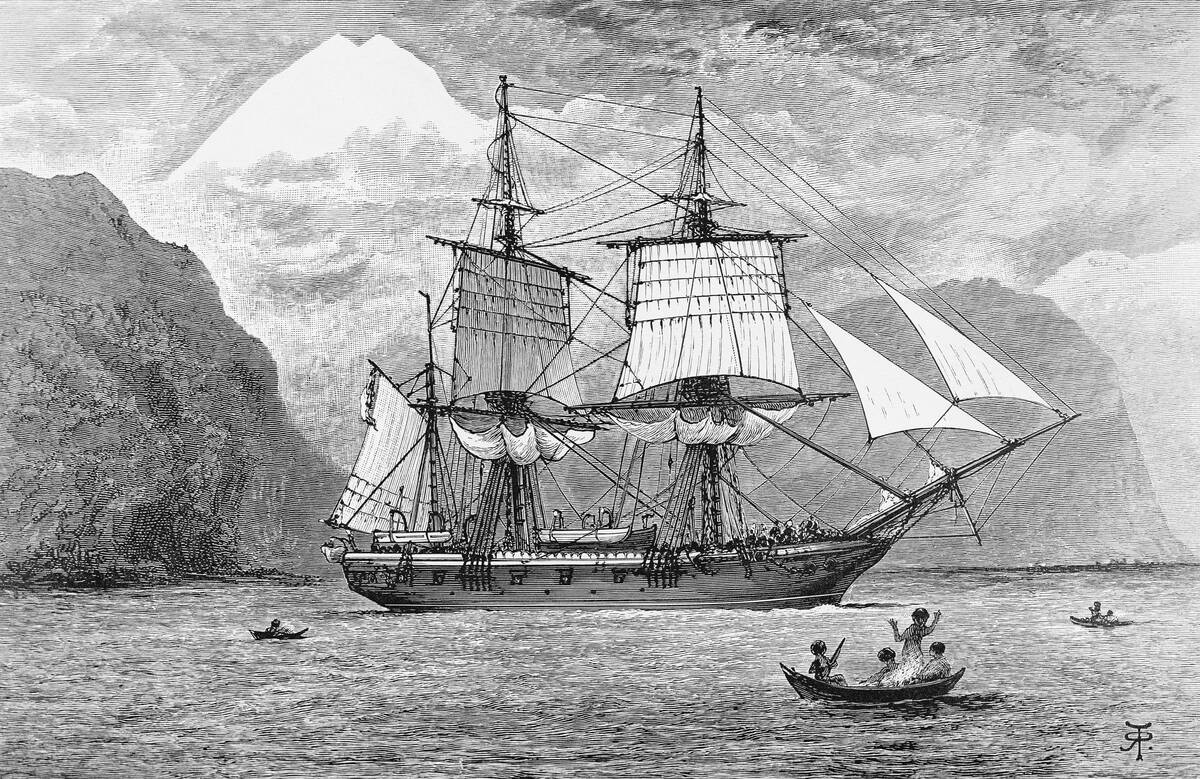
The HMS Beagle is renowned for its second voyage, which carried Charles Darwin around the world. However, its first expedition was equally fascinating, albeit less celebrated.
Initially tasked with surveying the southern coasts of South America, the Beagle encountered tumultuous seas and hostile encounters. Later voyages provided crucial data that would later aid Darwin’s groundbreaking work on natural selection.
The Lesser-Known Adventures of Captain Cook
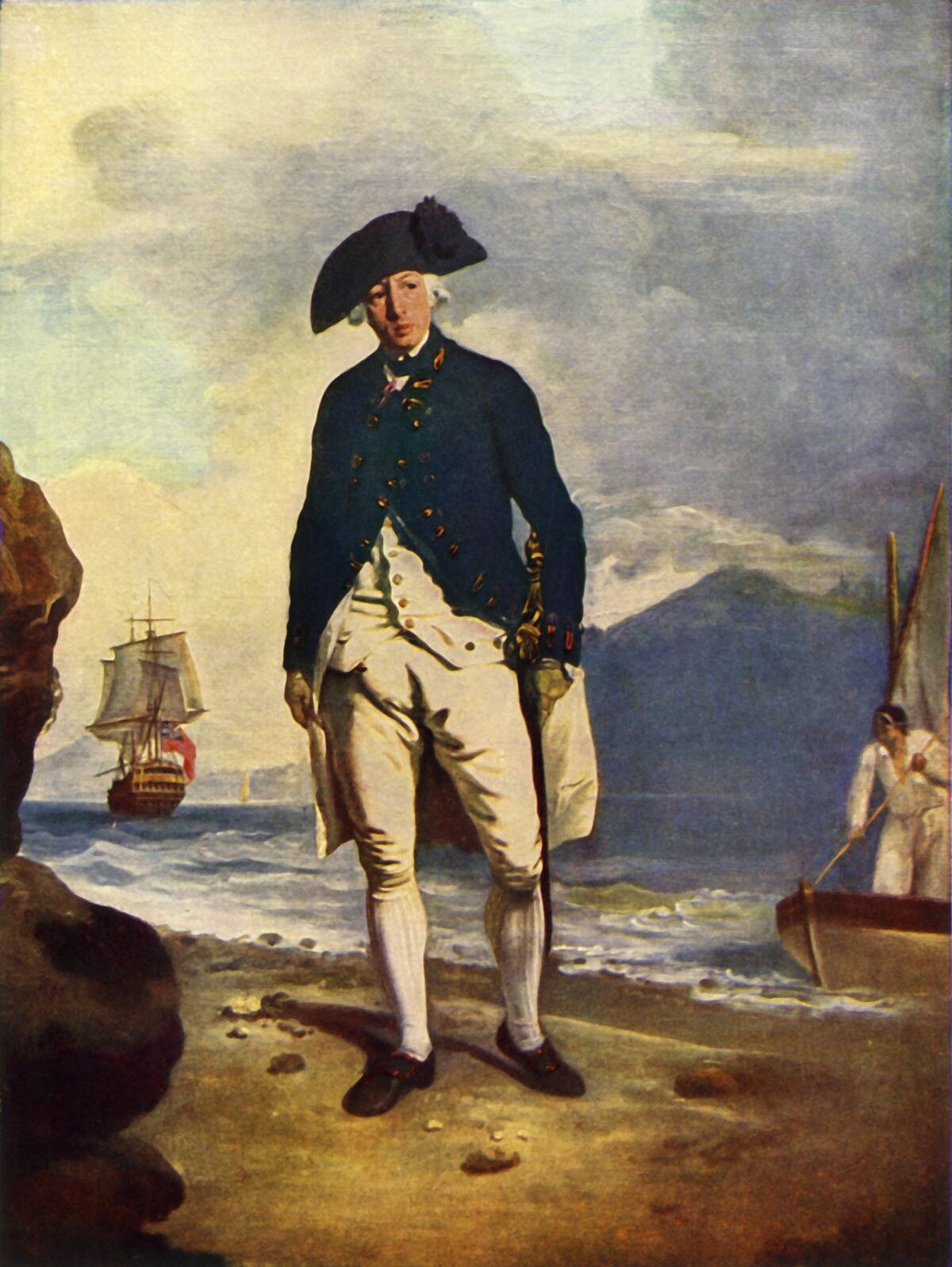
While Captain James Cook is often associated with his discovery of the Hawaiian Islands, many forget his ventures to the coasts of Newfoundland. Cook’s precise mapping of the Canadian coastlines was instrumental in improving the accuracy of naval charts.
His dedication to cartography and navigation significantly advanced British maritime knowledge, setting the stage for future explorations.
Darwin’s Unexpected Discoveries in the Galapagos

Charles Darwin’s visit to the Galapagos Islands is often credited with inspiring his theory of evolution. What often goes unnoticed, however, is his discovery of the unique species that inhabited the islands, like the Galapagos tortoises and marine iguanas.
These findings provided tangible evidence of adaptation in isolated environments, a crucial puzzle piece in Darwin’s evolutionary theory.
The Unheralded Journey of Alexander von Humboldt
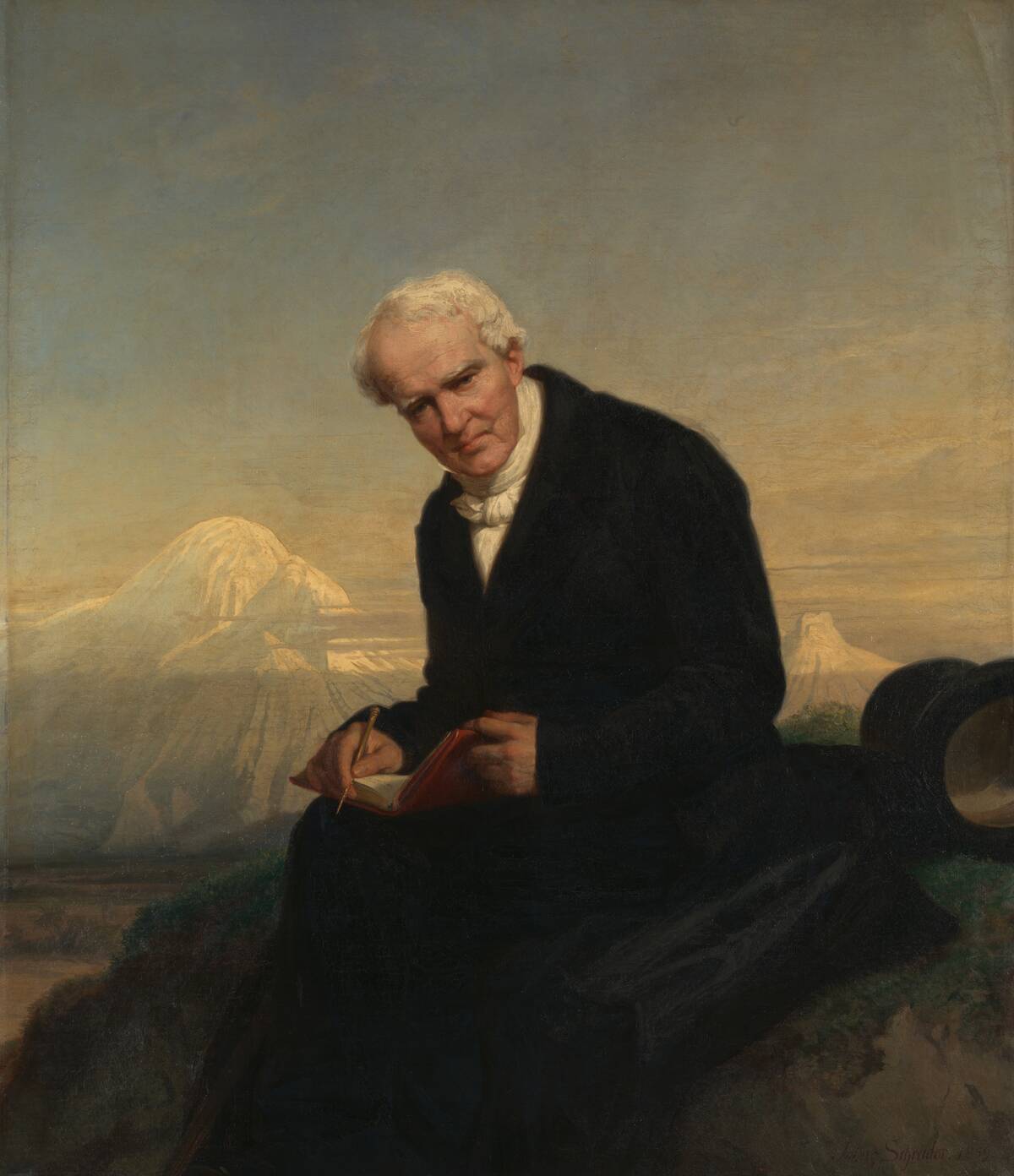
Alexander von Humboldt’s travels through Latin America are a testament to his insatiable curiosity and scientific prowess. Though not as widely recognized, his observations on climate, geography, and biology laid the groundwork for modern environmental science.
Humboldt’s meticulous documentation of plant species and his insights into the interconnectedness of ecosystems have left an indelible mark on the scientific community.
The Pioneering Travels of Alfred Russel Wallace
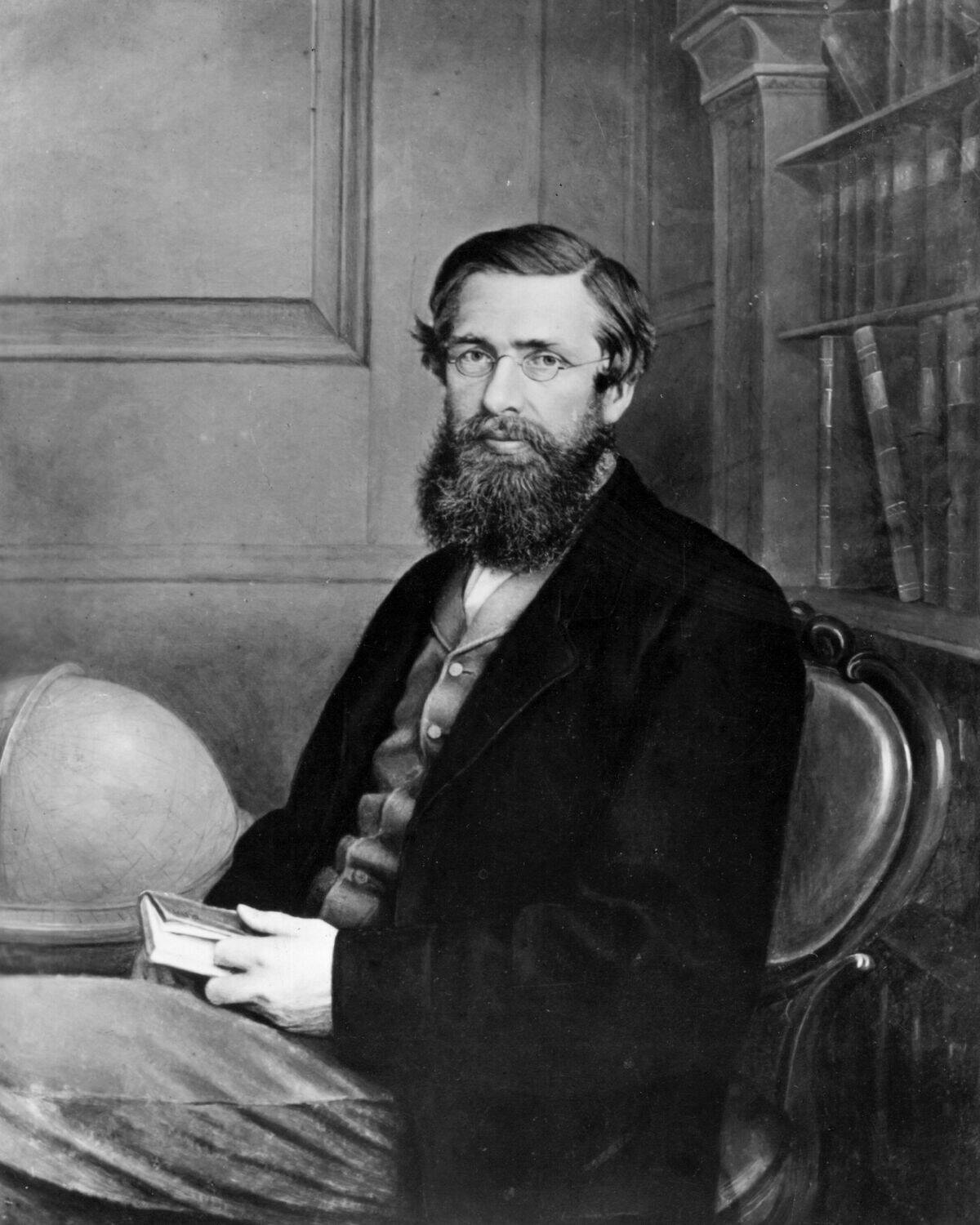
Alfred Russel Wallace shared a passion for exploration with his contemporary, Charles Darwin, but his expeditions to the Malay Archipelago are often overshadowed. Wallace’s work in the region led to the identification of the Wallace Line, a boundary separating the distinct faunas of Asia and Australia.
His discoveries added depth to the theory of natural selection, earning him the title of the “father of biogeography.”
The Bold Ventures of the Challenger Expedition
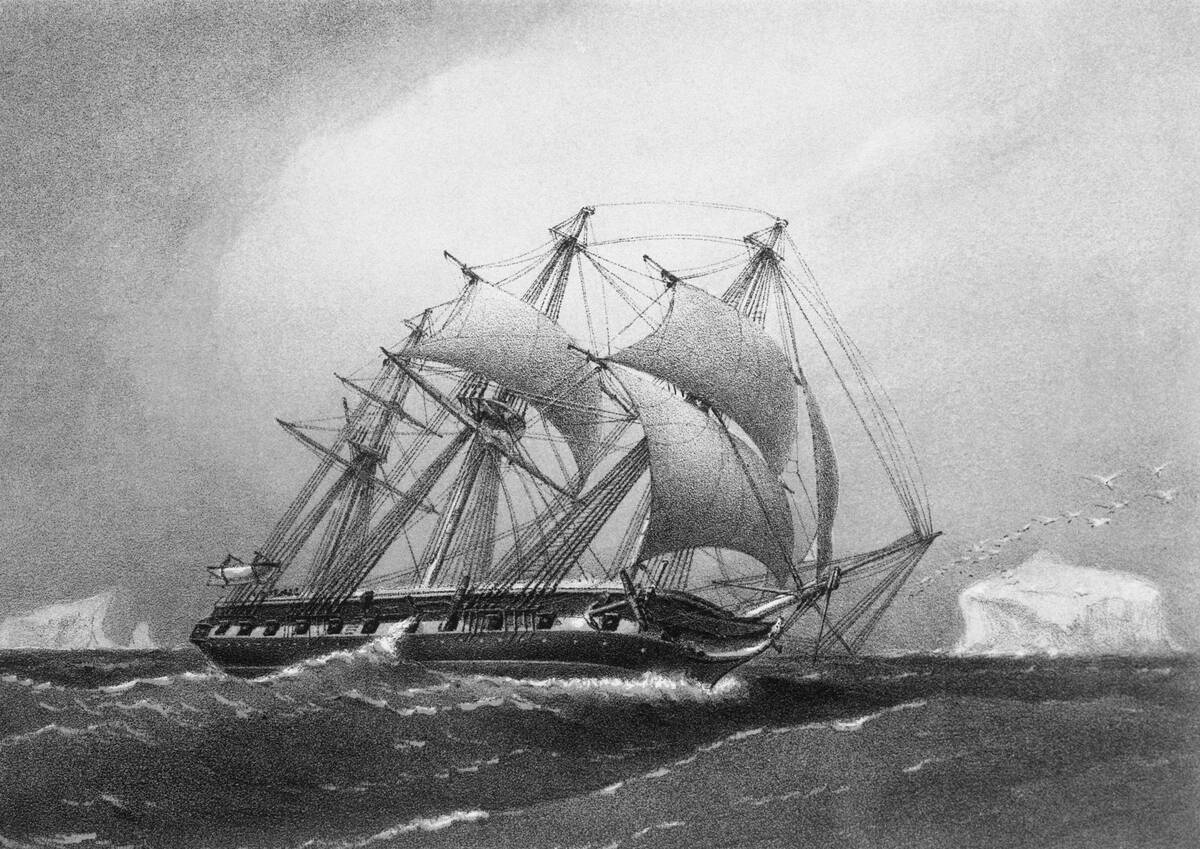
The Challenger Expedition of 1872-76 marked the first true oceanographic mission, setting the standard for future marine studies. During its voyage, the HMS Challenger mapped the ocean floor, discovering the deepest part of the Earth’s seas—later called the Mariana Trench.
The expedition collected thousands of samples, unveiling the diversity of marine life and significantly expanding our understanding of oceanographic science.
The Surprising Finds of the Lewis and Clark Expedition
![[redacted] Guiding the Lewis And Clark Expedition by Alfred Russell](https://media.tellmebest.com/wp-content/uploads/2023/08/sacajawea-guiding-the-lewis-and-clark-expedition-by-alfred-russell-17252.jpeg)
The Lewis and Clark Expedition is celebrated for opening the American West, but its contributions to science are equally noteworthy. Traversing the continent, the explorers documented over 300 species of plants and animals previously unknown to science.
Their meticulous records provided a foundation for future ecological studies and helped to illuminate the vast biodiversity of North America.
The Overlooked Contributions of Jeanne Baret
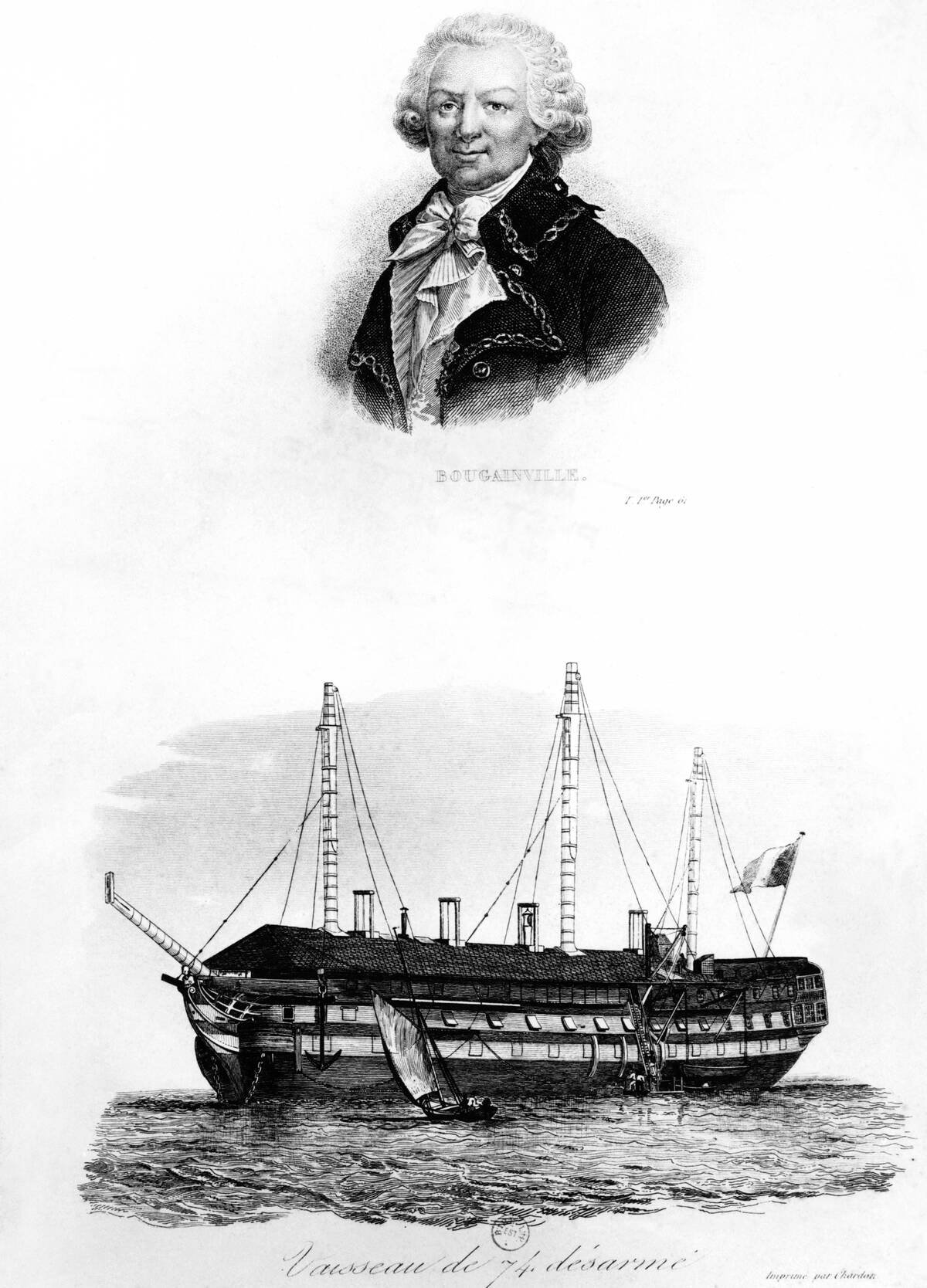
Jeanne Baret holds the distinction of being the first woman to circumnavigate the globe, albeit in disguise. As part of Louis Antoine de Bougainville’s expedition, she collected valuable botanical specimens, including the bougainvillea plant, which was named in her honor.
Despite facing significant challenges due to her gender, Baret’s contributions to botany were groundbreaking and deserve recognition.
The Remarkable Discoveries of the HMS Endeavour
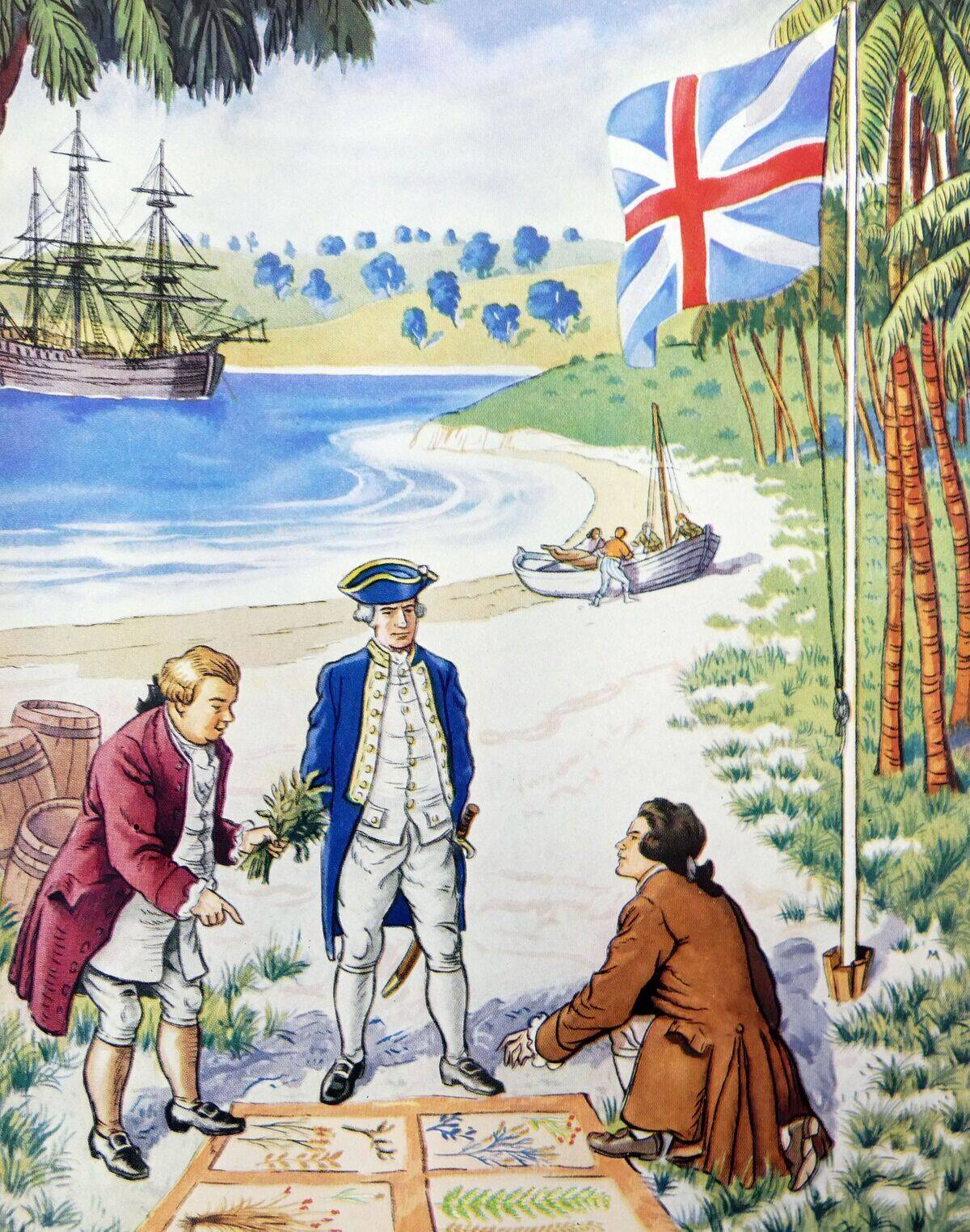
The HMS Endeavour is most famous for Captain Cook’s first voyage to Australia and New Zealand. However, the ship’s scientific team, led by Joseph Banks, made significant botanical discoveries.
The Endeavour’s journey collected over 30,000 plant specimens, many of which were new to European science. These findings enriched the field of botany and laid the groundwork for modern ecological studies.
The Little-Known Expedition of the HMS Rattlesnake
The HMS Rattlesnake’s voyage in the mid-19th century played a crucial role in advancing marine biology. With naturalist John MacGillivray aboard, the expedition explored the Great Barrier Reef and the coasts of New Guinea.
Huxley’s observations on marine life and coral formation contributed to the understanding of ocean ecosystems, cementing his reputation as a leading biologist of his time.
The Astonishing Finds of the Swedish Vega Expedition
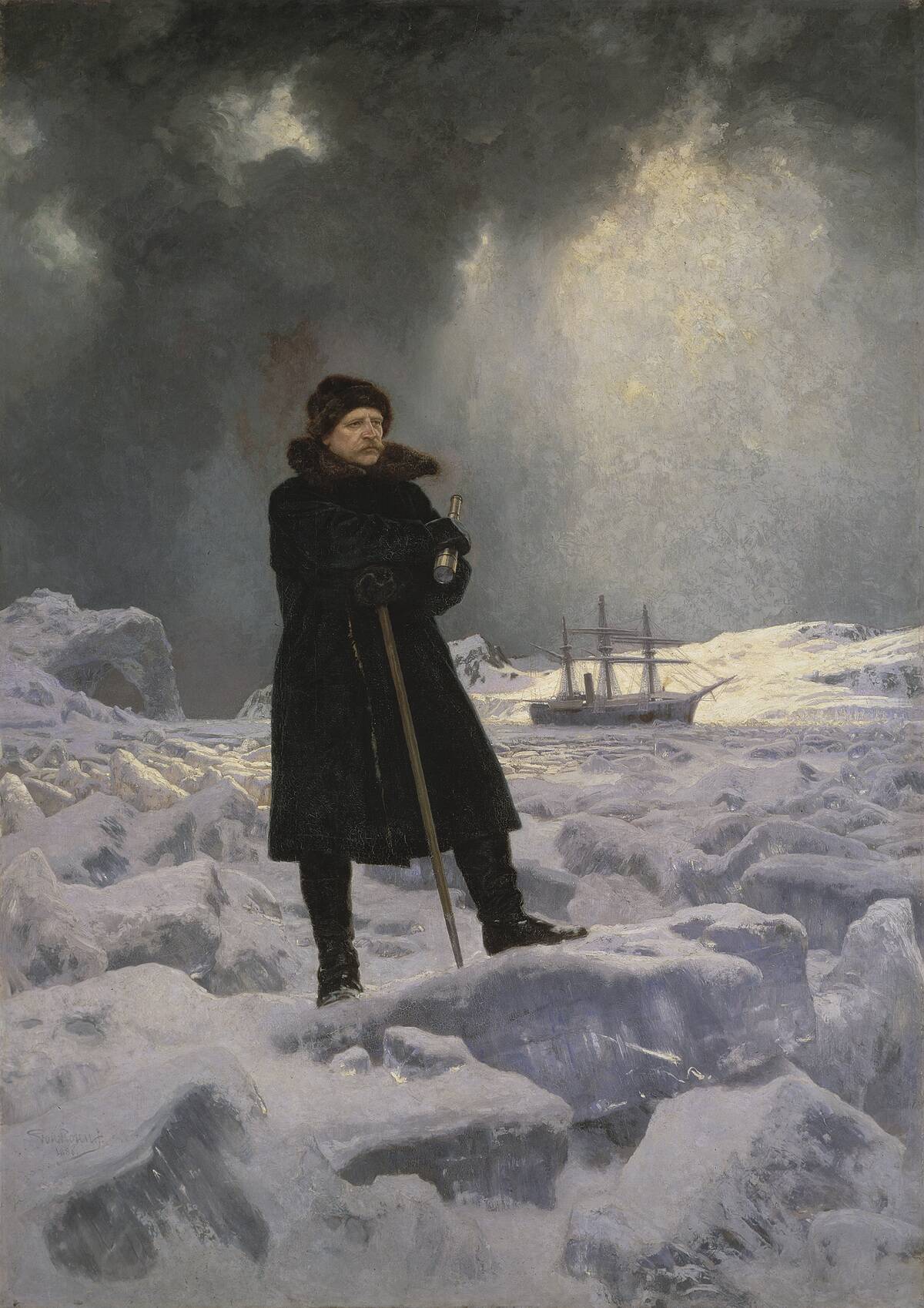
The Swedish Vega Expedition of 1878-1880 achieved the first complete navigation of the Northeast Passage. Led by Adolf Erik Nordenskiöld, this journey was a significant achievement in Arctic exploration.
Along the way, the crew made important meteorological and geological observations, contributing to the understanding of polar climates and laying the groundwork for future Arctic research.
The Underappreciated Journey of the Zaca Expedition
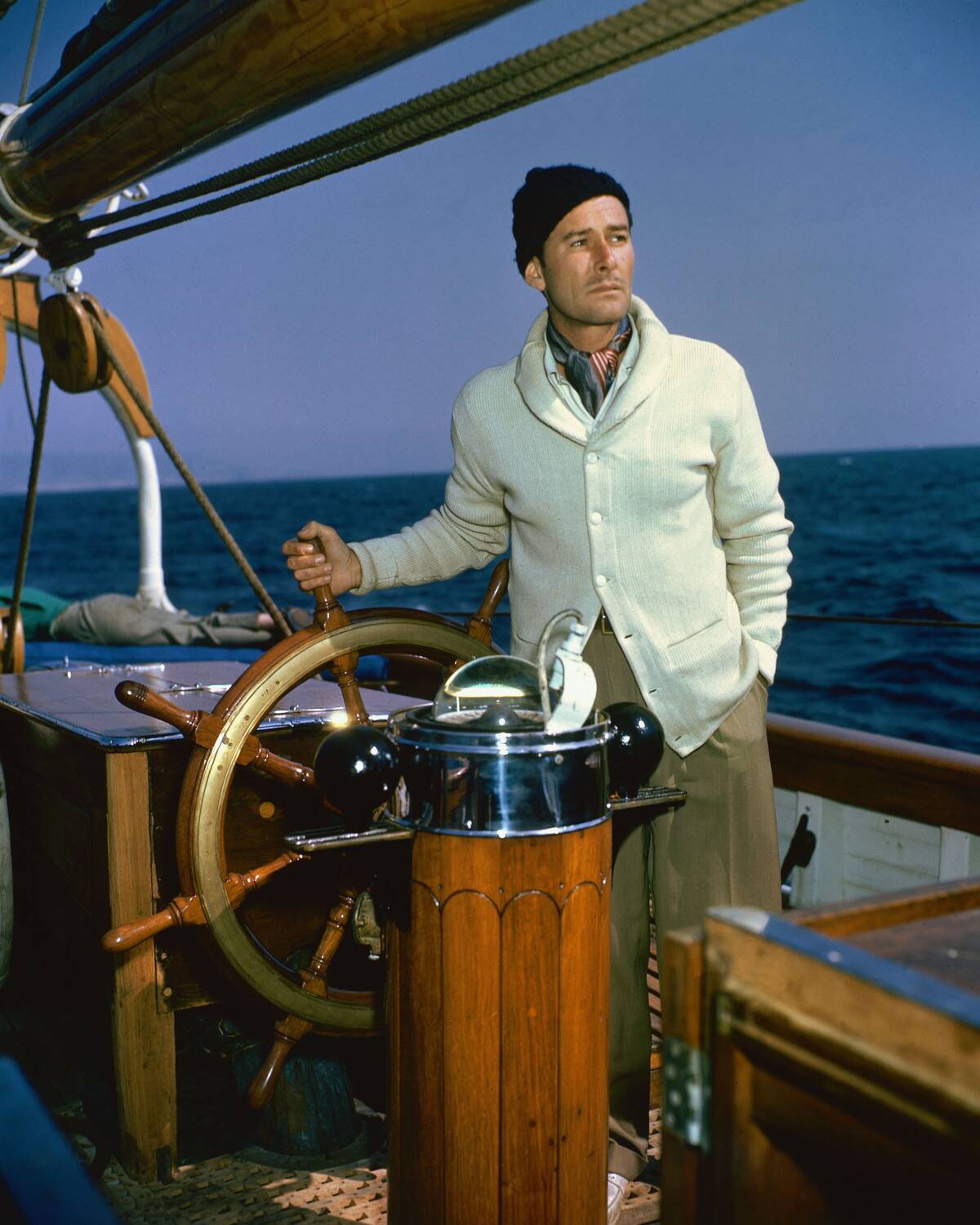
The Zaca Expedition, led by Hollywood star Errol Flynn in the late 1940s, is a little-known yet fascinating adventure. Sailing the South Pacific, the expedition combined elements of exploration and film production.
The Zaca’s journey contributed to marine biology, as it documented numerous species and gathered valuable oceanographic data, blending science with the allure of cinematic storytelling.
The Fascinating Discoveries of the Terra Nova Expedition
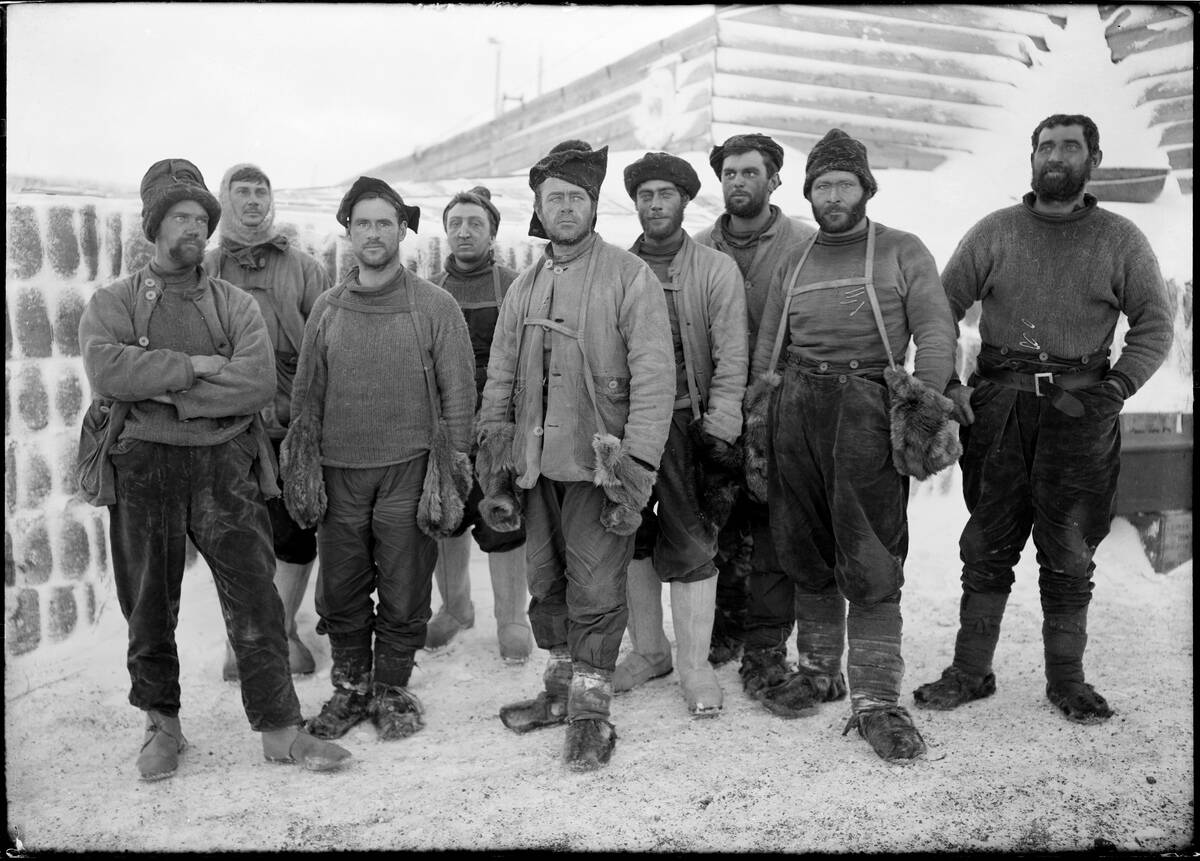
The Terra Nova Expedition, led by Robert Falcon Scott, is often remembered for its tragic end. Yet, its scientific achievements in Antarctica were monumental.
The team conducted extensive studies on glaciology, meteorology, and geology, collecting samples that provided insights into the continent’s climate and history. Despite the hardships faced, their findings remain a cornerstone of Antarctic science.
The Unexpected Species Found by the Australasian Antarctic Expedition
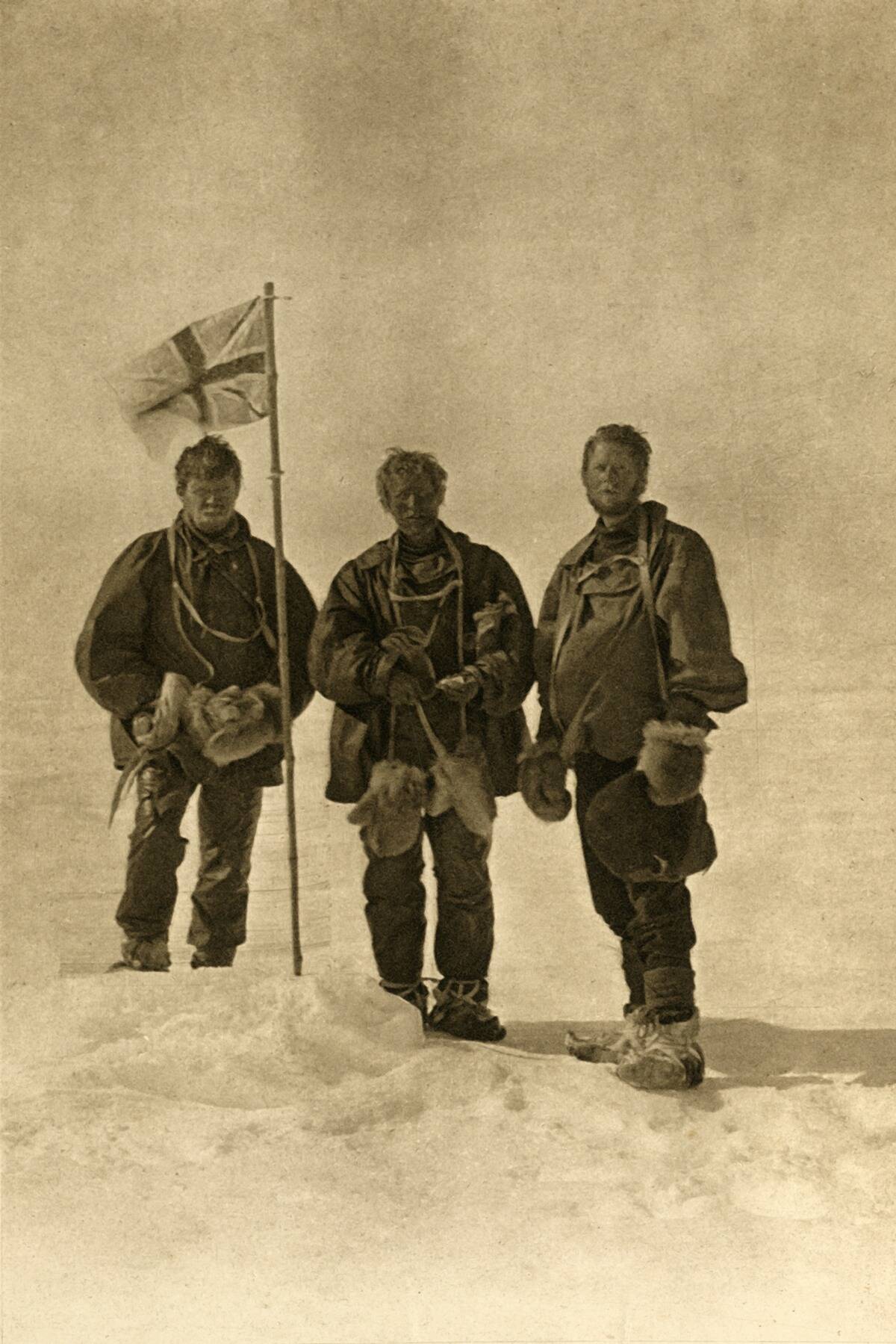
Led by Douglas Mawson, the Australasian Antarctic Expedition of 1911-1914 made numerous scientific contributions. Among its achievements was the discovery of Adelie penguin colonies and new marine species.
Mawson’s team conducted extensive research on the region’s geology and biology, providing a wealth of data that has been invaluable in understanding Antarctic ecosystems and their global significance.