How forgotten tools led to modern medicine
Modern medicine often dazzles with its advanced technology and groundbreaking treatments. Yet, the heroes of today’s medical world owe much to the tools and practices of the past.
From humble beginnings to innovative practices, the journey of medicine is filled with unexpected twists and turns. Let’s dive into the fascinating origins and developments that have shaped the healthcare landscape we know today.
The Humble Beginnings: Ancient Tools and Remedies
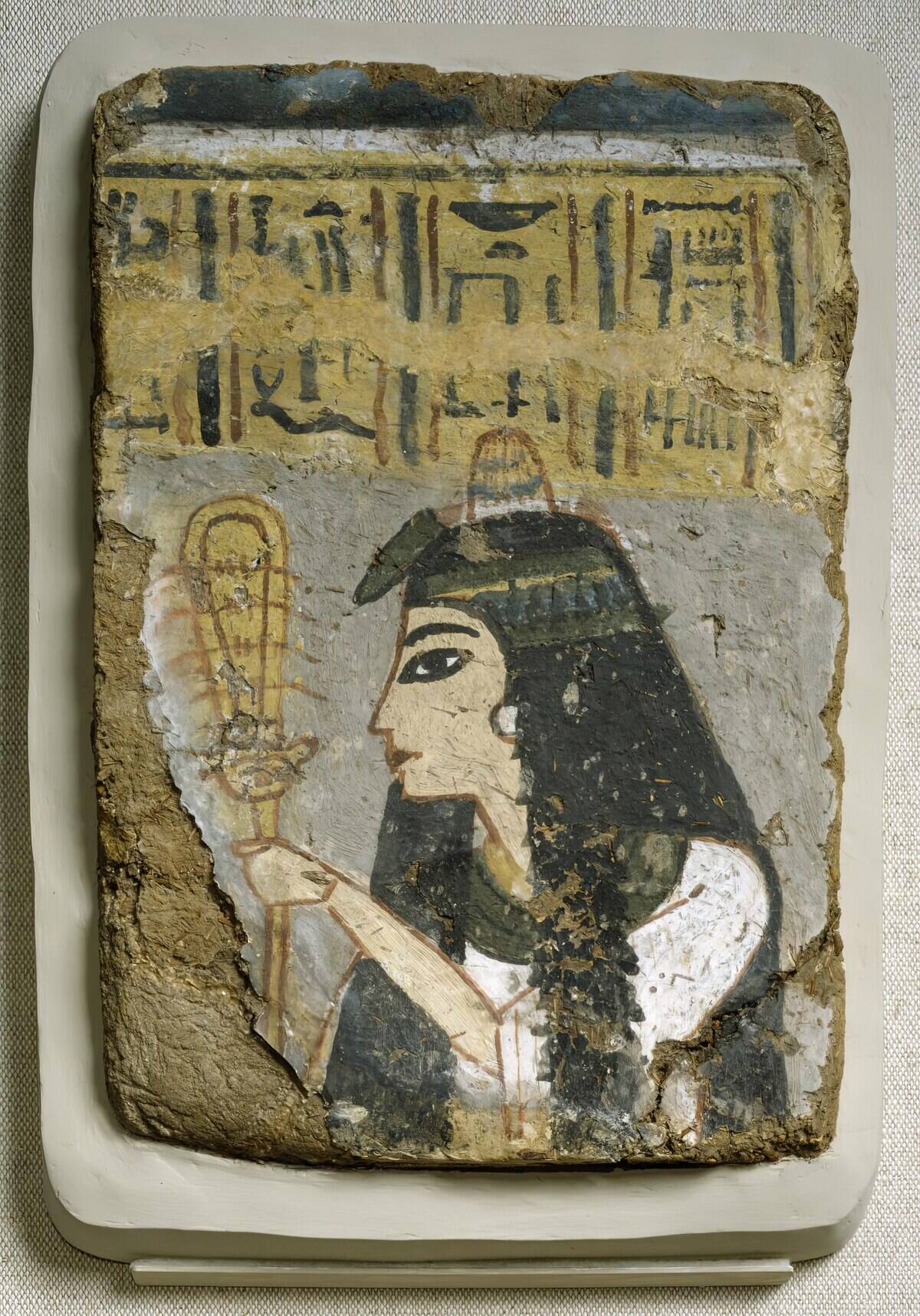
Long before the advent of modern pharmaceuticals, ancient civilizations relied on an array of tools and remedies to treat ailments. The Egyptians, for instance, utilized honey for its antibacterial properties, a practice that continues in some cultures today.
Meanwhile, the Greeks experimented with various plants and minerals, laying the groundwork for future discoveries. These early efforts may seem primitive now, but they were pivotal in the evolution of medicine.
From Herbs to Healing: The Role of Botanicals
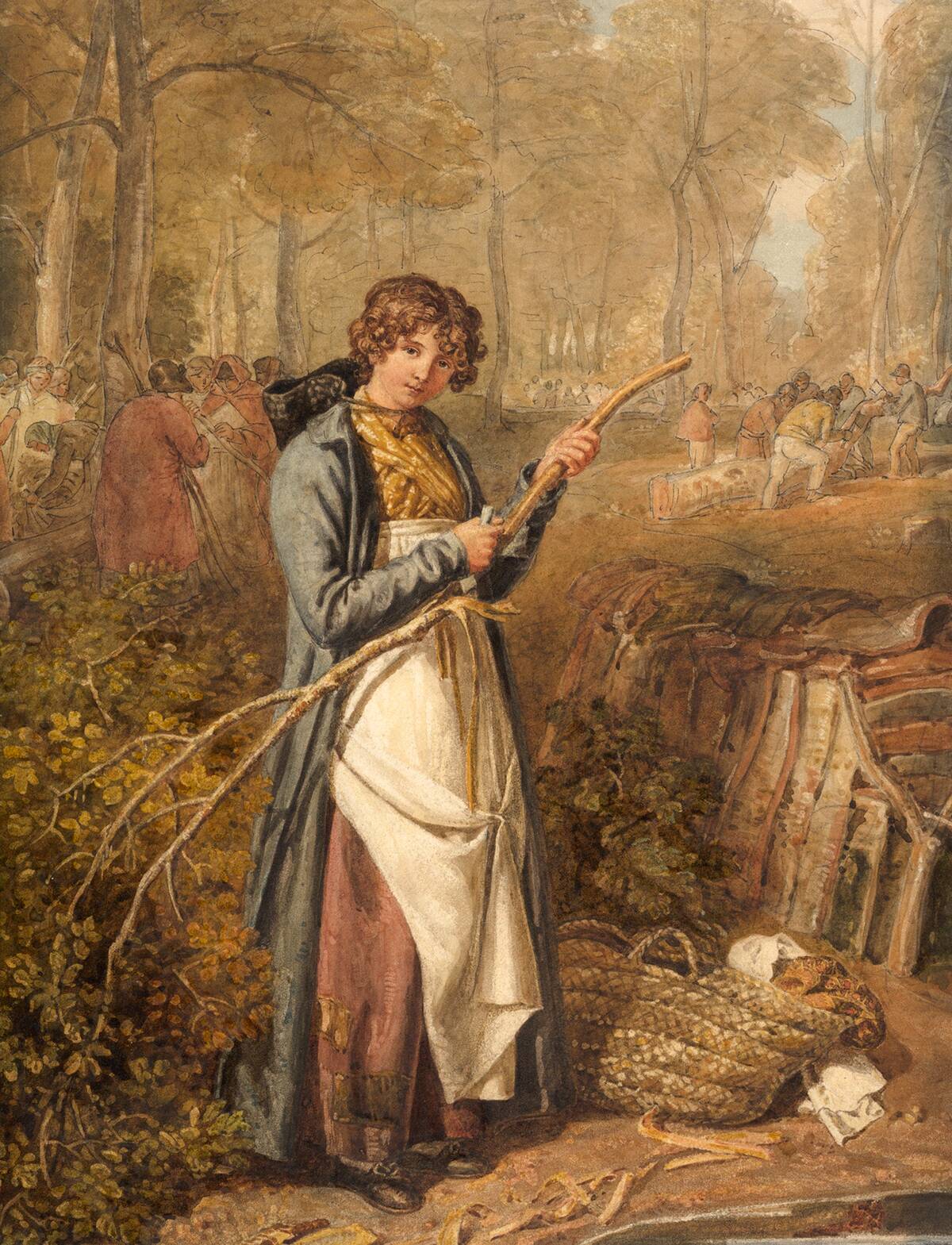
Botanicals have been at the heart of healing practices for millennia. The use of willow bark, which contains salicin, is a prime example; it was a precursor to modern-day aspirin.
Traditional Chinese Medicine also boasts a rich history of using herbs like ginseng and ginger for their therapeutic effects. These natural remedies have stood the test of time, proving that sometimes, nature knows best.
The Mortar and Pestle: More than Just a Kitchen Utensil
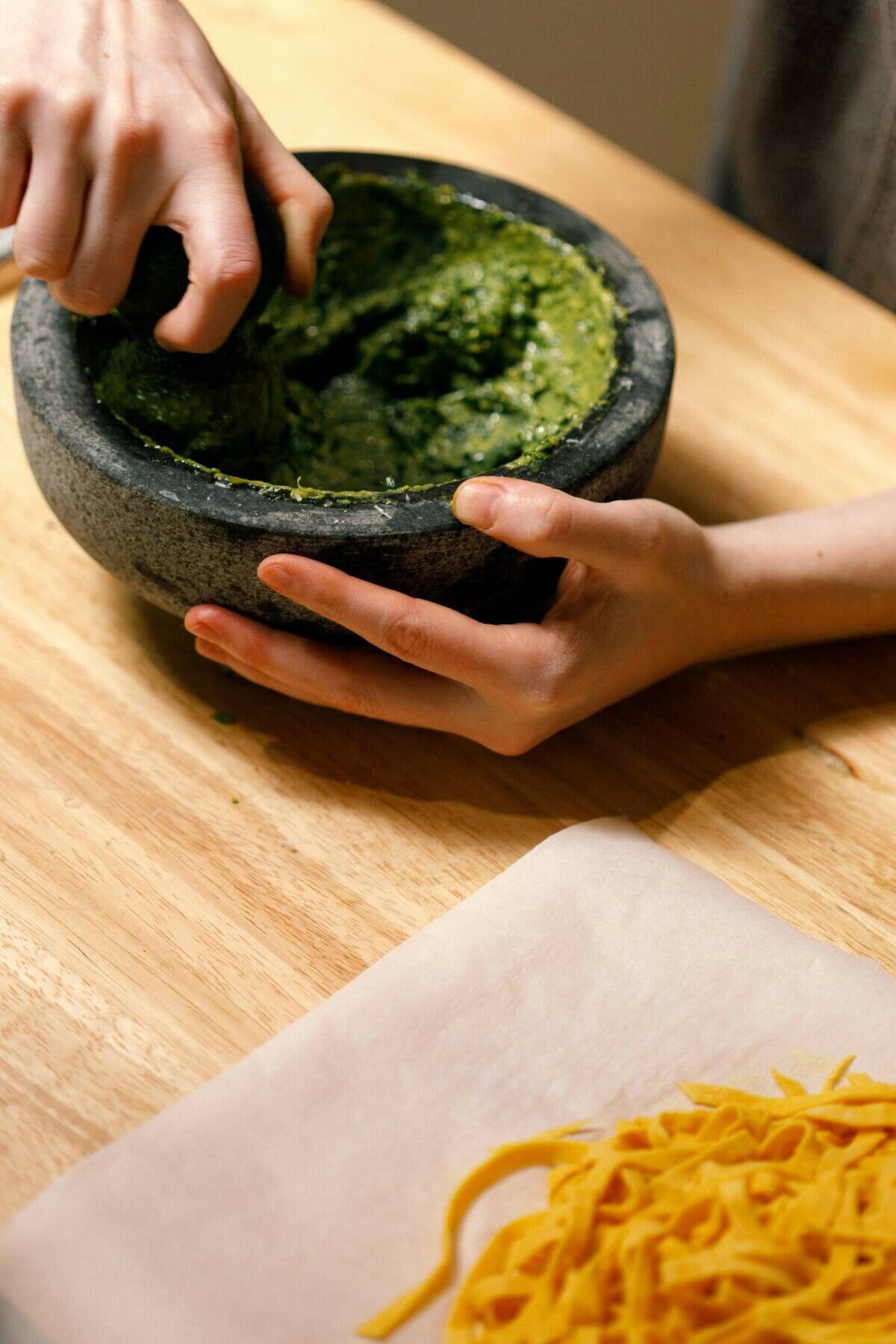
The mortar and pestle might be seen as a quaint kitchen tool today, but its history is deeply rooted in medicine. Used by apothecaries to grind and mix ingredients, this simple device helped create everything from ointments to potions.
Its importance in preparing medicinal compounds cannot be overstated, and it remains a symbol of pharmaceutical practice, even in the age of precision medicine.
The Scalpel’s Ancestry: Blades of the Past
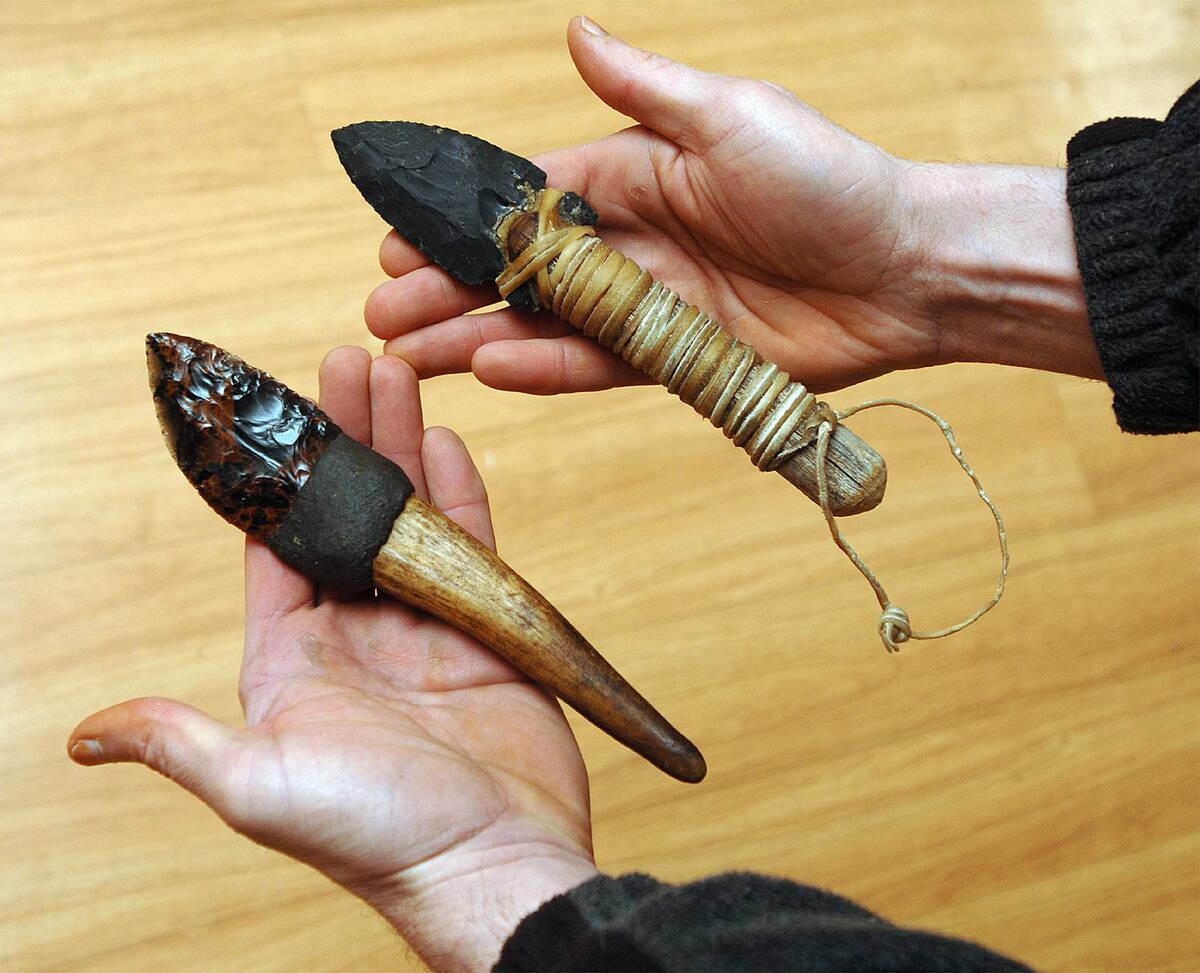
The scalpel, a staple in modern surgery, has a lineage that traces back to ancient times. Early surgical blades were crafted from obsidian, a volcanic glass that could be sharpened to an incredibly fine edge.
These tools allowed early physicians to perform intricate procedures. Today, while scalpels are made from stainless steel, the underlying principle of precision cutting remains unchanged, illustrating the enduring influence of ancient techniques.
Leeches and Bloodletting: Creepy Yet Crucial
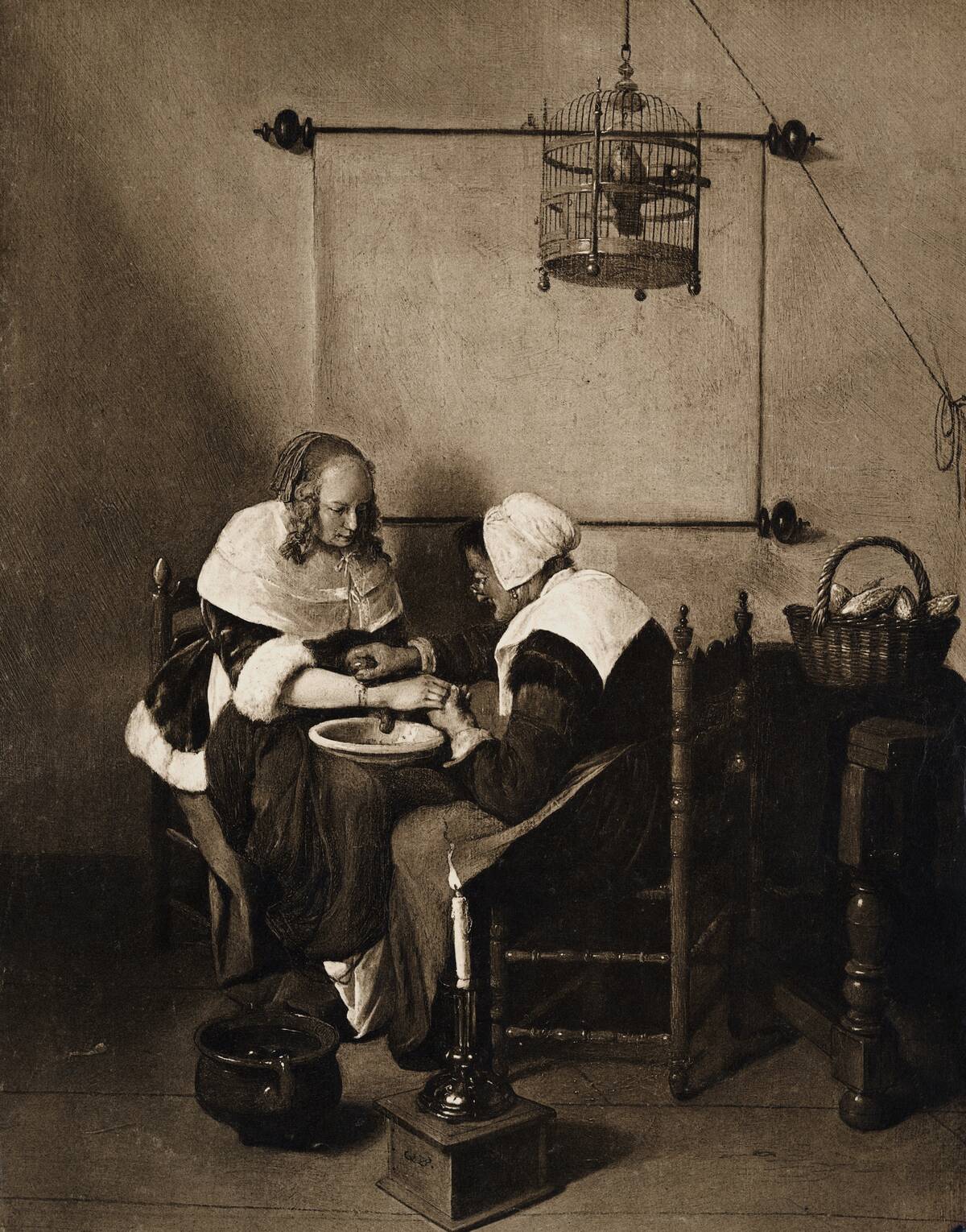
Leeches and bloodletting might sound like relics of a bygone era, but they played a crucial role in the history of medicine. Practitioners believed that removing ‘bad blood’ could cure a host of ailments.
While largely discredited by modern science, leeches have seen a resurgence in microsurgery due to their ability to promote blood flow. It’s a testament to how even the creepiest of practices can find a place in modern medicine.
Cupping Therapy: Ancient Wisdom in a Modern World
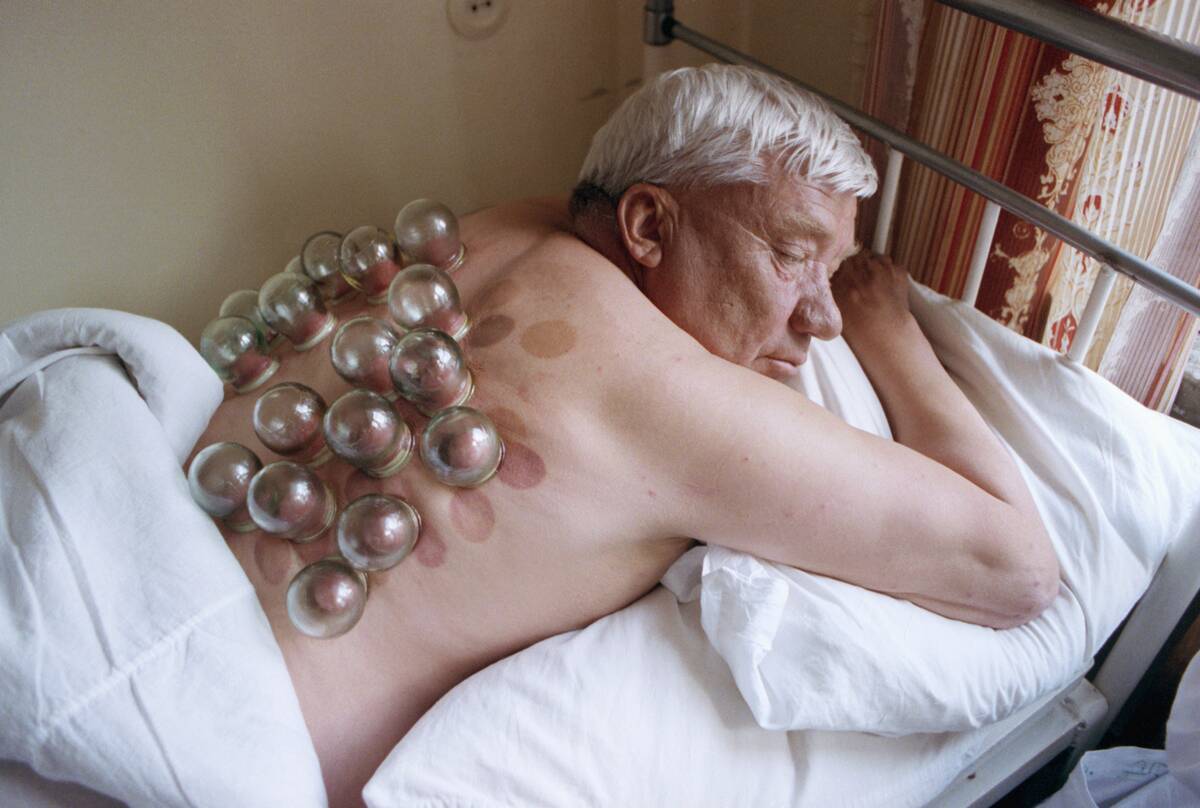
Cupping therapy, often seen gracing the backs of athletes, is far from a new phenomenon. This therapeutic technique dates back to ancient Egyptian, Chinese, and Middle Eastern cultures, where it was used to improve circulation and alleviate pain.
Modern practitioners tout its benefits for muscle recovery and relaxation. Its persistence highlights the enduring appeal of holistic approaches in an increasingly technological world.
The Evolution of the Stethoscope: From Ears to Electronics
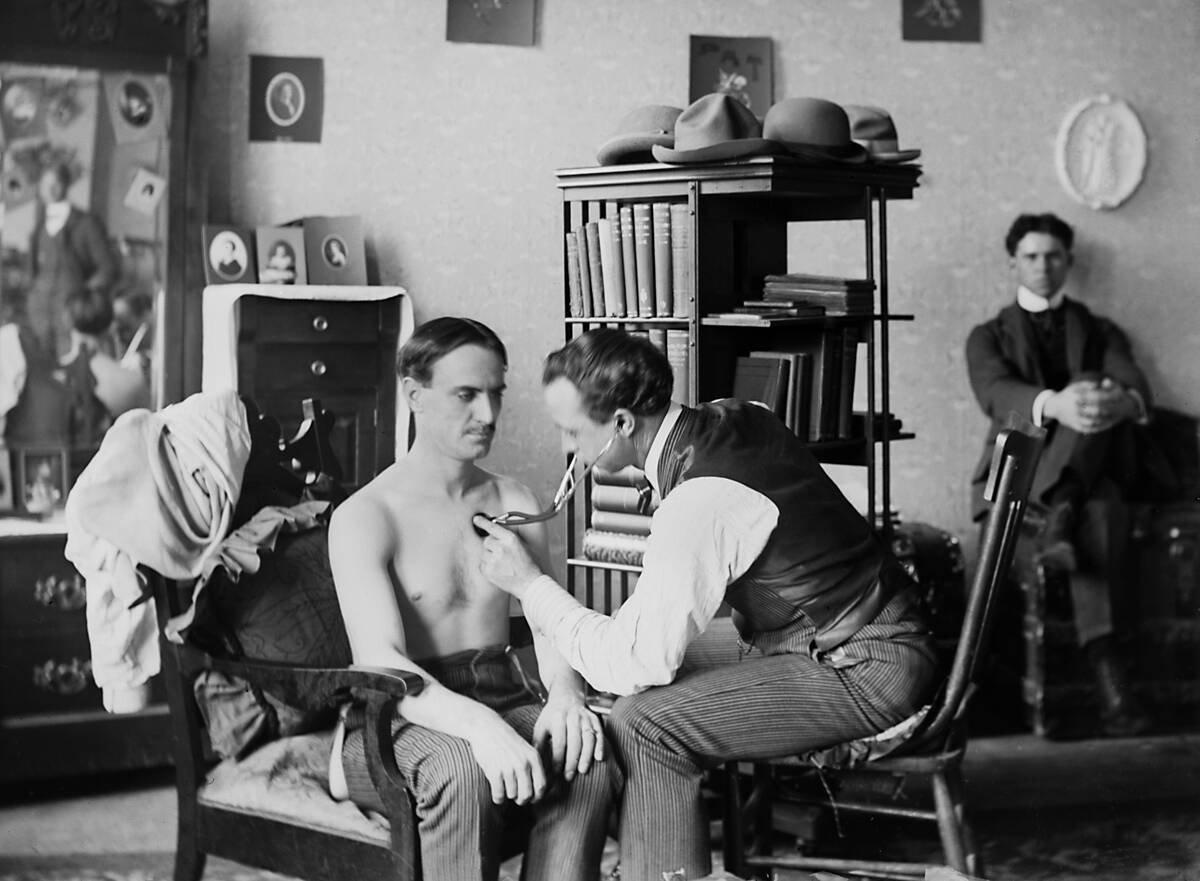
The stethoscope, invented by René Laennec in 1816, revolutionized the way doctors listened to the internal sounds of the body. Initially a simple wooden tube, it has evolved into sophisticated electronic devices that amplify and filter sounds.
This evolution reflects medicine’s broader trend towards precision and accuracy, showing how an iconic tool can adapt and thrive over centuries.
Trepanation: The Ancient Drill that Paved the Way for Neurosurgery

Trepanation, the practice of drilling holes into the skull, dates back thousands of years. Ancient healers believed it could treat ailments ranging from epilepsy to mental disorders.
While the thought of it might induce shudders today, this practice demonstrates early human experimentation with cranial surgery. It underscores how early medical practices, though rudimentary, contributed to the complex surgical techniques of today.
The Apothecary’s Legacy: Foundations of Pharmacy

Before the rise of the pharmaceutical industry, apothecaries were the cornerstone of medicinal practice. These early pharmacists compounded and dispensed remedies, often relying on extensive knowledge of herbs and minerals.
The apothecary’s legacy is evident in today’s pharmacies, where the blending of traditional knowledge with modern science continues to drive the development of effective medications.
A Stitch in Time: The Origins of Surgical Sutures
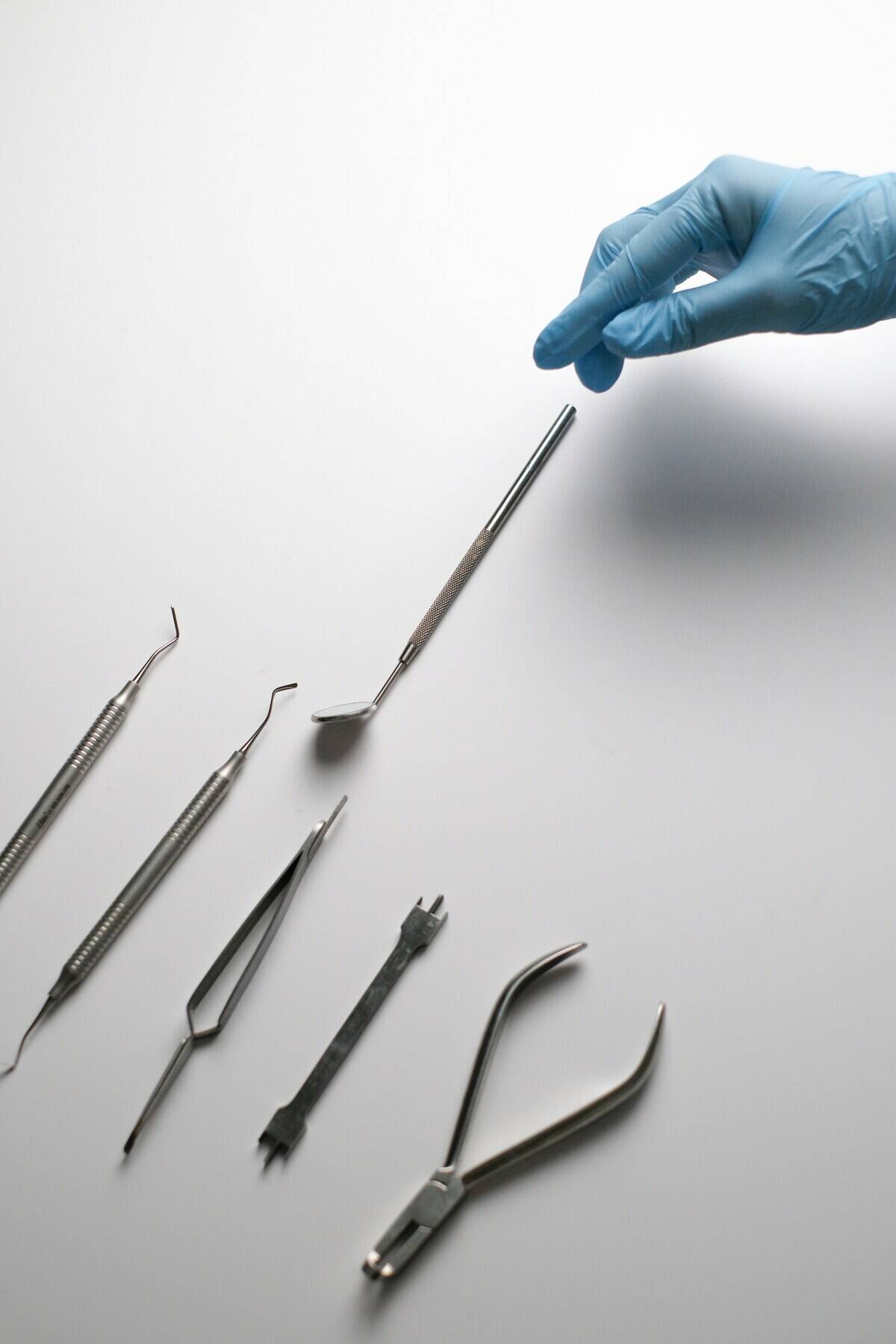
Sutures have been used for thousands of years to close wounds and promote healing. Ancient Egyptians utilized materials like linen and even animal sinew.
In modern times, sutures have evolved to include absorbable materials and advanced techniques, yet the fundamental goal remains the same: to aid in the body’s natural healing process. This continuity illustrates how ancient practices continue to underpin modern medical procedures.
Quackery or Cure? The Rise of Alchemy
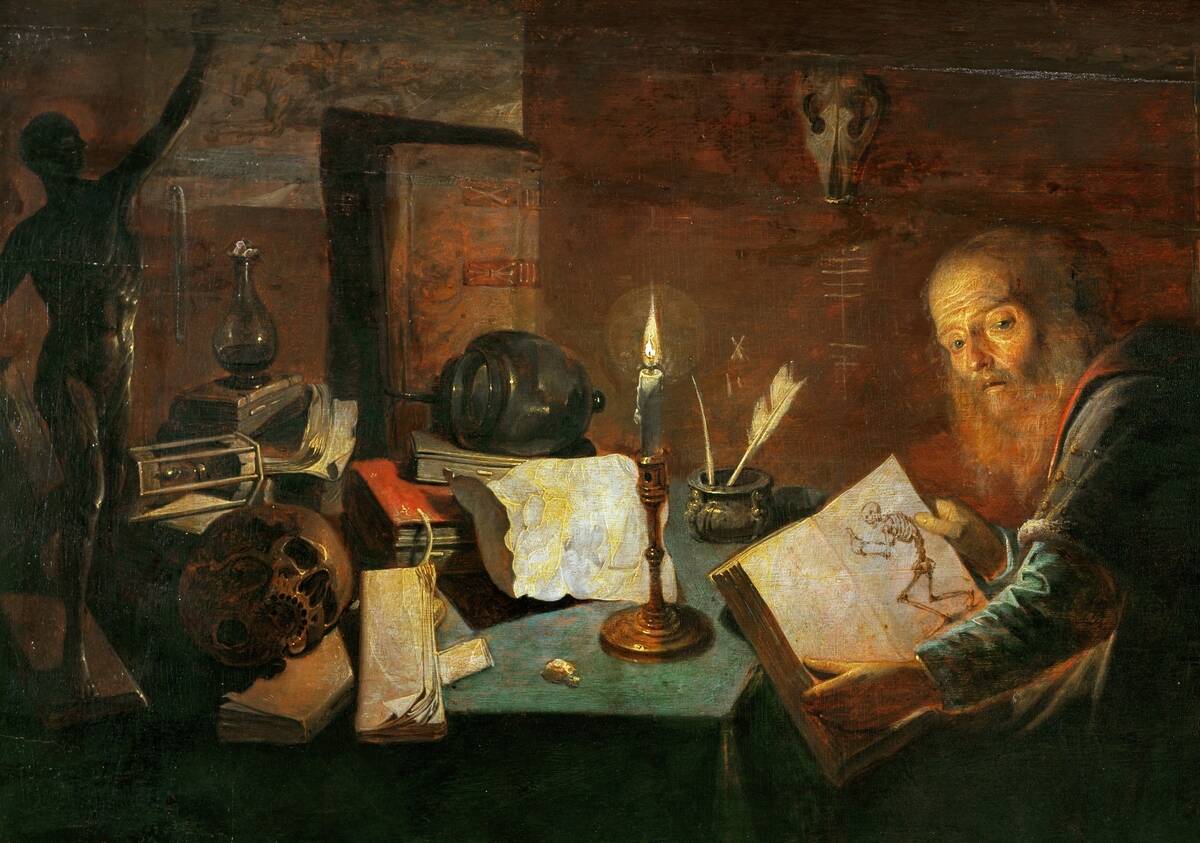
Alchemy, often associated with the pursuit of turning base metals into gold, was more than just mystical science. Medieval alchemists sought the philosopher’s stone, which was believed to enable transmutation of metals and, in some traditions, to confer healing properties or longevity.
While they never found it, alchemy contributed to the development of chemistry, a cornerstone of modern pharmacology. It’s a reminder of how even misguided quests can lead to valuable discoveries.
Birth of the Microscope: Seeing the Unseen

The invention of the microscope in the late 16th century opened up a new world of scientific discovery. It allowed scientists to observe microorganisms, leading to breakthroughs in understanding diseases and the body’s inner workings.
The microscope’s impact on medicine is immeasurable, providing a window into the unseen and revolutionizing diagnostics and research in ways that continue to evolve today.
The Renaissance of Ancient Practices in Modern Medicine
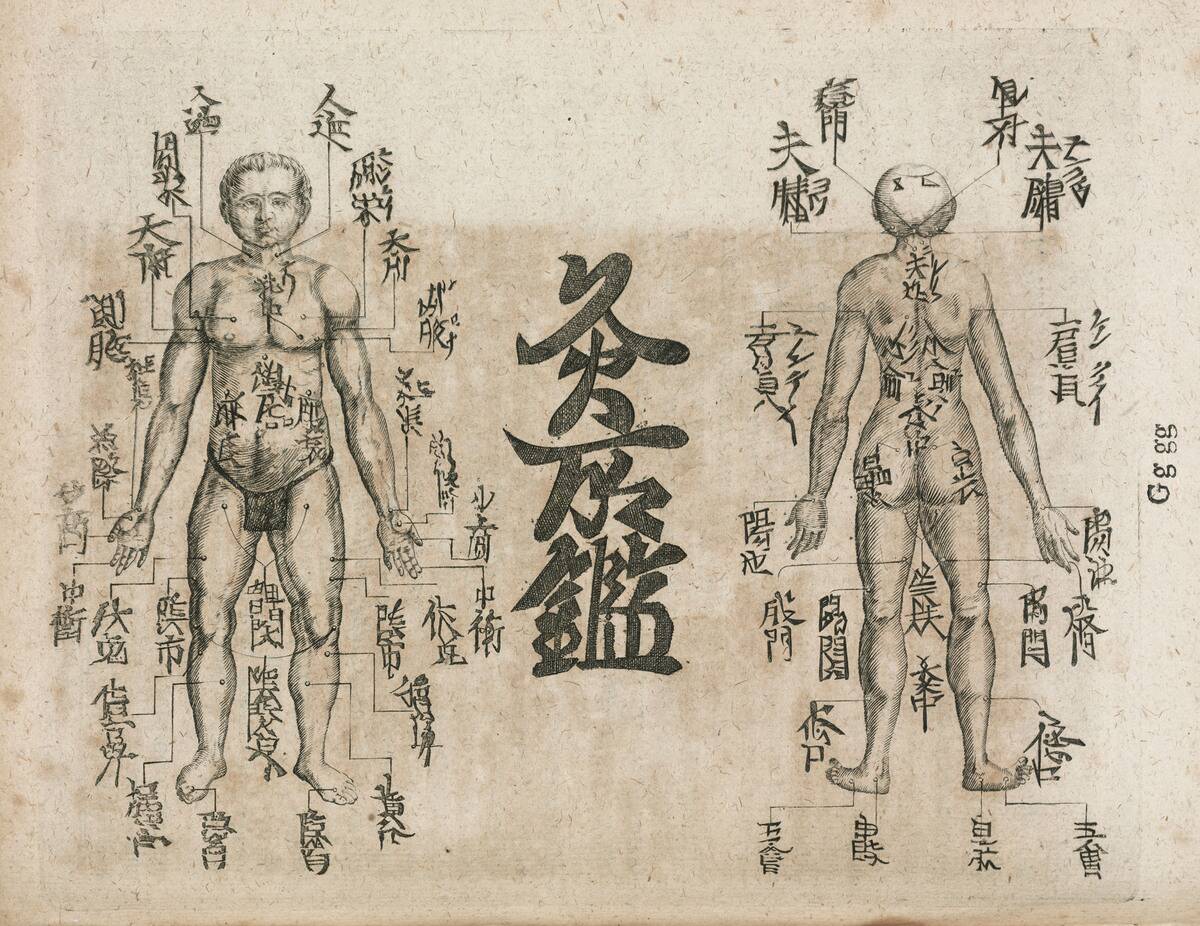
Many ancient medical practices are experiencing a renaissance in contemporary health care. Acupuncture, for example, once viewed skeptically, is now widely recognized for its pain-relieving benefits.
Similarly, practices like herbal medicine and meditation are increasingly integrated into holistic treatment plans. This blending of old and new demonstrates a growing appreciation for the wisdom of the past within modern medical paradigms.
Forgotten Tools in Today’s Medical Innovations
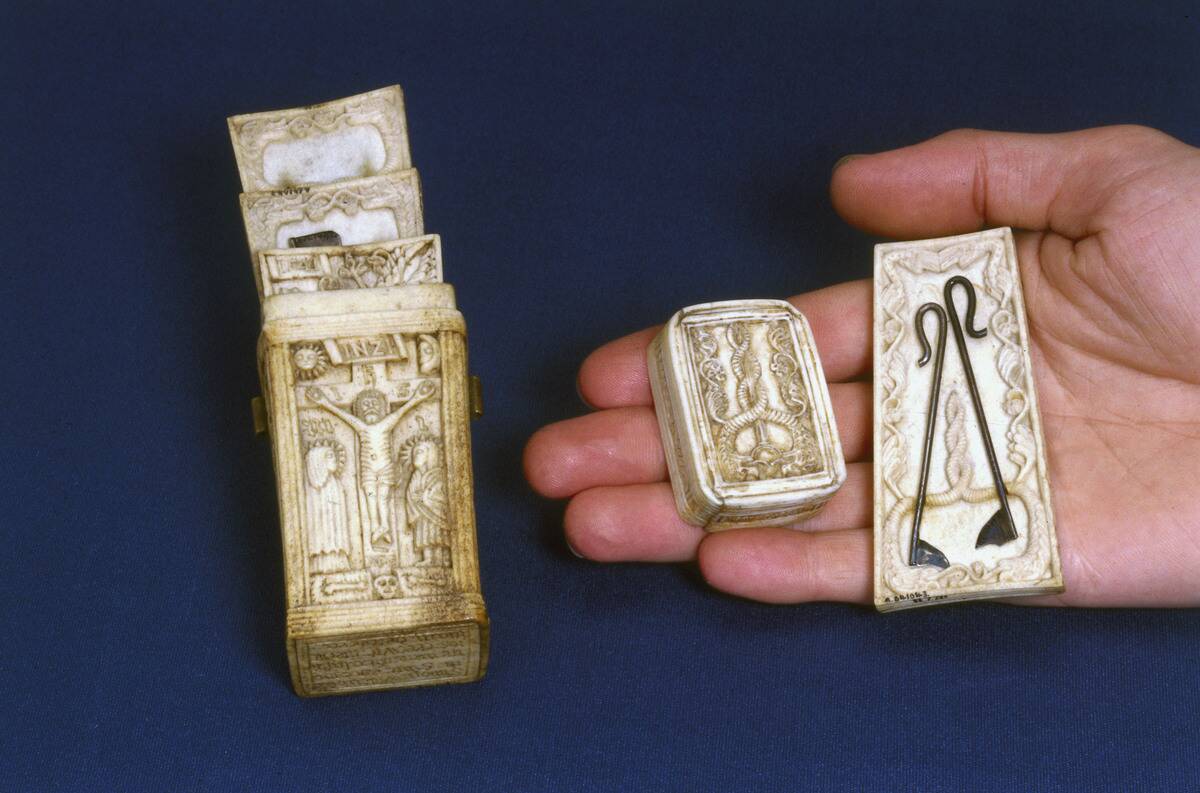
Some tools that were once commonplace in medicine have faded into obscurity, yet their influence lingers. Devices like the fleam, used for bloodletting, have historical significance that informs today’s practices.
Even as technology advances, these forgotten tools offer insights into the limitations and ingenuity of past medical endeavors, reminding us of the journey from rudimentary to revolutionary.
The Surprising Influence of Folk Medicine Practices
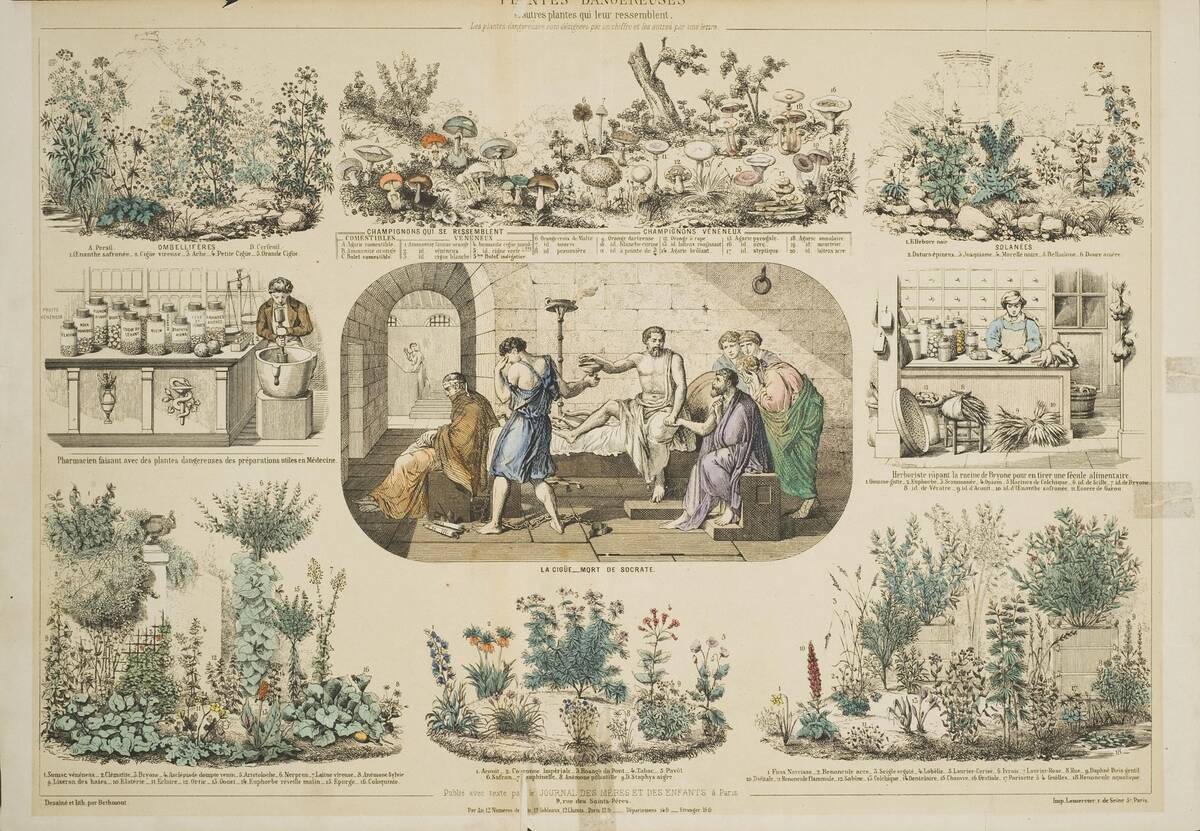
Folk medicine, often dismissed as superstition, has impacted modern medical practices more than we might realize. Many contemporary treatments have roots in folk remedies, such as the use of garlic for heart health.
This crossover highlights the value of exploring diverse healing traditions, recognizing that sometimes, age-old wisdom holds the key to modern-day breakthroughs.
Rediscovering Ancient Wisdom: How Old Tools Inspire New Discoveries
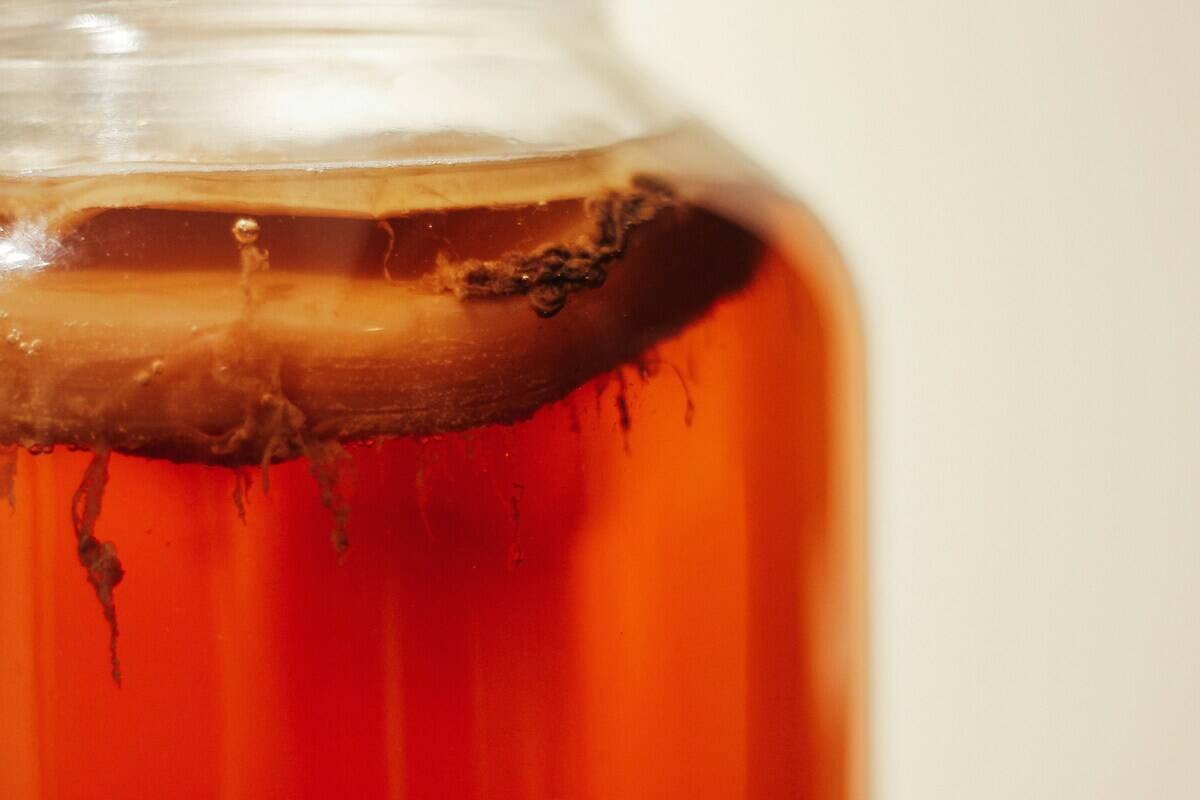
The exploration of ancient medical tools and practices continues to inspire new discoveries today. Researchers often revisit these methods, uncovering insights that lead to innovative treatments.
For instance, ancient fermentation techniques have informed modern probiotic research. This ongoing dialogue between past and present underscores the timeless nature of healing and the endless potential for discovery in the world of medicine.




