The forgotten cities built during the Gold Rush
The Gold Rush era holds a unique place in history, marked by a frenzied pursuit of wealth that transformed desolate landscapes into bustling towns overnight. While many of these towns have faded into obscurity, they still hold stories waiting to be told.
These hidden gems of the Gold Rush offer a glimpse into a time when dreams of prosperity were just a nugget away, reminding us of the fleeting nature of fortune and the enduring allure of adventure.
The Allure of Gold: A Brief History of the Gold Rush
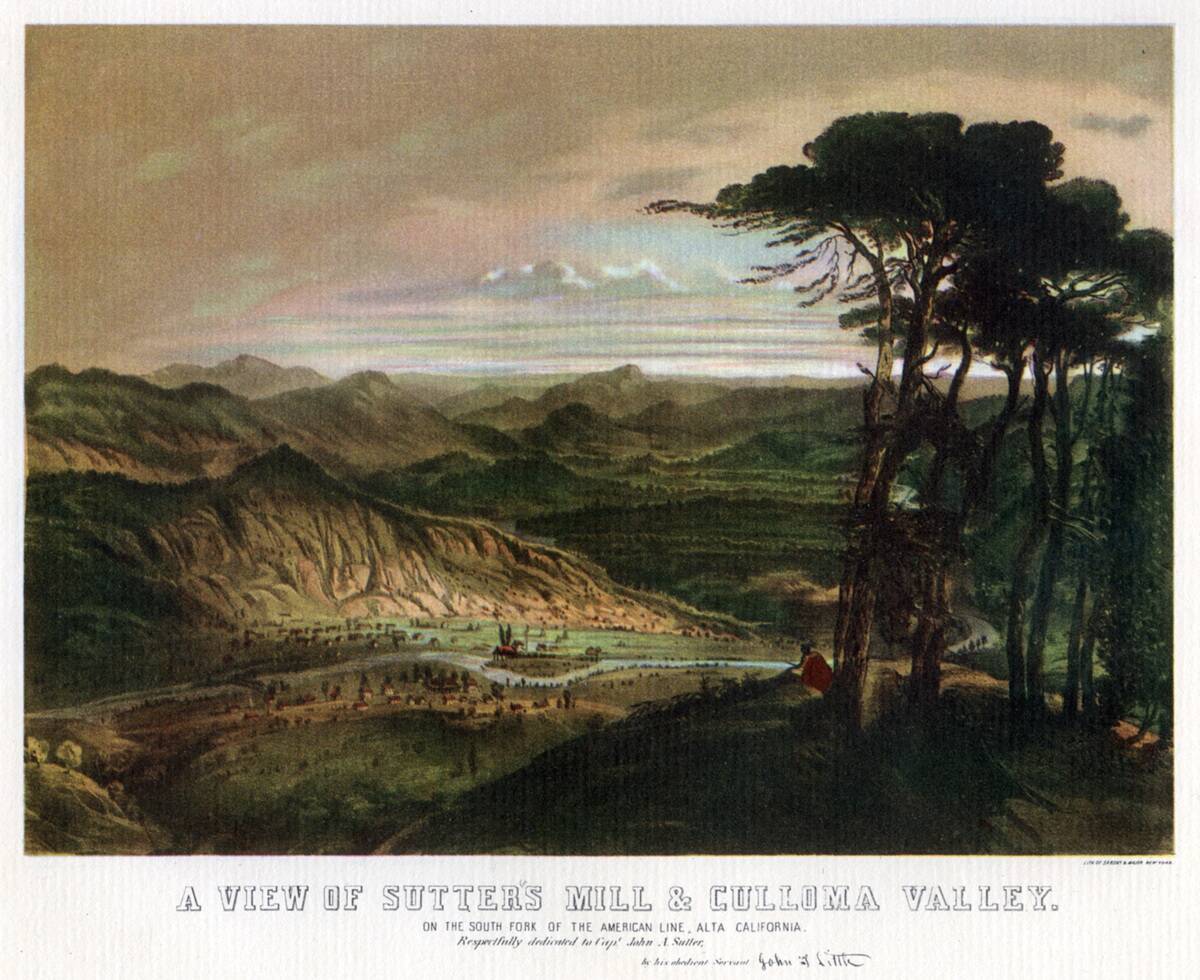
Gold has always fascinated humans, with its gleaming allure and promise of fortune. The Gold Rush began in earnest in 1848 when gold was discovered at Sutter’s Mill in California, sparking a global frenzy. Thousands of prospectors, known as ’49ers,’ flocked to the area, seeking their fortune.
This period saw the rapid establishment of towns and infrastructure, forever altering the American landscape. The Gold Rush wasn’t just about gold; it was about hope and the relentless pursuit of dreams.
Boomtowns of the Past: An Overview of Forgotten Cities
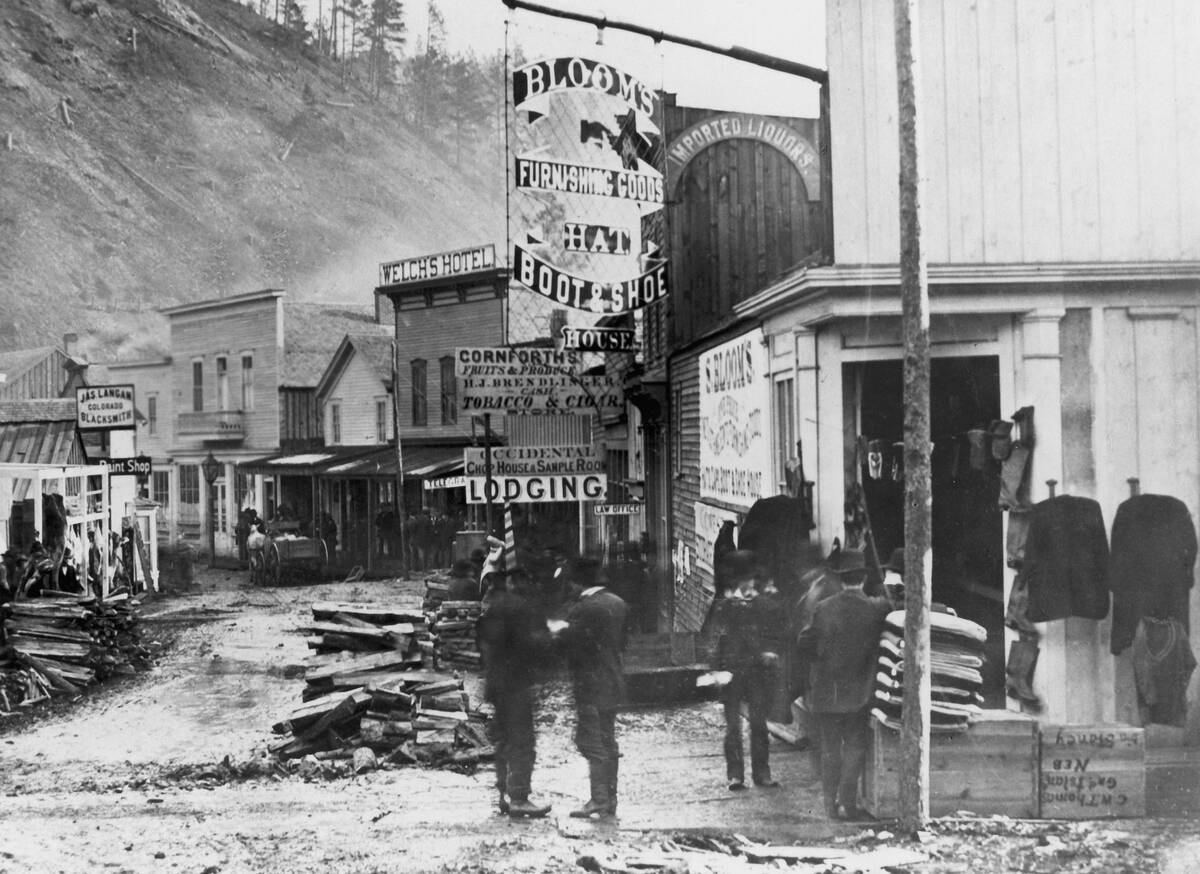
Boomtowns sprang up almost overnight as news of gold spread, drawing miners and entrepreneurs alike. Places like Deadwood and Virginia City became synonymous with quick wealth and even quicker decline.
These towns often featured saloons, general stores, and makeshift homes, creating a vibrant if temporary, community. However, as the gold veins dried up, so did the towns’ prosperity, leaving behind ghostly remnants of their once-bustling streets. Today, these forgotten cities tell tales of ambition and abandonment.
Ghostly Remnants: What Defines a “Forgotten City”?
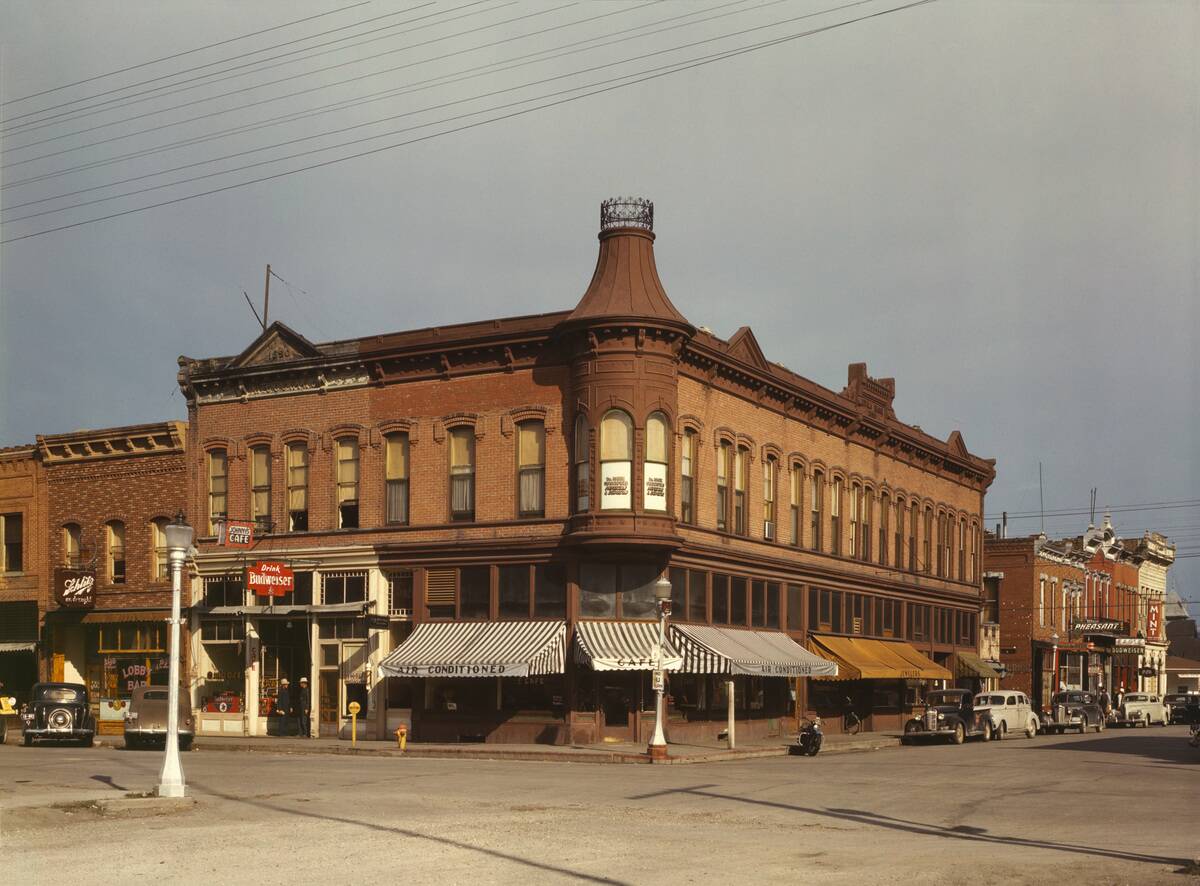
A ‘forgotten city’ is typically one that thrived during the Gold Rush but was abandoned once the resources were depleted. These towns often include derelict buildings, empty streets, and a sense of eerie quiet.
Bannack, Montana, is one such city that was once the capital of Montana Territory but now stands as a state park. Forgotten cities are frozen snapshots of history, offering an intriguing glimpse into the past for those willing to explore their decaying structures and stories.
The Birth and Bust of Bannack, Montana

Bannack, Montana, was founded in 1862 after gold was discovered along Grasshopper Creek. It quickly became a thriving town, with a population that swelled to over 3,000. As the first territorial capital of Montana, Bannack was a hub of activity.
However, by the late 1800s, the gold deposits dwindled, and the town’s population followed suit. Today, Bannack is preserved as a state park, where visitors can wander through its well-preserved buildings and imagine life during its heyday.
Bodie, California: The Epitome of a Ghost Town
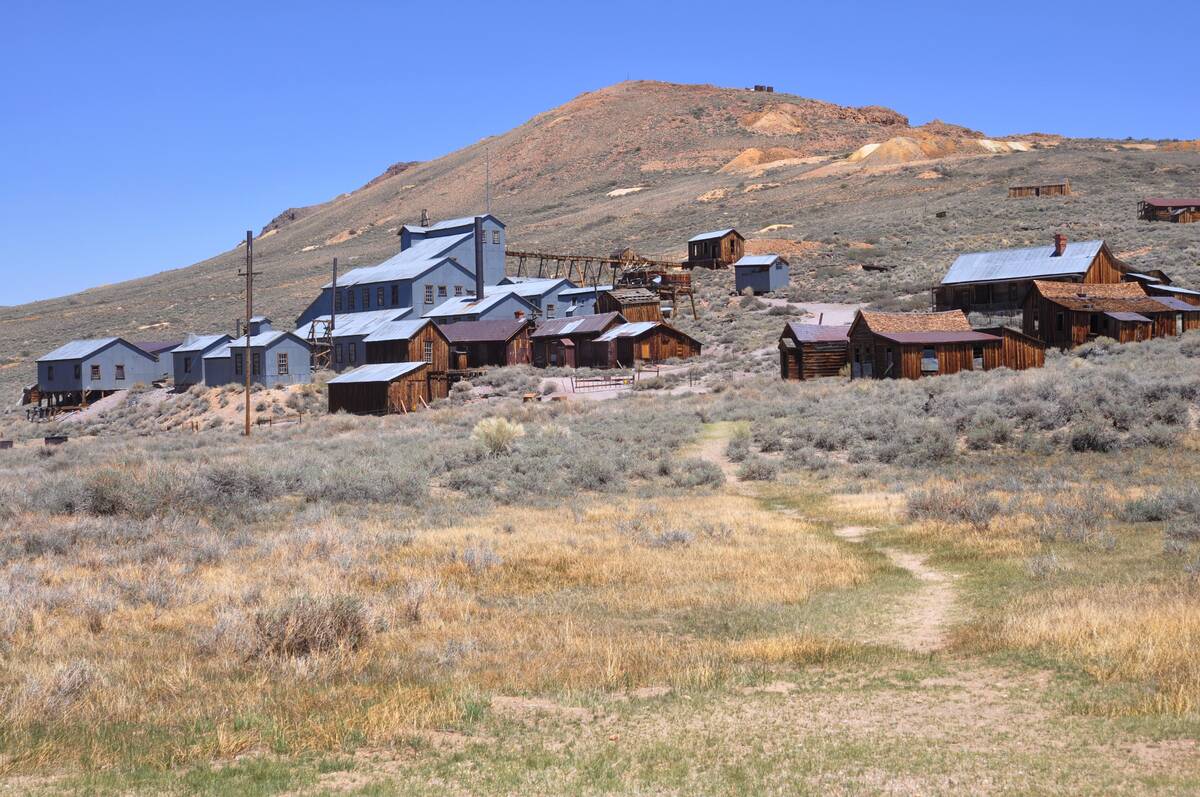
Bodie, California, stands as one of the most famous ghost towns in America. At its peak in the late 1800s, Bodie boasted a population of nearly 8,000 and was known for its rowdy nightlife and booming economy.
However, as the gold veins ran dry, people left in droves, leaving behind a town frozen in time. Today, Bodie is a state historic park, with over 100 structures preserved in a state of ‘arrested decay,’ offering visitors a chance to step back in history.
The Rise and Fall of Rhyolite, Nevada

Rhyolite, Nevada, emerged in 1905 during the last major gold rush in the lower 48 states. The town quickly grew, boasting a stock exchange, opera house, and even electricity. At its peak, Rhyolite’s population was around 5,000.
However, the financial panic of 1907 and the depletion of ore led to a swift decline. By 1914, the town was abandoned. Today, Rhyolite’s crumbling buildings, including the famous Bottle House, stand as a testament to its brief but vibrant existence.
Fairbank, Arizona: A Town Frozen in Time

Fairbank, Arizona, offers a glimpse into the past with its well-preserved structures and serene desert surroundings. Established in the late 1800s, Fairbank served as a commercial hub for nearby Tombstone’s silver mines.
The town featured a post office, hotel, and saloon, catering to miners and travelers alike. As mining activity dwindled, so did Fairbank’s significance. Today, the town is part of the San Pedro Riparian National Conservation Area, where visitors can explore its historic buildings and learn about its storied past.
The Eccentric Story of Garnet, Montana
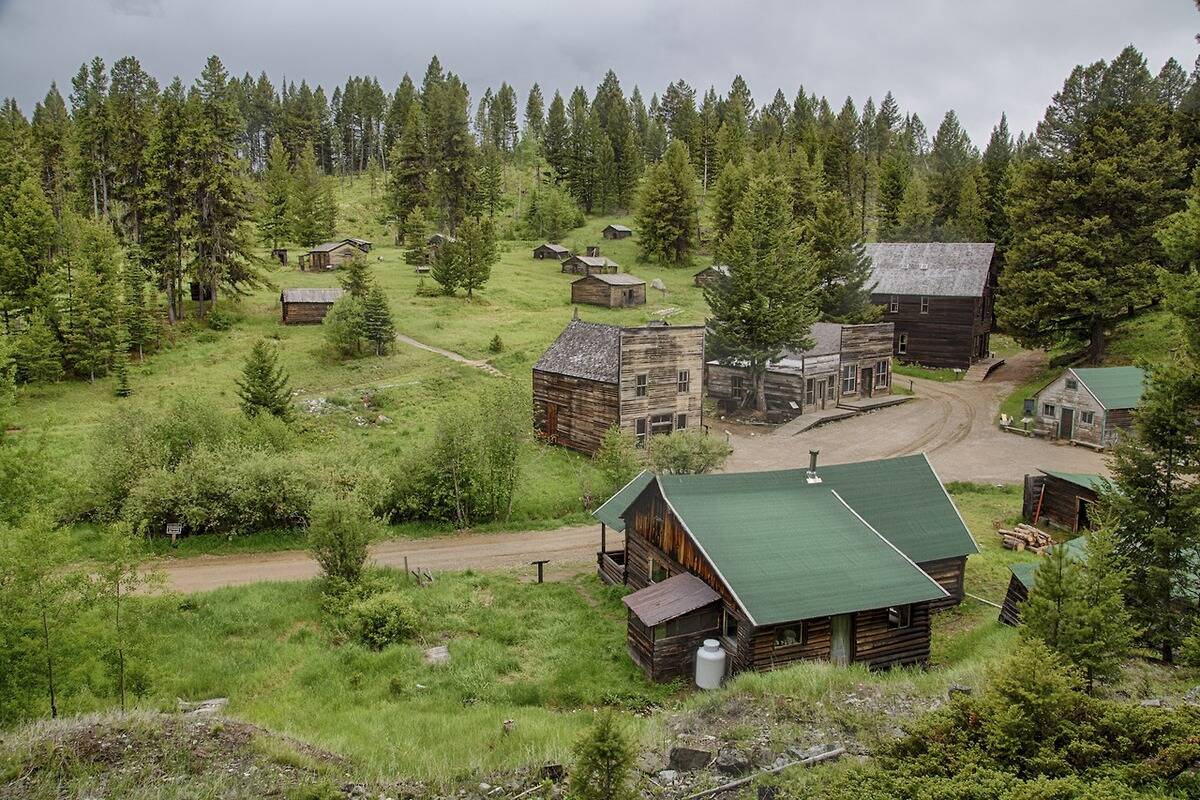
Garnet, Montana, is a well-preserved ghost town nestled in the Garnet Mountain Range. Founded in the 1890s, Garnet was a bustling mining town, with over 1,000 residents at its peak.
Unlike other ghost towns, Garnet was not abruptly abandoned; its residents left gradually as the gold and silver ran out. The town’s remote location has kept it remarkably intact, with many original buildings still standing. Today, Garnet offers a fascinating look at life during the mining boom, complete with guided tours and interpretive displays.
Cerro Gordo, California: A Silver Lining in the Gold Rush

Cerro Gordo, California, is a unique ghost town that thrived not on gold, but silver. Located in the Inyo Mountains, Cerro Gordo was established in 1865 and quickly became one of the most profitable silver mines in California.
At its height, the town boasted over 4,500 residents and a reputation for lawlessness. The silver eventually played out, and the town was largely abandoned by the early 20th century. Recently, Cerro Gordo has gained attention as a privately-owned ghost town, with efforts underway to preserve its rich history.
The Lost City of Columbia, California

Columbia, California, is a well-preserved Gold Rush town that offers a window into the past. Founded in 1850, Columbia quickly became a prosperous mining town, with a population of over 25,000 at its peak.
Unlike many other Gold Rush towns, Columbia did not completely fade away. It was designated a state historic park in 1945 to preserve its rich history. Today, Columbia State Historic Park allows visitors to stroll down its main street, explore historic buildings, and even pan for gold, making it a living testament to the Gold Rush era.
Ruby, Arizona: Treasures and Tragedies
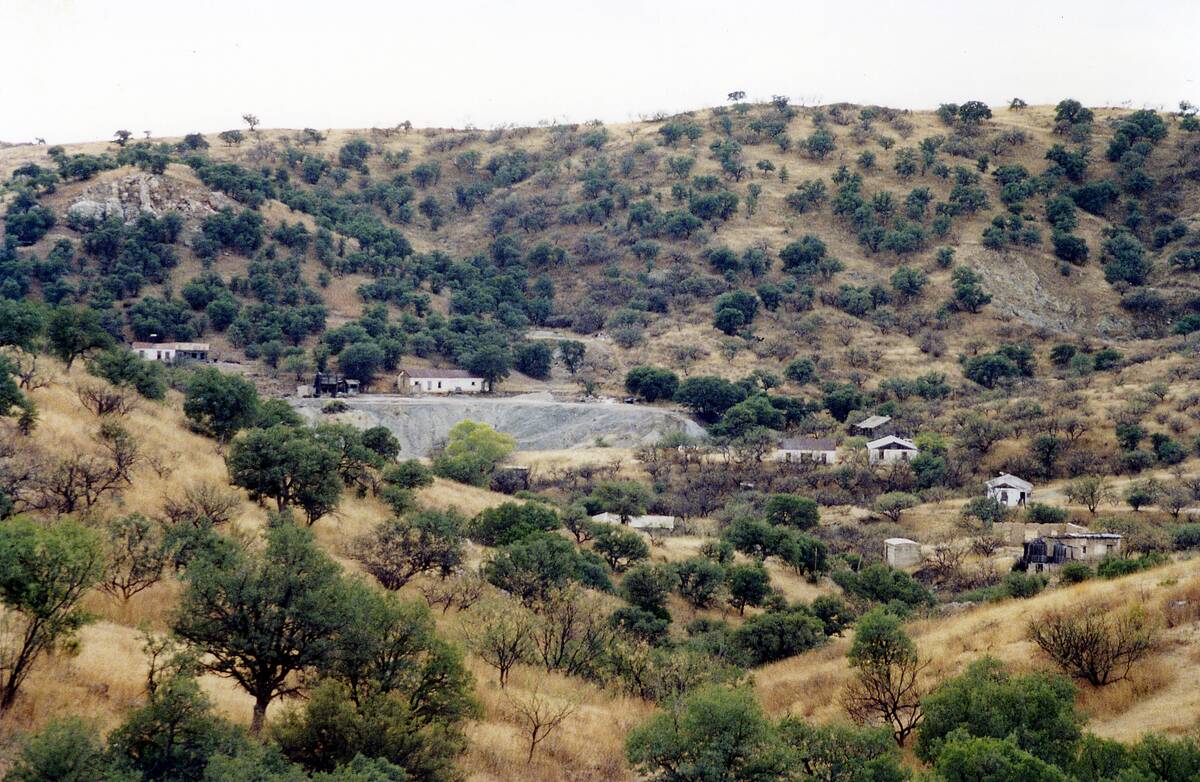
Ruby, Arizona, is a ghost town steeped in history and tragedy. Founded in the 1870s, Ruby was a thriving mining town known for its lead and zinc production. However, the town’s history is marred by the infamous Ruby Murders, a series of violent events during the 1920s that led to its decline.
Despite its turbulent past, Ruby remains one of the best-preserved ghost towns in Arizona, with many original buildings still standing. Visitors can explore its storied past and imagine life during its bustling days.
The Enigmatic Town of Elizabethtown, New Mexico
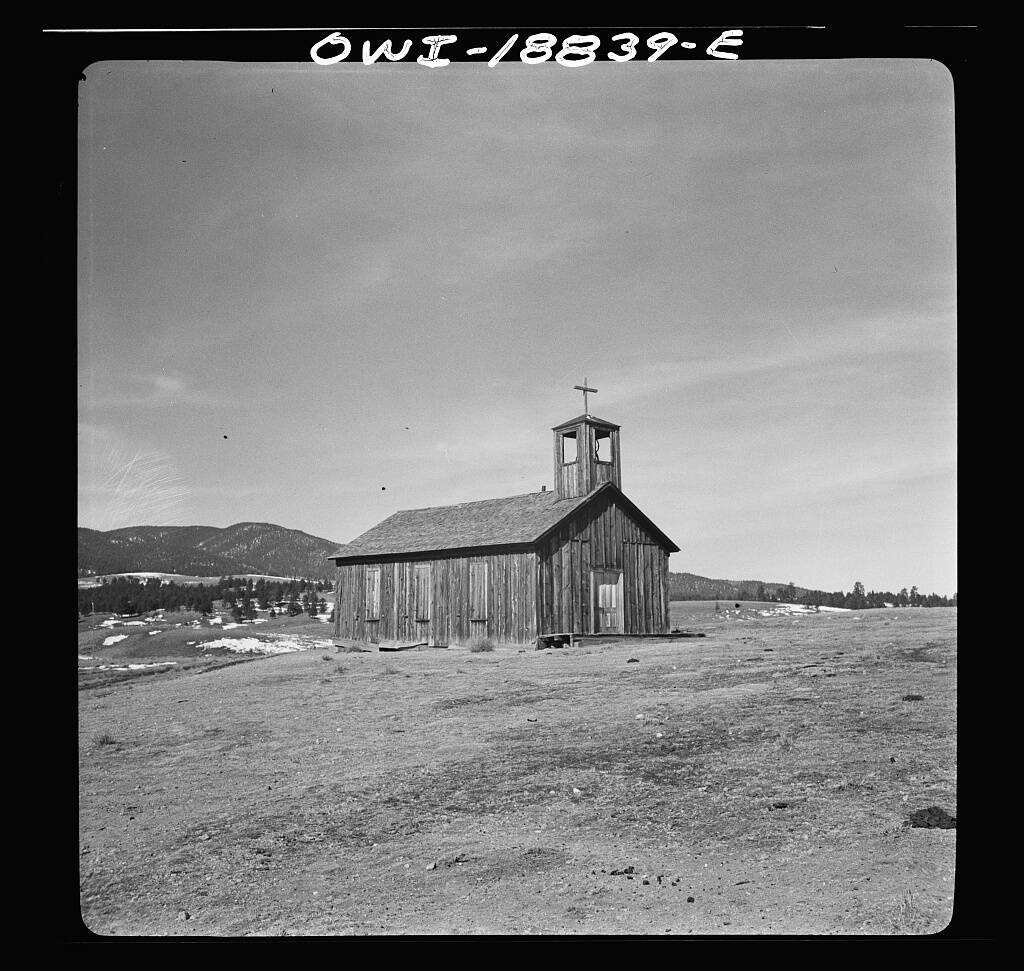
Elizabethtown, New Mexico, was one of the first incorporated towns in the state, founded during the 1866 gold rush. Nestled in the Moreno Valley, the town quickly grew, boasting a population of over 7,000 at its height.
However, as the gold diminished, so did the town’s prosperity. Elizabethtown was largely abandoned by the early 1900s. Today, only a few remnants remain, but efforts are underway to preserve its history, allowing visitors to explore the enigmatic stories of this once-bustling town.
The Brief Glory of Virginia City, Montana
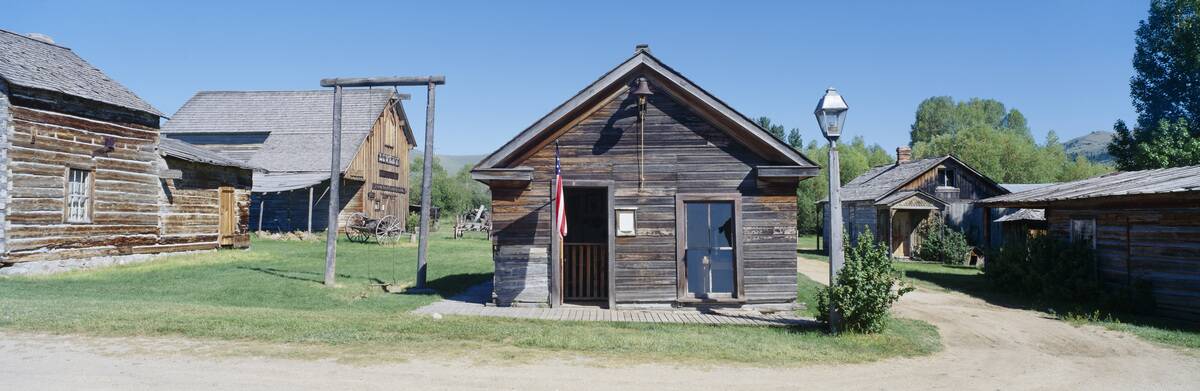
Virginia City, Montana, was founded in 1863 after the discovery of gold in nearby Alder Gulch. The town quickly became a bustling hub, serving as the territorial capital of Montana. Virginia City thrived during the height of the Gold Rush, attracting miners, merchants, and adventurers.
However, as the gold dwindled, so did its population. Today, Virginia City is a National Historic Landmark, offering visitors a chance to explore its well-preserved buildings and experience life during its brief but glorious heyday.
Calico, California: A Town Resurrected

Calico, California, was a booming silver mining town founded in 1881. At its peak, Calico boasted over 500 mines and a population of 1,200. However, as silver prices fell, the town’s fortunes declined, and it was abandoned by the mid-1890s.
In the 1950s, Calico was restored by Walter Knott, founder of Knott’s Berry Farm, turning it into a tourist attraction. Today, Calico Ghost Town offers visitors a taste of the Old West, with attractions like mine tours, gunfight reenactments, and historical exhibits.
The Legendary Streets of Deadwood, South Dakota
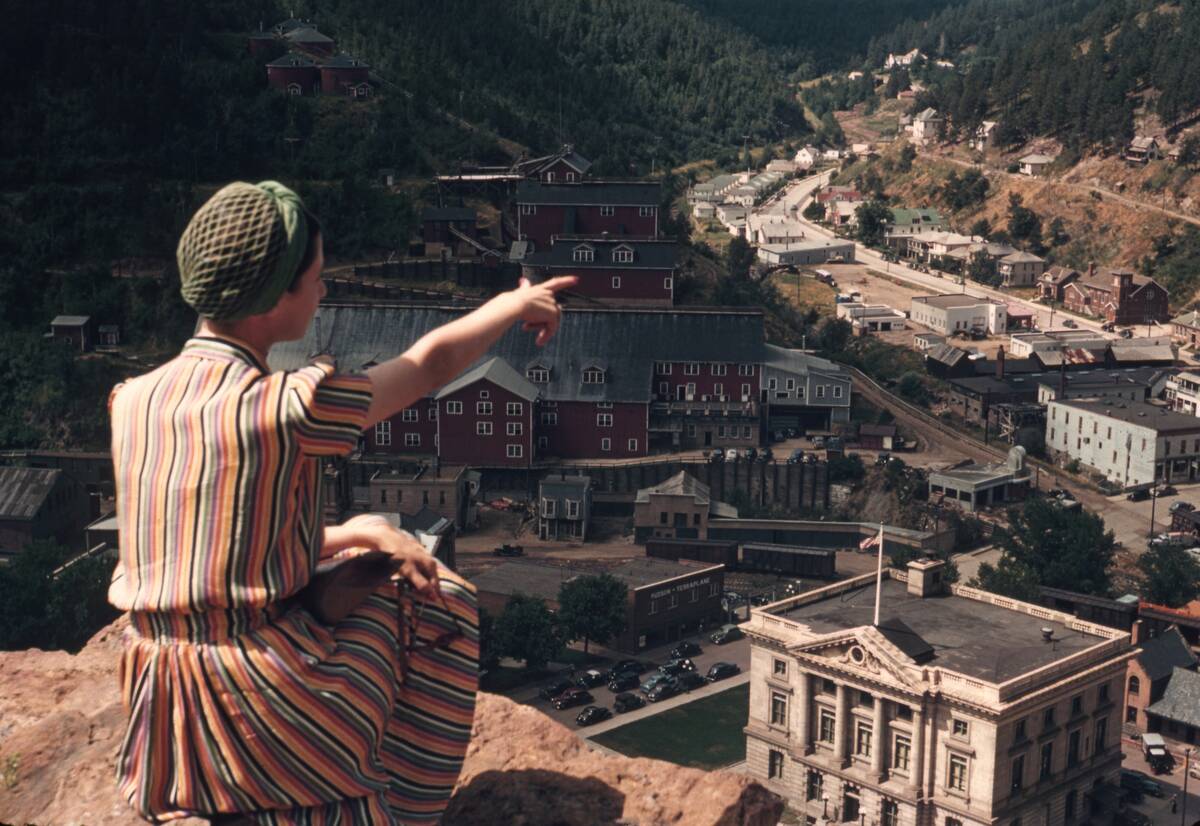
Deadwood, South Dakota, is a legendary Gold Rush town known for its lawless reputation and colorful history. Founded in 1876, Deadwood attracted outlaws, gamblers, and prospectors, including famous figures like Wild Bill Hickok and Calamity Jane. The town’s wild reputation grew as gold and vice flourished.
Today, Deadwood is a National Historic Landmark District, offering visitors a chance to walk its storied streets, explore historic sites, and learn about the colorful characters who once called it home.
The Unique Architecture of Silver City, Idaho
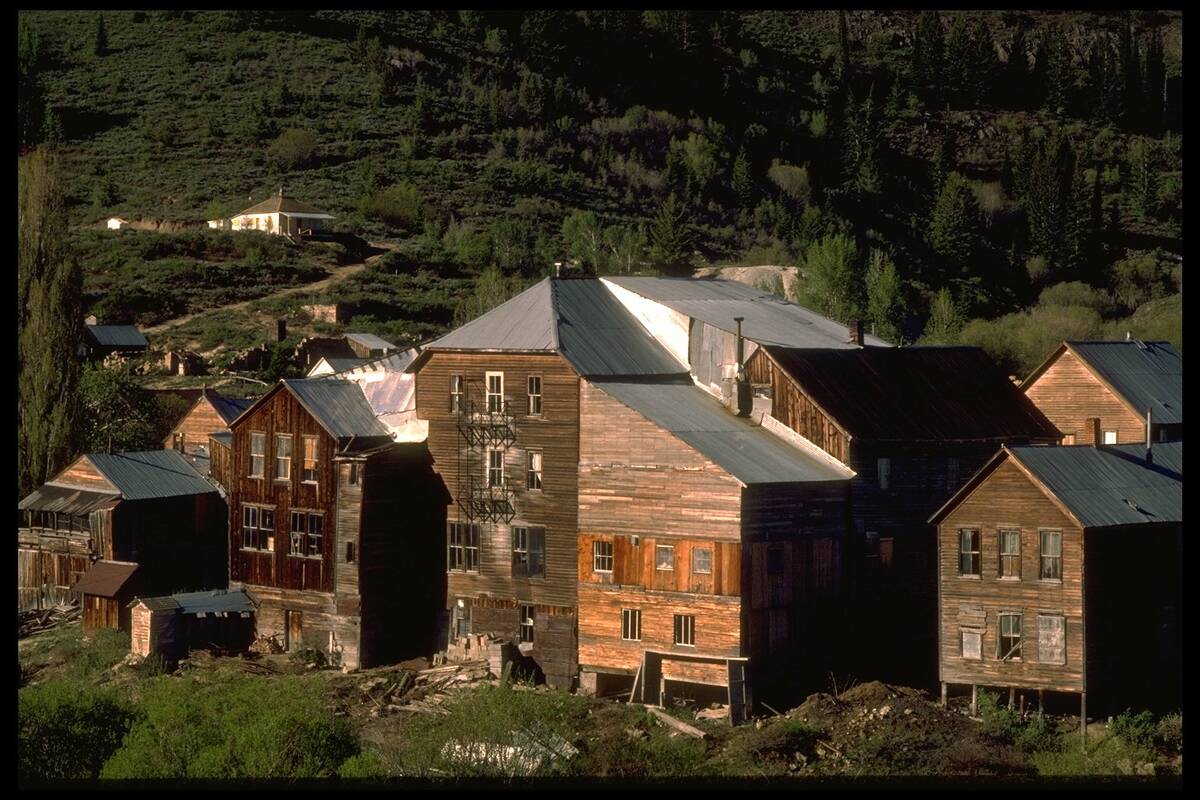
Silver City, Idaho, offers a unique glimpse into the architectural style of a bustling mining town. Established in 1864, Silver City quickly became a center for silver and gold mining, with a population that swelled to over 2,500.
Unlike many other ghost towns, Silver City retained much of its original architecture, including Victorian-style buildings and brick structures. Today, Silver City is a well-preserved ghost town, with many of its buildings accessible to visitors, offering a fascinating look at the craftsmanship of the era.
Preservation Efforts: Keeping History Alive

Preservation efforts play a crucial role in keeping the history of Gold Rush towns alive. Many ghost towns are now protected as state parks or historic sites, allowing for their stories to be told to future generations.
Organizations and volunteers work tirelessly to maintain and restore these towns, ensuring their structures remain intact for visitors to explore. By preserving these historical sites, we not only honor the past but also provide valuable educational opportunities, showcasing the rich tapestry of life during the Gold Rush era.
Visiting Today: Exploring the Ruins and Museums
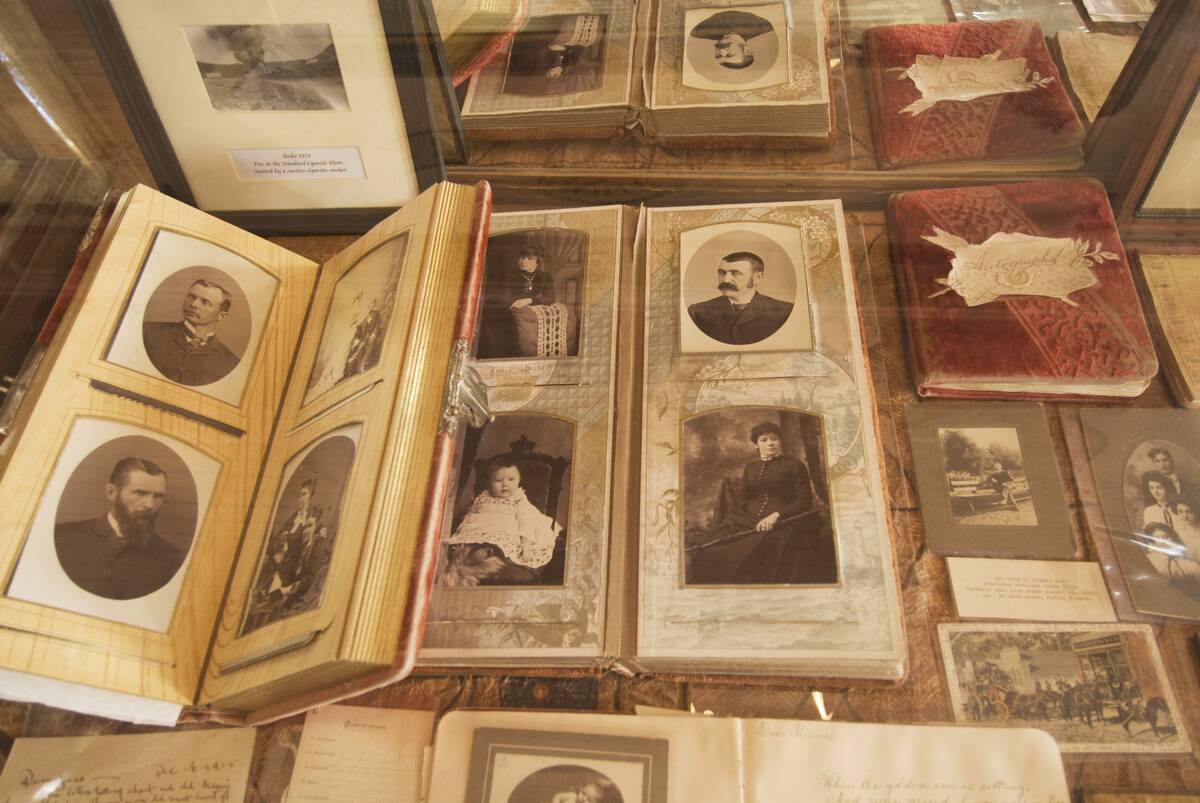
Visiting ghost towns today offers a unique opportunity to step back in time and experience the remnants of the Gold Rush era. Many towns have museums and guided tours, providing insights into the daily life of miners and settlers.
Places like Bodie, California, and Virginia City, Montana, offer well-preserved streets and buildings, allowing visitors to imagine the vibrant communities that once thrived there. Exploring these towns provides a tangible connection to history, making them popular destinations for history buffs and adventure seekers alike.




