The fiercest storms that altered world maps
Throughout history, the forces of nature have left an indelible mark on the world. Storms, in particular, have been powerful agents of change, reshaping coastlines and communities alike.
From hurricanes to cyclones, these tumultuous events have not only altered landscapes but also the lives of those who inhabit them. As we delve into the past, we uncover stories of survival, resilience, and transformation in the face of nature’s fury.
The Great Hurricane of 1780: A Caribbean Catastrophe
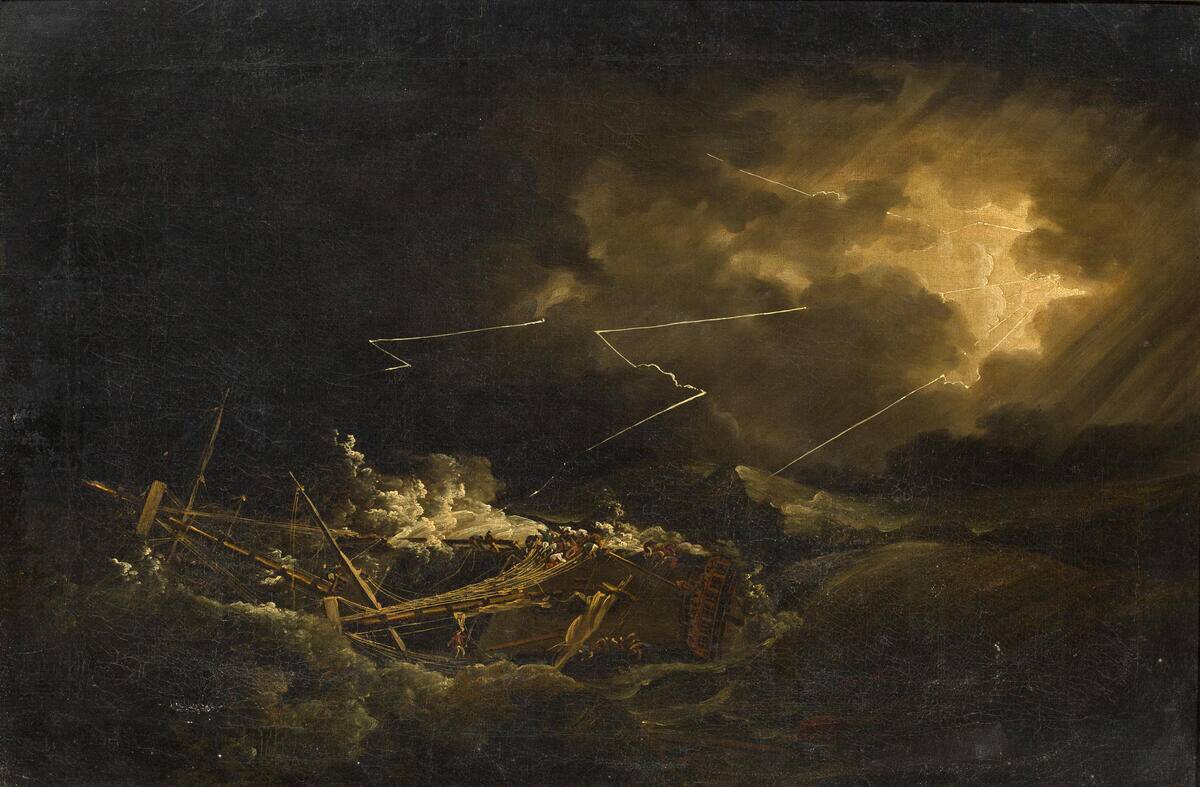
The Great Hurricane of 1780, also known as Hurricane San Calixto, wreaked havoc in the Caribbean, becoming the deadliest Atlantic hurricane on record. Over 22,000 people lost their lives as the storm battered the islands with relentless winds and rain.
It decimated entire fleets of ships, leaving a lasting impression on European colonial powers. The hurricane’s impact was so profound that it influenced naval strategies and colonial politics in the region for years to come.
The 1900 Galveston Hurricane: A Texas Transformation
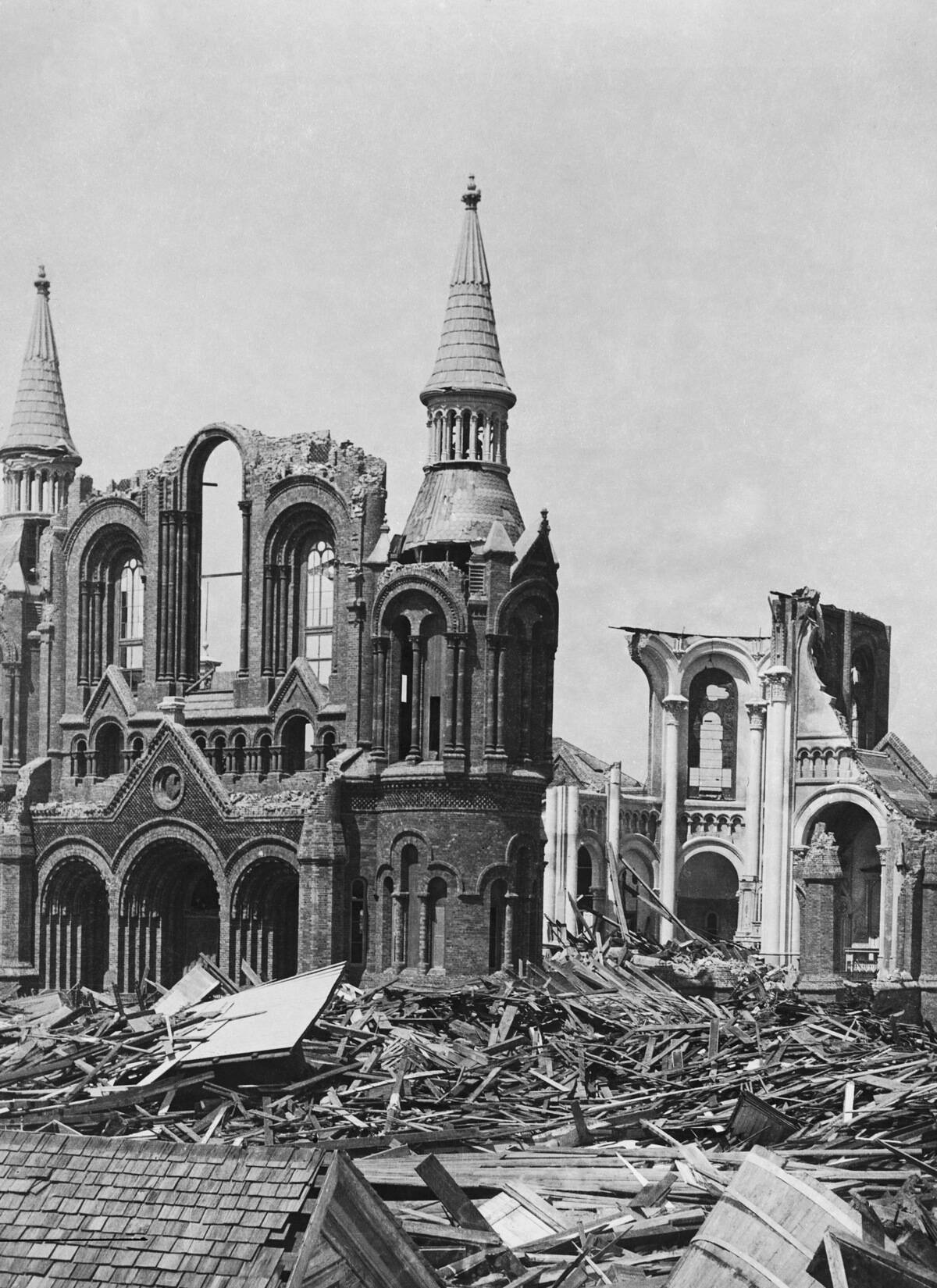
When the 1900 hurricane struck Galveston, Texas, it became the deadliest natural disaster in United States history, claiming the lives of an estimated 6,000 to 12,000 people. The storm surge, reaching up to 15 feet, inundated the island city, leaving devastation in its wake.
In response, Galveston undertook one of the largest civil engineering projects of its time—raising the entire city and building a seawall to protect against future storms, forever changing its urban landscape.
The 1931 China Floods: Nature’s Course Correction

The 1931 China floods, caused by a series of cyclones and monsoon rains, are considered one of the deadliest natural disasters of the 20th century. Affecting a vast area of eastern China, the floods displaced millions and resulted in an estimated death toll between 1 to 4 million people.
The disaster led to significant changes in water management policies and infrastructure, as the Chinese government sought to prevent a recurrence of such a catastrophic event.
Cyclone Tracy of 1974: Redefining Darwin, Australia
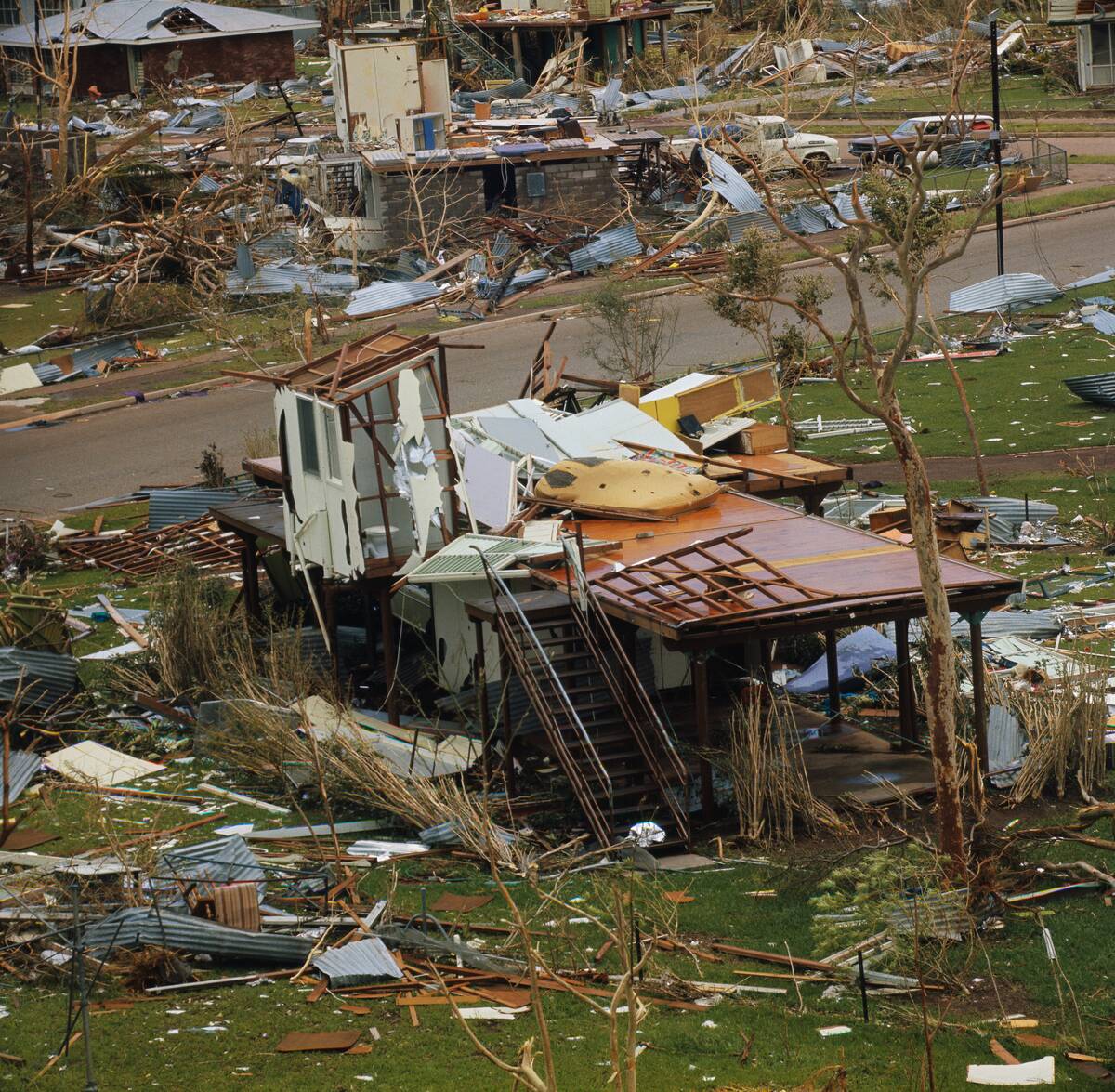
Cyclone Tracy struck Darwin, Australia, on Christmas Eve 1974, leaving the city nearly unrecognizable. With wind speeds of up to 217 km/h, the cyclone destroyed over 70% of the city’s buildings and left more than 41,000 of its residents homeless.
The disaster prompted a complete rebuild of the city, incorporating cyclone-resistant designs and changing the face of Darwin forever. The event highlighted the need for improved disaster preparedness and response strategies in the region.
Hurricane Katrina, 2005: New Orleans’ New Normal
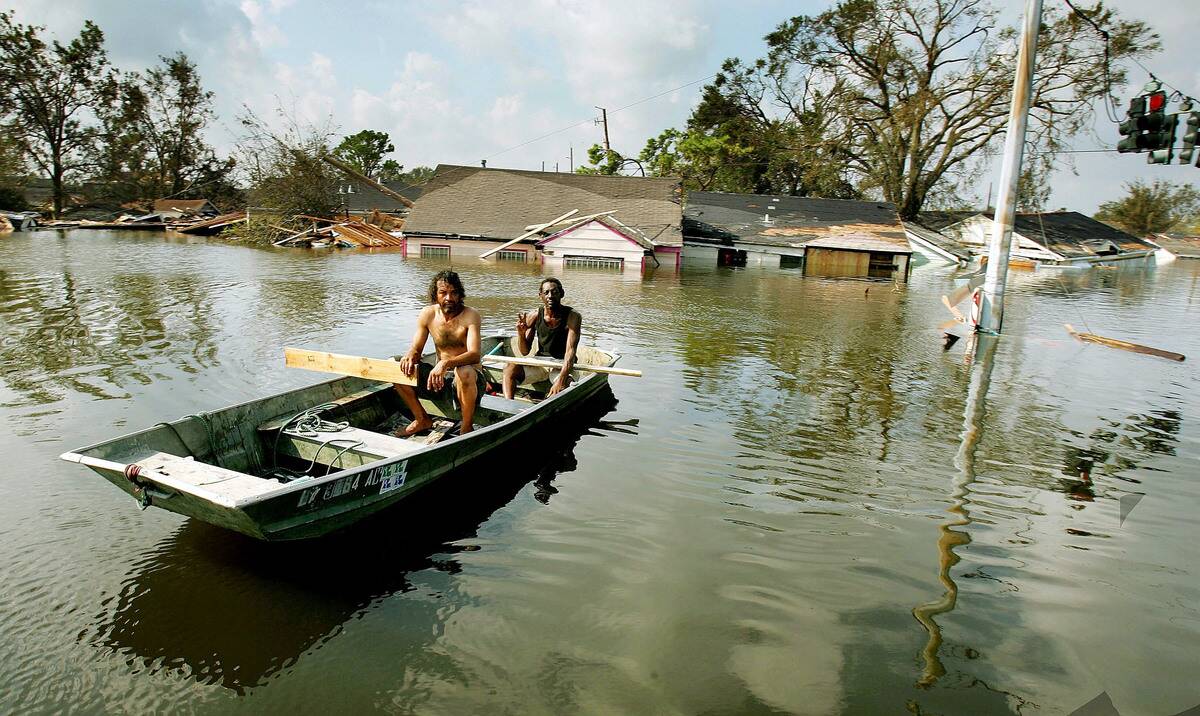
Hurricane Katrina, a Category 5 storm, made landfall in August 2005, devastating New Orleans and the Gulf Coast. The storm’s surge breached levees, flooding 80% of the city and causing over 1,800 deaths.
The aftermath exposed flaws in the city’s infrastructure and emergency response, leading to significant reforms. New Orleans has since embarked on ambitious projects to rebuild and fortify its defenses, reflecting a new, more resilient normal for the city and its residents.
The 2010 Pakistan Floods: Rivers Rewritten

In 2010, unprecedented monsoon rains led to catastrophic flooding in Pakistan, affecting about 20 million people and submerging one-fifth of the country. The Indus River swelled beyond its banks, rewriting the landscape as entire villages were washed away.
The disaster highlighted the vulnerabilities in Pakistan’s infrastructure and the urgent need for improved water management and disaster preparedness. In its wake, efforts to rebuild have focused on creating more resilient communities to withstand future climatic events.
Typhoon Haiyan, 2013: The Philippines’ New Face
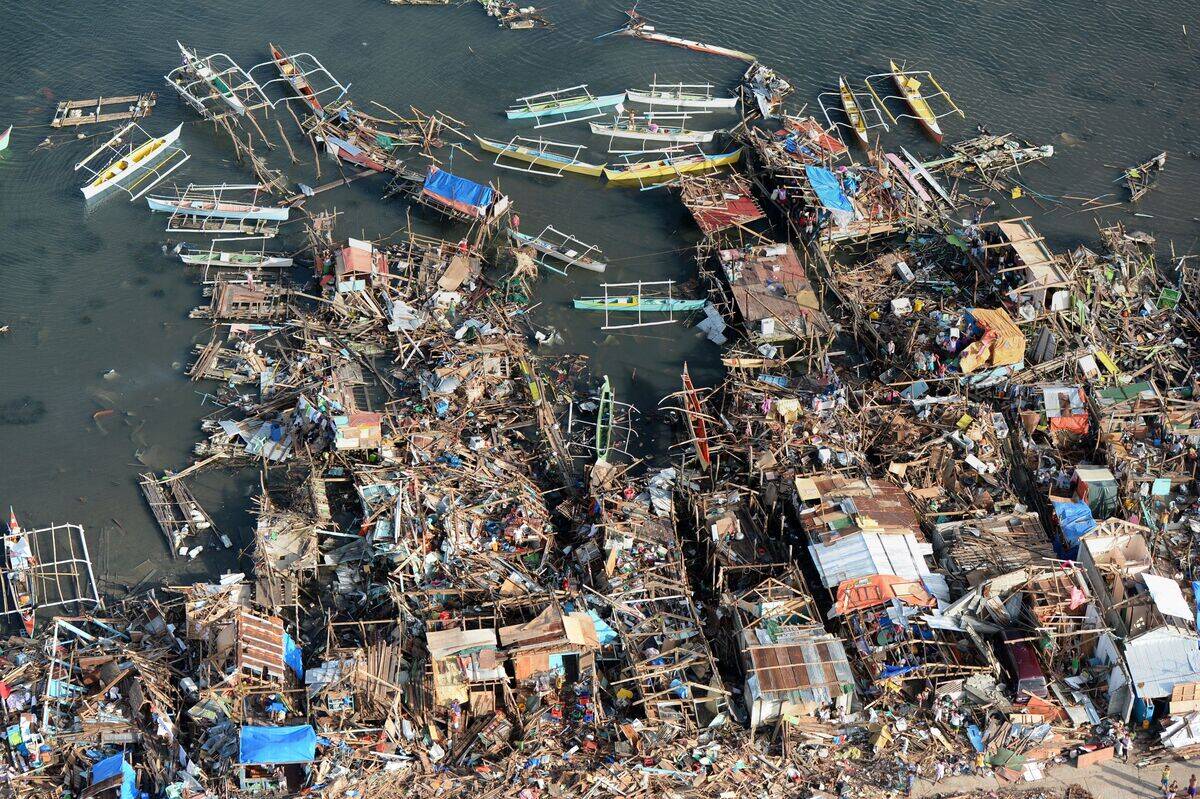
Typhoon Haiyan, known locally as Yolanda, was one of the strongest tropical cyclones ever recorded, causing widespread destruction in the Philippines in November 2013. The storm claimed over 6,300 lives and displaced millions, with the city of Tacloban suffering the brunt of its force.
In response, the Philippine government and international community launched extensive recovery and rebuilding efforts, focusing on enhancing resilience to future storms, thus reshaping the country’s approach to disaster management.
The 2017 Atlantic Hurricane Season: A Trio of Change
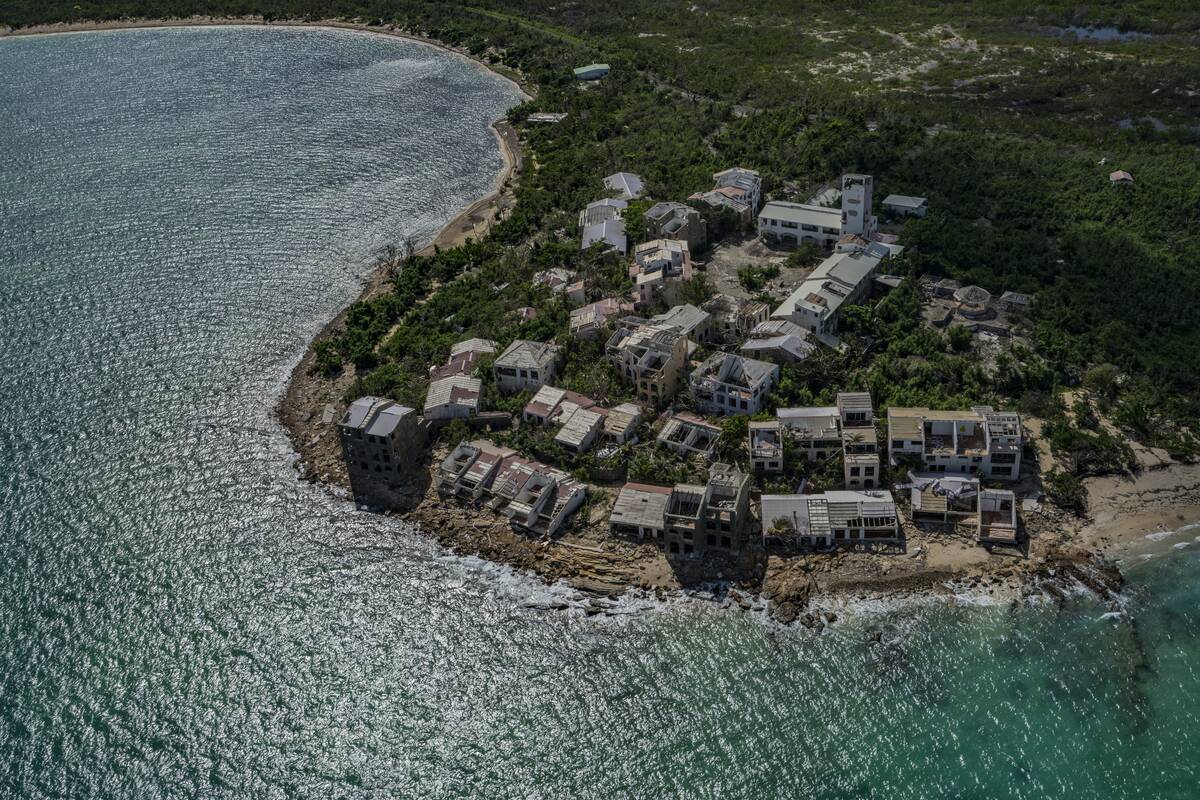
The 2017 Atlantic hurricane season was one of the most active and destructive in history, featuring three major hurricanes: Harvey, Irma, and Maria. These storms caused widespread devastation across the Caribbean and southeastern United States, each leaving a unique mark on the regions they impacted.
The season underscored the growing intensity and frequency of storms, sparking debates about climate change and the need for improved infrastructure and emergency preparedness to mitigate future impacts.
Cyclone Idai, 2019: Mozambique’s Map Redrawn
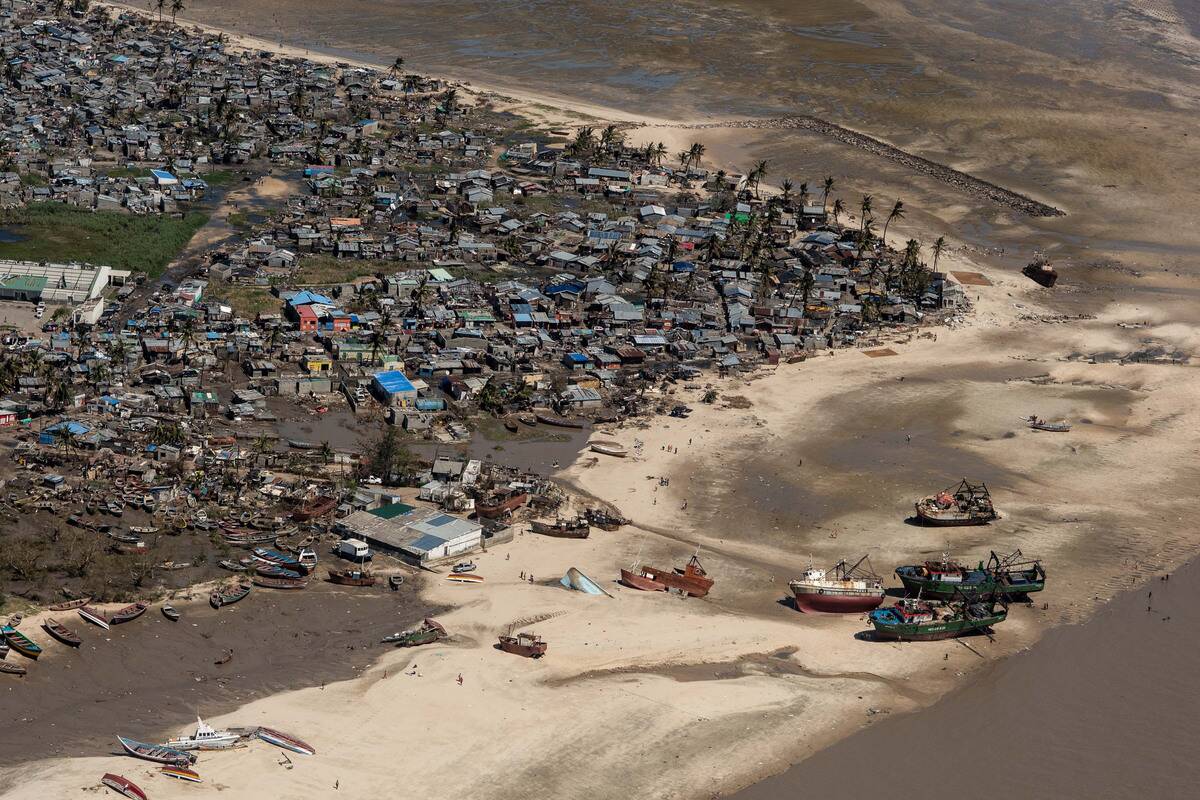
Cyclone Idai struck southeastern Africa in March 2019, causing massive flooding and destruction in Mozambique, Zimbabwe, and Malawi. It left more than 1,300 dead and displaced hundreds of thousands. In Mozambique, entire towns were submerged, effectively redrawing the map of the region.
The cyclone highlighted the vulnerabilities in infrastructure and the urgent need for climate adaptation strategies. In the aftermath, international aid focused on rebuilding and strengthening community resilience to future climate-related events.
The 2020 Australian Bushfires: Not a Storm, but a Force
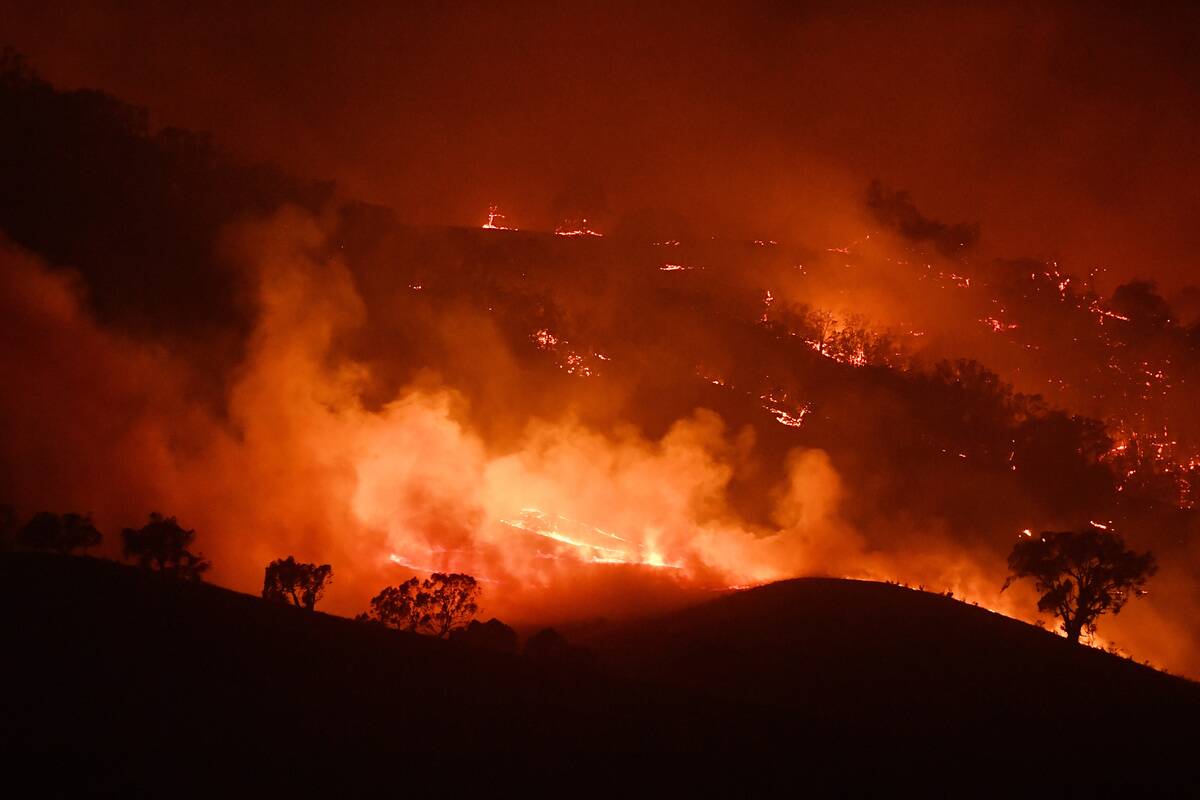
The 2020 Australian bushfires, while not a storm, were a natural disaster of immense scale, burning over 46 million acres and destroying thousands of homes. The fires claimed at least 33 lives and caused widespread ecological devastation, affecting countless wildlife species.
The disaster prompted a national conversation about climate change, fire management, and the need for improved preparedness and response strategies. It underscored the interconnectedness of various natural forces and their impact on communities and ecosystems.
The Role of Climate Change in Storm Intensity
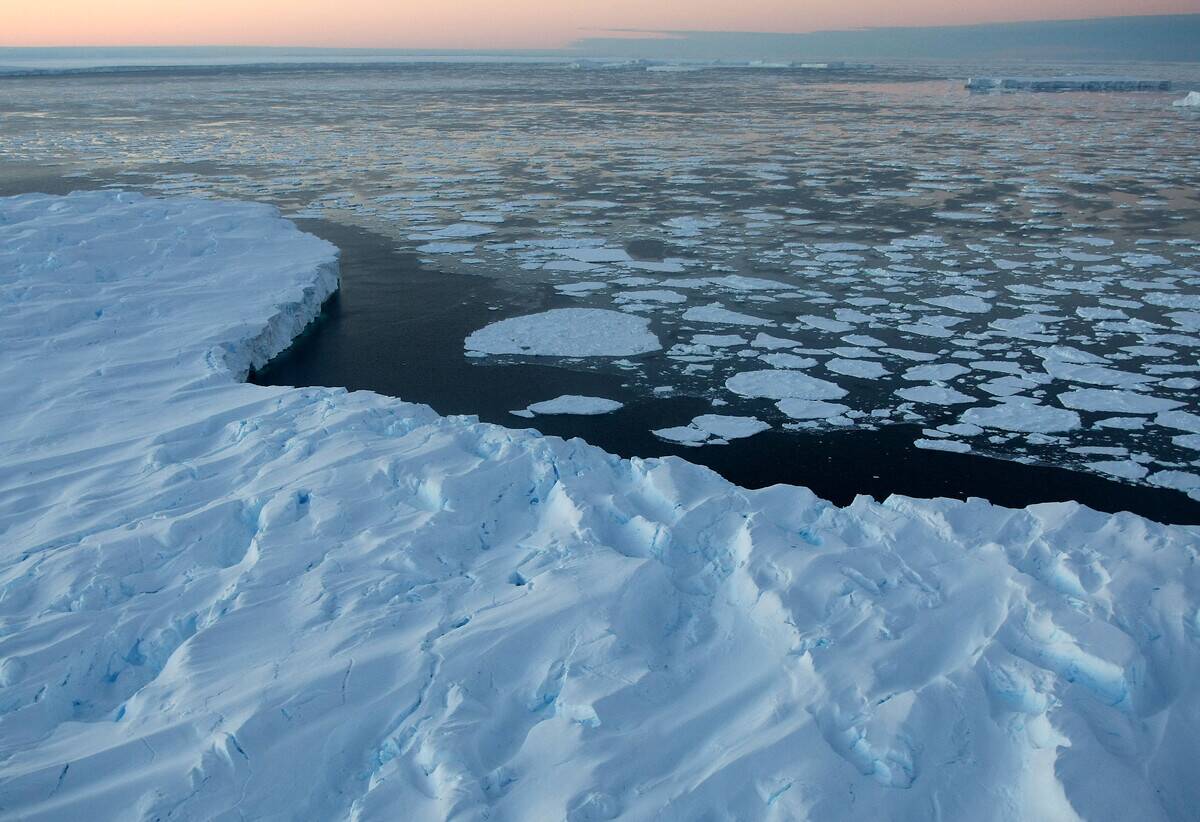
Climate change is increasingly recognized as a significant factor in the intensity and frequency of storms around the globe. Rising sea surface temperatures provide more energy for storms, resulting in more powerful and longer-lasting events.
Additionally, higher sea levels contribute to more devastating storm surges. Scientists continue to study these patterns, emphasizing the need for global efforts to reduce greenhouse gas emissions and adapt to a changing climate to mitigate the impact of future storms.
Famous Landmarks Lost to the Sea
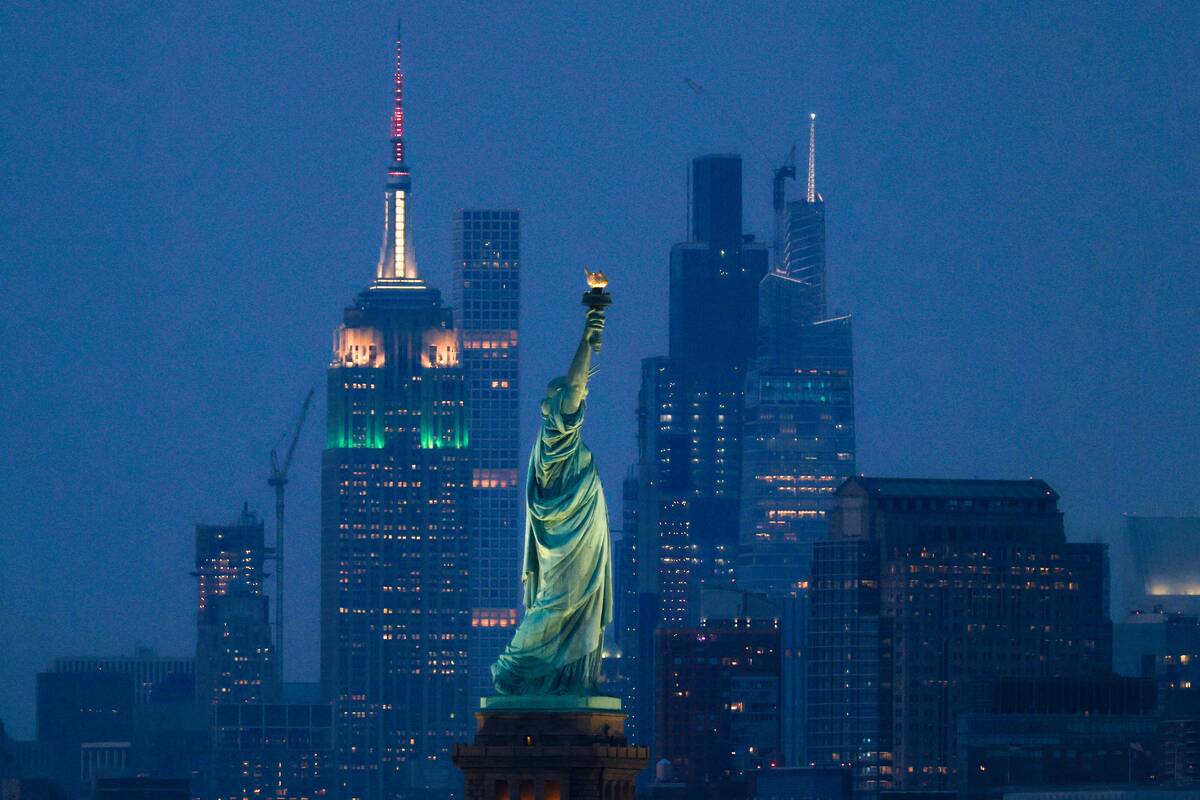
Throughout history, several famous landmarks have succumbed to the relentless forces of the sea. The ancient city of Helike, once located in Greece, was submerged by a tsunami in 373 BC and remained lost for centuries until its rediscovery.
In more recent times, coastal erosion and rising sea levels continue to threaten iconic sites like the Statue of Liberty and the Tower of London. These examples serve as poignant reminders of the impermanence of human achievements in the face of nature’s power.




