The fates of Cleopatra’s children and heirs
Cleopatra VII, the last active ruler of the Ptolemaic Kingdom of Egypt, left an indelible mark on history. Her life story is a tapestry of romance, power struggles, and political intrigue.
Amidst all this, her offspring played a crucial role in continuing her legacy. From Caesarion to Cleopatra Selene, Cleopatra’s children navigated a rapidly changing world, each leaving their own mark on history. Let’s explore the lives of these remarkable figures and the roles they played in the ancient world.
Cleopatra and Julius Caesar: A Brief Romance

Cleopatra’s liaison with Julius Caesar is the stuff of legends. Their meeting in 48 BC marked the beginning of a whirlwind romance that had significant political implications. Cleopatra was smuggled into Caesar’s palace in a bag used to hold bed clothes, a move that would forever change her fate.
Their partnership was as much about politics as it was about passion, with Cleopatra seeking to consolidate her power in Egypt and Caesar gaining a valuable ally in his quest for dominance.
The Birth of Caesarion: Cleopatra’s First Child
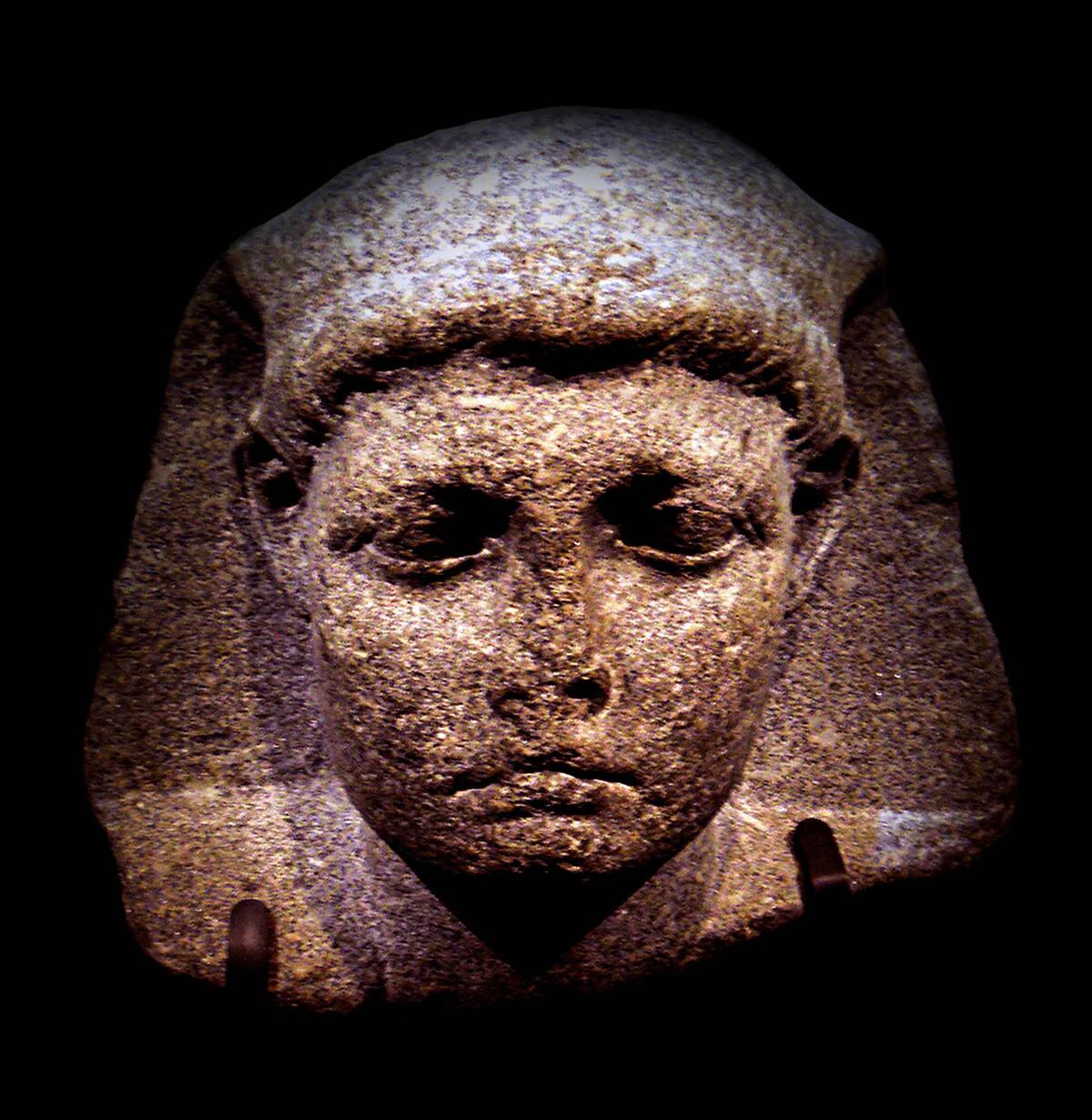
In 47 BC, Cleopatra gave birth to Ptolemy XV Philopator Philometor Caesar, more commonly known as Caesarion. As the son of Julius Caesar, he was seen as a potential heir to both the Egyptian and Roman thrones.
Cleopatra declared him co-ruler of Egypt, a move that underscored her ambitions for a powerful dynasty. Caesarion’s existence was a political statement, yet his life was fraught with peril as power dynamics shifted following Caesar’s assassination.
Mark Antony Enters the Scene: Cleopatra’s New Partner
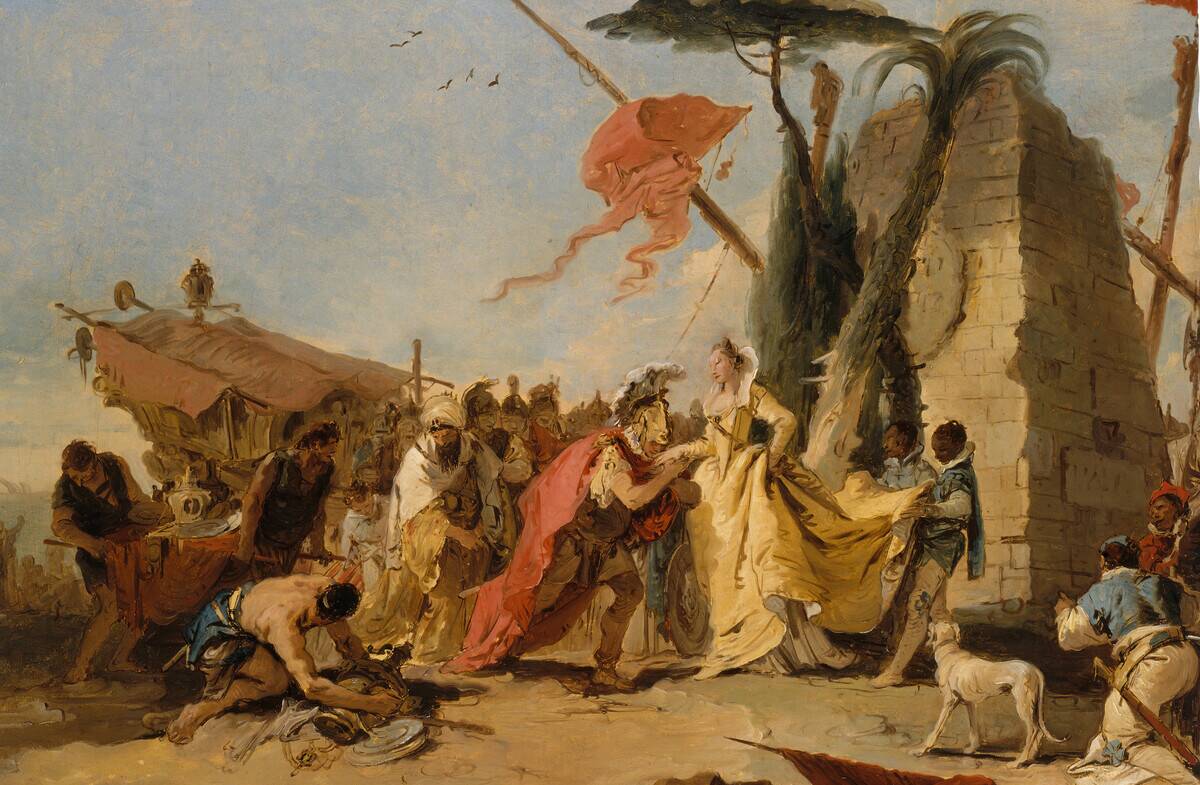
Following Caesar’s death, Cleopatra found a new partner in Mark Antony, a member of the Roman triumvirate. Their alliance was both romantic and strategic, as Antony sought to strengthen his position against Octavian, Caesar’s heir.
Cleopatra and Antony’s relationship was famously chronicled by Shakespeare, but it was also a genuine partnership that produced three children. Their union faced significant opposition in Rome, ultimately leading to a dramatic and tragic end.
The Arrival of the Twins: Alexander Helios and Cleopatra Selene
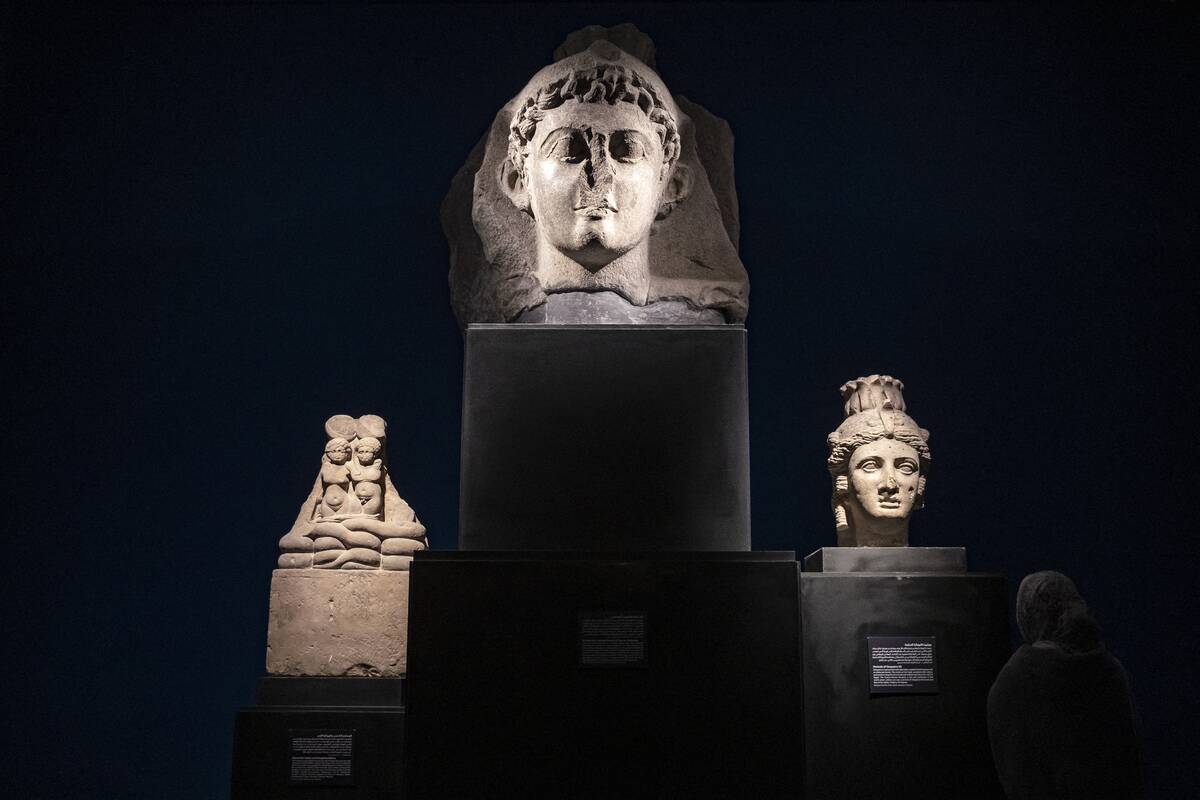
In 40 BC, Cleopatra gave birth to twins, Alexander Helios and Cleopatra Selene. Their names reflected the celestial themes favored by Cleopatra and Antony, with Helios representing the sun and Selene the moon.
These children were a symbol of the couple’s union and their shared ambitions. Antony recognized them publicly, granting them territories in what was known as the Donations of Alexandria, an act that further fueled tensions with Rome.
The Youngest Heir: Ptolemy Philadelphus
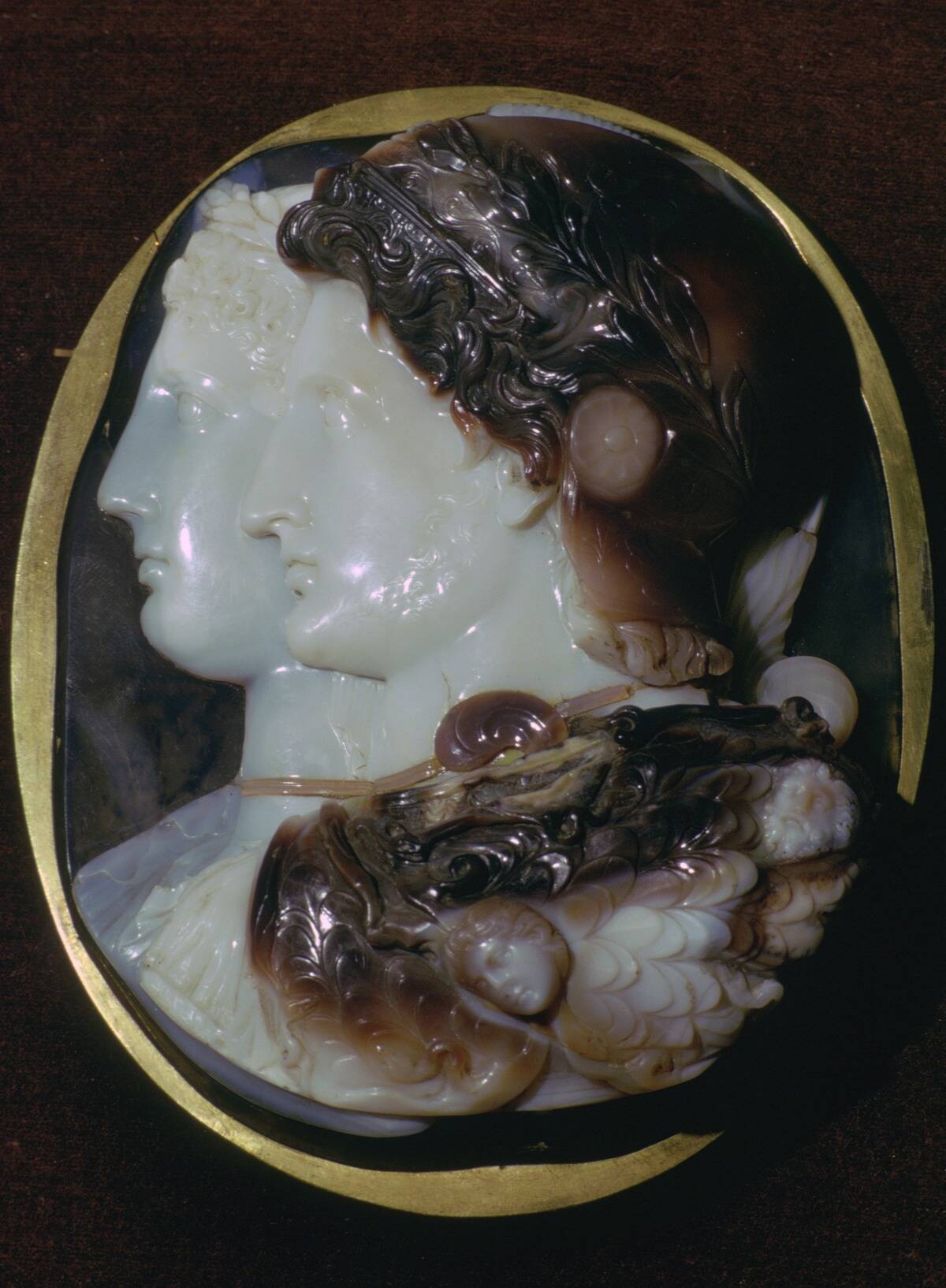
Ptolemy Philadelphus, the youngest of Cleopatra’s children with Antony, was born in 36 BC. His birth added another layer to the complex web of alliances and enmities in the ancient world.
Though less is known about him compared to his siblings, Ptolemy was granted the territories of Syria and Cilicia. As with all of Cleopatra’s children, his fate was tied to the shifting fortunes of his parents, and he too faced an uncertain future as Rome’s power grew.
The Fall of Cleopatra: Tragedy and Transition
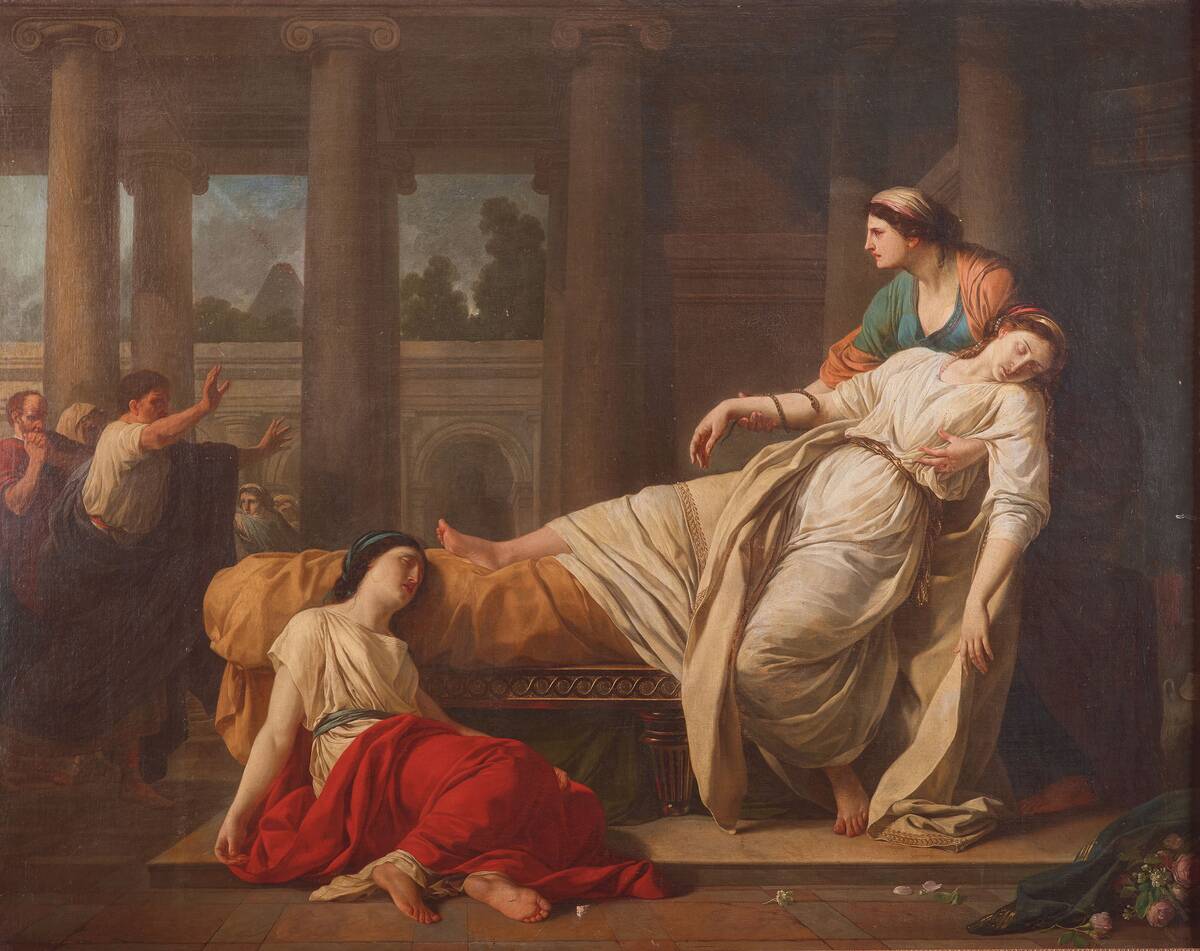
The defeat of Antony and Cleopatra at the Battle of Actium in 31 BC marked the beginning of the end for the Ptolemaic dynasty. Faced with the inevitable loss of her kingdom to Octavian, Cleopatra chose to end her life, likely through poison (though the delivery mechanism has since been heavily disputed).
This dramatic exit left her children in a precarious position. The fall of Cleopatra signaled not just the end of her reign but a significant transition in the ancient Mediterranean world.
Caesarion’s Fate: The Last Pharaoh Meets His End
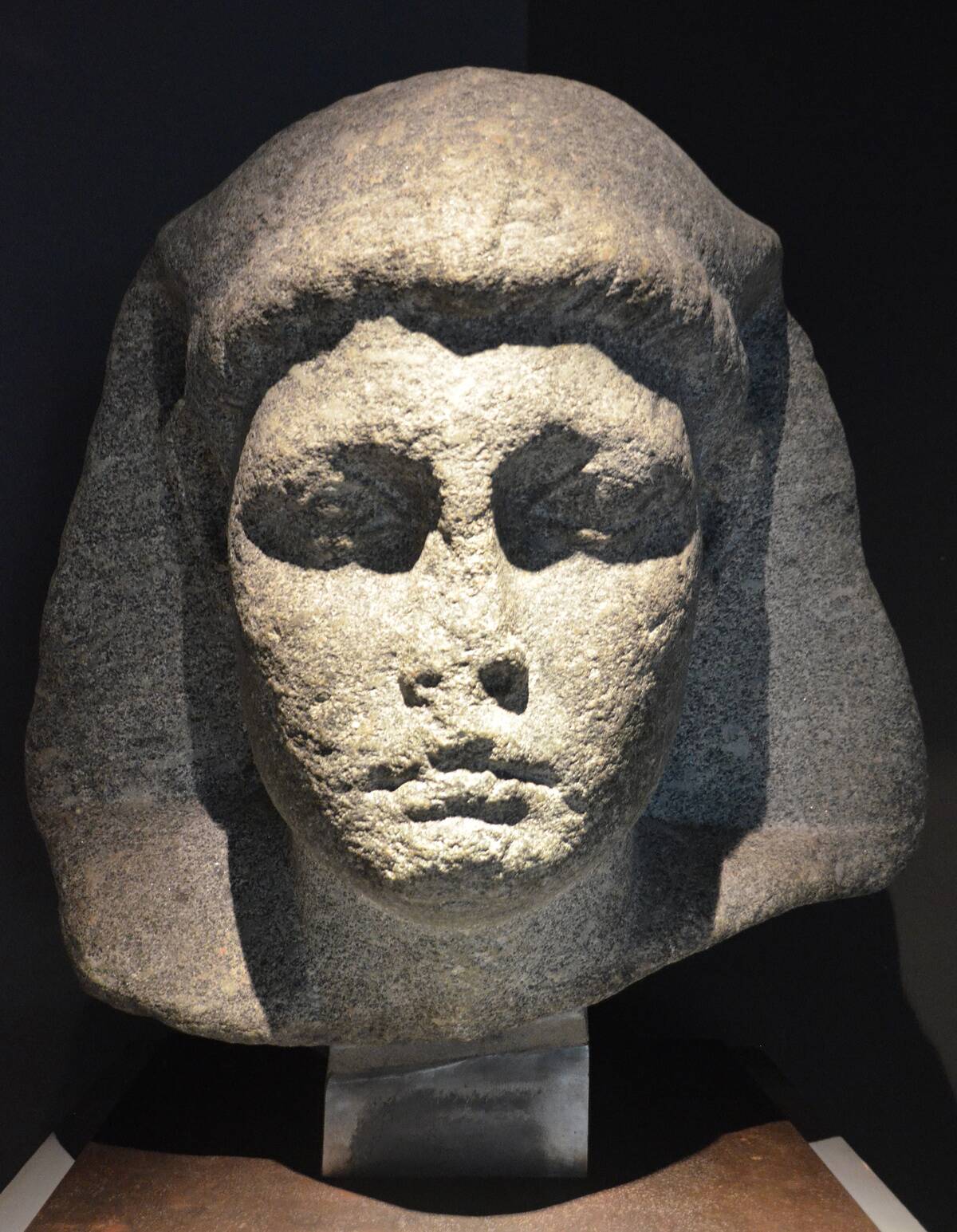
Following Cleopatra’s death, Caesarion’s fate was sealed. As the last Pharaoh of Egypt and a potential rival to Octavian, he was seen as a threat that needed elimination.
Although he attempted to escape to India, he was lured back to Egypt and executed on Octavian’s orders. Caesarion’s death marked the definitive end of the Ptolemaic line in Egypt, as Octavian consolidated his power and became the first Roman Emperor, Augustus.
Alexander Helios: The Vanished Prince
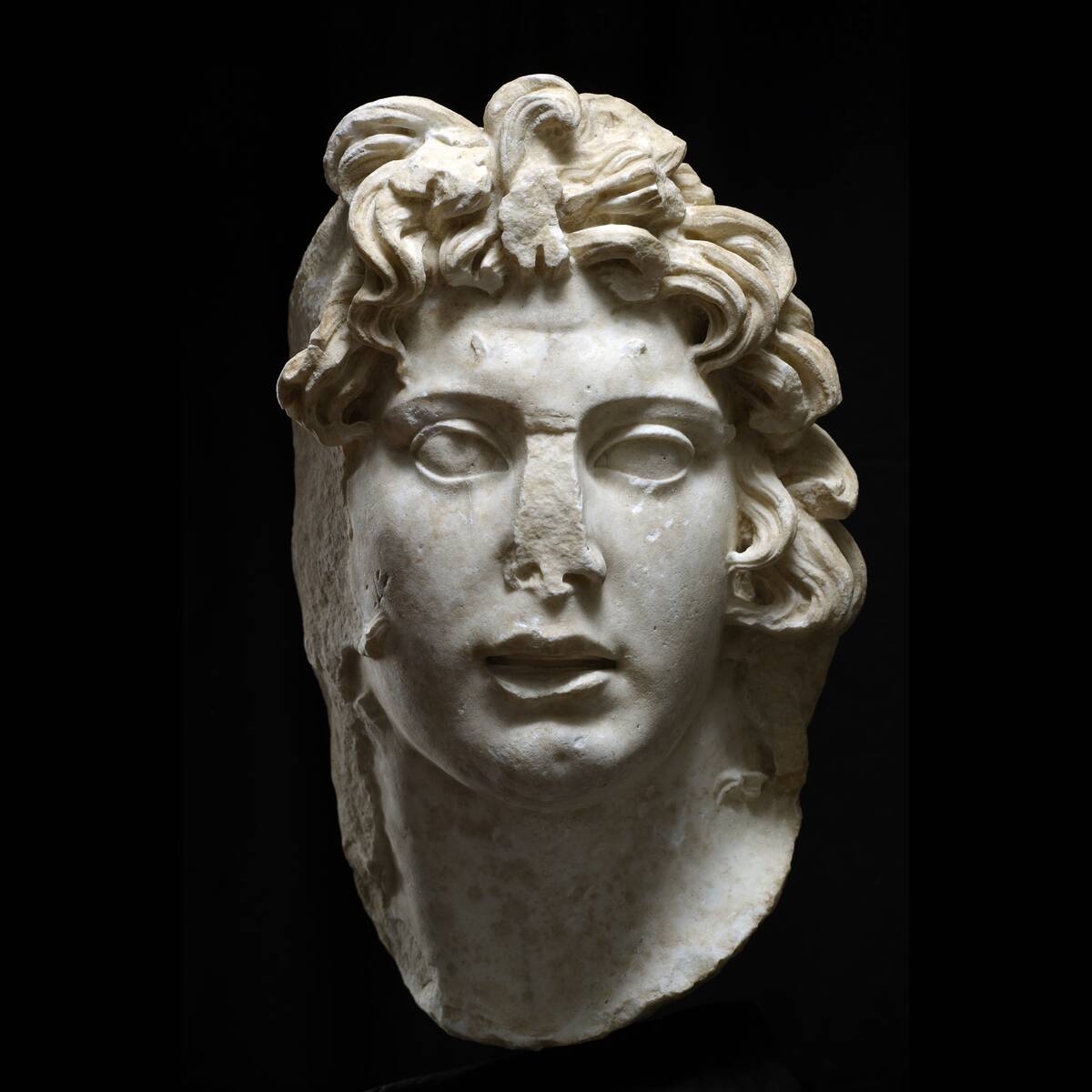
Little is known about the ultimate fate of Alexander Helios. After being paraded in Octavian’s triumph in Rome, he seemingly vanished from historical records. It’s speculated that he may have been sent to live in obscurity or died young, but no concrete evidence has been found.
His disappearance remains one of the many mysteries surrounding Cleopatra’s children, a reminder of the volatile and often perilous nature of dynastic politics in ancient times.
Cleopatra Selene: From Princess to Queen of Mauretania
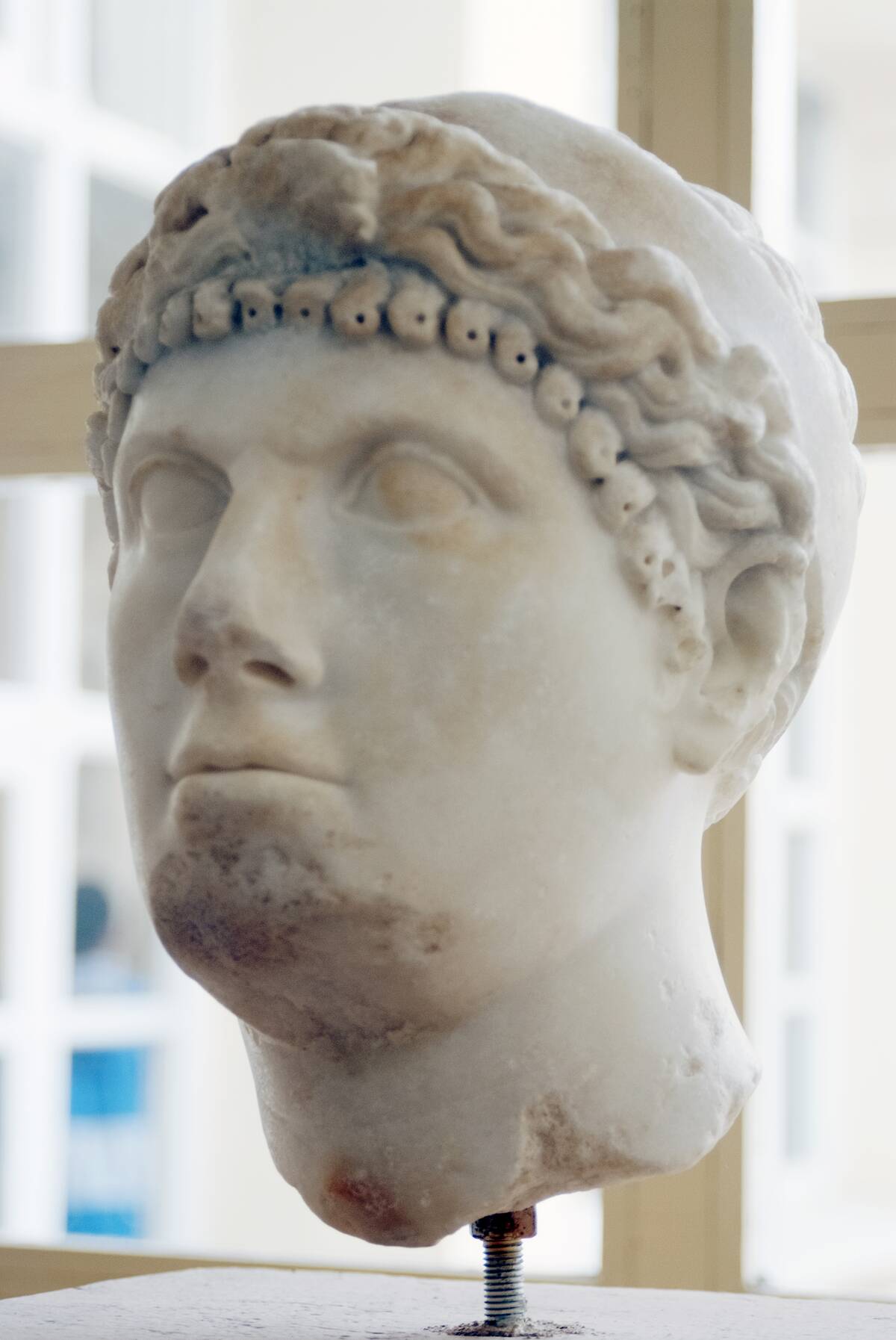
Cleopatra Selene, in contrast to her brothers, carved out a remarkable life in the shadows of Rome. Married to King Juba II of Mauretania, she became a queen and played a significant role in the cultural and political life of her adopted country.
Selene’s reign was marked by prosperity and the fusion of Egyptian, Greek, and Roman influences, showcasing her adaptability and resilience. Her legacy lived on in her descendants, who continued to rule Mauretania after her death.
Ptolemy Philadelphus: The Lesser-Known Son
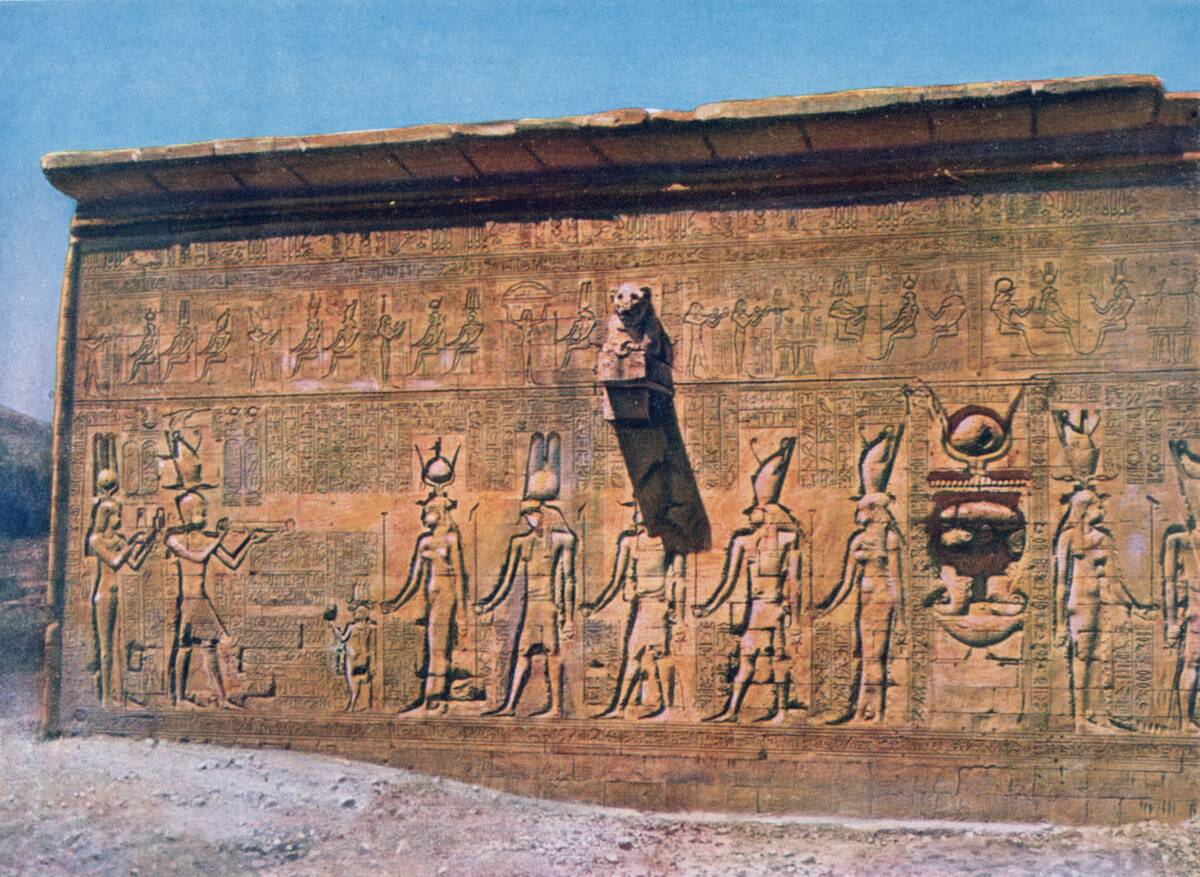
Ptolemy Philadelphus remains the least documented of Cleopatra’s children. After being taken to Rome, he likely lived under the care of Octavia, Octavian’s sister and Antony’s former wife.
His life, unlike Cleopatra Selene’s, didn’t make significant historical waves, and he faded into obscurity. Some sources suggest he may have died young, but his exact fate is unclear. His story highlights the unpredictable nature of life for royal children in the wake of political upheaval.
The Role of Octavian: From Rival to Ruler
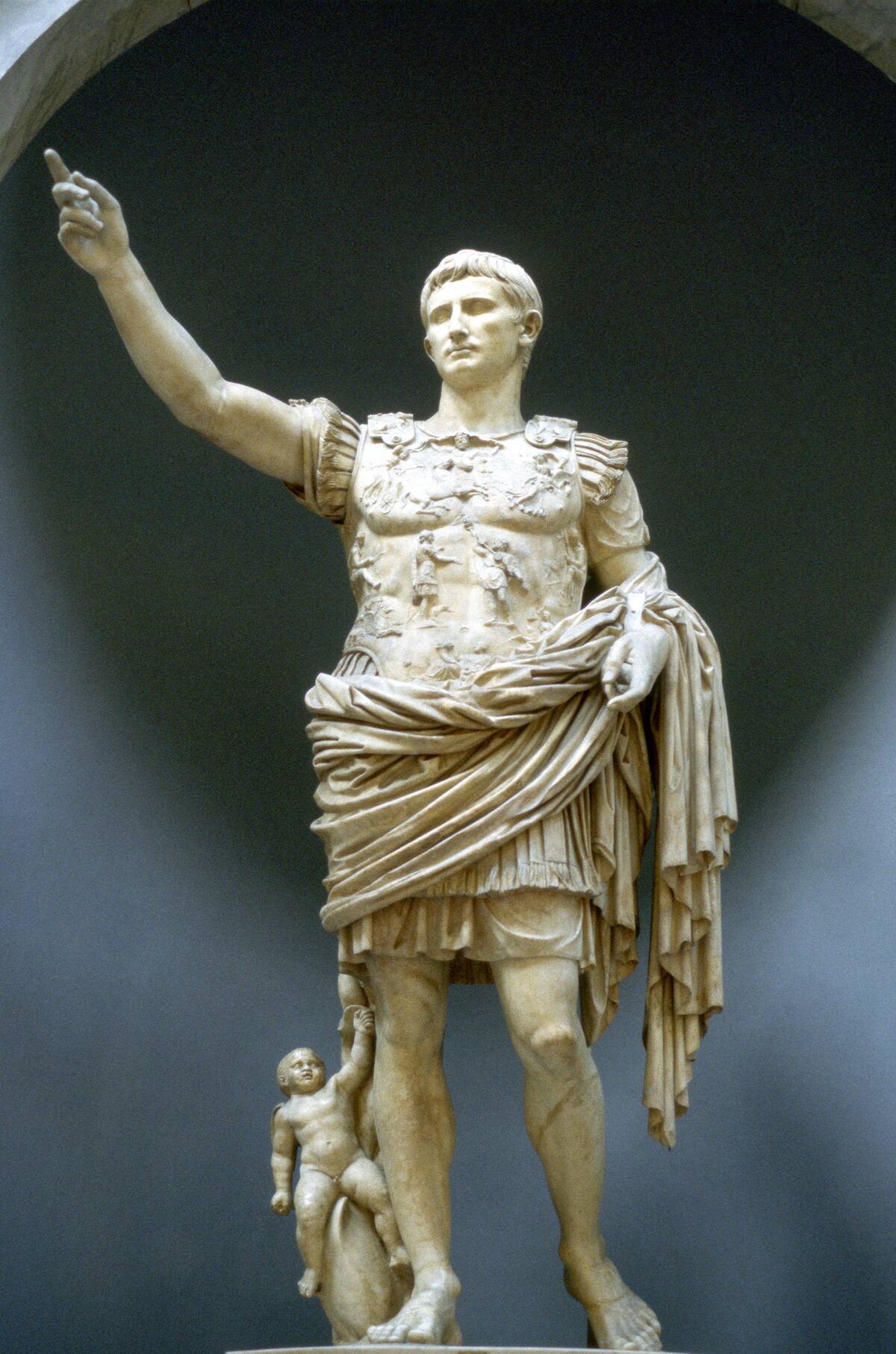
Octavian, later known as Augustus, played a pivotal role in the lives and destinies of Cleopatra’s children. After defeating Antony and Cleopatra, he claimed Egypt for Rome and brought the surviving children to Rome.
Though some were treated with relative kindness, his primary goal was to eliminate any threats to his rule. Octavian’s transformation from rival to ruler marked the dawn of the Roman Empire and the end of the Ptolemaic dynasty’s influence.
Cleopatra’s Children in Roman Politics
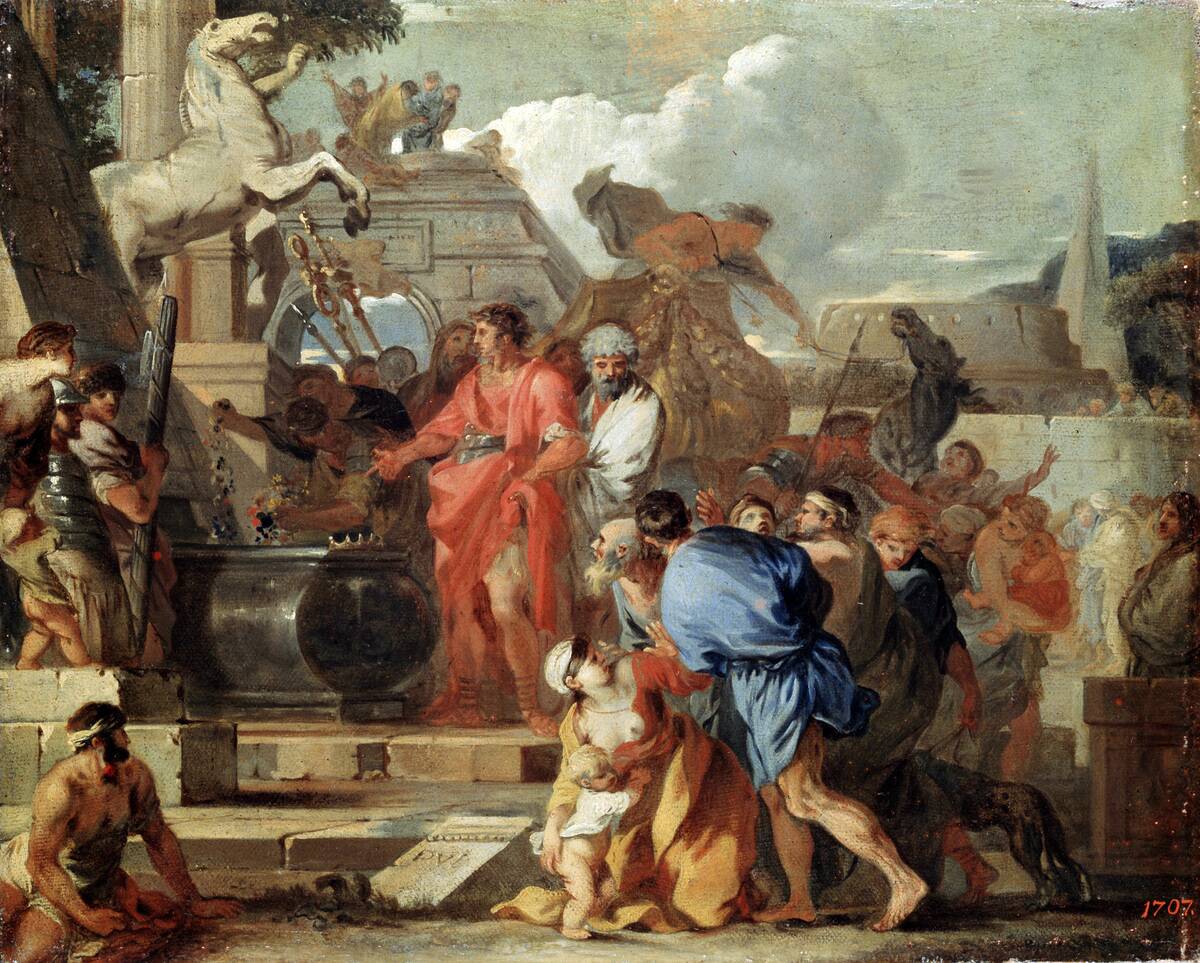
Within the complex web of Roman politics, Cleopatra’s children found themselves as pawns. While Cleopatra Selene thrived as a queen, her brothers’ roles were more ambiguous. Their presence in Rome served as a reminder of the intricate alliances and enmities that shaped the era.
Octavian used their lineage to assert his own legitimacy, as he integrated Egypt’s resources into the burgeoning empire. The children of Cleopatra became symbols of a bygone era in Roman political narratives.
Surviving in a Roman World: Cleopatra Selene’s Adaptation
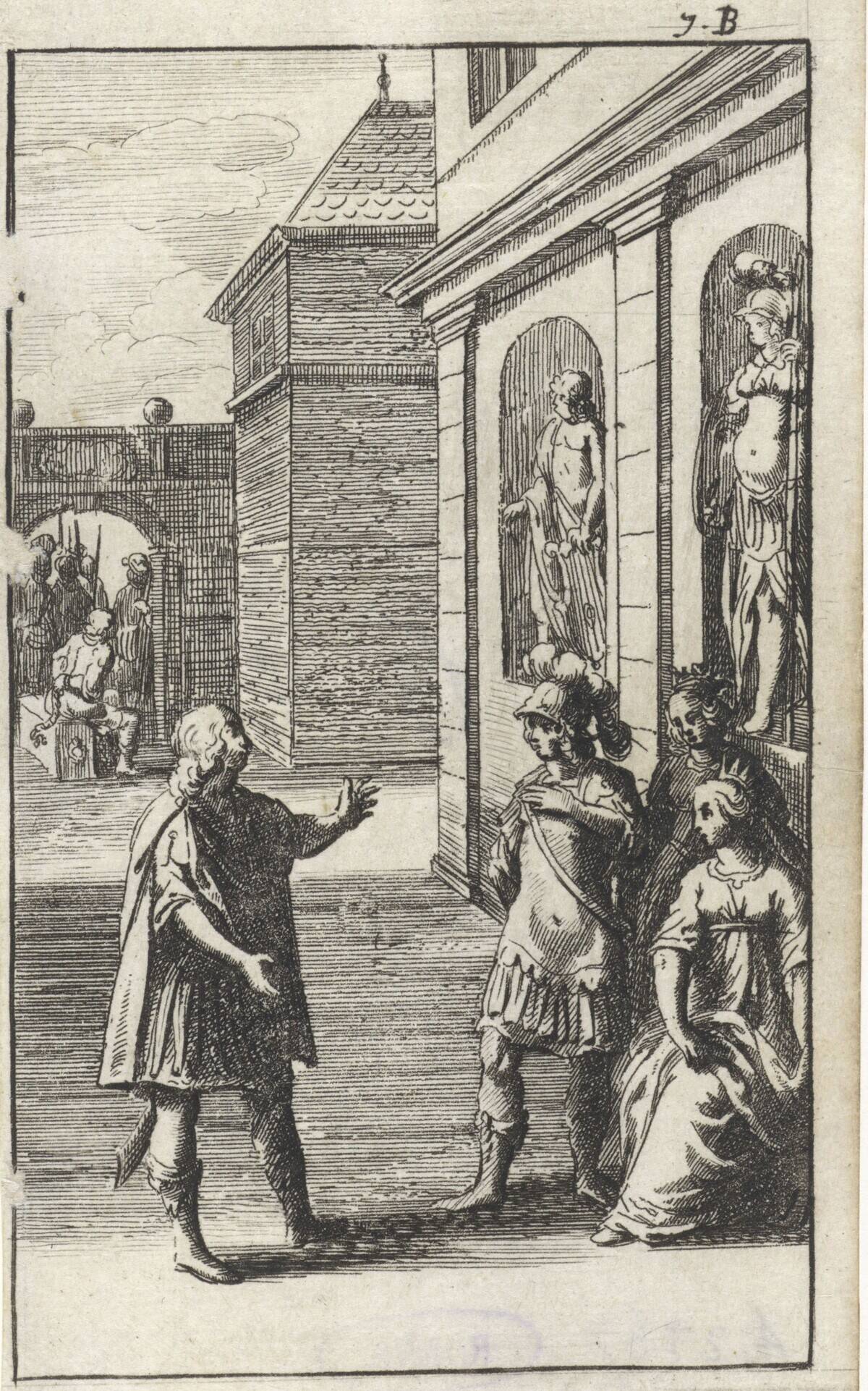
Cleopatra Selene’s ability to adapt to her new life in Rome and later Mauretania was notable. Her marriage to Juba II was strategically advantageous, creating a bridge between Roman and North African cultures.
Selene’s influence was evident in the flourishing of Mauretania, which became a center of learning and culture. Her story is a testament to resilience, showing how Cleopatra’s daughter not only survived but thrived in a world vastly different from the one she was born into.
The End of a Dynasty: How Cleopatra’s Lineage Faded

The Ptolemaic dynasty’s end came swiftly after Cleopatra’s death. Her children’s lives were shaped by the shifting tides of Roman politics, and while Selene managed to establish her own legacy, the line eventually faded.
The dynasty’s downfall was emblematic of the broader transition from Hellenistic kingdoms to Roman hegemony. Cleopatra’s descendants, caught in the crossfire of history, saw their lineage quietly disappear as new powers rose to prominence.




