The fascinating history of the Terracotta Army
The Terracotta Army is one of history’s most intriguing archaeological finds, captivating the imaginations of people worldwide. Discovered in 1974, these clay soldiers guard the tomb of China’s first Emperor, Qin Shi Huang.
Each figure is life-sized, with an estimated 8,000 soldiers, 130 chariots, and 670 horses, making it a sight to behold. The Army represents a monumental effort to protect the emperor in the afterlife, blending art, history, and mystery.
The Accidental Discovery: How Farmers Stumbled Upon an Ancient Treasure
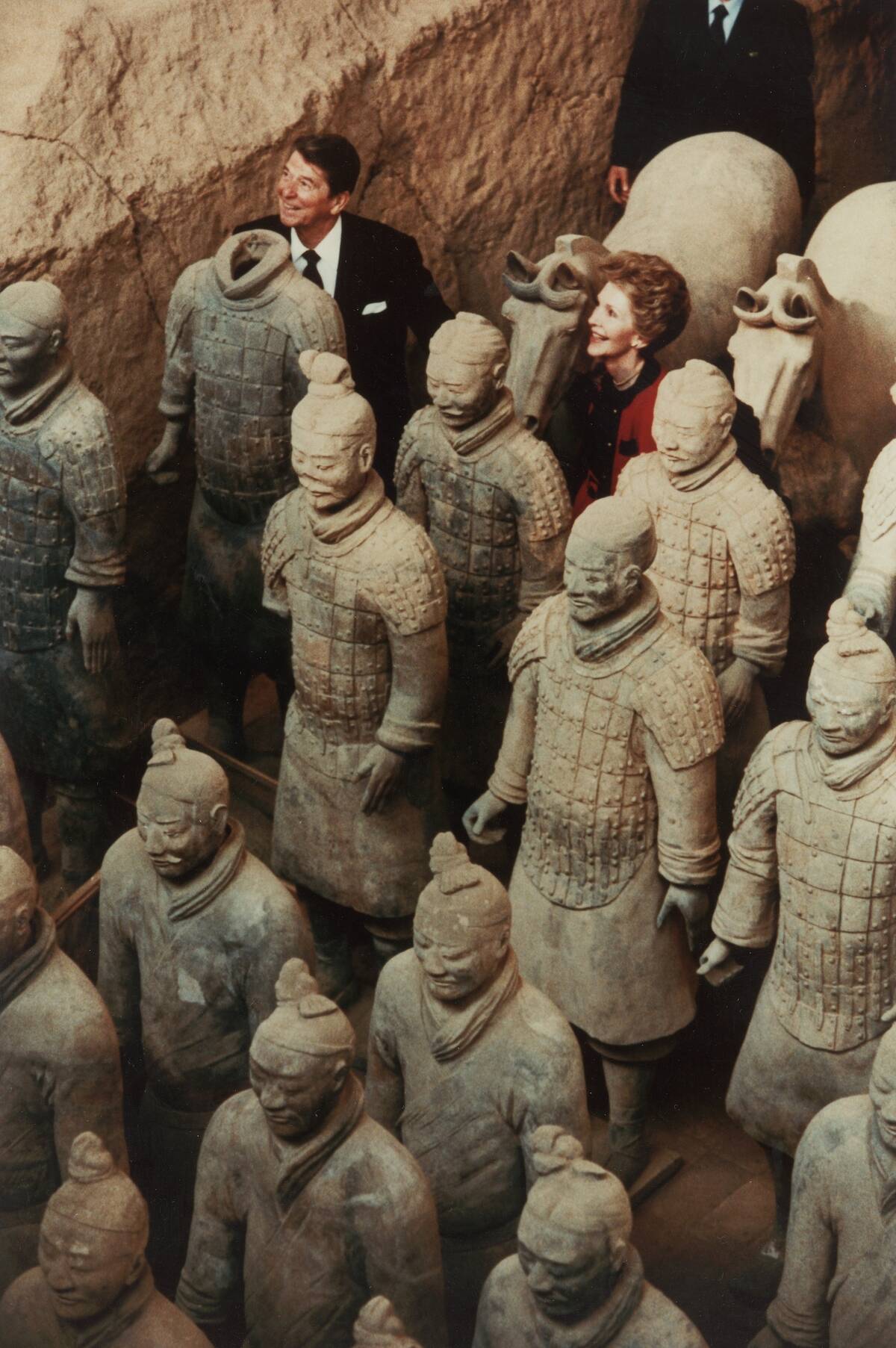
In 1974, farmers digging a well in Lintong County, Shaanxi province, stumbled upon a clay figure, unaware of its significance. This accidental discovery led to the unearthing of a vast underground army.
As the excavation progressed, archaeologists realized they had found vast Terracotta Army, revealing a treasure trove of history. The farmers’ find has since become one of the most significant archaeological discoveries of the 20th century.
Emperor Qin Shi Huang: The Visionary Behind the Army
Emperor Qin Shi Huang, the founder of the Qin dynasty, was a visionary leader who unified China in 221 BCE. Known for his ambitious projects, including the Great Wall of China, he commissioned the Terracotta Army to safeguard him in the afterlife.
His rule, though brief, left an indelible mark on Chinese history, and the army stands as a testament to his grand vision and the era’s remarkable craftsmanship.
The Purpose of the Terracotta Warriors: Guarding the Afterlife
The Terracotta Warriors were created to accompany and protect Emperor Qin Shi Huang in the afterlife. This belief in an afterlife where the emperor continued to rule dictated the need for a formidable clay army.
The warriors were strategically positioned to defend the emperor from potential threats beyond the grave, reflecting the ancient Chinese view of life after death and the importance placed on ensuring a ruler’s eternal security.
Crafting the Warriors: The Artisans Behind the Masterpieces
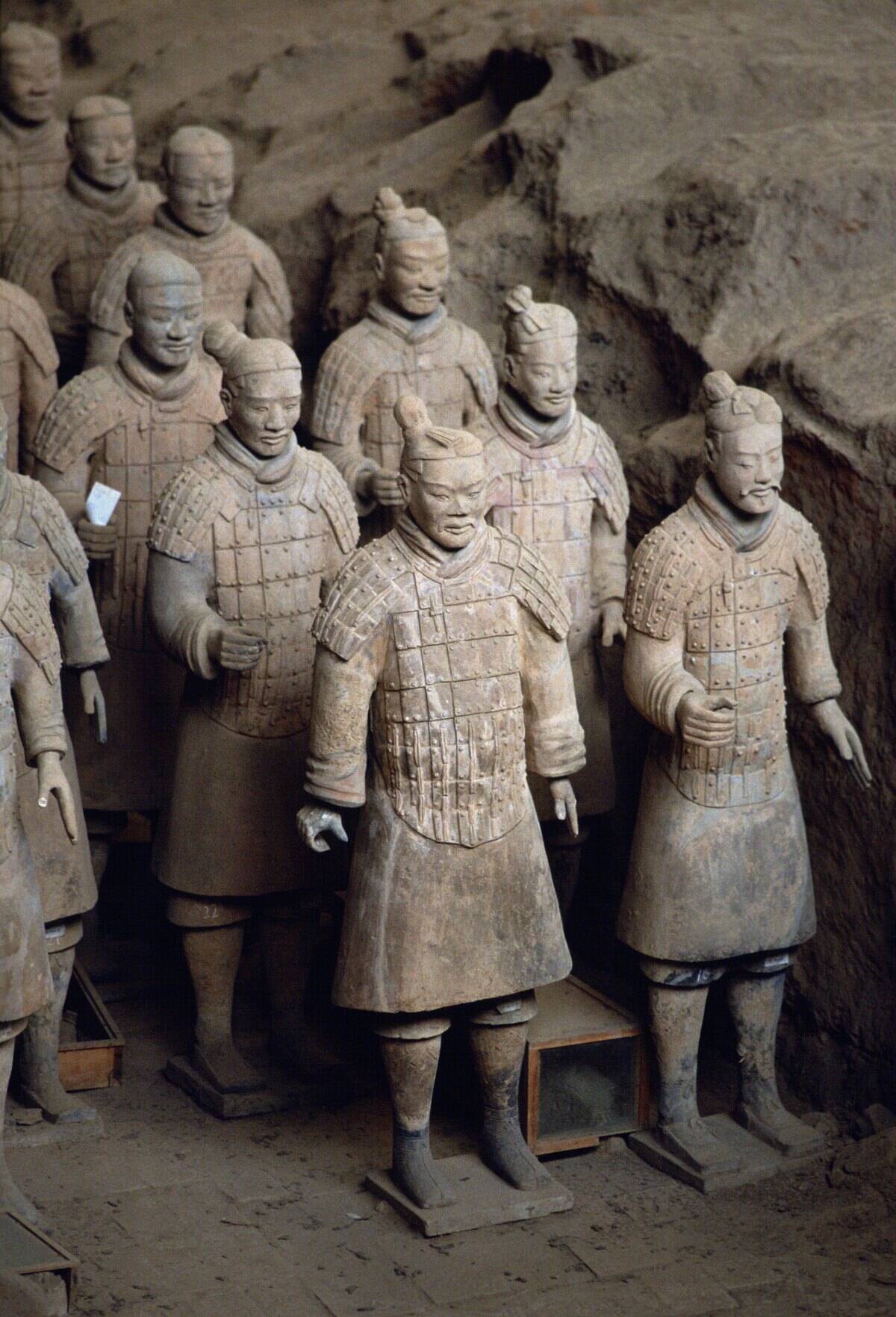
The creation of the Terracotta Army required skilled artisans who meticulously crafted each figure. Using local clay, the warriors were built in pieces, then assembled and fired in kilns.
Remarkably, it is believed that no two warrior faces are identical, showcasing the artisans’ attention to detail and individuality. This labor-intensive process highlights the incredible craftsmanship and dedication of the workers who brought these figures to life.
The Scale of the Project: Numbers That Will Astonish You
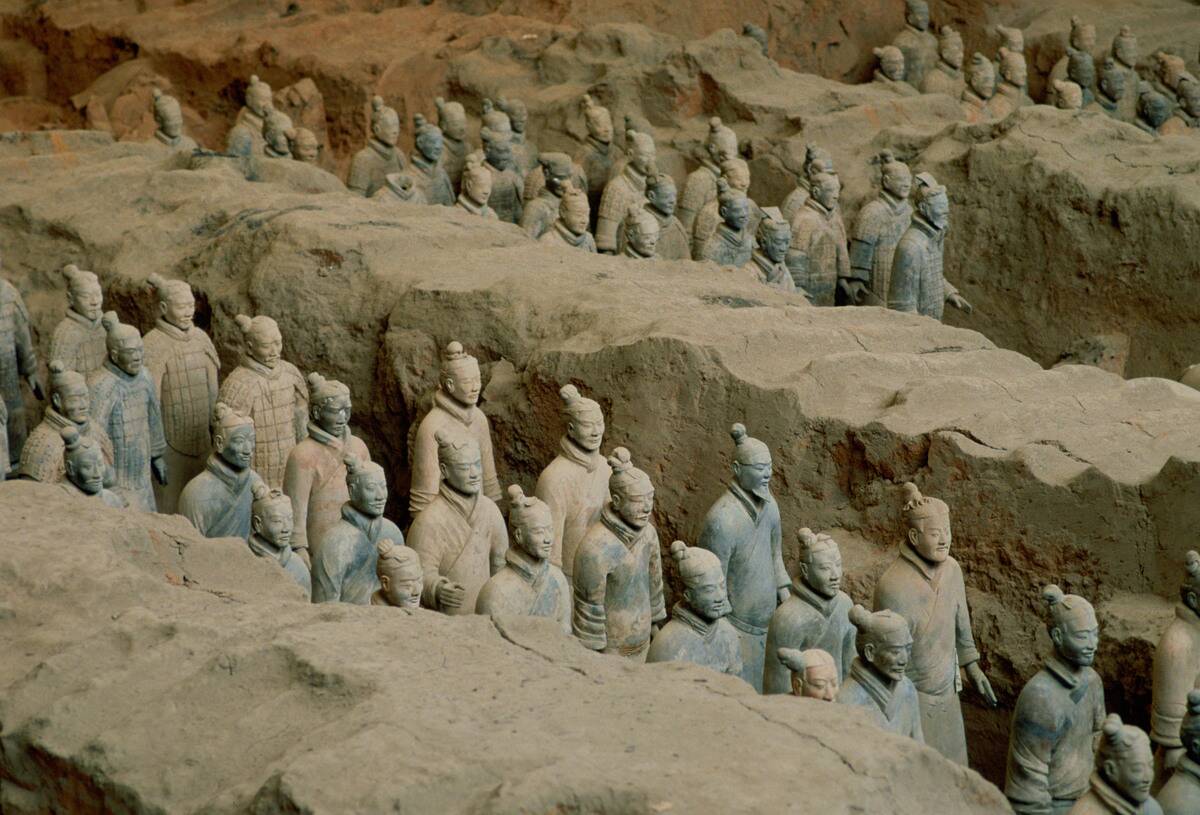
The Terracotta Army is a staggering feat of ancient engineering, comprising over 8,000 soldiers, 130 chariots, and 670 horses. This massive undertaking required a workforce of thousands, likely involving over 700,000 laborers during the construction of the emperor’s mausoleum.
The sheer scale of the project is a testament to the organizational prowess of Emperor Qin’s reign and the resources allocated to ensure his legacy endured for millennia.
The Warriors’ Features: Individuality in Uniformity
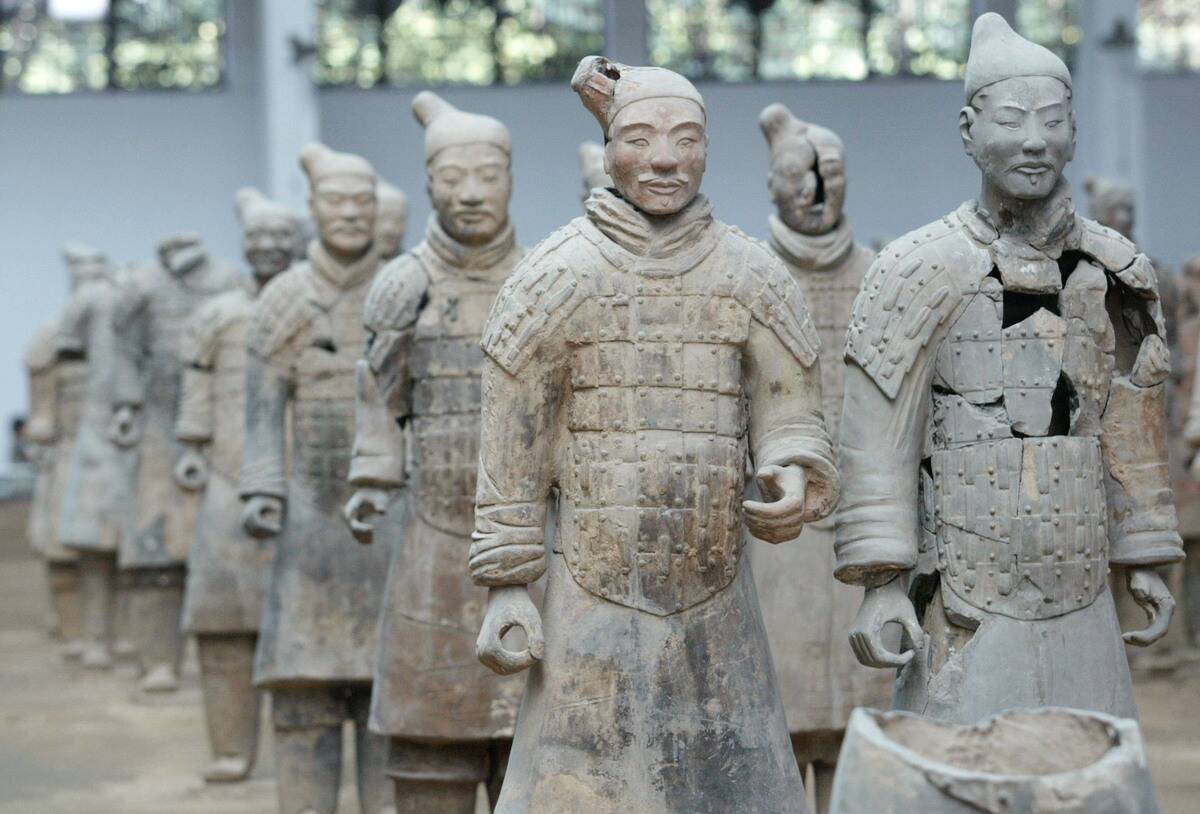
One of the most fascinating aspects of the Terracotta Warriors is their individuality, despite their uniform role. Each soldier’s face is unique, reflecting different ethnic features and expressions, possibly inspired by real soldiers of the time.
This individuality, combined with the uniformity of their military attire, creates a striking contrast that adds to the allure and mystery of the Terracotta Army, showcasing both artistic skill and cultural diversity.
Weapons and Armor: Equipping the Eternal Soldiers
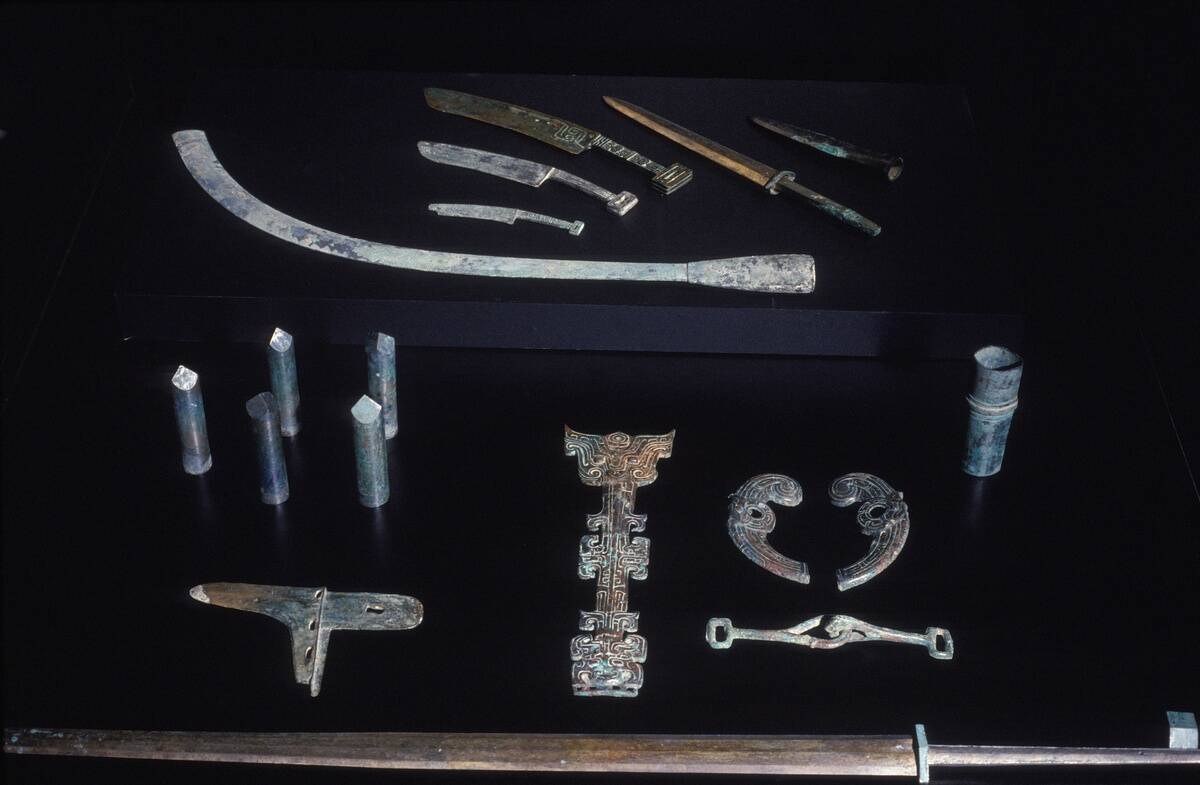
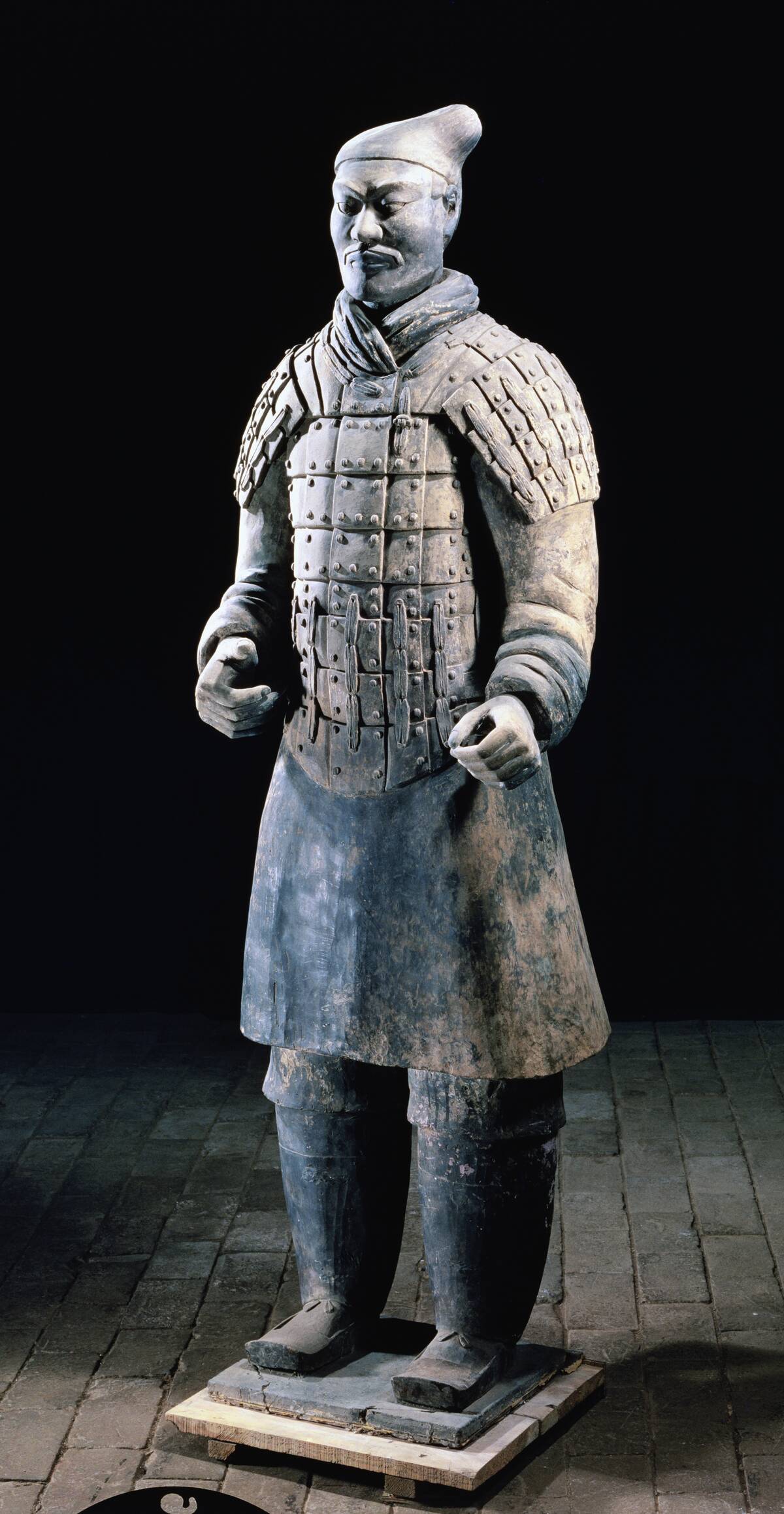
The Terracotta Warriors were originally equipped with real weapons, such as swords, spears, and crossbows, though many have been lost over time. The soldiers’ armor was intricately detailed, designed to replicate the protective gear used during Emperor Qin’s reign.
These features not only highlight the realism intended by the creators but also provide valuable insights into the military technology and tactics of ancient China.
The Layout of the Army: Strategic Positioning in the Mausoleum
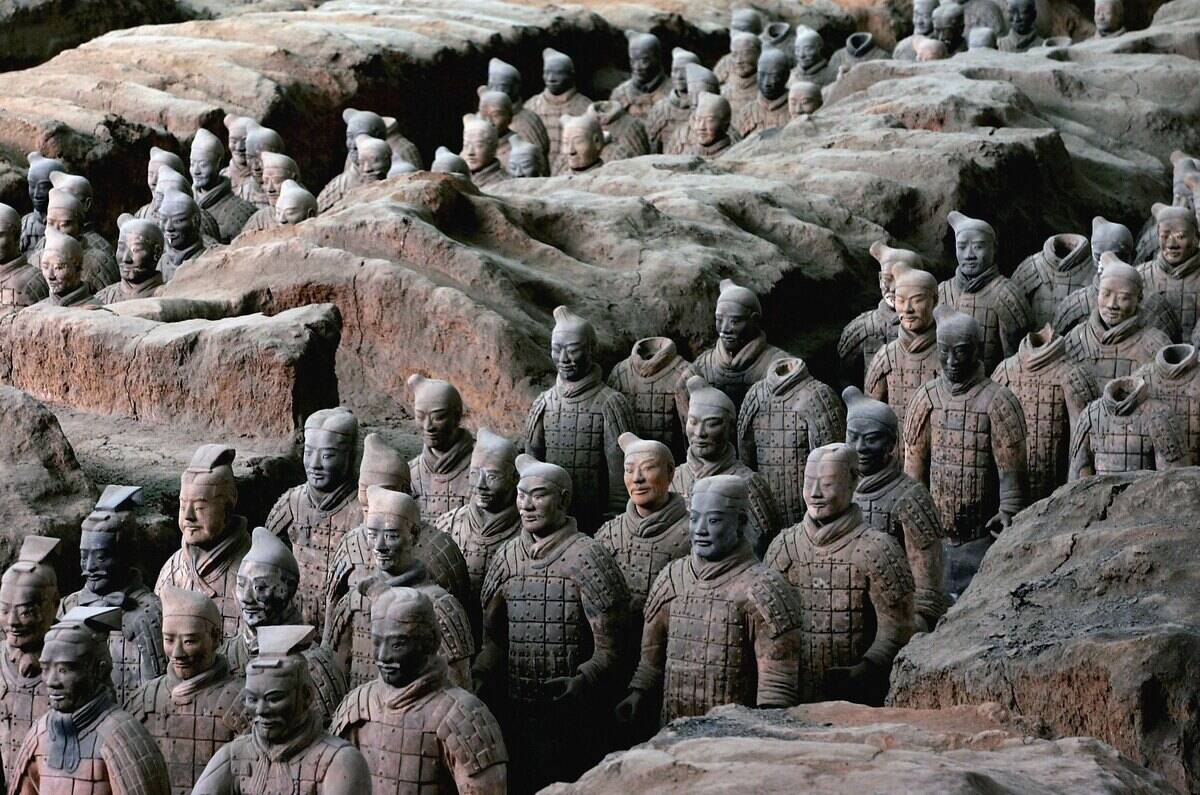
The Terracotta Army was meticulously arranged within the emperor’s mausoleum complex, reflecting precise military strategies. The soldiers are positioned in battle formation, with infantry, cavalry, and chariots strategically placed to protect the emperor’s tomb.
This thoughtful arrangement underscores the importance of military organization in ancient China and the emphasis placed on ensuring Emperor Qin’s protection in the afterlife.
Excavation and Preservation: Bringing the Past to the Present
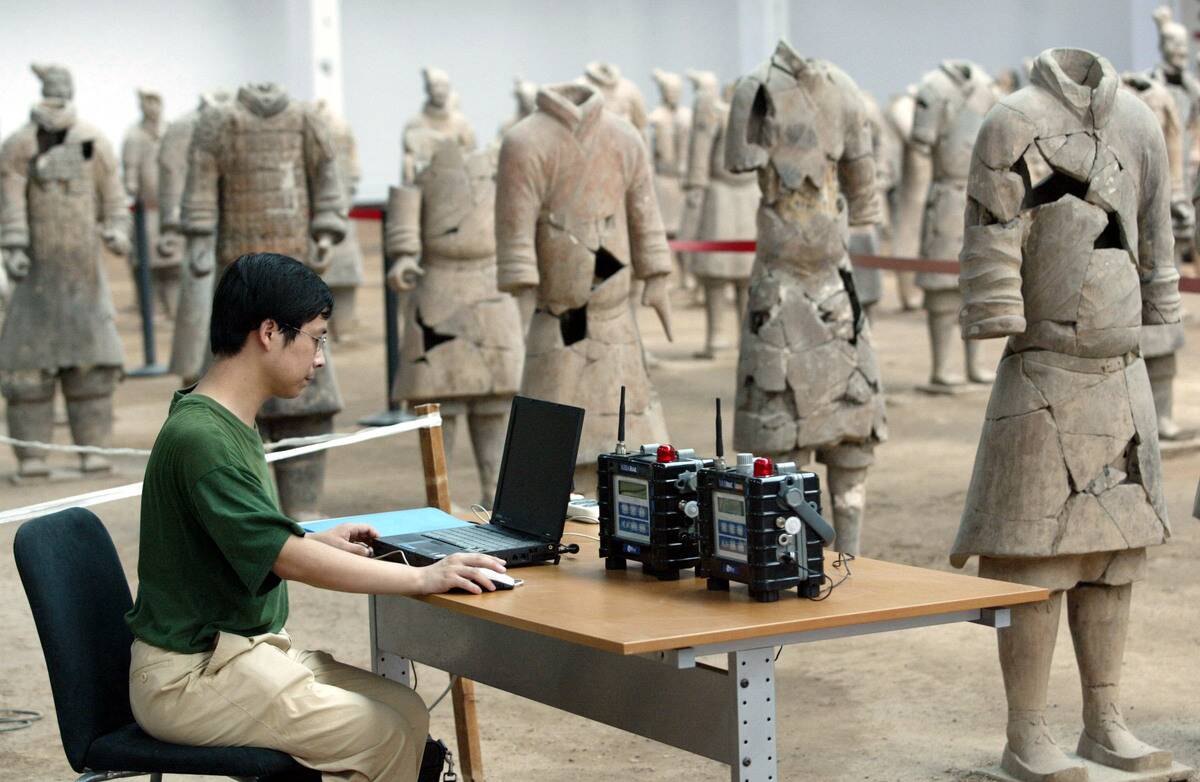
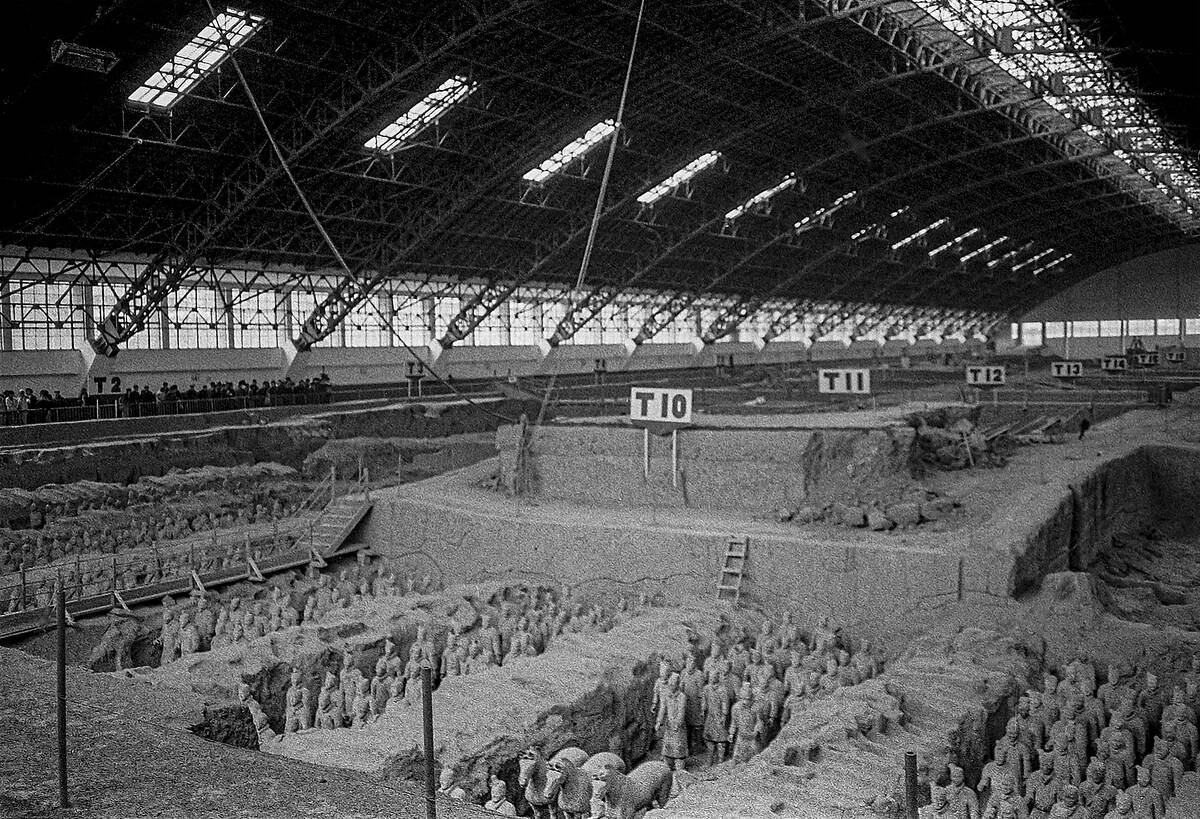
Since the discovery of the Terracotta Army, ongoing excavation and preservation efforts have been crucial in uncovering and maintaining this ancient treasure. Archaeologists have employed modern technology to carefully excavate and restore the figures, ensuring their preservation for future generations.
These efforts not only bring the past to life but also highlight the importance of protecting cultural heritage and advancing archaeological techniques.
The Significance of the Horses and Chariots: Not Just a Warrior’s Army
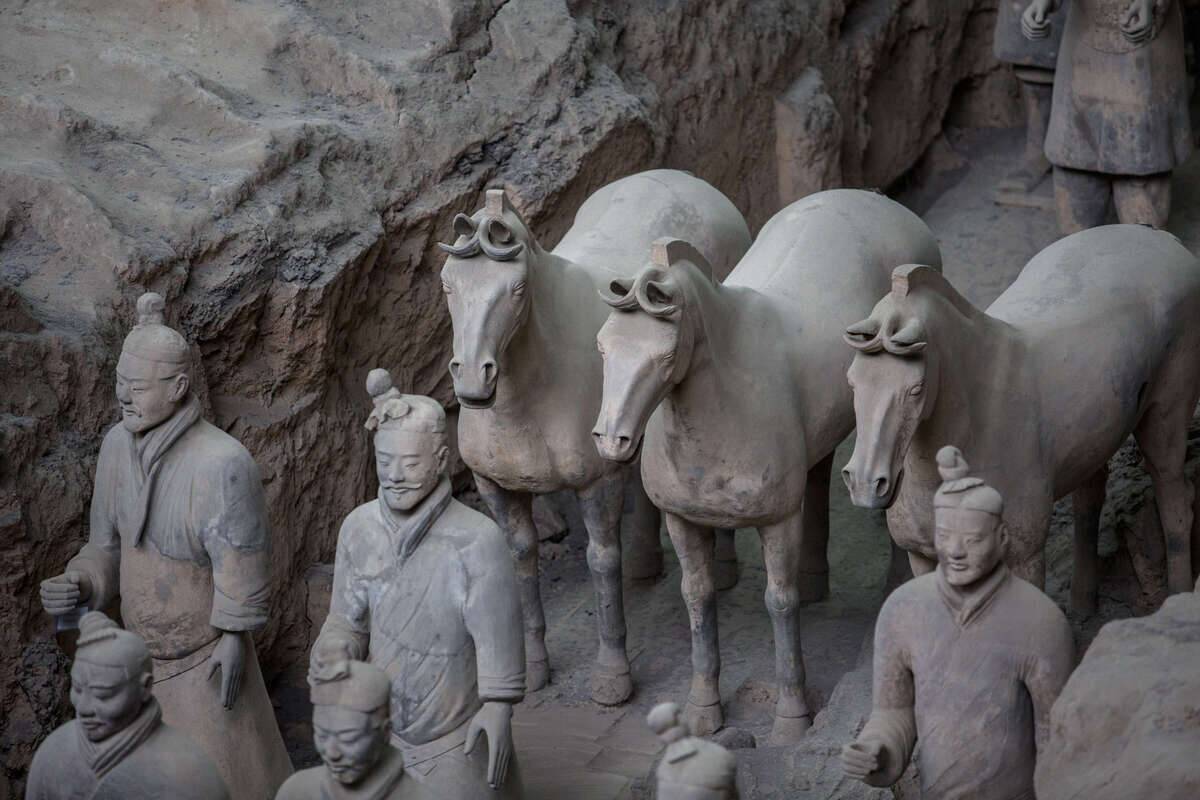
The inclusion of horses and chariots in the Terracotta Army emphasizes the importance of cavalry in ancient Chinese warfare. Horses were vital for mobility and effectiveness in battle, while chariots served as powerful war machines.
Their presence in the burial site signifies the comprehensive nature of the emperor’s military forces and the crucial role they played in both life and the envisioned afterlife, enhancing the army’s authenticity.
The Colorful Past: Traces of Paint on the Terracotta Figures
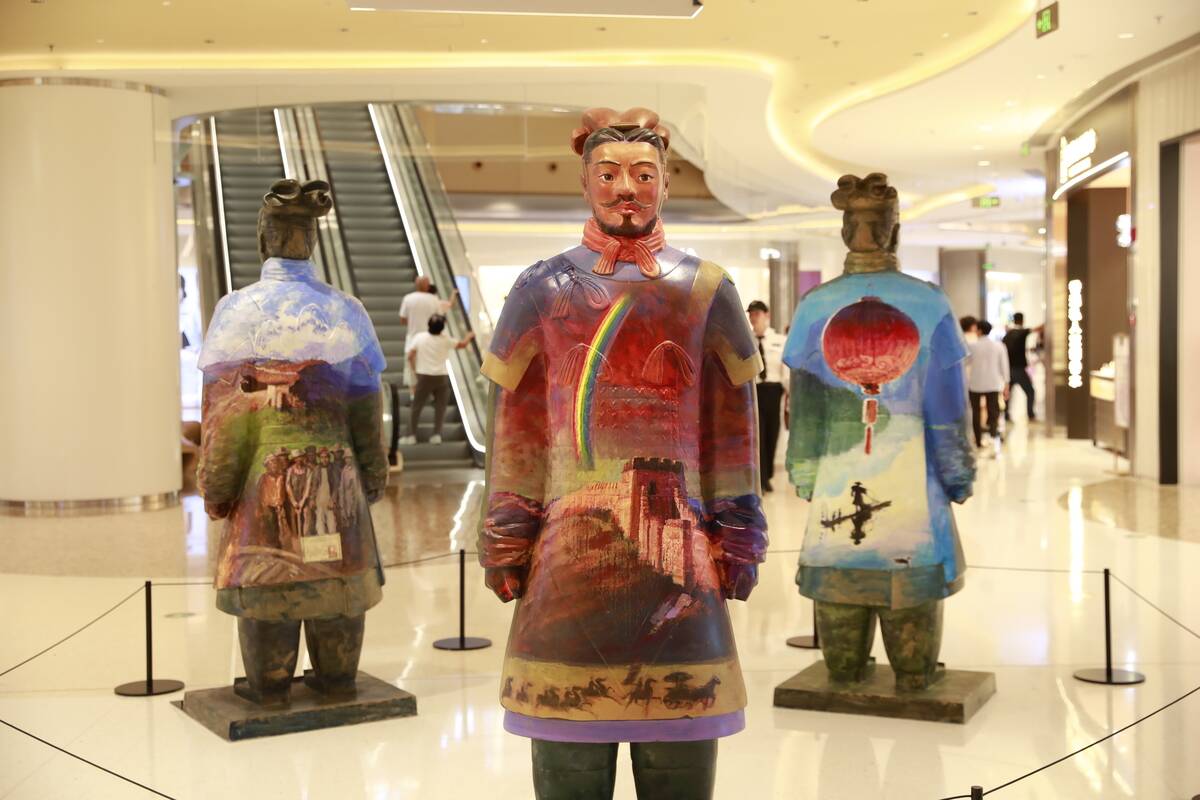
Originally, the Terracotta Warriors were painted in vibrant colors, bringing them to life in a way that mere clay figures could not. Traces of pigments have been found on the figures, indicating that they were once adorned in rich hues.
Unfortunately, exposure to air has caused the paint to fade over time, but ongoing research aims to understand and possibly recreate the original colors, adding another layer of depth to these historical icons.




