Facts about lost artifacts recovered from melting glaciers
Imagine a world where glaciers hold the secrets of ancient civilizations, preserving them in icy tombs for millennia. As climate change accelerates, these frozen time capsules are melting, revealing treasures from the past.
The artifacts found range from everyday items to significant cultural relics, offering a glimpse into the lives of people who lived thousands of years ago. The excitement of these discoveries captivates archaeologists and historians alike, eager to piece together humanity’s long-lost stories.
The Science Behind Glacial Melting and Artifact Discovery
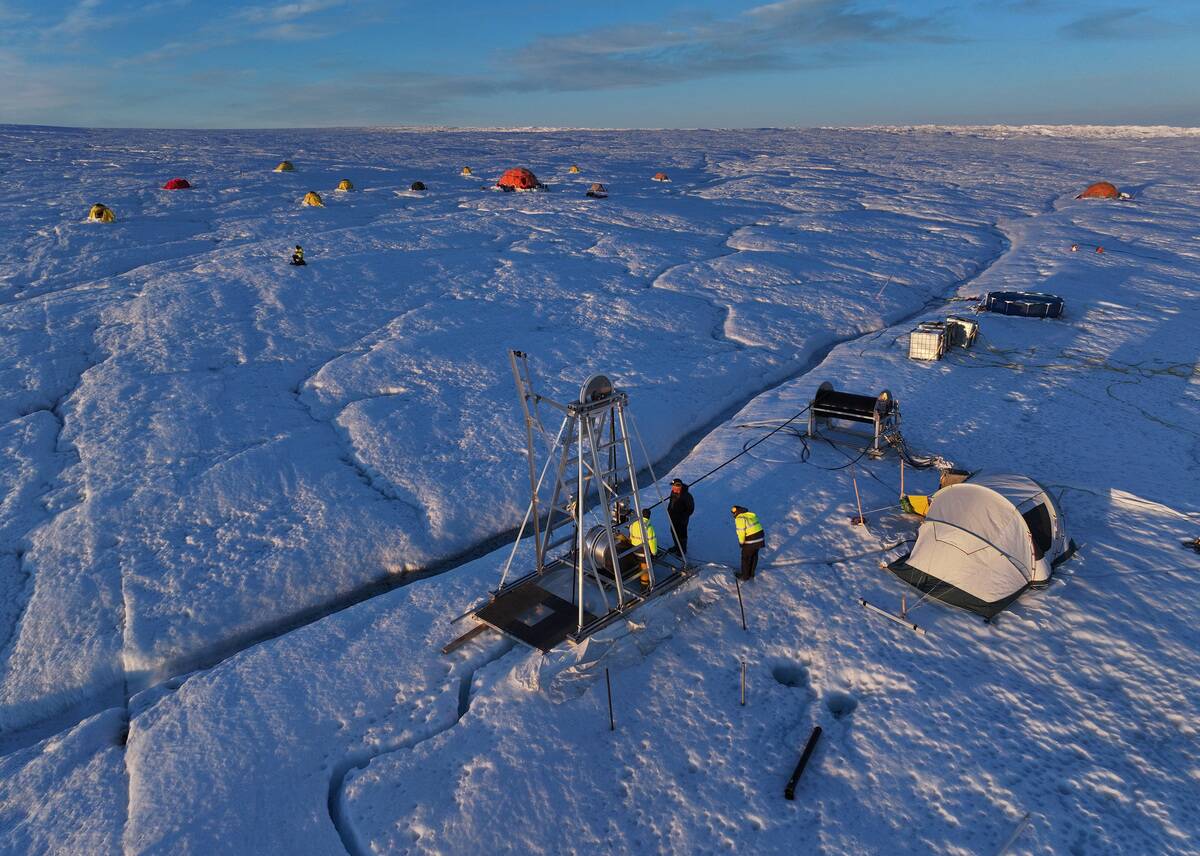
Glaciers act as vast natural archives, capturing and preserving artifacts within their icy depths. As global temperatures rise, these glaciers gradually melt, exposing long-buried relics. This process is not random; it depends on the glacier’s location, the type of ice, and the artifacts’ depth.
Scientists are keenly observing these changes, employing advanced technology like satellite imagery to predict future melting patterns. This understanding helps archaeologists identify potential sites for discovering hidden artifacts before they disappear.
The Oldest Artifacts Found in Glaciers
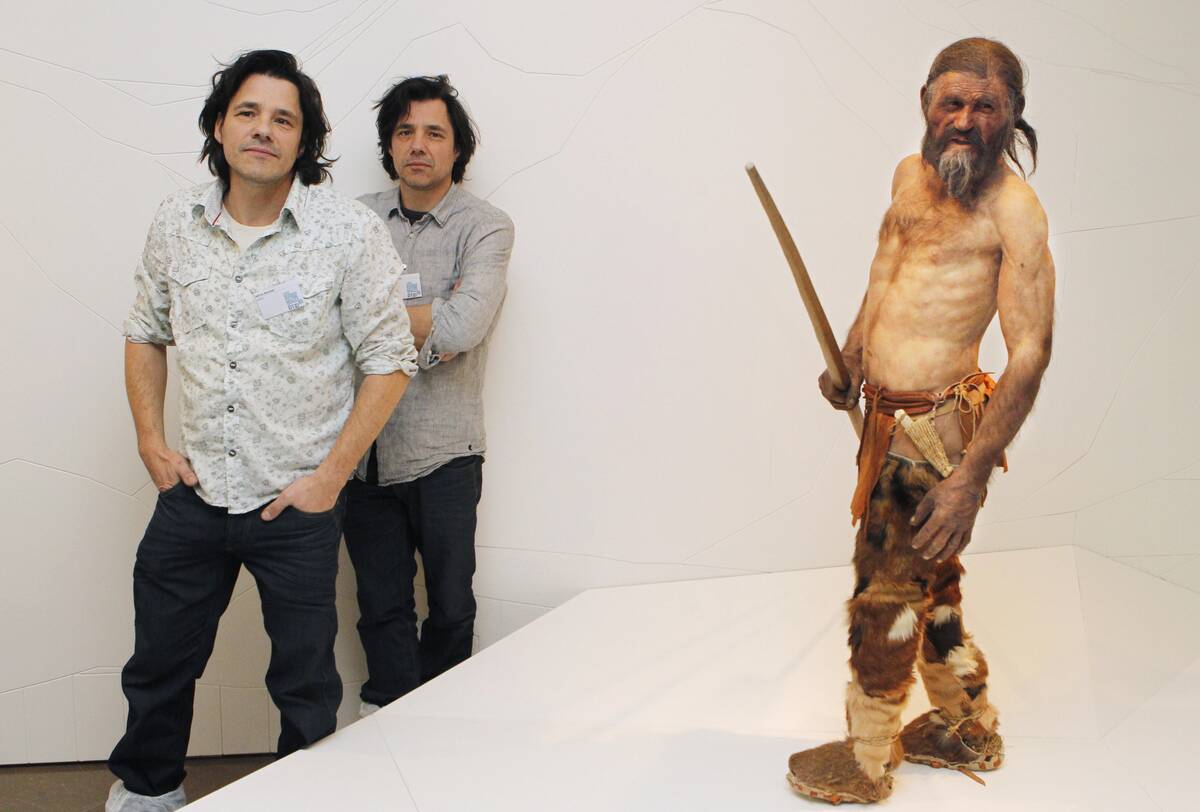
One of the most remarkable finds is Ötzi the Iceman, discovered in the Alps and dating back over 5,000 years. This well-preserved mummy provides a unique insight into Copper Age life. Other ancient artifacts, like arrowheads and tools, have been unearthed in various glacial regions, some dating back even further.
These findings are not only important for their age but also for the stories they tell about early human societies. They reveal the ingenuity and adaptation skills of our ancestors.
How Glacial Melting is Uncovering Ancient Human History
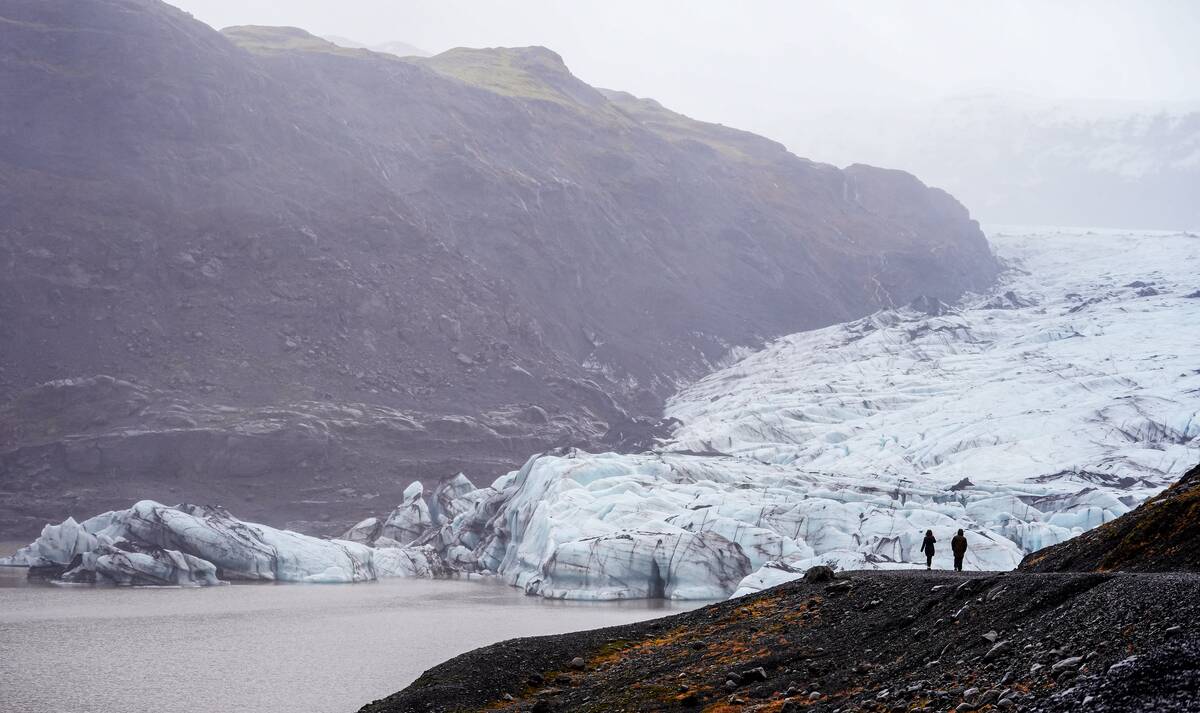
As glaciers retreat, they unveil layers of history previously concealed. Artifacts from different eras emerge, offering clues about the people who once inhabited these regions. Glacial melting has already led to the discovery of ancient trade routes, revealing the extent of early human migration and interaction.
Each artifact contributes to a broader understanding of historical timelines and cultural exchanges. These discoveries are reshaping our understanding of ancient civilizations and their connections across vast landscapes.
The Role of Archaeologists in Preserving Ice-Recovered Artifacts
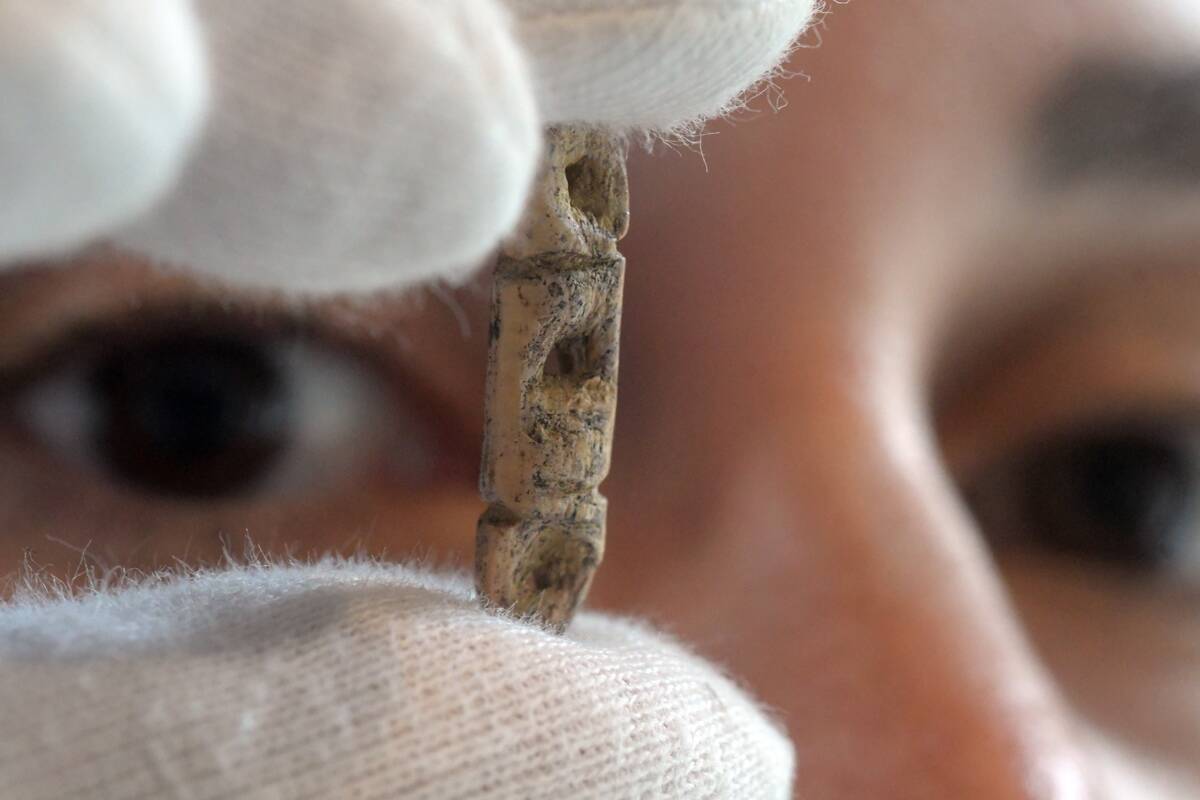
Archaeologists play a crucial role in safeguarding ice-recovered artifacts. Once an artifact is exposed, it must be carefully extracted and preserved to prevent deterioration. This involves a combination of traditional techniques and modern technology.
Archaeologists collaborate with conservators to ensure the artifacts remain intact for study and display. Their work goes beyond excavation; it includes analyzing and documenting findings to piece together historical narratives, ensuring that the knowledge gained is shared with the world.
Famous Artifacts Found in the Alps: A Step Back in Time
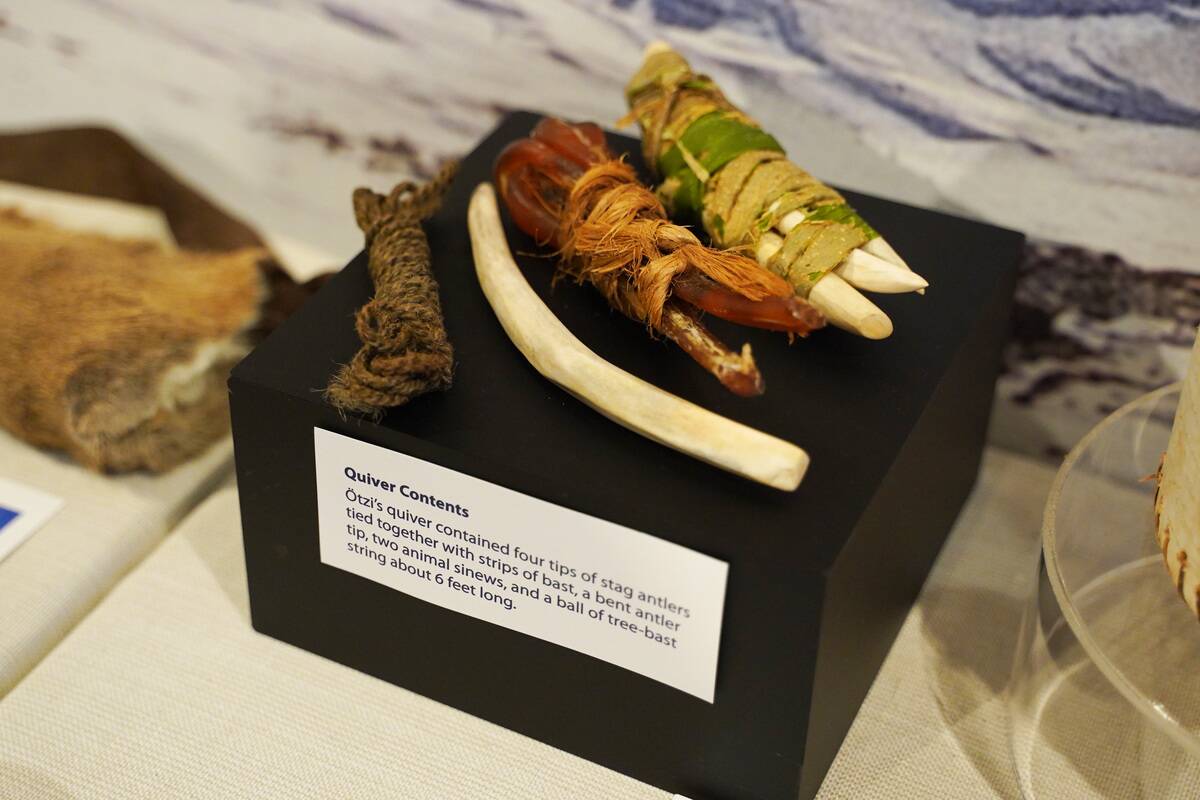
The Alps have yielded some of the most famous ice-recovered artifacts, including Ötzi the Iceman. His discovery in 1991 sparked worldwide interest and extensive research. Alongside Ötzi, numerous tools, clothing items, and personal belongings have been found, providing a window into prehistoric life in this mountainous region.
Each find adds depth to our understanding of the people who once roamed these landscapes. These artifacts challenge previous assumptions and offer new perspectives on ancient Alpine societies.
Ancient Tools and Weapons: What Glaciers Reveal About Early Humans
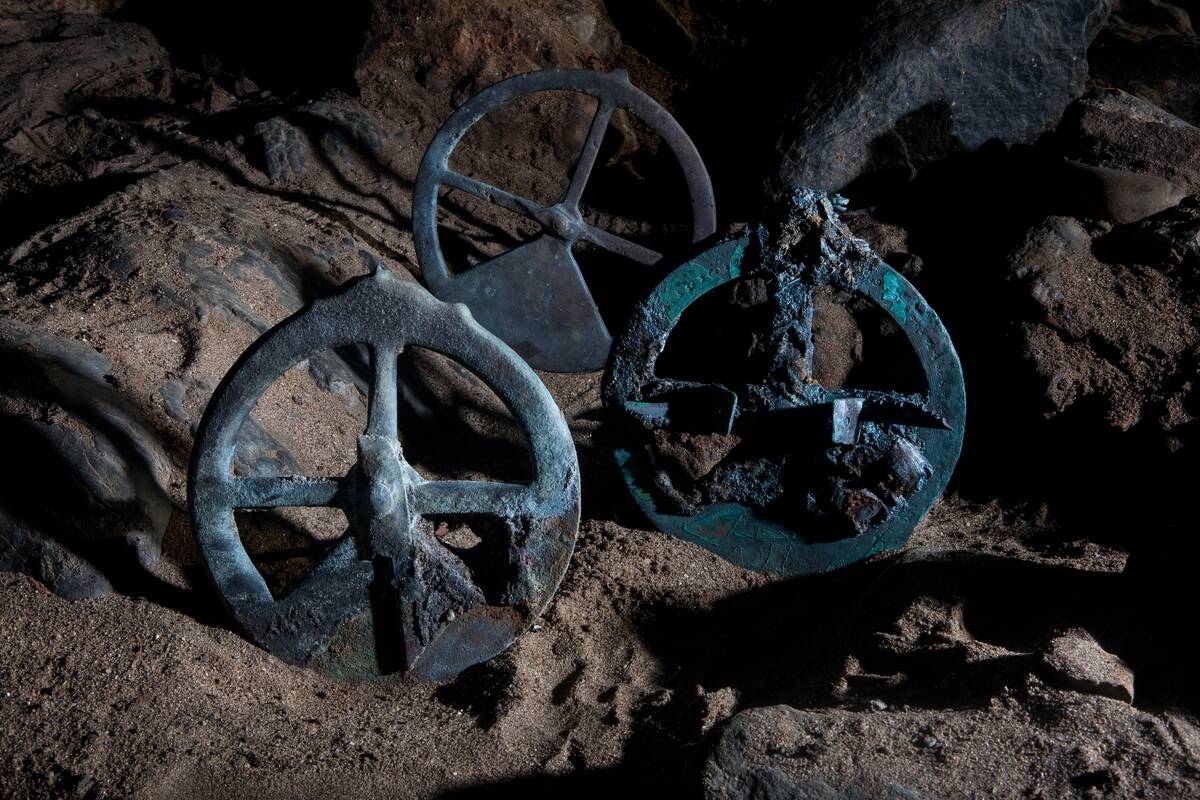
Tools and weapons uncovered from glaciers reveal the technological advancements and survival strategies of early humans. From simple stone implements to intricately crafted weapons, these artifacts showcase human innovation. They highlight the resourcefulness in using available materials to overcome environmental challenges.
For instance, the discovery of finely crafted arrowheads in glacial regions indicates sophisticated hunting techniques. These tools not only served practical purposes but also held cultural significance, reflecting the values and beliefs of ancient societies.
Clothing and Textiles: A Peek Into Ancient Wardrobes

The discovery of ancient clothing and textiles within glaciers offers a fascinating glimpse into prehistoric fashion. These garments, often made from animal hides and plant fibers, indicate the practical and aesthetic choices of early humans.
For example, Ötzi’s outfit, including a fur-lined coat and leather shoes, demonstrates the adaptability and craftsmanship of Copper Age people. These textiles provide valuable information about the climate, available resources, and cultural influences of the time, enriching our understanding of ancient daily life.
Frozen in Time: Discoveries of Ancient Animal Remains
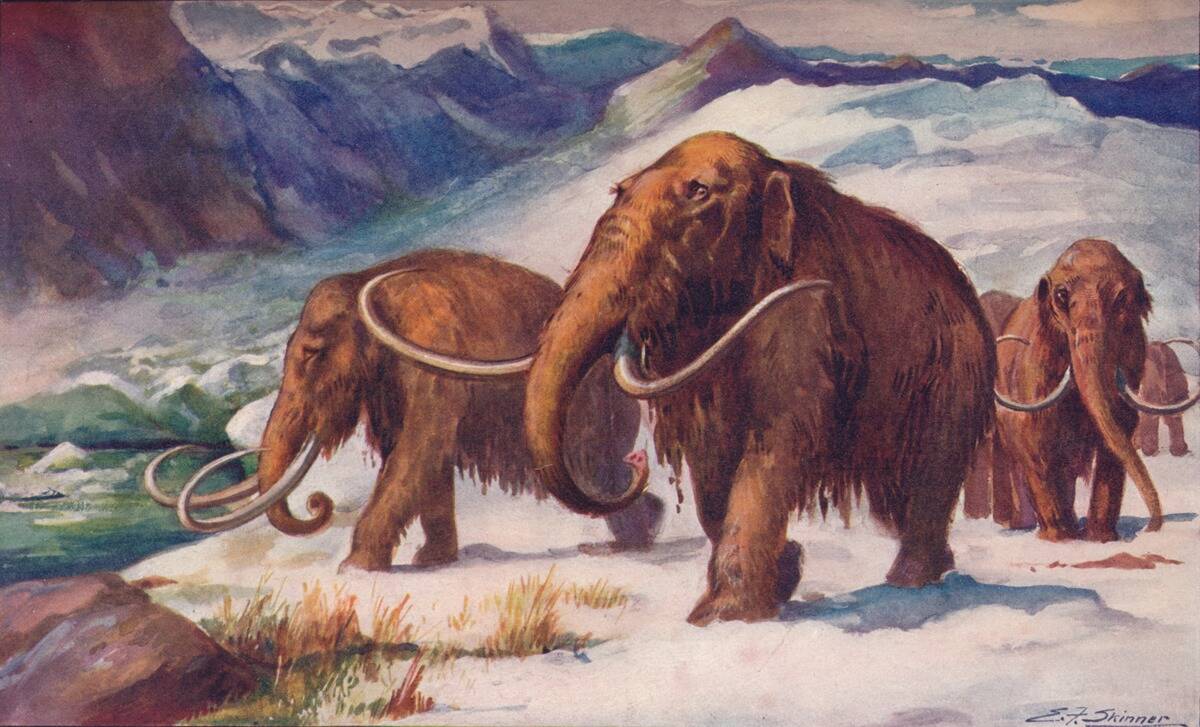
Glaciers have preserved not only human artifacts but also animal remains, offering insights into past ecosystems. Well-preserved remains of animals such as woolly mammoths and ancient bison have been recovered from ice and permafrost
Studying these remains helps scientists understand the environmental conditions and ecological dynamics of ancient times. These discoveries also raise questions about how humans and animals interacted, whether through hunting, domestication, or competition. Each find enriches our understanding of the complex web of life that existed long before us.
The Mysterious World of Viking Artifacts Uncovered by Ice
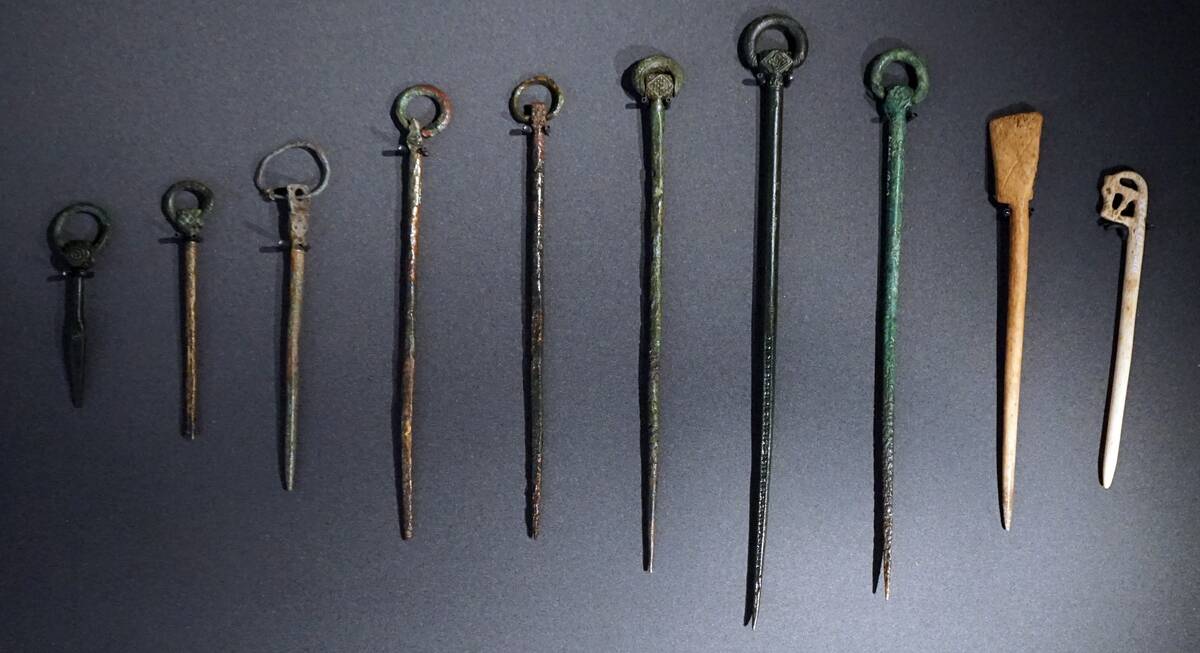
Viking artifacts unearthed from glaciers reveal fascinating aspects of Norse culture and exploration. Items such as weapons, tools, clothing, and travel equipment have been discovered in glacial and ice patch contexts.
These artifacts highlight the Vikings’ adaptability to harsh environments and their expansive trade networks. The preservation of these items in ice allows historians to study the craftsmanship and cultural influences of the Viking Age. Each discovery adds to the narrative of the Vikings’ impact on history.
The Impact of Climate Change on Archaeological Discoveries
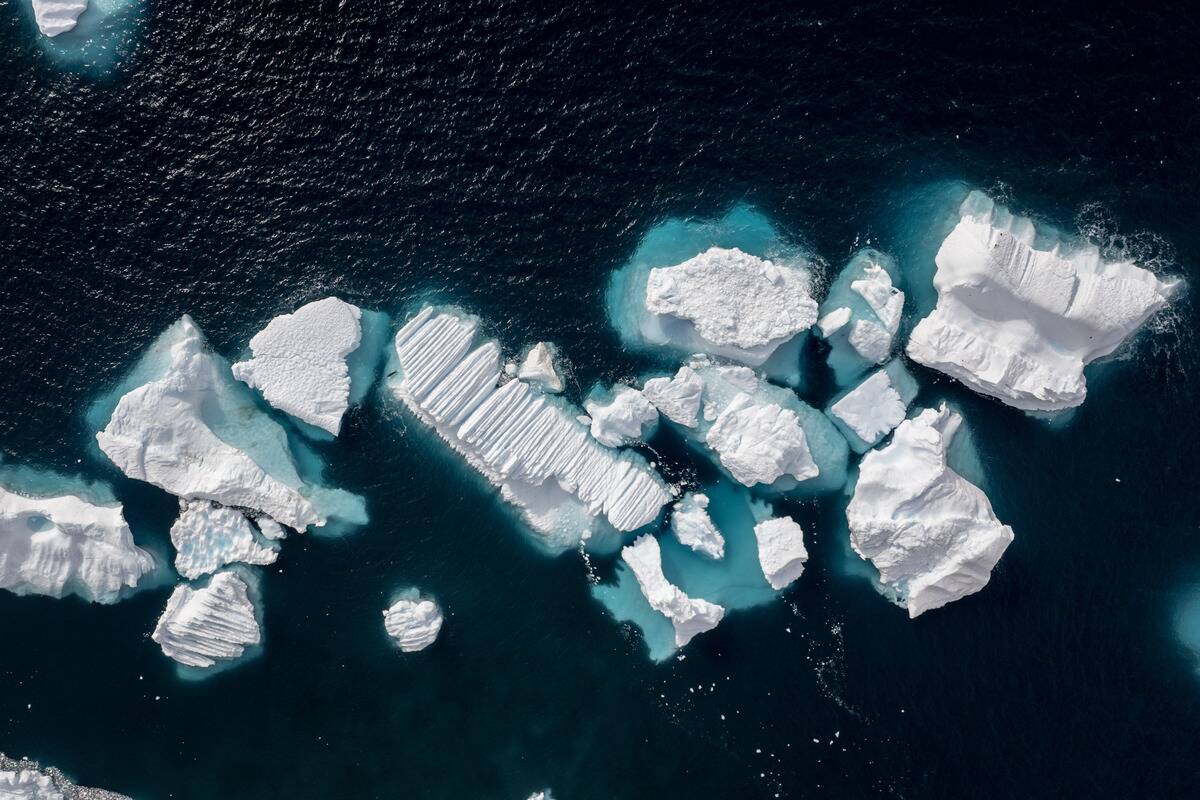
Climate change is accelerating glacial melt, exposing artifacts that have been hidden for centuries. While this presents opportunities for new discoveries, it also poses significant challenges. The rapid melting can lead to the destruction of fragile artifacts if not recovered promptly.
This situation underscores the urgency for archaeologists to act quickly and collaborate internationally. Efforts are underway to document and preserve these finds before they are lost to time, highlighting the delicate balance between discovery and preservation.
The Future of Glacier Archaeology in a Warming World
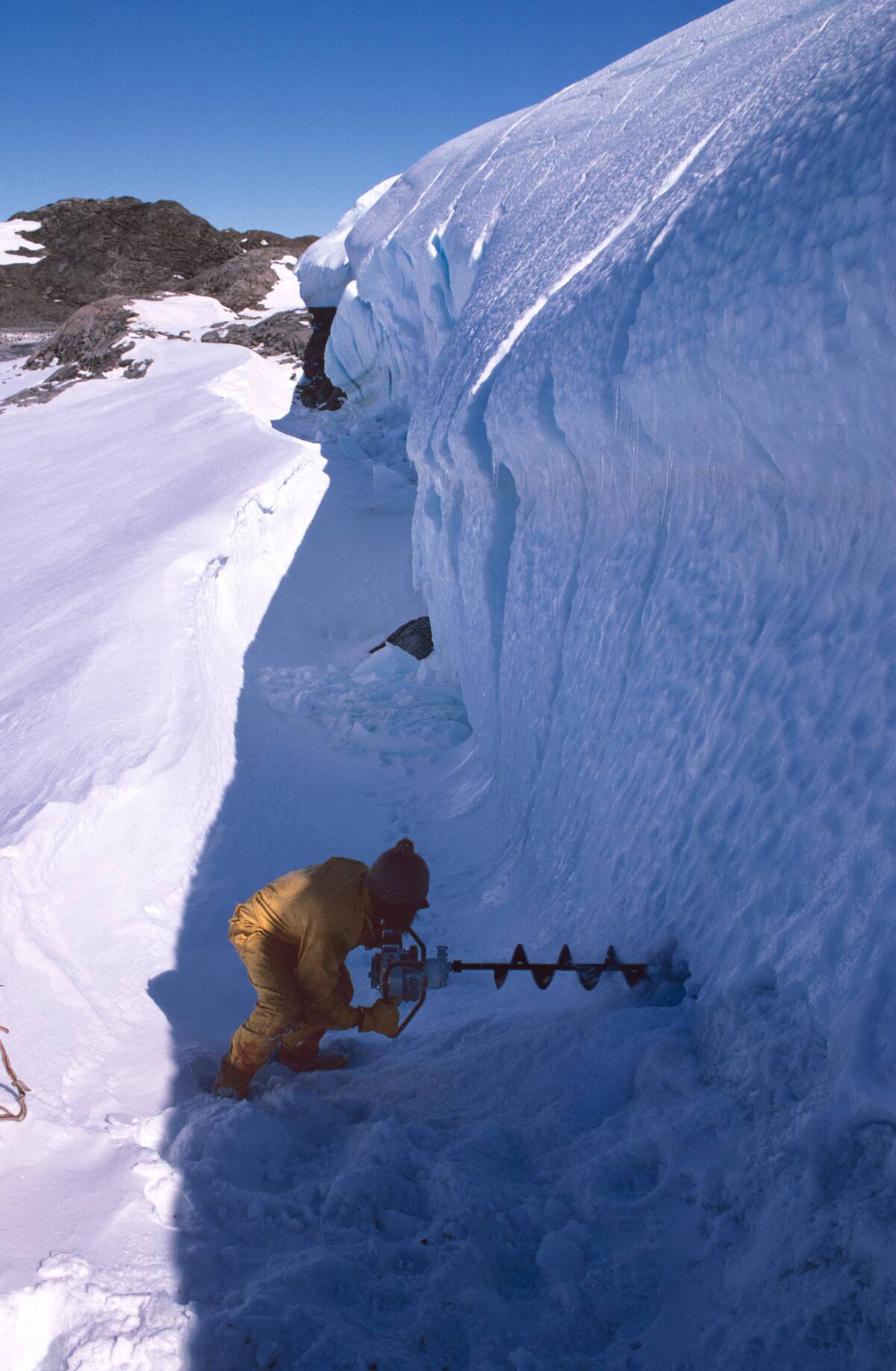
As the world continues to warm, the future of glacier archaeology is both promising and precarious. The potential for new discoveries is immense, but so is the risk of losing invaluable artifacts to the elements.
Researchers are racing against time to study and preserve these finds, employing innovative methods and international collaboration. The field of glacier archaeology is evolving, with a focus on sustainable practices and ethical considerations. As we uncover the past, we are also learning important lessons about the future of our planet.




