The evolution of flight from dinosaurs to birds
The story of how birds evolved from dinosaurs is a fascinating tale of adaptation and survival. This journey through time reveals the remarkable transformation from colossal reptiles to the delicate avian creatures soaring through our skies today.
The connection between birds and dinosaurs was first proposed in the 19th century and has since been supported by numerous fossil discoveries. These findings have allowed scientists to piece together the evolutionary puzzle, showcasing the resilience and adaptability of life on Earth.
The Age of Dinosaurs: Setting the Stage for Flight

The Mesozoic Era, often referred to as the Age of Dinosaurs, was a time of incredible diversity and evolution. Spanning from approximately 252 to 66 million years ago, this era saw the rise of various dinosaur species, some of which would lay the groundwork for the evolution of flight.
The environment was rich and varied, providing numerous niches for creatures to exploit. This period set the stage for the emergence of bird-like dinosaurs, paving the way for future avian ancestors.
Meet the Theropods: The Bird-like Dinosaurs
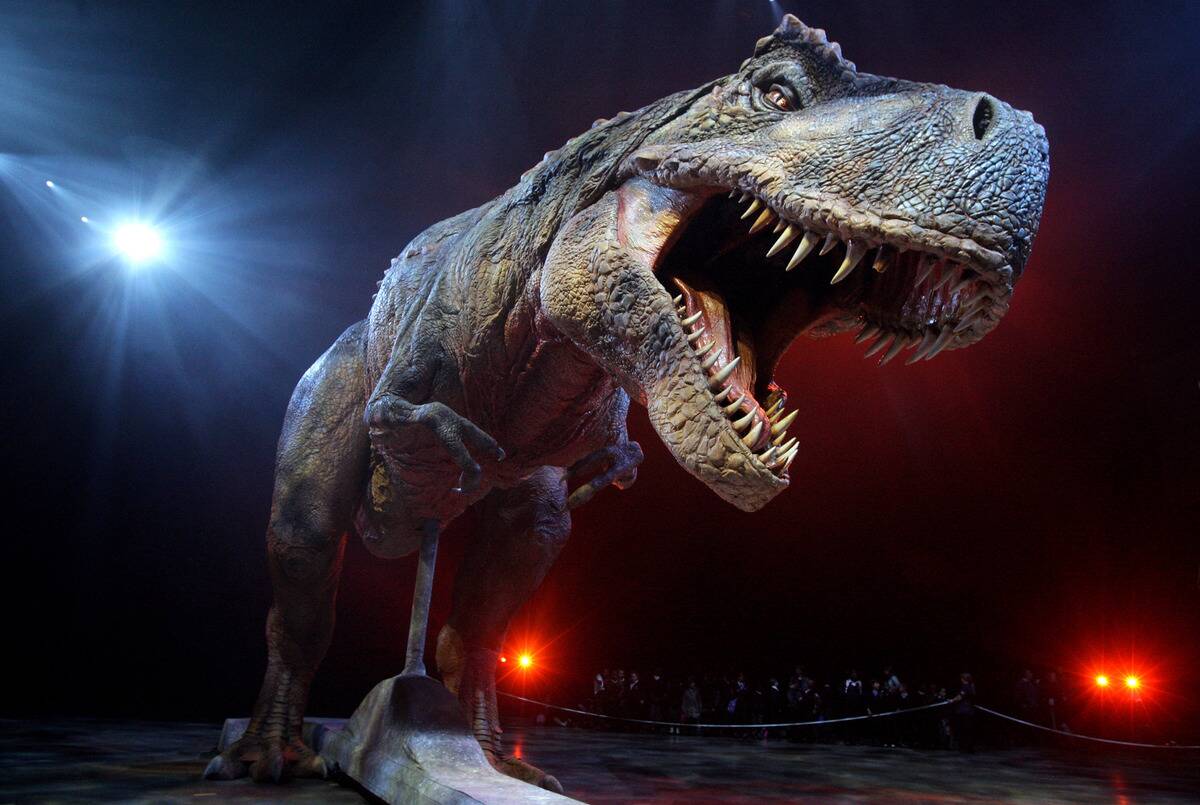
Theropods were a group of bipedal dinosaurs that included the iconic Tyrannosaurus rex and the smaller, more bird-like species such as Velociraptor. These carnivorous dinosaurs were characterized by hollow bones and three-toed limbs, traits that are also found in modern birds.
Over time, some theropods began exhibiting features that were increasingly bird-like, such as feathers and a wishbone. These adaptations would eventually lead to the emergence of the first true birds.
Feathers: More Than Just a Fashion Statement
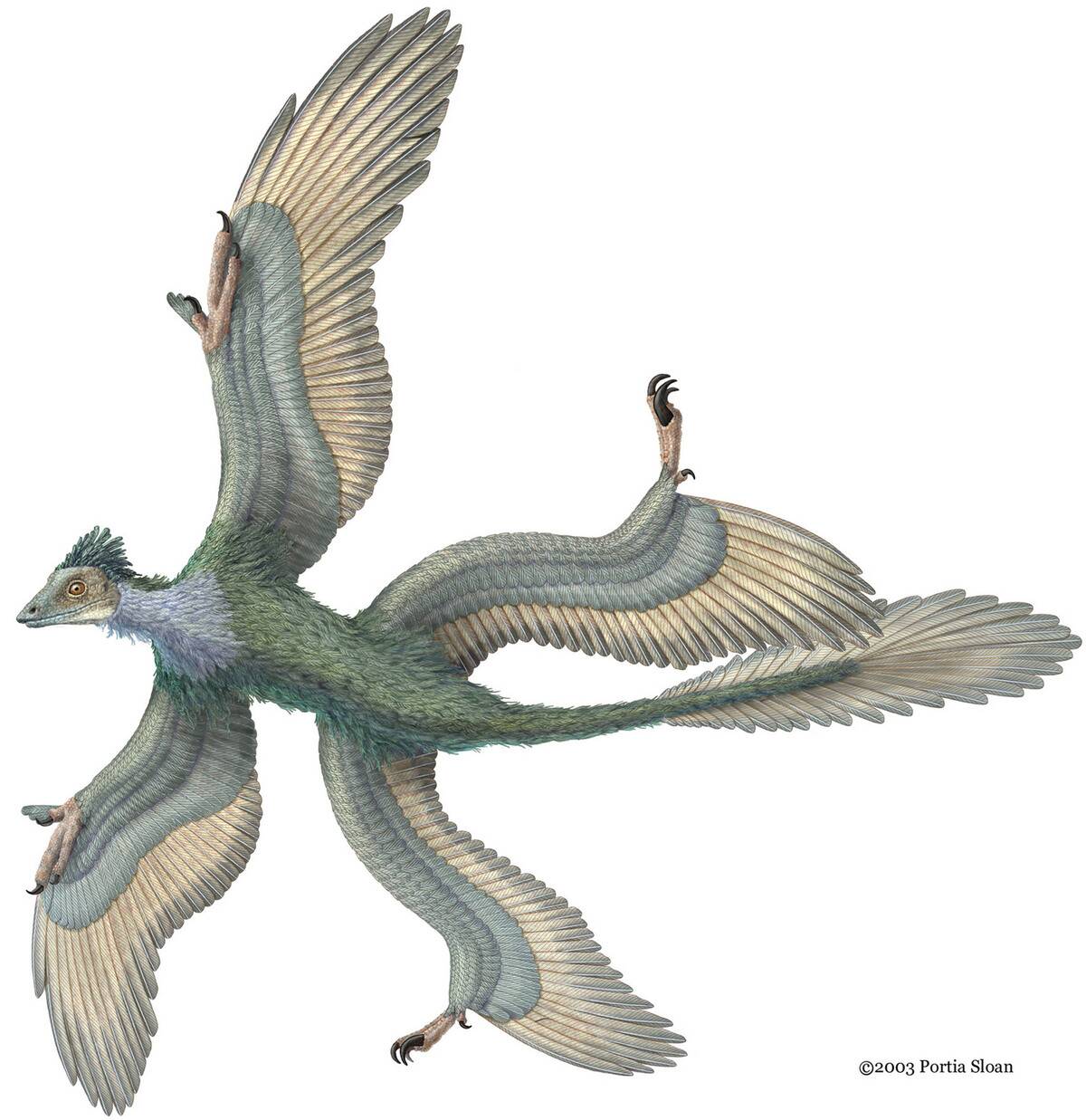
Feathers are not just for show; they have played a critical role in the evolution of modern birds. Initially, feathers may have evolved for insulation, helping dinosaurs regulate their body temperature. Over time, these structures became more complex, aiding in display, camouflage, and eventually, flight.
The discovery of feathered dinosaur fossils in China, such as those of the Microraptor, has provided significant insights into how these structures transitioned from simple filaments to the complex flight feathers we see today.
The Archaeopteryx: The Iconic Transitional Fossil
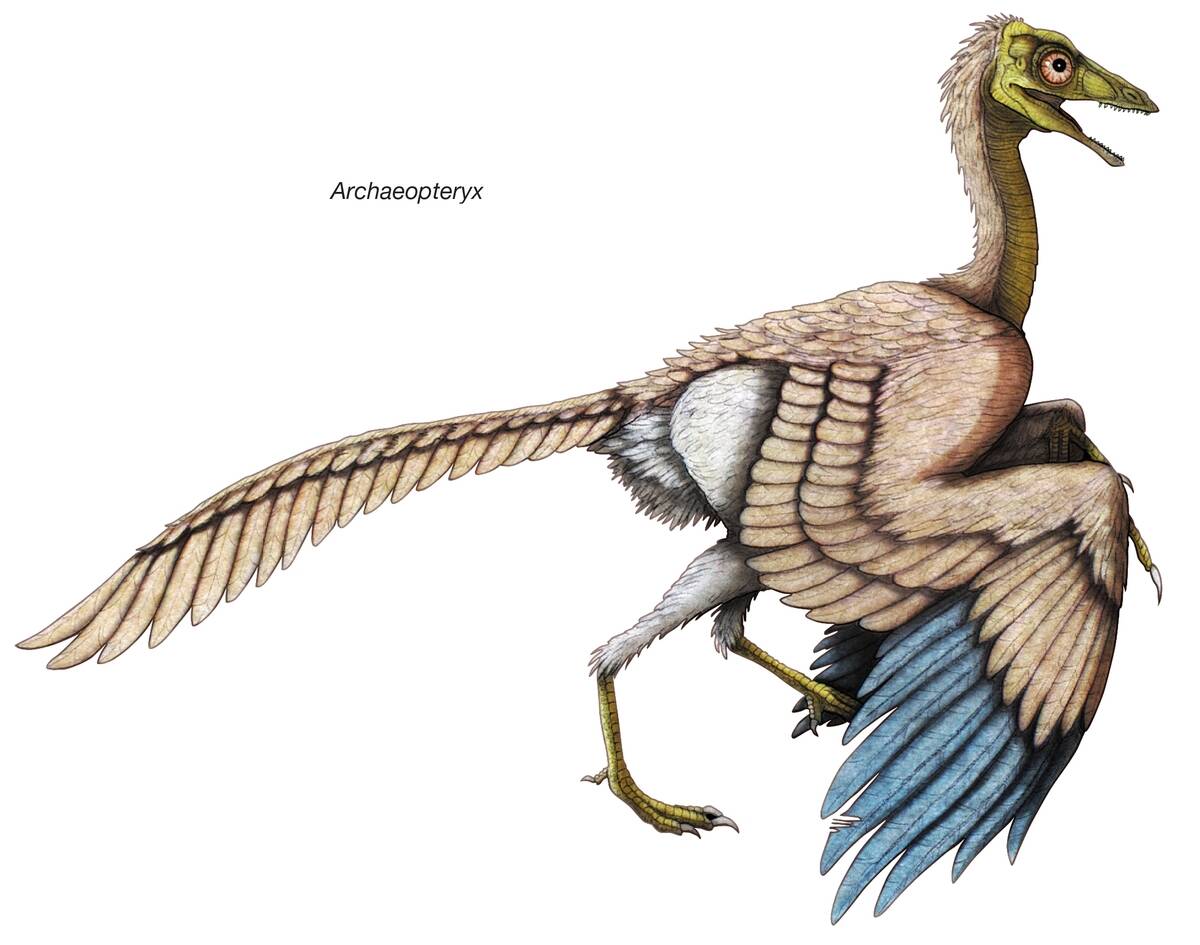
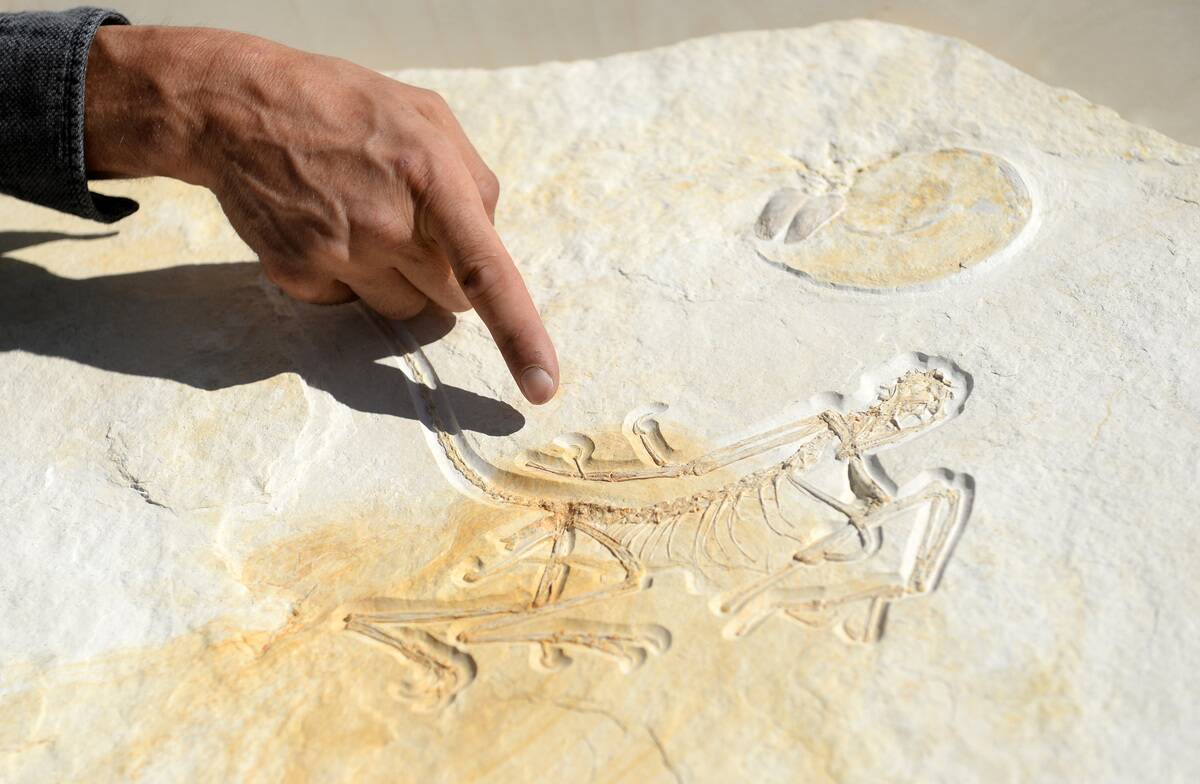
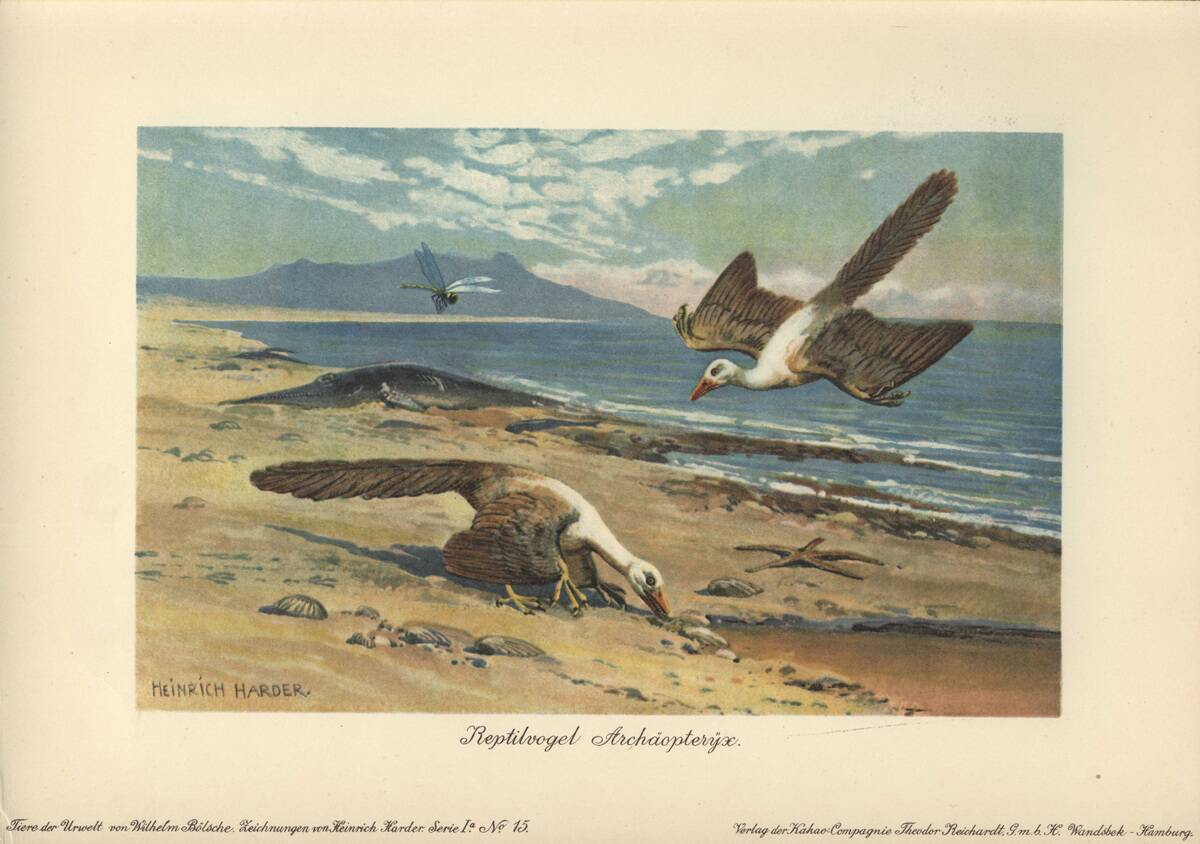
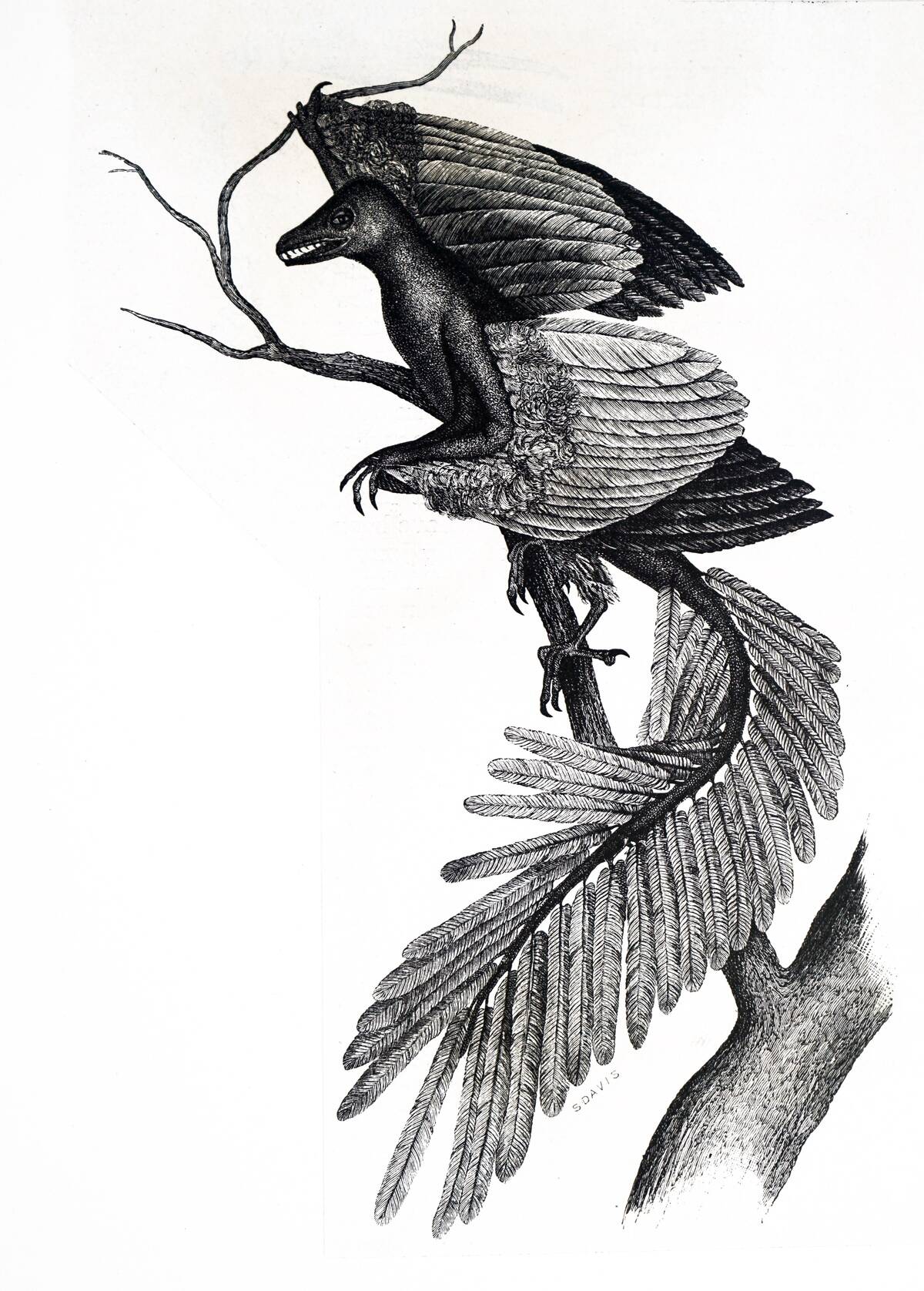
Archaeopteryx is often hailed as the quintessential transitional fossil, bridging the gap between dinosaurs and birds. Discovered in the limestone deposits of Germany in the 19th century, this ancient creature exhibited both avian and reptilian features.
With its feathered wings and a long bony tail, Archaeopteryx provides crucial evidence of the evolutionary link between theropod dinosaurs and modern birds. Its unique anatomy has made it a focal point of paleontological studies and a symbol of evolutionary theory.
Flight Mechanics: How Did Dinosaurs Take to the Skies?

The transition from ground-dwelling dinosaurs to flying birds involved significant changes in anatomy and behavior. One of the key developments was the modification of the forelimbs into wings.
The evolution of a lightweight skeleton, along with a reinforced, keeled breastbone to support powerful flight muscles, was crucial. These adaptations enabled the first birds to take to the skies, allowing them to explore new ecological niches and escape predators. The mechanics of flight in these early avians were likely a mix of gliding and active flapping.
The Role of Feathered Limbs in Early Flight

Feathered limbs were a pivotal innovation in the evolution of flight, providing stability and lift. Initially, these feathered appendages may have been used for balance and display, but they eventually became integral to the mechanics of flight.
The asymmetrical flight feathers found in Archaeopteryx suggest that these structures were capable of generating lift, even if early flight was limited to short bursts or gliding. This gradual transition highlights the complex interplay of natural selection and adaptation in the evolution of flight.
From Gliding to Flapping: The Evolutionary Leap
The shift from gliding to flapping flight marked a significant evolutionary leap for early birds. Gliding, which involves using air currents to move through the air with minimal energy, was likely the first step in this transition.
Over time, natural selection favored those individuals that could generate their own lift through flapping, leading to more controlled and sustained flight. This ability allowed early birds to access new resources, evade predators, and colonize diverse environments, setting the stage for their continued evolution.
The Debate: Were Dinosaurs Warm-Blooded?
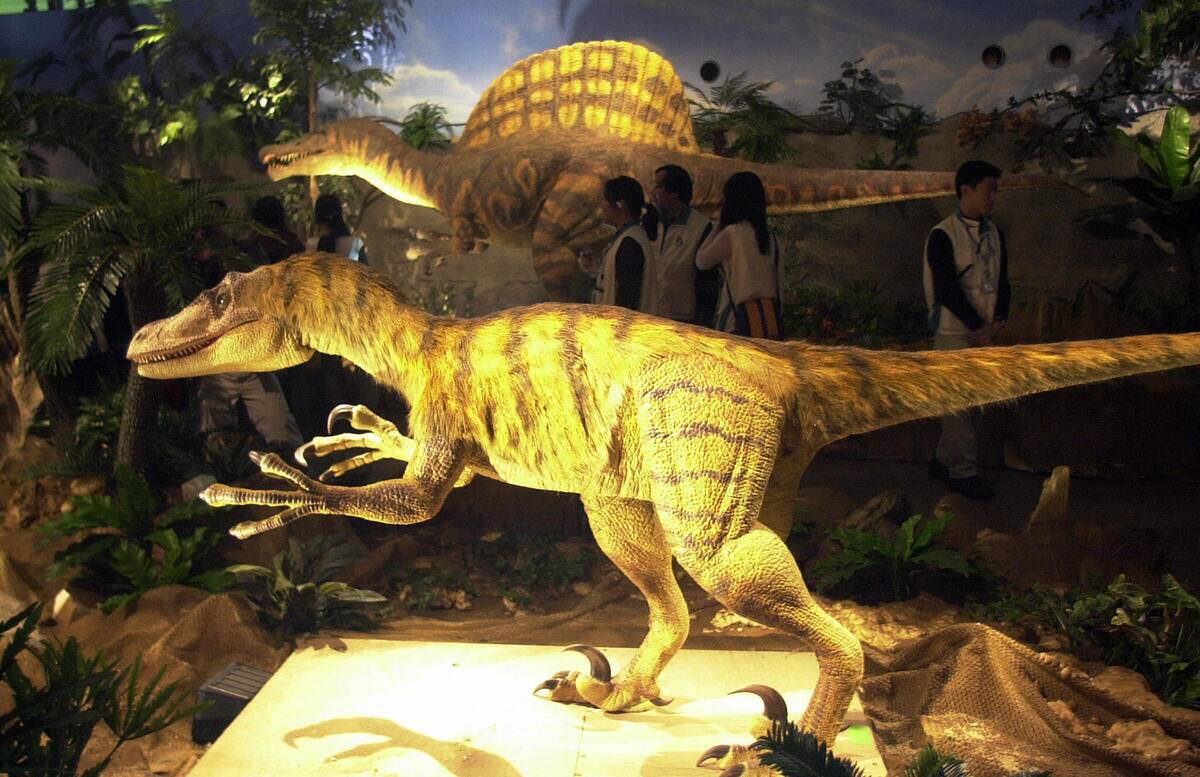
The question of whether dinosaurs were warm-blooded or cold-blooded has intrigued scientists for decades. Recent studies suggest that many theropod dinosaurs, the ancestors of birds, exhibited traits consistent with warm-bloodedness, such as high growth rates and the presence of feathers.
These characteristics imply a more active metabolism similar to modern birds. This metabolic shift would have been advantageous in supporting the high energy demands of flight, providing further evidence of the close evolutionary relationship between dinosaurs and birds.
The Importance of Hollow Bones for Flight
Hollow bones are a defining characteristic of modern birds, providing them with the lightness necessary for flight without compromising strength. This adaptation can be traced back to their dinosaur ancestors, particularly theropods, which exhibited similar skeletal features.
Hollow bones reduce weight and facilitate the efficient respiratory system that supports the high oxygen demands of flight. This evolutionary innovation was crucial in enabling the sustained, powered flight that distinguishes birds from their dinosaur forebears.
The Role of Natural Selection in the Evolution of Flight
Natural selection played a critical role in shaping the evolution of flight in birds. As environmental conditions changed, certain traits became advantageous, leading to their increased prevalence in populations.
Features such as feathers, hollow bones, and specialized wing structures were gradually refined over millions of years. This process of adaptation allowed early birds to exploit new ecological niches and thrive in diverse environments. The success of birds as a group today is a testament to the power of natural selection in driving evolutionary change.
The Extinction Event: How Birds Survived When Dinosaurs Didn’t
The mass extinction event at the end of the Cretaceous period, around 66 million years ago, wiped out the non-avian dinosaurs but spared many avian lineages. The reasons for birds’ survival during this catastrophic event are still debated, but factors such as small size, diverse diets, and the ability to fly likely played a role.
These traits may have helped birds find food and shelter in a drastically altered environment, allowing them to persist and eventually diversify into the myriad species we see today.
Adapting to New Environments: Birds Take Over the Skies
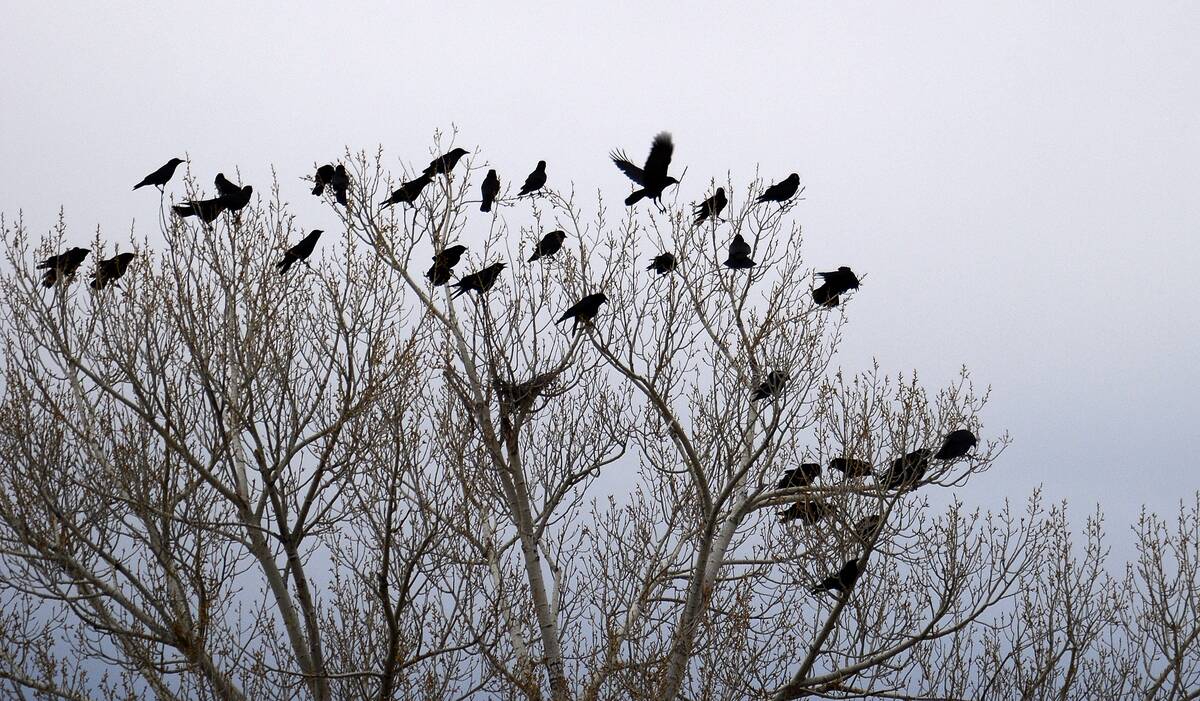
In the aftermath of the extinction event, birds rapidly diversified and adapted to a wide range of environments. Their ability to fly allowed them to colonize isolated regions, leading to the evolution of distinct species adapted to unique ecological niches.
From the frozen tundras to tropical rainforests, birds have become one of the most successful and diverse groups of animals on the planet. This remarkable adaptability underscores the evolutionary advantages that flight and other avian traits have conferred upon them.
The Diversity of Modern Birds: A Testament to Evolution

Today, birds are one of the most diverse groups of vertebrates, with over 10,000 species inhabiting nearly every corner of the globe. This diversity is a testament to their evolutionary success and adaptability.
Birds exhibit a wide range of sizes, from the tiny bee hummingbird to the towering ostrich, and display an array of colors, behaviors, and ecological roles. The rapid diversification of birds following the extinction of the dinosaurs highlights the dynamic nature of evolution and the ability of life to adapt and flourish.
Flightless Birds: When Evolution Takes an Unexpected Turn

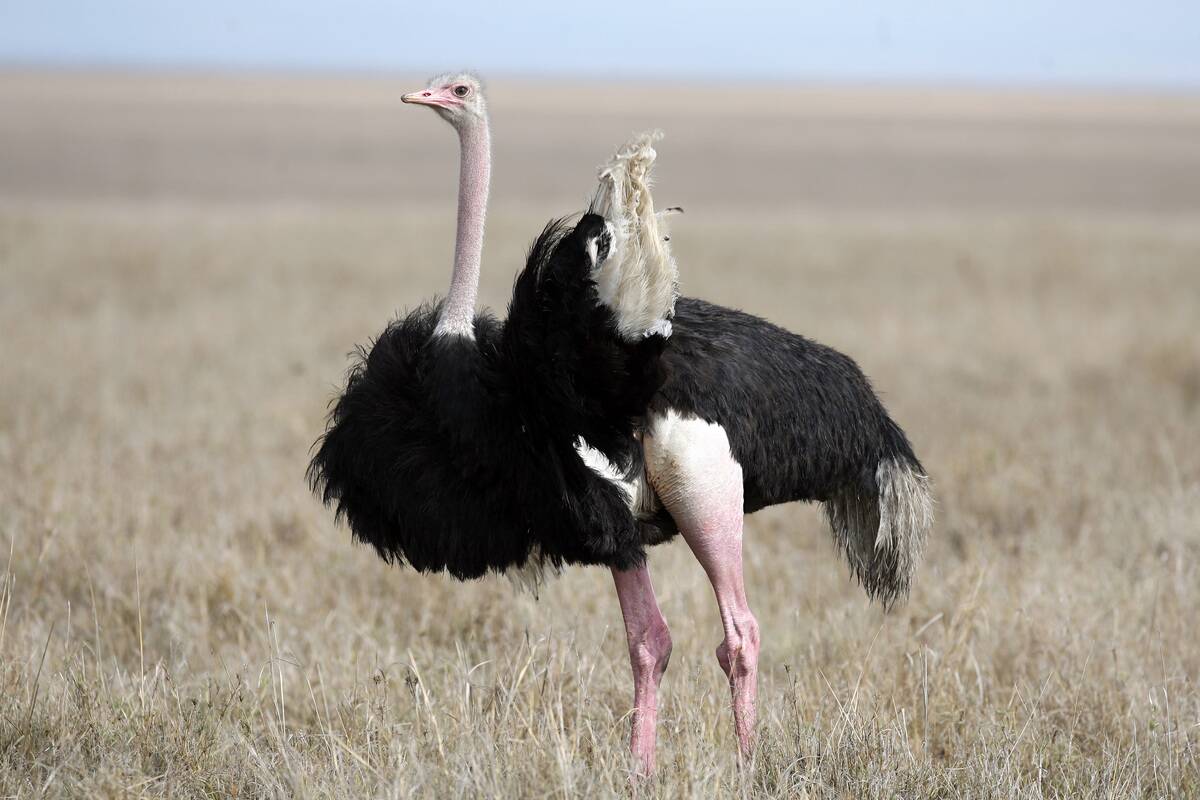
Not all birds retained the ability to fly; some, like ostriches, emus, and penguins, evolved to be flightless. This loss of flight often occurred in environments where flying was less advantageous or unnecessary, such as isolated islands or regions with few predators.
Flightless birds have adapted to their niches in unique ways, showcasing the flexibility of evolutionary processes. Their existence reminds us that evolution is not a linear path but a complex web of adaptations and opportunities.
The Ongoing Evolution of Birds: What’s Next?
The evolution of birds is an ongoing process, influenced by changing environments and human activities. Climate change, habitat destruction, and other factors are driving shifts in bird populations and behaviors.
Some bird species are adapting to urban environments, while others face extinction threats. Understanding these changes is crucial for conservation efforts and provides insights into the broader patterns of evolution. The future of avian evolution may hold surprises, as birds continue to adapt to a rapidly changing world.
Fun Facts About Birds: Did You Know?

Birds are full of surprises! Did you know that the Arctic tern holds the record for the longest migration, traveling up to 44,000 miles annually? Or that the heart of a hummingbird can beat over 1,200 times per minute?
Birds also have a keen sense of direction, with some species using the Earth’s magnetic field to navigate during migration. These fascinating facts highlight the incredible adaptations and capabilities that have allowed birds to thrive across the globe.




