Forgotten European royal houses that once ruled the continent
Europe’s royal history is a tapestry woven with the threads of dynasties that once ruled vast lands, yet today are largely forgotten. These royal houses shaped the cultural and political landscapes of their times, leaving behind legacies that echo through history.
Many of these families have vanished from modern monarchies, but their stories remind us of Europe’s rich and complex past, full of intrigue, power struggles, and unexpected alliances.
The Merovingians: The Long-Haired Kings of France
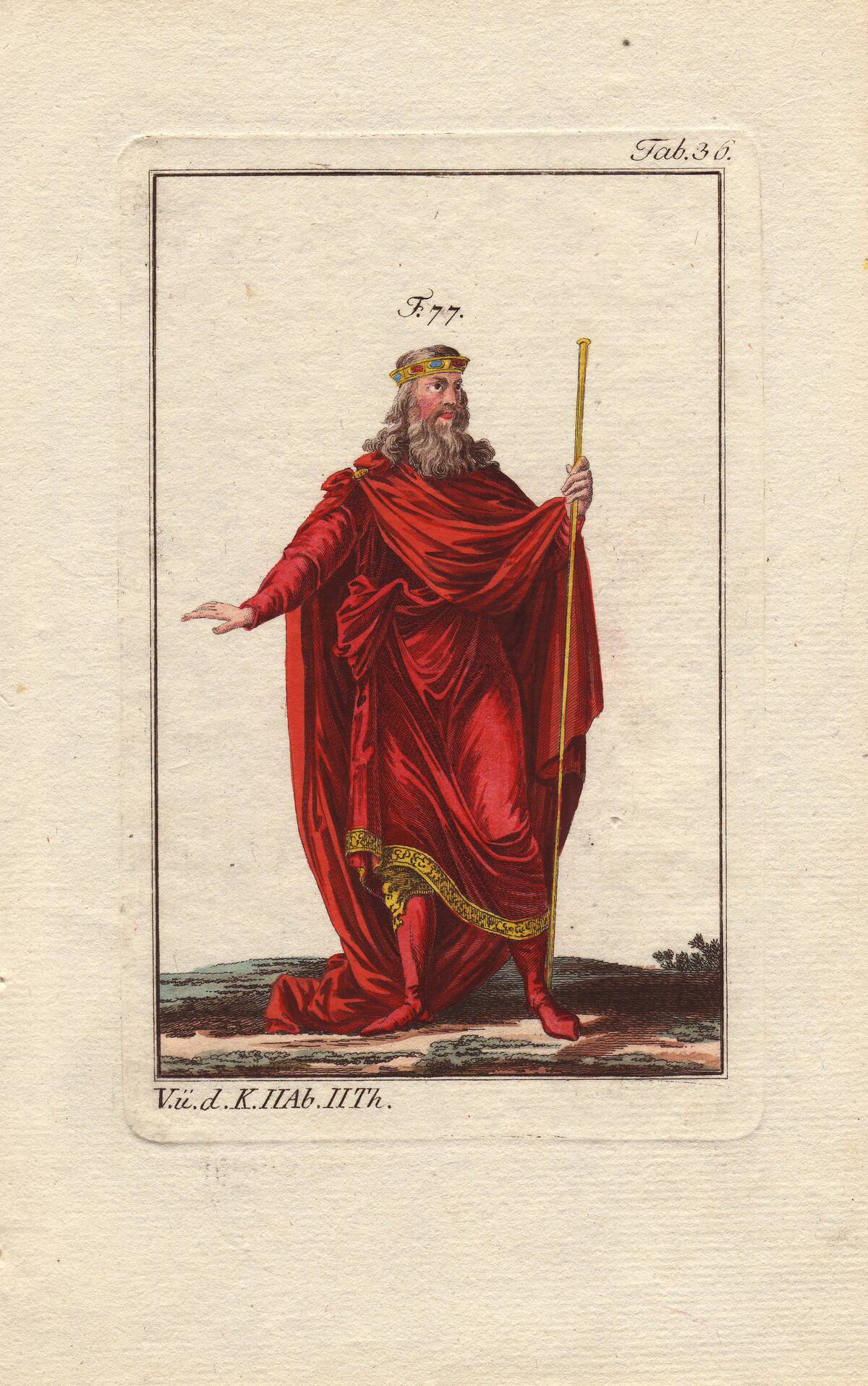
The Merovingians were the first ruling dynasty of what is now France, reigning from the 5th to 8th centuries. Known for their distinctive long hair, which symbolized their royal status.
King Clovis I, their most famous ruler, united the Frankish tribes and converted to Christianity, laying the foundations for modern France. Despite their power, internal conflicts and the rise of the Carolingians eventually led to their downfall.
The Carolingians: Charlemagne and His Dynasty
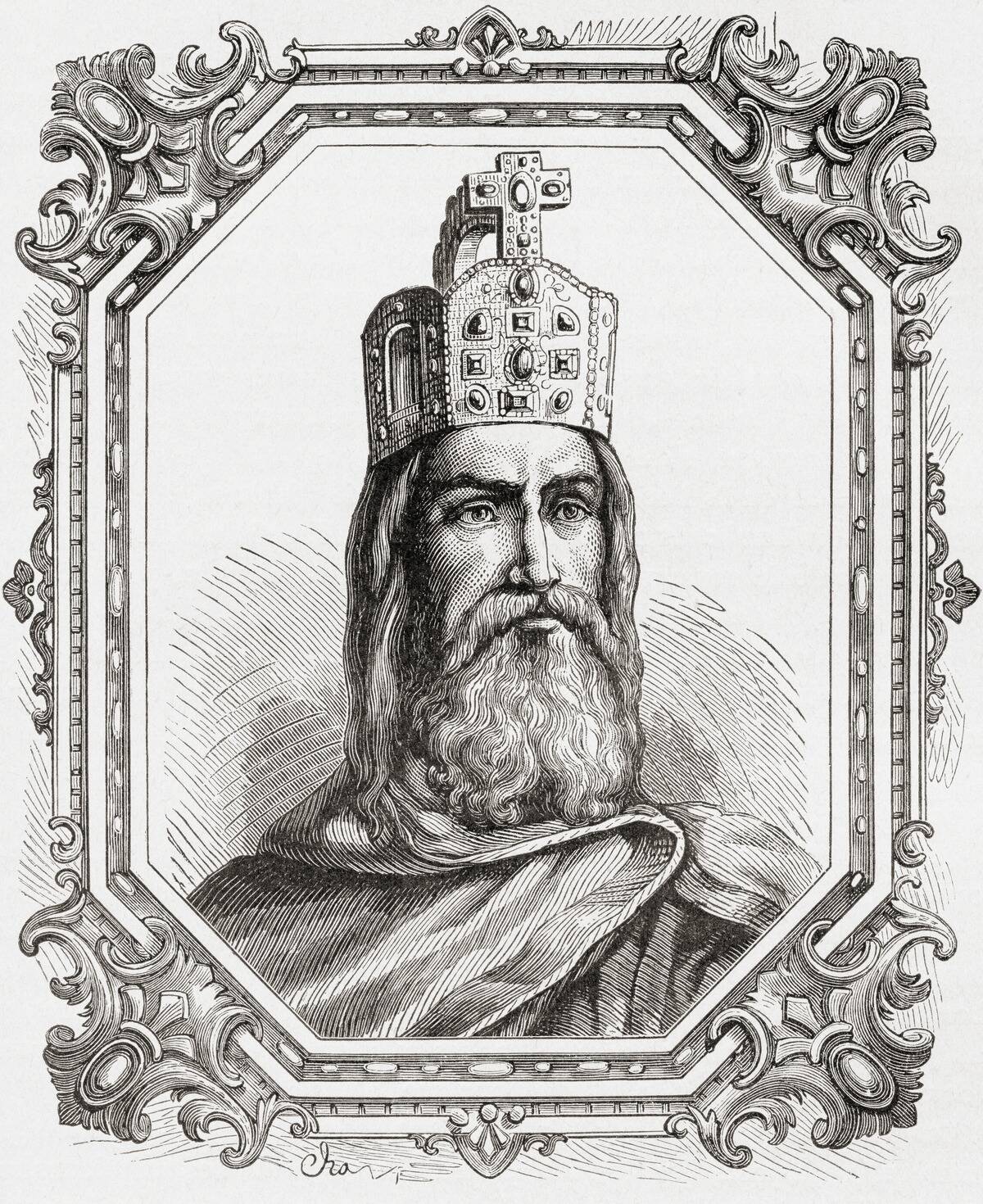
The Carolingian dynasty emerged from the weakening Merovingians, with Pepin the Short deposing the last Merovingian king to become ruler of the Franks. Charlemagne, his son, expanded the empire to cover much of Western and Central Europe.
Crowned Holy Roman Emperor in 800 AD, Charlemagne’s reign marked a cultural revival known as the Carolingian Renaissance. The dynasty eventually fragmented, leading to the formation of distinct European kingdoms.
The House of Aragon: Mediterranean Powerhouses
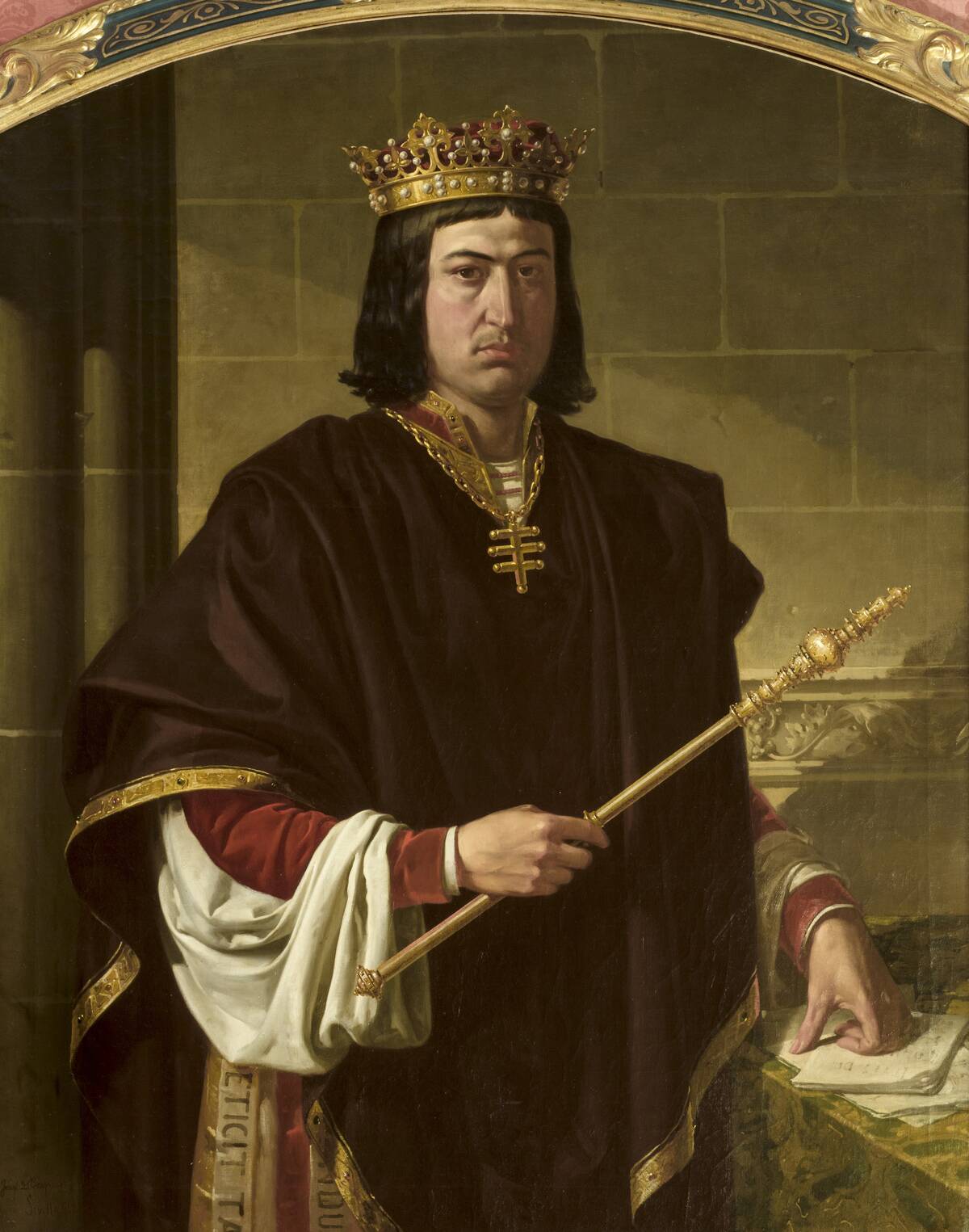
Once a dominant force in the Mediterranean, the House of Aragon ruled territories including modern-day Spain, Italy, and Greece. Their influence peaked during the 13th and 14th centuries, with the kingdom acting as a bridge between Christian and Muslim worlds.
The marriage of Ferdinand II of Aragon and Isabella I of Castile united Spain, setting the stage for the Spanish Empire. Though overshadowed by this union, Aragon’s maritime prowess and cultural contributions are undeniable.
The House of Savoy: From County to Kingdom
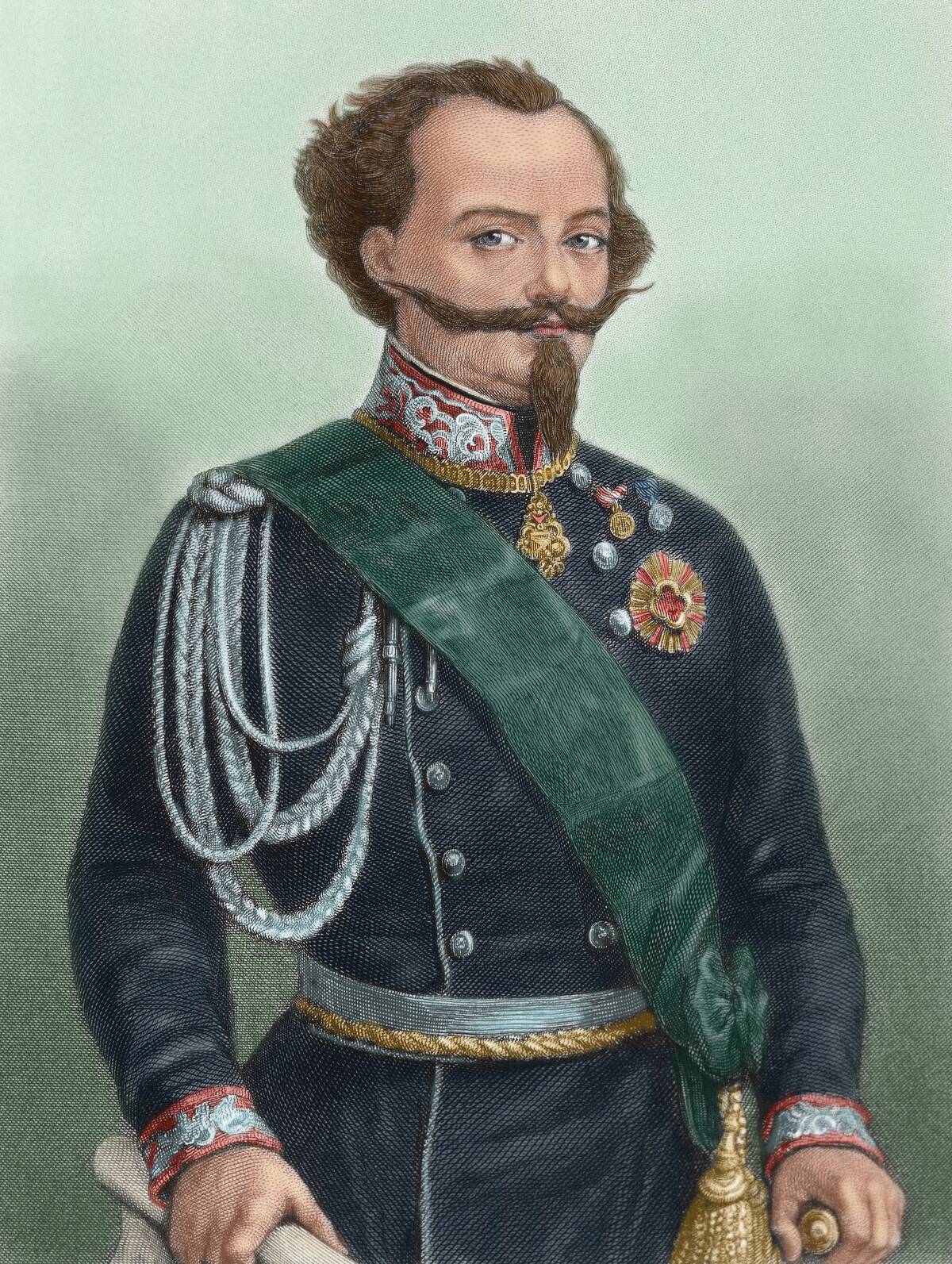
The House of Savoy started as a small county in the Western Alps but gradually expanded its influence. By the 19th century, it played a crucial role in the unification of Italy. Victor Emmanuel II became the first king of a united Italy in 1861.
Despite their humble beginnings, the Savoys’ strategic marriages and alliances helped them rise to prominence, ultimately establishing a legacy that continued until Italy became a republic in 1946.
The Jagiellonian Dynasty: The Central European Union
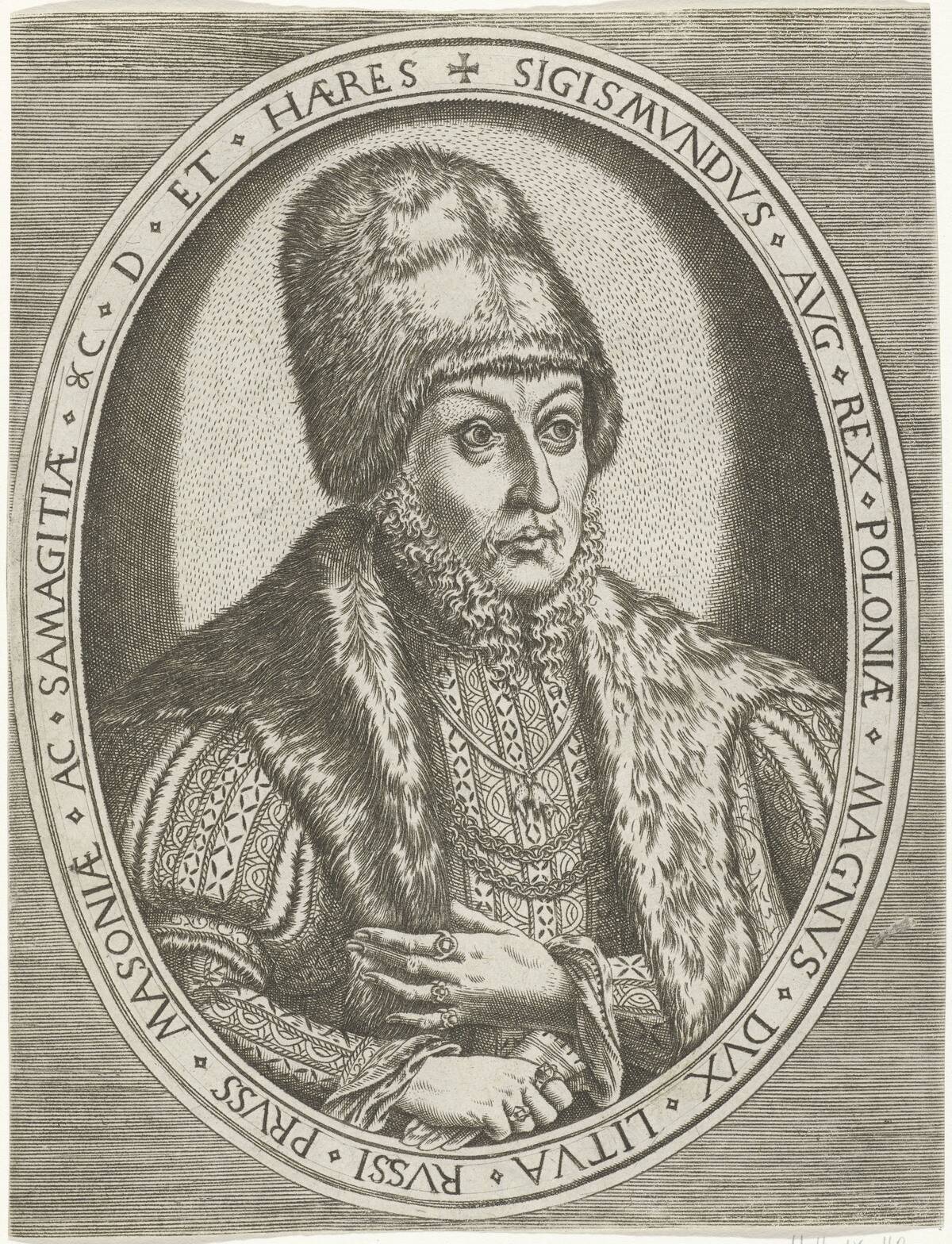
The Jagiellonian dynasty was a ruling house of Central European territories, including Poland, Lithuania, Bohemia, and Hungary. Ruling from the late 14th to the 16th century, they were known for their diplomatic marriages, which extended their influence across Europe.
The dynasty’s zenith came under Sigismund I the Old and Sigismund II Augustus, who fostered a golden age of culture and stability. The union eventually fragmented, but it laid the groundwork for future alliances in the region.
The House of Plantagenet: England’s Lost Lineage
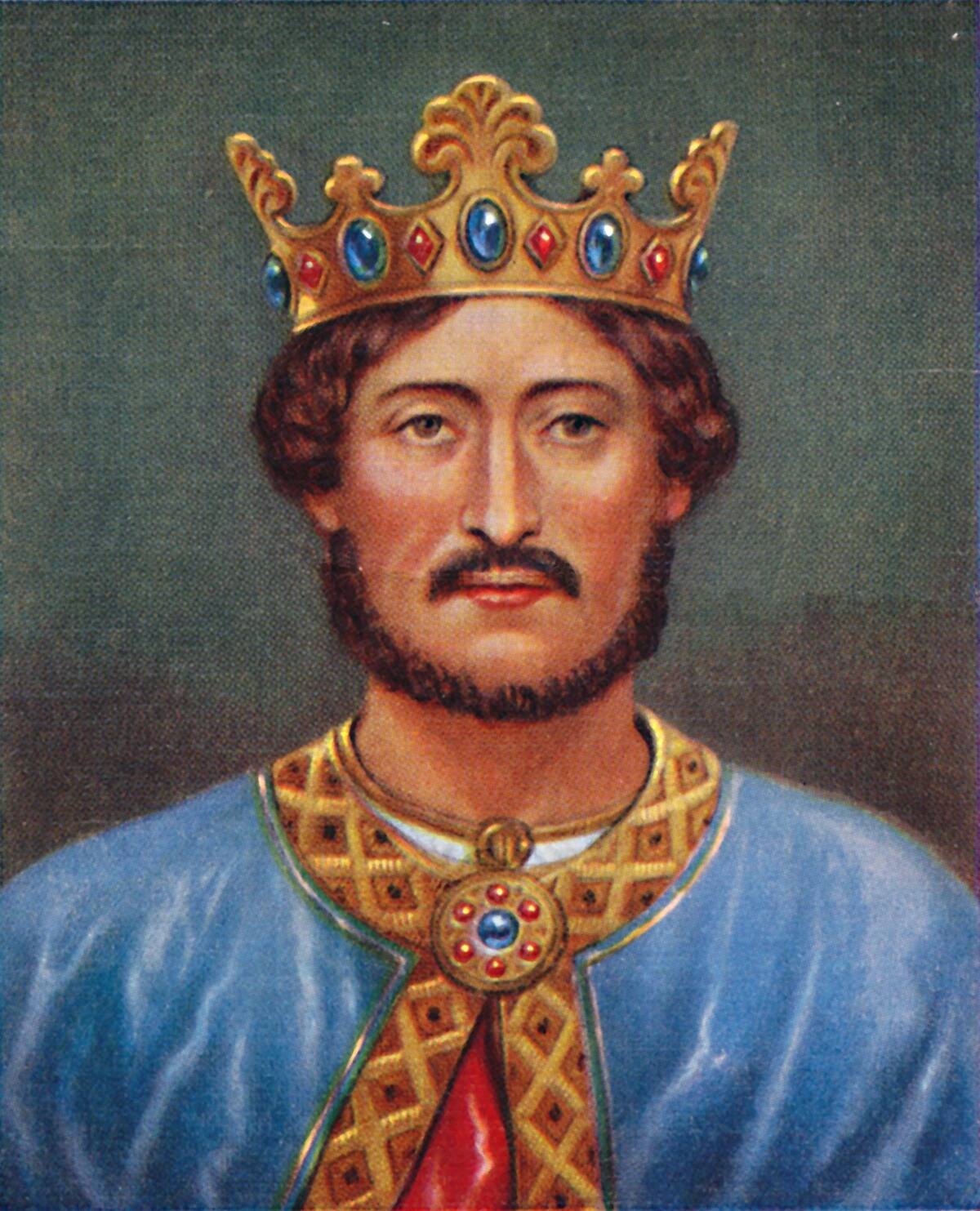
The Plantagenets were a formidable dynasty that ruled England from the 12th to the 15th century, known for their iconic conflicts like the Hundred Years’ War and the Wars of the Roses.
The dynasty produced famous monarchs such as Richard the Lionheart and Henry V. Ultimately, internal strife and the rise of the House of Tudor ended their reign. Despite their fall, the Plantagenets left a lasting impact on English history and governance.
The Kingdom of Navarre: A Small but Mighty Realm
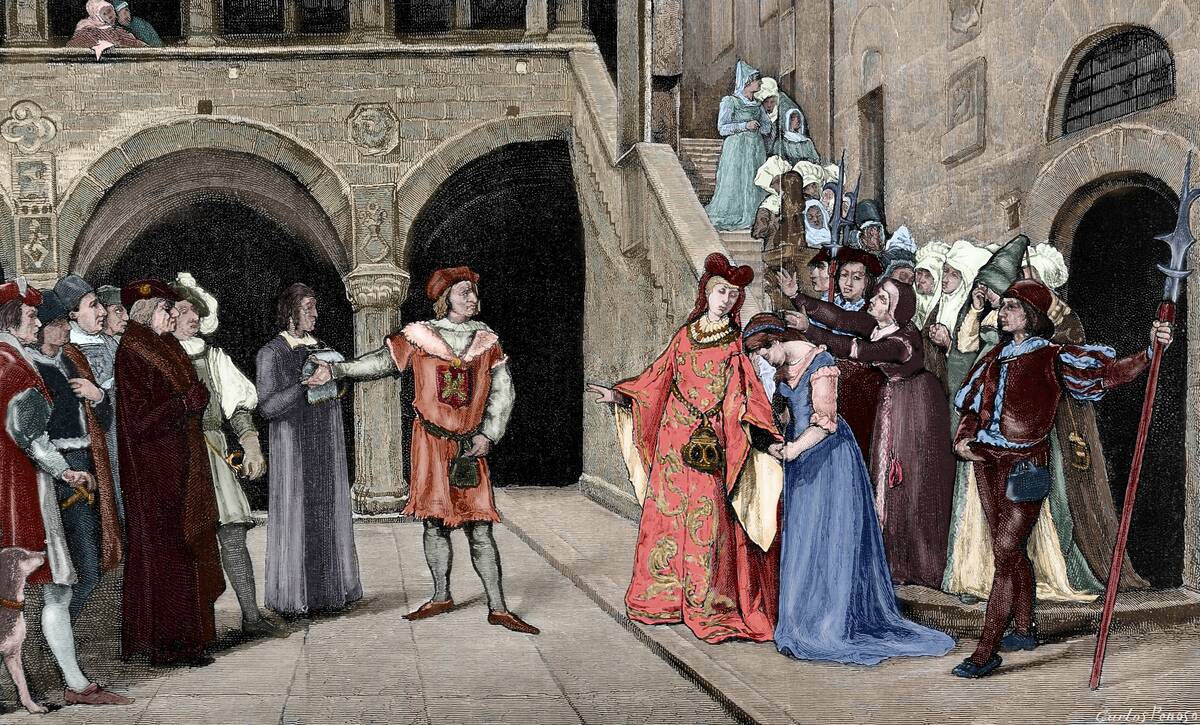
Nestled in the Pyrenees, the Kingdom of Navarre was a small, yet influential realm that straddled the border between modern-day France and Spain. At its height during the 11th and 12th centuries, it played a crucial role in the Reconquista and European politics.
The marriage of Navarrese princesses to French and Spanish royalty often shifted the balance of power. Although eventually absorbed by larger kingdoms, Navarre’s unique cultural identity persists to this day.
The House of Habsburg-Lorraine: The Empire That Time Forgot
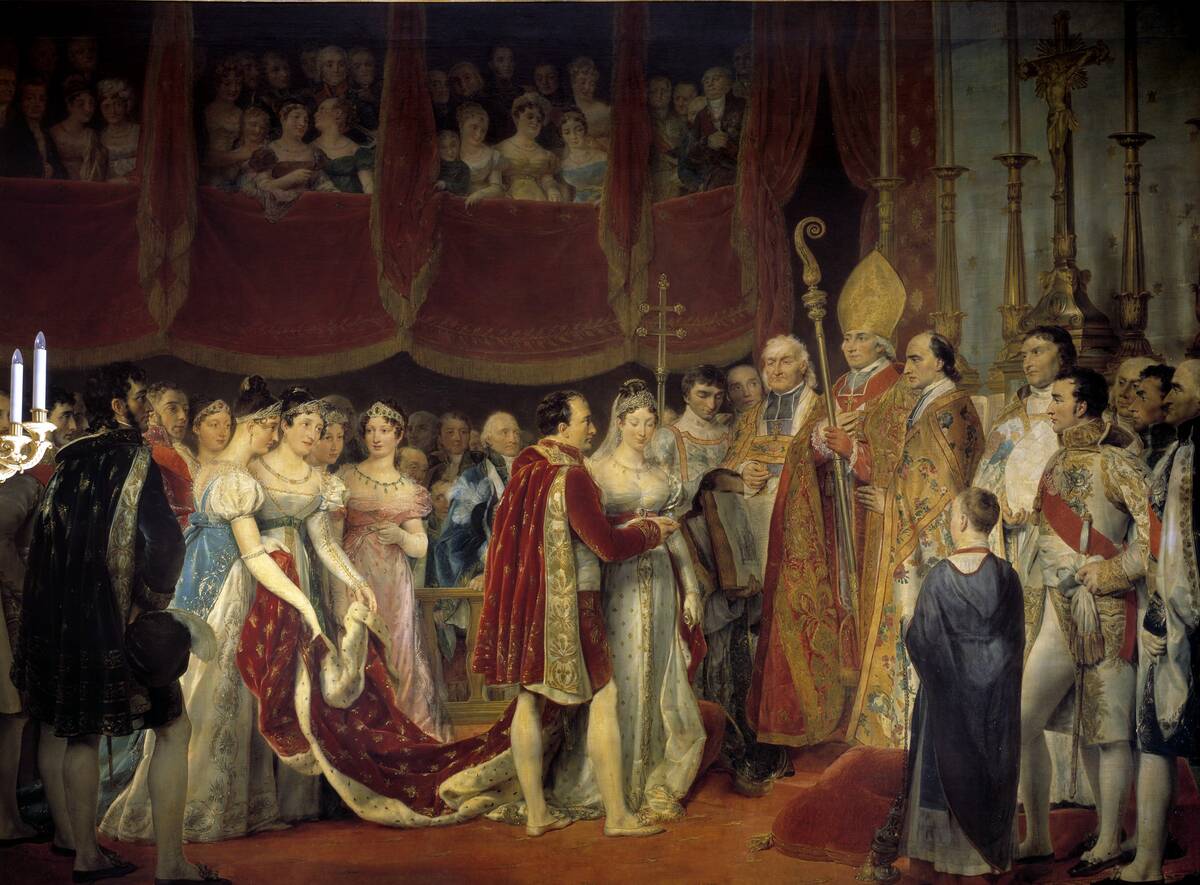
The Habsburg-Lorraine dynasty was a continuation of the powerful Habsburg line, ruling over the vast Austro-Hungarian Empire until its dissolution in 1918. Known for their vast network of alliances through marriage, they controlled large parts of Europe, including Austria, Hungary, and Bohemia.
Despite their fall from power after World War I, the Habsburgs remain a symbol of imperial grandeur and are remembered for their patronage of the arts and sciences.
The Wittelsbachs: Bavaria’s Historic Rulers
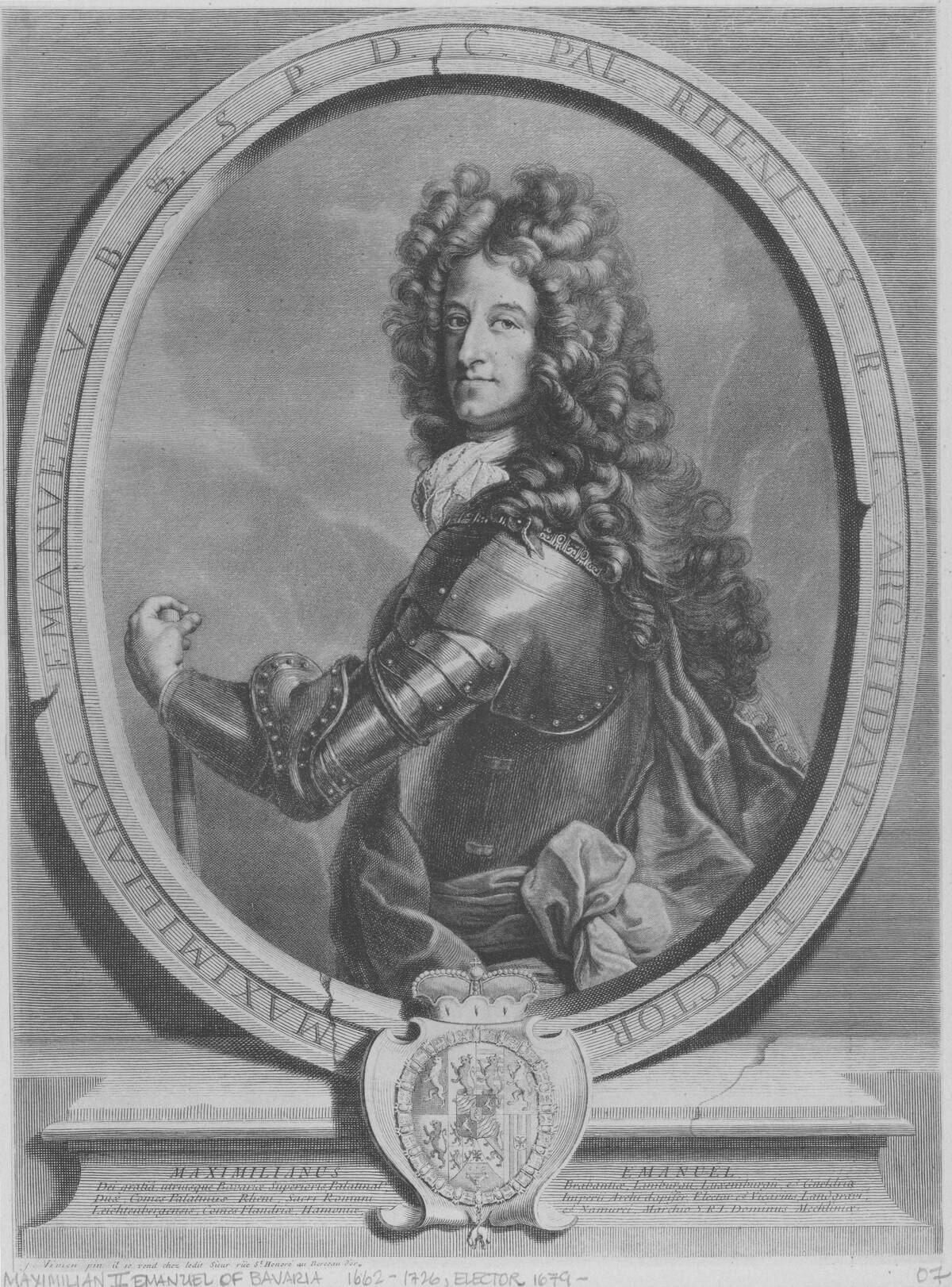
The Wittelsbach family reigned over Bavaria for more than 700 years, making it one of the longest-lasting dynasties in European history. They rose to prominence as electors of the Holy Roman Empire and later became kings of Bavaria.
Their rule was marked by cultural achievements and political stability. The Wittelsbachs’ influence waned in the 19th century, but their legacy is still evident in the region’s architecture and cultural institutions.
The House of Anjou: From France to the Crusader States
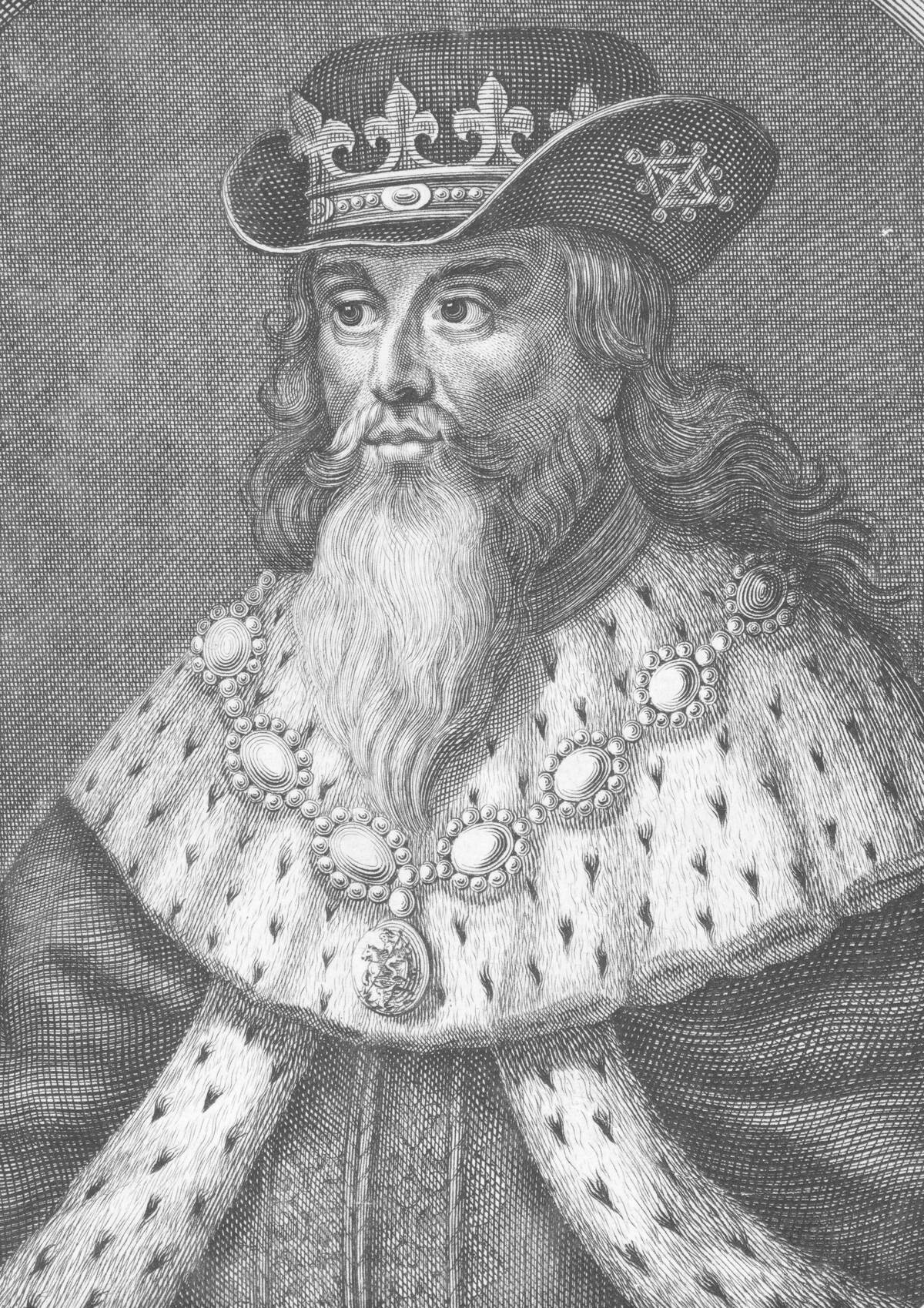
Originating from the French region of Anjou, this house expanded its reach to include territories in the Middle East during the Crusades. Members of the family held titles such as the King of Jerusalem and the Count of Provence.
The Angevins played a significant role in the politics of both Europe and the Crusader states. Although their influence diminished over time, their legacy is seen in the architectural and cultural remnants of their rule.
The Rurikids: The Viking Princes of Russia
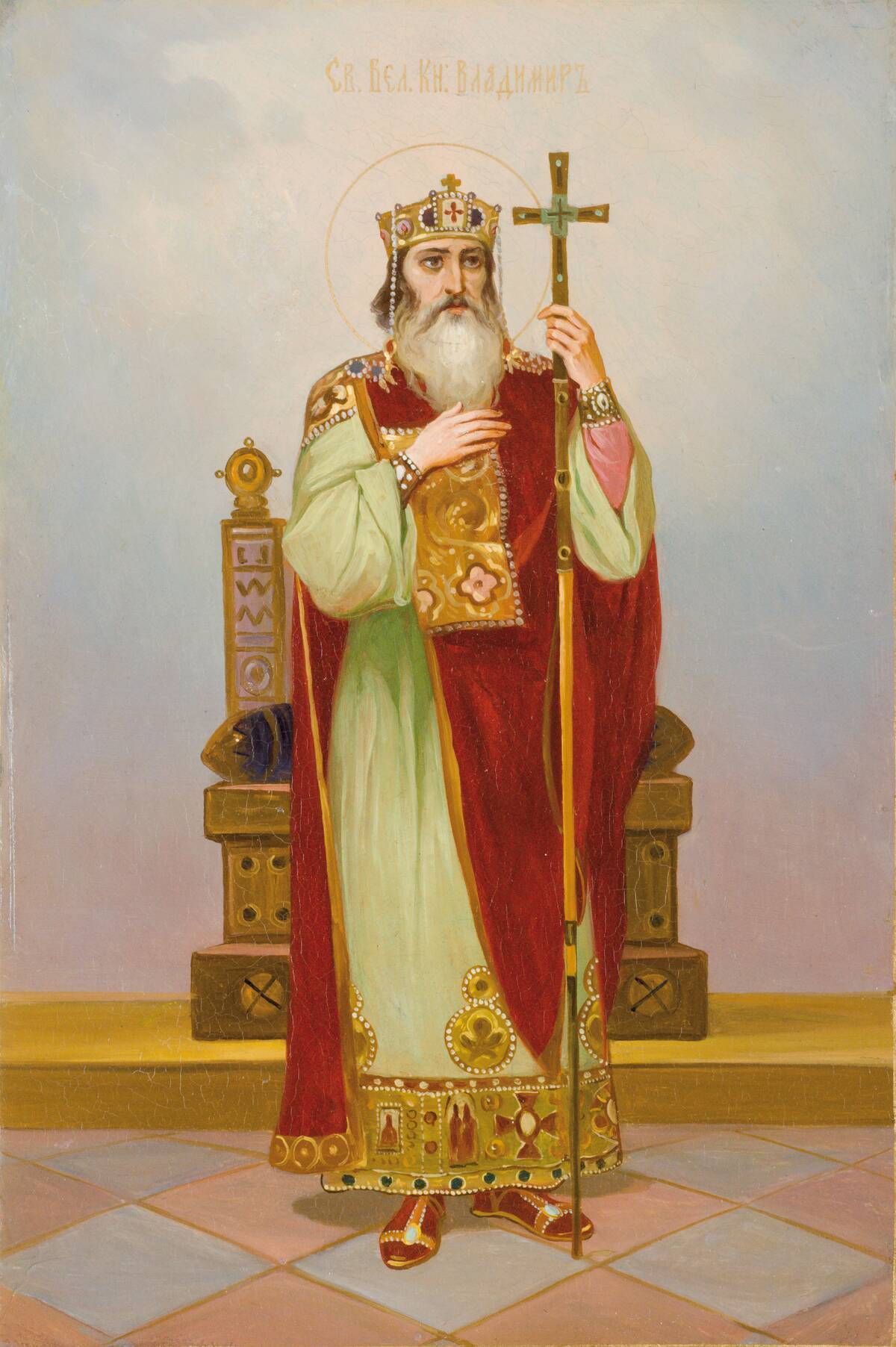
The Rurikid dynasty, founded by the Viking prince Rurik in the 9th century, laid the foundations for the Russian state. Their reign saw the expansion of territories and the establishment of important cities like Novgorod and Kiev.
The dynasty’s influence waned with the rise of the Romanovs, but their legacy is integral to Russian history. The Rurikids were pivotal in the spread of Orthodox Christianity and the cultural development of the region.
The House of Vasa: A Northern European Saga
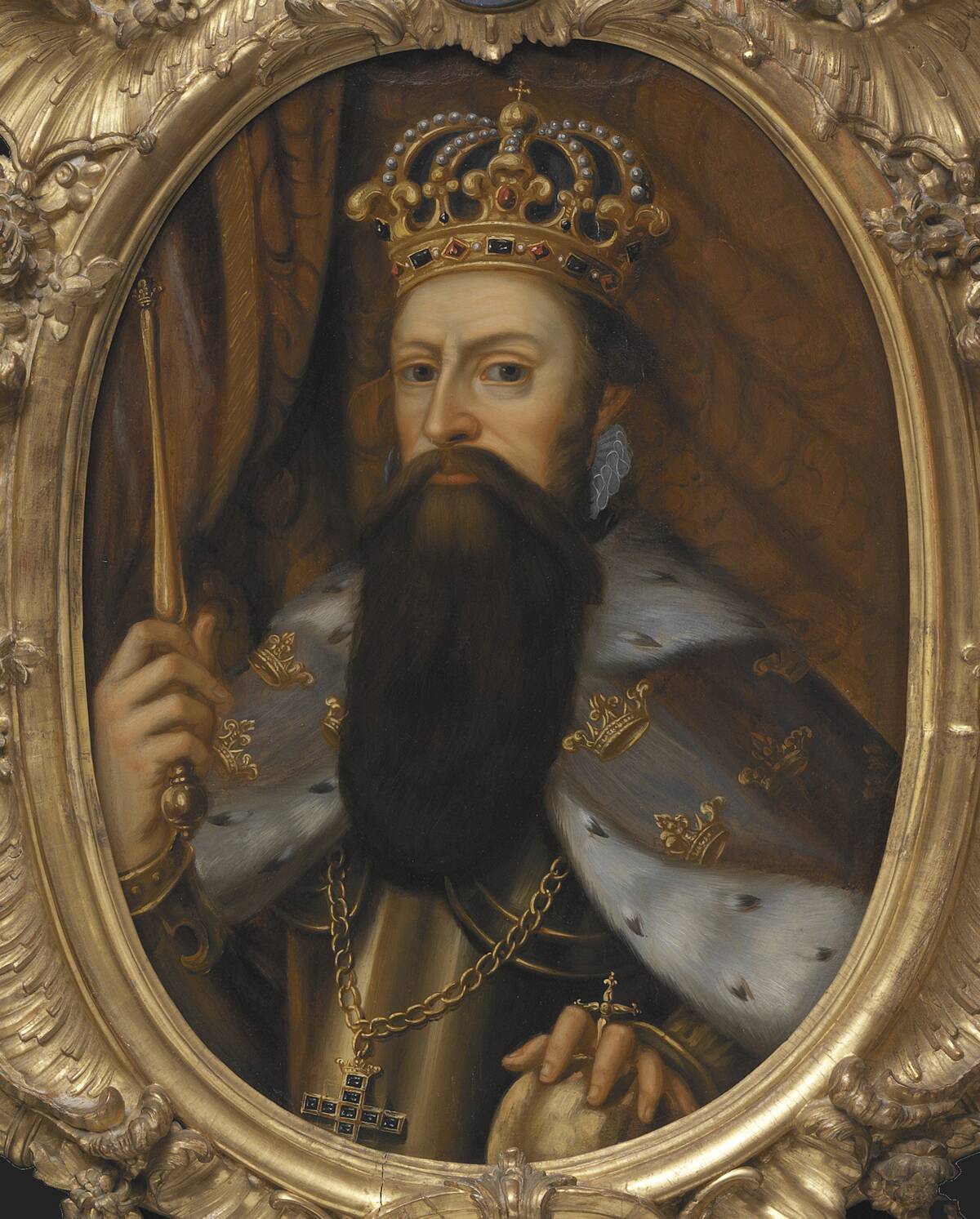
The Vasas were a royal dynasty that ruled Sweden and Poland during the 16th and 17th centuries. Gustav Vasa, the founder, is celebrated for establishing Swedish independence from Denmark. Under their rule, Sweden became a major European power, known for its military prowess and cultural achievements.
The dynasty’s influence waned with the ascension of other royal houses, but the Vasa era is remembered for its contributions to state-building and national identity.
The Dukes of Burgundy: The Grand Dukes of the West
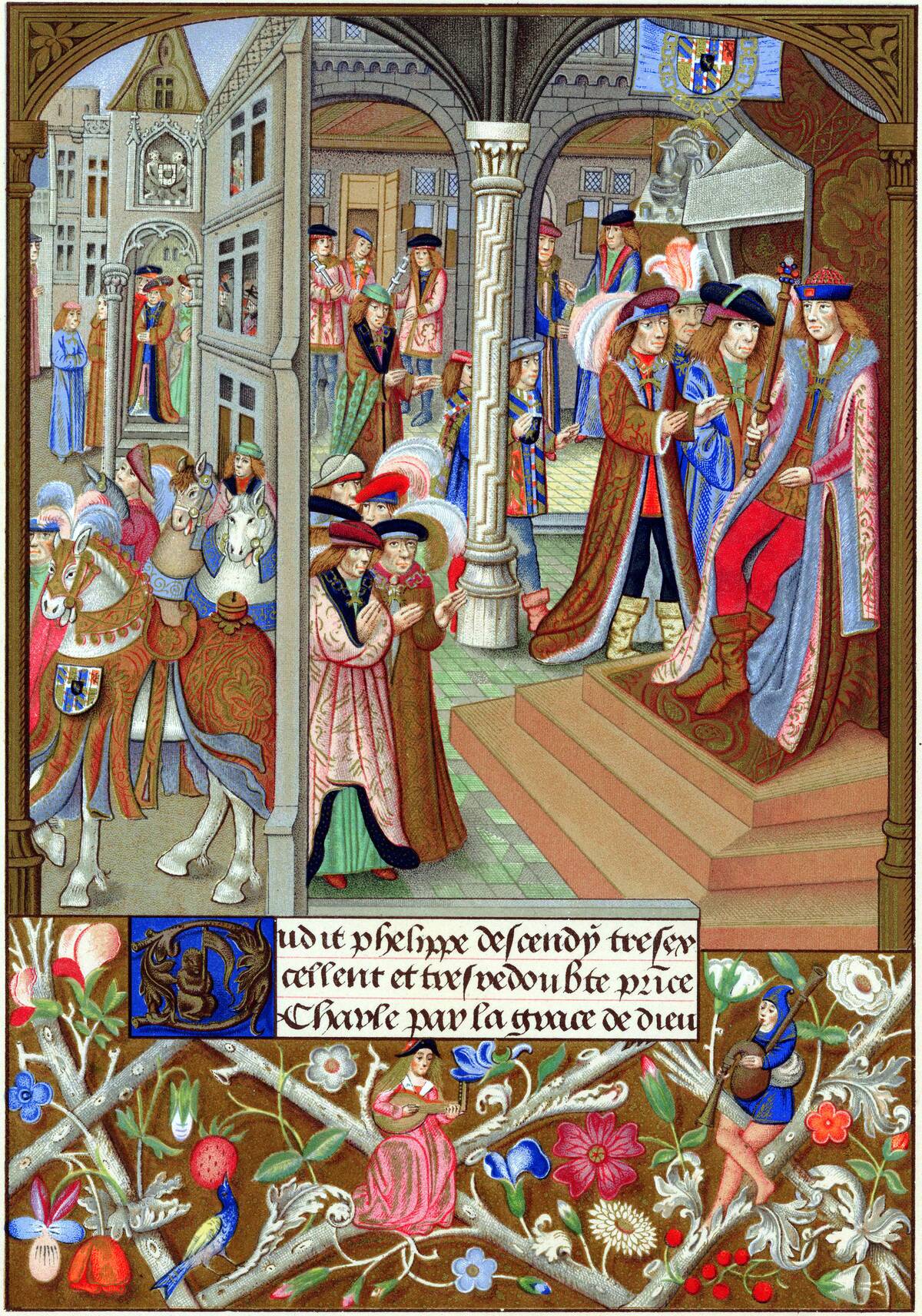
The Dukes of Burgundy were influential rulers in the 14th and 15th centuries, known for their wealth and cultural patronage. They controlled territories that spanned over modern-day France, Belgium, and the Netherlands.
The Burgundian Court was a center of art and culture, fostering the Northern Renaissance. Despite their power, the duchy eventually fell to the Habsburgs, marking the end of an era. Their legacy survives in the region’s cultural and architectural heritage.
The House of Bourbon-Parma: The Lesser-Known Bourbons
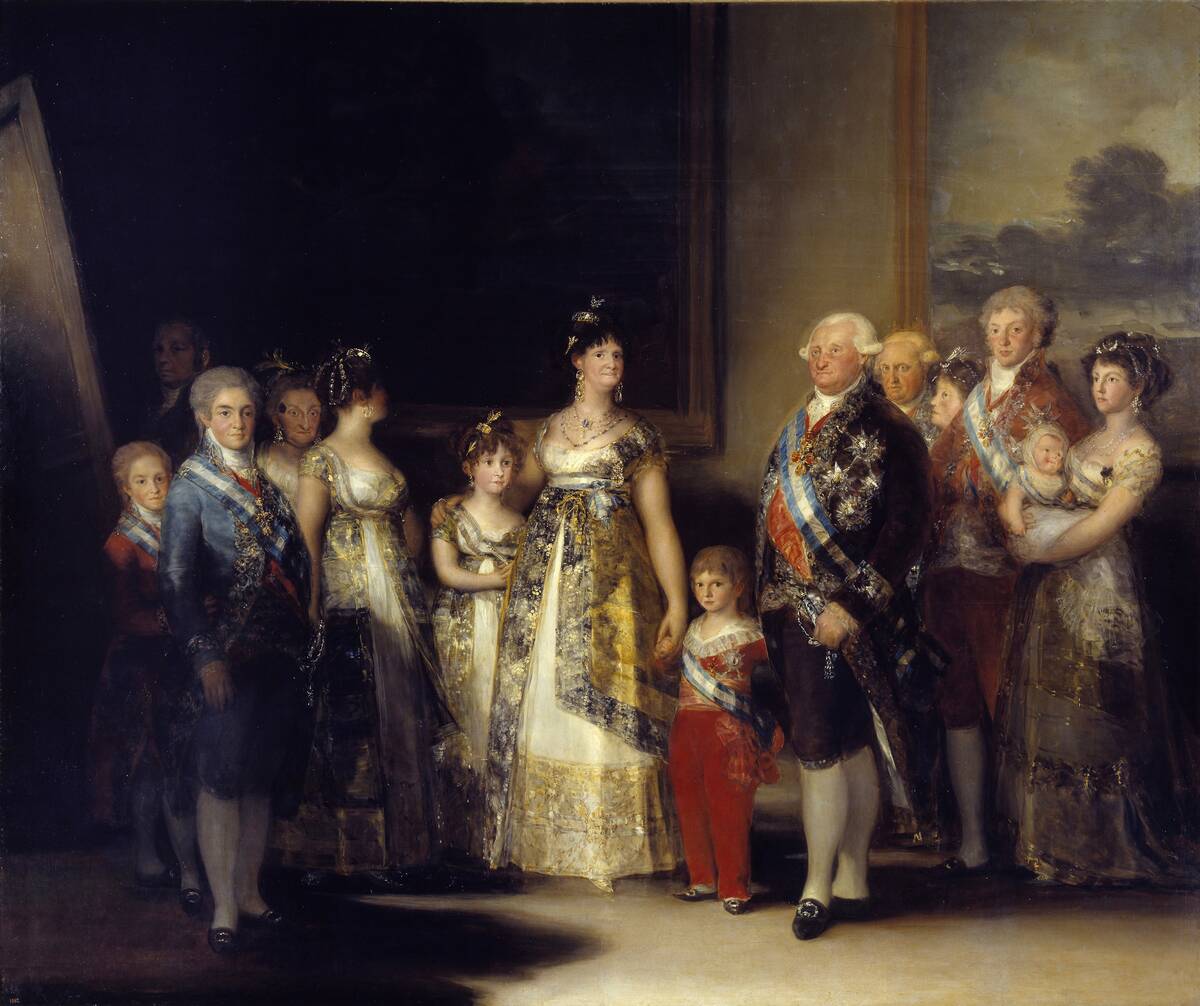
A cadet branch of the more famous Bourbon dynasty, the House of Bourbon-Parma ruled over parts of Italy, including Parma and Piacenza. Established in the 18th century, they played a significant role in European politics through strategic marriages and alliances.
Although their territories were annexed during the Napoleonic Wars, the family continues to hold noble titles. The Bourbon-Parmas are remembered for their cultural contributions and efforts to maintain their independence.
The House of Stuart: Scotland’s Royal Heritage
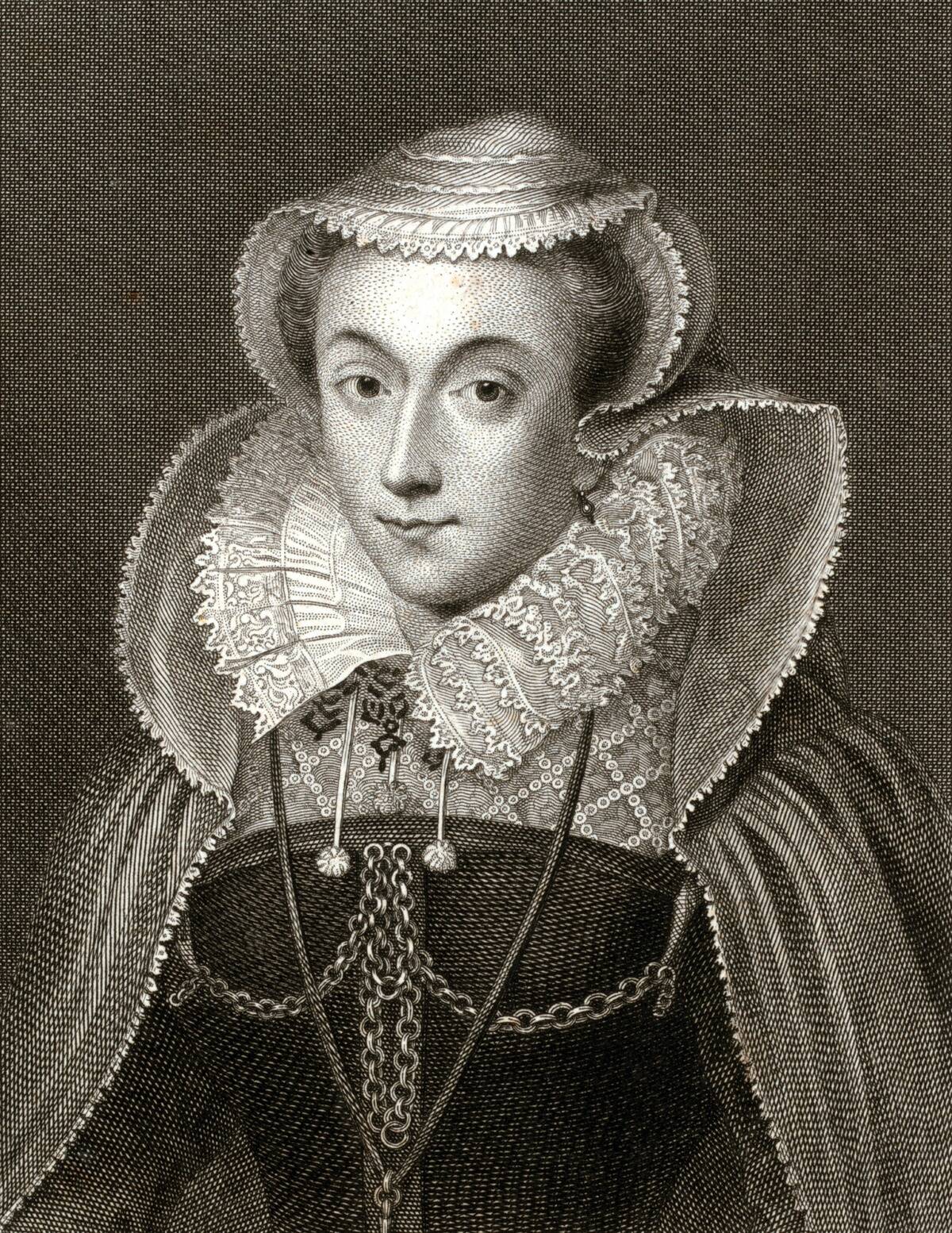
The House of Stuart ruled Scotland from the late 14th century and later took the English throne, uniting the two crowns under James VI and I. Their reign was marked by religious turmoil, including the English Civil War.
The Stuarts are remembered for their patronage of the arts and contributions to the cultural landscape of both Scotland and England. Despite losing the throne in 1714, the Stuart legacy is preserved in British history and heritage.
The Kingdom of Galicia and Lodomeria: An Austro-Hungarian Enigma
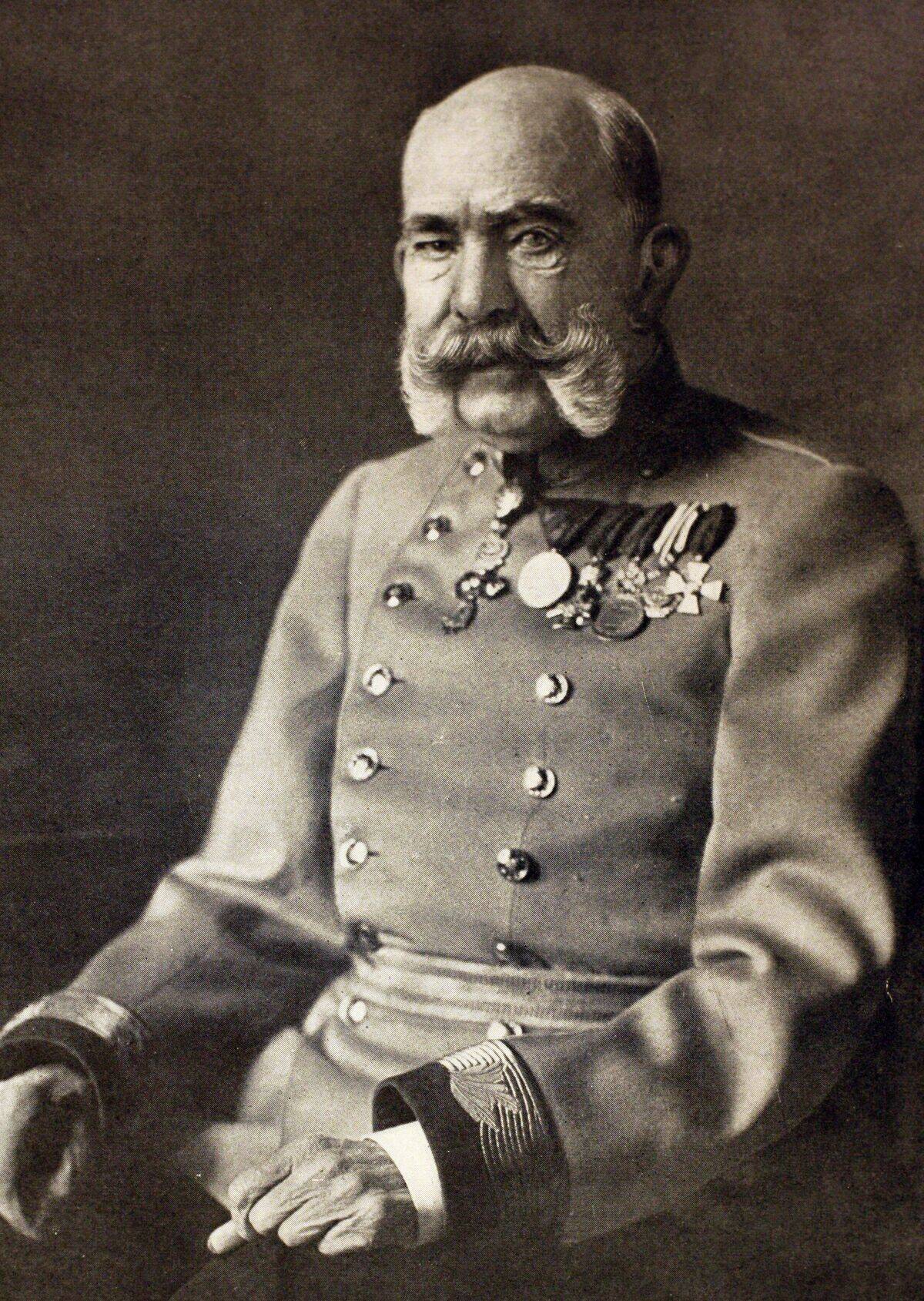
Galicia and Lodomeria were a crown land of the Austro-Hungarian Empire, located in what is now Poland and Ukraine. Established in the late 18th century, it was a melting pot of cultures and ethnicities, including Poles, Ukrainians, and Jews.
The region played a significant role in the empire’s economy and politics. Despite its dissolution after World War I, Galicia’s complex history and cultural diversity continue to be subjects of interest and study.