How early telescopes unveiled hidden worlds in the night sky
In the early days of astronomy, the night sky was a mystery waiting to be unraveled. The invention of the telescope in the early 17th century marked a revolutionary step forward in our quest to understand the universe.
This simple yet ingenious device allowed astronomers to peer deeper into the cosmos, transforming pinpricks of light into worlds of possibility. The telescope was more than just a tool; it was a gateway to the stars, inviting humanity to explore the wonders beyond Earth.
The Birth of the Telescope: A Game-Changer for Astronomy
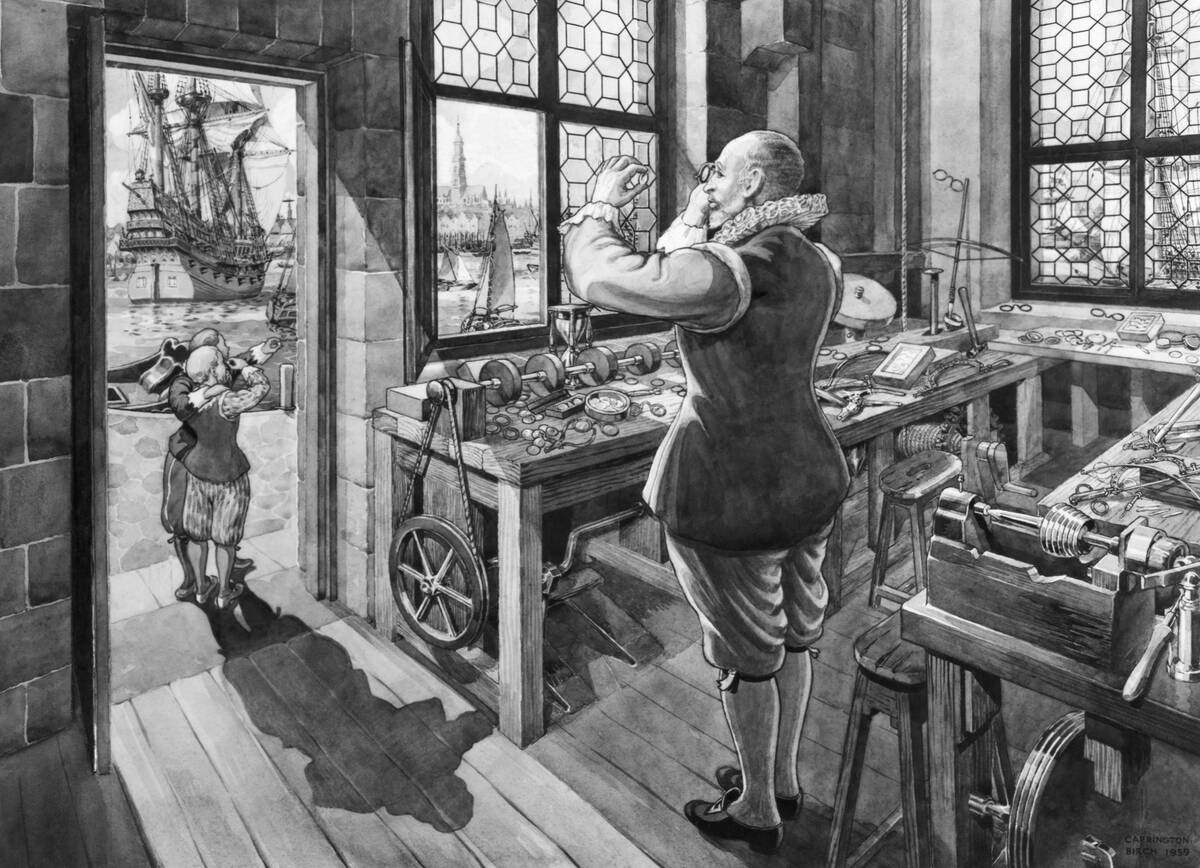
The telescope was first invented in the Netherlands in 1608 by Hans Lippershey, a spectacle maker. Although his design was rudimentary, consisting of a convex and a concave lens, it set the stage for a new era in observational science.
Soon after, other inventors like Jacob Metius and Zacharias Janssen also claimed to have created similar devices. These early telescopes could magnify objects three to four times, a modest beginning that would soon lead to groundbreaking discoveries in astronomy.
Galileo Galilei: The Man Who Turned the Telescope to the Stars
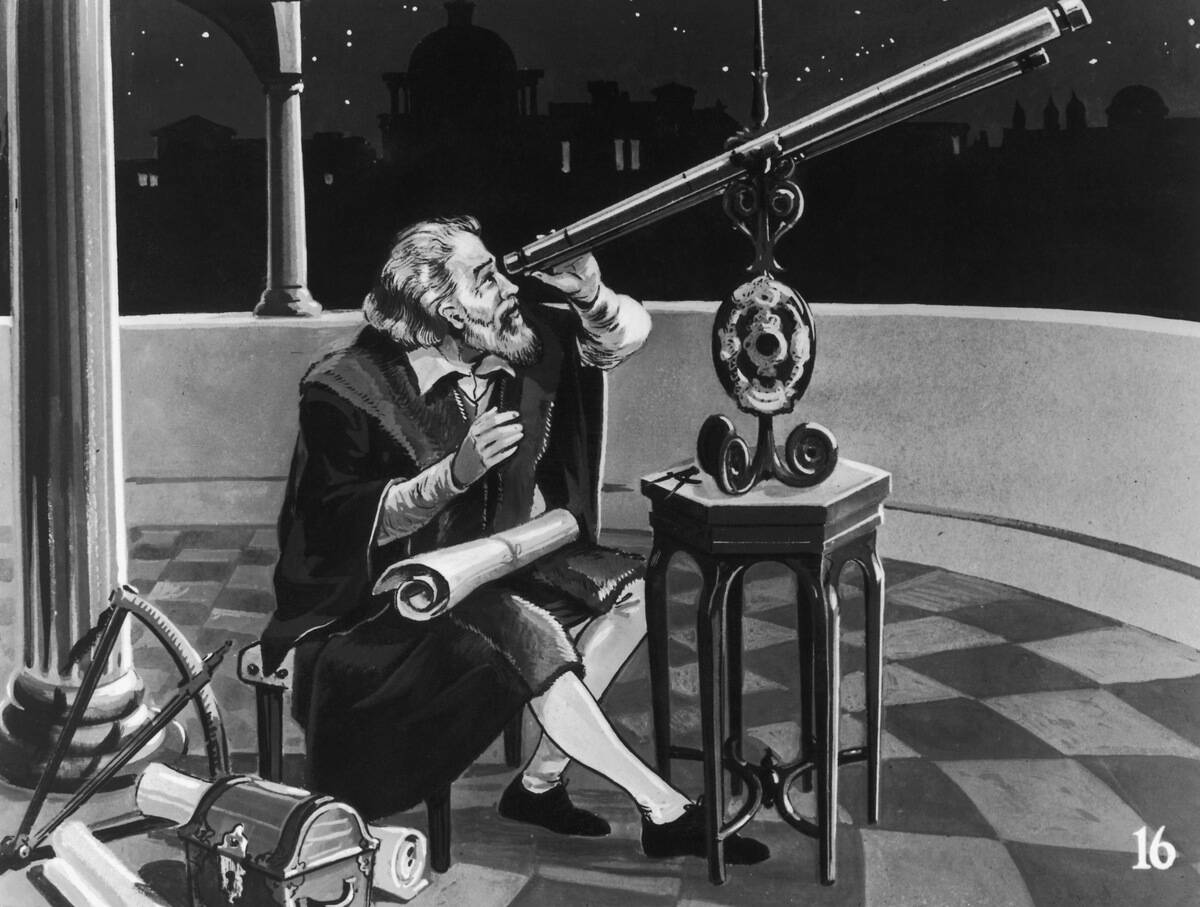
Galileo Galilei, the renowned Italian polymath, was among the first to use the telescope for astronomical purposes. In 1609, he constructed his own telecope, which could magnify objects up to 20 times.
With this instrument, Galileo made several important observations, including the discovery of the four largest moons of Jupiter. His findings challenged the Earth-centered model of the universe and supported the Copernican heliocentric theory, forever changing our understanding of the cosmos.
The Moon: From Distant Orb to Detailed World
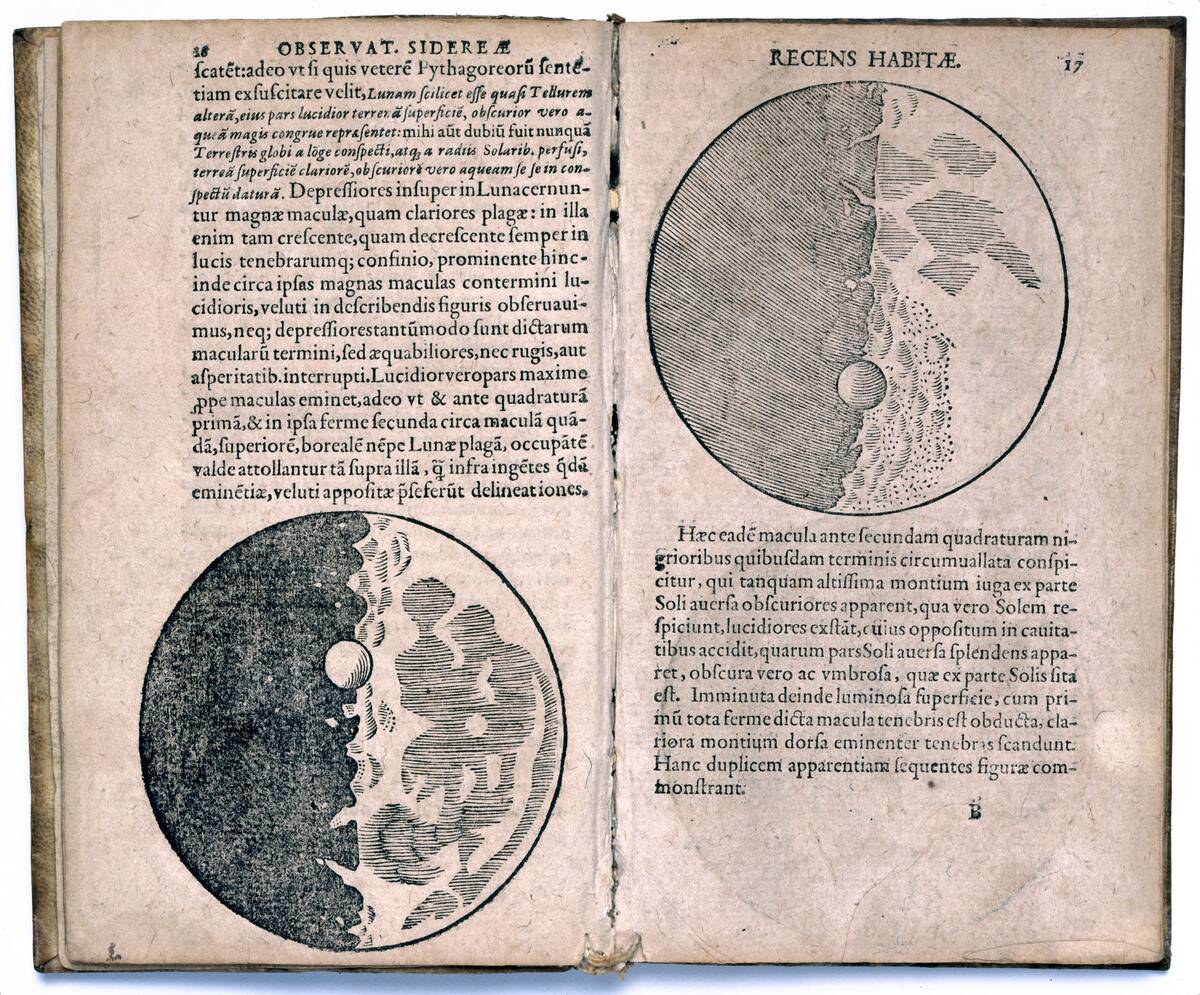
Before the telescope, the Moon was seen as a smooth, featureless orb in the sky. Galileo’s observations in 1610 revealed a rugged landscape filled with mountains and craters, much to the astonishment of his contemporaries.
He meticulously sketched these features in his work, “Sidereus Nuncius”. This revelation that the Moon had a terrain similar to Earth was a pivotal moment, as it suggested that celestial bodies were not perfect divine spheres, but worlds with their own complexities.
Jupiter and Its Moons: A Mini Solar System in Our Backyard
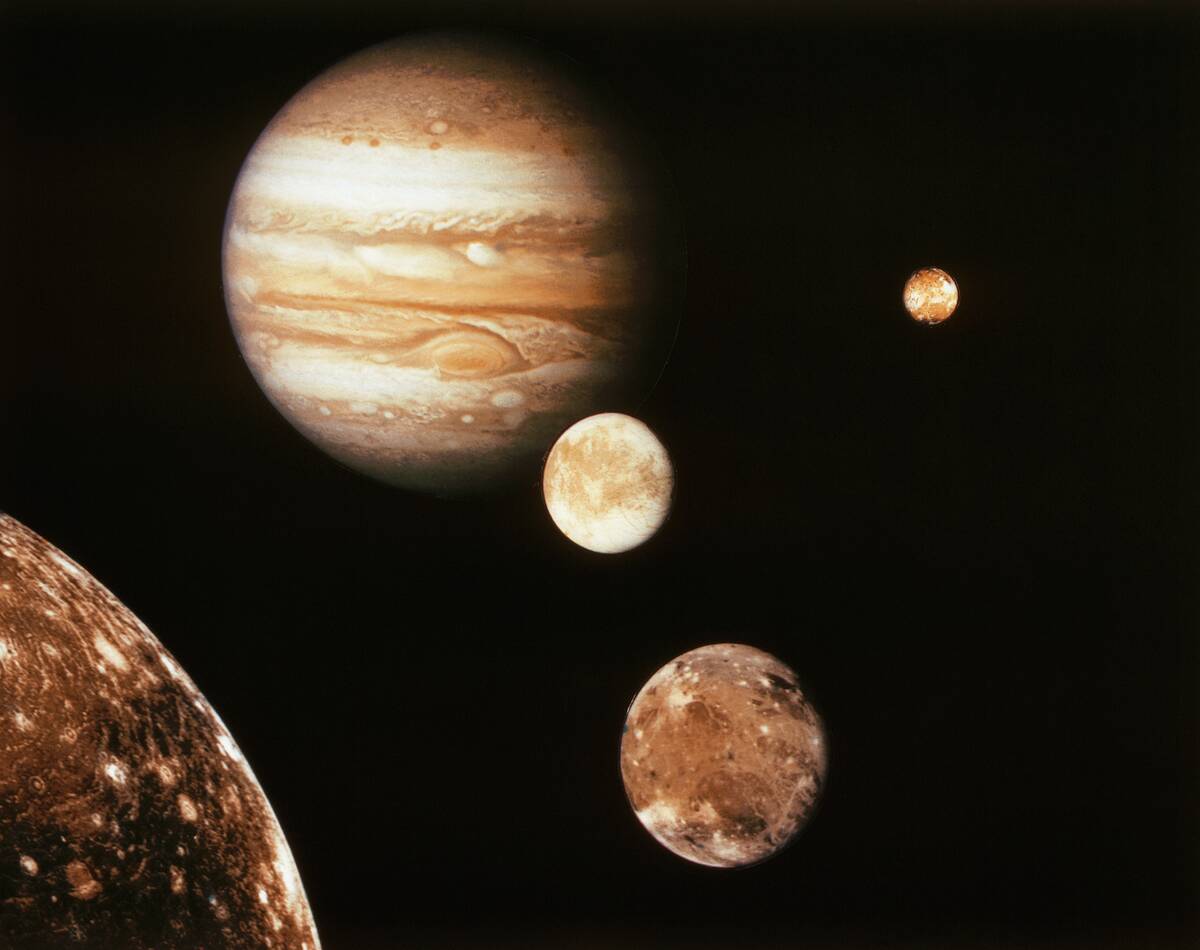
Galileo’s discovery of Jupiter’s four largest moons, Io, Europa, Ganymede, and Callisto, in January 1610 was groundbreaking. These moons, now known as the Galilean moons, were the first objects found to be orbiting another planet, providing clear evidence that not everything revolved around the Earth.
This discovery was crucial in supporting the heliocentric model of the solar system. It also opened up new questions about the nature of planetary systems, hinting at the complexity of our own cosmic neighborhood.
Saturn’s Rings: From Blurry Bands to Celestial Jewels

When Galileo first observed Saturn through his telescope in 1610, he described it as having “ears”. His telescope lacked the resolution to discern the rings clearly, so he was puzzled by their appearance.
It wasn’t until the mid-17th century that Christiaan Huygens, using a more advanced telescope, accurately identified them as rings. These magnificent structures, composed of countless ice and rock particles, captivate astronomers and the public alike, showcasing the beauty and intricacy of our solar system.
Venus: Phases of a Cloudy Neighbor
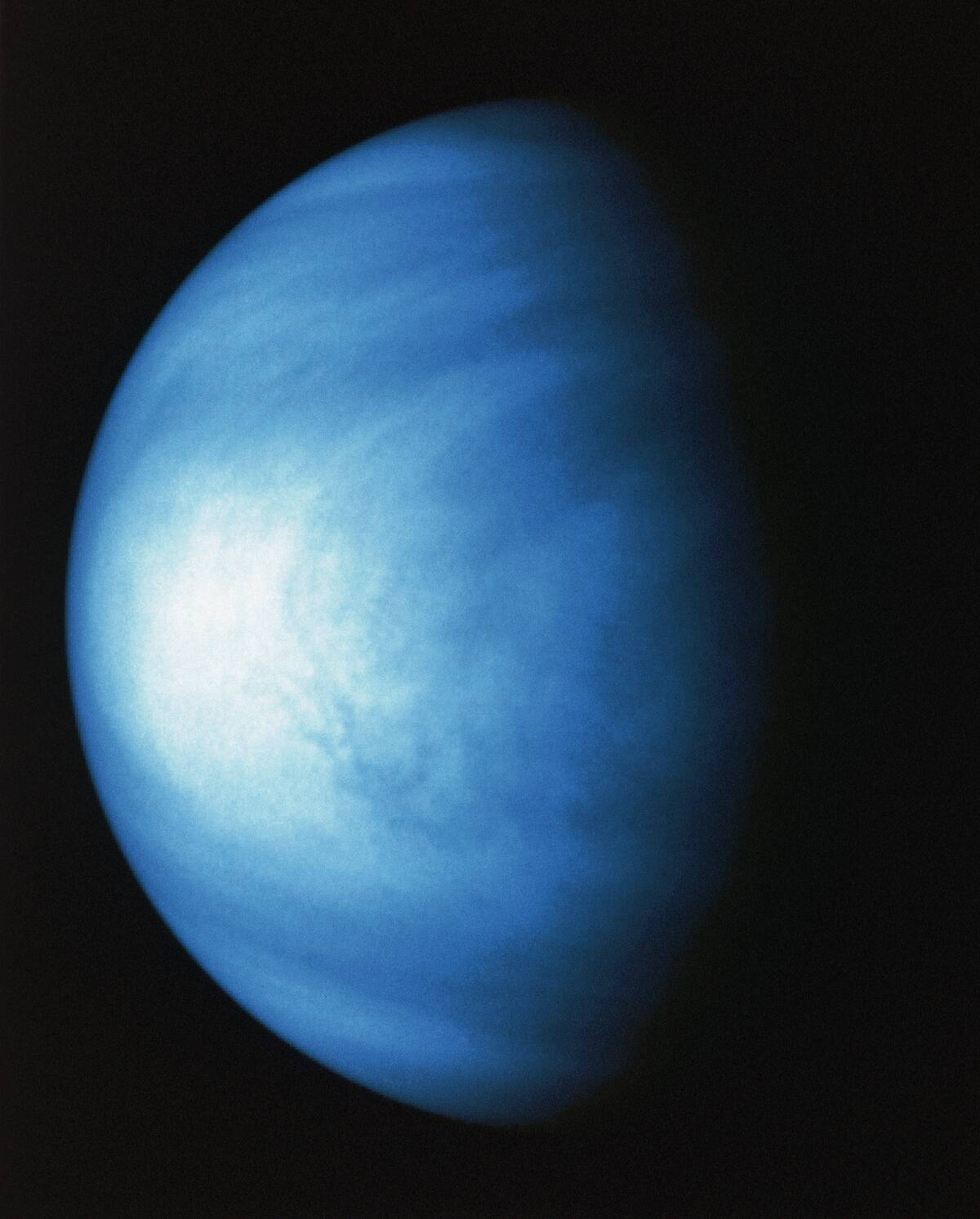
One of Galileo’s significant discoveries was the observation of Venus’s phases, akin to those of the Moon. This was impossible to explain under the geocentric model, where planets and the Sun orbited Earth.
Instead, the phases of Venus provided strong evidence for the heliocentric model, as they could only be observed if Venus orbited the Sun. This discovery was a crucial piece of evidence in the scientific shift toward accepting the Sun-centered solar system.
Mars: Observing the Red Planet’s Mysteries
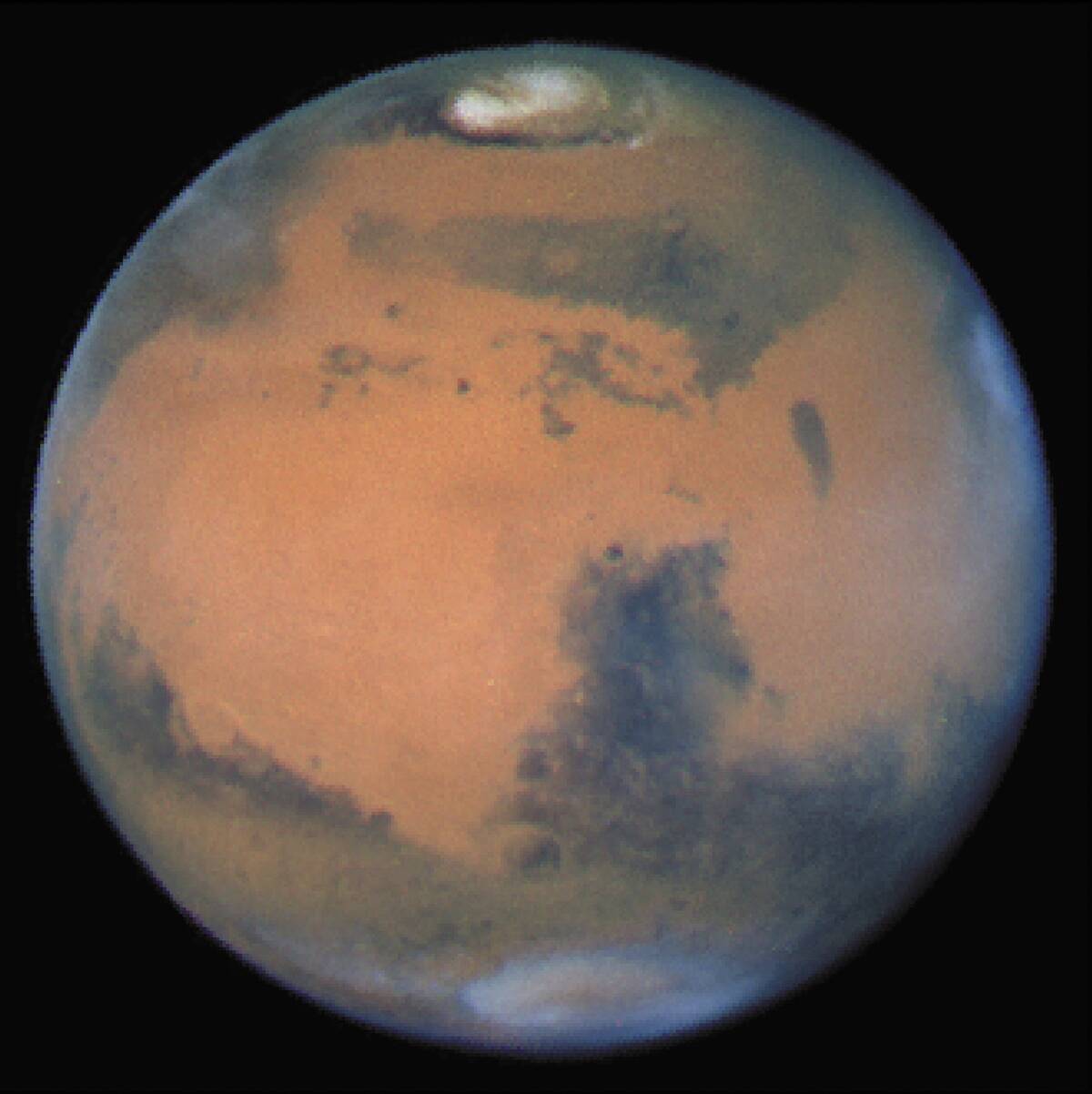
Early telescopic observations of Mars revealed a mysterious, reddish disk with dark markings that shifted over time. In 1659, Christiaan Huygens sketched the first known drawing of Mars, noting a dark spot that he accurately identified as Syrtis Major.
These observations laid the groundwork for understanding the rotation and seasonal changes of Mars, sparking curiosity and leading to the future exploration of a planet now known as a possible harbinger of life beyond Earth.
Discovering the Stars: Beyond the Naked Eye
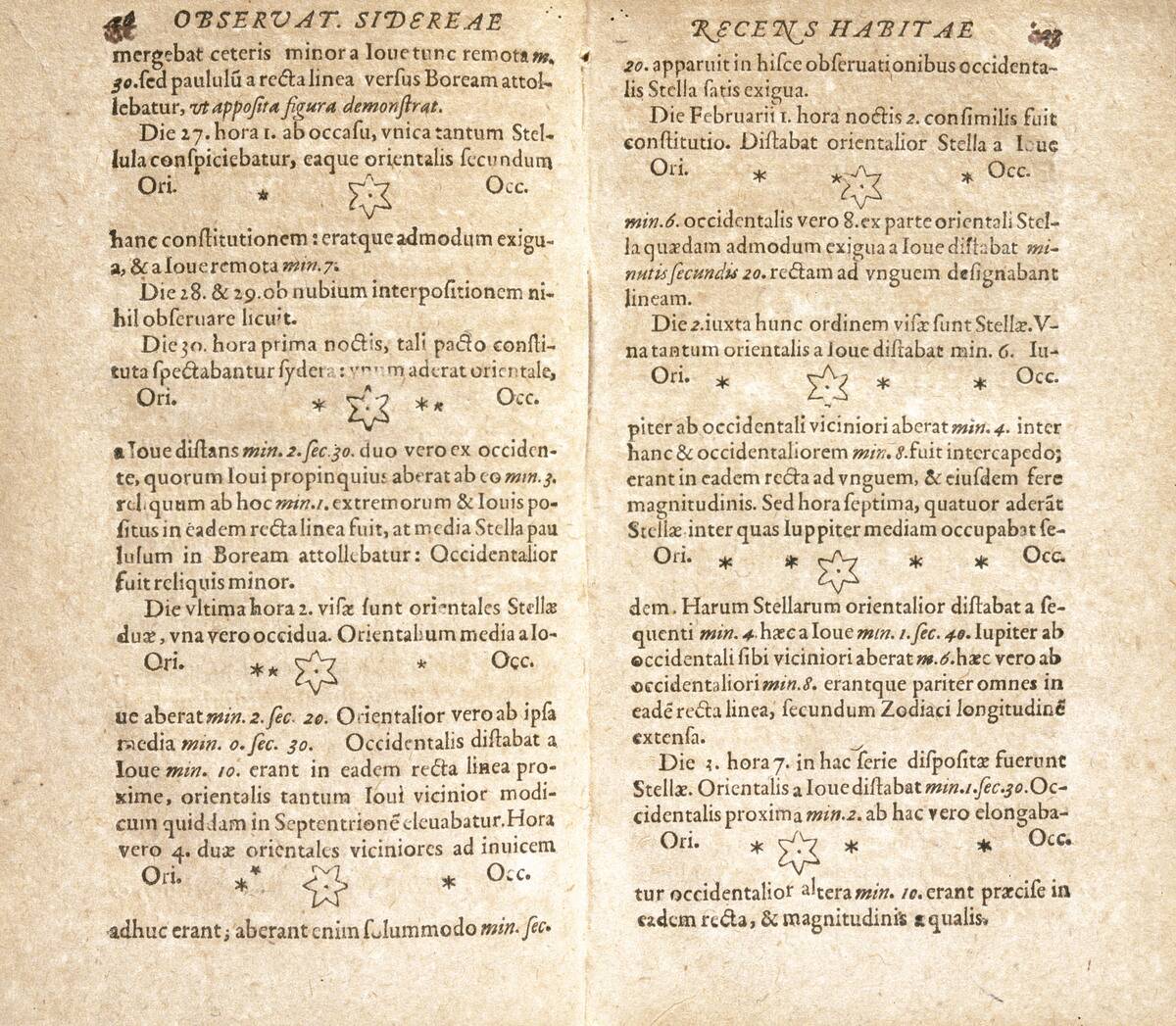
Before telescopes, thousands of stars were visible to the naked eye, but the invention of the telescope expanded this number exponentially. Galileo’s observations revealed that the Milky Way was composed of countless stars too faint to see unaided.
This discovery fundamentally changed the perception of our universe, revealing its vastness and complexity. Telescopes allowed astronomers to map star patterns and discover new celestial objects, fueling an era of star cataloging and deepening our understanding of the cosmos.
Nebulae: The Fuzzy Patches of the Universe
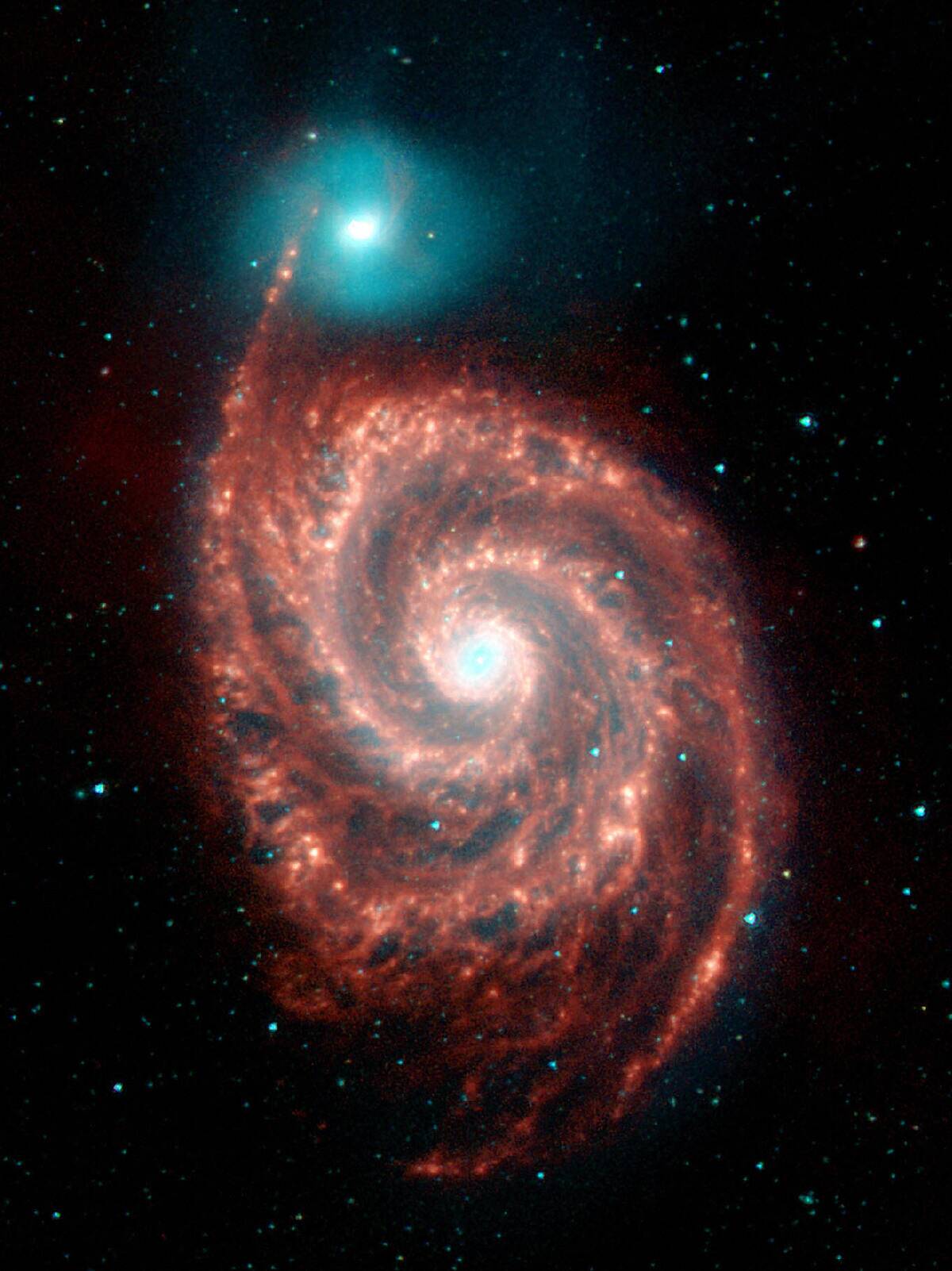
With the advent of the telescope, nebulae were no longer just indistinct patches of light in the sky. Early observers like Charles Messier cataloged these celestial objects, initially mistaking them for comets.
However, the true nature of nebulae as star-forming regions and remnants of stellar explosions wasn’t understood until well into the 20th century. These early observations laid the groundwork for future astronomers to explore the lifecycle of stars and the dynamic nature of the universe.
The Milky Way: From Band of Light to a Galaxy of Stars
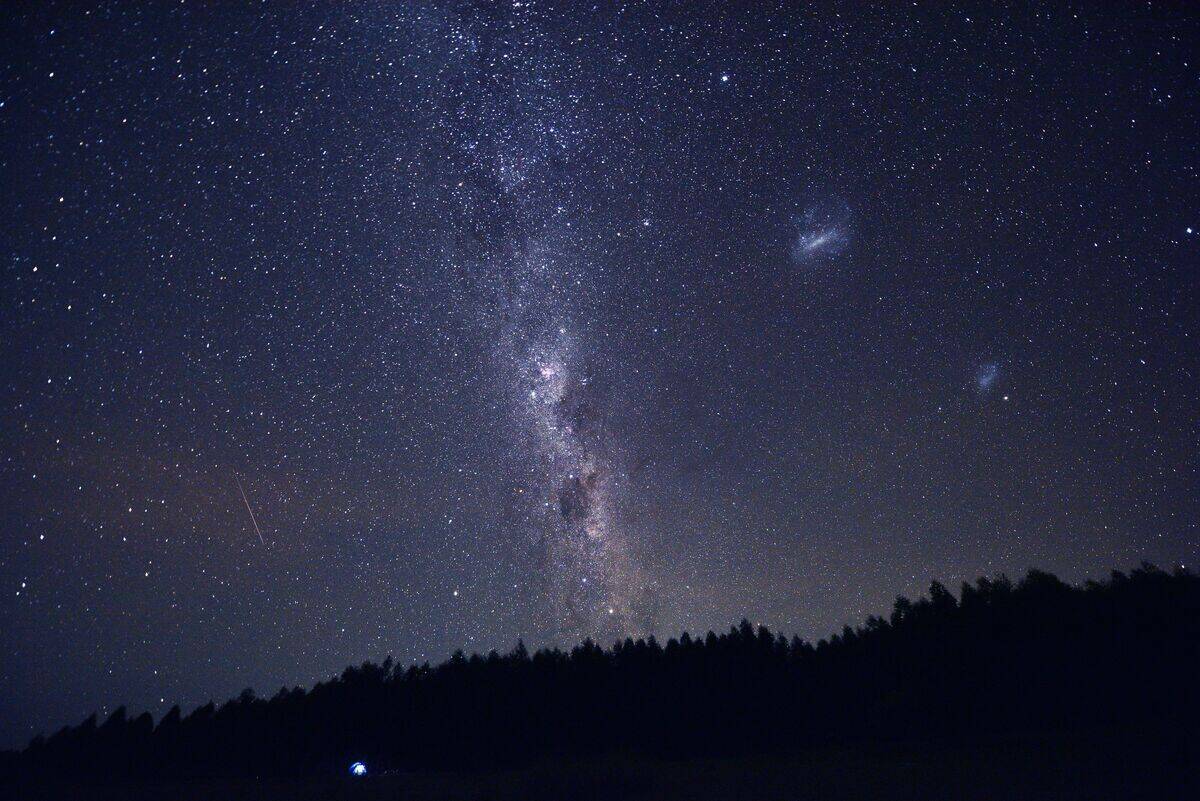
Galileo’s telescope revealed that the Milky Way was not a singular, luminous band, but a sea of countless stars. This discovery was profound, suggesting that the universe was far larger and more complex than previously thought.
The realization that the Milky Way was composed of countless stars expanded our perspective, setting the stage for understanding the structure of the universe and our place within it—a realization that has fascinated astronomers and dreamers for centuries.
The Role of the Telescope in Seafaring and Navigation
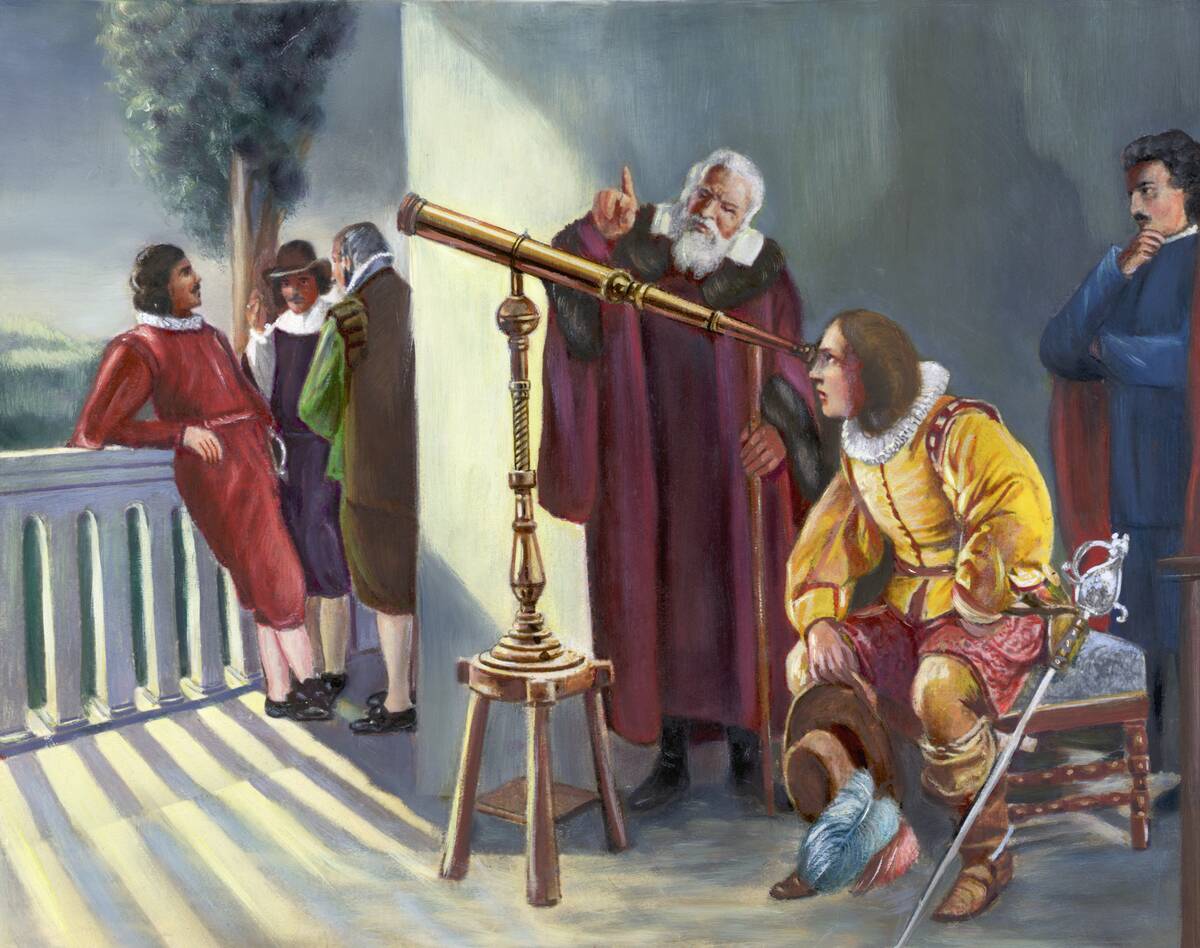
Telescopes weren’t just for stargazing; they played a crucial role in navigation and seafaring. Mariners used telescopes for spotting distant ships and land, enhancing their ability to navigate the vast oceans safely.
The improved accuracy of celestial navigation, thanks to telescopic observations, allowed explorers to travel farther and with more confidence. This technological advancement was a catalyst for the Age of Discovery, facilitating the expansion of trade routes and the exploration of previously uncharted territories.
The Advancements in Lens Technology: Sharper Views of the Cosmos
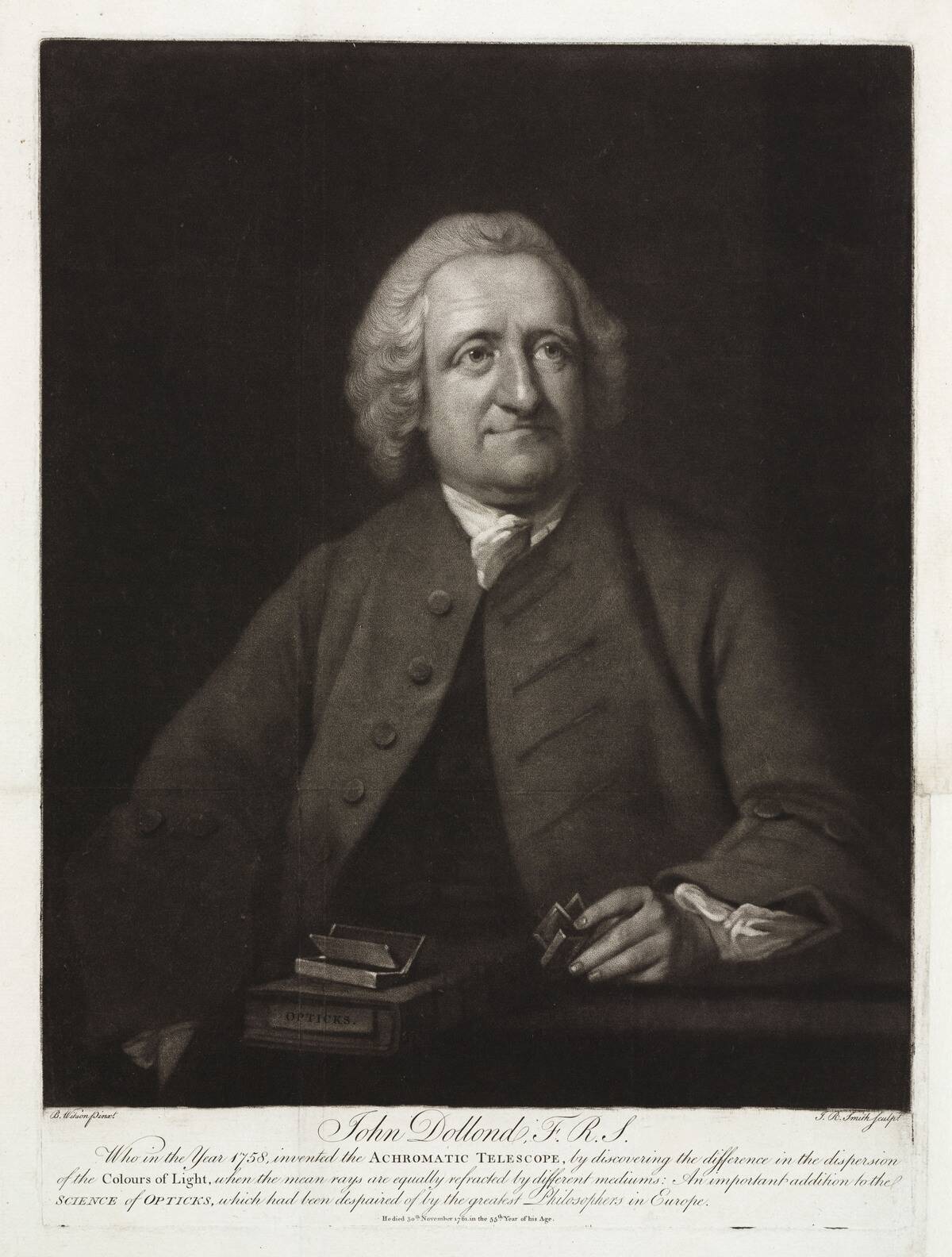
The evolution of lens technology was pivotal in the development of more powerful telescopes. Early lenses were plagued by chromatic aberration, causing images to appear blurred and distorted. The invention of the achromatic lens in the 18th century by John Dollond improved image clarity by reducing color distortion.
These advancements allowed astronomers to observe celestial objects with unprecedented detail, unveiling the intricate beauty of the cosmos and paving the way for future discoveries in astronomy.
The Telescope’s Influence on Other Scientific Discoveries
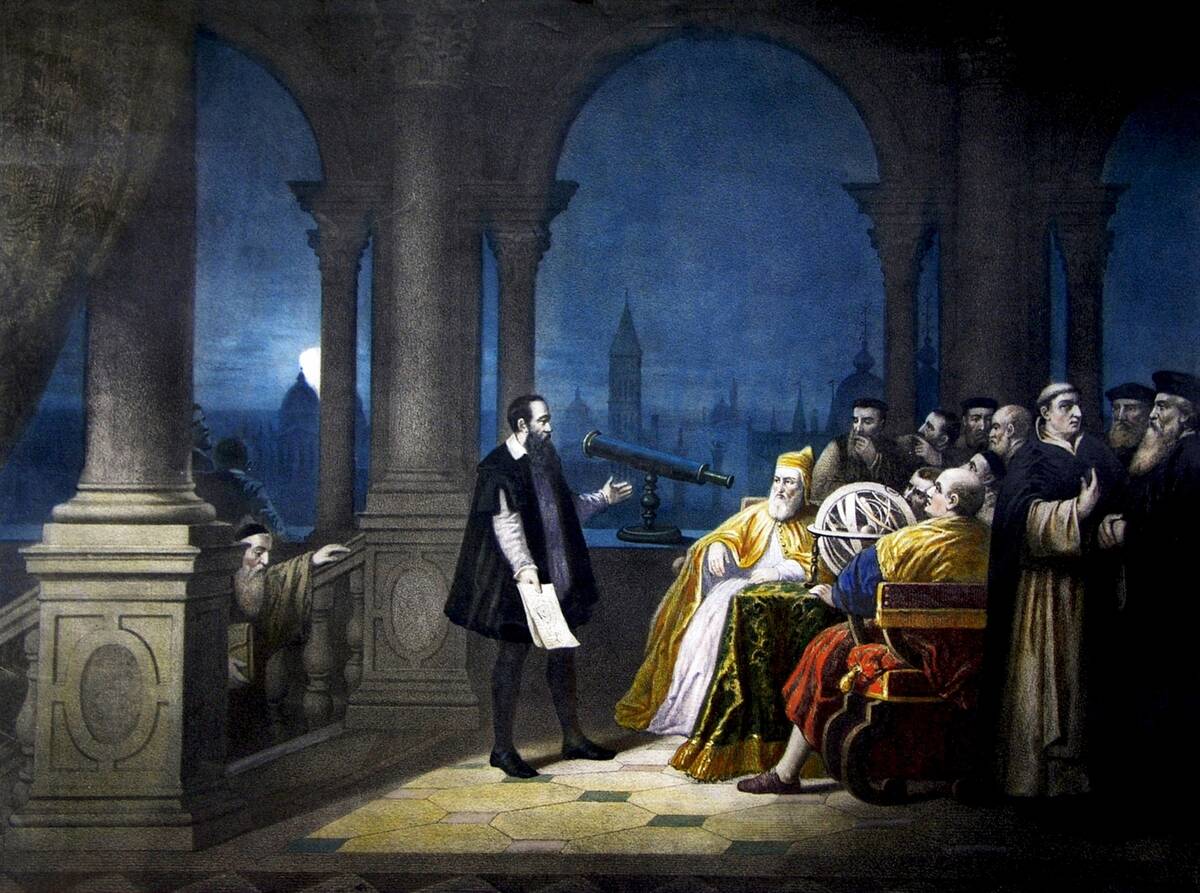
The telescope’s impact extended beyond astronomy, influencing fields like physics and biology. The study of optics and light, essential for improving telescopes, contributed to the development of microscopes, opening up the microscopic world to scientists.
This cross-pollination of ideas led to breakthroughs in understanding light, vision, and the fundamental principles of physics. The telescope exemplified how a single invention could catalyze scientific progress across multiple disciplines, advancing human knowledge on many fronts.
The Cultural Impact of Telescopic Discoveries on Society
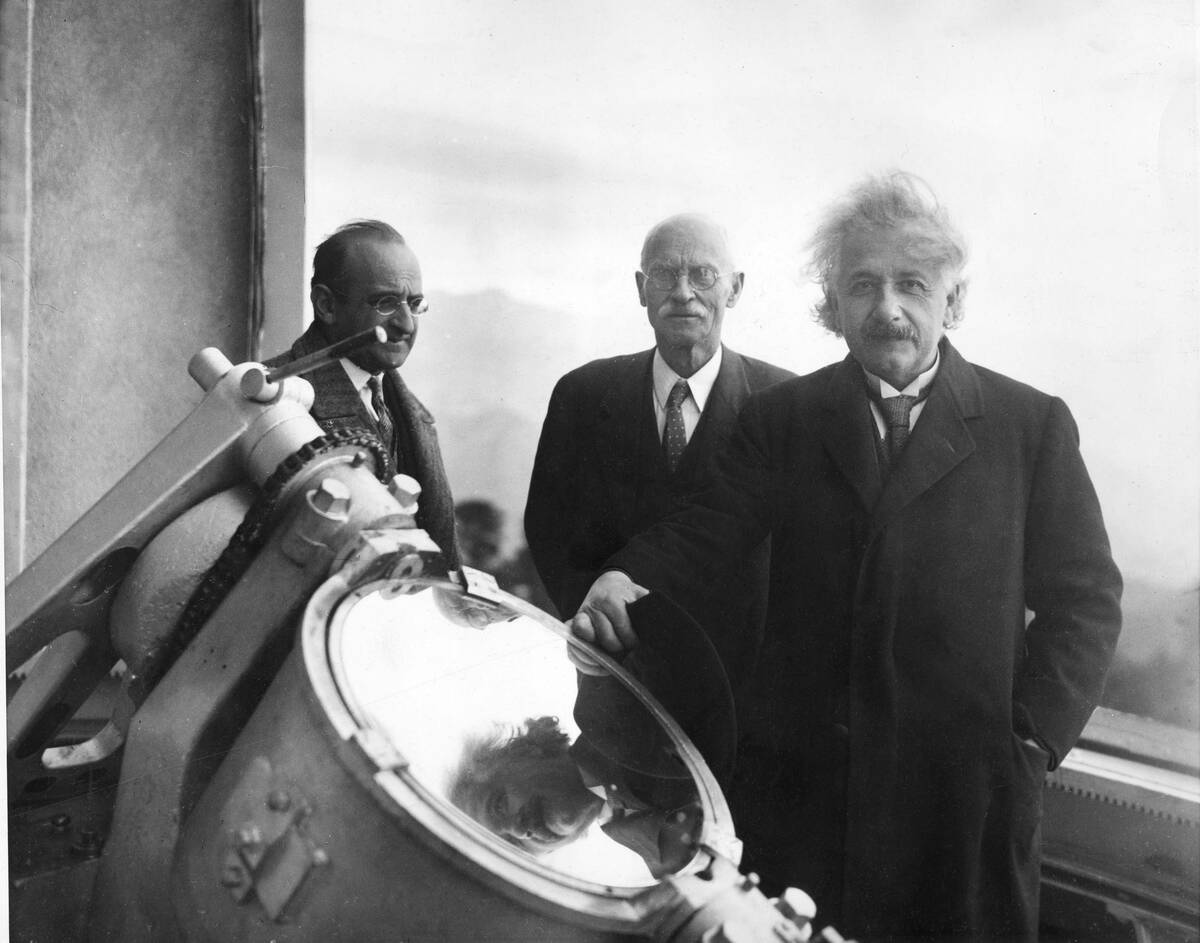
Telescopic discoveries reshaped humanity’s view of the universe, challenging long-held beliefs and inspiring a cultural shift towards scientific inquiry. The realization that Earth was not the center of the universe sparked philosophical debates and influenced literature, art, and religion.
These astronomical revelations encouraged a broader acceptance of scientific ideas, fostering a spirit of curiosity and exploration. The cultural impact of telescopic discoveries continues to resonate today, reminding us of our place in the vast cosmic tapestry.
How Early Telescopes Paved the Way for Modern Astronomy
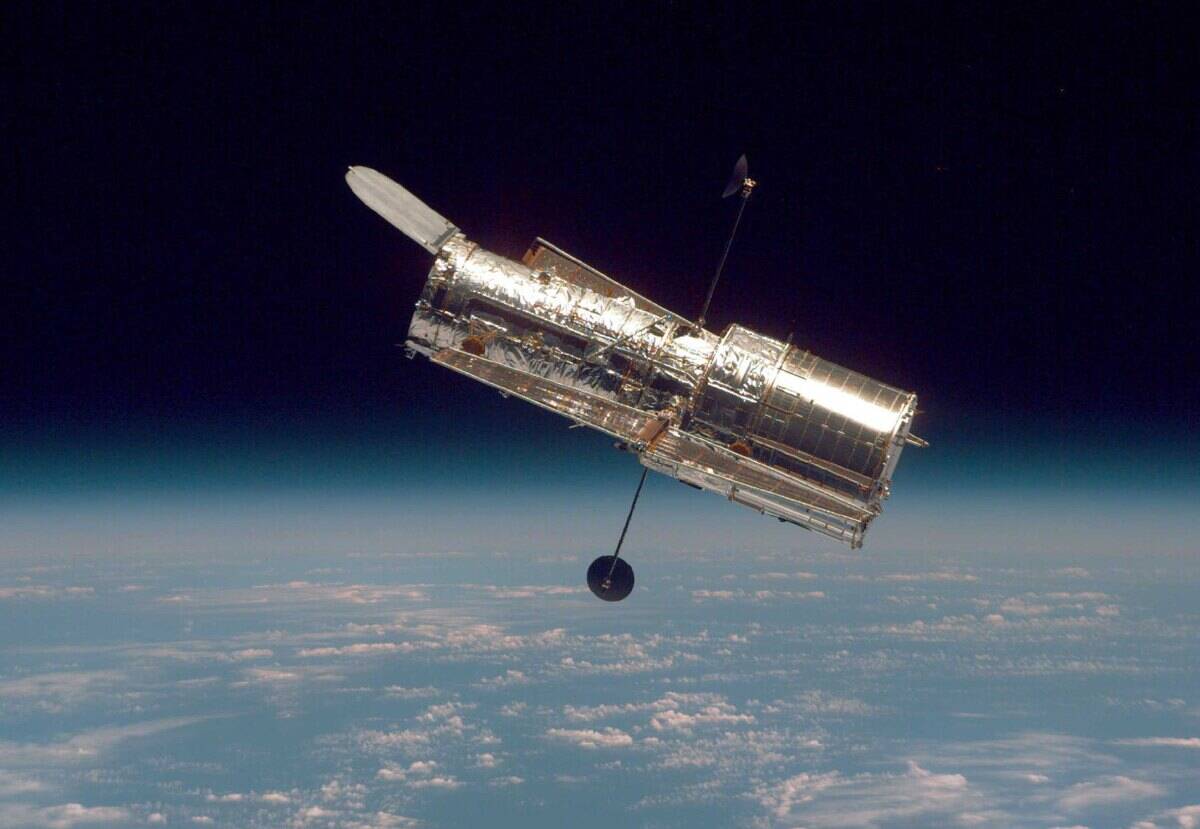
The pioneering work of early telescope users laid the foundation for modern astronomy. Their observations proved that the universe was far more vast and complex than previously imagined. This early work influenced generations of scientists and led to the development of more sophisticated telescopes, such as the Hubble Space Telescope.
By laying the groundwork for a scientific approach to observing the sky, these early astronomers set the stage for the technological advancements that continue to unveil the mysteries of the universe.
Fun Facts about the Pioneers and Their Telescopes
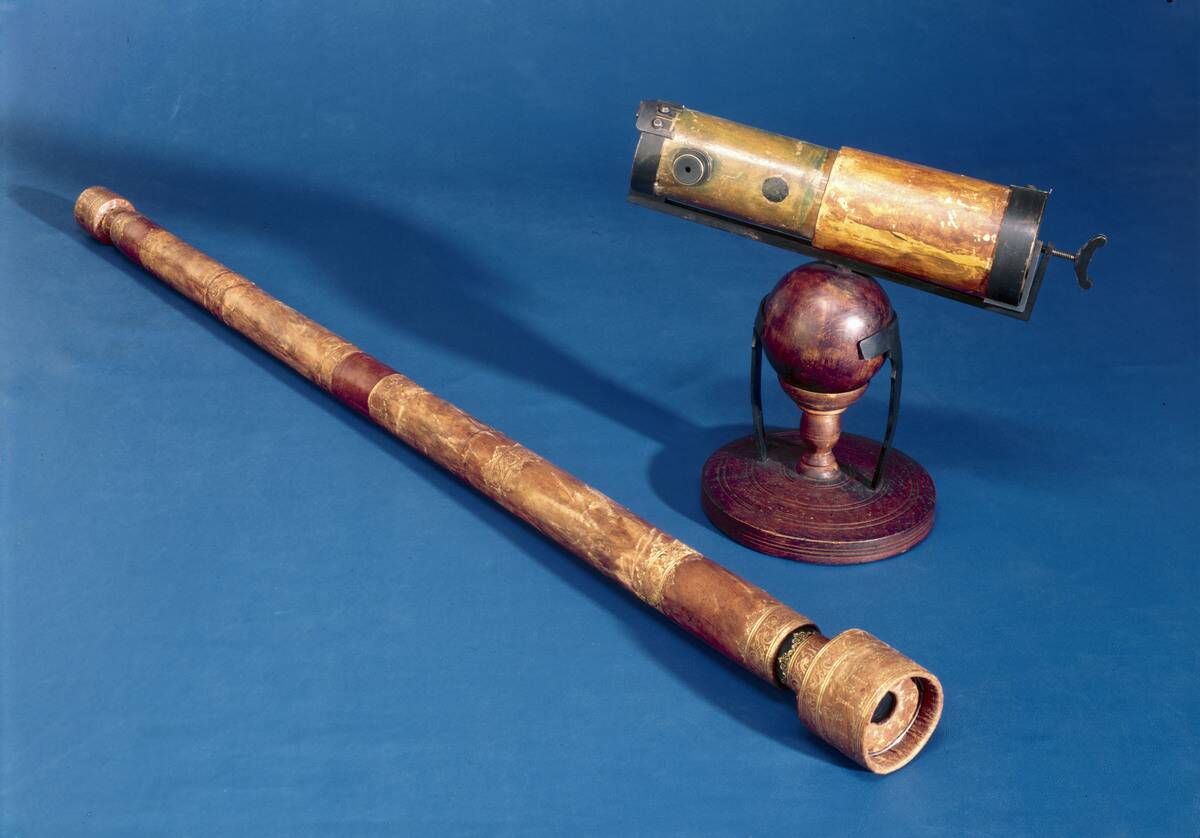
Did you know that Galileo’s telescope was only about two inches in diameter? Despite its small size, it opened up a universe of discovery. Another fascinating tidbit is that Galileo was initially criticized and even faced the Inquisition for his findings, yet he persisted in his endeavors.
Early telescopes were often handmade, leading to unique designs and sometimes quirky imperfections. These pioneers, with their determination and ingenuity, set the stage for the grand telescopic explorations we continue to pursue today.




