What the early days of the Berlin wall looked like
Berlin’s history is a tapestry of contrasts, none more striking than the years it spent divided by the Berlin Wall. This concrete barrier not only split a city but also symbolized the ideological divide of the Cold War.
From 1961 to 1989, the Wall stood as a stark reminder of a world torn between two superpowers, each vying for influence. It was a time when crossing from East to West Berlin could mean freedom, imprisonment or even death, depending on which side of the Wall you stood.
The Political Climate: Why the Wall Went Up
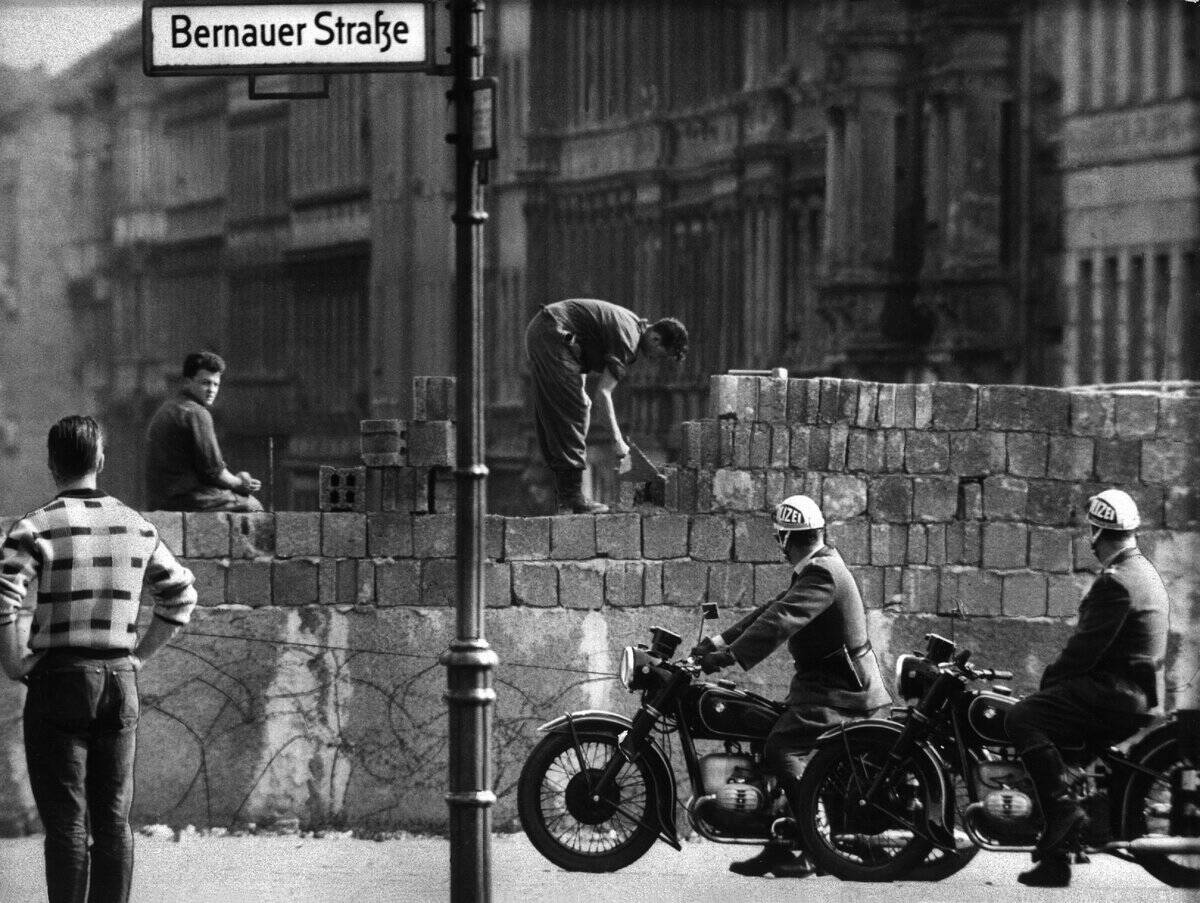
The erection of the Berlin Wall in 1961 was a direct response to the Cold War tensions between the Soviet Union and the Western Allies. East Germany, under Soviet influence, was facing a mass exodus of its citizens to the more prosperous West, causing a ‘brain drain’ that threatened its economic stability.
To curb this, the East German government, with Soviet backing, decided to close the border, effectively sealing off East Berlin from its Western counterpart. This drastic measure was justified as a necessary step to protect the socialist state from Western ‘fascists.’
A City Divided: The Initial Shock
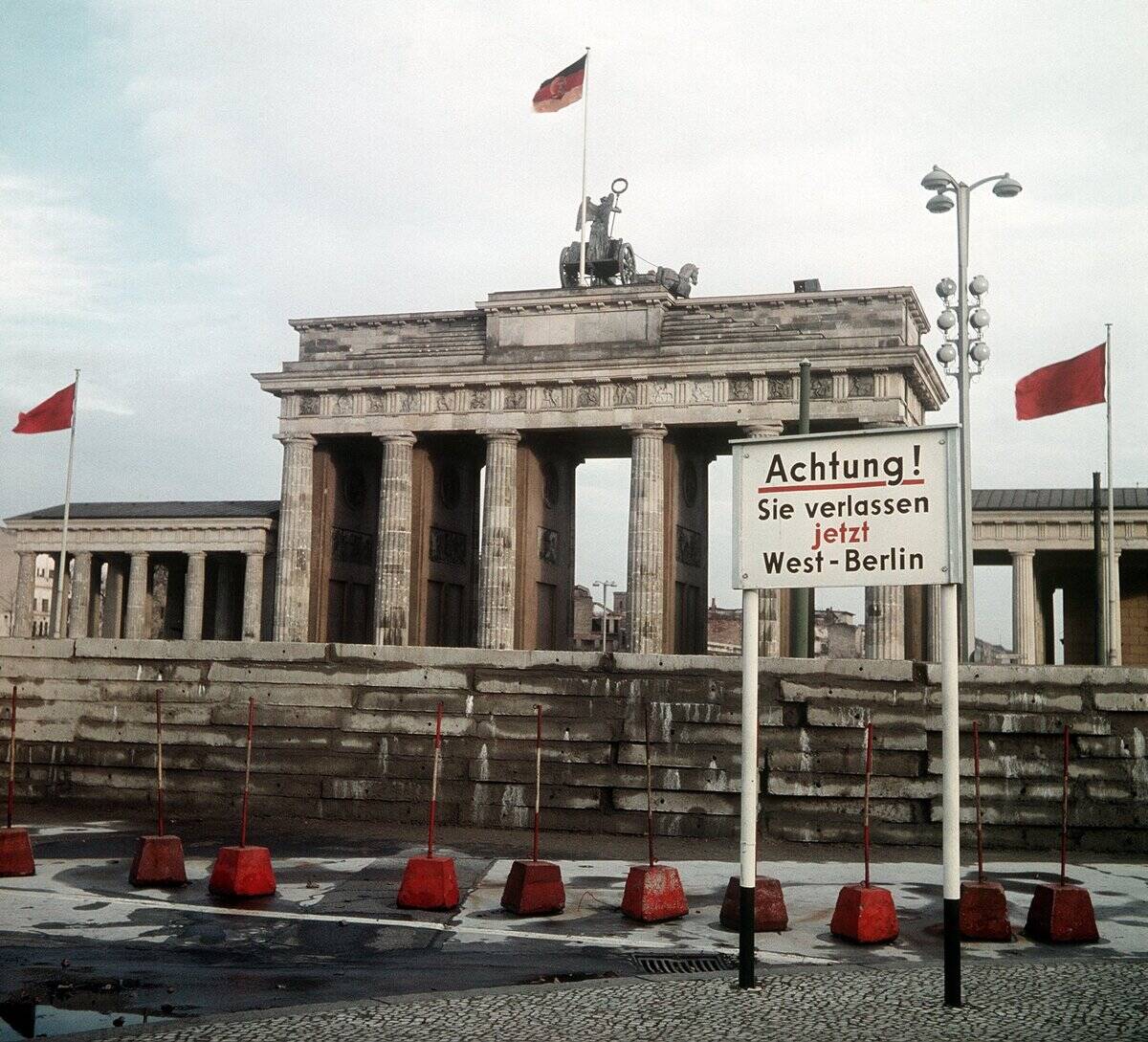
On August 13, 1961, Berliners awoke to find their city abruptly divided. Families, friends, and neighbors were suddenly separated by barbed wire and armed guards. The Wall’s construction shocked residents, many of whom had assumed such an extreme measure was unthinkable.
The initial days saw scenes of chaos as people scrambled to reach loved ones on the other side, unaware that this division would last for nearly three decades. The Wall’s presence was a daily reminder of the Cold War’s impact on ordinary lives, making the once-vibrant city a symbol of division.
Construction Begins: A Wall of Barbed Wire and Concrete
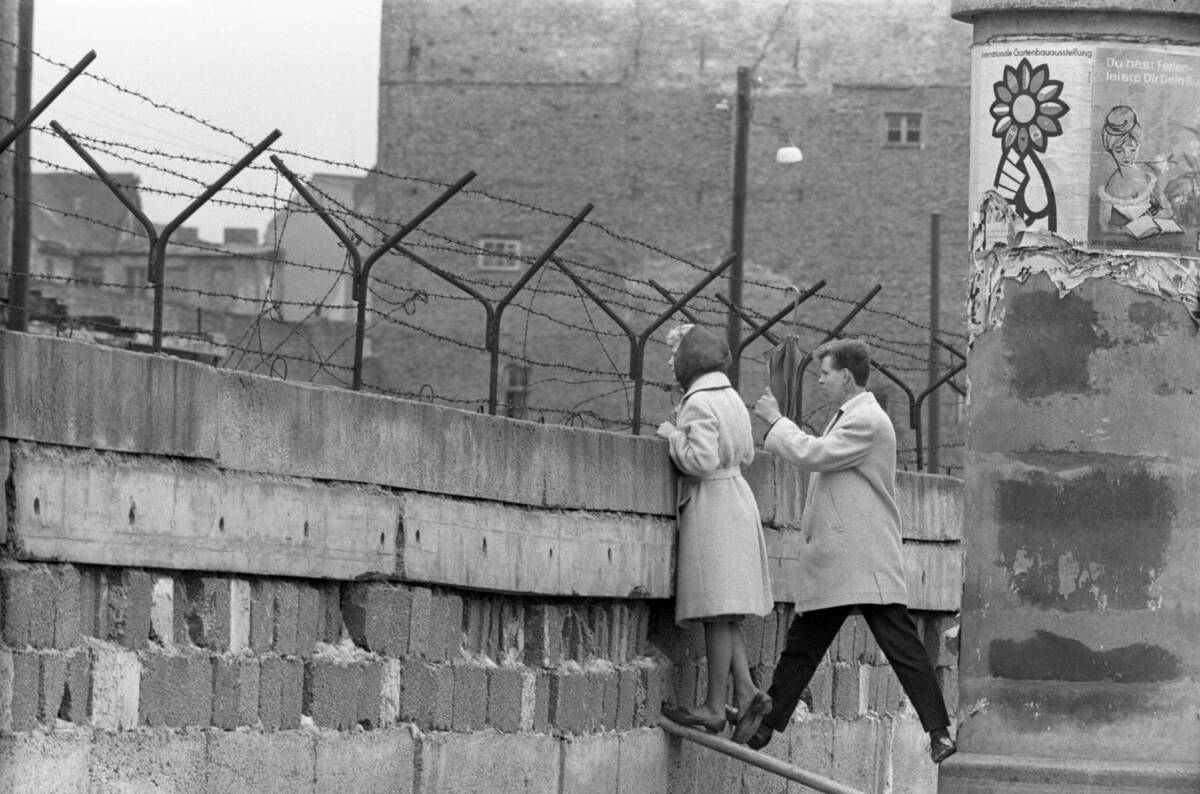
The Berlin Wall started as a humble barbed wire fence, but it quickly transformed into a formidable barrier. Over time, it evolved into a complex structure of concrete slabs, standing 12 feet high and stretching over 96 miles.
Guard towers and anti-vehicle trenches were added to thwart escape attempts. This formidable structure was not just a physical barrier but a psychological one, designed to deter the East Germans from fleeing. The Wall’s construction became a powerful symbol of the lengths to which a government would go to keep its citizens in and others out.
Tales from the Checkpoints: Crossing the Border
Checkpoint Charlie became one of the most famous crossing points between East and West Berlin. It was here that foreign tourists and diplomats could pass between the two sides, often witnessing dramatic confrontations.
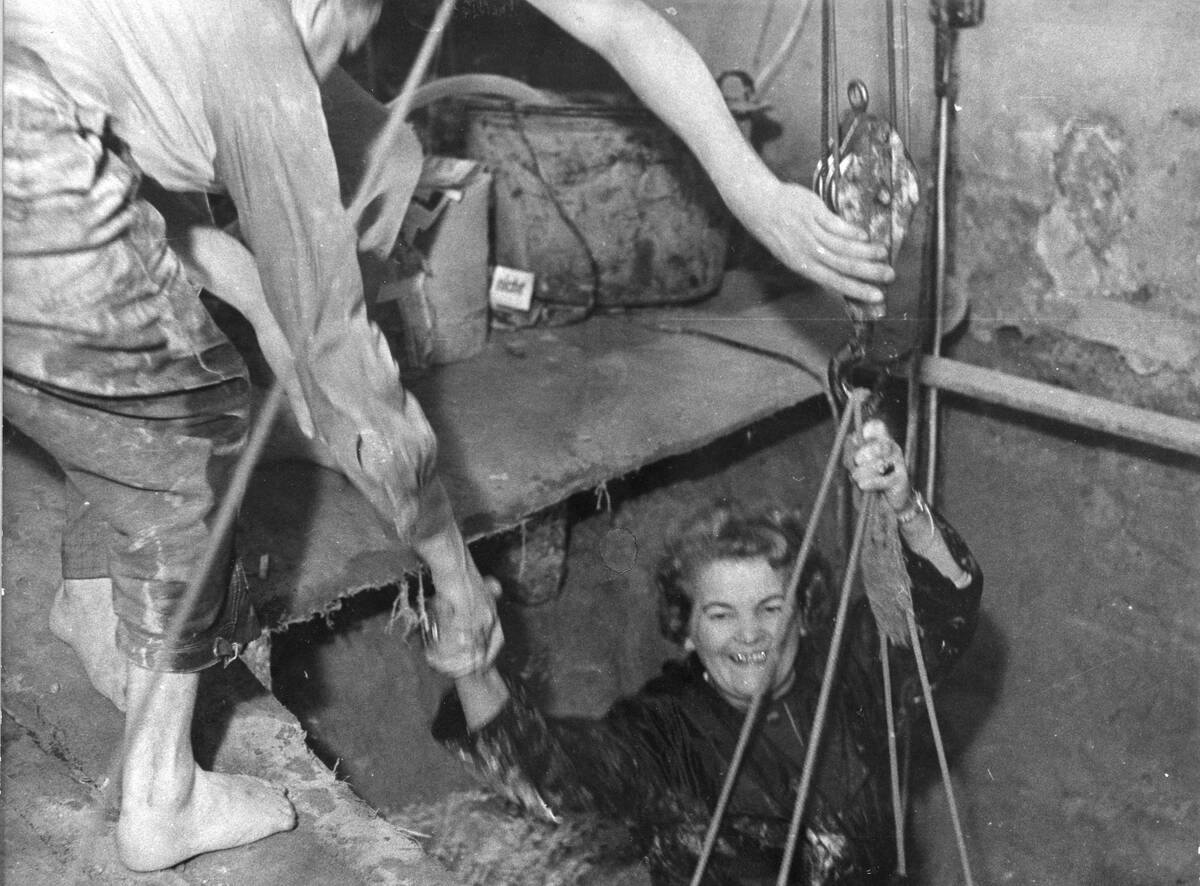
For many East Berliners, crossing the Wall was fraught with danger, requiring elaborate plans and nerves of steel. Stories abound of creative escapes, from tunnels dug under the Wall to daring swims across the Spree River. These tales of ingenuity and bravery highlight the human spirit’s resilience in the face of oppression.
Life on the East Side: Adjusting to the New Normal
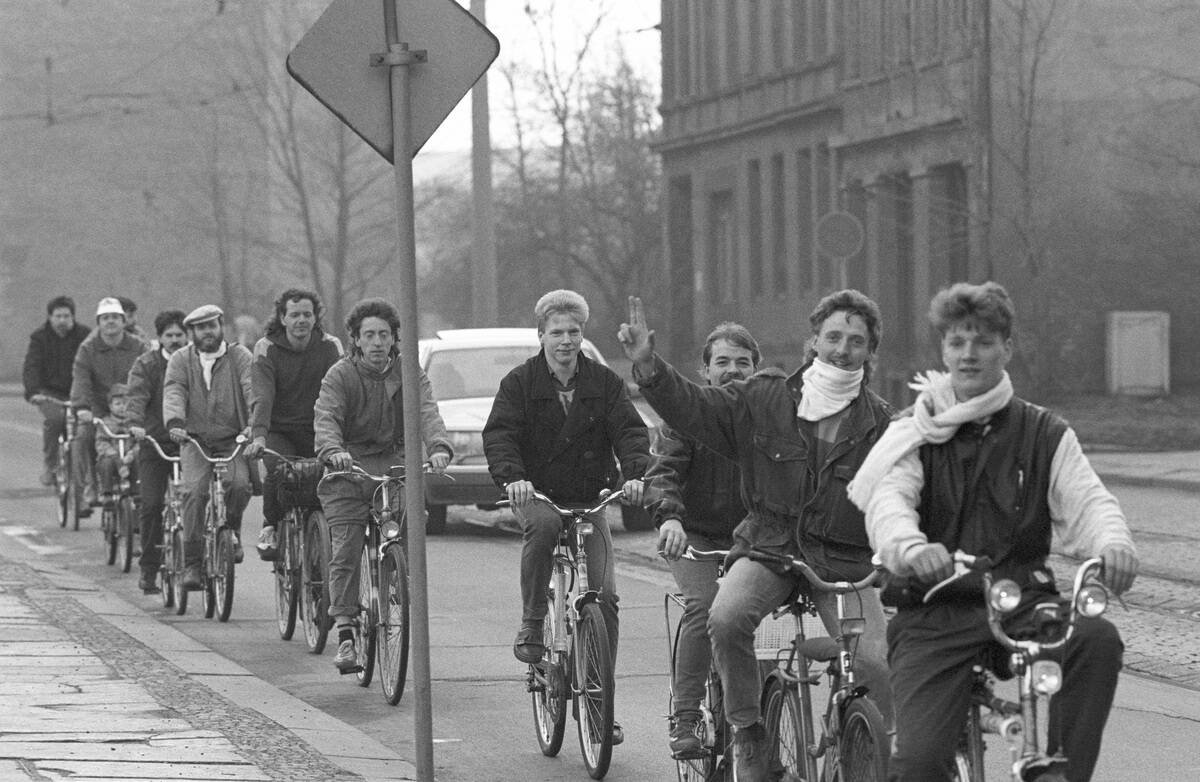
Life in East Berlin under the shadow of the Wall was marked by scarcity and surveillance. The socialist government controlled most aspects of daily life, from employment to travel. Citizens were subject to constant monitoring by the Stasi, East Germany’s infamous secret police.
Despite these challenges, a sense of community often flourished, with people relying on each other for support and solidarity. Cultural and social life continued, albeit with state-approved events and entertainment, as East Berliners adapted to their new, confined reality.
Life on the West Side: A New Perspective
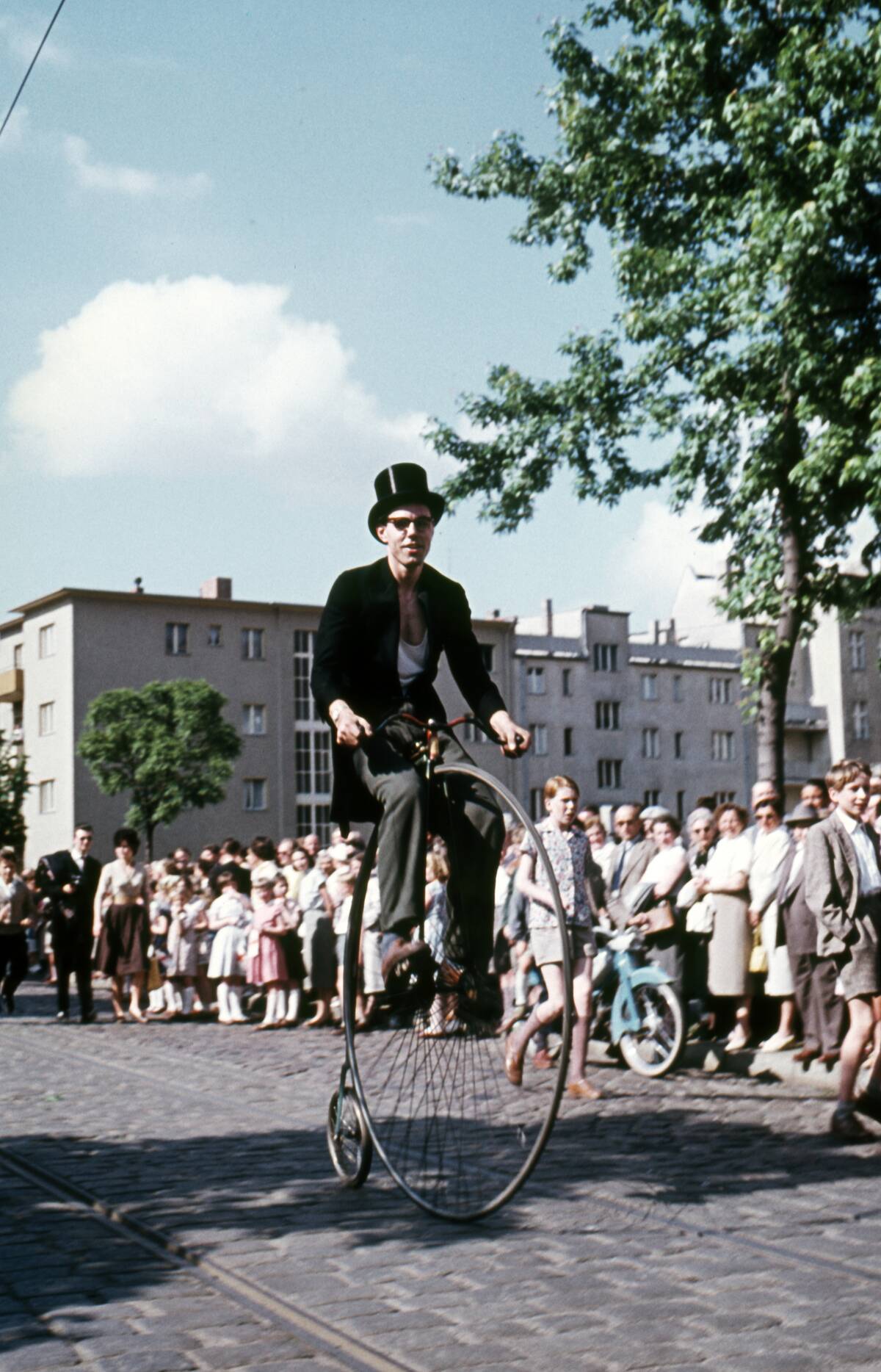
West Berlin, surrounded by the Wall, became an island of democracy and capitalism. Life here was starkly different, with bustling streets, vibrant cultural scenes, and economic prosperity.
West Berliners enjoyed greater freedoms and access to goods, a contrast that became a beacon of hope for those on the other side. However, the Wall’s presence was an ever-present reminder of the city’s division, and many West Berliners felt a profound sense of empathy for their Eastern counterparts, leading to numerous acts of solidarity and support across the divide.
The Wall’s Impact on Families and Friends
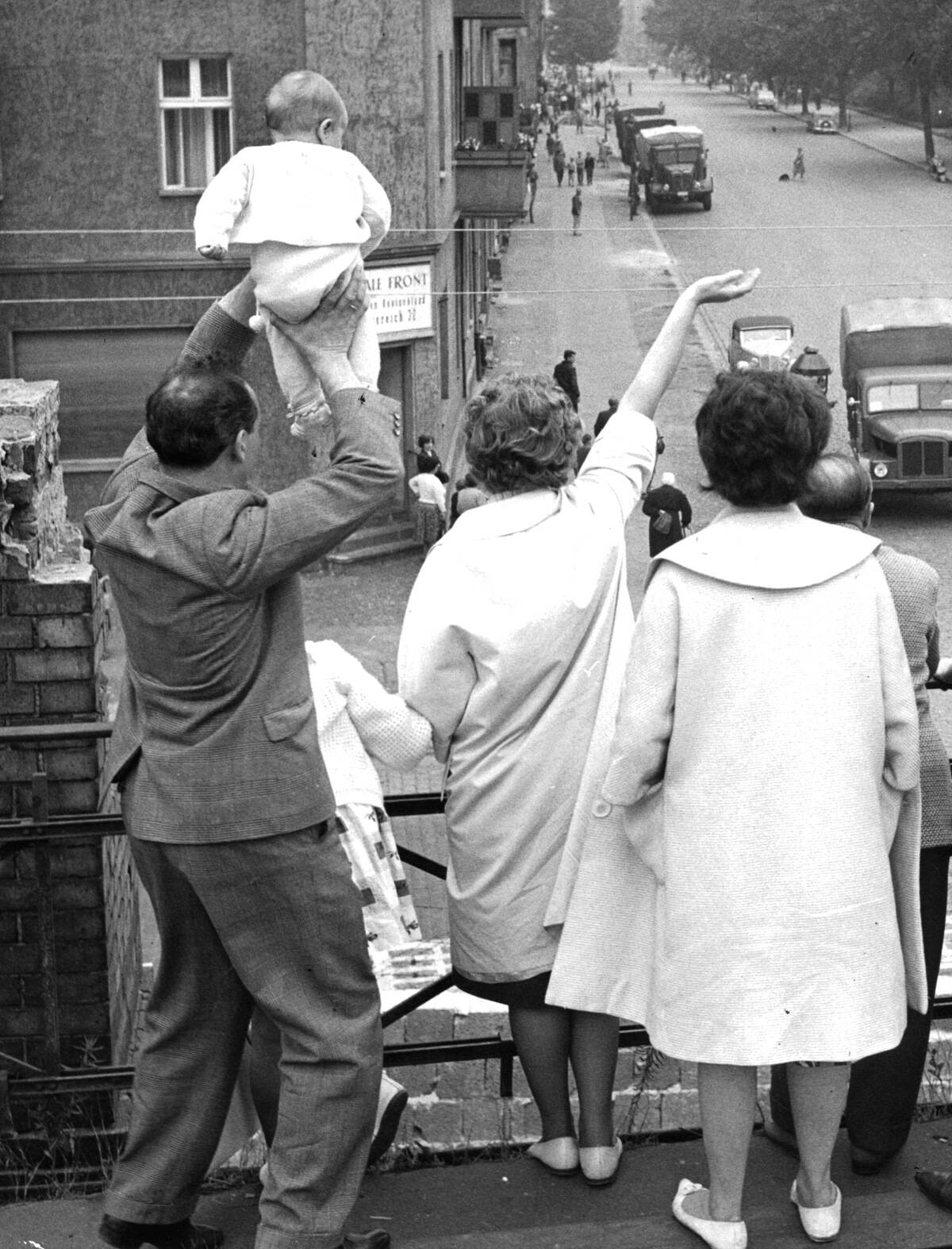
The Berlin Wall’s most heart-wrenching impact was on families and friends who found themselves suddenly separated. Weddings, funerals, and family gatherings were disrupted, leaving emotional scars that lasted long after the Wall fell.
Some families resorted to shouting across the Wall or using binoculars to catch glimpses of loved ones. These personal hardships highlighted the human cost of political decisions, as the Wall created a physical and emotional barrier that many struggled to overcome for nearly three decades.
Escape Attempts: Courage and Creativity
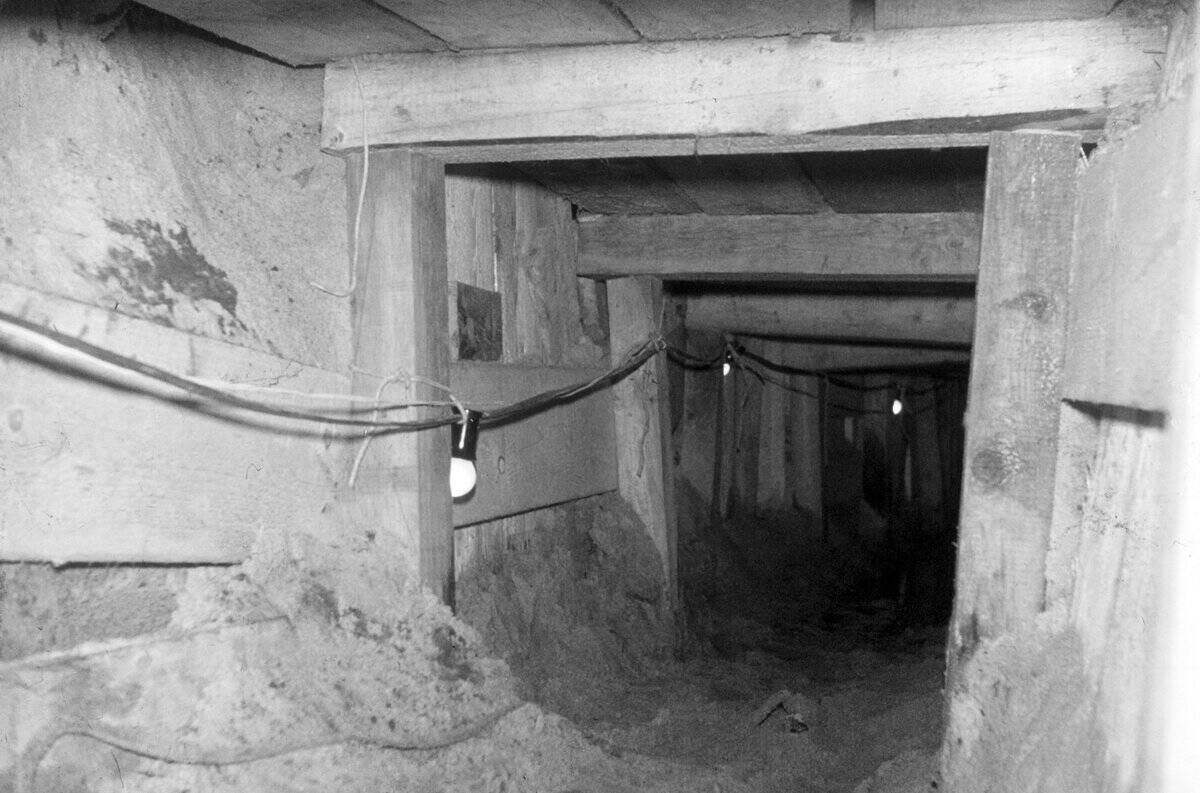
The Berlin Wall saw over 5,000 successful escape attempts, each a testament to human ingenuity. People used everything from hot air balloons to tunnels, even hiding in car trunks to flee East Germany. One of the most famous stories is that of the “Tunnel 57,” where a group of students dug a tunnel that allowed 57 East Berliners to escape in 1964.
These daring attempts were fraught with danger, as the Wall was heavily guarded, with shoot-to-kill orders in place for those attempting to flee. Despite the risks, the desire for freedom drove many to take extraordinary measures.
The Rise of Guard Towers and Patrols
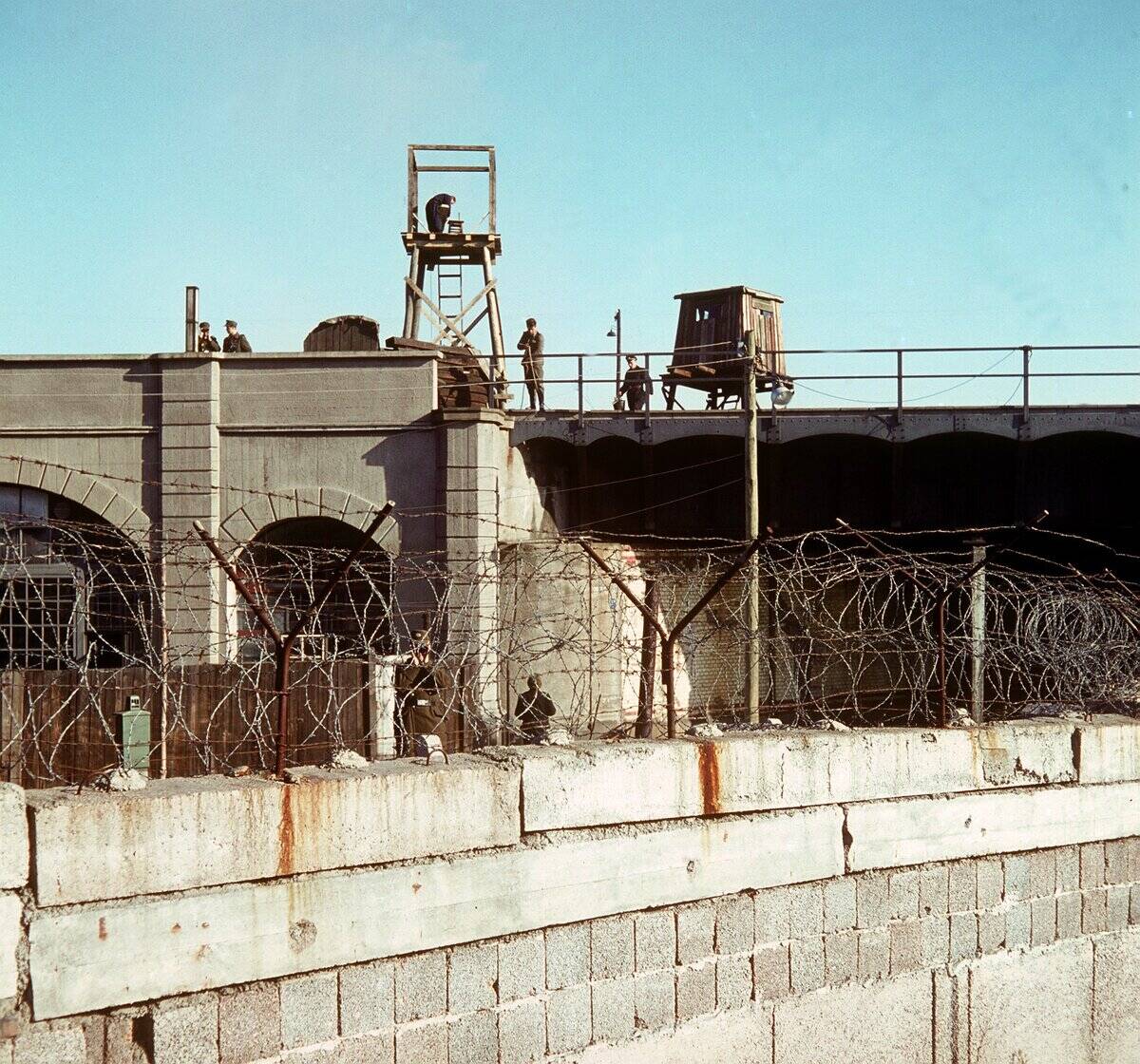
To maintain its hold, East Germany erected nearly 300 watchtowers along the Wall, manned by armed guards tasked with preventing escapes. These towers provided a clear vantage point for monitoring the border, with searchlights illuminating the death strip at night.
The guards were a constant presence, trained to stop any escape attempts, often with lethal force. This militarization of the Wall added a layer of fear and intimidation, underscoring the lengths to which the regime would go to maintain control over its citizens.
Propaganda and Perception: East vs. West
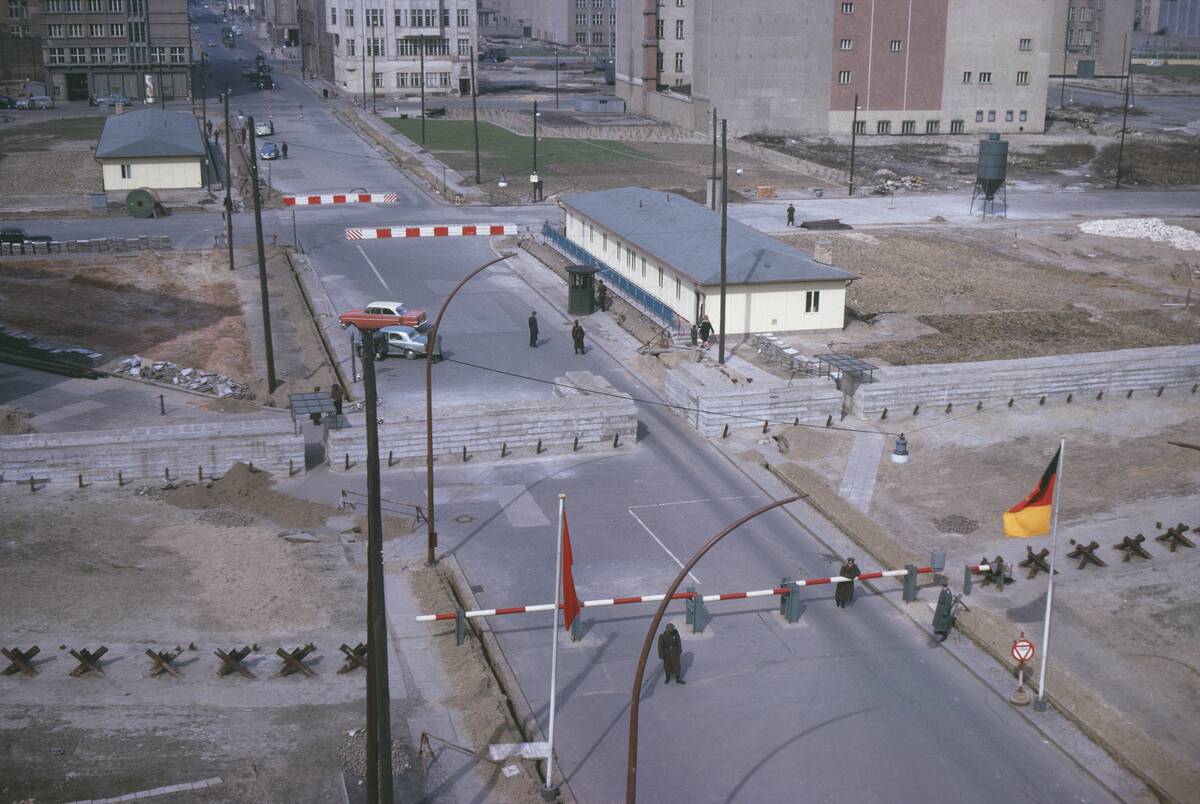
The Berlin Wall was more than just a physical barrier; it was a tool of propaganda. East Germany portrayed it as an “anti-fascist protection wall,” necessary to shield its citizens from Western influence. Meanwhile, the West used the Wall as a powerful symbol of communist oppression, highlighting the stark differences between the two ideologies.
This battle of perceptions played out in the media, with each side using the Wall to bolster their political narratives. The Wall’s existence became a focal point in the global struggle between capitalism and communism.
The Wall’s Cultural Impact: Art and Graffiti

The Berlin Wall became an unexpected canvas for artists and activists, particularly on the Western side. Graffiti and murals turned the Wall into a vibrant display of resistance and hope. Artists from around the world came to leave their mark, transforming the Wall into a symbol of free expression.
This artistic movement highlighted the power of creativity in the face of adversity, as the Wall’s stark, oppressive presence was softened by colorful messages of peace and unity. Today, these artworks are preserved as a testament to the human spirit’s resilience.
International Reactions: The World Watches
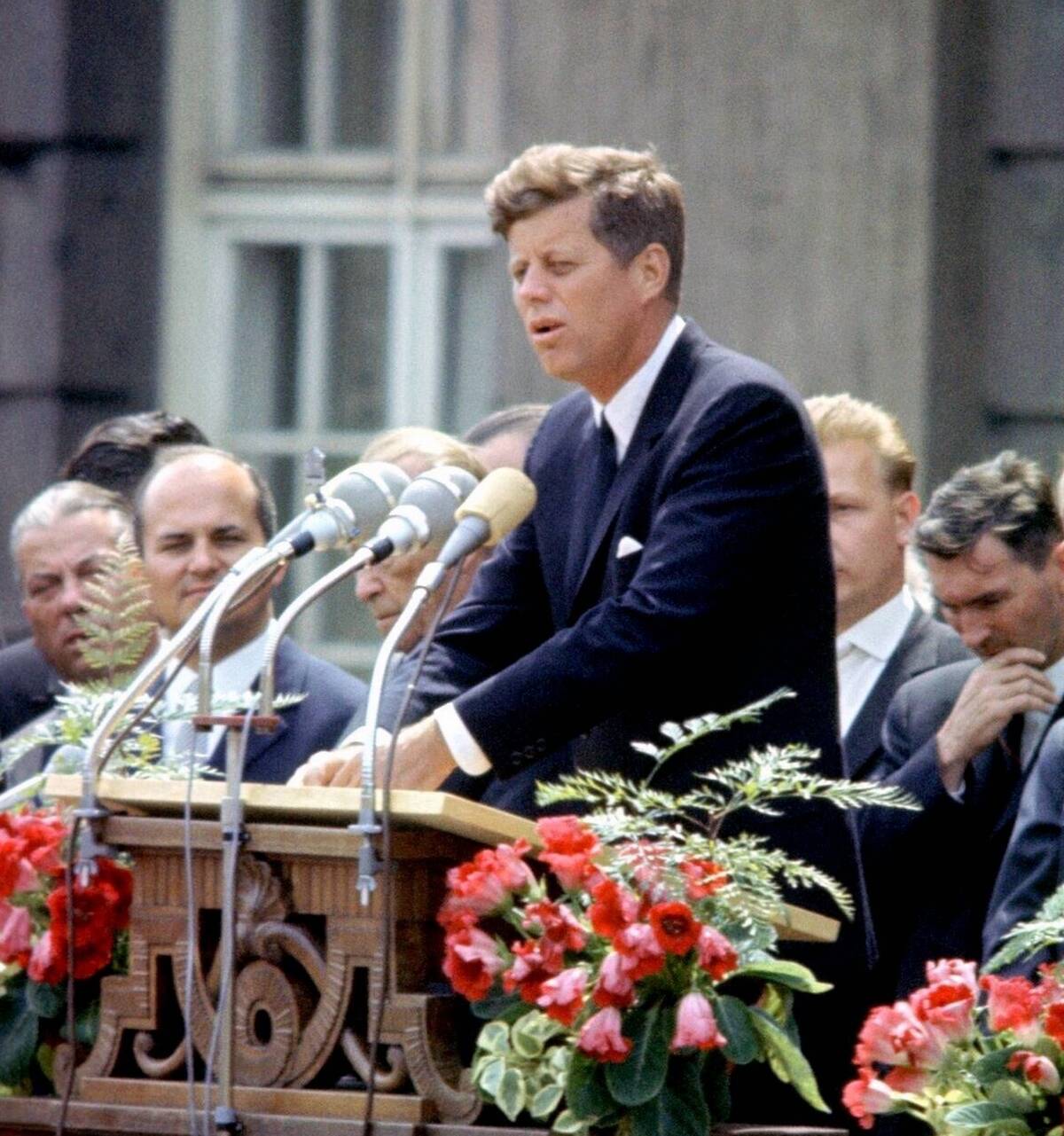
The construction of the Berlin Wall drew immediate international attention, with leaders around the world condemning its erection. U.S. President John F. Kennedy famously declared, “Ich bin ein Berliner,” reiterating American support for West Berlin.
The Wall became a focal point in Cold War diplomacy, with the Western Allies standing firm in their commitment to the city. Meanwhile, the Soviet Union and its allies defended the Wall as a necessary measure for maintaining peace and stability. The Wall’s presence kept the world on edge, with Berlin remaining a flashpoint in global politics.
The Wall as a Political Symbol

The Berlin Wall became one of the most powerful symbols of the Cold War, representing the divide between the capitalist West and communist East. It served as a backdrop for political posturing, with leaders using it to highlight the ideological differences that defined the era.
The Wall’s fall in 1989 marked the beginning of the end for the Soviet Union, symbolizing the triumph of democratic ideals over authoritarianism. Its legacy continues to influence political discourse, reminding us of the costs of division and the enduring quest for freedom.




