Learn about the development of the telegraph network
Imagine a world where sending a message took weeks or even months. The telegraph revolutionized communication, making it possible to transmit messages across great distances instantly. This invention marked the beginning of electronic communication, paving the way for modern technologies we take for granted today.
Before the telegraph, communication relied on physical delivery methods, which were slow and often unreliable. The telegraph changed all that, providing a new, efficient way to connect people and share information.
The Early Days: From Semaphore to Electric Signals
Before the telegraph, semaphore systems were the cutting-edge technology for long-distance communication. These systems used visual signals like flags and lights, but they were limited by distance and weather conditions.
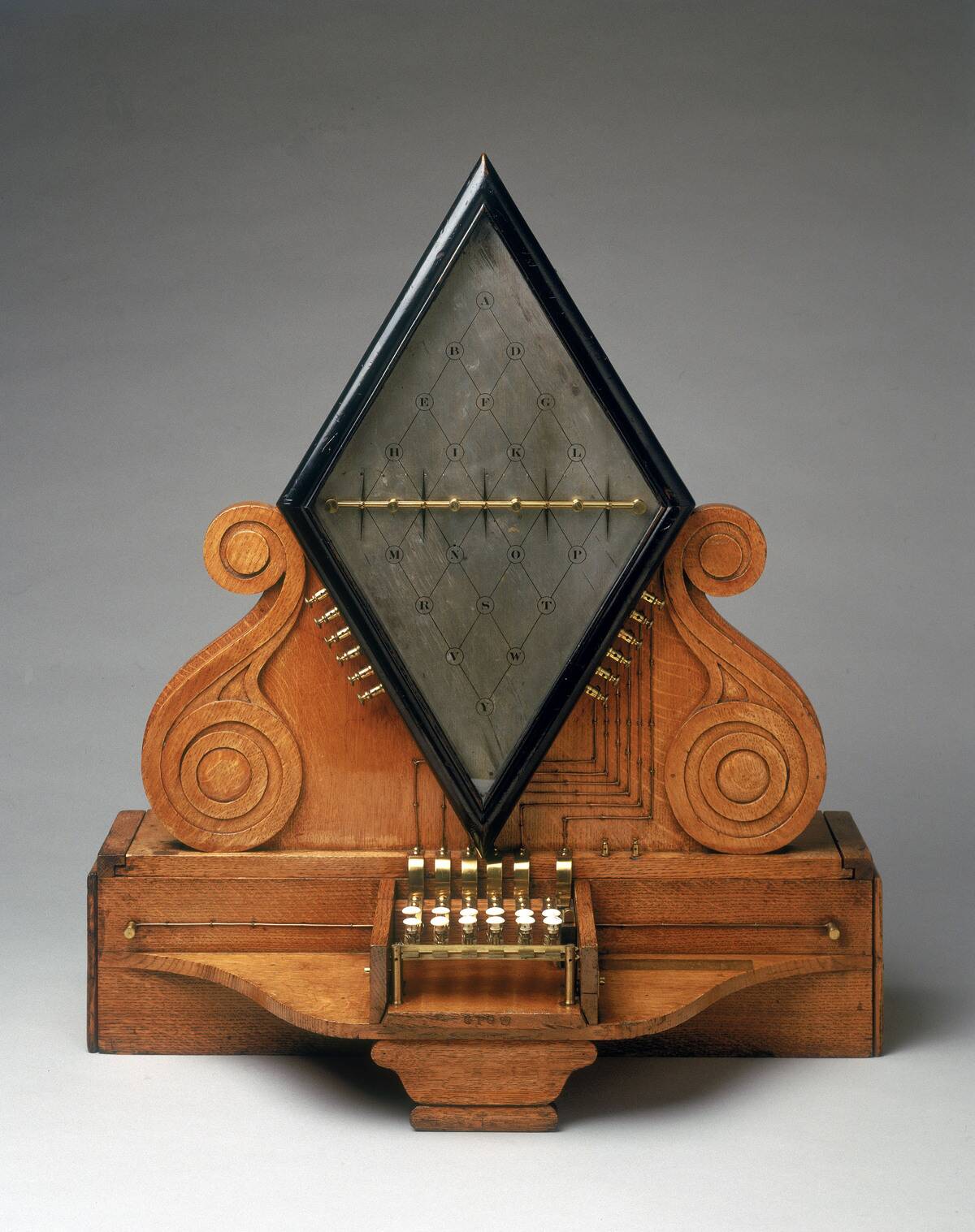
The introduction of electric signals was a game-changer. In 1837, British inventors Cooke and Wheatstone demonstrated the first commercial electric telegraph. This system used wires and electromagnetic signals, laying the groundwork for future innovations. It was a significant leap forward from waving flags in the air!
Samuel Morse and the Birth of Morse Code
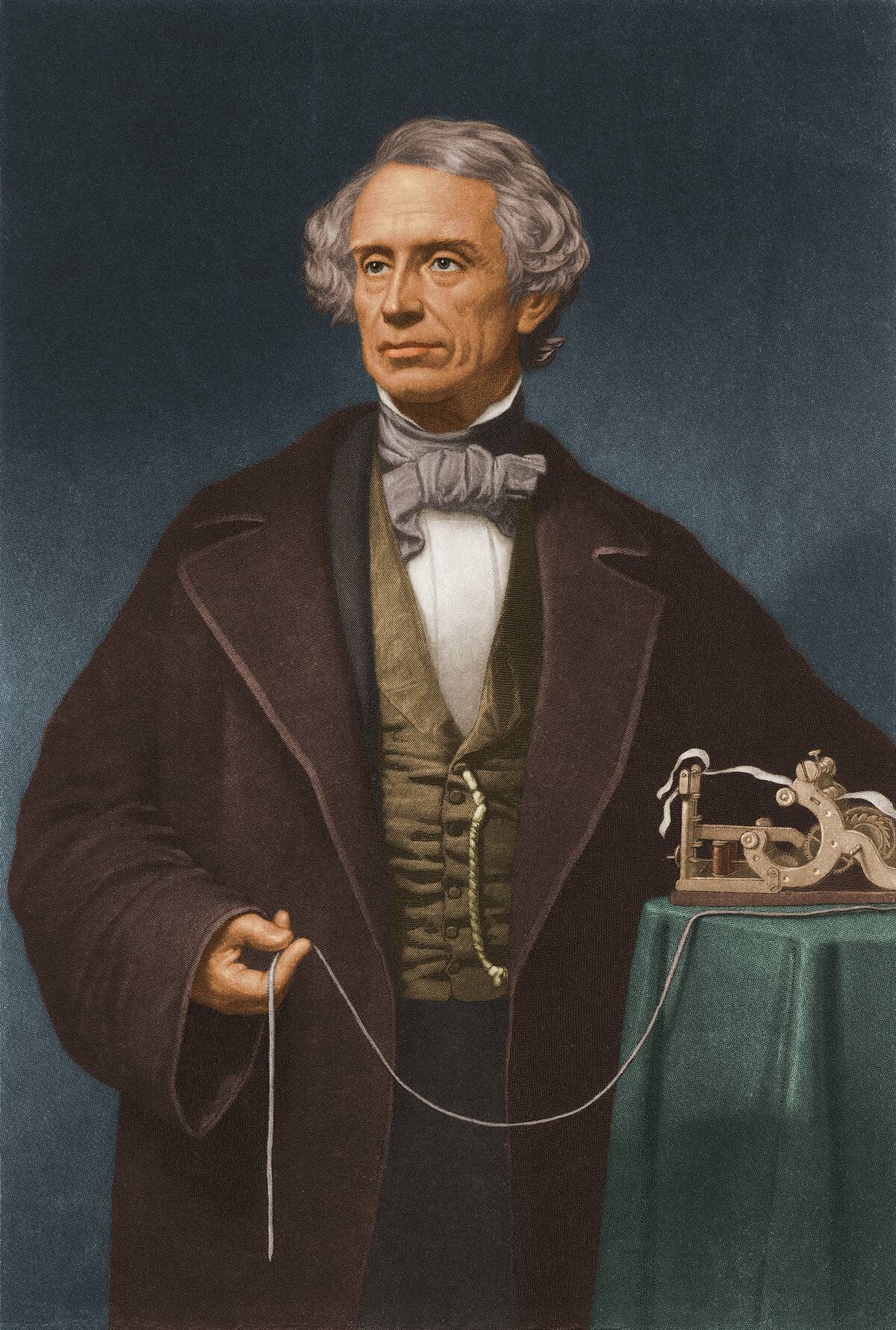
Samuel Morse, an American artist and inventor, played a crucial role in the development of the telegraph alongside Alfred Vail. In 1838, he introduced Morse code, a system of dots and dashes representing letters and numbers. This simple yet effective code became the standard for telegraph communication.
Morse’s invention made it easier to send complex messages quickly and accurately. His contributions were pivotal in making the telegraph a practical tool for communication, transforming how information was shared worldwide.
The First Telegraph Lines: Connecting Cities and People
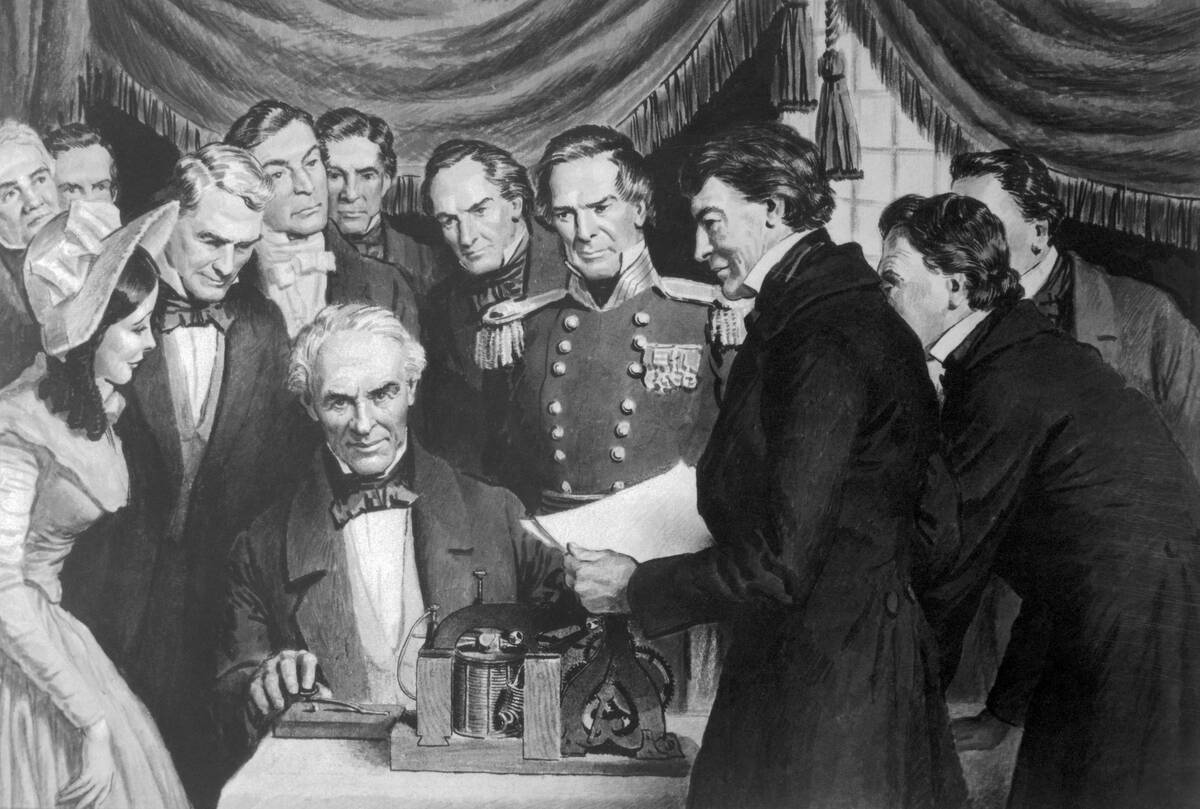
The first telegraph line in the United States was completed in 1844, connecting Washington, D.C., and Baltimore, Maryland. This line demonstrated the potential of the telegraph for connecting cities and revolutionizing communication.
People were amazed when the first message, “What hath God wrought,” was sent over this line. The success of this initial line sparked a flurry of construction, with telegraph lines soon crisscrossing the country, linking communities and enabling faster exchange of information.
The Role of the Telegraph in the Industrial Revolution
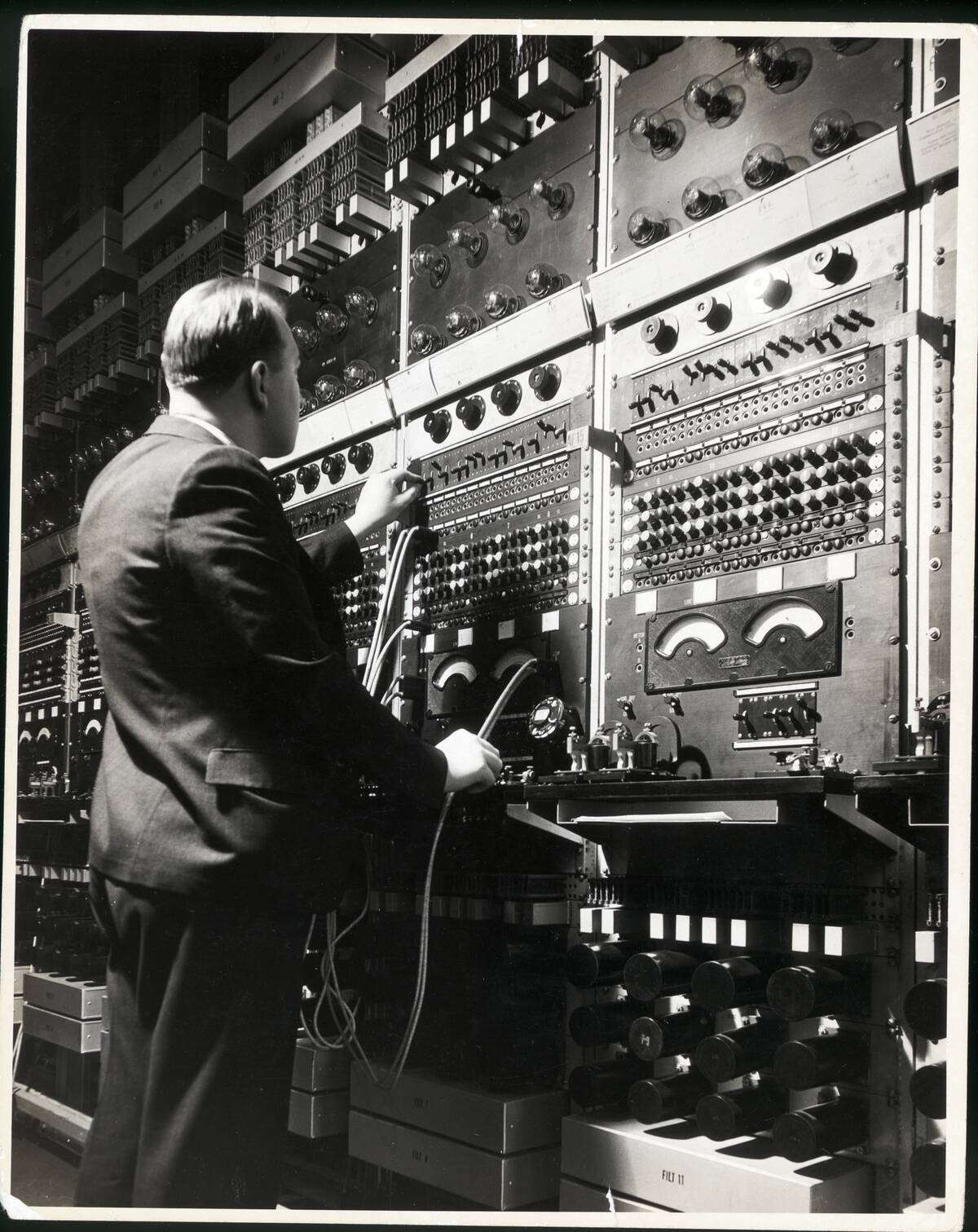
The telegraph was instrumental in the Industrial Revolution, transforming how businesses and industries operated. It facilitated rapid communication, allowing businesses to coordinate activities across vast distances. This efficiency boosted trade and commerce, as orders could be placed and transactions completed in real time.
The telegraph also helped synchronize train schedules, improving the reliability of rail transport. By connecting different parts of the economy, the telegraph played a vital role in driving industrial growth and progress.
Overcoming Challenges: Building a Network Across Harsh Terrains
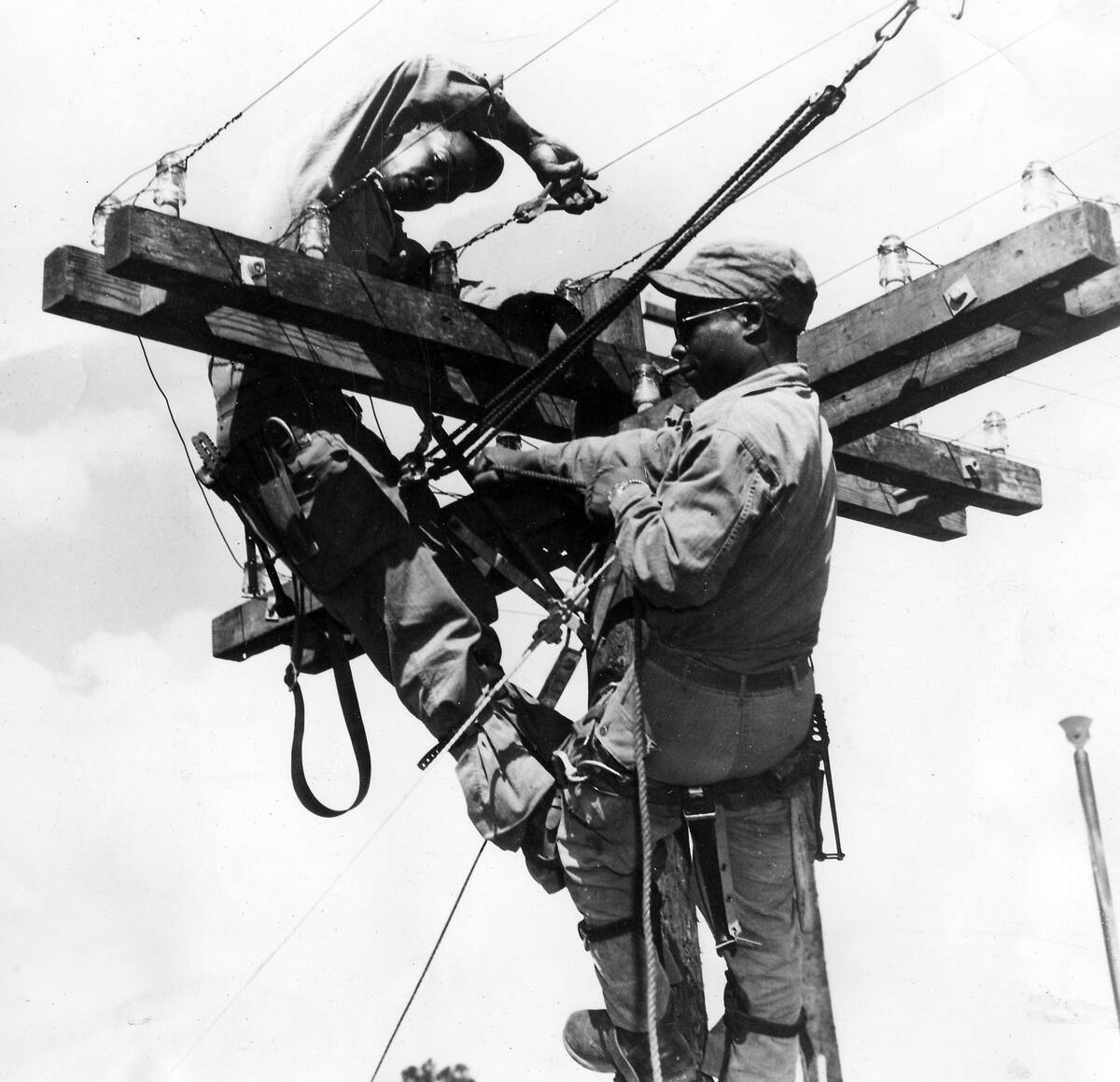
Building a telegraph network wasn’t without its challenges. Engineers had to figure out how to lay lines across rivers, mountains, and deserts. In some cases, they even had to deal with wildlife interfering with the lines! Despite these obstacles, the ingenuity of engineers and workers prevailed.
Innovations such as insulated wires and the use of poles to elevate lines helped overcome natural barriers. These efforts ensured that the telegraph network could reach even the most remote areas, bringing connectivity to all.
The Expansion of Telegraph Networks in the United States
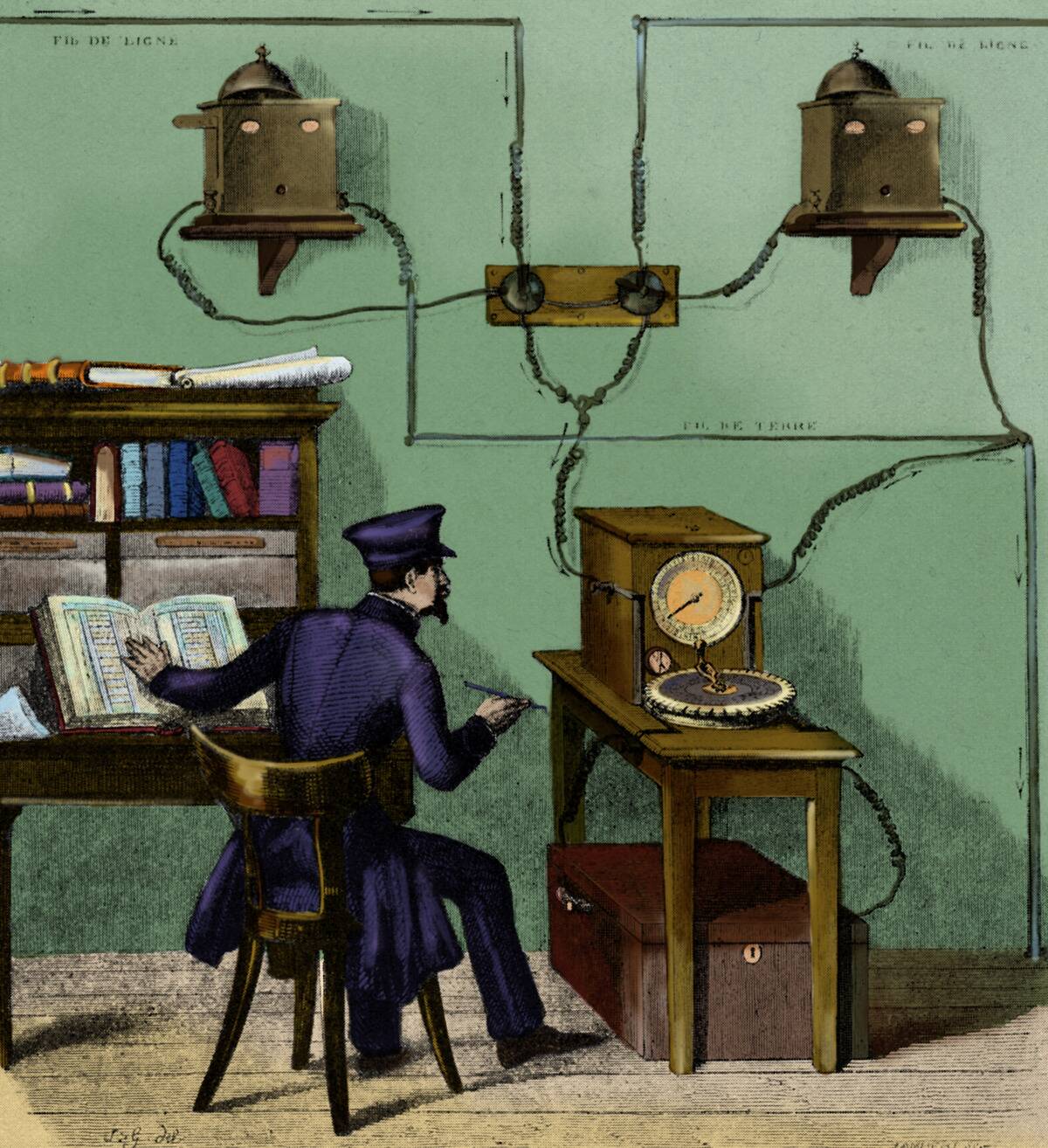
The telegraph network expanded rapidly across the United States in the mid-19th century. By 1861, the first transcontinental telegraph line was completed, linking the east and west coasts. This monumental achievement connected people and businesses across the nation like never before.
The network’s expansion facilitated not only personal communication but also economic growth, as businesses could operate more efficiently. The telegraph became an essential tool for communication, shaping the development of the United States.
The Influence of the Telegraph on Journalism and News Distribution
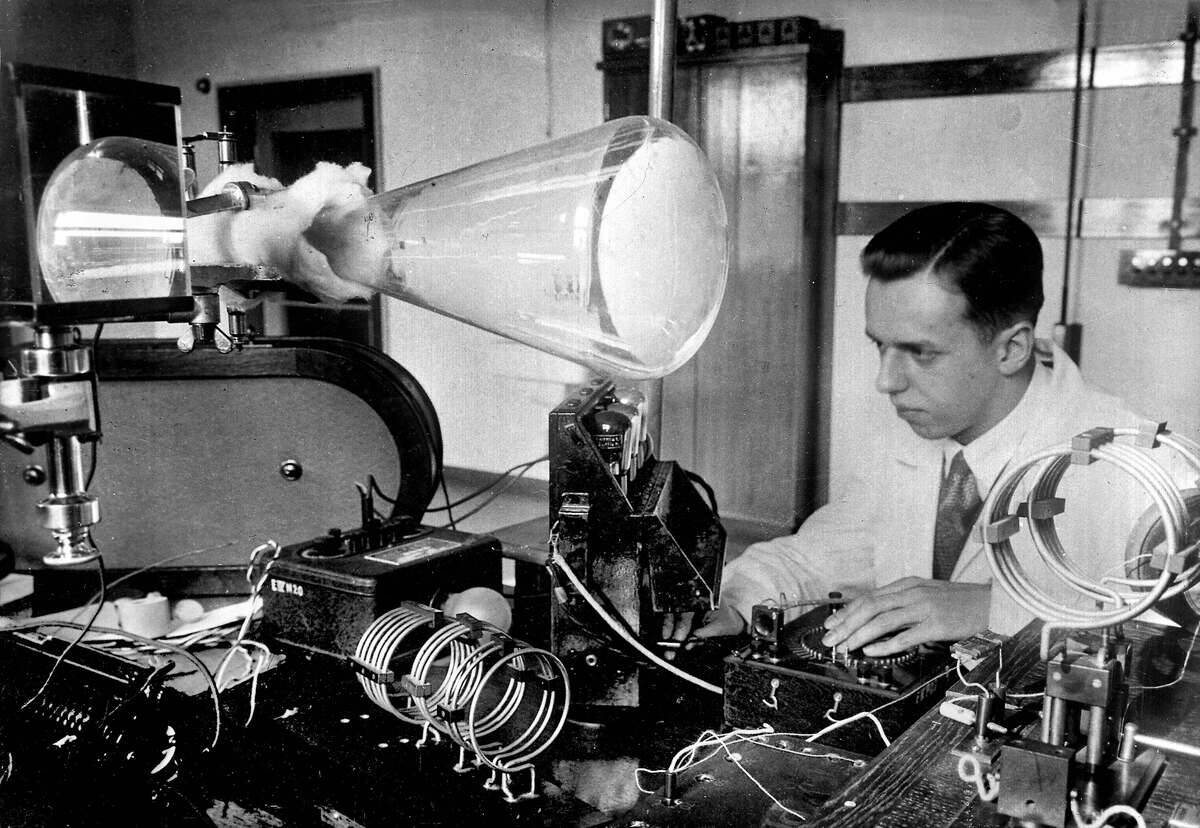
The telegraph had a profound impact on journalism, revolutionizing how news was gathered and distributed. Reporters could transmit stories from distant locations in real-time, providing timely updates to the public. This immediacy changed the nature of news, making it more dynamic and engaging.
News organizations relied on the telegraph to share information quickly, giving rise to the modern concept of breaking news. The telegraph transformed journalism from a slow, local endeavor into a fast-paced, global industry.
The Telegraph Goes Global: Connecting Continents
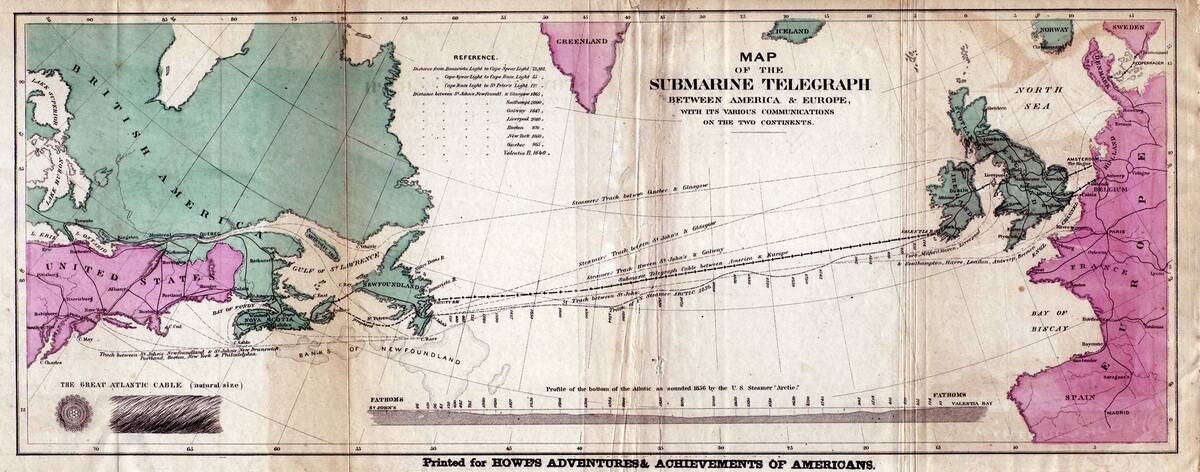
The telegraph network didn’t just stop at national borders; it went global. By the late 19th century, telegraph lines connected continents, enabling international communication. The first successful transatlantic telegraph cable was completed in 1866, linking North America and Europe.
This achievement marked the beginning of global telecommunications, shrinking the world and fostering international collaboration. Businesses, governments, and individuals could communicate across oceans, paving the way for a more interconnected global community.
Telegraphy in Wartime: A Strategic Advantage
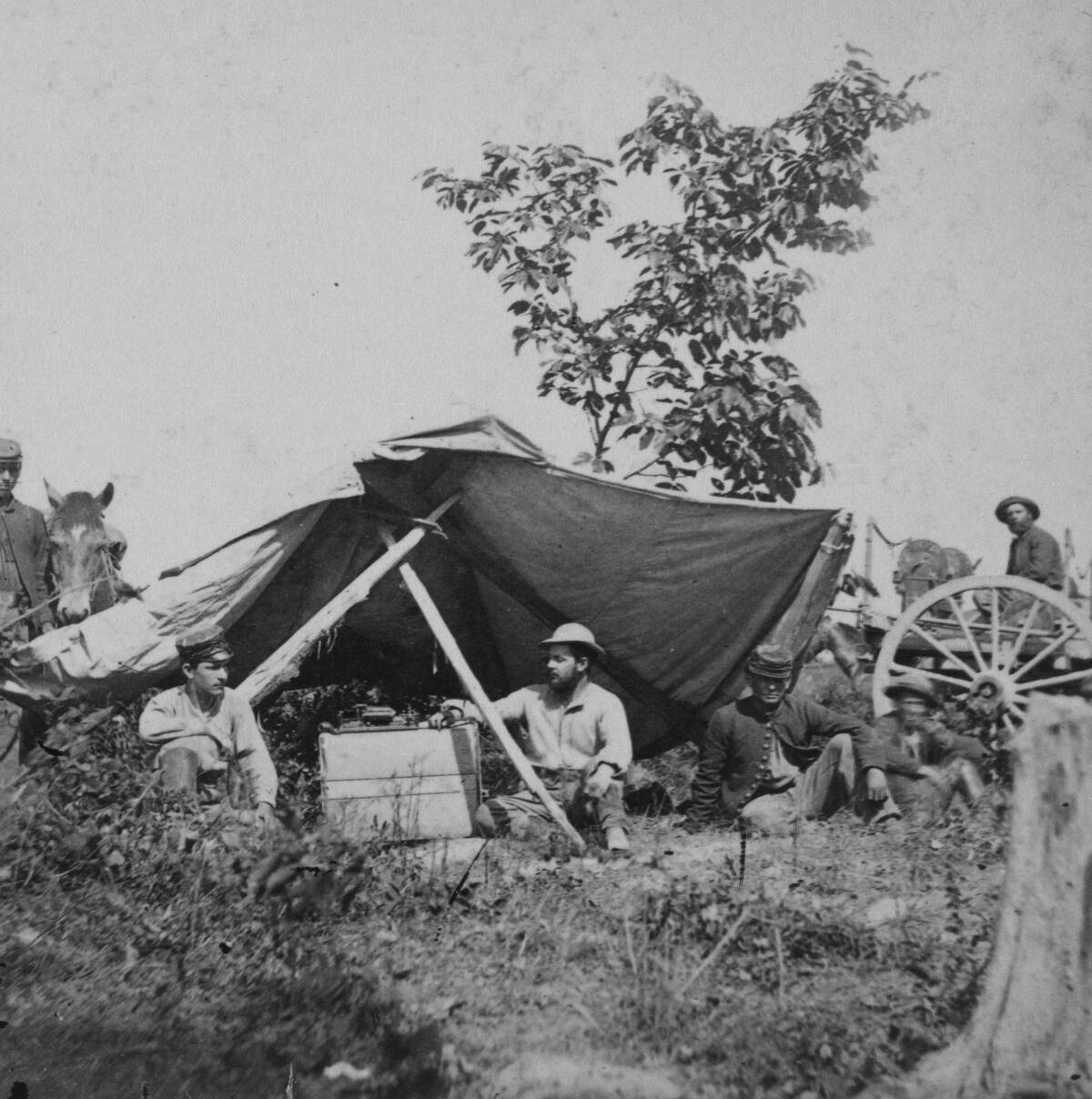
During wartime, the telegraph proved to be a strategic advantage for military operations. It allowed for rapid communication between commanders and troops, enabling coordinated movements and strategic planning. The American Civil War saw extensive use of the telegraph for both Union and Confederate forces.
The ability to send and receive messages quickly gave armies a tactical edge, influencing the outcomes of battles. The telegraph’s role in wartime highlighted its importance not just for communication but also for strategic military advantage.
The Role of Telegraph Operators: The Unsung Heroes
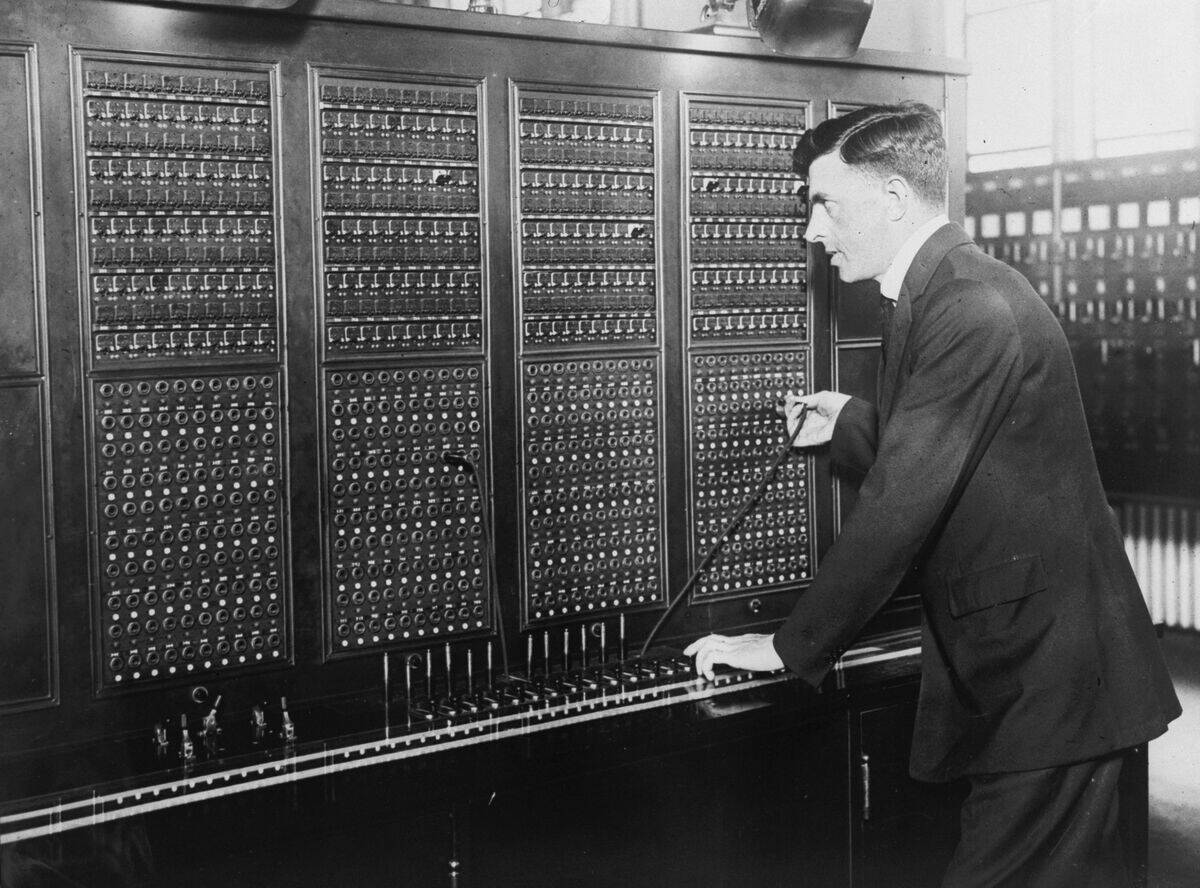
Telegraph operators were the unsung heroes of the telegraph era. These skilled individuals were responsible for transmitting and receiving messages accurately and efficiently. With their quick fingers and sharp minds, operators ensured that communication flowed smoothly across the telegraph network.
They played a crucial role in both civilian and military communications, often working long hours under challenging conditions. Without their dedication and expertise, the telegraph network would not have functioned as effectively as it did.
The Cultural Impact of Telegraph Communication
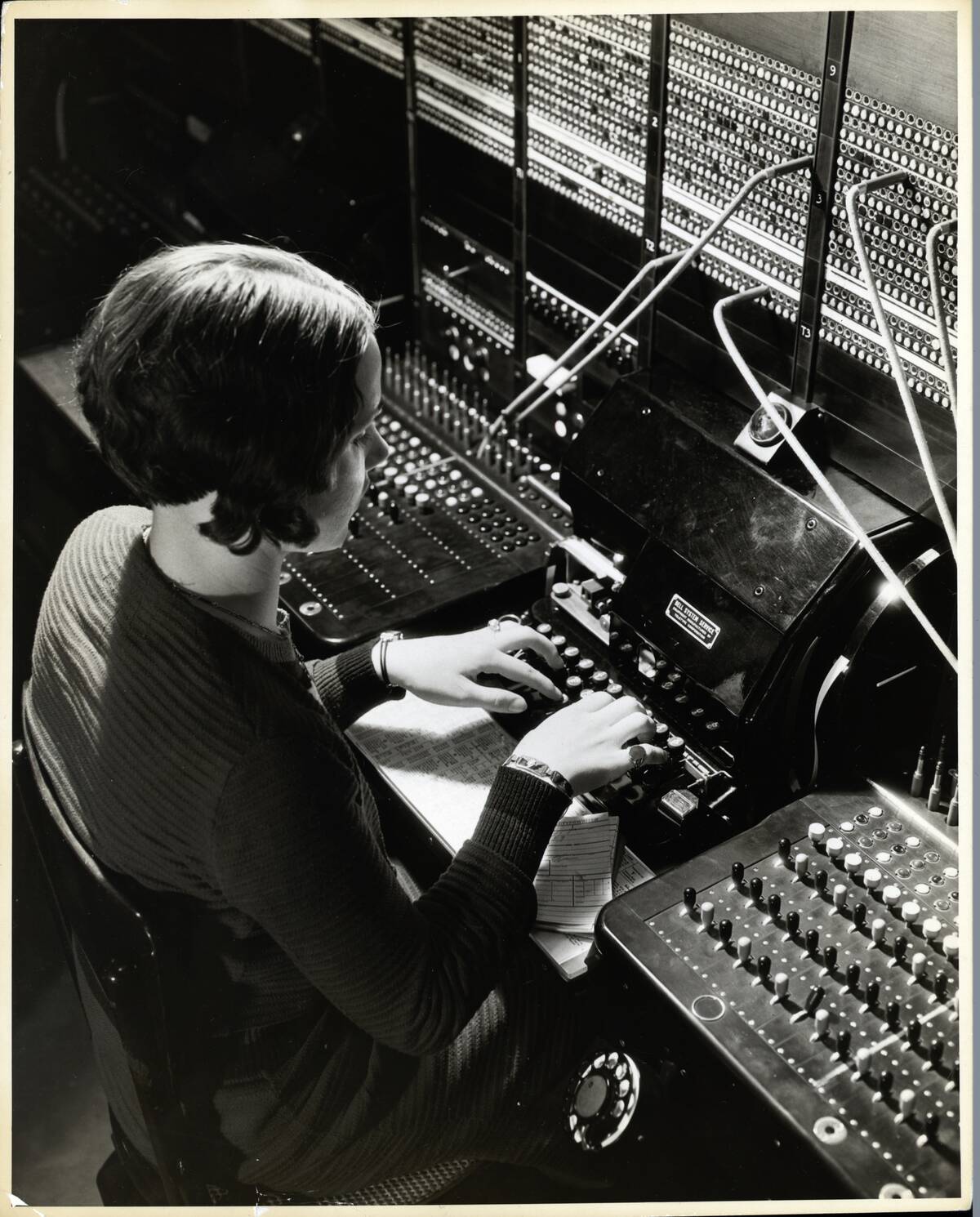
The telegraph had a significant cultural impact, changing how people interacted and perceived time and distance. It created a sense of immediacy, allowing people to communicate instantly over long distances. This shift influenced social dynamics, as people could maintain relationships and conduct business across vast spaces.
The telegraph also contributed to the development of a global consciousness, as events from around the world could be shared and discussed in real time. It was a precursor to the connected world we live in today.
Innovations and Advancements in Telegraph Technology
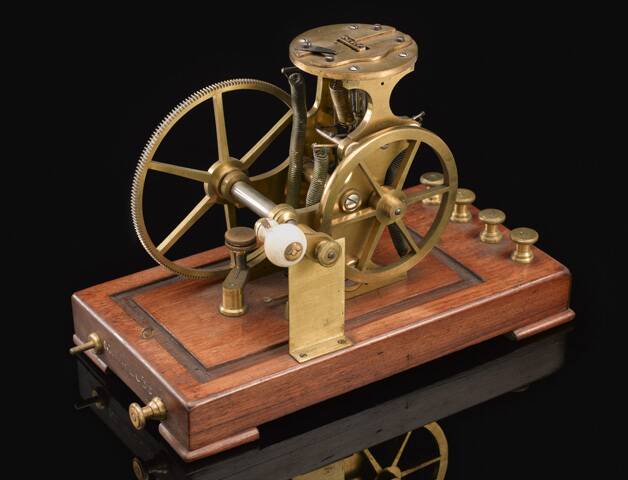
Throughout its history, the telegraph saw numerous innovations and advancements. Improvements in technology made telegraphy faster and more reliable. The introduction of automatic telegraphs and multiplexing increased the capacity and speed of communication.
These advancements allowed more messages to be sent simultaneously, enhancing the efficiency of the network. The constant evolution of telegraph technology demonstrated the drive to improve communication methods and laid the groundwork for future technological breakthroughs in the field of telecommunications.
The Decline of the Telegraph: Rise of the Telephone and Beyond

As the 20th century progressed, the telegraph began to decline with the rise of the telephone. Telephones offered direct voice communication, which was more personal and convenient than telegraphs. The development of radio and other communication technologies further reduced the reliance on telegraphs.
By the mid-20th century, the telegraph was largely replaced by these newer technologies. However, the legacy of the telegraph lives on, having paved the way for the modern communication systems that keep us connected today.