The descendants of Mongol leaders who changed history in silence
Often overshadowed by the ferocity of their conquests, the Mongol descendants have silently woven their legacy into the tapestry of global history. The echoes of their influence stretch far beyond the battlefield, touching realms as diverse as politics, culture, and science.
While their historical feats are well-documented, the subtle threads of their contributions continue to shape our world in surprising ways.
The Mongol Empire: A Brief Historical Context
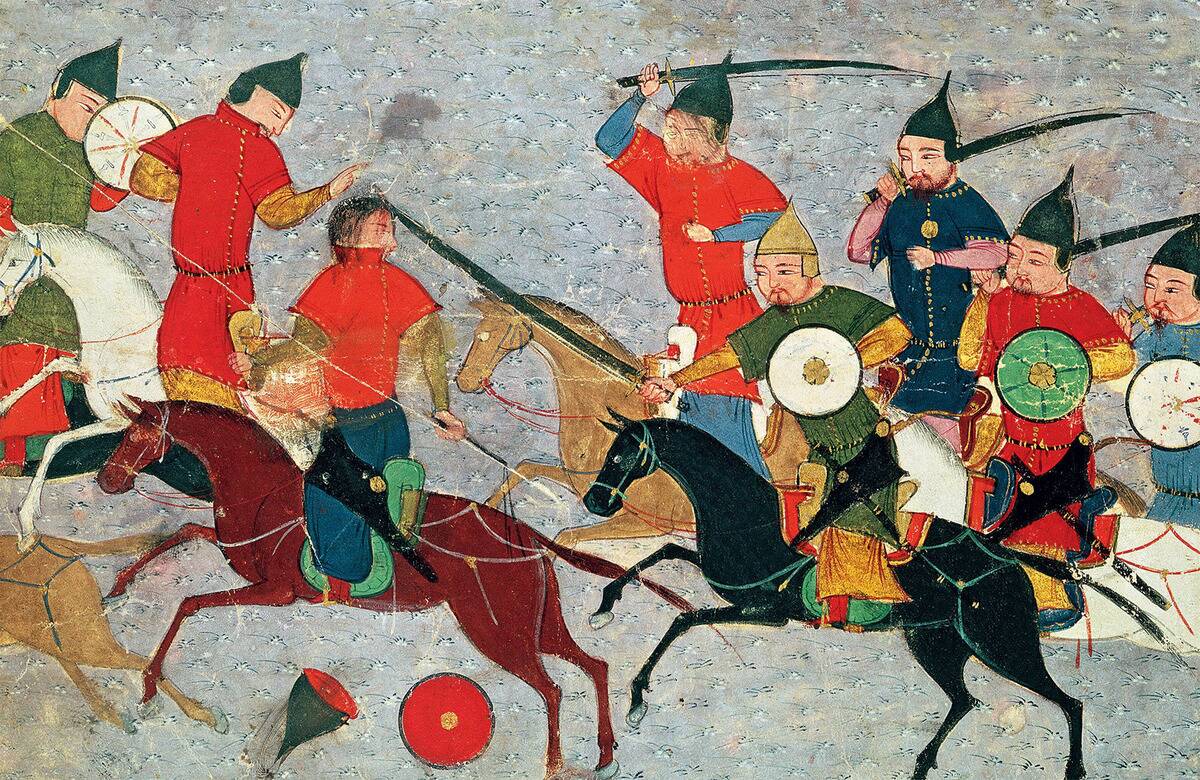
At its height, the Mongol Empire was the largest contiguous empire in history, spanning from Europe to Asia. Founded in the early 13th century by Genghis Khan, it facilitated unprecedented cultural exchanges and trade across continents.
The Pax Mongolica, a term coined to describe this era, enabled the safe passage of goods and ideas, fostering intercultural dialogue that would otherwise have been impossible.
Genghis Khan: The Legendary Conqueror
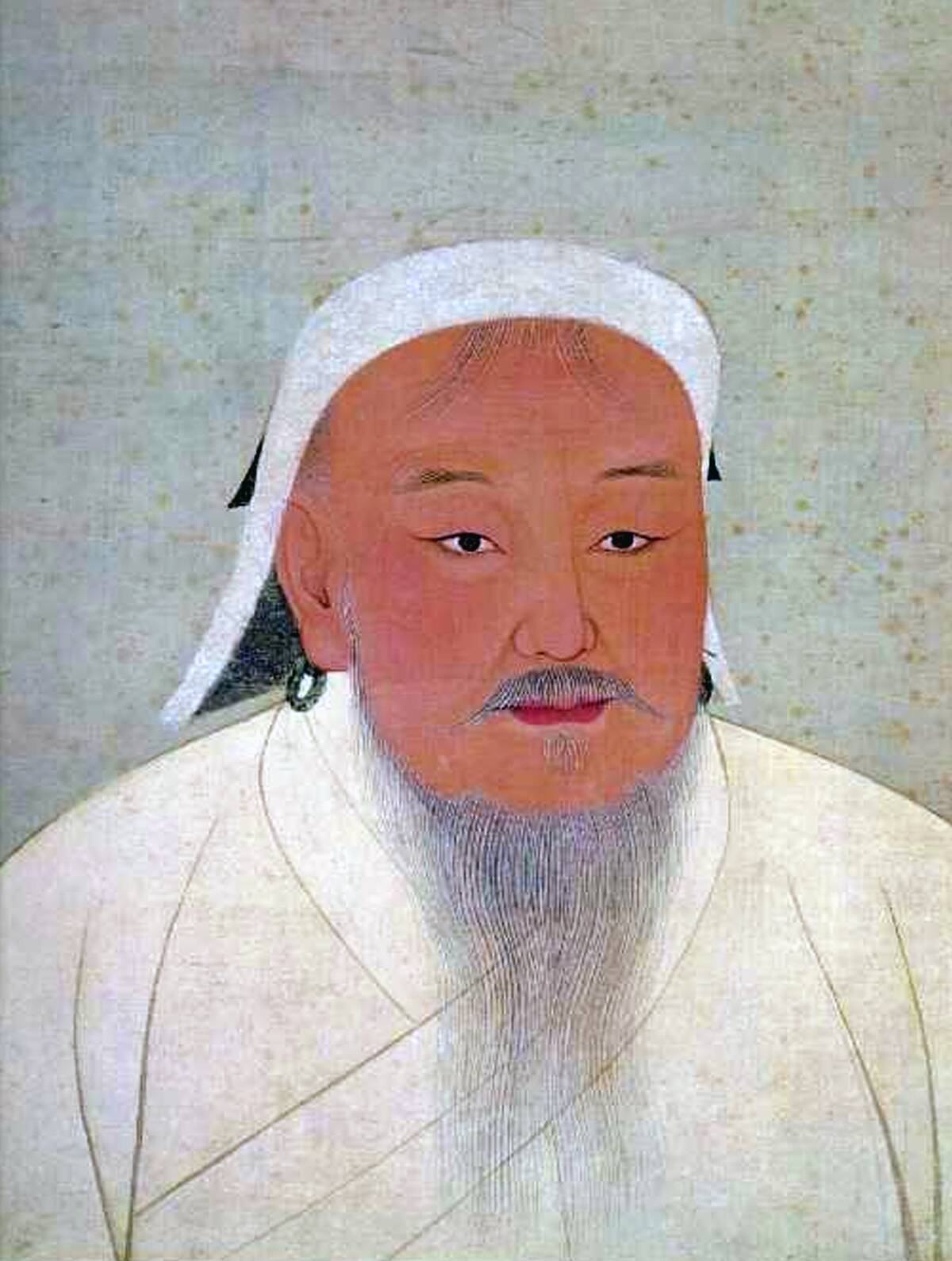
Genghis Khan, born Temüjin, united the Mongol tribes and established an empire that reshaped the world map. His military strategies, such as the use of psychological warfare and mobility, are still studied in military academies today.
Beyond his battlefield prowess, Genghis Khan implemented a merit-based system of governance, promoting individuals based on ability rather than lineage, a practice that was ahead of its time.
The Silent Influence of Kublai Khan’s Lineage
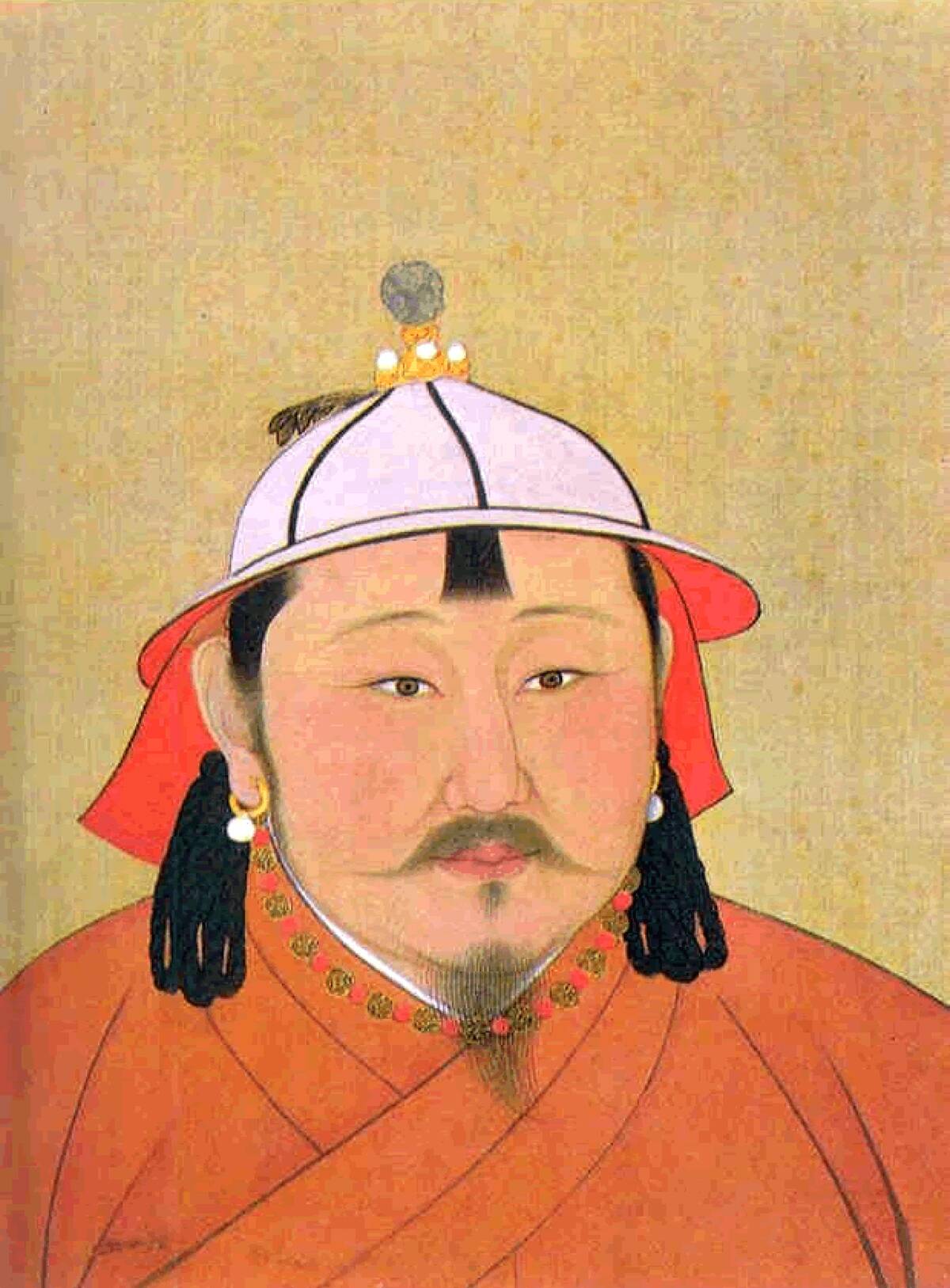
Kublai Khan, Genghis Khan’s grandson, founded the Yuan Dynasty in China, ushering in a period of prosperity and cultural flowering. His court was a melting pot of ideas, attracting scholars, artists, and traders.
The Mongols’ open-minded approach to governance allowed for unprecedented cross-cultural exchanges, which enriched the intellectual and cultural landscape of the time.
The Rise of the Golden Horde’s Hidden Heirs
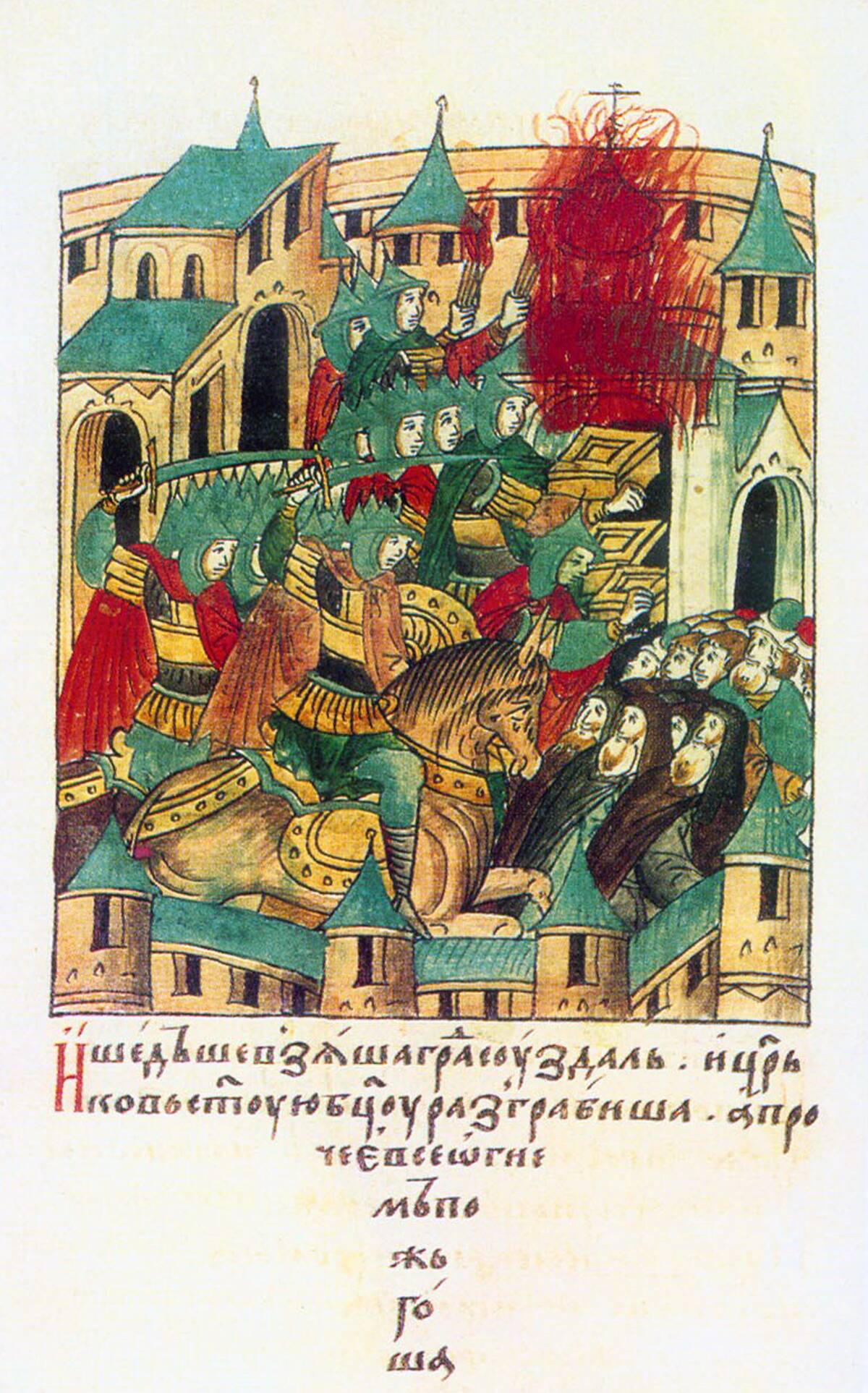
The Golden Horde, a Mongol khanate established in the western part of the empire, played a pivotal role in shaping the history of Eastern Europe and Russia.
Although their dominance waned, the Horde’s descendants integrated into local communities, influencing regional politics and culture. Their legacy can be traced in the complex tapestry of ethnic and cultural identities in the region today.
The Yuan Dynasty’s Lasting Impact Beyond China
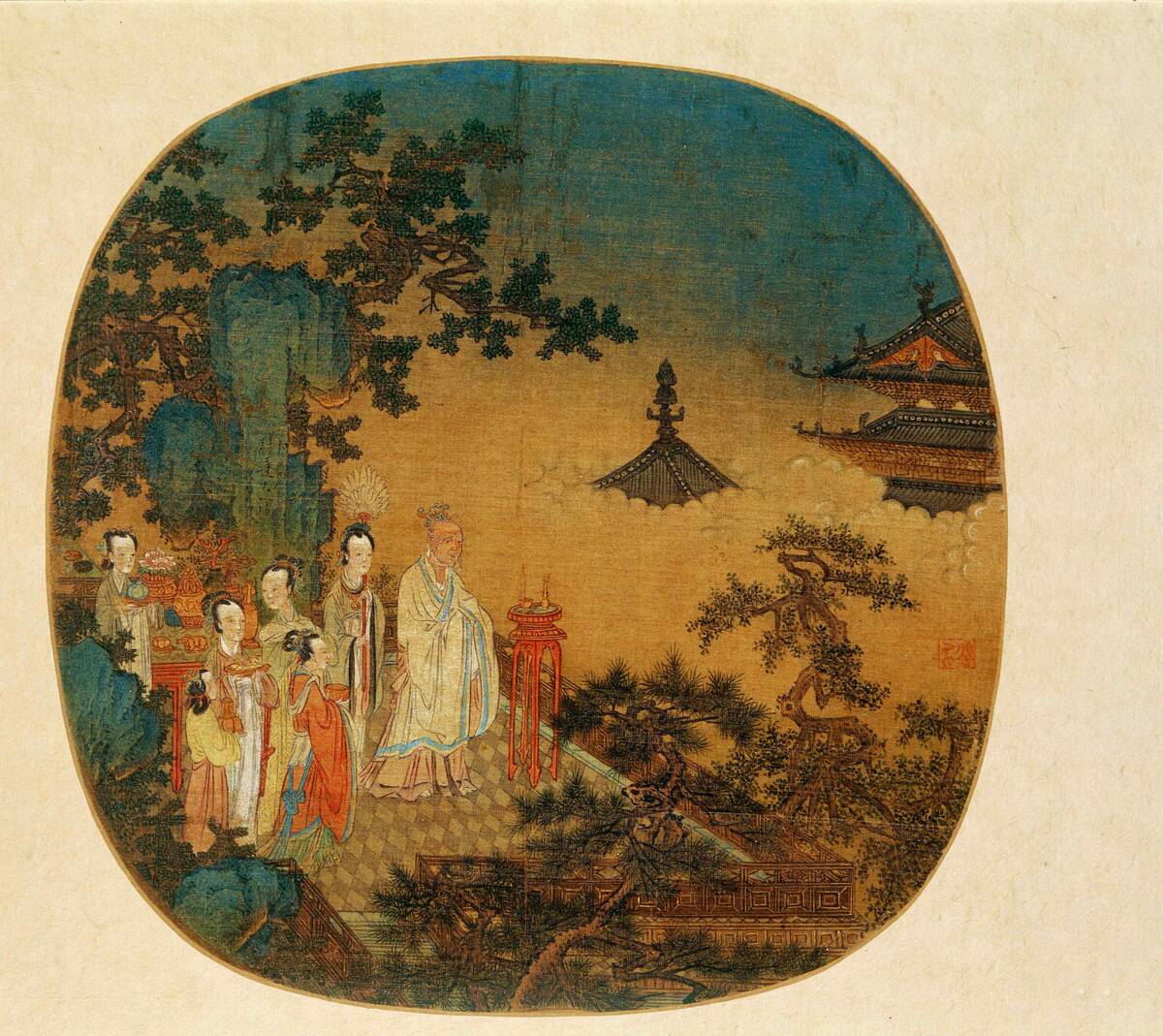
The Yuan Dynasty’s influence extended beyond China’s borders, leaving a lasting imprint on neighboring regions. Under Mongol rule, the Silk Road flourished, facilitating trade and cultural exchange.
The dynasty’s innovations in government and infrastructure laid the groundwork for future Chinese administrations, demonstrating the enduring impact of Mongol governance on the region.
Timur the Lame: A Not-So-Silent Successor

Timur, also known as Tamerlane, claimed descent from Genghis Khan and established a powerful empire in Central Asia. His military campaigns were marked by both brilliance and brutality, leaving a complex legacy.
Timur’s reign saw the flourishing of Persian culture, as he patronized artists and scholars, leaving behind architectural marvels that continue to inspire awe today.
The Quiet Diplomat: Descendants in the Persian Empire
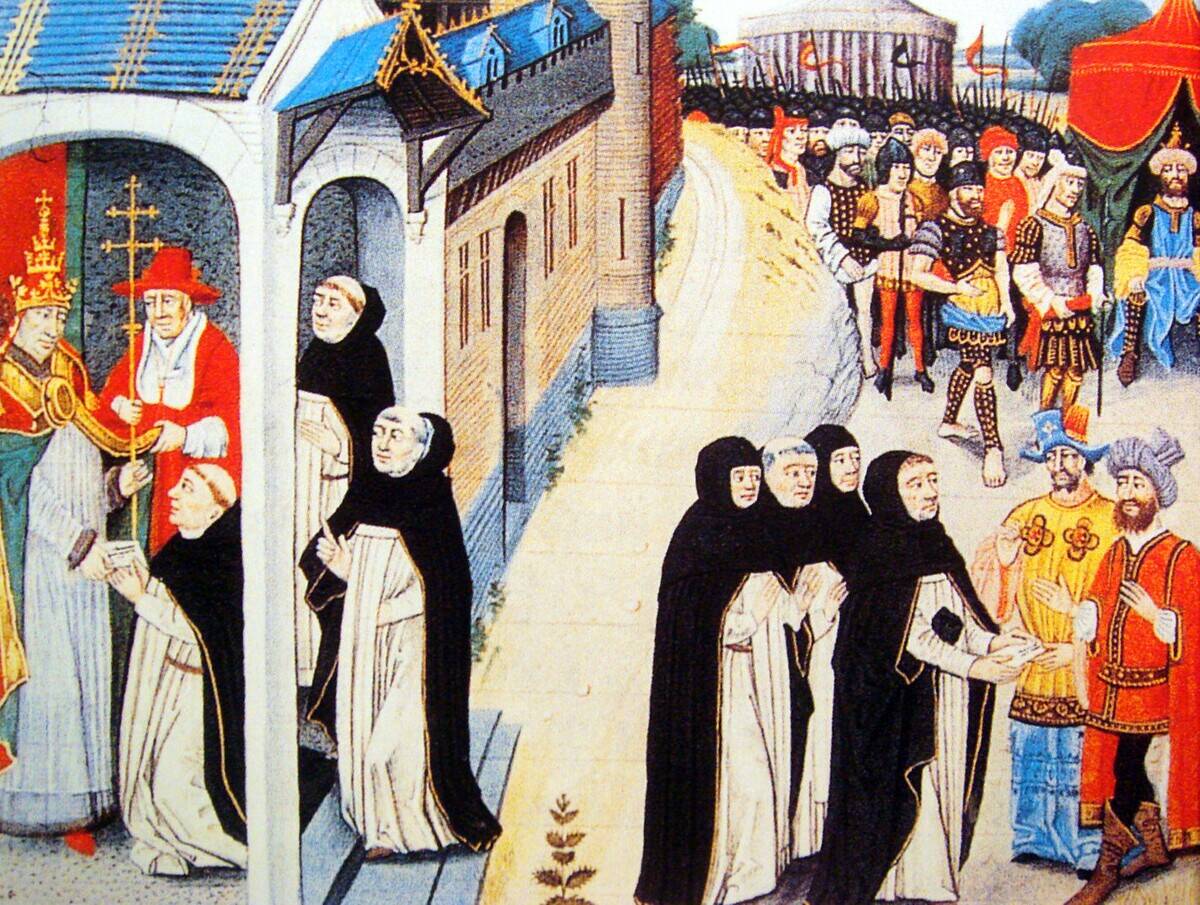
In Persia, Mongol descendants took on roles as diplomats and administrators, integrating into the fabric of society. They facilitated cultural and intellectual exchanges between East and West, enriching Persian culture.
The Ilkhanate period saw a flowering of the arts and sciences, as Mongol rulers embraced Persian traditions and promoted religious tolerance, leaving a legacy of intercultural harmony.
Mongol Bloodlines in the Ottoman Empire
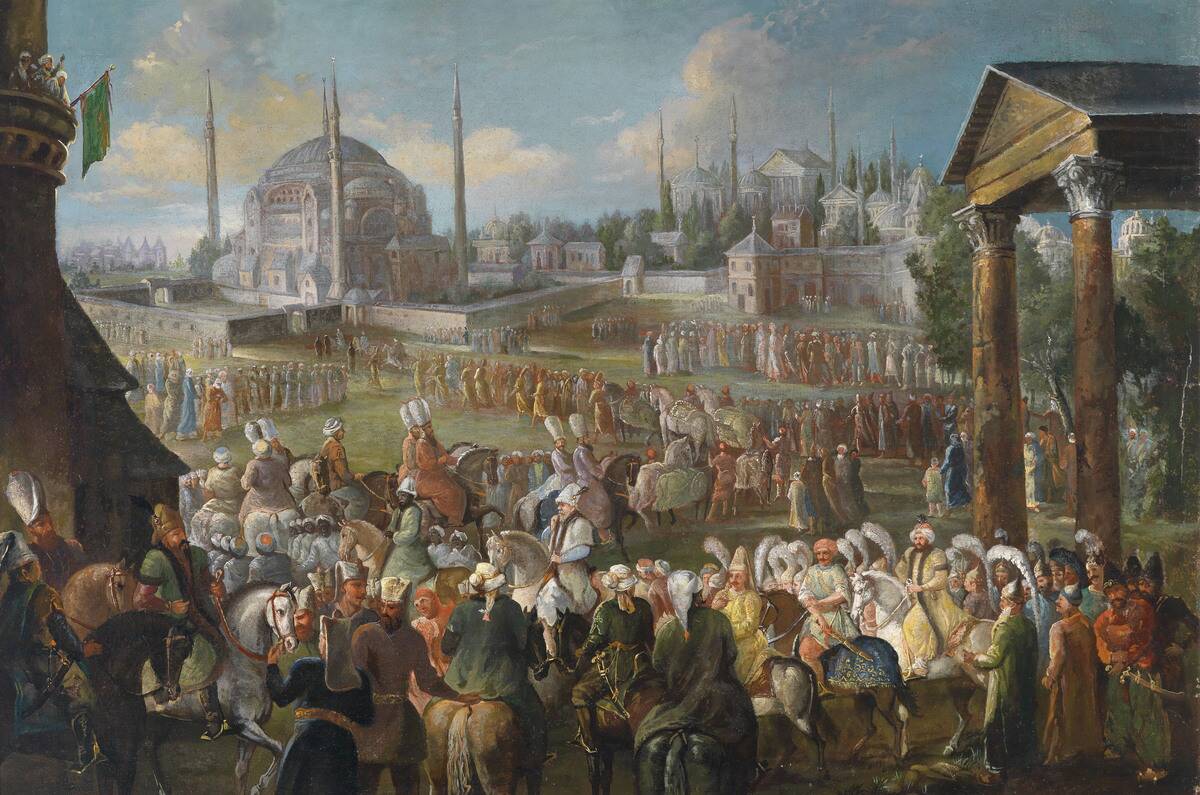
The influence of Mongol heritage reached as far as the Ottoman Empire, where traces of Mongol bloodlines can be found in the ruling elite.
The military tactics and administrative practices borrowed from Mongol predecessors contributed to the Ottomans’ success. This exchange of ideas and strategies highlights the interconnectedness of empires and the subtle yet enduring impact of Mongol ancestry.
The Cultural Interweaving in Russia and Eastern Europe
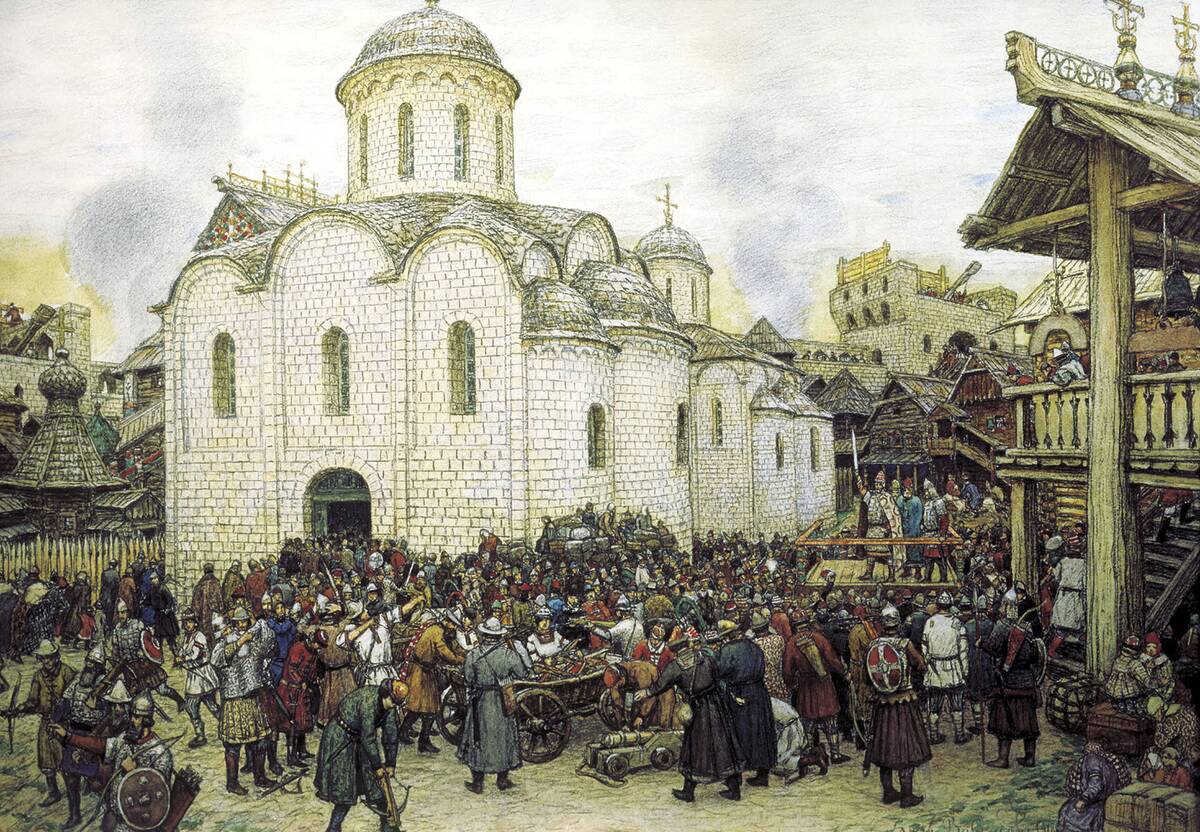
In Russia and Eastern Europe, Mongol influence is evident in both cultural practices and genetic heritage. The Mongol yoke, while initially oppressive, eventually led to a blending of cultures.
The Russian language, military strategies, and even some aspects of governance were shaped by Mongol practices, creating a unique cultural synthesis that remains to this day.
The Mughals: A Subtle Power Shift in India
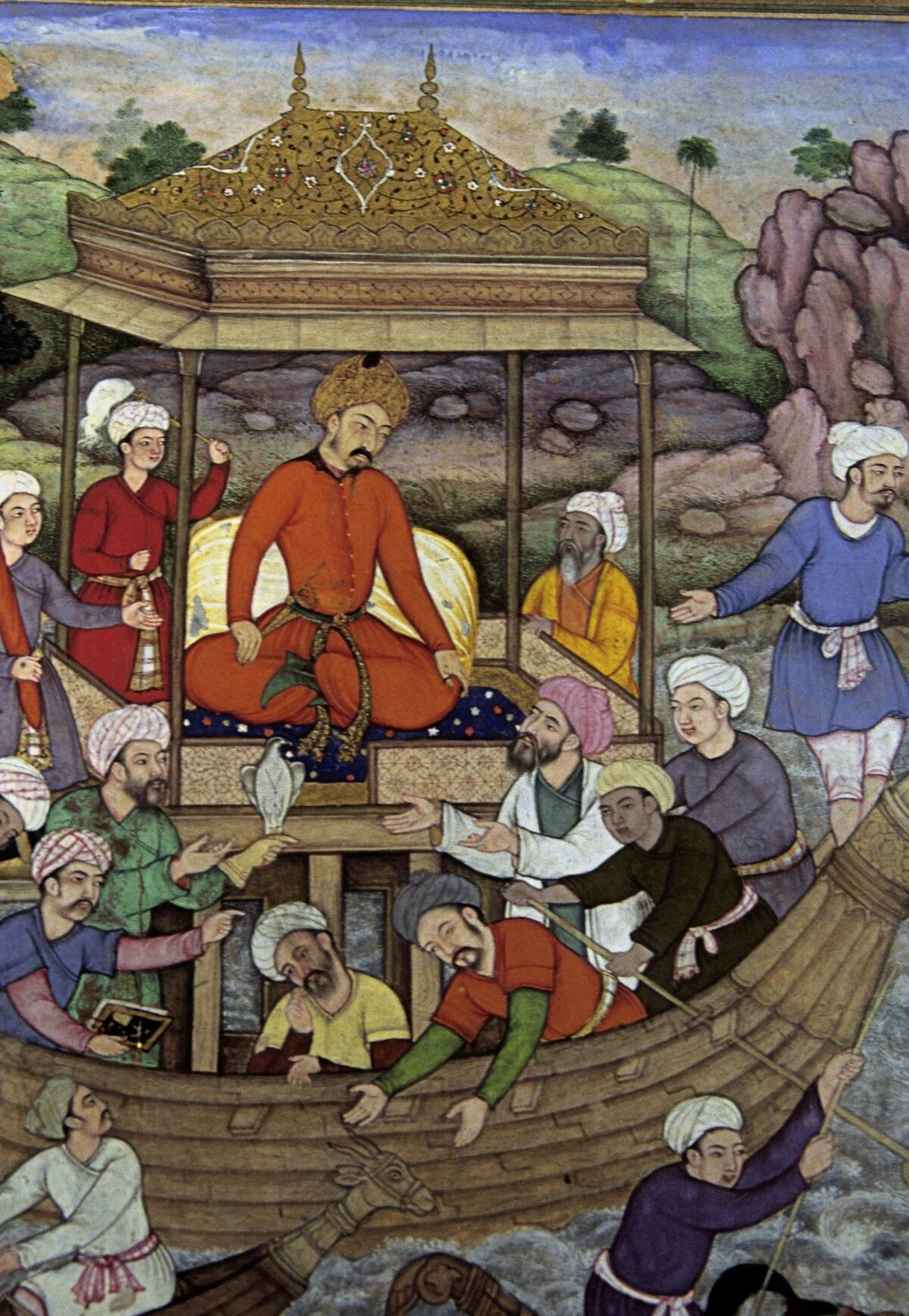
Descendants of the Mongols, the Mughal dynasty established one of India’s most enduring empires.
Their reign was marked by a fusion of Persian, Indian, and Mongol cultures, exemplified in the famed Mughal architecture. The dynasty’s emphasis on art, culture, and religious tolerance created a rich legacy that continues to influence Indian society and culture.
Mongol Ancestry in Modern-Day Kazakhstan
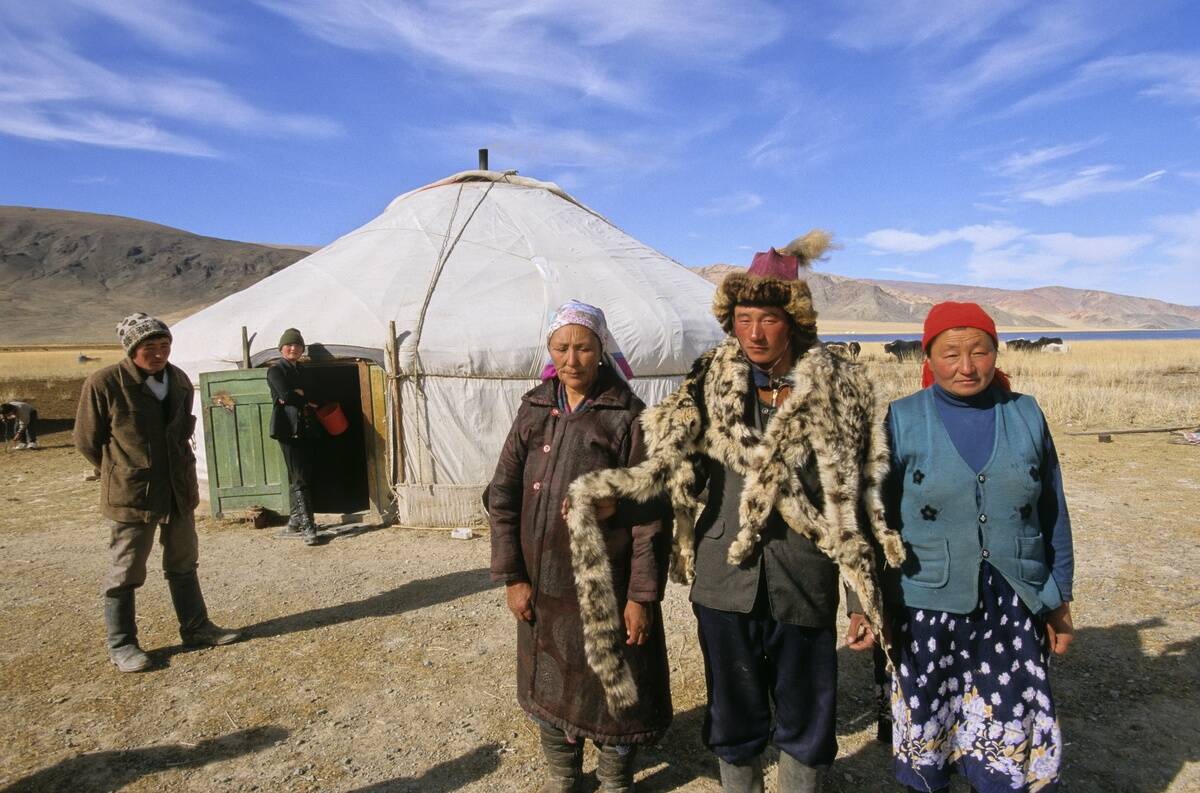
Kazakhstan, once part of the Mongol Empire, retains a strong Mongol heritage in its cultural and genetic makeup. The Kazakh people’s nomadic traditions can be traced back to the Mongol tribes.
This connection is celebrated in modern Kazakhstan, where the legacy of the Mongol past is seen as a source of national pride.
Mongol Descendants and the Arts: A Hidden Patronage
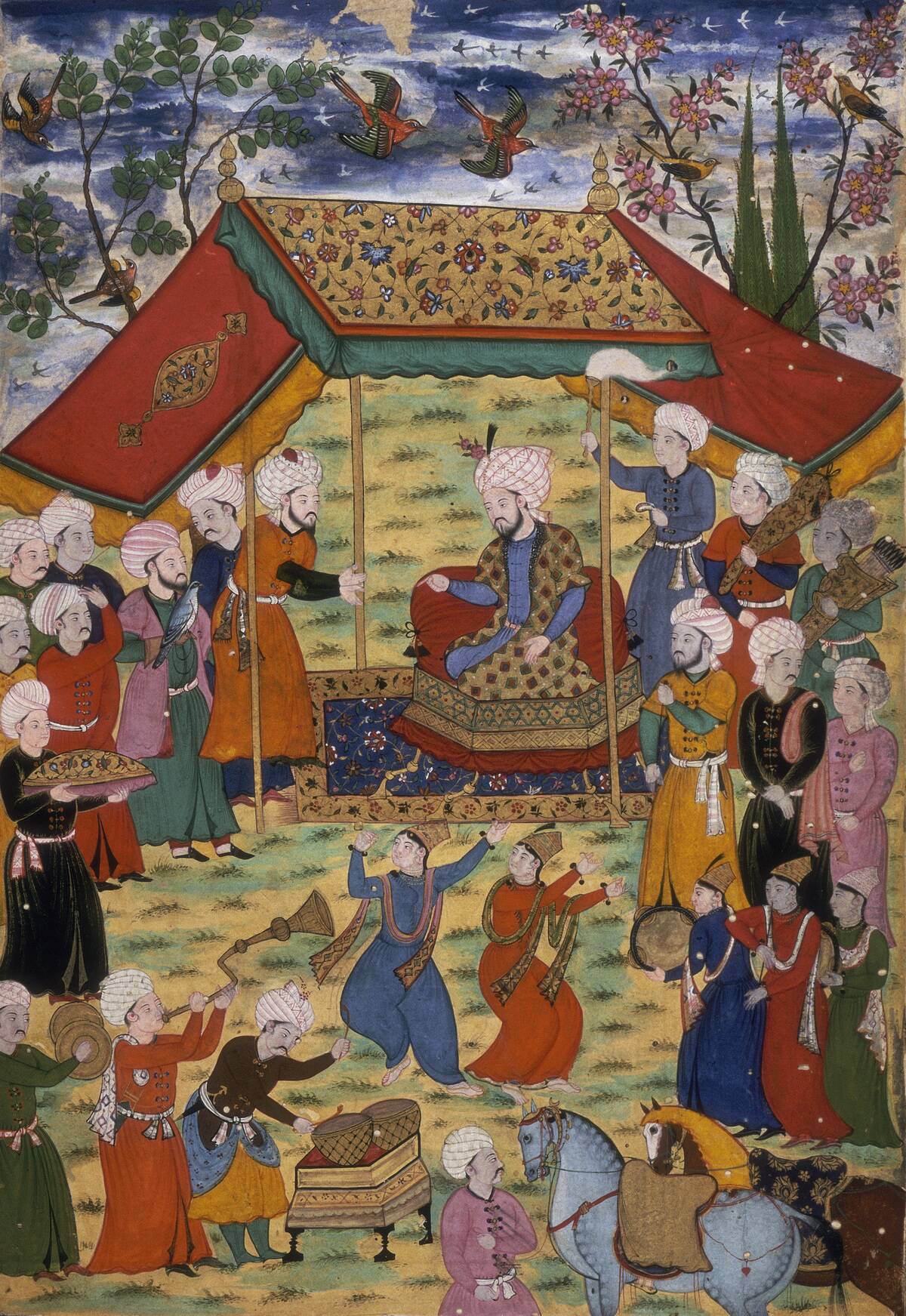
Mongol patrons played a crucial role in the development of the arts, supporting artists and craftsmen across their vast empire.
This patronage led to a flourishing of diverse styles and artistic traditions, blending influences from China, Persia, and beyond. The legacy of this cultural patronage is evident in the enduring appeal of the art and architecture from this period.
Mongol Genetics: A Modern Scientific Exploration
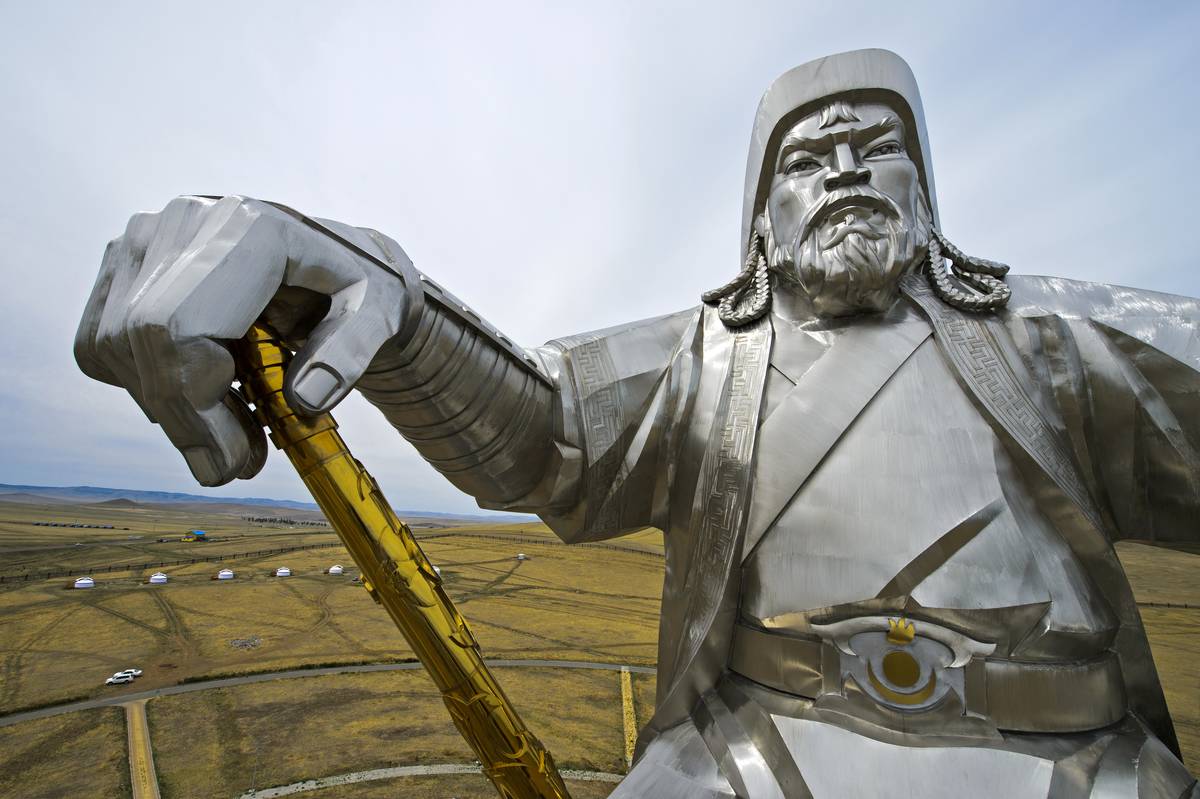
Recent genetic studies have revealed the widespread influence of Mongol ancestry, with millions of people tracing their lineage back to Genghis Khan.
This genetic legacy is a testament to the vast reach of the Mongol Empire. The ongoing exploration of Mongol genetics provides fascinating insights into human migration patterns and the interconnectedness of global populations.
The Intriguing Story of Mongol Ancestry in Korea
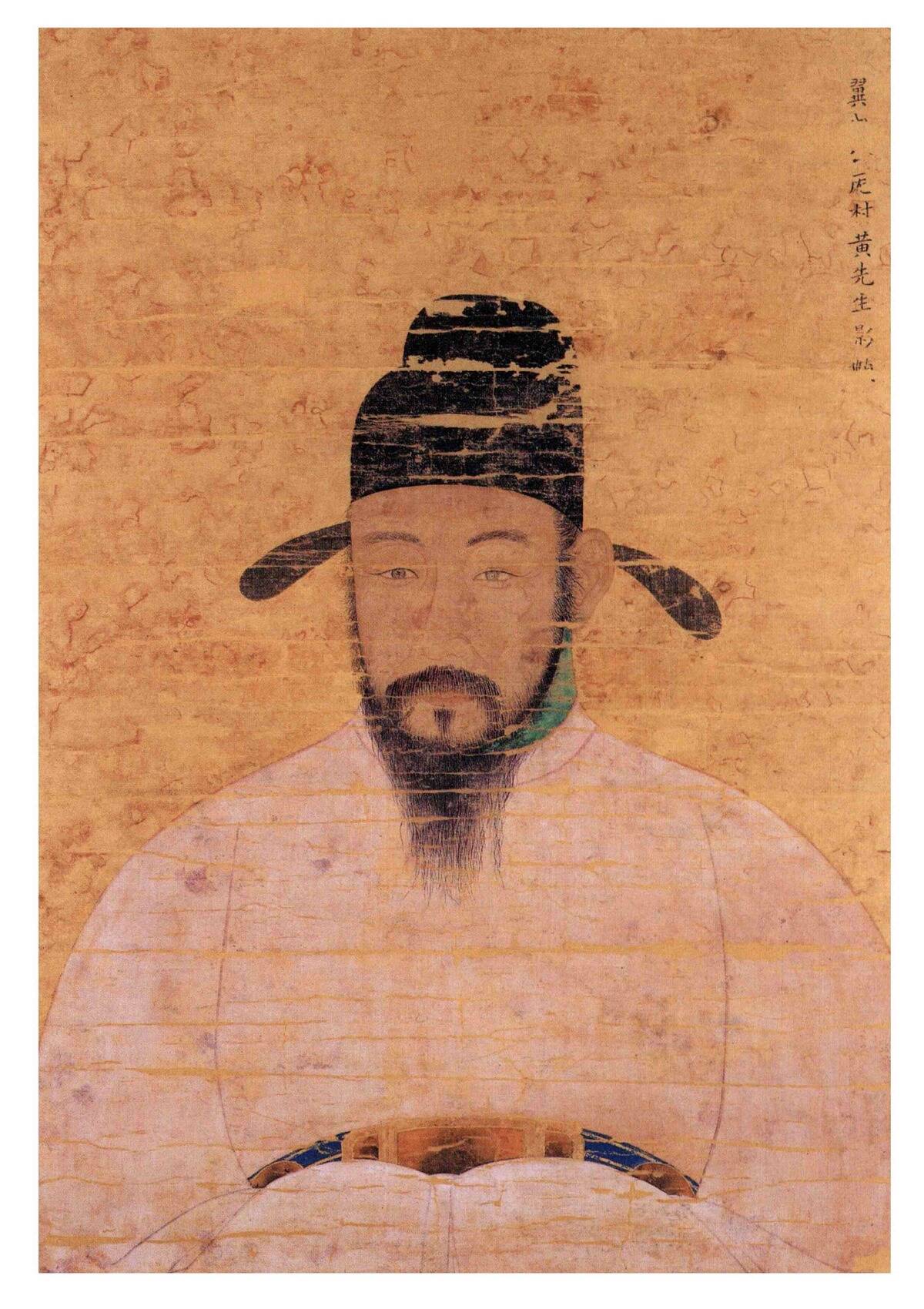
Korea’s history intertwines with the Mongols through centuries of interaction, invasion, intermarriage, and integration. The Goryeo Dynasty maintained a complex relationship with the Mongol Empire, leading to cultural exchanges.
Influences from this period are still visible in Korean art, language, and even cuisine, showcasing the enduring impact of Mongol ancestry on Korean culture.
Mongol Influences in Modern Political Systems
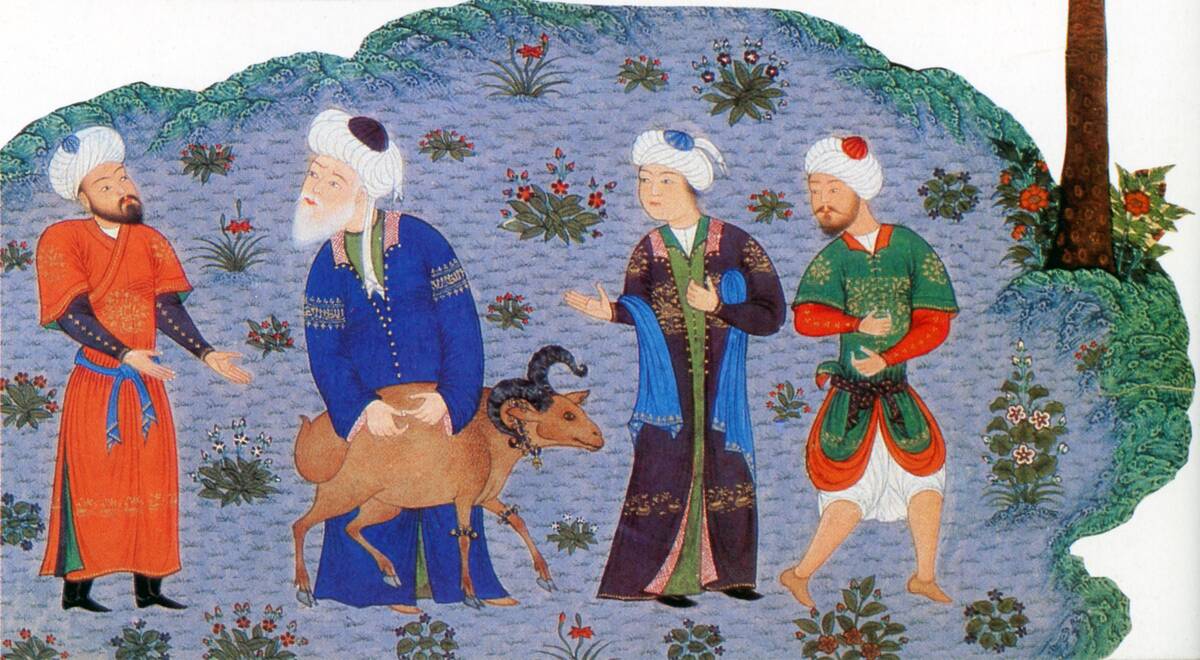
Mongol governance introduced novel concepts that have influenced modern political systems. Their emphasis on meritocracy, efficient administration, and religious tolerance were revolutionary at the time.
These principles have found echoes in contemporary governance structures, demonstrating the forward-thinking nature of Mongol rule and its lasting impact on political theory.
The Culinary Legacy of the Mongol Empire
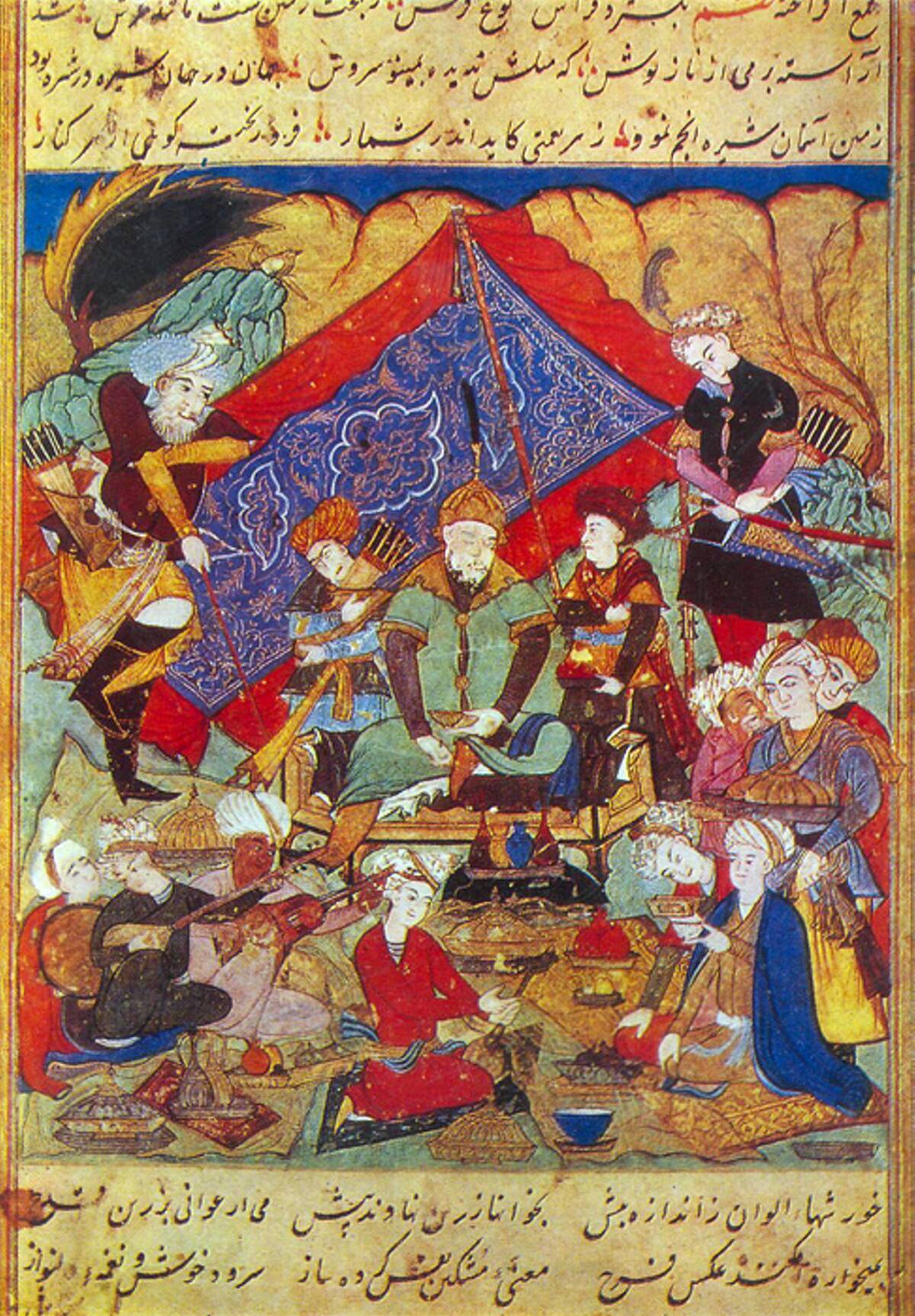
The Mongol Empire’s vast reach contributed to a fascinating culinary exchange between East and West. Traditional Mongol cuisine, characterized by dairy and meat-based dishes, influenced the culinary traditions of regions under their rule.
The spread of ingredients and cooking techniques during this era laid the foundation for several modern culinary traditions, highlighting the Mongols’ unexpected influence on global gastronomy.
The Role of Women: Unseen Mongol Influences
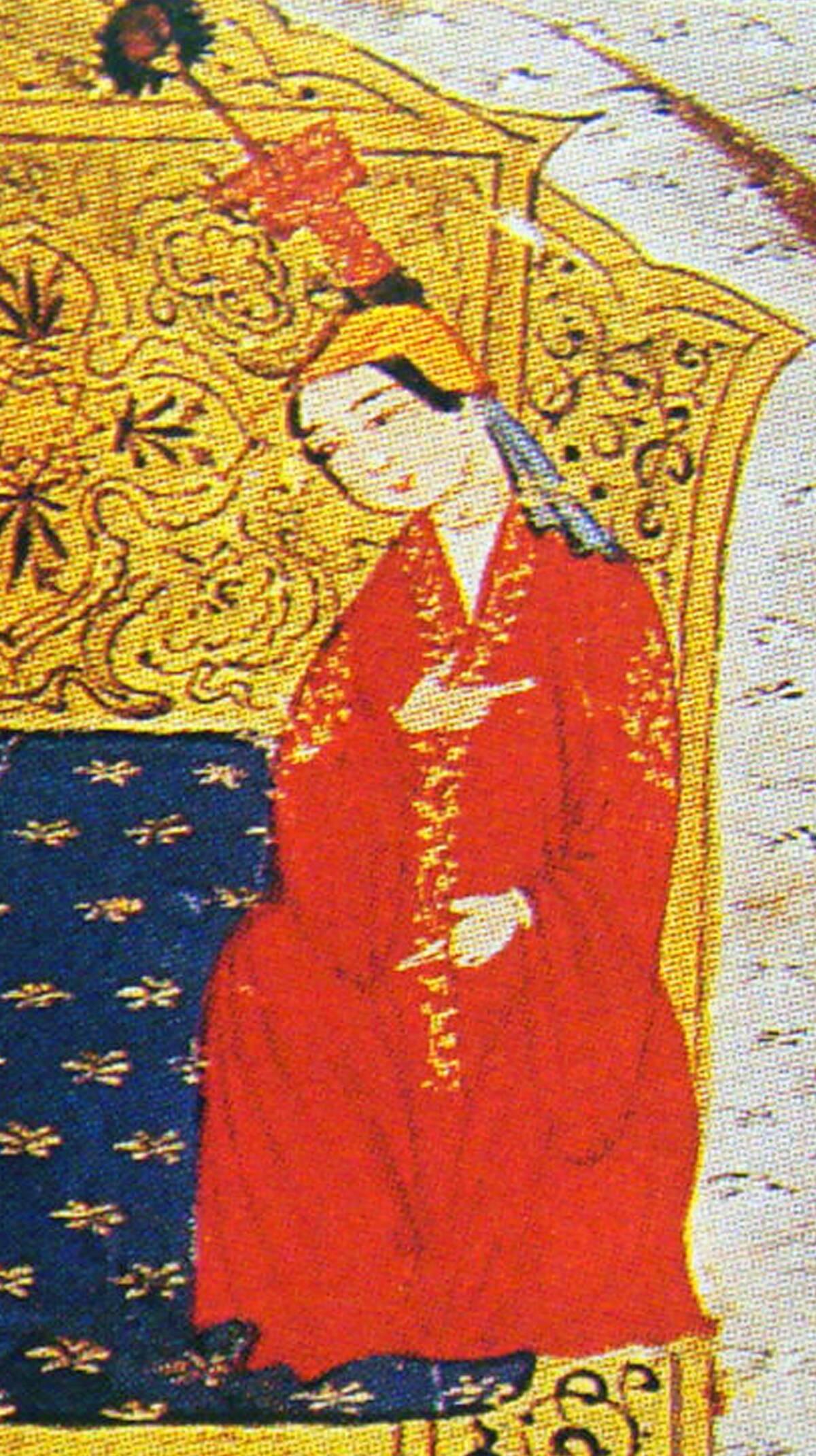
Mongol society afforded women a degree of autonomy and respect that was uncommon in other cultures of the time. Women played significant roles in administration, trade, and even military strategy.
This progressive stance on gender roles (at least within the Empire, as Genghis Khan’s forces were infamously cruel to women in conquered lands) left a subtle influence on the societies they interacted with, challenging traditional norms and promoting gender equality in unexpected ways.
Mongol Descendants and the Evolution of Warfare
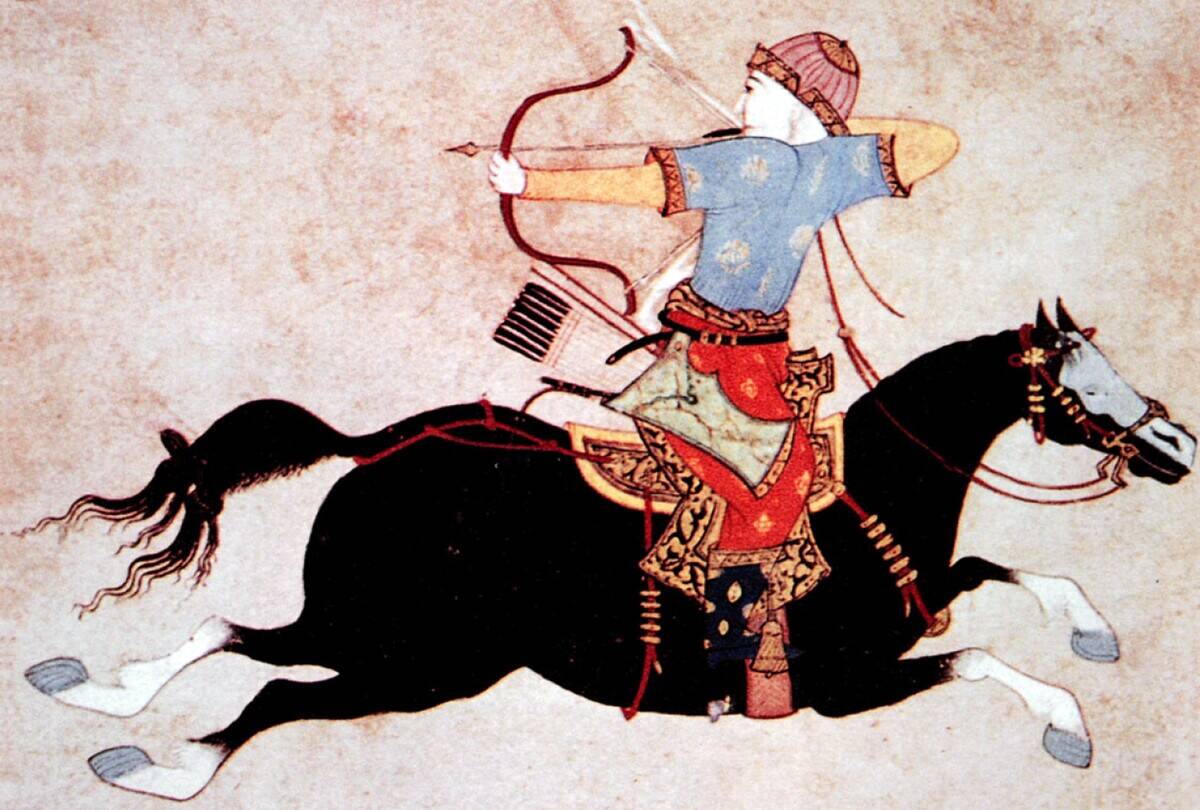
The Mongols revolutionized warfare with their innovative tactics and organizational skills. Their strategies, such as the use of composite bows and cavalry units, transformed military operations.
These advancements were adopted by other cultures, contributing to the evolution of warfare and influencing military practices long after the decline of the Mongol Empire.
The Quiet Legacy: Mongol Influence on Global Trade
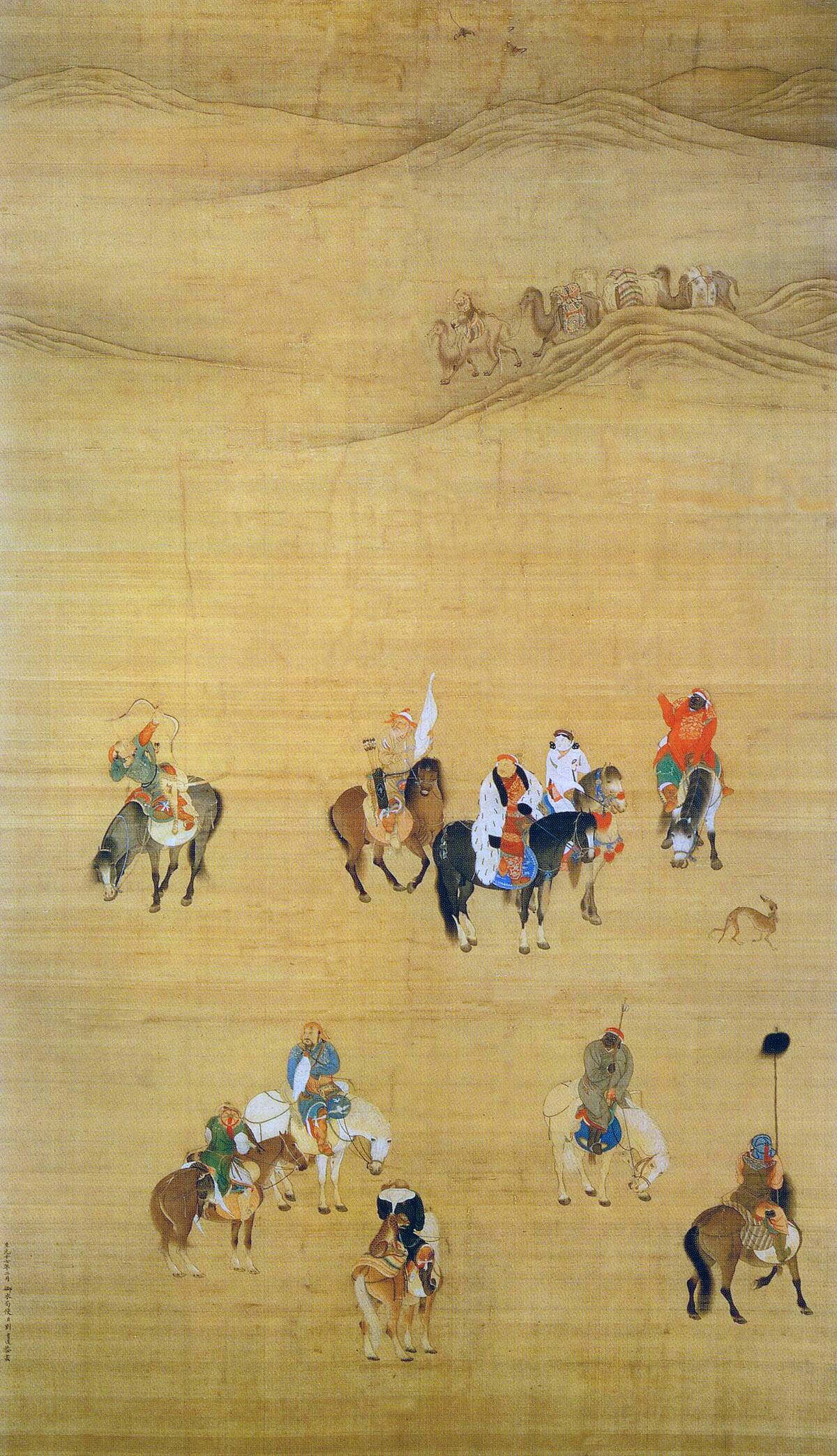
The Mongol Empire played a crucial role in revitalizing global trade routes, notably the Silk Road. Their control of vast territories ensured the safe passage of merchants and goods, facilitating economic growth and cultural exchanges.
This legacy of interconnected trade networks laid the groundwork for the globalization of commerce, influencing trade practices that endure to this day.




