Daily life in the merchant guilds of medieval Europe
Welcome to the fascinating world of Renaissance merchant guilds, where commerce and camaraderie intertwined to shape the economic backbone of Europe.
These guilds were more than just business associations; they were vibrant communities that played a crucial role in the social and economic life of the time. As we explore this lively era, prepare to uncover the secrets of these guilds, from their bustling marketplaces to their influential networks.
The Origins of Merchant Guilds: A Brief History

Merchant guilds trace their roots back to the early medieval period, blossoming significantly during the Renaissance. Initially formed to protect traders from competition by outsiders and the hardships of life, they evolved into powerful entities that controlled trade in cities.
By the 12th century, guilds had established a strong presence across Europe, setting the stage for a thriving commercial landscape. These guilds were instrumental in shaping the economic policies of their respective regions, laying the groundwork for modern trade systems.
The Role of Merchant Guilds in Medieval Society
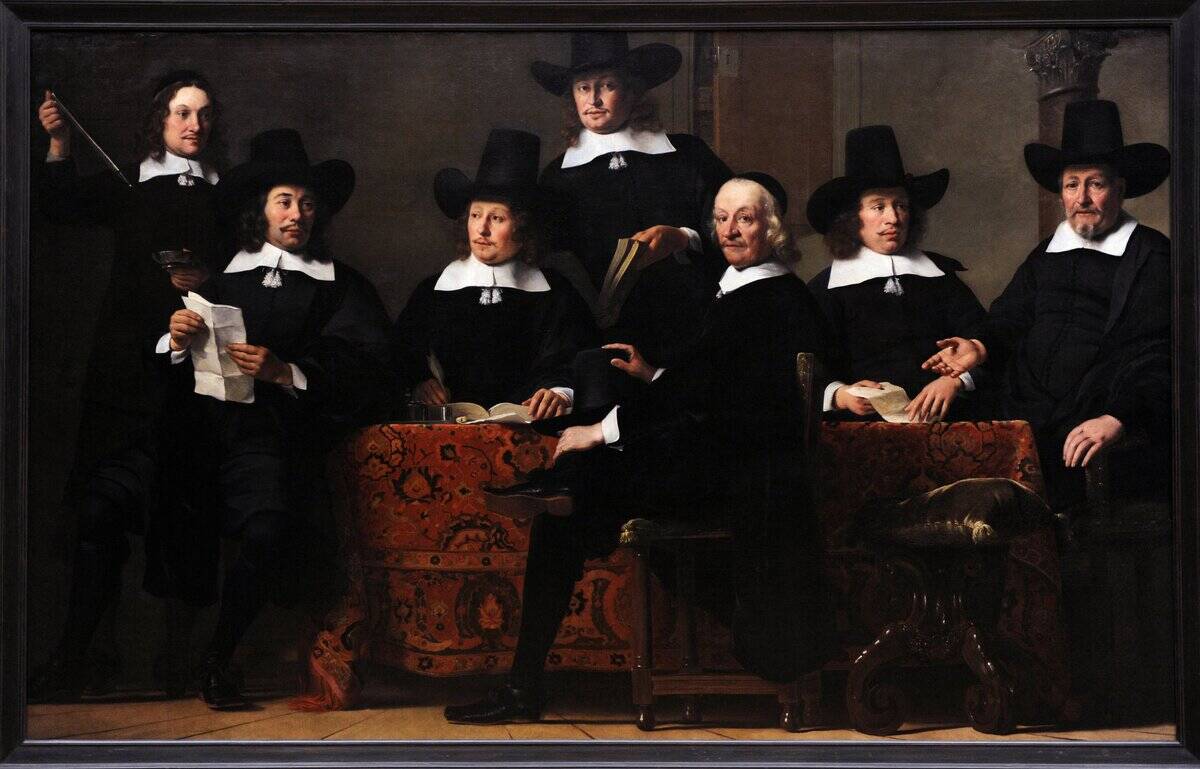
During the 12th Century, merchant guilds were the lifeblood of urban centers, driving economic growth and fostering community bonds. They regulated trade practices, ensuring competition favorable to their members and quality products.
Beyond commerce, guilds provided social support to their members, including financial assistance during tough times. They also played a role in local governance, influencing decisions about trade regulations and city planning, thus becoming integral to the civic structure.
Membership: Who Got to Join the Club?
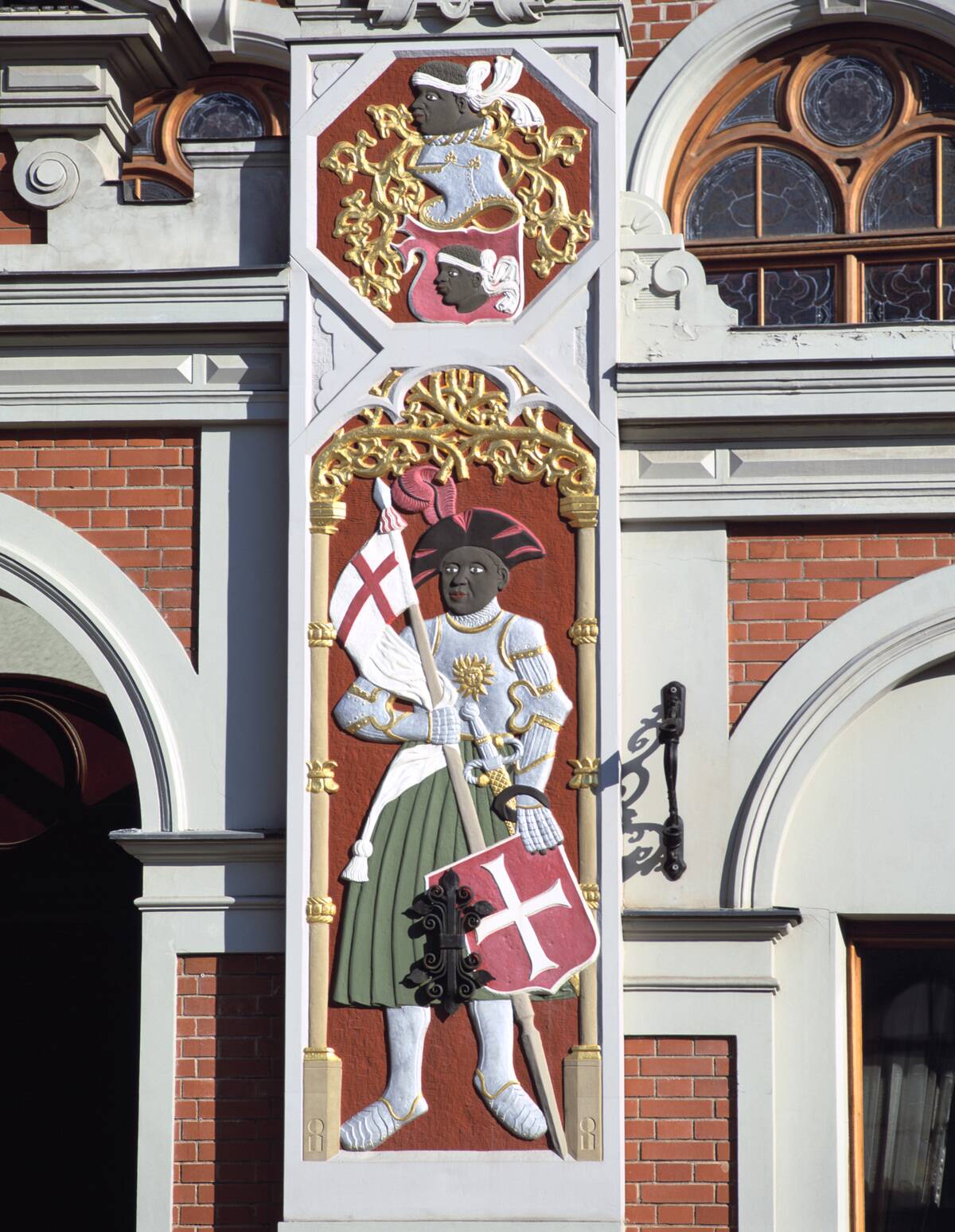
Membership in a merchant guild was typically reserved for local traders (typically men, unless membership was secured by marriage or inheritance) who could afford the entry fees, which were often steep. Being part of a guild was prestigious, offering protection and exclusive trading rights.
Sons of guild members were usually given priority, and apprenticeships were a common path to membership. However, gaining entry wasn’t just about wealth; it required a good reputation and adherence to the guild’s rules, ensuring trust and integrity within the group.
A Day in the Life: The Routine of a Renaissance Merchant
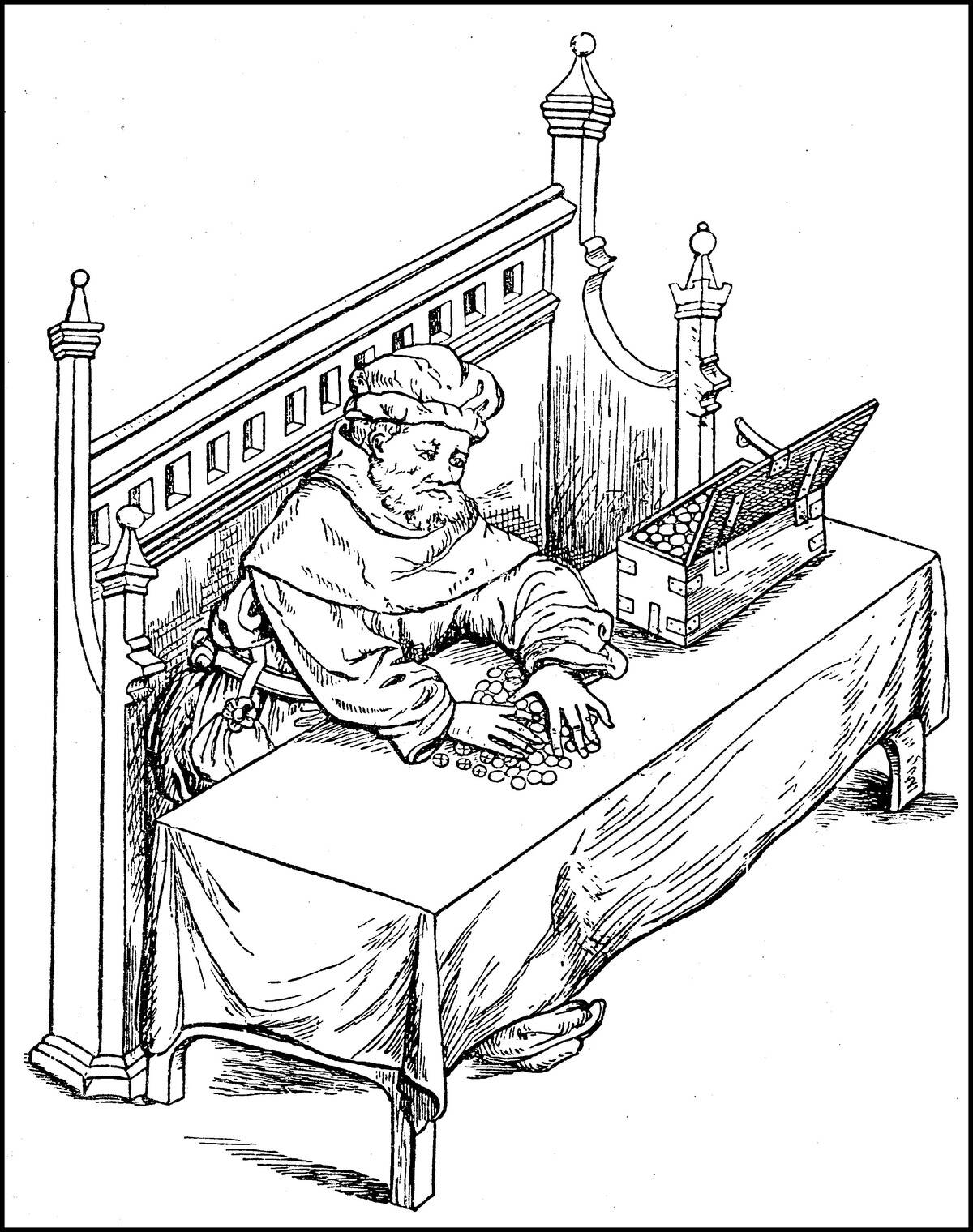
A typical day for a Renaissance merchant began with setting up their stall in the bustling marketplace, arranging goods to attract potential buyers. Negotiations and trade deals filled their hours, requiring sharp wit and keen observation.
After the market closed, merchants often attended guild meetings to discuss trade policies and network with fellow traders.
The Marketplaces: Centers of Trade and Gossip
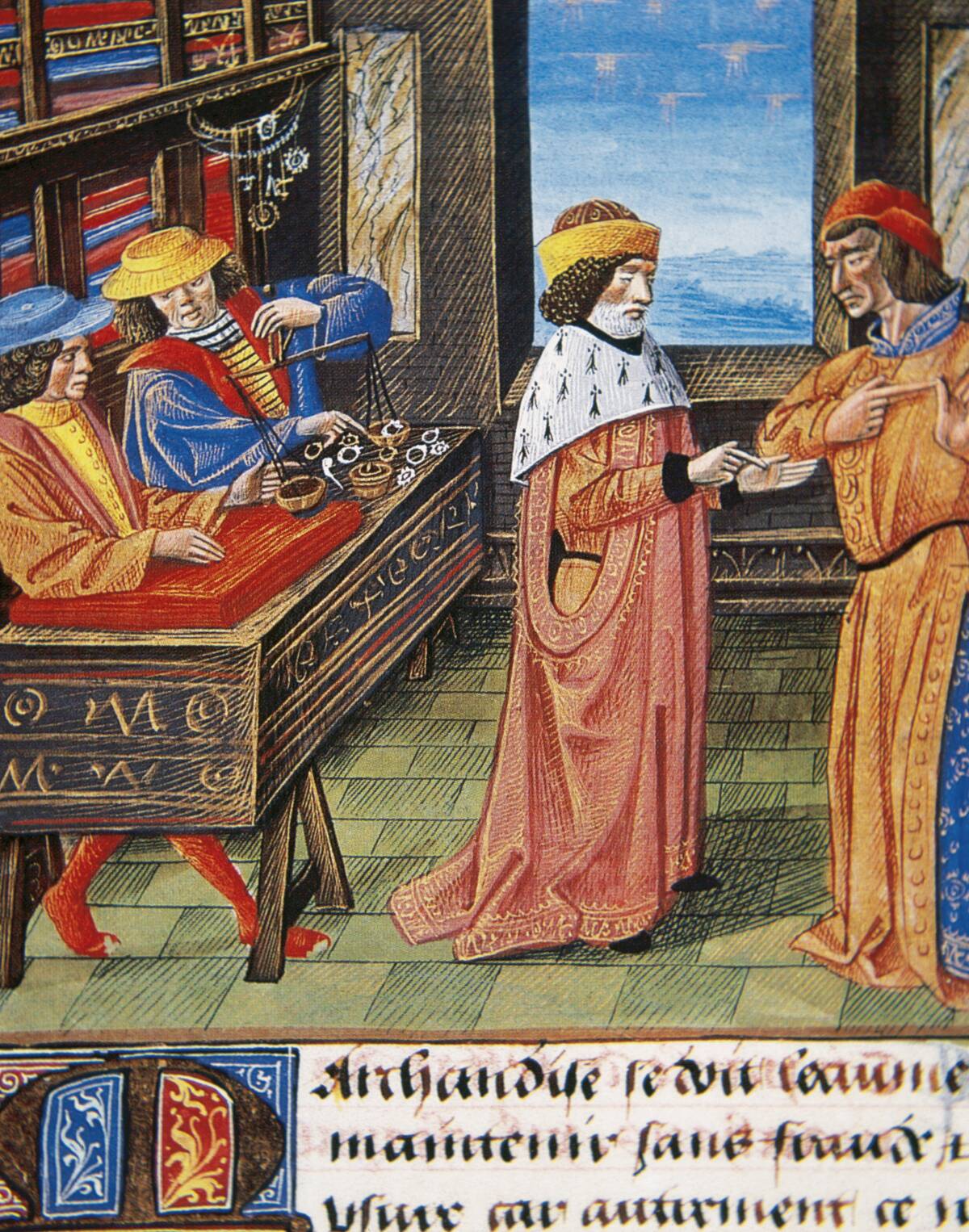
Marketplaces during the Renaissance were vibrant hubs of activity, not just for trade but also for social interaction. Merchants hawked their wares amid the chatter of buyers and the clinking of coins.
These marketplaces were also hotbeds for gossip, where traders exchanged the latest news and rumors. The lively atmosphere made them the perfect place to observe the cultural tapestry of the time, as people from all walks of life mingled and conducted business.
The Guild Hall: More Than Just a Meeting Place
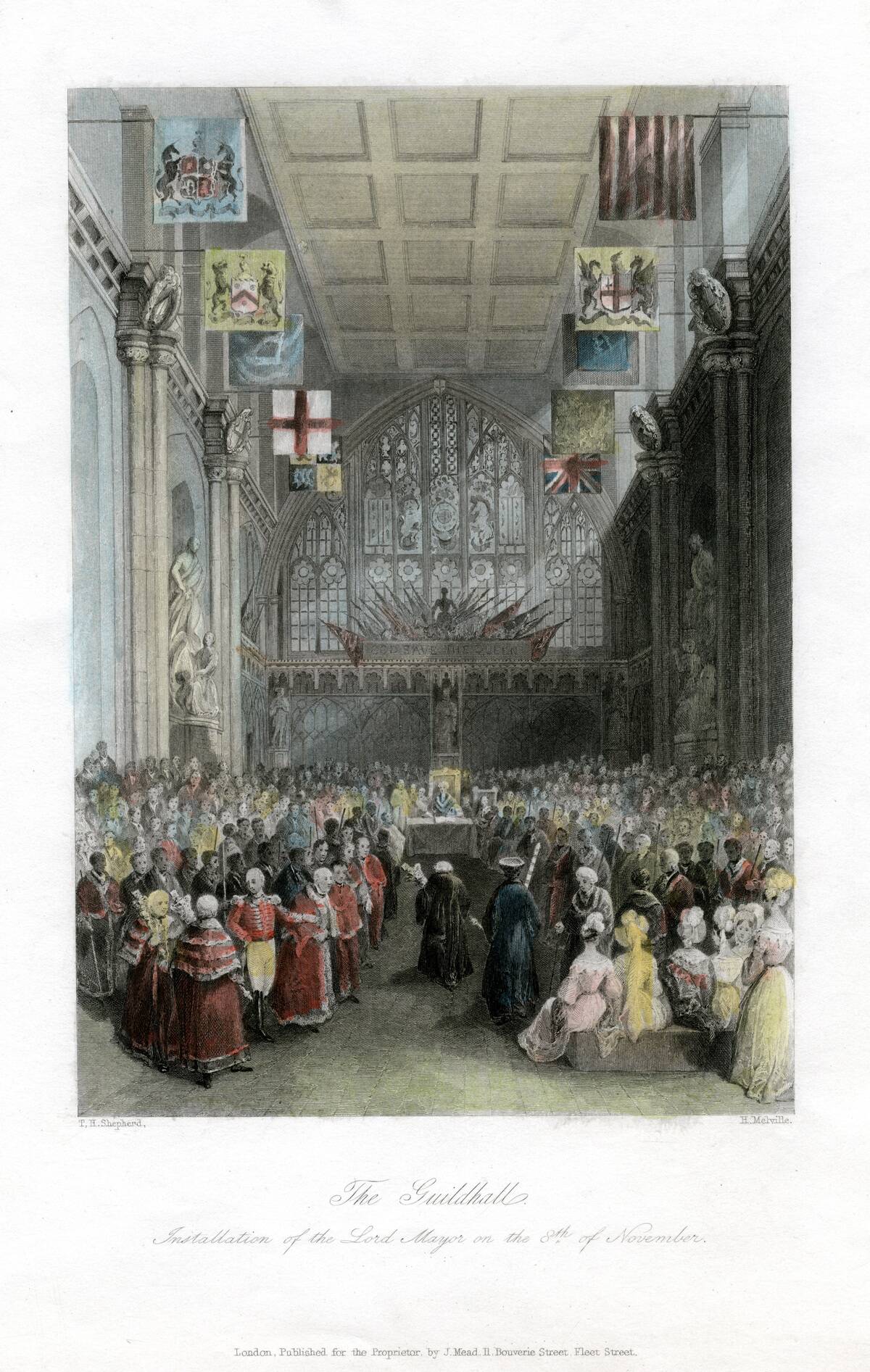
The guild hall was the heart of the merchant community, serving as a venue for official meetings, celebrations, and even legal proceedings. These grand buildings were often architectural marvels, showcasing the wealth and influence of the guild.
Inside, members discussed trade matters, resolved disputes, and planned future ventures. The guild hall was also a social center, hosting banquets and events that reinforced the bonds between members and their communities, fostering a sense of belonging and mutual support.
Trading Goods: What Was on the Merchant’s Menu?
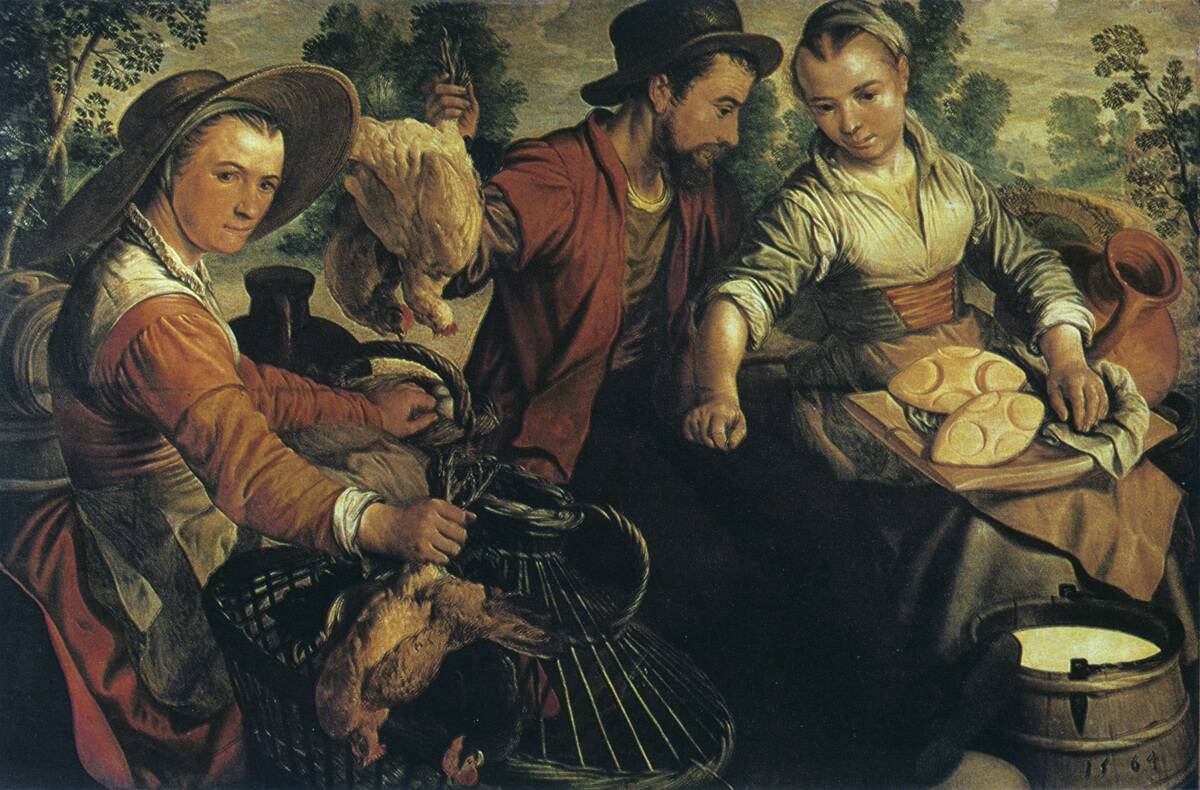
Renaissance merchants traded a variety of goods, from everyday essentials like grain and cloth to luxury items such as spices and silk. The spice trade was particularly lucrative, with merchants traveling vast distances to acquire exotic flavors.
Textiles, especially wool and linen, were also in high demand, fueling the growth of the textile industry. These goods not only satisfied local needs but also connected different cultures, as trade routes expanded across continents.
The Art of Negotiation: Haggling Like a Pro
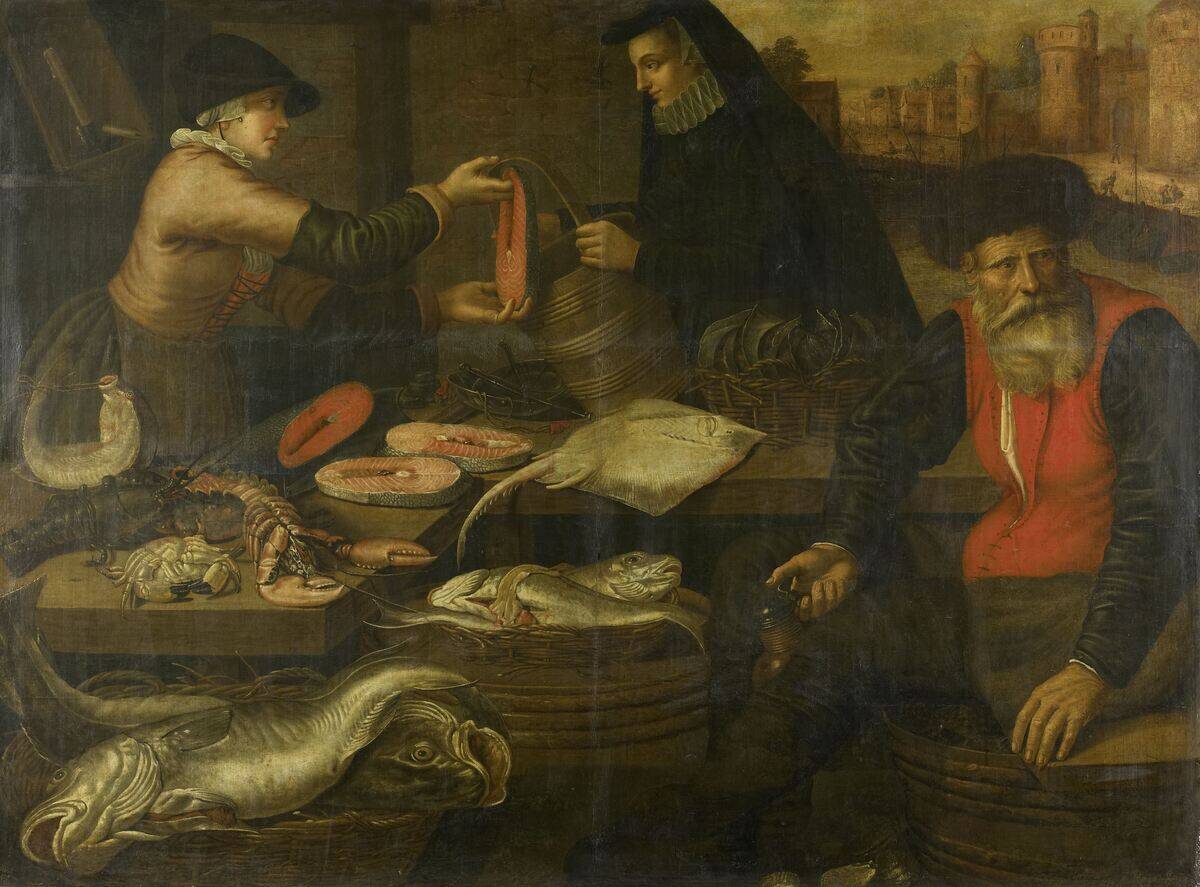
Negotiation was an essential skill for Renaissance merchants, who often engaged in intense haggling to secure the best deals. This art required patience, strategic thinking, and a deep understanding of market dynamics.
Successful merchants knew how to read their customers and competitors, adjusting their tactics accordingly. Negotiation wasn’t just about price; it involved building trust and establishing long-term relationships. Mastery of this art could mean the difference between profit and loss.
Merchant Guilds and Their Influence on Local Politics

Merchant guilds wielded significant influence in local politics, often acting as intermediaries between the government and the people. Their economic power gave them a voice in civic matters, from infrastructure projects to trade regulations.
Guilds could lobby for policies that favored their interests, impacting the political landscape. As a result, many merchants held public office (especially when they started marrying cash-strapped nobles), using their positions to further both their personal and guild agendas, intertwining commerce and governance.
Apprenticeships: Training the Next Generation
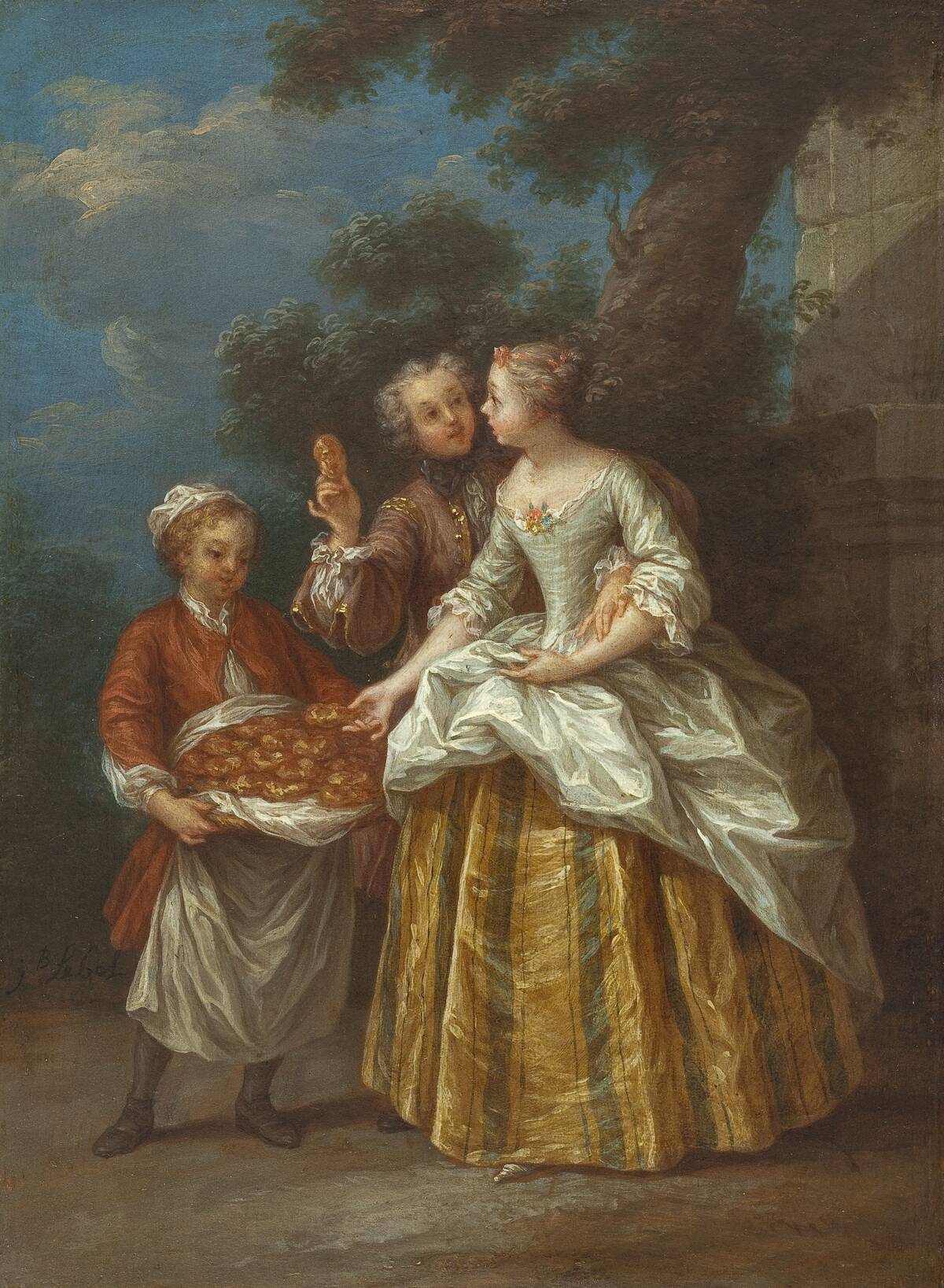
Apprenticeships were the lifeblood of merchant guilds, ensuring the continuation of trade knowledge and skills. Young apprentices learned the ropes under the guidance of experienced merchants, often living with their masters as part of their training.
These apprenticeships could last several years, during which the apprentices gained hands-on experience in trading and negotiations. Successful apprentices eventually became guild members themselves, perpetuating the guild’s traditions and contributing to its growth.
The Importance of Guild Regulations and Standards
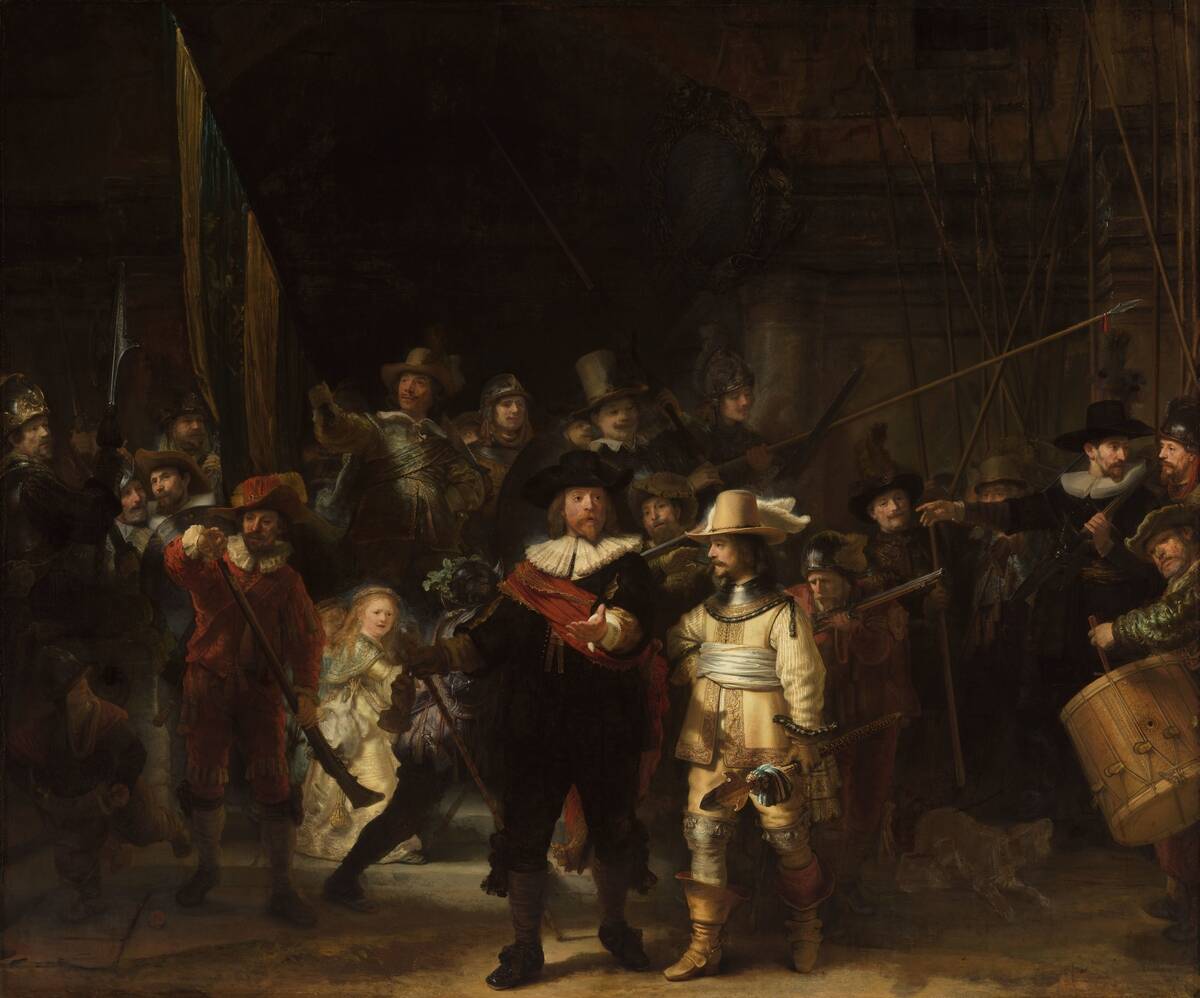
Guild regulations were essential for maintaining order and quality within the trade. These rules ensured that merchants adhered to ethical practices, preventing fraud and exploitation. Standards were set for product quality, protecting consumers and enhancing the guild’s reputation.
Compliance with these regulations was mandatory, with penalties for violations. This usually amounted to ostracism, which ensured most merchants refused to trade with a violator. This system of checks and balances not only fostered fair competition but also built trust among customers and merchants alike.
Social Events: Feasts, Festivals, and Fun Times
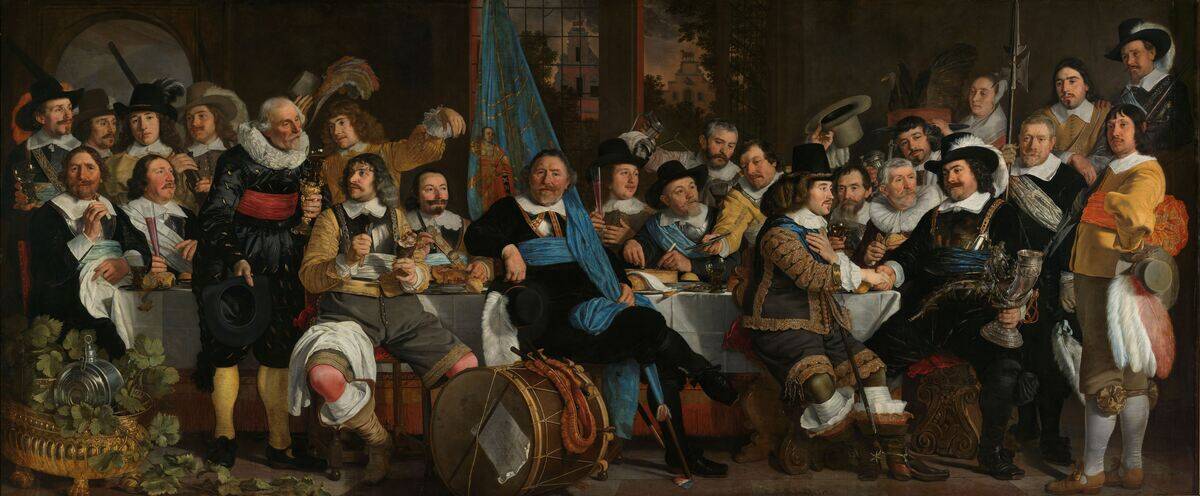
Social events were a highlight of guild life, providing a break from the rigors of trade. Feasts and festivals were regular occurrences, offering members a chance to relax and celebrate their successes along with their communities.
These gatherings were filled with music, dancing, and sumptuous meals, strengthening the bonds between guild members. They also presented opportunities for networking and forging new alliances, particularly with nobles.
Women in Merchant Guilds: Breaking Barriers
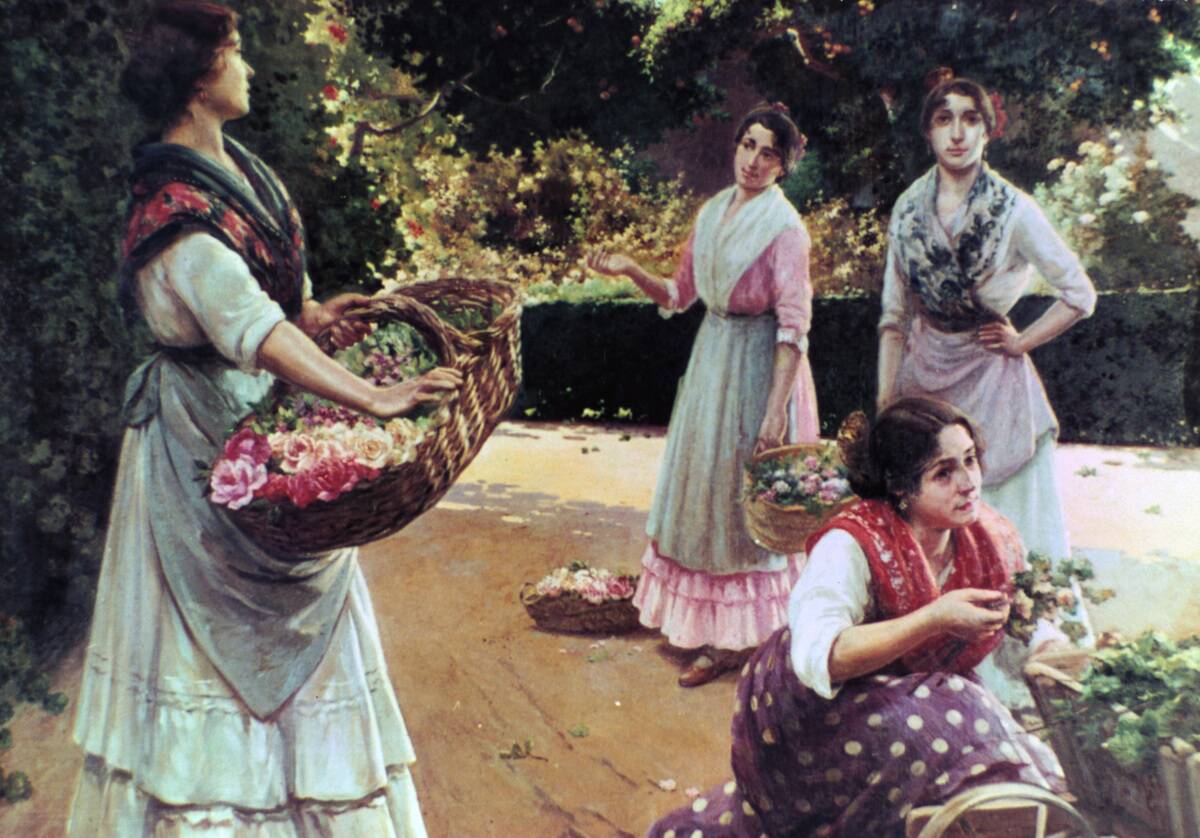
While largely male-dominated, some merchant guilds began to see the presence of women, particularly as widows or daughters of merchants. These women often took over family businesses, breaking barriers and challenging societal norms.
Though not always recognized formally, their contributions were significant, as they managed operations and maintained trade relationships. Over time, women’s roles in commerce grew, paving the way for greater gender equality in trade and business.
Challenges and Rivalries: Navigating a Competitive World
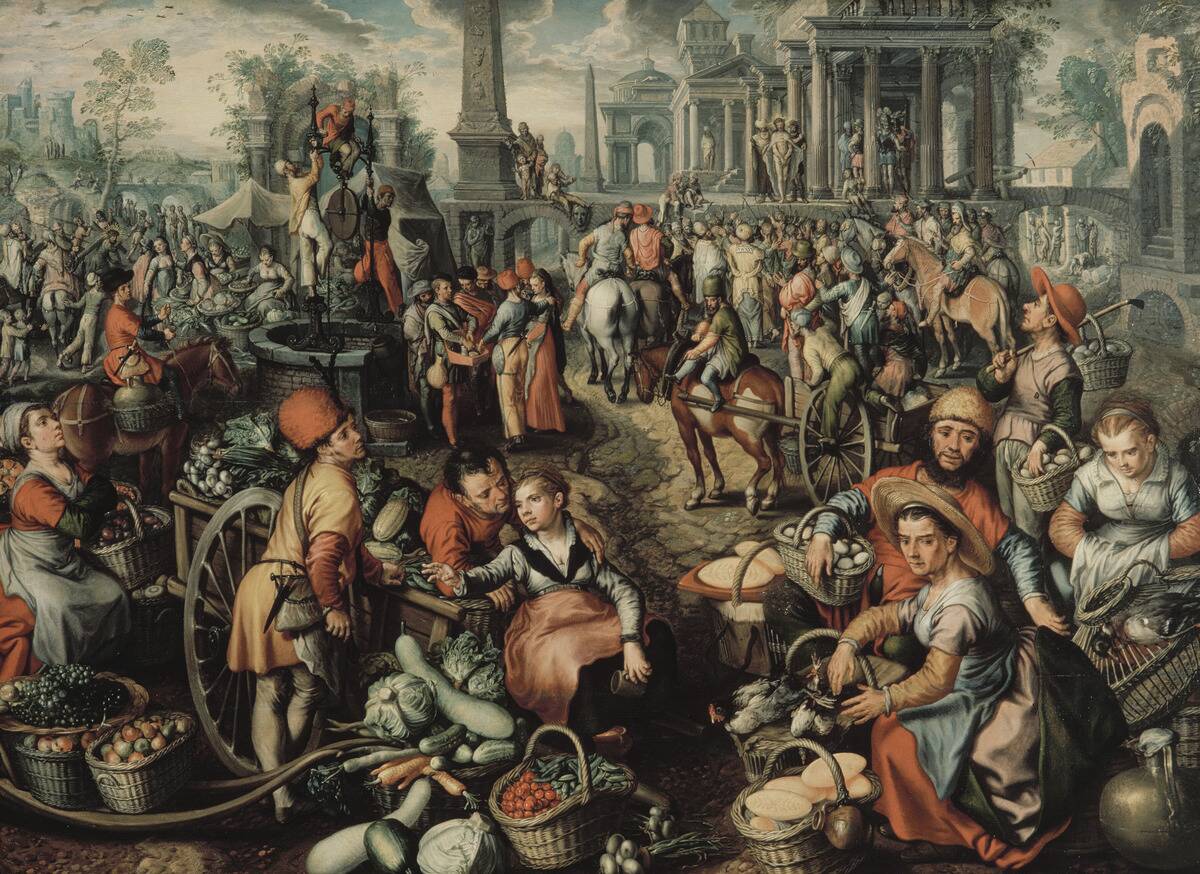
The world of Renaissance merchant guilds was fraught with challenges and rivalries, as competition for markets and resources was fierce. Indeed, the influence of merchant guilds would be well into its decline by this point in history.
This was due to the fact that international trade and commerce were more widespread than they had been during the Middle Ages. This meant that if a merchant didn’t want to deal with the drawbacks of guild membership or couldn’t secure it for whatever reason, it was far easier to circumvent merchant guilds altogether.




