Countries who influenced the American constitution
The American Constitution, a hallmark of democratic governance, is often celebrated for its innovative design and enduring influence. However, it didn’t emerge in a vacuum. The framers of the Constitution drew inspiration from a variety of global sources, weaving together a tapestry of ideas that spanned continents and centuries.
This international blend of influences shaped a document that not only served a new nation but also set a precedent for constitutional democracy worldwide.
The Historical Context of Constitution Drafting in America
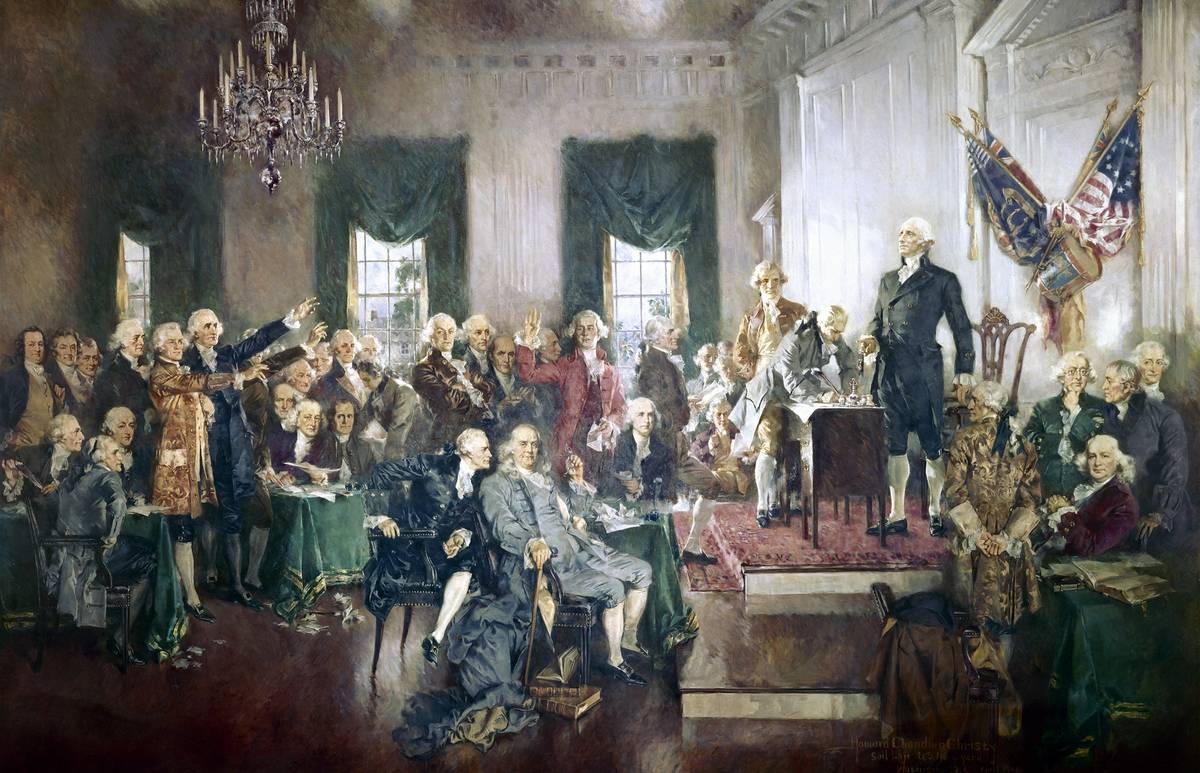
In the late 18th century, the American colonies found themselves in a unique position to craft a new government. Freshly emerged from the Revolutionary War, they were determined to establish a system that avoided the pitfalls of the monarchies they opposed.
The Constitutional Convention of 1787 in Philadelphia was a melting pot of ideas and debates, with delegates keenly aware of the need for a strong yet fair government. Their task was to create a framework that balanced power and safeguarded individual liberties.
Enlightenment Ideas: A Philosophical Groundwork

The Enlightenment, with its emphasis on reason, liberty, and progress, provided a rich philosophical foundation for the Constitution. Thinkers like John Locke and Jean-Jacques Rousseau championed the concepts of natural rights and the social contract, arguing that governments should be based on the consent of the governed.
These ideas were revolutionary, challenging the divine right of kings and laying the groundwork for modern democracy. The framers incorporated these principles, ensuring that the Constitution reflected a commitment to individual freedoms and rational governance.
The British Magna Carta: A Legacy of Liberty
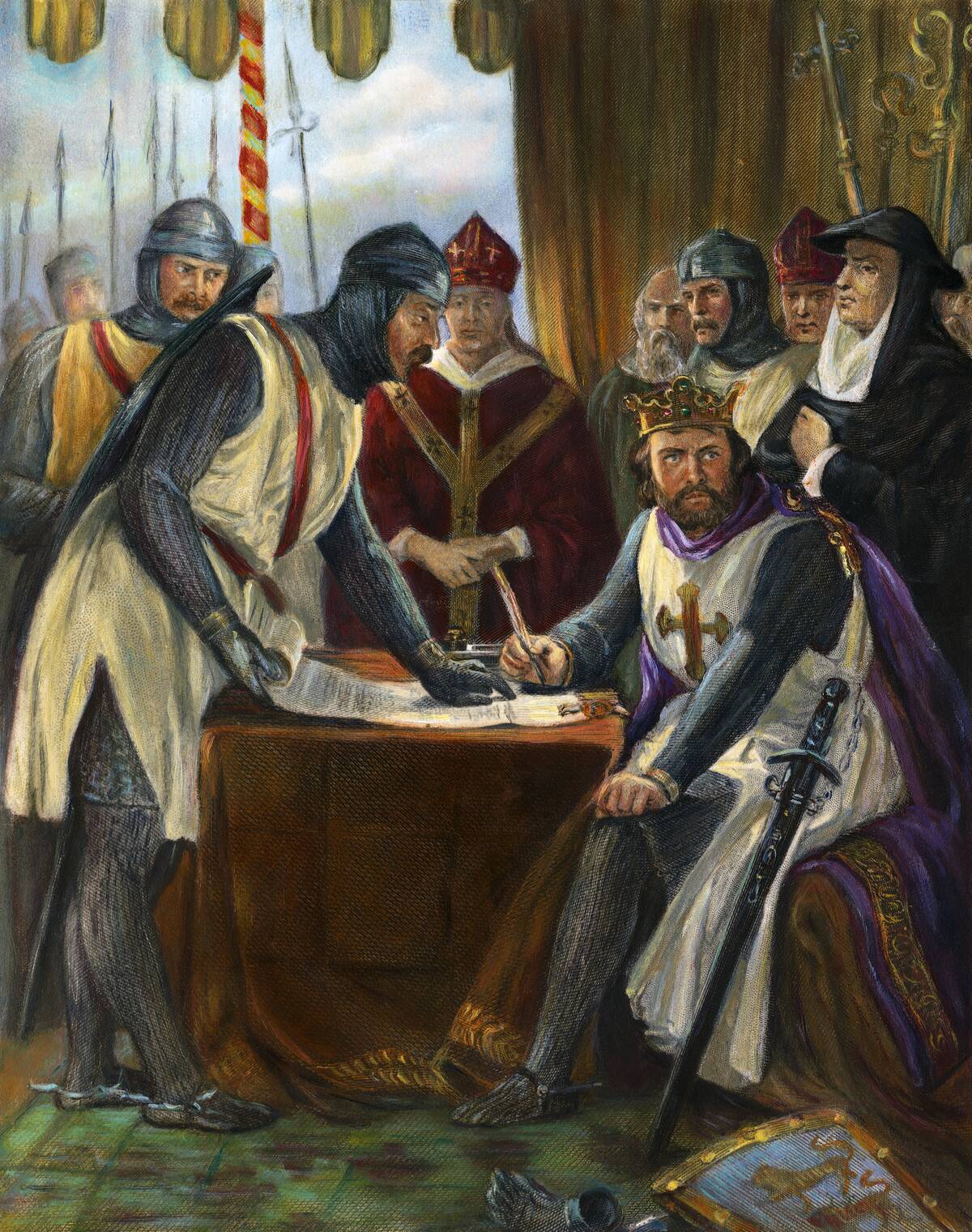
The Magna Carta, signed in 1215, was a pioneering document that limited the powers of the English monarch and laid the foundation for the rule of law. It introduced the idea that even the king was not above the law, a principle that resonated deeply with the American founders.
By incorporating similar checks and balances into the Constitution, the framers sought to protect citizens from tyranny and ensure justice and fairness in governance. The Magna Carta’s influence is evident in the Constitution’s emphasis on due process and individual rights.
The English Bill of Rights: A Model for Governance
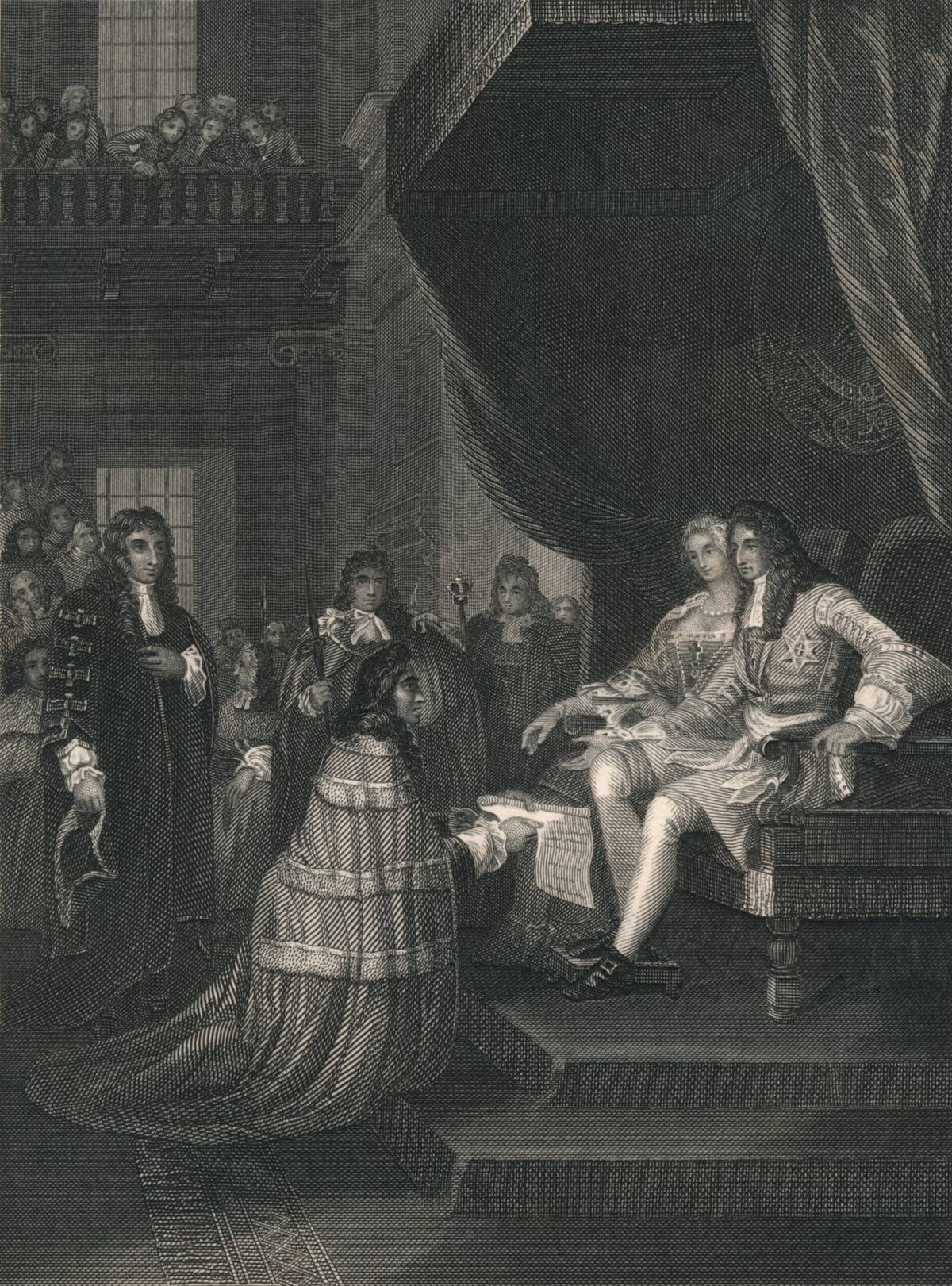
Adopted in 1689, the English Bill of Rights was a critical document that defined the limits of royal authority and cemented parliamentary power. It guaranteed certain fundamental rights, such as the right to petition and the freedom from cruel and unusual punishment.
These provisions inspired similar protections in the American Bill of Rights. The framers drew inspiration from the English Bill of Rights’ protections for individual liberties, such as the right to petition and freedom from cruel and unusual punishment, and they sought to replicate this balance in the new American government.
The Influence of the Glorious Revolution
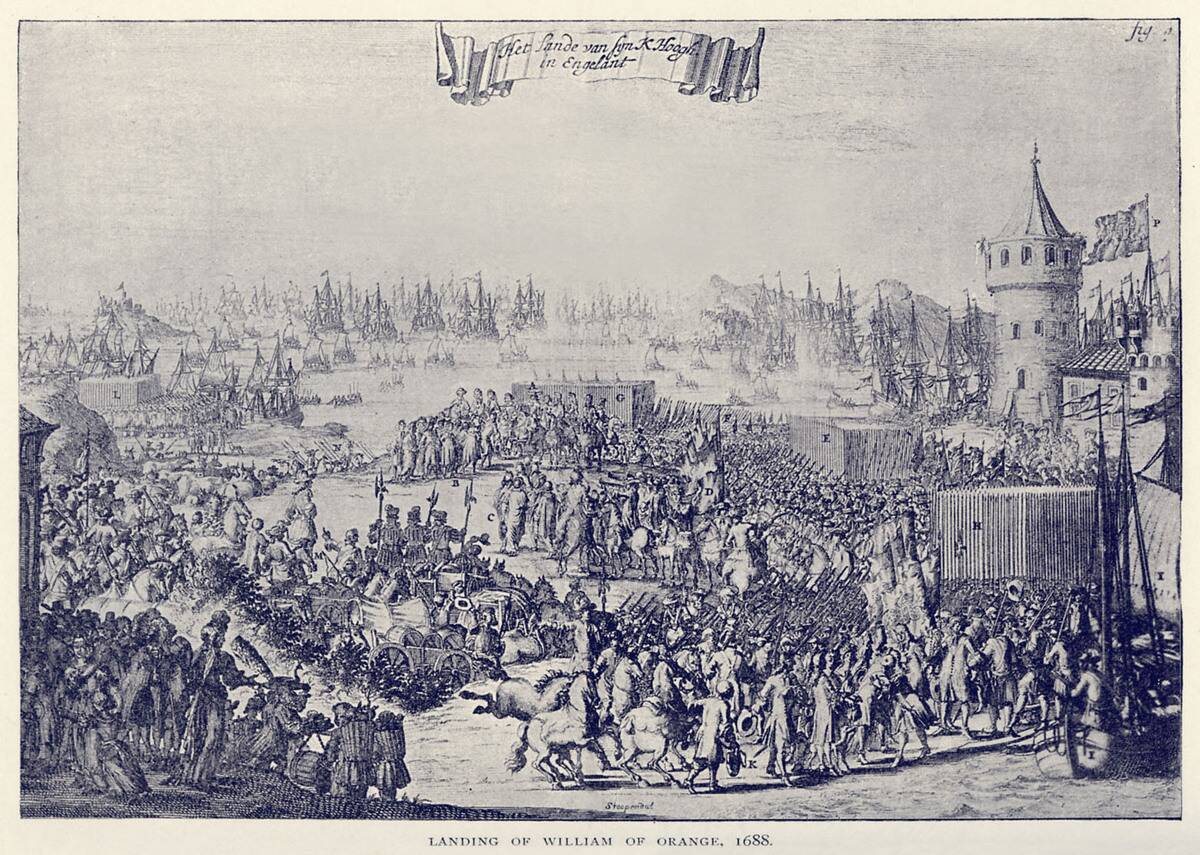
The Glorious Revolution of 1688 was a pivotal event in British history that solidified the transition from absolute monarchy to constitutional monarchy. It established the principle that the monarchy could not rule without the consent of Parliament, a notion that deeply influenced the American founders.
They admired how power shifts could occur without bloodshed and wanted to ensure that their new government could adapt peacefully to changing circumstances. The revolution’s legacy of limiting royal power and emphasizing parliamentary authority was echoed in the American system.
Dutch Republic: Lessons in Federalism and Unity
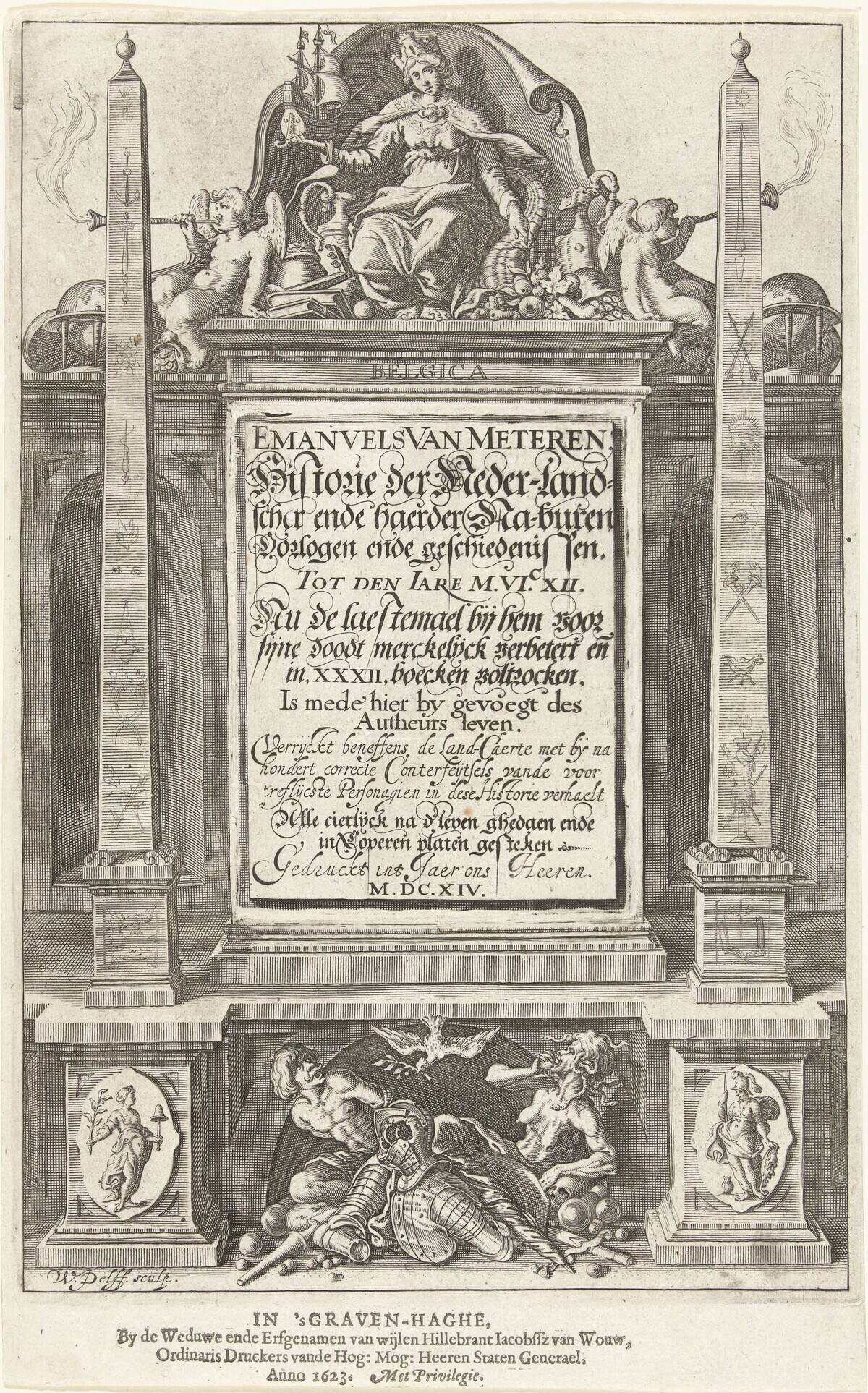
The Dutch Republic, known for its decentralized political structure, provided a model of federalism that intrigued American thinkers. It demonstrated how a collection of semi-autonomous provinces could coexist under a unified government while maintaining local control.
The framers were inspired by this balance, crafting a federal system that allowed states to retain significant power while forming a strong national government. This approach enabled the United States to accommodate diverse interests and regional differences, a key factor in its success.
The Iroquois Confederacy: Native American Contributions

The Iroquois Confederacy, a sophisticated alliance of Native American tribes, offered a unique perspective on governance. Its Great Law of Peace outlined a system of checks and balances and emphasized consensus-building, principles that resonated with the American founders.
Benjamin Franklin and others admired how the Iroquois maintained unity and peace among diverse groups. Recognizing the value of these indigenous practices, the framers integrated similar ideas into the Constitution, promoting cooperation and shared governance.
French Philosophers: Montesquieu and the Separation of Powers

Baron de Montesquieu, a leading French philosopher, profoundly impacted the American Constitution with his ideas on the separation of powers. In ‘The Spirit of the Laws,’ he argued for dividing government authority into distinct branches to prevent tyranny.
The framers embraced this concept, establishing the legislative, executive, and judicial branches with distinct powers and responsibilities. Montesquieu’s influence is evident in the system of checks and balances that ensures no single branch becomes too powerful, preserving democratic governance.
Ancient Rome: Republican Ideals and Civic Duty
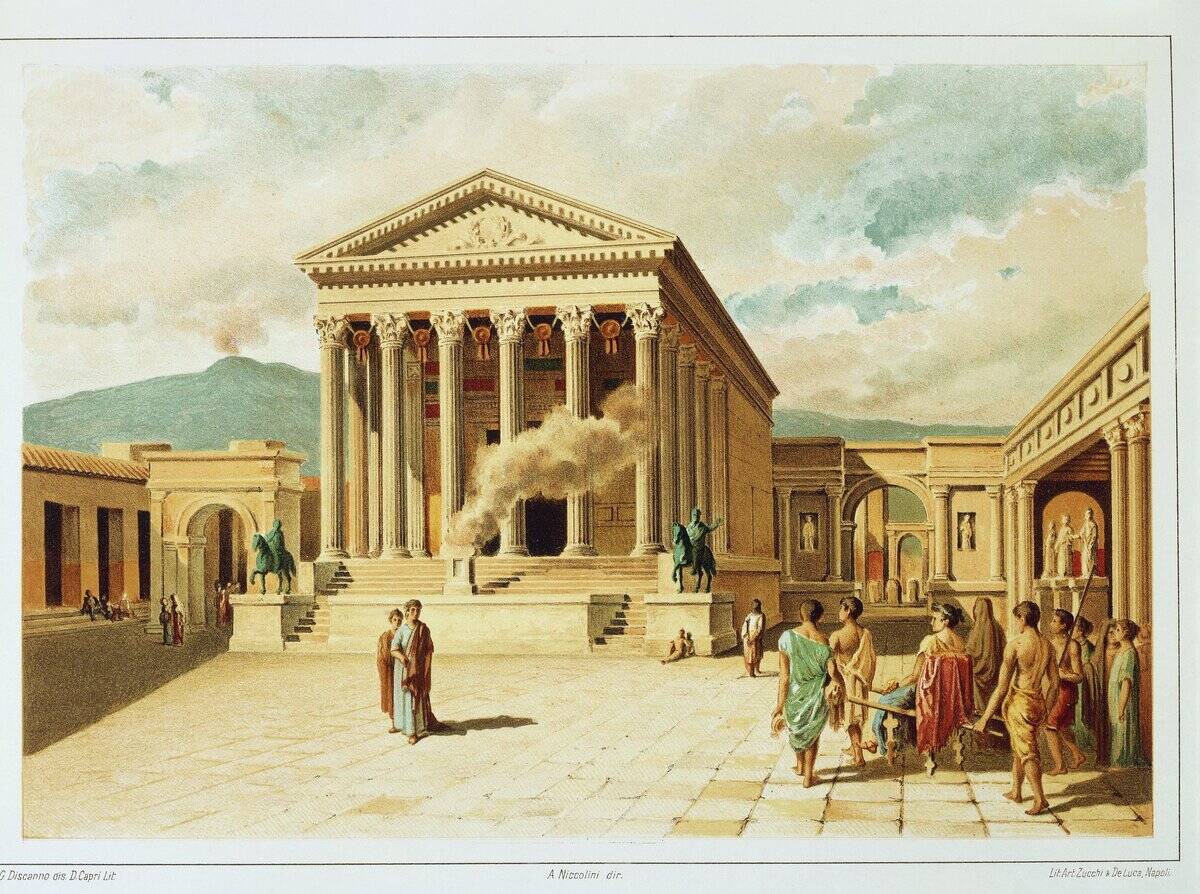
The Roman Republic, with its emphasis on civic duty and republican ideals, served as a historical touchstone for the American founders. They admired the Roman commitment to public service and the idea that citizens should actively participate in governance.
Roman concepts such as the Senate and the system of checks and balances affected the American framework. The framers sought to emulate the Roman dedication to the common good, hoping to foster a sense of responsibility and engagement among American citizens.
Grecian Democracy: The Concept of Popular Sovereignty

Ancient Greece, particularly Athens, is often credited with the birth of democracy. The Athenians introduced the idea of popular sovereignty, where the power of the government is derived from the people. This concept was pivotal for the American founders, who believed that a legitimate government must be rooted in the consent of the governed.
While the Greek model of direct democracy was not fully adopted, the principle of popular sovereignty became a cornerstone of the American republic, ensuring that the government would be accountable to its citizens.
The Impact of the Scottish Enlightenment
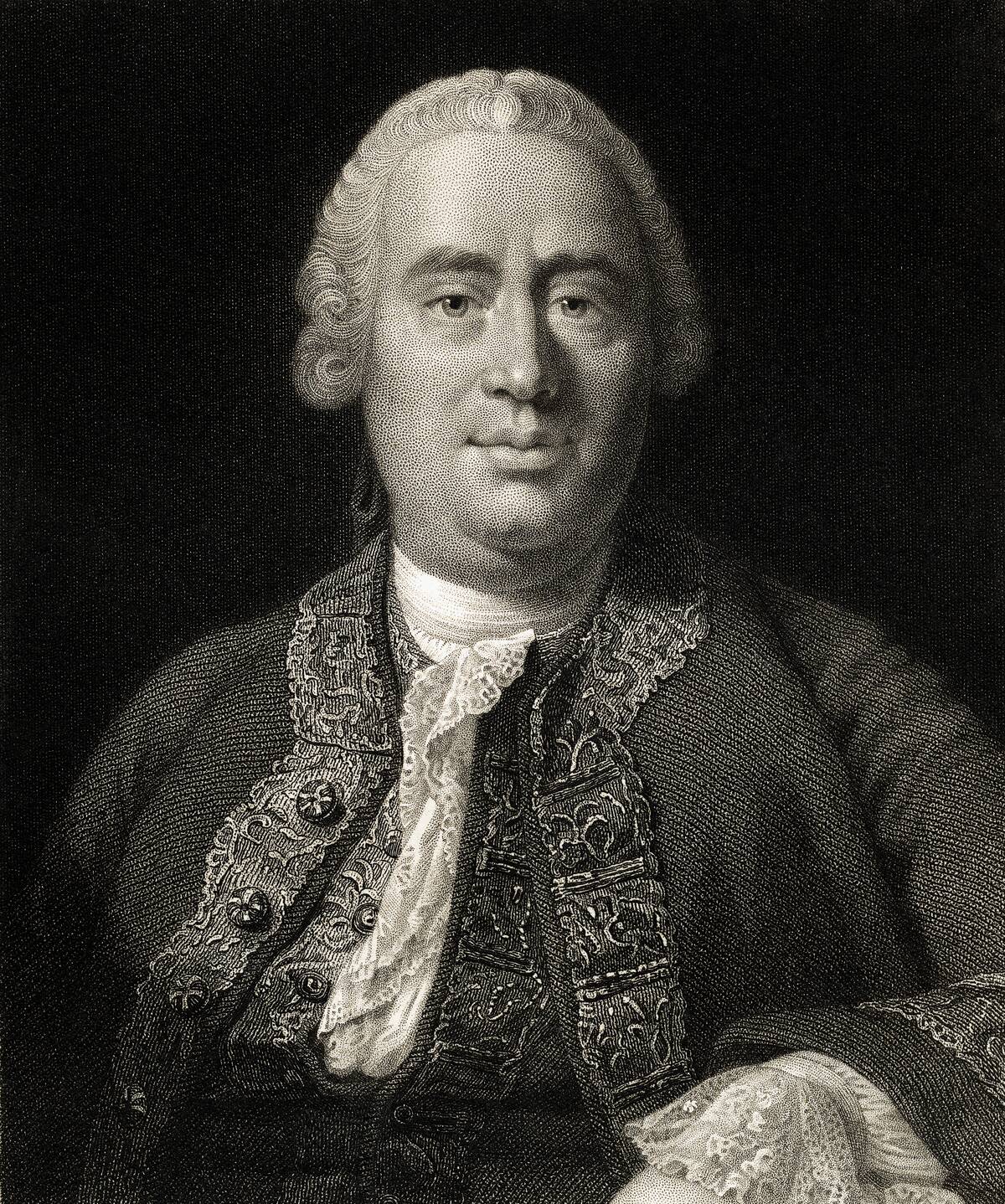
The Scottish Enlightenment, a period of intellectual and scientific accomplishments in the 18th century, significantly influenced American political thought. Thinkers like David Hume and Adam Smith emphasized reason, skepticism, and empirical research, providing a framework for understanding human nature and society.
Their ideas on economics, morality, and government influenced American political thought and helped shape the intellectual climate of the founding era. The emphasis on rational governance and the importance of balancing individual rights with societal needs can be traced back to the insights of the Scottish Enlightenment.
The Role of Spanish Colonial Law
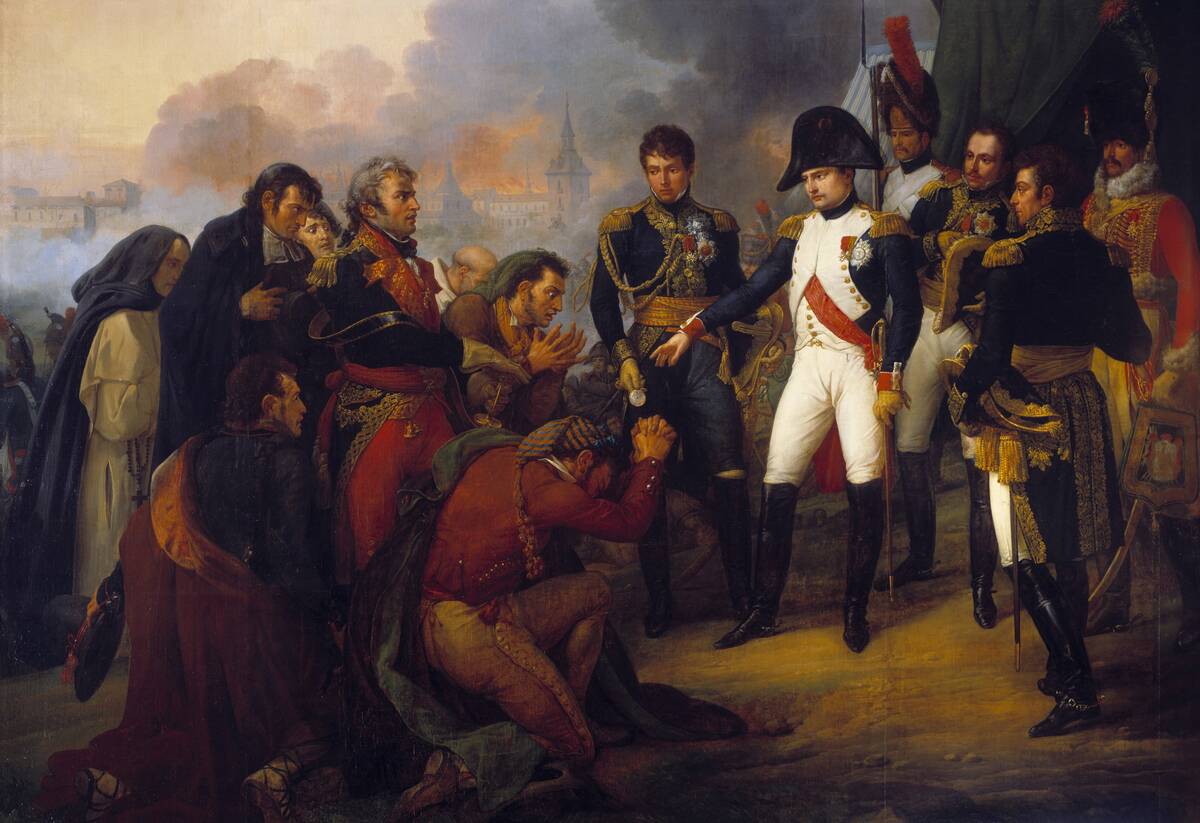
Spanish colonial law created a sophisticated legal framework for governing Spain’s territories, and its influence became especially significant in regions that later became part of the United States. In areas such as the Southwest, Spanish and Mexican legal traditions shaped practices involving land grants, water rights, and local governance.
While these systems did not influence the American founders or the creation of the U.S. Constitution, they played an important role in the legal development of territories incorporated into the nation during the 19th century
The Legacy of European Colonial Charters
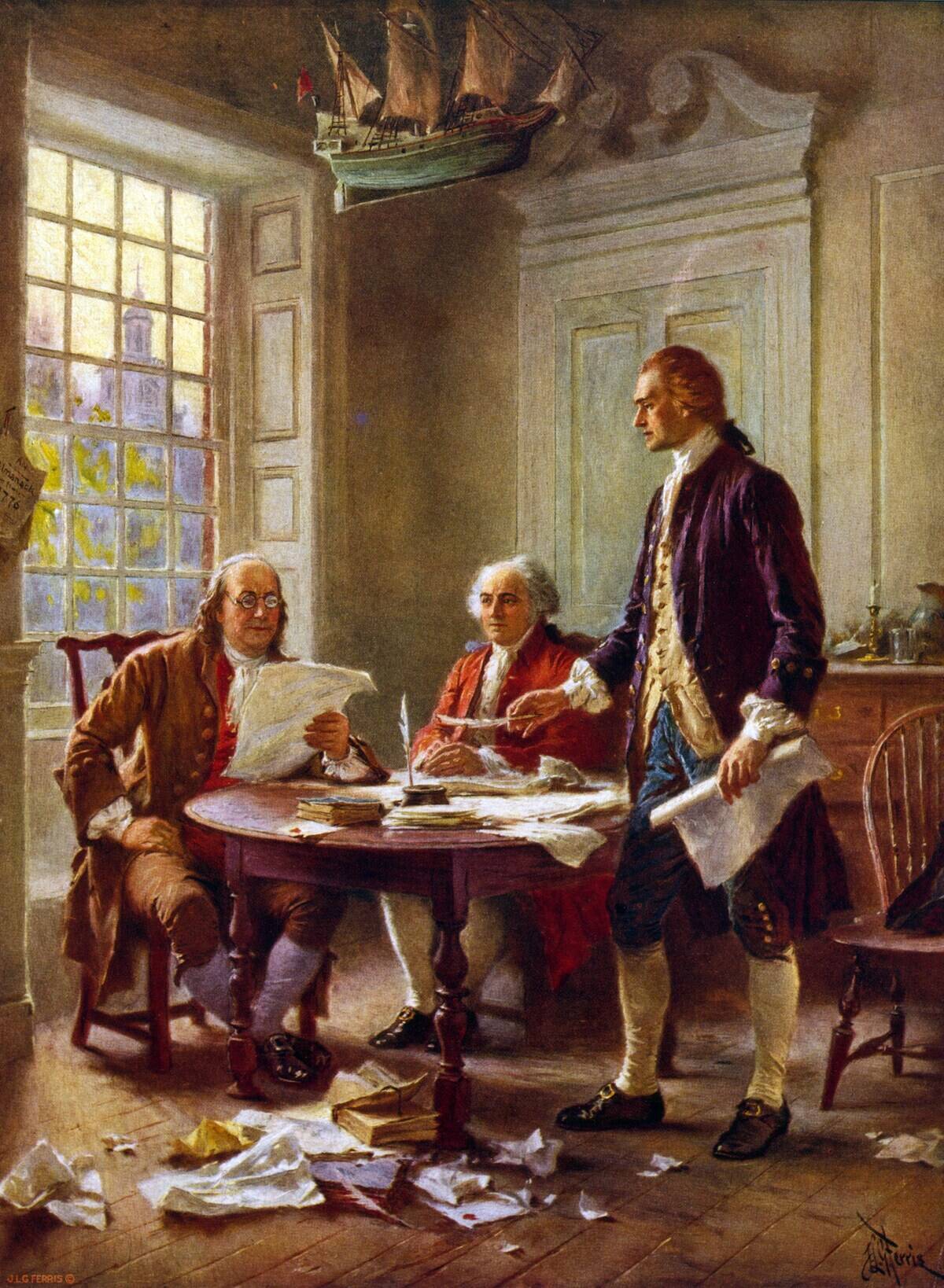
European colonial charters established early frameworks for governance in North America, often granting settlers varying degrees of self-rule and protections related to property and local decision-making. These documents helped foster a political culture in which colonists grew accustomed to managing their own affairs and defending their rights.
While the charters did not directly shape the wording of the U.S. Constitution, the experience of self-government under them contributed to the development of American political thought and reinforced the value placed on local governance and individual liberties.
How Foreign Influences Shaped the Bill of Rights
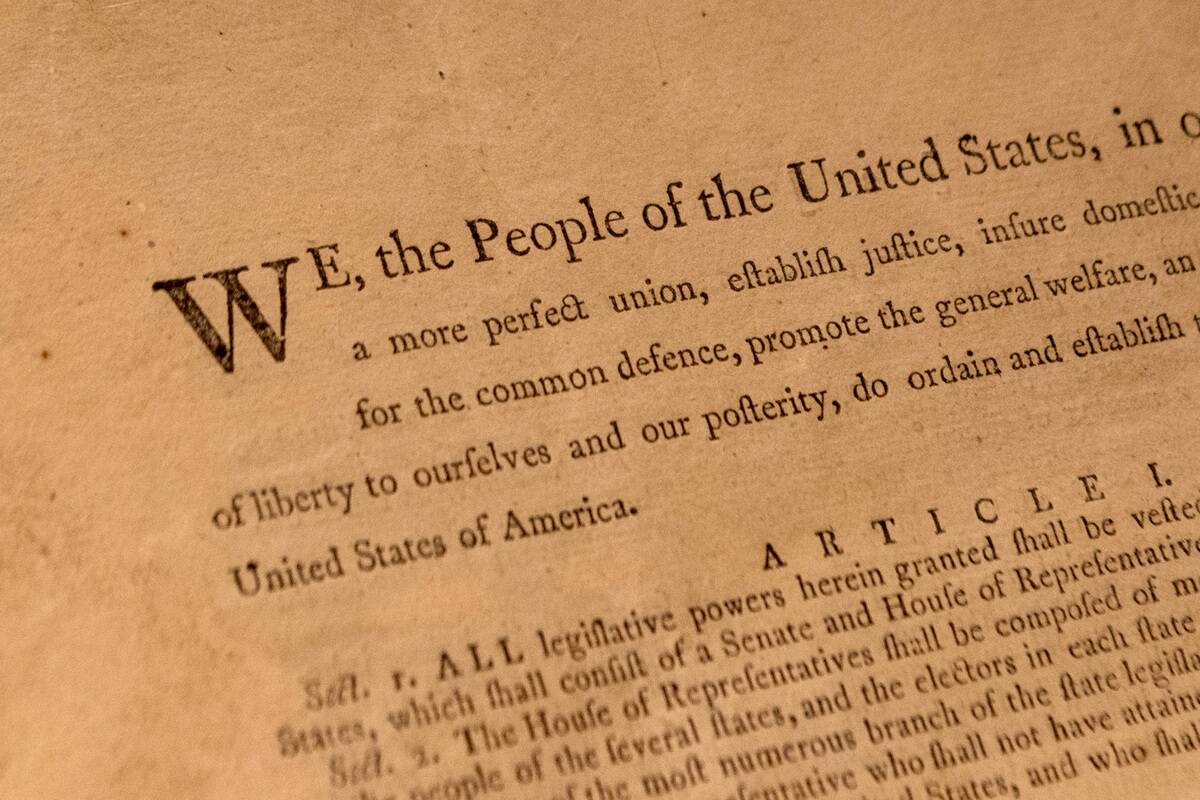
The Bill of Rights, the first ten amendments to the U.S. Constitution, was heavily influenced by foreign ideas and documents. The English Bill of Rights and the Magna Carta provided models for protecting individual liberties and limiting government power.
Additionally, the writings of Enlightenment thinkers emphasized the need for fundamental rights, shaping the American approach to civil liberties. The framers were committed to ensuring that the new government would respect and protect the freedoms of its citizens, drawing on a rich tapestry of global influences to achieve this goal.




