Classic novels that have appeared on school reading lists for over 100 years
Classic novels have a unique way of bridging generations, offering insights into human experiences that remain relevant today. Educational curricula around the world recognize this, often including these timeless works to cultivate critical thinking and empathy among students.
These novels not only enrich vocabulary and comprehension skills but also provide a window into historical contexts and diverse perspectives. Ultimately, the inclusion of classic literature in education helps to foster a deeper appreciation of storytelling and its enduring power.
The Enduring Charm of “Pride and Prejudice” by Jane Austen
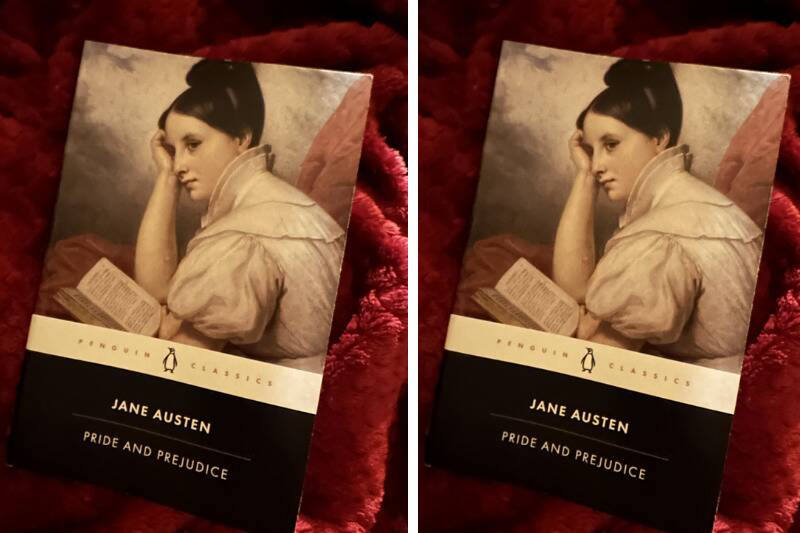
Jane Austen’s Pride and Prejudice is cherished for its witty prose and keen social commentary. Set in early 19th-century England, the novel explores themes of class, marriage, and morality, often with a humorous twist.
The character of Elizabeth Bennet remains a favorite for her intelligence and independence, challenging societal norms of her time. This novel’s enduring charm lies in its ability to captivate readers with its relatable characters and timeless themes of love and societal expectations.
Charles Dickens’ “Great Expectations”: A Staple of School Curricula
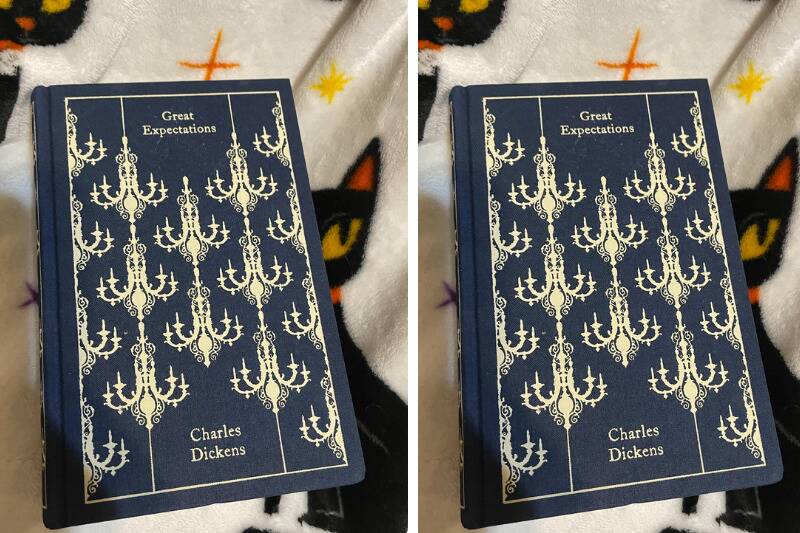
Charles Dickens’ Great Expectations offers a vivid portrayal of Victorian England, filled with memorable characters and intricate plotlines. The novel follows the journey of Pip, an orphan who aspires to rise above his humble beginnings.
Themes of ambition, social class, and redemption are explored through Dickens’ rich storytelling and keen insight into human nature. Its inclusion in education not only provides historical context but also encourages students to ponder questions of morality and personal growth.
The Adventures of Huckleberry Finn: Mark Twain’s Indelible Impact
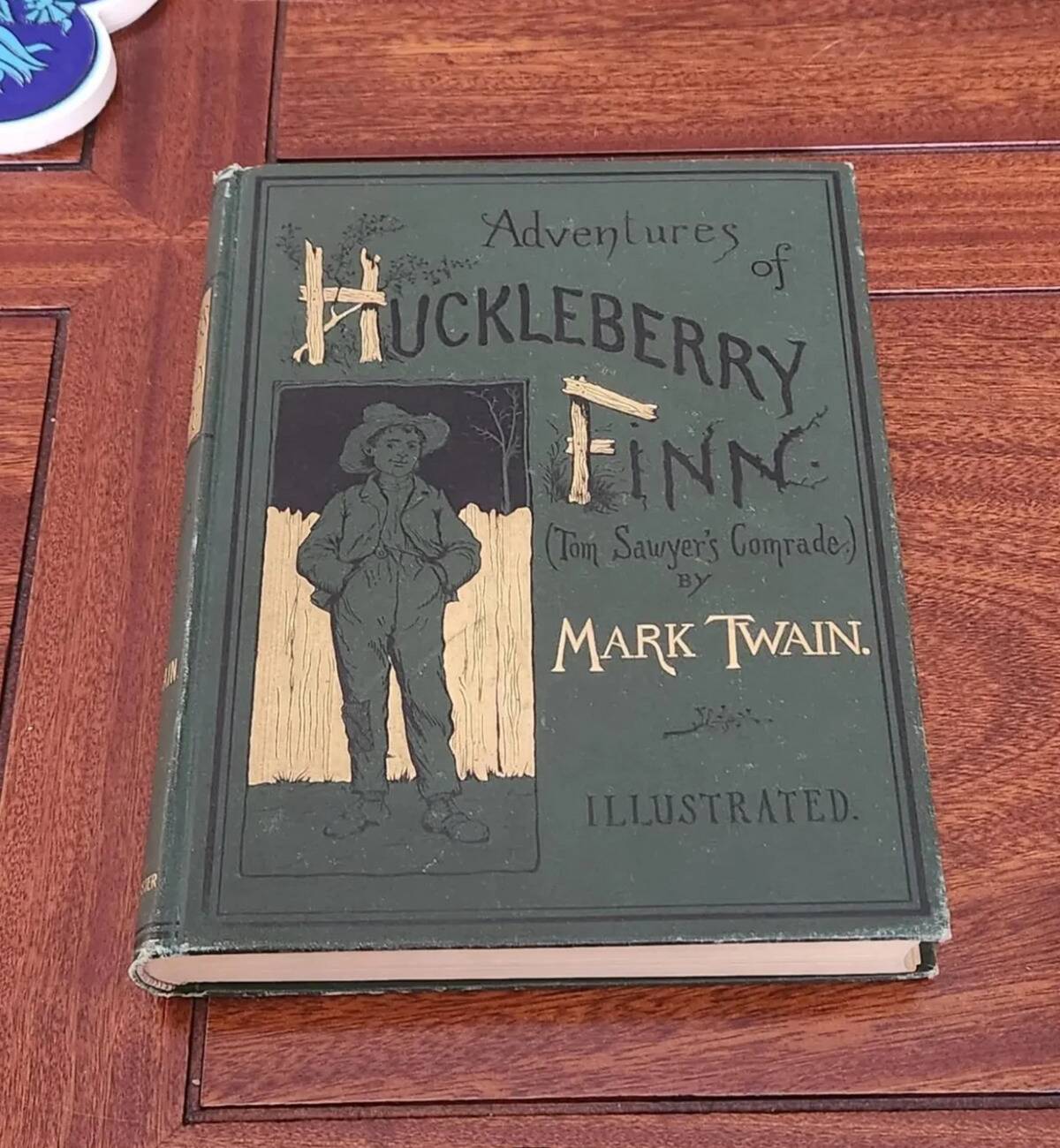
Mark Twain’s The Adventures of Huckleberry Finn is lauded for its pioneering use of vernacular language and its unflinching examination of race and identity. Set along the Mississippi River, the novel follows Huck and Jim, an escaped enslaved person, on their journey to freedom.
Twain’s work is celebrated for its humor and satirical edge, yet it also prompts important discussions about race relations in America. Its impact on American literature and its role in education cannot be overstated.
The Profound Lessons of “To Kill a Mockingbird” by Harper Lee
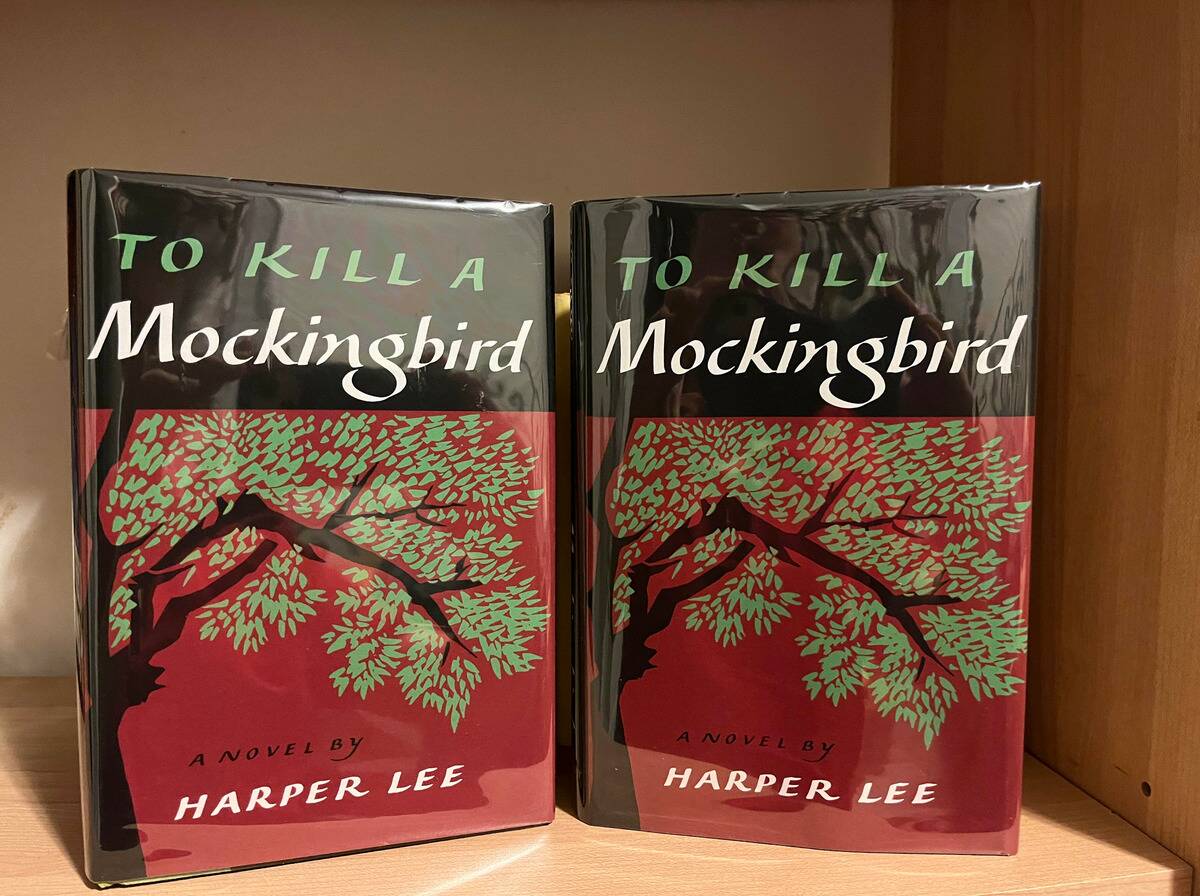
Harper Lee’s To Kill a Mockingbird is a compelling narrative that delves into issues of racial injustice and moral growth in the American South. Through the eyes of young Scout Finch, readers witness the complexities of human nature and the importance of empathy.
The novel’s portrayal of Atticus Finch as a moral compass provides a powerful example of integrity and justice. Its profound lessons continue to resonate, making it a critical component of educational curricula worldwide.
Exploring the Depths of “Moby Dick” by Herman Melville

Herman Melville’s Moby Dick is a monumental work that offers rich symbolism and philosophical depth. The story of Captain Ahab’s obsessive quest to hunt the white whale is an exploration of ambition, revenge, and the limits of human understanding.
Melville’s use of detailed descriptions of whaling and the sea serves as a backdrop for existential musings. Its complexity poses challenges for readers, yet its thematic richness makes it a rewarding study in educational settings.
The Enigmatic Allure of “The Great Gatsby” by F. Scott Fitzgerald
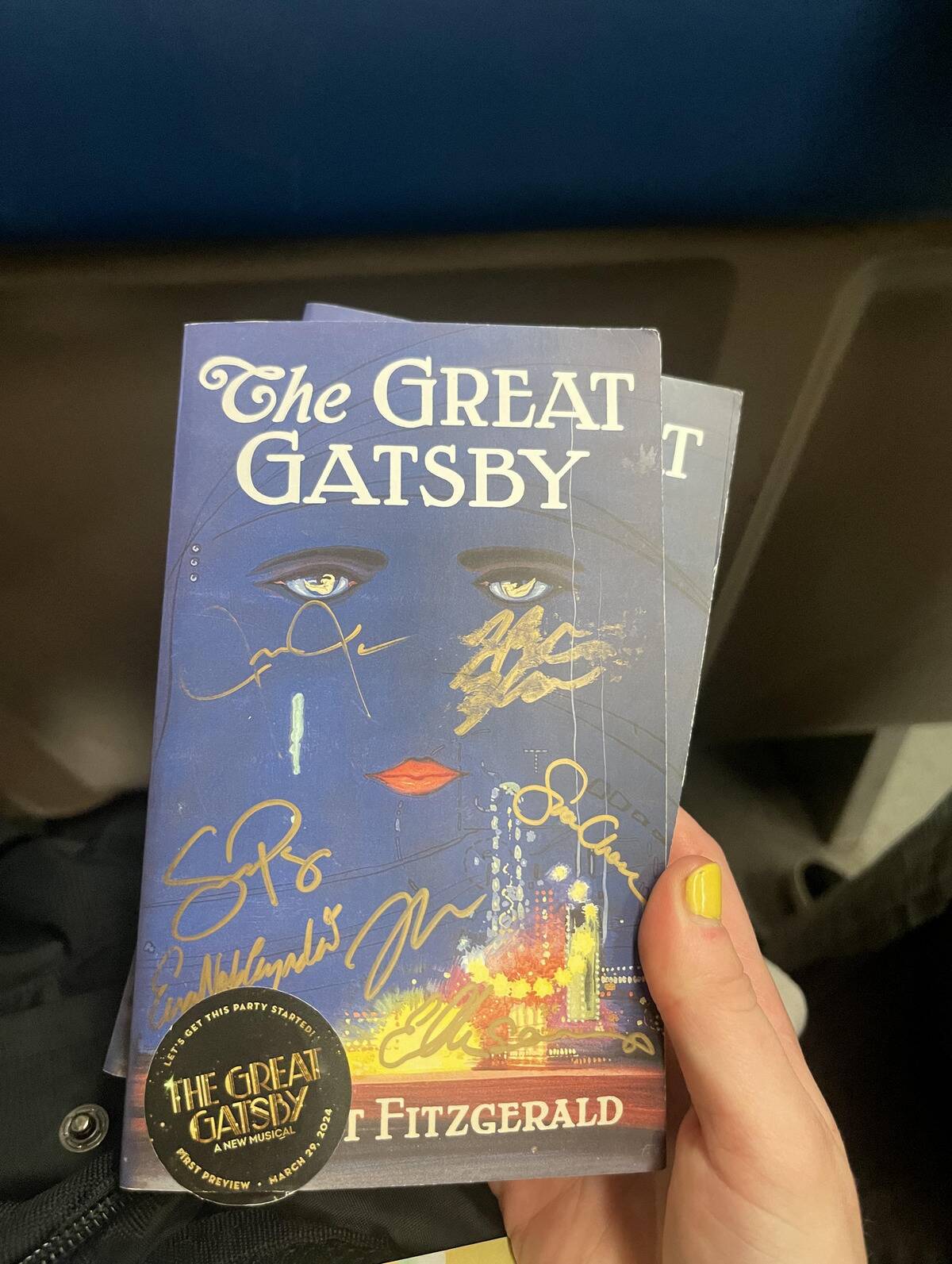
F. Scott Fitzgerald’s The Great Gatsby captures the opulence and excess of the Jazz Age, while offering a critical lens on the American Dream. Through the tragic story of Jay Gatsby and his unrequited love for Daisy Buchanan, Fitzgerald explores themes of wealth, identity, and societal decay.
Its enigmatic allure lies in the novel’s ability to evoke the glamor and disillusionment of the 1920s. As a staple in academic study, it continues to captivate readers with its lyrical prose and timeless relevance.
“1984” by George Orwell: A Dystopian Masterpiece in Education

George Orwell’s 1984 is a dystopian classic that offers a chilling vision of a totalitarian future. The novel’s depiction of a society under constant surveillance and controlled by propaganda serves as a powerful warning against the loss of freedom and individuality.
Orwell’s exploration of themes such as government manipulation and the erosion of truth makes 1984 an essential text in educational discussions on politics and ethics. Its relevance continues to grow in an increasingly digital and monitored world.
The Universal Themes of “Jane Eyre” by Charlotte Brontë
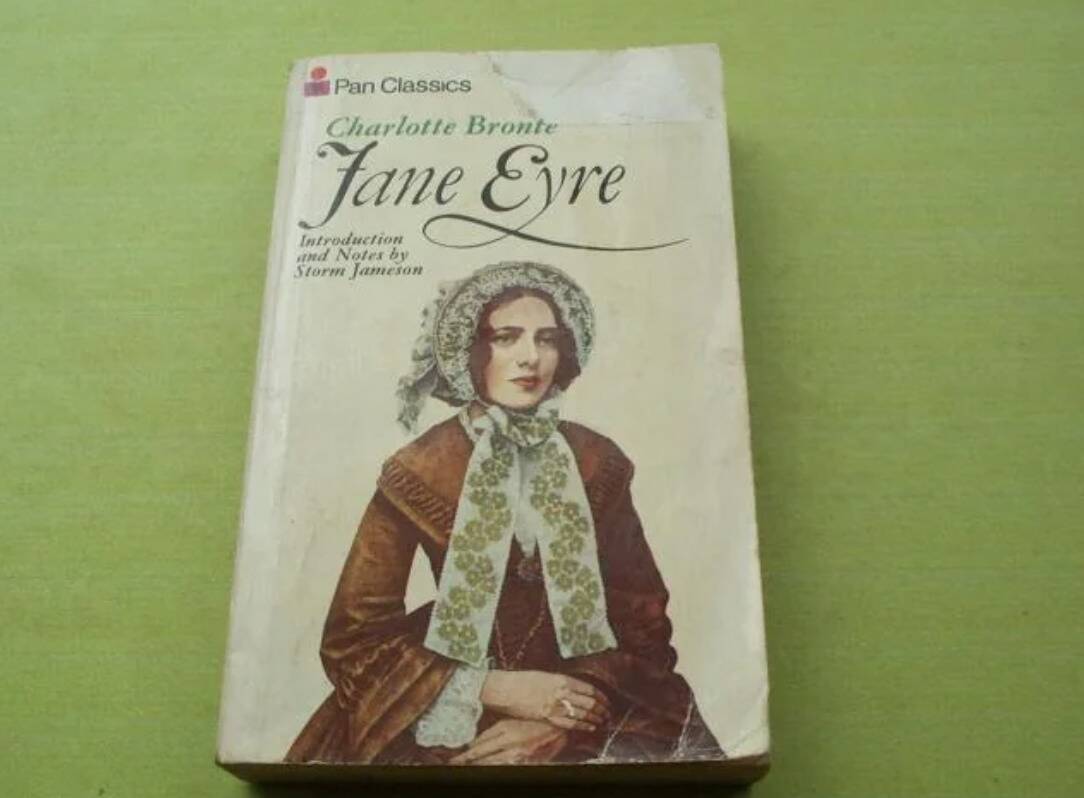
Charlotte Brontë’s Jane Eyre is celebrated for its strong-willed protagonist and exploration of themes such as love, independence, and social criticism. Jane’s journey from an orphaned child to a self-assured woman challenges societal norms and expectations.
The novel’s gothic elements and rich character development make it a captivating read, while its exploration of class and gender issues offers valuable insights for students. Jane Eyre remains a beloved classic that inspires discussions on personal growth and resilience.
A Journey Through “The Odyssey” by Homer: Education’s Ancient Epic
Homer’s The Odyssey is an epic poem that has been a cornerstone of classical education for centuries. The tale of Odysseus’ arduous journey home after the Trojan War is filled with adventure, myth, and moral lessons.
Its themes of loyalty, perseverance, and the quest for identity resonate across generations. Studying The Odyssey allows students to explore ancient Greek culture and its influence on Western literature. The epic’s enduring appeal lies in its timeless storytelling and universal themes.
The Philosophical Prowess of “Crime and Punishment” by Fyodor Dostoevsky
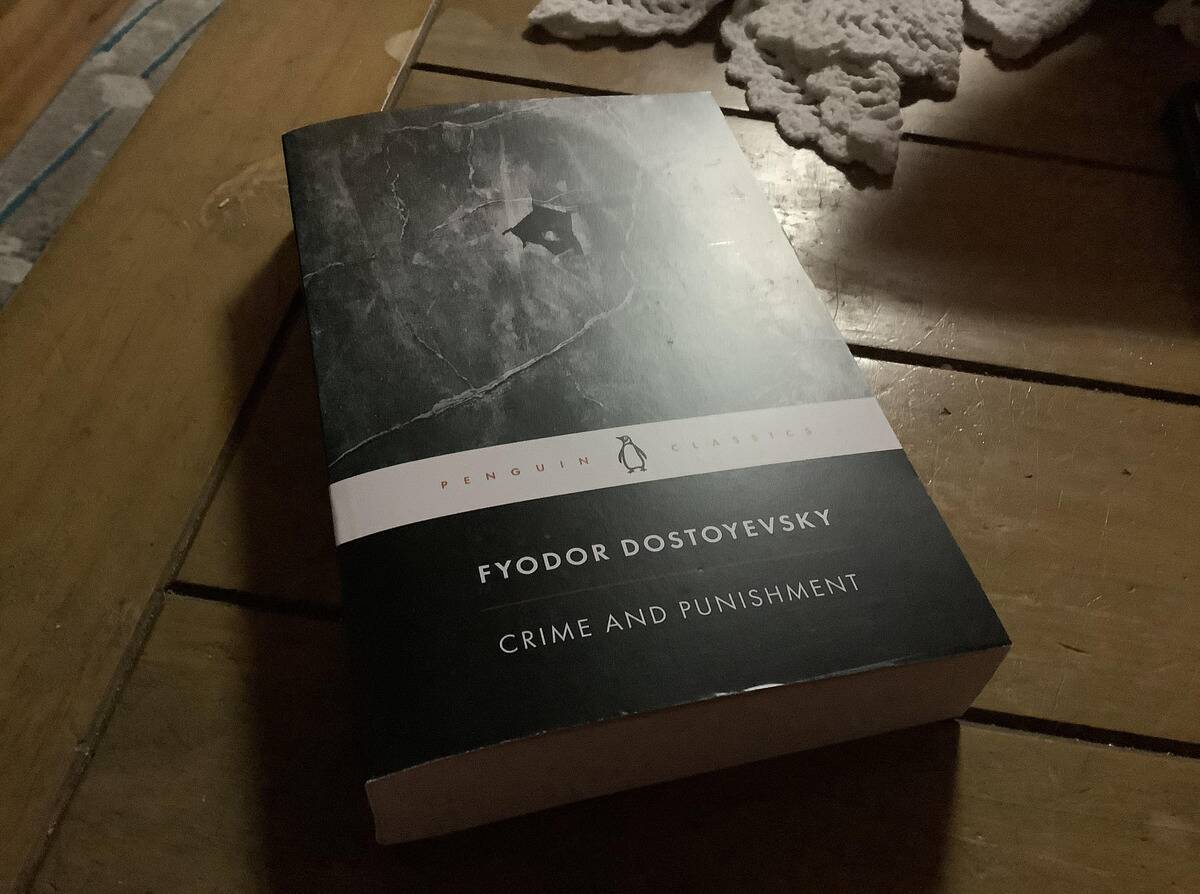
Fyodor Dostoevsky’s Crime and Punishment is a profound exploration of morality, guilt, and redemption. The novel follows Raskolnikov, a destitute student who commits a murder, as he grapples with the psychological consequences of his actions.
Dostoevsky’s ability to delve into the human psyche and philosophical dilemmas makes this work a compelling study in ethics and existential thought. Its complexity challenges students, yet its insights into human nature make it an invaluable text in educational settings.
“The Catcher in the Rye” by J.D. Salinger: A Controversial Classic
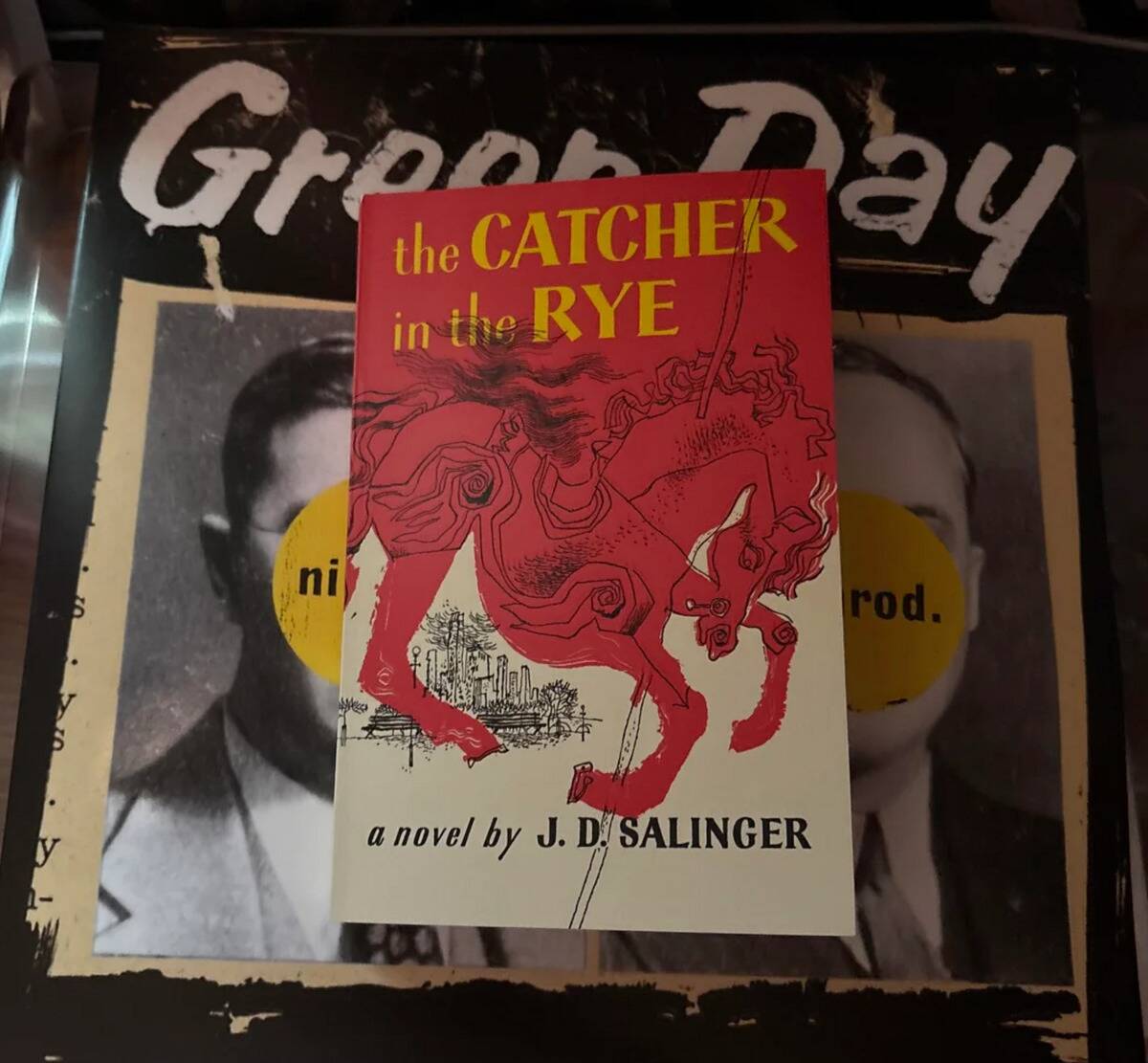
J.D. Salinger’s The Catcher in the Rye has sparked debate since its publication for its candid portrayal of teenage angst and rebellion. The novel follows Holden Caulfield, a disenchanted youth navigating the challenges of growing up.
Its themes of alienation, identity, and the search for authenticity resonate with readers, particularly adolescents. Despite its controversial elements, such as language and themes, the novel remains a staple in education for its honest depiction of the struggles of youth.
Navigating the Complexities of “Wuthering Heights” by Emily Brontë
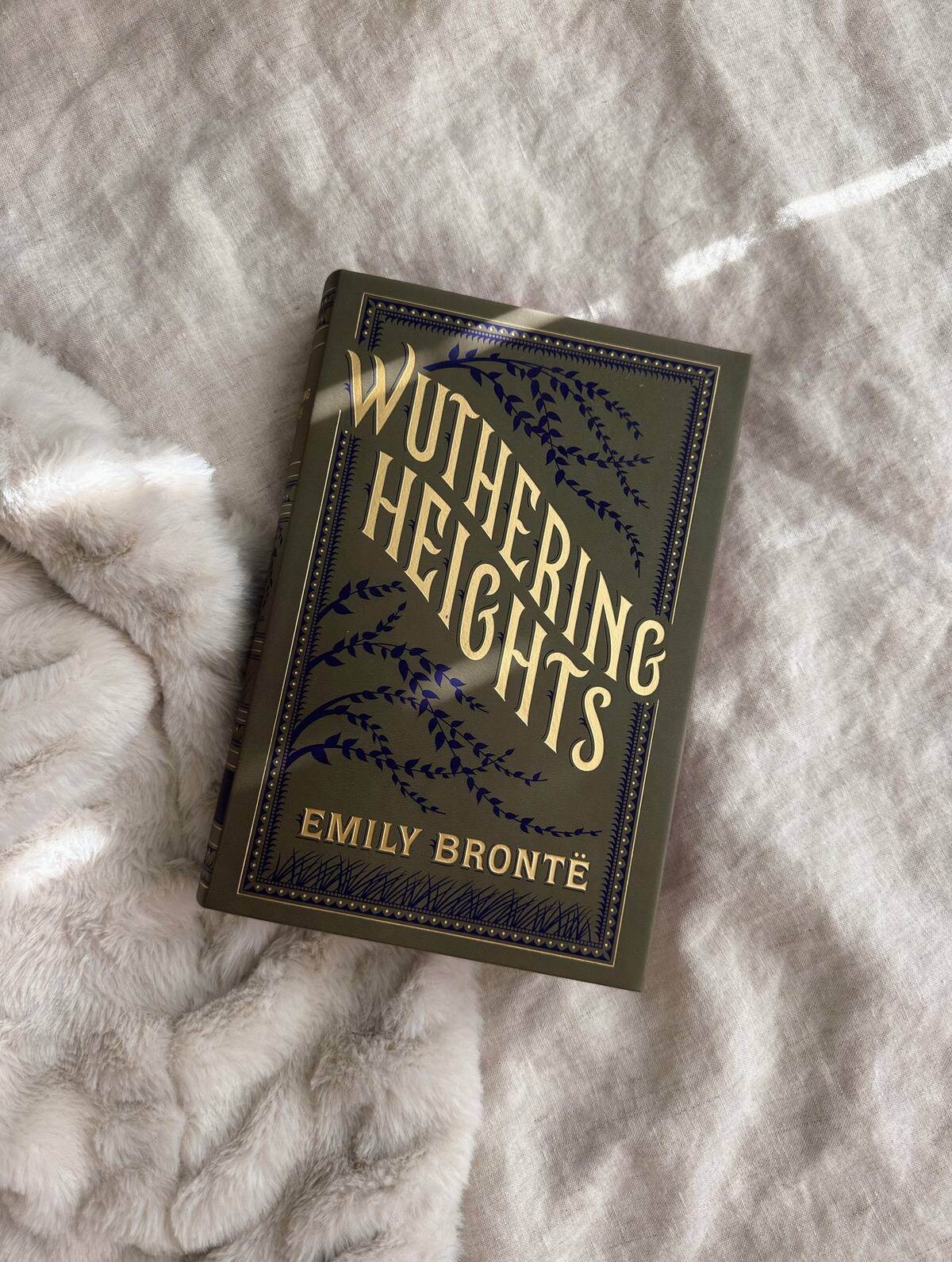
Emily Brontë’s Wuthering Heights is a haunting tale of passion, revenge, and the destructive power of love. Set on the Yorkshire moors, the novel’s complex narrative structure and intense characters challenge readers to unravel its layers.
The tumultuous relationship between Heathcliff and Catherine Earnshaw captivates with its raw emotion and exploration of social class and family dynamics. Its gothic atmosphere and intricate storytelling make it a fascinating study in themes of love and obsession.
The Socio-Political Relevance of “Animal Farm” by George Orwell
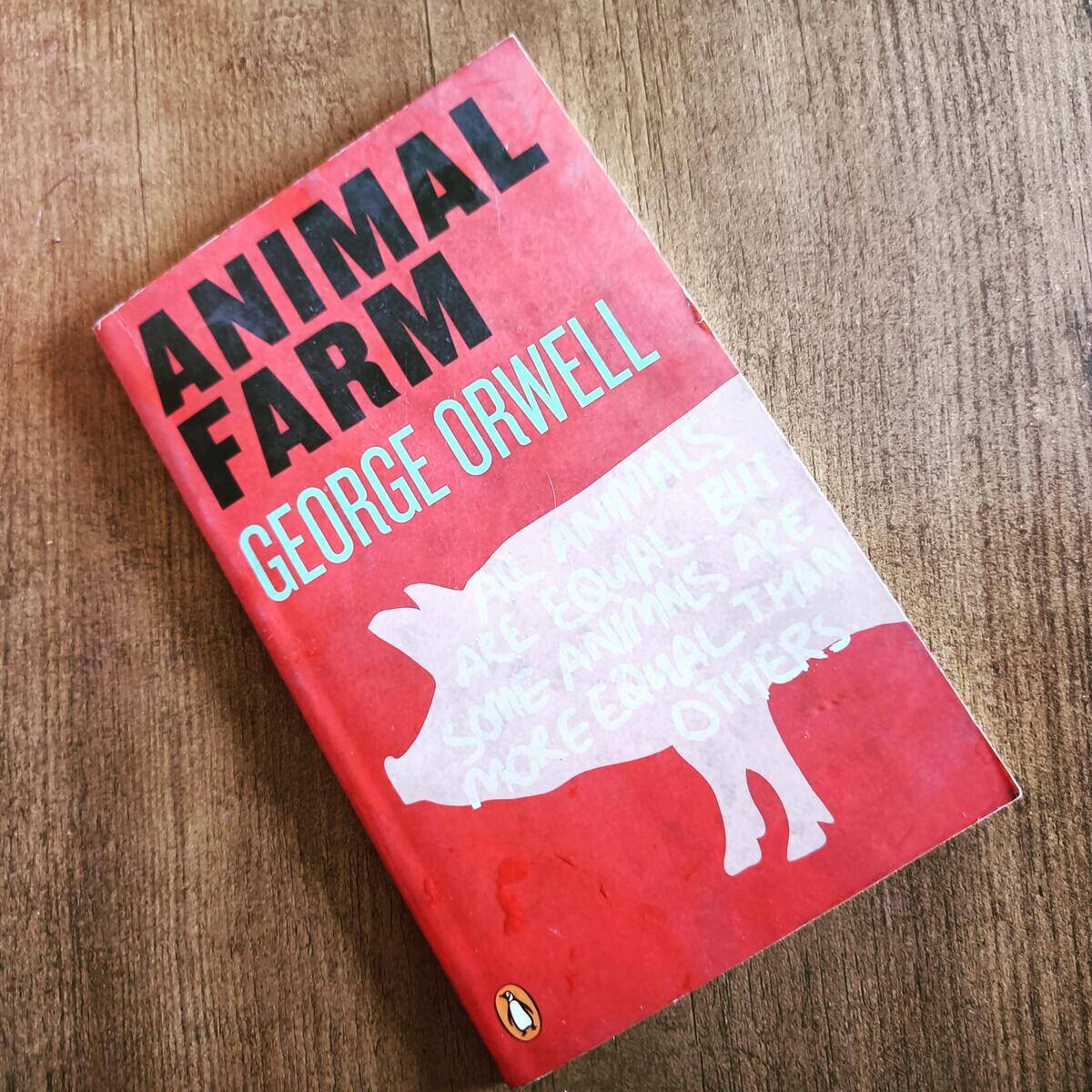
George Orwell’s Animal Farm is an allegorical novella that critiques the corruption of power and the dangers of totalitarianism. Through the story of a group of farm animals who overthrow their human owner, Orwell examines the rise of tyranny and the betrayal of revolutionary ideals.
Its socio-political relevance is underscored by its ability to convey complex ideas through a seemingly simple fable. “Animal Farm” remains an important text in education for its insights into political dynamics and human nature.
Timeless Adventure in “Treasure Island” by Robert Louis Stevenson
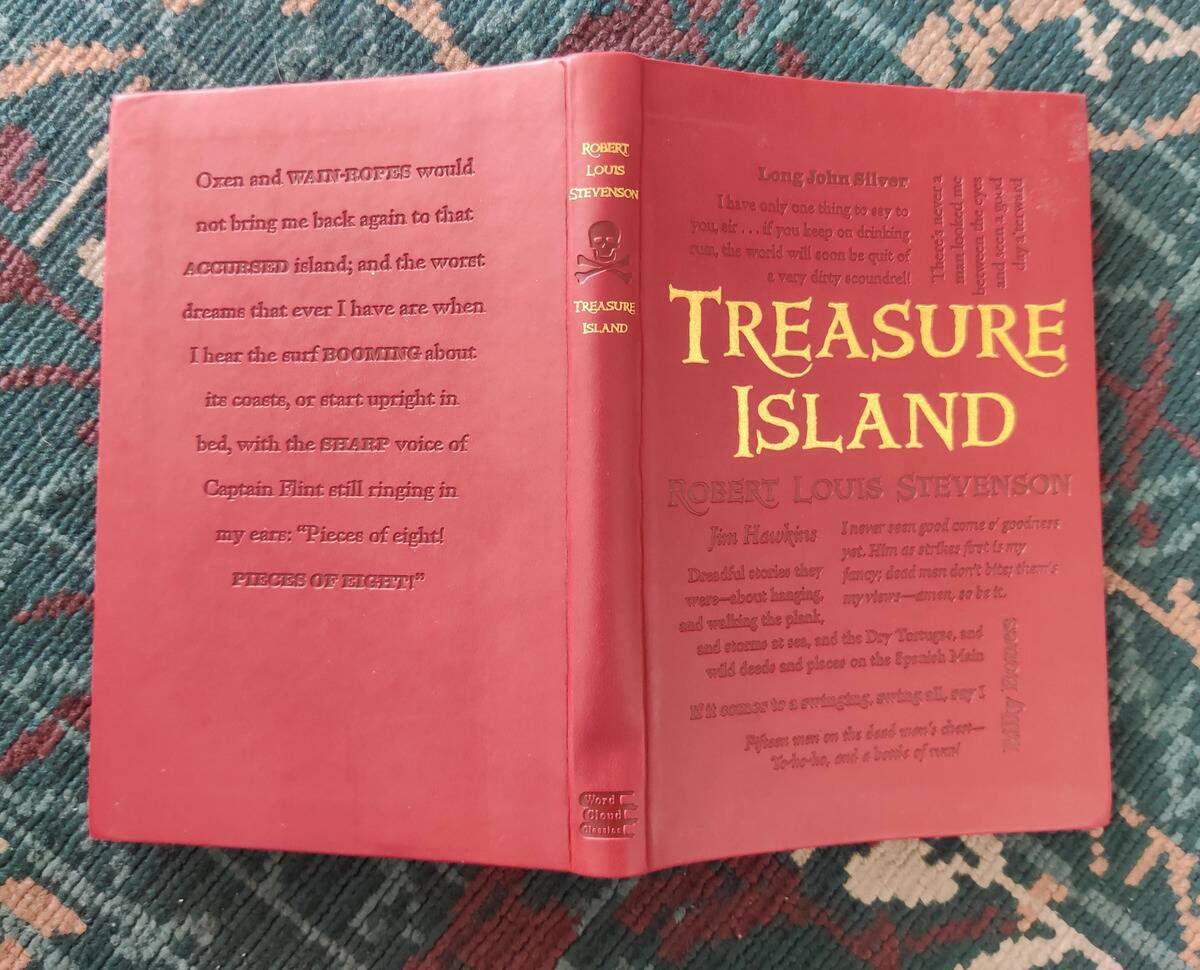
Robert Louis Stevenson’s Treasure Island is a quintessential adventure novel that has captivated readers for generations. The story of young Jim Hawkins and his quest for buried treasure is filled with excitement, danger, and memorable characters like Long John Silver.
Its themes of courage, loyalty, and the clash between good and evil make it a thrilling read for students. As a classic of children’s literature, Treasure Island continues to inspire imaginations with its timeless appeal and swashbuckling adventures.
“Frankenstein” by Mary Shelley: A Gothic Novel’s Educational Role
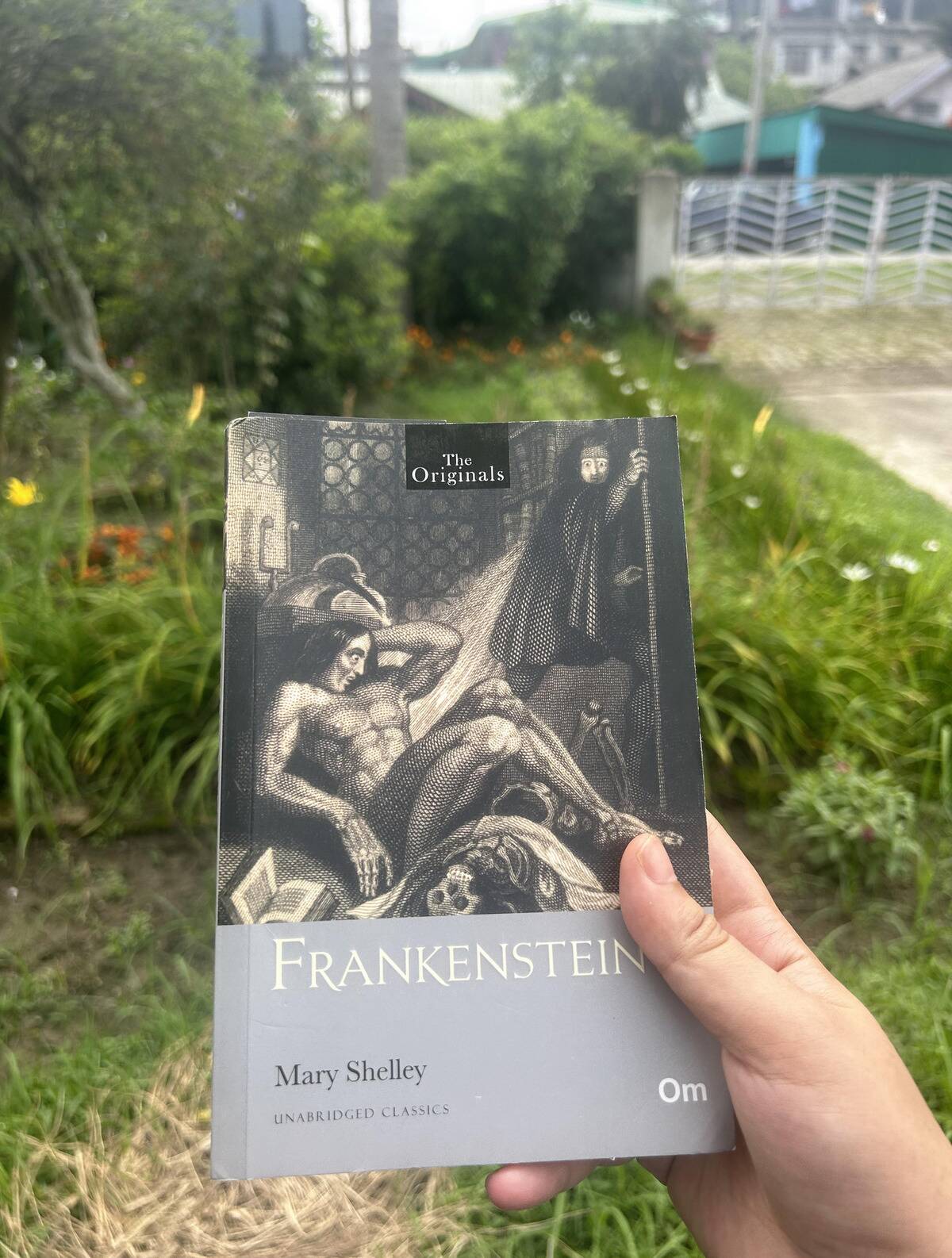
Mary Shelley’s Frankenstein is a pioneering work of science fiction and Gothic literature that raises profound questions about creation and responsibility. The story of Victor Frankenstein and his monstrous creation explores themes of ambition, isolation, and the consequences of playing god.
Shelley’s novel challenges readers to consider the ethical implications of scientific advancement. Its enduring relevance in education lies in its ability to spark discussions on morality, science, and the human condition.
The Enduring Mysteries of “The Scarlet Letter” by Nathaniel Hawthorne
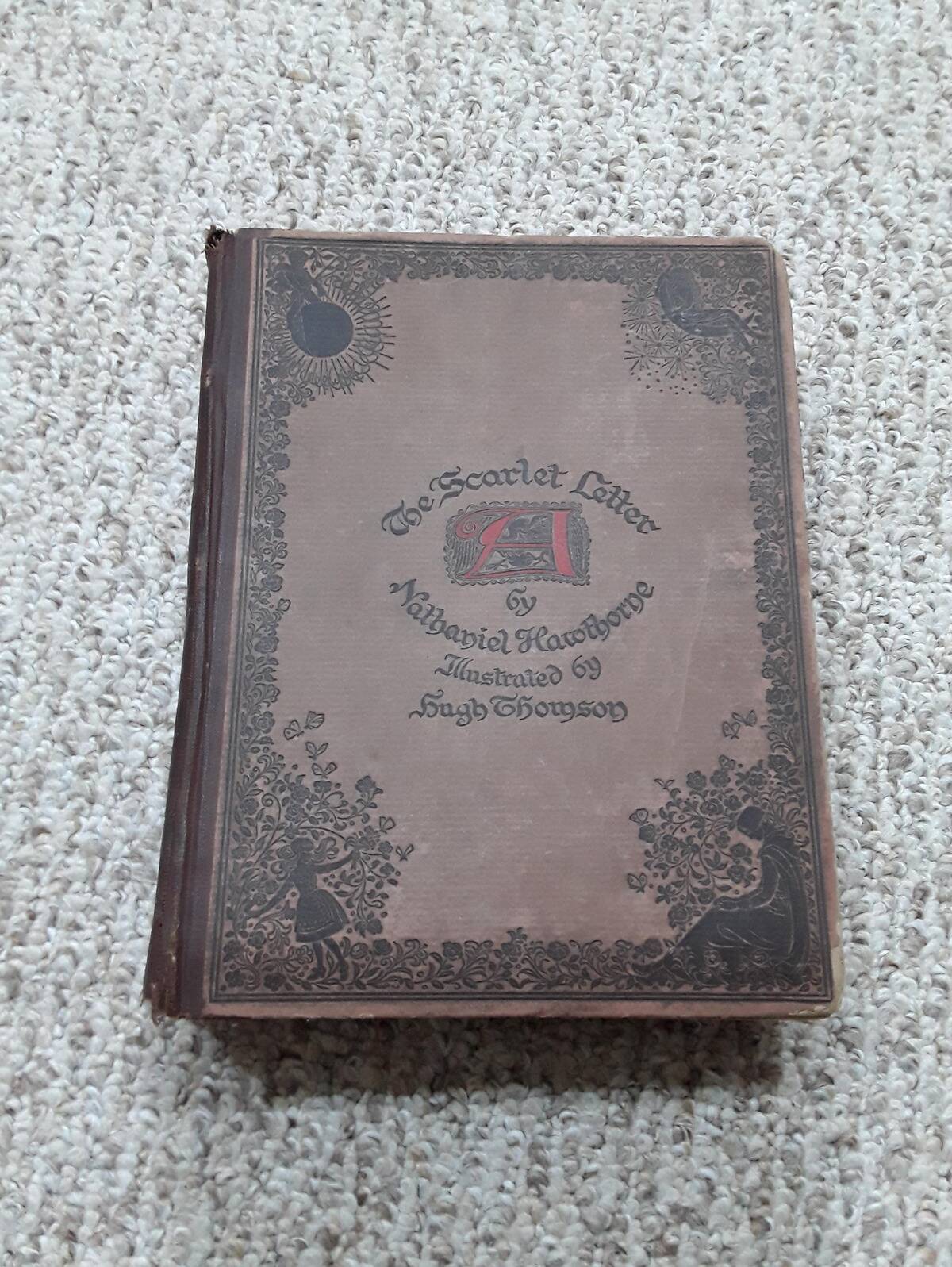
Nathaniel Hawthorne’s The Scarlet Letter is a poignant exploration of sin, guilt, and redemption set in Puritan New England. The story of Hester Prynne, who bears the stigma of adultery, delves into themes of identity, societal judgment, and inner strength.
Hawthorne’s rich symbolism and psychological depth invite readers to ponder the complexities of human nature and morality. The novel’s exploration of individual versus community continues to resonate, making it a significant text in discussions of ethics and society.




