Civilizations known only through ruins with no written records
Our world is a treasure trove of ancient mysteries waiting to be discovered. From hidden temples to enigmatic cities, these remnants of past civilizations continue to intrigue us.
Each site offers a glimpse into the lives of people who once thrived, only to vanish into the pages of history. As we delve into these forgotten worlds, we uncover stories of innovation, culture, and the eternal human quest for meaning.
Göbekli Tepe: The World’s Oldest Temple Complex
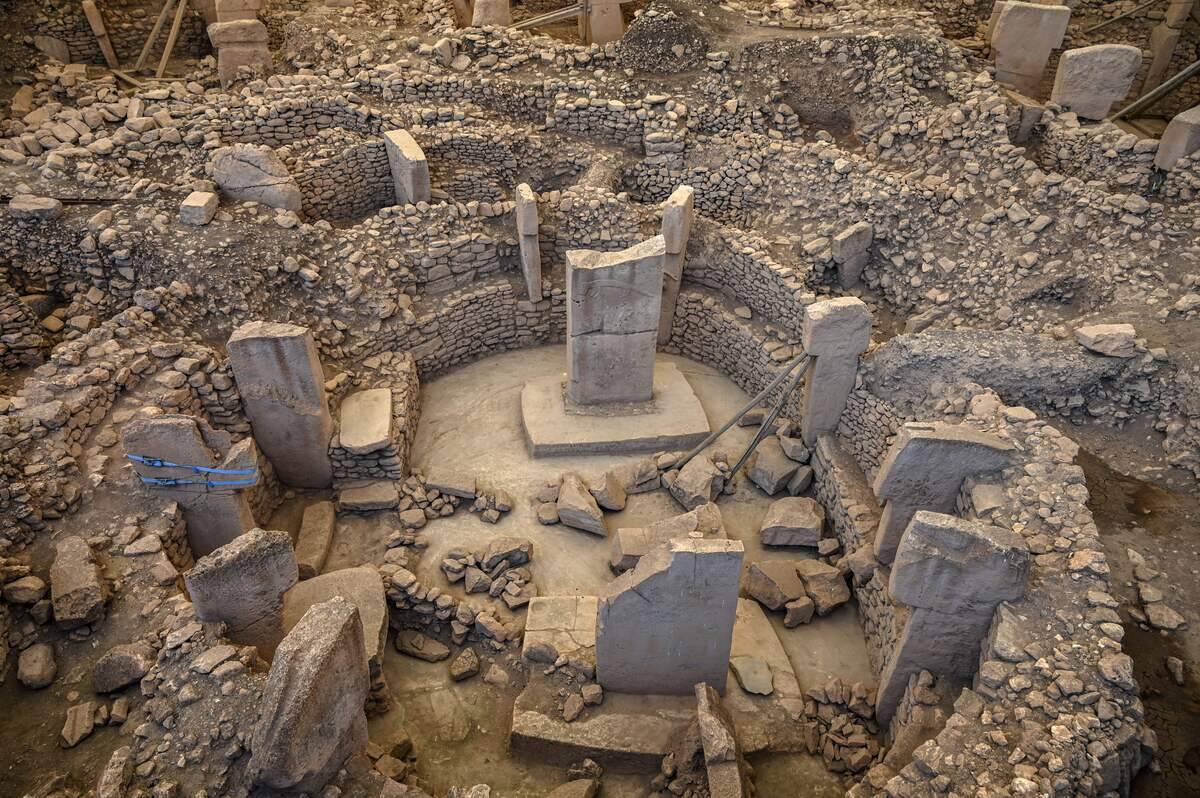
Göbekli Tepe in Turkey is a site that challenges our understanding of early human societies. Dating back to around 9500 BCE, it predates Stonehenge by several millennia.
This temple complex, with its massive stone pillars adorned with intricate carvings, suggests a level of social organization previously thought impossible for such an early period. Its discovery reshapes our views on the development of religion and society.
The Lost City of Mohenjo-Daro
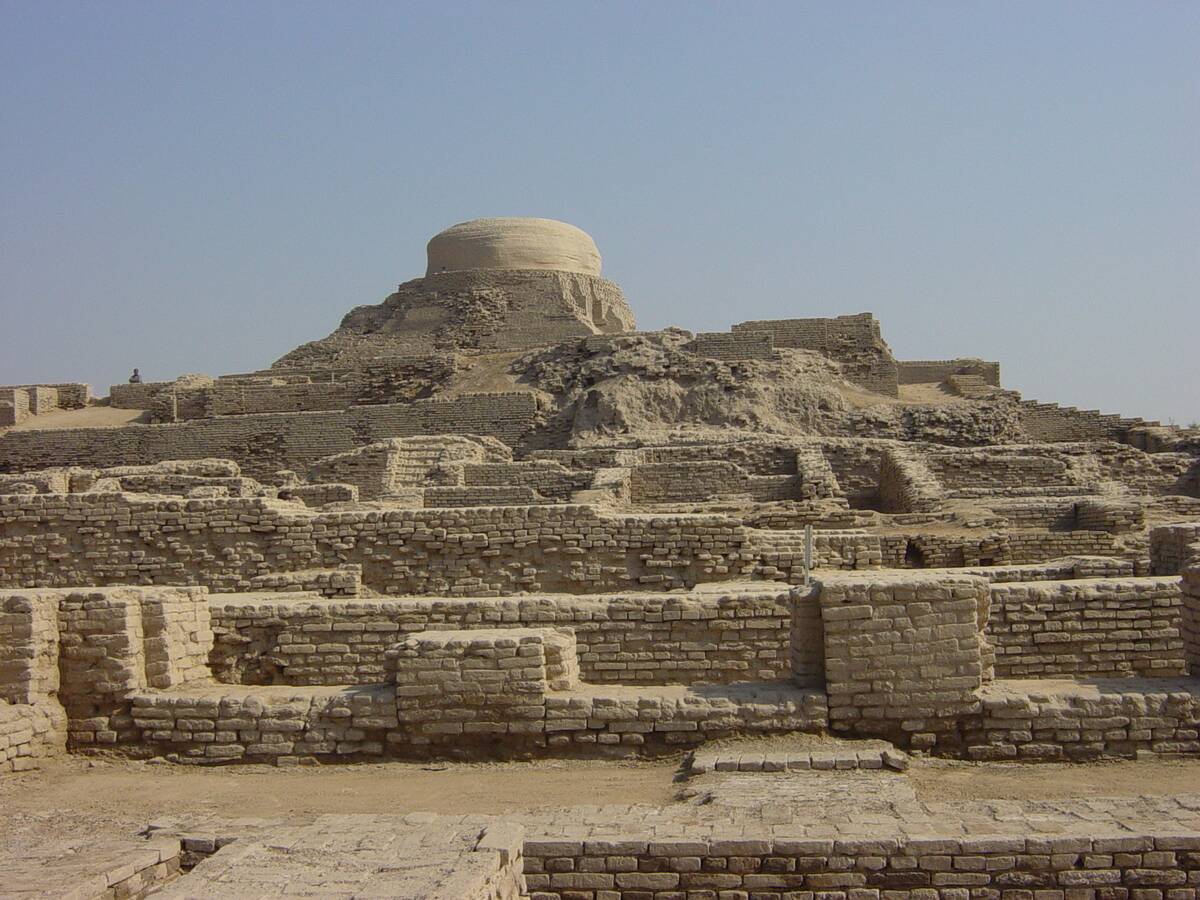
Mohenjo-Daro, located in present-day Pakistan, was part of the ancient Indus Valley Civilization. This city, thriving around 2500 BCE, boasted advanced urban planning, with a sophisticated drainage system and grid-like streets.
Yet, despite its advancements, Mohenjo-Daro was mysteriously abandoned. The absence of clear evidence leaves historians contemplating the forces that led to the city’s decline.
The Mysterious Builders of Stonehenge
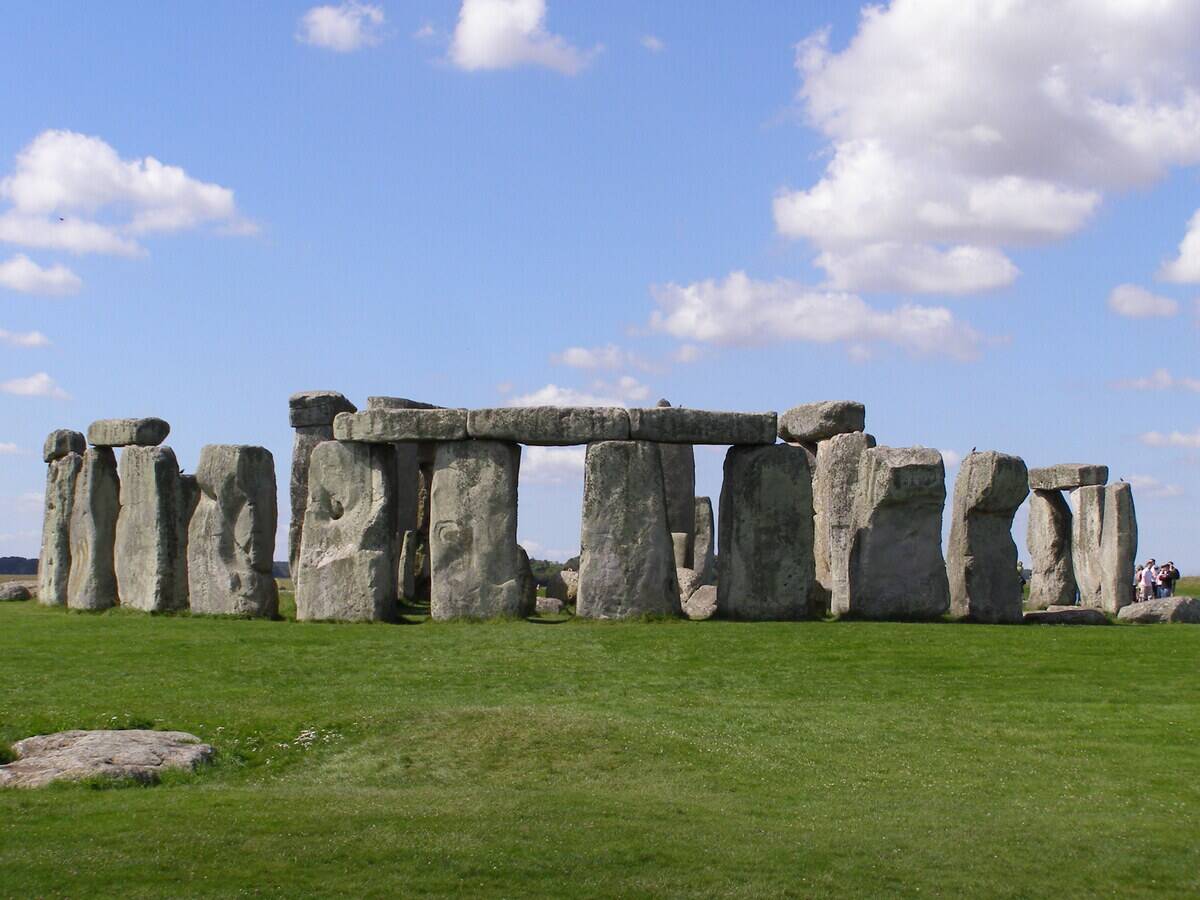
Stonehenge, the iconic prehistoric monument in England, continues to puzzle researchers. Constructed over several centuries, its purpose remains debated.
Some theories suggest it served as an astronomical observatory, while others propose it was a religious site. The engineering feat of transporting massive stones, some from over 150 miles away, speaks to the ingenuity and determination of its builders.
The Enigmatic Ruins of the Nabataean Kingdom
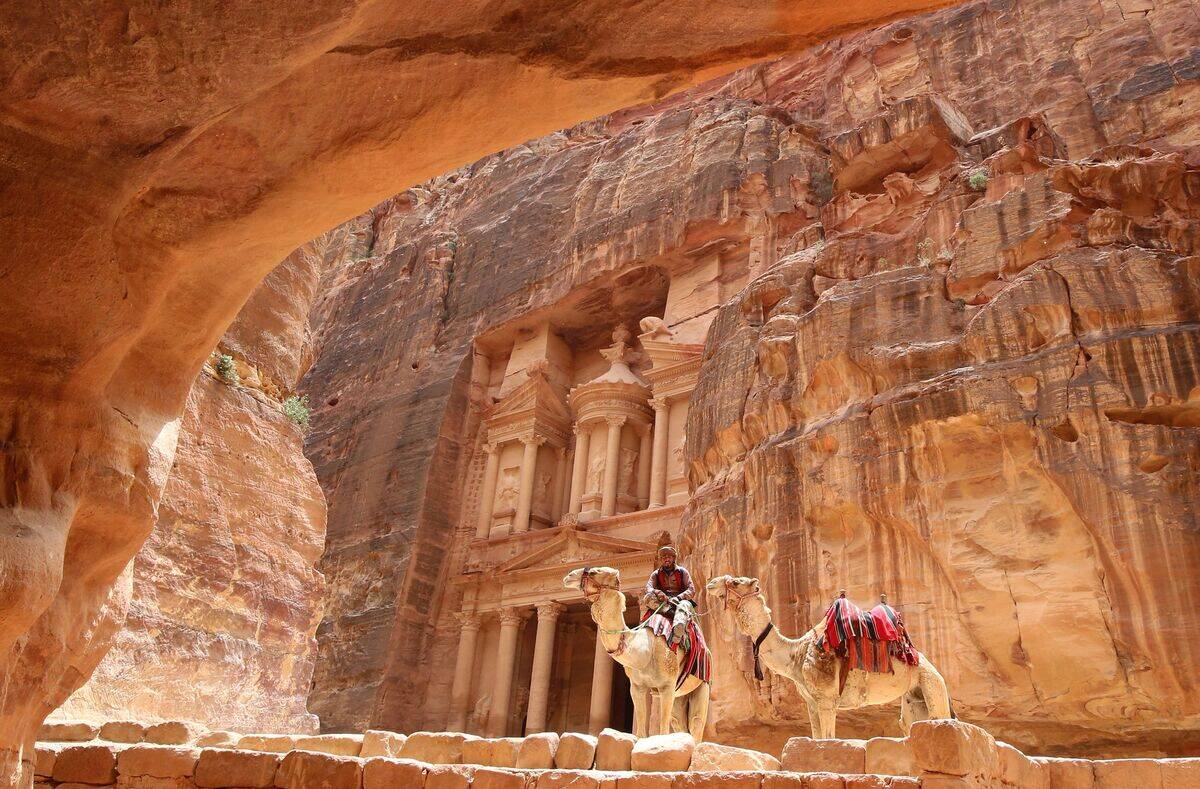
The Nabataeans were master traders and architects, best known for their capital, Petra, in modern-day Jordan. Carved into rose-red cliffs, Petra’s stunning facades showcase their artistic and engineering prowess.
The city flourished as a trade hub, connecting the Arabian Peninsula with the Mediterranean. However, its decline remains a mystery, possibly due to changes in trade routes or natural disasters.
The Puzzling Structures of Teotihuacan
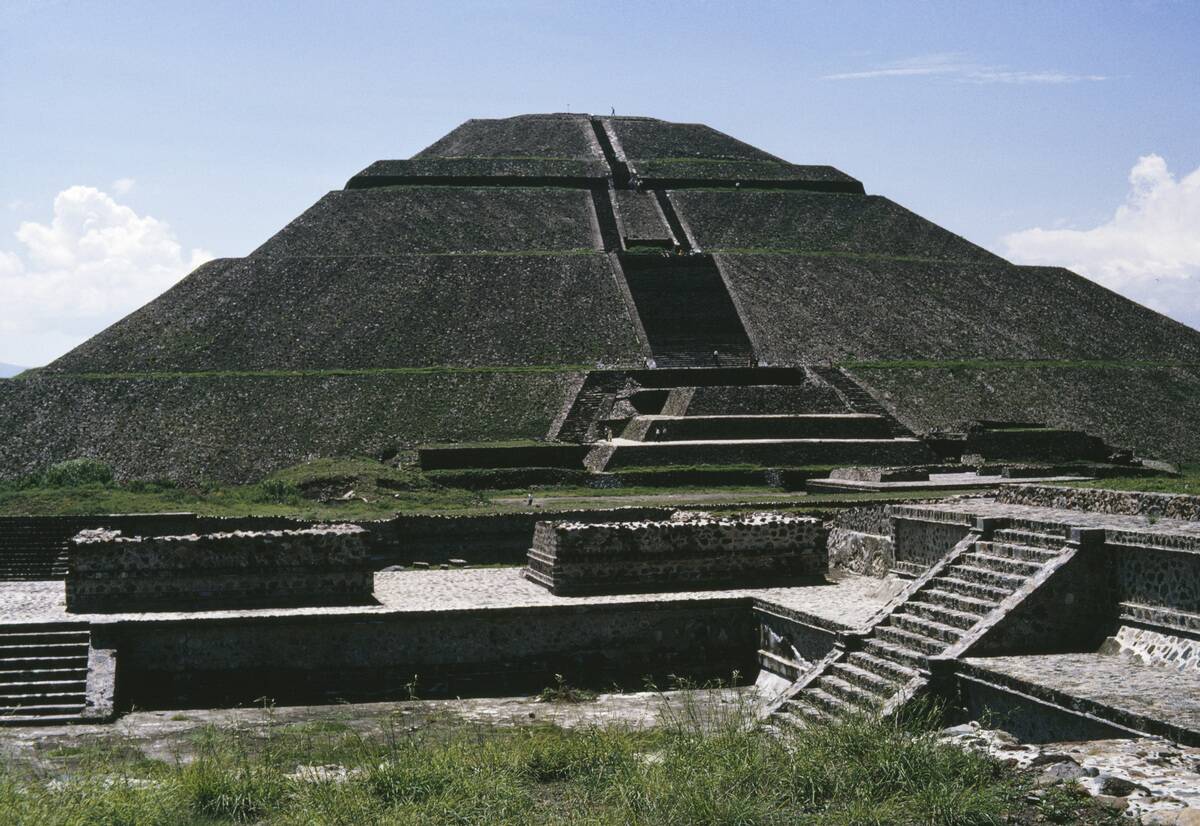
Teotihuacan, located near modern-day Mexico City, was a pre-Columbian metropolis. Its monumental structures, including the Pyramid of the Sun, reflect a sophisticated society that thrived around the first century CE.
Despite its size and influence, the identity of its builders remains unknown. The city’s abrupt decline around 550 CE adds another layer to its enigma, with evidence suggesting internal strife or environmental pressures.
The Ancient Wonders of Great Zimbabwe
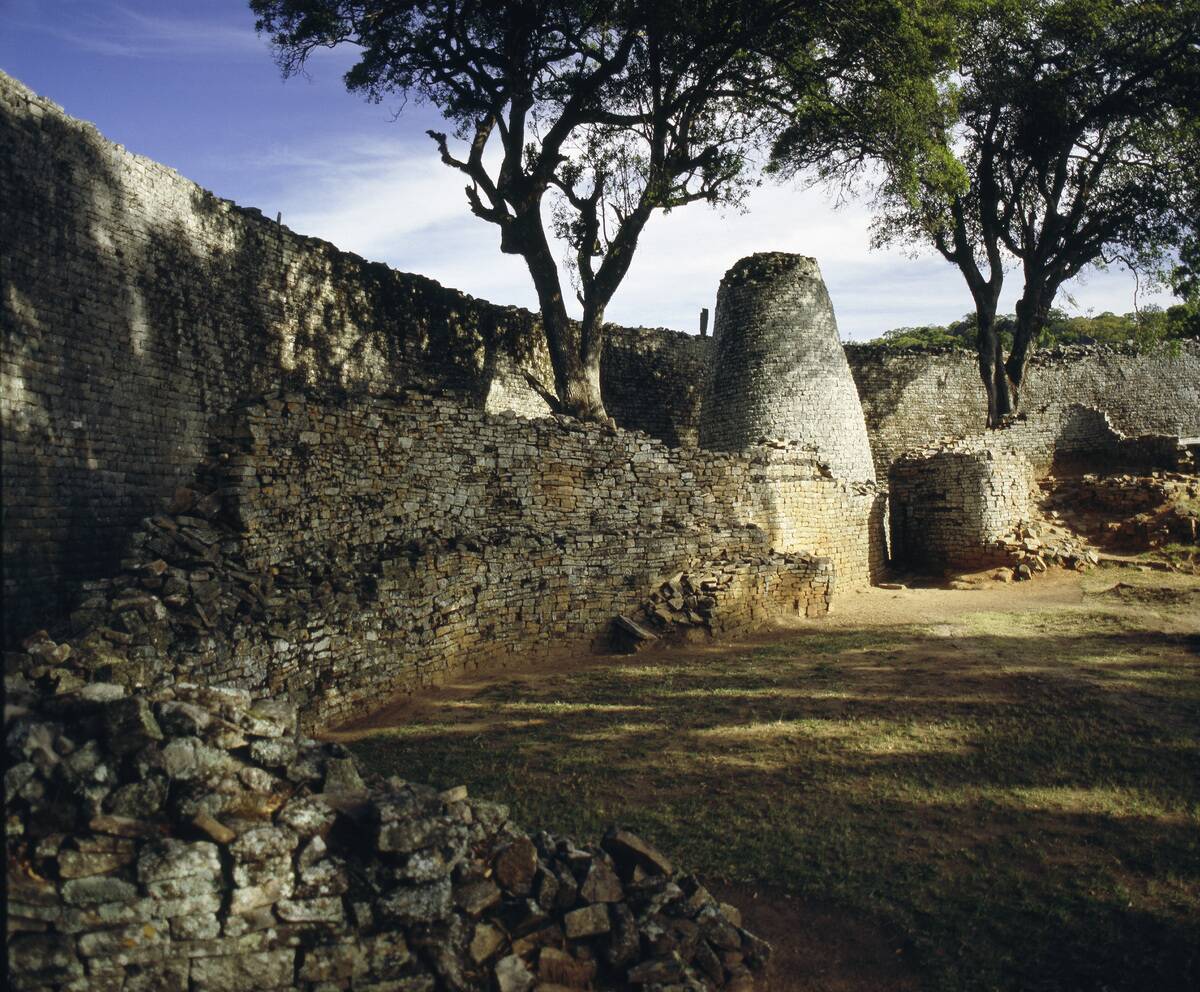
Great Zimbabwe, a medieval city in southeastern Africa, was a center of trade and culture. Built between the 11th and 15th centuries, its stone structures, including the Great Enclosure, reflect skilled craftsmanship.
The city’s prosperity was linked to gold trade, but it was mysteriously abandoned. Archaeologists continue to explore the reasons behind its decline, considering factors such as resource depletion and shifting trade networks.
The Ruins of the Norte Chico Civilization
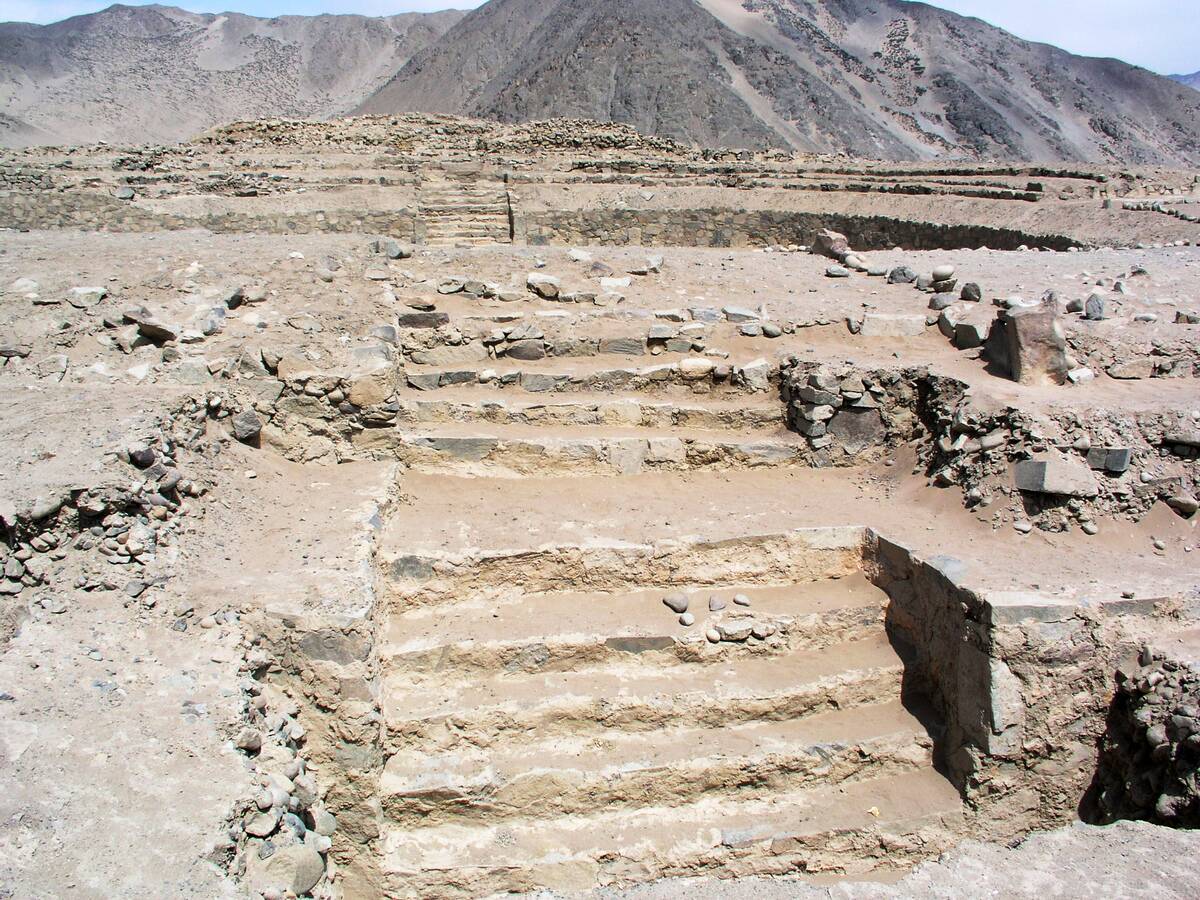
Norte Chico, one of the oldest known civilizations in the Americas, emerged around 3500 BCE in present-day Peru. Its urban centers, such as Caral, predate the Egyptian pyramids.
Despite its age, this civilization lacked ceramics and identifiable visual art, relying on agriculture and trade. The monumental architecture, including large platform mounds, highlights its societal complexity, leaving researchers pondering its role in the development of Andean cultures.
The Fascinating Remnants of the Mycenaean Civilization
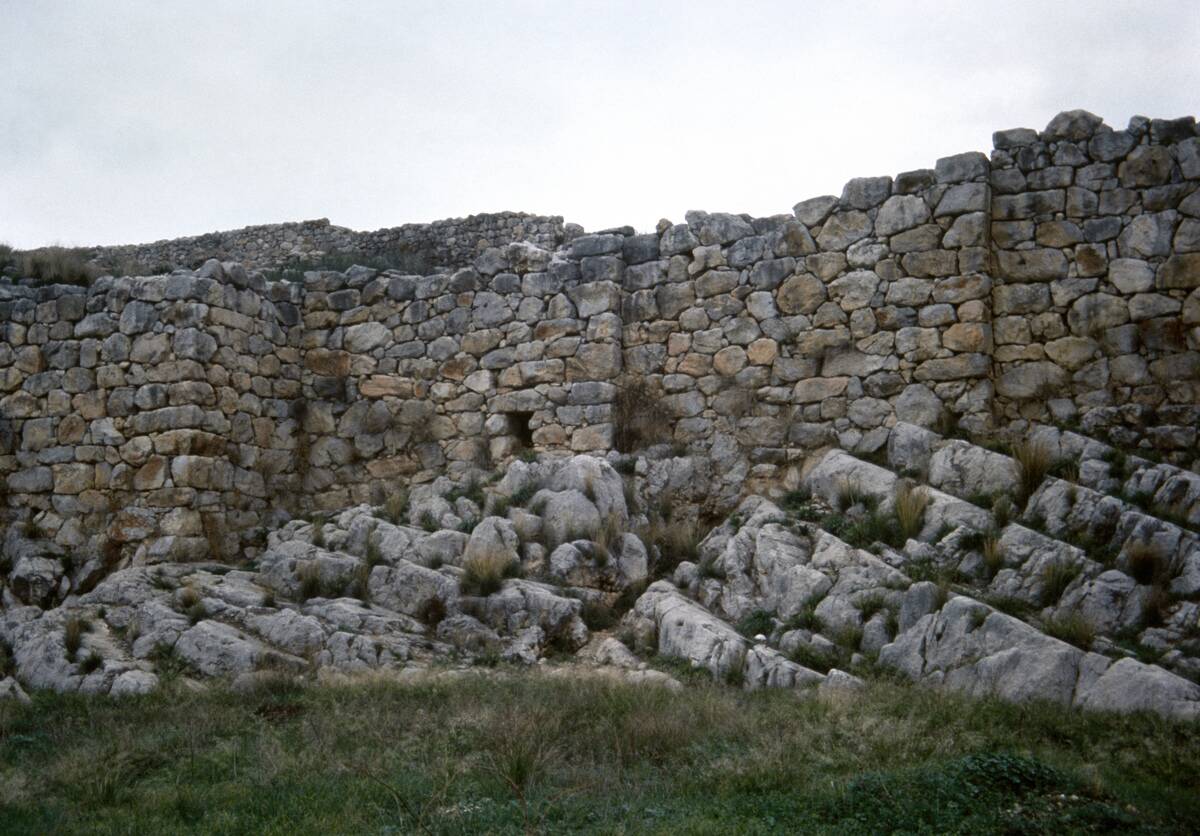
The Mycenaean Civilization, flourishing in the Aegean region during the late Bronze Age, is often associated with Homer’s epic tales. Known for their fortified palaces and elaborate tombs, the Mycenaeans were skilled in art and warfare.
The sudden collapse around 1200 BCE, possibly due to natural disasters or invasions, marked the end of this influential culture, ushering in a period of Greek history known as the Dark Ages.
The Silent Stones of the Olmec Civilization
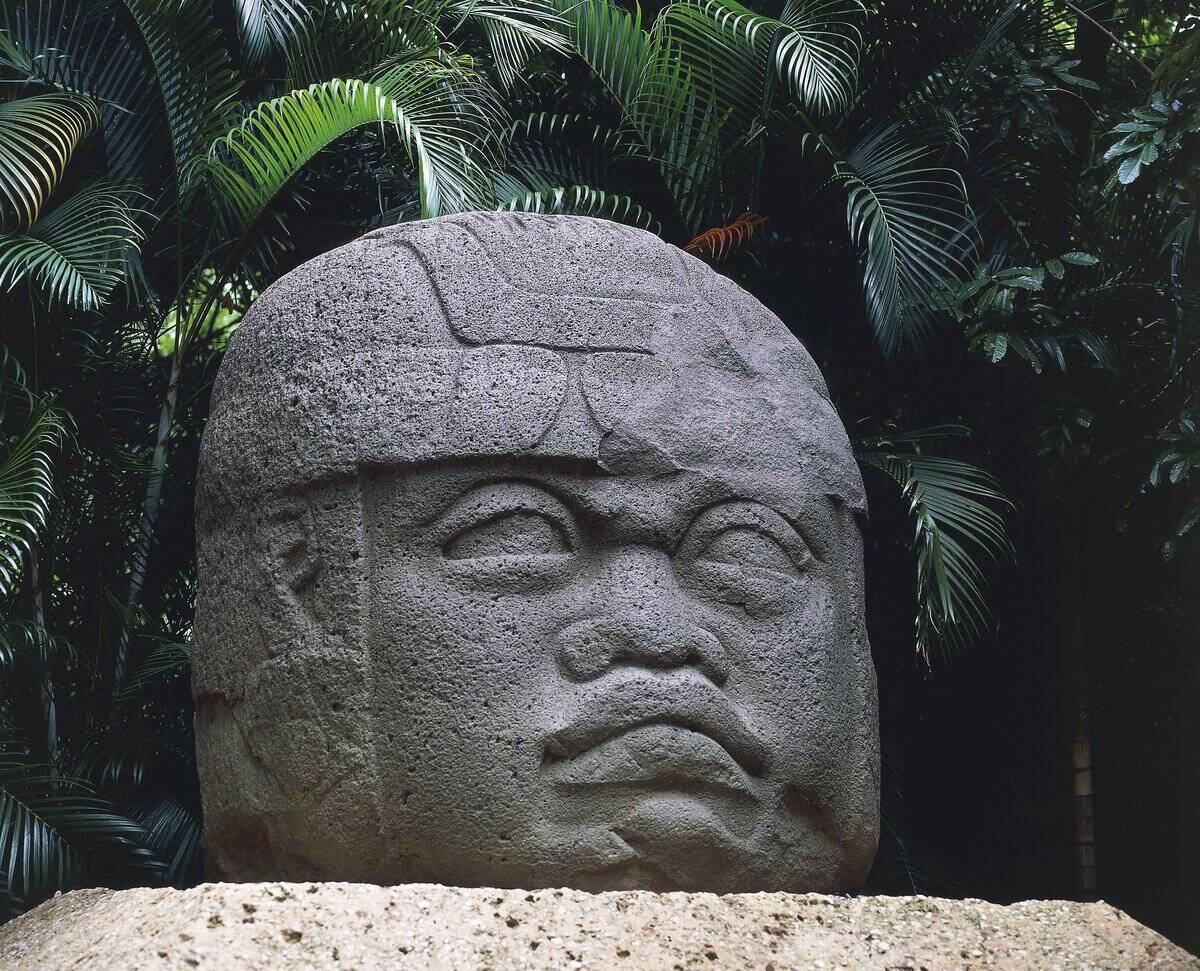
The Olmec civilization, considered the ‘mother culture’ of Mesoamerica, is renowned for its colossal stone heads. These basalt sculptures, weighing up to 55 tons, depict faces with unique features, thought to represent rulers.
Flourishing from 1200 to 400 BCE, the Olmec influenced later cultures with their advancements in art, architecture, and religion. Despite their impact, much about their society remains shrouded in mystery, including their sudden decline.
The Mysterious Megaliths of Carnac
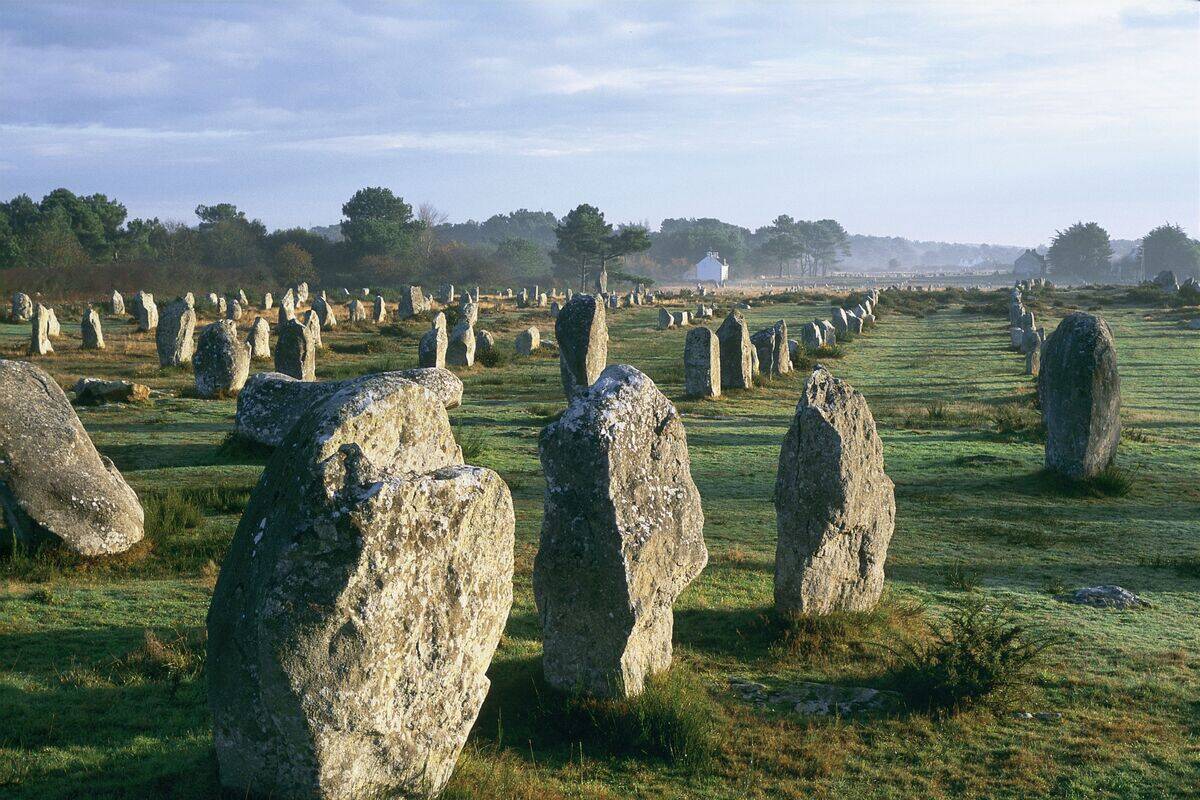
The Carnac stones in Brittany, France, form one of the world’s largest collections of megalithic sites. Comprising over 10,000 standing stones, their purpose remains unclear. Some suggest they were used for astronomical observations, while others propose religious or ceremonial functions.
Dating back to around 4500 BCE, these stones reflect a complex society with the capability to organize large-scale construction projects, leaving modern observers to wonder about their true significance.
The Lost Civilization of the Minoans
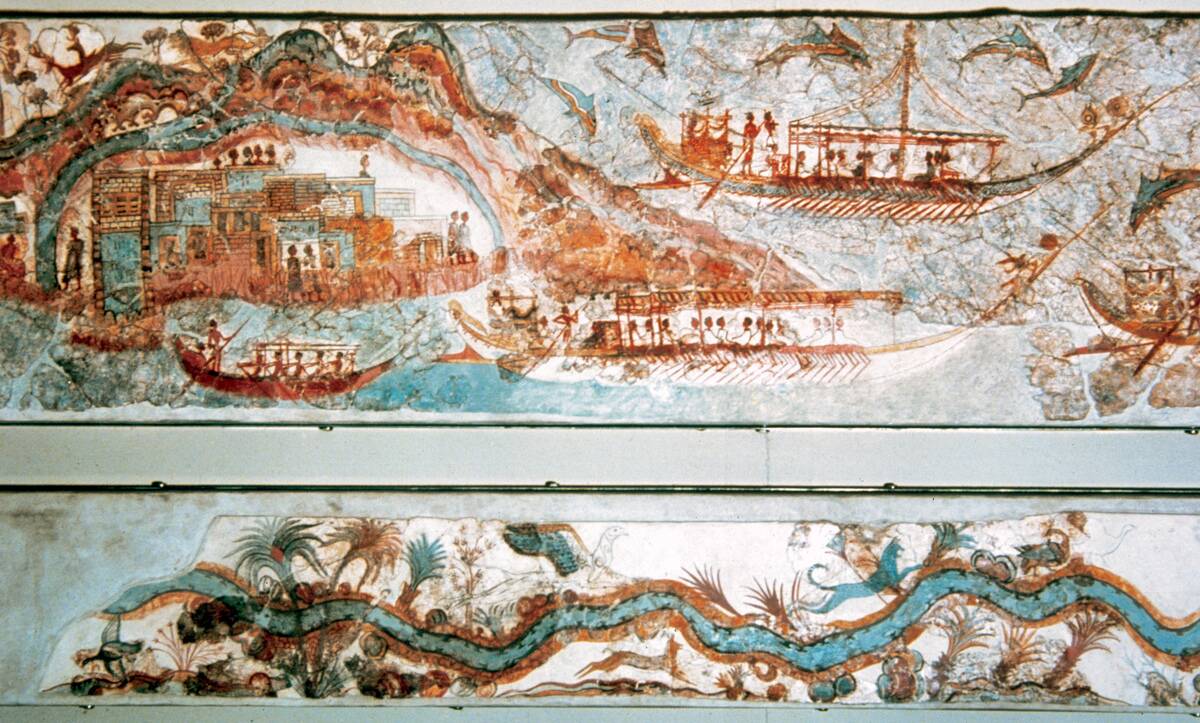
The Minoans, based on the island of Crete, are considered Europe’s first advanced civilization. Flourishing between 2000 and 1450 BCE, they are celebrated for their vibrant frescoes, intricate palaces, and maritime prowess.
The eruption of the Thera volcano, along with possible invasions, may have contributed to their decline. The Minoans’ sophisticated culture and influence on subsequent Greek civilizations underscore their importance in the tapestry of ancient history.
The Intriguing Stone Heads of Rapa Nui
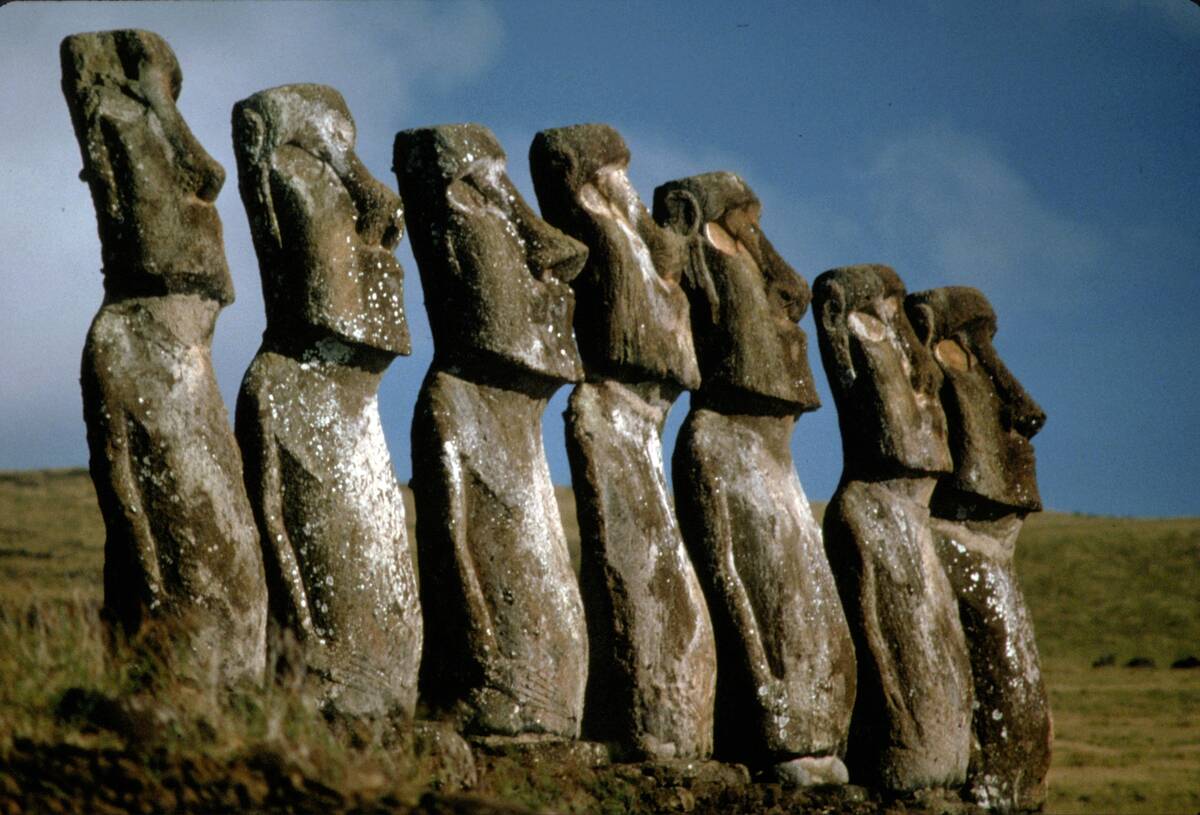
The giant moai statues of Rapa Nui, or Easter Island, stand as silent guardians of the past. Carved by the island’s Polynesian inhabitants between 1400 and 1650 CE, these stone figures reach up to 33 feet in height.
The logistics of their creation and transport remain subjects of debate. The island’s deforestation and societal collapse serve as a cautionary tale about resource management and ecological balance.
The Lesser-Known Wonders of Chaco Canyon
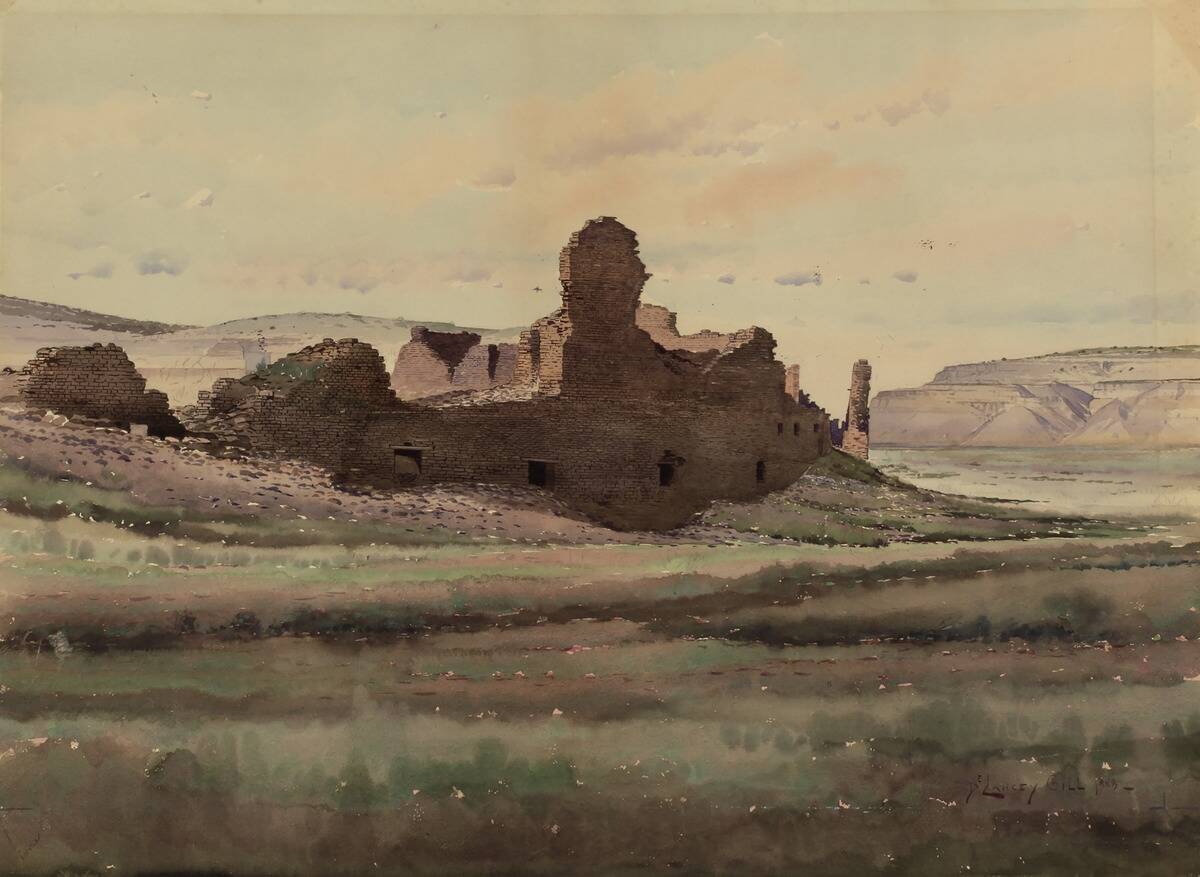
Chaco Canyon, located in present-day New Mexico, was a major center of Ancestral Puebloan culture between 900 and 1350 CE. Known for its monumental great houses, such as Pueblo Bonito (pictured), the site reveals advanced architectural and astronomical knowledge.
The alignment of buildings with solar and lunar cycles suggests a deep understanding of celestial events. The reasons for Chaco’s eventual decline remain a topic of ongoing research and debate.
The Intricate Geoglyphs of the Nazca Lines
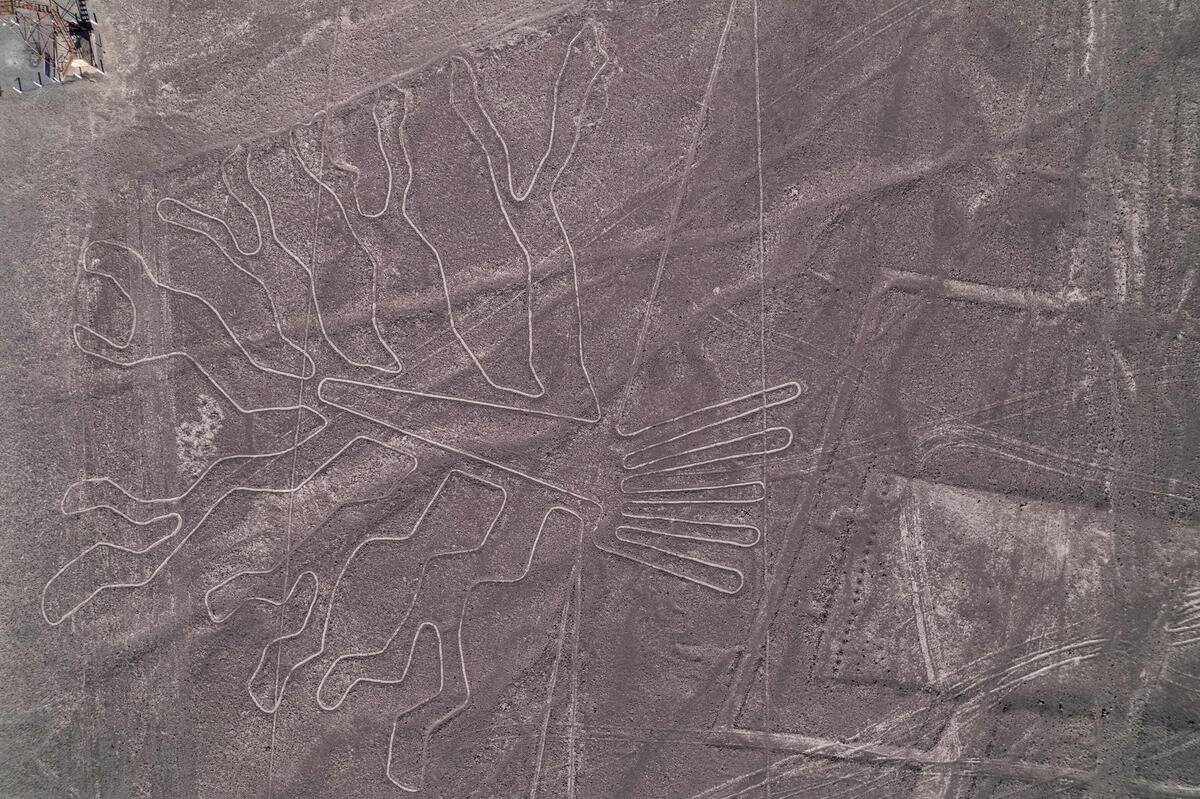
The Nazca Lines, etched into the arid plains of southern Peru, are among the world’s most fascinating archaeological enigmas. Created by removing the reddish pebbles to reveal the lighter earth beneath, these geoglyphs depict various shapes, from animals to geometric patterns.
Dating back to 500 BCE to 500 CE, their purpose remains speculative, with theories ranging from astronomical calendars to religious rituals. Their scale and precision continue to inspire awe and curiosity.




