Cities engineered to survive floods long before modern science
Throughout history, civilizations have faced the challenge of controlling water to prevent floods and support thriving communities. Ingenious solutions from the past continue to inspire us today.
From ancient engineering marvels to clever cultural practices, these flood-proof cities offer insights into how human ingenuity can overcome environmental hurdles. As we explore these fascinating stories, we’ll discover how ancient peoples harnessed technology and creativity to live harmoniously with water.
Venice: The Floating City with a Purpose

Venice, often called the Floating City, was designed to thrive on water. Built on a network of 118 small islands, interconnected by canals and bridges, Venice is a marvel of engineering. The city’s unique location on the Adriatic Sea required innovative solutions to manage high tides and floods.
The drainage of the Venetian Lagoon and the city’s intricate canal system have allowed the city to flourish for centuries, showcasing the power of strategic water management. However, rising water levels as a result of climate change threaten to put the city underwater by 2100.
Amsterdam: A Tale of Canals and Dikes
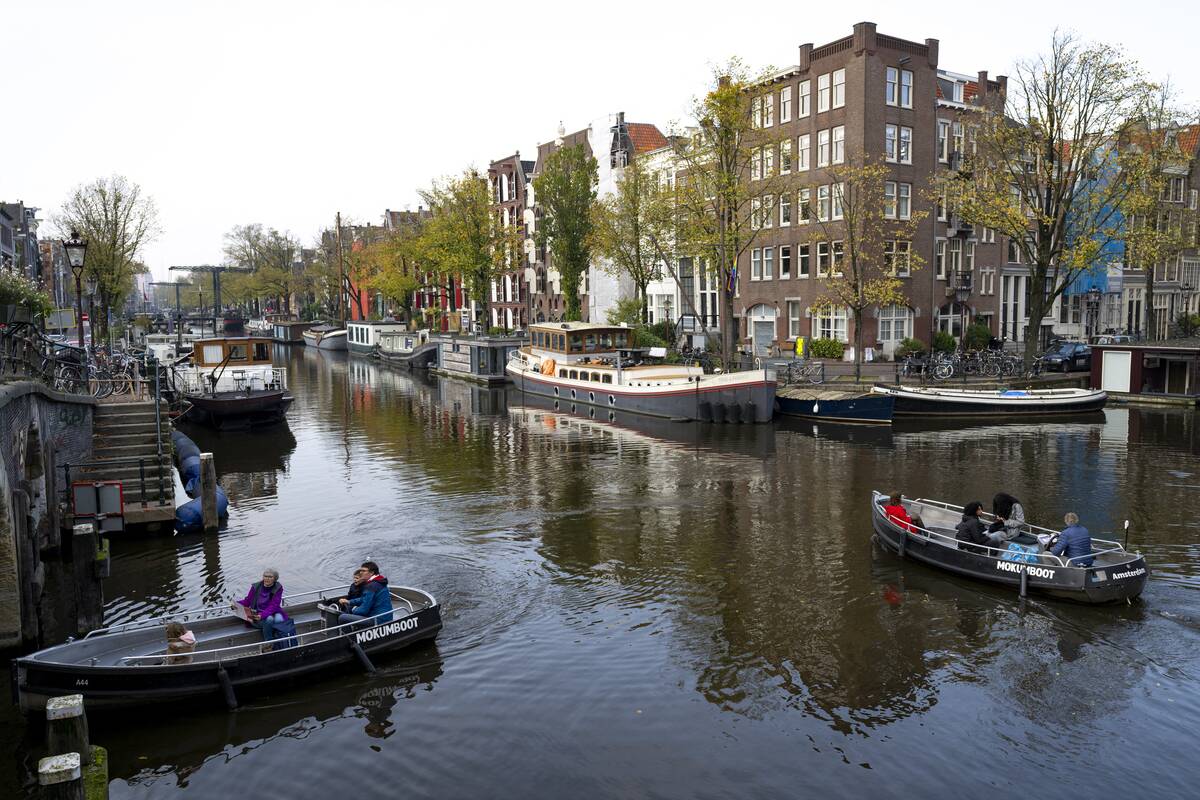
Amsterdam’s intricate network of canals and dikes is a testament to Dutch ingenuity in water management. The city, built on reclaimed land, relies on its sophisticated system to keep the sea at bay.
Amsterdam’s canals, over 100 kilometers long (or 62 miles), serve both functional and aesthetic purposes, enhancing the city’s charm. The strategic placement of dikes and locks ensures that the city remains dry, demonstrating a successful balance between nature and urban development.
Tenochtitlán: Aztec Ingenuity on a Lake
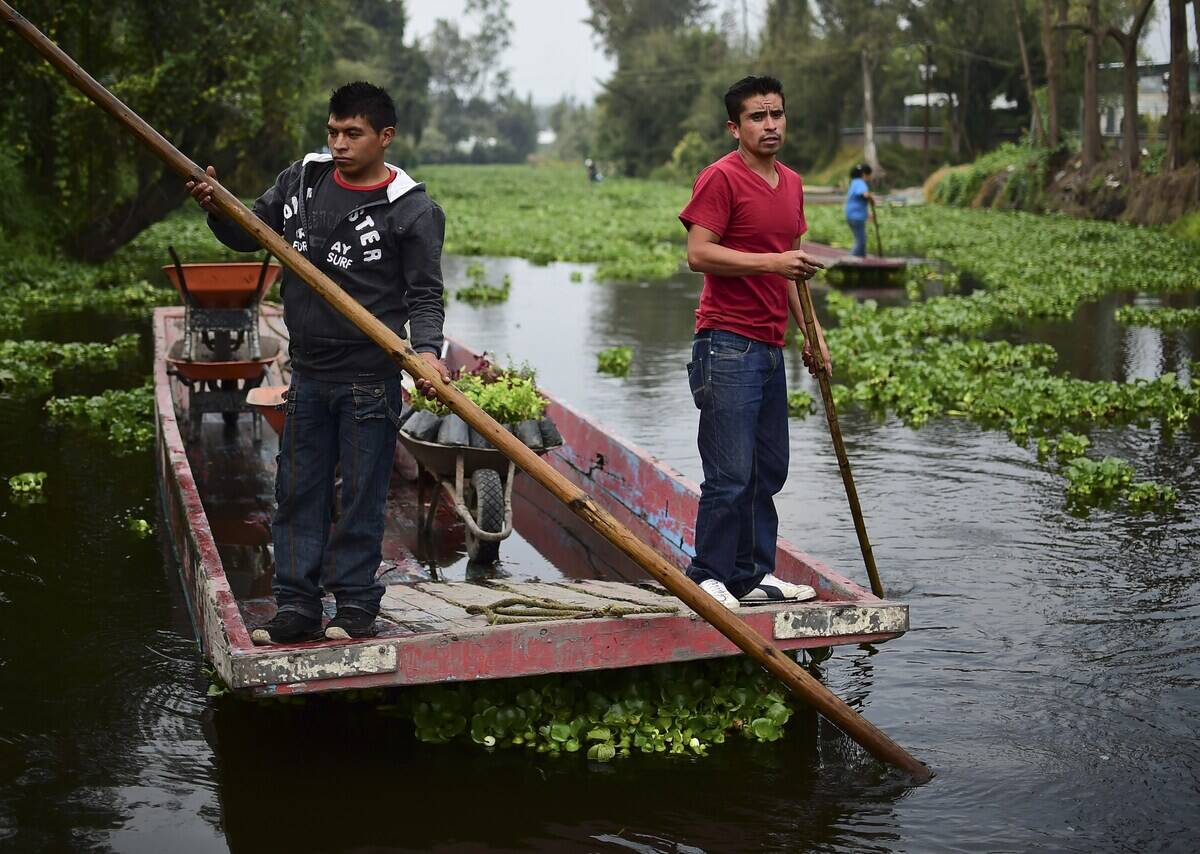
Tenochtitlán, the Aztec capital, was ingeniously built on Lake Texcoco. The city’s unique location required innovative solutions to manage water and prevent flooding. The Aztecs constructed chinampas (pictured), or floating gardens, which provided fertile land for agriculture while stabilizing water levels.
This ingenious system not only supported a large population but also showcased the Aztecs’ deep understanding of their environment. Tenochtitlán remains an incredible example of how human creativity can transform challenging landscapes.
The Water Gardens of Bali: Subak System
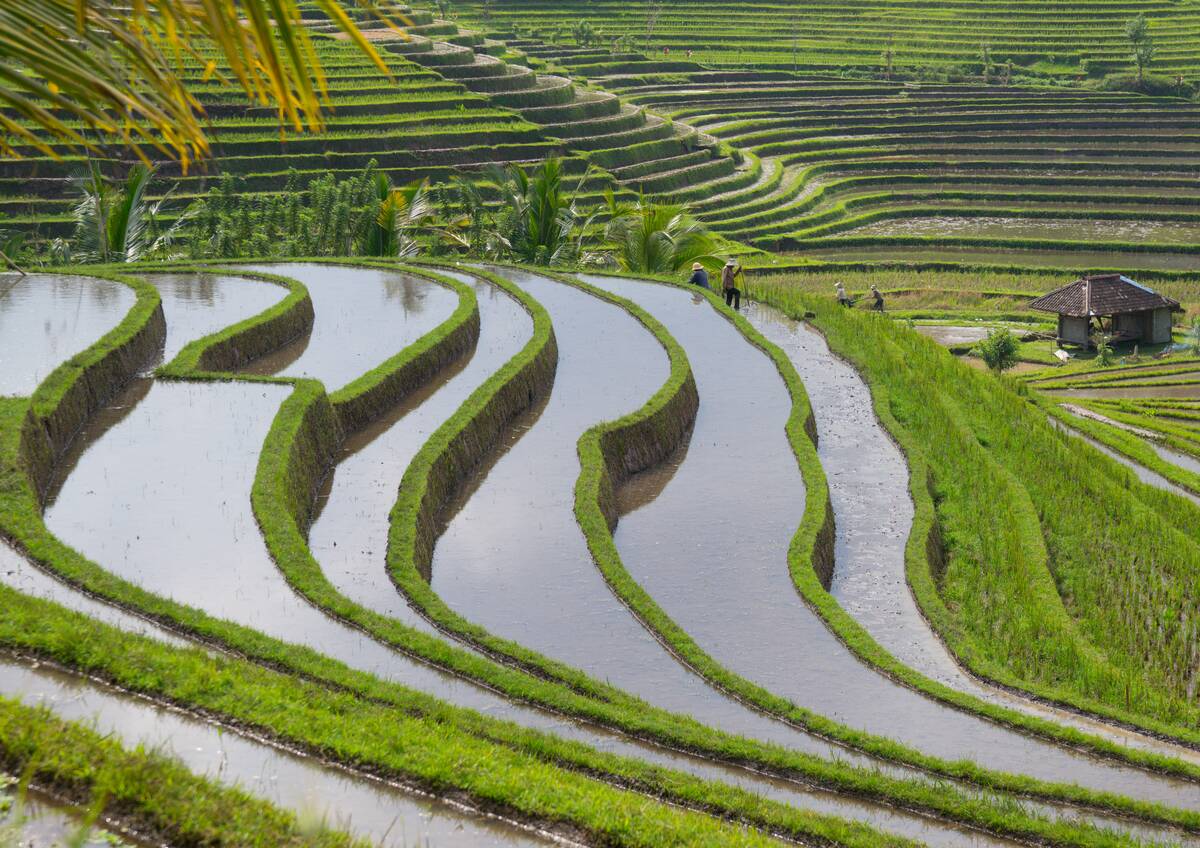
Bali’s Subak system is a traditional water management method that has been in use for over a thousand years. This UNESCO World Heritage site consists of terraced rice paddies that rely on a complex network of canals and weirs to distribute water from the mountains.
The Subak system is not only a testament to Balinese engineering but also a reflection of their spiritual connection to nature. This harmonious approach to water management continues to sustain Bali’s agriculture and culture. Unfortunately, development to support massive spikes in tourism over the last decade now threatens this natural system and exacerbates flooding.
The Floating Villages of Cambodia: Life on the Tonle Sap
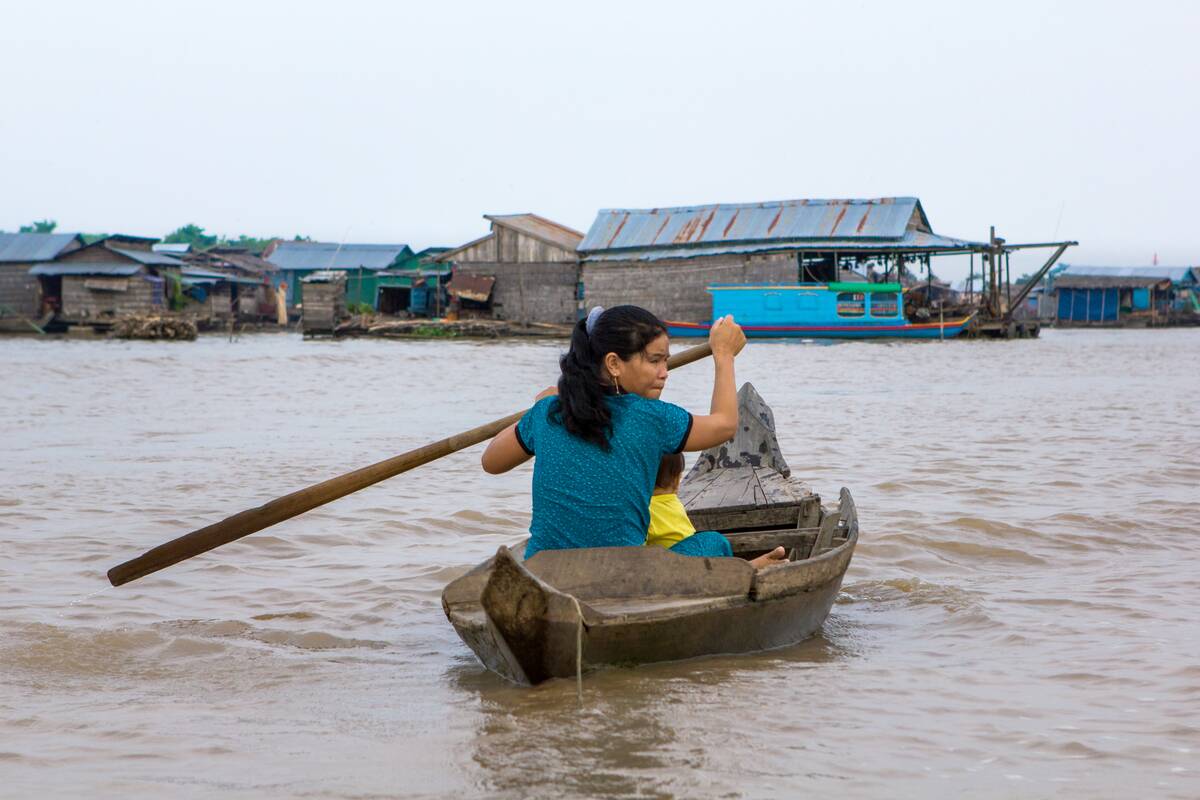
The floating villages of Cambodia, situated on the Tonle Sap Lake, present a unique way of living with water. During the monsoon season, the lake expands significantly, and these villages adapt by floating on its surface.
Houses are built on stilts or rafts, allowing them to rise and fall with the water levels. This adaptable lifestyle demonstrates the resilience and ingenuity of the Cambodian people, who have found innovative ways to live in harmony with their environment.
The Resilient City of Bangkok: Thriving on Waterways
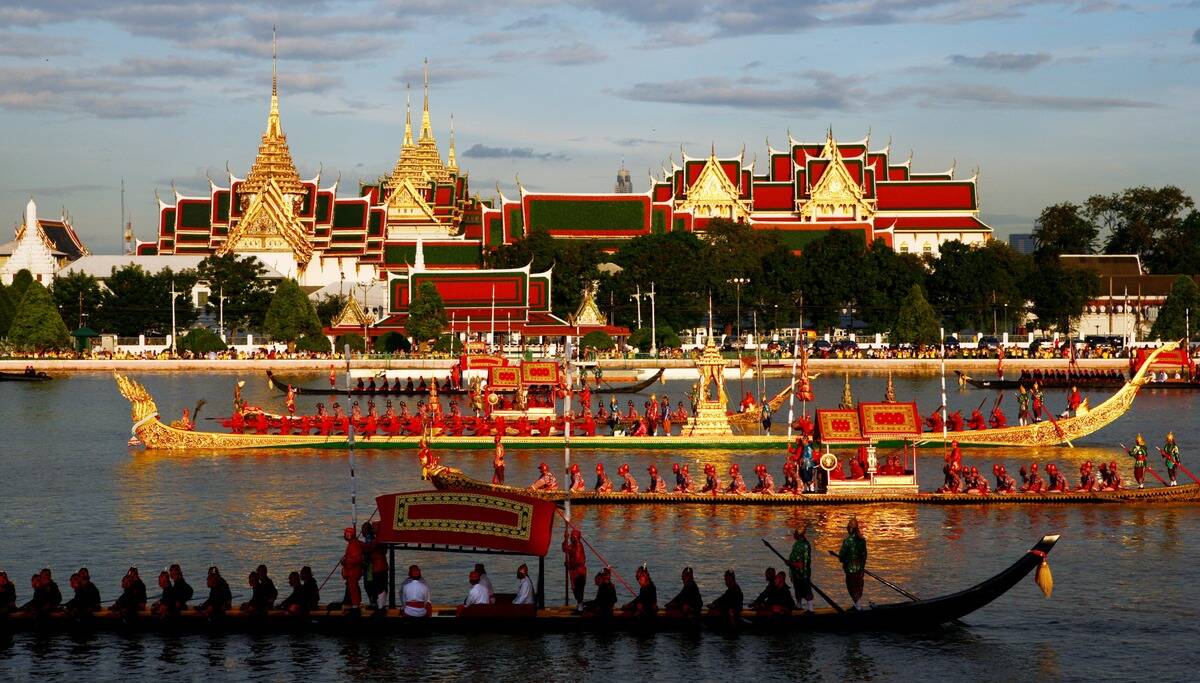
Bangkok, often referred to as the “Venice of the East,” is a city intricately connected to its waterways. The Chao Phraya River and its network of canals serve as vital transportation routes and help manage the city’s water levels.
Bangkok’s strategic use of its waterways has been crucial in managing floods, especially during the rainy season. This resilience is a testament to the city’s ability to adapt and thrive in a challenging environment.
The Hydraulic Civilization of Ancient Egypt
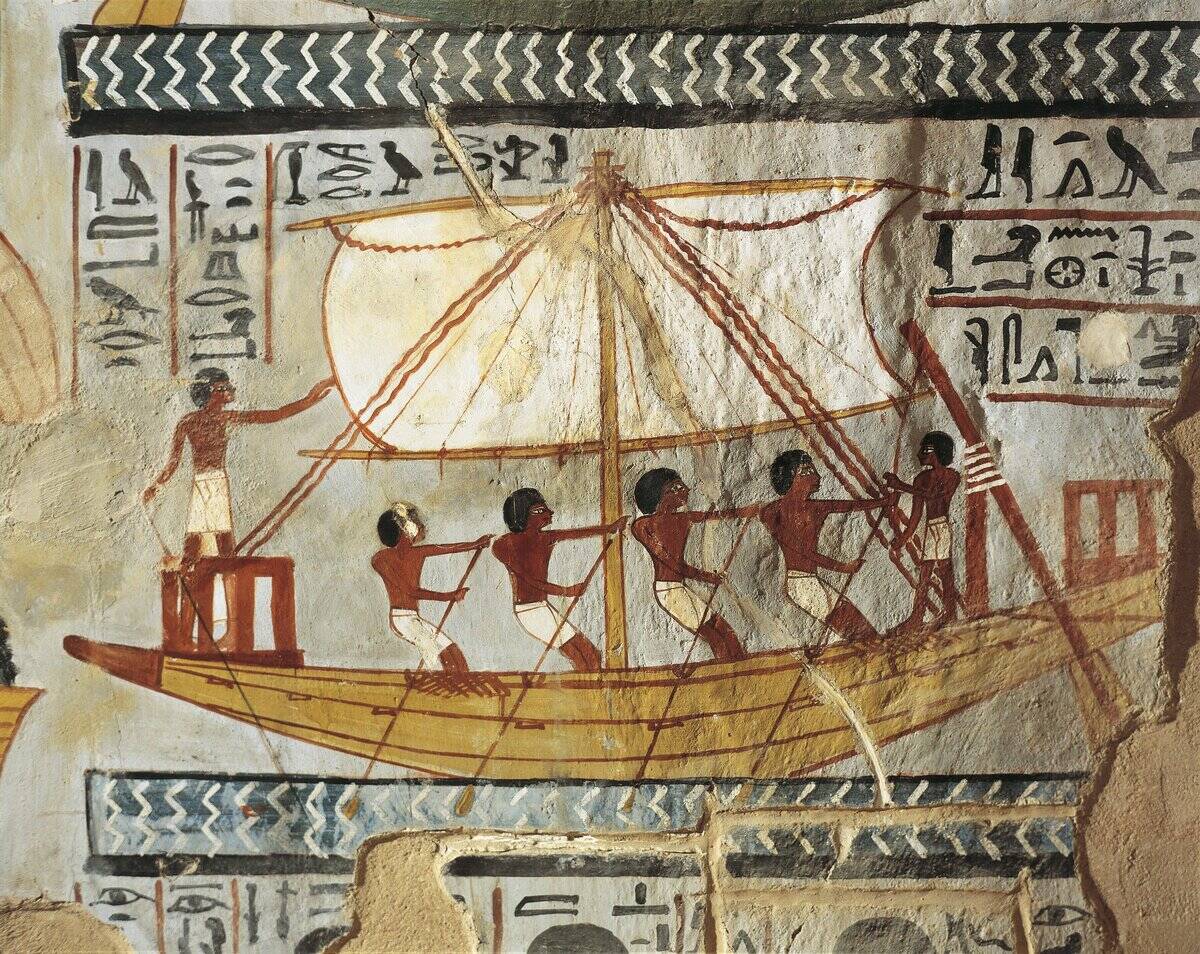
Ancient Egypt’s prosperity was deeply connected to its mastery of hydraulic engineering. The Nile River, central to Egyptian life, was harnessed through a series of canals and basins that supported agriculture and prevented flooding.
The construction of the Aswan High Dam is a modern testament to Egypt’s ongoing relationship with the Nile. The ancient Egyptians’ ability to control and utilize the river’s resources was key to their civilization’s longevity and success.
The Masterful Water Management of Petra

Petra, the ancient city carved into rose-red cliffs, showcases remarkable water management techniques. The Nabataeans, who built Petra, developed an intricate system of dams, cisterns, and aqueducts to collect and store water.
This allowed them to thrive in the arid desert environment. Petra’s water management system not only supported the city’s population but also enabled it to become a major trade hub in the ancient world, demonstrating the importance of resourceful engineering.
Mohenjo-Daro: The Ancient Indus Valley’s Waterworks
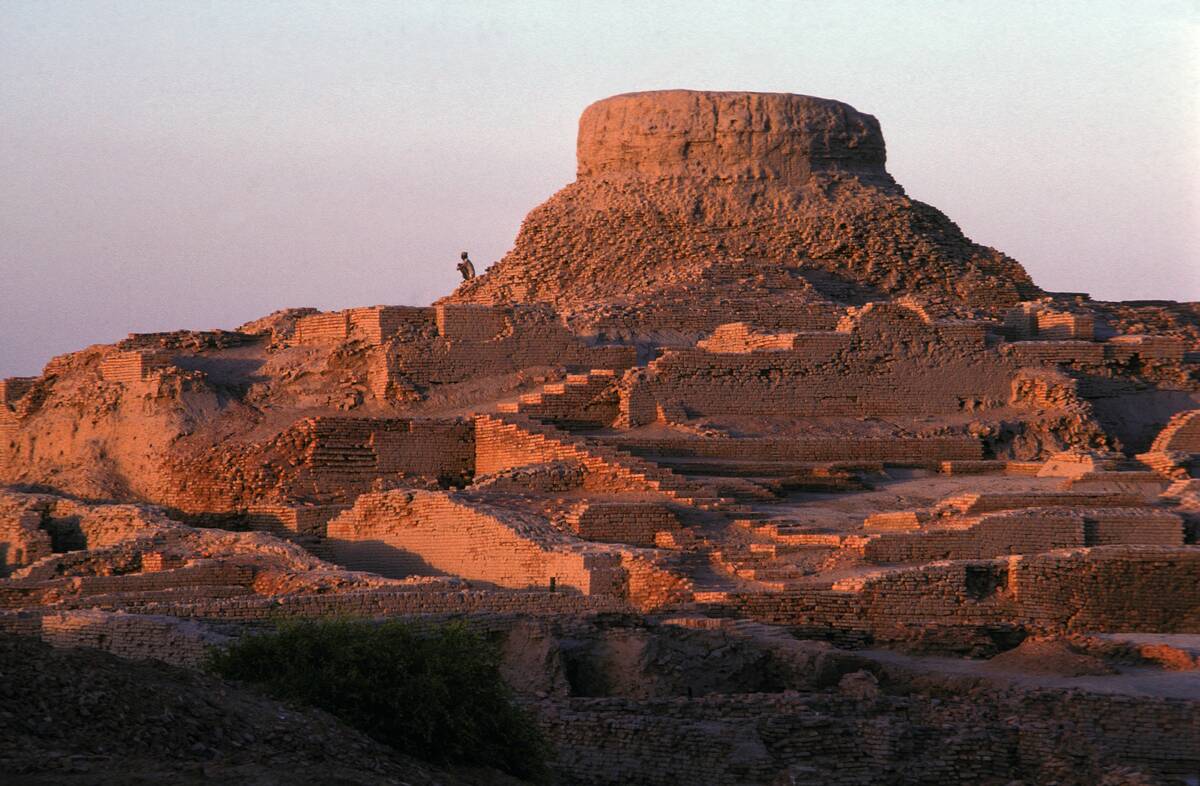
Mohenjo-Daro, part of the ancient Indus Valley Civilization, boasted advanced water management systems. The city featured a sophisticated drainage system, with covered sewers running beneath the streets.
Homes were equipped with private wells and bathing areas, illustrating the importance of hygiene and public health. This level of urban planning highlights the Indus Valley Civilization’s remarkable understanding of water management and its significance in supporting a large urban population.
The Wisdom of the Hohokam in the Arizona Desert
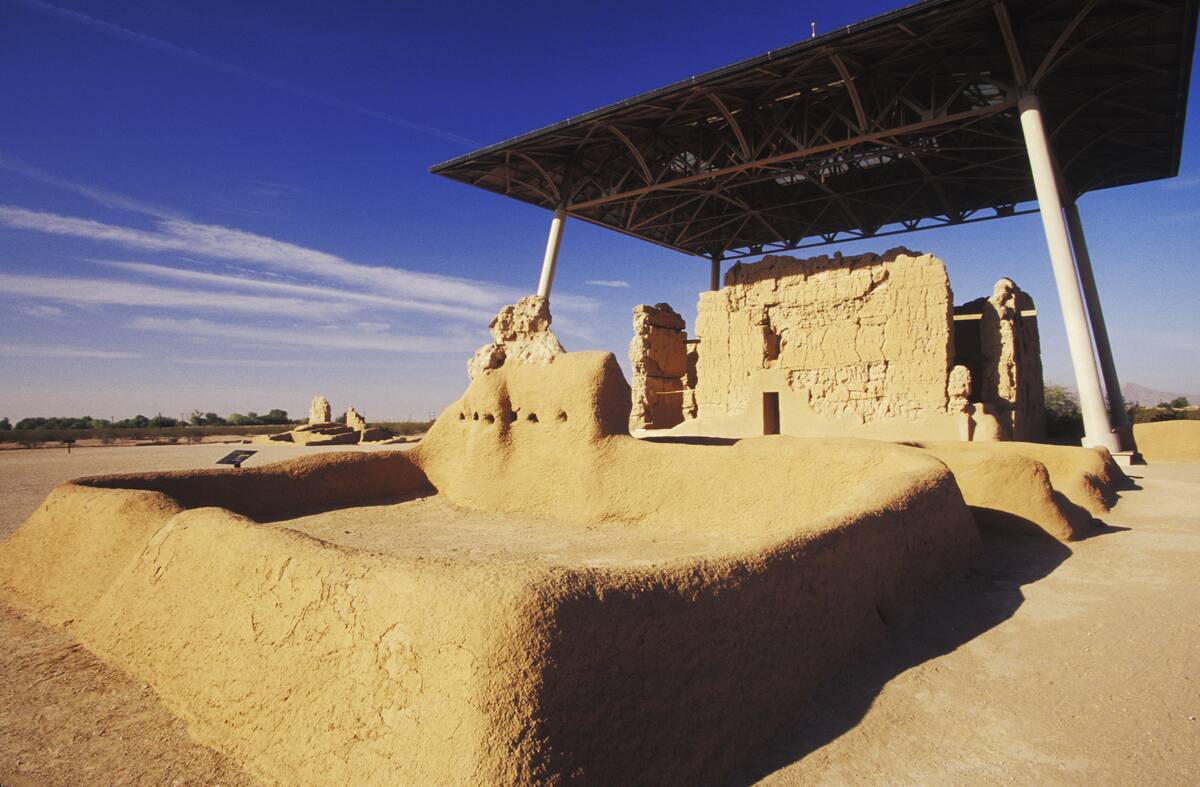
The Hohokam people, who inhabited the Arizona desert, were masters of irrigation. They constructed an extensive network of canals, some up to 20 miles long, to divert water from the Salt and Gila Rivers.
This allowed them to cultivate crops in the arid landscape and sustain their communities. The Hohokam’s innovative irrigation techniques are a testament to their adaptability and deep understanding of their environment, providing valuable lessons for modern water management.
The Aqueducts of Ancient Rome: Water Control and Supply
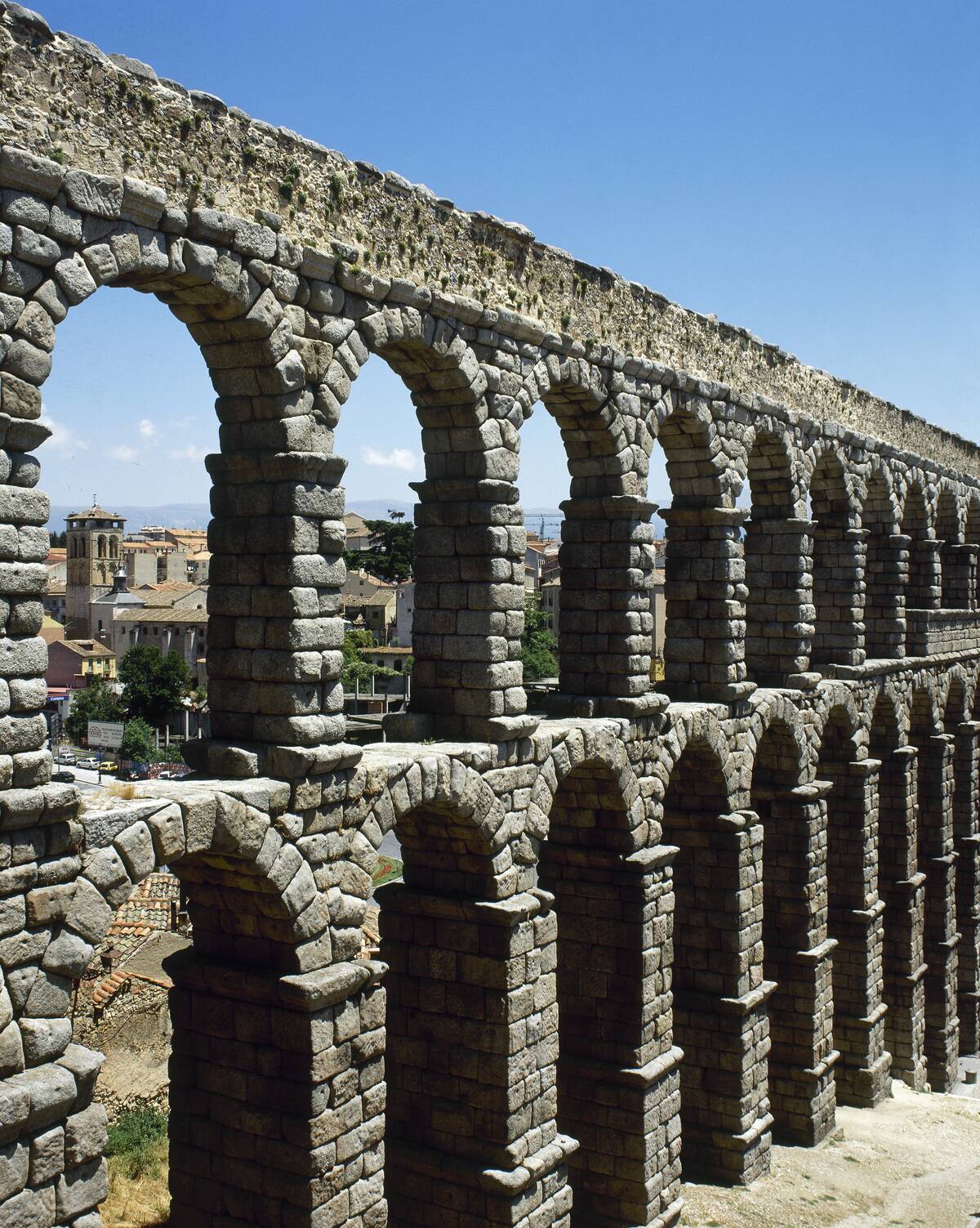
The aqueducts of ancient Rome are iconic symbols of Roman engineering prowess. These structures transported water from distant sources into the heart of the city, supplying public baths, fountains, and private homes.
The aqueducts’ gentle gradient and use of gravity showcased the Romans’ advanced understanding of hydraulics. Their ability to control and distribute water efficiently contributed to Rome’s growth and prosperity, setting a benchmark for urban water supply systems throughout history.
The Ingenious Water Systems of the Khmer Empire
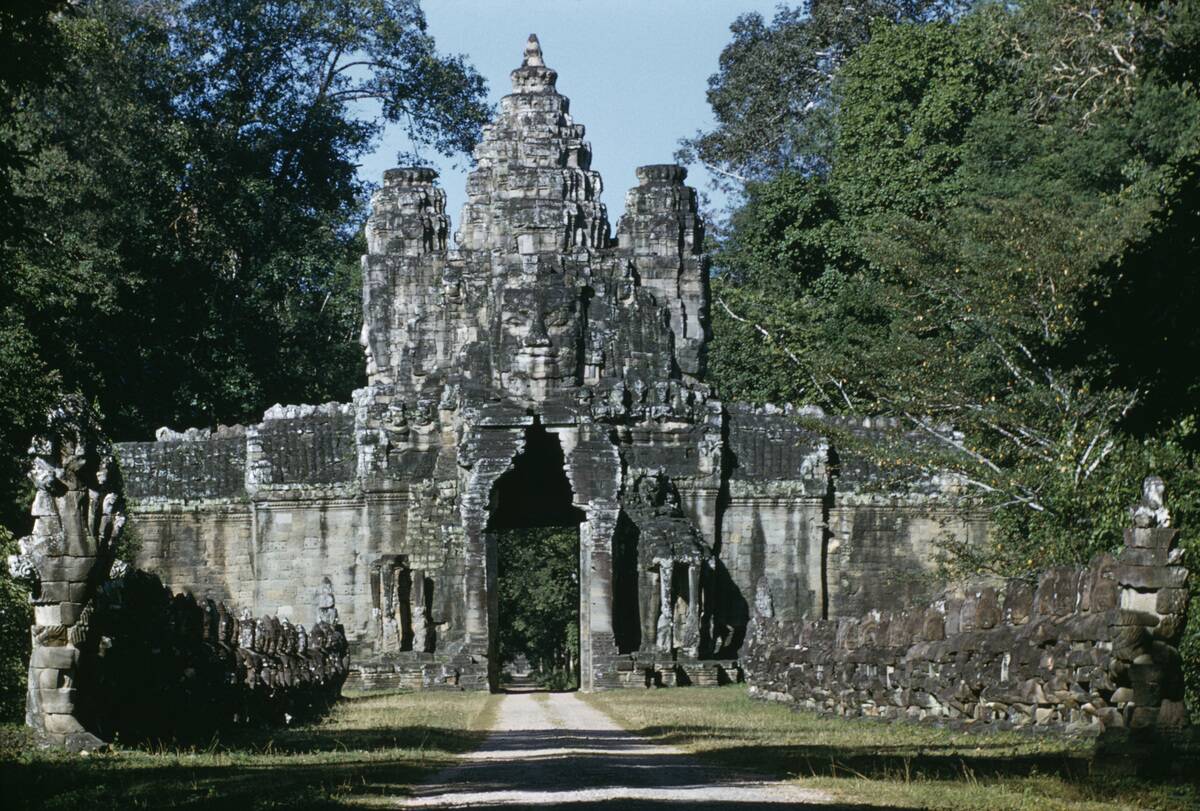
The Khmer Empire, centered in modern-day Cambodia, developed elaborate water management systems to support its capital, Angkor. The city featured large reservoirs, known as barays, and an intricate network of canals that regulated water flow and supported agriculture.
This system not only sustained a large population but also demonstrated the Khmer’s sophisticated understanding of hydraulic engineering. The remnants of these systems continue to intrigue archaeologists and engineers alike, offering insights into ancient water management.




