Celestial events that ancient cultures worshipped as Gods
For centuries, humans have gazed skyward, captivated by the mysteries and wonders above. The vast expanse of the cosmos has inspired countless myths and legends, serving as both a clock and a calendar.
From ancient civilizations to modern stargazers, the heavens continue to intrigue our imaginations and shape our understanding of the universe. The celestial bodies have been our guides, our gods, and our greatest sources of inspiration.
The Sun: The Supreme Deity

The Sun, our life-giving star, has long been revered as a supreme deity. Ancient Egyptians worshiped Ra, the Sun God, believing his daily journey across the sky provided light and warmth.
Similarly, the Inca civilization saw their emperor as the ‘Son of the Sun.’ Today, we understand the Sun as the center of our solar system, a massive ball of hydrogen and helium undergoing nuclear fusion, providing energy essential for life on Earth.
The Moon: A Symbol of Change and Femininity
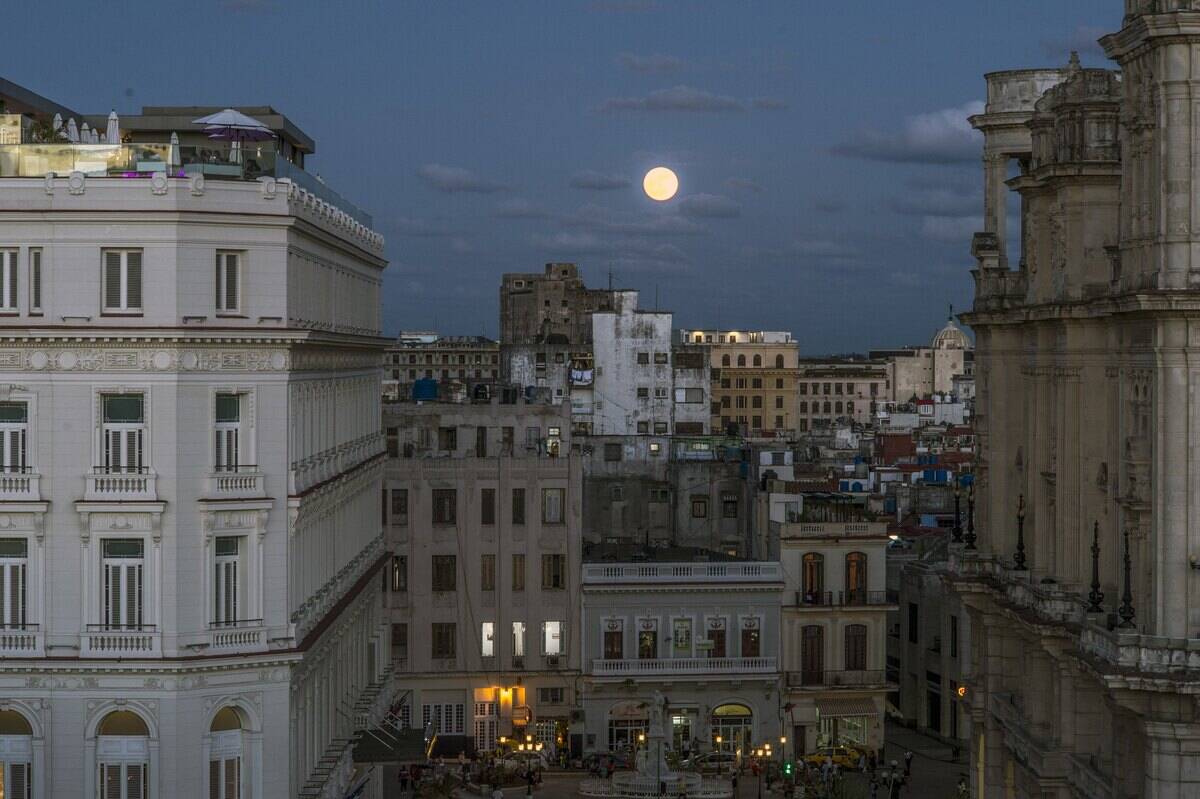
The Moon, with its ever-changing phases, has been a symbol of transformation and femininity across cultures. Greek mythology linked the Moon to Artemis, the goddess of the hunt and wilderness.
Its cycles have guided agricultural practices and inspired lunar calendars. Scientifically, we know the Moon stabilizes Earth’s axial tilt, influencing our planet’s climate and the rhythmic ebb and flow of ocean tides, a silent dance with gravity.
Eclipses: Divine Omens or Cosmic Battles
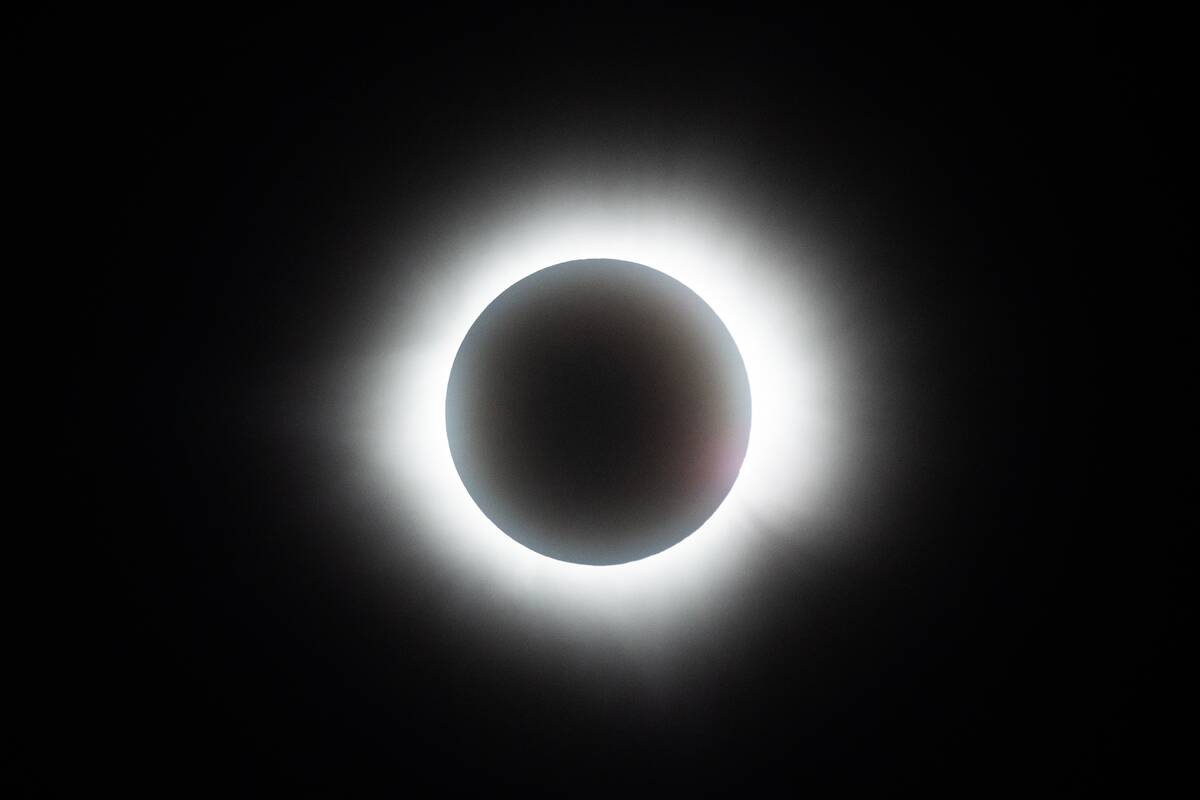
Eclipses have sparked awe and fear, seen as divine omens or cosmic battles. The ancient Chinese believed a celestial dragon devoured the Sun or Moon during an eclipse, prompting loud noises to scare it away.
Today, we understand that an eclipse occurs due to the alignment of the Earth, Sun, and Moon. These events offer spectacular views and valuable opportunities for scientists to study the solar corona and other celestial phenomena.
Comets: Messengers from the Gods
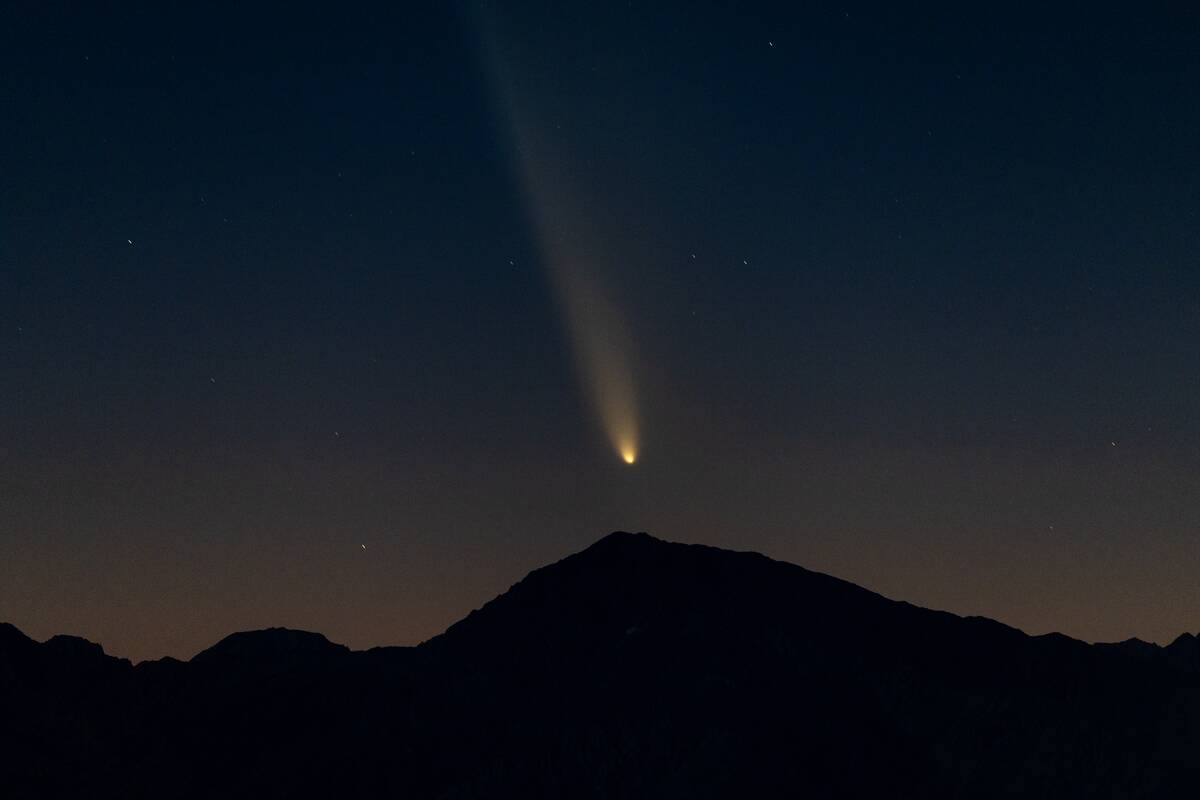
Comets, with their glowing tails, were once thought to be messengers from the gods, heralding change or foretelling doom. The famous Halley’s Comet, visible from Earth every 76 years, has been documented since ancient times, marking historical events.
Now, we know comets are icy bodies from the distant reaches of the solar system, carrying remnants from its formation and providing clues about the early conditions of our cosmic neighborhood.
The North Star: The Celestial Guide

The North Star, or Polaris, has been a faithful guide for navigators for centuries, pointing the way to true north. Located nearly at the celestial north pole, it appears almost stationary in the sky while other stars rotate around it.
This stability has made it an essential tool for explorers and sailors before the advent of modern navigation. Scientifically, Polaris is a multiple star system, with its primary star being a supergiant pulsating variable.
The Planets: Wandering Gods Across the Sky
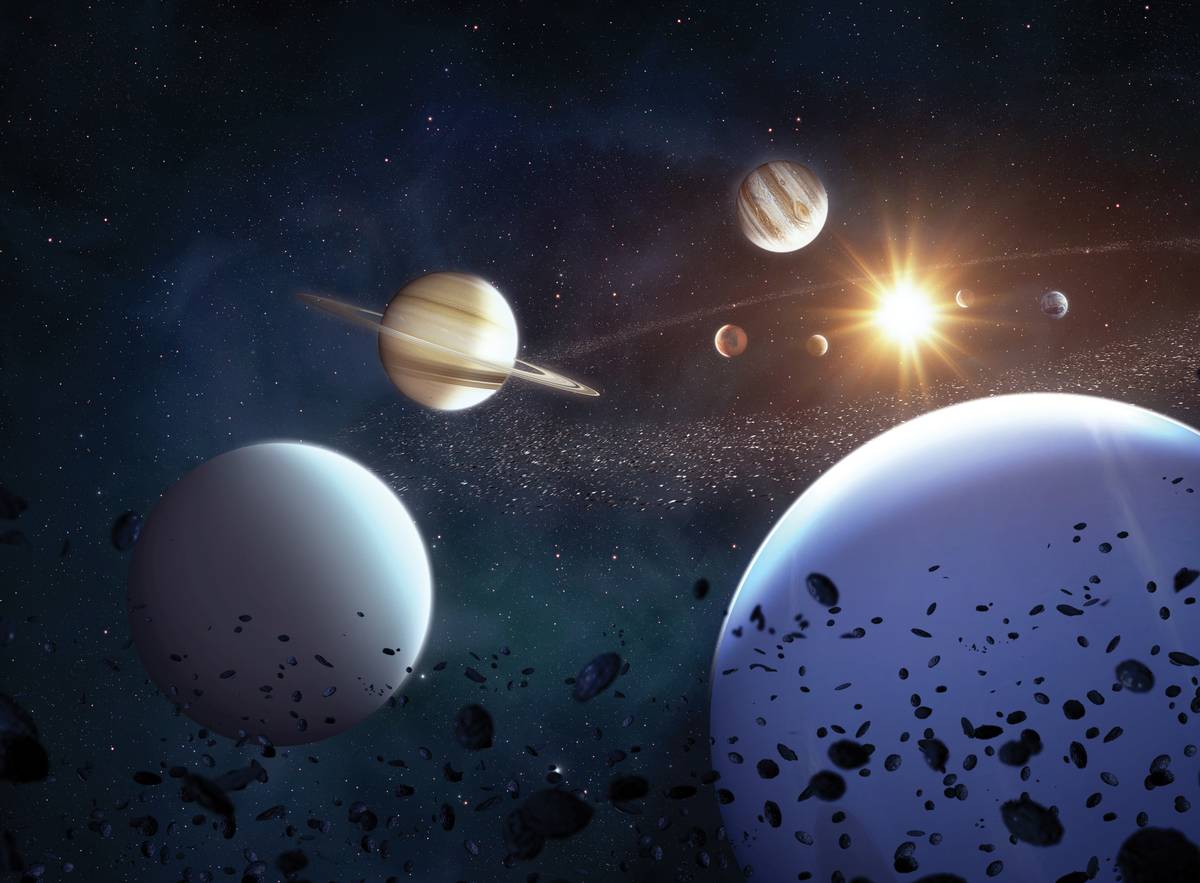
The word ‘planet’ comes from the Greek for ‘wanderer,’ as these celestial bodies move differently from the stars. In ancient times, planets were seen as gods roaming the heavens, each with its distinct influence on human affairs.
Today, we know planets are celestial bodies orbiting stars, and our solar system hosts eight, each with unique characteristics. The study of planets, both in our system and beyond, continues to expand our understanding of the universe.
Venus: The Morning and Evening Star
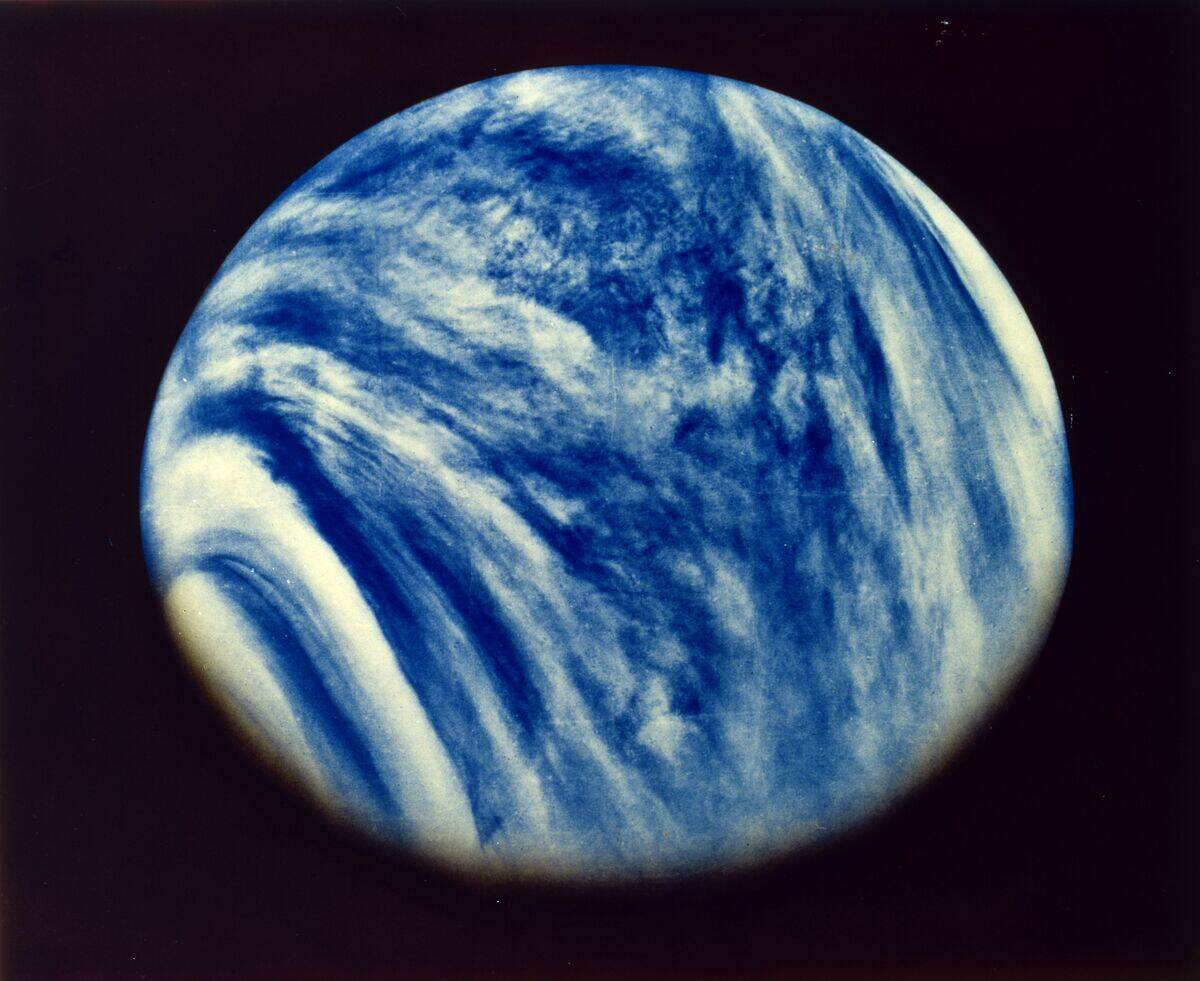
Venus, known as both the Morning and Evening Star, has been associated with beauty and love, represented by the Roman goddess Venus. Its thick, reflective clouds make it the brightest natural object in our night sky after the Moon.
Despite its lovely appearance, Venus is a harsh world with a runaway greenhouse effect, resulting in surface temperatures hot enough to melt lead. Its study helps scientists understand atmospheric processes, including those on Earth.
Mars: The God of War in the Night Sky
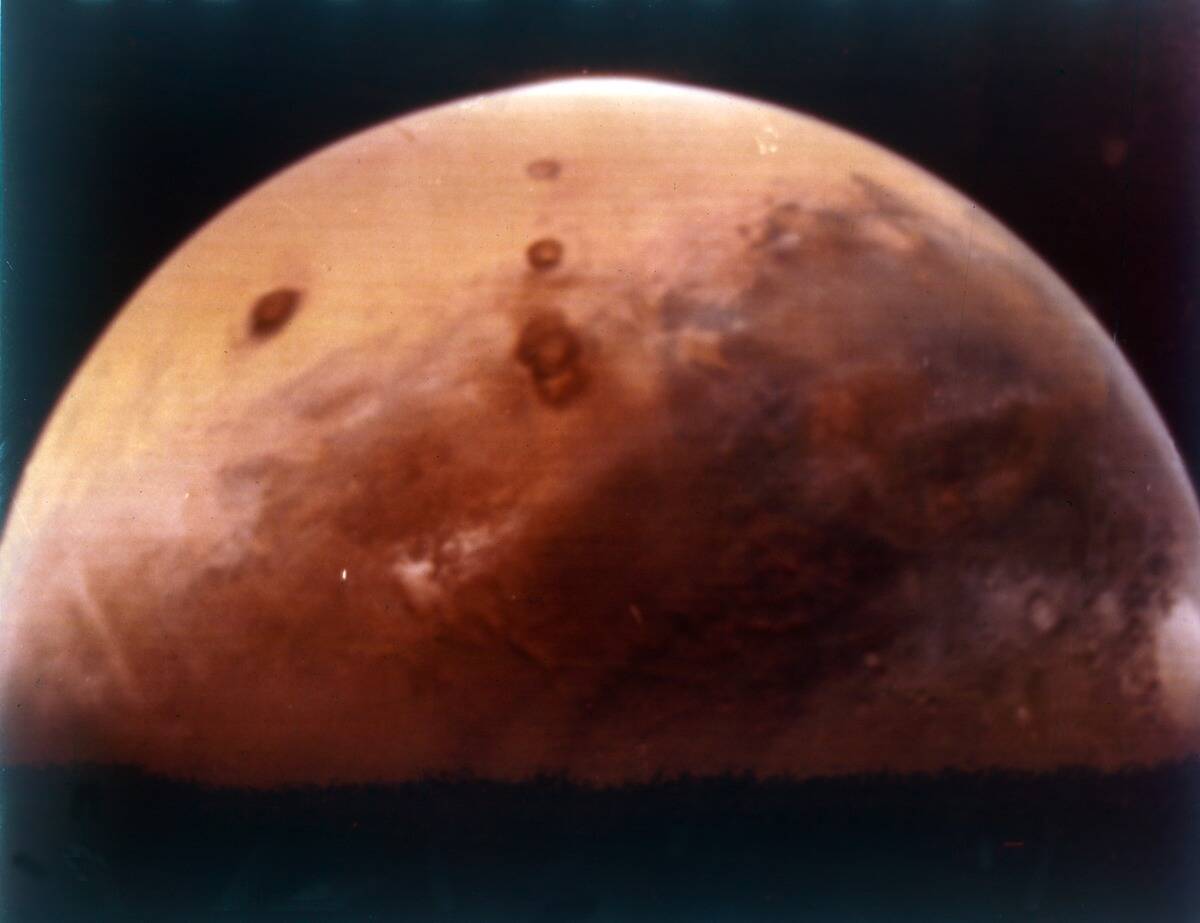
Mars, with its reddish hue, has long been linked to the god of war, symbolizing bloodshed and conflict. Its color comes from iron oxide, or rust, on its surface.
As our nearest planetary neighbor, Mars has been the focus of numerous missions, revealing a world with the largest volcano and canyon in the solar system. The search for past or present life on Mars continues to be a tantalizing quest for scientists and dreamers alike.
Jupiter: The King of the Heavens
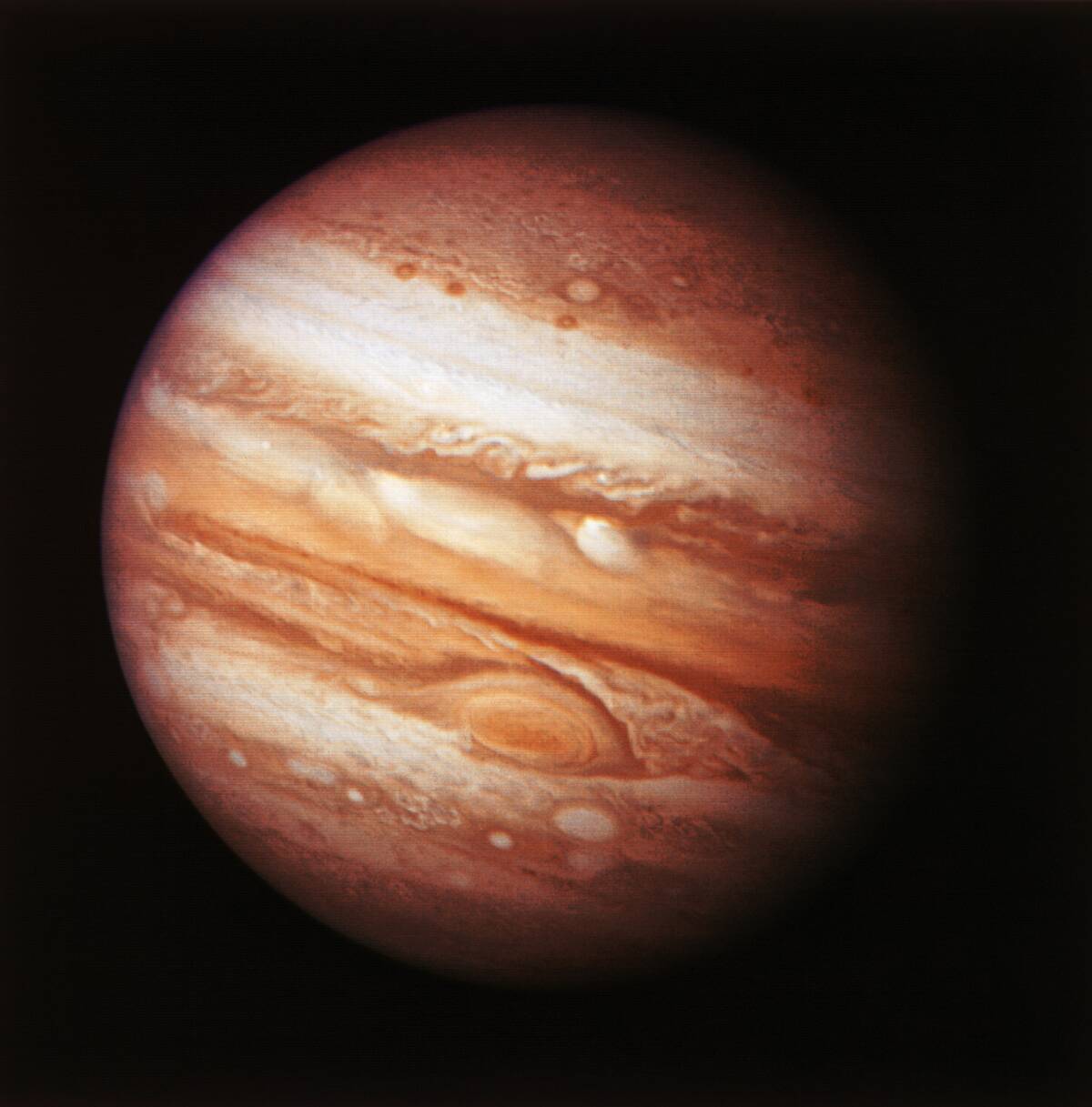
Jupiter, the largest planet in our solar system, earns its title as the king of the heavens. Named after the Roman king of gods, its massive presence is a gravitational force to be reckoned with.
Jupiter’s Great Red Spot, a colossal storm larger than Earth, has raged for centuries. With over 95 moons, including the intriguing Europa and Ganymede, Jupiter continues to be a focal point for astronomers seeking to understand planetary systems.
Saturn: The Mysterious Ringed Giant
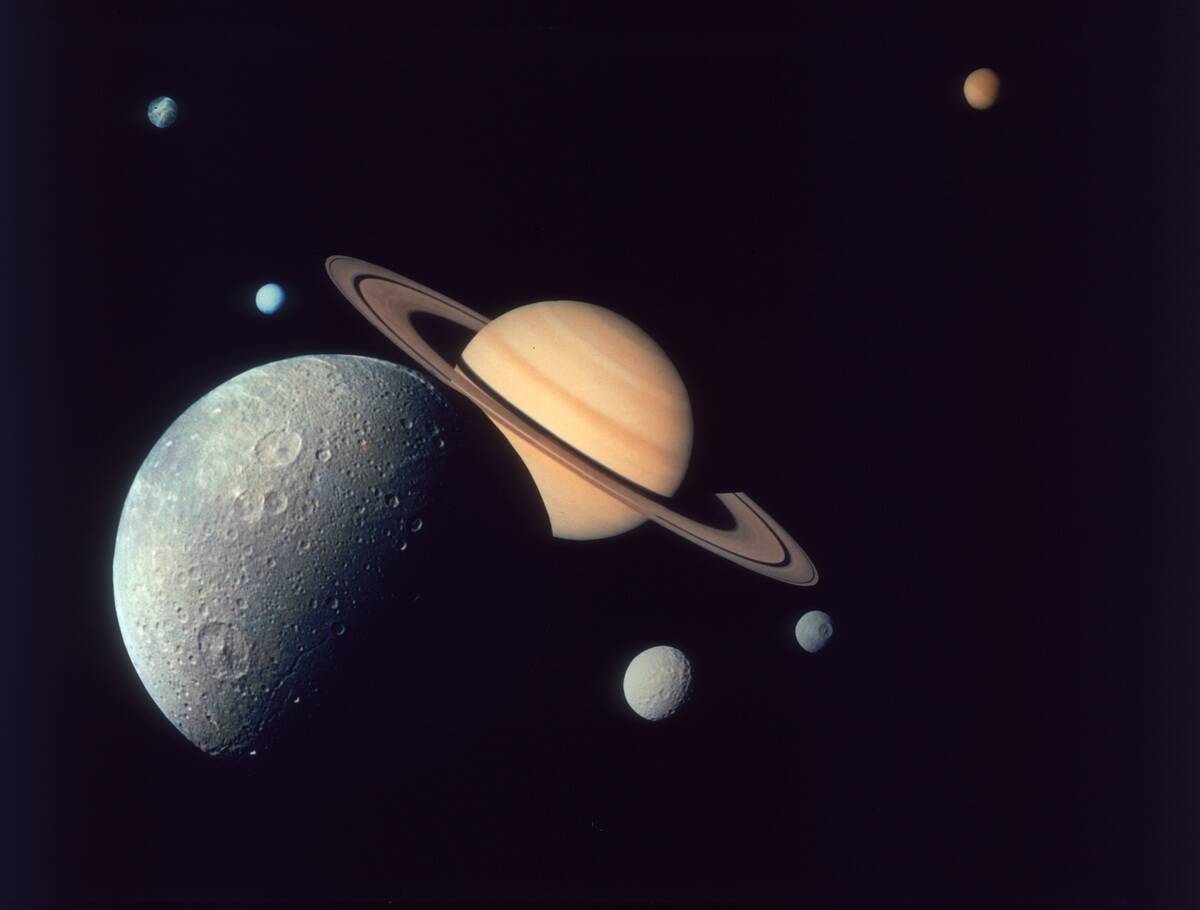
Saturn, the ringed giant, captivates with its stunning and complex ring system, composed of ice and rock particles. This gas giant, named after the Roman god of agriculture, is mostly hydrogen and helium.
Its rings, visible even through small telescopes, have fascinated astronomers since Galileo first observed them in 1610. Saturn’s moons, like Titan with its dense atmosphere, are of great interest to scientists exploring conditions for life beyond Earth.
The Milky Way: The Pathway of Souls
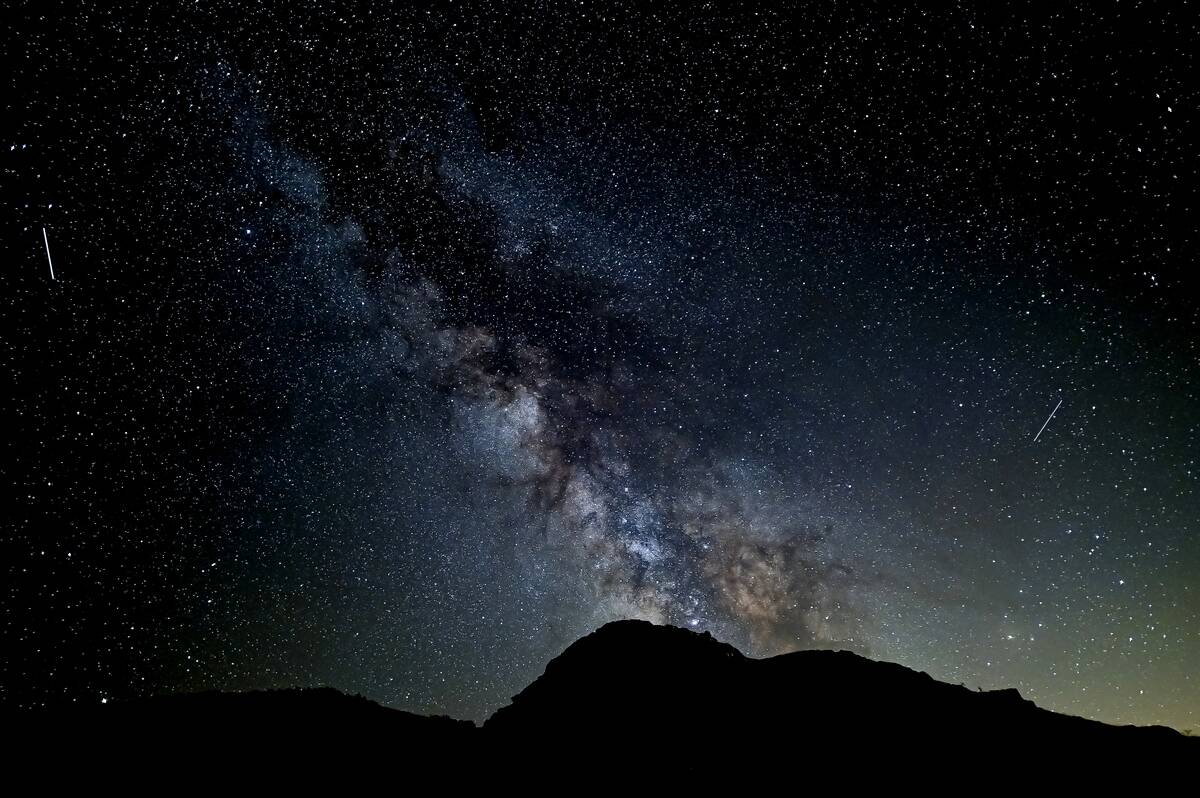
The Milky Way, our galaxy, has been seen as a pathway for souls in various mythologies. To the Greeks, it was the milk of the goddess Hera, while the Norse called it the road to Valhalla. We now know it’s a barred spiral galaxy, home to billions of stars, including our Sun.
Observing its structure helps astronomers understand the formation and evolution of galaxies, shedding light on the cosmic dance that governs our universe.
Constellations: Divine Stories Written in Stars
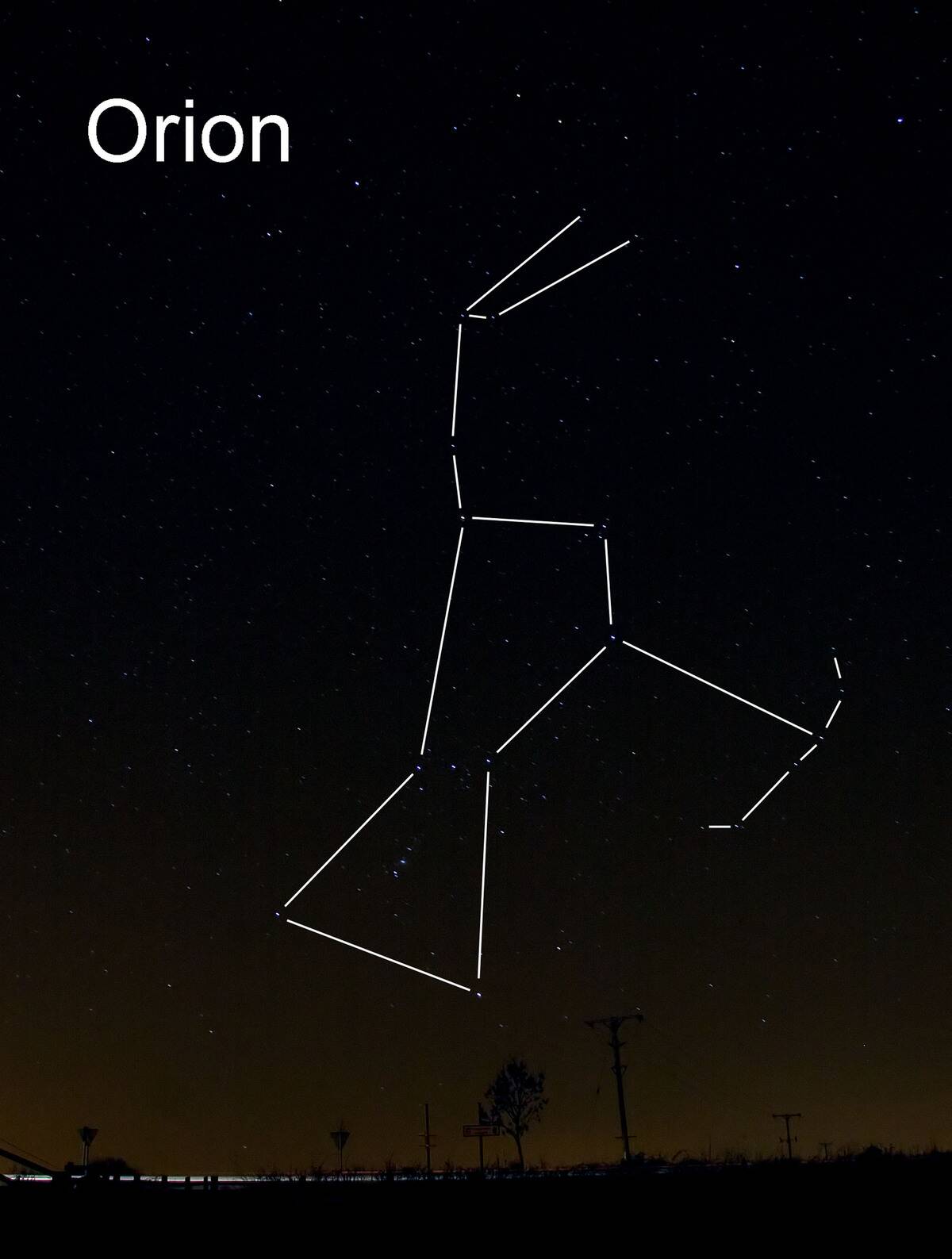
Constellations are patterns of stars that have inspired stories and legends across cultures. The Greeks identified many constellations that later formed the foundation of the 88 constellations recognized today, each with its tale, like Orion the hunter or Andromeda the princess.
These star patterns serve as a celestial map, aiding in navigation and the marking of seasons. Modern astronomy uses constellations to identify regions of the sky, helping locate celestial objects and study the universe’s vast expanse.
Meteor Showers: Celestial Fireworks
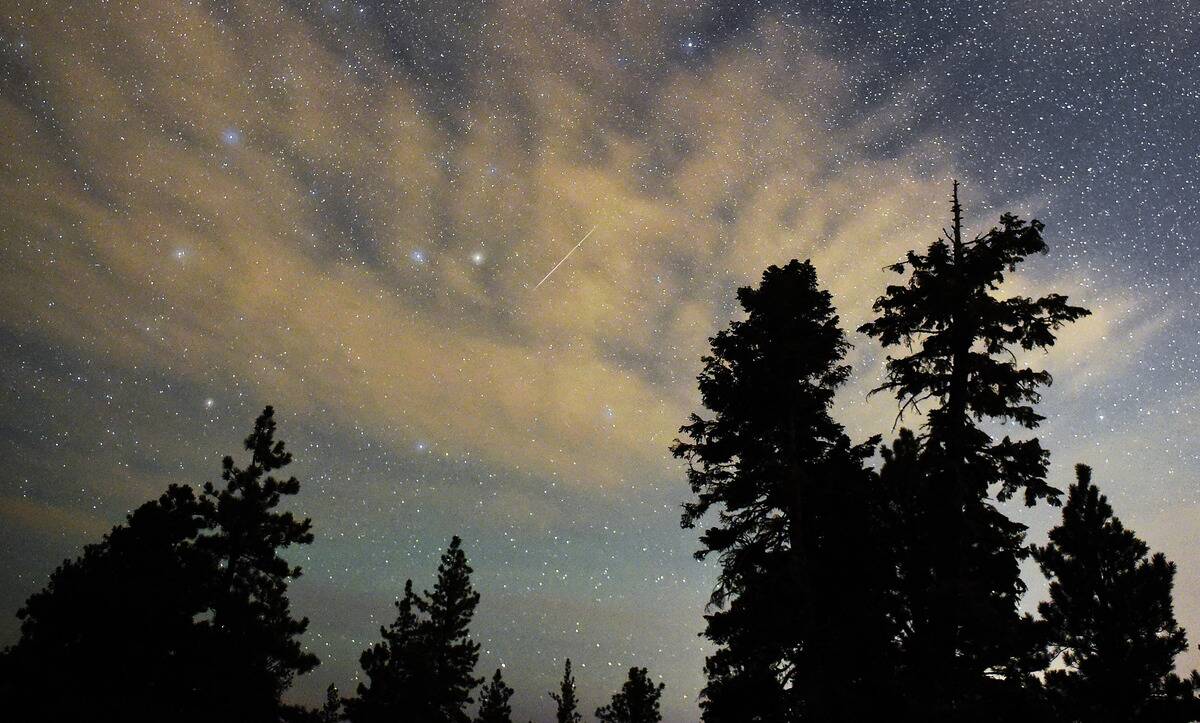
Meteor showers, often called celestial fireworks, occur when Earth passes through a comet’s debris trail. The Perseids, one of the most popular meteor showers, light up the August sky with dazzling displays.
Ancient cultures saw meteors as omens or messages from the gods. Today, we know they are fragments of cosmic rock burning up in Earth’s atmosphere. Observing them offers not only a spectacular show but also insights into the composition of our solar system.
The Aurora Borealis: The Dancing Spirits in the Sky
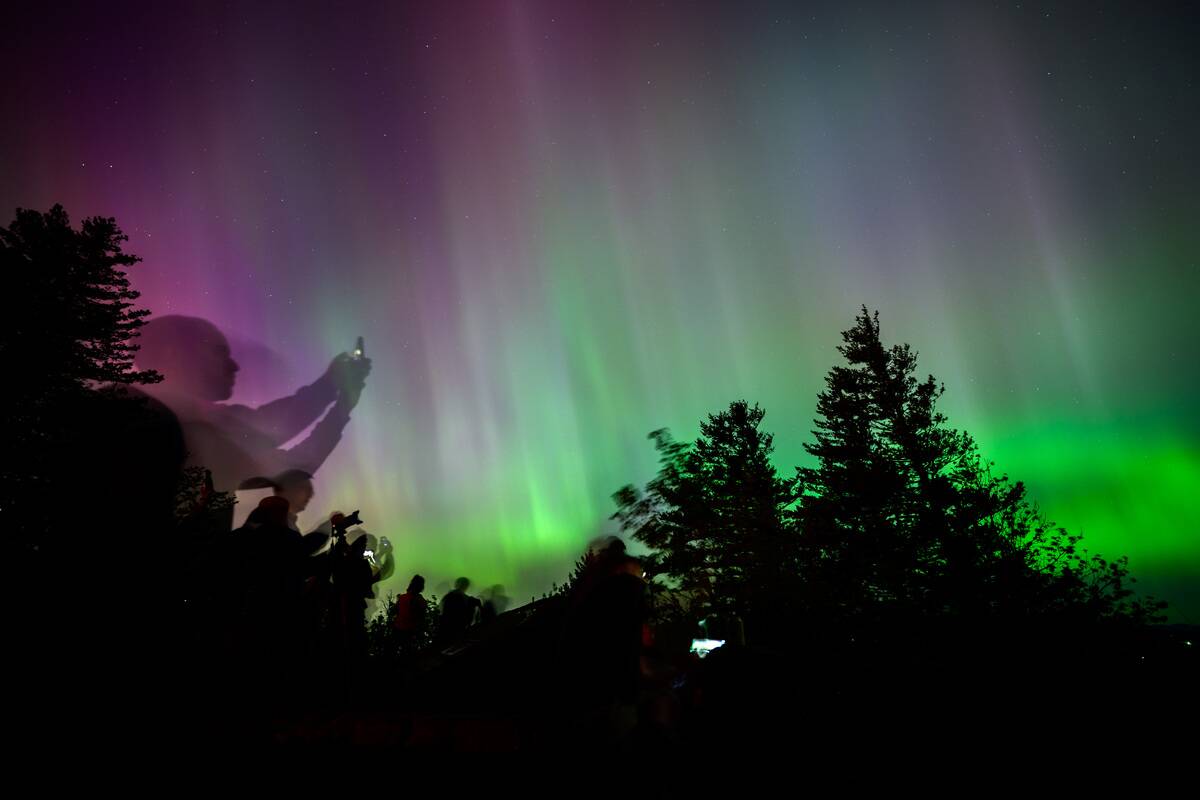
The Aurora Borealis, or Northern Lights, paint the polar skies with vibrant colors, mesmerizing observers with their ethereal beauty. Indigenous cultures saw them as the spirits of ancestors or celestial battles.
This natural light display is caused by solar particles colliding with Earth’s magnetic field, exciting atmospheric gases like oxygen and nitrogen. The study of auroras helps scientists understand the Sun-Earth connection and the dynamics of our planet’s magnetosphere.
Solstices and Equinoxes: Sacred Times of Balance
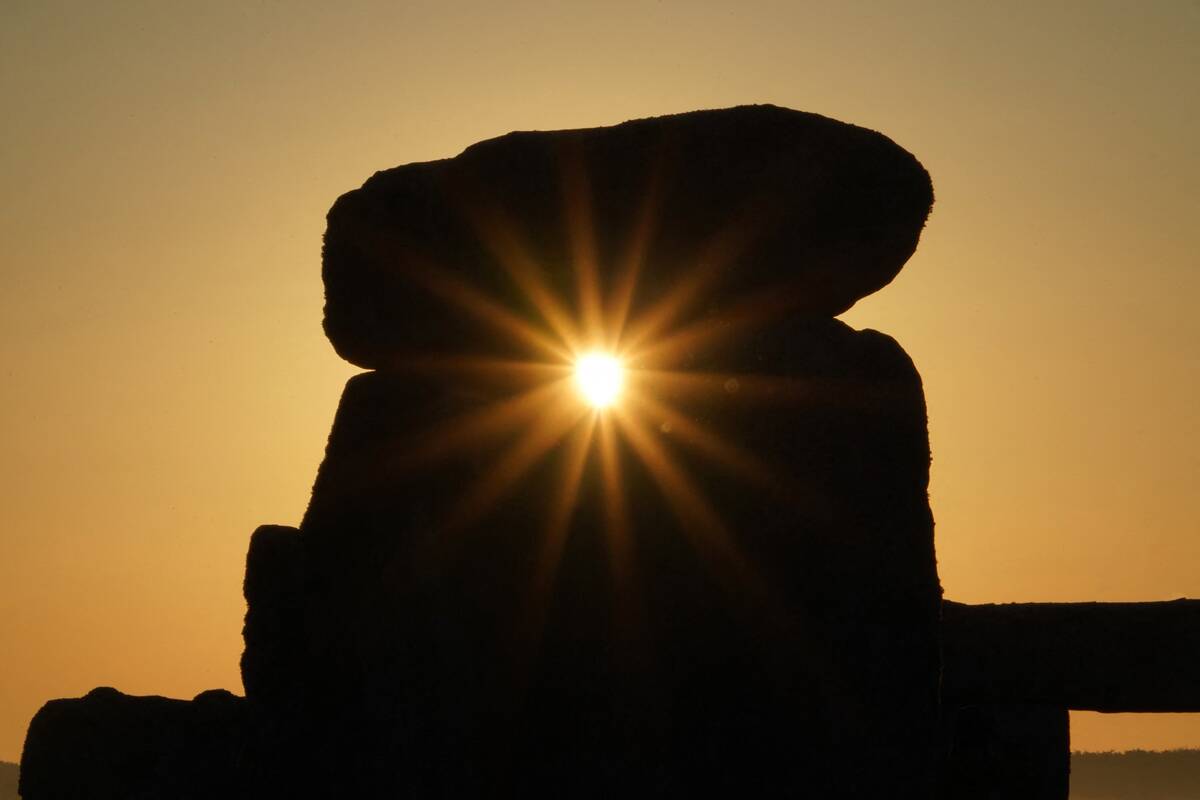
Solstices and equinoxes mark the changing of seasons, celebrated as sacred times of balance and renewal. The summer solstice, the longest day of the year, has been celebrated with festivals and rituals worldwide.
Equinoxes, when day and night are nearly equal in length, symbolize harmony and are often associated with planting and harvest. Scientifically, these events occur due to Earth’s tilt and orbit around the Sun, governing the annual cycle of seasons.
The Zodiac: Prophecies Written in the Stars
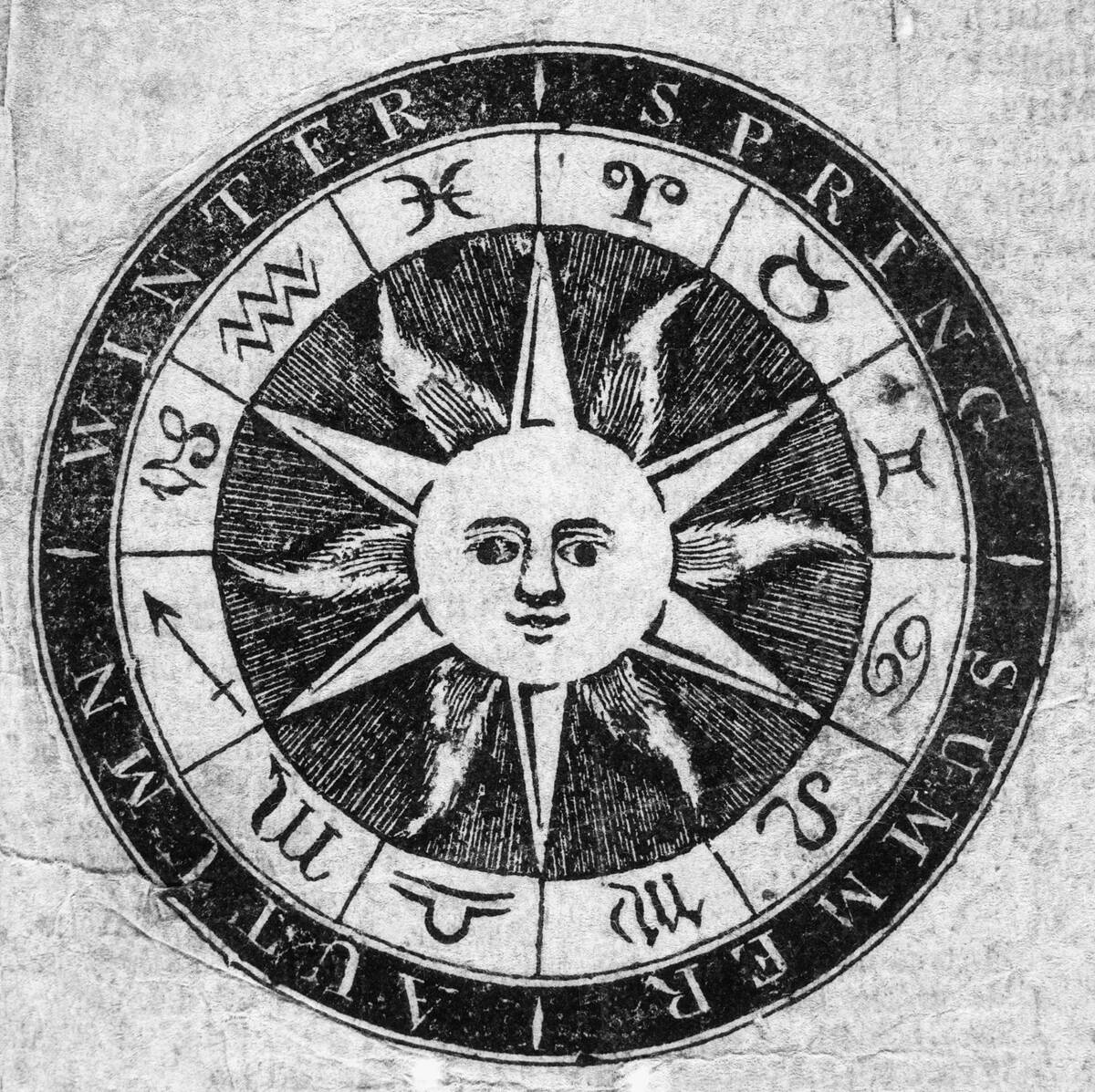
The Zodiac, a band of constellations along the ecliptic, has been used for millennia to predict human affairs and natural phenomena. Each zodiac sign is associated with specific traits, guiding astrological practices.
While astrology lacks scientific backing, the influence of zodiac signs pervades culture, from horoscopes to personality assessments. Astronomically, the zodiac helps map the sky, as the Sun’s apparent path through these constellations marks the celestial sphere.




