Cave paintings that depict early human rituals and hunts
Ancient cave paintings are more than mere remnants of a bygone era; they are windows into the souls of our early ancestors. These masterpieces, hidden in the depths of caves, tell stories that are thousands of years old.
Imagine standing in a dimly lit cavern, gazing at artworks that have survived the test of time. From the vibrant depictions of animals to the mysterious hand stencils, each piece offers a glimpse into the lives and beliefs of prehistoric humans.
The Dawn of Human Creativity: A Brief History of Cave Art
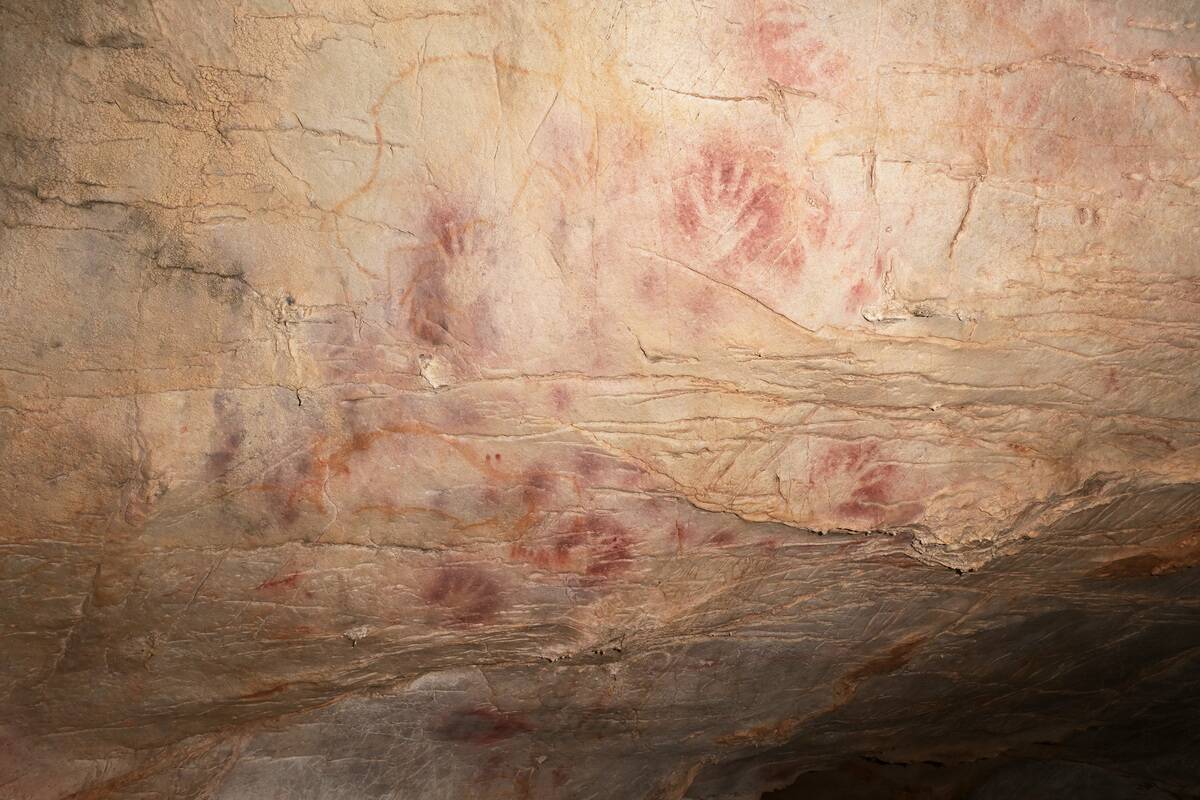
Cave art dates back to the Upper Paleolithic period, approximately 40,000 years ago. This era marked the dawn of human creativity, with Homo sapiens using natural pigments to adorn cave walls.
The earliest known cave painting is found in the El Castillo cave in Spain, dating back over 40,800 years. It’s fascinating to think that early humans, with their rudimentary tools, could create such enduring art. These paintings were not only a form of expression but also a testament to their cognitive development.
Understanding the Purpose: Why Early Humans Painted on Caves
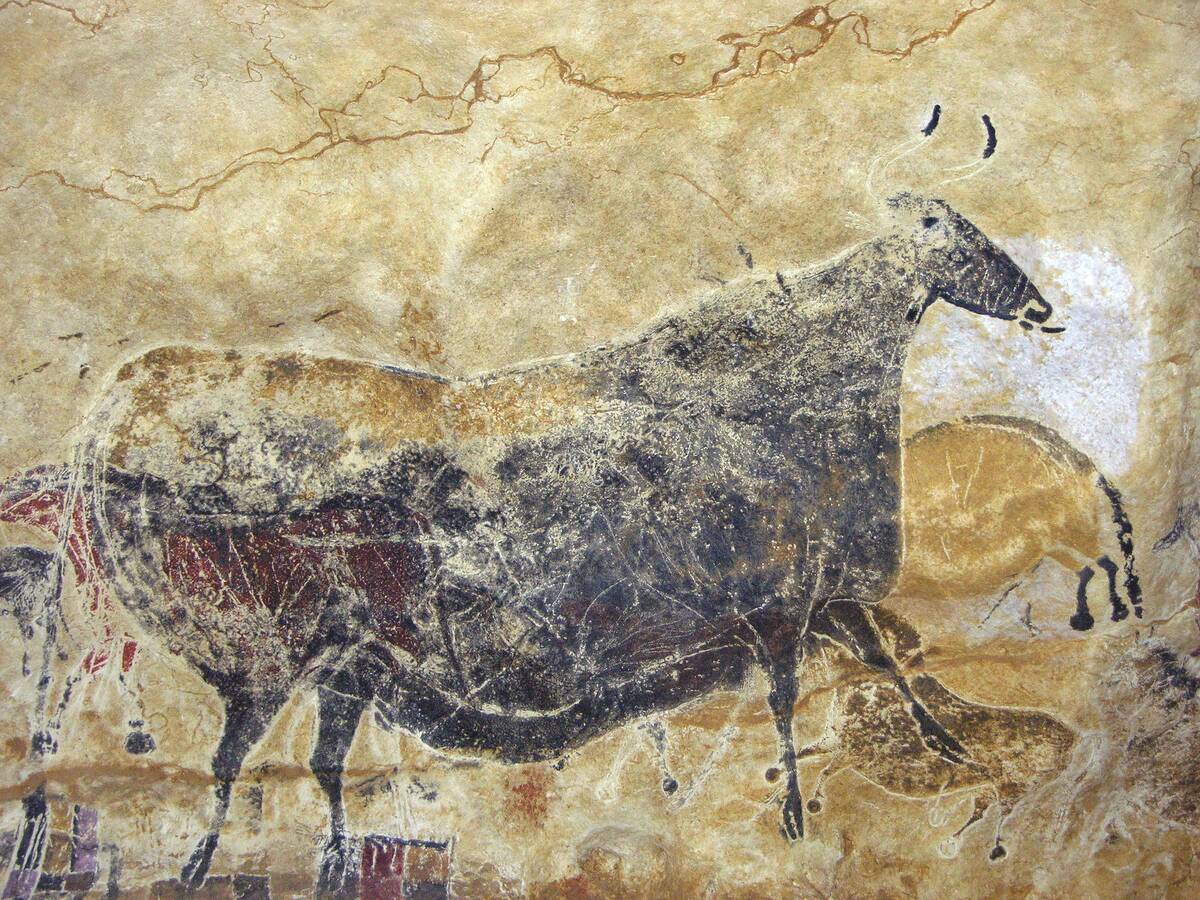
The reasons behind cave paintings are as varied as the artworks themselves. Some researchers suggest they were part of hunting rituals designed to ensure a successful hunt. Others believe they served as territorial markers or as a means of communication.
What is clear is that these paintings held significant meaning for their creators. They might have been a way to connect with the spiritual realm or to document daily life. The true purpose remains a mystery, inviting endless speculation and wonder.
The Fascinating World of Lascaux: France’s Prehistoric Art Gallery
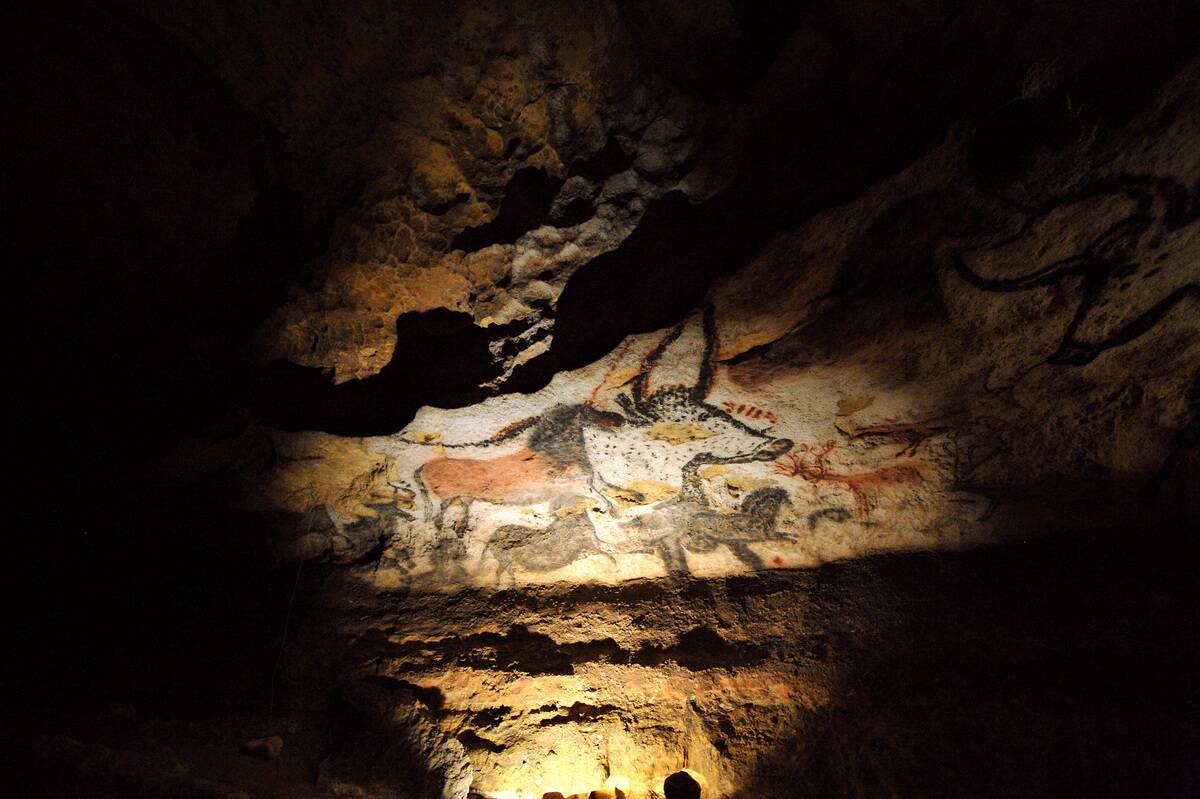
Discovered in 1940, the Lascaux caves in France are home to one of the most famous collections of prehistoric art. The Great Hall of the Bulls, with its stunning depictions of aurochs, deer, and horses, is a highlight of this site.
These paintings, estimated to be around 17,000 years old, showcase the skill and imagination of their creators. The intricacy and detail suggest that these were not mere doodles but carefully crafted works of art. Lascaux remains a testament to the artistic prowess of early humans.
Exploring Altamira: Spain’s Window into the Past
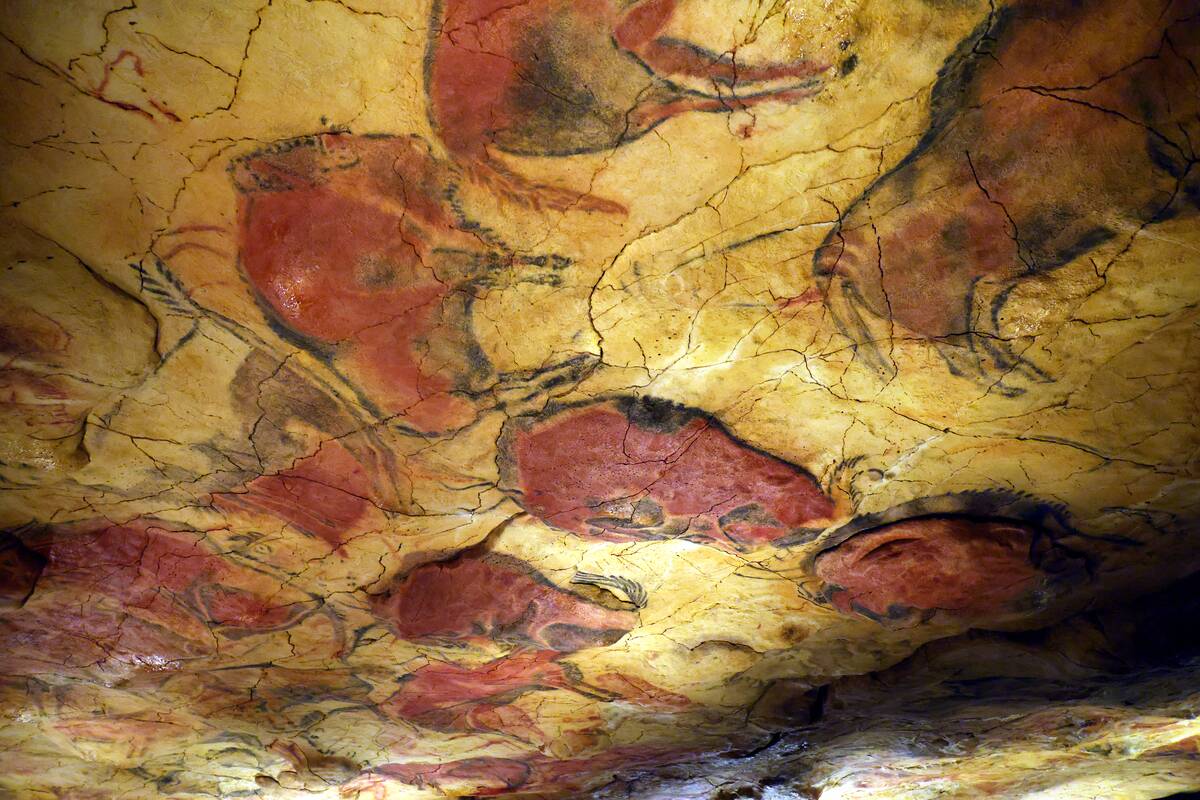
Altamira, located in northern Spain, is often referred to as the “Sistine Chapel of Prehistoric Art.” The cave’s paintings include vibrant images of bison, horses, and handprints, created using natural ochre and charcoal. Discovered in 1868, Altamira’s art dates back approximately 36,000 years.
The use of perspective and shading in these paintings is remarkable, showcasing the advanced techniques used by our ancestors. Altamira provides an invaluable glimpse into the rich cultural heritage of prehistoric Europe.
The Wonders of Chauvet-Pont-d’Arc: A Journey Through Time
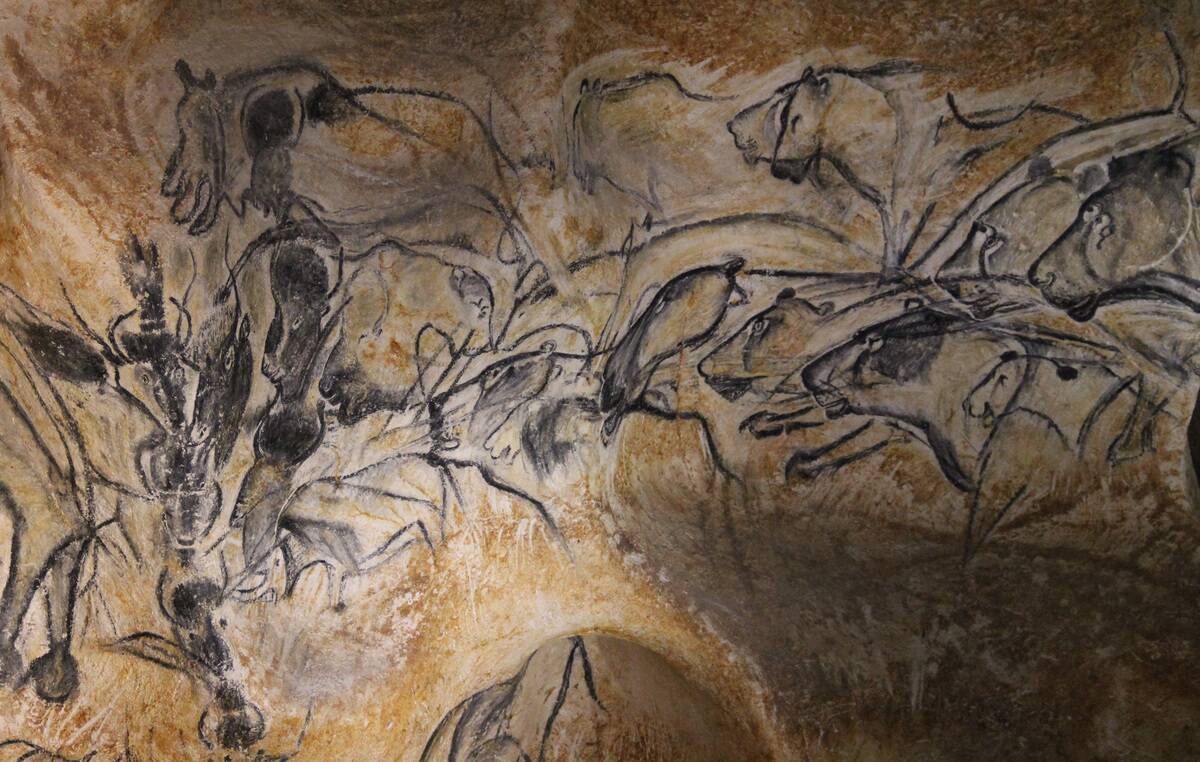
The Chauvet-Pont-d’Arc cave in southern France is home to some of the oldest known cave paintings, dating back over 30,000 years. Discovered in 1994, the cave features stunning depictions of animals such as lions, mammoths, and rhinos.
The use of shading and movement in these artworks is particularly striking, demonstrating a sophisticated understanding of artistic techniques. Chauvet-Pont-d’Arc is a journey through time, offering a glimpse into the creativity and ingenuity of our distant ancestors.
Beyond Europe: Cave Paintings in Africa and Their Significance
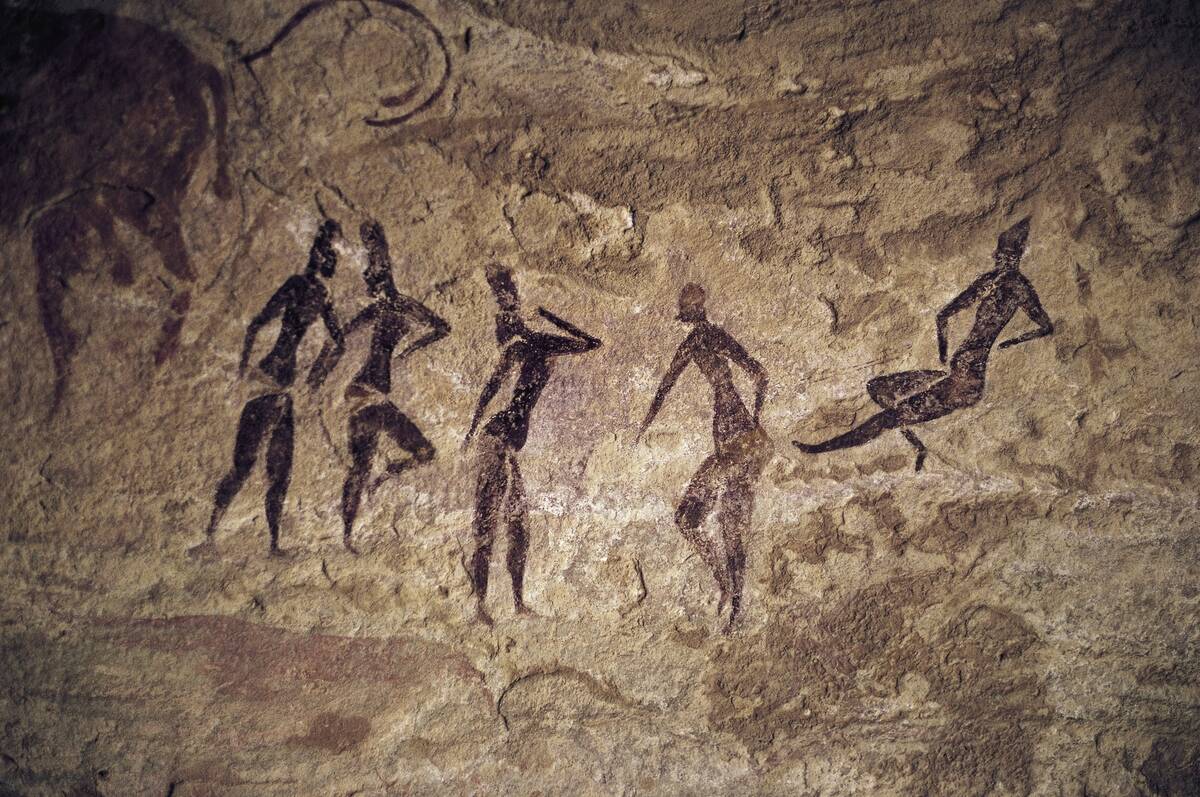
Africa, the cradle of humanity, also boasts remarkable cave paintings. The Tassili n’Ajjer in Algeria is a UNESCO World Heritage site, featuring thousands of paintings and engravings. These artworks, dating back 12,000 years, depict scenes of daily life, including hunting and dancing.
The San people of southern Africa also created stunning rock art, with examples found in the Drakensberg mountains. These paintings provide insight into the spiritual beliefs and social structures of ancient African societies.
The Role of Rituals in Early Human Societies: More Than Just Art

Cave paintings were often intertwined with rituals and ceremonies in early human societies. The act of creating art may have been a communal event, bringing people together for a shared purpose. Some researchers suggest that the placement of paintings deep within caves indicates their significance in rituals.
These artworks could have been used in initiation ceremonies or as part of shamanic practices. The connection between art and ritual highlights the complex social and spiritual lives of our ancestors.
Depictions of Hunts: Survival and the Human Connection to Nature
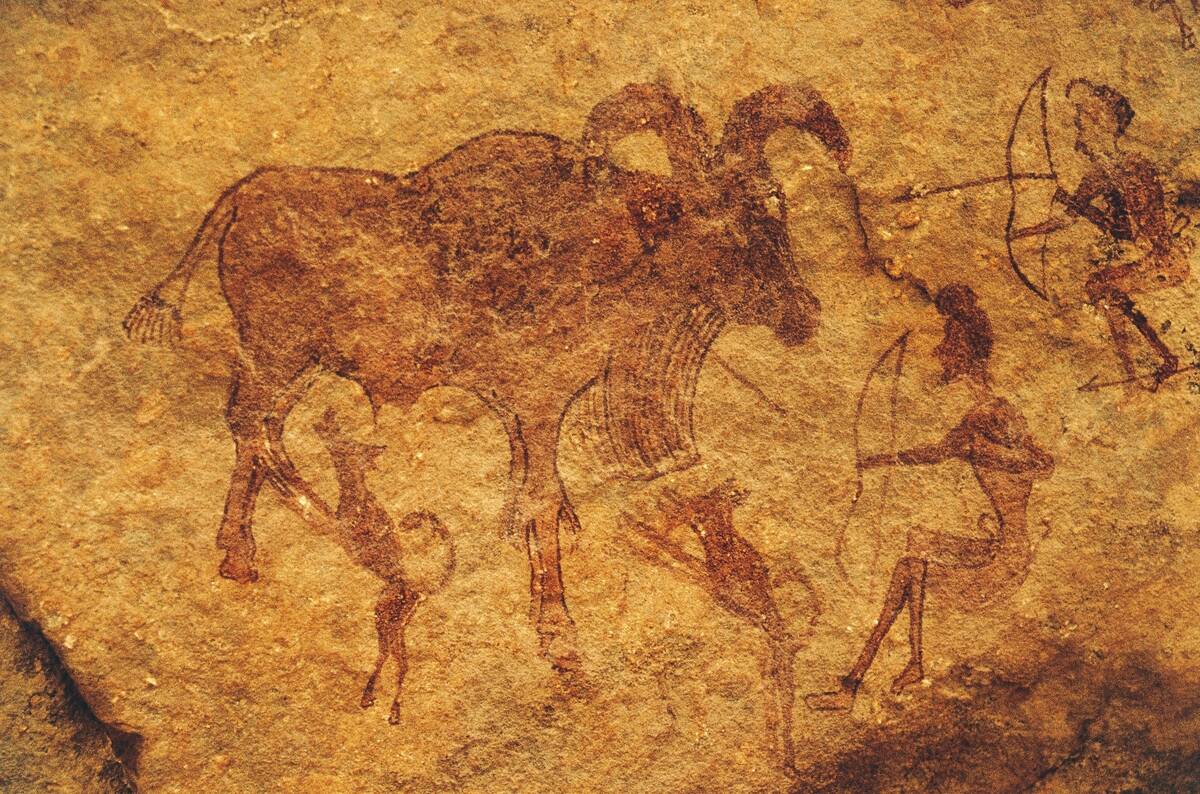
Hunting scenes are a common motif in cave art, reflecting the importance of hunting in prehistoric life. These depictions offer insights into the techniques and animals that were key to survival. In some paintings, hunters are shown with spears and bows, indicating the use of advanced tools.
The detailed portrayals of animals suggest a deep understanding and respect for nature. Through these artworks, early humans documented their relationship with the natural world and their reliance on its resources.
Spiritual Symbolism: Interpreting the Animal Figures in Cave Art
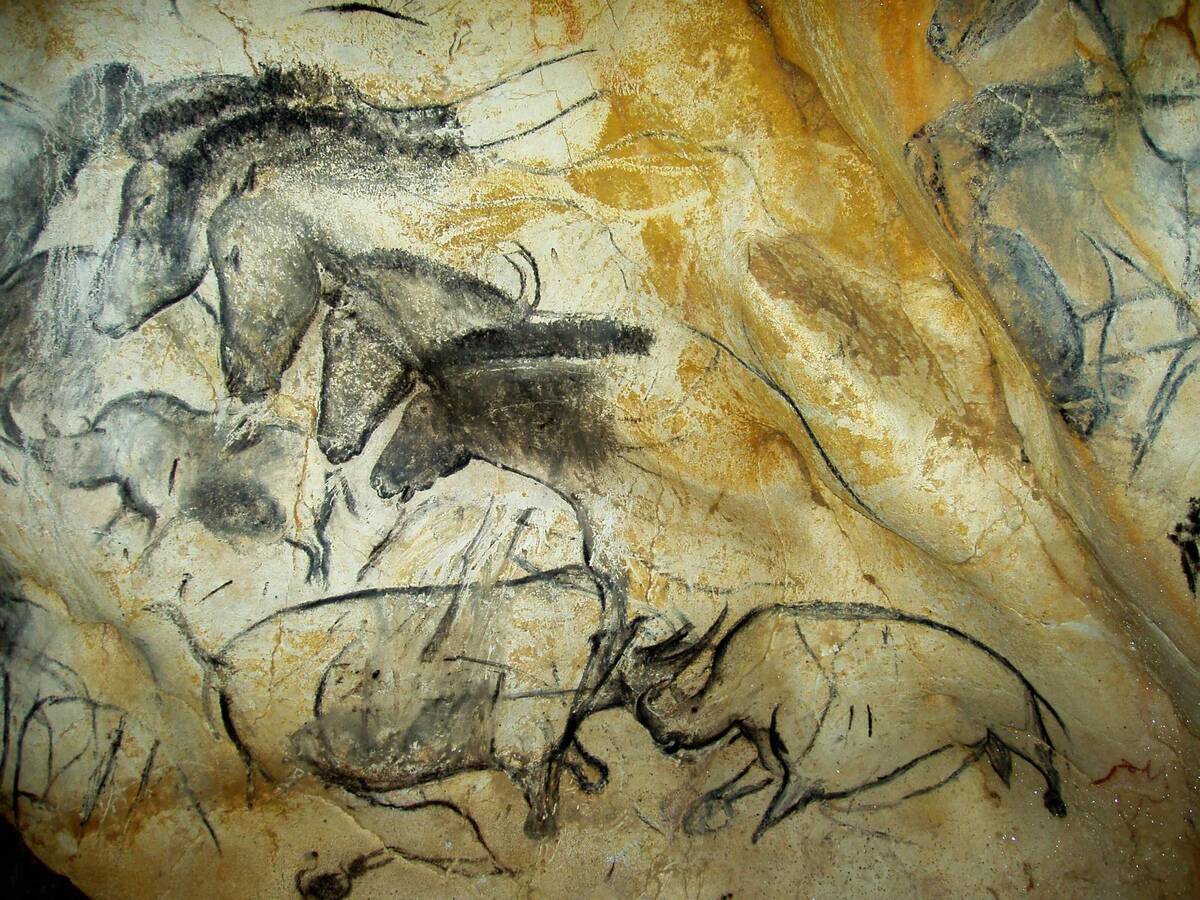
Animal figures in cave paintings may hold spiritual significance, representing totemic symbols or deities. Some researchers believe that these depictions were part of shamanic rituals, intended to connect with the spirit world. The choice of animals, such as bison, horses, and bears, might reflect their symbolic importance in early human cultures.
These paintings could have served as a conduit for spiritual experiences, allowing artists to communicate with the divine. The symbolism of these figures remains a subject of ongoing research and fascination.
The Art of Storytelling: How Cave Paintings Conveyed Narratives
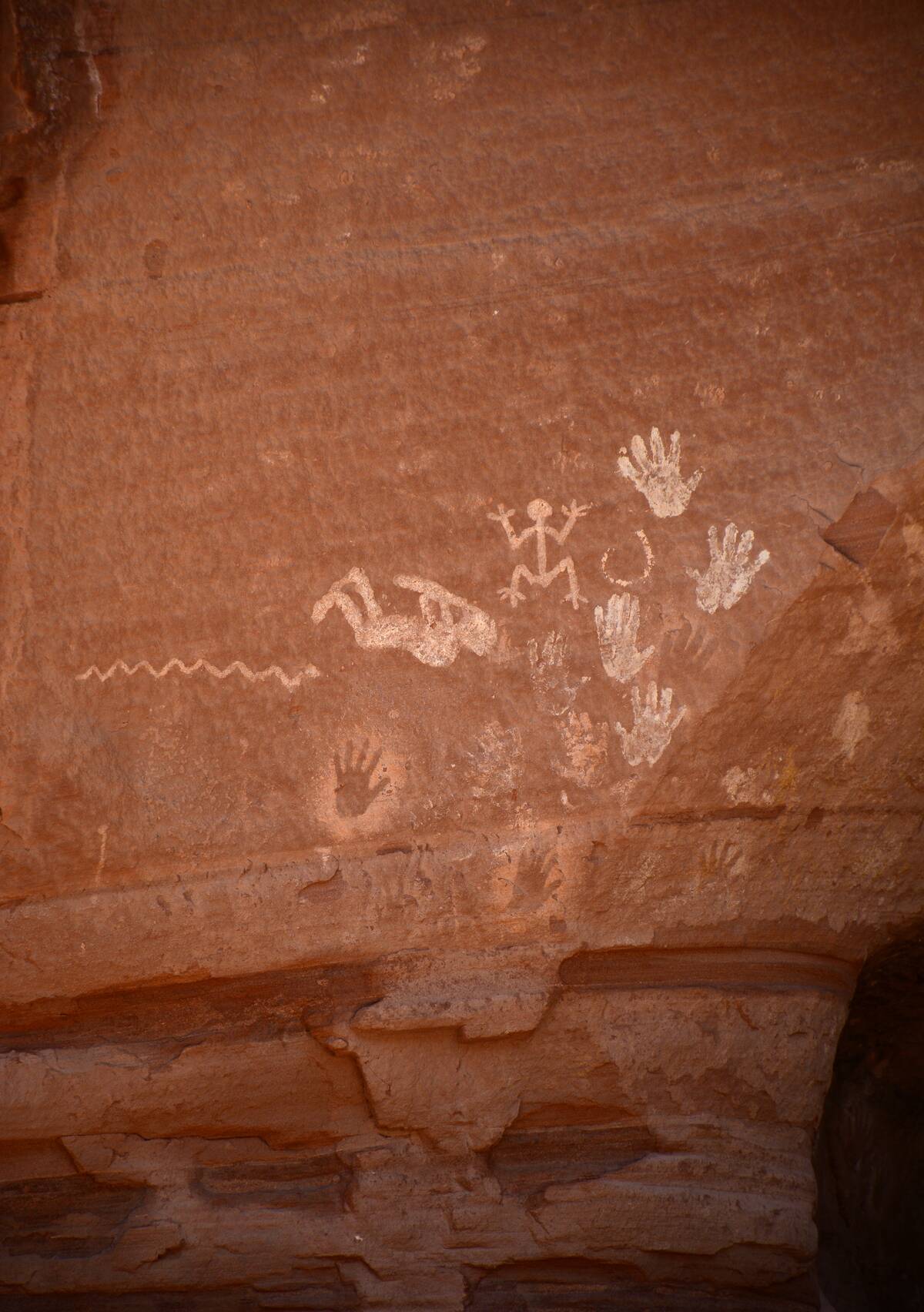
Cave paintings are more than static images; they are narratives that convey stories of the past. By examining the sequence and arrangement of images, researchers can piece together tales of hunts, migrations, and everyday life. The use of perspective and motion adds a dynamic quality to these artworks, suggesting the unfolding of events.
Through these visual stories, early humans shared knowledge, experiences, and cultural values. Cave art is a testament to the timeless human desire to communicate and connect through storytelling.
Tools and Techniques: How Early Humans Created Their Masterpieces
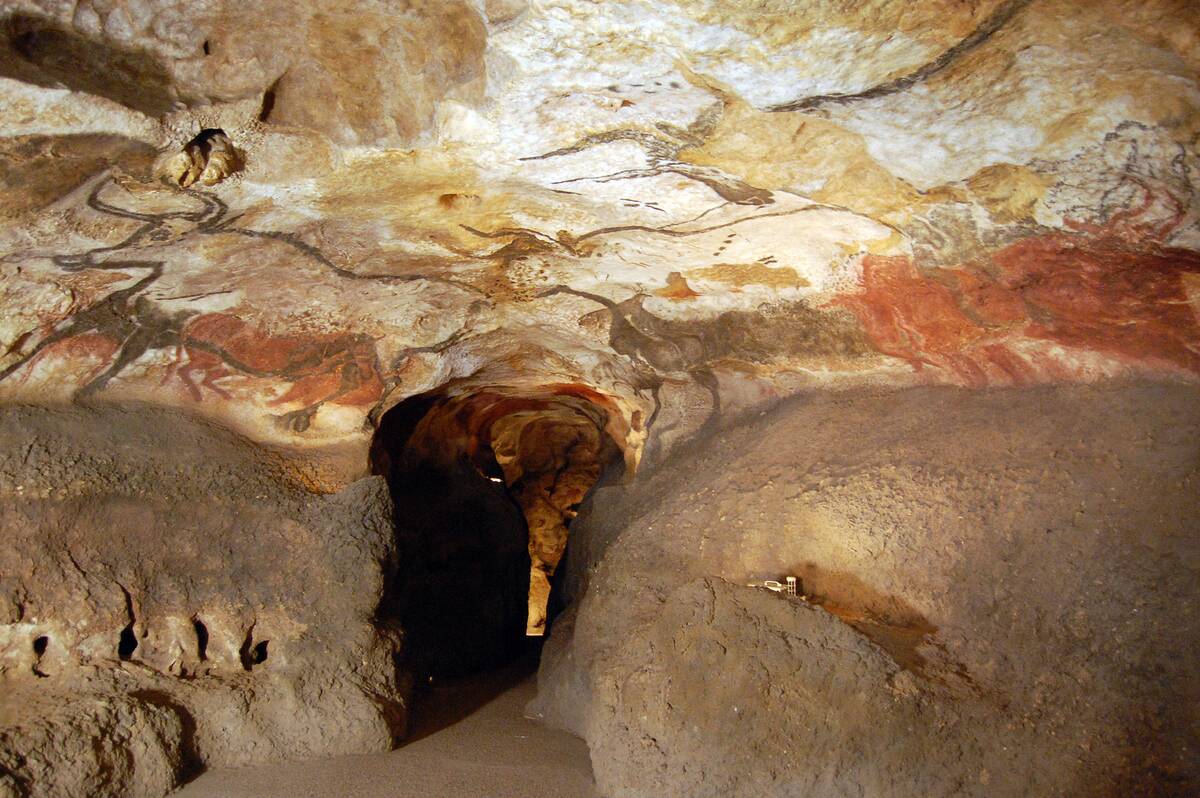
Creating cave art required ingenuity and skill, with early humans using a variety of tools and techniques. Natural pigments, such as ochre and charcoal, were mixed with water or animal fat to create paint.
Brushes made from animal hair or plant fibers were used to apply the paint, while hollow bones served as primitive airbrushes. The use of scaffolding allowed artists to reach high ceilings, as seen in Lascaux. These techniques demonstrate the resourcefulness and creativity of prehistoric artists.
The Use of Colors in Cave Art: A Palette of the Past
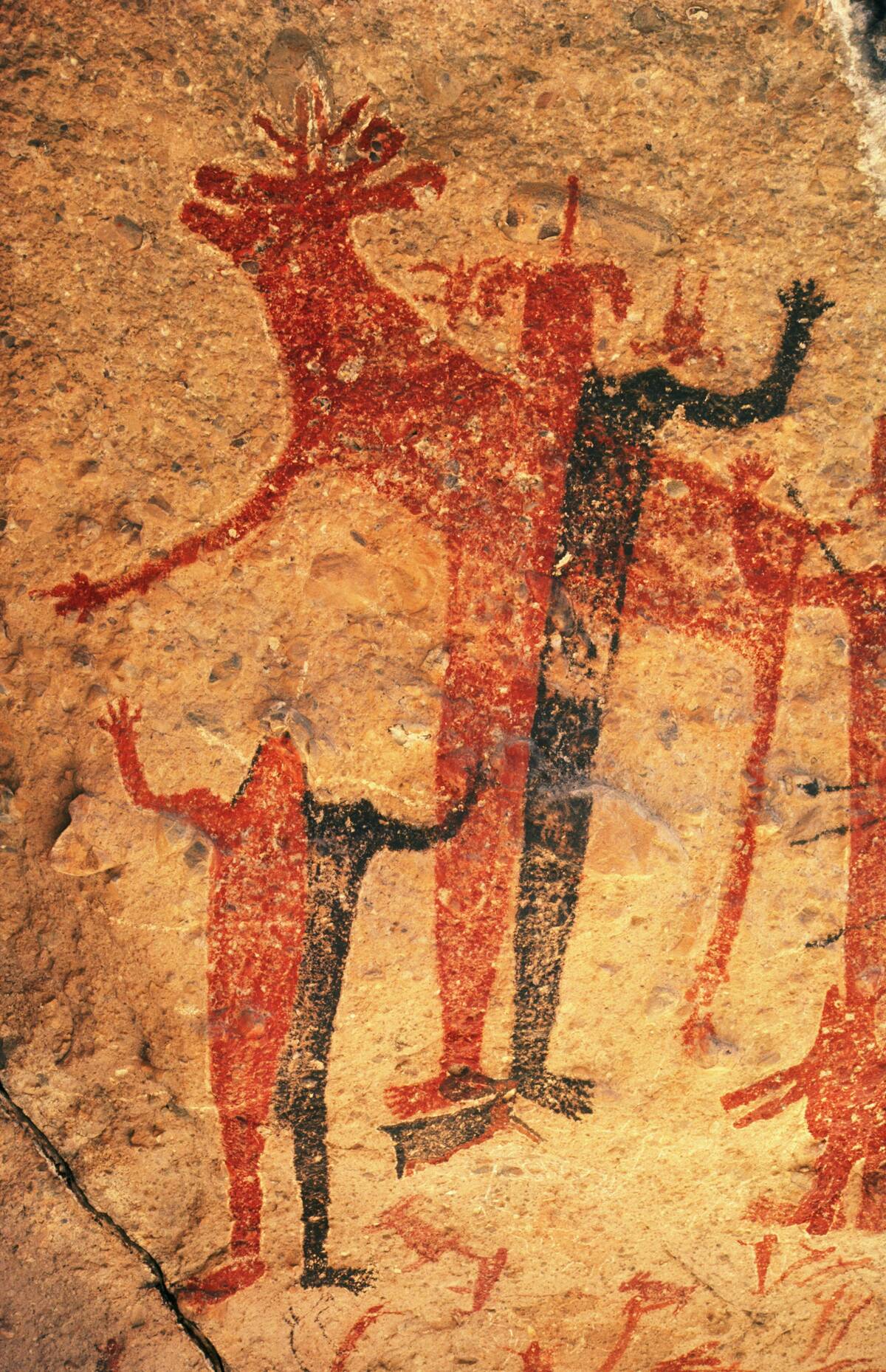
The vibrant colors found in cave art were derived from natural materials, showcasing a diverse palette. Red and yellow ochre provided warm hues, while charcoal and manganese oxide offered dark shades.
The choice of colors may not have been merely aesthetic; it could hold symbolic meaning. For instance, red might symbolize life or blood, while black could represent death or the unknown. The use of color in cave paintings adds depth and emotion, enhancing the storytelling aspect of these ancient artworks.
The Global Perspective: Cave Paintings from Around the World
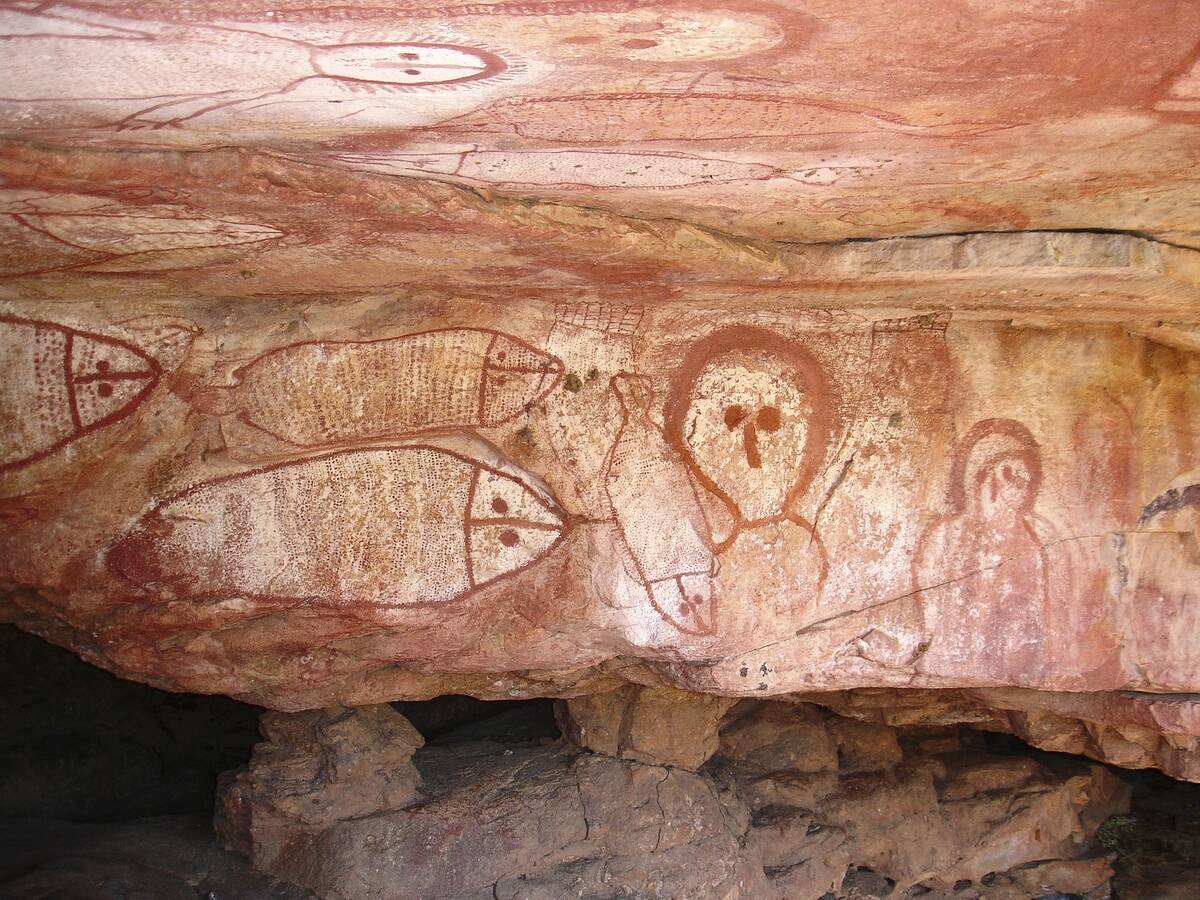
Cave paintings are a global phenomenon, with significant sites found across continents. In Asia, the Maros-Pangkep caves in Indonesia boast hand stencils dating back 40,000 years. Australia’s Aboriginal rock art, such as the Gwion Gwion paintings, reflects a rich cultural heritage.
In the Americas, the Cueva de las Manos in Argentina showcases vibrant handprints and hunting scenes. These diverse sites highlight the universal nature of artistic expression and the shared human experience across cultures and time.
Modern Discoveries: Recent Findings and Their Impact on Our Understanding
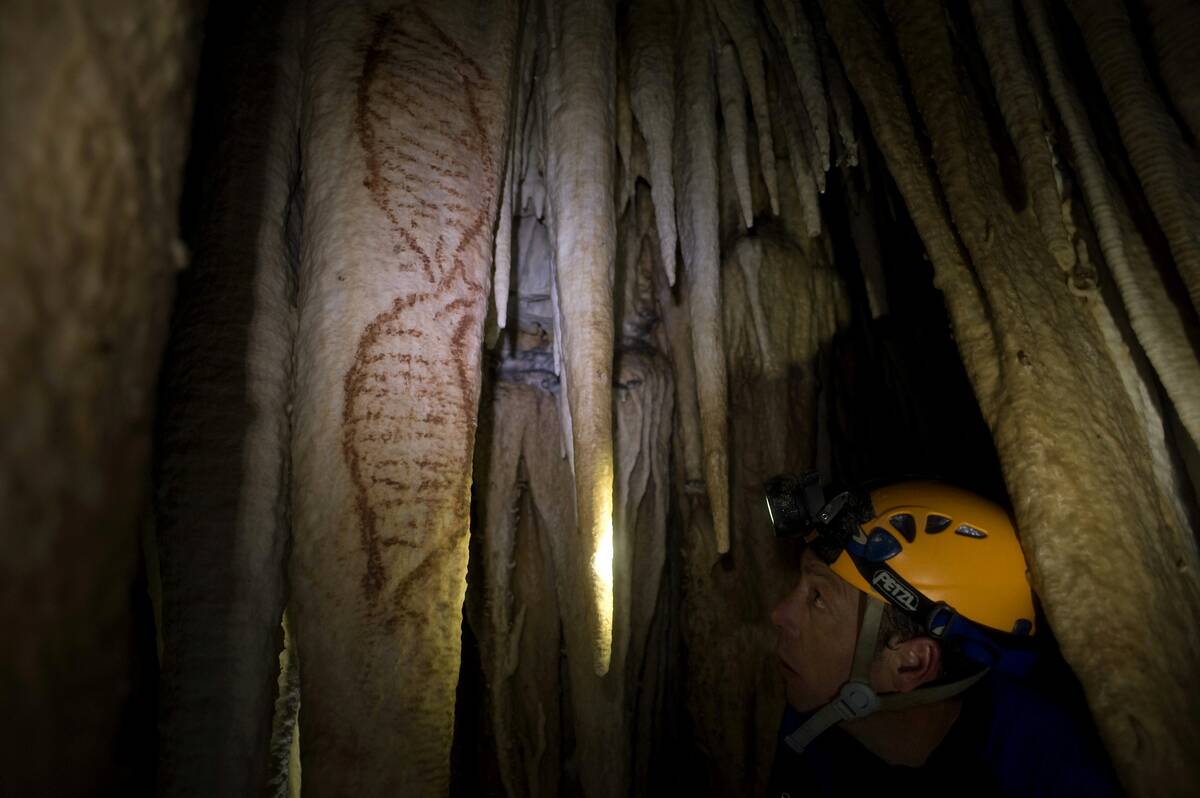
Recent discoveries continue to reshape our understanding of cave art. In 2018, researchers identified a previously unknown panel of paintings in the Aitzbitarte caves in Spain. Advances in dating techniques, such as uranium-thorium dating, have provided more accurate timelines for these artworks.
The discovery of Neanderthal cave art suggests that artistic expression was not exclusive to Homo sapiens. These findings challenge previous assumptions and highlight the complexity and diversity of our prehistoric ancestors.




