Boomtowns that rose overnight—and collapsed just as fast
Boomtowns, those vibrant and bustling communities that sprout almost overnight, have always been fascinating. They emerge from the dust, fueled by the allure of quick fortunes and the promise of a better life.
Yet, just as quickly as they rise, many fade into obscurity. Understanding the dynamics of these ephemeral towns offers a glimpse into the human spirit’s relentless pursuit of opportunity and adventure.
The Gold Rush Phenomenon: California’s Rapid Rise
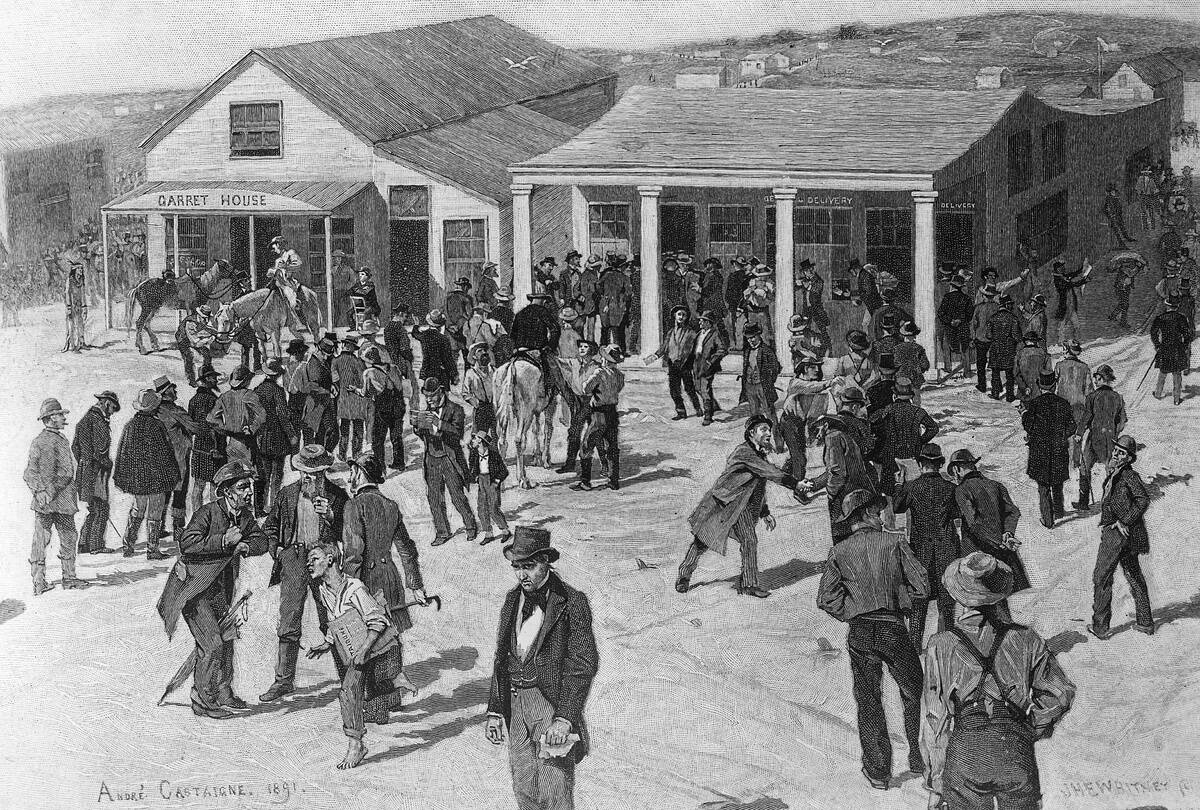
The California Gold Rush of 1849 was a pivotal moment in American history, drawing thousands to the West. San Francisco, once a small settlement, exploded almost overnight, growing from about 200 residents to 36,000 by 1852.
The discovery of gold at Sutter’s Mill ignited a frenzy, bringing a diverse mix of people seeking their fortune, including immigrants from China, Europe, and South America.
The Silver Lining: Virginia City’s Meteoric Growth
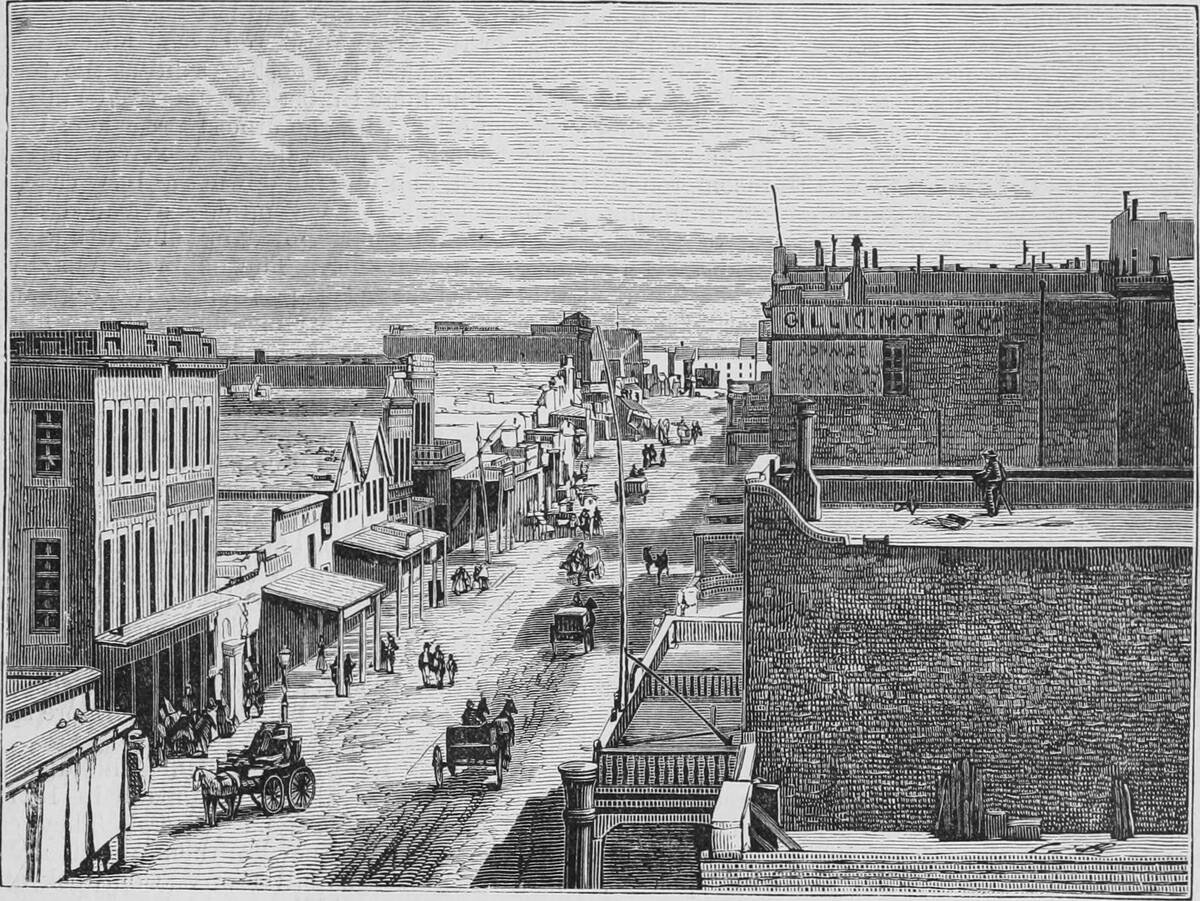
Virginia City, Nevada, boomed in the 1860s with the discovery of the Comstock Lode, the first major silver deposit in the United States.
This town became a symbol of wealth and excess, with its population skyrocketing to over 25,000. The influx of riches led to the construction of opulent mansions and lavish saloons, making it a vibrant cultural hub of the time. Yet, as the mine’s resources declined, so too did Virginia City’s population, which was down to 787 in 2020.
Black Gold and Dust: The Oil Boomtowns of Texas
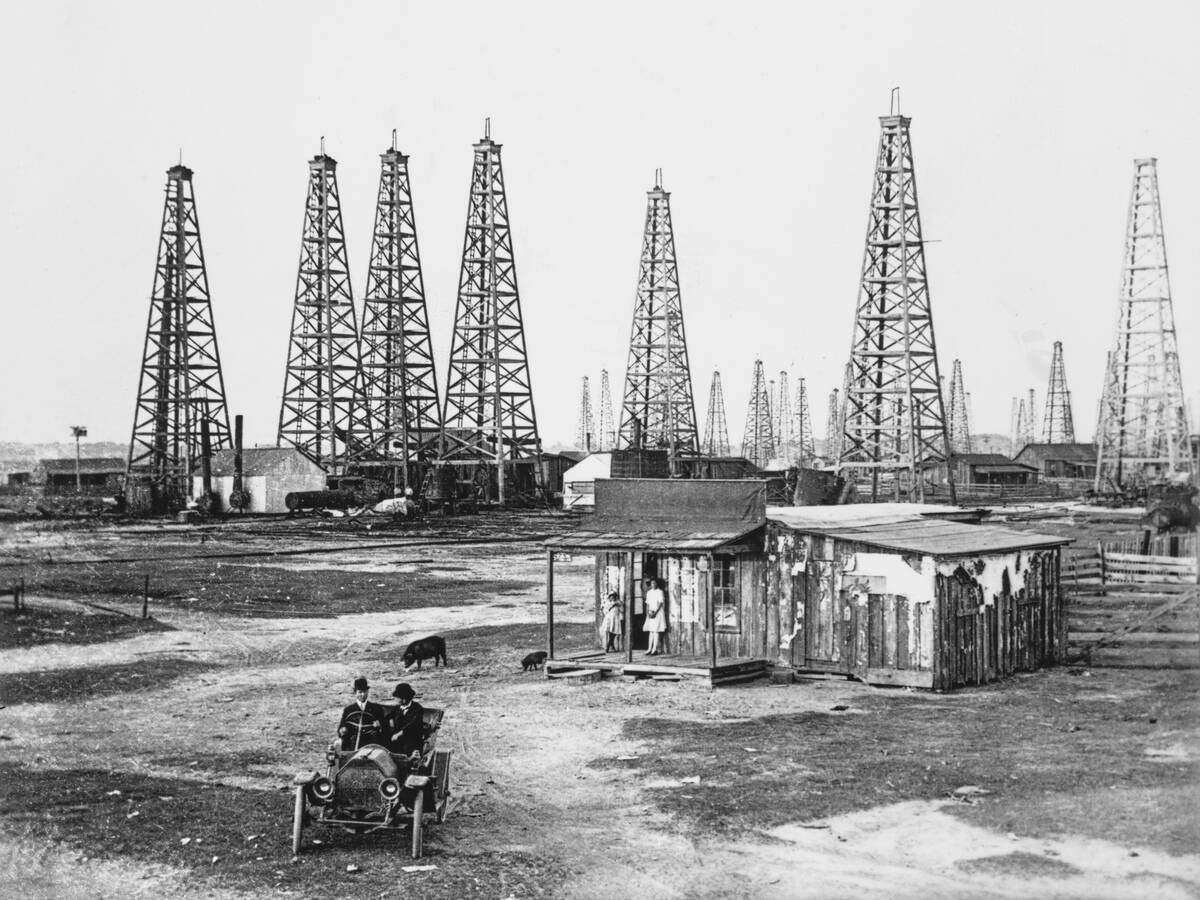
In the early 1900s, Texas experienced a dramatic transformation with the discovery of oil. Spindletop, near Beaumont, was the first major gusher, leading to a rush of workers and investors.
Towns like Kilgore and Borger sprang up, their streets filled with roughnecks and entrepreneurs. By 1928, Texas was producing up to 45% of the nation’s oil, fueling the growth of cities and industries.
Klondike Fever: The Madness of Yukon Gold Rush
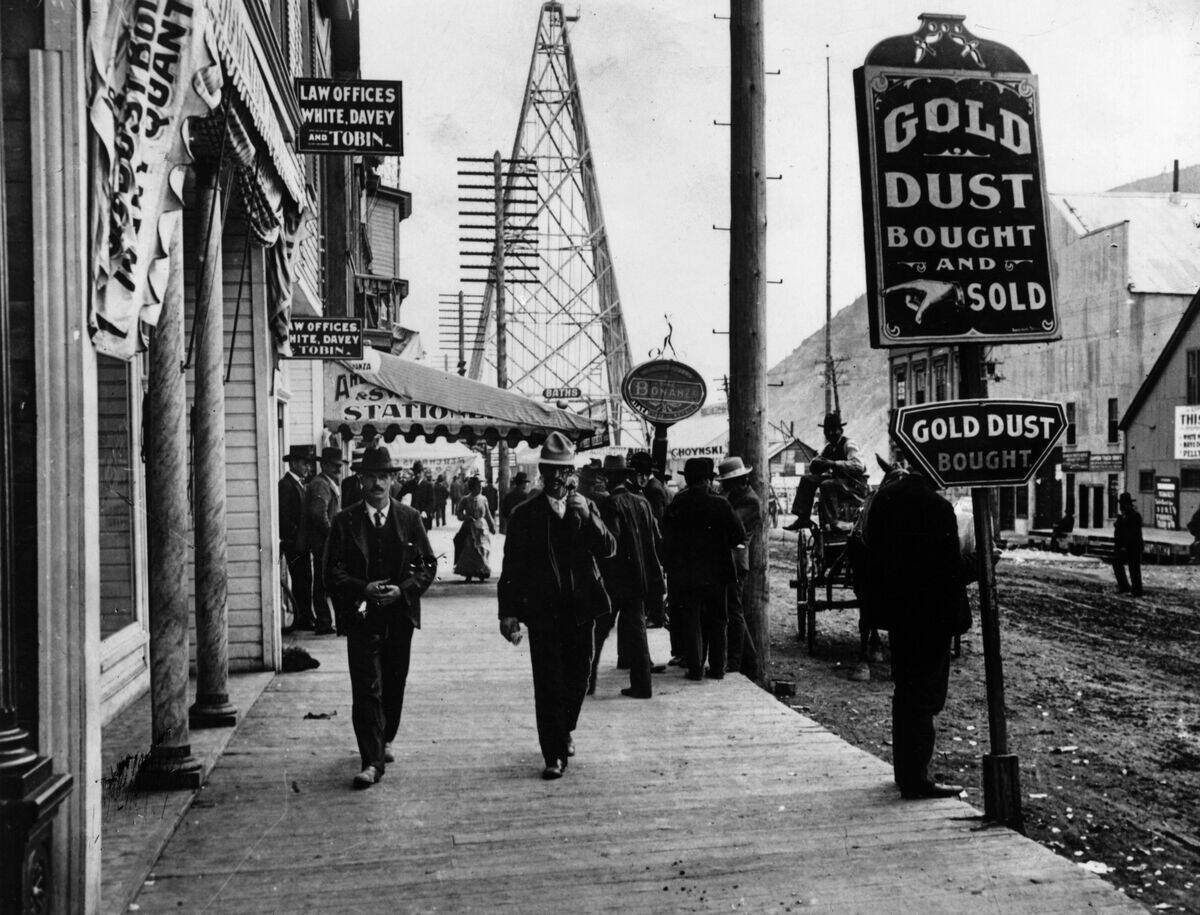
The Klondike Gold Rush of 1896-1899 drew about 100,000 prospectors to the remote Yukon region of Canada (though only up to 40,000 actually made it there). Dawson City became the epicenter, swelling from a few hundred to around 30,000 people at its peak.
The harsh conditions and treacherous journey through the Chilkoot Trail didn’t deter the hopeful miners, making this one of the most challenging yet legendary gold rushes. Of course, the riches couldn’t last forever, and gold declines led Dawson City’s population to shrink to 2,000 by 1912.
The Rise and Fall of Bodie, California
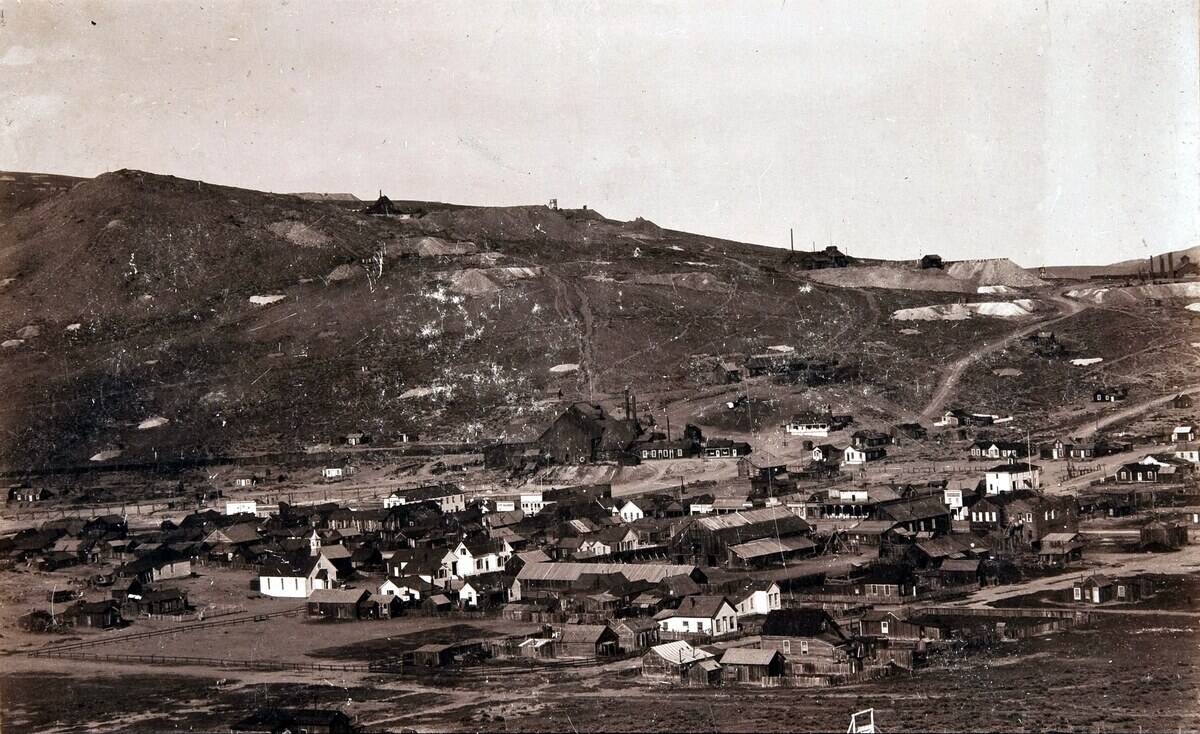
Bodie, California, once a thriving gold-mining town, reached its zenith in the late 1870s with a population of about 8,000. Known for its lawlessness and vice, Bodie was a place of both wealth and danger.
However, as the gold veins depleted, so did the town’s fortunes. By the early 20th century, Bodie had dwindled to a ghost town, leaving behind a hauntingly preserved snapshot of the past.
Jerome, Arizona: From Copper to Ghost Town
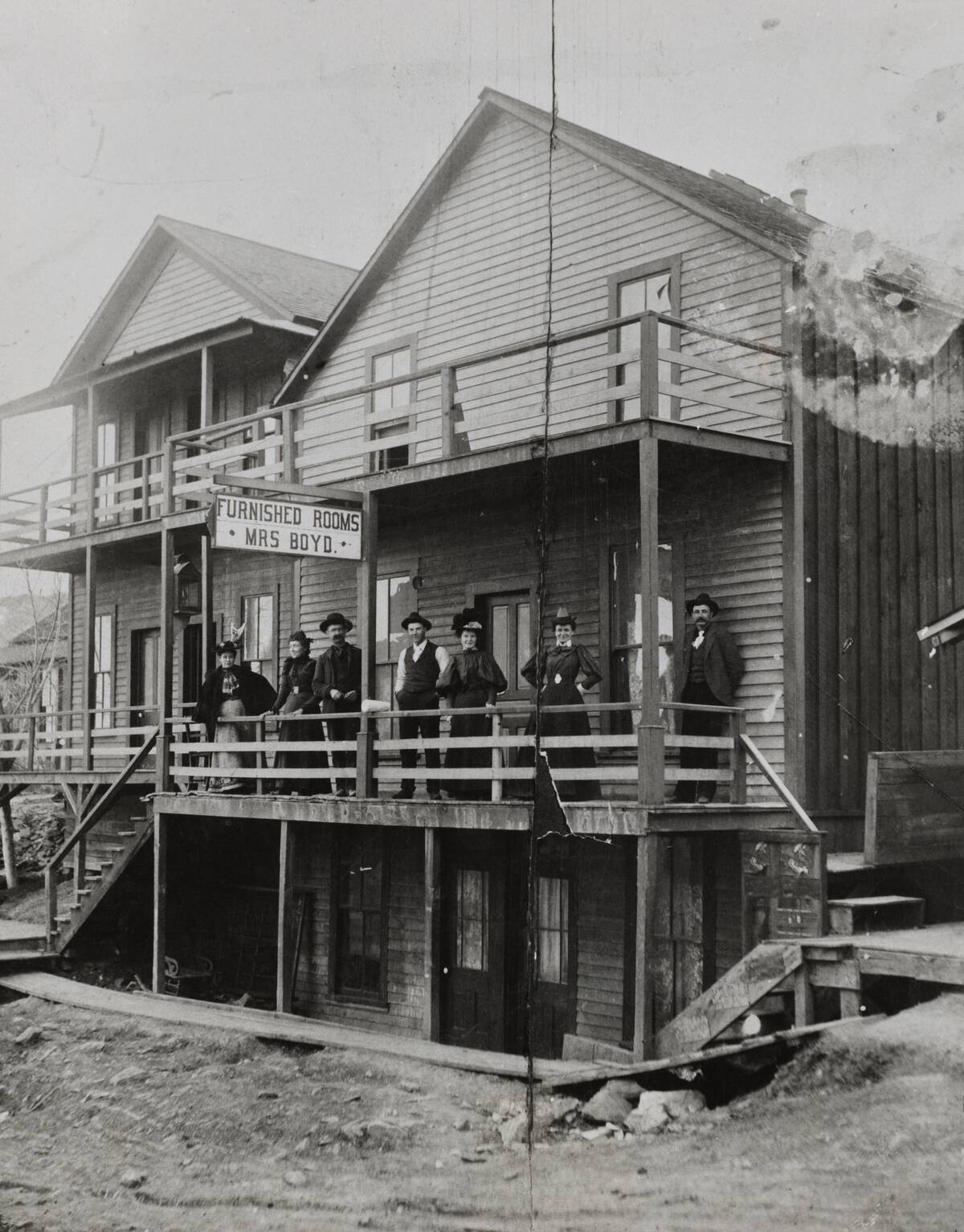
Jerome, Arizona, was once termed the “Wickedest Town in the West” during its copper mining boom in the early 1900s. At its height, the town was home to 10,000 people, all drawn by the rich copper deposits.
However, as the demand for copper fell, Jerome’s population dwindled dramatically. Today, it stands as a ghost town, with its historic buildings and tales of a colorful past attracting tourists.
The Swift Ascent of Deadwood, South Dakota
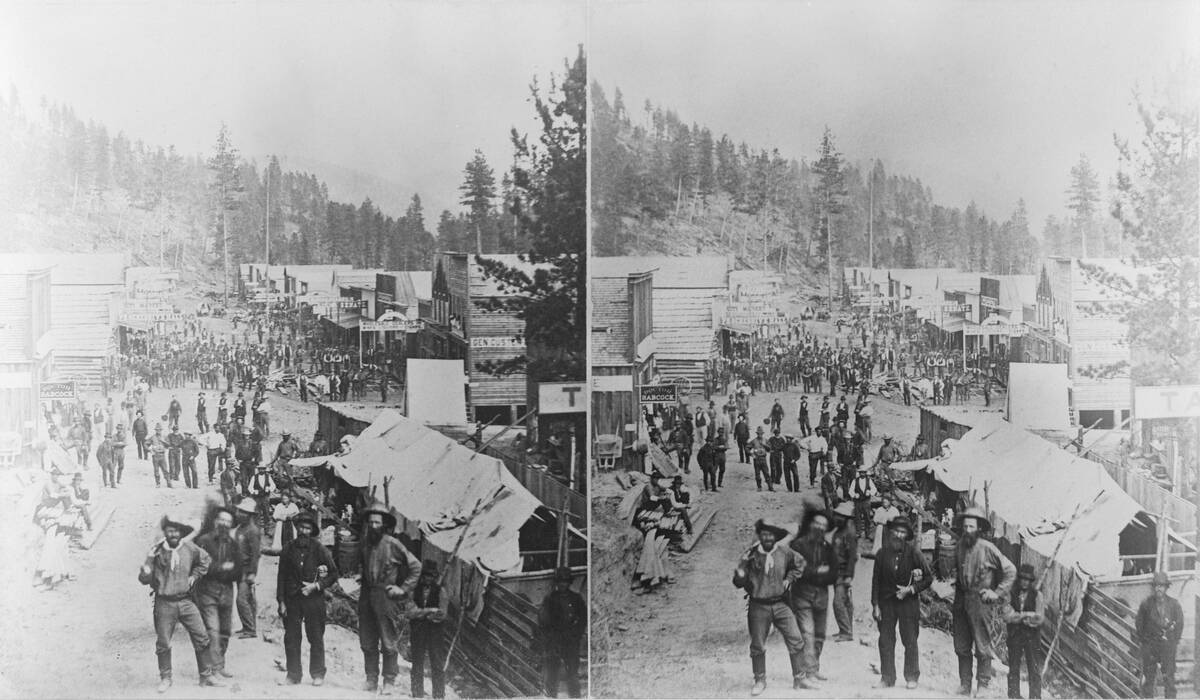
Deadwood, South Dakota, shot to fame during the Black Hills Gold Rush in 1876. Known for its wild west atmosphere, it attracted infamous characters like Wild Bill Hickok and Calamity Jane.
The town’s population quickly surged to around 5,000 when gold was discovered in 1874, and ballooned to 25,000 by 1876. Although the gold eventually ran out, Deadwood reinvented itself, preserving its Wild West heritage for visitors.
The Brief Glory of Tombstone, Arizona
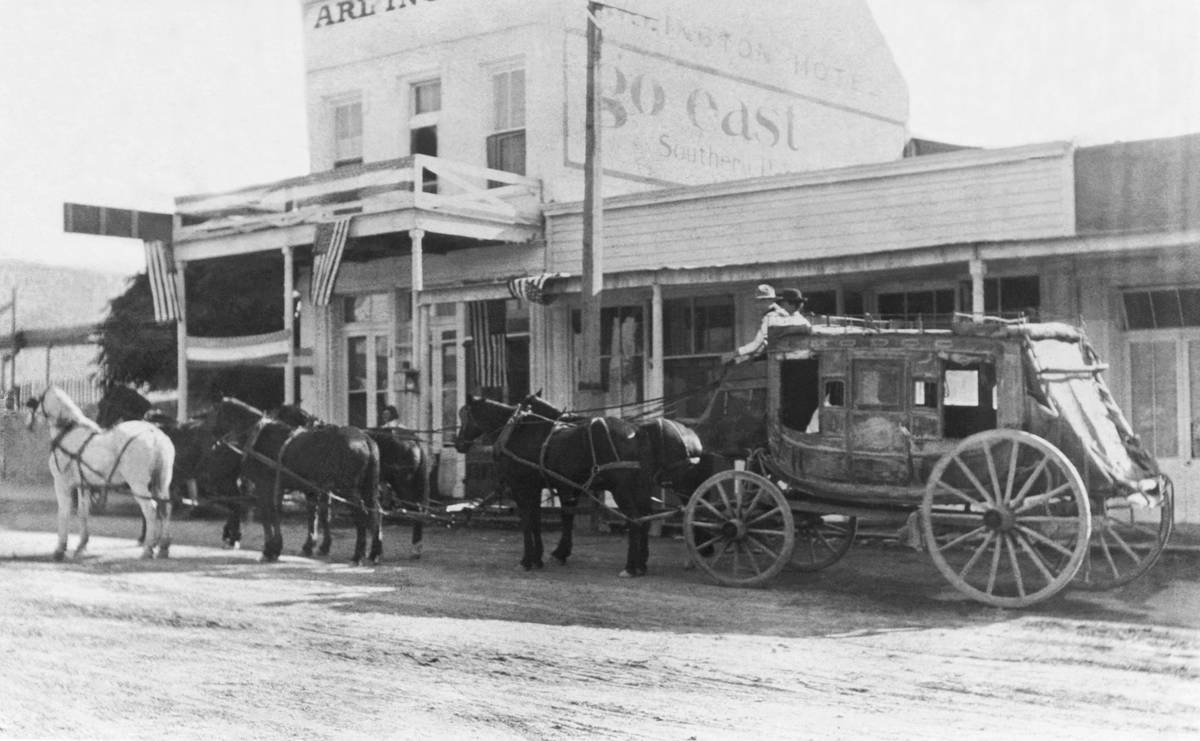
Tombstone, Arizona, is famed for its gunfights and silver mines. Founded in 1879, it rapidly became one of the last boomtowns of the American frontier, boasting a population of about 14,000 by the mid-1880s.
The infamous Gunfight at the O.K. Corral cemented its place in history. Despite the mines flooding, Tombstone survives today, drawing tourists eager to relive its storied past.
Centralia, Pennsylvania: From Coal Hub to Silent Streets
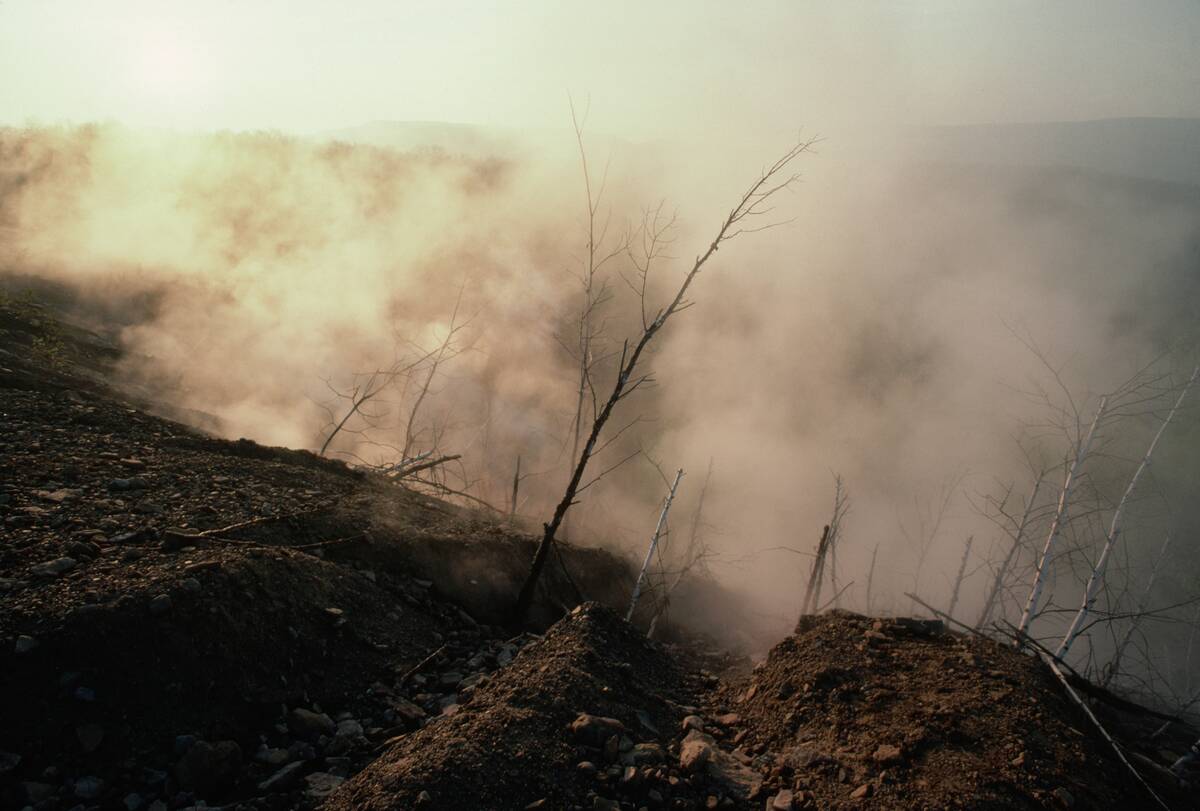
Centralia, Pennsylvania, was once a bustling coal mining town. However, in 1962, a mine fire ignited underground, leading to a disaster that continues to burn to this day.
Over the decades, the fire beneath the town forced residents to evacuate, leaving behind eerie, empty streets. With just a handful of residents remaining, Centralia serves as a chilling reminder of the risks of unchecked industrial activity.
The Turbulent Tale of Rhyolite, Nevada
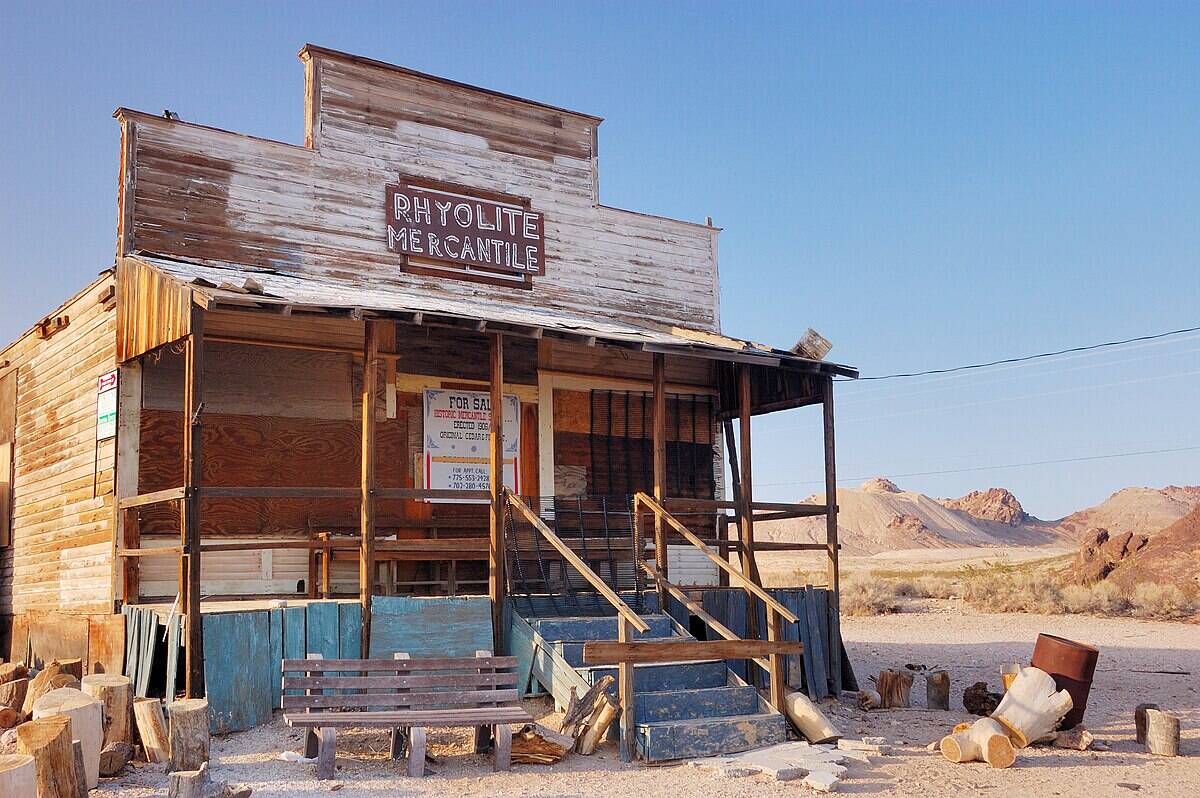
Rhyolite, Nevada, rose and fell with the discovery of gold in 1904. Within three years, its population ballooned to over 5,000, complete with electricity, water mains, and even a stock exchange.
However, as the gold dwindled, so did the town. By 1916, Rhyolite was deserted, leaving behind iconic ruins like the Bottle House and a striking testament to the boom-and-bust cycle.
The Short-Lived Splendor of Kennecott, Alaska
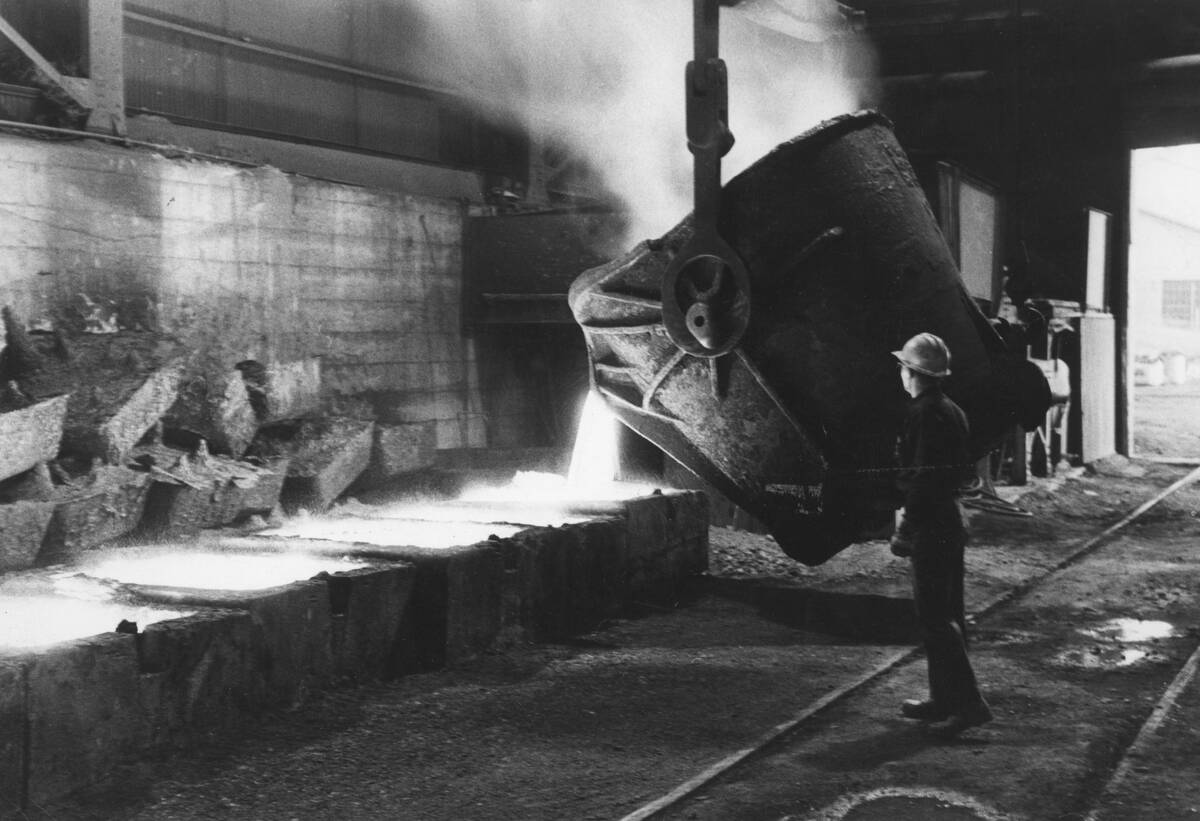
Kennecott, Alaska, emerged as a copper mining hub in the early 20th century. Its remote location in the Wrangell-St. Elias Mountains didn’t deter the influx of workers, drawn by high-grade copper.
The Kennecott mines operated from 1911 to 1938, extracting over $200 million worth of copper. When the ore ran out, the town was abandoned, leaving behind well-preserved structures now part of a national park.
The Rise and Ruin of Picher, Oklahoma

Picher, Oklahoma, was once the heart of the Tri-State Mining District, flourishing in the early 20th century due to its lead and zinc mines. At its peak, Picher had a population of over 14,000, supplying materials crucial for the First World War.
However, extensive mining left a legacy of environmental disaster, leading to its evacuation and eventual designation as a Superfund site due to contamination.
Goldfield, Nevada: A Flash in the Pan
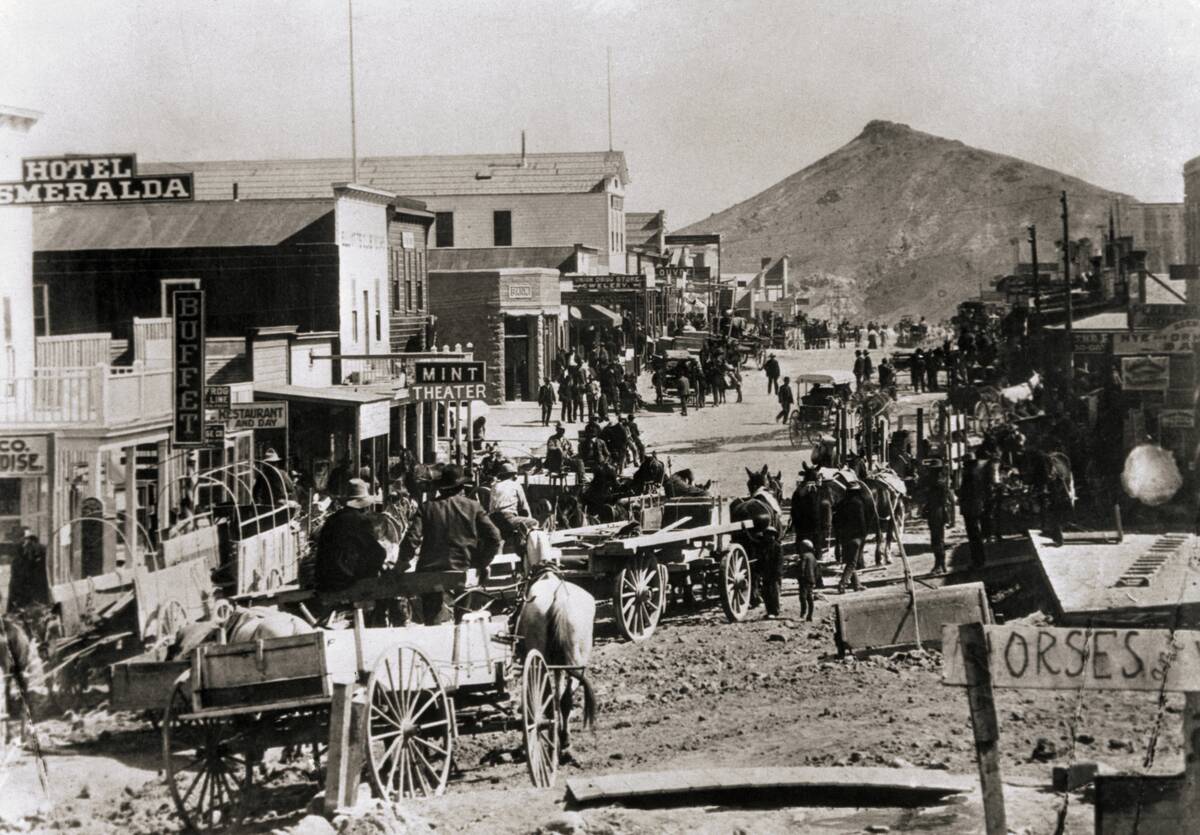
Goldfield, Nevada, came into prominence in the early 1900s with the discovery of a rich gold vein. By 1906, it was Nevada’s largest city, with a population of over 20,000.
The town boasted grand hotels, a thriving economy, and even hosted a famous boxing match. However, as the gold deposits dwindled, so did Goldfield’s fortunes, leaving behind a town that whispers stories of its past glory.
The Swift Collapse of Animas Forks, Colorado
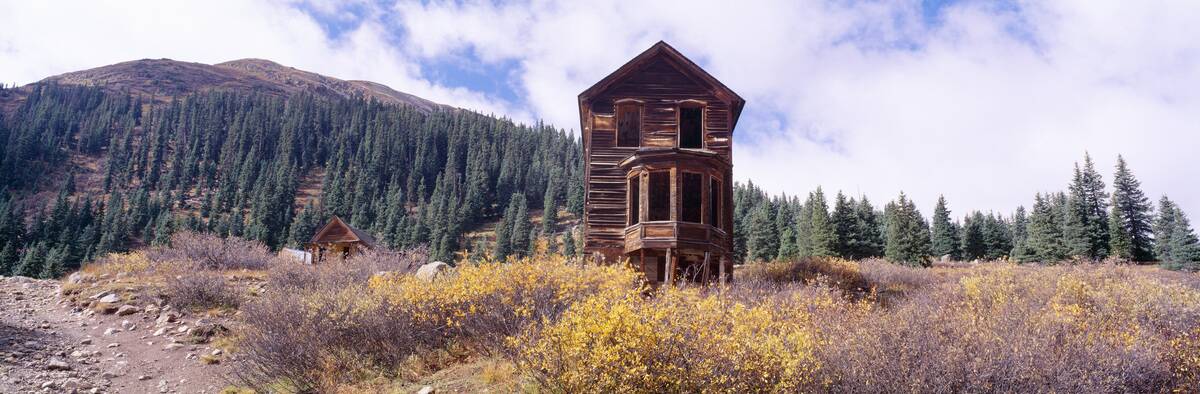
Animas Forks, Colorado, was a silver mining town that thrived in the late 1800s. Nestled at an elevation of 11,185 feet, it was one of the highest mining camps in North America.
The town peaked around 1883 with a bustling community and dozens of buildings. However, harsh winters and the decline in silver prices led to its rapid decline, leaving behind only the echo of its once-busy streets.




