Brilliant bands that deserved mainstream success
The music industry is a vast ocean of talent, where some bands float to the top and others remain hidden beneath the waves. Many incredible bands never achieved the commercial success they deserved, but left a lasting impression on the music scene.
In this article, we dive into the stories of these underrated bands, exploring their contributions and the unique sounds that set them apart from their peers.
Big Star: The Power Pop Pioneers
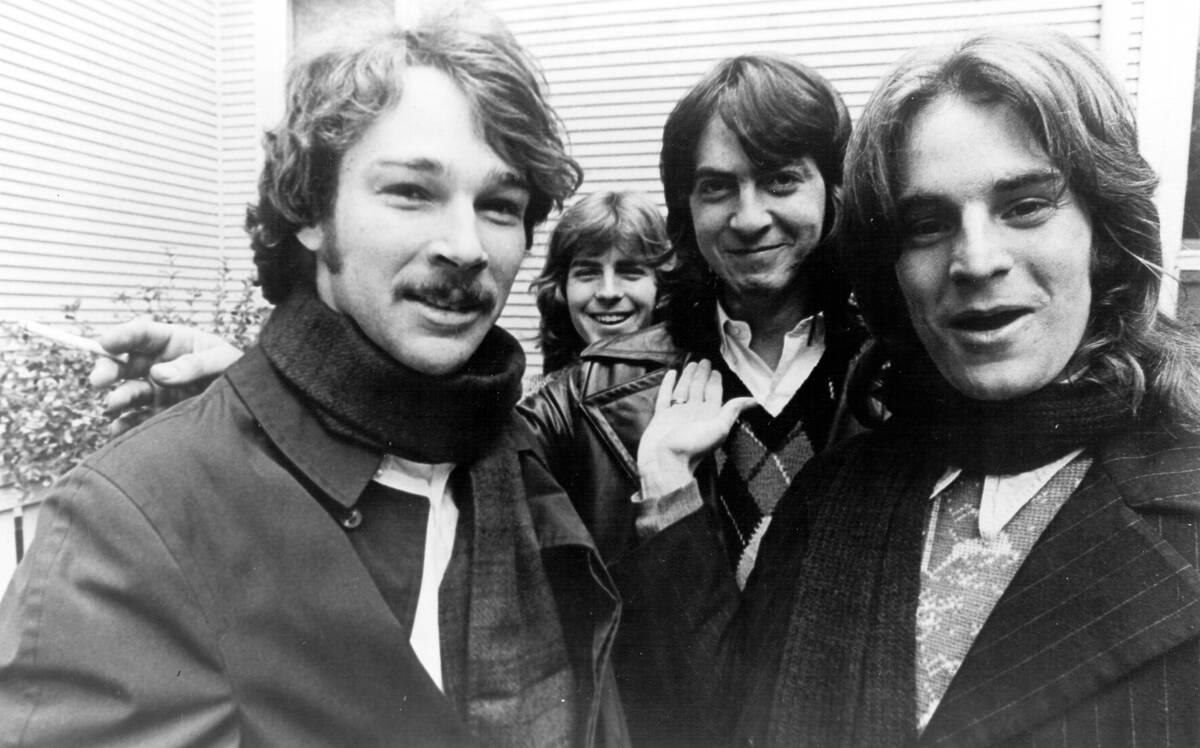
Big Star’s influence stretches far beyond their commercial success. Formed in Memphis in the early 1970s, they crafted a sound that combined the depth of rock with the catchy hooks of pop.
Despite their albums No. 1 Record and Radio City being critically acclaimed, they struggled with distribution issues, keeping them from mainstream success. Yet, their sound has inspired countless artists, from R.E.M. to The Replacements.
The Replacements: Punk Rock’s Unsung Heroes
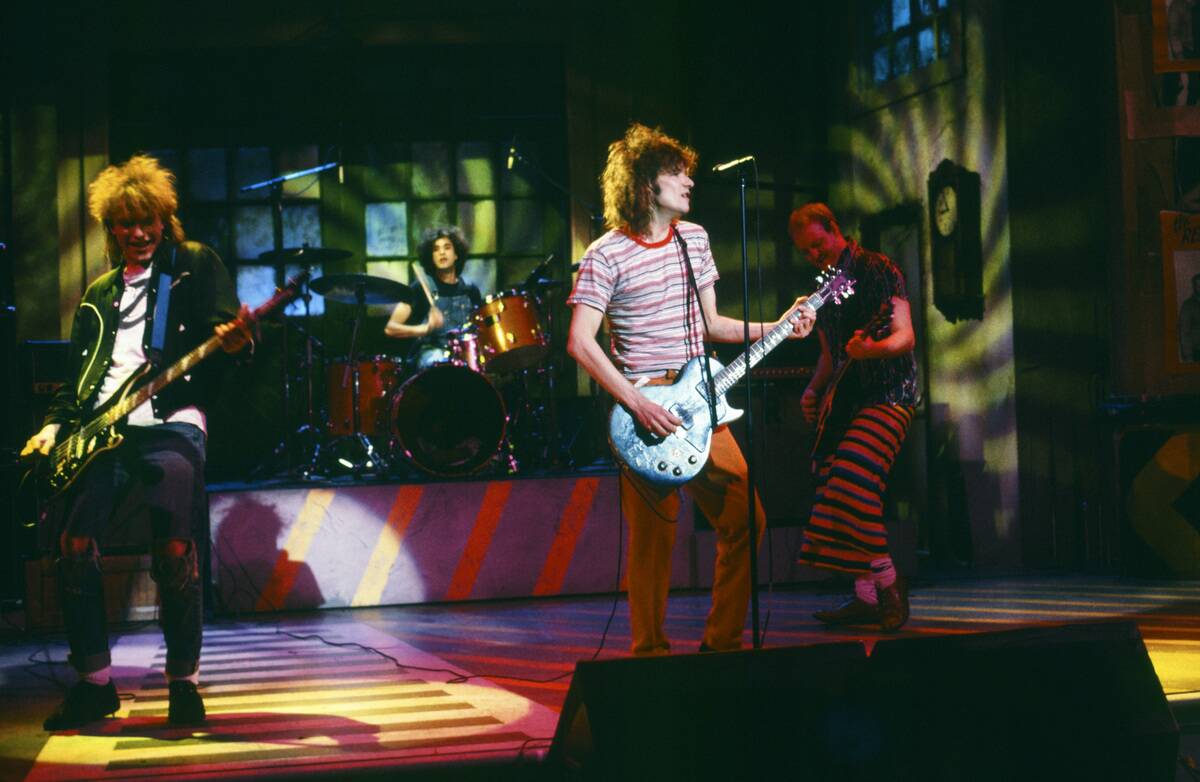
Emerging from the Twin Cities in the late ’70s, The Replacements combined punk energy with heartfelt lyrics and a raw, unpolished sound. Albums like Let It Be and Tim showcased their knack for crafting songs that were both rebellious and deeply personal.
Despite limited commercial success, they are often credited with influencing the alternative rock scene of the 1990s, paving the way for bands like Nirvana and Green Day.
Pixies: A Band That Laid The Blueprint For Grunge
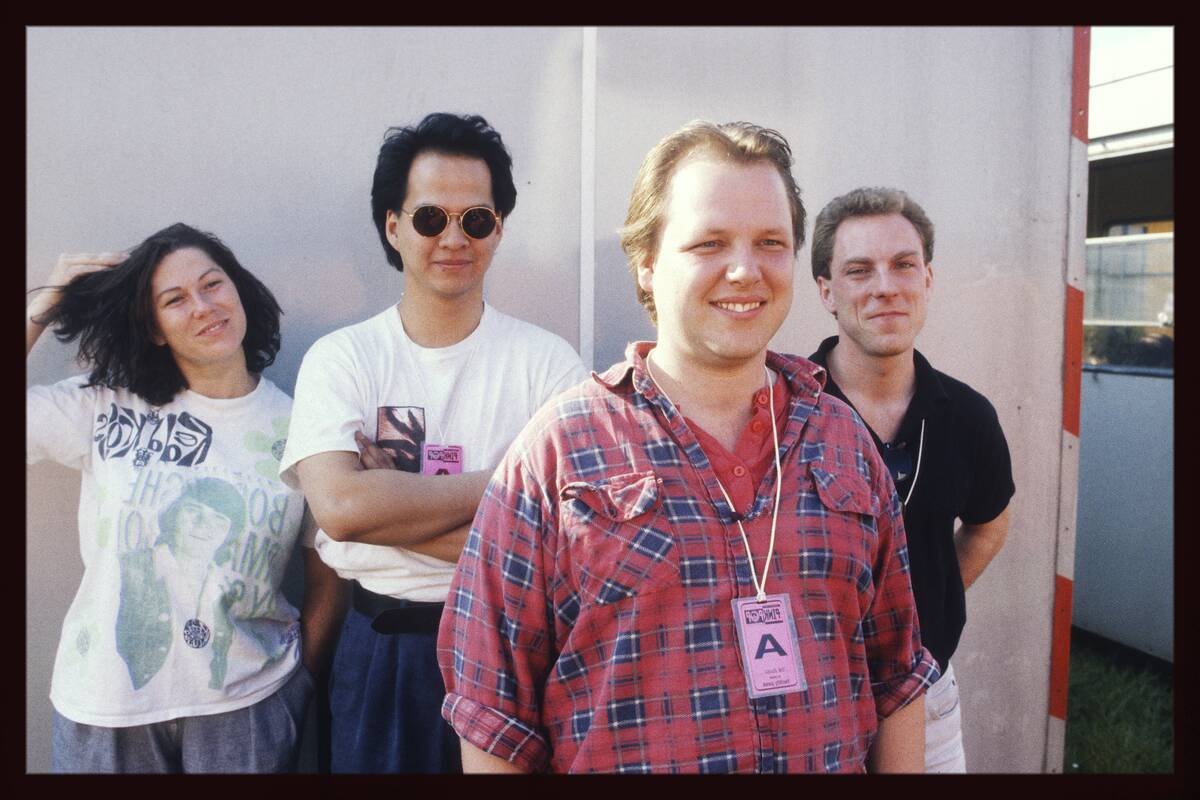
The average person who has heard of Pixies usually knows of them for one of two reasons: they’re either aware of how much Kurt Cobain loved them or they heard “Where Is My Mind?” at the end of Fight Club. However, it takes listening to them more closely to understand why they were so influential to what would become the alternative nation of the ’90s.
Pixies pioneered the shifting, often unpredictable dynamic between loudness and quietness that characterized alternative music in the ’90s. They also explored dark and humorous subject matter with a similar wry, sarcastic flair that was also a huge characteristic of that decade’s counter-culture. However, they broke up before they could get too far into the decade they practically defined.
Slint: The Masters Of Dark, Ambitious, Understatement

Although Slint was similar to other alternative bands of their scene in that they’d mix dark, cerebral subject matter with shifting dynamics that would have lead singer Britt Walford go from monotone talk-singing to screaming without warning, they showed even more ambition.
That was because they would craft long, elaborate compositions that were based on simple angular riffs, but developed subtly before noisy passages laden with distortion. The unique patience and sophistication they showed are now considered foundational for the post-rock and math-rock movements.
My Bloody Valentine: The Band That Perfected Shoegaze
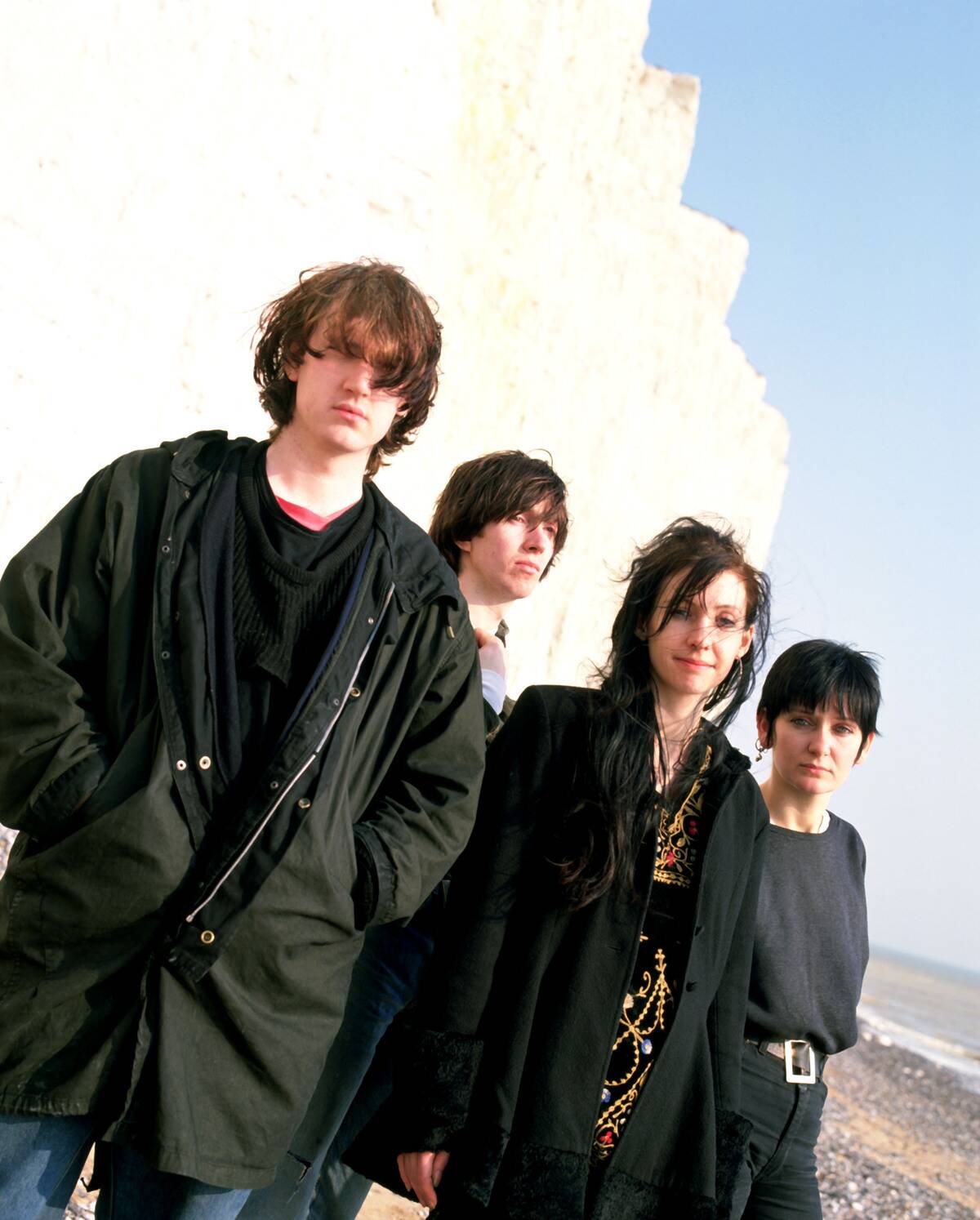
The brainchild of Irish musician, producer, and songwriter Kevin Shields, My Bloody Valentine was a band characterized by its unique approach to the inherently complex genre, shoegaze. It’s named for the tendency of performers to look at their feet as they navigate the complex array of pedals that produce their uniquely noisy guitar soundscapes.
As for what made My Bloody Valentine such luminaries in this subgenre, Shields’s guitar experimentation, meticulously layered production, and incomprehensible lyrics are among the band’s biggest signature traits. The lyrics aren’t hard to understand because of how they’re written but because the layering of the vocals achieves their ethereal quality by making them hard to decipher.
The Kinks: The British Invasion Band That Was Left Behind
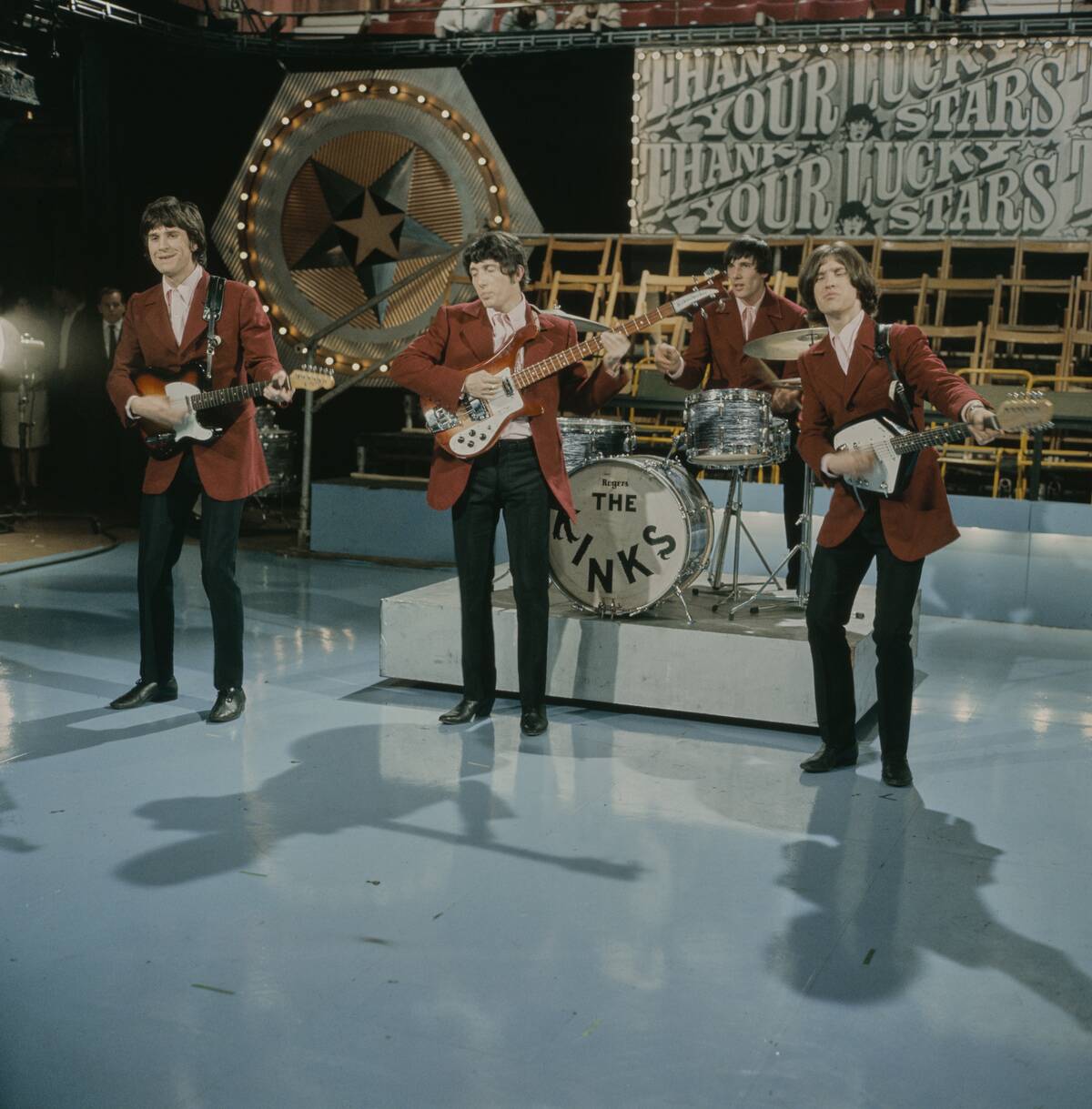
Although rock fans in the U.K. would likely balk at the idea that The Kinks weren’t superstars, an ill-timed ban from performing in America during the height of the British Invasion ensured The Beatles and the Rolling Stones would always have more stateside cachet than they did.
However, this sidelining was undeserved because The Kinks had a similarly ambitious and eclectic penchant for concept albums as The Beatles did. Lola Versus Powerman and the Moneygoround, Part One, The Kinks Are the Village Green Preservation Society, and Arthur (Or the Decline and Fall of the British Empire) were all musically and conceptually rich in a way that has resonated with underground acts even decades later as strongly as Sergeant Pepper’s Lonely Hearts Club Band did with mainstream audiences.
The Fall: The Post-Punk Band That Couldn’t Be Pigeonholed
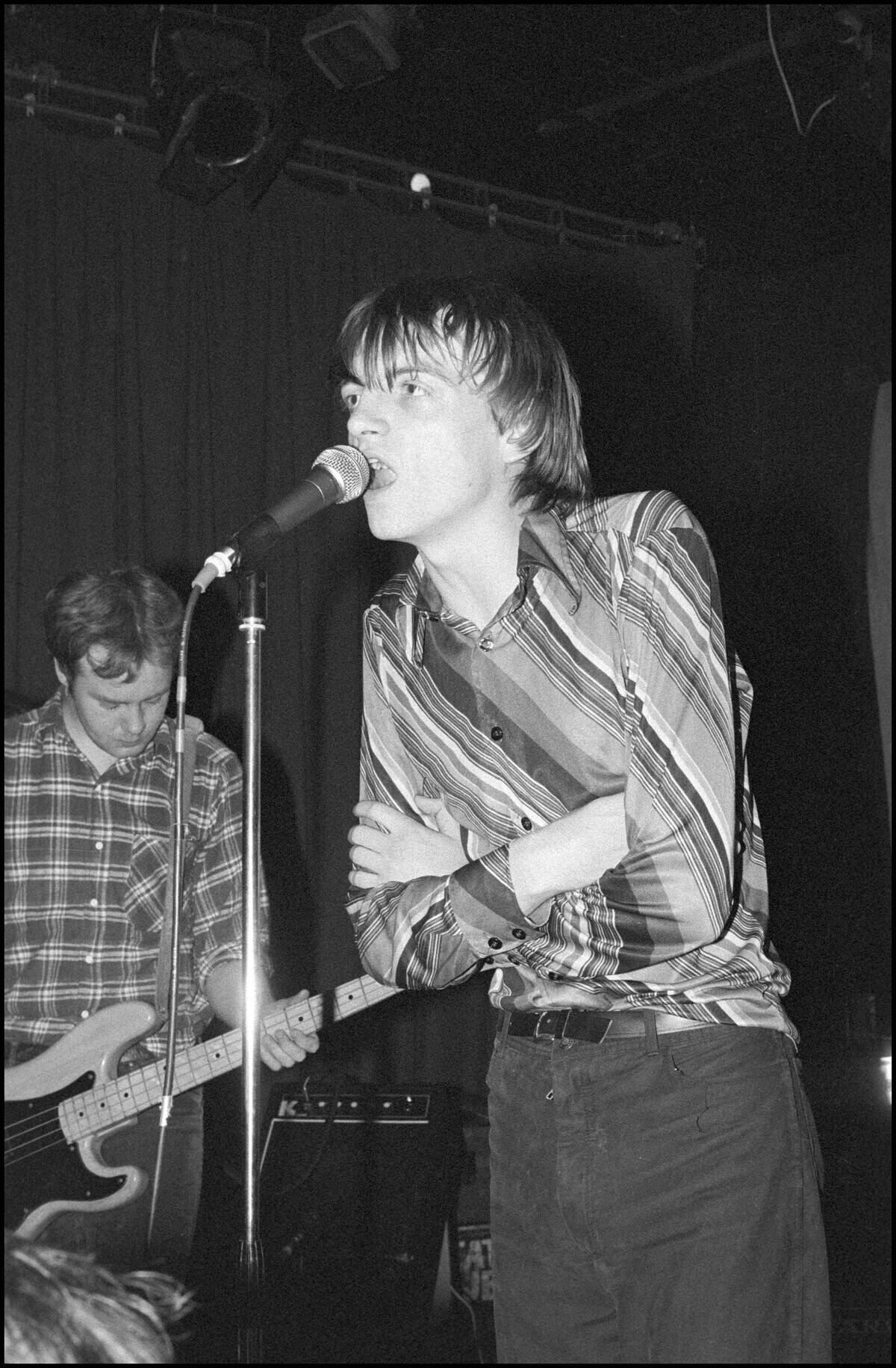
Although post-punk certainly had a distinct sound to it, those within the genre took its austere qualities in their own unique directions. Joy Division used it to express Ian Curtis’s alienation from the modern world, The Cure used it as the gloomy framework for their gothic offerings, and The Fall’s Mark E. Smith used it to do whatever he wanted.
Smith had a lot to say about society as well, but listeners could never quite predict how The Fall were going to deliver it. This even included who would be delivering it, as Smith’s now former wife and bandmate Brix had her own influence on their sound and took occasional lead vocals.
Love: The Psychedelic Innovators
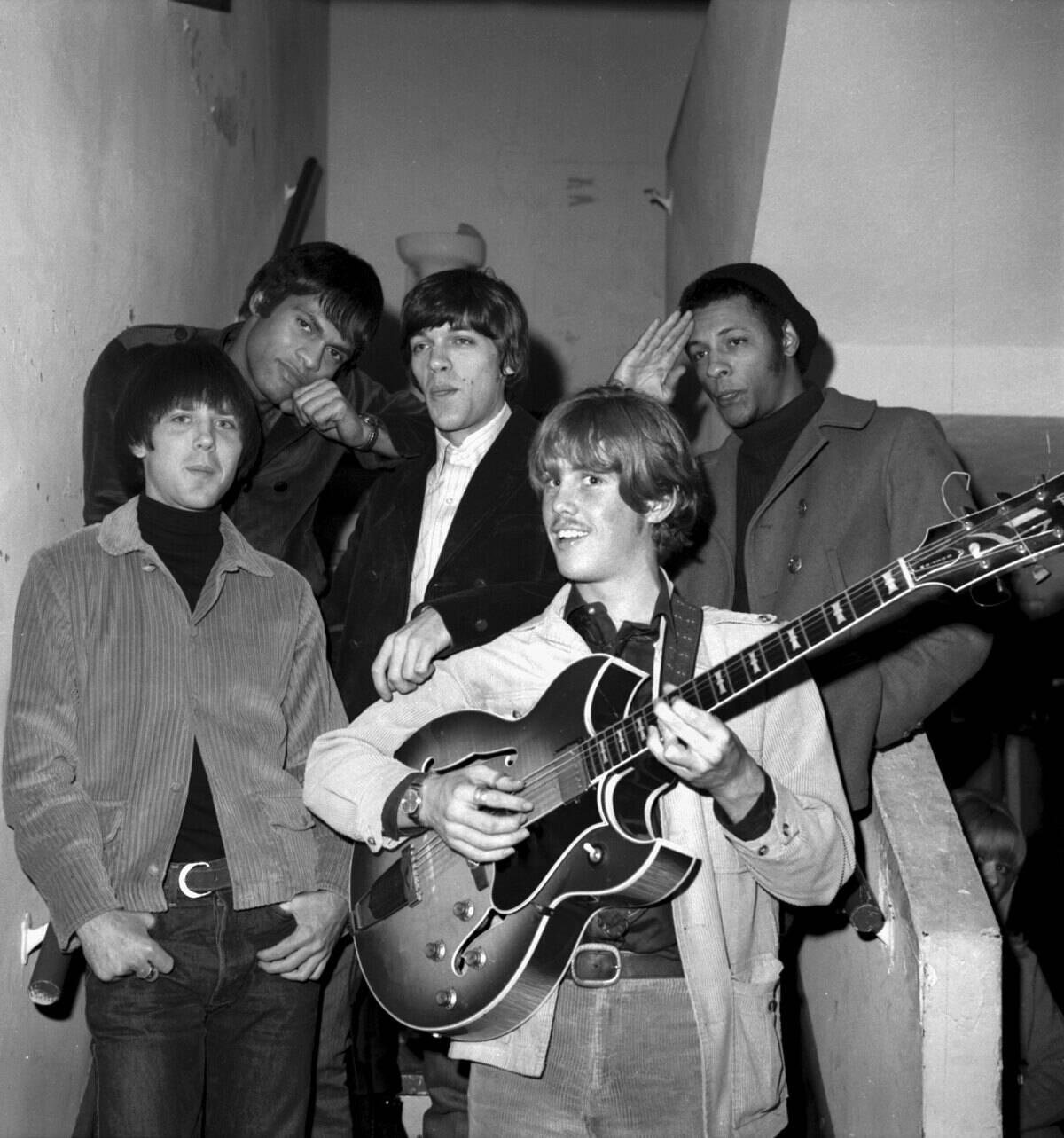
Love, led by the enigmatic Arthur Lee, was at the forefront of the 1960s psychedelic scene. Their 1967 album Forever Changes is hailed as a masterpiece, blending folk-rock, orchestral pop, and biting social commentary.
Despite never achieving the fame of contemporaries like The Doors, Love’s music continues to be celebrated for its innovative arrangements and profound lyrics, capturing the spirit of a tumultuous era.
The Velvet Underground: Ahead of Their Time
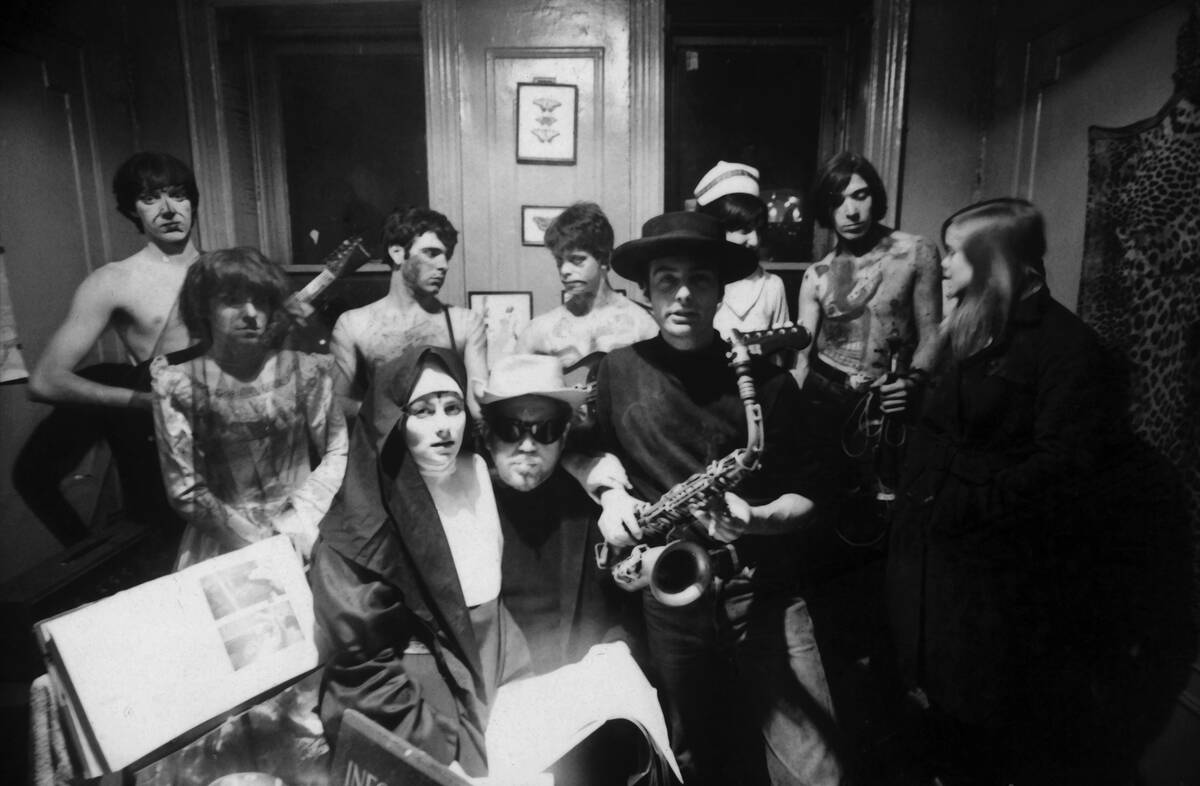
The Velvet Underground, formed in New York City in 1964, were true pioneers of avant-garde rock. Their debut album, produced by Andy Warhol, was a commercial failure at first but later gained recognition for its experimental sound and candid themes.
With songs like ‘Heroin’ and ‘Venus in Furs,’ they broke musical and lyrical conventions, influencing countless genres, including punk, new wave, and indie rock.
They Might Be Giants: More Ambitious Than Their Nerd Niche
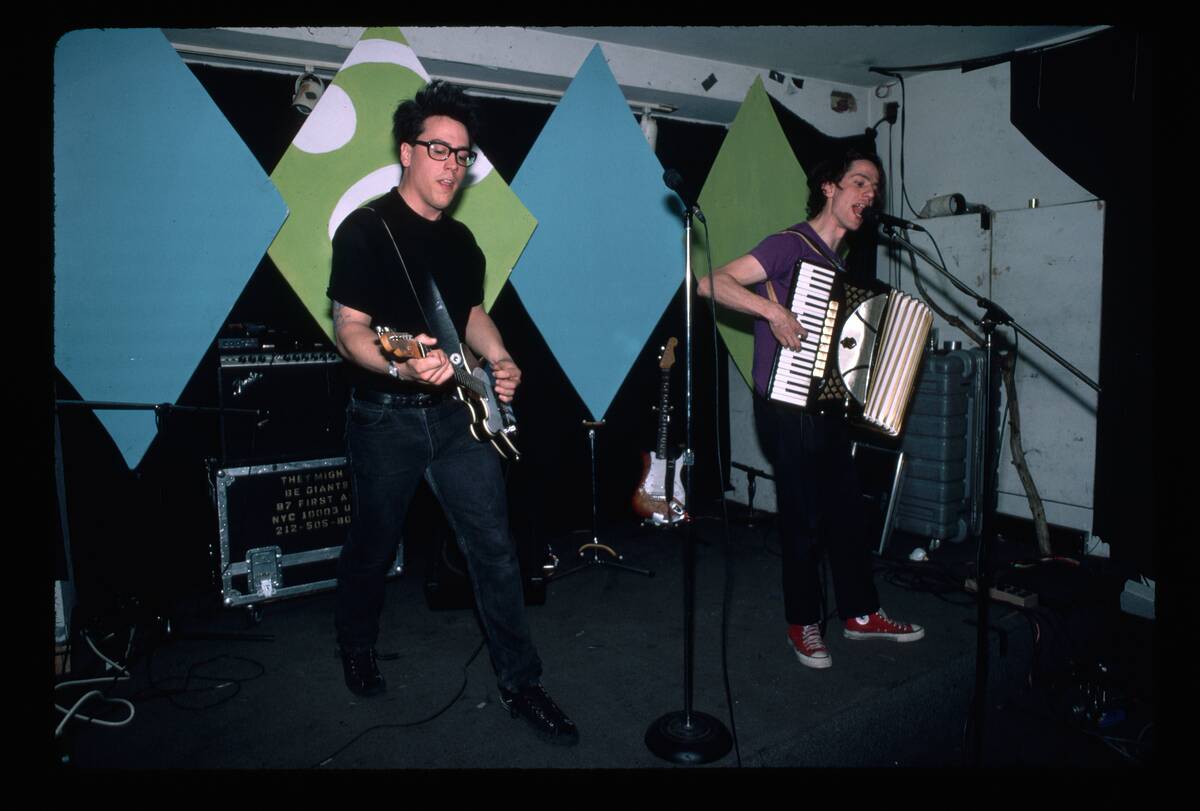
Although it’s fair to say that They Might Be Giants aren’t entirely unheard of in pop culture, they’re often regarded as wacky figures who make novelty music and occasionally soundtrack quirky TV shows and movies.
Yet, while that’s not exactly an inaccurate way to describe some of their work, it’s also true that their creative impulses are far more eclectic and experimental than that label implies. It also underestimates how much sadness and dread can be sometimes be found under the surface of their upbeat, humorous style.
Pavement: The Cool Band That Inspired Your Favorites
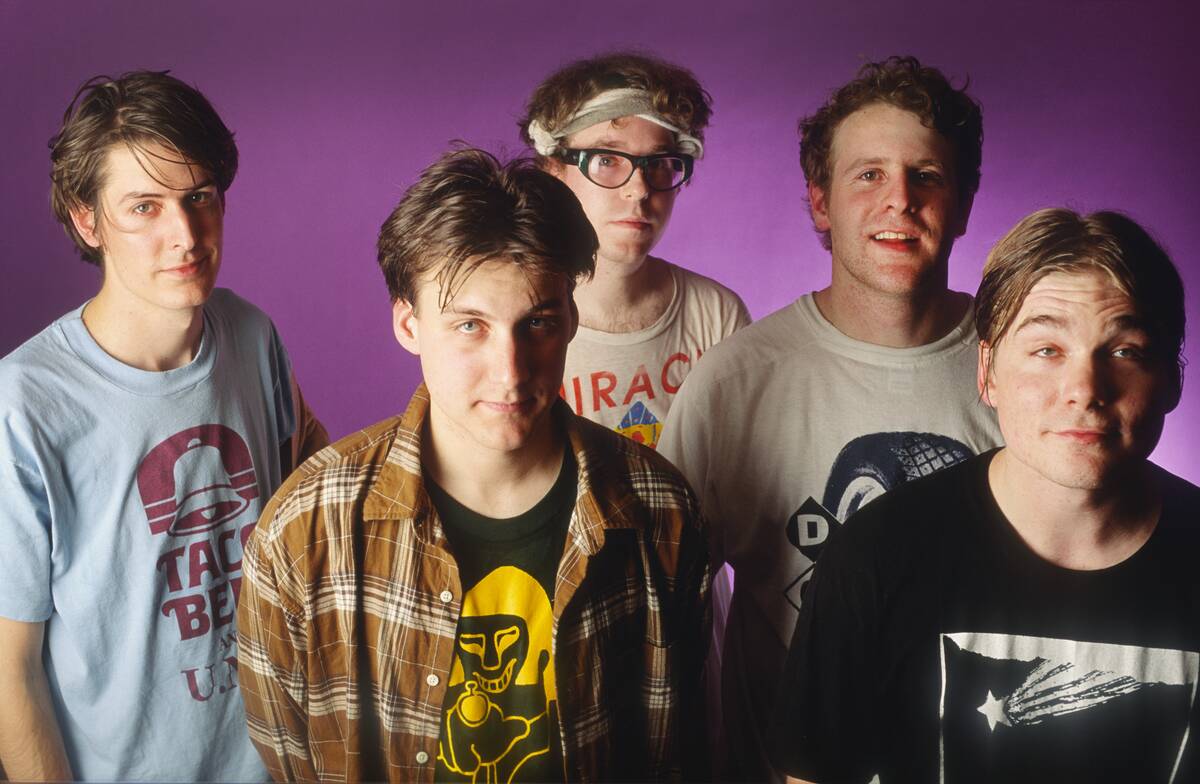
Pavement were a hard band to define, as they were just as prone to noisy, chaotic distortion as they were to laid back, folkish indie rock. They were sometimes accused of ripping off The Fall, which is likely because both bands had a taste for wry, vibes-based songwriting.
Although the slacker vibe that Pavement often gave off would do a lot to define the feel of the ’90s alternative scene, the way their tuneful and eclectic offerings blended with their playful sarcasm gave them a unique, enduring profile among underground listeners.
Bauhaus: The Gloomy Masters Of Post-Punk
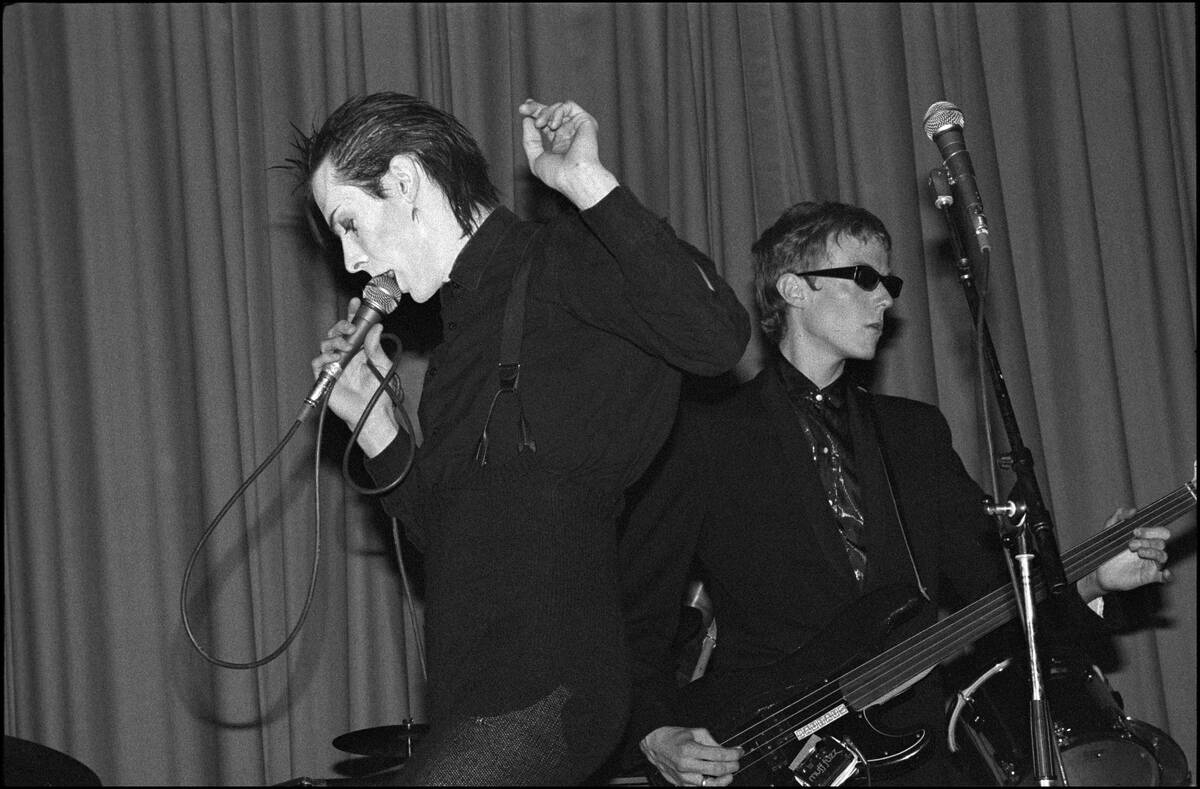
Alongside The Cure, Bauhaus emerged as one of the more gothically inclined acts of the British post-punk scene. Known for their tight musicianship and lead singer Peter Murphy’s dramatically howling vocals, Bauhaus were able to mix catchy riffs with gloomy expressions of dread in a way that stood out from most other acts at the time.
Although their album In The Flat Field is a masterpiece in its own right, Bauhaus is likely best known for their debut single, the nine-minute epic called Bela Lugosi’s Dead. It not only serves as an introduction to the band’s musical style, but also where their passions lied.
The Happy Mondays: More Worthwhile Than They Seemed
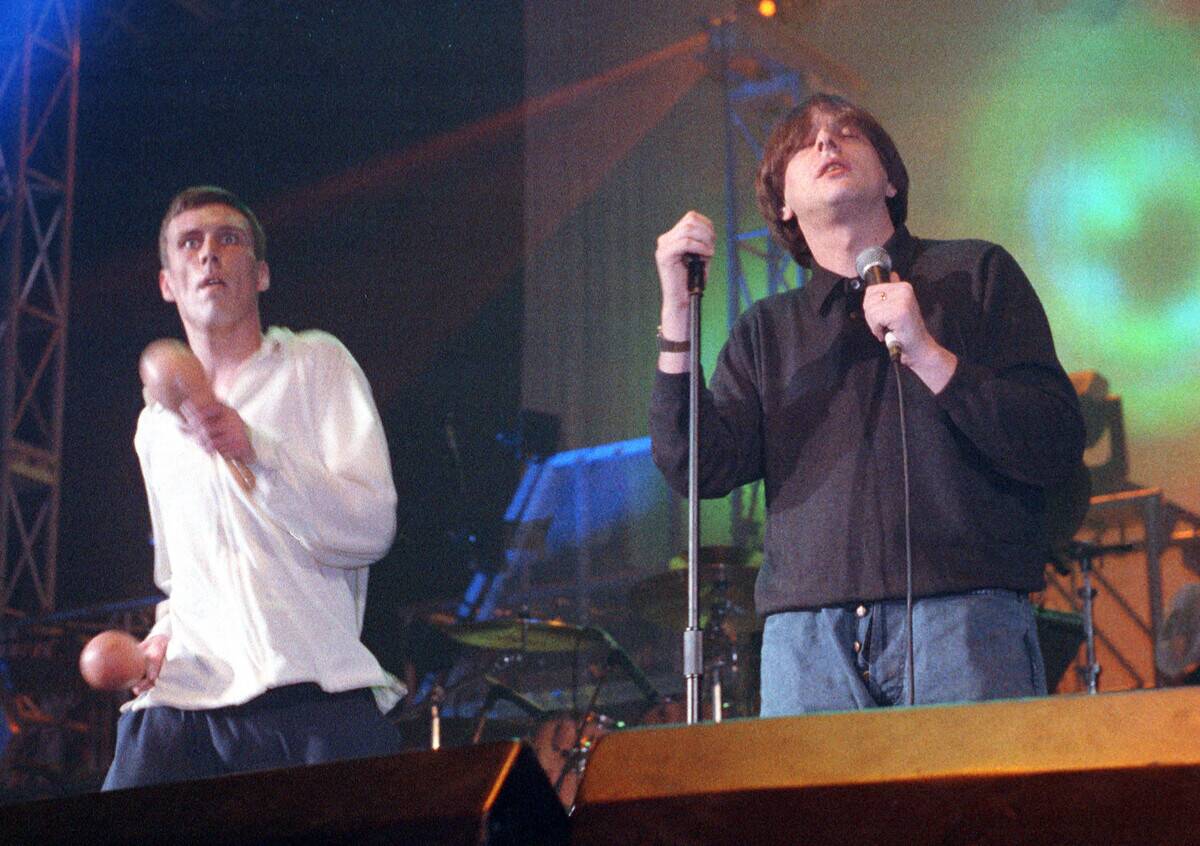
In theory, nothing about Shaun Ryder’s musical offerings should have worked. He was intoxicated to the point of incoherence for most of his time leading the Happy Mondays, he sampled far more than musicians can typically get away with nowadays, and his vocals could often be described more as addled yelping than singing.
Yet while he led the Happy Mondays and Black Grape, he was able to make some deeply enjoyable music with surprisingly enduring appeal. His hedonistic, chaotic nature also happened to be a perfect fit for the rave-friendly “Madchester” scene that he was a leading figure of. Ryder may not have known where he was half the time back in those days, but he knew his way around a tune.
Captain Beefheart And His Magic Band: Perfectly Controlled Chaos
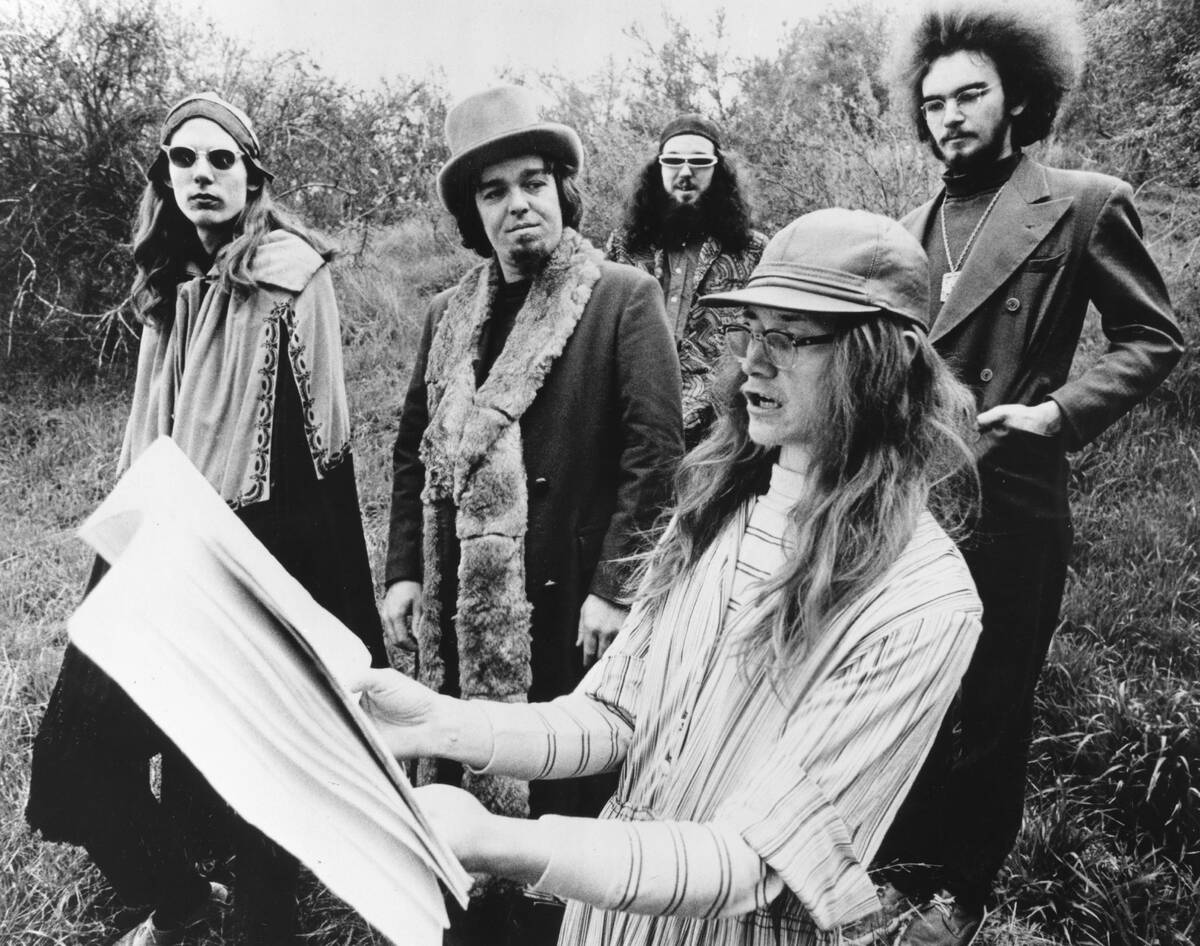
Although he’s often compared to his more famous contemporary Frank Zappa, Captain Beefheart’s unconventional style arguably pushed even more aesthetic boundaries, especially when it came to his band’s bizarre and abrasive signature album, Trout Mask Replica.
That said, it was clear Beefheart had impressive artistic vision even when making more standard blues-rock on albums like Safe As Milk. And while Trout Mask Replica may sound like the band was winging it, even the interludes on that very album make it clear how meticulously crafted that record’s weirdness was.
Badfinger: The Tragic Story of Power Pop Legends
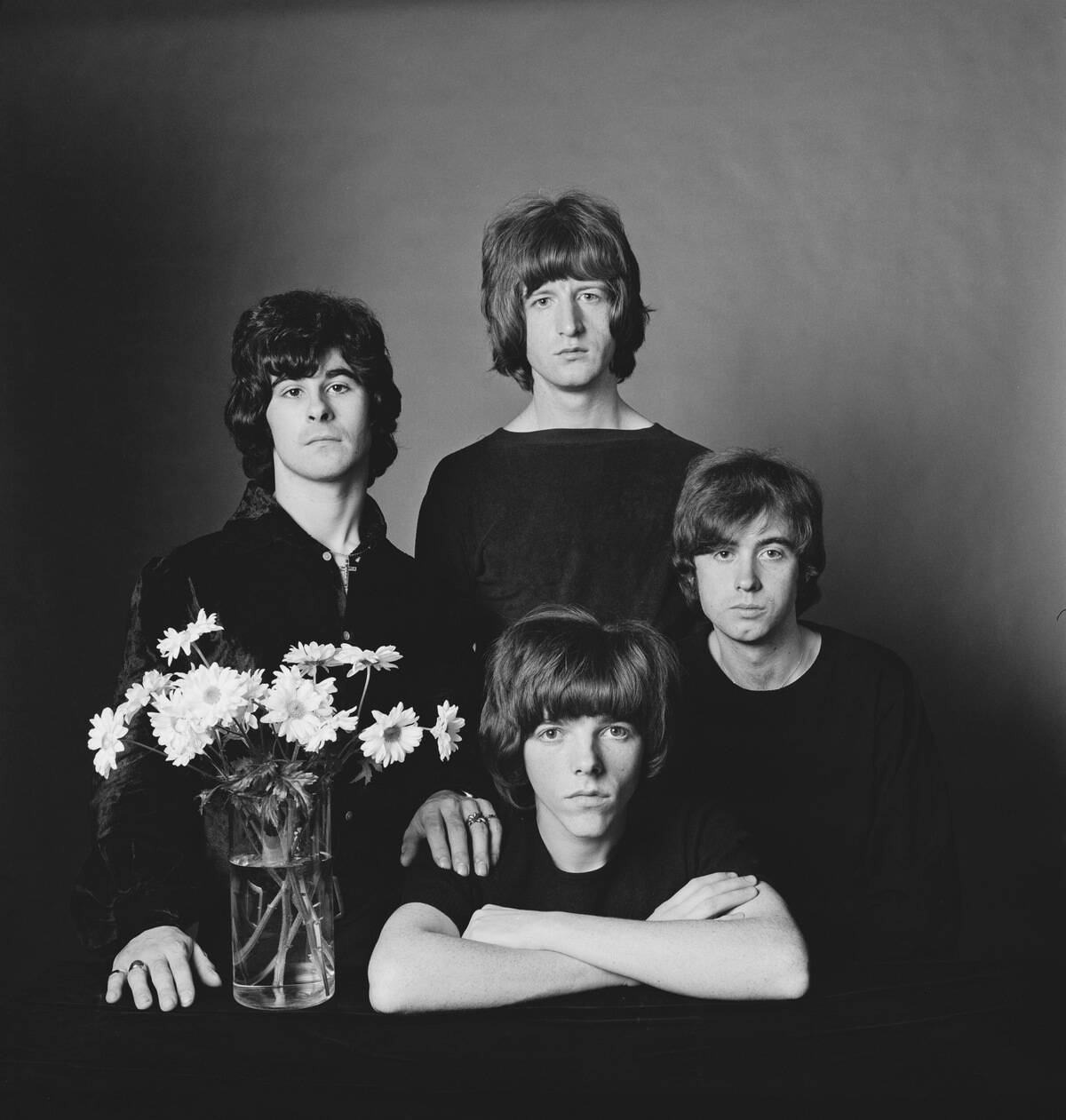
Badfinger, often hailed as one of the first power pop bands, had a promising start with hits like ‘Come and Get It’ and ‘No Matter What.’ Signed to The Beatles’ Apple Records, they seemed destined for greatness.
However, financial mismanagement and personal tragedies, including the suicides of two members, overshadowed their success. Their story is a poignant reminder of the music industry’s harsh realities.
Television: The Forefathers of Post-Punk
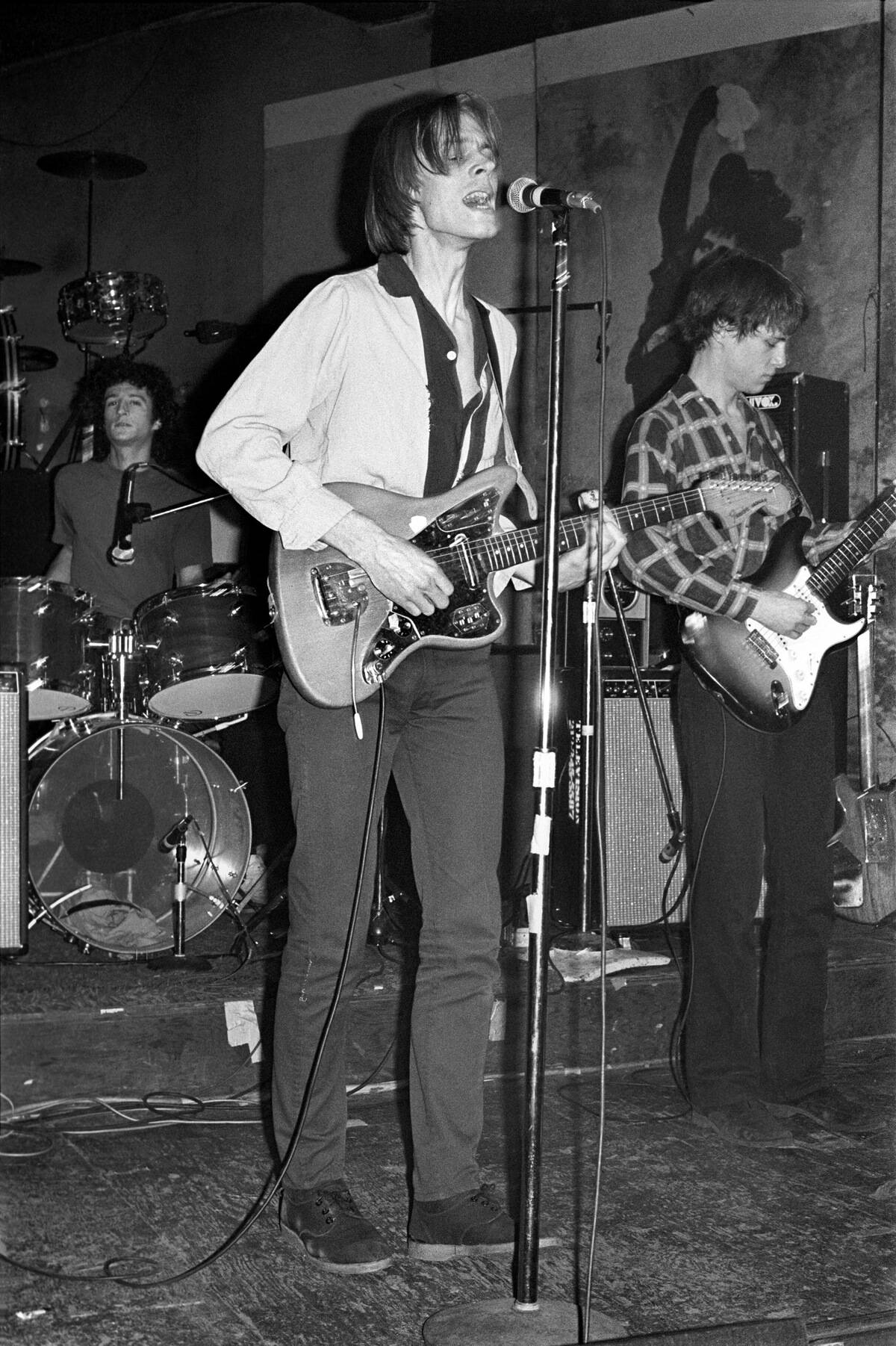
Television emerged from the New York punk scene in the mid-1970s, standing out with their intricate guitar work and poetic lyrics.
Their debut album, Marquee Moon, is considered a seminal work in post-punk, influencing bands like The Strokes and R.E.M. Although they never achieved mainstream success, Television’s artful blend of rock and poetry left a lasting legacy in the music world.
XTC: Masters of Melodic Invention
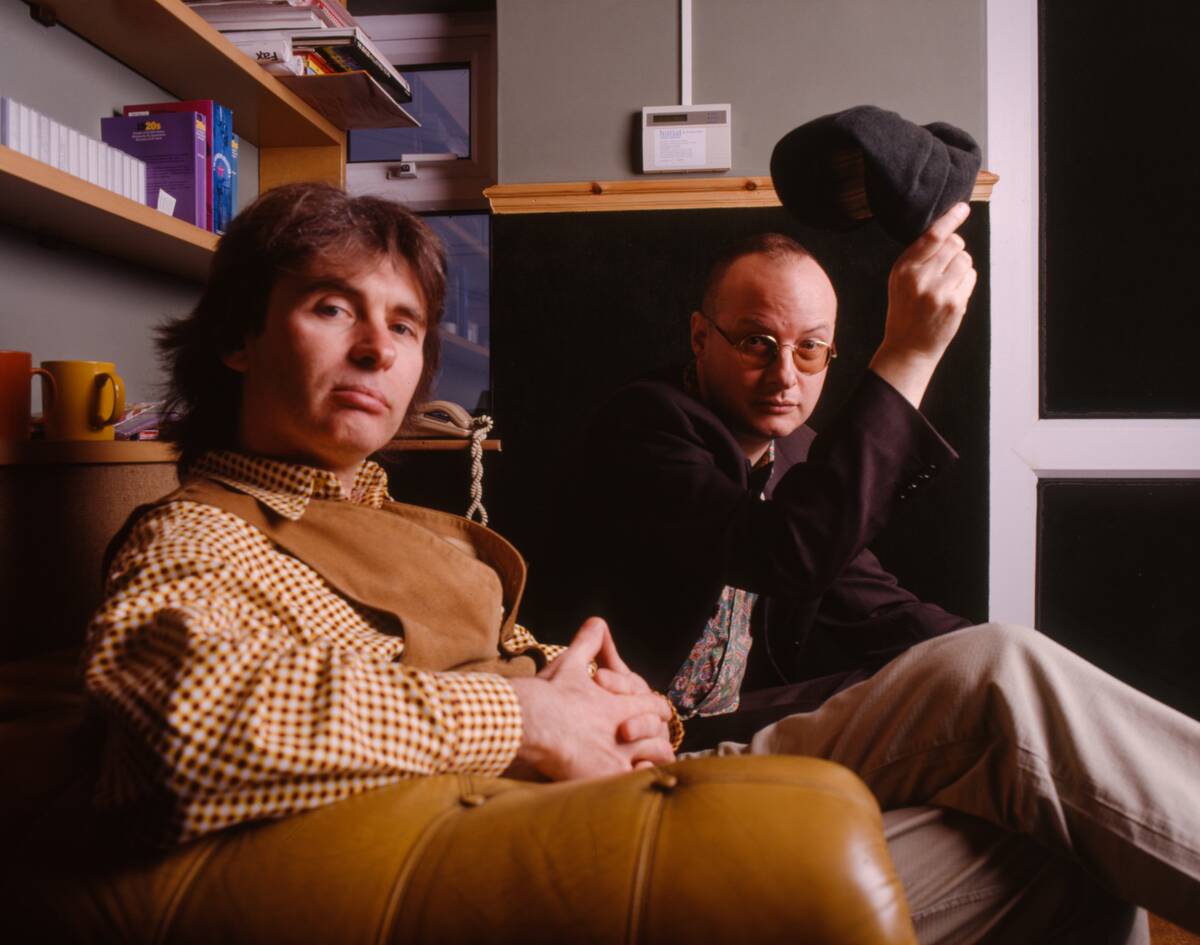
XTC, hailing from Swindon, England, evolved from a punk-influenced band into masters of melodic and complex pop music. Albums like Skylarking and English Settlement displayed their creative prowess and intricate songwriting.
Despite their limited commercial presence, XTC’s music has been praised for its originality and has influenced a wide range of artists, from Blur to Primus.
The Zombies: Baroque Pop Trailblazers
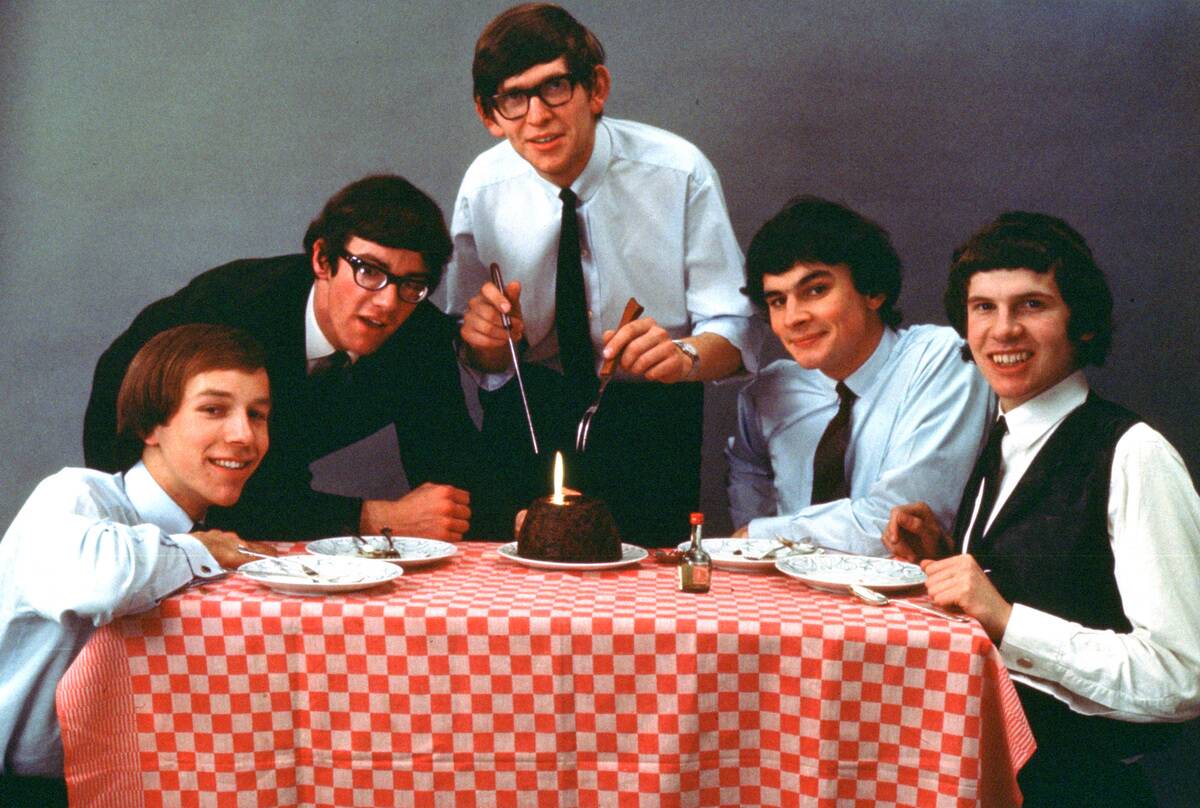
The Zombies, formed in the early 1960s, were known for their rich harmonies and sophisticated arrangements. Their album Odessey and Oracle is a baroque pop masterpiece, featuring the timeless hit ‘Time of the Season.’
Despite their initial breakup shortly after its release, the album gained cult status, and the band is now considered one of the most influential of their era, celebrated for their innovation and style.
The Stone Roses: Britpop’s Overlooked Icons
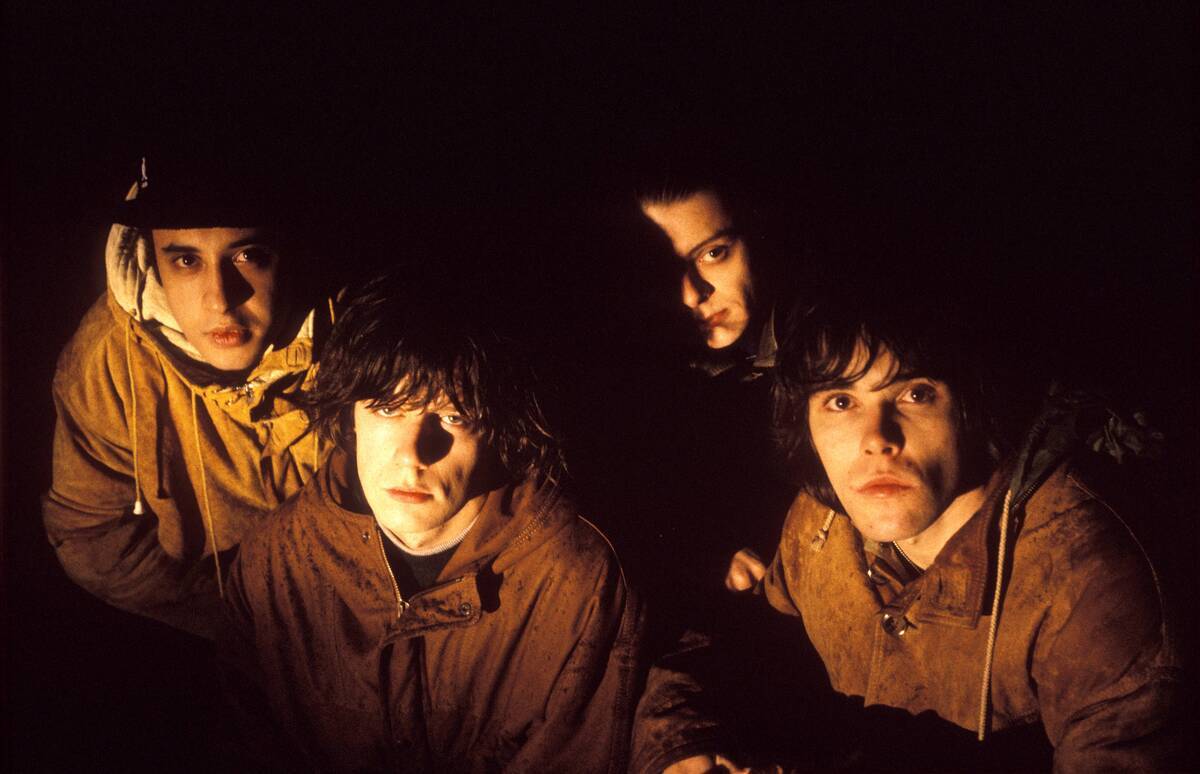
The Stone Roses, part of the late ’80s Manchester scene, played a pivotal role in the development of Britpop. Their self-titled debut album is often cited as one of the greatest British albums of all time, blending rock, dance, and psychedelic elements.
Despite legal battles and a lengthy hiatus stalling their momentum, their impact on bands like Oasis and Blur is undeniable, cementing their place in music history.
Big Audio Dynamite: The Clash’s Experimental Offshoot
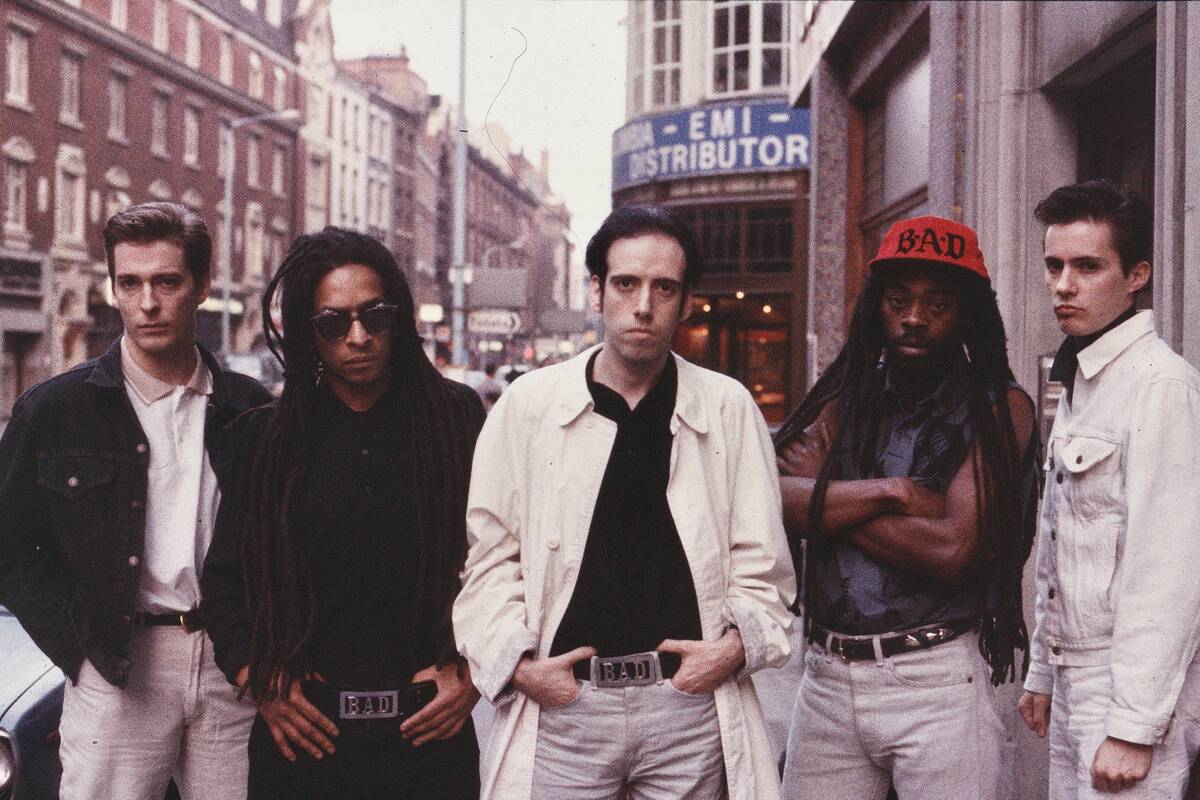
Formed by former Clash guitarist Mick Jones in 1984, Big Audio Dynamite fused punk rock with diverse influences, including funk, reggae, and hip-hop.
Their innovative use of sampling and eclectic sound can be heard on tracks like ‘E=MC²’ and ‘The Bottom Line.’ While they didn’t reach the heights of The Clash, their experimental approach has been recognized as ahead of its time, influencing the evolution of electronic music.
Hüsker Dü: The Architects of Alternative Rock
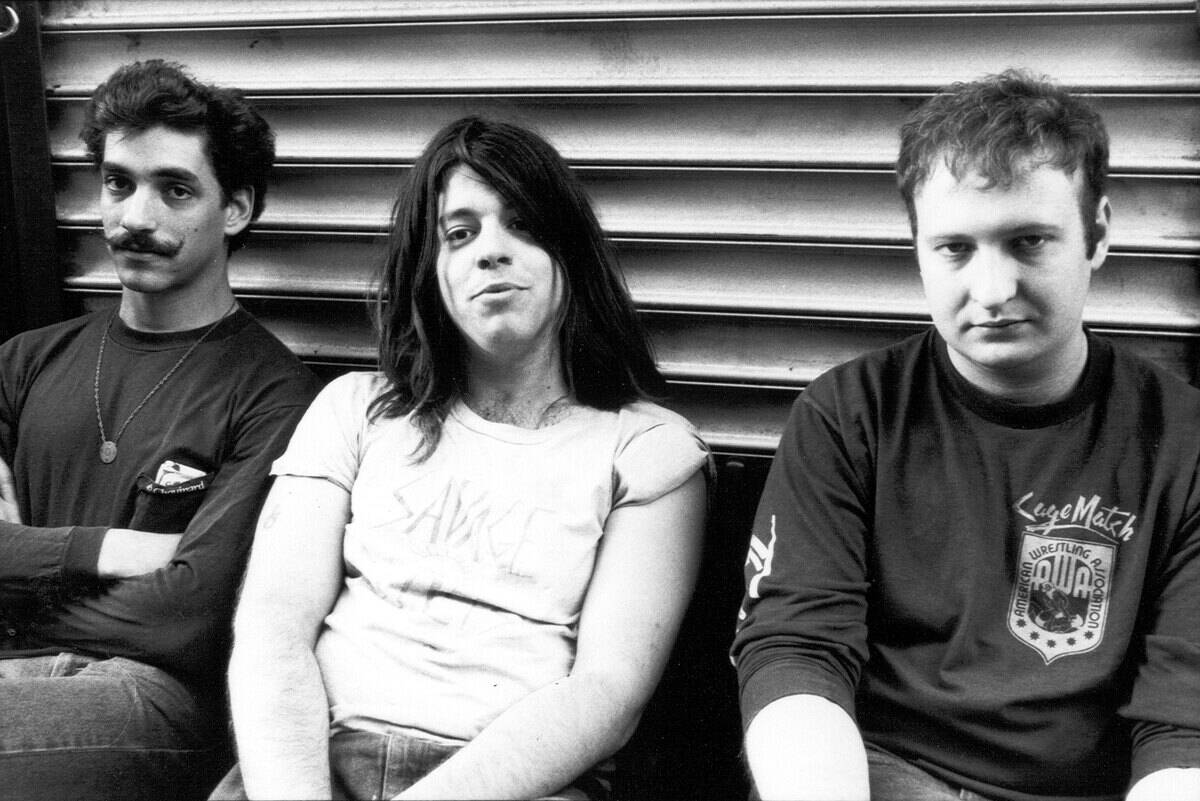
Hailing from Minnesota, Hüsker Dü was a pioneering force in the American punk and alternative rock scenes. Their blend of melodic hooks and hardcore punk intensity on albums like Zen Arcade helped shape the sound of alternative music in the 1980s.
Despite their breakup in 1988, their influence can be heard in the music of Nirvana, Foo Fighters, and countless other bands who followed in their footsteps.
The Jam: Mod Revival’s Leading Lights
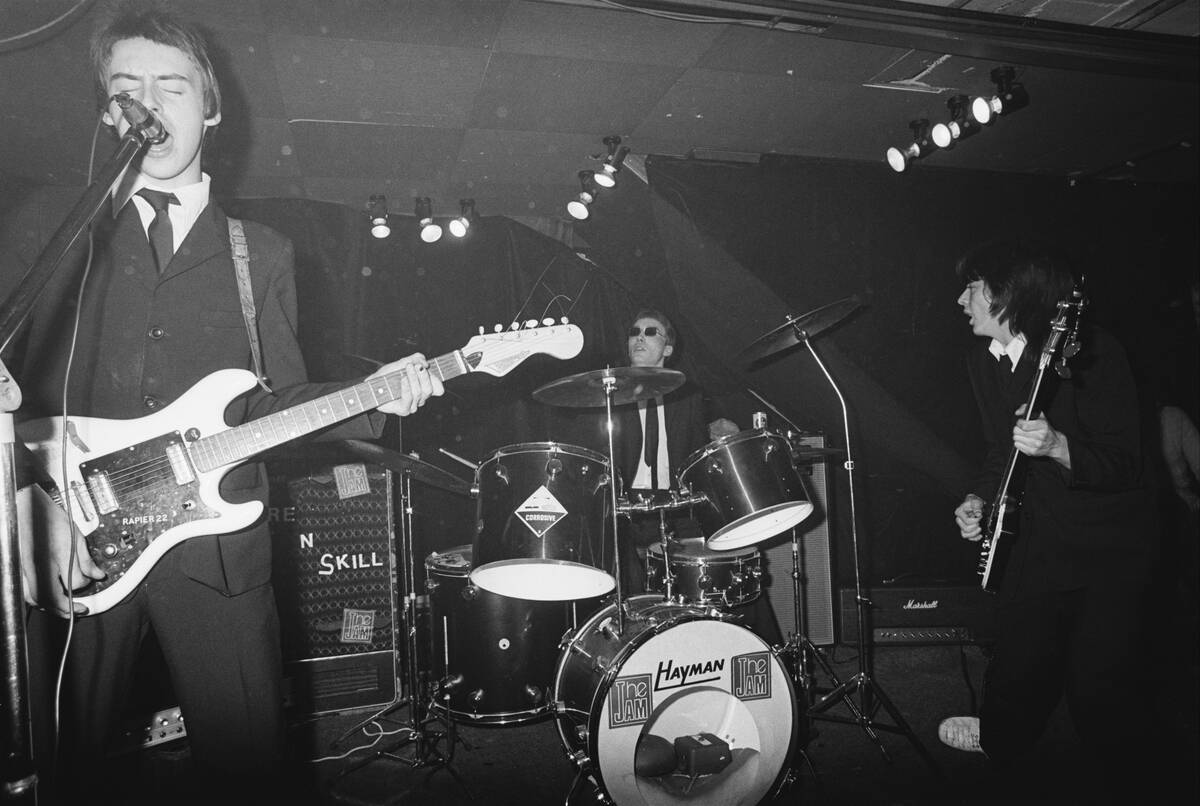
The Jam, led by Paul Weller, were key figures in the late 1970s mod revival in the UK. With a sound that combined punk energy with the style and sensibility of 1960s mod, they produced hits like ‘Going Underground’ and ‘Town Called Malice.’
While their career was relatively short-lived, The Jam left a lasting legacy, influencing bands from Blur to Arctic Monkeys with their sharp lyrics and distinct style.
The Go-Betweens: Indie Pop Perfectionists
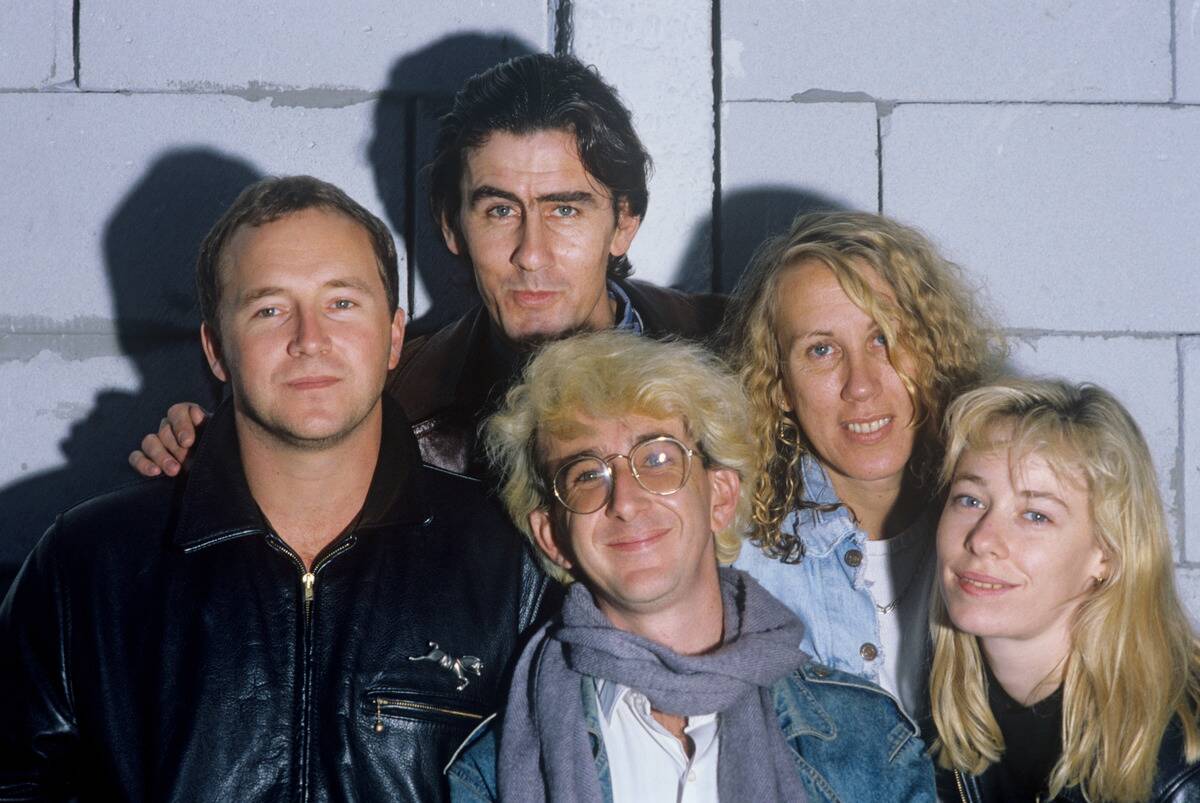
The Go-Betweens, formed in Brisbane in 1977, crafted a unique brand of indie pop characterized by poetic lyrics and jangly guitars. Albums like 16 Lovers Lane showcased their ability to blend melancholic themes with sunny melodies.
Though they never achieved widespread fame, their music has been celebrated for its depth and beauty, earning them a devoted following and influencing indie musicians worldwide.
Nick Drake: The Cult Figure of Folk Music
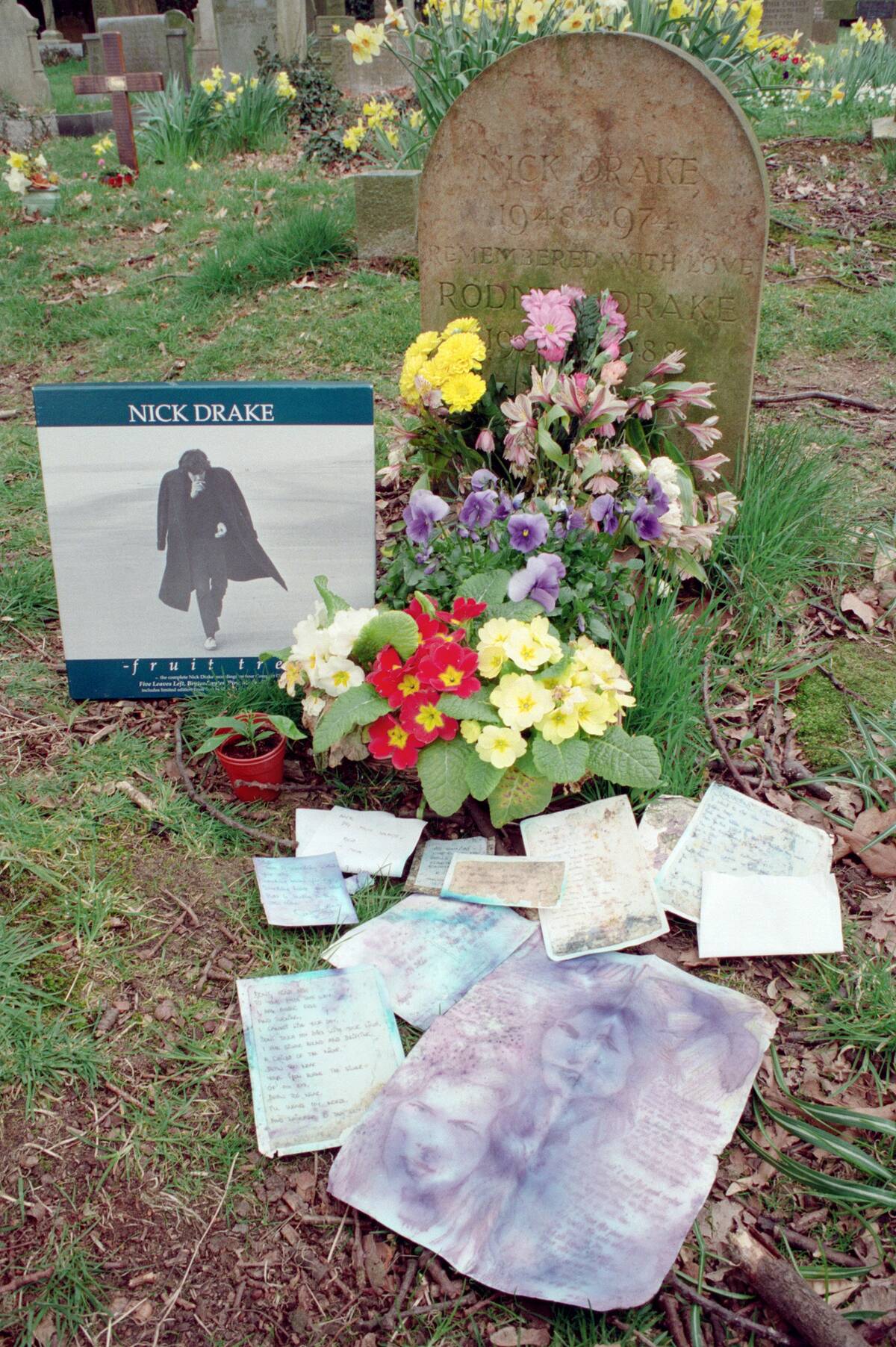
Nick Drake’s hauntingly beautiful music went largely unnoticed during his lifetime, but his influence has grown significantly over the decades. His introspective lyrics and intricate guitar work on albums like Pink Moon have resonated with audiences long after his untimely death in 1974.
Today, Drake is revered as a seminal figure in folk music, influencing artists like Elliott Smith and Bon Iver with his melancholic yet hopeful sound.
The Flying Burrito Brothers: Country Rock Groundbreakers
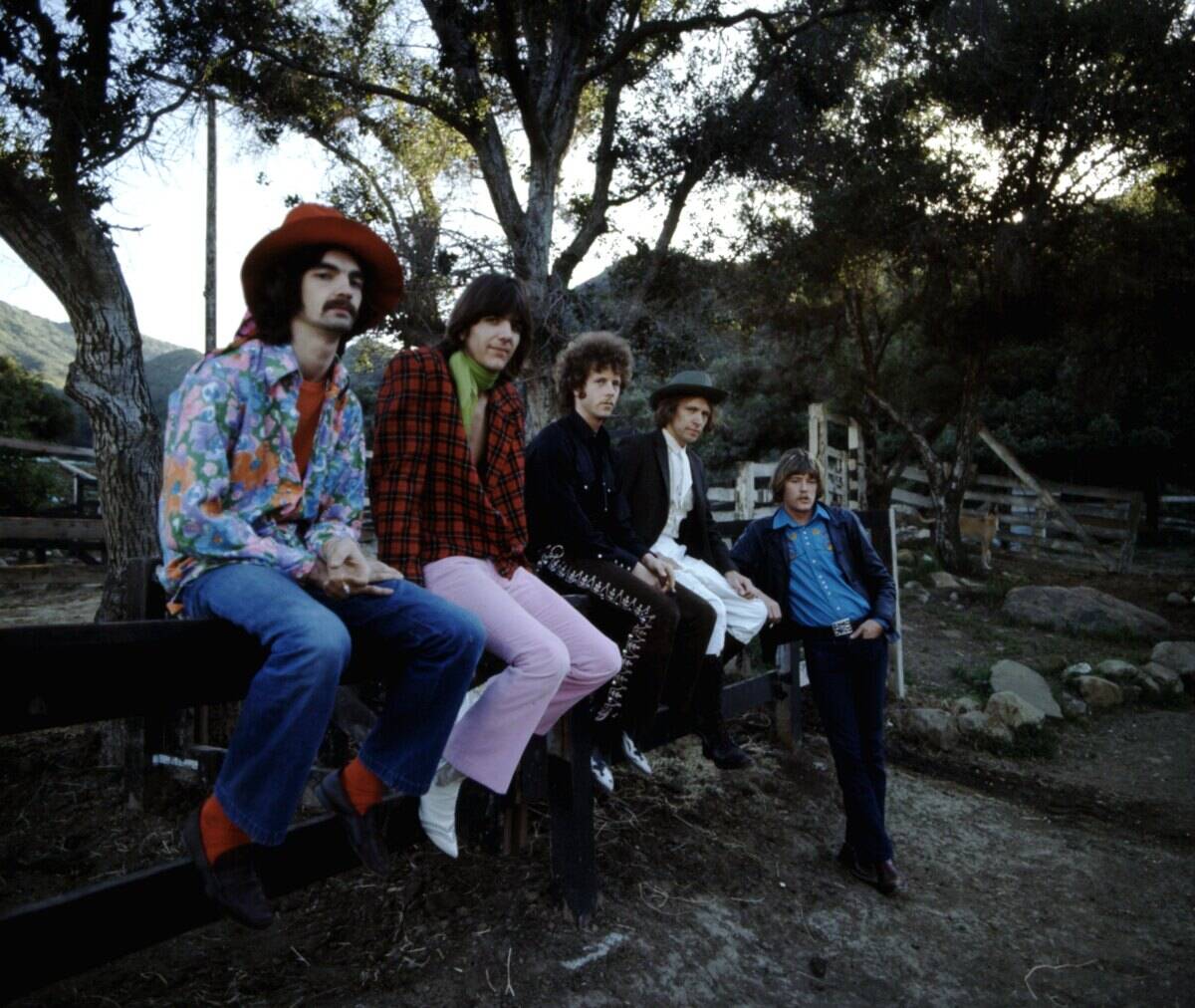
The Flying Burrito Brothers, led by Gram Parsons, were pioneers in blending country music with rock and roll. Their 1969 album The Gilded Palace of Sin is considered a cornerstone of the country rock genre.
Despite internal conflicts and commercial struggles, their innovative sound paved the way for future acts like The Eagles and helped shape the country rock movement, earning them a place in music history.




