Great bands that critics totally disregarded
In the vast universe of music, some bands shine brightly while others remain hidden in the shadows. It’s a curious phenomenon how certain bands, despite their talent and innovation, never quite receive the recognition they deserve.
These underappreciated gems often influence countless artists and genres, yet their names rarely grace the top of the charts. Let’s dive into the stories of these enigmatic bands that have contributed immensely to music history.
The Clash Between Critics and Bands: A Tale as Old as Time

The relationship between critics and musicians has always been a tumultuous one. Critics often wield significant power in shaping public perception, yet their opinions can sometimes diverge wildly from the fans’.
While some bands are showered with praise, others find themselves on the receiving end of harsh reviews, despite having a dedicated fan base. This disconnect highlights the subjective nature of music appreciation, where the true value of a band sometimes only emerges with time.
The Velvet Underground: Pioneers of the Avant-Garde
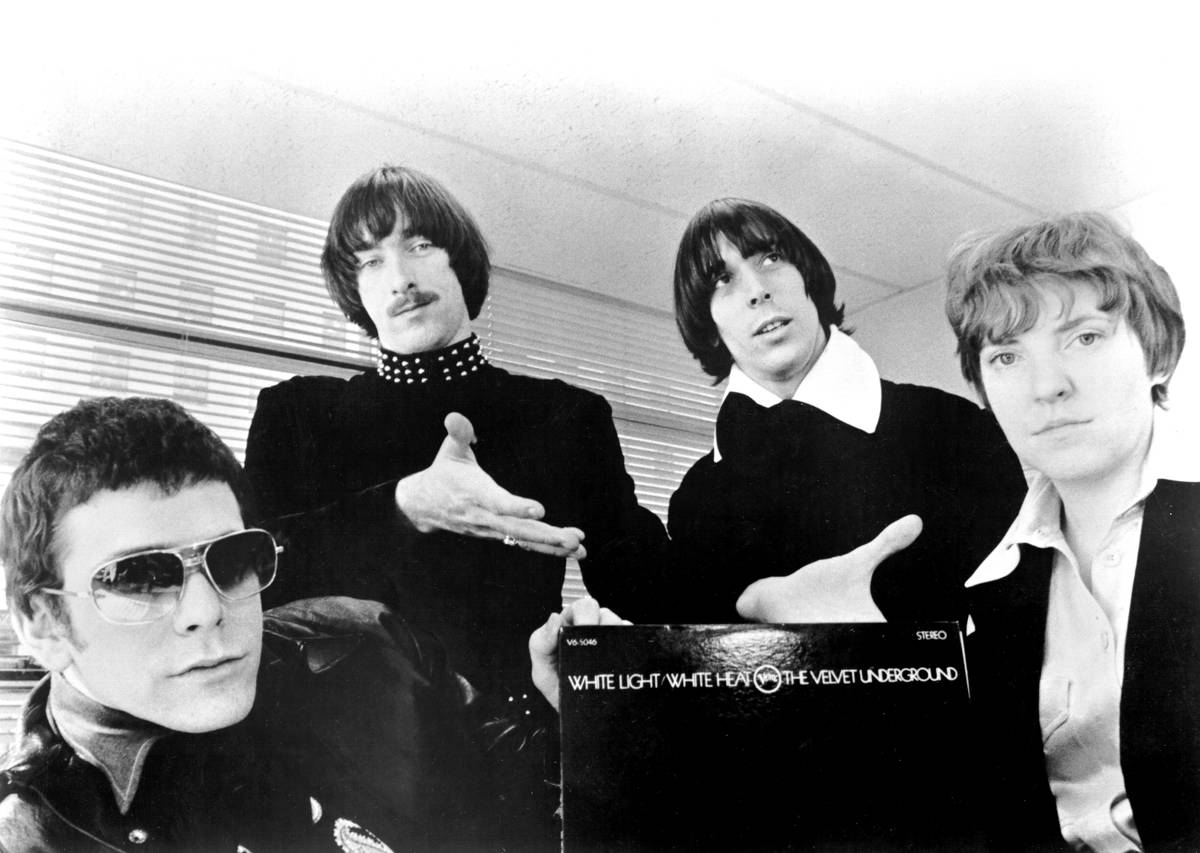
The Velvet Underground, led by the enigmatic Lou Reed, were true pioneers of the avant-garde music scene. Their debut album, ‘The Velvet Underground & Nico’, released in 1967, was initially a commercial failure but is now hailed as one of the greatest albums of all time.
With its experimental sound and provocative lyrics, the band influenced countless artists, proving that true innovation often takes years to be fully appreciated.
KISS: A Spectacle That Critics Didn’t Take Seriously
![[redacted]](https://media.tellmebest.com/wp-content/uploads/2023/10/kiss-91024.jpeg)
For critics, it was easy to dismiss KISS as a gimmick band that amounted to all style and no substance. Their provocative branding and spectacular live shows earned them legions of fans who understood their appeal, but there wasn’t much about them that impressed critics musically.
In fairness, their music didn’t quite match their look, as it was more straightforward rock and roll than their heavy metal aesthetics implied. Still, it didn’t make their brand of rock and roll any less catchy or enjoyable to listeners the world over. A lot of people really did just want to rock and roll all night and party every day.
Led Zeppelin: Legends Who Were Once Surprisingly Hated
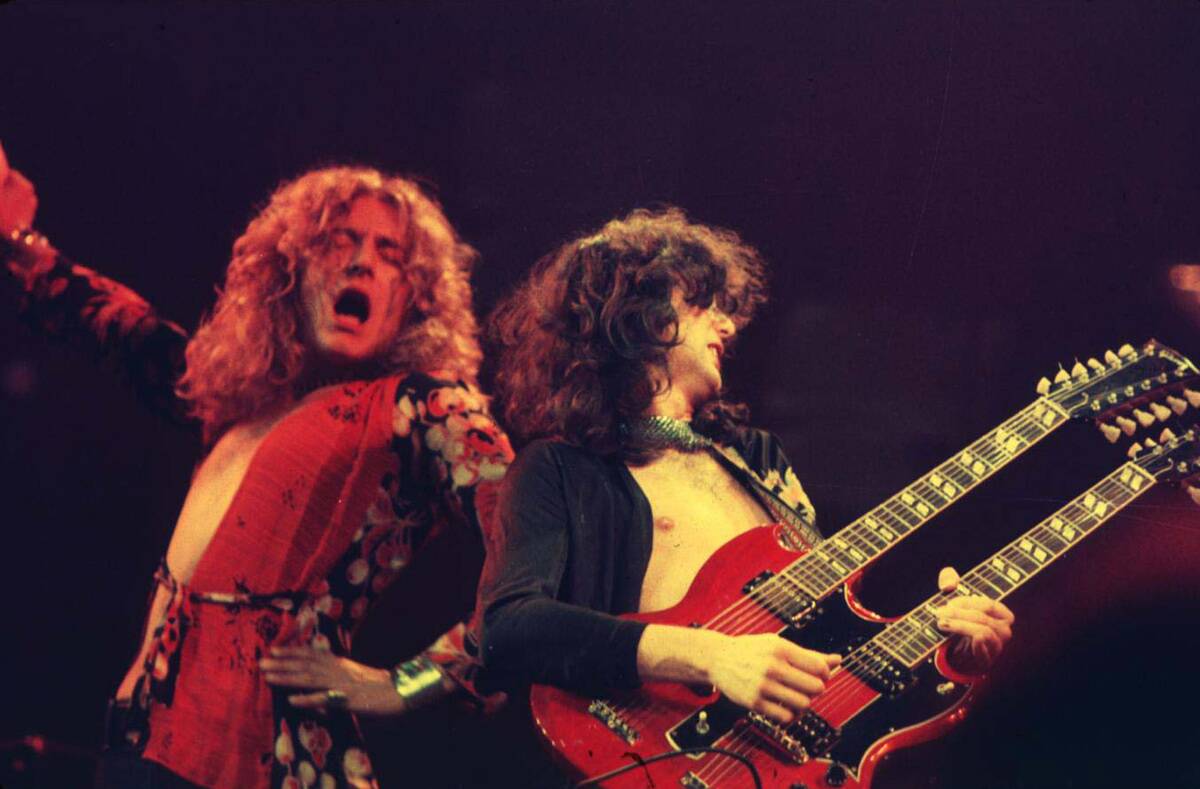
Nowadays, opening a copy of Rolling Stone is likely to yield at least one glowing mention of Led Zeppelin as veritable rock gods, heavy metal pioneers, and the makers of all-time classics that will live forever in the hearts of fans and critics alike.
However, that wasn’t how they were perceived when they first emerged. The same publication wrote them off as loud and unoriginal, not appreciating the scene that they were about to spearhead. Naturally, decades of people appreciating their talents, poring over their run of albums, and seeing what their imitators couldn’t get right did a lot to all but erase this perception from history.
AC/DC: A Reliable Act That Critics Didn’t Appreciate
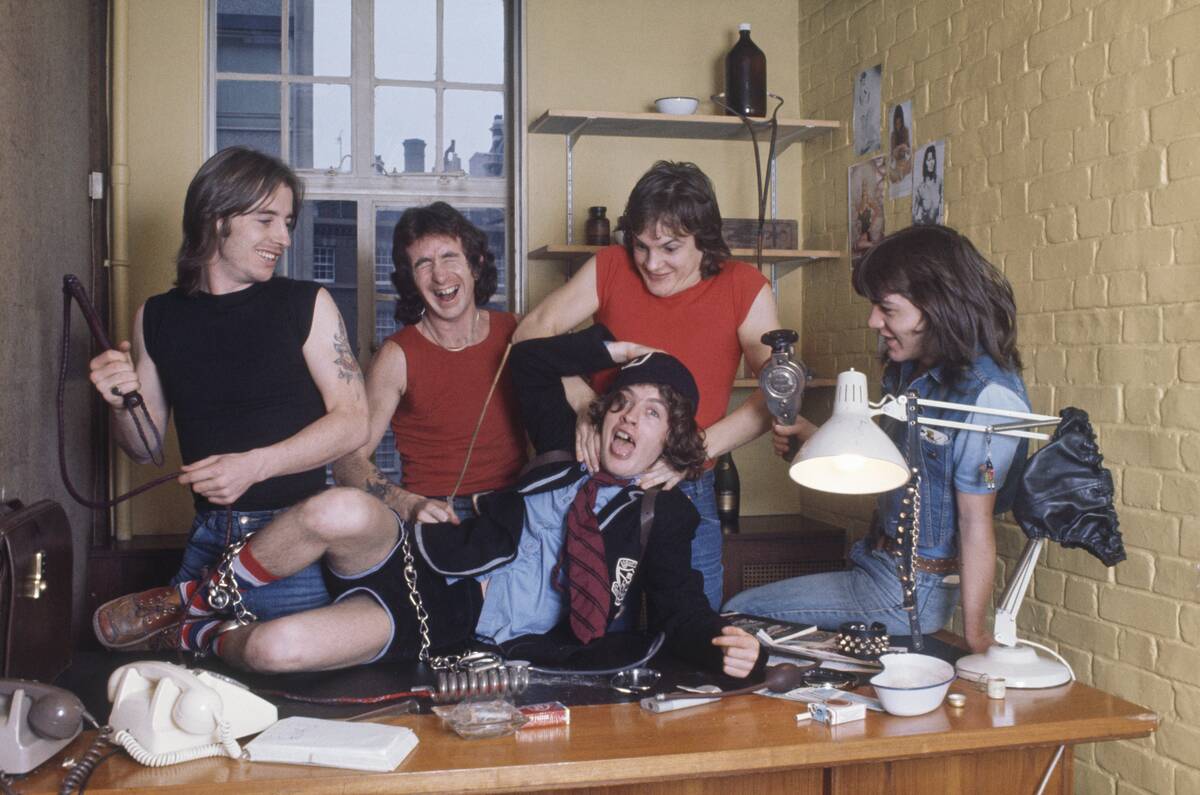
AC/DC were the very definition of “if it ain’t broke, don’t fix it.” They landed on their electrifying hard rock sound early and perfected its energy and bite, even to the point of being able to soldier on past the sudden death of original lead singer Bon Scott and fit Brian Johnson right into their existing formula.
However, that formula did a lot to draw the ire of critics, who wrote them off as overly simplistic and constantly releasing music that sounded the same. Nonetheless, their passion and longevity as a touring act and the way they made their signature sound work meant these dismissals stopped mattering before long.
Big Star: Power Pop That Went Unnoticed
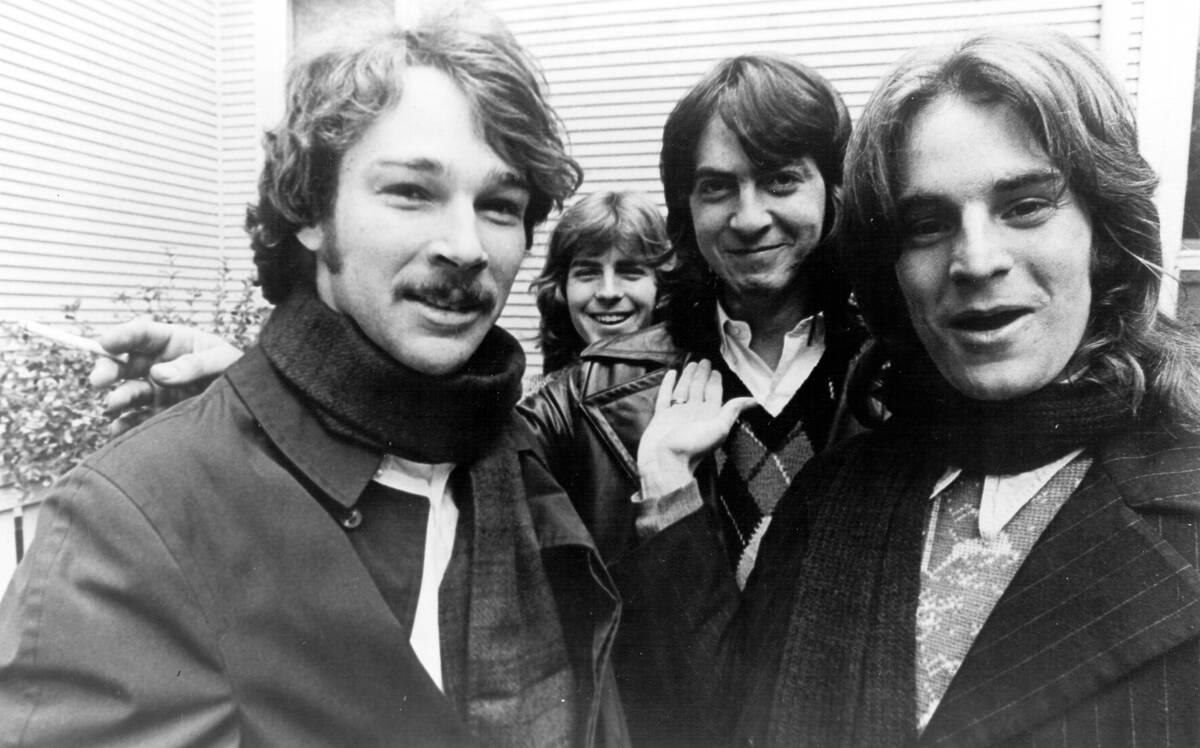
Big Star’s blend of jangly guitars and melodic hooks laid the groundwork for countless power pop bands. Despite their catchy tunes and insightful lyrics, albums like #1 Record failed to make a significant commercial impact.
Over the years, however, Big Star’s influence has been recognized, with many contemporary artists citing them as a major inspiration. Their story is a testament to the enduring power of great music.
The Replacements: Punk Rock’s Overlooked Heroes

The Replacements, with their raucous energy and heartfelt lyrics, were pivotal in shaping the alternative rock scene. However, their chaotic live shows and unpredictable behavior often overshadowed their musical prowess.
Albums like Let It Be and Tim are now considered classics, celebrated for their blend of punk rock attitude and melodic sensibility. Despite their initial struggles, The Replacements’ legacy continues to grow.
Nick Drake: The Folk Legend Who Wasn’t Heard

Nick Drake’s hauntingly beautiful music went largely unnoticed during his lifetime. With his delicate voice and intricate guitar work, albums like Pink Moon have since garnered a cult following.
Drake’s introspective lyrics and melancholic melodies have influenced a myriad of artists across genres, showcasing the timeless appeal of his work. His posthumous recognition is a bittersweet reminder of the often delayed appreciation of true artistry.
Guns N Roses: Too Edgy For The Critics Of The Day

Although Guns N Roses were very much in step with the Los Angeles hard rock scene of the late ’80s, the whirlwind success of their debut album, Appetite For Destruction, led them to dwarf everyone else in that scene to the point of seemingly unlike anything else in the genre. That made them exciting to the record-buying public, but their personal antics and edgy subject matter came off as hideously gauche to critics.
While it’s true that Guns N Roses had a difficult and polarizing trajectory, it nonetheless stands that Appetite For Destruction has aged better than its criticisms in the public consciousness.
Rush: Critics Hated What They Didn’t Understand
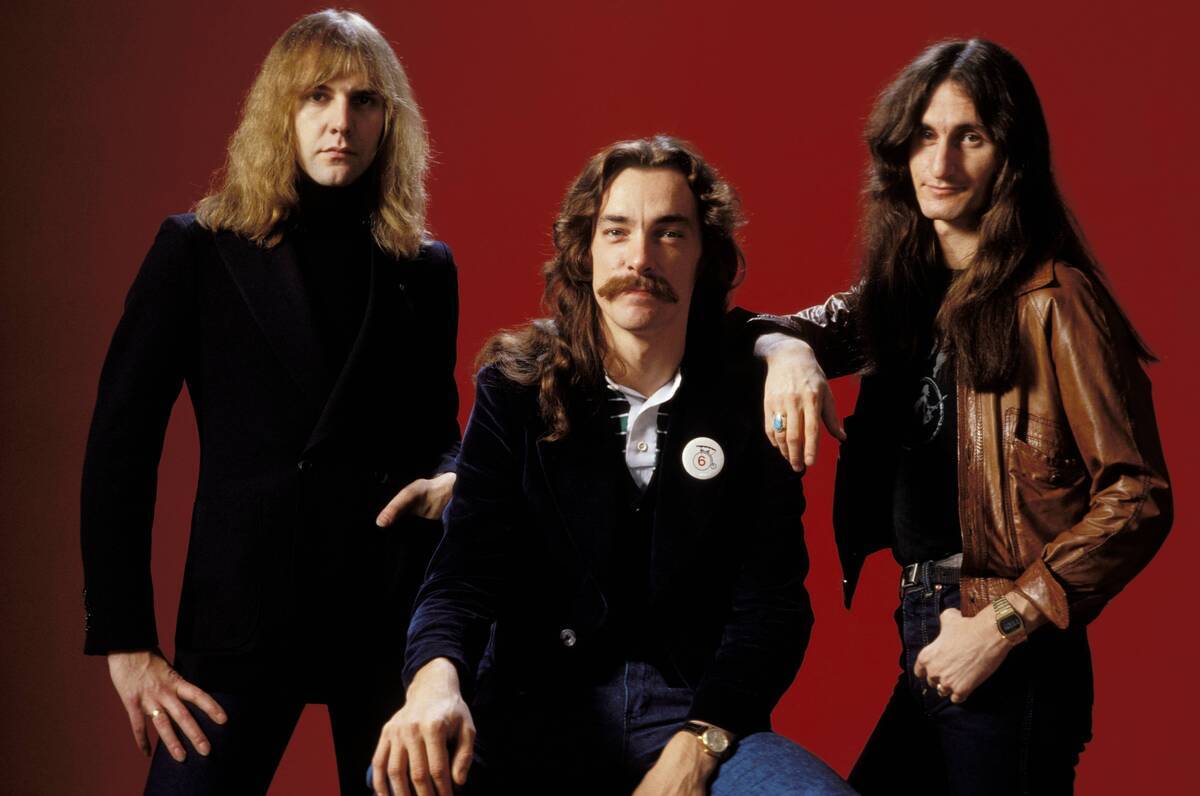
Considering the virtuosity of their musicianship (especially late drummer Neil Peart), their cerebral concept albums, and their ability to craft catchy singles like “Tom Sawyer” alongside these experiments, one would expect Rush to be a critic’s dream. And while that’s closer to the consensus among modern critics, it seems that those writing during Rush’s prime years didn’t get them at all.
Instead, these were all qualities that critics saw as inauthentic and uncool. As they saw it, their impressive musicianship and lyrical ambitions weren’t raw enough to be seen as authentic rock and roll. That just sounds like a roundabout way to call them nerds.
Motley Crüe: The Furthest Thing From A Critical Darling
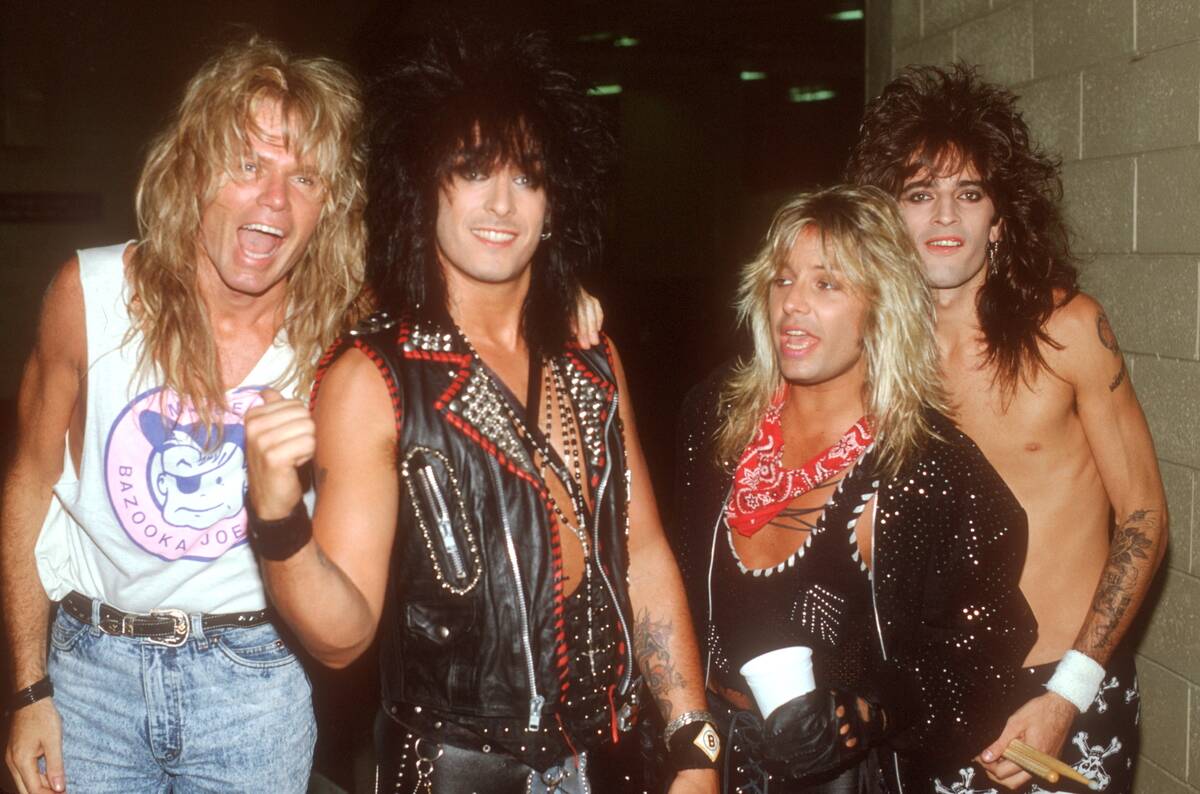
Although it would be an exaggeration to say critics hated Motley Crüe, it’s nonetheless true that many weren’t impressed by them. Still, some like Robert Christgau got particularly vitriolic about their 1984 album Shout At The Devil, which is now considered one of their best.
In this band’s case, however, some critical dismissals had more to do with the directions the band tried to take after hair metal died out with the dawn of the ’90s. In such cases, it didn’t matter how they initially felt about Shout At The Devil or Dr. Feelgood, as they were more universally preferred to much of their ’90s work and beyond.
Devo: The Quirky Innovators of New Wave

Devo, with their eccentric style and satirical lyrics, were pioneers of the new wave movement. Their hit song ‘Whip It’ became a defining track of the era, yet the band remained somewhat of a curiosity.
Devo’s innovative use of technology and multimedia performance art has since been recognized as ahead of its time, influencing artists in both music and visual arts. Their quirky approach continues to inspire those who dare to be different.
Pixies: Alt-Rock Innovators Ahead of Their Time

Pixies were a major force in the alternative rock scene, with their unique blend of surf rock, punk, and indie sounds. Despite their critical acclaim, they never achieved massive commercial success during their initial run.
Their influence, however, is undeniable, with bands like Nirvana citing them as a key inspiration. Pixies’ ability to blend disparate genres into something entirely new laid the groundwork for the alt-rock explosion of the ’90s.
The Kinks: British Invasion Giants Overlooked
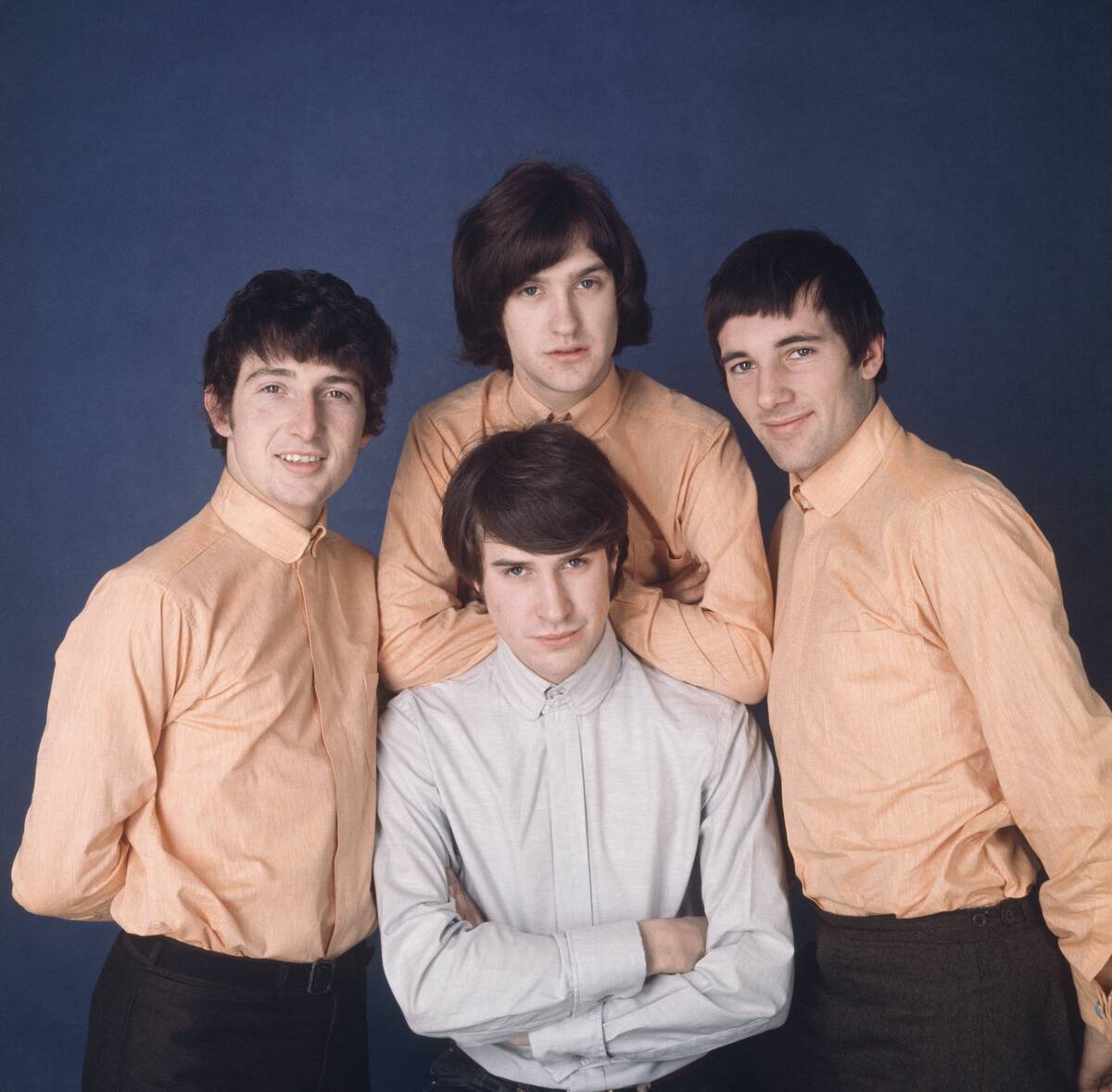
The Kinks, led by the talented Ray Davies, were a key part of the British Invasion. Despite their innovative songwriting and distinctive sound, they were often overshadowed by contemporaries like The Beatles and The Rolling Stones.
Albums such as The Kinks Are the Village Green Preservation Society are now regarded as masterpieces, praised for their incisive lyrics and musical creativity. Their legacy as one of the great British bands continues to grow.
Joy Division: Post-Punk Pioneers Underappreciated in Their Time

Joy Division’s haunting sound and introspective lyrics set them apart in the post-punk era. Led by the enigmatic Ian Curtis, their music explored themes of alienation and existential despair.
Despite limited commercial success during their brief career, albums like ‘Unknown Pleasures’ have since become iconic. Joy Division’s influence is profound, shaping the sound of countless bands and cementing their status as post-punk pioneers.
The Zombies: Psychedelic Rockers with Missed Recognition
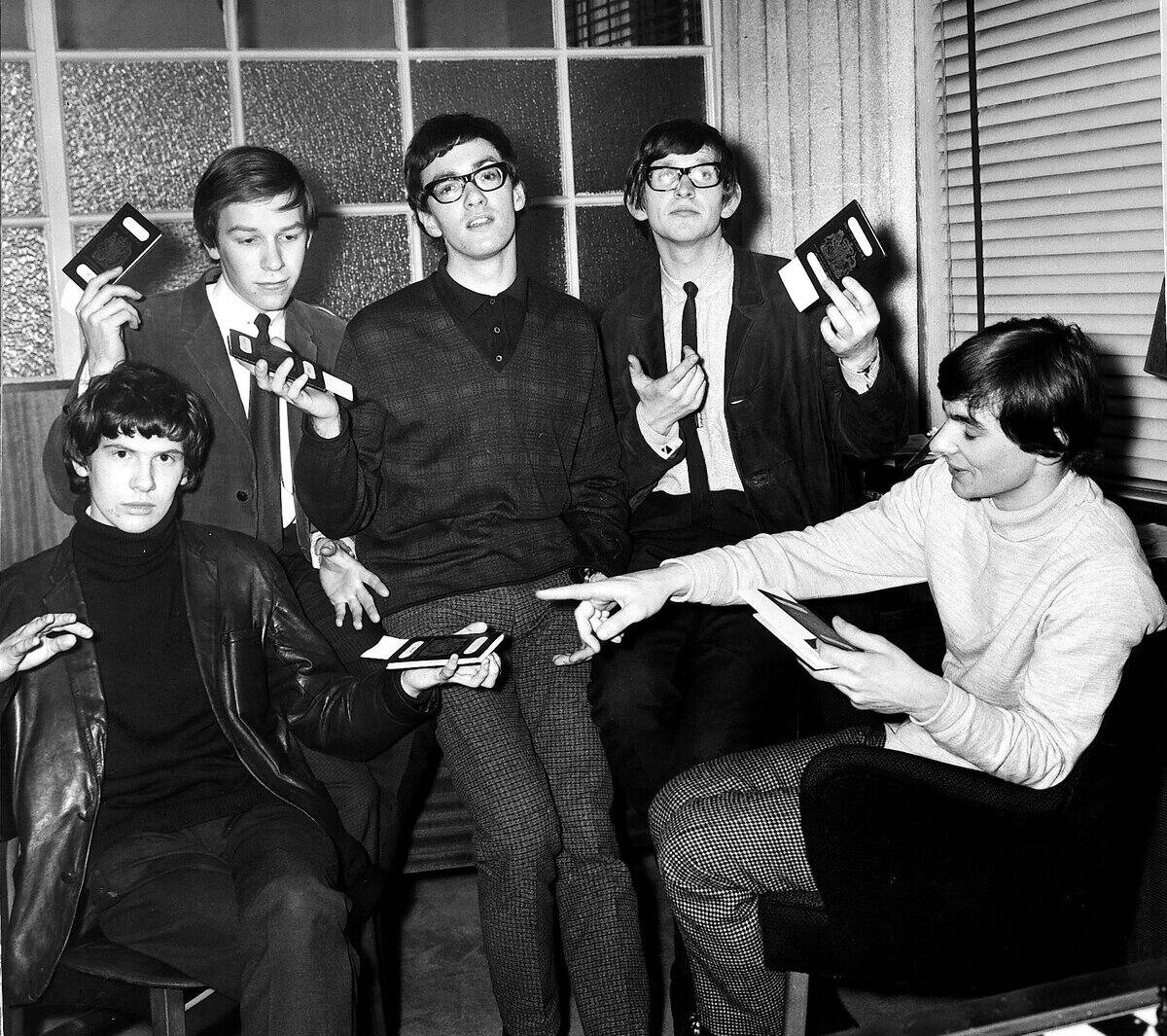
The Zombies’ lush melodies and intricate harmonies crafted some of the most beautiful music of the 1960s. Despite the brilliance of tracks like ‘Time of the Season’, they never achieved the same level of fame as their peers.
Their album Odessey and Oracle is now hailed as a psychedelic masterpiece, belatedly recognized for its sophistication and depth. The Zombies’ story is one of overlooked genius finally getting its due.
Ramones: The Godfathers of Punk with Little Critical Love
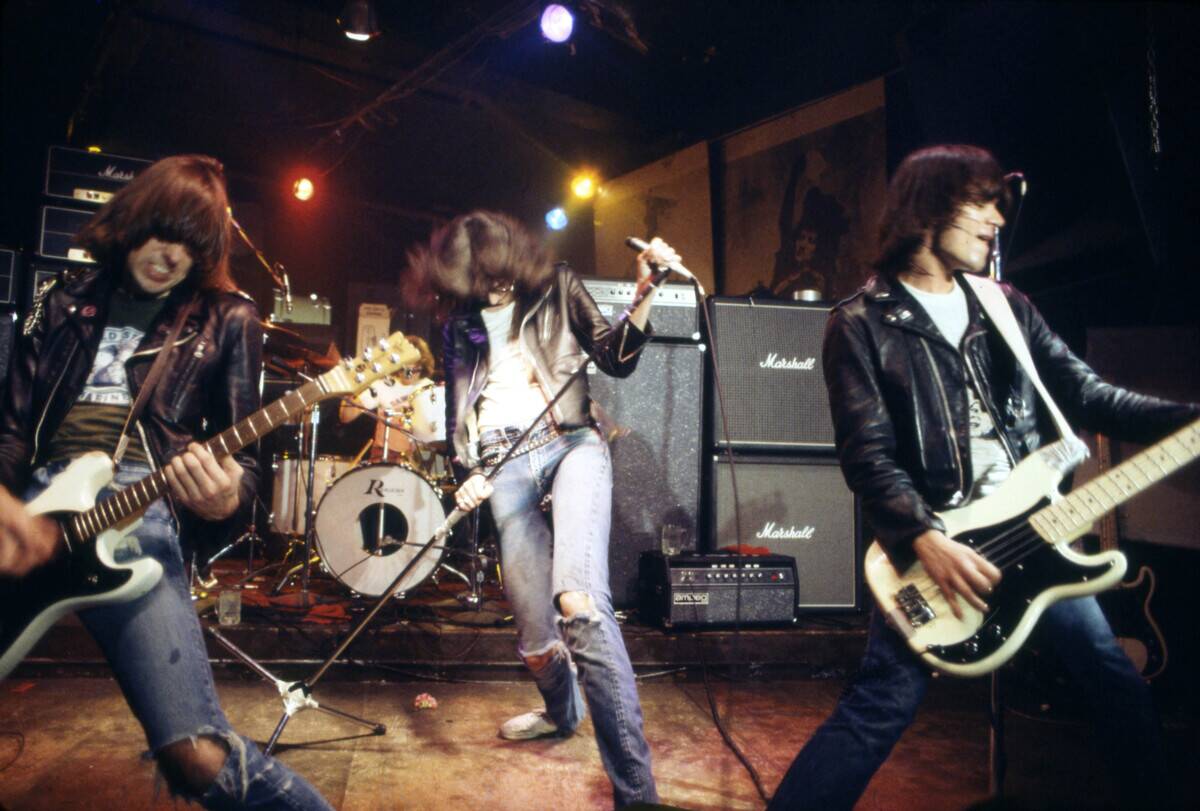
The Ramones, with their fast-paced songs and minimalist style, are often credited as the godfathers of punk rock. Despite their pivotal role in the punk movement, they struggled to gain critical recognition during their career.
Their relentless touring and iconic songs like ‘Blitzkrieg Bop’ eventually earned them a devoted following, and their influence is now seen in countless punk and rock bands. The Ramones’ legacy as punk pioneers is firmly established.
T. Rex: Glam Rock’s Glittering Stars in the Shadows
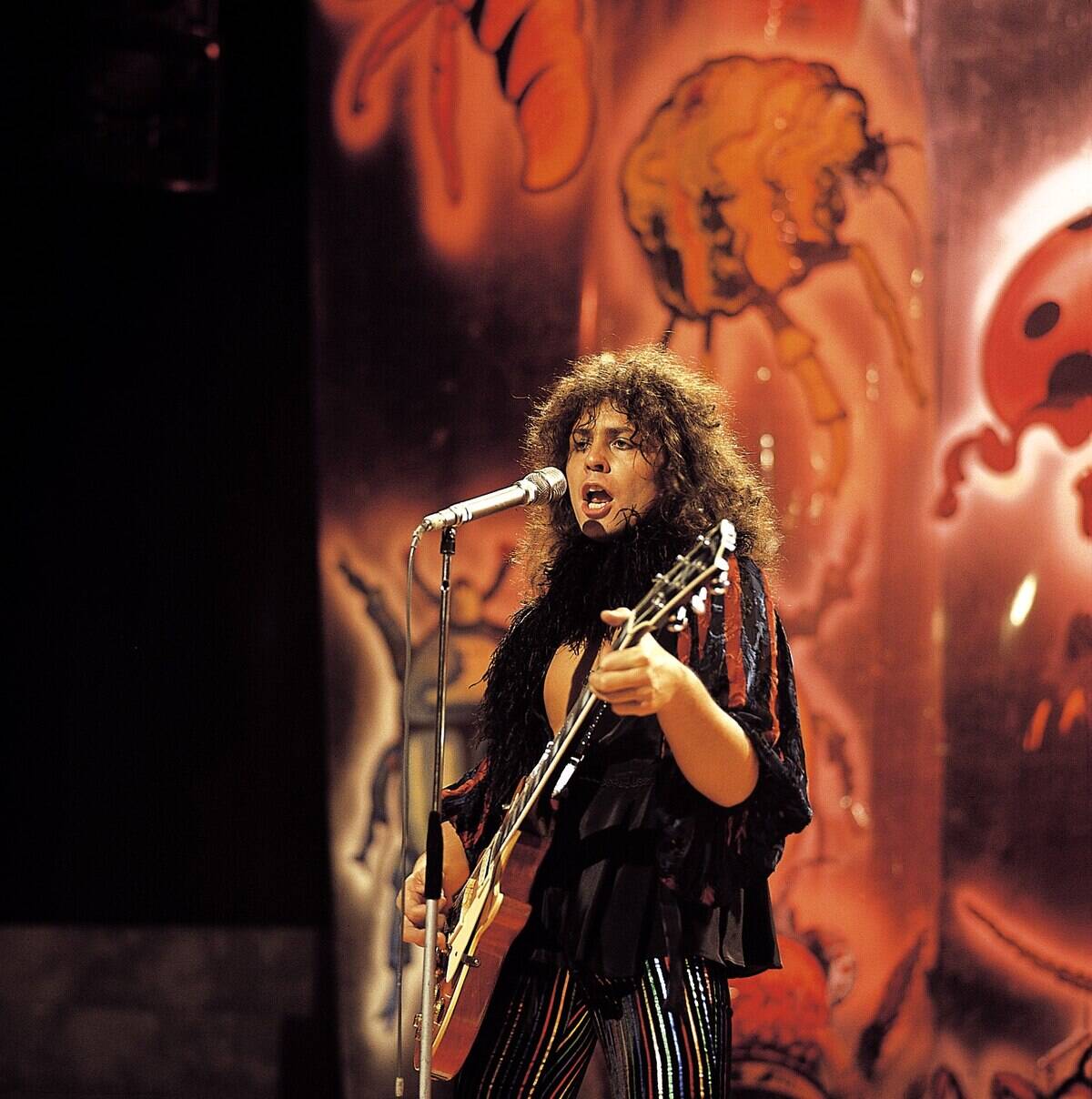
T. Rex, fronted by the charismatic Marc Bolan, were trailblazers of the glam rock movement. Despite their success with hits like ‘Get It On’, they were often overshadowed by larger acts.
Their flamboyant style and infectious songs have since been celebrated for their impact on both music and fashion. T. Rex’s blend of rock and theatricality has influenced generations of artists, highlighting the lasting appeal of their glittering legacy.
MC5: Revolutionaries of Rock and Roll
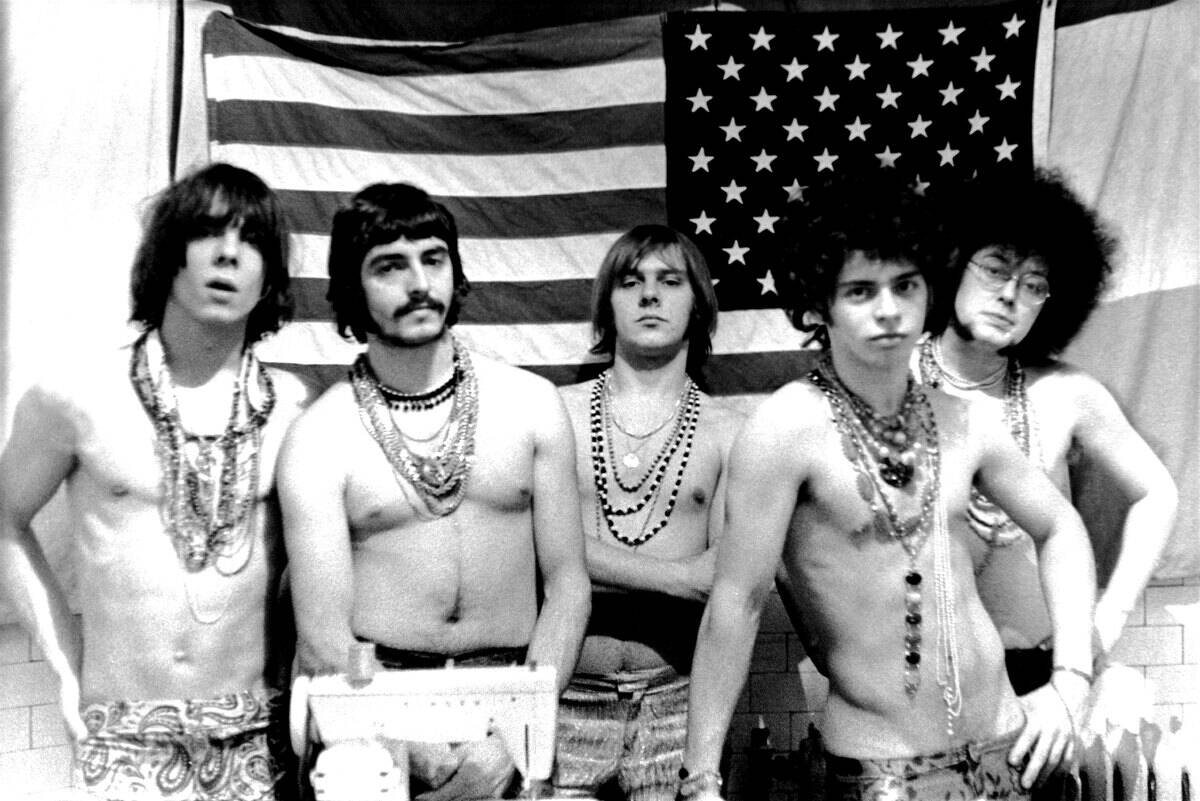
MC5, known for their high-energy performances and radical politics, were true revolutionaries of rock and roll. Their debut album Kick Out the Jams captured the raw power of their live shows but received mixed reviews.
Despite their limited commercial success, MC5’s influence is undeniable, paving the way for punk and alternative rock movements. Their rebellious spirit and uncompromising sound continue to inspire musicians who challenge the status quo.
Black Sabbath: The Forefathers of Metal Misunderstood
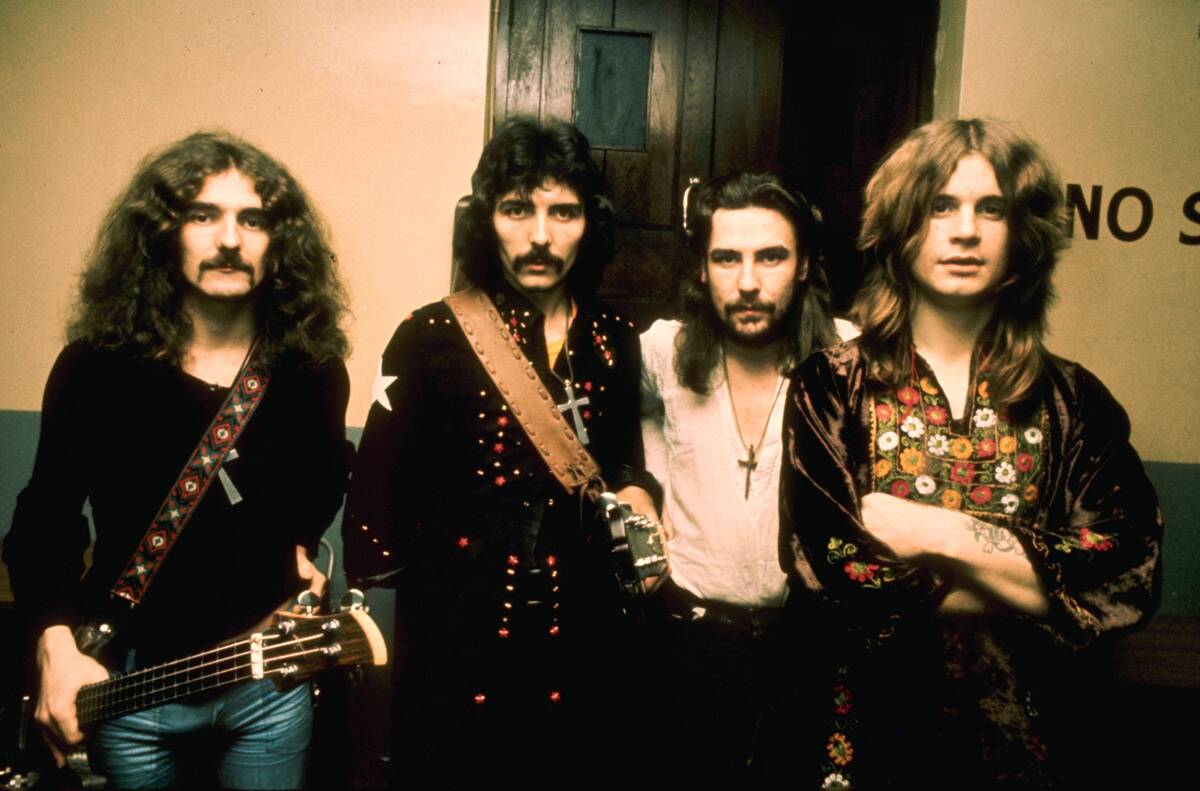
Black Sabbath, often hailed as the forefathers of heavy metal, faced significant critical disdain during their early years. Albums like Paranoid are now considered classics, yet at the time, their dark themes and heavy riffs were often misunderstood.
Despite the initial criticism, Black Sabbath’s influence on metal and rock is immense, and their pioneering sound has inspired countless bands across the globe. Their journey from misunderstood to legendary is a testament to their enduring impact.
The Misfits: Horror Punk Outcasts
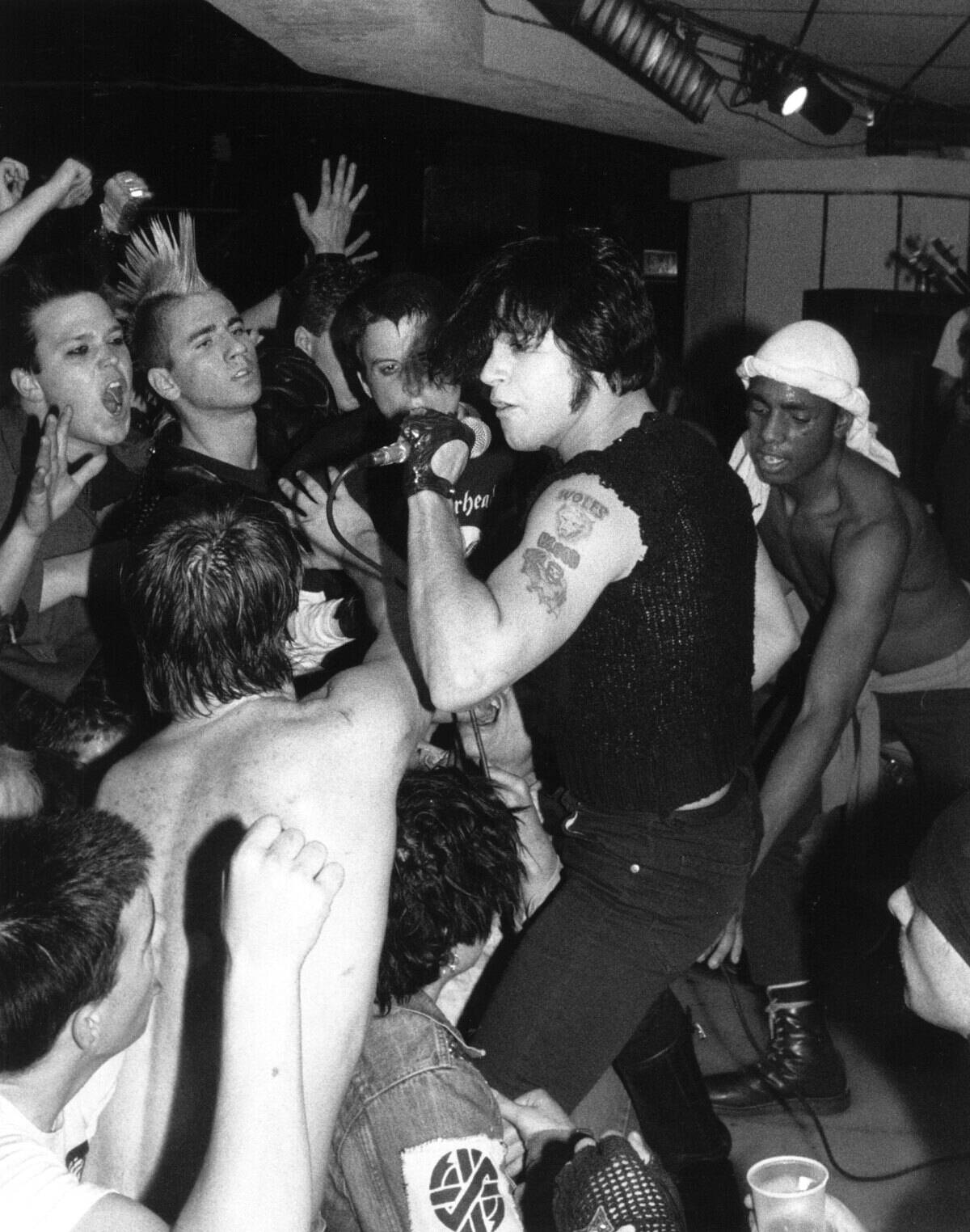
The Misfits, with their horror-inspired imagery and energetic music, carved out a niche in the punk rock scene. Despite their cult following, they were often dismissed by critics.
Their fusion of punk rock with horror themes created a unique subgenre that has influenced many artists. The Misfits’ iconic skull logo and catchy tunes continue to resonate with fans, proving that their macabre vision was ahead of its time.
Can: Krautrock Innovators Lost in Translation
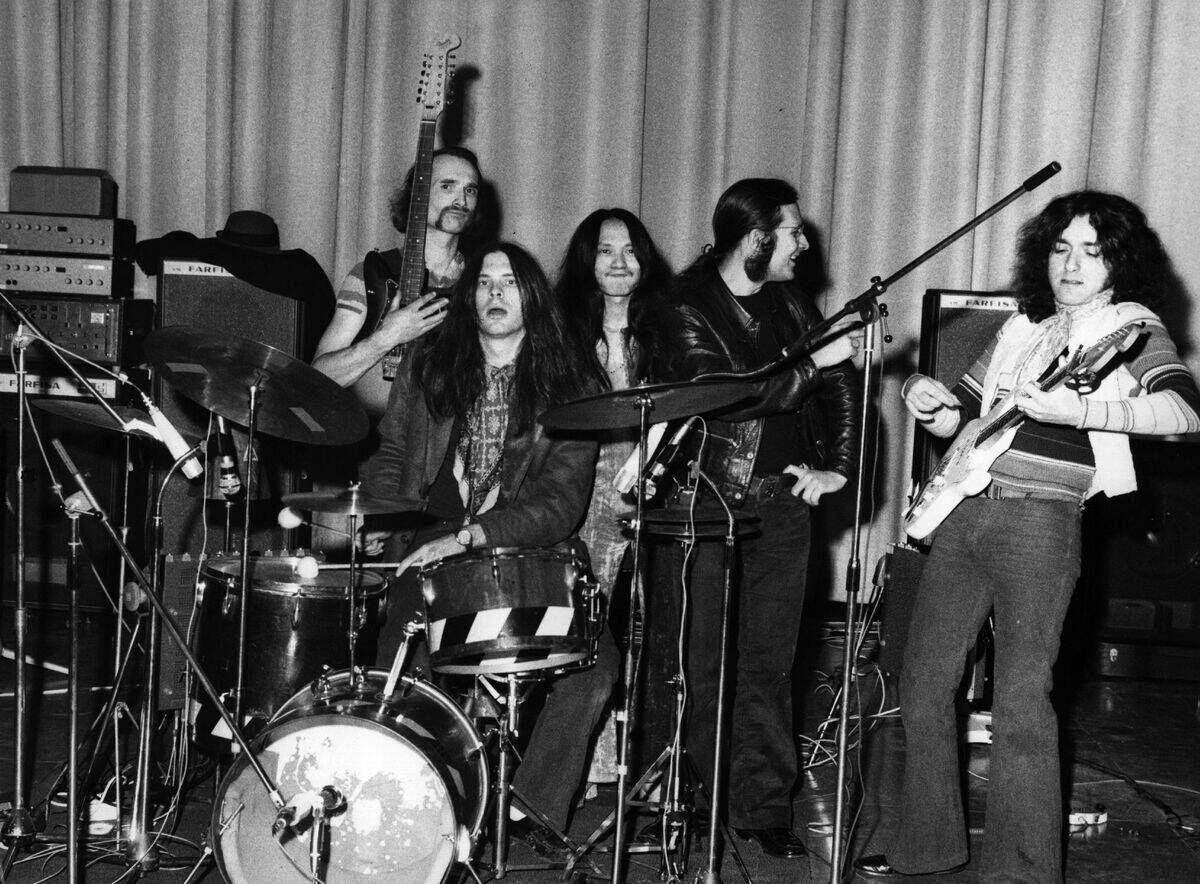
Can, a cornerstone of the Krautrock movement, were known for their experimental sound and improvisational style. Albums like Tago Mago showcased their innovative approach to music, blending rock, jazz, and electronic influences.
Despite their groundbreaking work, Can’s music was often lost in translation outside of Germany. Today, they are celebrated for their contribution to avant-garde music, with their influence reaching across genres and generations.
The Byrds: Jangly Rockers with Limited Acclaim
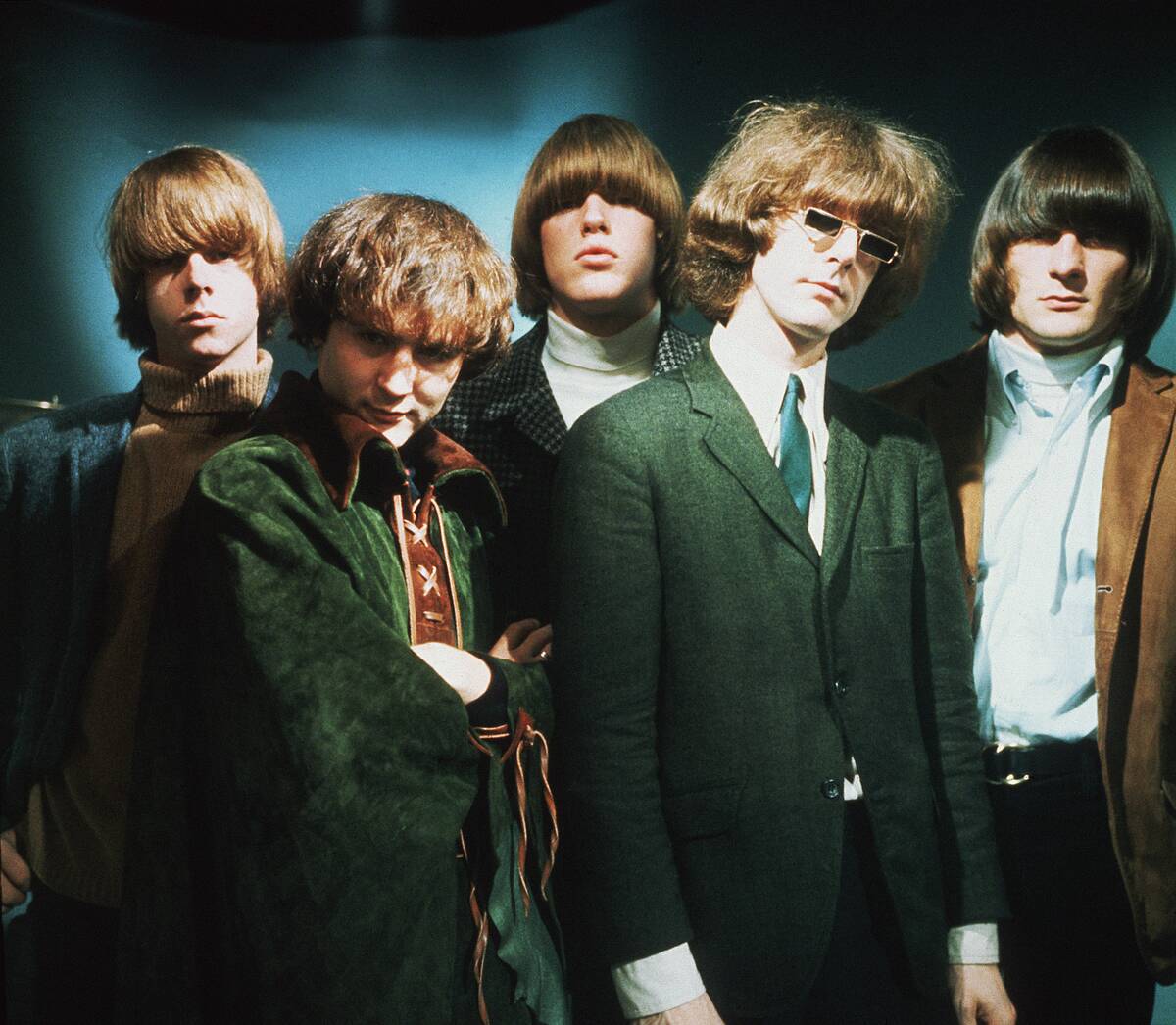
The Byrds, with their jangly guitars and harmonious vocals, were instrumental in popularizing folk rock. Despite their success with hits like ‘Turn! Turn! Turn!’, they never quite achieved the acclaim of some of their contemporaries.
Their fusion of rock and folk elements has since been recognized as pioneering, influencing the sound of countless bands. The Byrds’ legacy as innovators of the ’60s rock scene is now firmly established.
The Stooges: Raw Power Ignored
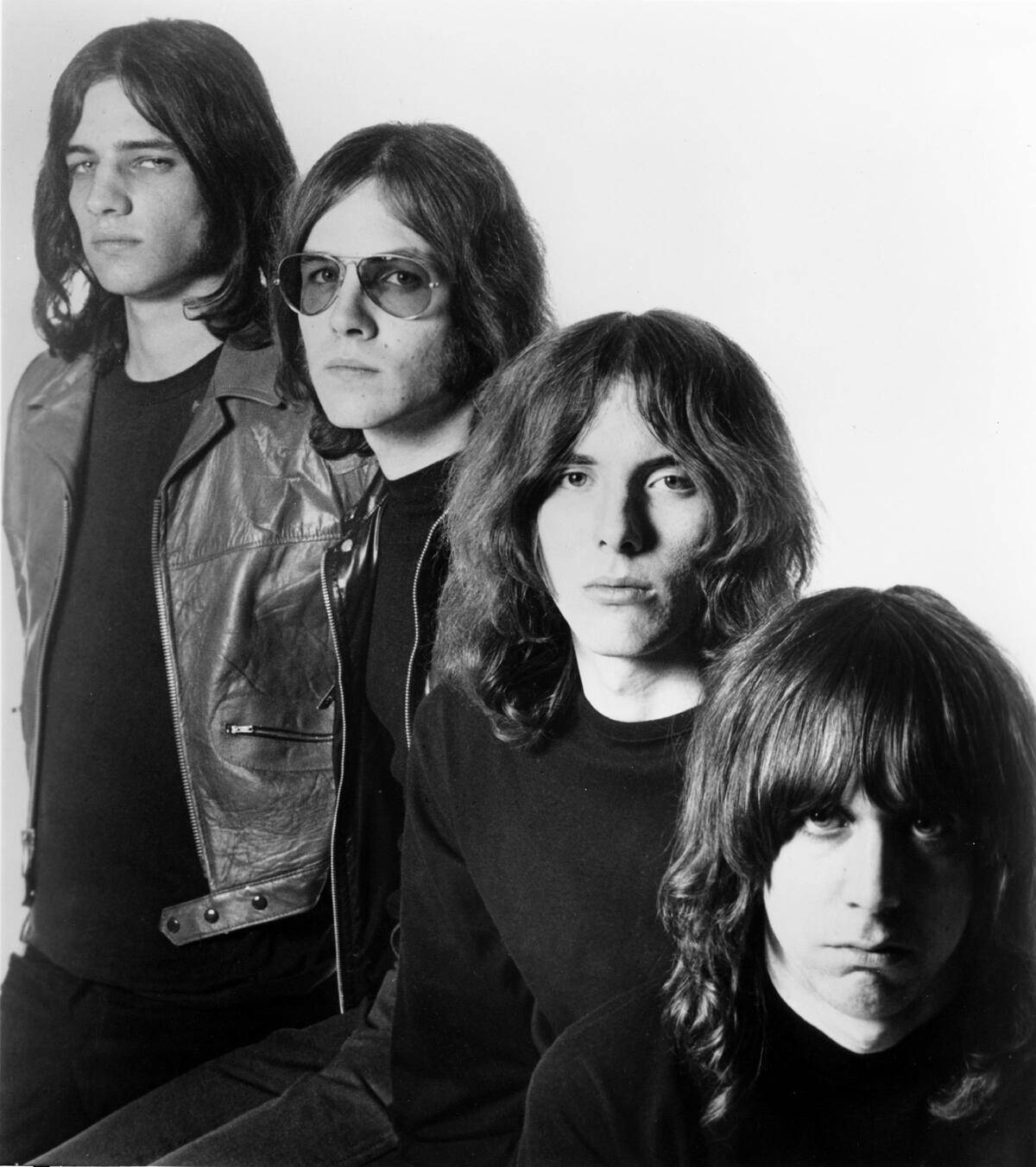
The Stooges, fronted by the iconic Iggy Pop, were known for their raw and uncompromising sound. Despite their groundbreaking contributions to the punk rock genre, they were largely ignored by mainstream audiences during their initial run.
Albums like Raw Power have since gained critical acclaim, with songs that continue to resonate with new generations of fans who appreciate their raw energy and rebellious spirit.
Grand Funk Railroad: A Sound Critics Weren’t Ready For

Although they undeniably had a goofy name, that wasn’t the beef critics had with Grand Funk Railroad. Instead, the tended to write the band off as a mediocre version of blues rock that others were doing better. Yet, the band’s loud, simple style proved a little more influential than those critics would have expected.
While they weren’t quite as instrumental to the birth of heavy metal as Led Zeppelin, Black Sabbath, or Blue Cheer, Grand Funk Railroad were nonetheless an identifiable point through which blues rock transitioned to a harder sound. They may not have been the most innovative band, but they sounded more like the future than it may have seemed.
Journey: A Malign Reputation Rescued By Enduring Hits
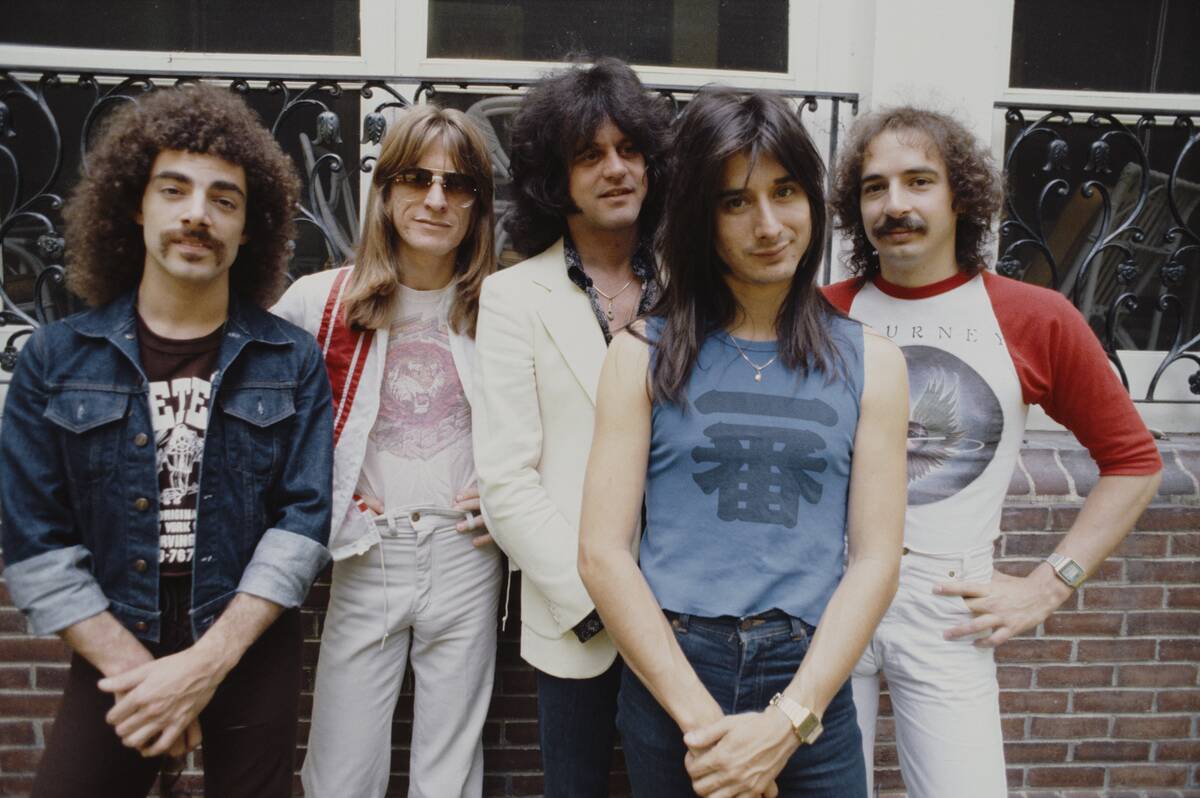
Throughout the early ’80s, San Francisco band Journey was incredibly successful and during the peak of their fame, they could generally expect their albums to sell millions of copies. However, that doesn’t mean everyone liked them, as critics could not stomach their slick, polished arena rock.
However, nostalgia and a wider pool of comparison in the decades since have done a lot to rescue their reputation even among critics. “Don’t Stop Believing” will endure in the hearts of millions no matter what, but their induction into the Rock & Roll Hall Of Fame in 2017 was all but an official admission of the way critics have reappraised them.
Styx: A Crowd-Pleasing Band Critics Still Can’t Stand
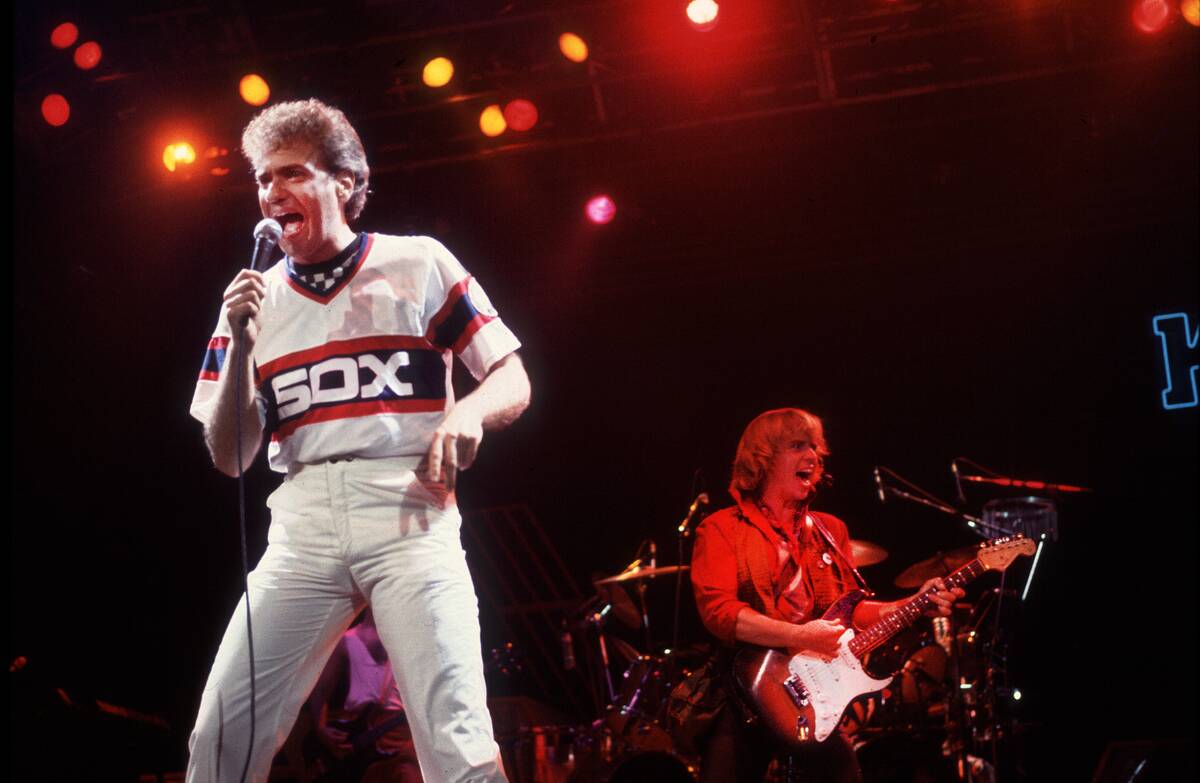
Throughout the ’70s until 1983, it was hard to find a moire successful band than Styx. Their blending of progressive rock, arena rock, and light balladry made them a very appealing commercial prospect and singles like “Come Sail Away,” “Renegade,” and “Mr. Roboto” have remained in the cultural lexicon even decades after the band parted ways with lead singer Dennis DeYoung.
However, critics absolutely despised them for their treacle and for the way they were perceived as watering down rock music to its slickest, most corporate-friendly extreme. Unlike other similarly-positioned bands, however, Styx never won over the critics, as modern ones tend to hate the band as much as their forebears did.




