The authentic history of the civil rights era
The Civil Rights Era, a pivotal period in American history, spanned from the 1950s to the 1960s, fundamentally transforming society. This era aimed to dismantle racial segregation and discrimination against African Americans, paving the way for social justice.
It was marked by significant events and influential figures who championed equality. The struggle for civil rights was not just a series of protests but a profound movement that sought to redefine the nation’s conscience.
Early Seeds of Change: The Roots of the Movement
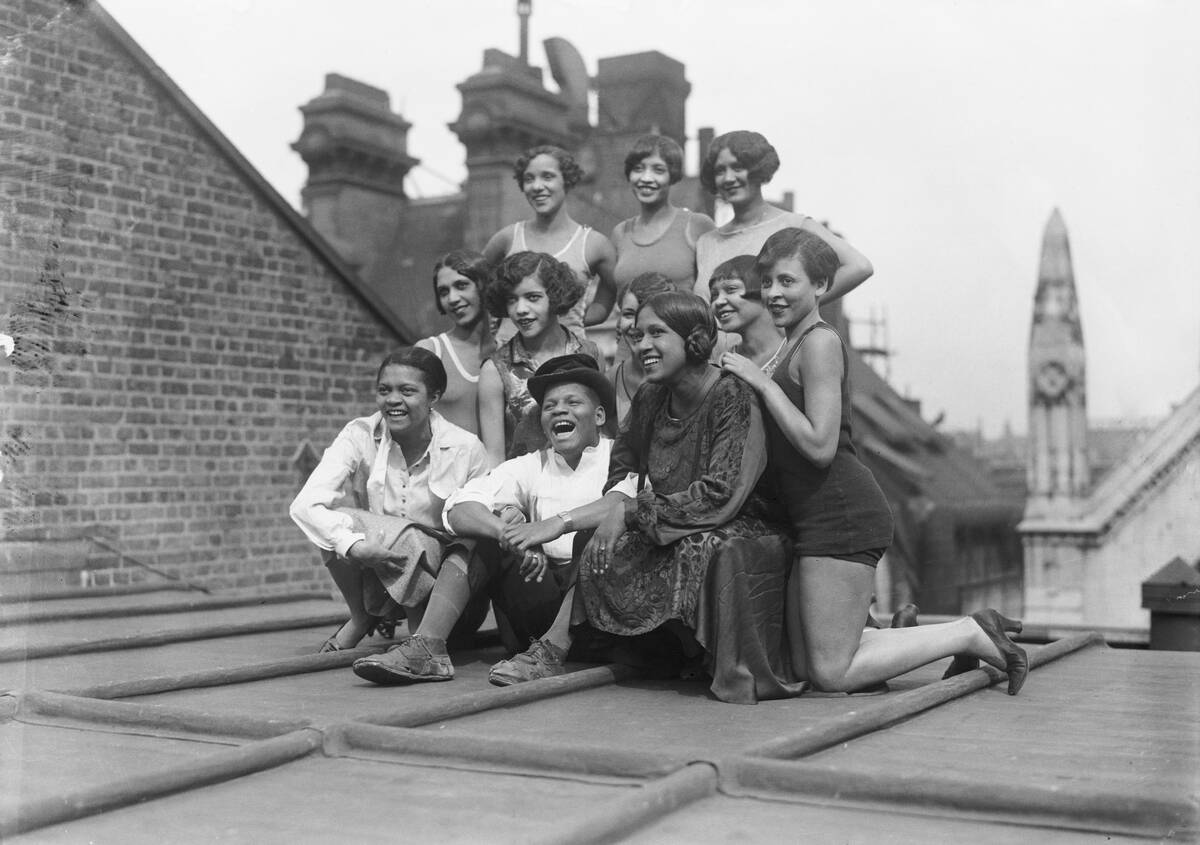
Long before the Civil Rights Era, the seeds of change were planted by brave individuals who challenged the status quo. The NAACP, founded in 1909, played a crucial role in early civil rights advocacy, fighting legal battles against segregation.
Additionally, the Harlem Renaissance of the 1920s inspired cultural pride and awareness. These foundational efforts set the stage for the broader movement that would follow decades later.
Key Figures in the Civil Rights Era
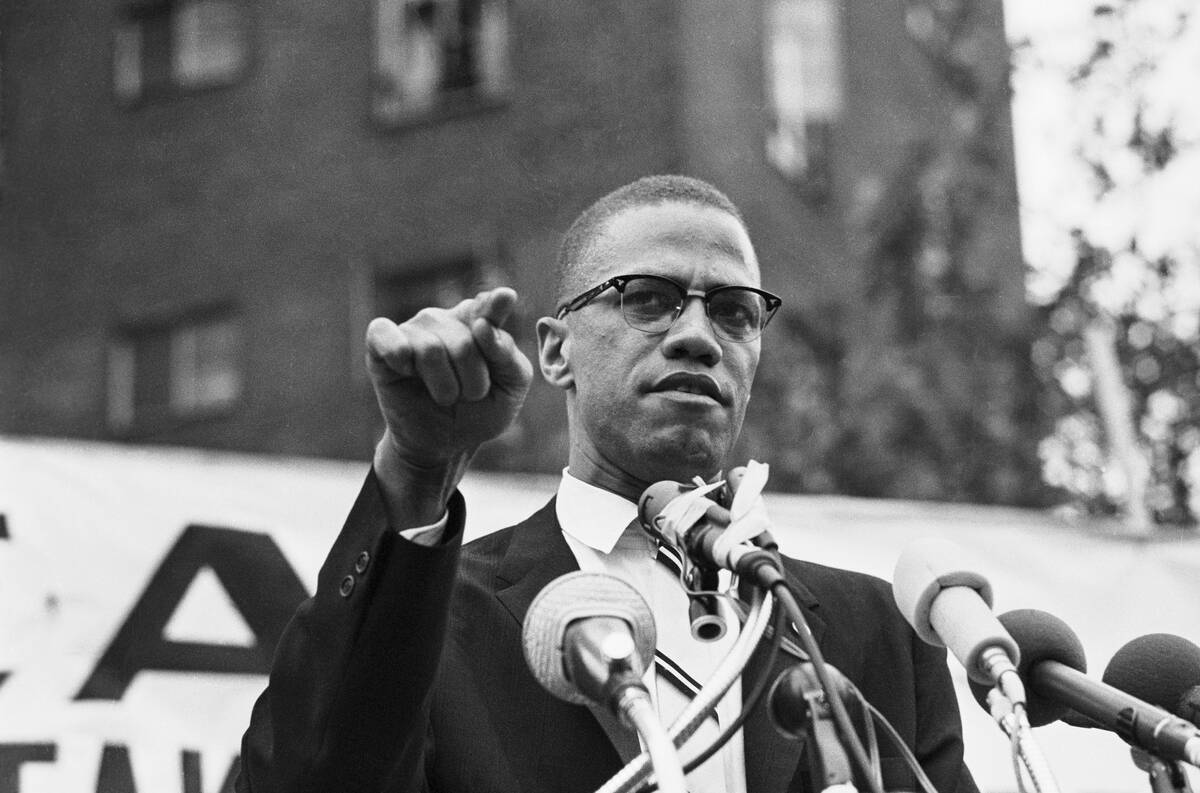
The Civil Rights Era was shaped by iconic leaders whose legacies continue to inspire. Martin Luther King Jr. became the face of the movement, advocating for nonviolent resistance. Rosa Parks’ refusal to give up her bus seat sparked the Montgomery Bus Boycott.
Meanwhile, Malcolm X offered a more militant perspective, emphasizing self-defense. These figures, among others, played pivotal roles in advancing civil rights.
The Role of Churches and Community Centers
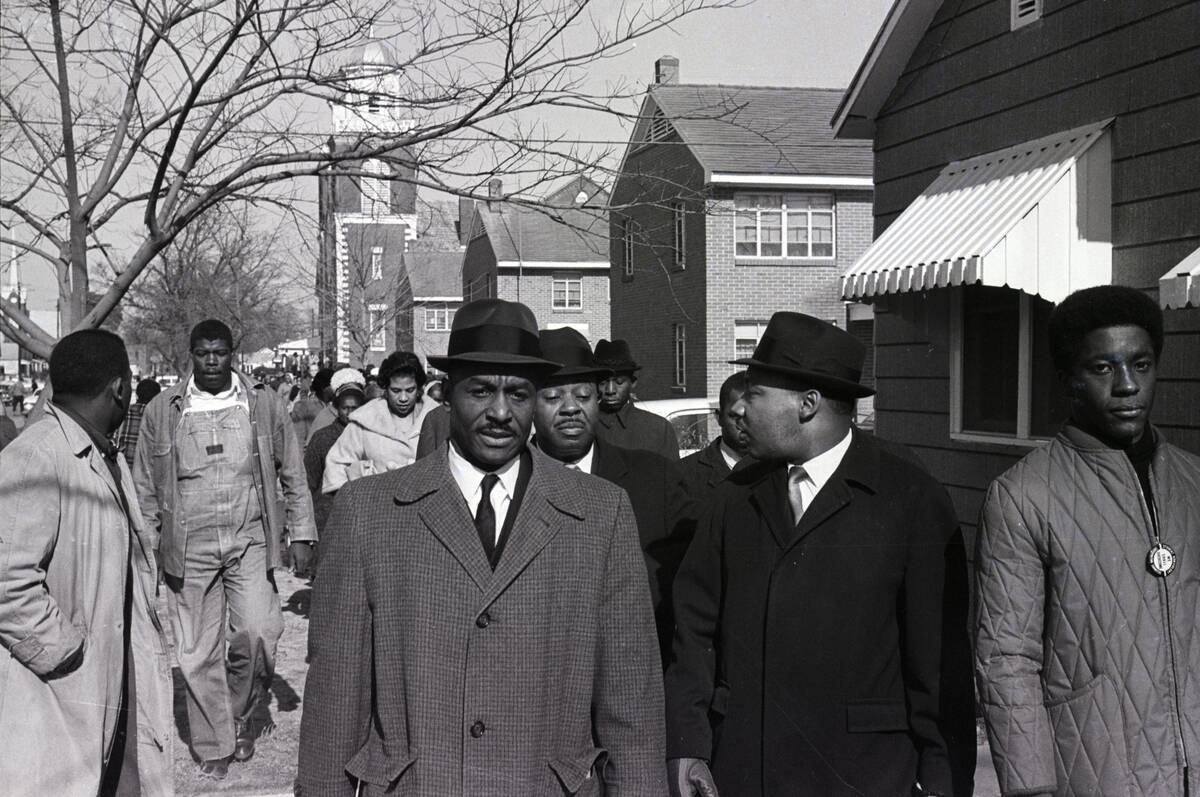
Churches and community centers served as vital hubs for organizing and strategizing during the Civil Rights Era. African American churches, such as Ebenezer Baptist Church in Atlanta, provided spiritual guidance and meeting spaces.
These institutions fostered a sense of community and were instrumental in coordinating protests and voter registration drives. Their influence extended beyond religion, becoming the backbone of the movement.
Sit-ins and Nonviolent Protests: A New Form of Activism
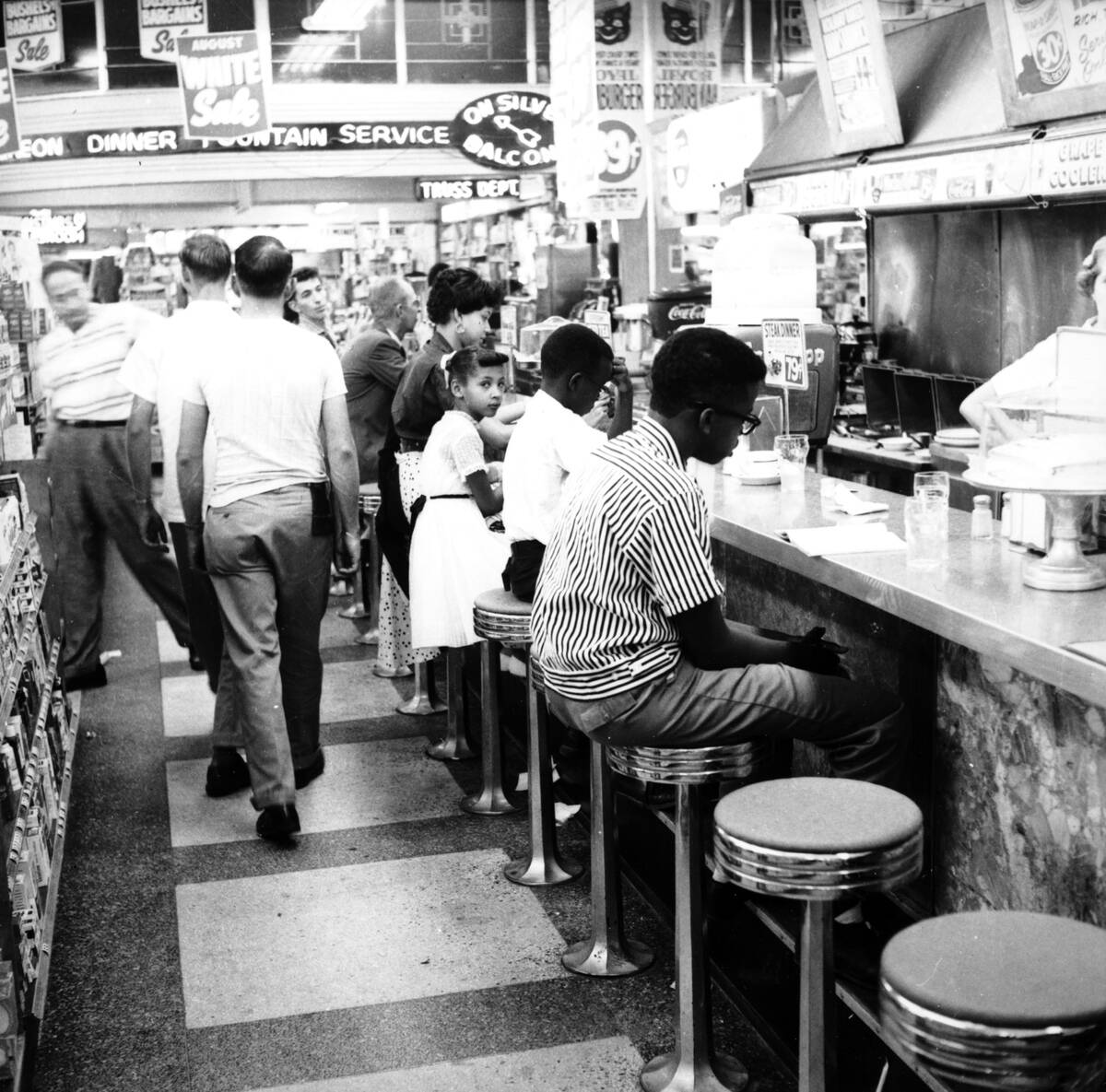
Sit-ins emerged as a powerful form of protest during the Civil Rights Era, challenging segregation in public places. The Greensboro sit-ins of 1960 sparked a wave of similar demonstrations across the South.
Participants, often students, practiced nonviolent resistance to confront injustice. This method of activism drew national attention, highlighting the courage of those who peacefully demanded change in the face of hostility.
The Montgomery Bus Boycott: A Turning Point
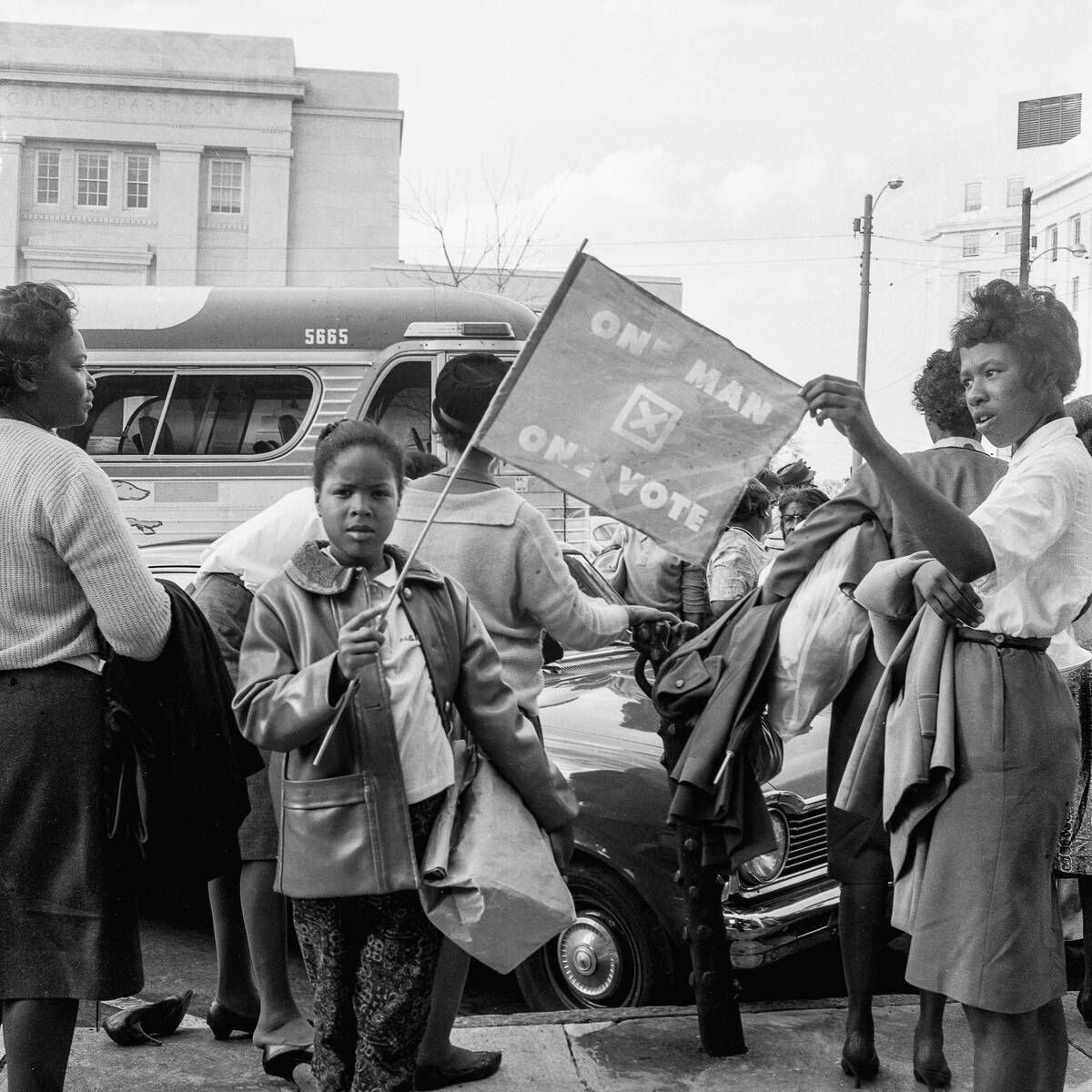
The Montgomery Bus Boycott of 1955-1956 marked a significant turning point in the Civil Rights Movement. Sparked by Rosa Parks’ arrest, the boycott lasted over a year, illustrating the economic power of African Americans.
Led by Martin Luther King Jr., the boycott successfully ended segregation on public buses in Montgomery. This victory demonstrated the effectiveness of collective action and laid the groundwork for future civil rights initiatives.
Freedom Riders: Challenging Segregation Across State Lines
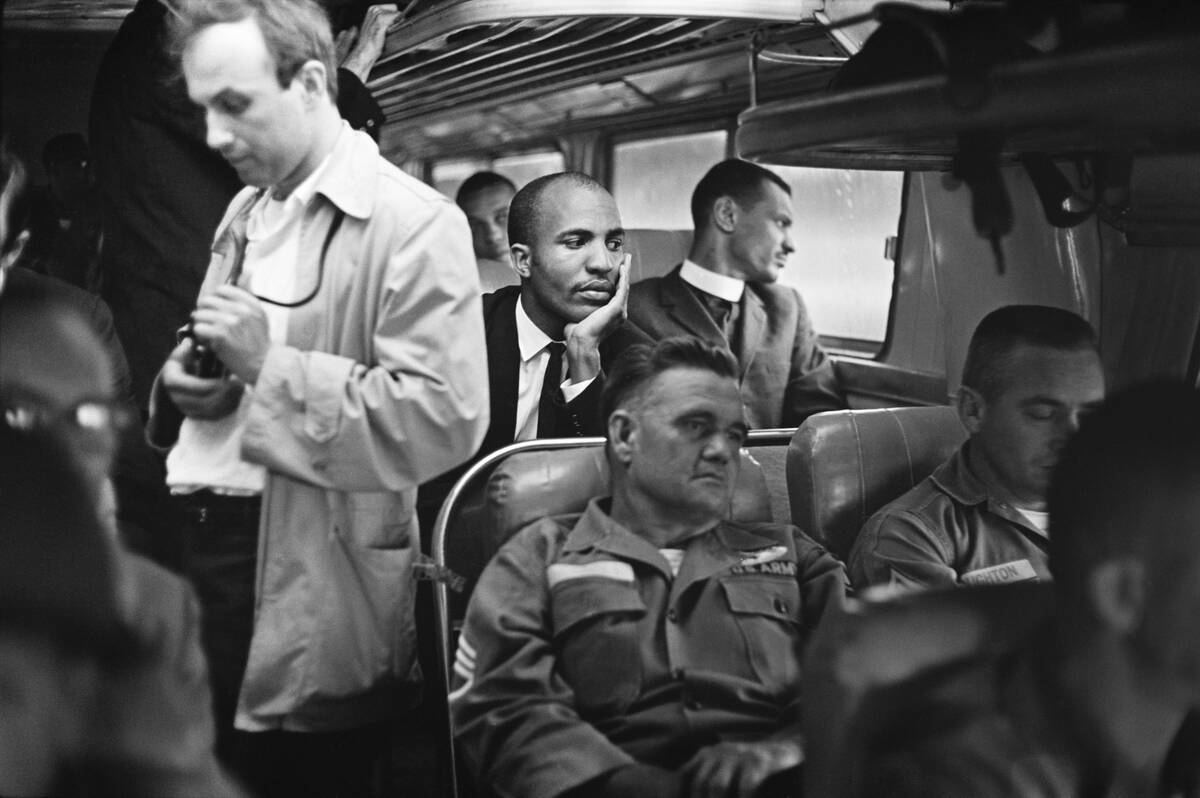
In 1961, Freedom Riders bravely challenged segregation on interstate buses and terminals across the South. Organized by CORE, these activists faced violence and imprisonment, yet remained steadfast in their mission.
Their efforts drew national attention and eventually led to the desegregation of interstate travel facilities. The Freedom Rides exemplified the determination and courage of those fighting against institutionalized racism.
The March on Washington: A National Call for Equality
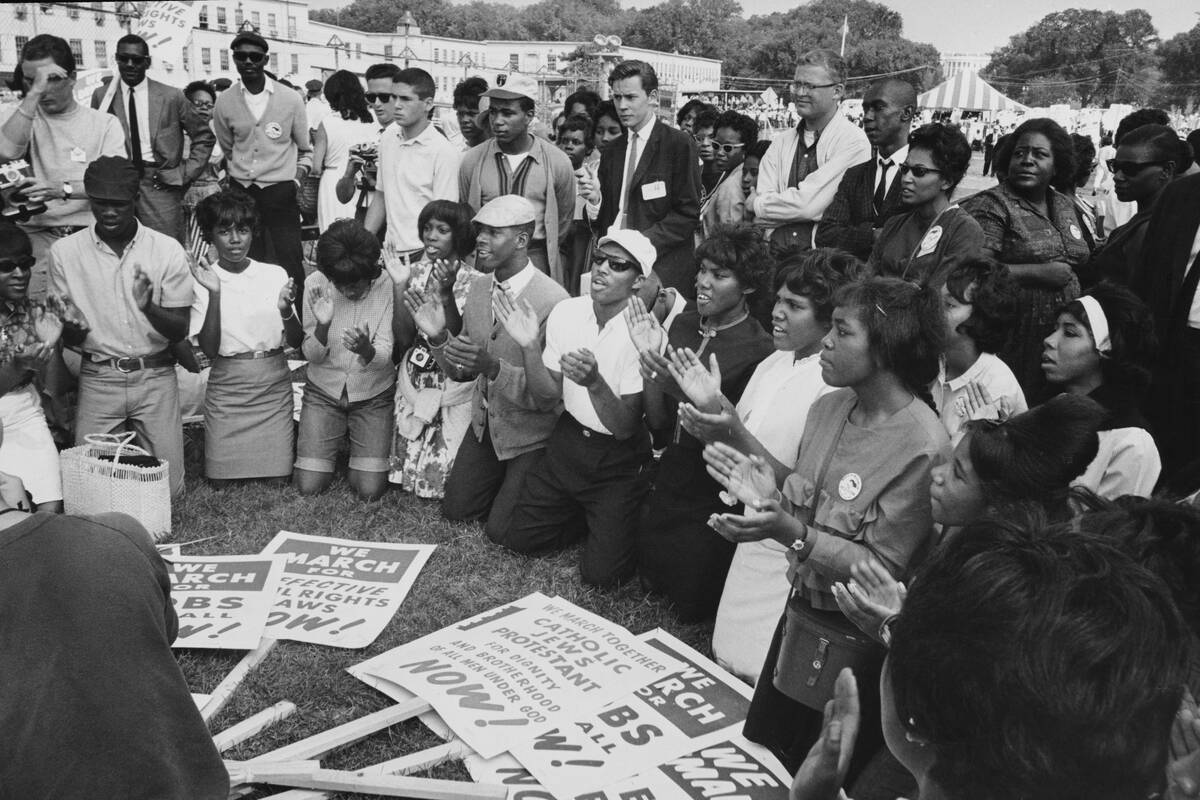
The March on Washington for Jobs and Freedom in 1963 was a watershed moment in the Civil Rights Movement. Over 250,000 people gathered at the Lincoln Memorial, advocating for civil and economic rights.
Martin Luther King Jr.’s “I Have a Dream” speech became a defining moment, resonating with millions. The march underscored the urgent need for change and demonstrated the power of peaceful mass protest.
The Civil Rights Act of 1964: A Legislative Milestone
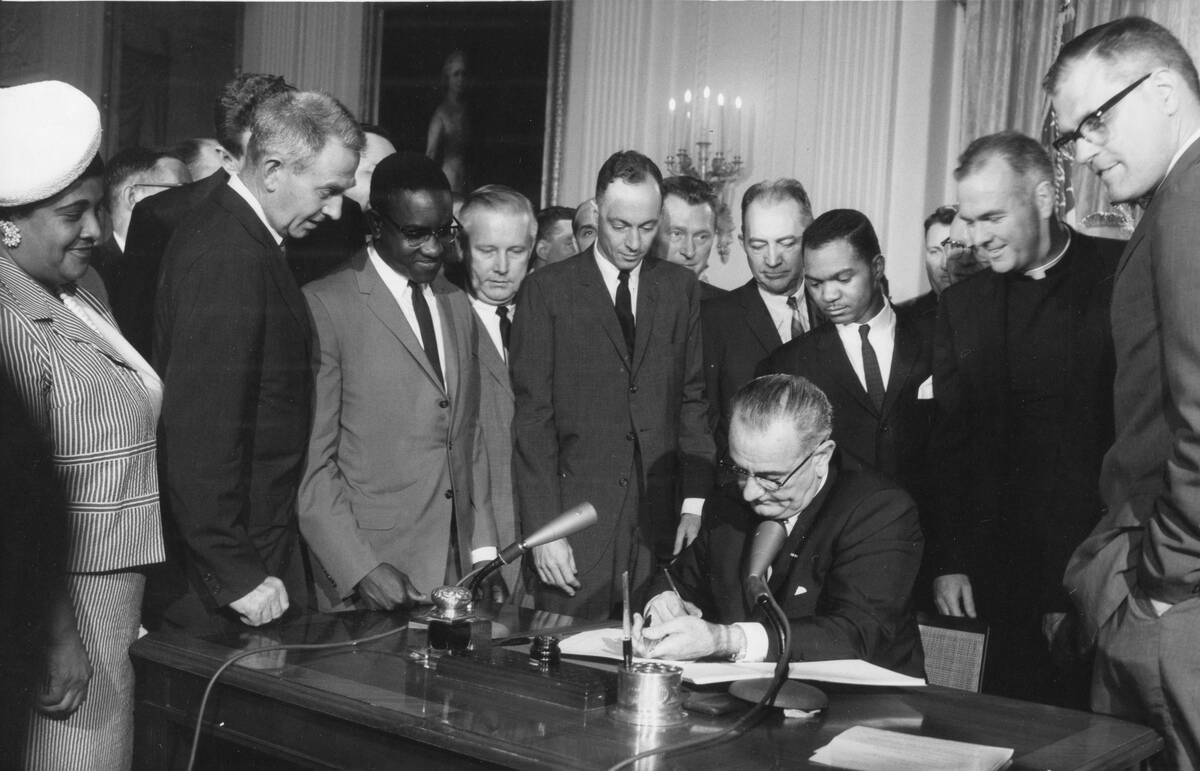
The Civil Rights Act of 1964 was a landmark piece of legislation that outlawed discrimination based on race, color, religion, sex, or national origin. Signed by President Lyndon B. Johnson, it dismantled segregation in public places and banned employment discrimination.
The act represented a major triumph for the Civil Rights Movement, setting a legal precedent for equality and justice in America.
Voting Rights Act of 1965: Empowering the Electorate
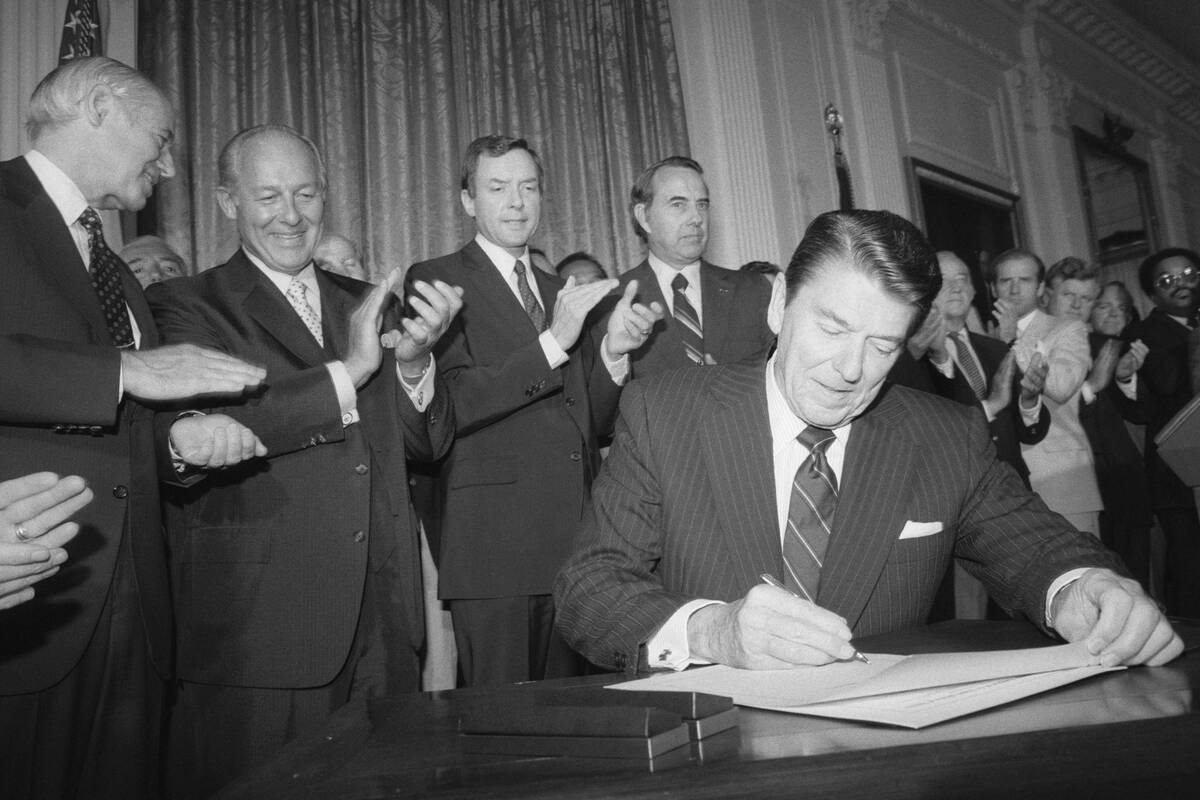
The Voting Rights Act of 1965 was a crucial victory for civil rights, eliminating barriers to voting for African Americans. It targeted discriminatory practices like literacy tests and poll taxes, prevalent in Southern states.
The act granted federal oversight of voter registration, significantly increasing African American voter turnout. This legislation empowered the electorate, ensuring that all citizens could exercise their democratic rights.
The Influence of Music and Arts on the Movement

Music and arts played a significant role in the Civil Rights Movement, providing inspiration and solidarity. Songs like “We Shall Overcome” became anthems of hope and resistance.
Artists such as Nina Simone and Bob Dylan used their platforms to highlight racial injustice. Through music, literature, and visual arts, the movement communicated its message and rallied support, proving the cultural power of creative expression.
Youth and Student Involvement: The Next Generation of Leaders
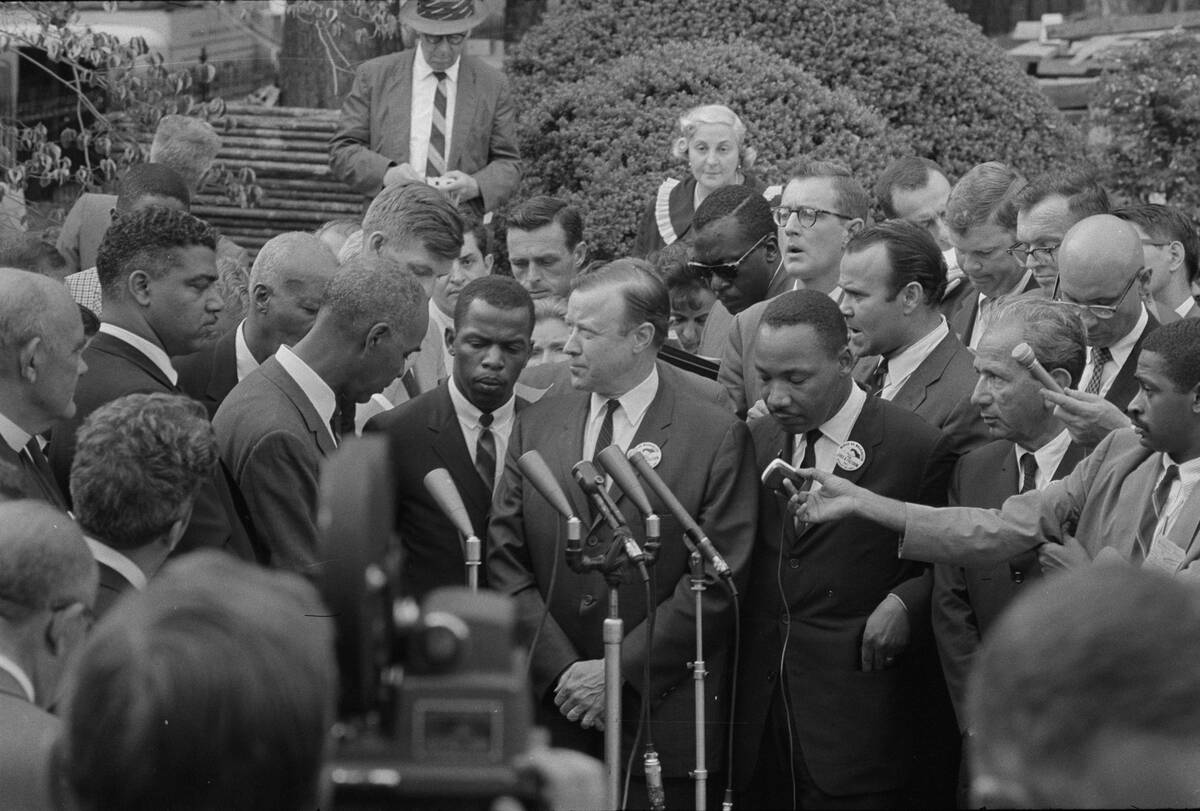
Youth and students were at the forefront of the Civil Rights Movement, bringing energy and innovation to the struggle for equality. Organizations like SNCC empowered young activists to spearhead protests and voter registration drives.
Student involvement in sit-ins, Freedom Rides, and marches demonstrated their commitment to change. These young leaders played a vital role in the movement’s success, shaping its strategies and future.
Women of the Civil Rights Movement: Often Overlooked Heroes
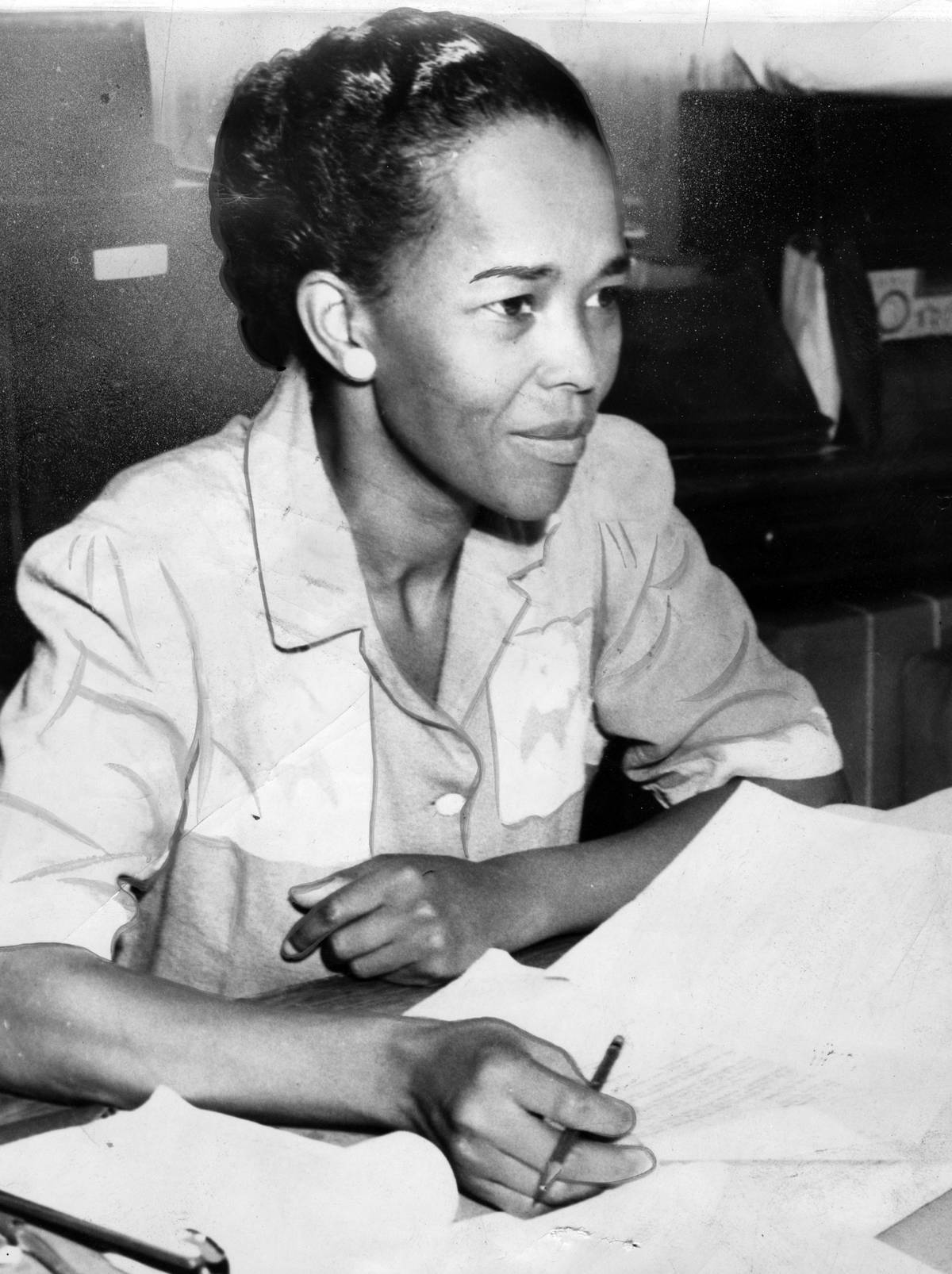
Women were instrumental yet often overlooked heroes of the Civil Rights Movement. Figures like Fannie Lou Hamer and Ella Baker organized grassroots efforts and galvanized communities. Their leadership and resilience were crucial in advancing civil rights.
Despite facing gender discrimination, these women made significant contributions, highlighting the intersectionality of the movement and the diversity of its champions.
The Role of Media in Shaping Public Perception
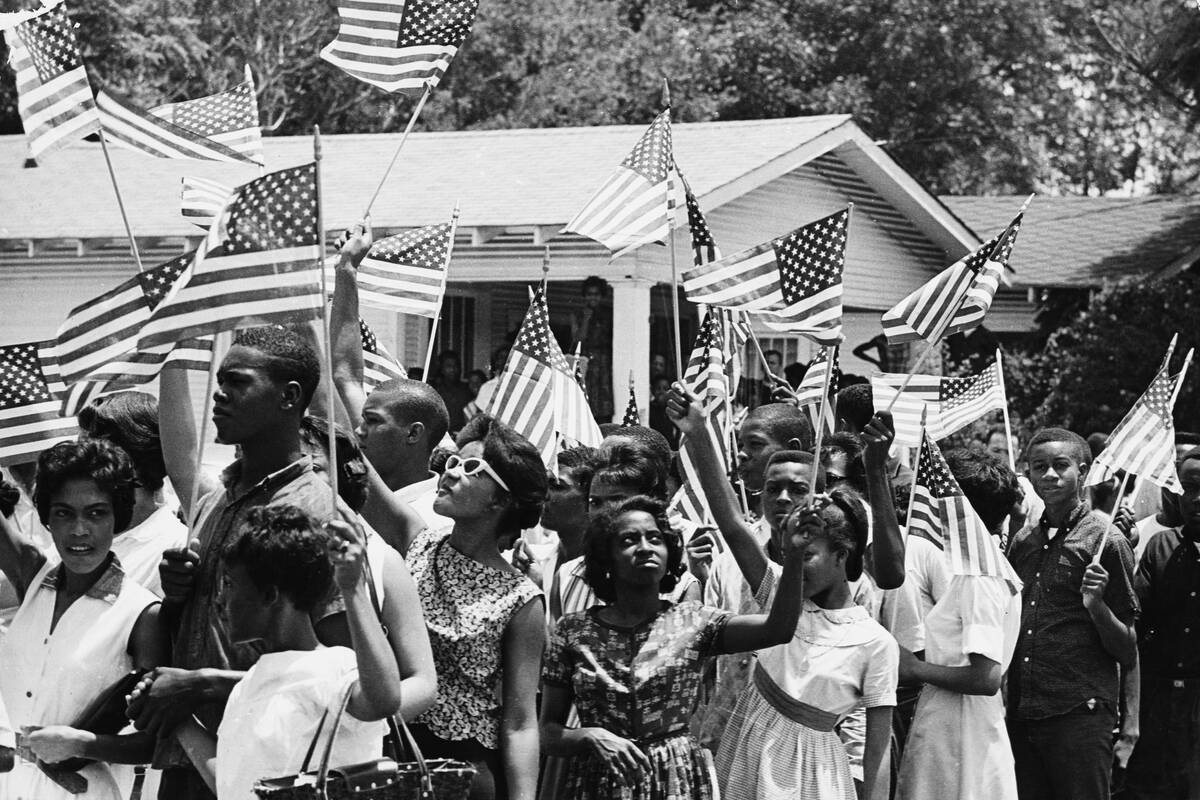
The media played a pivotal role in shaping public perception during the Civil Rights Era. Television and print media brought the harsh realities of segregation and violence into living rooms across America.
Coverage of events like the Birmingham campaign and Selma marches garnered national sympathy and support. The media’s spotlight on civil rights issues helped sway public opinion and pressured lawmakers to enact change.
The Legacy of the Civil Rights Era in Today’s Society
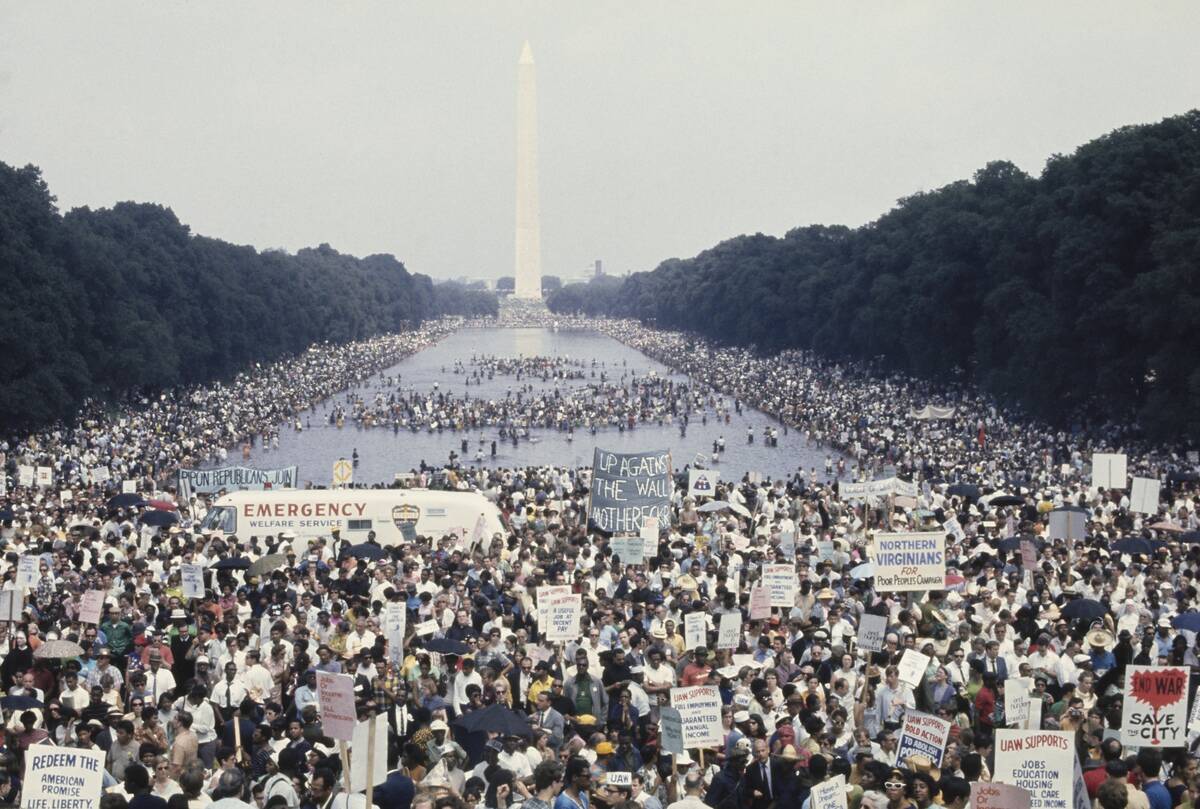
The legacy of the Civil Rights Era continues to influence today’s society, inspiring ongoing struggles for social justice. The movement laid the foundation for subsequent civil rights advancements, including those related to gender, sexuality, and disability.
Its principles of equality and nonviolent resistance remain relevant, guiding contemporary activism. The era’s achievements remind us of the enduring fight for a just and equitable society.




