Aristocrats who hoarded animals and artifacts from afar
From ancient times, aristocrats have been drawn to the allure of exotic collections. These collections were not just mere displays of wealth, but also symbols of power and influence.
By gathering rare items from across the globe, the elite showcased their ability to reach beyond everyday boundaries. The fascination with the rare and unusual was a way to impress peers and assert their status in society.
The Origins of Aristocratic Collecting: A Brief History
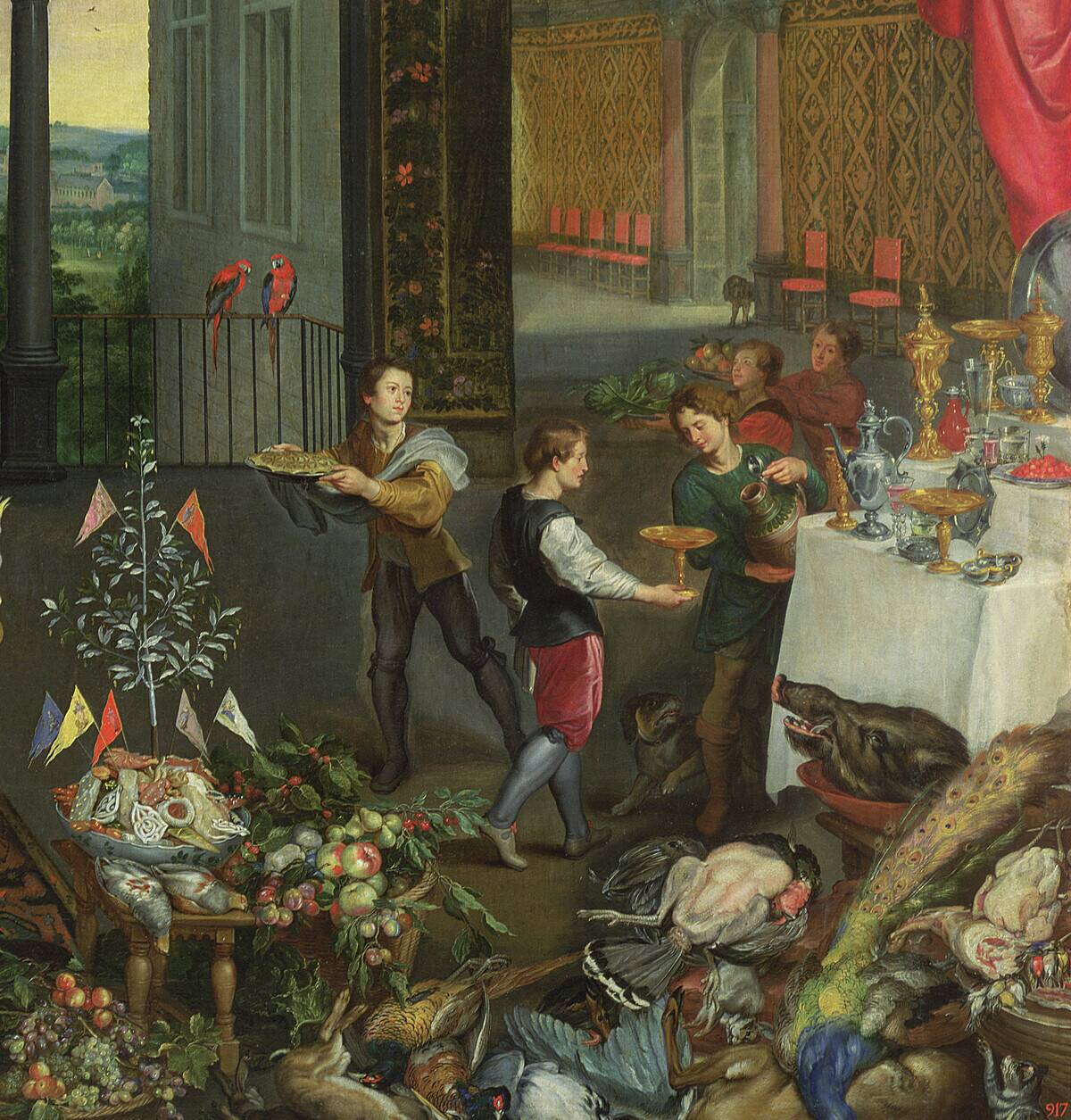
Aristocratic collecting took root during the Renaissance when European nobles began to amass objects of art and nature.
As trade routes expanded, so did the variety of collectibles, ranging from ancient relics to exotic animals. These collections served as a reflection of the owner’s knowledge and sophistication in a rapidly changing world.
The Notable Collectors of the European Elite
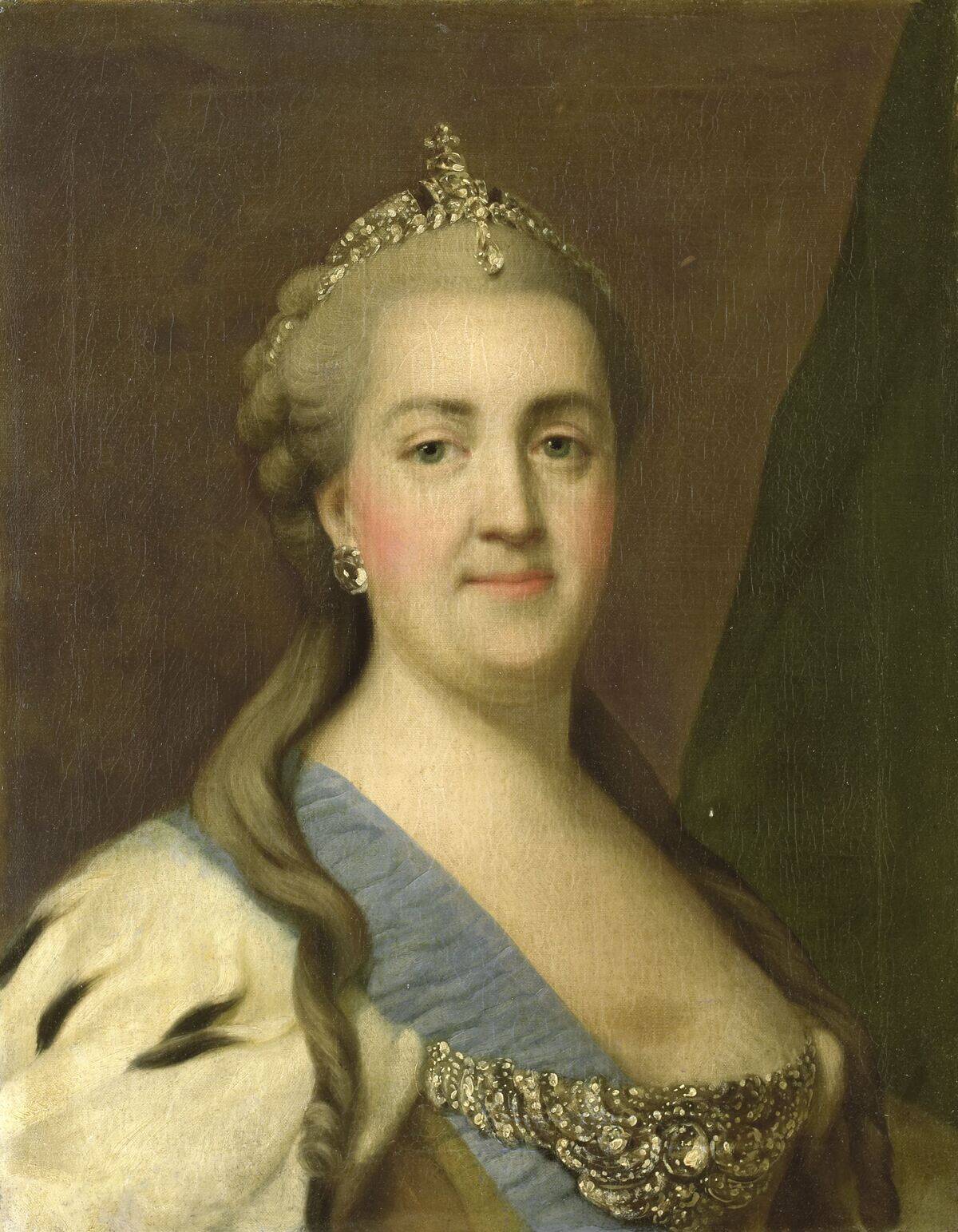
European history is dotted with notable collectors who left behind remarkable legacies. Catherine the Great of Russia was known for her extensive art collection, which laid the foundation for the Hermitage Museum.
Meanwhile, King George III of England was fascinated by scientific instruments and amassed a significant collection. Such figures not only collected for personal pleasure but also to leave a lasting cultural impact.
The Exotic Animal Menageries: A Status Symbol
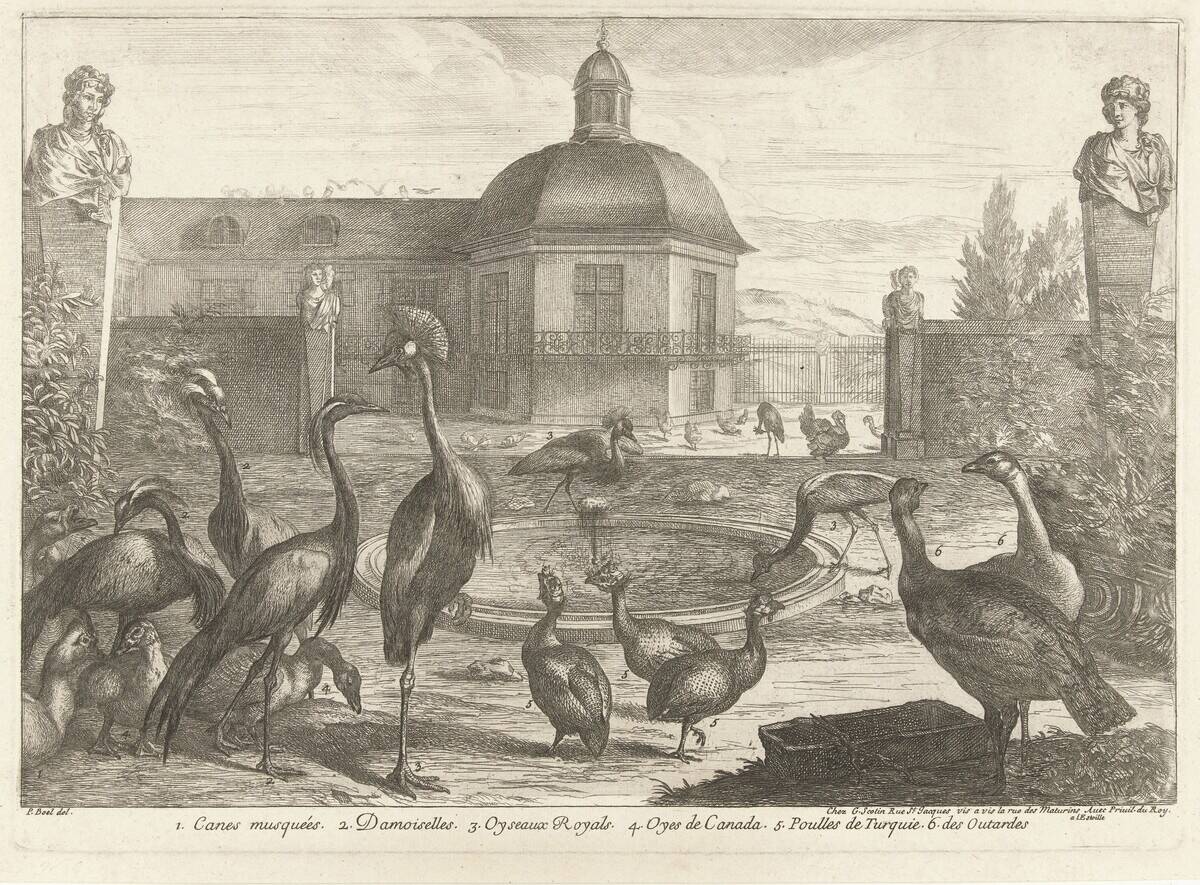
Exotic animal menageries became the ultimate symbol of status among aristocrats. Louis XIV of France maintained a lavish menagerie at the Palace of Versailles, showcasing animals from Africa and the Americas.
These collections were often open to the public, serving as a demonstration of wealth and worldliness. Owning rare creatures like zebras and elephants signified control over the world’s wonders, both natural and political.
The Role of Exploration in Expanding Collections
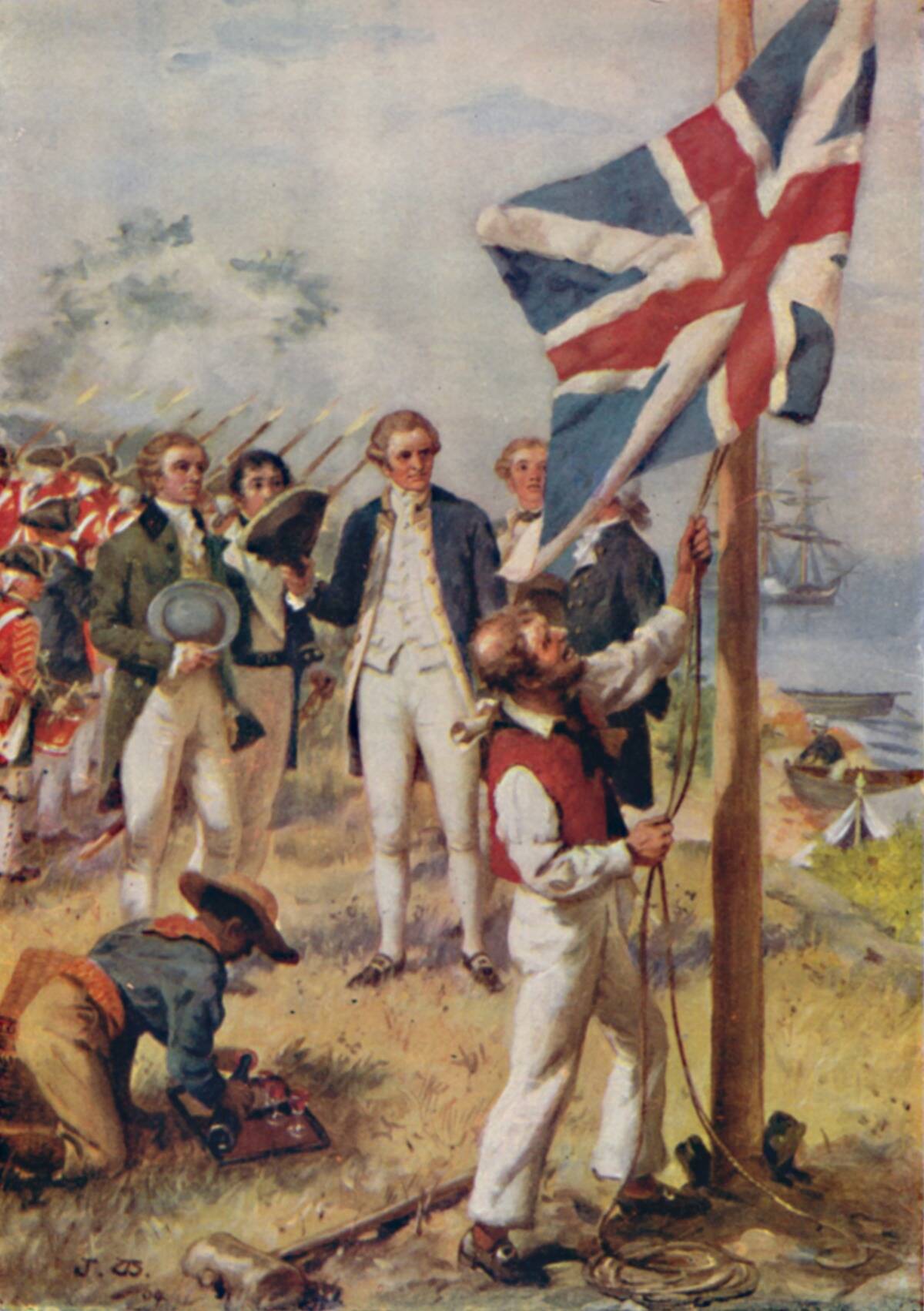
Exploration played a pivotal role in expanding aristocratic collections. As explorers ventured into uncharted territories, they returned with a plethora of new artifacts and specimens. Explorers like Captain James Cook brought back treasures from the South Pacific, which fascinated European collectors.
Such expeditions not only broadened knowledge but also fueled the competitive spirit among aristocrats eager to outdo each other with novel acquisitions.
Famous Hoarded Animals: From Giraffes to Kangaroos

Among the most famous hoarded animals were giraffes and kangaroos, which captivated European imagination. Giraffes, gifted to rulers like Charles X of France, were considered exotic marvels.
Similarly, kangaroos, brought back by explorers, added to the allure of far-off lands. These animals were more than curiosities; they were living proof of a collector’s reach and the mysteries of the world beyond Europe’s borders.
Artifacts from Afar: Treasures from Distant Lands

Artifacts from distant lands were highly coveted by aristocrats who sought to enrich their collections. Items like Egyptian mummies and Chinese porcelain were particularly prized. These treasures not only added diversity but also prestige to collections.
Such artifacts were often displayed in grand salons, where they sparked conversations about the exotic and the unknown, allowing collectors to flaunt their worldly connections.
The Influence of Colonialism on Collection Practices
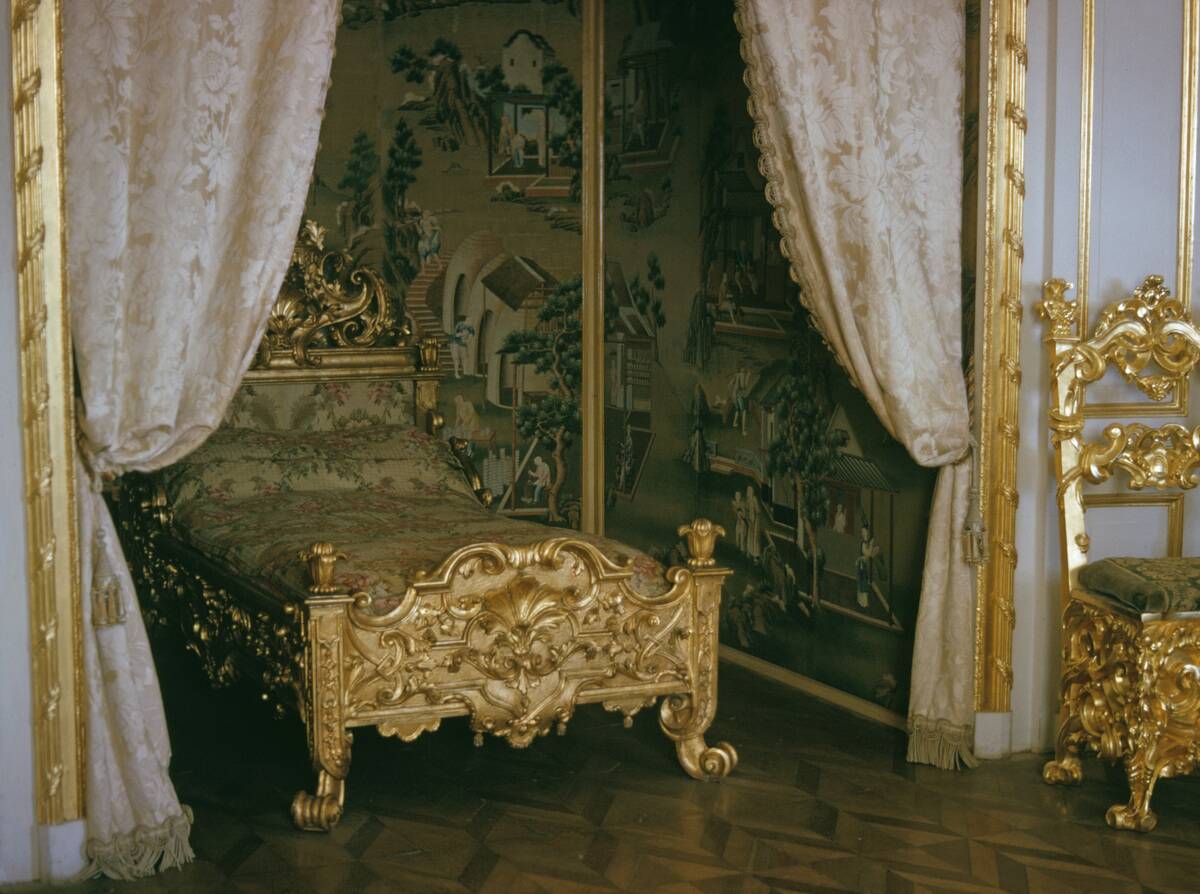
Colonialism had a profound influence on collection practices, as it facilitated access to a wide array of objects. European powers, through their colonies, extracted countless artifacts, often under dubious circumstances.
This led to an influx of cultural and natural items into Europe. While this expanded collections, it also raised ethical questions about the exploitation and ownership of cultural heritage, issues that resonate even today.
The Intriguing World of Cabinets of Curiosities
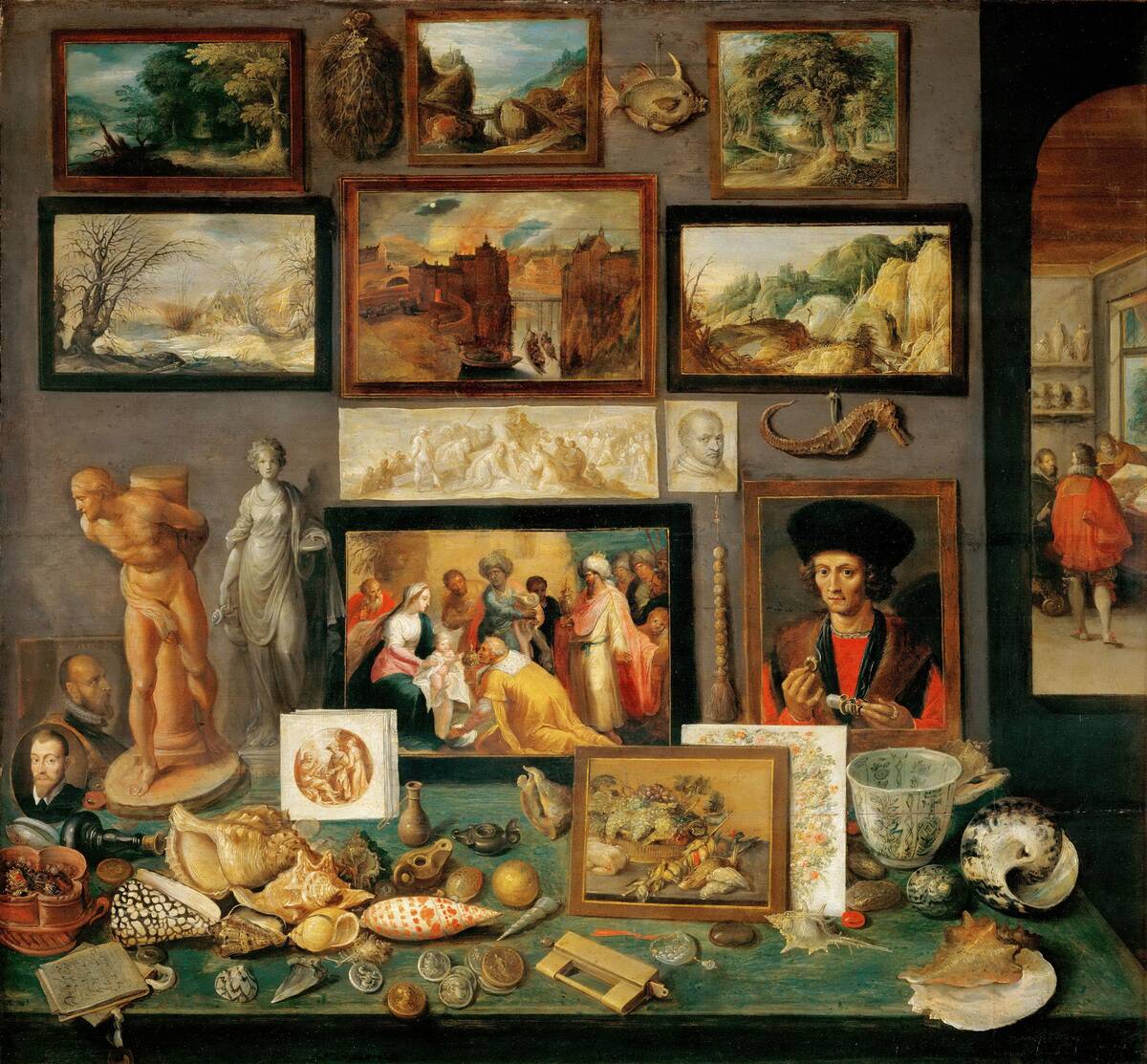
Cabinets of curiosities were the precursors to modern museums, showcasing a mix of natural and man-made wonders. Originating in the 16th century, these cabinets contained everything from taxidermied animals to rare minerals.
Aristocrats used them to display their eclectic tastes and scientific interests. These collections were intentionally eclectic, reflecting the collector’s curiosity about the world and their desire to categorize and understand it.
The Impact of Collecting on Natural History Studies
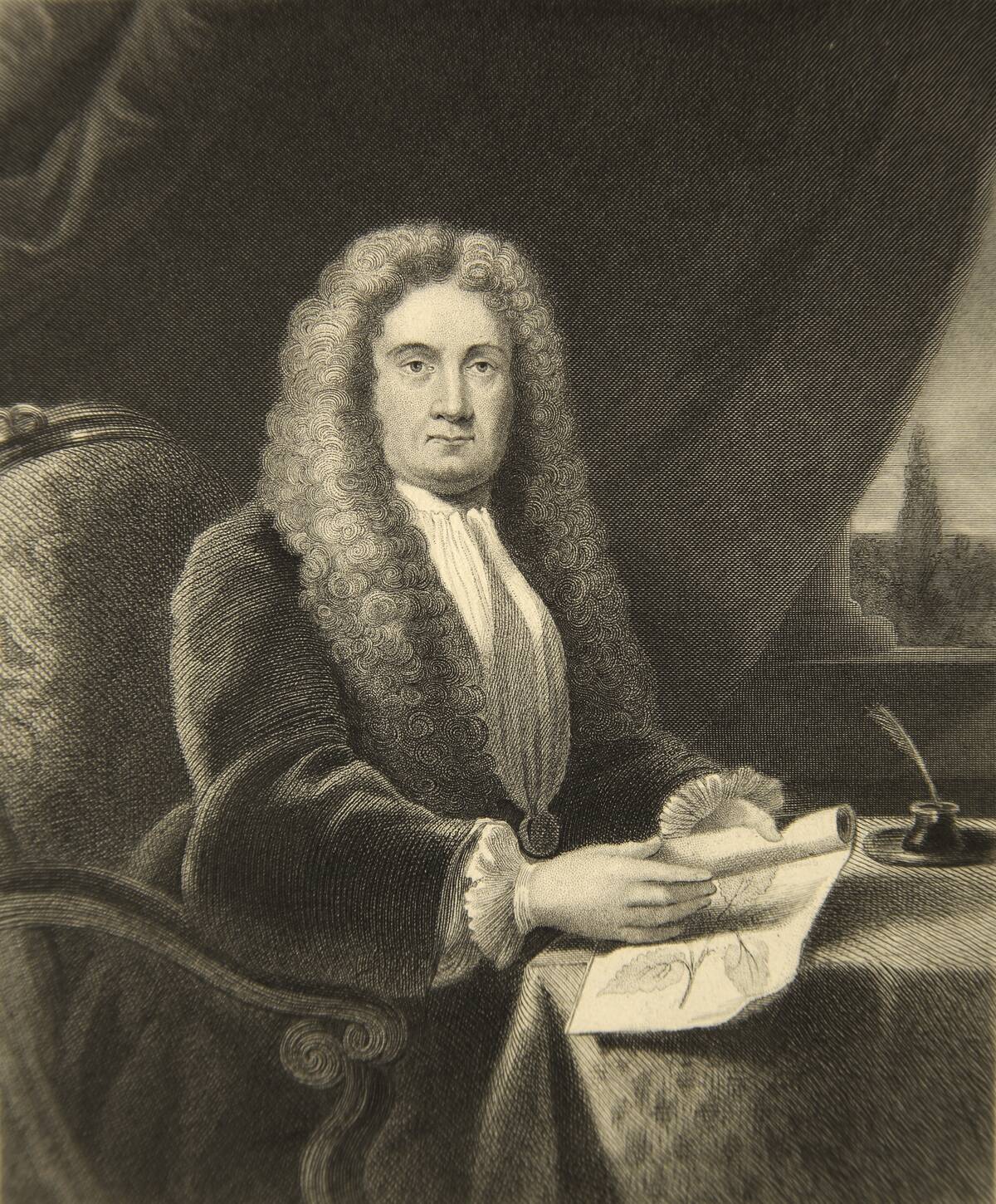
Aristocratic collecting significantly impacted the field of natural history. Many collections laid the groundwork for scientific study, with specimens meticulously documented and classified.
The collections of Hans Sloane, for instance, became the foundation for the British Museum. By preserving specimens, collectors inadvertently contributed to the advancement of science, providing valuable resources for researchers and the public alike.
Aristocratic Rivalries: Who Had the Most Impressive Collection?
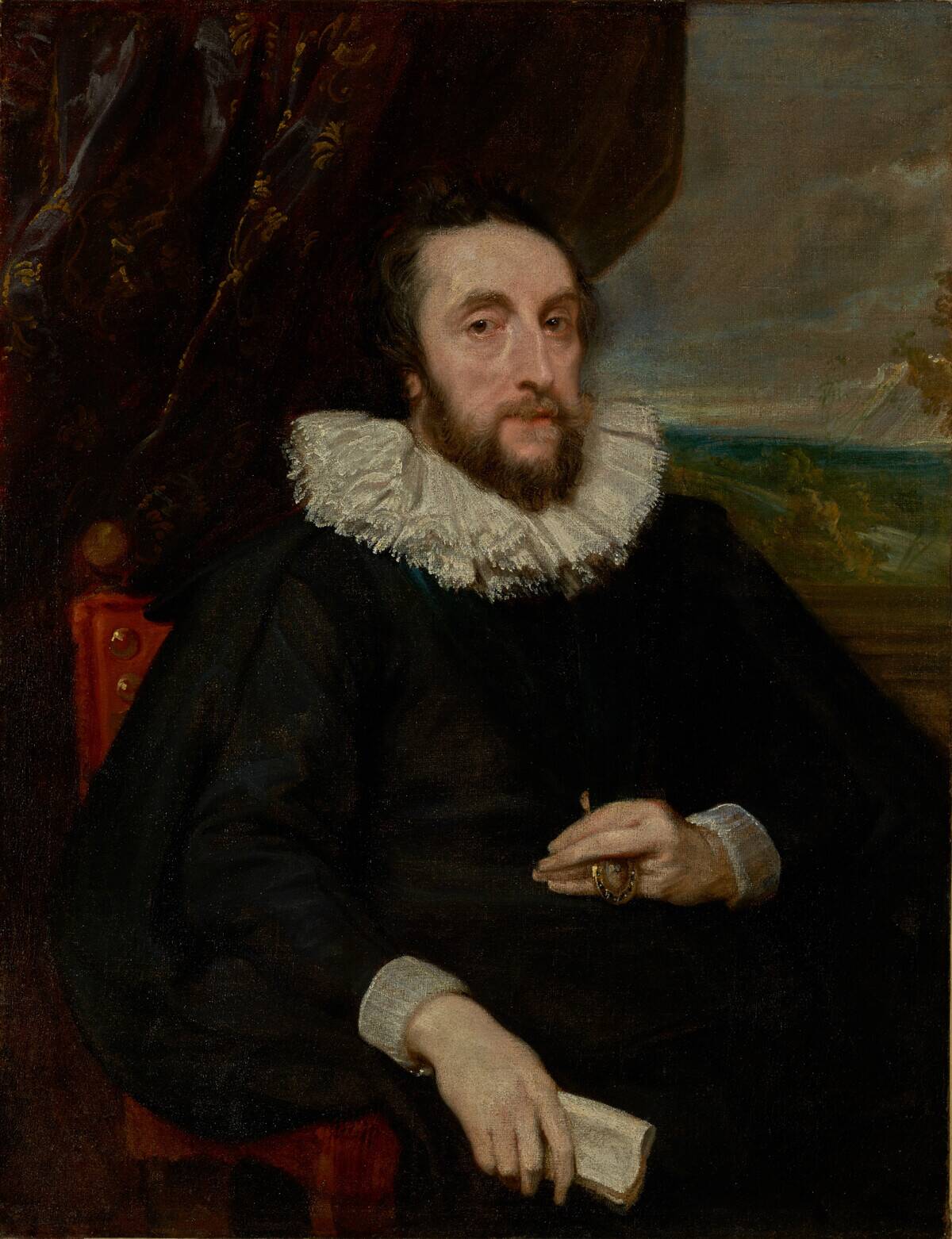
Rivalries among aristocrats often centered around who could amass the most impressive collection. The competition was fierce, with collectors like the Earl of Arundel and the Duke of Buckingham vying for the rarest items.
These rivalries were not just about personal prestige; they reflected broader political and cultural aspirations. The desire to outshine one’s peers drove collectors to great lengths, sometimes leading to extravagant acquisitions.
The Role of Private Collections in the Rise of Museums

Private collections played a crucial role in the rise of museums. Many of today’s renowned institutions began as personal collections of the aristocracy. The Louvre, for example, originated from the royal collection of the French kings.
As these collections grew, they were often bequeathed to the public, laying the foundations for cultural preservation and education. This transition marked a shift from private indulgence to public enlightenment.
The Ethical Implications of Collecting Practices
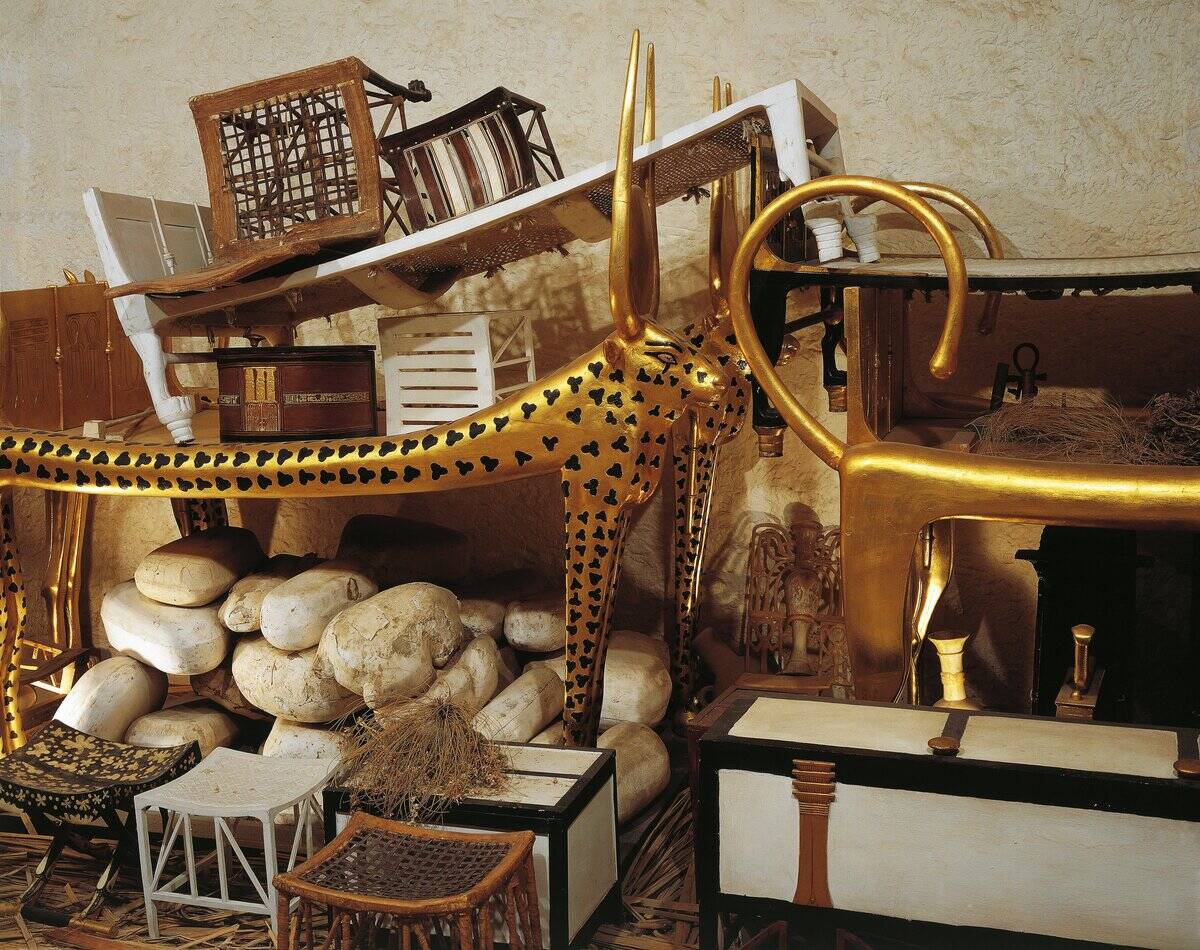
The ethics of aristocratic collecting have long been debated, given the methods of acquisition. Many items were obtained through colonial exploitation or dubious means, raising questions about rightful ownership.
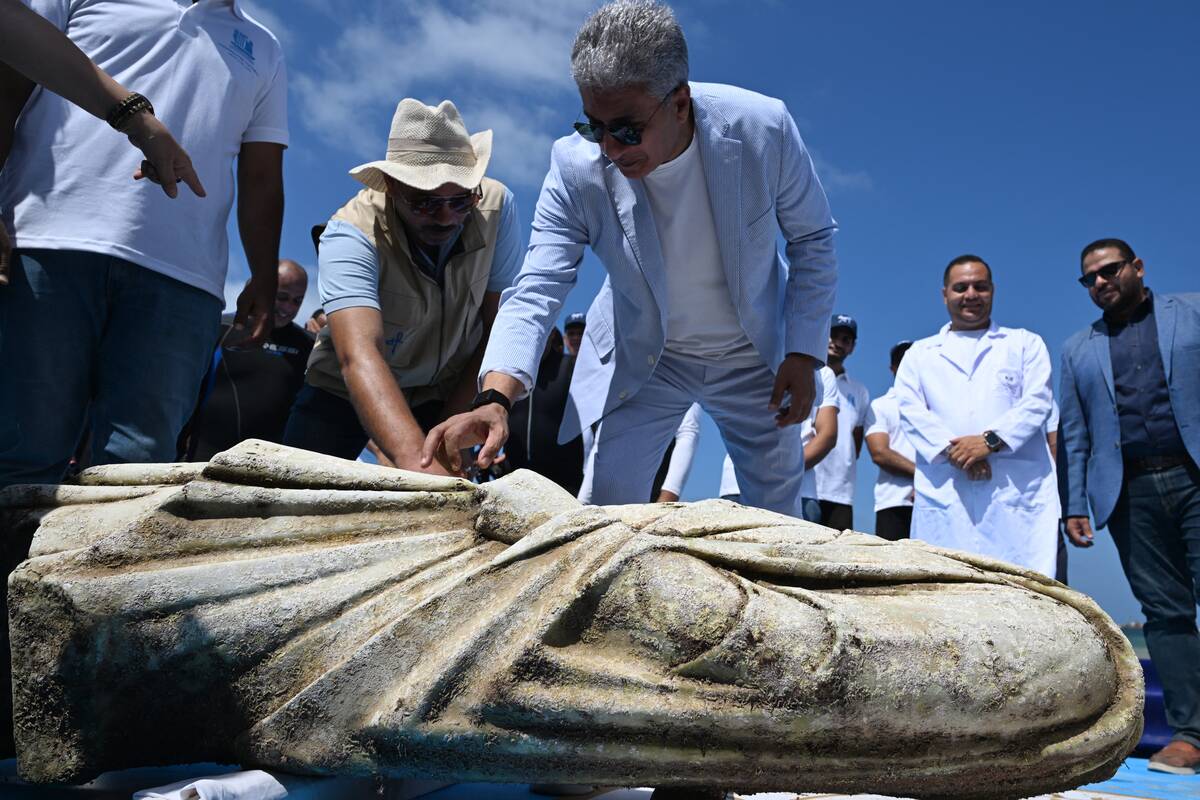
Today, there is a growing movement to repatriate cultural artifacts to their countries of origin. This debate highlights the tension between preserving history and rectifying past injustices, prompting a reevaluation of collecting practices.
The Decline of Aristocratic Collecting: Changing Tastes and Times
The decline of aristocratic collecting began in the 19th century, as tastes and societal structures evolved. The rise of the middle class and democratization of culture led to a shift in collecting practices.
Public museums became more accessible, reducing the need for private collections. Additionally, changes in economic conditions and political upheavals led many aristocrats to sell their collections, marking the end of an era of grandeur and exclusivity.
Modern-Day Echoes: Today’s Collectors Inspired by the Past

Today’s collectors continue to be inspired by the past, echoing the practices of aristocrats. While the objects of desire may have evolved, the spirit of collecting remains the same. Modern collectors, like Bill Gates with his rare manuscripts, often draw parallels to historical figures.
The legacy of aristocratic collections endures, influencing contemporary tastes and the ever-evolving art and antique markets.




