Architectural wonders of the world that took decades to build
Embarking on a journey through time reveals a tapestry of architectural wonders that have withstood the test of time. These structures tell stories of ancient civilizations, showcase the ingenuity of human craftsmanship, and reflect the evolving styles of architecture across different eras.
From the sandy dunes of Egypt to the bustling cityscapes of modern Dubai, each marvel carries a unique legacy, inviting us to explore and appreciate its grandeur and historical significance.
The Great Pyramid of Giza: An Ancient Wonder
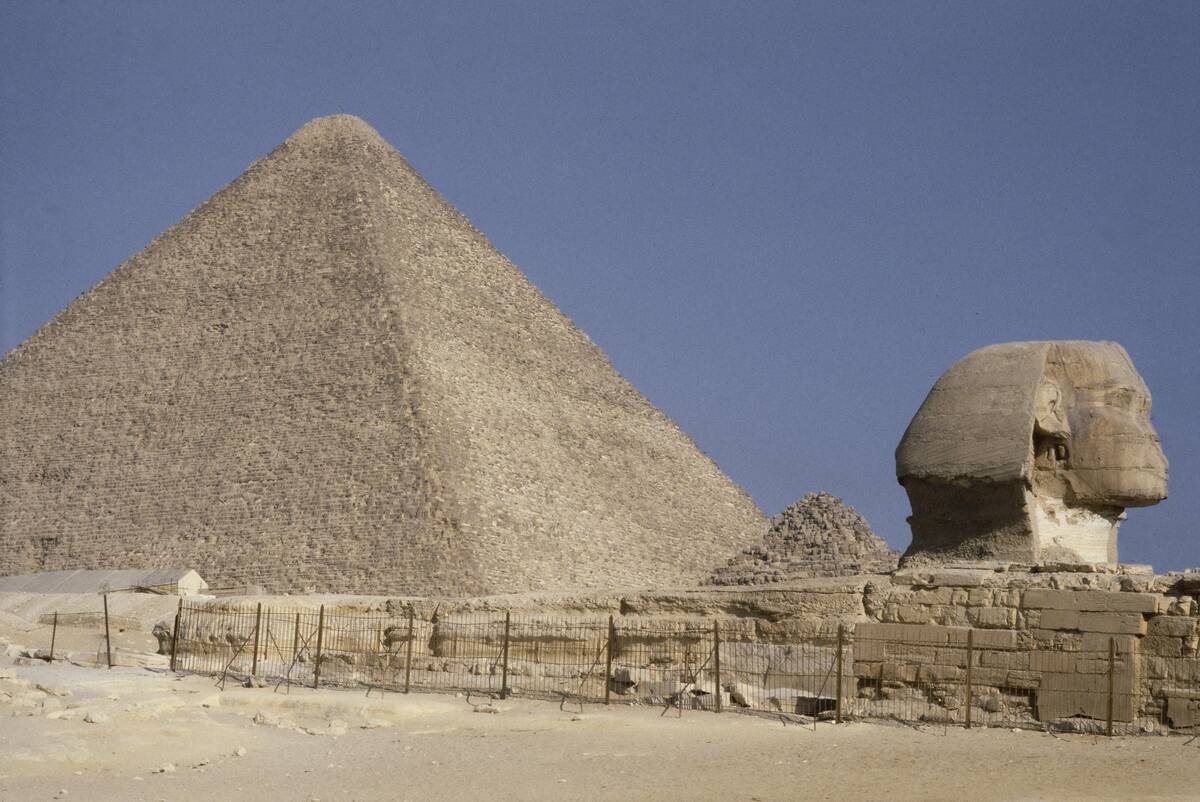
Standing tall for about 4,600 years, the Great Pyramid of Giza is a testament to the engineering prowess of ancient Egypt. It was built as a tomb for Pharaoh Khufu and is the only surviving wonder of the original Seven Wonders of the Ancient World.
Comprising approximately 2.3 million blocks of stone, its construction continues to amaze historians and architects alike. Its precise alignment with the cardinal points and the mysteries surrounding its construction still intrigue scholars today.
The Majestic Construction of the Notre-Dame Cathedral
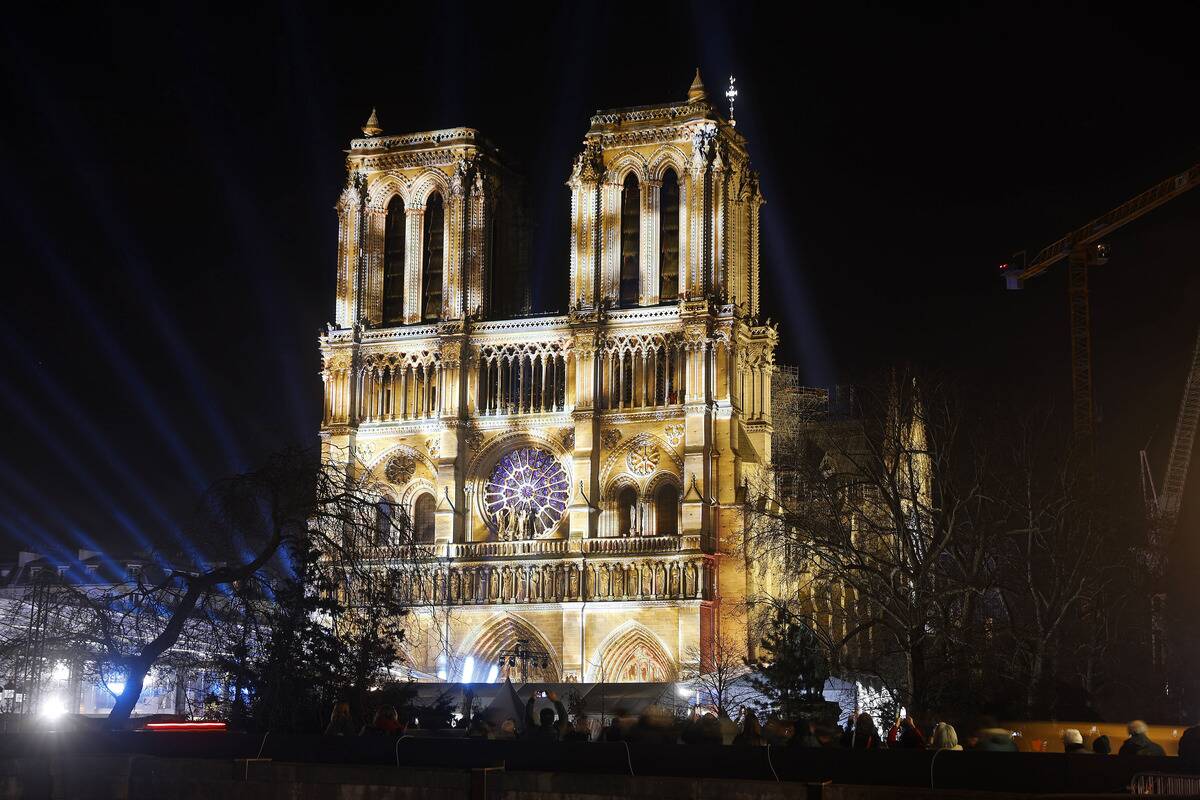
The Notre-Dame Cathedral in Paris is an epitome of Gothic architecture, with its construction beginning in 1163 and largely spanning about a century. Known for its flying buttresses, gargoyles, and rose windows, it has been a central piece of French cultural heritage.
The cathedral has witnessed many historical events, including Napoleon Bonaparte’s coronation. Despite the devastating fire in 2019, efforts were underway to restore its former glory until it reopened in December 2024.
The Timeless Beauty of the Taj Mahal
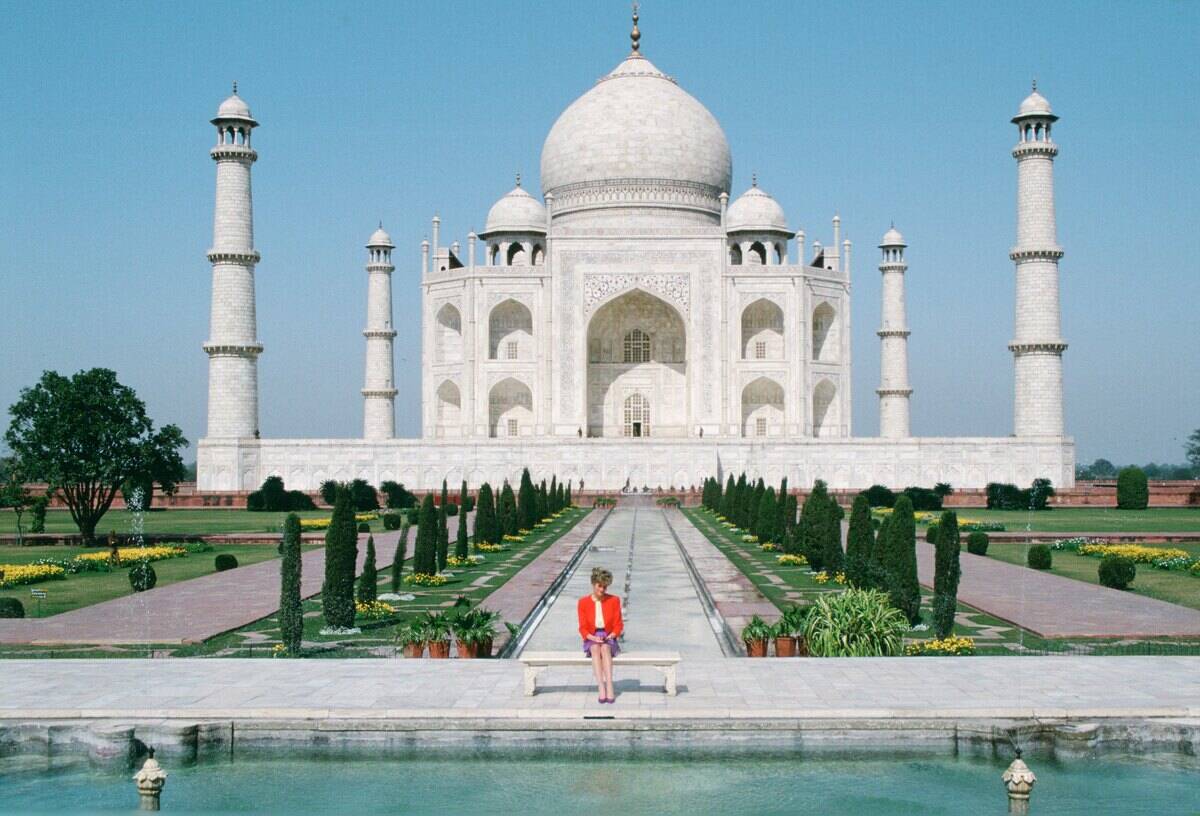
The Taj Mahal, a symbol of love, was commissioned by Emperor Shah Jahan in memory of his wife Mumtaz Mahal. Located in Agra, India, this white marble mausoleum is a UNESCO World Heritage Site and attracts millions of visitors annually.
Its exquisite symmetry, intricate carvings, and reflective pool create a mesmerizing sight at sunrise and sunset. The Taj Mahal’s blend of Persian, Indian, and Islamic architectural styles showcases the rich cultural fusion of the Mughal era.
The Great Wall of China: A Monumental Feat

Stretching over 13,000 miles, the Great Wall of China is a monumental feat of ancient engineering. Originally built to protect Chinese states from invasions, the wall is a series of fortifications made of stone, brick, tamped earth, and wood.
Construction began as early as the 7th century BC and continued for centuries. Today, it stands as a symbol of China’s historical resilience and is a popular destination for tourists who marvel at its vastness and historical significance.
The Intricate Details of La Sagrada Familia
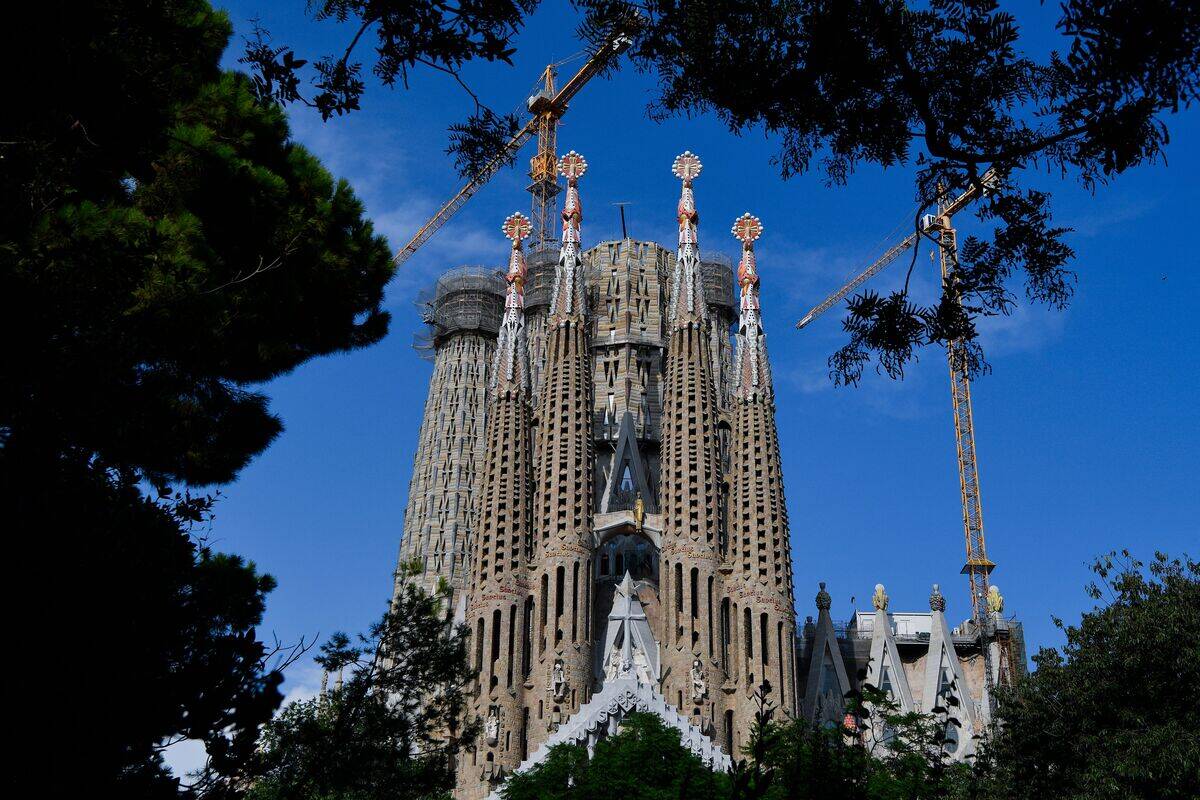
La Sagrada Familia in Barcelona, Spain, is Antoni Gaudí’s masterpiece that remains unfinished to this day. This basilica, characterized by its unique blend of Gothic and Art Nouveau styles, has been under construction since 1882.
Gaudí’s vision was to create a ‘Bible in stone,’ with every detail having symbolic meaning. The basilica’s intricate facades and towering spires draw visitors from around the world, eager to witness the ongoing work and the breathtaking design that defies conventional norms.
The Iconic Sydney Opera House: A Modern Masterpiece
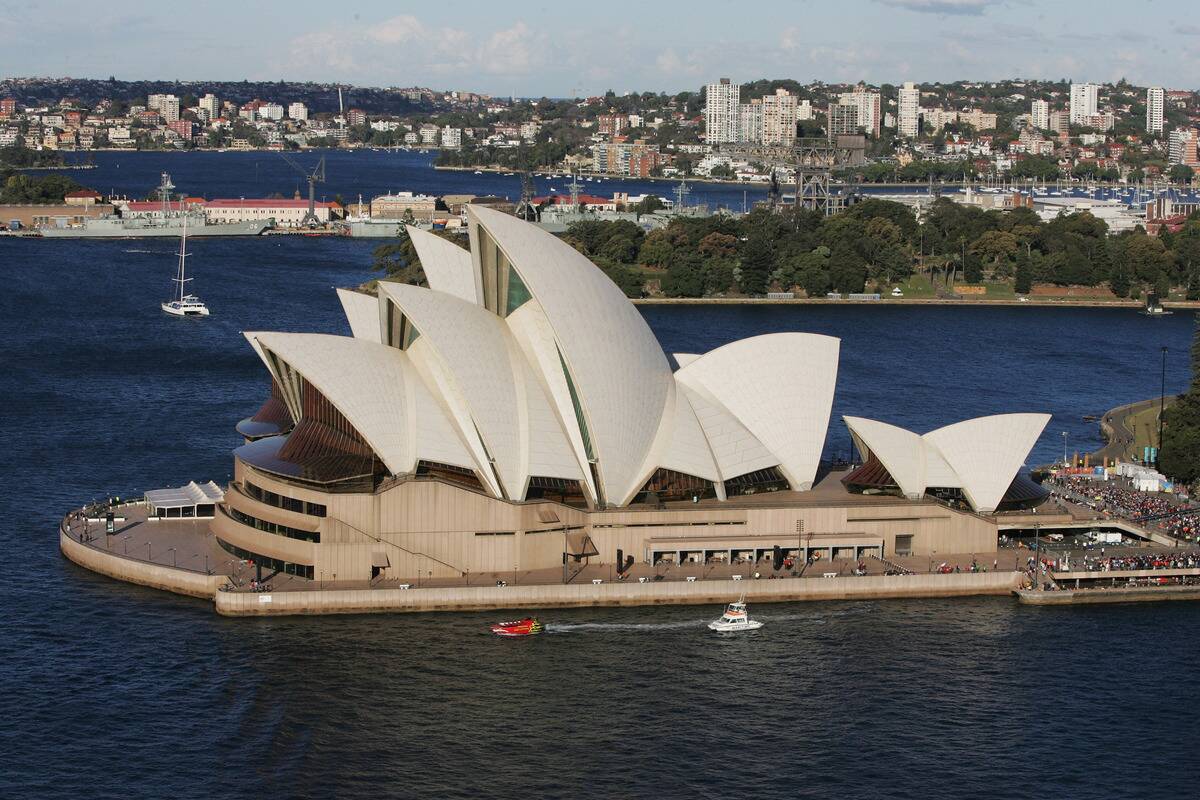
The Sydney Opera House, with its distinctive sail-like design, is an icon of modern architecture and a UNESCO World Heritage Site. Designed by Danish architect Jørn Utzon, it was completed in 1973 and sits majestically on Bennelong Point in Sydney Harbour.
The building hosts over 1,800 performances annually, ranging from opera to contemporary music. Its innovative design and engineering have made it a symbol of Sydney and an enduring representation of Australia’s cultural identity.
The Colosseum: Rome’s Timeless Arena
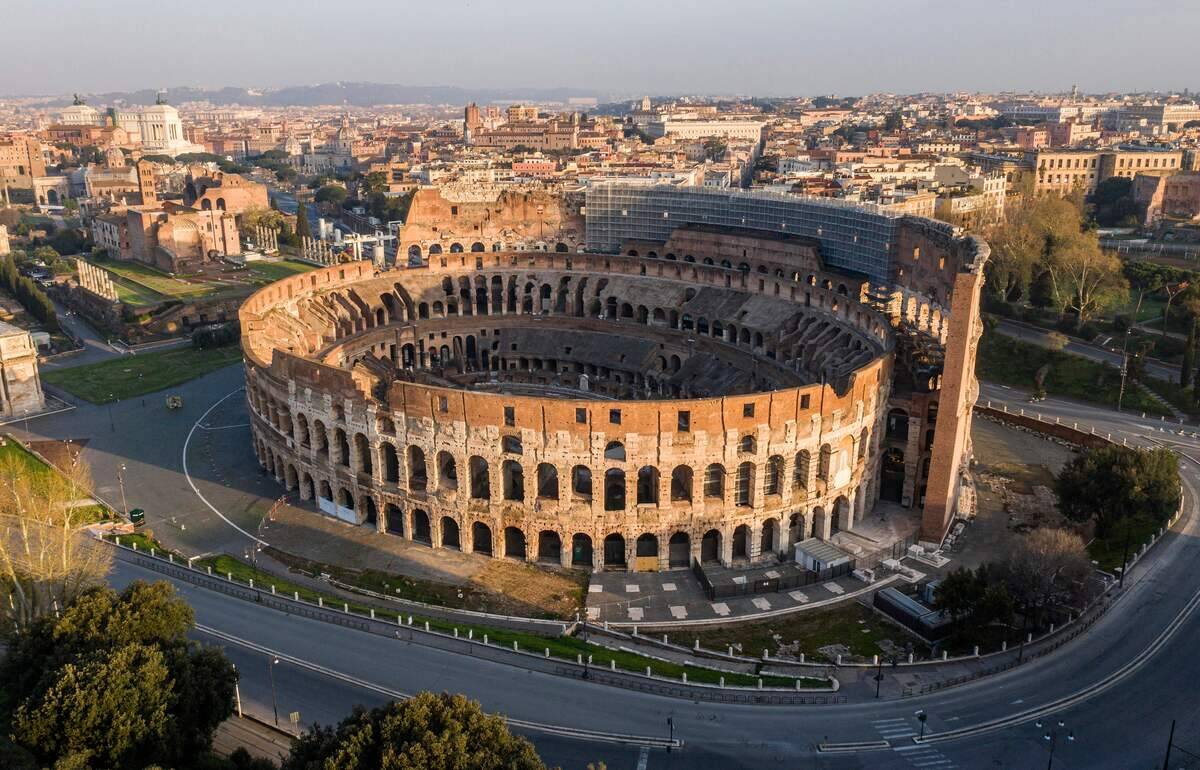
The Colosseum, also known as the Flavian Amphitheatre, is an iconic symbol of ancient Rome. Built between 70-80 AD, it could hold up to 80,000 spectators who came to watch gladiatorial contests and public spectacles.
This massive structure is an engineering marvel, with its complex system of vaults and arches. Despite being partially ruined due to earthquakes and stone robbers, the Colosseum remains a powerful reminder of Rome’s imperial past and a major tourist attraction today.
The Palace of Versailles: A Symbol of Royal Grandeur
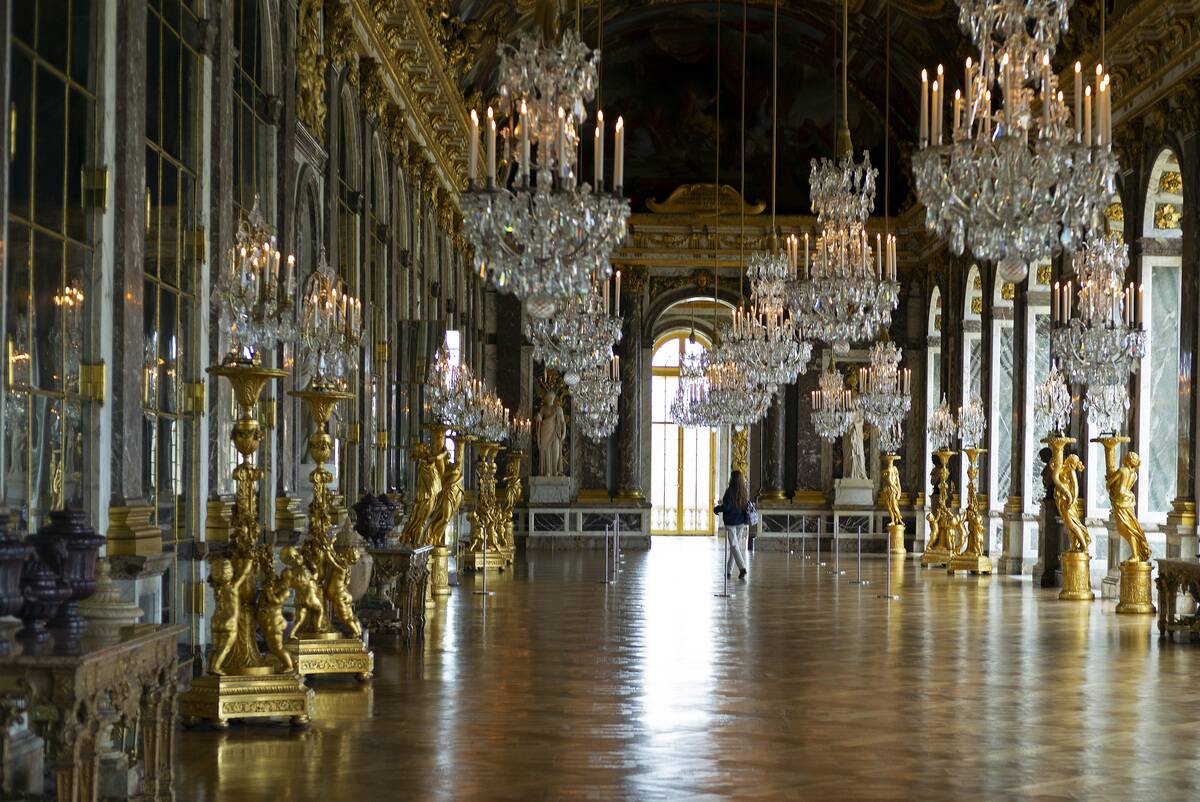
The Palace of Versailles, located just outside Paris, is a symbol of absolute monarchy and French royal opulence. Originally a hunting lodge, it was transformed by King Louis XIV in the late 17th century into a grand palace.
The Hall of Mirrors, ornate gardens, and lavish rooms reflect the extravagance of the Bourbon monarchy. Today, Versailles is a UNESCO World Heritage Site, drawing millions who come to admire its architecture and the splendor of its historical significance.
The Magnificent St. Basil’s Cathedral in Moscow
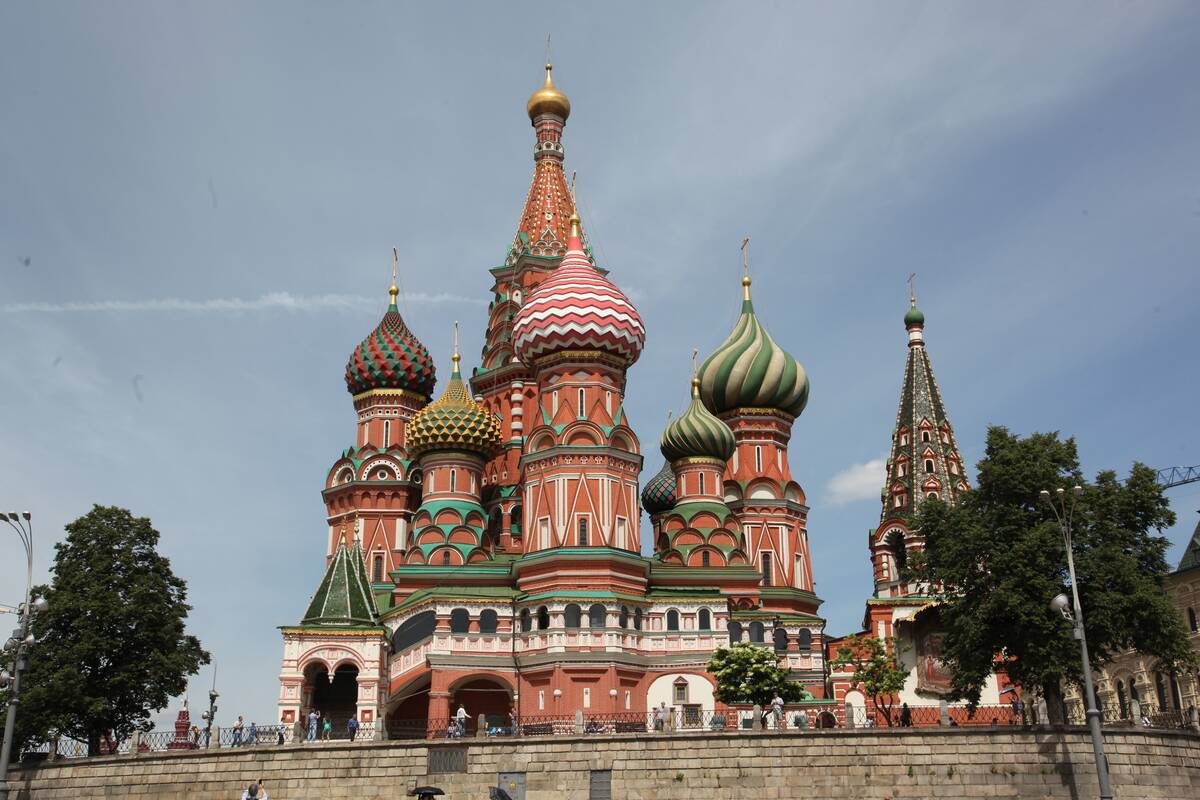
St. Basil’s Cathedral, with its colorful onion domes, is a striking feature of Moscow’s Red Square. Commissioned by Ivan the Terrible in the 16th century to commemorate the capture of Kazan, it represents the epitome of Russian architecture.
The cathedral’s unique design consists of nine chapels, each crowned with a distinctive dome. Its vibrant colors and intricate patterns are a feast for the eyes, making it one of Russia’s most photographed landmarks and a symbol of its rich cultural heritage.
The Stunning Angkor Wat: A Testament to Khmer Ingenuity
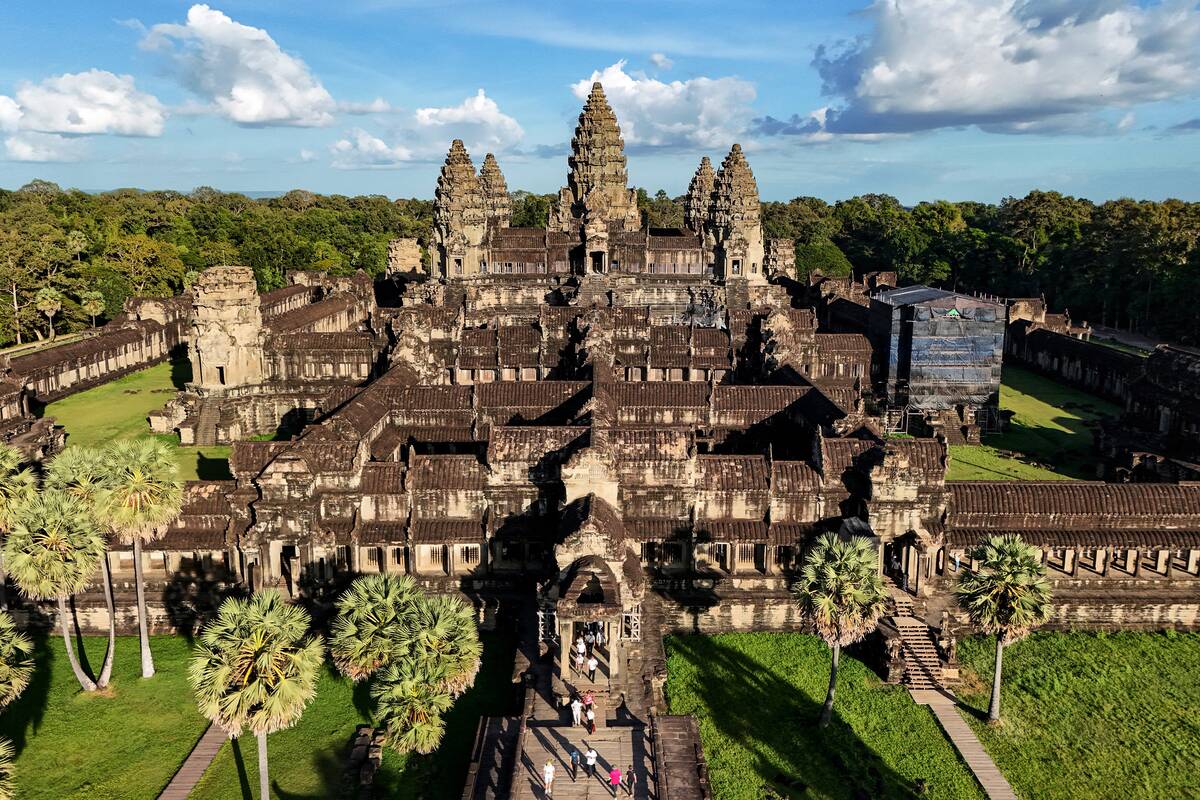
Angkor Wat in Cambodia is the largest religious monument in the world, originally built as a Hindu temple for the Khmer Empire. Constructed in the early 12th century by King Suryavarman II, it was later transformed into a Buddhist temple.
Its grandeur lies in its extensive bas-reliefs and majestic towers that symbolize Mount Meru, the center of the universe in Hindu mythology. Angkor Wat’s artistic excellence and historical significance have made it a source of national pride and a major tourist attraction.
The Leaning Tower of Pisa: Defying Gravity for Centuries
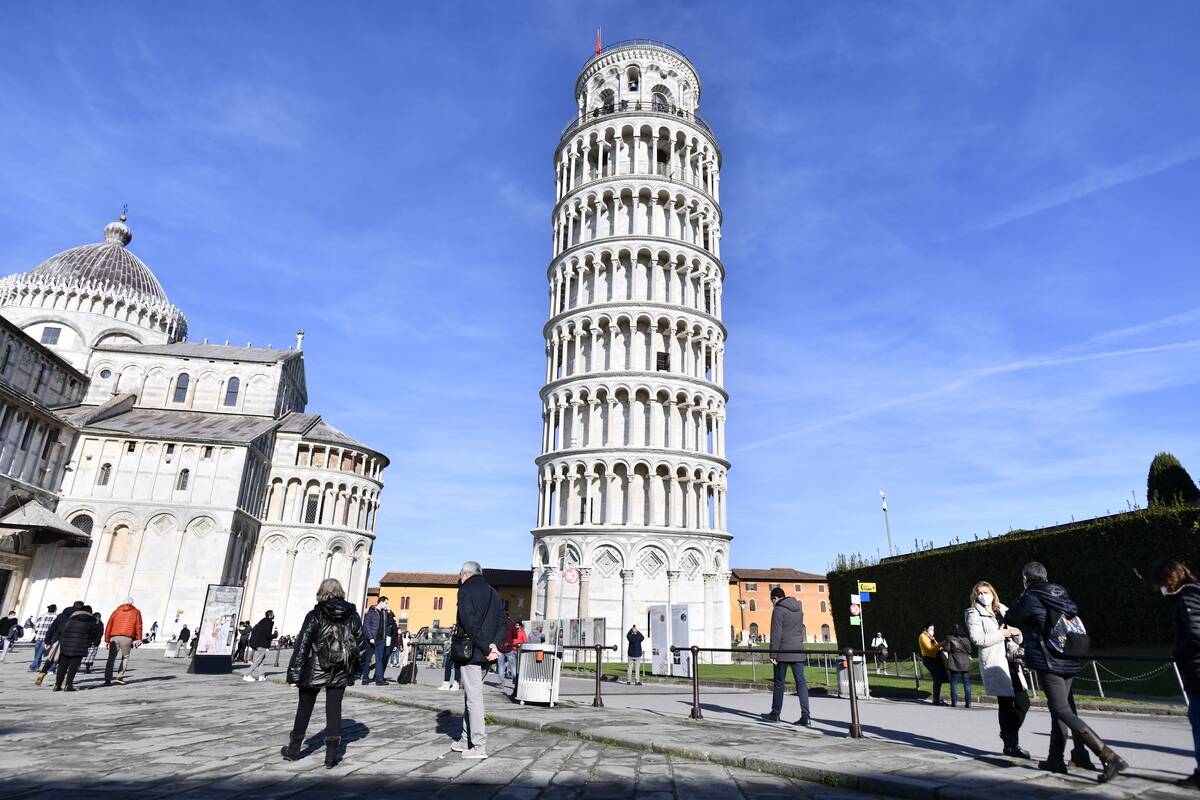
The Leaning Tower of Pisa is renowned worldwide for its unintended tilt, a result of unstable foundation soil. Construction began in the 12th century and took nearly 200 years to complete due to several interruptions.
Despite its precarious lean, the tower has stood the test of time and is a testament to medieval engineering. Efforts to stabilize the structure have preserved its leaning charm, making it a must-see attraction for tourists visiting Italy’s Tuscany region.
The Grandiose Château de Chambord in France
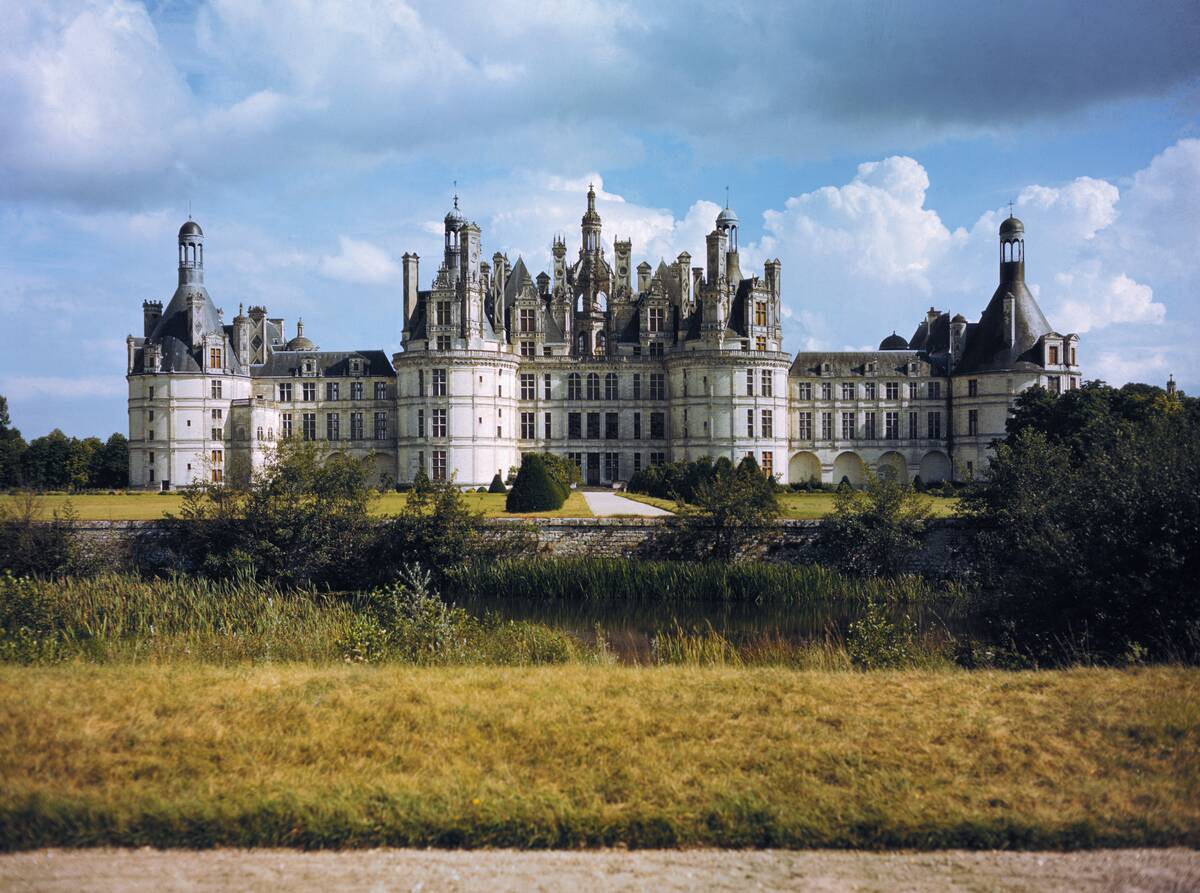
The Château de Chambord is a Renaissance masterpiece nestled in the Loire Valley of France. Commissioned by King Francis I in the early 16th century, it is celebrated for its distinctive French medieval and classical Renaissance architecture.
The château boasts an impressive double-helix staircase, rumored to be partially designed by Leonardo da Vinci, and over 400 rooms. Its vast park and intricate design elements reflect the grandeur of the French Renaissance, attracting visitors from around the globe.
Neuschwanstein Castle: A Fairytale Come to Life
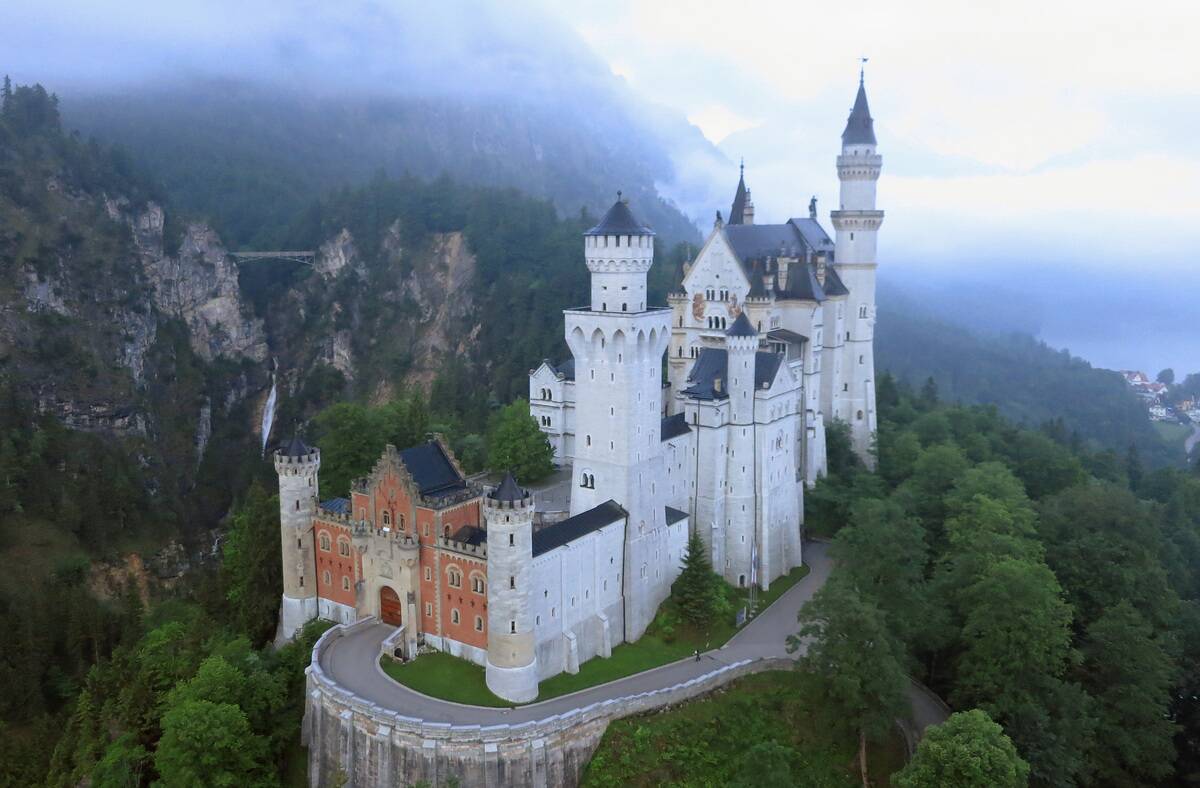
Perched among the Bavarian Alps, Neuschwanstein Castle is the quintessential fairytale castle that inspired Disney’s Sleeping Beauty Castle. Commissioned by King Ludwig II of Bavaria in the 19th century, it was intended as a personal refuge.
Despite its medieval appearance, the castle features modern conveniences of its time, including running water and central heating. Its picturesque setting and romantic design have made it one of Germany’s most popular tourist destinations, capturing the imagination of millions.
The Historic Machu Picchu: An Incan Wonder
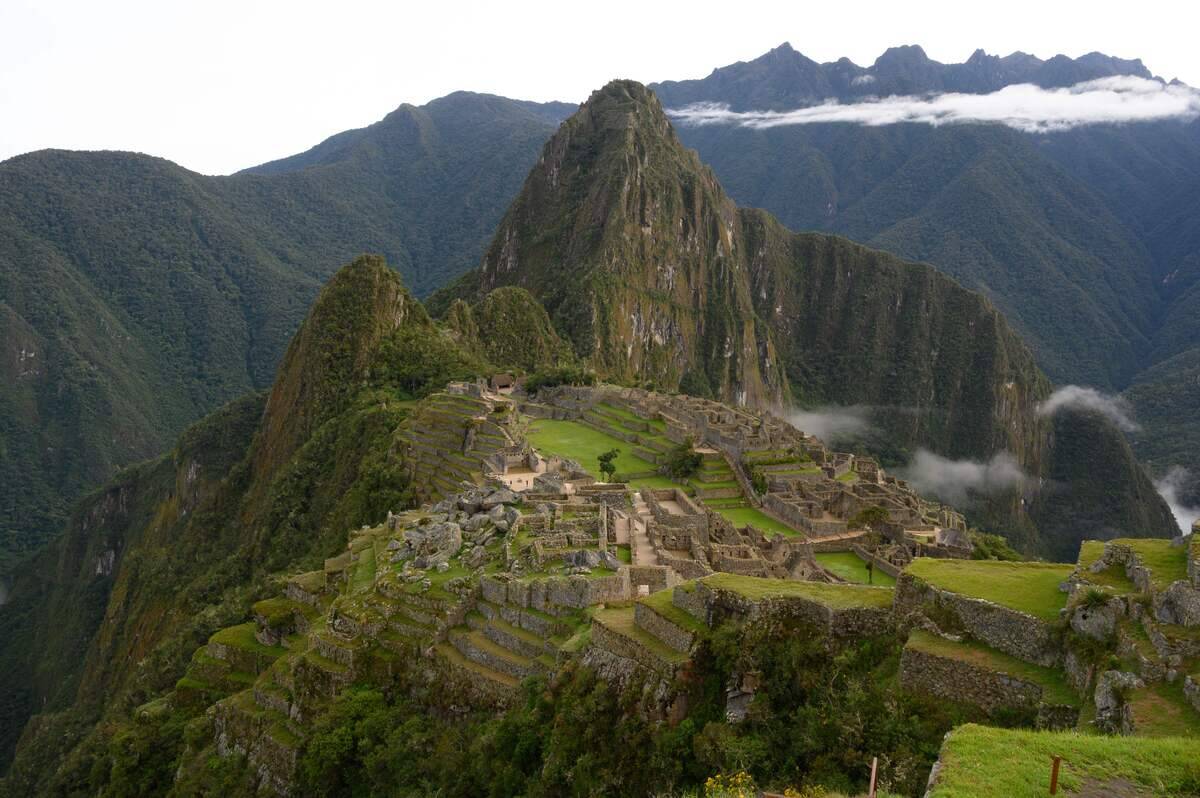
Machu Picchu, the Lost City of the Incas, is nestled high in the Andes Mountains of Peru. Built in the 15th century, it was abandoned during the Spanish Conquest and remained unknown to the outside world until its rediscovery in 1911 by Hiram Bingham.
Its complex of palaces, temples, and terraces showcases the ingenuity of Incan engineering and architecture. As a UNESCO World Heritage Site, Machu Picchu attracts adventurers and history enthusiasts eager to explore its breathtaking landscape and ancient ruins.
The Burj Khalifa: Reaching New Heights in Architectural Design
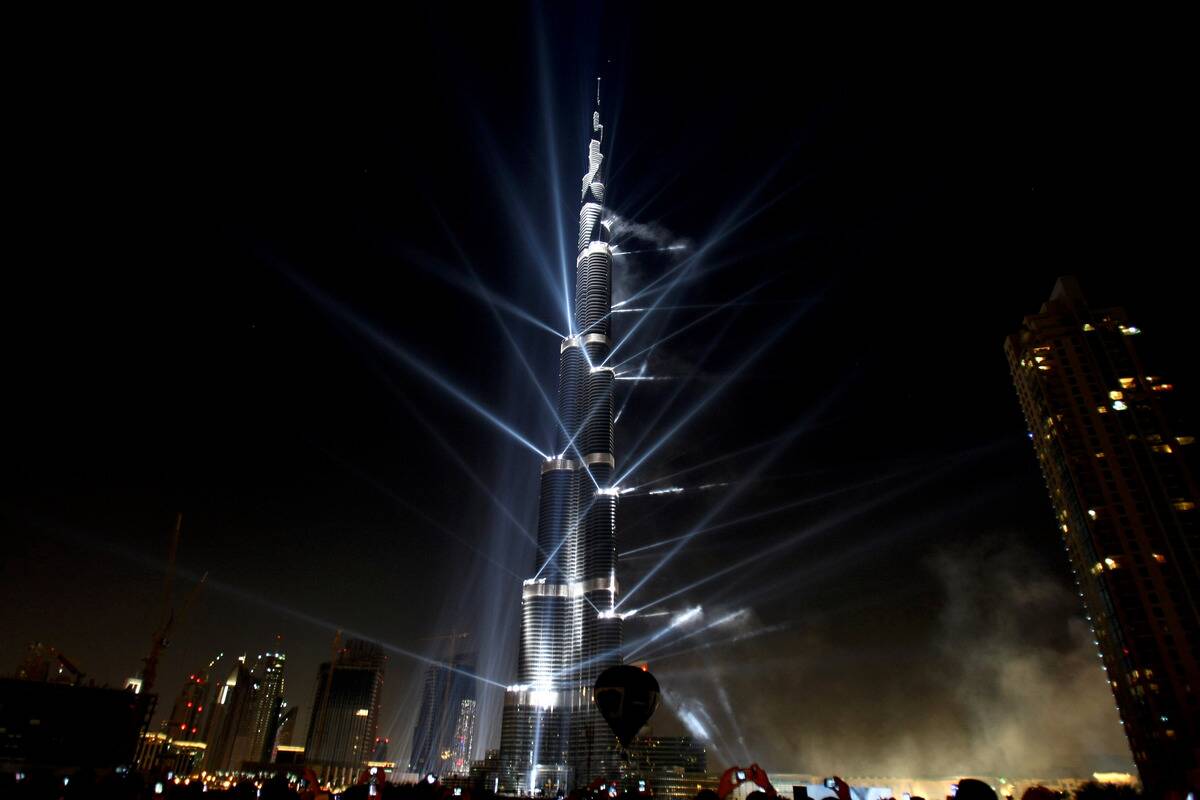
The Burj Khalifa in Dubai stands as the tallest building in the world, reaching a staggering height of 828 meters. Completed in 2010, it is a symbol of modern engineering and architectural innovation.
The building’s design is inspired by the Hymenocallis flower, with its tiered structure allowing for stability and aesthetic appeal. Housing luxury residences, offices, and the Armani Hotel, the Burj Khalifa offers panoramic views of Dubai, making it a must-visit landmark for tourists and architecture enthusiasts alike.




