Architectural wonders built without modern tools or machines
The world is dotted with architectural marvels from ancient civilizations that continue to captivate our imagination. These structures are not just relics of the past but testimonies to the ingenuity and artistic prowess of our ancestors.
From intricate stonework to grandiose designs, these ancient wonders offer a glimpse into the societies that built them and the technological advances they achieved. Join us as we journey through time to explore some of the most extraordinary architectural feats from around the globe.
The Great Pyramid of Giza: A Timeless Testament to Human Ingenuity
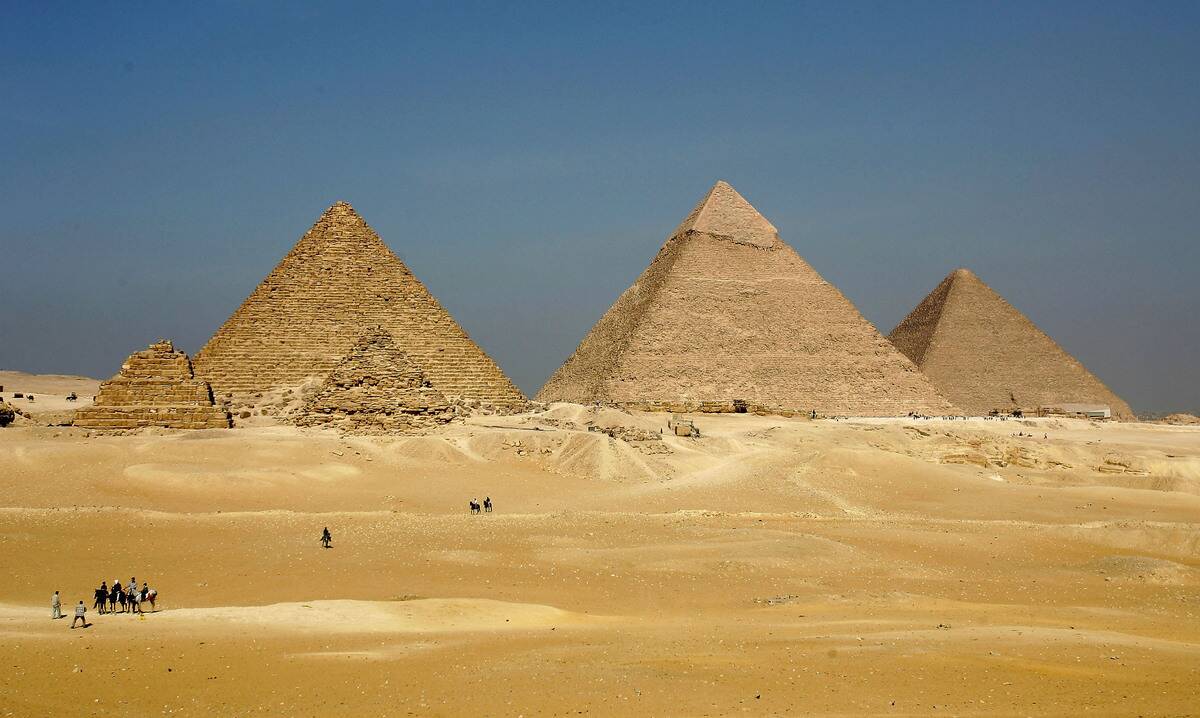
Standing tall on the outskirts of Cairo, the Great Pyramid of Giza has fascinated historians and tourists alike for millennia. Built around 2560 BC as a tomb for Pharaoh Khufu, it is the only surviving wonder of the Seven Wonders of the Ancient World.
Despite its massive size, the pyramid’s construction is remarkably precise, with each of its sides measuring just over 230 meters. Its original smooth white limestone casing would have made it gleam in the sunlight, a beacon visible for miles around.
Stonehenge: The Mystery of the Megaliths
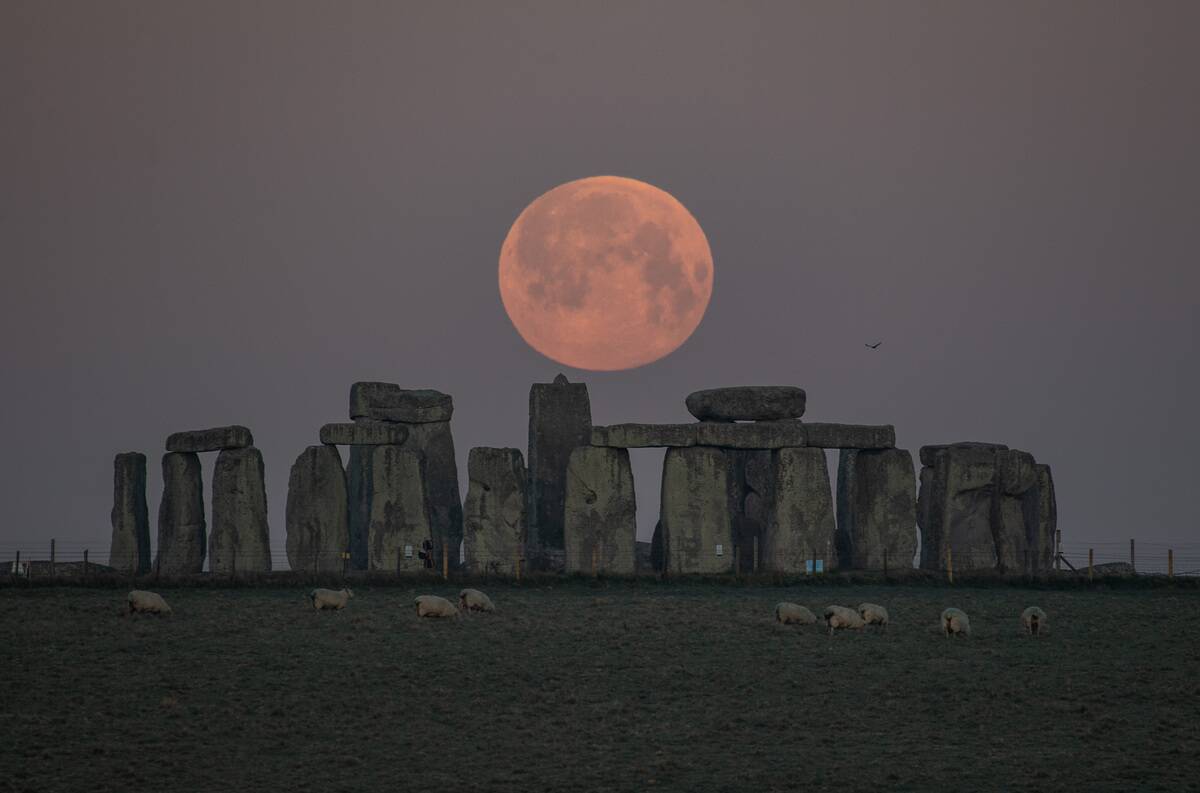
Nestled on the Salisbury Plain in England, Stonehenge is shrouded in mystery and intrigue. Constructed between 3100 and 1600 BC, this prehistoric monument consists of a ring of standing stones, each around 13 feet high.
The purpose of Stonehenge remains a topic of debate, with theories ranging from astronomical observatory to burial ground. Adding to the enigma, some of the stones originated from over 150 miles away, suggesting a significant effort in their transportation, hinting at its importance to ancient peoples.
The Parthenon: A Pinnacle of Greek Architectural Prowess
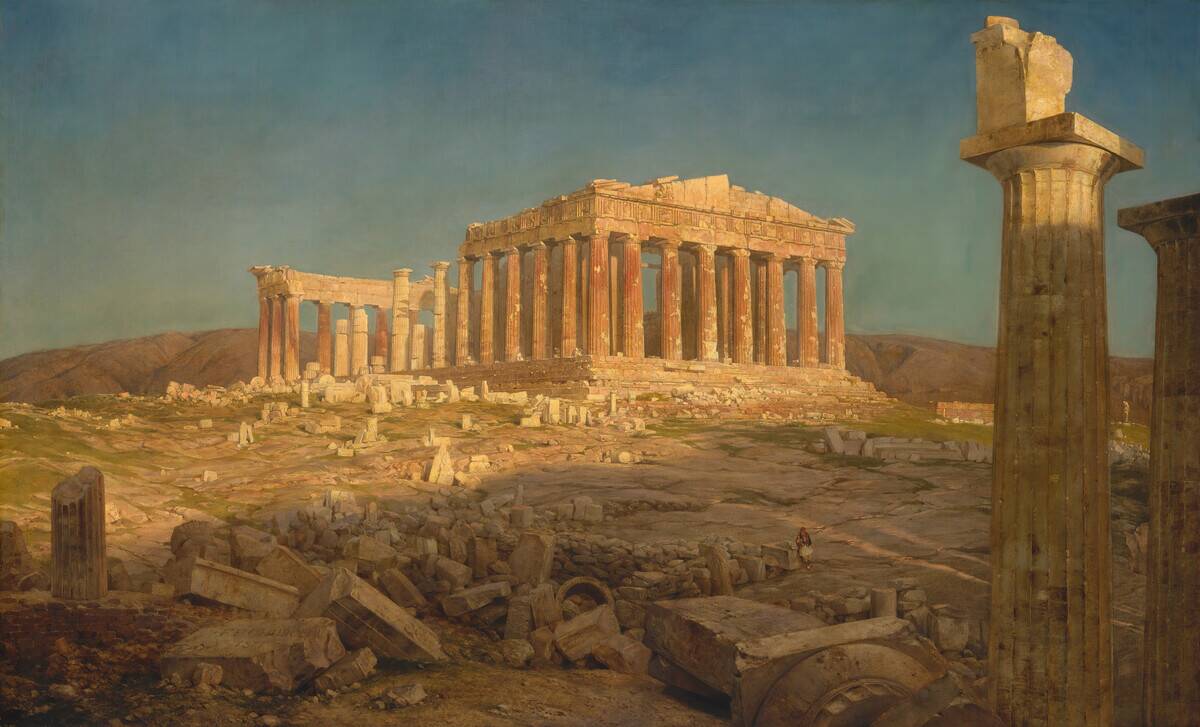
Perched atop the Acropolis of Athens, the Parthenon epitomizes the glory of ancient Greece. Dedicated to the goddess Athena, it was completed in 438 BC during the height of Athenian power. The Parthenon is renowned for its Doric architecture and the optical illusions employed in its design.
Slightly curved lines and angles correct visual distortions, creating an awe-inspiring effect of symmetry and balance. Its sculptural decorations, particularly the frieze, celebrate Athenian civic life and religious devotion.
Machu Picchu: The Incan City in the Clouds
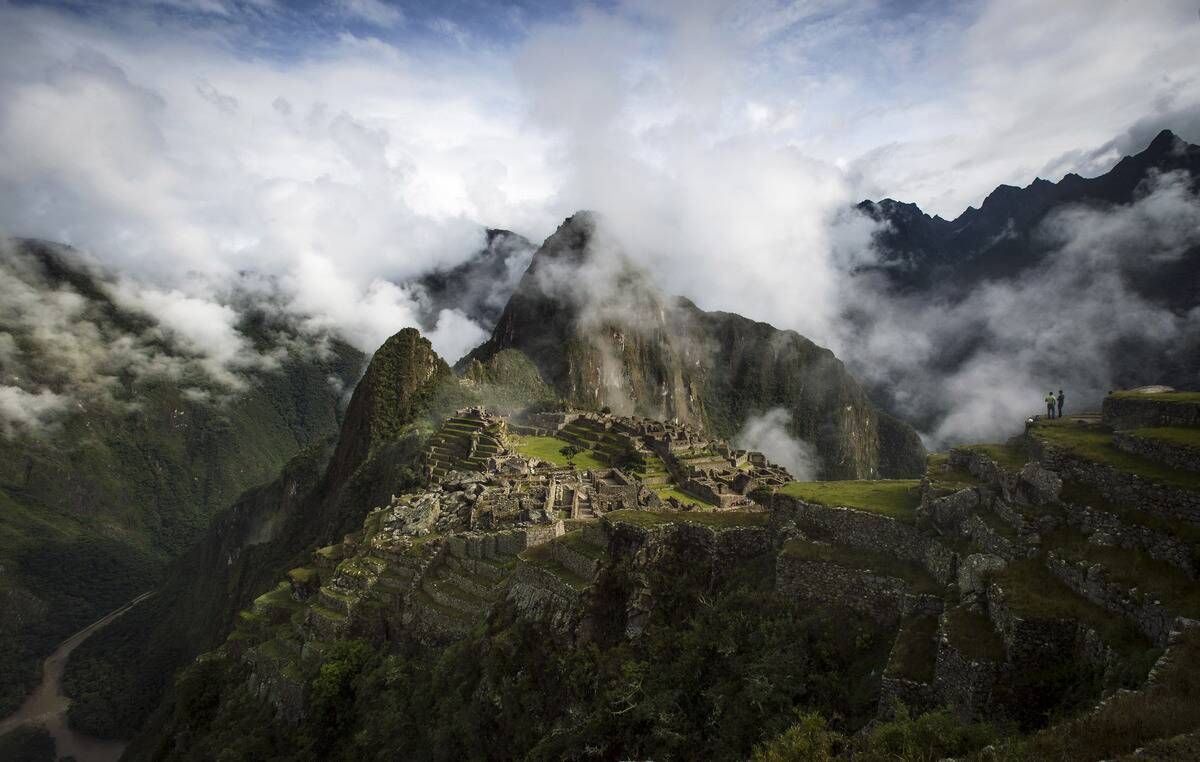
High in the Andes Mountains of Peru lies Machu Picchu, a symbol of the Incan Empire’s architectural ingenuity. Rediscovered in 1911 by Hiram Bingham, this 15th-century citadel remains largely intact, offering insight into Incan civilization.
The site features sophisticated dry-stone construction, with precisely cut stones that fit together without mortar. Its terraces, temples, and aqueducts showcase the Incas’ advanced understanding of agriculture and water management, making Machu Picchu a testament to their adaptability and engineering prowess.
The Roman Colosseum: An Ancient Amphitheater of Epic Proportions
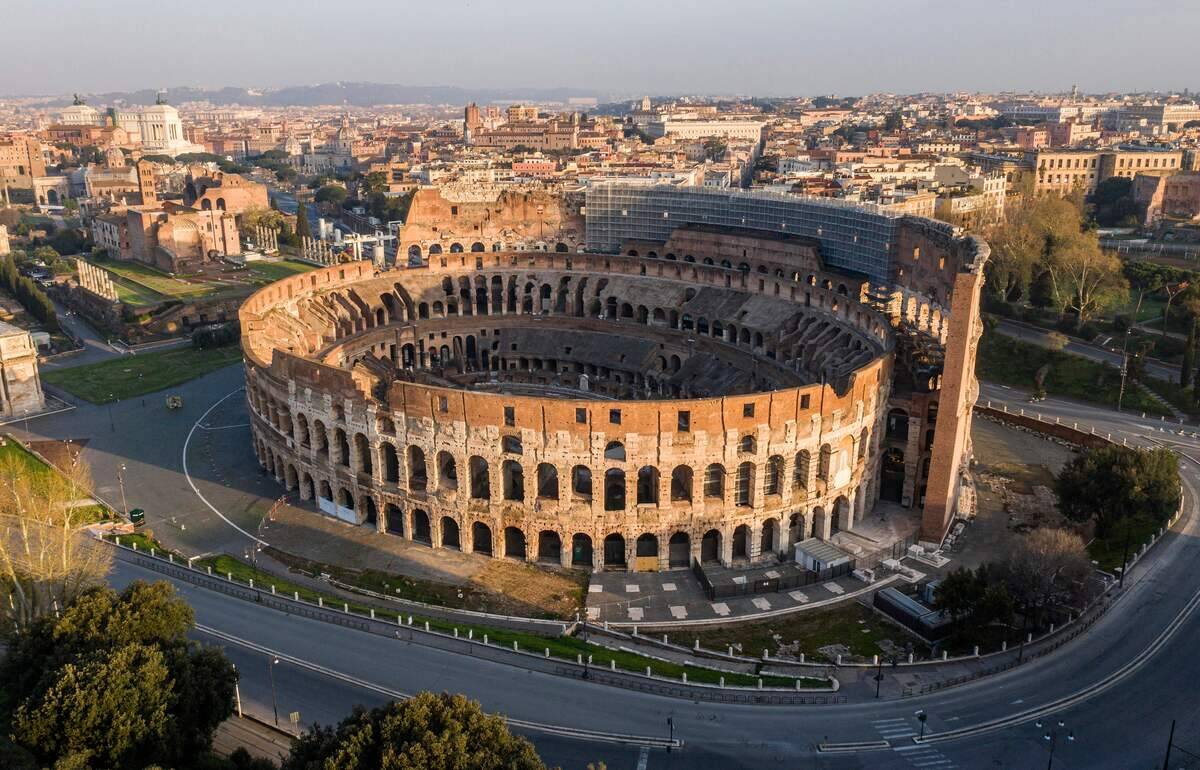
The Roman Colosseum, or Flavian Amphitheatre, stands as a testament to the grandeur of ancient Rome. Completed in AD 80, it could hold up to 80,000 spectators and hosted events ranging from gladiatorial contests to mock sea battles.
Its innovative design, featuring a complex system of vaults and arches, allowed for efficient crowd management and is considered a marvel of engineering. Despite centuries of wear and natural disasters, the Colosseum remains a symbol of Roman architectural and cultural prowess.
Petra: The Rose City Carved into Rock
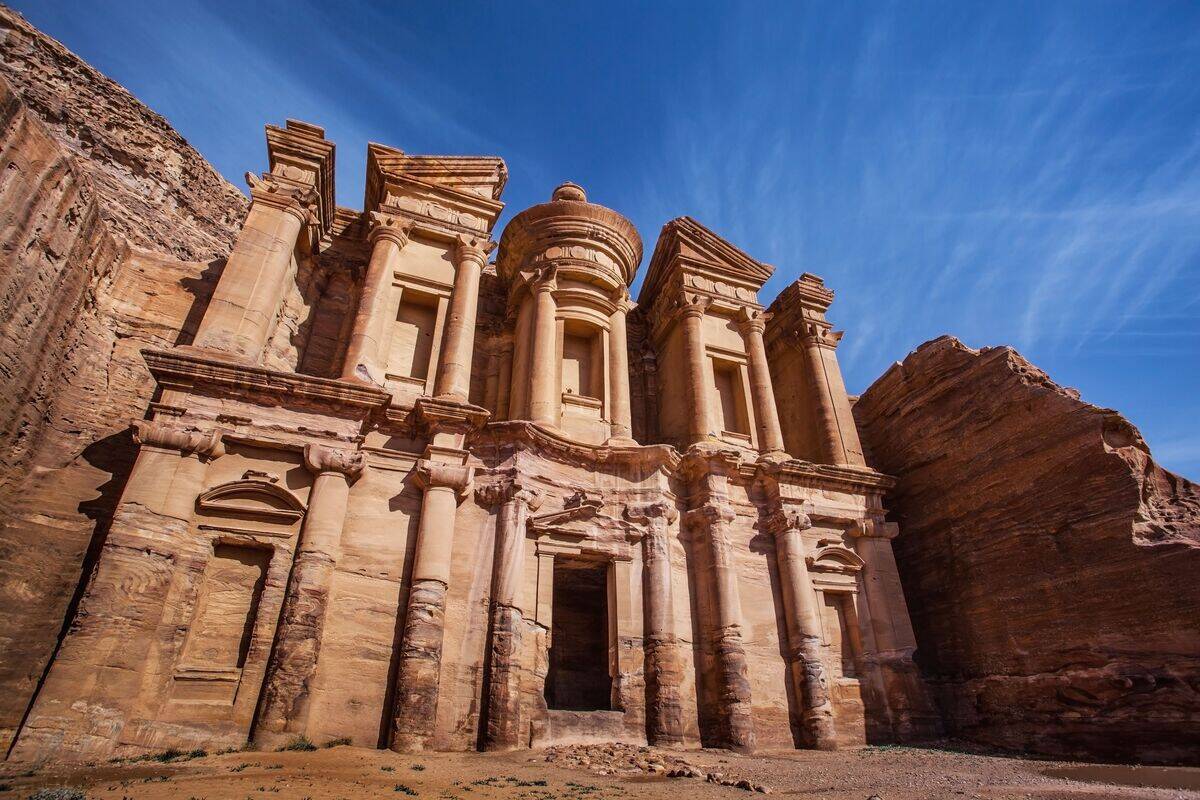
Hidden within the rugged landscapes of southern Jordan, Petra is a city carved into rose-colored sandstone cliffs. Established as early as the 4th century BC, it served as the capital of the Nabataean Kingdom.
Petra’s most iconic structure, Al-Khazneh, or the Treasury, showcases intricate Hellenistic architectural influences. As a UNESCO World Heritage site, Petra continues to draw visitors with its stunning facades and complex water management system, which supported a thriving city in the heart of the desert.
The Great Wall of China: A Monumental Feat of Ancient Engineering
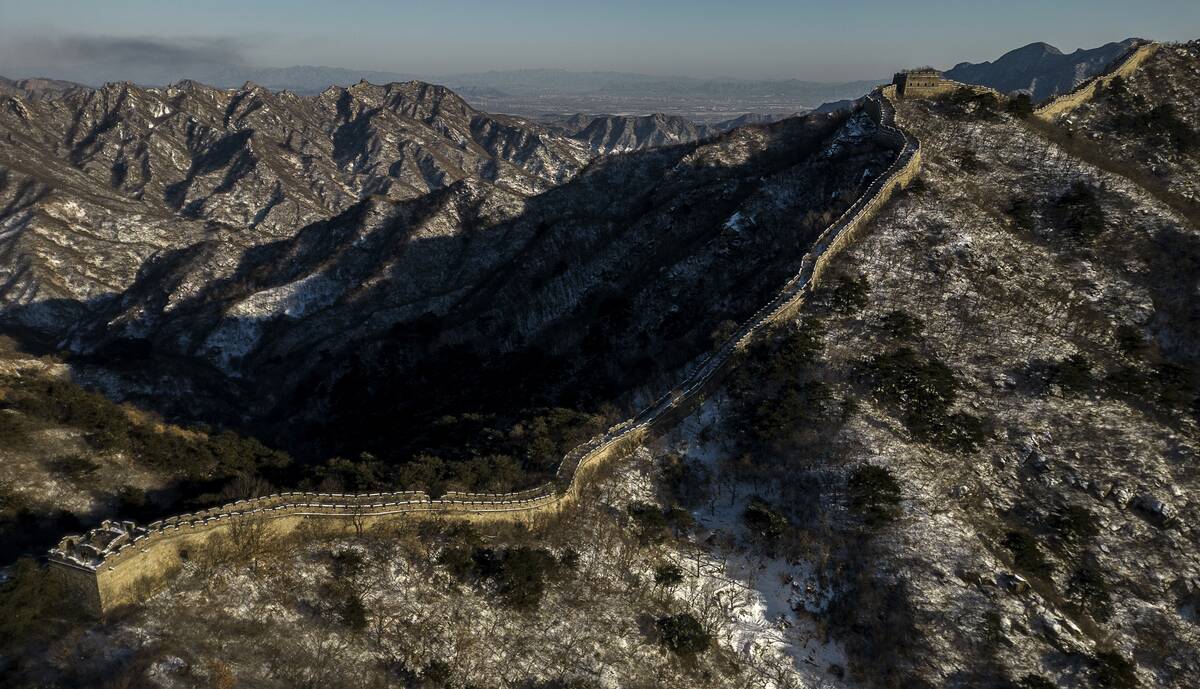
Stretching over 13,000 miles, the Great Wall of China is a monumental feat of ancient engineering. Built across centuries, with construction starting as early as the 7th century BC, the wall served as a defense against invasions from nomadic tribes.
Its construction involved the use of various materials, including earth, wood, and stone, depending on the terrain. The wall’s watchtowers and fortresses further enhanced its defensive capabilities, and today it stands as a symbol of China’s historical strength and perseverance.
The Ajanta Caves: Masterpieces of Ancient Indian Art and Architecture
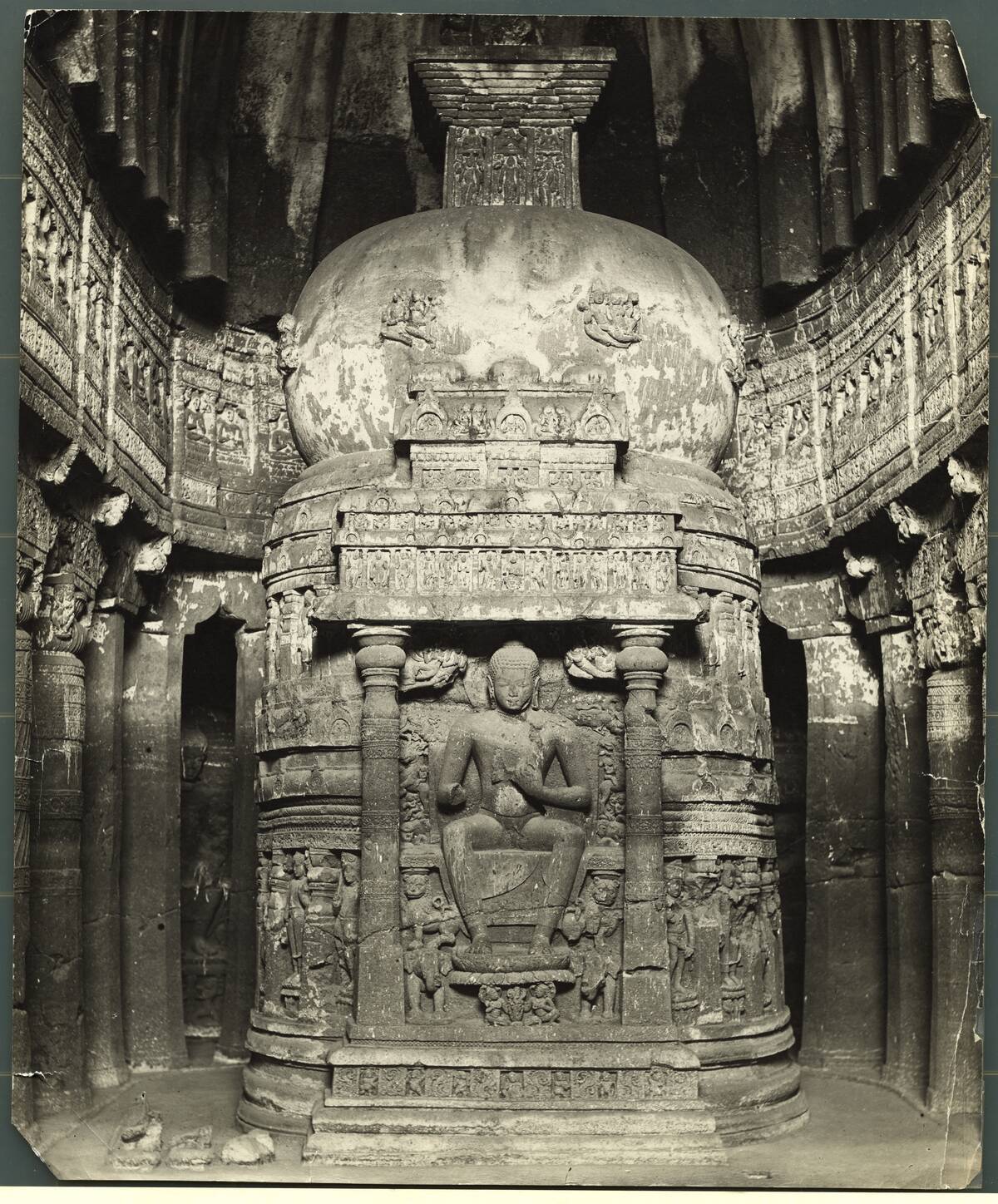
Hidden within the hills of Maharashtra, India, the Ajanta Caves are a collection of 30 rock-cut Buddhist cave monuments dating from the 2nd century BC to about 480 AD. These caves are renowned for their exquisite murals and sculptures, which depict the life of Buddha and various Jataka tales.
The intricate carvings and paintings reflect the zenith of ancient Indian art and offer insights into the religious and cultural life of the time. The caves are a testament to the artistic and architectural prowess of their creators.
The Moai Statues of Easter Island: Silent Sentinels of the Pacific
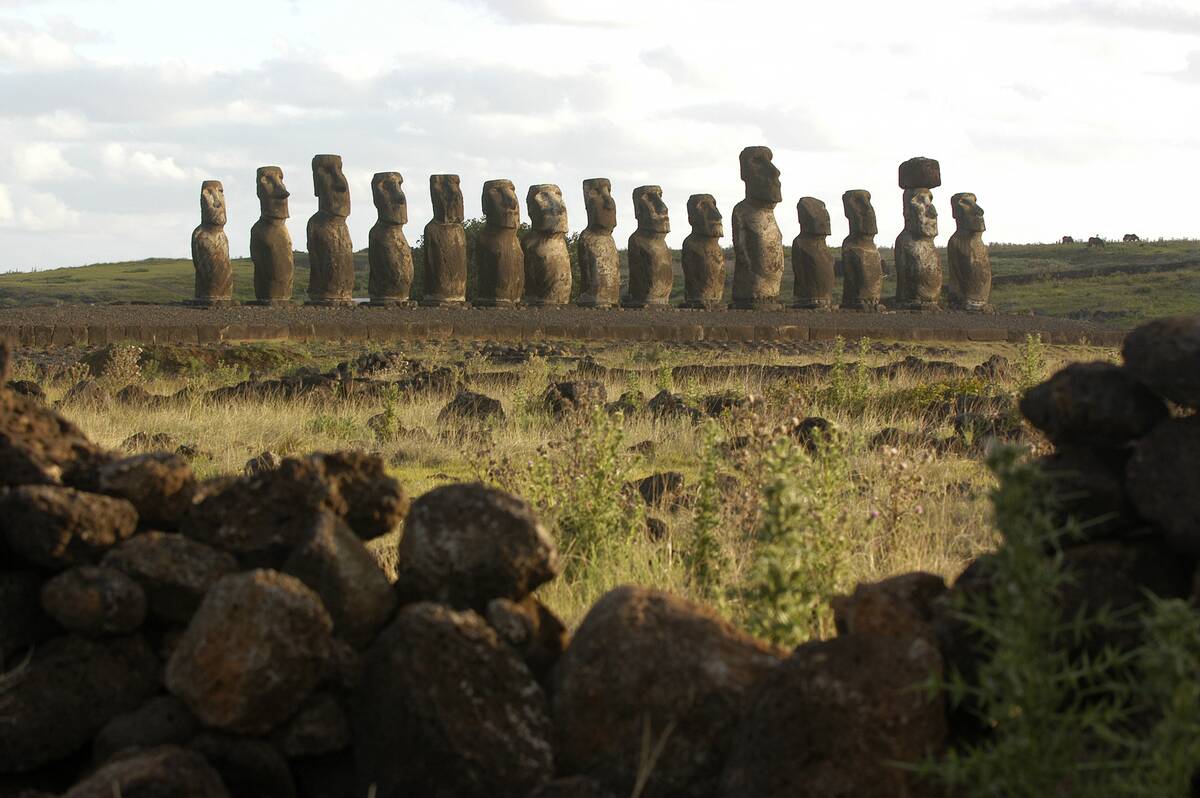
Remote and enigmatic, the Moai statues of Easter Island have puzzled researchers for years. Carved by the Rapa Nui people between 1250 and 1500 AD, these massive stone figures are scattered across the island.
The Moai, averaging 13 feet in height, are believed to represent ancestors or important figures, watching over the island’s inhabitants. The mystery of their transportation from the quarries to their final locations adds to their allure, as does the island’s isolation in the Pacific Ocean.
The Alhambra: A Moorish Jewel in Spain’s Crown
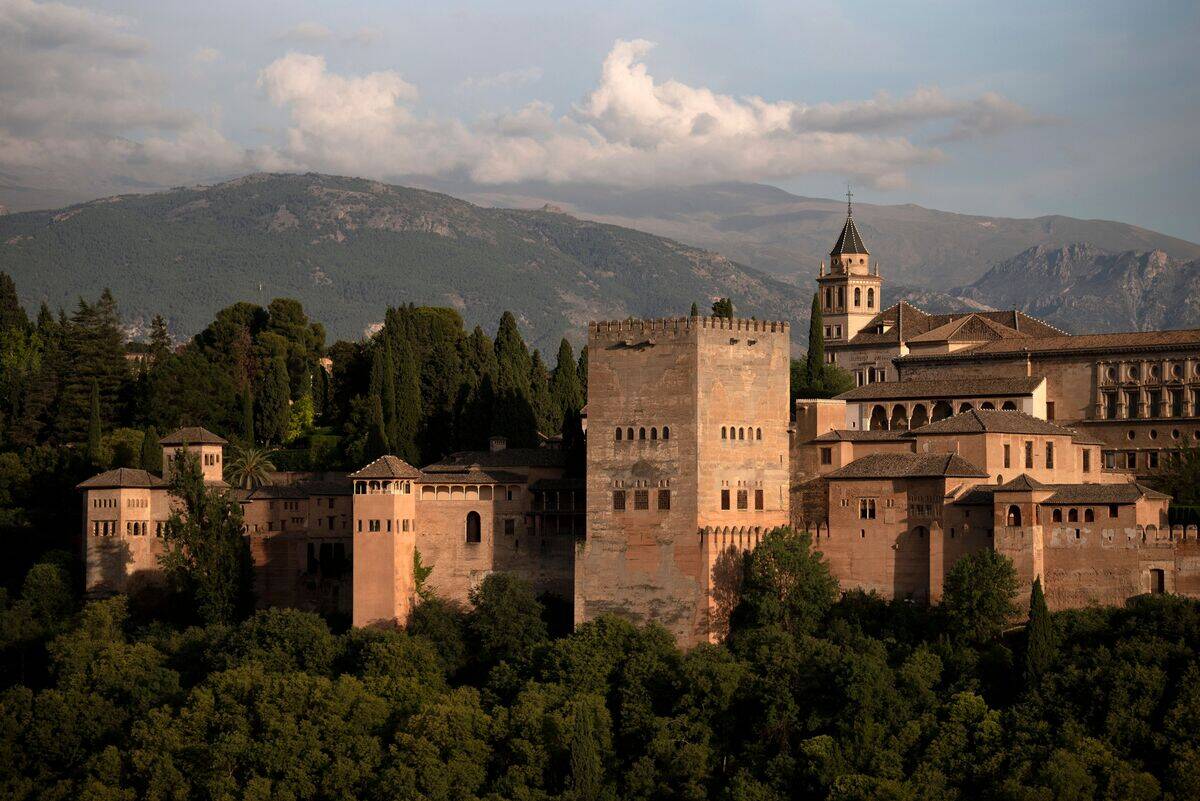
The Alhambra, a UNESCO World Heritage site, is a stunning example of Moorish architecture in Spain. Located in Granada, this palatial fortress complex was built in the mid-13th century by the Nasrid dynasty.
The Alhambra is renowned for its intricate Islamic art, featuring stucco work, tile mosaics, and arabesques. Its beautiful gardens and courtyards, like the Court of the Lions, exemplify the harmonious blend of nature and architecture. This cultural treasure continues to inspire with its beauty and historical significance.
The Pyramids of Meroë: Nubia’s Lesser-Known Wonders
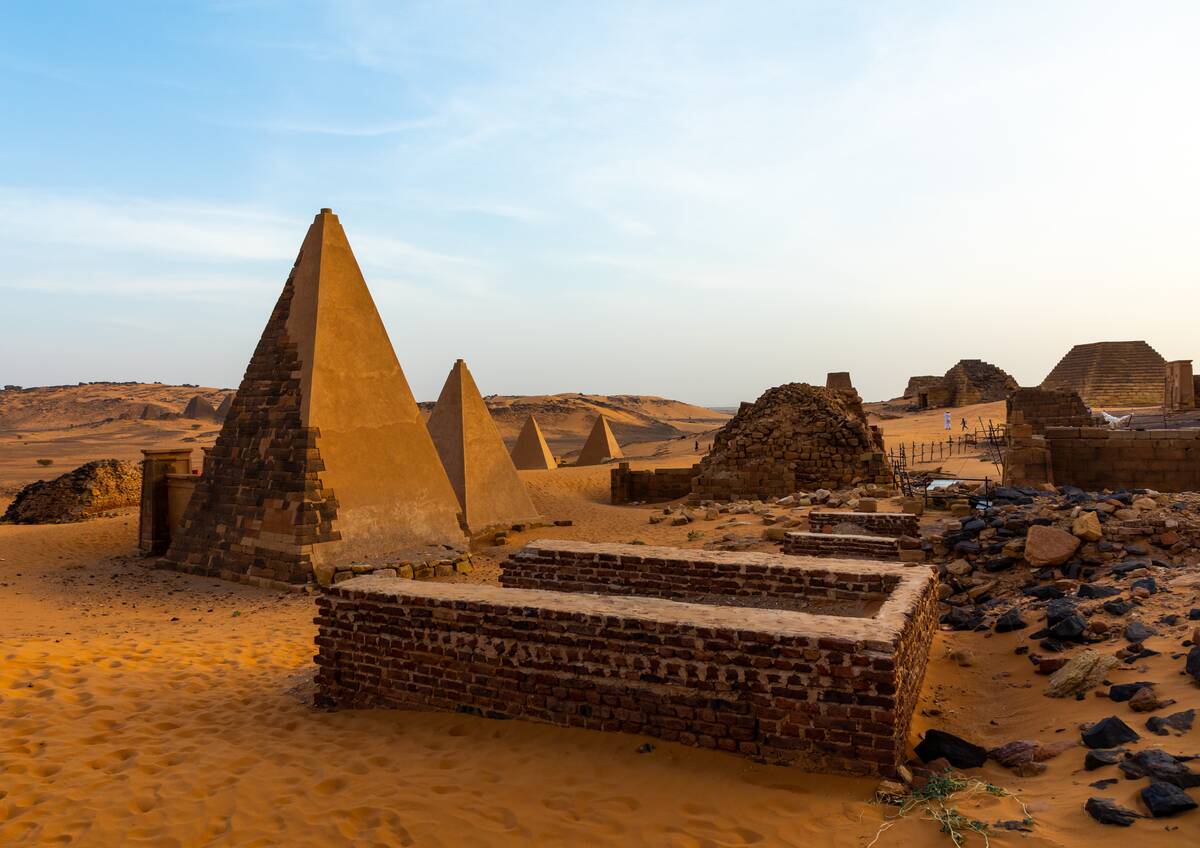
Tucked away in the deserts of Sudan, the pyramids of Meroë are a lesser-known marvel of ancient Nubia. Built between 300 BC and AD 350, these pyramids served as the royal cemetery for the Kingdom of Kush. Although smaller than their Egyptian counterparts, they are distinguished by their unique steep angles and decorative elements.
The site, a UNESCO World Heritage site, offers valuable insights into the Kushite civilization and its cultural exchanges with ancient Egypt, a testament to its historical and archaeological significance.
The Hagia Sophia: A Byzantine Marvel of Dome and Space
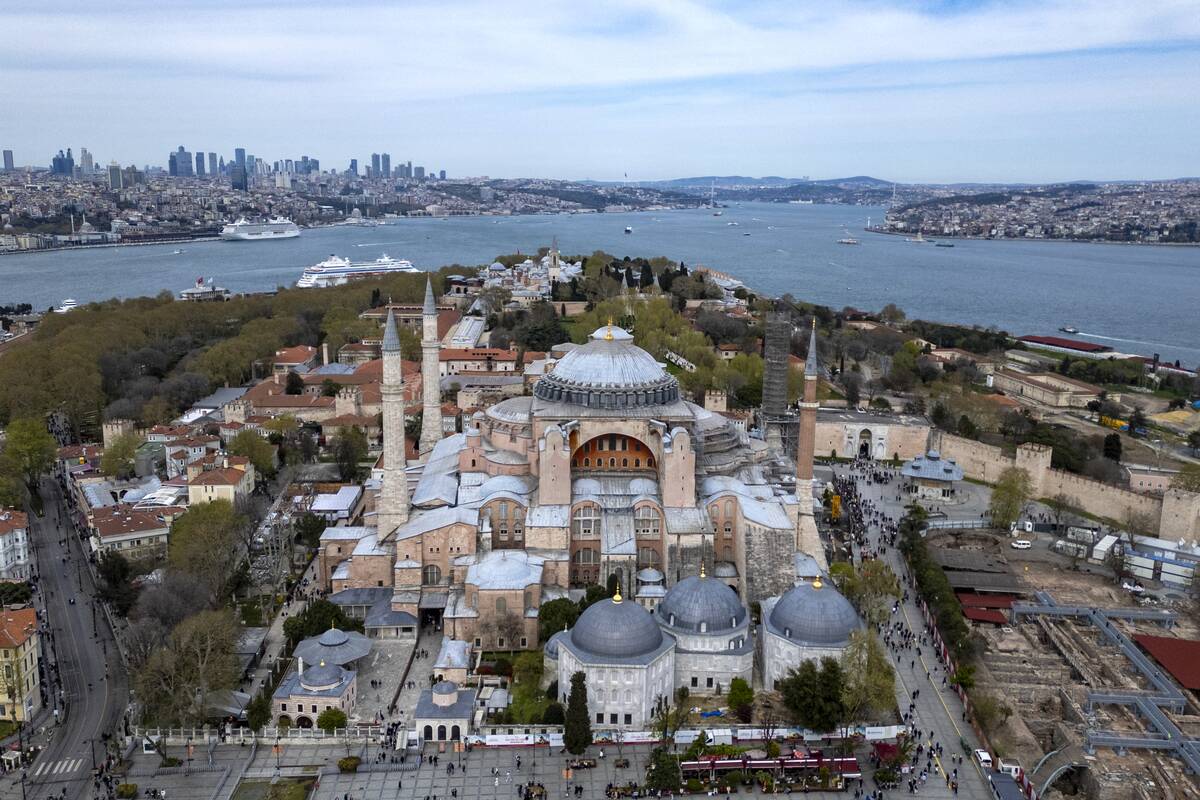
The Hagia Sophia, located in Istanbul, Turkey, is a masterpiece of Byzantine architecture. Constructed in 537 AD under Emperor Justinian I, it served as a cathedral, mosque, a museum, and since 2020 again as a mosque. Its massive dome, spanning 31 meters, was an engineering marvel of its time, creating an impression of floating above the central nave.
The Hagia Sophia’s interior is adorned with stunning mosaics and marble pillars, reflecting the grandeur and sophistication of Byzantine art. It remains a symbol of cultural and religious fusion.
The Nazca Lines: Earthworks of Mystical Proportions
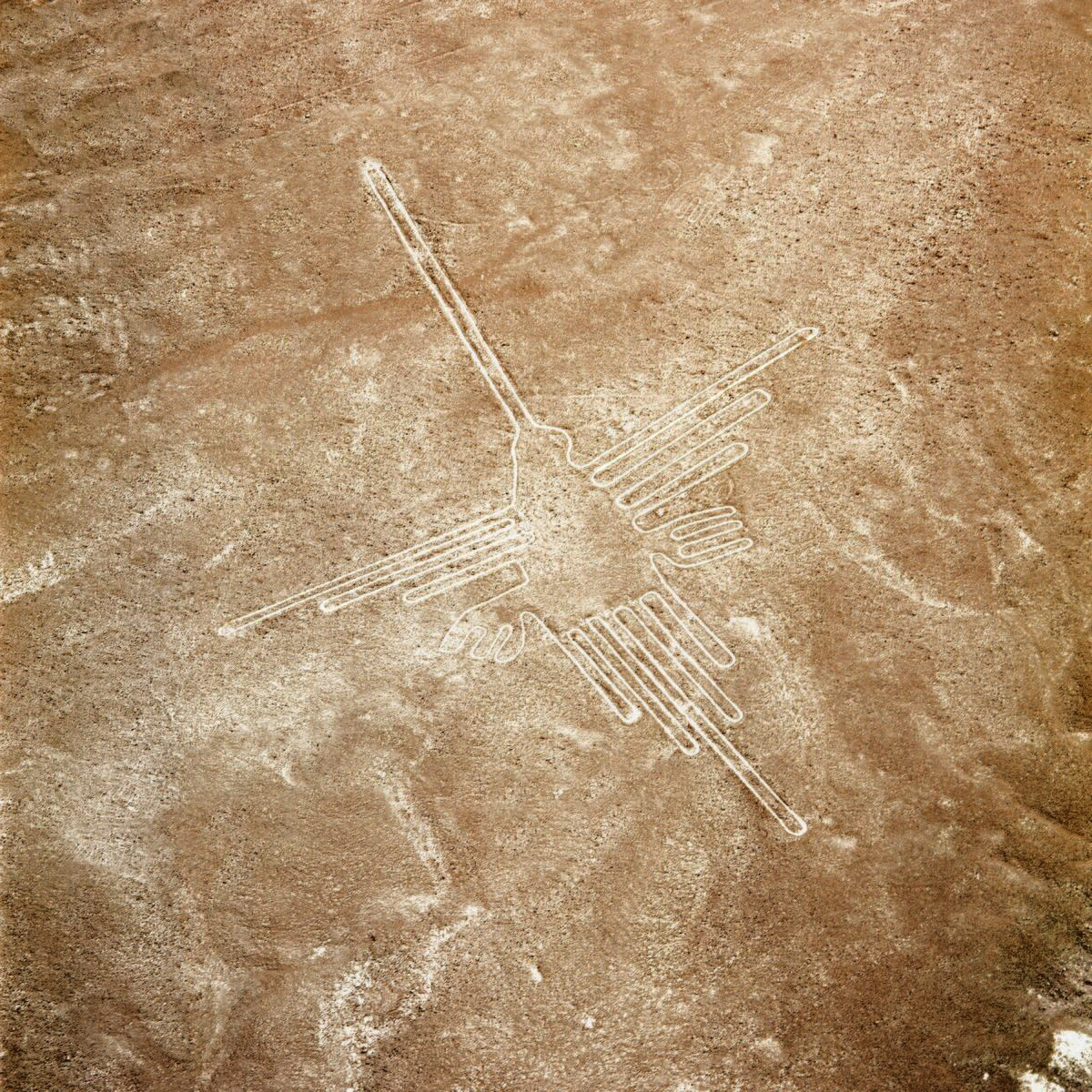
Etched into the arid landscape of southern Peru, the Nazca Lines are one of the most fascinating archaeological mysteries. Created by the Nazca culture between 500 BC and 500 AD, these geoglyphs depict animals, plants, and geometric shapes.
Best viewed from the air, their purpose remains debated, with theories suggesting astronomical or religious significance. The precision with which these lines were drawn across vast distances continues to captivate scientists and historians, making the Nazca Lines a testament to ancient ingenuity.
The Temple of Karnak: An Ancient Egyptian Architectural Treasure
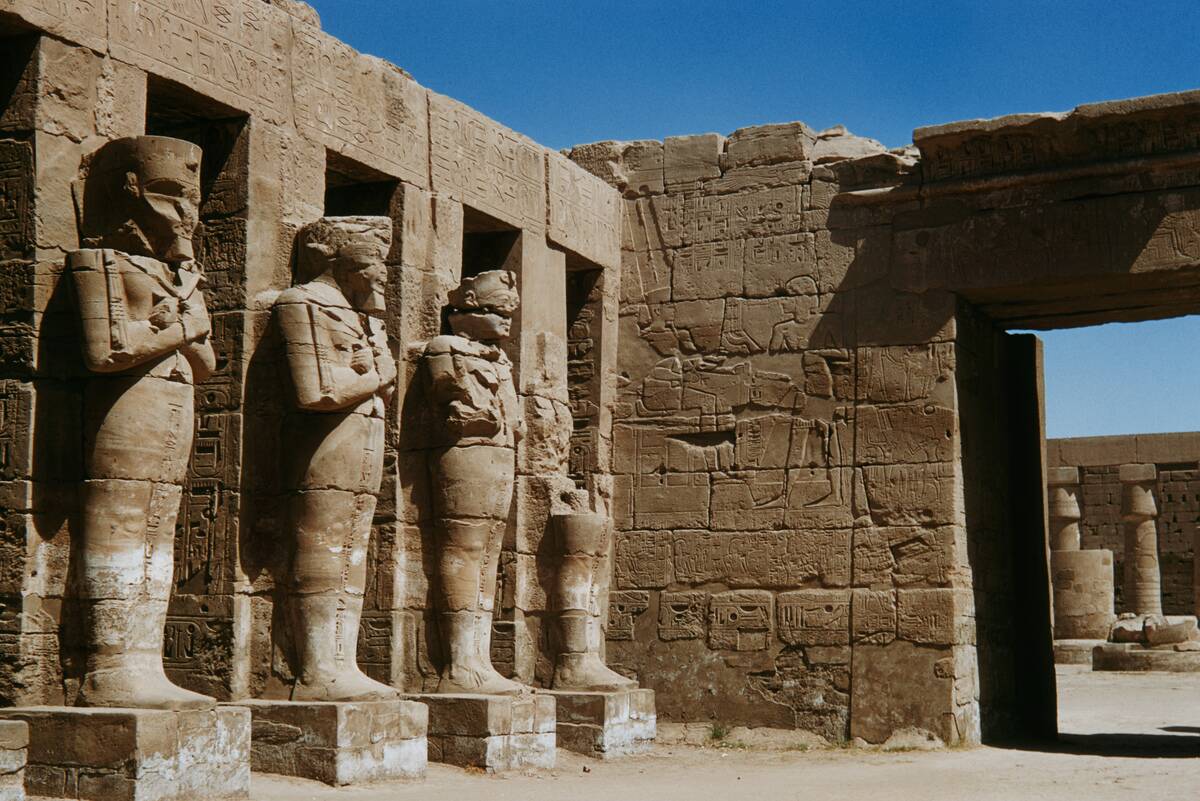
The Temple of Karnak, located in Luxor, Egypt, is one of the largest religious complexes ever constructed. Spanning over 200 acres, it was built over 2,000 years, from the Middle Kingdom to the Ptolemaic period. The temple is dedicated to the Theban triad, with Amun-Ra as the main deity.
Its grand hypostyle hall boasts 134 massive columns, creating a forest of stone. The temple’s reliefs and statues offer insights into ancient Egyptian religion and society, highlighting its significance as a spiritual and cultural hub.
The Banaue Rice Terraces: The Stairway to the Sky

Carved into the mountains of Ifugao in the Philippines, the Banaue Rice Terraces are an impressive feat of ancient engineering. Built over 2,000 years ago by the Ifugao people, these terraces transform steep hillsides into arable land for rice cultivation.
The terraces are fed by an intricate irrigation system that captures water from the mountain forests above. Recognized as a UNESCO World Heritage site, the Rice Terraces stand as a testament to the ingenuity and resilience of the indigenous people who continue to maintain them.




