Archaeological evidence showing when humans first controlled fire
Fire has been an integral part of human history, shaping civilizations and sparking imaginations. From the warmth of a campfire to the flicker of a candle, fire has provided comfort and utility in countless ways.
It is both a tool and a symbol, representing creation and destruction, life and death. As we delve into the history and evolution of fire use, we unravel the story of humanity’s relationship with this captivating element.
Archaeological Finds: Tracing the First Flickers
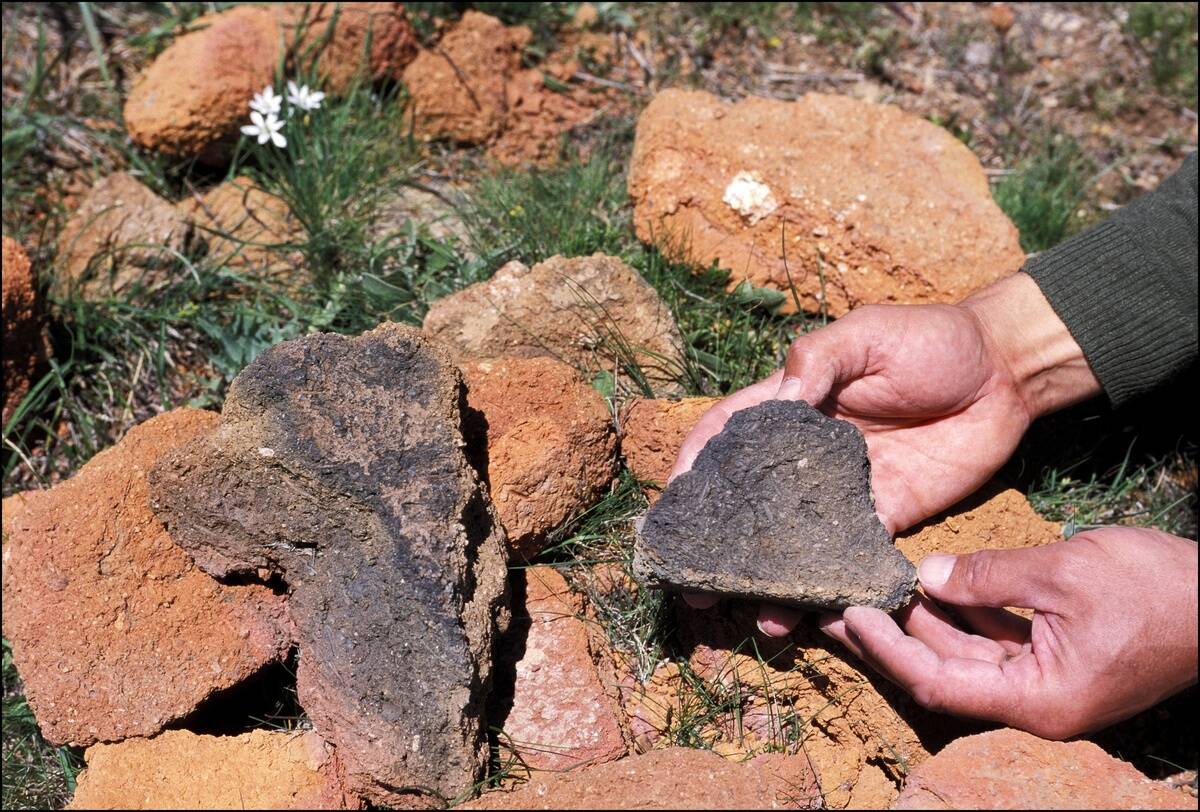
Archaeologists have unearthed evidence of early fire use in several sites worldwide. These finds include ancient hearths, charred bones, and ash deposits, offering glimpses into prehistoric life. The oldest known use of controlled fire dates back to roughly 1 million years ago.
Discoveries in Africa, Asia, and Europe show that fire use was not an isolated phenomenon but a widespread adaptation. Each archaeological find adds a piece to the puzzle of how our ancestors harnessed fire.
Uncovering the Earliest Evidence of Controlled Fire
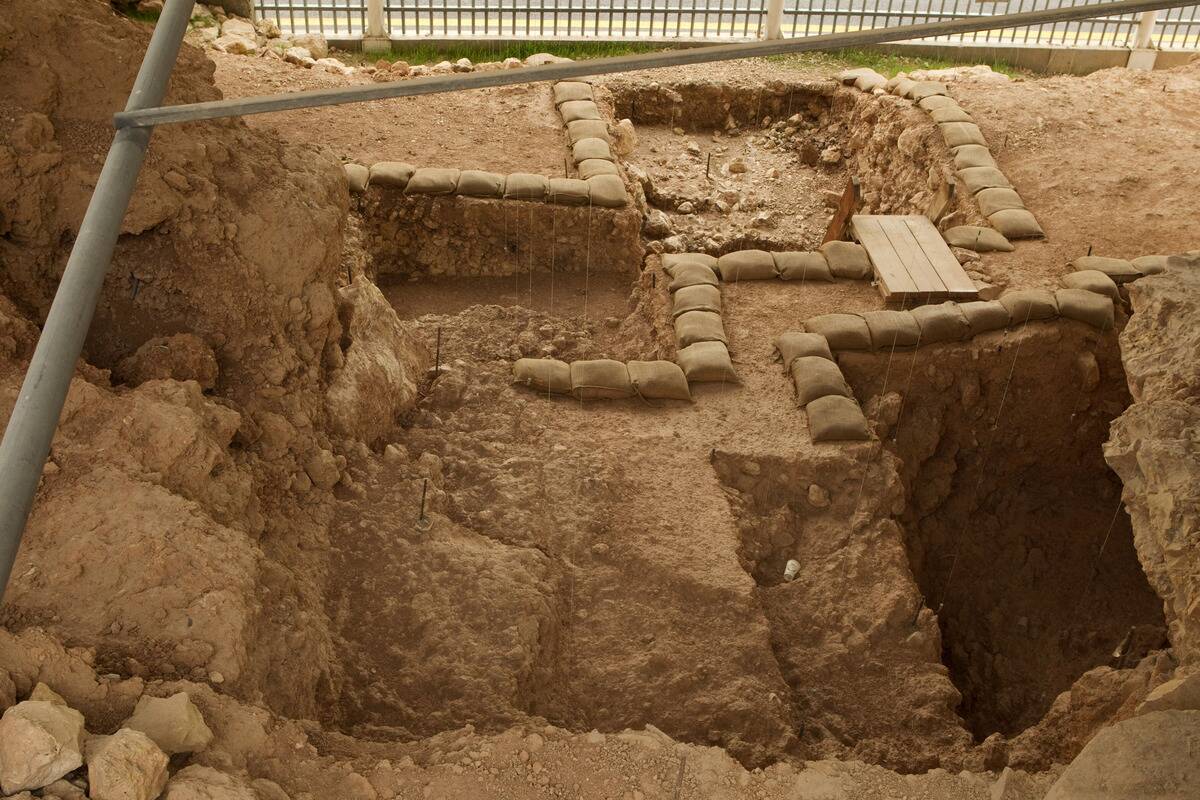
The quest to uncover the earliest evidence of controlled fire use is an ongoing scientific endeavor. Sites like Wonderwerk Cave in South Africa and the Qesem Cave in Israel have provided crucial insights.
In these locations, researchers found ash layers and burnt bone fragments dating back hundreds of thousands of years. Such findings suggest that early humans not only used fire but were adept at maintaining it, indicating a sophisticated understanding of this powerful tool.
The Cave of Hearths: A Hotbed of Discovery

The Cave of Hearths in South Africa is an archaeological treasure trove, offering evidence of early fire use. Excavations have revealed hearths that date back to the Middle Stone Age, around 200,000 years ago.
These ancient fireplaces show signs of repeated use, suggesting that the cave was a long-term habitation site. The presence of burnt animal bones and plant remains indicate that early humans used fire for cooking and other domestic activities, highlighting its centrality to prehistoric life.
Charred Bones and Burnt Stones: Telltale Signs
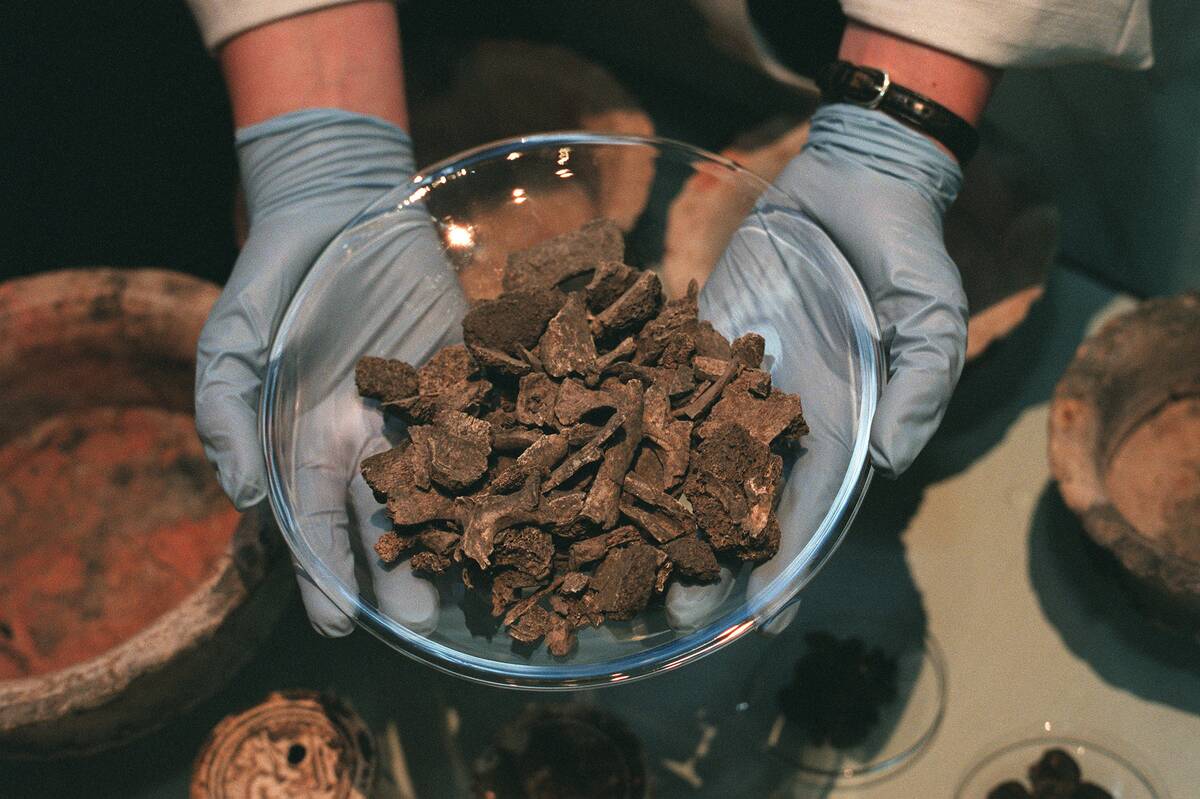
Charred bones and burnt stones are among the most telling signs of ancient fire use. These remnants offer clues about the dietary habits and technological skills of early humans.
Burnt bones suggest that early humans used fire in food processing, likely including cooking in some contexts, while burnt or heat-altered stones can indicate repeated fire use and, in certain cases, controlled hearths. Together, these signs paint a picture of early innovation and adaptability.
The Wonder of Wonderwerk Cave
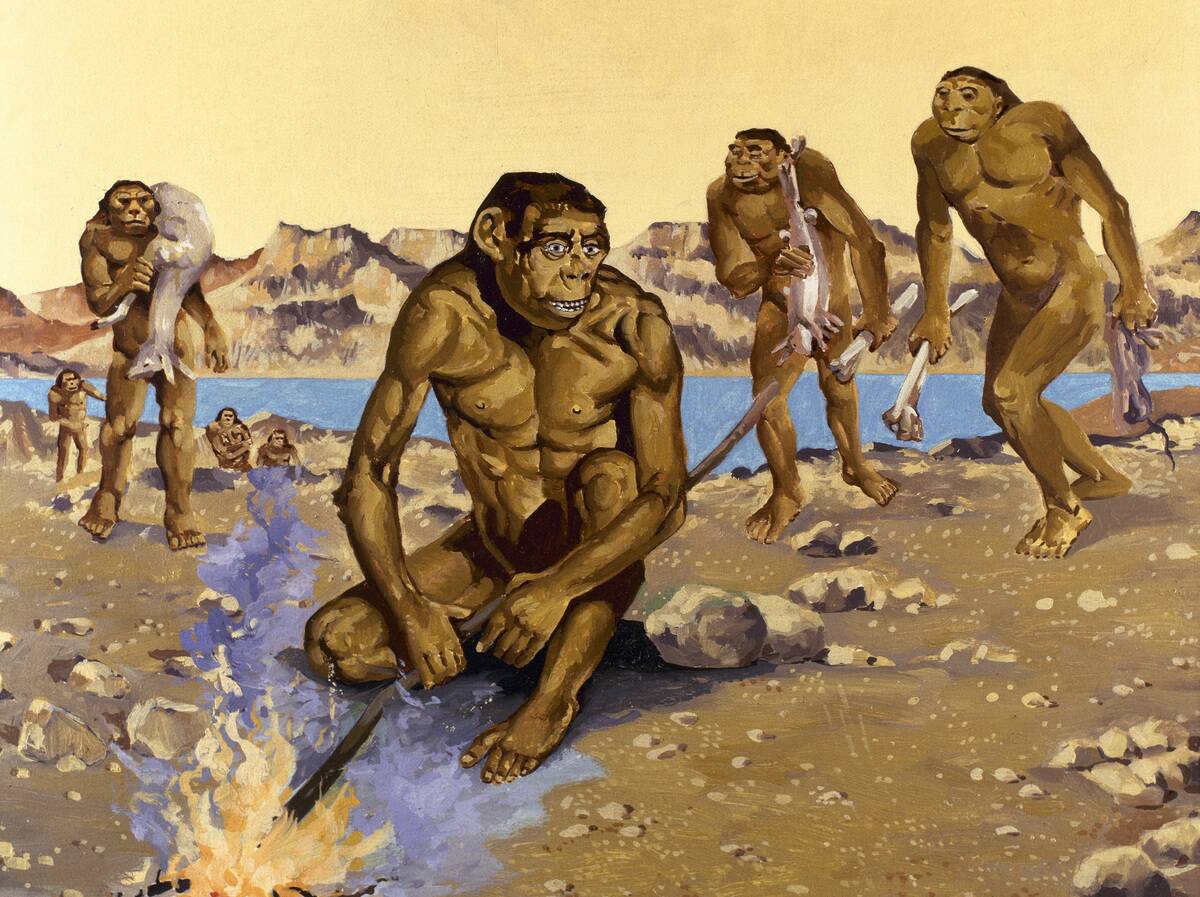
Wonderwerk Cave in South Africa stands as a testament to early human ingenuity. This cave contains one of the oldest known traces of fire use, dating back approximately 1 million years. Inside, researchers have found ash and charred bone fragments, indicating controlled fire use by Homo erectus.
The cave’s environment provided a natural shelter, making it an ideal site for early experiments with fire. These findings underscore the importance of fire in human development and migration.
The Impact of Fire on Social Structures
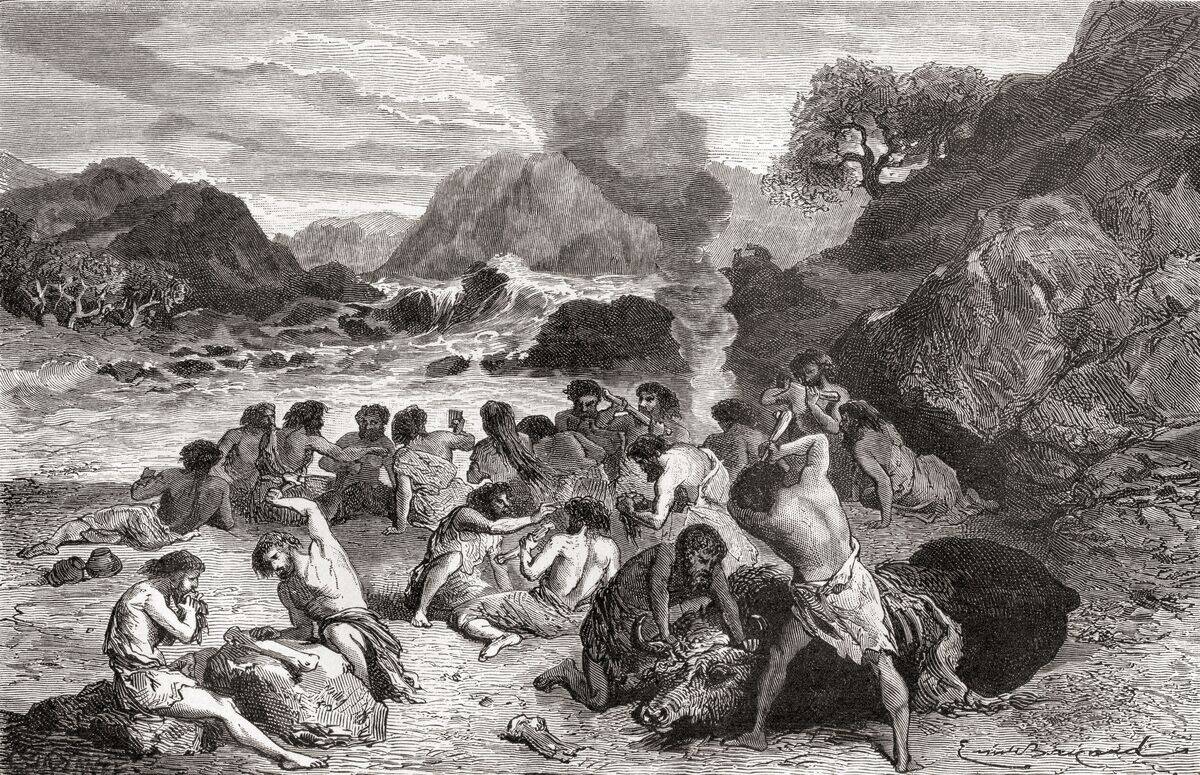
Fire’s impact on social structures was profound, fostering community and cooperation. The central hearth became a gathering place, where stories were shared and bonds strengthened. This communal aspect of fire use likely contributed to the development of language and communication skills.
Fire also enabled more complex societal roles, as individuals specialized in tasks like cooking and tool-making. By bringing people together, fire played a crucial role in the formation of early human societies.
How Controlled Fire Led to New Technologies
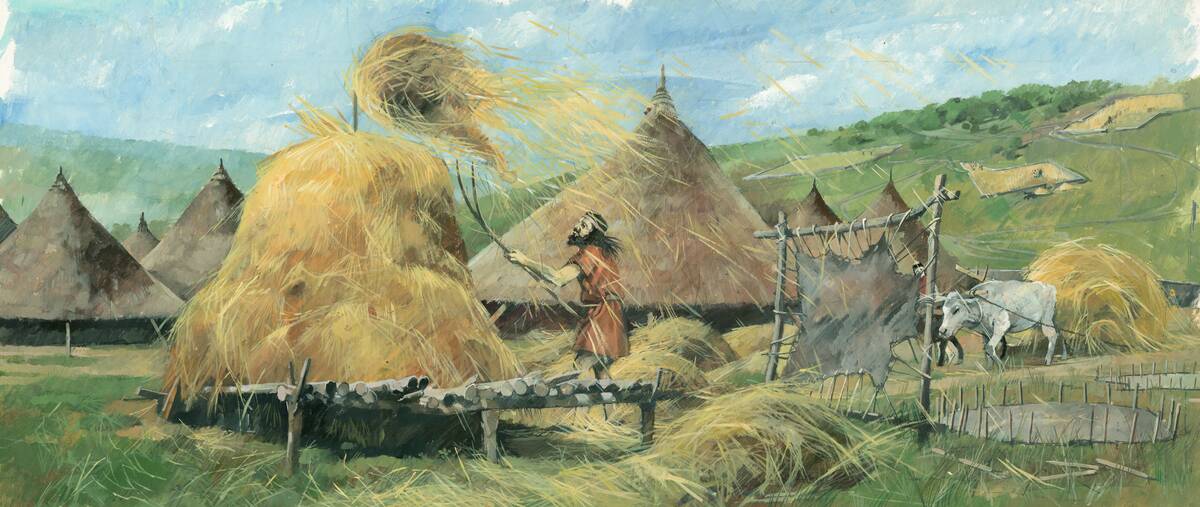
The mastery of fire opened the door to a host of new technologies. From pottery to metallurgy, fire was a catalyst for innovation. The ability to smelt metals like copper and bronze revolutionized tool-making, giving rise to the Bronze Age.
Similarly, the firing of clay led to durable pottery and bricks, which transformed architecture and storage. Fire’s role as a technological enabler underscores its importance in the advancement of human civilization, driving progress through the ages.
The Role of Fire in Migration and Survival
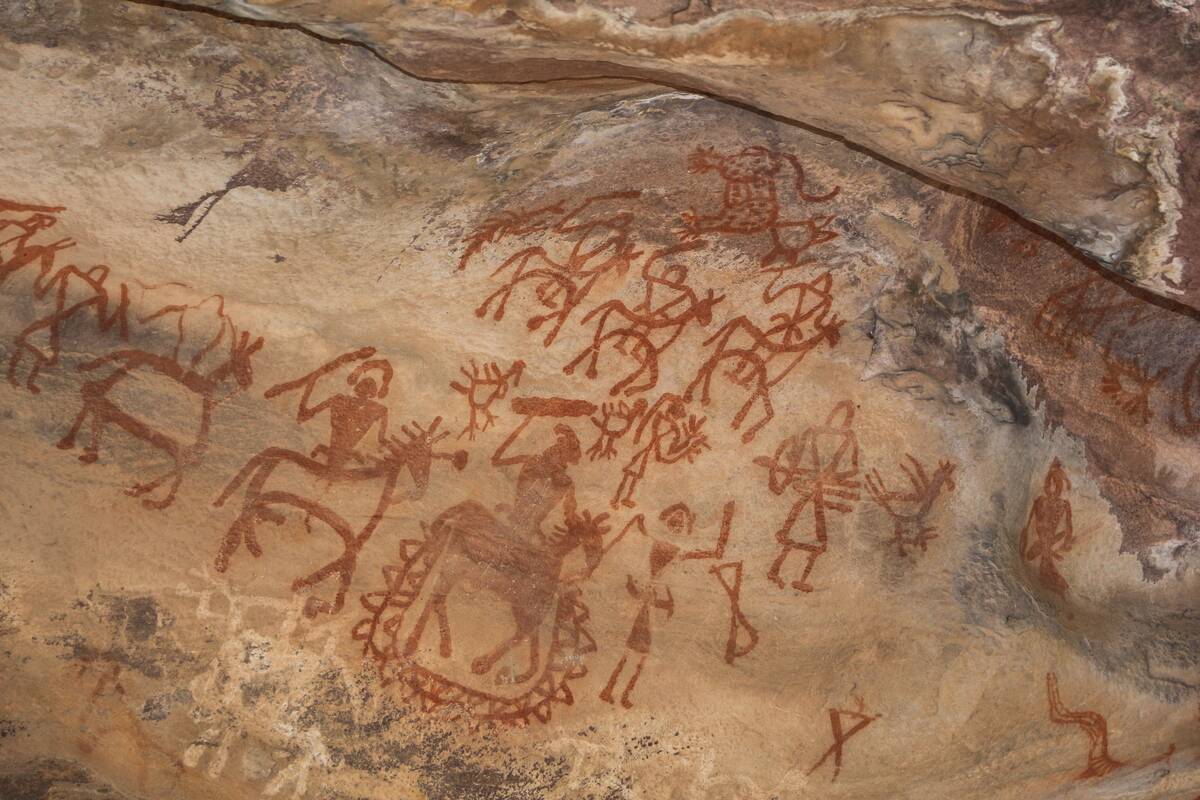
Fire was instrumental in human migration and survival, providing warmth and protection in new and challenging environments. As early humans ventured out of Africa, fire allowed them to adapt to colder climates in Europe and Asia. It also served as a deterrent against predators, offering a sense of security during nighttime.
The ability to carry and maintain fire on these journeys was crucial, enabling humans to settle in diverse habitats and expand their geographic range significantly.
Lighting the Way: Fire and Early Art

Fire played a surprising role in the development of early art, providing the light necessary to create cave paintings and other forms of expression. The flickering glow of torches illuminated walls, allowing artists to depict scenes of hunting and daily life.
These artworks offer a glimpse into the symbolic and cultural aspects of prehistoric societies. Fire, thus, not only supported survival but also fostered creativity and communication, illuminating the human experience in more ways than one.
Theories on How Fire Was First Harnessed
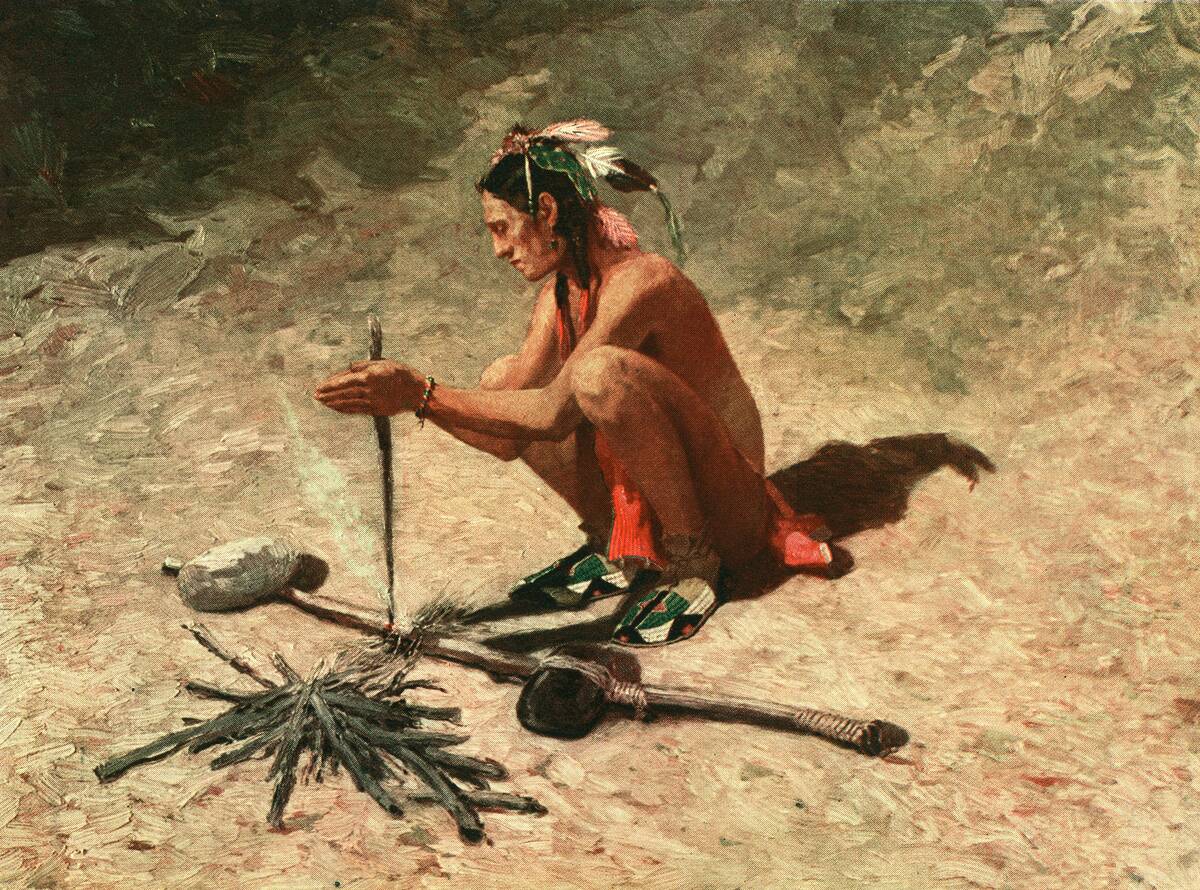
Theories about how fire was first harnessed abound, with some suggesting early humans observed natural fires from lightning strikes. Others propose that early humans eventually learned to produce fire intentionally through techniques such as friction or percussion.
Once fire was captured, maintaining it became a communal responsibility. These theories highlight the ingenuity and curiosity that drove early humans to tame this powerful force. The methods may vary, but the outcome was a turning point in human history.
Fire and the Formation of Early Communities
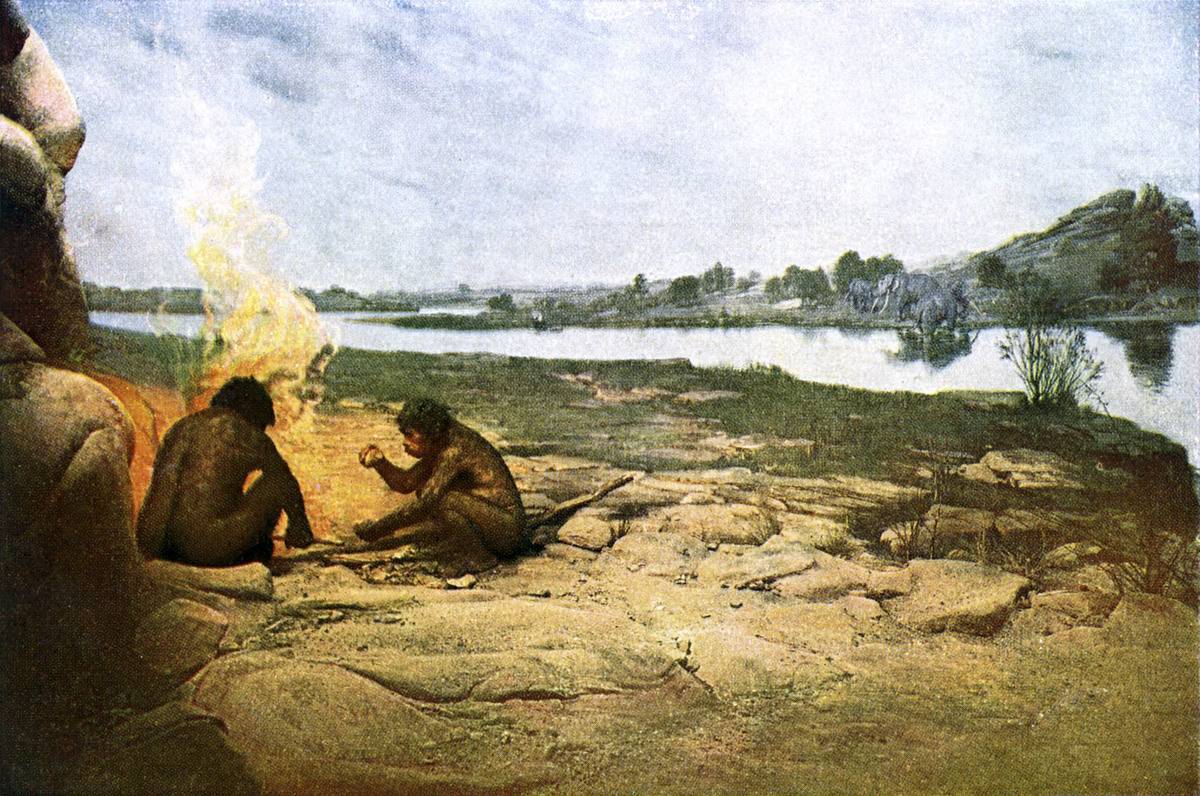
The control of fire was a foundational element in the formation of early communities. By providing warmth, light, and a means to cook food, fire encouraged the establishment of permanent settlements.
This stability allowed for the development of agriculture and the specialization of labor, leading to more complex societal structures. Fire’s role in community formation underscores its significance in the trajectory of human development, serving as a cornerstone for civilization’s advancement.
The Spread of Fire Use Across Continents
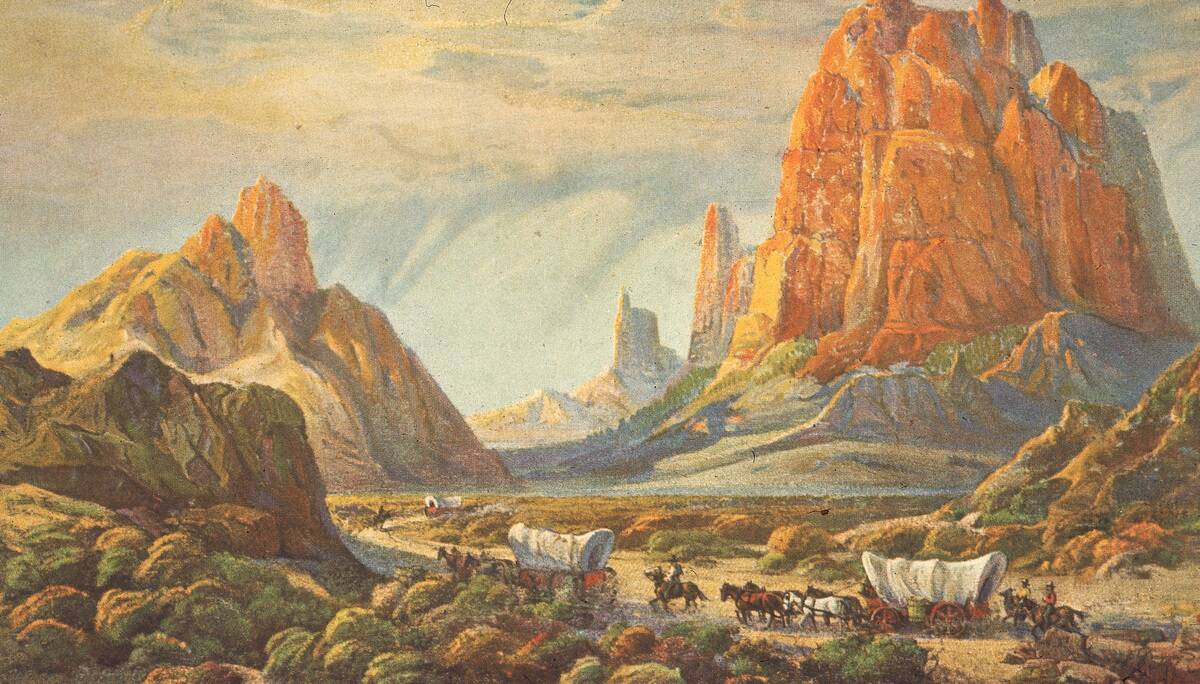
Fire use spread across continents as humans migrated and shared knowledge. Evidence of ancient hearths and charred remains have been found from Africa to Europe and Asia, indicating a widespread understanding of fire’s benefits.
This dissemination of fire-related skills was crucial for survival in diverse environments, enabling humans to adapt to varying climates and landscapes. The global spread of fire use reflects an early form of cultural exchange and technological diffusion.
Debates Among Scientists: The Timeline of Ignition

The timeline of when humans first controlled fire is a subject of ongoing debate among scientists. Some argue for an early date of around 1 million years ago, while others suggest a more recent timeframe of 400,000 years.
These debates are fueled by varying interpretations of archaeological evidence, such as the presence of ash and charred remains. Despite differences in opinion, the consensus remains that the ability to harness fire was a pivotal moment in human history.
The Symbolism of Fire in Ancient Cultures
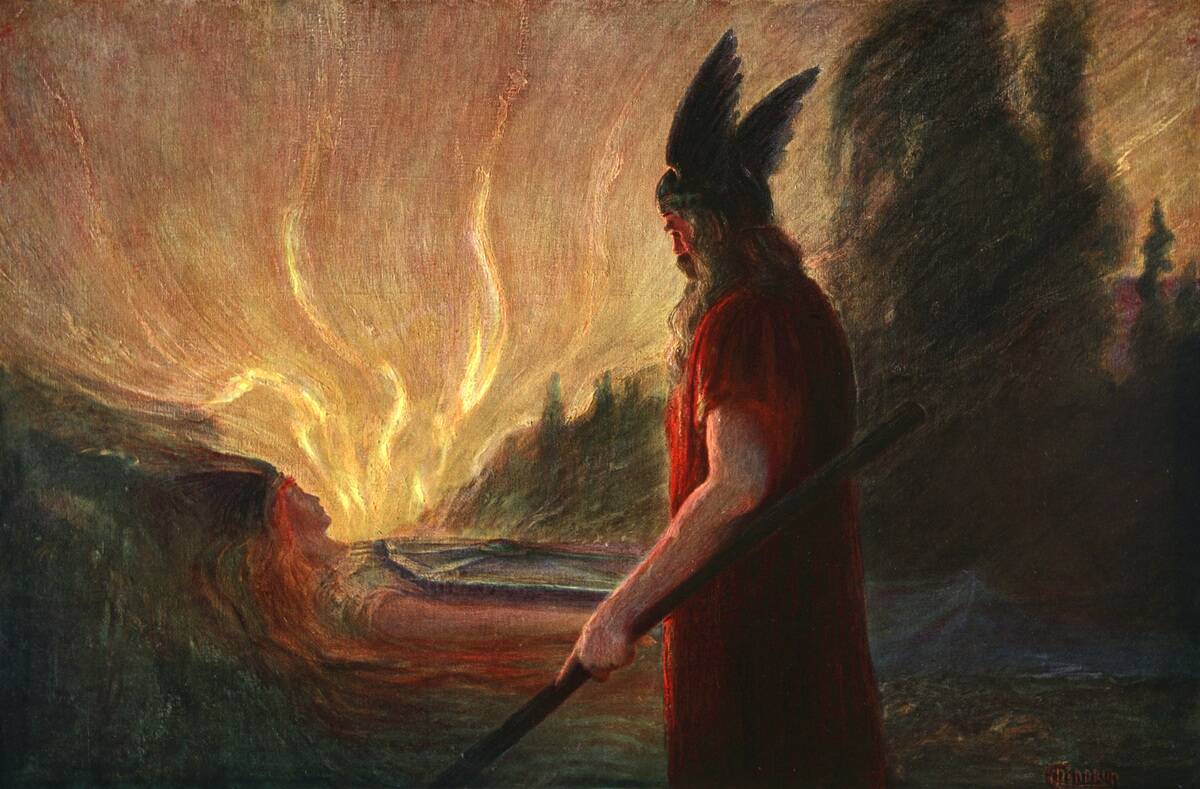
Fire has held deep symbolic meanings in ancient cultures, often associated with life, purity, and transformation. In mythology, it is seen as a divine gift or a symbol of rebirth. Rituals involving fire were common in many early societies, signifying purification and renewal.
The Promethean myth of stealing fire from the gods reflects humanity’s quest for knowledge and power. Fire’s symbolic significance transcends its physical utility, highlighting its profound impact on the human psyche.




