Ancient scripts that remain unsolved mysteries forever
The world has always been fascinated by mysteries, especially when they are etched in stone or inked on ancient scrolls. Unsolved ancient scripts offer a tantalizing glimpse into the past, holding secrets that have yet to be deciphered.
These scripts are like locked doors, each one hiding a treasure trove of information about the people and cultures that created them. For scholars and enthusiasts alike, the challenge of cracking these codes is both a puzzle and a passion.
The Mysterious Voynich Manuscript: An Uncrackable Code?
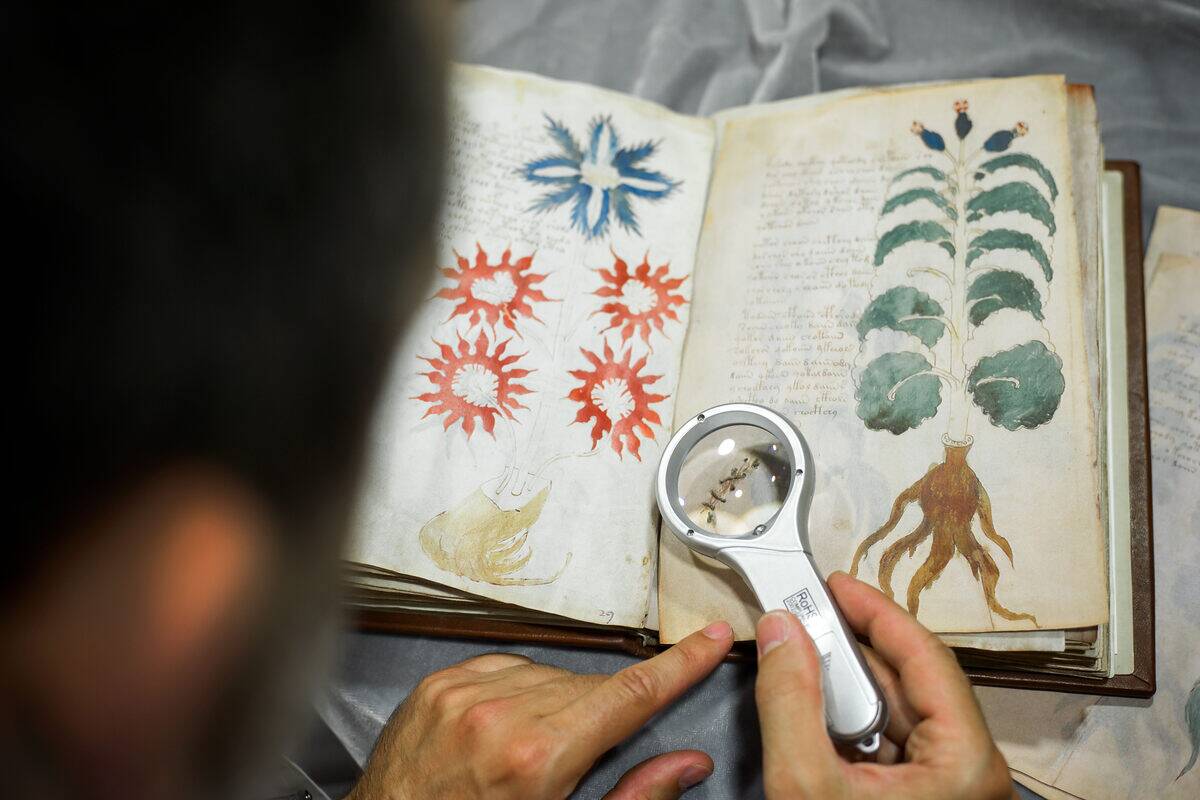
The Voynich Manuscript is perhaps the most famous of all undeciphered texts, residing in the Beinecke Rare Book & Manuscript Library at Yale University. This 15th-century codex is written in an unknown language, accompanied by bizarre illustrations of plants and astronomical symbols.
Despite extensive study, including computer analysis, its meaning remains elusive. Some suggest it could be a hoax, while others believe it holds the key to lost knowledge from a forgotten time.
Linear A: The Script of the Minoans That Defies Decipherment
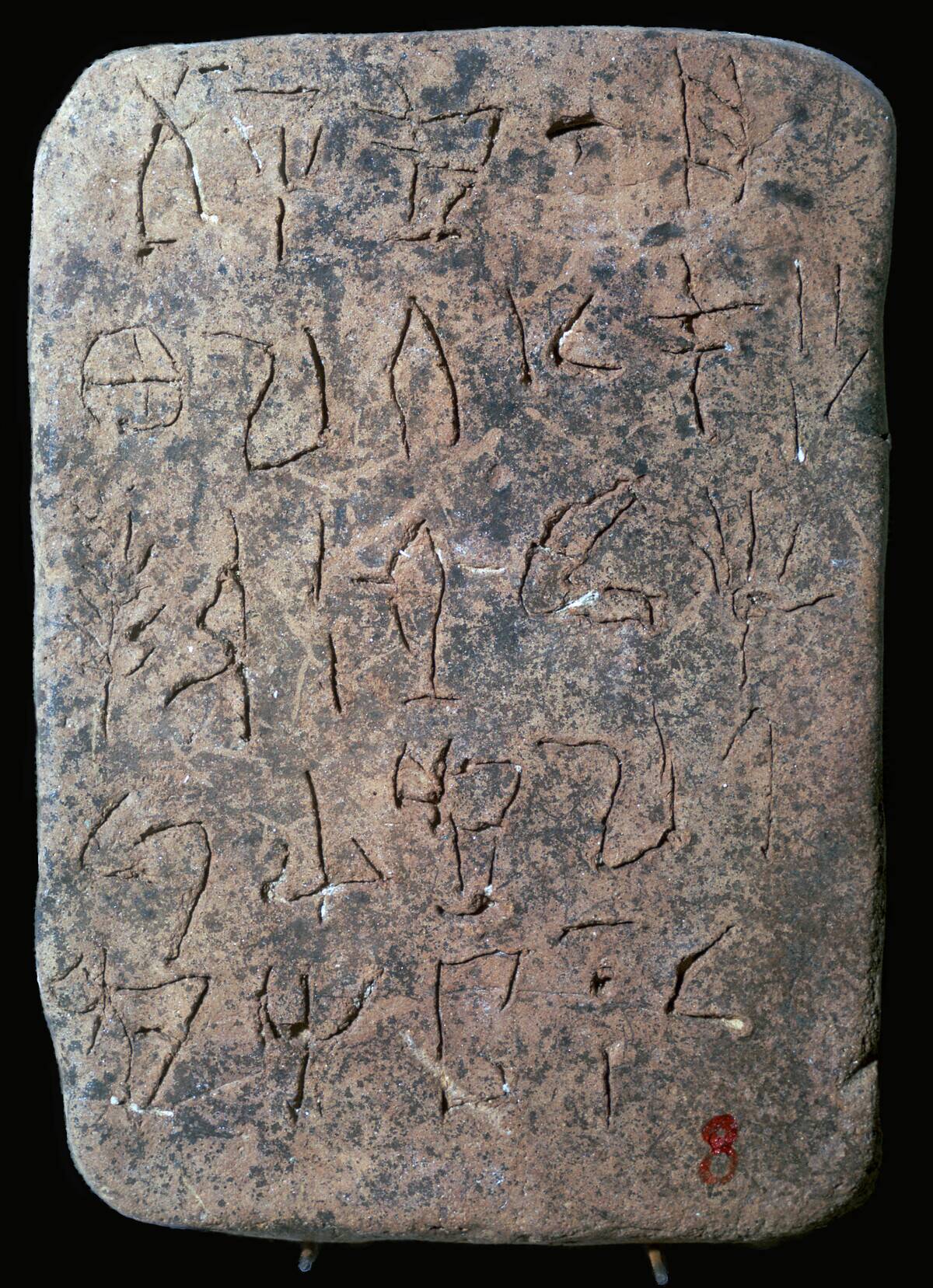
Linear A is the script used by the ancient Minoans of Crete, dating back to the Bronze Age around 1800 to 1450 BCE. Unlike its successor, Linear B, which was deciphered in 1952, Linear A remains a mystery.
The script consists of over 300 different symbols and is believed to represent a syllabic language. Despite numerous attempts to decode it, including comparisons to known languages, the script’s true meaning still eludes modern linguists.
The Rongo Rongo Tablets: Easter Island’s Silent Storytellers
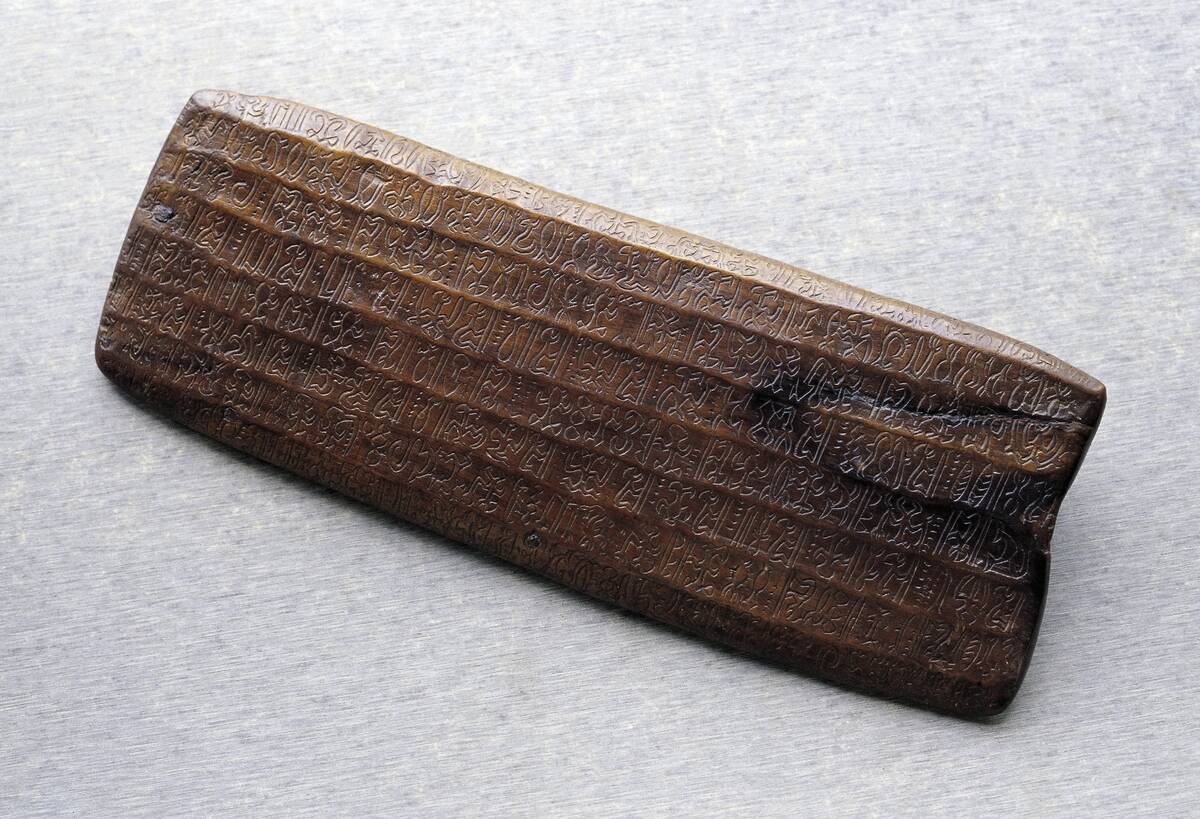
The Rongo Rongo tablets of Easter Island are carved wooden plaques covered with hieroglyphic script. Discovered in the 19th century, they are thought to be the only written records of the Rapa Nui civilization.
The script is unique, read in a reverse boustrophedon manner, meaning alternate lines are read in opposite directions. Attempts to decipher the tablets have been complicated by their scarcity and the lack of surviving Rapa Nui speakers fluent in the script.
The Intriguing Case of the Phaistos Disc
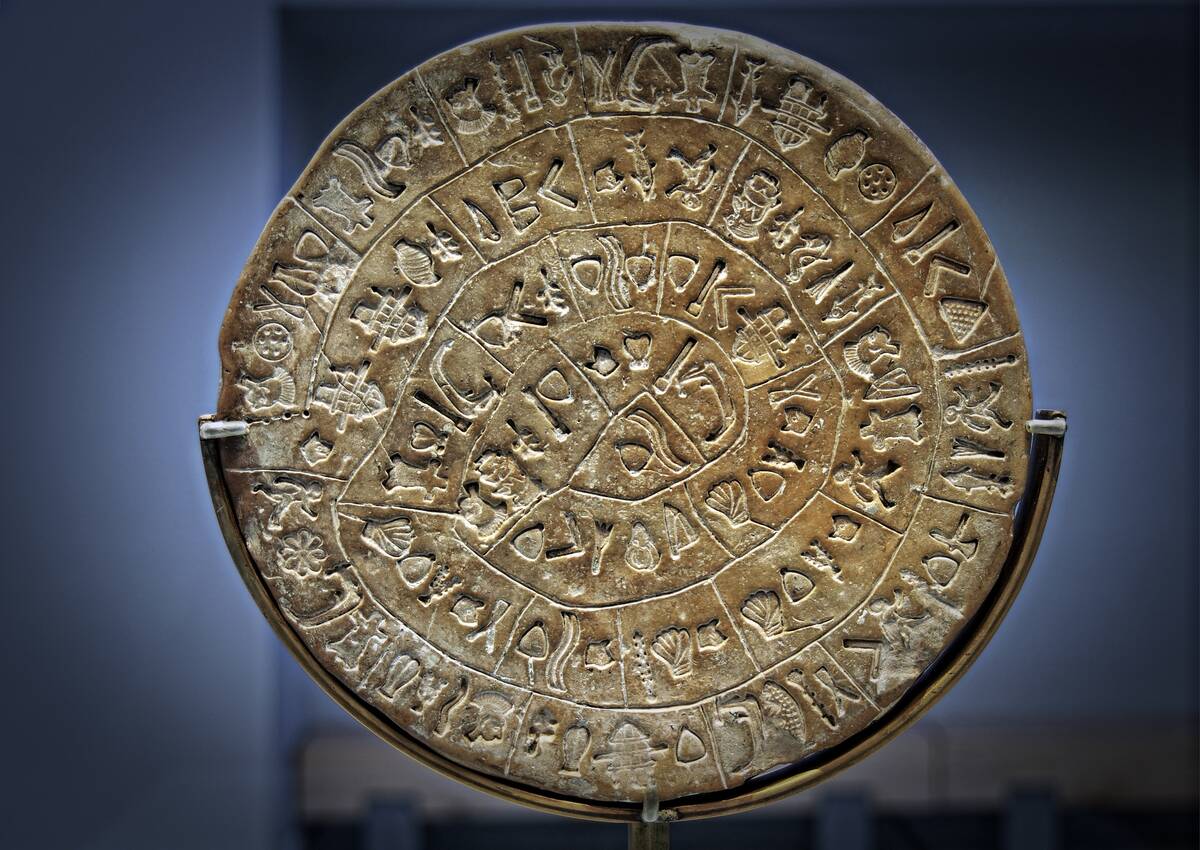
The Phaistos Disc, discovered in 1908 on the island of Crete, is a clay disc dating back to the second millennium BCE. It is inscribed with mysterious symbols arranged in a spiral pattern on both sides.
The purpose and meaning of the disc remain subjects of debate, with theories ranging from a prayer or hymn to a form of proto-writing. Its unique script has no known parallels, making it one of archaeology’s most captivating enigmas.
Proto-Elamite Script: Persia’s Puzzling Precursor
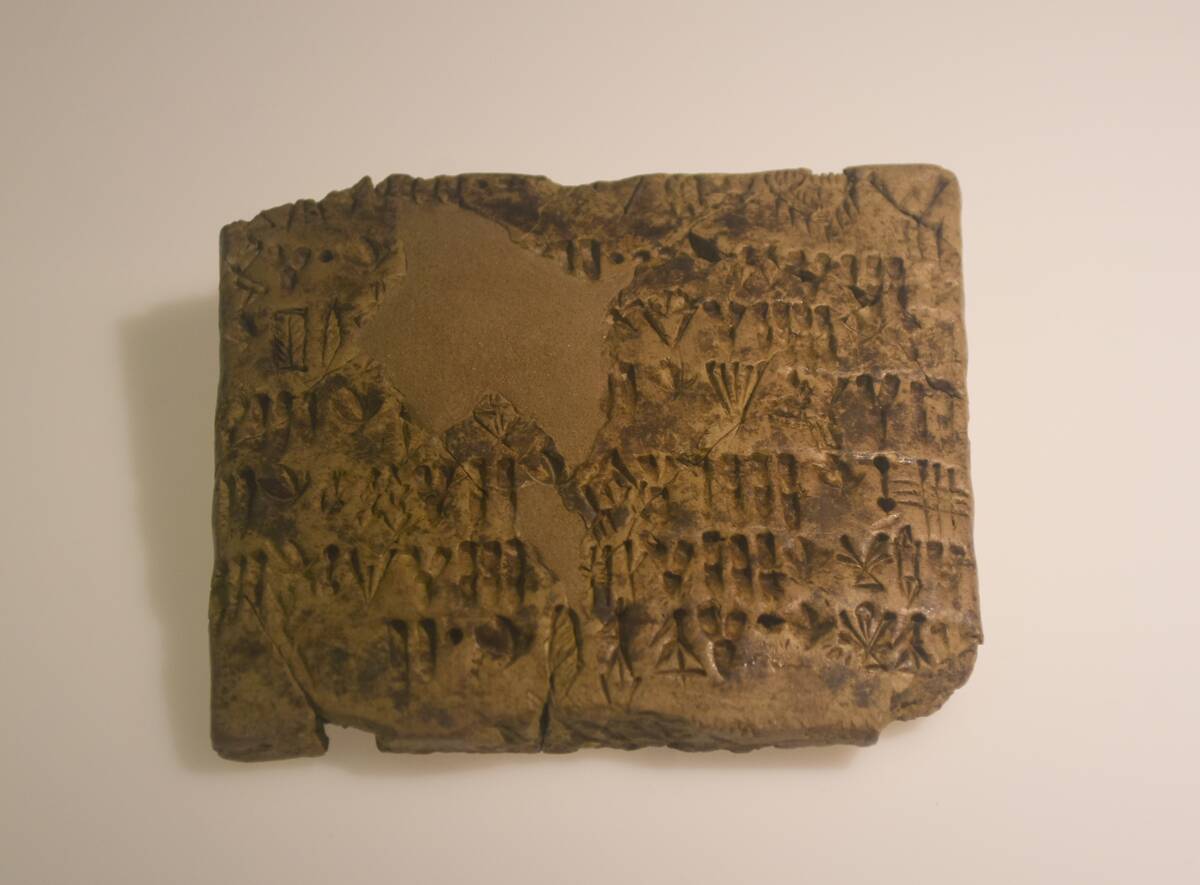
Proto-Elamite is the oldest known writing system from Iran, used between 3100 and 2900 BCE. It consists of over a thousand symbols, many of which are abstract and difficult to interpret.
Found primarily in the ancient city of Susa, the script is thought to have been used for administrative purposes. Despite extensive research efforts, only a partial understanding has been achieved, with no bilingual texts available to aid in full decipherment.
The Indus Valley Script: Civilization’s Silent Legacy
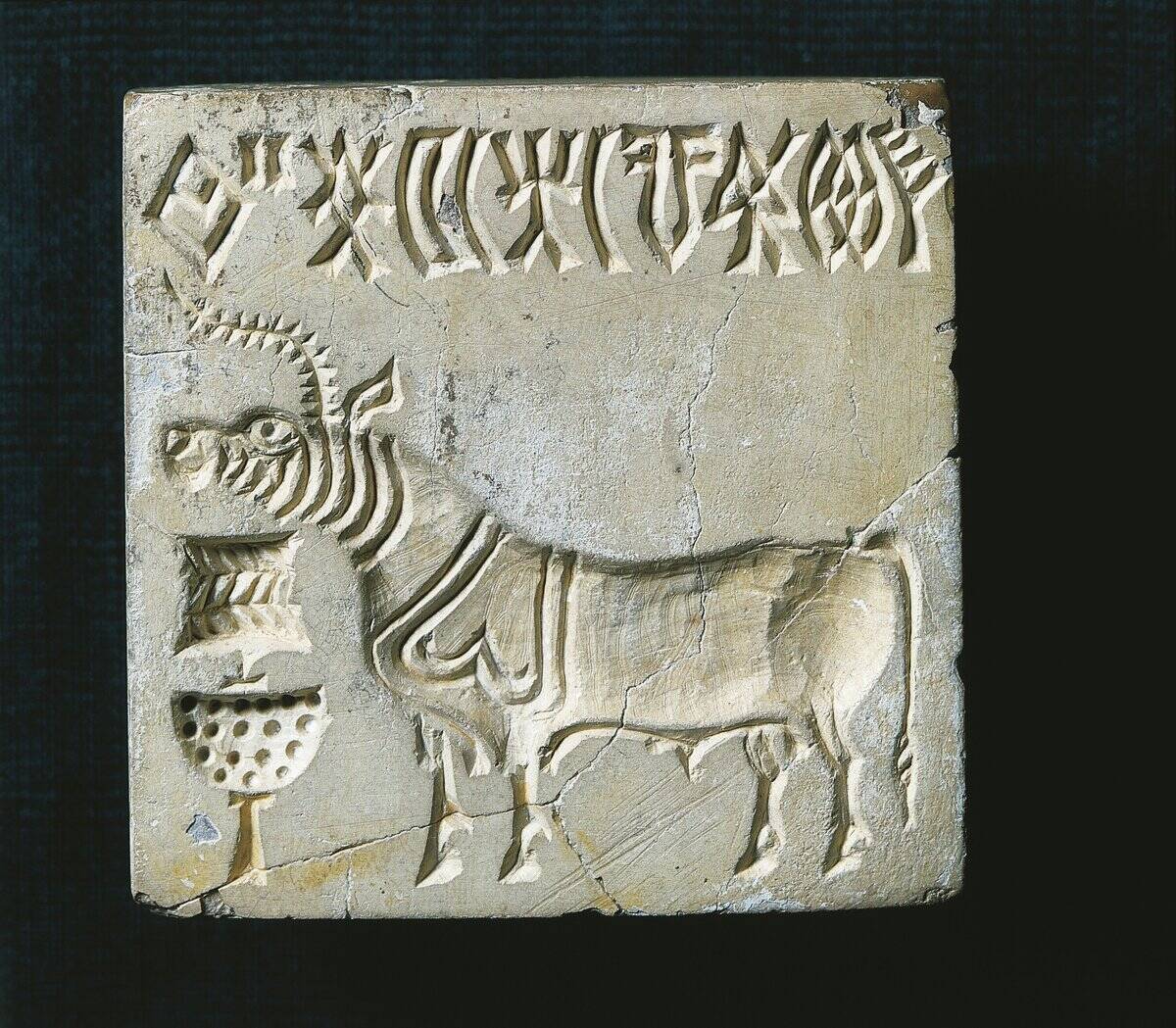
The Indus Valley script hails from one of the world’s earliest urban cultures, flourishing around 2800 to 1900 BCE in what is now Pakistan and northwest India. This script consists of brief inscriptions on seals and pottery, featuring a combination of symbols and images.
Despite the civilization’s advanced state, the language remains undeciphered. Lack of a Rosetta Stone-like artifact or long texts complicates efforts to unlock its secrets, keeping the Indus culture’s voice silent.
The Elusive Etruscan Language: Italy’s Lingering Enigma
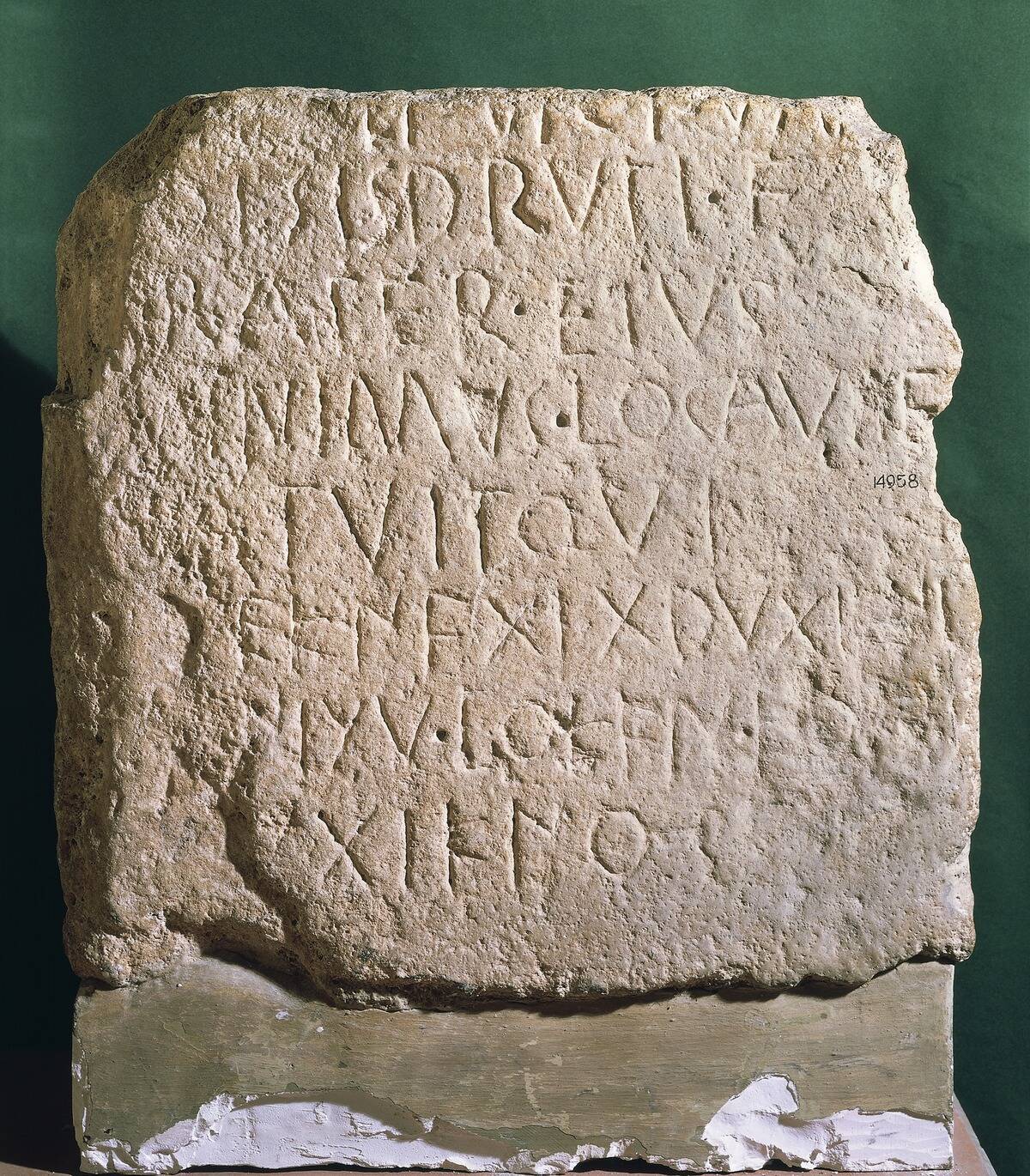
The Etruscan language, spoken by the ancient civilization in Italy from the 8th to the 2nd century BCE, remains only partially understood. Although the Etruscans left behind thousands of inscriptions, their language does not belong to the Indo-European family, making it difficult to relate to known languages.
Scholars have deciphered many Etruscan words, mainly thanks to bilingual texts, but the full grammar and syntax continue to baffle linguists.
The Olmec Writing: Decoding Mesoamerica’s First Script
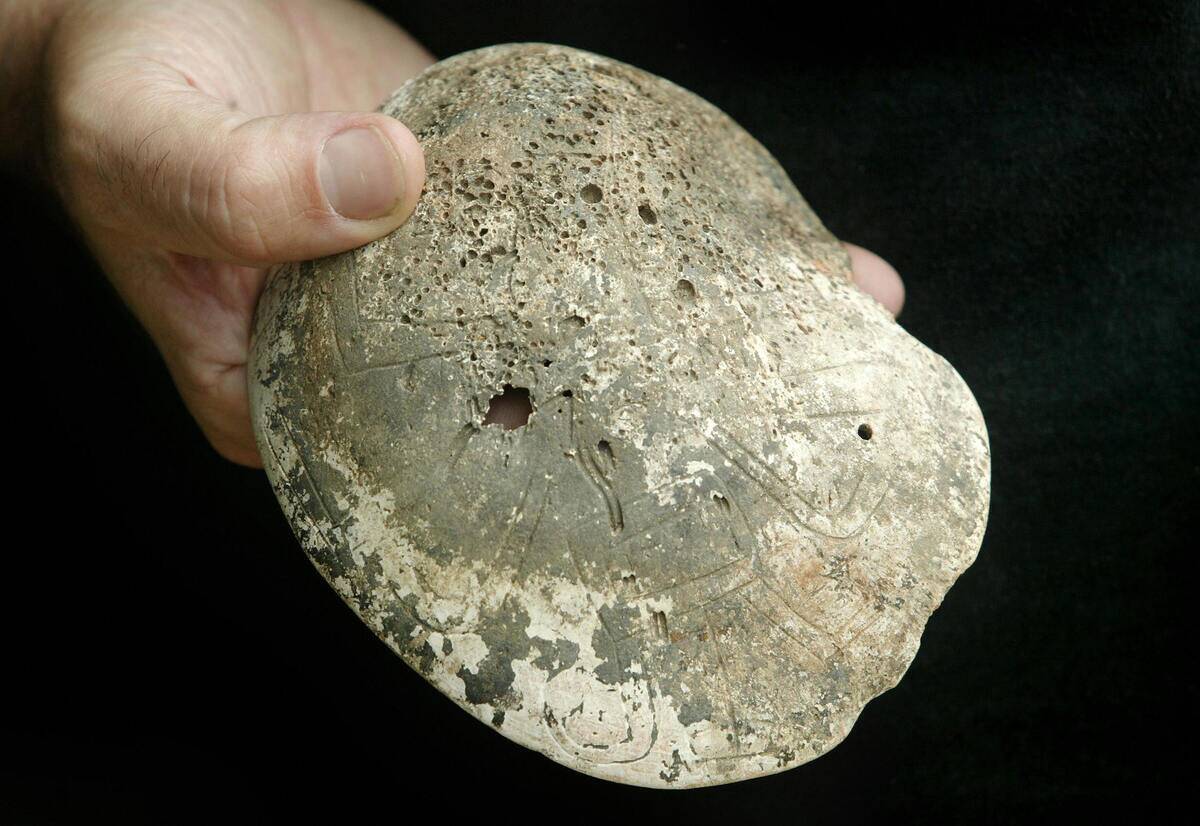
The Olmec civilization, flourishing in Mexico from 1500 to 400 BCE, is often credited with developing Mesoamerica’s earliest writing system. The Cascajal Block, discovered in Veracruz, is believed to contain Olmec script, featuring symbols that may represent a form of early writing.
The block’s authenticity and interpretation are debated among scholars, with no consensus on whether it represents a fully developed writing system. This keeps the Olmec’s linguistic legacy shrouded in mystery.
The Undeciphered Byblos Syllabary: Voices from the Ancient Levant
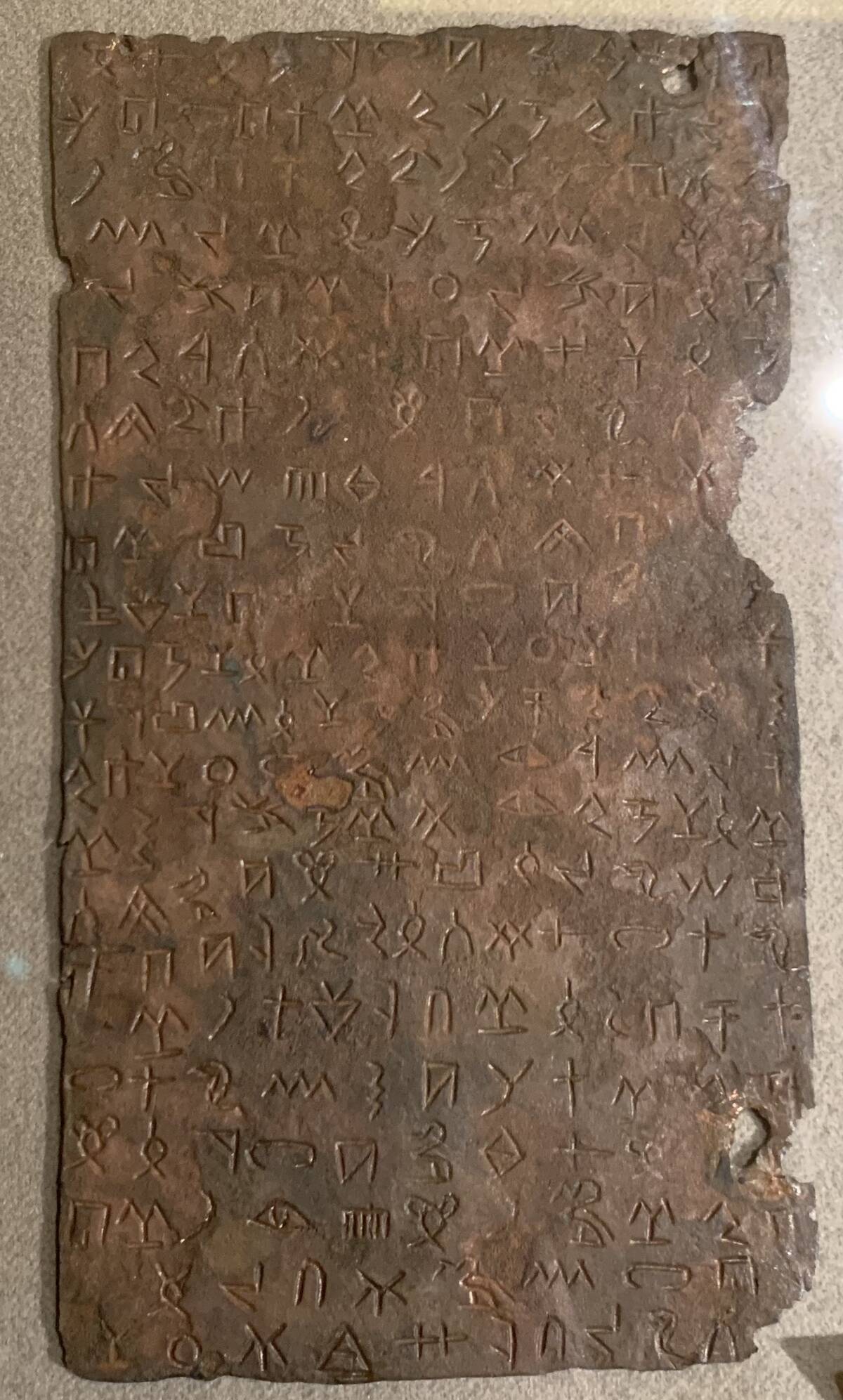
The Byblos syllabary, found in the ancient city of Byblos in modern-day Lebanon, dates back to the 2nd millennium BCE. This script comprises about 90 symbols, believed to represent a syllabic writing system.
Despite being found on various artifacts, such as bronze tools and pottery, the language it encodes is unknown. Without a bilingual text to guide them, researchers continue to puzzle over the syllabary’s origin and its connection to the broader Semitic language family.




